
June 08, 2026

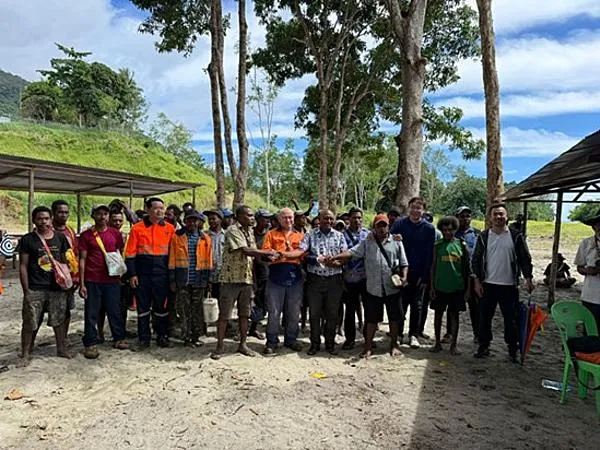
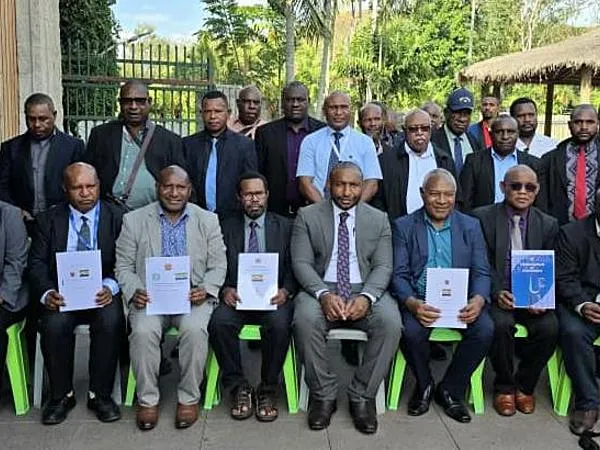
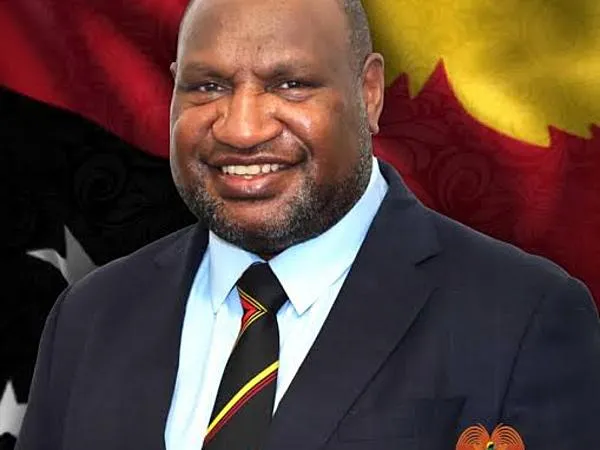
Prime Minister James Marape on 4 June led a high-level government delegation to Kikori in Gulf Province to inspect the proposed venue for the Papua LNG Development Forum and consult local leaders ahead of the anticipated gathering next month.

Joining Marape on the visit were Gulf Governor Chris Haiveta, Petroleum Minister Jimmy Maladina and Finance Minister Thomas Opa.

The prime minister said the visit would enable the national government to engage directly with provincial leaders, landowners and other stakeholders on preparations for the Development Forum, a key milestone in the progression of the Papua LNG project.

"We're heading out to Kikori to discuss the Development Forum with the Gulf leadership. We'll take advice from the Gulf leadership as to what to do as we begin discussions in Kikori," Marape said.

He said the visit was important given the national significance of the Papua LNG project and the need for all stakeholders to have a common understanding of the proposed forum venue and associated infrastructure requirements.

Marape described Papua LNG as one of Papua New Guinea's most important economic development opportunities and a cornerstone of the country's long-term growth strategy.

He said a final investment decision on the project would help underpin a sustained pipeline of petroleum developments over the coming decade, including Papua LNG, P'nyang, Pasca A and other future energy projects.

"These projects will provide long-term construction activity, production opportunities, employment and revenue for Papua New Guinea," he said.

"We're looking at the next 10 to 15 years as a period of sustained energy sector activity, not only in construction but also in long-term production and economic growth."

The prime minister said the country's economy continued to benefit from major resource developments, particularly in the oil and gas sector, while non-resource industries, led by agriculture, remained important contributors to economic growth.

He noted that the non-mining and petroleum sector had recorded growth of about 4%, driven largely by agriculture, which remains the primary source of livelihood for most Papua New Guineans.

Marape reiterated his government's commitment to increasing national participation in resource projects and securing a larger share of benefits for the state and citizens.

"Our government is predominantly known for the principle that we are fighting to take back more benefits for our country," he said.

"This Pangu Administration has made it absolutely clear that we will not compromise on ensuring the State secures around or above 55% of the total benefit from our major resource projects."

He pointed to the New Porgera agreement as an example of the government's approach and thanked resource developers and investors for supporting its objectives through negotiations conducted within existing legal frameworks.

Marape acknowledged that significant socio-economic challenges remained but said the government had maintained its focus on economic growth, greater local participation and improved returns from the country's natural resources.

He said major projects such as Papua LNG and the Wafi-Golpu copper-gold project would generate additional government revenue, strengthen foreign exchange reserves and create long-term opportunities for Papua New Guineans.

"We get Papua LNG and Wafi-Golpu online and get more revenue into the country and ensure our foreign reserves improve for the Government, landowners and developers," he said.

The prime minister also highlighted ongoing petroleum exploration activity, including plans for a deep-water drilling vessel to commence exploration between Central Province and the maritime area of Western Province.

Marape said Papua New Guinea had built a strong reputation as a reliable energy producer, noting that oil exports from the Kumul Marine Terminal had continued uninterrupted since 1990 and LNG exports since 2014.

"PNG has maintained a strong reputation as a dependable energy producer," he said.

"You have wars and conflicts in other parts of the world, but PNG's Kumul Marine Terminal in Gulf Province has not missed an export shipment since 1990, and the PNG LNG export facility has maintained uninterrupted exports since 2014."

Marape recently met TotalEnergies Chairman and Chief Executive Officer Patrick Pouyanné in Paris to discuss Papua LNG and future investment opportunities in the country.

According to the prime minister, Pouyanné reaffirmed the company's confidence in Papua New Guinea and its commitment to future oil and gas investment.

The Papua LNG project remains one of the government's highest development priorities and is being advanced by the state in partnership with project operator TotalEnergies and its joint venture partners.

The Development Forum, required under the Oil and Gas Act 1998, will bring together landowners, provincial governments and the state to negotiate benefit-sharing arrangements and discuss implementation issues ahead of future project milestones.

The upstream development is expected to include nine production wells, a gas processing facility, water injection infrastructure and carbon dioxide reinjection facilities.

Project partners have selected a development concept featuring three electric LNG liquefaction trains integrated with existing LNG infrastructure at Caution Bay, a design intended to reduce the project's carbon footprint while supporting long-term economic growth.

The project is expected to generate employment, business opportunities, government revenue and long-term benefits for landowners, Gulf Province, Central Province and the broader Papua New Guinea economy.

June 08, 2026

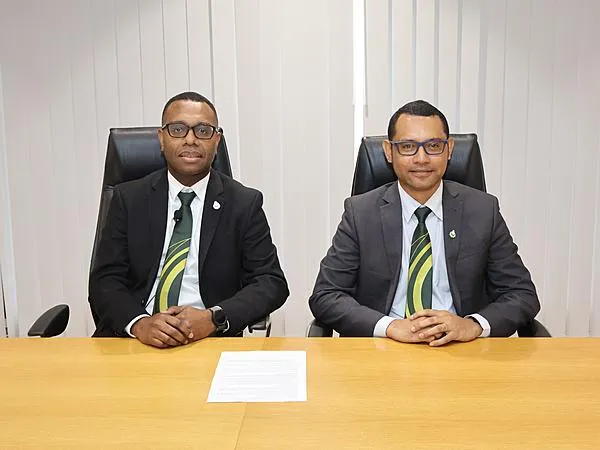
The Papua New Guinea Chamber of Resources and Energy (PNG CORE) has appointed Richard Kassman as its new executive director, bringing more than four decades of leadership experience across the petroleum, energy, insurance, tourism and civil society sectors.

Kassman succeeds interim executive director Philip Samar and will lead the chamber's strategic initiatives, stakeholder engagement and policy advocacy efforts.

PNG CORE said Kassman has more than 40 years of experience in senior leadership roles and is a founding director of Transparency International PNG, reflecting his long-standing involvement in governance and accountability initiatives.

Before joining PNG CORE, he served as manager of public affairs and external communications at TotalEnergies EP PNG Limited, where he played a key role in stakeholder engagement and external relations for major energy projects.

His career has included senior executive positions in both private-sector companies and state-owned organizations, with a focus on strategic leadership and sustainable development.

Outside the corporate sector, Kassman has also been active in community and sporting organizations. He served as chef de mission for Team PNG during the 2015 Pacific Games and was awarded the Order of the British Empire for his contributions to business and the community.

PNG CORE President Anthony Smaré welcomed the appointment, saying Kassman's experience and leadership would strengthen the chamber's ability to advocate for sustainable development and support the continued contribution of the resources and energy sector to Papua New Guinea's economy.

"Richard Kassman is a respected leader with a proven track record of integrity, vision and commitment to Papua New Guinea. His appointment as executive director strengthens PNG CORE's capacity to advocate for sustainable development and to ensure that the resources and energy sector continues to deliver benefits for our people and our nation," Smaré said.

Smaré also thanked Samar for his service as interim executive director during the leadership transition.

"On behalf of PNG CORE, I sincerely thank Philip Samar for his dedication and leadership as interim executive director. His stewardship ensured continuity and stability, and we are grateful for his valuable contribution to the chamber during this important time," he said.

As executive director, Kassman will work closely with industry partners, government agencies and local communities to promote responsible and inclusive growth across Papua New Guinea's resources and energy sectors.

June 05, 2026

K92 Mining has reported further high-grade drilling results from its Arakompa discovery near the Kainantu Gold Mine in Papua New Guinea, expanding the AR1 high-grade zone and delineating what the company described as a substantial near-surface high-grade bulk tonnage zone ahead of a maiden resource estimate planned for mid-2026.

The company announced results from 33 additional surface diamond drill holes, bringing the total number of holes released to date from its maiden drill programme at Arakompa to 100. The prospect is located approximately 4.5 kilometres from the Kainantu Gold Mine process plant.

According to K92, all drill holes intersected mineralisation, with 40 intersections exceeding 5 grams per tonne gold equivalent, or AuEq, and 20 intersections exceeding 10 g/t AuEq.

The latest drilling expanded the AR1 high-grade vein zone, which is now defined over up to 300 metres of vertical extent and up to 400 metres of strike length, starting at a depth of about 100 metres. Within the zone, the weighted average grade is 9.47 g/t AuEq across an average true width of 4.32 metres.

Among the reported highlights, hole KARDD0076 intersected 11.90 metres grading 14.30 g/t AuEq, including 1.70 metres at 92.43 g/t AuEq, while hole KARDD0106 returned 10.00 metres grading 15.21 g/t AuEq, including 4.00 metres at 36.65 g/t AuEq. Hole KARDD0100 intersected 16.50 metres grading 8.06 g/t AuEq, including 3.00 metres at 18.03 g/t AuEq.

The company also reported multiple high-grade intercepts from the AR2 vein, including 4.70 metres grading 41.90 g/t AuEq in hole KARDD0084G and 6.80 metres grading 15.21 g/t AuEq in hole KARDD0104, including 2.00 metres at 49.00 g/t AuEq.

K92 said drilling has also confirmed and expanded a near-surface high-grade bulk zone. Notable intersections included 49.30 metres grading 1.95 g/t AuEq in hole KARDD0091 and 140.10 metres grading 1.27 g/t AuEq in hole KARDD0106. Both holes are located about 60 metres from previously reported hole 005AD92, which returned 41.9 metres at 2.21 g/t AuEq.

The company said increased drill density has improved confidence in geological continuity while highlighting the potential for grade profile upgrades through both infill and step-out drilling. Surface sampling has also indicated that mineralisation extends to surface along Arakompa's known strike length of more than two kilometres.

Additional broad mineralised intersections reported from the bulk-tonnage zone included 99.00 metres grading 2.90 g/t AuEq in hole KARDD0076, 105.40 metres grading 2.26 g/t AuEq in hole KARDD0084G, 106.50 metres grading 2.22 g/t AuEq in hole KARDD0090 and 163.50 metres grading 1.02 g/t AuEq in hole KARDD0104.

The company also reported progress from porphyry vector drilling following the previously announced discovery hole KARDD0065. The latest results intersected intervals of outer potassic alteration, which K92 said provide an important vector towards a potential high-grade potassic core.

Hole KARDD0077 returned 1,151.20 metres grading 0.30% copper equivalent, while hole KARDD0093G returned 800.70 metres grading 0.33% copper equivalent and hole KARDD0074 intersected 494.00 metres grading 0.35% copper equivalent.

K92 said a second drill rig is being allocated to the porphyry target and is expected to commence drilling shortly.

Chief Executive Officer John Lewins said the latest results represented another step towards the planned maiden resource estimate.

“The latest results from Arakompa represent another important step in advancing the discovery towards a maiden resource estimate planned for mid-2026,” Lewins said.

“Drilling continues to demonstrate a large, near-surface mineralized system, highlighted by the significant expansion and improved continuity of the AR1 high-grade zone and the delineation of a substantial high-grade bulk tonnage zone. Increased drill density is enhancing our geological confidence while also highlighting the potential for grade profile upgrades through ongoing infill and step-out drilling.”

Lewins said surface sampling indicated that mineralisation extends to surface along Arakompa's known strike length, reinforcing what he described as significant exploration upside.

“Arakompa is increasingly emerging as one of the most significant exploration successes in the Kainantu district in recent years, and we look forward to providing further updates as drilling continues,” he said.

Vice President of Exploration Robert Smillie said drilling continued to demonstrate both the scale of the system and exploration upside across the broader corridor.

“Additionally, an exciting aspect of the latest results is the growing evidence for a potential porphyry system to the south, which could represent a significant new exploration opportunity within the district,” Smillie said.

“We are excited by the latest drill results that provide valuable vectoring towards a potential high-grade porphyry core.”

June 05, 2026

Prime Minister James Marape says Papua New Guinea is poised for a prolonged period of economic growth and investment, underpinned by a pipeline of major resource projects led by Papua LNG, Wafi-Golpu and P'nyang.

Marape said the country's energy sector would remain a central driver of economic activity over the next decade, generating employment, business opportunities, government revenue and broader economic benefits.

Speaking on the outlook for the country's resource sector, the prime minister described Papua LNG as one of Papua New Guinea's most important development priorities, saying the project's eventual Final Investment Decision would pave the way for a series of large-scale energy developments.

"These projects will provide long-term construction activity, production opportunities, employment and revenue for Papua New Guinea," Marape said.

"We're looking at the next 10 to 15 years as a period of sustained energy sector activity, not only in construction but also in long-term production and economic growth."

In addition to Papua LNG, Marape cited the Wafi-Golpu copper-gold project in Morobe Province, the P'nyang gas project, Pasca A and other future petroleum developments as key investments expected to support economic expansion.

He said Papua New Guinea's economy continues to be supported by major resource developments, particularly in the oil and gas sector, while agriculture and other non-resource industries remain important contributors to growth.

According to Marape, the non-mining and petroleum sector has been growing at approximately 4 percent, driven largely by agriculture, which remains the primary source of livelihood for most Papua New Guineans.

The prime minister reiterated his government's commitment to securing a greater share of benefits from resource projects for the state, landowners and local communities.

"Our government is predominantly known for the principle that we are fighting to take back more benefits for our country," he said.

"This Pangu Administration has made it absolutely clear that we will not compromise on ensuring the State secures around or above 55 percent of the total benefit from our major resource projects."

Marape pointed to the New Porgera Limited agreement as an example of the government's approach to resource negotiations, saying the administration remains focused on increasing national participation while maintaining constructive relationships with investors.

"The resource sector industry knows very well our vision and where we want to take the country. We want to secure above 55 percent as the total stake for the State," he said.

"I want to thank all resource developers, investors and partners for understanding our position. This is being achieved within our existing laws and through good, amicable negotiations that benefit all stakeholders."

Marape acknowledged that significant socio-economic challenges remain but said his government has stayed focused on growing the economy, increasing local participation in resource developments and ensuring Papua New Guinea receives a larger share of returns from its natural resources.

He said the successful development of Papua LNG in Gulf Province and Wafi-Golpu in Morobe Province would strengthen government revenues, improve foreign exchange reserves and create long-term economic opportunities.

"We get Papua LNG and Wafi-Golpu online and get more revenue into the country and ensure our foreign reserves improve for the Government, landowners and developers," Marape said.

June 04, 2026

An aspiring educator from Southern Highlands Province is planning to use digital learning tools and e-library facilities to improve education outcomes in remote communities after completing his university studies.

Nicholas Yawi, from Yanguri Village in the Kagua-Erave District within the Petroleum Development Licence (PDL) 3 and 4 project area, recently graduated from the University of Goroka with a Bachelor of Science in Chemistry and is now pursuing a postgraduate diploma in teaching.

Yawi has been supported over the past five years through Petroleum Resources Gobe's Education Subsidy Program, which is administered by the Mineral Resources Development Company (MRDC).

The graduate said he intends to return to his home province and help address educational challenges in rural communities by combining traditional teaching methods with digital learning technologies.

He said the introduction of computer laboratories and e-library facilities funded through initiatives supported by MRDC and Petroleum Resources Gobe had demonstrated the potential of technology to transform learning opportunities for students in remote areas.

According to Yawi, access to digital resources has become increasingly important as education systems continue to evolve and students require greater exposure to technology and online learning tools.

"There are projects like e-learning facilities funded by MRDC and PRG back at home," he said. "We are now living in a digital world, and students need guidance from teachers on how to use tools like the internet and other technologies, as teaching methods continue to evolve."

Yawi was among more than 1,000 students who graduated from the University of Goroka in April and views his postgraduate teaching qualification as the final step towards becoming a fully qualified teacher.

He said he hopes to use his skills and education to help improve teaching standards and expand educational opportunities in underserved communities across Southern Highlands Province.

"Coming from a rural area, access to education is a major challenge. There are not enough teachers, and the quality of teaching services is low," Yawi said.

He added that improving education could help create better opportunities for future generations and contribute to broader community development.

The Education Subsidy Program has played an important role in supporting students from project areas who face financial barriers to tertiary education, Yawi said.

"The support has not only helped us but also our families back home. It motivates us to continue our education," he said.

Yawi said graduates have a responsibility to return to their communities and contribute to local development through the knowledge and skills they acquire during their studies.

"We are going back to develop our communities and give back by improving education for our people," he said.

Petroleum Resources Gobe's Education Subsidy Program forms part of broader efforts to support human capital development in communities within the PDL 3 and 4 project areas, helping students access higher education and build skills that can contribute to social and economic development in Papua New Guinea.

June 04, 2026

Loloata Island Resort proudly attended the official launch of the Pacific Australia Skills Papua New Guinea (PAS PNG) Program at Port Moresby Technical College late in May 2026.

The event brought together representatives from the Australian High Commission, military personnel, industry stakeholders, educators, government representatives and participants to celebrate a significant milestone in technical and vocational education across the country. The program aims to equip Papua New Guineans with practical, industry-relevant skills that support economic growth and create employment opportunities.

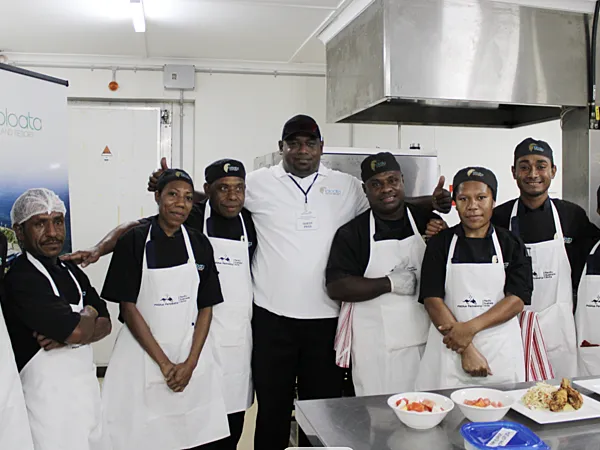
Representing the resort at the launch were Executive Chef Neori Mokotanavanua, Hospitality Trainer Roa Vali and several members of the resort's culinary team, who were participating in a three-week training programme under PAS PNG at the time. Their presence highlighted the resort's commitment to professional development and its belief that a skilled workforce is essential to delivering exceptional guest experiences.

"The training provided practical skills I can apply directly at Loloata, including workflow delegation, communication with staff and guests, and recipe costing," said Aiku Pala, a chef at Loloata Island Resort. "Programs like PAS PNG are important for developing and upskilling young chefs, helping them build successful careers in the hospitality industry."

A highlight of the visit was seeing members of the resort's kitchen team actively engaged in training sessions, developing practical skills that will strengthen service standards and support the long-term growth of PNG's hospitality industry.

Loloata Island Resort congratulates the Pacific Australia Skills Papua New Guinea Program and all stakeholders involved in making this initiative possible, and looks forward to the positive impact it will have on individuals, businesses and communities across the country.

June 04, 2026

K92 advances drilling at Wera gold prospect as exploration investment ramps up in PNG

K92 Mining has reported encouraging results from its maiden greenfields exploration program at the Wera prospect in Papua New Guinea, where work has defined a large low-sulphidation epithermal gold system approximately 10 kilometres southwest of the company's Kora and Judd deposits.

The company said the Wera system, first announced in September 2025, extends over an area measuring approximately 3.5 kilometres by 3.5 kilometres and lies within the same major north-north-east regional mineralised structural corridor that hosts the Kora, Judd and Arakompa deposits.

According to K92, the system remains open along strike in both directions, highlighting its potential for further expansion through ongoing exploration.

The prospect was identified through a combination of MobileMT airborne geophysical survey data and a review of historical exploration information.

Exploration activities at Wera commenced in July 2024, initially focusing on rock chip sampling and trenching programs. The company has since advanced the project to the drilling stage, with drilling currently underway.

Rock chip sampling has returned a number of high-grade gold results, including assays of 26.30 grams per tonne (g/t) gold, 25.06 g/t gold, 23.97 g/t gold, 22.06 g/t gold, 19.69 g/t gold, 19.23 g/t gold, 18.40 g/t gold, 18.03 g/t gold, 16.05 g/t gold and 13.83 g/t gold.

The Wera prospect forms part of K92's broader exploration strategy within the Kainantu district, one of Papua New Guinea's most prospective gold-copper regions.

The update comes as K92 continues to expand its operations at the Kainantu Gold Mine in Eastern Highlands Province. In its recently released 2025 Sustainability Report, the company highlighted the successful commissioning of its new 1.2-million-tonnes-per-annum Stage 3 expansion processing plant during what it described as a landmark year for the business.

K92 said it invested US$18 million in exploration activities in Papua New Guinea during 2025 and plans to increase exploration spending to between US$31 million and US$35 million in 2026. The company said the planned investment is intended to support continued growth across its exploration portfolio.

The miner also reported employing approximately 2,150 employees and permanent contractors in Papua New Guinea at the end of 2025, with total workforce numbers, including temporary contractors and casual workers, reaching about 3,100. Papua New Guinean nationals accounted for approximately 91% of the operational workforce.

K92 said it spent US$161.8 million on procurement from Papua New Guinea companies during 2025, representing 52% of its total annual procurement expenditure, while taxes and royalties paid or accrued in the country reached US$139.2 million.

The company also invested US$33.1 million in local joint ventures and reported ongoing progress on its first Infrastructure Tax Credit Scheme project, with the Konkua-Bilimoia road upgrade reaching 35% physical completion by the end of the year.

At its Kainantu operations, K92 reported zero reportable environmental incidents during 2025 and said it continued work on hydropower improvements and solar farm engineering studies aimed at reducing greenhouse gas emissions.

The company said exploration drilling at Wera will continue as it seeks to further define the scale and continuity of mineralisation within the newly identified gold system.

K92 operates the Kainantu Gold Mine and is engaged in the production of gold, copper and silver, as well as the exploration and development of mineral deposits in the immediate vicinity of the mine, including the Blue Lake copper-gold porphyry project.

June 04, 2026

Nationwide Ticketing Access Expanded Through Post PNG’s Trusted Branch Network | PNG Air Ranks 3rd in Regional On-Time Performance | Phasing Out of the Dash 8 and New ATR Fleet Era Begins

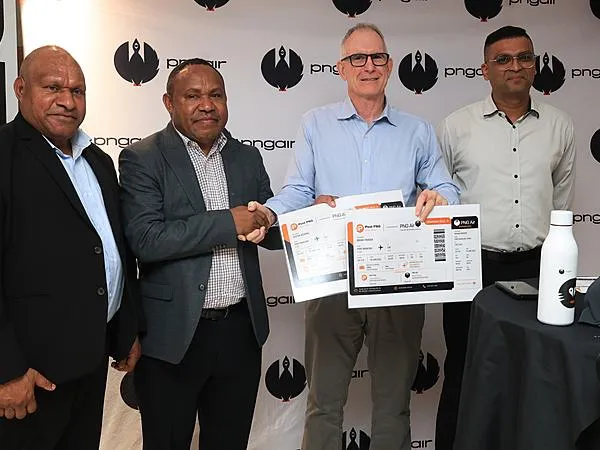
PNG Air, Papua New Guinea’s People’s Choice Airline, today officially relaunched its partnership with Post PNG, expanding access to airline ticketing services through Post PNG’s trusted nationwide branch network. The event, held at the Post PNG Brian Bell Plaza outlet in Gordons, brought together two of Papua New Guinea’s most recognised state-linked institutions in a shared commitment to serving the people of this nation.

For PNG Air, the People’s Choice Airline, this partnership is not just a business arrangement. It is a promise kept — a promise to keep Papua New Guineans connected to opportunity, essential services and one another, no matter where they are in this great nation.

THE PEOPLE’S CHOICE, CONNECTING OUR PEOPLE

As Papua New Guinea’s People’s Choice Airline, PNG Air has always believed that air travel should be accessible to all Papua New Guineans, not just those in major centres. Today’s relaunch of the PNG Air and Post PNG partnership turns that belief into action, making it easier for people across the country to purchase tickets from trusted, familiar Post PNG locations close to where they live, work and travel.

The first phase of the rollout begins in Port Moresby, with PNG Air ticketing now available at the following Post PNG locations:

• Post PNG Head Office – Konedobu
• Eliseo Shopping Centre – Rainbow
• University of Papua New Guinea Campus
• Tabari Place – Boroko
• Waterfront Shopping Centre – Konedobu
• Eliseo Shopping Centre – 9 Mile
• Brian Bell Plaza – Gordons

Over the coming weeks, the rollout will expand nationwide across Highlands, Momase, New Guinea Islands and Southern Region Post PNG locations, bringing the People’s Choice closer to the people in every region of Papua New Guinea.

Post PNG Chief Executive Officer Justin Worinu said the partnership reflects Post PNG’s responsibility as a state entity to serve all Papua New Guineans.

“As a state entity, it is our responsibility to ensure we continue to create important partnerships and bring access closer to our people. Providing services to our people is what our business focuses on, and with this PNG Air partnership we are excited to grow from strength to strength," Worinu said.

PNG Air Chief Executive Officer Brian Fraser said the People’s Choice Airline is proud to make travel more accessible for every Papua New Guinean.

“At PNG Air, everything we do starts with our people. As the People’s Choice Airline, our focus is not just on getting passengers from one destination to another. It is about making travel easier, more accessible and more convenient for the people of Papua New Guinea. By working together with Post PNG, we are bringing that promise to life through a network that communities already know and trust," Fraser said.

PEOPLE’S CHOICE: BUILT ON RELIABILITY, SAFETY AND CONNECTION

The People’s Choice title is one PNG Air earns every day. The airline currently ranks 3rd among Oceania’s major airlines for on-time performance, alongside carriers such as Qantas, Virgin Australia and Singapore Airlines, reflecting its unwavering commitment to the three pillars that define PNG Air: reliability, safety and keeping our people connected.

For PNG Air, being the People’s Choice is about more than a name. It is a daily commitment to every passenger who boards a PNG Air flight, to every community the airline serves and to every Papua New Guinean who relies on dependable air services to access healthcare, business, education and family.

GROWING FOR THE PEOPLE: NEW FLEET, NEW CHAPTER

PNG Air is in an exciting period of expansion. New aircraft are arriving, routes are growing and services are deepening, all in service of the People’s Choice promise to keep Papua New Guineans connected.

Most recently, Mangi Kutubu completed its maiden flight, adding to a growing modern fleet that reflects the confidence being placed in PNG Air and in Papua New Guinea’s aviation future.

With this growth also comes a farewell. In the coming weeks, the People’s Choice Airline will begin phasing out the beloved Dash 8, an aircraft that has faithfully connected Papua New Guineans for decades. It has earned its place in the nation’s aviation story, and PNG Air bids it a fond and grateful goodbye.

Its retirement makes way for a modern fleet built to meet the standards and expectations of today’s passengers and those of tomorrow.

Looking ahead, PNG Air remains committed to strengthening connectivity across the country through strategic partnerships, continued investment and a growing fleet designed to serve Papua New Guineans well into the future.

“We are proud to be the People’s Choice. Aviation plays a vital role in connecting communities, supporting business, improving access to services and creating opportunities for growth. Through partnerships like this one with Post PNG, and through our continued investment in our fleet and network, we can keep delivering meaningful outcomes for the people of Papua New Guinea. This is who we are. This is what we do," Fraser said.

June 04, 2026

Every year, more than 2,000 women in Papua New Guinea die from cervical cancer, a disease that is largely preventable. For many years, Dr Pamela Toliman has worked to change this reality. Westpac PNG is proud to recognise her as the winner of the 2025 Westpac Outstanding Women (WOW) Awards Public Sector Category.

Dr Pamela Toliman grew up in Rabaul, East New Britain. She earned a Bachelor of Science in Microbiology and Genetics and a Bachelor of Arts in Sociology from the University of Queensland before returning home to serve Papua New Guinea. She joined the Papua New Guinea Institute of Medical Research (PNGIMR) in Goroka, where she has spent her entire professional career working to improve the health and wellbeing of Papua New Guinean women, children and families.

While working full-time, she completed both her Master of Medical Science and PhD at the University of New South Wales (UNSW) in Sydney, reflecting her deep commitment to strengthening public health research capacity in Papua New Guinea.

Dr Toliman’s research portfolio spans HIV, sexually transmitted infections, cervical cancer prevention, antimicrobial resistance, respiratory disease surveillance, and the strengthening of laboratory and public health surveillance systems in Papua New Guinea. One of her most significant contributions was helping to evaluate a model of care that provides rapid point-of-care testing to detect HPV, the virus that causes cervical cancer, along with treatment to prevent disease progression.

“In a country where many women live far from hospitals and clinics, this approach has made a life-changing difference. Women no longer need to wait weeks for results or make repeated, costly journeys for follow-up care,” Dr Toliman said.

Crucially, Dr Toliman’s research extended well beyond academic journals. Her work played a critical role in shaping Papua New Guinea’s first National Cervical Cancer Screening Programme, turning years of careful field research into national policy and practical frontline services.

“What I am most proud of is being able to translate research into real-world impact,” she said. “Seeing evidence inform policies and systems that protect women today and for generations to come has been incredibly meaningful.”

Beyond her technical contributions, Dr Toliman has also mentored emerging scientists, supported locally led research and contributed to national and regional health platforms, strengthening Papua New Guinea’s voice in global public health discussions.

Westpac Pacific Managing Director Emma Low said Dr Toliman exemplifies the values and purpose of the WOW Awards.

“Dr Toliman’s work reflects the very spirit of the Westpac Outstanding Women Awards. She has used her expertise, integrity and deep commitment to service to drive lasting change, while uplifting others along the way.”

Dr Toliman said being named the 2025 Public Sector Award winner has provided a powerful platform to advocate for equity and evidence-informed decision-making in public health.

“This recognition has strengthened my ability to speak up for equitable health systems, particularly for women and priority populations,” she said. “It also shines a light on the incredible work being done in Papua New Guinea, showing that locally led research and innovation can inform national policy and contribute meaningfully to global discussions.”

Westpac PNG Chief Executive Andrew Cairns added that the award recognises both leadership and long-term service.

“Papua New Guinea is full of remarkable women whose contributions too often go unseen,” Mr Cairns said. “The WOW Awards exist to recognise women like Dr Toliman and leaders whose persistence, integrity and quiet determination shape systems and change lives.”

Reflecting on her journey, Dr Toliman shared advice for young women and public servants aspiring to make a difference.

“Stay grounded in purpose and committed to service,” she said. “Public health, and public service more broadly, are about people. Stay curious, invest in your skills, and do not underestimate the value of your voice, especially in spaces where it may be under-represented. Seek mentors, but also be willing to lead, even when the path is not fully clear. Meaningful change often comes from small, consistent efforts that, over time, transform systems, policies and lives.”

The WOW Awards Public Sector Category recognises women who demonstrate strong leadership, integrity and impact within government and public institutions, delivering measurable benefits for communities and the nation.

How to nominate

Nominations are open for the 2026 Westpac Outstanding Women Awards until 31 May 2026.

Details of the nomination process, eligibility criteria and award categories are available on the official webpage at https://www.westpac.com.pg/westpac-outstanding-women-awards/ or by visiting any Westpac branch and completing an application form.

The WOW Awards ceremony will be held in July 2026, where winners will be recognised at a prestigious event attended by industry leaders, government representatives and community advocates.

Follow the conversation on social media via Facebook and LinkedIn, or by using #WOWA2026, to stay updated on upcoming announcements.

June 04, 2026

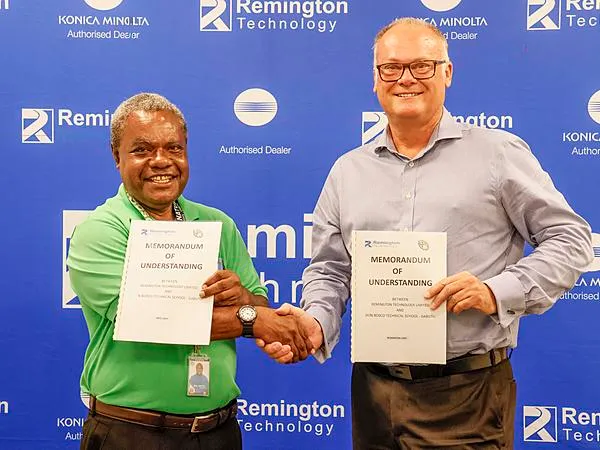
Remington Technology and Don Bosco Technical School (DBTS) Gabutu have formalized their long-standing partnership through the signing of a 2026 Memorandum of Understanding (MOU) on May 28. The agreement reinforces their shared commitment to advancing technical education and professional development in Papua New Guinea.

The strategic framework establishes a coordinated working relationship designed to leverage the strengths of both institutions, focusing on two primary areas:

Student Job Training with Remington Technology Limited: Remington Technology will host Don Bosco Gabutu students for workplace-based training aligned with the institution's academic calendar. This will provide students with valuable hands-on experience within Remington's operational environment across various technical trades.

Staff Training and Skills Development: Don Bosco Gabutu will deliver tailored professional development programs for Remington employees. These customized training sessions will help ensure that Remington staff remain at the forefront of evolving industry standards.

The formal signing ceremony was attended by key representatives from both organizations, including DBTS Gabutu Principal Martin Dai, DBTS Gabutu Deputy Principal Kenneth Gonzales, and Remington Group Chief Executive Officer Justin Kieseker.

Kieseker emphasized the importance of the ongoing partnership, noting that Remington's continued investment in technical institutions is a cornerstone of the company's mission to foster a highly skilled local workforce and create a better future for Papua New Guinea's youth.

June 02, 2026

Tolu Minerals Ltd. says it has identified two new high-grade gold-bearing vein systems near the Tolukuma Gold Mine, a development the company believes could support future resource growth close to existing mining infrastructure.

The discoveries, named the Fundoot Splay and Gulbadi Splay, were announced as part of the company's ongoing near-mine drilling programme at Tolukuma in Central Province. The findings form part of the opening phase of Tolu's planned 75,000-metre-plus drilling campaign aimed at expanding mine inventory and improving resource confidence at the operation.

The most significant drilling result came from the newly identified Fundoot Splay, where drilling intersected 4.67 metres grading 42.76 grams of gold per tonne, including 1.3 metres grading 82.8 grams of gold per tonne. The company said the result confirmed the presence of a previously unrecognised high-grade hanging-wall structure adjacent to the established Fundoot vein system.

At the newly recognised Gulbadi Splay, Tolu reported an intercept of 2 metres grading 16.94 grams of gold per tonne, including 1 metre grading 26.49 grams of gold per tonne. The company said the structure was identified through a reinterpretation of existing geological, drilling and mining data.

Managing Director and Chief Executive Officer Chris Muller said the results strengthened the company's understanding of Tolukuma's growth potential.

"These results represent a pivotal moment in our understanding of Tolukuma's near-term growth potential and reinforce our conviction that substantial additional value remains to be unlocked within the immediate mine environment and across the broader goldfield," Muller said.

He said the discoveries demonstrated that significant high-grade mineralisation remained to be delineated close to existing mine infrastructure, potentially providing a shorter pathway from exploration success to future mine inventory growth.

According to the company, the Fundoot Splay lies about 50 metres into the hanging wall of the main Fundoot vein and remains open along strike and at depth. Tolu estimates the structure has more than 250 metres of untested strike extent and over 150 metres of down-dip potential. Four additional drill holes have intersected the structure, with assay results still pending.

The Gulbadi Splay is interpreted to run sub-parallel to the existing Gulbadi trend and is located near a historically mined open pit. Tolu said the structure has more than 240 metres of untested strike potential and over 180 metres of down-dip extension potential.

The company also reported encouraging results from face sampling associated with the recommencement of underground development on the Tolukuma lode. Initial sampling from the 1560 Ore Drive returned several high-grade gold intervals, including samples grading 176.88 grams of gold per tonne, 122.22 grams of gold per tonne and 71.44 grams of gold per tonne. Additional fire assay results remain pending.

Muller said the face sampling results provided early operational validation as the company works to rebuild mining activity at Tolukuma.

The company noted that numerous assay results remain pending from drilling programmes at Fundoot, Gulbadi, Gufinis and Zine, which are expected to provide additional exploration updates in the coming months.

Tolu said discoveries located close to existing underground infrastructure could potentially accelerate the conversion of exploration success into future resources and reserves, although further drilling and evaluation will be required to determine the full extent and economic significance of the mineralisation.

June 02, 2026

Adyton Resources Corp. has achieved a significant milestone in its efforts to restart mining operations at the historic Wapolu Gold Mine on Fergusson Island after successfully completing a mandatory Mining Lease Warden's Hearing, a key step in Papua New Guinea's mining approval process.

The hearing, held on May 21 at the Wapolu exploration camp, forms part of the company's application for a mining lease over the project and is designed to assess community support before a mining lease can be granted.

The process was conducted by senior Mineral Resources Authority mining warden Kopi Wapa and attended by principal landowners, representatives of Adyton, its joint venture partner East Vision Investment Holdings, or EVIH, and provincial government officials.

Following the hearing, the mining warden will submit a report to the Mineral Resources Authority's Mining Advisory Council, which will complete its assessment of the mining lease application.

The Wapolu project is located within Exploration Licence EL 2549 and is the subject of Mining Lease application ML 1390 and Lease for Mining Purposes application LMP 152. The mining lease covers proposed mining and processing activities, while the lease for mining purposes relates to supporting infrastructure such as airstrips.

Adyton Chief Executive Officer Tim Crossley said the successful completion of the hearing represented another major step toward the potential redevelopment of the project.

"In Papua New Guinea, the Warden's Hearing is a critical and mandatory component of the regulatory process, providing local stakeholders and landowners with the opportunity to formally participate in the transition from exploration to mining," Crossley said.

He said the company was encouraged by the support demonstrated by landowners, community representatives and other stakeholders during the hearing process.

"Their support reflects the collaborative relationships Adyton and EVIH have built on Fergusson Island and reinforces the significant opportunity we see in advancing Wapolu and the broader Fergusson Island projects toward development," Crossley said.

The Wapolu project and the neighbouring Gameta licence area are among the most advanced mineral development assets on Fergusson Island and are being progressed through the permitting and development process by Adyton and EVIH.

Louis Wang, project director of EVIH, said the company was pleased with the support shown by the local community.

"We now look forward to working with the community as we transition the project back into a full-scale mining, processing and concentrate export operation," Wang said.

Adyton is focused on advancing gold and copper projects in Papua New Guinea and is working to expand mineral resources at its wholly owned Feni Island project, located within the Pacific Ring of Fire, a region known for hosting major gold and copper deposits.

The company said the completion of the Warden's Hearing moves the Wapolu project closer to a potential restart of mining activities, subject to regulatory approvals and the granting of the mining lease.

June 02, 2026

Kumul Petroleum Holdings Limited, or KPHL, has launched a renewed push to strengthen governance, transparency and accountability across its operations following a strategic alignment workshop that brought together the company's board, senior executives and technical managers in Port Moresby.

The workshop, held at the Grand Papua Hotel, coincided with the transition of board leadership from former chairman Gerea Aopi to incoming chairman Isaac Lupari and focused on reinforcing internal coordination and establishing a common direction for the State-owned petroleum company's future growth.

Lupari said the workshop was designed to reset operational priorities, build a shared understanding of KPHL's current position and strengthen working relationships across the organisation.

"The purpose is not to prejudge any matter, but to build a stronger institutional foundation for KPHL going forward," Lupari said.

"Our immediate priority is to restore, strengthen and institutionalise governance frameworks across all key areas of KPHL's operations, including investment approvals, financial disbursements, procurement, financial delegation, marketing, and community and stakeholder support protocols. Transparency and accountability must be embedded in the way KPHL operates."

The workshop enabled directors and management to review the company's operational, financial, investment and governance priorities and identify areas requiring closer oversight as part of KPHL's forward work programme.

According to the company, discussions covered KPHL's existing asset portfolio, project performance, ongoing initiatives and future development opportunities.

Projects reviewed included the Motukea Fuel Facility, the Fabrication and Training Facility, Special Economic Zone infrastructure at Caution Bay, seismic exploration programmes and development options for both onshore and offshore petroleum licences.

Lupari said strong governance and disciplined investment management were essential given KPHL's role in managing petroleum interests on behalf of the State and the people of Papua New Guinea.

"Strong governance, clear internal controls, disciplined investment decision-making and transparent reporting are essential to maintaining public confidence and ensuring that national petroleum assets are managed responsibly," he said.

The workshop also examined procurement, project delivery and governance processes, with participants seeking to strengthen internal controls, clarify responsibilities and ensure future decisions comply with applicable laws, delegated authorities and recognised corporate governance standards.

KPHL said the discussions reflected the company's recognition of its public mandate as Papua New Guinea's national petroleum and energy company and its responsibility to protect and enhance the value of national energy assets.

The board further emphasised the importance of clear and responsible public communication, noting that stakeholder engagement and disclosure practices should support confidence in the company while avoiding unnecessary speculation.

Lupari said the company was focused on building a stronger institution capable of protecting public wealth, maximising asset value and supporting national development.

Following the workshop, the board and management are expected to develop a strategic roadmap focused on commercial viability, disciplined investment management, strengthened internal controls, improved reporting systems and the responsible development of petroleum opportunities.

KPHL said it would continue consulting with key State stakeholders, including the Trustee and the Minister Delegate, to ensure alignment with government expectations and maintain accountability to the people of Papua New Guinea.

June 02, 2026

Papua New Guinea has launched a new set of green finance standards and policy tools as it seeks to mobilize greater investment into climate-resilient development and strengthen the sustainability of its financial system.

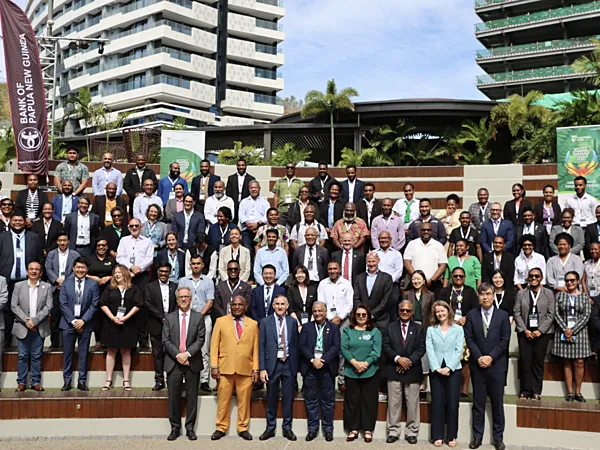
The initiatives were unveiled during the Green Finance Summit 2026, which opened in Port Moresby on May 27 under the theme "Greening PNG's Financial System."

Bank of Papua New Guinea Governor Elizabeth Genia said the country was moving beyond policy discussions and focusing on practical implementation of sustainable finance reforms.

"This year, we move the conversation forward — 2026 is not about introducing ideas; it is about implementation," Genia said during the summit. She said Papua New Guinea remained committed to building policy frameworks that encourage green investment, strengthen financial-sector resilience and support sustainable economic growth.

Among the key measures launched were Version 2 of Papua New Guinea's Inclusive Green Finance Taxonomy, new standards for green loan classification and reporting, environmental risk policy guidelines for financial institutions and the establishment of a Green Finance Academy.

The summit brought together government officials, financial institutions, development organizations, investors and regional central bank representatives to discuss ways of expanding green lending, sustainable investment and climate-resilient financing mechanisms. About 250 participants attended the two-day event.

Chief Secretary Ivan Pomaleu said sustainable finance should be viewed not only as a climate initiative but also as a tool for economic development, job creation and financial inclusion.

"It is about jobs. It is about agriculture. It is about energy access. It is about infrastructure. It is about financial inclusion," Pomaleu said during the summit.

Pomaleu said public funding alone would not be sufficient to meet Papua New Guinea's development goals and called on commercial banks, pension funds and other financial institutions to increase investment in renewable energy projects, green small and medium enterprises, and resilient infrastructure.

The summit also highlighted Papua New Guinea's efforts to strengthen its green finance architecture following the launch of the Inclusive Green Finance Policy in 2023 and the Green Finance Centre in 2024. Officials said the latest reforms aim to improve transparency, reduce greenwashing risks and build market confidence in sustainable investment products.

International participants praised the country's progress in developing a sustainable finance framework.

Dr. Ma Jun, chairman of the Capacity-building Alliance of Sustainable Investment, said Papua New Guinea could serve as a model for other island economies in the Asia-Pacific region.

He said the organization was prepared to work with the Bank of Papua New Guinea and the Green Finance Centre to strengthen sustainable finance capacity and investment expertise across the region.

The summit was organized by the Green Finance Centre, a department under the Bank of Papua New Guinea, in partnership with the Agence Française de Développement, the International Finance Corp. and the Global Green Growth Institute. Organizers said the collaboration would help accelerate the growth of credible green finance solutions and support the development of a more resilient financial system in Papua New Guinea.

June 02, 2026

Papua New Guinea is poised to enter a new era of aviation innovation through strategic partnerships with global aviation technology leaders, aimed at modernising the country's air navigation and traffic management capabilities.

NiuSky Pacific announced collaborations with Australia's Skykraft and Italy's ENAV Group that will focus on key areas including Air Traffic Management (ATM), Unmanned Traffic Management (UTM), drone ecosystem development, flight procedure design, Aeronautical Information Services (AIS), Aeronautical Information Management (AIM) digital transformation, training and capacity building, as well as digital and remote tower technologies.

The partnerships were announced in Port Moresby on 31 May 2026 as part of NiuSky Pacific's broader strategy to strengthen and modernise Papua New Guinea's aviation sector through collaboration with leading international technology providers.

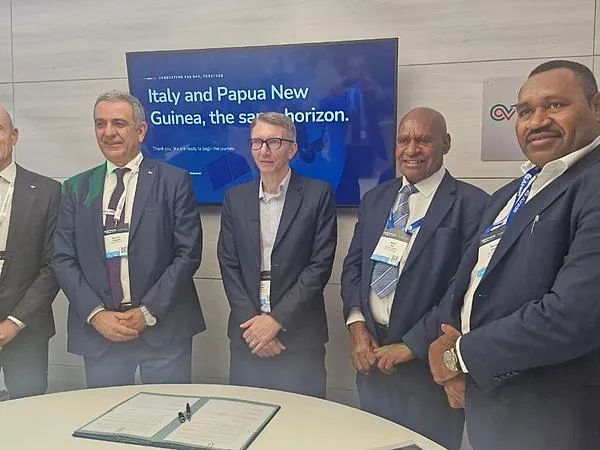
The partnership with ENAV Group was formalised through a Letter of Intent signed during Airspace World 2026, establishing a framework for strategic cooperation in air navigation services and aviation innovation.

At the same event, NiuSky Pacific signed a landmark strategic collaboration agreement with Australian aerospace company Skykraft to introduce space-based Air Traffic Management services across Papua New Guinea.

The agreement was signed by Skykraft Chief Executive Officer Michael Frater and NiuSky Pacific Managing Director Graham Blythe, with the signing witnessed by Civil Aviation Minister Wake Goi and First Secretary to the Ministry of Civil Aviation Reuben Daniel.

According to a media release, the partnership positions Papua New Guinea to become the first country in the world to implement a comprehensive space-based Air Traffic Management capability across its national airspace.

The initiative is expected to significantly enhance aviation safety, connectivity, operational efficiency and air traffic management services, particularly across Papua New Guinea's vast remote, mountainous and oceanic regions.

By deploying advanced space-based communications and surveillance technologies, the programme is expected to strengthen situational awareness, improve air navigation services and support safer, more efficient aircraft operations throughout the country.

Through its partnerships with Skykraft and ENAV Group, NiuSky Pacific aims to gain access to next-generation aviation technologies from globally recognised industry leaders. The collaborations will combine technical expertise, operational experience and innovation capabilities to develop joint initiatives and explore new opportunities at both regional and international levels.

Industry observers say the agreements mark a significant step in Papua New Guinea's efforts to modernise its aviation infrastructure while embracing emerging technologies that are reshaping global air navigation systems.

The partnerships also reinforce the country's commitment to strengthening air navigation services and positioning itself as a leader in aviation innovation within the Asia-Pacific region.

As the aviation sector continues to evolve, NiuSky Pacific's latest international collaborations are expected to play an important role in improving aviation safety, connectivity and operational efficiency, while supporting Papua New Guinea's long-term economic and infrastructure development objectives.

June 01, 2026

Papua New Guinea Prime Minister James Marape used a video address to the 41st Australia Papua New Guinea Business Forum & Trade Expo in Brisbane to reassure investors of the government's commitment to business, economic reform and long-term growth, while urging companies to look beyond the country's traditional mining and petroleum sectors.

Unable to attend the forum in person, Marape told delegates that his “thoughts, heart and support” were with participants gathered during Papua New Guinea's 50th anniversary year.

He described the Australia-PNG relationship as permanent and deeply intertwined, repeating a line from his address to the Australian Parliament that the two countries were “joined at the hips”.

Marape thanked the business community for continuing to invest in Papua New Guinea and said the government remained committed to supporting investors and addressing policy issues affecting profitability and growth.

“We continue to place our appreciation to every businessman and businesswoman, every company that chooses to operate in Papua New Guinea,” he said.

“If there are any policy matters you feel we need to attend to that help and enhance your profit, we will attend to them.”

At the same time, he said investment and business success must also translate into broader economic benefits for the country.

“When the company wins, the government is able to roll back to the economy, make sure health is okay, education is okay, infrastructure is okay, including power,” he said.

The Prime Minister said PNG remained committed to free-market principles and an independent court system, while reforms were underway to strengthen dispute resolution mechanisms through additional judges, mediation and arbitration processes.

Marape said the economy had grown steadily since 2019, when it was valued at about K79 billion, with annual growth averaging about 4 percent.

“PNG is much bigger than just mining and petroleum,” he said, pointing to opportunities in manufacturing, agriculture, logistics, fisheries and trade.

Marape also flagged plans to reduce corporate taxes as the economy grows toward his target of a K200 billion economy and encouraged investors to “look deep into PNG”.

Infrastructure pipeline attracts investor interest

Infrastructure investment emerged as a major theme during the forum, with government agencies, development financiers and state-owned enterprises outlining major projects across transport, ports, energy and digital connectivity.

Rachael Thompson, Acting Head of the Australian Infrastructure Financing Facility for the Pacific, said the facility had committed A$2 billion toward 59 projects in 13 Pacific countries since its establishment in 2019.

Papua New Guinea accounted for 11 projects valued at about A$1 billion, including major port upgrades, road projects, rural electrification and digital connectivity initiatives.

“These projects include the A$621.4 million package to refurbish, replace and upgrade five ports,” Thompson said.

She added that AIFFP was also exploring support for Papua New Guinea's digital ambitions through the Puk Puk Digital Connectivity Initiative.

Speaking on behalf of Kumul Consolidated Holdings, Chief Investment and Infrastructure Officer David Kitione said Papua New Guinea's infrastructure agenda was being guided through a structured national framework.

“What we are presenting to you today are not aspirations,” he said.

“They are the outputs of a structured, nationally owned infrastructure development process.”

Kitione highlighted plans for the Portside Business Precinct in Port Moresby, describing it as a strategically planned waterfront commercial development aimed at attracting long-term investment.

Ports seen as critical economic infrastructure

PNG Ports Corporation Managing Director Neil Papenfus said the country's ports handled 10.8 million tonnes of cargo in 2025 and supported 22 percent of national GDP.

“When ports work well, supply chains work well,” he said.

Papenfus said the A$621 million port infrastructure upgrade program was the largest in the corporation's history and was designed to rebuild infrastructure for the next 50 years.

Australia expands focus on digital connectivity

Australian Minister for Pacific Island Affairs Pat Conroy and Papua New Guinea Deputy Prime Minister John Rosso highlighted the growing scope of bilateral cooperation between the two countries.

Conroy said the relationship had entered a new phase built on trade, investment and people-to-people links, in addition to traditional security cooperation.

Much of his address focused on telecommunications, which he described as essential to economic development.

Conroy said low internet penetration and high telecommunications costs continued to constrain business activity, education, healthcare and financial inclusion in Papua New Guinea. He announced work on a telecommunications blueprint intended to create a more connected and digitally ready nation while improving cyber resilience and reducing connectivity costs.

Conroy also highlighted the potential role of low-Earth orbit satellite technology and new submarine cable infrastructure under the Puk Puk Digital Connectivity Initiative.

Rosso said Papua New Guinea and Australia were increasingly working together across law and order, infrastructure, labour mobility, land reform, digital systems and sport.

“When PNG grows, Australia benefits,” Rosso said.

Rosso also praised Australia's willingness to listen and work as a partner. “We talk, they listen, they talk, we listen,” he said.

Maru calls for shift toward value-added industries

International Trade and Investment Minister Richard Maru used the forum to argue that Papua New Guinea needed to accelerate investment in sectors capable of creating jobs and expanding economic participation.

Maru said more than one million young Papua New Guineans remained unemployed despite decades of resource-sector development. “The resource sector is not the answer,” he said.

“We have to refocus on the non-resource sector. I'm talking agriculture, forestry, fisheries, manufacturing and tourism. That is the future for Papua New Guinea.”

Maru said Papua New Guinea's economy remained too dependent on exporting raw materials and importing finished goods.

“We are still a major exporter of raw material. That needs to stop,” he said. “We need downstream processing. We need manufacturing. We need to create jobs.”

Maru said Papua New Guinea's economy stood at about US$32 billion and argued that the country could no longer continue exporting raw materials while importing products that could potentially be produced domestically.

He pointed to Indonesia's nickel processing industry as an example of how investment in downstream industries can generate large-scale employment.

Maru also revealed that Papua New Guinea would sign a Comprehensive Economic Partnership Agreement with China and said Asian markets would play an increasingly important role in future economic growth.

He encouraged Australian companies to invest in agriculture, hydropower, tourism, manufacturing and processing industries, saying the government was prepared to offer incentives including tax holidays and joint-venture opportunities.

Agriculture positioned as pathway to inclusive growth

East Sepik Governor Allan Bird argued that agriculture offered Papua New Guinea its strongest opportunity to achieve inclusive and sustainable economic development.

Delivering the Henry Kila Memorial Address, Bird said between 80 percent and 85 percent of Papua New Guineans live in rural areas and depend heavily on agriculture and fisheries, yet the sector contributes only about 25 percent to 30 percent of GDP.

“PNG's best pathway to sustainable development lies in transforming its agriculture sector,” he said.

Bird said agriculture was not only an economic sector but also a critical foundation for social and economic development because it generates direct income for rural households while supporting food security and local businesses.

Using East Sepik's cocoa industry as an example, he said targeted interventions had doubled production and helped expand cocoa cultivation across 19 provinces.

According to Bird, more than K1 billion had flowed directly to villages through cocoa-related activity in recent years.

He also called for better alignment between infrastructure investment and production areas, saying roads, ports, storage facilities and shipping services should support regions where agricultural activity is growing.

Bird further urged reforms involving land access, investment protection, intellectual property and public-private partnerships to attract greater investment into agriculture.

Development partners outline financing support

Representatives from major development institutions also outlined ongoing support for infrastructure development in Papua New Guinea.

Laura Darlington, Assistant Secretary for Indo-Pacific Infrastructure in Australia's Department of Defence, said defence infrastructure investment was generating economic opportunities alongside security outcomes.

“Defence infrastructure is not just about facilities,” she said.

“It is about supporting the economic development of local communities.”

Darlington said future investment under the Defence Cooperation Program and the proposed Pukpuk Treaty would create opportunities for Papua New Guinea businesses and workers.

World Bank Senior Procurement Specialist Amin Saskai said the World Bank's Papua New Guinea portfolio stood at approximately US$677 million across sectors including energy, transport, agriculture, education and water.

“Please engage with our clients,” Saskai told businesses attending the forum. “Let them know about the new trends.”

Asian Development Bank representative Leonardo Storni said Papua New Guinea's infrastructure pipeline remained strong, particularly in transport and energy.

“We are trying to buy right, not buy cheap,” he said, referring to procurement approaches that place greater emphasis on quality and value for money.

Presentations during the forum covered investment opportunities in infrastructure, digital connectivity, ports, agriculture, manufacturing and downstream industries as Papua New Guinea marks 50 years of independence.

June 01, 2026

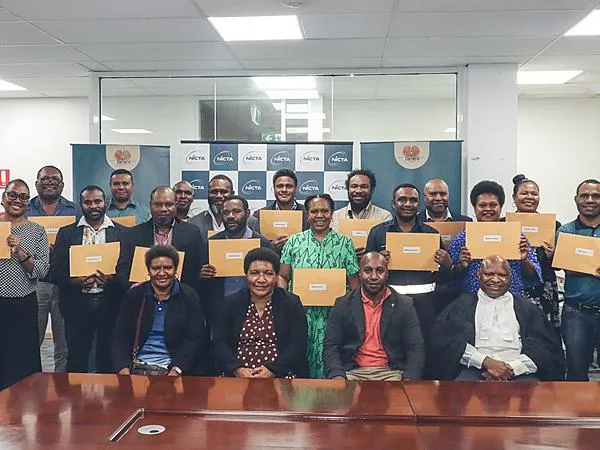
A total of 18 officers from the National Information and Communications Technology Authority have been inducted into Papua New Guinea's public service after successfully completing a government induction program aimed at strengthening professionalism and accountability within the sector.

The officers completed the National Certificate 2 in Government – Induction into Public Service, a short course delivered by the Somare Institute of Leadership and Governance.

The program is designed to equip participants with the knowledge, values and standards expected of public servants, while promoting ethical conduct, accountability and effective service delivery across government agencies.

For NICTA officers, whose responsibilities include regulating and supporting the development of Papua New Guinea's information and communications technology sector, the training provides a deeper understanding of government systems, public sector responsibilities and the principles that underpin public administration.

The induction forms part of broader efforts to strengthen institutional capacity and enhance the performance of public sector agencies through workforce development and professional training.

The 18 officers represent NICTA's first group to complete the program, with additional batches expected to undertake the training as part of the authority's ongoing staff development initiatives.

NICTA said investing in capacity-building programs helps ensure employees are equipped to uphold public service standards while contributing to the country's digital transformation and broader national development objectives.

The authority plays a central role in regulating Papua New Guinea's telecommunications and ICT sector, supporting connectivity, digital infrastructure development and technology-driven economic growth.

June 01, 2026

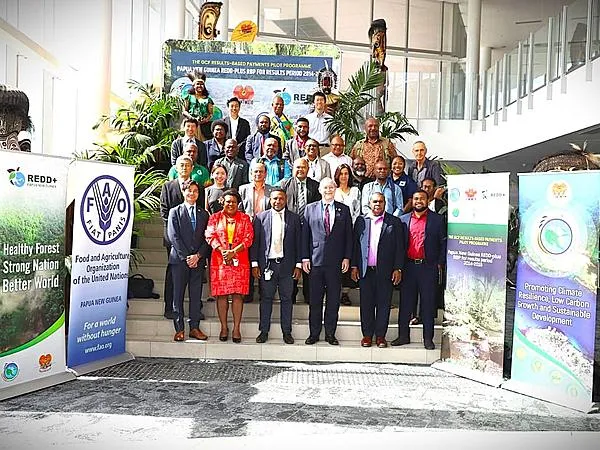
Papua New Guinea has launched a $63.4 million climate finance project aimed at protecting its forests while supporting sustainable livelihoods for communities across the country.

Funded by the Green Climate Fund, the results-based payments program recognizes Papua New Guinea's verified reduction of 17 million tonnes of carbon dioxide equivalent between 2014 and 2016 under the REDD+ framework.

The initiative was officially launched at APEC Haus in Port Moresby and is expected to channel a significant share of climate finance directly to local communities while strengthening sustainable forest management and conservation efforts.

Papua New Guinea, which has approximately 78% forest cover, is regarded as one of the world's most forest-rich nations. Its forests play an important role in biodiversity conservation and carbon storage, making them critical to global climate mitigation efforts.

A key feature of the project is its focus on community development. According to project officials, 60% of the funding will be directed toward livelihood activities, including sustainable agriculture, forest conservation and other low-emission development initiatives.

Ronald Meketa, chairman of the National Climate Change Board, said the funding must deliver tangible benefits to communities.

"Our communities will see and feel the benefits of this funding," Meketa said during the launch.

"Too often, large amounts of climate finance are discussed globally, but very little reaches the people on the ground. Papua New Guinea cannot afford that anymore. The hard reset starts today. This programme must become a model of delivery, accountability and visible results."

Debra Sungi, acting managing director of the Climate Change and Development Authority, said the project marks the culmination of years of technical work and coordination among government agencies, provinces, landowners and development partners.

"This represents many years of consultations, technical assistance, and coordination across government, provinces, landowners, and development partners," Sungi said.

"Today, we move from discussion and planning to on-the-ground delivery."

The project will be implemented by the Food and Agriculture Organization of the United Nations in partnership with the Climate Change and Development Authority and other national stakeholders. It will also support implementation of Papua New Guinea's National REDD+ Strategy 2017–2027 while strengthening coordination, monitoring and reporting systems.

FAO Head of Office in Papua New Guinea, Kachen Wongsathapornchai, said the launch marks Papua New Guinea's transition from REDD+ readiness to large-scale implementation.

"Papua New Guinea has played an important role in shaping global forest and climate systems, and now stands among the few countries ready to operationalise results-based finance at scale," he said.

Meanwhile, Shalini Bahuguna, said the project demonstrates how climate action can generate broader development outcomes.

"Papua New Guinea is demonstrating how climate ambition can translate into real development outcomes," Bahuguna said.

The initiative reinforces Papua New Guinea's position in global climate action efforts while providing new opportunities for rural communities to benefit from sustainable development and forest conservation activities.

May 28, 2026

PNG DataCo Limited, under the leadership of Chief Executive Officer Paul Komboi, on 28 May has signed a series of strategic agreements with the Morobe Provincial Government (MPG), marking a major milestone in the province’s journey toward becoming Papua New Guinea’s leading digitally enabled sub-national government.

The agreements, signed at Parliament House as part of a broader multi-agency programme, include:

• A Neutral Host Towers Memorandum of Agreement (MoA) to expand telecommunications access across Morobe Province; and
• A Morobe Digital Government Services Platform agreement, including the rollout of an integrated Enterprise Resource Planning (ERP) system to modernise government operations.

Together, these initiatives form the backbone of the Morobe Digital Government Project, a transformative programme designed to improve efficiency, transparency and service delivery for citizens.

“Today’s signing represents a significant step forward in our shared vision with the Morobe Provincial Government to deliver inclusive, modern and transparent public services. Through these agreements, DataCo will provide the digital infrastructure and platforms required to support Morobe’s transformation into a leading digital province in Papua New Guinea," Komboi said during the  signing of the agreements.

The Digital Government Platform will integrate key government functions — including financial management, procurement, human resource systems and citizen services — into a unified, cloud-enabled ecosystem.

In parallel, the Neutral Host Towers initiative will support the rollout of telecommunications infrastructure into underserved and remote areas. By enabling shared access to towers, the model aims to lower infrastructure costs and accelerate network expansion into regions traditionally considered uneconomic to serve.

Komboi further emphasised the importance of connectivity in enabling digital transformation across the province, saying that "connectivity is the foundation of digital government."

"Through our Neutral Host Tower model, combined with innovative satellite solutions such as Starlink, we will extend reliable internet connectivity to remote districts, schools, health facilities and government offices — ensuring that no community in Morobe is left behind," he said.

The inclusion of low Earth orbit satellite connectivity solutions, such as Starlink, will complement terrestrial networks and provide immediate coverage for remote communities outside the DataCo National Transmission Network fibre grid, supporting the full rollout of the Digital Government Platform across the province.

DataCo has been working closely with MPG leadership and technology partners to validate the project scope, initiate ICT discovery and align implementation planning, with strong support expressed by provincial leadership for the initiative.

“We commend the Morobe Provincial Government and the Governor for their bold leadership and commitment to digital transformation. DataCo is proud to partner in delivering a future-ready platform that will empower communities, strengthen governance and drive sustainable economic development across Morobe Province," Komboi said.

The signing forms part of a broader collaboration between MPG and key national institutions, reinforcing a whole-of-government approach to development and innovation.

PNG DataCo Limited is Papua New Guinea’s wholesale telecommunications and digital infrastructure provider, responsible for delivering high-capacity connectivity, data centre services and digital platforms to support the country’s economic and digital transformation.

May 28, 2026

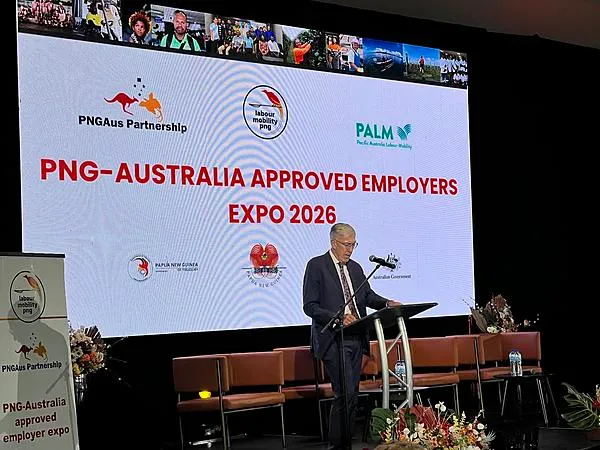
Twenty-three approved employers under the Pacific Australia Labour Mobility (PALM) scheme have travelled to Papua New Guinea to attend the PNG PALM Expo this week.

Twenty-eight representatives from the Australian businesses are engaging with key partners to gain a deeper understanding of the benefits of employing Papua New Guinean workers through the PALM scheme. The week-long event is being held under the theme “Strengthening partnerships and expanding opportunities for PNG.”

The official opening ceremony was held at APEC Haus in Port Moresby, attended by representatives from the Papua New Guinea and Australian governments, labour mobility stakeholders and regional recruitment hub coordinators.

PNG participation in the PALM scheme continues to expand through initiatives such as the early childhood education and care pilot, a growing number of aged care workers, and increasing opportunities in semi-skilled roles aimed at addressing workforce shortages in Australia.

Over the next few days, employers will participate in briefings and regional visits focused on the role of the PNG Labour Mobility Unit in supporting recruitment objectives and worker readiness programs, including screening, training and pre-departure briefings.

Delegates will also engage with regional stakeholders and take part in community visits in Wewak and Kokopo to better understand the impact of the PALM scheme and worker preparedness at the hub level.

The program will also provide employers with insights into Papua New Guinean culture and the worker journey from local communities to workplaces in Australia.

Australian High Commissioner to Papua New Guinea Ewen McDonald said the expo provides an opportunity for Australian employers to better understand PNG’s workforce and strengthen long-term labour mobility partnerships.

“After Port Moresby, employers will travel to East New Britain and East Sepik to follow the journey of a PNG PALM worker first-hand, including visiting communities that have participated in the PALM scheme,” McDonald said.

PNG Labour Mobility Unit Director Hakaua Harry said the expo demonstrates PNG’s ambition to position itself as a trusted and reliable labour mobility partner for Australia.

“By visiting Port Moresby, Wewak and Kokopo, employers can see the worker journey from community to workplace and understand the support that sits behind the program,” Harry said.

The expo is being jointly delivered by the Papua New Guinea and Australian governments under the PNG-Australia PALM Growth Plan.

The PALM scheme allows eligible Australian businesses to recruit workers from Pacific island countries and Timor-Leste for short-term and long-term employment in sectors including agriculture, horticulture, hospitality, meat processing and aged care.

May 28, 2026

Papua New Guinea and China will hold the inaugural PNG-China Business Forum and Trade Expo in Guangzhou, China, on Oct. 20 and 21, 2026, Trade and Investment Minister Richard Maru announced on 27 May.

Maru said the event would mark the first business forum jointly hosted by the two countries following 50 years of bilateral relations.

"While we have had the PNG-Australia Business Forum for the last 41 years, it is time we have one with China, which is our biggest and most important trading partner," Maru said.

He said the forum and trade expo are expected to rotate annually between Papua New Guinea and China as part of the government's push to strengthen trade and investment ties with Beijing.

The Ministry and Department of International Trade and Investment will oversee the event in coordination with the PNG Chamber of Resources and Energy, private sector groups, small and medium enterprises, and government agencies.

Maru said the forum is expected to attract more Chinese foreign direct investment into Papua New Guinea while allowing PNG businesses to promote investment opportunities across various sectors.

The minister said details of the event would be finalized and announced later.

He said organizers are targeting around 500 delegates from each country, bringing the total expected attendance to 1,000 participants.

The event will coincide with the Canton Fair in Guangzhou, regarded as the world's largest biannual trade fair.

"This way, our delegates will also attend this important fair, which will feature tens of thousands of suppliers and a vast array of global supply chain products," Maru said.

Meanwhile, Maru said he had instructed Dr. Clement Waine to lead efforts to establish a PNG-China Business Council with assistance from PNG Ambassador to China Dr. Thaddeus Kambanei, the Beijing Chamber of Commerce, and affiliated chambers across China.

May 28, 2026

Teachers Savings and Loans Society Limited (TISA/Society) has announced an Additional Bonus Interest for the 2025 financial year, following a strong performance by the Society and the broader TISA Group.

For the 2025 financial year, TISA recorded a profit after tax of K95.8 million, supported by a robust balance sheet of K1.01 billion. Total income increased by K41.5 million, while total assets grew by 2% to K1.01 billion compared to 2024.

TISA Group Chief Executive Officer Michael Koisen said the results reflect disciplined financial management, continued member growth, and a strong focus on delivering long-term value to members.

“This performance demonstrates the strength of our cooperative model and the trust our members place in us. Despite challenges across some sectors, TISA has remained focused on sustainability, resilience, and generating sustainable results for the benefit of members,” Mr Koisen said.

As a result of this performance, the TISA Board has approved a discretionary Additional Bonus Interest of 7% for the financial year ending 31 December 2025, reflecting the Society’s strong performance and prudential management.

The bonus will be credited to members’ Memba Accounts with TISA Bank, based on their general savings balances as at 31 December 2025.

The 7% bonus interest, equivalent to approximately K21.3 million, will be distributed to members in accordance with the approved bonus framework.

The Additional Bonus Interest reflects the Society’s commitment to supporting member financial wellbeing while maintaining prudent capital and liquidity management.

TISA Group continues to invest in technology, people, and responsible banking practices to ensure sustainable growth and enhanced services for its members and customers.

May 26, 2026

The Autonomous Bougainville Government (ABG) has marked a major milestone in the Panguna redevelopment process with a customary ceremony symbolising the unification of Panguna landowners and the official launch of a new drilling program at the historic mine site.

The “Tampa Ungko” ceremony was held in Panguna and publicly affirmed the support of the five major Panguna landowner clans for the ongoing redevelopment process.

The ceremony was led by ABG President and Mining Minister Ishmael Toroama and attended by senior Central Bougainville leaders, including Central Parliamentary Committee Chairman Justin Borgia, Bougainville Veterans Minister Junior Dake and Ioro Constituency Member David Miringtoro. Representatives from Bougainville Copper Ltd (BCL), Lloyds Metals & Energy Ltd (LMEL), the ABG Department of Mining and Central Bougainville veterans also attended.

As part of the customary proceedings, the ABG presented live pigs to each of the five clans as a gesture of goodwill, unity and recognition of customary landowner authority over Panguna land.

The event also honoured those who lost their lives during the Bougainville conflict and recognised the sacrifices made by communities in Panguna and across Bougainville.

During the ceremony, Central Bougainville veterans pledged continued support for the ABG and Panguna landowners in advancing redevelopment efforts peacefully and respectfully.

The Panguna Landowner Interim Council reaffirmed its commitment to work with the ABG, BCL and LMEL to progress redevelopment while continuing consultations on landowner concerns and outstanding issues.

Landowner representatives also urged individuals and splinter groups to stop politicising the Panguna issue on social media and instead engage through recognised landowner structures and dialogue processes.

Representatives of the five clans publicly declared their united support for the ABG and the redevelopment of Panguna, describing the “Tampa Ungko” ceremony as a symbolic reopening of Panguna under unity and reconciliation.

The ceremony also coincided with the official launch of the Panguna EL01 drilling program by President Toroama, marking the return of drilling operations to Panguna for the first time in 37 years since the Bougainville conflict began in 1989.

Drilling activities under the EL01 work program are expected to commence following completion of operational preparations.

Leaders and landowners described the presence of an operating drill rig at Panguna during the ceremony as historic and symbolic of a new chapter for Bougainville.

The ABG said the redevelopment process would continue in accordance with the Bougainville Mining Act 2015, stakeholder consultations and respect for customary authority, peace and inclusive dialogue.

May 26, 2026

Sandvik on 26 May launched AutoMine® Aura, a first-of-its-kind underground mining automation platform fully engineered for the future. The release represents the most significant evolution of AutoMine® since its introduction more than 20 years ago.

AutoMine® Aura transforms every layer of the AutoMine® platform, delivering full situational awareness with zero blind spots, enabling higher utilisation and consistent productivity in complex underground environments. The platform introduces a new navigation system with 3D perception — the most advanced and productive in the industry — which has been proven to move more than 15% additional material in one of the world’s harshest underground mines.

The platform integrates with existing networks and access control systems, eliminating the need for infrastructure changes. This evolution of the underlying platform enables mines to fully leverage future technologies while continuing to support current operations.

AutoMine® has achieved almost nine million hours without a lost time injury (LTI) since its launch, and safety remains foundational to its next generation. AutoMine® Aura builds on the proven safety principles and access control systems already in use today, while 3D perception and adaptive intelligence further enhance these capabilities. This strengthens safety in increasingly dynamic environments.

Operators also benefit from a wider, more intuitive interface that delivers full awareness of the mine environment. This enables the remote supervision and control of multiple machines, reducing exposure to dust, noise, vibration and other on-site hazards. The enhanced operator experience supports both safety and productivity, while also contributing to workforce development by transitioning operators into more technology-focused roles.

AutoMine® Aura will initially launch on underground loaders, with the platform set to expand across additional Sandvik product lines over time.

“AutoMine® is already a world-leading solution, proven across more than 140 mines globally,” said David Hallett, Vice President – Automation at Sandvik. “It has defined automation in mining for more than two decades across both surface and underground operations. With AutoMine® Aura, we have not built the next version; we have built an entirely new platform. The navigation system with 3D perception is the first of its kind in the industry, and the productivity gains — including moving more than 15% additional material — have been proven and validated at customer sites. This demonstrates what this technology means for our customers and for the future of mining.”

AutoMine® Aura will be presented to the global mining industry at Sandvik’s upcoming Future of Mining event in Tampere, Finland, from September 1–3, 2026.

Sandvik Group
Sandvik is a global, high-tech engineering group providing solutions that enhance productivity, profitability and sustainability for the manufacturing, mining and infrastructure industries. The company is at the forefront of digitalisation and focuses on optimising customers’ processes. Its world-leading offering includes equipment, tools, services and digital solutions for machining, mining, rock excavation and rock processing. In 2025, the Group had approximately 42,000 employees and revenues of about SEK121 billion across more than 150 countries.

Business Area Mining
Mining is a business area within the Sandvik Group and a leading global supplier of equipment, tools, parts, services, digital solutions and sustainability-driven technologies for the mining and construction industries. Application areas include rock drilling, rock cutting, loading and hauling, tunnelling, ground support and quarrying. In 2025, sales were approximately SEK69 billion, with about 18,000 employees. For further information, visit mining.sandvik.