Tolu Minerals Limited (TML) has recorded a significant improvement in its underground operations following a notable increase in production under new Underground Leadership at the Tolukuma site.
The improved performance reflects the continued commitment, teamwork and dedication of the underground workforce, whose efforts have contributed to significant progress across the operation.
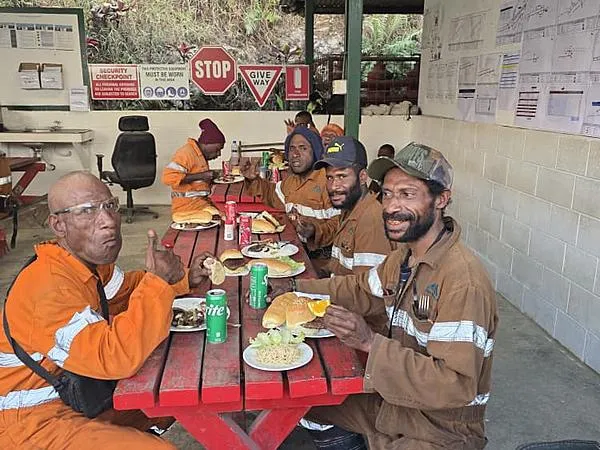
To recognize and celebrate the Underground team’s achievements, TML held a special “Rockstar BBQ” at the Tolukuma site, bringing employees together to acknowledge the hard work behind the operation’s recent performance.
iPi Catering provided catering for the celebration, including a BBQ and refreshments for the Underground team. The event was well received by employees, with positive feedback on the quality of the food and the professionalism of the catering team.
The Integrated Site Service Manager commended the iPi Catering team for its contribution, particularly its effort and professionalism in supporting the workforce.
“From VIP breakfast in the morning to the BBQ provided for the Underground team in the evening, the energy, effort, dedication, and professionalism shown by everyone was greatly appreciated.
“The UG miners were absolutely over the moon with the spread provided for them. They were genuinely thankful and I witnessed firsthand their delight and the smiles on their faces. It was great to see how much they appreciated the effort that had gone into making the BBQ a special occasion for them.”
TML also acknowledged iPi Catering for its contribution to the event and for its continued provision of quality food, professional service and support to the Tolukuma workforce.
The achievement marks an encouraging milestone for the Tolukuma operation as the team continues to focus on maintaining strong performance, teamwork, safety and operational excellence.
Tolu Minerals Limited is committed to responsible mining operations and supporting the development of its people, operations and surrounding communities.
iPi Catering is part of the iPi Group and provides catering and food-service solutions for corporate, industrial and remote-site operations. The business is committed to delivering quality food and reliable catering services tailored to the needs of its clients.
Government agencies, humanitarian organizations and development partners have reviewed and endorsed proposed actions under Papua New Guinea’s El Niño Plan of Action for Agricultural Drought 2026-27, as the country prepares for potentially worsening climate-related impacts on food production and rural livelihoods.
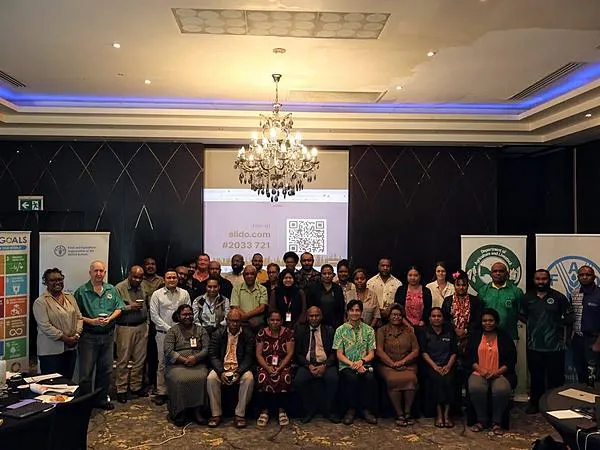
The national consultation workshop was convened by the PNG Food Security Cluster, which is co-chaired by the Department of Agriculture and Livestock (DAL) and the Food and Agriculture Organization of the United Nations (FAO).
The consultation comes after the National Weather Service declared El Niño conditions in June, with forecasts indicating that the weather pattern could persist or intensify through the latter part of 2026 and into 2027.
Participants reviewed proposed interventions across four phases of the plan — preparedness, anticipatory action, response and recovery — with discussions focused on ensuring measures are practical, coordinated and responsive to local needs and vulnerabilities.
Stakeholders also identified priority activities, assessed implementation capacities and discussed coordination mechanisms to enable timely action before drought conditions worsen.
The workshop also sought to clarify the roles and responsibilities of participating organizations, identify resource and funding gaps, and strengthen collaboration among government, humanitarian and development partners.
DAL Secretary and Food Security Cluster co-chair Dr Sergie Bang said strategic action was needed to strengthen the country’s resilience to recurring droughts.
“We have to take strategic agricultural actions because we can expect these droughts to come again,” Bang said.
“We need to integrate irrigation and mechanization into our production systems and strengthen our cropping systems so that we place our country and our population in a better food-secure situation,” he said.
A key outcome of the consultation was a commitment by Food Security Cluster partners to strengthen preparedness and coordination while refining the drought Action Plan for implementation at national, provincial, district and community levels.
The process is expected to produce a set of priority actions, map partner roles and capacities, and establish a framework for monitoring implementation progress.
The measures are aimed at safeguarding agricultural production and rural livelihoods while strengthening food security in communities vulnerable to prolonged drought and frost conditions.
More than 80% of Papua New Guinea’s population relies on agriculture, livestock and fisheries for food and income, making early planning and coordinated intervention critical to limiting the effects of climate-related shocks.
The workshop brought together representatives from government agencies, UN agencies, development partners including Australia’s Department of Foreign Affairs and Trade and New Zealand’s Ministry of Foreign Affairs and Trade, non-governmental organizations, civil society and faith-based organizations, as well as technical and humanitarian partners.
The consultation forms part of broader efforts to translate early warning information into early action and strengthen the resilience of PNG’s agriculture sector as climate risks increase.
Hastings Deering PNG showcased its long-standing commitment to Papua New Guinea's resources sector at this year's event, while highlighting the important role skills development and local capability continue to play in supporting the nation's growth.
A key highlight for Hastings Deering PNG was an exclusive visit from Prime Minister James Marape ahead of the official opening of the exhibition.
During his tour, Prime Minister Marape visited the Hastings Deering PNG stand. Accompanied by government ministers, industry representatives and members of the media, the Prime Minister spent time engaging with the Hastings Deering PNG team, experiencing the Learning Simulator and learning more about the company's investment in training, capability development and workforce readiness.
Prime Minister Marape acknowledged Hastings Deering PNG's significant contribution to developing Papua New Guinean talent and supporting the nation's workforce through technical training, apprenticeships and long-term career opportunities. He also recognised the company's proud history of more than 75 years of operations in PNG and its ongoing contribution to the country's economic growth and development.
Through ongoing investment in training and professional development, Hastings Deering PNG continues to help build the skilled workforce needed to support PNG's growing resources and infrastructure sectors.
Hastings Deering PNG Sales and Marketing Manager Anthony Rosson said the company's success is built on the strength, capability and commitment of its workforce.
"At Hastings Deering PNG, we help customers maximise productivity through industry-leading Caterpillar equipment and the expertise of our local team. Every machine purchased through Hastings Deering PNG represents a dual investment: in proven Caterpillar performance and in the Papua New Guineans who provide the technical support, service and expertise that keep customer operations running.
"PNG Resource Week provided an excellent platform to demonstrate the value Hastings Deering PNG delivers beyond the equipment. Our customers gain access to world-class equipment while directly supporting the development of local skills, jobs and capabilities, creating benefits that extend well beyond the worksite and assist in the long-term development of PNG communities."
Across the four-day exhibition, the team connected with customers, business partners, government representatives and industry stakeholders, demonstrating Hastings Deering PNG's expertise across equipment sales, product support, service solutions, and learning and development. The event provided valuable opportunities to strengthen existing relationships, explore future business opportunities and share insights on the challenges and opportunities facing the industry.
PNG Resource Week 2026 provided a valuable platform to showcase the expertise of the Hastings Deering PNG team, strengthen industry partnerships and reaffirm the company's role in supporting the industries and communities contributing to PNG's future growth and prosperity.
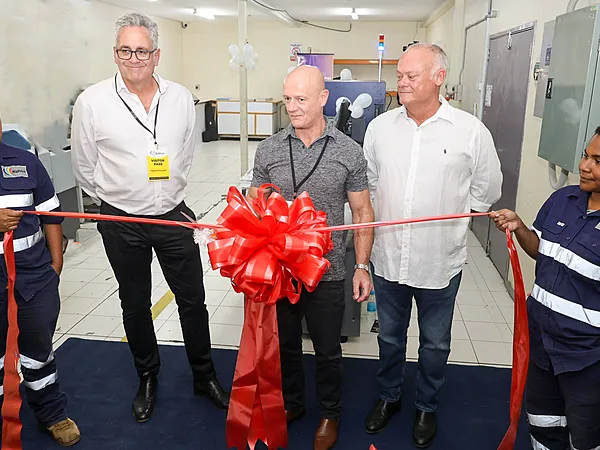
BizPrint, a member of the Remington Group, has announced a major investment in the Konica Minolta AccurioPress C12010S, the first digital press of its kind to be installed in the Pacific region.
The decision to bring the AccurioPress C12010S to Papua New Guinea reflects BizPrint's position within the Remington Group's technology ecosystem. As part of the Remington Technology brand and through its partnership with Konica Minolta, BizPrint gains early access to next-generation print technology to replace traditional offset printing.
"We jointly identified an opportunity to give BizPrint a point of difference and to offer the PNG market the value that comes with a 5-color digital press with built-in finishing, giving exceptional quality, consistency and automation—not only in the PNG market, but across the Pacific region as a whole," said Remington Group CEO Justin Kieseker.
"We're proud to support BizPrint and the Remington Group as they bring this first-of-its-kind production print capability to the Pacific region. This investment opens new opportunities for local businesses to access high-quality, creative and efficient print applications, backed by the training, technical expertise and service support needed for long-term success. It's a strong example of partnership delivering practical innovation for customers across the Pacific," said Yohei Konaka, managing director of Konica Minolta Australia.
The press handles extremely thick paper and cardstock, up to 450 gsm, as well as shiny or smooth finishes, stickers, textured linen and specialized waterproof paper-plastic blends. These flexible, moisture-resistant materials make it ideal for product packaging and manufacturing labels.
Two key features set the investment apart as a benchmark for the industry's future in PNG:
White ink and spot-color capability: Along with standard CMYK, the machine enables spot-color effects to highlight underlying and overlying artwork, creating shadow and shimmer finishes previously unavailable in the local market.
Integrated Plockmatic Booklet Maker: The press is fitted with a Plockmatic Booklet Maker, enabling booklets with covers up to 250 gsm and pages up to 150 gsm to be collated, folded, bound and trimmed to size automatically.
Ahead of installation, the company sent two technicians to the Konica Minolta Training Centre in Sydney for a two-week intensive course covering the new equipment.
This was followed by three weeks of in-country support from three Konica Minolta specialist trainers and technicians, who oversaw the installation of the digital press and the Plockmatic SD-450e booklet finisher.
"The investment in hardware is one thing — however, it is the investment in our people that we are most proud of," said Kieseker. "The key to its success lies in both our people and the creative work, and we have proudly invested in both to ensure BizPrint continues to be a market leader, both now and for years to come."
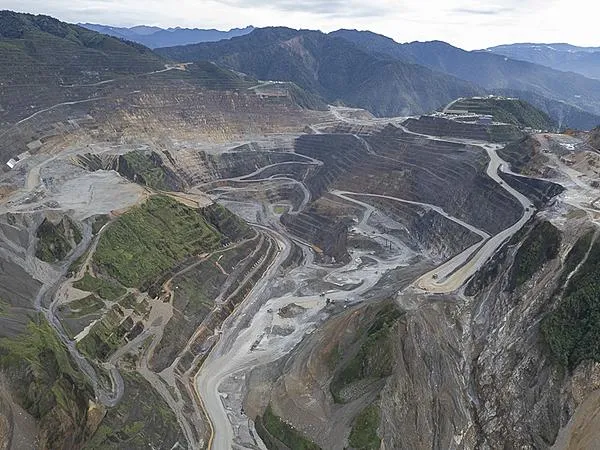
Ok Tedi Mining Ltd. is maintaining mining and processing operations despite dry weather conditions and lower-than-normal water levels on the Fly River, the company said.
Ok Tedi said it is closely monitoring river conditions and has activated contingency measures to maintain the supply of fuel, critical consumables, equipment and other operational requirements to its mine site.
Parts of the Fly River are currently not being used for normal freight movements because of the low water levels, prompting the company to source alternative logistics arrangements.
"As part of our business continuity planning, Ok Tedi has been actively managing the impacts of the dry conditions through a range of mitigation measures, including pursuing alternate supply routes and careful management of key resources," Managing Director and Chief Executive Officer Kedi Ilimbit said.
"At present, mining and processing operations continue, and the company remains focused on delivering its operational objectives safely and responsibly. While the current conditions present additional logistical challenges, Ok Tedi has contingency plans in place and continues to adapt its operations as required," he said.
Ok Tedi said it was experiencing increased costs associated with managing the dry weather, particularly in logistics and supply chain management.
The company said it was taking measures to manage the impacts and maintain operational resilience.
Ilimbit said the Kiunga-Aiambak road was now accessible and a trial tanker run was planned for this week.
Work is also continuing to improve access along the Alice Pit to Butmabin-Yetekun border crossing route, he said.
Ok Tedi said it would continue monitoring weather patterns, river conditions and supply chain risks.
"The safety of our employees, contractors and communities remains our highest priority, while ensuring the ongoing reliability of our operations," the company said.
"While the current dry weather conditions require us to be agile and proactive, it is business as usual at Ok Tedi. We anticipated the potential impacts and have activated contingency measures to support our operations. Our teams continue to do an excellent job managing the situation, and we remain focused on safely delivering our operational commitments," Ilimbit said.
Ok Tedi Mining Ltd. operates an open-pit copper, gold and silver mine in the Star Mountains of Western province. The company is majority state-owned and has operated in the region for more than 40 years.
The company ships copper concentrate to smelters and ore refineries in Japan, the Philippines, Indonesia, South Korea, India and Germany.
Ok Tedi is also expanding into Milne Bay province through the acquisition of Gallipoli Exploration Ltd., a wholly owned subsidiary of Australian mining company Kingston Resources Ltd., for the Misima mine.
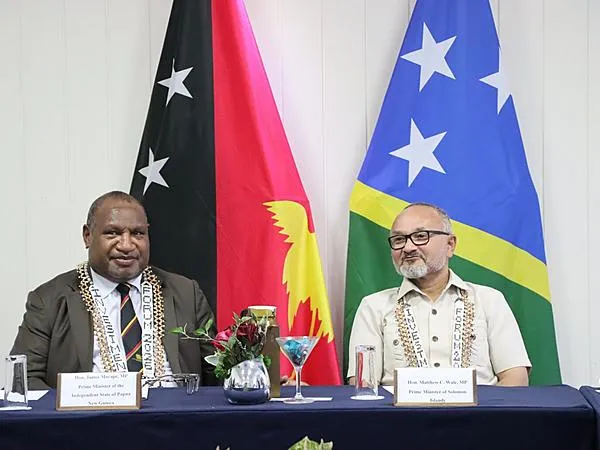
Papua New Guinea and Solomon Islands are seeking to deepen economic cooperation, increase cross-border investment and develop stronger business-to-business partnerships as the two Melanesian neighbours work to translate longstanding political ties into economic gains.
PNG Prime Minister James Marape made the call during the inaugural Papua New Guinea-Solomon Islands Business Investment Forum in Honiara, held under the theme “From Opportunity to Investment: Building the PNG-Solomon Islands Growth Corridor.”
The forum brought together government leaders, investors, business executives, financial institutions and private-sector representatives from both countries.
Marape said the forum should mark the beginning of sustained economic engagement between the two countries, with a focus on investment, trade, employment, downstream processing and greater economic independence.
“What good is political independence without economic independence?” Marape said, calling for both countries to build economies strong enough to stand on their own feet.
He said PNG and Solomon Islands were permanent neighbours whose economic interests were closely linked by geography, culture and history.
“We must construct a future that is fair and balanced, respects our people and our businesses, and allows us to walk step by step, side by side, into the future,” he said.
The forum followed Solomon Islands Prime Minister Matthew Wale’s official visit to Port Moresby in June, during which the two countries signed the Framework Agreement on Development and Economic Cooperation 2026-2030.
The agreement provides a framework for cooperation in trade and investment, mining, fisheries, agriculture, infrastructure and other areas of mutual economic interest.
Marape said the Honiara forum was intended to translate that government-level commitment into private-sector projects and partnerships.
“When Prime Minister Wale visited Port Moresby, we agreed that our relationship must produce tangible outcomes for our countries,” he said. “We have established the government framework. Now we want our private sectors to identify projects, establish partnerships and turn those opportunities into investment.”
PNG investment presence
PNG already has a significant commercial presence in Solomon Islands.
A 30-year review records 126 PNG-origin registered investments across 18 sectors, including agriculture, communications and information technology, construction, financial services, fisheries, mining, insurance, professional services, retail and wholesale, tourism and transportation.
The investments have proposed employment for more than 7,500 Solomon Islands citizens, with agriculture, professional services and fisheries among the largest employment-generating sectors.
Marape said PNG businesses had demonstrated that they could invest successfully beyond the country’s borders while creating jobs and contributing to a neighbouring economy.
“Papua New Guinean businesses have demonstrated that they can successfully invest beyond our borders while creating employment and contributing to the economy of a neighbouring Pacific country,” he said.
He encouraged Solomon Islands businesses to similarly explore opportunities in PNG.
Joint investment opportunities
Marape said the two countries had opportunities to cooperate in mining, fisheries, agriculture, energy, tourism, infrastructure, financial services, telecommunications, transport and downstream processing.
He particularly highlighted opportunities for joint ventures and partnerships between businesses in both countries.
“If we can source capacity from each other, let us source it. If we can have joint ventures amongst each other, let us have those joint ventures,” he said.
PNG businesses already operating in Solomon Islands include companies in property, finance, retail, fisheries, professional services, construction and other sectors.
Marape encouraged PNG businesses operating in Solomon Islands to develop local partnerships and support the growth of Solomon Islands-owned small and medium-sized enterprises.
“PNG businesses, as you work here, incubate a local business to be your value partner,” he said. “A good relationship, a good business venture and a good reputation is premium capital.”
Mining, fisheries opportunities
The two countries’ marine resources represent another potential area for cooperation, Marape said, particularly in fisheries.
PNG and Solomon Islands have large exclusive economic zones with significant tuna resources. Marape called for greater domestic processing and manufacturing rather than simply harvesting and exporting fish.
“We have been open for business for so long. We now want to go into partnership,” he said. “We want to step up processing of our catches in our respective countries.”
He said stronger cooperation could help the two countries build regional value chains for tuna and other marine products while creating employment and retaining more economic value domestically.
Marape also encouraged responsible investment in mining and energy, saying investors should receive reasonable returns while host countries, landowners and local businesses benefit through taxation, royalties, equity and local content.
In a separate bilateral meeting with Wale at the Heritage Park Hotel, Marape said Solomon Islands had again invited PNG investors to participate in its economy.
He said more than K1 billion of PNG investment was already present in Solomon Islands, with more than 59 PNG companies of various sizes operating there.
“We already have over K1 billion worth of Papua New Guinea investments in Solomon Islands, with more than 59 PNG companies of different sizes operating here,” Marape said.
He said the two countries could also explore joint participation in major mining projects, including arrangements that would ensure Solomon Islanders remained the principal beneficiaries of their natural resources.
Marape said PNG was prepared to consider equity structures in which Solomon Islands government entities, companies, provincial governments and landowners retained majority interests, while PNG companies contributed capital, expertise and experience.
“We are not coming here simply to take resources out. We want genuine partnerships in which Solomon Islanders remain beneficiaries of their own resources while our companies contribute capital, expertise and experience,” he said.
Economic relationship
The leaders also discussed trade and investment, border arrangements, mining, fisheries, agriculture, education, policing and security, air connectivity and other areas of bilateral cooperation.
Marape said the direct air connection between Honiara and Port Moresby would help facilitate the movement of businesses, investors and people between the two countries.
He said both governments needed to ensure that bilateral agreements translated into practical economic outcomes.
“Our political relationship is strong, our cultural and historical relationship is permanent, and now we must build the economic relationship to the same level,” Marape said.
“A stronger PNG-Solomon Islands economic corridor will strengthen both countries and contribute to a more economically resilient Melanesia and Pacific,” he said.
Marape said PNG’s economic diplomacy should also encourage domestic companies to expand internationally, rather than focusing solely on attracting foreign investment into the country.
“Papua New Guinea must also become an investor in the Pacific and, increasingly, beyond our region,” he said.
He identified banks, telecommunications companies, resource businesses, superannuation funds, agricultural companies, professional firms and SMEs as potential regional investors.
The prime minister said stronger economic integration between PNG and Solomon Islands could serve as a model for wider Melanesian and Pacific economic cooperation.
“A healthy Solomon Islands is a healthy PNG. A healthy PNG is a healthy Solomon Islands,” Marape said.
“Our strength is in economic prosperity.”
He urged businesses attending the forum to focus on practical opportunities, identify projects and establish joint ventures as the two countries seek to build a stronger economic relationship over the coming years.
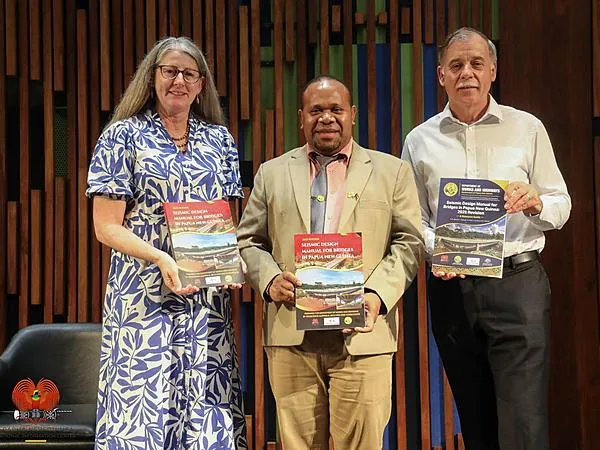
Papua New Guinea has launched a revised manual for the seismic design of bridges, updating earthquake risk information and engineering requirements for the planning, design and construction of bridges across the country.
The Seismic Design Manual for Bridges in Papua New Guinea 2025 Revision was launched Aug. 13 in Port Moresby by Department of Works and Highways Secretary Gibson Ali Holemba, who formally launched the manual on behalf of the government.
The revision replaces seismic bridge design guidance that has been used by engineers in PNG for about 40 years.
PNG is exposed to significant earthquake risks because of its location at the convergence of major tectonic plates and microplates. Major earthquakes, including the 1971 Madang earthquake, the 1985 Bialla earthquake and the 2017-18 Southern Highlands earthquake, have damaged roads, bridges, buildings and other infrastructure.
The revised manual incorporates advances in engineering, materials, analytical methods and scientific understanding of seismic hazards.
It also incorporates updated information from a probabilistic seismic hazard assessment supported by the Australian government through Geoscience Australia. The assessment provides more detailed seismic risk information at provincial and district levels, giving engineers a stronger basis for determining bridge design requirements at specific locations.
Holemba said the revised manual should be treated as a national requirement rather than simply a technical reference.
“Sound engineering and standards are not optional guidance. They are not optional. They are fundamental requirements and mandatory for protecting lives,” he said.
The Department of Works and Highways will incorporate the revised requirements into project planning, design briefs, terms of reference, tender documents, technical specifications, design reviews, construction and asset acceptance procedures.
All new bridge projects must demonstrate compliance with the revised requirements from the launch date, regardless of whether they are funded by the national government, loans, development partners, tax credit arrangements, provinces or districts.
Bridge acceptance will also require technical evidence including site investigations, geotechnical assessments, seismic calculations, approved drawings, independent technical reviews, material test results, construction records and certification by qualified registered engineers.
The revised approach is intended to ensure bridge designs reflect the specific conditions at each project location.
Previous design parameters did not always account for site-specific seismic conditions. The updated assessment provides engineers with more detailed location-specific information, helping reduce the risk of under-design while avoiding unnecessary design requirements and costs.
The manual also addresses structural ductility, lateral strength, soil instability, slope failures, flooding, debris impact and interactions between seismic and climate-related risks.
For PNG, bridge resilience has implications beyond the structural integrity of individual bridges. Bridge failures can cut communities off from hospitals, schools, markets, ports and airports, making resilient bridge infrastructure important to national connectivity and public safety.
Holemba also warned against allowing construction costs to drive engineering decisions.
“Engineering must dictate the price, not cost dictating the engineering designs,” he said.
He said the lowest initial construction price did not necessarily represent the best value if engineering requirements were compromised and infrastructure could not remain safe and serviceable throughout its intended life.
The department will establish professional training, compliance checklists, independent review procedures and periodic technical audits to support implementation of the revised manual.
Existing bridges on strategic national highway corridors in high-risk areas will also be progressively assessed and prioritized for strengthening, retrofitting, rehabilitation or replacement.
More than 1,000 bridges have been inspected and assessed with support from the Asian Development Bank and World Bank, including load-rating assessments to identify vulnerable structures requiring further work.
The revision was supported by the Australian government through the Department of Foreign Affairs and Trade and Geoscience Australia. Scientific work also involved seismic information from the Port Moresby Geophysical Observatory and Rabaul Observatory, as well as contributions from bridge engineering, geotechnical and technical specialists.
The launch begins the implementation phase of the revised manual. The department is expected to review it as new scientific information, engineering lessons and technologies become available.
Holemba said the effectiveness of the manual would ultimately be measured by the performance of bridges built under its requirements.
“The true value of this manual will not be measured by the number of copies printed,” he said. “It will be measured by the bridges that remain standing.”
The revised manual provides engineers and other professionals involved in bridge development with an updated, locally relevant basis for designing infrastructure capable of withstanding PNG’s seismic risks.
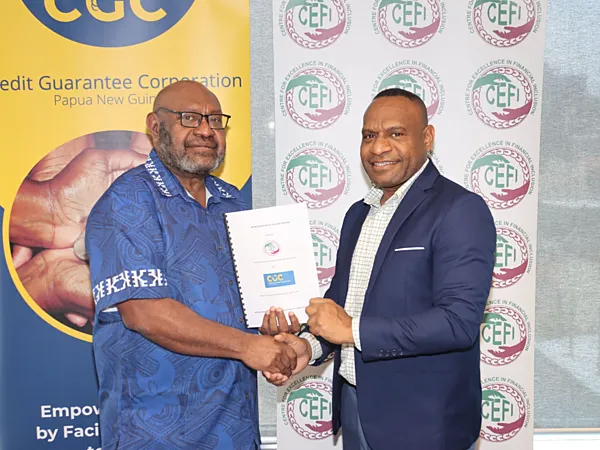
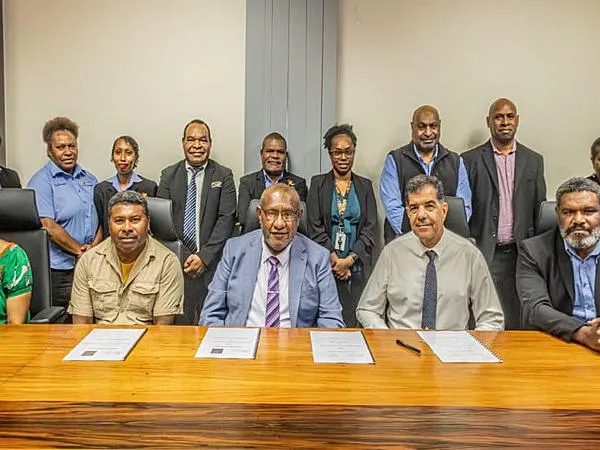
The Centre for Excellence in Financial Inclusion (CEFI) and Credit Guarantee Corporation PNG (CGC) have signed a memorandum of understanding to strengthen financial literacy, business capability and access to finance for micro, small and medium-sized enterprises across Papua New Guinea.
The agreement formalizes an existing partnership between the two organisations and establishes a framework for joint financial literacy programmes, entrepreneurship training, business development support and referrals to financial institutions participating in CGC’s credit guarantee programme.
CEFI and CGC will collaborate on financial literacy and capacity-building initiatives covering entrepreneurship, banking and financial management, while raising awareness of their respective roles in expanding access to finance and financial inclusion.
A key element of the partnership will be a referral pathway for startup businesses seeking finance.
CEFI Acting Executive Director Peter Samuel said the growing number of MSMEs accessing financial services made it important to ensure business owners had the skills to manage their finances effectively.
“As CGC’s portfolio continues to grow, so too does the number of MSMEs participating in the market,” Samuel said.
He said greater access to finance did not necessarily mean that beneficiaries had the knowledge required to manage their businesses successfully.
“Our objective is to ensure that recipients of guaranteed facilities are equipped with the knowledge and skills needed to manage their businesses effectively, maintain proper financial records and avoid the risks associated with poor financial management,” he said.
Samuel said CEFI would complement CGC’s credit guarantee facilities with practical capacity-building programmes, including its Business Essential Skills Module, Digital Financial Literacy Module and financial literacy programmes covering budgeting and savings.
He said combining access to finance with business incubation and financial education would provide entrepreneurs with stronger support to establish sustainable businesses.
“The government continues to emphasise the importance of supporting MSMEs. However, support must go beyond financing alone,” Samuel said.
“We also need clear pathways that provide incubation, capacity building and business acceleration programmes to help MSMEs become sustainable and contribute meaningfully to economic growth.”
CGC Chief Executive Officer Dominic Sikakau said the agreement formalised a partnership that had already supported several initiatives.
“We have already collaborated on a range of initiatives, so today’s memorandum of understanding simply formalises a relationship that has existed for quite some time,” Sikakau said.
He said loan defaults remained a key challenge for CGC’s guarantee programme and were often linked to gaps in business knowledge and financial management skills.
“Through our partnership with CEFI, we hope to strengthen the capacity of MSMEs by equipping them with the knowledge and skills to manage their finances effectively, build sustainable businesses and ultimately reduce the risk of default,” he said.
Sikakau also highlighted CGC’s Loan Referral Platform, which allows MSMEs to submit loan applications online to participating financial institutions.
He said integrating the platform into CEFI’s financial literacy programmes could improve awareness and accessibility, particularly among entrepreneurs in rural and remote areas.
The organisations said the partnership would help create stronger pathways for entrepreneurs, reduce barriers to finance and support private-sector growth, financial inclusion and socioeconomic development in Papua New Guinea.
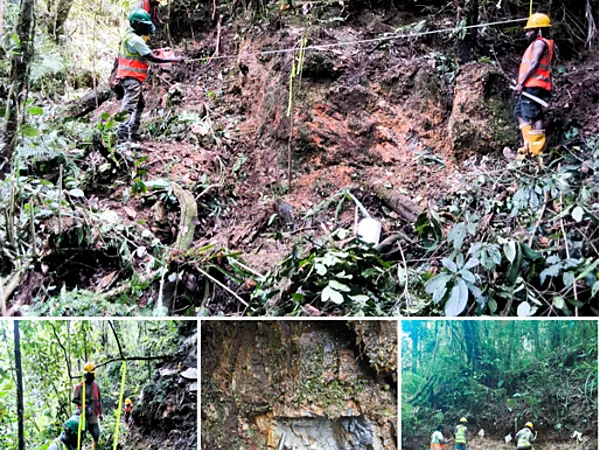
Great Pacific Gold Corp. has expanded the interpreted footprint of two high-grade gold vein systems at its Wild Dog Project in East New Britain following new mapping and channel-sampling results.
The company said its latest work at the Elamaraka and Kargalio vein systems had identified additional mineralized quartz-sulphide veins beyond historically mapped areas, strengthening the potential of the southern Wild Dog structural corridor.
At Elamaraka, continuous channel sampling returned 9 meters grading 4.81 grams per tonne of gold, 41.96 grams per tonne of silver and 0.02% copper.
Individual samples included grades of up to 26.86 grams per tonne of gold and 233.4 grams per tonne of silver. Additional vein exposures along the interpreted corridor returned 4.22 grams per tonne of gold from a grab sample, while channel samples returned 1.20 grams per tonne and 1.05 grams per tonne of gold.
Great Pacific Gold said mapping indicated Elamaraka was broader than a single historical vein, with multiple quartz-sulphide veins showing similar structural orientation and mineralization styles.
The Elamaraka system is about 2 kilometers southwest of the Sinivit deposit and forms part of the southern continuation of the Sinivit-Kavasuki epithermal corridor.
At Kargalio, a 6-meter channel interval returned an average grade of 7.29 grams per tonne of gold, 12.83 grams per tonne of silver and 0.24% copper, including 2 meters at 16.20 grams per tonne of gold.
A second 6-meter channel interval about 40 meters south returned 2.85 grams per tonne of gold, 8.20 grams per tonne of silver and 0.15% copper.
Another quartz-sulphide-clay breccia zone about 260 meters east of the Kargalio vein returned about 10 meters at 1.77 grams per tonne of gold.
The company said mapping had identified additional mineralized structures at Kargalio, supporting its interpretation that the prospect represents a broader mineralized corridor rather than a single historical vein.
Great Pacific Gold Chief Operating Officer and Vice President Exploration Callum Spink said the results had strengthened the company’s understanding of the southern Wild Dog corridor.
“Historical work reported high-grade gold mineralization at the EK Target Area. Our recent mapping and systematic sampling indicate that these prospects form part of broader mineralized corridors containing multiple quartz-sulphide veins,” Spink said.
The company has also begun work in the South Zone of the 15-kilometer Wild Dog structural corridor, with earthmoving equipment clearing an access track south of Elamaraka and Kargalio.
An exploration team has been mobilized to conduct initial geological mapping and rock-chip sampling at South Zone prospects including Lost Dog, Steel Creek, Cut-hand Creek, Muruk and Regess.
Great Pacific Gold said the initial South Zone results would be reported after assays are received and reviewed.
The company currently has two diamond drill rigs operating at Wild Dog and plans to extend systematic drilling into the southern corridor as priority targets are developed.
Great Pacific Gold said its Wild Dog Project includes a 15-kilometer structural corridor in East New Britain, with the company pursuing multiple epithermal and porphyry exploration targets. The company also holds the Kesar, Arau and Tinga Valley projects in Papua New Guinea.
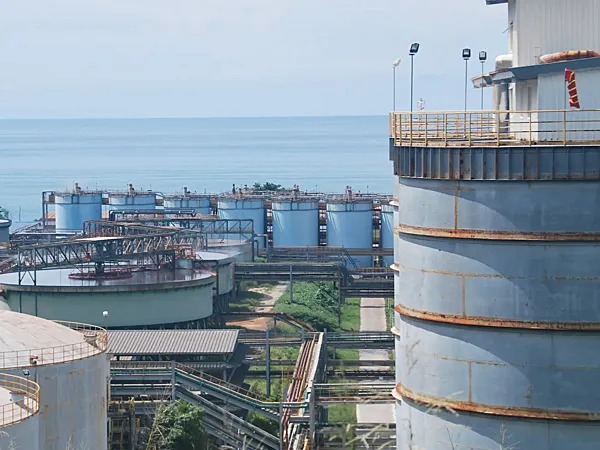
PORT MORESBY, Papua New Guinea — Production of contained nickel at the Ramu Nickel-Cobalt operation in Papua New Guinea fell 4% in the second quarter of 2026, while nickel and cobalt sales increased and prices strengthened, according to Nickel 28 Capital Corp.
Ramu produced 8,234 tonnes of contained nickel in mixed hydroxide precipitate (MHP) in the three months to June 30, compared with 8,564 tonnes in the same quarter of 2025. Cobalt production rose to 811 tonnes from 787 tonnes.
Nickel sales increased 14% to 8,967 tonnes from 7,846 tonnes, while cobalt sales rose 23% to 881 tonnes from 719 tonnes.
Nickel 28 holds an 8.56% joint-venture interest in Ramu, which is operated by Metallurgical Corporation of China.
The company said the operation maintained strong production despite completing one of three scheduled annual high-pressure acid leaching, or HPAL, train maintenance shutdowns during the quarter.
For the first half of 2026, Ramu produced 17,019 tonnes of contained nickel and 1,666 tonnes of contained cobalt, compared with 15,534 tonnes and 1,435 tonnes, respectively, in the first half of 2025.
Nickel prices also provided support during the quarter. The average London Metal Exchange nickel price rose 20% year over year to US$8.24 a pound, while the average cobalt price increased 68% to US$25.65 a pound.
However, higher sulphur prices pushed production costs higher. Costs, net of byproduct credits, rose to US$4.81 a pound of nickel produced in MHP from US$3.21 a pound a year earlier. First-half costs increased to US$3.78 a pound from US$3.39 a pound.
Nickel 28 Chief Executive Officer Craig Lennon said the results demonstrated the reliability of the Ramu operation despite the scheduled maintenance shutdown.
“Ramu delivered another strong quarter of operational performance during the second quarter of 2026, with robust production and sales volumes that continue to demonstrate the reliability and consistency of the operation,” Lennon said.
He said the remaining two planned shutdowns were completed shortly after the end of the quarter, leaving the operation positioned for a strong second half of the year.
Lennon said market conditions remained supportive, with higher nickel and cobalt prices and strong payable terms for both metals supporting operating cash flow.
He identified sulphur as the project’s main cost pressure, citing tight global supply following disruptions that have kept prices elevated across the HPAL industry.
The company also highlighted Indonesian government production quotas under the RKAB system as a key factor for the global nickel market, saying future quota allocations could influence Indonesian supply and global nickel prices.
Ramu’s nickel inventory stood at 1,094 tonnes at June 30, down from 1,828 tonnes at March 31.
Nickel 28 said the operating figures were preliminary and unaudited and remained subject to audit, final adjustments and potentially material changes.
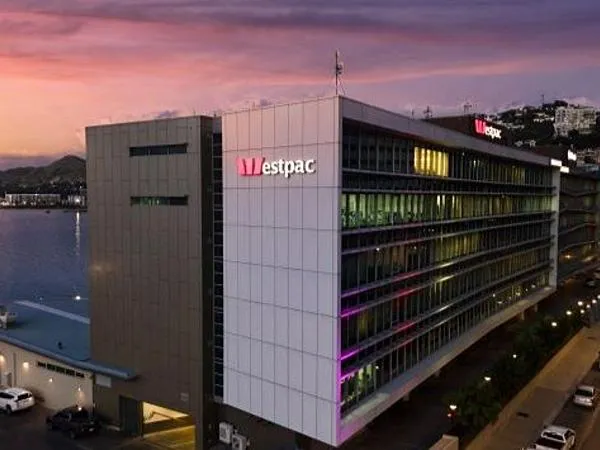
Papua New Guinea’s economy has entered the second half of 2026 in a stronger position than expected at the start of the year, supported by elevated commodity prices, increased resource-sector activity and continued economic reforms, according to Westpac’s latest WAILIS PNG Economic Update and Outlook.
The report said PNG’s macroeconomic outlook remained encouraging, with higher export earnings, stronger activity across mineral and non-mineral sectors and continued government infrastructure spending under the Connect PNG programme supporting economic growth.
Westpac Pacific Senior Economist Shamal Chand said the challenge was ensuring that stronger economic activity translated into broader benefits for households and communities.
“PNG is benefiting from stronger commodity prices, improved resource-sector activity and IMF-backed reforms,” Chand said. “The bigger task now is making sure growth supports livelihoods, service delivery and broader economic resilience.”
The report said the Bank of Papua New Guinea maintained the Kina Facility Rate at 5.0% during the period, while the kina continued to depreciate under the central bank’s crawl-like exchange rate regime.
Year to date in 2026, the kina exchange rate moved from 0.2352 to 0.2267, representing a decline of about 3.6%.
Westpac said foreign exchange conditions had improved, although remaining FX queues and central bank auctions indicated that the market had yet to fully clear.
Formal employment grew 2.4% in 2025, with mining and resources accounting for much of the increase in hiring.
However, Westpac noted that formal employment remained relatively small compared with the country’s large informal economy.
The report said this highlighted the need for better economic and household data to provide a clearer picture of livelihoods and living conditions across PNG.
Westpac’s outlook suggests that maintaining reform momentum will be important to consolidate recent economic gains and ensure stronger resource-sector activity translates into wider economic resilience and improved living standards.
The report also points to the importance of continued fiscal and monetary discipline, infrastructure investment and reforms supported by the International Monetary Fund as PNG navigates the second half of 2026.
For more than two decades, CE Group has delivered complex electrical and engineering projects across Australia and the Pacific, building a reputation for providing practical, end-to-end engineering solutions in some of the region's most challenging operating environments. From major mining operations and hospitals to water infrastructure and renewable energy developments, the company has supported clients with integrated engineering services across a diverse range of sectors.
Founded in 2000 in South East Queensland, CE Group has steadily expanded its footprint beyond Australia into Papua New Guinea, Fiji, Solomon Islands, Vanuatu and New Zealand. Today, the privately owned business provides a full suite of services, from engineering design and electrical construction to switchboard manufacturing, commissioning and ongoing maintenance. Rather than engaging multiple contractors, clients increasingly turn to CE Group as a single integrated delivery partner capable of managing projects from concept through to completion.
As infrastructure projects continue to grow in scale and complexity, integrated project delivery has become increasingly important.
In response to this shift, CE Group has strengthened its in-house engineering capability, enabling it to become involved much earlier in the project lifecycle. Early engineering engagement helps reduce project risks while providing greater certainty around cost, quality and schedule. It also improves coordination and collaboration between project teams, identifies potential challenges before construction begins, and supports more efficient project delivery.
By bringing engineers, designers, manufacturers and construction teams together under one roof, the company aims to deliver practical, buildable solutions that improve project outcomes.
The move also reflects broader changes across the infrastructure sector. Throughout Australia and the Pacific, governments and private investors continue to increase investment in renewable energy, water security, mining, industrial facilities and other critical infrastructure.
Many project owners are seeking delivery partners with the technical capability to support projects from early planning and design through construction, commissioning and long-term maintenance, rather than contractors focused solely on construction.
For CE Group, expanding its engineering capability positions the business to meet that demand. The company says earlier involvement in project planning enables it to improve constructability, identify potential issues before construction begins, streamline project delivery and develop more efficient engineering solutions.
These capabilities have already been demonstrated across a diverse portfolio of projects. In Papua New Guinea, CE Group has contributed to major developments including the Angau Memorial Hospital Redevelopment and APEC Haus, while across Australia it has delivered electrical and engineering solutions for mining, water and industrial infrastructure projects.
Alongside strengthening its technical capability, CE Group continues to invest in its people and regional presence. The company now employs more than 450 people across multiple countries and maintains a strong focus on safety, workforce development and local capability building. Investing in local talent remains a key part of its regional strategy, particularly across Pacific markets where demand for skilled engineering and technical expertise continues to grow.
Looking ahead, the company expects continued investment in the energy transition, industrial expansion and essential infrastructure to create new opportunities across the region. With its expanded engineering capability and integrated delivery model, CE Group believes it is well positioned to support clients through every stage of increasingly complex projects.
As infrastructure demands continue to evolve, the company's strategy remains focused on combining engineering expertise, practical execution and long-term partnerships to deliver projects more efficiently, safely and reliably. In an environment where project certainty is increasingly valued alongside technical capability, CE Group's integrated approach is designed to help clients achieve better outcomes throughout the project lifecycle.
Kumul Petroleum Holdings Limited (KPHL) has welcomed progress on the new Cancer Treatment Facility and Kumul Petroleum National Heart Centre at Port Moresby General Hospital, while ordering a review of the stalled Surgical Ward project.
The KPHL Board inspected the facilities during a site visit facilitated by PMGH Chief Executive Officer Paki Molume and hospital management.
KPHL Chairman Isaac Lupari, board director Jacob Anga and acting Managing Director Luke Liria visited the Cancer Treatment Facility, which is scheduled to open next month, as well as the National Heart Centre.
KPHL has committed K10 million toward structural works at the cancer facility, including foundation works for two cancer treatment bunkers.
The company attributed progress on the project to the direct involvement of PMGH management and its board, together with oversight from an independent project manager.
Once operational, the facility is expected to improve access to cancer treatment in Papua New Guinea and reduce the need for patients to travel overseas for costly treatment.
Lupari said the health investments aligned with national development priorities. KPHL has committed more than K50 million toward restoring and improving the National Heart Centre at PMGH.
The investment has strengthened the hospital’s capacity to diagnose and treat cardiovascular diseases, which are among the leading causes of death in PNG, KPHL said.
The board, however, expressed serious concerns about the Surgical Ward project, which was managed separately by external project managers.
According to KPHL and PMGH management, the hospital had limited control and oversight of the project, with its management and decision-making team having no direct role in its design and construction.
The project has incurred expenditure approaching K70 million, but KPHL said there was little visible development on the ground despite the substantial investment.
The board expressed disappointment with the management of the project and said a forensic audit had been conducted under the direction of the trustee and the government.
The audit findings will be scrutinized, with appropriate action to be taken to recover funds and establish accountability, KPHL said.
KPHL said it would also reassess the Surgical Ward project’s scope, design, funding and implementation arrangements, recognizing the facility’s importance to PMGH’s operations.
The review is intended to identify a path to salvage and complete the project while strengthening accountability over KPHL-funded infrastructure initiatives.
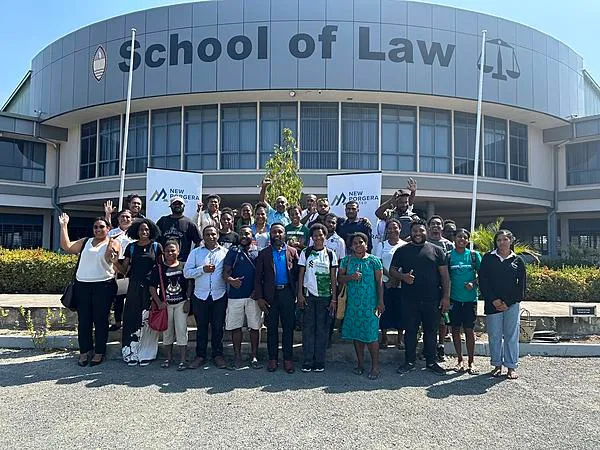
New Porgera Limited (NPL) has launched a new legal scholarship aimed at developing the next generation of commercial lawyers in Papua New Guinea.
The New Porgera Ltd Legal Scholarship was officially launched at the University of Papua New Guinea’s School of Law by NPL Country Manager Karo Maha and Deputy Dean of Planning Sumasy Singin.
The programme will support talented third-year law students through financial assistance and hands-on industry experience.
The top two successful applicants will each receive K10,000 to cover tuition and boarding fees for their final year of study. The top three finalists will also receive internship opportunities with NPL.
Maha said commercial law could provide a pathway to executive leadership in Papua New Guinea’s resources sector.
She highlighted several industry leaders who began their careers in commercial law, including Ronald Meketa, managing director of the National Energy Authority; Michael Uiari, CEO of NiuPower Ltd.; Valentina Kaman, chief risk officer of Mineral Resources Development Company; Wayne Kasou, senior vice president of Santos; and Anthony Smare, president of the PNG Chamber of Resources and Energy.
Singin welcomed the initiative, saying it would create opportunities for law students to develop their careers and contribute to the country’s future.
“New Porgera Limited is more than a mine – it’s a promise to our people, a bridge to opportunity, and a legacy the next generation will be proud to inherit,” Singin said.
The scholarship is open to third-year law students from across Papua New Guinea. Applicants must submit their CV and an essay on a commercial law topic.
Shortlisted candidates will be interviewed by a panel comprising Maha; Singin; Ethel Heagi, NPL legal manager; and Cathy Magalu, general manager of corporate services at Kumul Minerals Holdings Ltd.
NPL said the scholarship forms part of its commitment to building local capacity and creating pathways for Papua New Guineans to pursue senior leadership roles through careers in commercial law.
The National Superannuation Fund (Nasfund) has surpassed K10 billion in net asset value (NAV) for the first time.
As of June 30, 2026, the fund’s net assets stood at K10.25 billion, up from K9.45 billion at the end of 2025.
Nasfund Chief Executive Officer Rajeev Sharma said the milestone reflected the fund’s prudent financial management, strong governance practices and commitment to protecting and growing members’ retirement savings.
“Reaching over K10 billion in the first six months of 2026 is a testament to our continued growth and financial resilience in a dynamic economic environment,” Sharma said. “We are delighted to share this milestone with our stakeholders, especially our members, whose trust and confidence make this possible.”
Sharma said the growth was driven by strong returns from a diversified investment portfolio, consistent member and employer contributions and disciplined cost management.
“Crossing the K10 billion mark reflects our robust governance frameworks, expanding membership base and focus on operational efficiency. It is also a direct result of the commitment of our contributing employers and the hard work of our dedicated Nasfund team,” he said.
Nasfund’s 2026 half-year report highlights positive momentum across the business.
Key performance indicators include:
Membership growth: More than 26,000 new members were registered, bringing the total number of actively contributing members to 220,175.
Contributions: The fund received K458 million in contributions, further strengthening members’ retirement savings.
Member benefits: A total of K351 million was paid in member benefits, demonstrating the fund’s capacity to meet members’ financial needs.
Cash revenue: The fund recorded K316 million in cash revenue, a 2% increase from the same period last year.
Sharma thanked the fund’s employers, members, stakeholders and employees for their support.
“I thank our employers, members, stakeholders and the hardworking employees of Nasfund. This milestone reinforces our goal to ensure all members are ready for tomorrow,” he said.
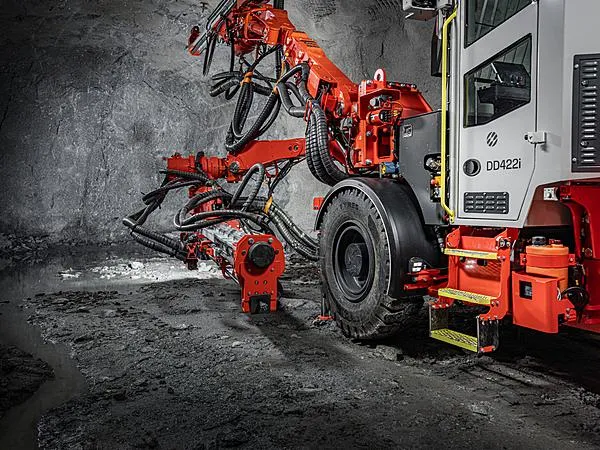
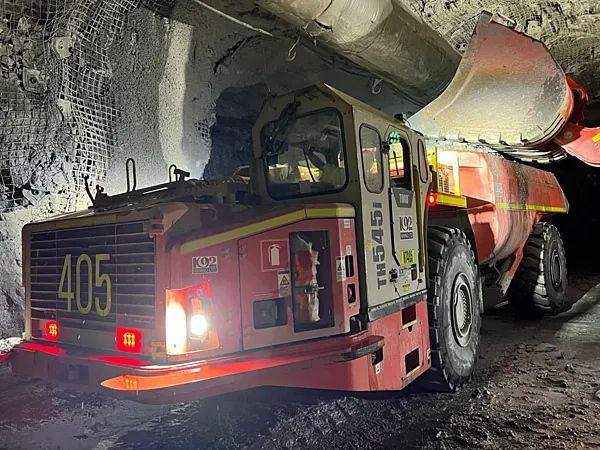
Byrnecut, one of the world’s leading underground mining contractors, has invested in a fleet of 20 Sandvik underground drills, loaders and trucks and five raise boring systems to support its operations across Australia, Canada, West Africa and Southern Africa.
Byrnecut’s latest investment includes four Sandvik DD422i development drills, four Toro® LH621i loaders equipped with AutoMine®, four Toro® TH663i underground trucks, two Sandvik DL432i longhole drills and one Sandvik DL422i longhole drill. The orders also include four Rhino 100 mobile raise boring machines and one Rhino uphole module.
The orders were booked during June 2026. Equipment delivery is ongoing, with deliveries continuing through June 2028. Byrnecut will deploy the equipment across multiple operations in Australia, Canada, West Africa and Southern Africa, supporting both new and existing underground mining projects.
Sandvik and Byrnecut have built a strong global partnership over many years, working together to deliver safe, productive and innovative underground mining solutions across multiple regions.
“Our relationship with Sandvik has been built over many years on trust, collaboration and consistent performance,” said Pat Boniwell, managing director, Byrnecut Australia. “As our business continues to grow globally, we need equipment that delivers the productivity, reliability and technology our customers expect. This investment strengthens our fleet with proven underground equipment, automation capabilities and the global support we need to deliver for our customers.”
Patrick Murphy, president of Mining at Sandvik, said Byrnecut continues to be one of Sandvik’s most valued global underground mining partners.
“Byrnecut has been a trusted partner for many years, and we are proud to continue supporting its global growth through this significant fleet investment,” Murphy said. “This investment demonstrates Byrnecut’s confidence in Sandvik’s underground equipment portfolio and our ability to support customers consistently across multiple continents. Together we are focused on delivering safer, more productive and increasingly automated underground mining operations.”
Byrnecut will also leverage Sandvik’s global support network to maximize equipment availability and productivity throughout the fleet’s operating life.
Sandvik is a global, high-tech engineering group providing solutions that enhance productivity, profitability and sustainability for the manufacturing, mining and infrastructure industries. The company is at the forefront of digitalization and focuses on optimizing customers’ processes.
Its offering includes equipment, tools, services and digital solutions for machining, mining, rock excavation and rock processing. In 2025, the group had approximately 42,000 employees and revenue of about 121 billion Swedish kronor in more than 150 countries.
Mining is a business area within the Sandvik Group and a global supplier of equipment and tools, parts, services, digital solutions and sustainability-driving technologies for the mining and construction industries.
Application areas include rock drilling, rock cutting, loading and hauling, tunneling, ground support and quarrying. In 2025, sales were approximately 69 billion Swedish kronor, with about 18,000 employees.
The Autonomous Bougainville Government is strengthening the capacity of local contractors to meet government tendering, procurement and contract management requirements through a two-day conference in Buka early August.
The Local Contractors Conference, organized by the ABG Department of Infrastructure and Utilities in partnership with the Australian government, brings together local contractors, construction service providers, engineers, procurement and contract management officers, development partners, senior public servants and representatives from Papua New Guinea’s National Department of Works and Highways.
The conference focuses on helping contractors understand the department’s and ABG’s tendering and procurement processes, including compliance requirements, technical and financial capacity, reporting systems, contract management and tender procedures.
The initiative is part of broader ABG efforts to strengthen local capacity and institutional readiness as Bougainville prepares to exercise greater powers under self-government from 2027 and works toward its stated goal of independence in 2030.
Acting DIU Secretary Wilfred Hanette said the conference provides an important platform for local contractors to better understand government requirements and the standards expected in delivering publicly funded infrastructure projects.
He said it would also help contractors understand the direction of the department and reposition their businesses to participate more effectively in Bougainville’s infrastructure development as the ABG prepares for the next stages of its political development.
ABG President Ishmael Toroama officially opened the conference, welcoming the initiative as an opportunity to strengthen local contractors’ understanding of the Bougainville Tenders and Supplies Board Act 2015.
“I welcome the opportunity provided by DIU to encourage local contractors to honour the Bougainville Tenders and Supplies Board Act 2015,” Toroama said, noting that the legislation also recognizes the participation of Bougainville contractors in government procurement.
ABG Infrastructure and Utilities Minister Patrick Nisira said the conference represented an important partnership between the government and Bougainville’s local contracting industry.
“Its purpose is to help Bougainvillean businesses compete fairly, win contracts and deliver projects professionally, so that every kina invested in infrastructure brings lasting benefits to our people,” Nisira said.
He thanked contractors for attending, saying their participation demonstrated a commitment to improving their businesses, understanding government requirements and strengthening their contribution to Bougainville’s infrastructure development.
The conference is expected to strengthen the capacity and professionalism of local contractors and support greater participation by Bougainvillean businesses in government-funded infrastructure projects.
Prime Minister James Marape will travel to Honiara this week for the inaugural Papua New Guinea-Solomon Islands Investment Conference, seeking to translate the two countries' longstanding political and cultural ties into greater trade, investment and employment opportunities.
The conference will be held at Heritage Park Hotel on Aug. 19-20 under the theme "From Opportunity to Investment: Building the PNG-Solomon Islands Growth Corridor."
Marape will address the conference alongside Solomon Islands Prime Minister Matthew Wale, who will officially open the event. Government officials, investors, business executives, financial institutions and development partners from both countries are expected to attend.
Marape said the conference would seek to move bilateral economic relations beyond government cooperation toward stronger business partnerships.
"We want to move from Opportunity to actual Investment, and from Government-to-Government Cooperation into stronger Business-to-Business Partnerships," Marape said.
Papua New Guinea already has a significant commercial presence in Solomon Islands. A 30-year review identified 126 PNG-origin registered investments across 18 sectors, including agriculture, communications and information and communications technology, construction, financial services, fisheries, mining, insurance, professional services, retail and wholesale, tourism and transportation.
Marape said PNG investment in Solomon Islands had expanded from major projects in mining, telecommunications, tourism and agriculture to include finance, construction, retail, professional services, transportation and small and medium-sized enterprises.
He also encouraged Solomon Islands businesses to consider investment opportunities in PNG, saying the economic relationship should become increasingly two-way.
The conference follows Wale's official visit to Port Moresby in June, during which the two leaders signed the Framework Agreement on Development and Economic Cooperation 2026-2030.
The agreement provides a platform for closer cooperation in trade and investment, mining, fisheries, agriculture, infrastructure and other areas of mutual economic interest.
Marape said the Honiara conference would help translate the government framework into commercial projects and partnerships. Discussions are expected to focus on agriculture, fisheries, mining, energy, tourism, infrastructure, financial services, telecommunications, transport and downstream processing.
The two countries will also examine opportunities to strengthen connectivity and develop regional value chains.
"Instead of Exporting all our Raw Resources for processing elsewhere, our countries should look at where we can build Pacific value chains, add value locally and create more Employment for our people," Marape said.
The prime minister also said PNG's economic diplomacy should include supporting domestic companies seeking to expand into regional markets.
Conference organizers estimate that PNG businesses already have about K1 billion, equivalent to around SBD1.8 billion, invested in Solomon Islands.
Marape said PNG should become an investor in the Pacific as well as an attractor of foreign capital.
"Papua New Guinea must also become an Investor in the Pacific and, increasingly, beyond our Region," he said.
Marape said Solomon Islands was a natural economic partner because of the two countries' geographic proximity, established business relationships and longstanding bilateral ties.
He said stronger economic integration could eventually serve as a model for broader Melanesian and Pacific cooperation.
"A stronger PNG-Solomon Islands Economic Corridor will strengthen both countries and contribute to a more economically resilient Melanesia and Pacific," Marape said.
Marape thanked the Solomon Islands government, Solomon Islands Chamber of Commerce and Industry and Papua New Guinea-Solomon Islands Business Council for supporting the conference and urged participating PNG companies to focus on developing concrete commercial partnerships.
"Go to Honiara looking for real opportunities. Meet Solomon Islands Businesses, identify Projects and explore Joint Ventures," he said.
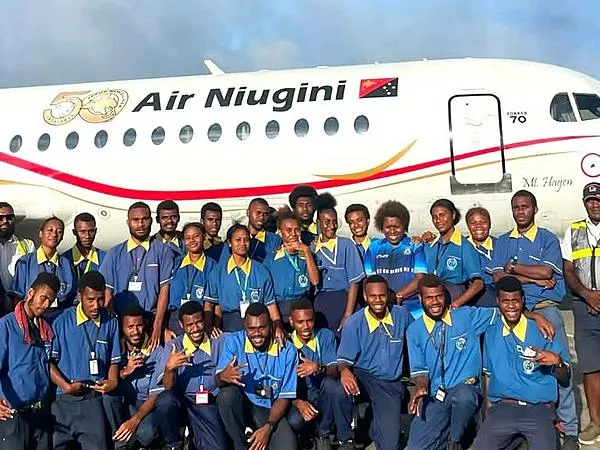
Grade 12 science students from Kokopo Technical Secondary School gained firsthand exposure to aviation engineering during an educational visit to Tokua Airport in Rabaul, where Air Niugini engineers were replacing an engine on a Fokker 70 aircraft.
The visit was organized as part of the school's Science and Technology learning program and gave students an opportunity to observe aircraft maintenance operations and engage with the airline's engineering team.
For many students, it was their first time entering a restricted airport operational area and seeing licensed aircraft maintenance engineers work on a commercial aircraft.
The engine replacement also demonstrated Air Niugini's ability to conduct major maintenance work outside its primary engineering base in Port Moresby. A similar engine replacement was completed in Rabaul earlier this year.
The maintenance team was led by Licensed Aircraft Maintenance Engineer Chuck Matane, a former student of Kokopo Technical Secondary School. Matane's family also has a history in aviation engineering, with his uncle, Eddie Matane, among Papua New Guinea's pioneering aircraft maintenance engineers and an early Air Niugini employee.
Matane and his team explained aircraft maintenance procedures to the students and discussed career pathways in aviation engineering.
"As a former student of Kokopo Technical Secondary School, it was both humbling and rewarding to welcome these students and share with them the work we do every day," Matane said.
He encouraged students to consider aviation engineering, saying the profession requires commitment, discipline and a strong foundation in science and mathematics.
Kokopo Technical Secondary School Principal Doreen Lasumon thanked Air Niugini for providing the students with a practical learning experience.
"Experiences like this bring science and technology to life," Lasumon said, adding that seeing Papua New Guineans working in specialized professions helped students better understand the career opportunities available through education.
Air Niugini Chief Executive Officer Alan Milne said the national carrier remained committed to supporting educational initiatives that encourage young Papua New Guineans to pursue careers in aviation and engineering.
"Providing students with direct exposure to our engineering operations allows them to see firsthand the expertise, professionalism and dedication required to keep our aircraft operating safely and reliably every day," Milne said.
The visit concluded with a guided tour of the maintenance area, aircraft cabin and flight deck. Students also had further opportunities to interact with engineers and learn about the standards and procedures underpinning airline safety and reliability.
The airline said the experience provided students with an insight into aviation engineering while highlighting the role of specialized technical skills in supporting Papua New Guinea's aviation industry.
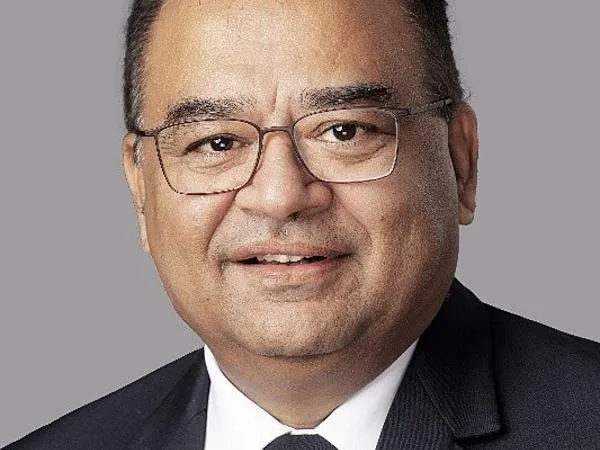
K92 Mining Inc. has appointed President and Chief Operating Officer David Medilek as chief executive officer and director, succeeding John Lewins as the company prepares for its next phase of growth at the Kainantu Gold Mine in Papua New Guinea.
The leadership transition will take effect on Oct. 1, 2026, with Lewins stepping down as CEO to become non-executive chair. Anne Giardini will move from independent chair to lead director, while K92 Vice President, Projects & Engineering Chris Kinver will become chief operating officer.
K92 also appointed Susan Scheepers as vice president, human resources, effective Aug. 1. She had been serving as the company's acting vice president for human resources.
Lewins has been a founding director of K92 since 2016 and became CEO in August 2017. During his tenure, the Kainantu operation progressed from mine restart in late 2016 to commercial production in early 2018, followed by the Stage 2 and Stage 2A expansions and substantial completion of the Stage 3 Expansion.
As of June 30, 98% of Stage 3 Expansion capital had been spent or committed and the project remained on budget. A new 1.2 million-tonne-per-year processing plant has been fully operational since December 2025 and is performing above design expectations, with the mine ramp-up underway.
Lewins said the transition was timely given K92's production growth outlook and exploration pipeline.
“With an exceptional production growth outlook and exploration pipeline ahead of us, this is the right time to transition leadership,” Lewins said.
He said he would continue supporting K92, including through engagement with the PNG government and the resources industry. Lewins has also served for many years on the council of the Papua New Guinea Chamber of Resources and Energy and intends to remain involved in industry engagement.
He also plans to continue supporting K92's social development initiatives through the Kainantu Foundation. Last month, Lewins was appointed Pro-Chancellor of the University of Goroka in Eastern Highlands Province, where the Kainantu Mine is located.
Medilek, who joined K92 in 2019, said his immediate priorities would be to operate safely and responsibly, execute the Stage 3 Expansion ramp-up and Stage 4 Expansion, advance exploration around Kainantu and deliver sustainable value for Papua New Guinea and shareholders.
Medilek has more than 19 years of mining capital markets, corporate strategy, technical and operating experience. Before joining K92, he worked as an equity research analyst covering precious metals companies at Macquarie Group, a mining investment banker at Cormark Securities and a mining engineer at Barrick Gold.
Kinver, the incoming COO, has more than 20 years of experience in underground operations and mine development. At K92, he has led major expansion and engineering programs and previously served as project director for the Kora Expansion and mine manager. He also worked on OceanaGold's Didipio Underground Mine in the Philippines and held senior operational roles with BHP Billiton and Barrick Gold.
Scheepers has more than 20 years of human resources leadership experience in the global resources industry, including roles with Aurelia Metals, Geopacific Resources and St Barbara. Her experience includes work at the Simberi Gold Mine and operations in Papua New Guinea.
K92 operates the Kainantu Gold Mine in Eastern Highlands Province, producing gold, copper and silver. The company is pursuing further expansions and exploration around the mine, with the stated objective of becoming a Tier 1 mid-tier producer.
The Papua New Guinea Tourism Promotion Authority (PNGTPA) is moving to revive a dormant ferry in Port Moresby Harbour as part of efforts to expand marine tourism, develop new tourism products and unlock greater economic value from the capital's coastline.
PNGTPA has partnered with Happy Soles Ltd. and Marine Contract Management to operate and manage the vessel, which has been out of service for some time.
The partnership was formally signed on Aug. 6, with the three organizations expected to work together to return the vessel to safe and professional operation.
For PNG's tourism industry, the initiative provides an opportunity to diversify the visitor experience beyond traditional land-based attractions while increasing private-sector participation in marine tourism.
PNGTPA Chief Executive Officer Eric Mossman Uvovo said returning the vessel to service was an important step in making better use of tourism assets and developing new opportunities for the industry.
“This boat has been sitting idle for some time, and today marks the beginning of a new chapter. Our goal is to get it back on the water as quickly and safely as possible so it can support PNGTPA's work in promoting Papua New Guinea and creating more tourism opportunities,” Uvovo said.
New marine tourism products
The vessel will initially be used for tourism promotion activities, official engagements and sightseeing around Port Moresby. It is also expected to provide a platform for developing commercial marine tourism products.
Potential offerings include island cruises, private functions, family celebrations and sightseeing experiences, creating opportunities for local businesses to provide supporting services.
Happy Soles Managing Director Yiannis Nicolaou said the company plans to upgrade the vessel with more comfortable seating and modern features while developing experiences that complement existing marine services in Port Moresby.
“We want to give visitors something different by creating enjoyable experiences on the water,” Nicolaou said.
The planned upgrades and operation of the vessel could generate business opportunities in hospitality, catering, events, transportation, maintenance and other tourism-related services.
Marine Contract Management Managing Director Capt. Matthew Dieni said his company would focus on vessel maintenance, safety and professional operations.
“It is an honor to partner with PNGTPA on this important project. My team and I are committed to ensuring the boat is well maintained, safely operated and ready to deliver quality services,” Dieni said.
Expanding marine tourism infrastructure
The partnership forms part of PNGTPA's broader effort to strengthen the country's marine tourism infrastructure, including the development of jetties and waterfront facilities.
Uvovo said Port Moresby would provide a starting point, with the potential to replicate similar initiatives in other coastal provinces and destinations.
Papua New Guinea's extensive coastline, islands and marine environment provide significant potential for marine tourism, but developing that potential requires investment in infrastructure, transportation links, tourism facilities and professionally operated visitor experiences.
For the tourism sector, expanding marine-based products could increase visitor spending and encourage longer stays by giving tourists additional activities while in the country.
It could also create opportunities for local communities and small businesses to participate in the tourism supply chain as marine tourism products expand.
PNGTPA said it would continue working with industry partners to unlock the potential of the country's coastline and coastal attractions, with the broader objective of positioning Papua New Guinea as a destination offering authentic and memorable experiences.
The return of the Port Moresby ferry therefore represents more than the reactivation of an idle tourism asset. It provides a potential platform for developing a new segment of PNG's tourism economy, with longer-term opportunities to expand marine tourism services beyond the capital to other coastal destinations across the country.
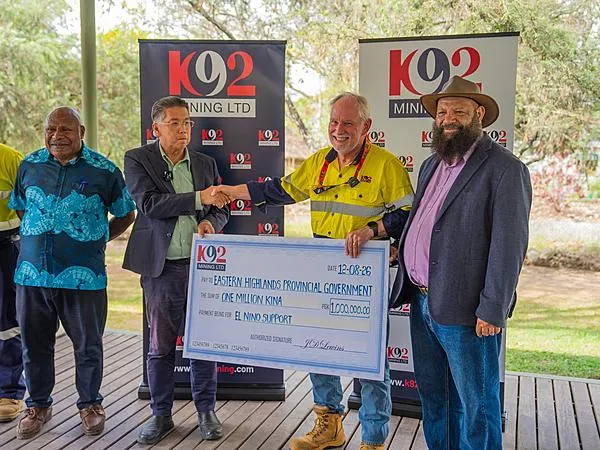
K92 Mining Inc. has committed PGK3 million in in-kind assistance to support Papua New Guinea government's response to El Niño-related impacts across Eastern Highlands and Morobe provinces and Usino-Bundi District in Madang Province.
The assistance will target communities affected by prolonged dry conditions, water shortages, crop losses, food insecurity and increased pressure on health services, K92 said.
The company will coordinate the support with the Eastern Highlands and Morobe provincial governments and the administrations of Kainantu, Markham, Obura-Wonenara and Usino-Bundi districts.
K92 said the commitment will be delivered through the direct procurement and provision of approved goods and services, with the company working with government partners to direct assistance to communities experiencing the greatest need.
“We recognise the importance of a coordinated, government-led response and are proud to stand alongside the Government and people of Papua New Guinea during this challenging period,” K92 CEO and Director John Lewins said.
The commitment comes as affected communities face the combined impacts of prolonged dry conditions on water supplies, agricultural production and food security, while health services face additional pressure.
By coordinating the assistance through government authorities, K92 said it aims to support a targeted response based on the needs identified in affected communities.
The company said the commitment forms part of its broader approach to operating as a responsible mining company and maintaining its role as a partner in the communities where it operates.
“We remain committed to being a responsible operator, trusted partner and good neighbour in Papua New Guinea,” K92 said.
Papua New Guinea's petroleum sector has taken another step towards expanding local participation in the country's growing gas industry, with Petroleum Minister Jimmy Maladina approving the National Content Plan (NCP) for the Pasca A Gas Project.
Maladina approved the plan following a technical review and compliance assessment by the National Petroleum Authority (NPA).
The NCP was submitted by Twinza Oil (PNG) Ltd., operator of the Pasca A Gas Project, and approved under Section 129 of the Oil and Gas Act 1998.
The approval establishes a framework intended to increase opportunities for Papua New Guinean workers and locally owned companies to participate in the development and future operation of the project.
Maladina said the plan would support education, training, skills development and employment while increasing the participation of PNG-owned businesses and communities in the supply and procurement of goods and services.
“This approval gives effect to the objectives and principles of the Petroleum Sector National Content Policy 2023 and is intended to ensure that the development and implementation of the Pasca A Gas Project delivers meaningful and sustainable national benefits to Papua New Guinea,” he said.
Local business participation
The approved NCP provides opportunities for Papua New Guinean citizens and locally owned companies to participate in professional and technical services required by the project.
These include legal, accounting, financial, payroll and other professional services, creating potential opportunities beyond traditional construction and resource-sector contracting.
The plan also provides for targeted investment in areas with potential to deliver longer-term economic and social benefits, including health care, education, critical infrastructure, research and development, and technology.
For local businesses, implementation of the plan could create opportunities to build capacity, develop supply-chain relationships and position PNG-owned companies to compete for contracts across the project's different development phases.
The government expects communities in Gulf Province, as well as Papua New Guineans more broadly, to benefit from the project alongside other major gas developments, including Papua LNG.
Pasca A therefore adds to the potential pipeline of activity in PNG's petroleum sector and could generate demand for local labour, services, logistics, procurement and supporting businesses as the project progresses.
Maladina said implementation of the NCP would promote the progressive development of national content throughout the relevant licence and project phases.
The focus on national content is also intended to ensure that economic benefits from resource development extend beyond the project operator and into the wider domestic economy.
Quarterly monitoring during construction
The approval comes with regulatory conditions designed to ensure that commitments contained in the NCP are implemented and monitored.
Twinza will be required to submit quarterly status reports and implementation updates during the construction phase through the Petroleum Sector National Content Office to the NPA. During production, the company will be required to submit annual status reports.
The reports will allow the NPA to assess progress against the commitments, targets, programmes and outcomes contained in the approved plan.
Twinza must also maintain complete records of NCP implementation and facilitate monitoring, verification, audits and compliance reviews undertaken by the NPA.
The company is required to provide information and reasonable assistance necessary for regulators to verify compliance.
The approval remains subject to ongoing regulatory monitoring and compliance with the NCP, the Oil and Gas Act 1998 and applicable petroleum-sector policies.
For PNG's private sector, the effectiveness of the plan will ultimately depend on how successfully local companies can access procurement opportunities, develop the required capabilities and participate throughout the Pasca A project lifecycle.
All Pacific Islands Forum (PIF) members are now connected to undersea telecommunications cables for the first time, marking a significant milestone for the region's digital infrastructure and opening new opportunities for trade, investment and economic participation.
Australia announced on August 7 that it had helped deliver more than 10,300 kilometres of new undersea cables across the Pacific, ensuring every PIF member has access to the global cable network.
The investment is expected to strengthen regional digital connectivity while improving the ability of governments, businesses and communities to access global markets, services and information.
Australia has committed more than A$500 million since 2018 to support undersea cable connectivity across the Pacific and Timor-Leste. The funding has supported cable projects in nine countries, including primary cable connections for Nauru, Solomon Islands, Timor-Leste, Tuvalu, Tarawa in Kiribati and Kosrae in the Federated States of Micronesia.
For Papua New Guinea, the programme has particular economic significance as Australia and its partners continue to support a second international cable connection for the country, aimed at strengthening the reliability and resilience of its telecommunications infrastructure.
Australia is delivering the investments in partnership with Japan, New Zealand and the United States, as well as Taiwan.
Australian Foreign Affairs Minister Penny Wong said universal connectivity across the PIF region would provide Pacific countries with infrastructure needed to participate more fully in the modern economy.
“For the first time, every Pacific Islands Forum member now has access to the digital infrastructure needed to participate fully in the modern economy, backed in with Australian support,” Wong said.
She said stronger digital connectivity would also contribute to regional resilience, economic growth and the delivery of essential services.
“A more connected Pacific is a more resilient Pacific. This infrastructure strengthens economic growth, supports essential services and will help underpin a more peaceful, stable and prosperous region,” she said.
Digital infrastructure opens economic opportunities
For Pacific businesses, improved international connectivity could reduce barriers to accessing digital markets and enable faster and more reliable communication with customers, suppliers, investors and partners outside the region.
Australia's Minister for Pacific Island Affairs Pat Conroy said improved digital infrastructure would help integrate Pacific economies and make it easier for investment to move across the region.
“Faster, more affordable and more reliable digital services will help integrate our economies, making it easier for Pacific peoples and businesses to connect, and investment to flow across the region,” Conroy said.
He said the new connections would also improve information and knowledge sharing, creating opportunities for Pacific countries to participate more fully in the global economy.
“With new connections comes greater opportunities, better information flows and knowledge sharing, supporting Pacific Island countries to fully participate in the global economy,” he said.
The infrastructure could support a growing range of economic activity across the region, including banking, digital commerce, tourism, business services and other sectors that increasingly depend on reliable international connectivity.
Focus on network resilience
The undersea cable investments are also being used to build greater redundancy into Pacific telecommunications networks.
Australia is supporting second international cable connections in Tonga, Papua New Guinea, Palau and Solomon Islands, helping reduce the economic and social risks associated with disruptions to individual cable routes.
For PNG, a second international connection is particularly important as businesses, government agencies and communities increasingly depend on telecommunications infrastructure for commercial transactions, government services, education and access to international markets.
Reliable connectivity can also strengthen business competitiveness and provide a more stable foundation for investment and participation in the digital economy.
The broader regional investment comes as Pacific economies become increasingly dependent on digital infrastructure for banking, digital commerce, government services, education, tourism and private-sector activity.
Australia said the completed regional network will help connect Pacific governments, businesses, communities and people to global networks and digital markets, creating opportunities for trade, investment, innovation and broader economic participation.
Follow on LinkedIn:
PNG Business News
Be the "First" to get our exclusive Digital Magazine & Weekly Newsletter.