South Pacific Metals Corp. has reported new gold results from the Megabe target at its Ontenu NE prospect in Papua New Guinea, while outlining progress across its broader gold-copper exploration portfolio in the country.
The company said drill hole ONED26-007, the first hole drilled at the newly identified Megabe target within the Osena Project, intersected 12 metres grading 3.1 grams of gold per tonne from 185 metres downhole, including one metre grading 18.1 g/t gold and 84 g/t silver. The hole also returned silver and copper mineralisation, with copper values reaching 1,462 parts per million within the intercept.
Megabe is located between the Jorkol and Onki prospects at Ontenu NE and is transected by Otitapa Creek, an area known for alluvial gold mining by local artisanal miners. According to the company, the mineralisation is hosted within a north-west to south-east striking fault breccia zone in metasedimentary rocks. South Pacific Metals said the structural corridor shares characteristics with the geological setting of K92 Mining's nearby Kora-Judd gold-copper system.
The Ontenu NE prospect forms part of the Osena Project, situated on the Kainantu Transfer Zone near K92 Mining's producing Kainantu operation. South Pacific Metals currently has two diamond drill rigs operating at the prospect.
Executive Chairman Michael Murphy said the company had entered an important phase of exploration activity, with drilling continuing at Ontenu NE, preparations advancing for a porphyry drill test at Ontenu Central and field activities resuming at May River following the securing of community consent and site access. He said the company was beginning to see the results of years of groundwork reflected in current drilling programmes.
The company said gold mineralisation has now been confirmed in seven of eight drill holes completed at Ontenu NE. Recent drilling at the Onki target returned 92 metres grading 0.34 g/t gold from 67 metres, including a two-metre interval grading 5.74 g/t gold, 1.49% copper and 35 g/t silver. Previous drilling at Jorkol returned mineralised intervals containing gold, copper and silver.
Chief Executive Officer Timo Jauristo said the Megabe result demonstrated the presence of gold mineralisation in another north-west trending structure within the Ontenu area. He said drilling and geochemical results were helping the company target potentially higher-grade sections of the system and expressed optimism about the planned drilling programme at Ontenu Central, which contains both shallow epithermal targets and a potential porphyry target at depth.
At Ontenu Central, detailed geological mapping has identified three north-west trending mineralised zones overlying and extending along the northern margin of a two-kilometre zoned porphyry alteration footprint. The company is planning an initial programme of at least three drill holes and is preparing a deeper hole of approximately 600 metres to test a porphyry target interpreted to begin at a depth of around 400 metres.
Beyond the Ontenu area, South Pacific Metals said surface exploration and drill-target generation are continuing at its Anga Project, which borders K92 Mining's tenure to the north-east. The company is conducting mapping and rock-chip sampling at the Golkona prospect to identify the source of previously reported gold and copper soil anomalies and define future drill targets.
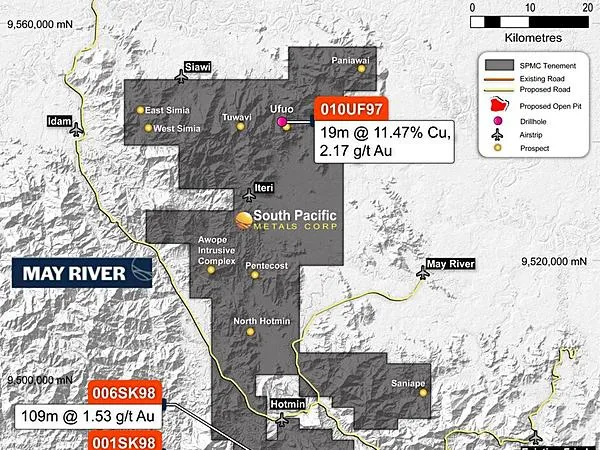
At the May River Project in East Sepik Province, the company's technical team recently completed a reconnaissance visit aimed at securing community consent, locating historical drill collars and confirming site access. South Pacific Metals said all three objectives were achieved, with local communities welcoming the proposed exploration programme.
The company said field teams relocated historical drill sites and trenches at the Skirasia prospect and confirmed access arrangements with local authorities and stakeholders. Planning is now under way for the first phase of renewed exploration activities at the project, which is located adjacent to PanAust's Frieda River deposit and hosts several historical copper-gold drill intersections, including 19 metres grading 11.47% copper and 2.17 g/t gold.
South Pacific Metals also highlighted its wholly owned Kili Teke Project in Hela Province, which hosts a National Instrument 43-101 inferred mineral resource of 4.2 million ounces of gold equivalent, comprising 1.81 million ounces of gold, 802,000 tonnes of copper and 40,000 tonnes of molybdenum.
The company said further results from ongoing drilling and exploration programmes across its Papua New Guinea projects will be released as assays are received and reviewed.
The Autonomous Bougainville Government (ABG) has approved the grant of Large-Scale Mining Lease No. 01 (LSML-01) to Bougainville Minerals Limited, marking the first major mining tenure issued under the newly enacted Bougainville Mining (Amendment) Act 2026.
The approval was granted by the Bougainville Executive Council and provides Bougainville Minerals Limited with a 25-year lease over the designated mining area.
According to the ABG, LSML-01 will ultimately be held by Bougainville Minerals Limited together with approved landowners and landowner organisations in accordance with the provisions of the amended legislation.
The government said the decision represents a significant milestone in implementing Bougainville's new legislative framework for the redevelopment of previously operating large-scale mines.
Under the law, LSML-01 becomes the primary mining tenure over the lease area, with any existing tenements and associated rights within the lease area suspended and subordinated to the Large-Scale Mining Lease for the duration of the licence.
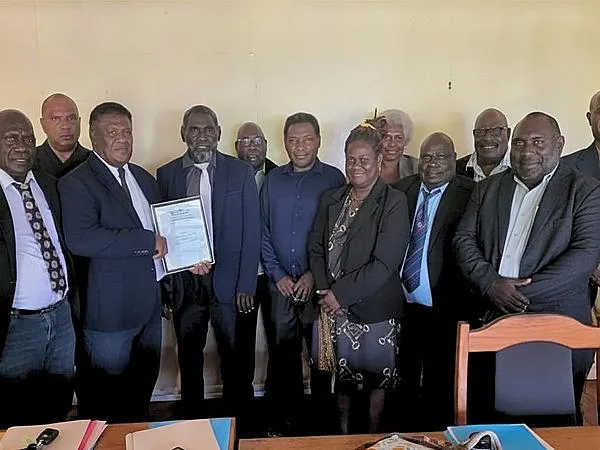
The licence was formally presented by the Bougainville Executive Council to Bougainville Minerals Limited on June 11.
The grant follows the passage of the Bougainville Mining (Amendment) Act 2026 by the Bougainville House of Representatives earlier this week.
The legislation establishes a special framework for the orderly and accelerated redevelopment of previously operating large-scale mines where such developments are determined by the Bougainville Executive Council to be in the public interest.
The Act also provides for the granting of Large-Scale Mining Leases to eligible holders under specific conditions set out in the law.
Bougainville President and Minister for Mining and Petroleum Ishmael Toroama described the legislation as the culmination of four years of consultation involving landowners, community leaders and other stakeholders through processes including the Panguna Mine Dialogue.
"This legislation has not emerged overnight. It is the result of years of consultation, discussion and reflection involving landowners, communities, leaders and stakeholders across Bougainville," Toroama said.
He said the reforms reflect aspirations for greater participation in resource development, stronger Bougainville ownership and improved economic opportunities.
According to the ABG, the amended law retains key safeguards contained in the Bougainville Mining Act 2015, including requirements relating to landowner participation, environmental approvals, compensation arrangements and consultation processes.
The legislation also introduces provisions aimed at strengthening landowner participation through equity ownership while ensuring responsibility for historical liabilities remains with those responsible for those obligations.
The grant of LSML-01 is expected to play a key role in the government's plans to advance large-scale mining development as Bougainville seeks to strengthen its economic base and generate future revenue from its natural resources sector.
The Food and Agriculture Organization of the United Nations (FAO) in Papua New Guinea and the Embassy of the People's Republic of China have reaffirmed the importance of agriculture as a cornerstone of Papua New Guinea's economic and social development following high-level discussions in Port Moresby.
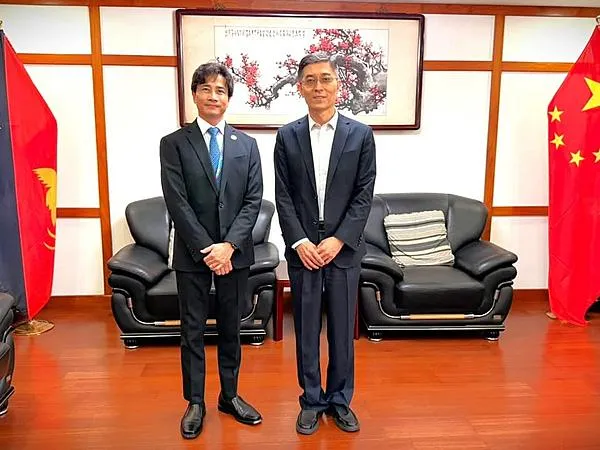
FAO PNG Head of Office, Kachen Wongsathapornchai, met with His Excellency Yang Xiaoguang, Ambassador Extraordinary and Plenipotentiary of the People's Republic of China to Papua New Guinea, during a courtesy call focused on opportunities to advance agricultural transformation and strengthen cooperation in the sector.
The meeting highlighted agriculture's critical role in Papua New Guinea's development, with the sector supporting the livelihoods of an estimated 85 per cent of the population. Agriculture remains one of the country's largest sources of employment and income, particularly in rural communities, contributing approximately 30 per cent of GDP and accounting for around 60 per cent of total employment.
As Papua New Guinea pursues the objectives outlined in the Medium-Term Development Plan IV (MTDP IV), participants emphasised that transforming agrifood systems will be essential to improving food security, creating employment opportunities, reducing reliance on imports, increasing export capacity, and strengthening resilience to climate and economic shocks.
Discussions also explored the potential for deeper collaboration between FAO and the Chinese Embassy, building on the longstanding relationship between Papua New Guinea and China. China's experience in agricultural modernisation, rural development, agricultural science and technology, and innovation was recognised as offering valuable lessons and partnership opportunities for PNG.
Potential areas for cooperation include agricultural technology transfer, climate-smart agriculture, value chain development, fisheries, livestock production, digital agriculture, and capacity-building initiatives aimed at supporting sustainable growth across the sector.
Both parties acknowledged that investments in agriculture ultimately represent investments in people, particularly farmers, fishers, women, youth, and rural communities who form the backbone of Papua New Guinea's economy.
FAO PNG said it looks forward to advancing discussions and working with partners to translate ideas into practical initiatives that deliver tangible benefits for communities across the country.
The meeting reflects growing recognition of agriculture's strategic importance in driving inclusive economic growth and supporting Papua New Guinea's long-term development aspirations.
Leading underground contract miner Barminco has selected Sandvik to supply a 23-unit fleet of underground trucks, loaders and drills for the Bellevue Gold Project in Western Australia.
The order, which was booked in the second quarter of 2026, includes seven Toro® TH663i trucks, six Toro® LH517i loaders, five Sandvik DL432i longhole drills and five Sandvik DD422i development drills. The development drills will include Sandvik's dual controls package, which features dual drilling controls and split feeds for multitask drilling operations, including boring, bolting and meshing. The deal also includes rock tools, parts and services.
"Our collaboration with Sandvik continues to evolve alongside the increasing demands of modern underground mining," said Mick Radi, Vice President, Operations Australia, for Barminco, part of the Perenti Group. "This new fleet investment for Bellevue will support accelerated underground development, improved material movement and increased flexibility as additional mining areas are opened. It positions us well to deliver strong operational performance while supporting our customer's long-term sustainable production growth."
Bellevue Gold Limited awarded Barminco a four-year contract at its namesake operation, one of Australia's highest-grade gold mines. Starting in August 2026, Barminco will provide all underground mining services to support the ongoing development and production activities at Bellevue, located approximately 400 kilometres north-west of Kalgoorlie.
Bellevue commenced commercial production in 2024 and is currently tracking toward FY2026 production guidance of between 130,000 and 150,000 ounces of gold. Bellevue has distinguished itself as a leader in sustainable mining innovation, becoming the world's first net-zero (Scope 1 and Scope 2) gold mine in 2025. Following the commissioning of four wind turbines and a solar farm, approximately 90 per cent of its electricity demand is supplied through renewable energy infrastructure.
Toro® TH663i and Toro® LH517i are engineered for the most demanding underground loading and hauling applications. They offer advanced connectivity, real-time analytics, automation readiness and superior maintainability, enabling high payloads and lower operating costs per tonne.
Sandvik DL432i and Sandvik DD422i deliver a powerful combination of productivity, precision and operator safety for underground drilling. Both rigs are designed to improve drilling accuracy, maximise equipment utilisation and support safer working environments through advanced digital drilling controls, ergonomic operator environments and reliable performance in demanding underground conditions. Together, they help reduce operational variability and support more consistent drilling outcomes.
"We are pleased to further strengthen our longstanding partnership with Barminco by supplying a new fleet of our intelligent equipment to support the Bellevue Gold Project's ramp-up," said Mats Eriksson, President of Mining at Sandvik. "This order reflects Barminco's continued confidence in our technology and our shared commitment to safer, more productive and more sustainable underground mining. It highlights the value our intelligent equipment and digital mining solutions can bring to complex gold mining operations in Australia."
Sandvik Group
Sandvik is a global, high-tech engineering group providing solutions that enhance productivity, profitability and sustainability for the manufacturing, mining and infrastructure industries. We are at the forefront of digitalisation and focus on optimising our customers' processes. Our world-leading offering includes equipment, tools, services and digital solutions for machining, mining, rock excavation and rock processing. In 2025, the group had approximately 42,000 employees and revenues of about SEK121 billion in more than 150 countries.
Business Area Mining
Mining is a business area within the Sandvik Group and a leading global supplier of equipment and tools, parts, services, digital solutions and sustainability-driving technologies for the mining and construction industries. Application areas include rock drilling, rock cutting, loading and hauling, tunnelling, ground support and quarrying. In 2025, sales were approximately SEK69 billion with about 18,000 employees. For further information, visit mining.sandvik.
The New Ireland Provincial Government has committed K1.5 million to support women entrepreneurs and expand financial inclusion across the province through a new partnership with Women's Micro Bank Limited under the Empowering Mama Bilas Peles Program.
The funding commitment was announced by New Ireland Governor Byron Chan during the program's official launch at Sir Julius Chan Stadium in Kavieng on May 25, 2026. A Memorandum of Agreement (MOA) was also signed between the New Ireland Provincial Government, the New Ireland Development Corporation (NIDC) and Women's Micro Bank Limited.
The initiative aims to strengthen women's participation in the provincial economy by improving access to banking services, business financing, entrepreneurship opportunities and financial literacy programs, particularly in rural communities.
Chan described the program as a strategic investment in inclusive economic growth, emphasizing the vital role women play in the economic and social development of New Ireland.
"Women are the backbone of our families, our communities, and our economy. When we invest in our mothers and empower them economically, we are investing in the future of New Ireland," he said.
The governor said the K1.5 million allocation would serve as a guarantee facility through Women's Micro Bank, helping women entrepreneurs, small business operators and grassroots economic initiatives gain greater access to financial support.
According to Chan, the program aligns with the provincial government's broader development agenda of creating economic opportunities at the community level while ensuring rural populations are not excluded from financial services and business development programs.
"For too long many women in our rural communities have lacked proper access to banking and financial services. Through this partnership, we are opening doors for our mothers and women to save money, start businesses, and improve the quality of life for their families," he said.
Beyond expanding access to finance, the initiative seeks to encourage entrepreneurship and leadership among women while leveraging New Ireland's cultural heritage as a source of economic opportunity.
Chan said the "Bilas Peles" concept creates pathways for women to generate income through traditional crafts, cultural products and tourism-related activities, allowing communities to benefit economically from their cultural assets.
"Our culture is our identity, and our people should benefit from it economically. This initiative allows our women to proudly showcase New Ireland culture while building livelihoods and contributing meaningfully to the provincial economy," he said.
Women's Micro Bank Chief Executive Officer Gunanidhi Das welcomed the partnership, describing it as an important step toward expanding financial services to underserved communities and supporting the growth of women-owned enterprises.
Das said the collaboration would help improve household livelihoods by promoting savings, entrepreneurship and access to affordable banking services.
He added that greater financial inclusion remains a key driver of small business growth and economic participation, particularly for women operating in the informal sector.
The agreement establishes a long-term framework for cooperation between the provincial government, NIDC and Women's Micro Bank to deliver financial empowerment initiatives and community-based development programs throughout New Ireland.
The Empowering Mama Bilas Peles Program is expected to support the growth of women-led enterprises, improve financial literacy and create sustainable income-generating opportunities, reinforcing the province's efforts to build a more inclusive and diversified local economy.
The launch was attended by provincial leaders, women entrepreneurs, business representatives and community stakeholders, including Women's Micro Bank Operational Manager Rex Noga. The event concluded with the signing of the MOA, cultural performances and presentations by local women's groups showcasing New Ireland's cultural heritage.
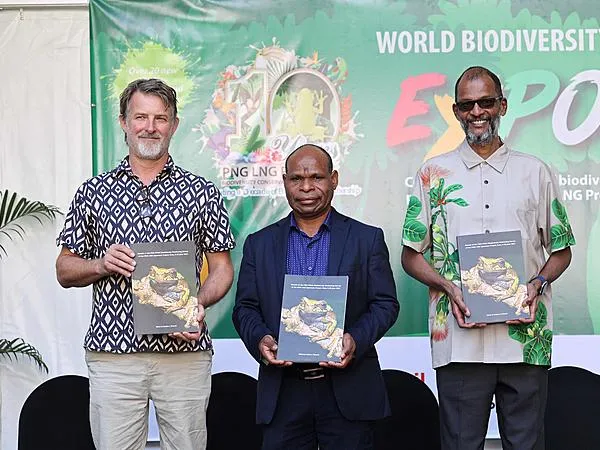
ExxonMobil PNG Limited (EMPNG) recently marked a decade of biodiversity partnership under the PNG LNG Project, bringing together government representatives, conservation partners and stakeholders to celebrate progress and reaffirm a shared commitment to protecting the country's rich natural heritage.
The mini-expo, held at Port Moresby Nature Park to coincide with the International Day for Biological Diversity on May 22, showcased the importance of strong partnerships in delivering sustainable conservation outcomes. This year's global theme, "Acting locally for global impact," underscored the role Papua New Guinea plays in safeguarding biodiversity globally.
Delivering the keynote address, ExxonMobil PNG Limited Chairman and Managing Director Dinesh Sivasamboo highlighted the deep connection between Papua New Guinea's biodiversity, its people and their livelihoods.
"Papua New Guinea's natural heritage is among the richest in the world, and it is closely tied to the culture, identity and future of its people," Sivasamboo said. "As we reflect on a decade of partnership, we recognize both the opportunity and responsibility we share in protecting this biodiversity while supporting sustainable development."
Sivasamboo reaffirmed EMPNG's commitment to balancing development with environmental stewardship, noting that collaboration has been central to the success of biodiversity programs delivered under the PNG LNG Project.
Over the past 10 years, these partnerships have supported protected areas, strengthened the capacity of local scientists and conservation rangers, contributed to global conservation data and led to the discovery of 22 new species.
A key highlight of the event was the launch of the PNG LNG Project's 10-year biodiversity monitoring reports and new species publications. Following an overview by independent ornithologist and environmental consultant Dr. Iain Woxvold, the reports were formally presented to government representatives and partners.
The program also featured panel discussions on the establishment of a National Rangers Association and the development of a Papua New Guinea species Red List, alongside exhibitions and interactive engagements with conservation partners and local high school students.
The event concluded with a renewed commitment from all stakeholders to strengthen partnerships and continue efforts to conserve Papua New Guinea's extraordinary biodiversity for future generations.
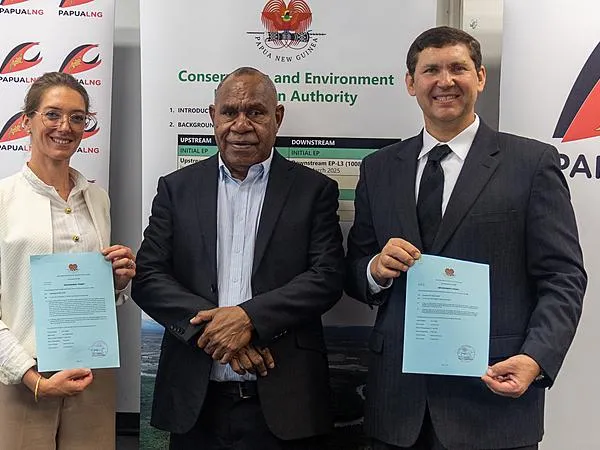
The upstream and downstream operators of the Papua LNG Project have been issued amended environmental permits by the Conservation and Environment Protection Authority (CEPA), following more than seven months of consultation between the regulator and project operators.
The amended permits were presented on May 29, 2026, following extensive discussions involving CEPA, upstream operator TotalEnergies EP PNG Limited and downstream operator ExxonMobil PNG Antelope Limited.
According to CEPA, the amendments reflect changes to both the upstream and downstream project designs and are expected to reduce potential environmental and community impacts associated with the development.
Michael Wau, executive director of CEPA's Non-Renewable Resources Environmental Protection Wing, said environmental permits are living documents that must be reviewed and updated to strengthen environmental protection, water resource management and biodiversity conservation.
"That is exactly what TotalEnergies EP PNG Limited and ExxonMobil PNG Antelope Limited have done by reviewing the project and requesting amendments to the environmental permits," Wau said.
The original environmental permits, EP-L3 (1008) and EP-L3 (1030), were issued in March and September 2025. They covered a range of planned activities, including the construction and operation of a Catenary Anchor Leg Mooring (CALM) buoy system and associated marine infrastructure.
Since the permits were issued, revisions to the project design have eliminated the need for several originally planned components, including the CALM buoy system, marine exclusion zones and related infrastructure.
Wau said the changes would significantly reduce environmental impacts, particularly in Caution Bay.
"There will be minimal environmental impact as the condensate pipeline, which was initially permitted to traverse Caution Bay, will instead connect with the Santos-owned Kumul Marine Terminal floating storage and offloading facility," he said.
According to CEPA, the amendments will deliver several environmental and community benefits, including:
• Avoiding extended travel times for local communities caused by marine exclusion zones;
• Preventing disruptions to artisanal and subsistence fishing activities; and
• Protecting sensitive marine and coastal habitats, including mangroves, intertidal zones and benthic environments.
"This is a great win for the environment and the people," Wau said.
TotalEnergies EP PNG Limited said it looks forward to continuing its collaboration with CEPA and other government agencies to ensure the Papua LNG Project is delivered in a sustainable, responsible and efficient manner.
"We are committed to delivering Papua LNG to the highest environmental standards in close partnership with CEPA," the company said.
ExxonMobil PNG Antelope Limited Chairman and Managing Director Dinesh Sivasamboo thanked CEPA for its review and approval of the amendments.
"We greatly value this collaboration and the constructive engagement throughout the process to ensure that the Papua LNG Downstream Project is delivered responsibly and in full compliance with the amended environmental permit," Sivasamboo said.
The amended permits are expected to support the continued development of the Papua LNG Project while reducing environmental impacts and preserving access to marine resources for surrounding communities.
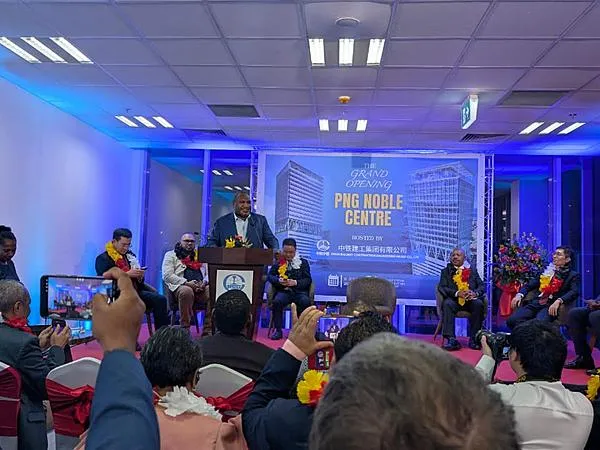
Daikin PNG is proud to have contributed to the successful completion of the Noble Centre at Champion Parade in Downtown Port Moresby, a landmark development that reflects the value of collaboration, innovation and engineering excellence.
Working alongside CRCEG and other project partners, Daikin PNG delivered specialized mechanical ventilation and air conditioning solutions designed to meet high standards of performance, reliability and energy efficiency.
The company's scope of work included:
The completion of the Noble Centre marks another significant milestone for Daikin PNG and highlights what can be achieved through strong partnerships and a shared commitment to quality. The project further demonstrates the company's capability to deliver advanced HVAC solutions that support modern, sustainable developments across Papua New Guinea.
As one of Papua New Guinea's leading heating, ventilation and air conditioning (HVAC) providers, Daikin PNG delivers a comprehensive range of climate control, ventilation and energy-efficient cooling solutions for commercial, industrial and residential projects. Backed by the global expertise and technology of the Daikin Group, the company continues to support major developments across the country with innovative solutions tailored to local conditions and customer needs.
Daikin PNG extends its sincere appreciation to CRCEG, project partners and all those involved in bringing the development to completion. Through collaboration and innovation, the company remains committed to helping build resilient infrastructure and supporting Papua New Guinea's continued growth and development.
New Ireland Governor Byron Chan is pursuing international education partnerships aimed at strengthening the province's public sector workforce, a move viewed as central to efforts to improve governance, attract investment and prepare the province for greater autonomy and economic self-reliance.
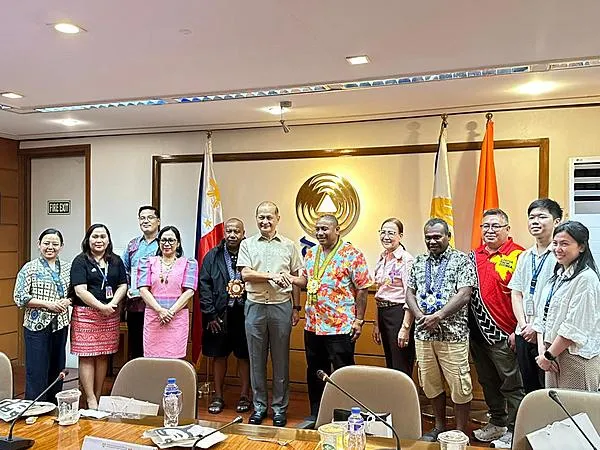
Chan traveled to the Philippines in the second week of June, where he met senior executives of the Development Academy of the Philippines (DAP) in Manila to explore professional development and higher education opportunities for officers within the New Ireland Provincial Administration.
Discussions focused on establishing a partnership that would provide internationally recognized certificate, diploma and master's degree programs designed to strengthen institutional capacity and develop a future-ready workforce capable of supporting New Ireland's long-term development agenda.
The governor's delegation met with DAP Acting President and Chief Executive Officer Leocadio Sebastian and senior directors on June 12.
Chan said investing in people remains one of the most important foundations of sustainable development and effective public service delivery.
"One of the greatest investments any government can make is in its people. Buildings, roads, and infrastructure are important, but it is our human resource capacity that ultimately determines whether we succeed as a province," he said.
"We want a Provincial Administration that is equipped with modern skills, international best practices, and the leadership capabilities necessary to meet the challenges and opportunities of the future."
The proposed collaboration would create educational pathways for provincial officers to undertake training in governance, leadership, project management, strategic planning, public administration, financial management and service delivery.
Chan said a capable public service is essential to creating an enabling environment for investment, supporting governance reforms and ensuring the province can effectively manage future growth opportunities.
The initiative forms part of a broader strategy to modernize the Provincial Administration and strengthen the institutional frameworks needed to support economic expansion and increasing provincial responsibilities.
As New Ireland continues discussions on autonomy, Chan said human capital development has become increasingly important.
"If New Ireland is to achieve its development ambitions and autonomy aspirations, we must first build the skills and expertise of our people. A strong and capable public service is the foundation of good governance," he said.
DAP is regarded as one of Southeast Asia's leading public sector training institutions, providing executive education, policy research, leadership development and capacity-building programs for government agencies across the Philippines and the wider region.
Beyond formal academic qualifications, discussions also covered technical exchanges, executive training programs, leadership development initiatives and customized courses tailored to the operational needs of the New Ireland Provincial Government.
Chan said the opportunities would extend beyond senior management to support emerging leaders and young professionals within the Provincial Administration, including teachers, helping build a stronger pipeline of future leaders.
The governor also visited the University of Perpetual Help to explore similar partnerships and additional opportunities for professional and academic advancement for New Ireland public servants.
The international engagement aligns with the Chan-Kolivos government's broader development agenda, which places education, skills development, economic empowerment and institutional strengthening at the center of provincial growth.
Since returning to office, Chan has reintroduced the provincial tertiary school fee subsidy program, expanded support for women through the Empowering Mama Bilas Peles Program, strengthened economic development initiatives through the New Ireland Development Corporation and advanced autonomy discussions through state agency capacity assessments.
According to Chan, the initiative reflects a development approach that balances infrastructure investment with human capital development.
"The future of New Ireland will not be built solely through projects and funding. It will be built by educated, skilled, and capable people who can lead our institutions and create opportunities for future generations," he said.
Chan also acknowledged the legacy of his late father, former Papua New Guinea prime minister and New Ireland governor Julius Chan, whose vision consistently emphasized education and leadership development as drivers of national and provincial progress.
"Julius Chan always believed that education was the most powerful tool for transforming lives and communities. As we continue his vision for New Ireland, we remain committed to creating opportunities for our people to learn, grow, and lead," he said.
The New Ireland Provincial Government is expected to continue discussions with DAP in the coming months as both parties work toward establishing a framework for future cooperation and educational exchange.
If formalized, the partnerships with DAP and the University of Perpetual Help could become among the most significant public-sector capacity-building initiatives undertaken by the New Ireland Provincial Government in recent years, strengthening the province's ability to deliver services, manage investment opportunities and support long-term economic growth.
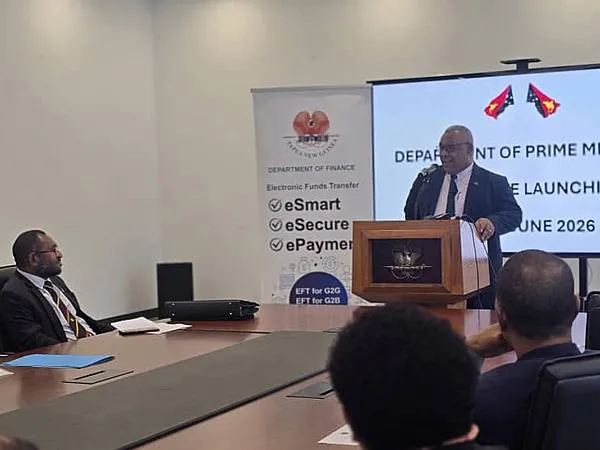
The Department of Prime Minister and National Executive Council (DPMNEC) has officially launched its Electronic Funds Transfer (EFT) Payment System as part of the government's efforts to modernise public-sector financial management, improve efficiency and strengthen accountability.
The announcement was made by Chief Secretary to Government Ivan Pomaleu during the official launch of the EFT Payment System on Friday, June 12, at Melanesian Haus in Port Moresby, marking the department's transition from traditional cheque payments to electronic fund transfers.
Pomaleu said the reform stemmed from a directive issued on March 13, 2025, following the Department of Finance's presentation of its 2025 Annual Plan during the Prime Minister's Review Meeting on Feb. 10, 2025. Under the directive, DPMNEC was selected as the first pilot agency to move away from manual cheque payments and adopt electronic payment arrangements.
He described the transition as more than an administrative change, saying it represents a significant milestone in transforming how government conducts business and manages public funds.
"For many years, government agencies have continued to rely on cheque payments long after the private sector and ordinary citizens moved to electronic banking platforms," Pomaleu said.
He noted that most Papua New Guineans no longer use cheques and that many businesses have adopted paperless operations and direct deposits, making it necessary for government agencies to meet the same standards expected of businesses and citizens.
According to Pomaleu, the previous cheque-based payment process required officers to physically collect cheques, visit banks, queue for deposits, wait for clearance and provide receipts before transactions could be completed. He said the process created unnecessary delays, administrative burdens and inconvenience for both government agencies and suppliers.
The new EFT system addresses many of these inefficiencies by allowing funds to be transferred directly into verified supplier bank accounts through secure banking channels.
Pomaleu said the reform would deliver faster payment processing, stronger security controls, improved transparency and accountability, better visibility over government cash flows, lower operational costs and greater support for paperless government operations.
Electronic transactions also generate automatic audit trails and more reliable financial reporting while reducing risks associated with physical cheque handling, including lost, misplaced or stolen cheques.
While highlighting the efficiency gains, Pomaleu stressed that the reform is fundamentally about strengthening financial governance.
"The objective is not simply to move money electronically, but to ensure that every payment is properly authorised, properly verified, properly recorded and paid to the correct recipient account," he said.
He warned that while EFT removes many risks associated with cheque payments, it introduces new risks related to the accuracy and integrity of supplier banking information.
To mitigate those risks, DPMNEC has incorporated stringent Know Your Customer (KYC) requirements and internal governance controls into its financial management processes.
Under the new arrangements, suppliers must declare and verify their nominated bank account details before being registered in the payment system. Supporting documentation must be submitted and independently verified before approval. Once approved, account details will be locked and managed only by officers with administrator-level authority.
Pomaleu directed that no supplier banking details be entered, amended or activated without completion of the prescribed KYC process, independent verification and administrator approval.
He said segregation of duties, account verification protocols and administrator controls would serve as critical safeguards under the new payment environment.
"Electronic transfers make payments faster. They do not justify haste. Speed must never come at the expense of control," he said.
To ensure compliance, Pomaleu said his advisers would conduct periodic random reviews of EFT transactions and associated procedures to confirm that appropriate controls remain in place.
He added that the rollout aligns with broader administrative reforms within DPMNEC aimed at using technology to improve service delivery, decision-making and government operations.
Pomaleu commended DPMNEC advisers, finance officers, the Department of Finance, banking partners and other stakeholders for their contributions to implementing the reform, noting that they had transformed a policy directive issued in March 2025 into an operational reality.
He also linked the initiative to Papua New Guinea's Reset PNG @ 50 reform agenda and the country's 50th Independence Anniversary celebrations.
According to Pomaleu, the EFT system supports Big Bet No. 10 and Quick Win No. 414, which seeks to enable government payments through any bank or mobile platform.
"As we move forward, we must continue to challenge outdated practices and embrace reforms that improve efficiency, transparency and public confidence in government," he said.
"Today we are retiring a process of the past and embracing a system fit for a modern public service."
Pomaleu said DPMNEC's transition from cheque payments to EFT demonstrates the department's commitment to leading by example, embracing reform and operating to the same standards expected of the citizens and businesses it serves.
He formally launched DPMNEC's Electronic Funds Transfer System and declared the department's transition from cheque payments to EFT.
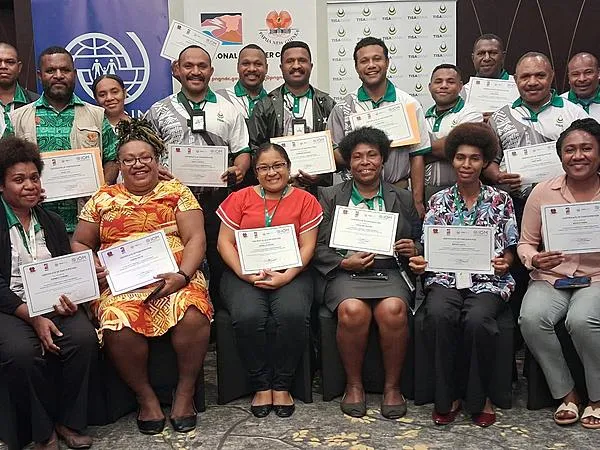
TISA Bank has reinforced its commitment to organisational preparedness through a Disaster Risk Management (DRM) information session conducted in partnership with the National Disaster Centre (NDC) and the International Organization for Migration (IOM).
The one-day session brought together representatives from TISA Bank, NDC and IOM to enhance awareness of disaster preparedness, emergency response coordination and Papua New Guinea's national disaster management systems. The initiative forms part of a broader capacity-building effort aimed at strengthening institutional readiness and improving responses to disasters and emergencies.
The training covered key disaster risk management principles, hazard identification, communication strategies, national coordination frameworks and organisational preparedness. Participants also engaged in discussions on internal response mechanisms and the importance of integrating disaster risk considerations into operational planning.
For TISA Bank, strengthening preparedness is critical to safeguarding staff, customers and business continuity across its nationwide operations.
TISA Bank Acting Chief Executive Officer Luke Kaul said the session reflects the bank's commitment to building internal capability and enhancing its readiness to respond to emergencies.
"At TISA Bank, preparedness is fundamental to how we protect our people, serve our customers and maintain our operations," Kaul said.
"This engagement with the National Disaster Centre and the International Organization for Migration is an important step in strengthening our internal capacity and ensuring we are better equipped to respond to emergencies while contributing to broader national resilience efforts."
The session also marked the beginning of a longer-term collaboration between TISA Bank, NDC and IOM. Future initiatives are expected to include more advanced training programs, including certified courses in incident management and institutional disaster risk management planning.
A total of 20 TISA Bank employees participated in the training, representing the Physical Security, Audit, Operational Risk, Property and Facilities, Information Technology, and People and Culture departments.
Through initiatives such as this, TISA Bank remains committed to strengthening internal capability, enhancing preparedness across its branch network and supporting national efforts to build disaster resilience through strategic partnerships and sustained engagement.
France has strengthened its support for Papua New Guinea's green economy with a EUR15 million (approximately K75 million) commitment aimed at expanding green lending for small and medium-sized enterprises (SMEs), renewable energy projects, sustainable agriculture and other environmentally responsible investments.
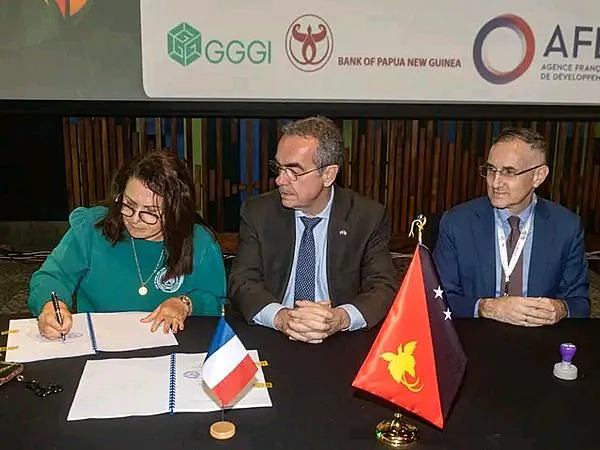
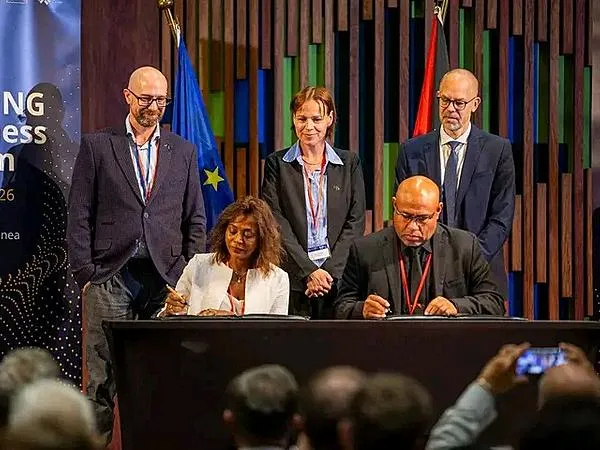
The commitment was formalised on May 27 during the 2026 Green Finance Summit at the Hilton Hotel in Port Moresby through the signing of a Letter of Intent between the Agence Française de Développement (AFD), the Bank of Papua New Guinea (BPNG) and the Global Green Growth Institute (GGGI).
The agreement marks a significant step in PNG's efforts to expand climate-resilient financing and mobilise private-sector investment for sustainable development.
French Ambassador to PNG Pierre Fournier and AFD Country Representative Benoît Chassatte joined BPNG Governor Elizabeth Genia and GGGI Country Representative for PNG, Solomon Islands and Vanuatu Muhammad Ali Shaikh in formalising the partnership.
In addition to the Letter of Intent, AFD and BPNG signed a financing agreement for the Green Guarantee Facility, further strengthening the country's green finance framework.
The EUR15 million investment will be channelled through PNG's Green Finance Facilities — the Green Refinancing Facility and the Green Guarantee Facility — to increase lending for environmentally sustainable projects through participating financial institutions.
The funding is expected to unlock additional private-sector investment in renewable energy, energy-efficient buildings, sustainable agriculture, organic produce processing and retail, while supporting businesses seeking to adopt more sustainable practices.
Speaking at the summit, Genia said the agreement reflects the growing urgency of addressing climate risks while ensuring financial inclusion remains central to PNG's green finance agenda.
"We must be ambitious and we must also act with urgency. The need to build climate resilience is no longer a future challenge; it is an urgent reality affecting our communities today," she said.
"Financial inclusion must remain at the heart of this agenda, ensuring that green finance supports our rural communities, SMEs, women-led enterprises, and all Papua New Guineans striving to build a more resilient future."
Under the agreement, AFD, BPNG and GGGI will work with the Green Finance Centre to identify and develop a pipeline of green loans aligned with Papua New Guinea's Inclusive Green Finance Taxonomy.
The partnership will also explore additional financing opportunities from development partners to complement AFD's investment and support the long-term sustainability of the facilities.
With continued support from the central bank, the Green Finance Centre is expected to play a key role in advancing the facilities, coordinating implementation and facilitating any required government approvals.
AFD will also explore opportunities to expand the facilities, while GGGI will continue providing technical assistance, implementation oversight and institutional capacity-building support.
Shaikh described the agreements as the culmination of years of collaborative technical work and an important step in advancing PNG's long-term green growth ambitions.
"I would also like to acknowledge the Financing Agreement signed today for the Green Guarantee Facility between the Bank of PNG and AFD, and the Letter of Intent between the Bank of PNG, AFD and GGGI on additional funding into the green finance facilities," he said.
"These are partnerships built on years of careful technical work, and they will support PNG's green growth for years to come."
Chassatte said AFD was proud to support the implementation of PNG's green finance roadmap and the progress achieved by the central bank and its partners.
"AFD feels privileged to be a special partner to accompany and support BPNG in implementing the green finance roadmap," he said.
"We are proud of BPNG's accomplishments as we are about to harvest the fruits of unwavering efforts. These have led to the establishment of the Green Financing Facilities and, shortly, to the first green investments being financed through the facilities. We will soon be celebrating the success of this team effort."
The Letter of Intent will remain in effect for an initial two-year period, providing a framework for continued collaboration, knowledge sharing, resource mobilisation and coordinated action to advance green finance and climate-resilient development in Papua New Guinea.
The signing underscores the shared commitment of BPNG, AFD and GGGI to drive inclusive economic growth, strengthen climate resilience and support a greener future for PNG, while highlighting the growing momentum behind green finance initiatives across the country.
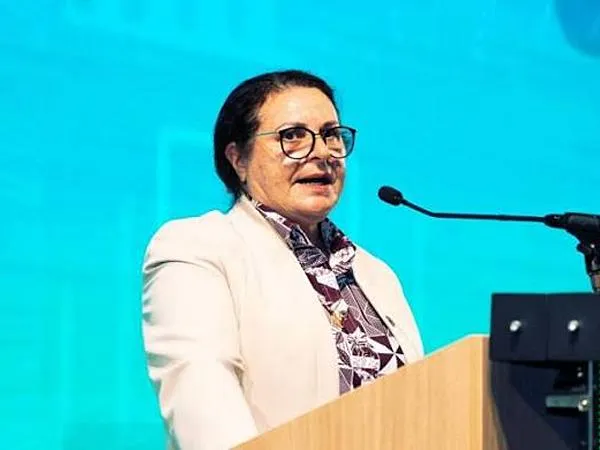
Bank of Papua New Guinea (BPNG) Governor Elizabeth Genia called for urgent action to translate green finance policies into investment, warning that climate change is already affecting communities across Papua New Guinea.
Speaking at the opening of the 2026 Green Finance Summit in Port Moresby on May 27, Genia said the country must move beyond discussion and focus on implementing solutions that strengthen climate resilience, support sustainable development and mobilise private-sector investment.
The two-day summit, attended by Prime Minister James Marape, government ministers, representatives of Pacific central banks, financial-sector leaders, development partners and business stakeholders, marked the second national gathering dedicated to advancing green finance in Papua New Guinea.
She noted that the inaugural summit in 2025 focused on laying the foundations for green finance through policy development, partnerships and institutional frameworks.
"This year, we move the conversation forward. 2026 is not about introducing ideas; it is about implementation," she said.
"How do we make green finance something real, tangible and workable here in Papua New Guinea?"
Genia stressed that the need for climate resilience is no longer a future concern but an immediate reality affecting communities across the country.
She pointed to the devastation caused by Tropical Cyclone Maila, which struck Milne Bay and Bougainville in April, displacing families, damaging critical infrastructure and claiming 22 lives.
Maila was the 11th tropical cyclone recorded in the region this season, underscoring the growing frequency and severity of climate-related events.
At the same time, PNG is monitoring the emergence of an El Niño weather pattern that could place additional strain on communities, agriculture and natural resources.
"These challenges will continue. We know that Papua New Guinea is uniquely exposed to these environmental realities," Genia said.
She noted that inclusive green finance — the mobilisation of capital towards sustainable and inclusive investments — can play a critical role in helping the country build resilience against climate-related risks.
Green finance facilities near completion
Genia outlined progress made over the past year through the work of the BPNG Green Finance Centre, which has been developing the financial infrastructure needed to support PNG's transition to a more sustainable economy.
A key initiative announced at the first summit was the establishment of Green Finance Facilities aimed at directing funding towards environmentally sustainable projects.
According to Genia, these facilities are now nearing completion and undergoing final testing before being rolled out nationwide.
The central bank has also worked with the National Energy Authority to operationalise a third Renewable Energy Facility, further expanding support for clean-energy investments.
The summit also saw the launch of several initiatives aimed at accelerating green finance implementation.
These include the launch of the Inclusive Green Finance Taxonomy Version 2, which provides clearer guidance for green lending while helping PNG's banking sector align with international financial markets.
The central bank also introduced new Environmental and Social Risk Management Guidelines to help financial institutions integrate sustainability considerations into everyday lending decisions.
In addition, new Green Loan Reporting Standards were launched to improve transparency and enable more effective tracking of green investment outcomes.
Another significant initiative is the establishment of the Green Finance Academy, which will provide technical training and capacity-building support for financial institutions, government agencies and private-sector stakeholders involved in sustainable finance.
Later this year, the central bank plans to launch a National Centralised Climate Investment Database to consolidate information on climate-sensitive projects funded by development partners and private investors.
Genia said the initiatives represent important progress but cautioned that frameworks alone would not generate investment.
"Policies alone do not support a small business adapting to climate pressures," she said.
"Guidelines do not create investment unless institutions are prepared to act."
K55 billion investment needed by 2030
Genia highlighted the critical role of the financial sector in directing investment towards sustainable development priorities.
She said banks and financial institutions are central to the transition because they determine where capital flows, how risks are assessed and who gains access to financing.
Papua New Guinea will require substantial investment in energy, infrastructure, agriculture and sustainable enterprise over the coming years.
Citing estimates from the International Finance Corporation, Genia said PNG will need approximately K55 billion to meet its climate and development commitments by 2030.
She said government and development partners cannot meet the financing requirement alone.
"The private sector must be part of the solution," she said.
For commercial banks, she described green finance as a significant business opportunity but stressed that sustainability considerations must become part of mainstream financial decision-making rather than remain a niche topic among specialists.
She also acknowledged the challenges facing financial institutions as they adapt to new reporting requirements, develop technical expertise and assess the commercial viability of green investments.
"No market gets this perfect from day one," she said.
"What matters is that our progress is practical, proportionate and credible, and our focus is on building systems that genuinely work in the Papua New Guinean context."
Financial inclusion must remain central
Genia said green finance must support inclusive economic growth rather than benefit only large institutions or well-connected projects.
The agenda, she said, must serve ordinary Papua New Guineans, particularly those in rural communities and climate-vulnerable sectors.
She called for greater support for agriculture, small and medium-sized enterprises (SMEs), women-led businesses and enterprises investing in sustainability and efficiency improvements.
"It must support our rural communities. It must support agriculture. It must support SMEs, which are the backbone of employment and income generation," she said.
"It must empower women-led enterprises, which we know are among our most resilient businesses."
She added that many businesses may not explicitly identify themselves as "green" enterprises but are nonetheless making investments that improve resilience, efficiency and sustainability.
International partners support PNG's green transition
Genia credited international development partners with supporting the country's green finance agenda through technical assistance and financing.
She acknowledged contributions from the International Monetary Fund, World Bank, Asian Development Bank and the governments of Australia, New Zealand and the Republic of Korea.
She also thanked the French Development Agency (AFD), the International Finance Corporation and the Global Green Growth Institute for working directly with the Green Finance Centre to strengthen PNG's sustainable finance framework.
Genia encouraged summit participants to engage in open and practical discussions focused on developing workable solutions and partnerships.
She said success would ultimately be measured not by the number of policies produced, but by the quality of investment decisions and the resilience of the country's financial system.
"The Bank of PNG remains fully committed to supporting this journey," she said.
"Financial resilience, sustainable growth and sound risk management are core central banking concerns."
"We cannot achieve our mandate of long-term price stability without building economic and financial resilience."
Genia officially declared the 2026 Green Finance Summit open, calling on stakeholders across government, business and the financial sector to work together to turn green finance ambitions into tangible outcomes for PNG's future.
The summit featured keynote presentations, panel discussions and interactive workshops aimed at unlocking green finance opportunities, accelerating climate-resilient investment and advancing practical action on green growth in Papua New Guinea.
END ...///
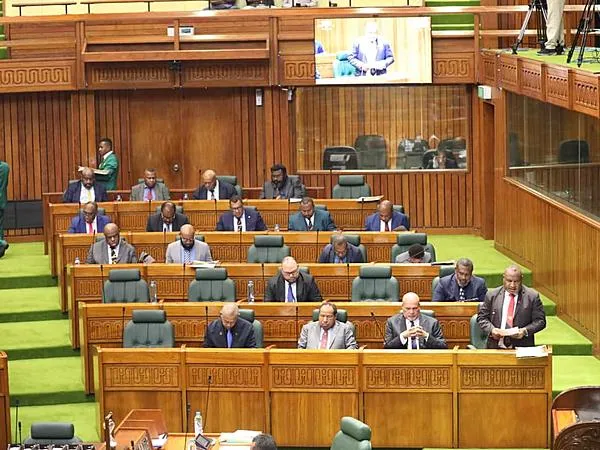
Hiri-Koiari MP Keith Iduhu has called for changes to the governance structure of the PNG LNG project's Kroton Equity Option (KEO), arguing that landowners hosting the project's liquefaction plant have been excluded from decision-making despite their contribution to Papua New Guinea's largest resource development.
Speaking in Parliament on 3 June 2026, Keith Iduhu formally presented a petition on behalf of the PNG LNG Plant Site Landowners of Caution Bay and the people of Central Province, seeking what he described as the rightful recognition and control of benefits negotiated under the 2009 PNG LNG Project Umbrella Benefits Sharing Agreement (UBSA).
Addressing Parliament, Iduhu said the petition sought the implementation of commitments already agreed under the landmark benefits-sharing agreement signed in Kokopo.
"The liquefaction plant, the storage tanks, the marine export terminal — the entire commercial engine of the PNG LNG Project — sits on the customary land of our people in the Hiri-Koiari District," Iduhu said following the parliamentary sitting on 4 June.
"Without our land, there is no plant. Without our land, there is no LNG revenue for this nation. Not a single kina," he added.
The petition centres on the Kroton Equity Option, a key component of the Total Benefits Package negotiated under the Kokopo UBSA between the Independent State of Papua New Guinea, the Central Provincial Government, the Hiri Local-Level Government and project area landowners.
Under the agreement, beneficiaries were granted a commercial option over an undivided and fixed 25.75 per cent shareholding in Kroton Limited, which holds the State's equity interest in the PNG LNG Project.
Iduhu said Clause 6.1(a)(ii) of the UBSA entitled beneficiaries to an estimated 4.22 per cent share of the PNG LNG Project interest, later revised to 4.27 per cent.
He noted that under Clause 6.3.2 of the agreement, the 4.27 per cent Kroton Equity entitlement is divided in a 76:24 ratio between the upstream Petroleum Development Licence (PDL) areas and the downstream pipeline and LNG plant areas.
According to Iduhu, the downstream 24 per cent tranche is further allocated among beneficiaries identified under the agreement, with the allocation structure negotiated and signed by all parties in 2009.
"These numbers were not invented today," he said. "It does not belong to the State as a gift to dispense. They were negotiated, agreed and signed in 2009 in the spirit of the National Constitution. They are binding."
Iduhu's concerns stem from National Executive Council (NEC) Decision No. 64 of 2026, which established the governance framework and board composition for the Kroton Equity Option Special Purpose Vehicle (SPV).
He argued that the current arrangement does not provide direct representation for PNG LNG Plant Site Landowners, despite the project's key infrastructure being located on their customary land.
According to Iduhu, the structure provides a dedicated director for Hides PDL landowners and both a dedicated director and a permanent ex-officio seat for Southern Highlands Province, while Plant Site Landowners and Central Province receive no equivalent representation.
"Yet NEC Decision No. 64/2026 has established a KEO SPV Board that gives our Plant Site Landowners no dedicated director and gives the Governor of Central Province no permanent ex-officio seat," he told Parliament.
"The people on whose land the plant physically stands — the largest single downstream landowner group in the entire agreement — are left without a seat of their own," he added.
Describing the arrangement as unjust and unconstitutional, Iduhu said he would continue advocating for the affected landowners.
The petition calls on Parliament to direct the NEC to amend the governance arrangements by either creating a ring-fenced governance structure within Kumul Petroleum Holdings Limited (KPHL), allowing Plant Site beneficiaries full control of their dividends and equity interests, or establishing a separate Plant Site Kroton Equity Option SPV governed entirely by the beneficiaries.
It also proposes that KPHL be reimbursed only for independently audited costs incurred in managing the equity, without any profit margin.
"We are not asking for someone else's share," Iduhu said. "We are asking to govern and control what is already ours — what was negotiated and signed at Kokopo in 2009. The State does not gift us this equity. It owes it to us."
Iduhu thanked communities from Boera, Papa, Rearea and Porebada for their continued support.
The petition was formally lodged on 2 June and now awaits consideration by Parliament and the NEC.
The issue is expected to attract significant attention across the resource sector as discussions continue over the distribution and governance of benefits arising from the PNG LNG Project, one of Papua New Guinea's largest sources of export revenue and foreign investment.
In Papua New Guinea, one of Port Moresby’s most iconic dining destinations has been given a new lease on life, with Crown Hotel officially relaunching Rapala Restaurant, offering an elevated culinary experience that combines premium international cuisine, stunning harbour views combining local flavours and world-class hospitality.
Located within Crown Hotel, Rapala Restaurant has reopened following an extensive redevelopment and menu transformation, bringing a fresh approach to fine dining while maintaining the restaurant’s longstanding reputation among local and international guests.
The relaunch forms part of Crown Hotel’s ongoing commitment to upgrading its facilities and enhancing guest experiences since local ownership assumed management responsibility in November 2018.
Leading the new culinary direction is Executive Chef Arup Das, who joined Crown Hotel in December 2025.
Chef Das brings more than 15 years of international hospitality experience, having worked with some of India's most respected hotel brands.
Having previously worked in PNG since 2022, Chef Das said the opportunity to lead Crown Hotel's culinary operations and revive Rapala Restaurant was one he eagerly embraces.
"Rapala was once one of the city's most recognised restaurants before COVID-19, and reopening it was a special assignment for me," Chef Das said.
"Together with the management team, we developed a completely new menu, new presentations and a new dining concept focused on fine dining standards while creating something unique for Port Moresby."
The restaurant officially reopened on 16 March 2026, introducing a carefully curated menu featuring premium ingredients, contemporary presentation and expertly matched wines.
A Heritage Property Continues to Develop
Crown Hotel holds a unique place in PNG’s hospitality history.
Originally developed during the years surrounding PNG’s Independence (1975) and commencing operations in 1978, the property has evolved through several identities over the decades, transitioning from Travelodge to Park Royal before becoming the Crown Hotel known today.
Now proudly operating as a 100% Papua New Guinean-owned hotel, Crown Hotel has undertaken continuous renovations and modernisation works over recent years, including upgrades to guest rooms, public spaces, furnishings and facilities.
Rapala restaurant represents one of the final major components of the hotel's ongoing transformation.
According to Chef Das, Rapala Restaurant was pending to reopen for some time because they wanted to make sure they had the right culinary leadership and vision.
"We wanted to bring back a restaurant that people remembered and loved, while introducing a fresh fine dining experience that meets modern expectations."
Dine at an Award-Winning Destination
The revitalisation of Rapala Restaurant comes as Crown Hotel continues to build on its growing reputation within the hospitality industry.
The hotel has received approximately 12 awards over the past seven years and has again been nominated for the prestigious World Travel Awards, recognising its commitment to service excellence and continuous improvement.
For guests seeking a memorable dining experience in Port Moresby, Rapala Restaurant, fine dining offers a compelling combination of premium cuisine, waterfront views, personalised service and contemporary elegance.
A Dining Experience Defined by Its View
While Port Moresby offers several well-known dining establishments, Crown Hotel believes Rapala Restaurant's location sets it apart.
Perched above the waterfront, the restaurant provides uninterrupted views across Fairfax Harbour and the sea beyond, creating a setting that few other venues in the city can replicate.
"The ambience and seaside view are among Rapala's greatest strengths," Chef Das said.
"It creates a completely different dining atmosphere. Guests come not only for the food but for the overall experience."
The waterfront backdrop has quickly become one of the restaurant's most celebrated features, particularly during sunset dining services and weekend evenings.
Premium Ingredients and Signature Dishes
Rapala restaurant's new identity is a menu built around premium imported meats, fresh seafood and innovative culinary techniques.
Guests can enjoy high-quality Australian-sourced Wagyu beef, premium seafood and carefully selected international ingredients, all prepared using contemporary cooking methods and elegant plating.
One of the restaurant's standout attractions is its Lobster Thermidor, which has already emerged as a customer favourite.
Prepared using large premium lobsters and presented with refined flair, the dish has become one of Rapala's signature offerings.
Other popular menu selections include
•Wagyu beef steaks
•Pan-seared scallops
•Beef carpaccio
•Seafood bisque
•French onion soup
•Premium salmon dishes
•Chicken breast served with fresh guacamole
A range of vegetarian and dietary-specific options
Chef Das said the menu balances familiar favourites with creative touches designed to surprise guests.
"We take classic dishes and present them in a different way," he explained.
"The names may be familiar, but the presentation, flavour combinations and dining experience are uniquely Rapala."
Wine Pairing Elevates the Experience
A key feature distinguishing Rapala restaurant from many traditional dining venues is its emphasis on curated wine pairings.
Throughout the menu, recommended wines accompany soups, starters, salads and main courses, allowing guests to enjoy a complete fine dining experience.
The pairing concept has been designed to complement flavours while introducing diners to combinations typically associated with premium international restaurants.
"We wanted guests to experience more than just a meal," said Chef Das.
"The wine pairings are carefully selected to enhance each dish and create a memorable dining journey."
Showcasing PNG Local Ingredients
While premium meats and specialty products are imported to ensure quality, Crown Hotel remains committed to incorporating PNG's rich agricultural produce into its menu.
Local ingredients play an important role in Rapala restaurant's culinary philosophy. These shows the restaurant is passionate about showcasing local produce.
Chef Das added, "In many dishes we use locally grown vegetables, herbs and ingredients, and we continue looking for ways to incorporate Papua New Guinea's unique flavours into our menu."
Some herbs are even grown on-site, while ingredients and vegetables such as sweet potatos, have been incorporated into selected dishes to provide a distinctive local touch.
The approach allows guests to enjoy international fine dining while still experiencing authentic Papua New Guinean flavours.
Investing in PNG
Crown Hotel's success continues to be built on its people.
The hotel employs more than 200 team members, with only nine expatriate staff members across all departments.
More than 95% of employees are Papua New Guinean nationals, reflecting the hotel's commitment to developing local hospitality talent.
Training remains a major focus, with international managers and chefs working closely with local staff to strengthen fine dining service standards, food preparation techniques and guest engagement.
Crown Hotel's goal is to deliver world-class hospitality while showcasing the warmth and professionalism that Papua New Guineans are known for.
The restaurant's reopening marks only the beginning of Crown Hotel's culinary evolution.
Management has committed to reviewing and refreshing menus regularly, ensuring guests continue to enjoy new dining experiences throughout the year.
Menus across the hotel's various outlets—including the café, room service, bars and restaurants—are updated periodically, with Rapala restaurant expected to introduce seasonal menu changes every few months.
With its blend of international culinary expertise, Papua New Guinean hospitality and one of the city's most scenic dining locations, Rapala restaurant is positioning itself as a must-visit destination for food lovers, business travellers and residents alike.
Whether enjoying a perfectly prepared Wagyu steak, indulging in the restaurant's signature Lobster Thermidor, or simply watching the sun set over Fairfax Harbour with a glass of wine in hand, Rapala offers a dining experience designed to linger long after the last course is served.
Six trainees from Pagini Kainantu Limited and Jerilai Pujari Transport Limited have completed an intensive eight-week industry skills programme in Napa Napa, strengthening workforce readiness among landowner communities linked to Papua New Guinea's resource sector.
The trainees were selected from communities associated with major resource developments across the country, with the programme designed to increase local participation in skilled roles within the mining, oil and gas industries.
Four participants — one woman and three men — came from communities within the Papua LNG Upstream Project Area in Gulf Province, while the remaining two were from landowner communities connected to the Kainantu Gold Mine.
During the programme, participants completed a range of practical and safety-focused modules, including camp living, occupational health and safety awareness, fire training, basic first aid and CPR/AED, lashing and securing loads, working at heights, excavator operations and roller operations.
According to the organisers, none of the trainees had previously undertaken the training modules offered during the programme, making the course a significant milestone in their professional development.
All participants received Class 7 learner permits and training logs from the Central Province Traffic Authority and were awarded Australian-standard Verification of Competency certificates upon successful completion of the course.
The training was delivered by certified instructors and combined classroom learning with practical field exercises aimed at reinforcing workplace safety, operational competency and industry readiness.
Steve Drennan, executive at Native Industries, said the initiative represented an investment in both people and communities.
“This programme is more than just skills training — it is an investment in our people and in the future of our landowner communities. For many of these young men and women, this is their first step into a professional pathway, and seeing their confidence grow has been incredibly rewarding. Pagini Group is proud to support initiatives that lift capability, create opportunity, and ensure our communities are active participants in the nation’s major resource projects.”
The programme forms part of Pagini Group's broader localisation strategy, which aims to develop a skilled and safety-competent national workforce drawn from landowner communities connected to major resource projects.
While the company has conducted more than 400 Verification of Competency assessments across its operations, organisers said the initiative marked the first fully integrated end-to-end training programme delivered under the group's own framework. Unlike stand-alone competency assessments, the course provides a structured development pathway, beginning with foundational safety training and progressing through practical equipment operation and nationally recognised certifications.
The initiative is intended to create job-ready candidates from communities that have historically had limited access to formal industry training, while also helping to standardise workforce competencies in line with Papua New Guinea and Australian industry standards. It also supports the company's goal of strengthening community partnerships by creating greater opportunities for landowners to participate directly in operational roles.
Training supervisors commended participants for their commitment, discipline and progress throughout the eight-week programme.
In addition to technical training, the course emphasised teamwork, communication and professional conduct, skills considered essential for careers in operations, logistics, construction and resource-sector support services.
A key objective of the programme is to ensure communities hosting major resource projects benefit directly from employment and skills-development opportunities. The initiative also supports broader efforts to increase national workforce participation and reduce reliance on expatriate labour in technical and operational roles.
Two of the graduates have already commenced operational work on site.
With the programme now complete, the graduates are expected to be better positioned to enter the workforce and contribute to both their communities and Papua New Guinea's resource sector.
Pagini Group plans to deliver a second course in the third quarter of 2026.
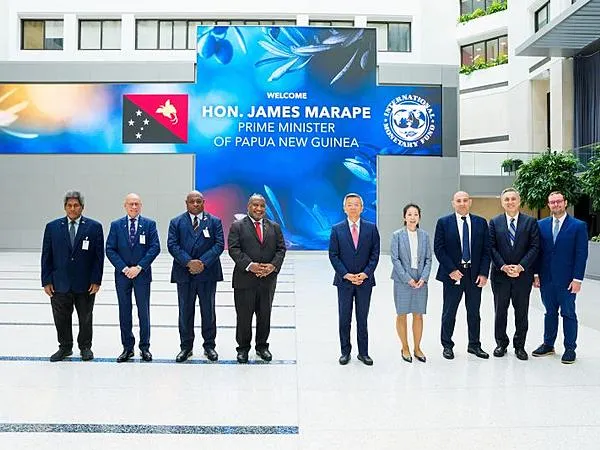
Papua New Guinea will gain access to approximately $163 million in new financing after the Executive Board of the International Monetary Fund approved reviews of the country's lending arrangements under its ongoing economic reform programme.
The IMF said completion of the sixth review of Papua New Guinea's Extended Fund Facility and Extended Credit Facility arrangements will provide immediate access to about $82 million. The completion of the third review under the Resilience and Sustainability Facility will make a further $81 million available.
The EFF and ECF programmes were approved in 2023 to help Papua New Guinea address a prolonged balance-of-payments problem that has contributed to foreign exchange shortages and constrained economic activity.
Meanwhile, the 24-month Resilience and Sustainability Facility, approved in 2024 with funding of SDR 197.4 million, is designed to address climate-related risks to balance-of-payments stability and strengthen the country's long-term economic resilience.
The IMF said Papua New Guinea met all quantitative performance criteria and indicative targets through the end of December 2025, as well as all indicative targets through the end of March 2026 under the EFF and ECF arrangements.
All six structural benchmarks scheduled under the programme were also achieved, although some measures were implemented later than originally planned.
The latest disbursement comes as Papua New Guinea continues to implement a broad programme of economic reforms aimed at improving fiscal management, strengthening macroeconomic stability and supporting sustainable growth.
According to the IMF, the country's economy has remained resilient despite external pressures and domestic challenges, with growth supported by both the resource and non-resource sectors.
The institution noted progress in fiscal consolidation efforts and reforms designed to improve the functioning of the foreign exchange market, while emphasizing the importance of continued implementation of the reform agenda.
The IMF projects Papua New Guinea's economic growth will moderate to 3.8% in 2026 from an estimated 5.6% in 2025. Headline inflation is expected to increase modestly to 4.8% in 2026, with higher import costs partly offset by the extension of goods and services tax relief measures through the end of the year.
The additional funding is expected to support government efforts to address foreign exchange shortages, strengthen public finances and bolster foreign reserves.
Business groups have long identified access to foreign currency as a key constraint on investment and private-sector activity, particularly for companies dependent on imported goods and equipment.
The funding also comes as Papua New Guinea seeks to attract new investment into strategic sectors including mining, energy, agriculture, infrastructure and digital connectivity.
The IMF said continued reforms will be important to maintaining economic momentum, strengthening resilience against future shocks and supporting inclusive growth. It also highlighted the need for ongoing improvements in governance, public institutions and economic management.
The latest disbursement is expected to provide additional confidence to investors and development partners as Papua New Guinea advances major resource and infrastructure projects and pursues broader economic reforms.
The Autonomous Bougainville Government has introduced legislation aimed at creating a special legal framework for the redevelopment of a previously operating large-scale mine, describing the move as critical to the region's long-term economic future and fiscal self-reliance.
The Bougainville Mining (Amendment) Bill 2026 was introduced in Parliament this week by Ishmael Toroama, who also serves as minister responsible for mining and petroleum.
According to Toroama, the proposed amendments to the Bougainville Mining Act 2015 would establish a statutory pathway for the orderly and accelerated redevelopment of a former large-scale mining operation where the Bougainville Executive Council determines that such redevelopment is in the national and public interest.
"The existing Mining Act was primarily designed for new mining projects progressing through the conventional exploration-to-development pathway and did not adequately address the unique circumstances of redeveloping a previously operating large-scale mine," Toroama said.
He said the current legislation contemplates a sequential process beginning with greenfield exploration, followed by resource definition, feasibility assessment, mine development, commercial production, closure and eventual redevelopment.
The president stressed that the bill would not remove or weaken the core principles of the existing mining regime, including landowner rights, compensation arrangements, benefit-sharing mechanisms and environmental protections.
Under the proposed amendments, customary landowners would receive a prescribed percentage of free, non-dilutable equity in an eligible mining lease holder, giving them direct ownership participation in redevelopment projects.
"Landowner rights, compensation rights, local content participation and benefit sharing rights and royalties are preserved. Landowner equity participation is preserved and strengthened," Toroama said.
He added that environmental approvals, mineral resource forum requirements, community consultation processes and development agreement obligations would remain mandatory.
The bill proposes that the special redevelopment framework apply only in exceptional circumstances where a previously operating large-scale mine exists, an established mineral deposit has been identified, legacy issues remain unresolved, redevelopment is considered necessary for Bougainville's economic future and fiscal self-reliance, and the Bougainville Executive Council is satisfied that redevelopment serves the national and public interest.
"This Bill is about economic self-reliance. It is about responsible resource development, strengthening Bougainville ownership of strategic mineral assets and ensuring that landowners participate as true partners in development," Toroama said.
The Bougainville Mining (Amendment) Bill 2026 has completed its first reading in Parliament and will proceed through the remaining stages of the legislative process before being considered for passage and enactment.
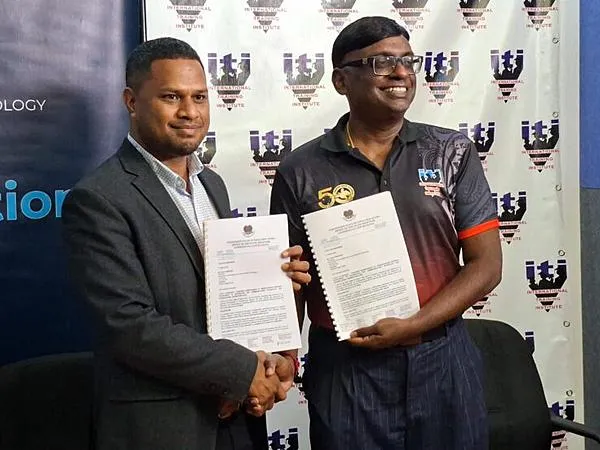
Papua New Guinea's Department of Information and Communications Technology (DICT) and the International Training Institute (ITI) have signed a five-year memorandum of understanding aimed at strengthening cooperation in artificial intelligence, digital skills development, research and innovation.
The agreement, signed in Port Moresby on June 9, seeks to build national ICT capability through curriculum enhancement, internship opportunities, corporate training, staff upskilling programs and the joint development of AI-driven use cases aligned with Papua New Guinea's digital transformation agenda.
A technical working group will be established to coordinate and oversee implementation of the partnership over the next five years.
The signing ceremony was attended by DICT Secretary Steven Matainaho, Deputy Secretary for Policy and Emerging Technology Flierl Shongol and senior departmental officials. ITI was represented by Chairman and Co-Founder Senthil Kumaran Sentheyval, Director and Dean of Studies Sivanathan Sivaruban and members of the institution's academic leadership team.
Sentheyval said the agreement reflects a shared commitment to advancing technology, education and innovation in Papua New Guinea.
"We want to progress, we are also going into IT and AI, so this is something we would like to do — to find out where we can share," he said.
"DICT has its own summit and conference, and we have ours. Working together in the same direction is good, and it is encouraging to collaborate with the department to progress further."
He said ITI's role extends beyond training to supporting innovation and the development of emerging technologies.
"As an institution, we are here for the training side, but also to be part of the innovation of future progress in digitalization and AI. It is always good to have the educational side involved in that as well," Sentheyval said.
Matainaho said the partnership supports the government's broader objectives for digital government, digital economy development and implementation of Papua New Guinea's national AI strategy.
He emphasized that artificial intelligence must be linked to practical applications to deliver tangible benefits.
"AI alone is nothing, but AI pegged to a use case — that's where you start to see the value," Matainaho said.
"This partnership is about exploring and incubating those ideas and use cases, and what better way to do it than with higher education institutions."
Matainaho identified small and medium-sized enterprises as a key area of focus, saying AI technologies can help businesses reduce costs, improve efficiency and access new markets.
He said DICT's AI Adoption Framework and National AI Strategy are intended to be implemented through collaborative partnerships that translate policy objectives into practical solutions.
Under the agreement, the two organizations will collaborate on AI training programs, development of industry and government use cases, AI laboratory experimentation and wider adoption of digital technologies across the public and private sectors.
The partnership will also be featured during the Digital Transformation Summit 2026 as part of broader efforts to accelerate digital transformation and technology adoption across Papua New Guinea.
The five-year agreement is expected to support the development of digital skills, strengthen national AI capability and encourage innovation across government agencies, businesses and educational institutions.
Papua New Guinea Prime Minister James Marape has called on cabinet ministers, government departments and agencies, provincial governors and district members of parliament to publicly present detailed reports on achievements, spending and challenges within their respective sectors and jurisdictions over the past seven years.
The directive follows Marape's presentation to parliament on June 5 of the Marape-Rosso government's Seven-Year Performance Report, which reviewed the administration's performance since it assumed office in May 2019.
Marape said the report presented in parliament was intended to provide an overview of the national government's work, investments, achievements, challenges and ongoing programs, but was not a comprehensive account of all government activities.
"The Seven-Year Report is not conclusive; it is not inclusive. This is just an indication of what we have done," he said.
He said every sector minister possesses more detailed information on their respective portfolios and should now make those reports available to parliament, stakeholders and the public.
"The Sector Ministers have full Reports on each Sector in terms of what we have done in the last seven years," Marape said.
According to the prime minister, the report demonstrates that the government has made significant investments across priority areas despite criticism that little progress has been achieved during its time in office.
"We have made substantial investments in all the key Sectors — infrastructure, education, health, law and justice sector, economic sector interventions — and our numbers do not lie," he said.
Marape said the government deliberately chose to table the report publicly because transparency and accountability are essential components of democratic leadership.
He said the document provides members of parliament, development partners, public servants, civil society organizations, churches, businesses, citizens and the opposition with an opportunity to assess government performance and scrutinize its delivery record using factual information and official statistics.
"In my view, such a Report has not been presented in Parliament since 2007," Marape said. "I am a student of PNG Parliamentary proceedings, and I am yet to find a detailed self-assessment Report presented by a Government of the day that gives opportunity for stakeholders, including the Opposition, to criticise the Government on its own delivery and its own numbers."
Marape said public funds and government responsibilities must be accounted for, making it important for the administration to openly report on its performance.
He acknowledged that parliamentary time constraints prevented a full discussion of every sector during the presentation, reinforcing the need for ministers and departments to release more detailed reports.
"We ran out of time on Friday, but Ministers who are responsible for these Departments and Portfolios have Reports to present on what has been achieved by our Government collectively over the last seven years," he said.
The prime minister also stressed that the report should not be interpreted as a claim that all government objectives have been achieved.
"I am first to say that we have not achieved all we want to do for our country," he said. "Many works remain undone or half-complete or just started, but some works are going to be in progress to maturity."
Marape said Papua New Guinea remains a developing country with significant long-term infrastructure and social development needs, and that no government could realistically complete all necessary work within a single term or even seven years.
"If all work was complete before 2019 when I took office, then certainly there would be no task for me to do," he said. "Much work remains for Governments into the future, including the Government that will come into office from 2027 to 2032."
He encouraged Papua New Guineans to use the report as a reference document to assess completed projects, ongoing programs and areas requiring further attention.
"I want to ask our people: use the Report. Where you have interest, if you have any questions, ask the relevant Ministers or Departments, or ask my Department. We will answer those questions accordingly," Marape said.
The prime minister said the report should serve as the beginning of an informed national discussion on government performance, service delivery, public investment and future development priorities rather than bringing debate to a close.
Under his directive, ministers are expected to provide detailed accounts of departmental performance, including programs implemented, reforms undertaken, projects completed, funds utilized and operational challenges encountered.
Provincial governors and district MPs have also been asked to explain how national government allocations, Provincial Services Improvement Program (PSIP) funds, District Services Improvement Program (DSIP) funds and sector funding have been translated into tangible services and infrastructure projects for communities.
"The National Report indicates what work we have done, what we have started, and where Departments are as we progress towards more work for the balance of this term in preparation for 2027," Marape said.
He said the Marape-Rosso government remains focused on completing ongoing projects, improving service delivery, strengthening accountability mechanisms and preparing the country for the next phase of development.
Marape said the administration's goal is to leave behind not only infrastructure and development programs, but also a stronger culture of reporting, transparency and accountability throughout the public sector.
He reaffirmed the government's commitment to continuing work across a broad range of sectors, including roads and infrastructure, education, health, law and order, economic growth, agriculture, resource development, energy, international relations, youth development, churches, social development, governance, and provincial and district service delivery.
"We have not achieved all we want to do, but we are working," Marape said. "The work of nation-building is continuing, and this Government remains committed to doing its part for our people and for the future of Papua New Guinea."
Papua New Guinea is preparing to enter a new frontier in offshore petroleum exploration, with the country's first ultra-deepwater exploration well scheduled to be drilled within the next two months offshore between Central and Milne Bay provinces.
The Mailu-1 exploration well, jointly developed by TotalEnergies EP Kundu Limited and PETRONAS, is regarded as one of the most ambitious offshore exploration campaigns undertaken in PNG. Industry leaders and government officials believe the project could attract significant foreign investment and help establish the country as an emerging deepwater petroleum province.
Details of the project were presented during a consultative workshop between TotalEnergies and the Central Provincial Government on June 3. The meeting brought together provincial officials, district administrators, sector managers, local leaders and other stakeholders to receive updates on project objectives, operational timelines, environmental safeguards, safety standards and stakeholder engagement plans.
Acting Central Provincial Administrator Magini Raga said the consultation was an important step in ensuring government agencies and communities remained informed about a project with potentially significant implications for the country's energy sector.
The venture could create opportunities for economic growth, employment, business participation and infrastructure development while supporting PNG's long-term energy ambitions.
"This project has the potential to contribute significantly to Papua New Guinea's energy sector while creating opportunities for economic growth, employment, business participation and infrastructure development within our province," Raga said.
Located about 60 kilometres offshore within the Torres Sub-Basin, the Mailu-1 prospect straddles the maritime boundary between Central and Milne Bay provinces. The well will target a large Eocene carbonate structure in water depths exceeding 2,000 metres, making it the deepest offshore drilling operation ever attempted in PNG.
The project is being undertaken through a 50-50 partnership between French energy major TotalEnergies and Malaysian state-owned energy company PETRONAS, which acquired a 50 per cent interest in the licence in September 2024.
If successful, the exploration campaign could open a new phase of petroleum development in PNG by extending exploration activities into offshore areas that have remained largely unexplored.
Deputy Governor for Central Province and President of the Aroma Coast Local Level Government Desmond Baira emphasised the importance of maintaining close engagement between the developer, provincial authorities and local communities as drilling preparations advance.
Baira said clear communication with affected communities would be critical to securing broad support for the project.
"We hope that through these engagements, both the Central Provincial Government and the Amazon Bay Local Level Government will be fully informed so that we can collectively work together to support this ultra-deepwater drilling program, which is a first in Papua New Guinea," Baira said.
TotalEnergies Deputy Public Affairs Manager Ian Marru outlined the regulatory framework governing the project, noting that all activities are being conducted under Petroleum Prospecting Licence 576 and in accordance with PNG's Oil and Gas Act 1998.
Marru stressed that Mailu-1 remains an exploration project and that discussions on resource development, social mapping and broader stakeholder consultations would only proceed if commercially viable hydrocarbons are discovered.
"Remember this drilling is only the exploration stage. Once drilling occurs offshore and we do find gas or oil, then consultations will continue and this is where social mapping and related processes take place," Marru said.
TotalEnergies HSSE Director Claire Viaud said drilling is expected to begin within two months and continue for approximately 47 to 50 days.
Viaud described Mailu-1 as a frontier wildcat well designed to test a previously unexplored geological structure in a region where deepwater exploration has been limited.
"A successful discovery could have far-reaching implications for Papua New Guinea's energy future. We have the highest standards for safety whilst drilling and for the environment," Viaud said.
Beyond its exploration objectives, Mailu-1 is being closely watched by investors and industry participants. A commercial discovery could position PNG among a growing group of countries attracting investment into deepwater petroleum developments.
Recent offshore discoveries in countries such as Guyana and Namibia have demonstrated how successful frontier exploration campaigns can generate substantial government revenues and attract significant foreign direct investment.
The project will also test PNG's capacity to support technically complex offshore energy developments. Ultra-deepwater drilling requires substantial capital investment, advanced technology and rigorous environmental and safety management systems.
During the workshop, stakeholders raised questions about technical challenges, operational costs, environmental protection measures and geological uncertainties associated with drilling at depths exceeding two kilometres below sea level. Project representatives responded by outlining the safety protocols, environmental management plans and regulatory oversight mechanisms that will govern the programme.
Recognising the project's cross-provincial significance, TotalEnergies confirmed that similar consultation sessions will be held with the Milne Bay Provincial Government and the Suau Local Level Government to ensure stakeholders on both sides of the project area remain informed throughout the exploration process.
As preparations continue, government officials and industry stakeholders increasingly view Mailu-1 as a strategic opportunity to expand PNG's petroleum sector into new offshore areas and potentially unlock a significant source of long-term economic growth.
Central Province Governor Rufina Peter has been regularly briefed on developments, alongside national agencies including the National Petroleum Authority, as PNG moves closer to what could become one of the most significant offshore exploration campaigns in its history.
Papua New Guinea and the European Union have reaffirmed their commitment to expanding trade, investment and sustainable development cooperation, with more than 300 participants from PNG and Europe gathering in Port Moresby for the 5th EU–PNG Business Forum.
Held at the Hilton Port Moresby Hotel & Residences on June 2–3 under the theme “The EU Global Gateway for Sustainable Investment, Connectivity and Growth in Papua New Guinea,” the forum brought together government officials, private sector representatives, financial institutions, development partners and investors to explore new business opportunities and strengthen economic ties.
Representatives from 77 companies, including 23 European firms, attended the event, which facilitated more than 170 business-to-business (B2B) and business-to-government (B2G) meetings aimed at fostering long-term commercial partnerships and identifying new investment opportunities.
Opening the forum, Prime Minister James Marape outlined his vision for sustainable and inclusive development, encouraging European and Papua New Guinean businesses to work together and “grow together” through partnerships that create jobs, stimulate investment, transfer technology and improve livelihoods.
Marape reaffirmed the Government’s commitment to maintaining a stable and predictable environment for responsible investment and private sector growth, emphasizing that Papua New Guinea remains open for business and ready to unlock its economic potential through international partnerships.
The forum also served as a platform for PNG and the European Union to reaffirm their shared commitment to sustainable investment, economic cooperation and private sector-led development.
Minister for National Planning and Monitoring Sir Ano Pala described the European Union as a trusted strategic partner that has supported Papua New Guinea’s development over many years. He joined other senior leaders in stressing the importance of attracting quality investments that contribute to long-term national development.
European Union Ambassador to Papua New Guinea H.E. Erika Hasznos said the forum reflected a shared commitment to building a prosperous and sustainable Indo-Pacific region while translating political cooperation into tangible business outcomes.
“This Forum is about our shared vision of an open, sustainable and prosperous Indo-Pacific; about translating political commitments into bankable projects; and about building long-term, high-quality partnerships between European and PNG businesses,” Ambassador Hasznos said.
A key outcome of the forum was the signing of a new Global Gateway investment under the Water Wise Communities Project, which aims to improve water security and climate resilience across Papua New Guinea.
Under the agreement, the European Investment Bank (EIB) will provide a concessional loan of €25 million (approximately PGK126 million), supported by a €16.4 million (approximately PGK83 million) grant from the European Union. The project is expected to expand access to reliable drinking water for an additional 400,000 people while strengthening urban sustainability and resilience to climate-related challenges.
Peteris Ustubs, Director for Asia, Central Asia and the Pacific at the European Commission’s Directorate-General for International Partnerships (DG INTPA), said Papua New Guinea remains an important partner in the European Union’s Indo-Pacific strategy.
He said PNG’s strategic location, abundant natural resources and commitment to sustainable development make it a key destination for future investment under the Global Gateway initiative.
Throughout the two-day event, discussions focused on priority sectors including renewable energy, water security, digital transformation, connectivity, sustainable extractive industries and agricultural value chains.
Participants also attended practical sessions on exporting to the European Union market and conducting business in PNG, while masterclasses provided guidance on compliance with the European Union Deforestation Regulation (EUDR). The programme included site visits to selected Global Gateway-supported projects in and around Port Moresby.
According to the European Union, the forum was designed to identify new trade and investment opportunities, strengthen strategic partnerships and leverage Global Gateway financing and technical support to support sustainable economic growth in Papua New Guinea.
The event highlighted the growing economic relationship between PNG and the European Union, which is valued at more than K5 billion annually. Papua New Guinea was the first Pacific nation to ratify the EU–Pacific Interim Economic Partnership Agreement (iEPA) in 2011 and continues to benefit from duty-free and quota-free access to the European single market. The European Union is now PNG’s fourth-largest export destination.
Ahead of the forum, approximately 400 participants, including more than 40 representatives from European companies, had registered to attend.
Speaking during a media conference before the event, Ambassador Hasznos said the European Union intended to use the forum both to facilitate business connections and to showcase major infrastructure and investment projects being delivered through the Global Gateway strategy in partnership with the PNG Government.
“As part of the Business Forum, the European Union will present itself as a developer of major upcoming infrastructure and investment projects under the Global Gateway strategy, while facilitating business-to-business and business-to-government contacts,” she said.
National Trade Office Chief Trade Officer Richard Yakam said PNG’s participation in the Interim Economic Partnership Agreement reflects the country’s commitment to sustainable growth and economic diversification.
“The EU Global Gateway initiative complements these efforts by enhancing connectivity and attracting investments. PNG remains dedicated to strengthening its partnerships with the European Union and translating trade agreements into tangible development outcomes for our people and our future,” Yakam said.
Investment Promotion Authority Managing Director Clarence M. Hoot said European interest in Papua New Guinea has continued to grow since the inaugural PNG-EU business conference in 2019.
“We have witnessed the growing interest of European businesses and investors establishing a presence in PNG, and we stand ready to facilitate further opportunities following this forum,” Hoot said.
The forum was organised by the European Union in partnership with the International Trade Centre (ITC), in cooperation with the Government of Papua New Guinea, particularly the National Trade Office, the Investment Promotion Authority and the PNG-Europe Business Council.
A high-level plenary session brought together representatives from the European Commission, the PNG Government, the European Investment Bank, the World Bank, the International Trade Centre and private sector leaders to discuss opportunities for sustainable investment, trade and economic cooperation.
At the closing ceremony, Minister for Foreign Affairs Justin Tkatchenko said the forum demonstrated how relations between Papua New Guinea and the European Union have evolved beyond traditional development assistance into a broader strategic partnership.
He said the event strengthened business connections while reinforcing cooperation based on mutual respect, shared values and common development goals.
The forum concluded with a renewed commitment by both sides to deepen cooperation under the Global Gateway Strategy, promote responsible resource development, strengthen trade and investment linkages, and expand economic opportunities for Papua New Guineans.
Since its launch in 2011, the EU–PNG Business Forum has served as a key platform for strengthening economic ties, encouraging sustainable investment and expanding trade relations between Papua New Guinea and the European Union. Following the regional Pacific Business Forum held in Fiji in 2025, this year’s edition focused exclusively on Papua New Guinea and the opportunities available to PNG and European businesses through the Global Gateway Strategy.
Through Global Gateway, the European Union supports sustainable investments in digital connectivity, energy, transport, water security, health, education and research, while mobilising public and private sector financing to advance inclusive and sustainable development in partner countries, including Papua New Guinea.
Papua New Guinea is entering a new era of digital transformation. Across government, business, education and households, technology is becoming increasingly central to economic growth, productivity and connectivity.
As one of Papua New Guinea's longest-standing ICT companies, Daltron is proud to play a leading role in supporting this transformation. For nearly five decades, we have evolved alongside the nation, continuously investing in technology, people and infrastructure to deliver world-class solutions to businesses and consumers throughout the country.
Today, Daltron operates through four strategic business divisions: Internet Services, Corporate Enterprise Solutions, Office Automation and Retail Technology. Together, these pillars provide a comprehensive technology ecosystem that enables organisations and individuals to thrive in an increasingly digital world.
Strengthening Connectivity Through ISP Services
Reliable connectivity has become the backbone of modern business operations. Through our Internet Service Provider division, Daltron continues to expand access to secure, reliable and scalable connectivity solutions for organisations across Papua New Guinea.
Leading Enterprise Digital Transformation
As organisations accelerate their digital transformation journeys, the need for visibility, resilience and efficiency has never been greater.
In 2025, Daltron strengthened its position as a leader in enterprise observability by introducing the SolarWinds Observability Platform to the Papua New Guinea market. This advanced solution enables organisations to gain real-time visibility into their IT environments, helping them improve performance, reduce downtime and strengthen operational resilience.
Our enterprise portfolio is supported by partnerships with some of the world's most respected technology providers, including Nutanix, Aruba, VMware, HP, Cisco, Fortinet, OpenText, Citrix and Oracle.
We have also expanded our networking portfolio through strategic partnerships with Ruijie Networks, providing customers with advanced routers, switches and network infrastructure solutions designed to support growing digital demands.
Delivering Smart and Efficient Workplaces
Daltron is proud to be Papua New Guinea's largest distributor, reseller and service provider of Sharp multifunction printer and copier solutions. Our dedicated team supports organisations across government, education, healthcare and the private sector with document management, workflow automation and managed print services that improve efficiency and productivity.
Expanding Security and Surveillance Capabilities
As security requirements continue to evolve, organisations require increasingly sophisticated tools to protect their people, assets and operations.
Daltron has strengthened its surveillance and security portfolio through partnerships with global technology leaders such as Dahua, one of the world's largest surveillance and security technology providers.
One of Papua New Guinea's Largest Retail Technology Networks
With a growing network of eight retail showrooms strategically located across the country, Daltron has established one of Papua New Guinea's largest technology retail networks.
Our retail presence allows customers to access the latest innovations in computing, consumer electronics, office equipment and digital solutions, supported by knowledgeable local teams and comprehensive after-sales service.
Investing in Papua New Guinea's Future
At Daltron, technology is not simply about products and services. It is about empowering people, supporting businesses and contributing to national development.
Our continued investments in connectivity, cybersecurity, enterprise solutions, office automation, surveillance technologies and retail infrastructure reflect our confidence in Papua New Guinea's future and its growing digital economy.
As the country continues its digital transformation journey, Daltron remains committed to delivering world-class technology solutions, building trusted partnerships and helping organisations across every sector achieve their goals.
The future of Papua New Guinea will be increasingly digital, connected and technology-driven. Daltron is proud to be helping shape that future through innovation, partnership and long-term investment.
By Shehan Zahir Assistant General Manager – Sales & Marketing, South Pacific Region
Ok Tedi Mining Ltd. (OTML) marked World Environment Day 2026 with extensive tree-planting and community sustainability initiatives across its operations, underscoring its commitment to environmental stewardship, climate action and sustainable development.
The company planted more than 900 trees representing over 30 native species in Tabubil and Bige as part of activities commemorating the annual event observed globally on June 5.
According to Ok Tedi, the initiative promotes biodiversity conservation while supporting efforts to restore and protect ecosystems in areas where the company operates. The program also contributes to greenhouse gas reduction and environmental awareness among employees and surrounding communities.
World Environment Day, established by the United Nations and formally recognized in Papua New Guinea under National Gazette No. G600, serves as a platform to raise awareness and encourage action on environmental challenges.
This year's global theme, "Climate Action," aligns closely with Ok Tedi's 2026 environmental focus, "Committed to Positive Climate Action," highlighting the company's emphasis on reducing emissions while strengthening resilience to the impacts of climate change.
Ok Tedi said climate action remains central to its operations and the wellbeing of communities in its project areas. The company noted that rising temperatures, shifting rainfall patterns, flooding and drought pose increasing risks to infrastructure, workforce safety and downstream river systems.
The miner said these challenges reinforce the need for responsible mining practices that protect environmental integrity while supporting long-term operational resilience and economic benefits.
Ok Tedi continues to align its environmental programs with Papua New Guinea's Climate Change (Management) Act 2015, the National Climate Change Policy and international commitments under the Paris Agreement.
The company is also pursuing certification under The Copper Mark, an independent assurance framework that assesses environmental, social and governance standards across the copper value chain.
As part of its Growth 2050 Energy Transition Strategy, Ok Tedi is investing in renewable energy projects beyond its existing Ok Menga hydropower facility and is working toward achieving carbon neutrality by 2050.
At its Bige Operations, the company highlighted one of its largest environmental management programs, which annually manages about one million tonnes of piped pyrite concentrate and 17 million tonnes of dredged neutralized sand sediments recovered from the Fly River system.
Ok Tedi said strategic dredging helps mitigate downstream impacts, maintain river capacity and support the long-term sustainability of ecosystems and communities along the Fly River corridor.
The company also undertakes progressive rehabilitation of completed storage areas at Bige, rehabilitating approximately 30 hectares each year through the planting of more than 50,000 native trees.
According to Ok Tedi, former tailings storage areas are progressively converted into stable, vegetated landforms, contributing to environmental restoration, biodiversity enhancement and sustainable land use.
In addition to rehabilitation and tree-planting efforts, the company organized a series of environmental awareness and community engagement activities to mark World Environment Day.
These included a Workplace Environmental Improvement Competition aimed at promoting environmental awareness, inspections and hazard identification; Environmental Recognition Awards honoring teams that demonstrated excellence in meeting environmental obligations; and school-based photo and essay competitions in Tabubil and Kiunga focused on the Climate Action theme.
Ok Tedi said the activities reflect its broader commitment to fostering environmental responsibility among employees, students and communities while supporting sustainable development across its areas of operation.
Follow on LinkedIn:
PNG Business News
Be the "First" to get our exclusive Digital Magazine & Weekly Newsletter.