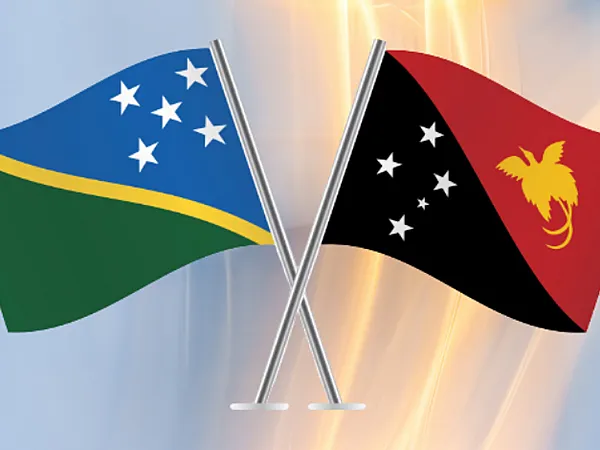
Papua New Guinea and Solomon Islands have reaffirmed their commitment to strengthening economic cooperation, with trade, investment, transport and resource development taking centre stage during talks between Prime Minister James Marape and Solomon Islands Prime Minister Jeremiah Manele.
The discussions, held in Port Moresby in June, reviewed progress in bilateral trade, shipping and aviation connectivity, labour mobility, and opportunities to deepen collaboration in mining, fisheries and agriculture.
While regional security and cooperation were also discussed, both leaders underscored the importance of expanding commercial links and improving the movement of goods, services and people between the two neighbouring Melanesian nations.
The talks highlighted a broader push towards greater regional economic integration, with Papua New Guinea regarded as Solomon Islands' largest Melanesian economy and an increasingly important source of investment, technical expertise and commercial partnerships.
The two governments said improved transport links and streamlined trade arrangements could reduce business costs, strengthen supply chains and create new opportunities for exporters, importers and tourism operators.
Mining emerged as a key area for future collaboration. Marape said Papua New Guinea was prepared to share its expertise in developing a modern mining industry and welcomed greater participation by PNG companies in future resource projects in Solomon Islands.
Such cooperation could create opportunities for engineering firms, contractors, training providers and professional services companies with experience in the mining sector.
The leaders also reaffirmed their commitment to strengthening cooperation in fisheries, recognising the industry's importance to economic growth and food security across the Pacific.
Closer collaboration in fisheries management and downstream processing is expected to support export growth, generate employment and add value to marine resources.
Although trade between the two countries remains relatively modest, both governments expect commercial activity to increase as transport connectivity improves and businesses expand beyond their domestic markets.
The leaders said stronger bilateral engagement would also complement wider regional initiatives under the Melanesian Spearhead Group and the Pacific Islands Forum, where economic resilience, trade and private sector development remain key priorities.
For Papua New Guinea, stronger commercial ties with Solomon Islands reinforce its role as a leading economy in Melanesia while supporting greater regional investment and cross-border business partnerships.
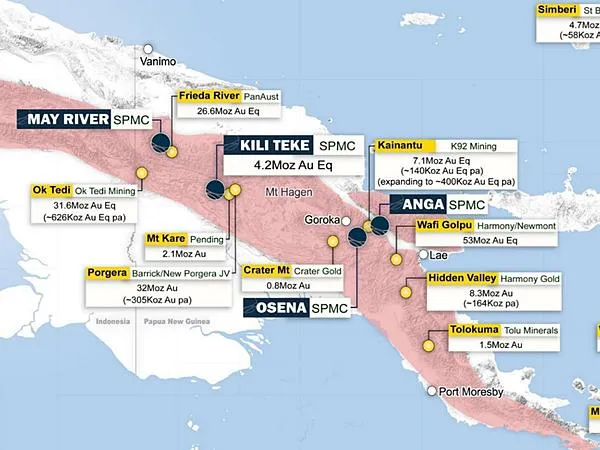
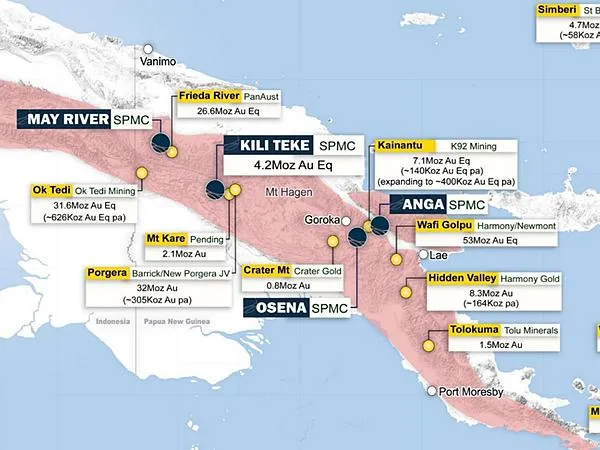
South Pacific Metals Corp. has reported high-grade gold-copper drill results from its 100 percent-owned Ontenu Project in Papua New Guinea, strengthening the company's view that the prospect hosts an extensive epithermal gold-copper system similar to the nearby Kainantu mine.
The latest results from drill hole ONED26-009 intersected three mineralised zones at the recently identified Megabe structure, including 5 metres grading 12.84 grams of gold equivalent per tonne, including 2 metres at 28.06g/t gold equivalent, and 12.2 metres grading 6.24g/t gold equivalent, including 2 metres at 16.65g/t gold equivalent.
The Ontenu Project is located adjacent to K92 Mining's Kainantu gold-copper operation in Eastern Highlands Province.
Exploration Manager Octavio Garcia said the results indicate that the Megabe structure forms part of a much larger mineralised system.
"The results from hole ONED26-009 are highly encouraging because they demonstrate that the Megabe structure is not an isolated occurrence, but part of a broader mineralised system with clear continuity and scale potential," Garcia said.
The company said the high-grade intersections in the first two mineralised zones appear to extend the hanging-wall mineralisation previously encountered in drill hole ONED26-007, providing early evidence of structural and grade continuity along the Megabe vein system.
The third mineralised zone confirmed significant width and high-grade mineralisation, supporting the company's exploration model that higher-grade zones may extend to the south-east and at greater depth.
Chief Executive Officer Timo Jauristo said the results validate the company's exploration strategy at Ontenu.
"Our goal is to demonstrate that Ontenu has the potential to host high-grade gold-copper veins similar to those being mined by K92 at their nearby world-class mining operation," Jauristo said.
He said drilling has now identified at least eight mineralised structures across a five-kilometre trend at Ontenu, although only limited portions of three structures have been tested, leaving significant exploration potential across the project.
South Pacific Metals has completed drill holes ONED26-010 and ONED26-011 and is preparing samples for laboratory analysis, while holes ONED26-012 and ONED26-013 are currently being drilled.
The company plans to continue drilling along the Megabe structure before expanding exploration to other undrilled targets within the broader Ontenu project area, including Ontenu Central.
Adyton Resources Corp. has received an environmental permit for its Wapolu Gold Project in Milne Bay Province, clearing a major regulatory hurdle as the company works towards restarting mining operations later this year.
The Papua New Guinea Conservation and Environment Protection Authority (CEPA) granted Environment Permit EP-L2(1080), confirming that the project's environmental management plans comply with national regulatory requirements. The approval supports the company's plan to redevelop the historic gold mine in partnership with local communities and stakeholders.
Adyton Chief Executive Officer Tim Crossley described the approval as a significant milestone that reduces project risk and advances the redevelopment of Wapolu.
"The grant of the Wapolu Environment Permit is a significant de-risking milestone and reflects the considerable work undertaken by our team, government agencies, local landowners and communities to responsibly advance the project," Crossley said.
He said the company remains committed to redeveloping the mine in a manner that delivers long-term value while continuing to work with the Mineral Resources Authority (MRA), CEPA and host communities to secure the remaining approvals required before mining can resume.
The remaining key regulatory requirements include the grant of a Mining Lease and a Lease for Mining Purposes, both administered by the MRA.
Project Director Louis Wang of EVIH welcomed the approval, saying it marked another important step towards recommencing operations.
The company said the environmental permit follows the MRA's approval in June of a variation to Exploration Licence 2549, allowing the extraction and processing of an approximately 20,000-tonne bulk sample. Together, the approvals keep the project on track for the planned restart of mining and processing operations, with a targeted throughput of 300,000 tonnes of run-of-mine ore per year from the fourth quarter of 2026.
The Wapolu Gold Project, together with the neighbouring Gameta licence area on Fergusson Island, represents two of Adyton's most advanced development assets in Papua New Guinea.
According to the company, the Fergusson Island projects host an indicated mineral resource of five million tonnes grading 1.28 grams of gold per tonne, containing an estimated 206,000 ounces of gold, and an inferred resource of 23.2 million tonnes at 0.99 grams per tonne for 733,000 ounces of contained gold.
Adyton is also advancing its Feni Island gold-copper project in New Ireland Province as part of its broader exploration and development portfolio in Papua New Guinea.
Tolu Minerals Ltd expects to release a major update to the Mineral Resource Estimate for its Tolukuma Gold Mine in late August as it advances what the company describes as the most intensive drilling programme in the project's history.
The company said a substantial batch of new drilling assay results is expected in early August, with the findings to be incorporated into a comprehensive review of the Tolukuma mineral resource. The update is expected to mark a significant milestone as Tolu works towards restarting production at the mine by the first quarter of 2027.
Managing Director and Chief Executive Officer Dr Chris Muller said the work extends beyond simply adding new drilling data.
"Our technical team has made excellent progress on what is a comprehensive rebuild of the Tolukuma Mineral Resource Estimate," Muller said.
He said the updated estimate would incorporate a revised geological model, enhanced datasets and recent discoveries to provide a clearer picture of the project's scale and growth potential.
As of 30 June, Tolu had completed 143 drill holes covering 22,975 metres, including 68 holes for 11,686 metres during the June quarter alone. The company said the programme represents the highest drilling rate ever undertaken at Tolukuma.
Recent exploration has identified two new high-grade mineralised structures, the Fundoot Splay and Gulbadi Splay, located close to existing underground infrastructure. The discoveries are expected to contribute to the updated resource estimate and could provide a lower-risk pathway to future mine development.
Independent consultants H&S Consultants and RSC Consulting have been engaged to complete the revised Mineral Resource Estimate, which includes an updated three-dimensional geological model, integration of historical and recent drilling data, assessment of up to 44 mineralised vein systems and revised quality assurance and quality control analysis.
Tolu said the Tolukuma vein system extends for about eight kilometres, although only around 1.2 kilometres has been accessed through existing underground workings, leaving considerable scope for future exploration to the north, south and at depth.
Underground development has also resumed at the mine's 1560 Level, with early face sampling returning multiple gold grades exceeding 30 grams per tonne. The current drilling campaign forms the first stage of a planned programme exceeding 75,000 metres aimed at expanding the mine's resource inventory.
The company said the updated Mineral Resource Estimate and ongoing drilling programme remain central to its strategy of expanding the Tolukuma resource and supporting its planned return to gold production in early 2027.
The New Ireland Development Corporation (NIDC) is stepping up efforts to attract strategic investment and forge new partnerships as part of a broader strategy to drive economic growth, create jobs and expand commercial opportunities across New Ireland Province.
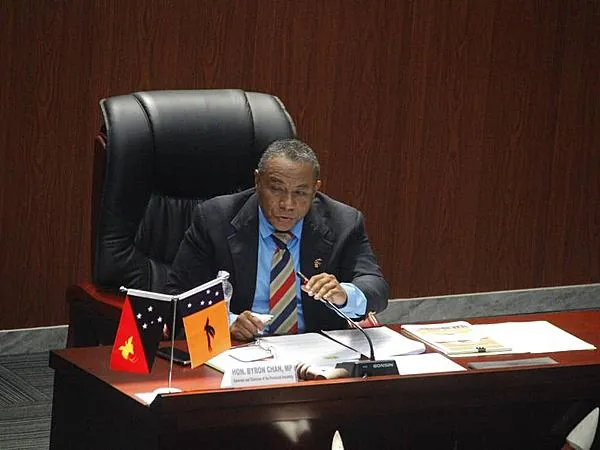
New Ireland Governor Byron Chan said the corporation is beginning to deliver on its renewed mandate following a series of high-level meetings in Port Moresby led by NIDC Managing Director Christian Tarkap.
The investment mission, held during the first week of July, included discussions with the Asian Development Bank country director, the National Fisheries Authority and Credit Corporation management to explore investment opportunities and establish strategic partnerships aligned with NIDC's long-term development agenda. Chan joined Tarkap in several of the meetings.
Chan said the engagements marked NIDC's shift from planning to actively pursuing investments that would deliver tangible benefits to communities throughout the province.
"This is exactly the direction we want our provincial investment arm to take. NIDC must be visible, proactive and constantly seeking opportunities that will bring investment, create employment and stimulate economic activity throughout New Ireland," he said.
He said the provincial government remained committed to strengthening the local economy by partnering with credible investors who share its vision for sustainable development.
Tarkap said the meetings sought to establish a partnership framework that aligns the financial capabilities of potential investors with NIDC's goal of delivering sustainable economic development.
"The discussions centred on how we can work collaboratively to support the corporation's investment drive. We were honoured to meet with representatives from key government agencies and the private sector. The dialogue was productive, creating a shared vision for New Ireland's future and a pathway for projects that will benefit our people," he said.
Chan said the corporation's progress reflects reforms introduced by the Chan-Kolivos government following the appointment of a new board and management earlier this year.
The Provincial Executive Council restructured NIDC to restore investor confidence, strengthen corporate governance and reposition the corporation as New Ireland's principal commercial investment vehicle.
Since its re-establishment, NIDC has focused on improving governance, rebuilding investor confidence and identifying commercially viable projects capable of generating long-term provincial revenue.
As part of its investment strategy, the corporation has established a Technical Project Working Committee comprising specialists from the agriculture and fisheries sectors, with technical support from Kokonas Indastri Koporesen and the Coffee Industry Corporation. The committee has been tasked with developing projects that will directly benefit farmers and rural communities across New Ireland's 10 local-level governments.
NIDC is also advancing several Provincial Executive Council-endorsed projects, including the proposed Malagan International Five-Star Hotel, the Arrow Trading three-storey retail and supermarket complex, the Section 5 Commercial Shopping Mall and a joint-venture fishing project.
Chan said the initiatives form part of a broader economic strategy to create jobs, support local businesses and increase provincial revenue.
"NIDC was never intended to be a passive organisation. It was established to become the commercial engine of New Ireland, identifying opportunities, attracting investment and creating wealth that benefits our people," he said.
He added that the corporation's role extends beyond major commercial developments through its nine subsidiary companies, which are mandated to promote investment and economic participation across all 10 local-level governments to ensure development reaches both urban and rural communities.
The provincial government expects NIDC to continue pursuing opportunities in agriculture, fisheries, tourism, property development, manufacturing and downstream processing while supporting local entrepreneurs and small businesses.
Chan said attracting responsible investment remains a key pillar of the Chan-Kolivos government's development agenda, alongside initiatives to restore tertiary education subsidies, support women entrepreneurs through the Empowering Mama Bilas Peles Program, pursue international education partnerships and strengthen NIDC's role in commercial development.
NIDC reaffirmed its commitment to working with government, investors and development partners to deliver sustainable commercial projects that create employment, generate provincial revenue and support the long-term economic development of New Ireland Province.
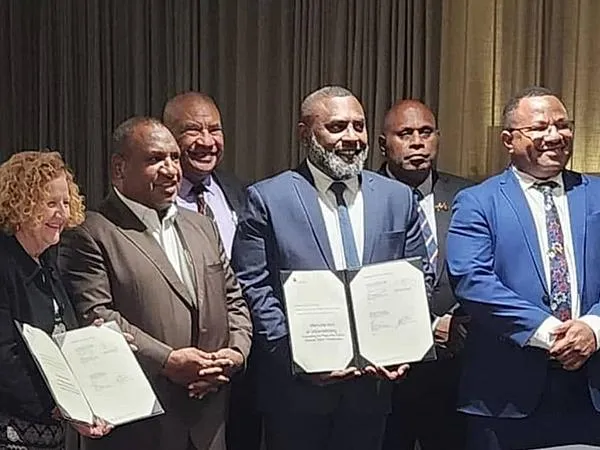
Papua New Guinea has taken a significant step in its digital transformation programme after signing a Memorandum of Understanding (MoU) with Australia's Queensland University of Technology (QUT) to strengthen digital government capabilities through research, innovation and workforce development.
The agreement was witnessed by Prime Minister James Marape and Higher Education, Research, Science and Technology Minister Kinoka Feo, while Acting Information and Communication Technology Minister Peter Tsiamalili formally signed the MoU with QUT.
The partnership establishes a framework for cooperation aimed at supporting the government's digital transformation agenda through innovation, knowledge exchange and capacity building.
Under the agreement, QUT will assist the government in driving public-sector innovation, strengthening the country's digital transformation workforce, and developing research and implementation opportunities centred on the SevisPass Digital Identity Ecosystem and other priority digital initiatives.
Tsiamalili described the agreement as the beginning of a long-term strategic partnership that would help Papua New Guinea transition from policy development to implementation while safeguarding national interests.
"Today's Memorandum of Understanding is not the end of the journey; it is the beginning of a strategic partnership that will enable PNG to move confidently from policy to implementation while protecting our national interests," he said.
He emphasised that the government would ensure all future projects arising from the partnership comply with Papua New Guinea's legal, procurement and governance frameworks.
Following advice from the Office of the State Solicitor, the MoU serves only as a framework for cooperation and does not constitute a commercial agreement. Individual projects undertaken under the partnership will require separate agreements, funding arrangements and formal government approvals.
The government said future agreements would specifically address procurement processes, intellectual property rights, software ownership, cybersecurity, licensing, system maintenance and knowledge transfer to safeguard the country's interests.
Data sovereignty will also remain a key component of the partnership. The government said all digital solutions developed under the collaboration must preserve Papua New Guinea's ownership and control of government data while complying with national cybersecurity and public administration laws.
The initiative forms part of the Marape-Rosso government's broader strategy to modernise public administration, strengthen secure digital infrastructure and improve the delivery of public services.
Tsiamalili thanked QUT, the Department of Higher Education, Research, Science and Technology, the Department of the Prime Minister and National Executive Council, the Office of the State Solicitor and other participating agencies for supporting the partnership.
"Today we sign with purpose. Tomorrow we begin the disciplined work of implementation. Together, we will build a digitally empowered PNG that is innovative, secure, sovereign and ready for the future," he said.
PNG Air has officially bid farewell to its iconic Dash 8 fleet, marking the end of an important chapter in the airline's history and the completion of its transition to a modern, all-ATR fleet.
For decades, the Dash 8 aircraft served Papua New Guinea with distinction, earning a reputation for reliability and versatility while connecting communities, supporting key industries, and operating into some of the country's most challenging airstrips.
As the fleet enters its next chapter, all three Dash 8 aircraft will continue their operational service with new operators overseas. One aircraft recently departed for Kenya, where it will join Renegade Air to support both domestic services and United Nations operations.
PNG Air Chief Executive Officer Mr Brian Fraser said the farewell marked both a proud achievement and a significant milestone for the airline.
"The Dash 8 has been an extraordinary aircraft for PNG Air and for the people of Papua New Guinea. These aircraft have connected communities and supported our nation's growth for many years. While we bid farewell to an important part of our history, we are excited about the future as we continue our transition to a modern ATR fleet," Fraser said.
The retirement of the Dash 8 fleet forms part of PNG Air's broader fleet modernisation programme. As the airline transitions to the ATR 72-600 and ATR 42-600, it is investing in the future of regional aviation through modern technology, enhanced safety systems, greater passenger comfort, improved operational performance, and increased environmental sustainability.
The ATR fleet offers industry-leading fuel efficiency and lower carbon emissions, supporting PNG Air's commitment to providing safer, more reliable, and more sustainable air services. The aircraft are also well suited to Papua New Guinea's unique operating environment, with the capability to serve regional and remote destinations efficiently.
For nearly four decades, PNG Air has connected the people of Papua New Guinea through safe, reliable, and affordable air services. The airline currently operates more than 460 flights each week across 22 destinations, providing essential passenger and cargo services throughout the country.
The Papua New Guinea Tourism Promotion Authority (PNGTPA), in partnership with the National Capital District Commission (NCDC), has officially launched the National Capital District Accommodation Inventory & Capacity Survey, marking the beginning of a collaborative initiative to strengthen tourism planning through the collection of accurate and comprehensive accommodation data.
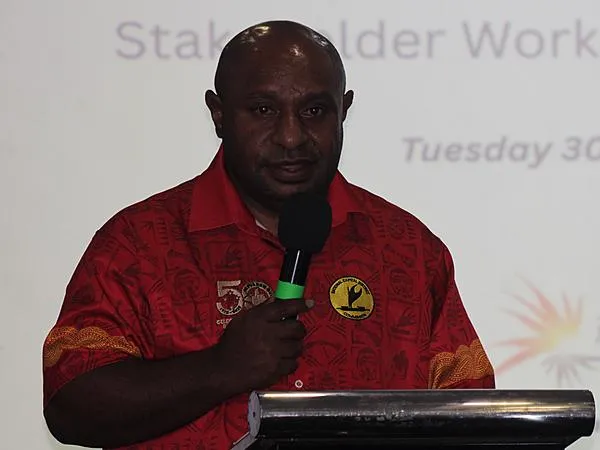
The survey was officially launched during a stakeholder workshop held at the Holiday Inn Hotel in Port Moresby, bringing together accommodation providers, tourism stakeholders, and government representatives to introduce the survey's objectives, methodology, and implementation.
The Accommodation Inventory & Capacity Survey will establish a comprehensive and up-to-date database of accommodation establishments across the National Capital District. The information collected will provide reliable data to support tourism development, destination planning, investment attraction, and evidence-based policymaking and decision-making.
The survey will also strengthen Port Moresby's readiness to host major national and international events by providing accurate information on accommodation capacity and availability, including future planning for the PNG Chiefs Rugby League Games 2028.
PNGTPA Executive Manager for Partnership & Product Development, Mr Kennewton Kennedy, said the initiative represents an important milestone in building a stronger, more resilient, and sustainable tourism industry.
"Quality tourism planning begins with quality data. This Accommodation Inventory and Capacity Survey will provide us with an accurate picture of the accommodation sector within the National Capital District, enabling government and industry to make informed decisions that support sustainable tourism growth," Mr Kennedy said.
He said the survey would deliver long-term benefits for both government and the private sector.
"This initiative is about more than counting rooms. It is about understanding our tourism capacity, identifying opportunities for investment, improving destination planning, and ensuring Port Moresby is well prepared to host major national and international events."
Mr Kennedy also encouraged accommodation operators across the National Capital District to participate actively in the survey.
"The success of this exercise depends on the participation of accommodation providers. We encourage operators to provide accurate information, with the assurance that all data collected will be treated confidentially and used solely for planning and development purposes."
Speaking at the workshop, NCDC Economic and Business Development Manager Mr Busa Jeremiah Wenogo highlighted the broader significance of the initiative for Papua New Guinea's tourism industry.
"Port Moresby is not only the nation's administrative and business capital but also a destination that encourages visitors to stay longer, experience our culture and hospitality, and use the city as the gateway to explore the rest of Papua New Guinea. When we strengthen tourism in the National Capital District, we also strengthen tourism opportunities for every province."
The survey will develop an accurate inventory of accommodation establishments, assess accommodation capacity, support tourism investment and destination planning, identify accommodation availability for major events—including the PNG Chiefs Rugby League Games 2028—and strengthen tourism planning, emergency preparedness, and visitor information services.
The Accommodation Inventory & Capacity Survey reflects the shared commitment of PNGTPA and NCDC to improving tourism intelligence, enhancing visitor experiences, and supporting the sustainable growth of Papua New Guinea's tourism industry through strong partnerships and informed planning.
Prime Minister James Marape has ordered an independent audit of Papua New Guinea's small and medium enterprise (SME) funding programme following allegations over the management and disbursement of public funds, while reaffirming the government's commitment to supporting local businesses.
Marape said concerns raised by members of the public and other stakeholders regarding the administration of SME funds had prompted the government to commission an external review to establish the facts.
He stressed that the claims circulating publicly remain allegations and should not be treated as proven until the audit has been completed.
"SME development remains one of the cornerstone policies of my Government because it is central to creating jobs, empowering Papua New Guineans, and building a stronger domestic economy," Marape said.
He said the government has prioritised SME development since taking office in 2019, describing the sector as a flagship policy designed to increase local business ownership, generate employment and expand Papua New Guinean participation in the country's economic growth.
According to the Prime Minister, substantial public funding has been allocated to SME programmes over recent years, making it essential that every kina reaches its intended beneficiaries.
Marape said he had instructed the National Monitoring and Coordinating Authority, together with the Department of the Prime Minister and National Executive Council through the Chief Secretary, to engage an independent external audit firm to conduct a comprehensive reconciliation of the SME funding programme.
The review will determine the total amount of public money allocated to SME initiatives, how much has been released, where the funds have been disbursed and whether those disbursements complied with government policy and approved processes.
"I want an independent, professional and transparent assessment so that the facts are established beyond doubt," he said.
"The purpose of this audit is not only to establish the truth regarding the allegations but also to safeguard the integrity of one of the Government's most important economic empowerment programmes."
Marape said the audit findings would determine the government's next steps.
"If the audit confirms that everything has been managed properly, then that will provide assurance to the public. If shortcomings or irregularities are identified, appropriate corrective action will be taken in accordance with the law," he said.
The Prime Minister also urged the public to avoid speculation while the audit is underway, saying the government would publicly release the findings once the review is completed.
"I acknowledge the concerns expressed by the public. Your concerns have been heard and are being taken seriously. These matters remain allegations, and we will establish the facts through an independent process," he said.
Marape said SME development remains a central pillar of the government's economic agenda, aimed at broadening private sector participation, encouraging entrepreneurship and reducing reliance on public sector employment.
He reiterated the government's long-term objective of creating one million economically productive Papua New Guinean families through SME development, agriculture and entrepreneurship, describing the audit as necessary to protect public confidence in the programme.
The announcement comes as Papua New Guinea continues to promote SME growth as part of its broader strategy to diversify the economy beyond the extractive sector and strengthen locally owned businesses, with government support programmes intended to improve access to finance and expand opportunities for entrepreneurs across the country.
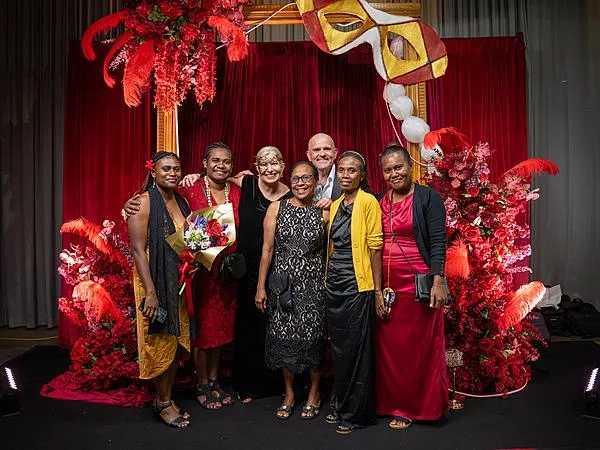
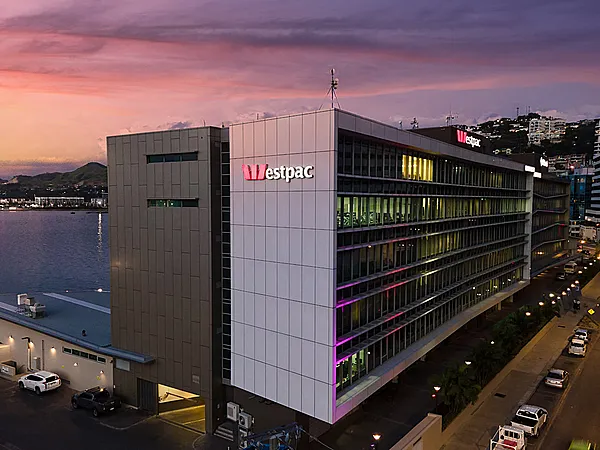
Westpac PNG brought together employees and their families from across the country in Port Moresby on 27 June 2026 for its Sporting Day and Gala Night, celebrating teamwork, wellbeing, connection and the strength of its people.
The day was organised by a committee of Westpac PNG employees, reflecting the Bank's focus on bringing its people together and supporting a strong, connected team across its Head Office and branches.
Under the overall theme "Champions by Day, Icons by Night", the event combined an energetic day of sport and family activities with an evening celebration of achievement, culture and connection.
The Fun Day theme was **"Carnivals of Champions"**, inspired by the Harry Potter franchise with a PNG twist. Teams were named after the earth elements in Motu: Tano for Land, Ranu for Water, Lahi for Fire and Lai for Wind/Air.
The day opened with a team parade and warm-up session before employees took part in competitive sports, including rugby touch, futsal, volleyball and netball. Novelty games such as sack races, tug of war, egg-and-spoon races and a water-gun fight added to the fun and encouraged participation across all teams.
A dedicated children's area, supported by three large bouncy castles and family-friendly activities, helped make the day memorable for children and parents. External stakeholders, including Nasfund, NCSL and Business for Health, also joined the activities.
At the Fun Day, Westpac PNG Chief Executive Andrew Cairns spoke informally to staff and their families, linking the activities to the Bank's people theme of Yumi Grow Wantaim.
"The day was really about Yumi Grow Wantaim. We came together to enjoy ourselves, have some fun, compete in the right spirit and spend time with our families and colleagues. More importantly, days like this remind us that we are one Westpac PNG team. When we played together, laughed together and supported each other, we built the connection that helps us grow together at work as well. That was what made the day special."
The Sporting Day closed with a group cool-down session, wrapping up an energetic and inclusive programme that brought employees, families and teams together from across the Bank's national network.
In the evening, employees came together for the Gala Night under the theme "Glamour and Mystery", with a masquerade-inspired setting that recognised team achievements and individual contributions.
The evening featured arrival drinks, opening remarks, team and individual awards, cultural performances, music and group dances delivered by teams from Port Moresby and the branches.
Speaking at the Gala Night, Cairns said the evening was an opportunity to recognise Westpac PNG's people and the important role they play in shaping the Bank's future.
"Westpac PNG's strength has always been built on its people. Our ability to grow, adapt and lead depends on how well we work together, how strongly we live our values and how consistently we support the customers, communities and businesses we serve across Papua New Guinea. The night was not only a celebration of achievement but also a reminder of the responsibility we share to continue building a stronger, more connected and more resilient organisation."
Cairns also thanked the organising committee for its hard work in planning, preparing and delivering both events, noting that its efforts helped create a memorable weekend for employees and their families.
The Sporting Day and Gala Night reinforce Westpac PNG's focus on strengthening its culture, supporting its people and creating opportunities for employees and families to connect beyond the workplace.
Papua New Guinea's economy is expected to remain one of the stronger performers in the Pacific this year, with growth supported by robust resource exports, improving foreign exchange conditions, resilient domestic demand and a pipeline of major resource and infrastructure investments despite mounting global risks, according to Westpac's latest *PNG Economic Update and Outlook*.
Westpac forecasts Papua New Guinea's real gross domestic product (GDP) will expand by around 4.6% in 2026, following estimated growth of 5.5% in 2025. While growth is expected to moderate from last year, the bank said the economy continues to demonstrate resilience amid elevated energy prices, geopolitical tensions and slowing global growth.
Westpac Pacific Senior Economist Shamal Chand said PNG had weathered recent external shocks better than anticipated, supported by strong resource earnings, government fuel price support and continued expansion across agriculture, services and industry.
"PNG's economy has shown good resilience despite external shocks. While global risks are still there, domestic demand, resource exports and non-resource activity continue to support growth," Chand said.
Domestic economy remains resilient
Beyond the resource sector, Westpac said economic activity continues to broaden, with provincial centres—particularly across the Highlands—benefiting from urbanisation, internal migration and stronger household demand.
Retail trade, industrial production and service industries have remained active, while import demand has continued to signal healthy consumer spending and business investment despite temporary disruptions to international shipping. Westpac's PNG Ports Imports Indicator recorded annual import growth of about 26% in early May before moderating to around 15% in early June, suggesting businesses continue to invest despite external uncertainty.
The report noted that non-resource sectors are playing an increasingly important role in supporting overall growth, reducing the economy's reliance on mining and petroleum alone.
Foreign exchange conditions improve
One of the report's most positive developments was the continued improvement in Papua New Guinea's foreign exchange market.
Westpac said reforms supported by the International Monetary Fund, together with stronger export earnings, have substantially reduced the country's long-standing foreign exchange backlog. Businesses that previously waited several weeks for foreign currency allocations are now seeing transactions cleared within days.
Improved foreign exchange availability has helped stimulate private sector lending, with credit growth exceeding 13% year-on-year at the end of 2025. Investor confidence has also remained strong, reflected in Treasury bill auctions that have consistently attracted bids well above the amount on offer.
The report also highlighted recent measures by the Bank of Papua New Guinea to strengthen financial sector resilience, including the introduction of its Emergency Liquidity Assistance Policy Framework in April.
Meanwhile, the central bank maintained the Kina Facility Rate at 5% and the Cash Reserve Requirement at 9% during its June monetary policy meeting while retaining its crawl-like exchange rate arrangement. The Monetary Policy Committee continued to assess the kina as overvalued.
Inflation remains contained but uneven
Although headline inflation has remained relatively subdued, Westpac cautioned that price pressures continue to vary significantly across the country.
Headline consumer inflation rose 2.24% year-on-year during the March quarter, with annualised inflation easing to 3.7% from 4.4% previously. Food prices, particularly meat and processed staple products, continued to drive inflation, although lower prices for betel nut and mustard helped offset broader increases.
Regional disparities remain pronounced.
While Port Moresby and Lae recorded relatively modest inflation, prices rose by 6% year-on-year across Alotau, Kimbe, Kokopo and Rabaul, while Goroka, Mt Hagen and Madang experienced inflation of 12.8%, highlighting differing cost pressures across the country.
Westpac warned inflation could accelerate later this year should higher global fuel and shipping costs feed through into imported goods.
Exports continue to underpin growth
Resource exports remain a key pillar of the economy.
PNG LNG exported approximately 3.73 million tonnes during the year to May 2026, compared with around 3.41 million tonnes over the same period a year earlier, reflecting stable production and high utilisation rates. LNG export values to Japan remained broadly steady, while export volumes to China increased by 23% year-on-year.
Gold exports also strengthened considerably.
Exports to Australia reached K6.51 billion during the year to April, up 30% from the same period in 2025 as higher production coincided with stronger international gold prices amid global uncertainty.
Agricultural commodities also continued to support rural incomes.
Cocoa export earnings climbed to K1.80 billion in 2025, representing one of the strongest performances in the industry's modern history, while coffee earnings rose to K1.31 billion.
However, Westpac cautioned that both sectors face downside risks as global commodity prices begin to soften. Cocoa prices have retreated from record highs, while improved production in Brazil is expected to weigh on global coffee prices, potentially reducing returns for PNG farmers despite the country's reputation for premium coffee.
Major projects to support medium-term growth
Westpac identified several large-scale investments expected to underpin Papua New Guinea's medium-term economic expansion.
The most significant remains the approximately US$14 billion Papua LNG project, with a final investment decision targeted for late 2026 following landowner consultations. Once operational, the project's two LNG trains and estimated 6.6 trillion cubic feet of gas reserves are expected to provide a substantial boost to exports and government revenue.
The report also highlighted continued progress on the Wafi-Golpu copper-gold project, K92 Mining's Kainantu expansion, the Agogo tie-in gas development, offshore petroleum exploration and the longer-term P'nyang LNG project.
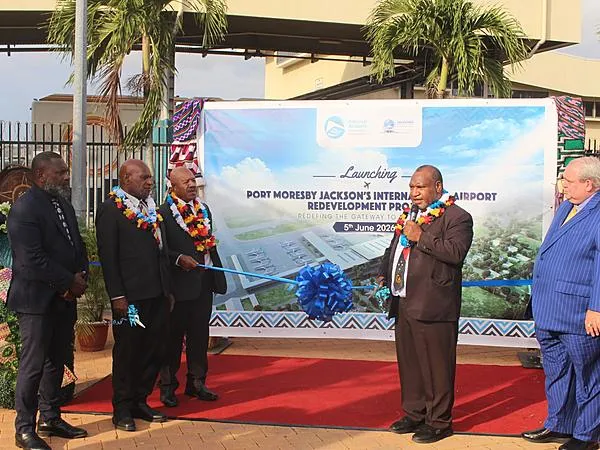
Outside the resources sector, infrastructure investments—including the K20 billion Connect PNG programme, the redevelopment of Port Moresby International Airport, upgrades to Rabaul Port and improvements to urban water infrastructure—are expected to strengthen economic productivity and improve connectivity across the country.
Risks remain
Despite its positive outlook, Westpac said Papua New Guinea remains exposed to several domestic and international risks.
These include volatility in global energy and commodity prices, renewed inflationary pressures, fiscal constraints, delays to major investment projects and compliance reforms associated with the country's placement on the Financial Action Task Force grey list.
Nevertheless, the bank said the combination of stronger export earnings, improving foreign exchange liquidity, resilient domestic demand and continued investment in strategic projects should allow the economy to maintain solid growth through 2026.
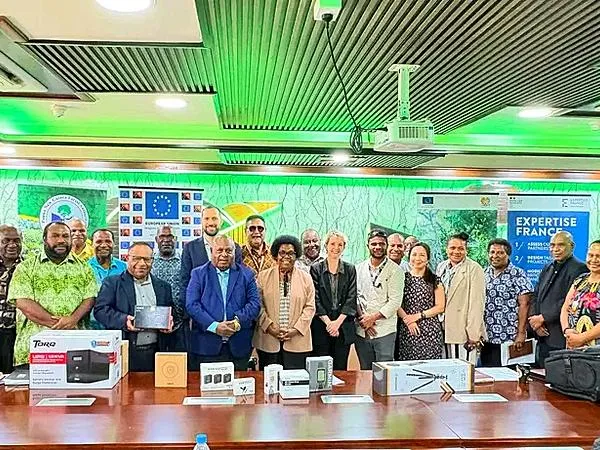
The Papua New Guinea Forest Authority (PNGFA) has strengthened its operational capacity with new communication and video-conferencing equipment provided under the European Union-funded Forestry-Climate Change-Biodiversity (EU-FCCB) Programme, a move expected to improve efficiency, reduce operating costs and support sustainable management of one of the country's most important resource sectors.
The equipment was officially handed over on 12 June 2026 under the national component of the EU-FCCB Programme, implemented by Expertise France.
The package includes video-conferencing equipment, two computers, an uninterruptible power supply (UPS), a professional camera, a tripod and other accessories designed to modernise PNGFA's communications systems and improve digital connectivity across the organisation.
The investment supports the implementation of PNGFA's Communication, Knowledge Management and Visibility (CKMV) Strategy, which aims to strengthen institutional communication, knowledge management, stakeholder engagement and public awareness of the Authority's role in promoting sustainable forest management across Papua New Guinea.
The upgrade is expected to improve communication between PNGFA headquarters and its 22 provincial offices, enhancing programme coordination, accelerating decision-making and enabling more timely information sharing.
PNGFA Acting Managing Director John Mosoro said the handover marked the outcome of discussions with the EU-FCCB Programme and an important step in strengthening the Authority's information and communications technology capabilities.
"After discussions with the EU-FCCB Programme's Project Manager, Mr Alaric Vandenberghe, we recognised the need to update our systems. I am pleased to see these discussions now leading to practical support that will enhance PNGFA's operations and service delivery," Mosoro said.
He said the new equipment would significantly improve communication between headquarters and provincial offices, allowing forestry programmes nationwide to be coordinated more efficiently.
"The equipment will bridge the gap between headquarters and our field offices. We can now communicate more effectively with provincial teams, improve data management, strengthen reporting, and ensure that critical information reaches decision-makers, including the Prime Minister's Department and Finance, in a timely manner," he said.
Mosoro added that the introduction of video-conferencing technology would generate long-term savings by reducing staff travel while expanding opportunities for virtual meetings, training, workshops and consultations with national and international development partners.
The improved communications infrastructure is also expected to support the commercial activities of PNG Diwai Holdings Limited, PNGFA's recently launched commercial arm, by strengthening engagement with investors, clients and other stakeholders.
EU-FCCB Programme Project Manager at Expertise France, Alaric Vandenberghe, said the investment reflected the European Union's commitment to strengthening institutions responsible for sustainable forest management, biodiversity conservation and climate resilience.
"Strong institutions depend on effective communication systems. This support will assist PNGFA in better coordinating its provincial network, enhancing stakeholder engagement, and raising awareness of its vital role in managing PNG's forest resources," Vandenberghe said.
He said the initiative went beyond providing equipment and aimed to strengthen transparency, knowledge sharing and institutional collaboration.
"By enhancing PNGFA's communication and digital skills, we are supporting an organisation key to biodiversity conservation, climate action and sustainable economic growth," he said.
The latest support builds on earlier EU-FCCB assistance that helped develop PNGFA's CKMV Strategy and corporate website, reinforcing the Authority's transition towards a more modern, transparent and digitally connected organisation.
With forestry remaining one of Papua New Guinea's key resource sectors, the upgraded communications infrastructure is expected to strengthen governance, improve accountability, enhance engagement with government, industry and development partners, and support the sustainable management of the country's forest resources.
Papua New Guinea's coffee industry has strengthened its export prospects, with local exporters securing an estimated K9.7 million (AUD3.2 million) in projected sales after participating in Australia's largest coffee trade exhibition.
Twelve PNG coffee exporters took part in the Melbourne International Coffee Expo (MICE) in March, using the event to showcase the country's premium coffee to international buyers and reinforce PNG's position in the competitive global specialty coffee market.
As the largest annual coffee trade event in Australia and one of the biggest in the Asia-Pacific region, MICE attracts thousands of coffee professionals, including producers, exporters, roasters, café operators and green bean buyers. The expo provides a platform to showcase products, exchange industry knowledge and establish new commercial partnerships.
For PNG exporters, the event offered direct access to Australian and international roasters, green bean buyers and café operators, enabling them to promote the quality and diversity of PNG coffee while gaining insights into changing consumer preferences and specialty coffee trends.
Participation also allowed exporters to build new commercial relationships, gather market feedback and better understand buyer expectations, strengthening their competitiveness in international markets.
Gabiga Coffee representative Aida Igaso said the expo had revealed opportunities beyond exporting green beans.
"Coming here helped me see another aspect that I can venture into for Gabiga Coffee – that's roasting," Igaso said. "So hopefully in a few years' time, Gabiga Coffee will be into roasting. So, I am happy about that."
Her comments underscore the potential for PNG coffee businesses to expand into higher value-added activities such as roasting, generating greater returns from the country's coffee industry.
Janet Gioven of Togoba Kofi said the international expo had broadened her understanding of the global coffee value chain.
"Representing coffee and Papua New Guinea as a whole and as a country has broadened my knowledge," she said. "I have learned a lot in terms of connecting with consumers and getting feedback on what happens to the coffee when it leaves PNG. It is just a revelation, and it is a privilege to be here and be taking part in this."
In addition to the projected K9.7 million in potential sales, PNG exporters established 160 new contacts with international buyers, creating opportunities for future export agreements and long-term commercial partnerships.
The outcomes of the Melbourne International Coffee Expo have further enhanced PNG's reputation as a producer of premium-quality coffee, strengthening its presence in international markets across the Asia-Pacific region and beyond.
The New Ireland Provincial Government (NIPG) in Papua New Guinea has unveiled a record revised budget of K499.57 million, placing infrastructure investment, economic diversification and greater provincial self-reliance at the centre of its development agenda.
Presenting the revised budget to the New Ireland Assembly on 22 July, Provincial Governor Byron Chan described the financial plan, themed New Ireland Destiny, as a major step towards strengthening the province's economy, improving essential services and advancing its autonomy aspirations. The announcement was publicly released on 23 July 2026.
The revised budget is approximately K113.5 million higher than the original K386 million budget passed earlier this year under then Acting Governor Walter David Schnaubelt. The increase is largely attributed to an additional K105 million in National Government development grants, stronger internally generated revenue, higher global gold prices and an increase in mining royalty payments from 2% to 3% from the Lihir and Simberi gold mines.
Infrastructure dominates the revised expenditure programme, with K268.3 million allocated—about 62% of the development budget. The investment reflects the provincial government's strategy of using transport and public infrastructure to support long-term economic growth and attract private investment.
Major projects include K20 million for the continuation of the 36-kilometre Lanzarote Highway, K37 million to seal roads throughout Kavieng, and significant funding for ring road developments on Anir Island, New Hanover and Mussau Island. The government also announced that K50 million in road and bridge construction contracts has already been awarded, allowing implementation to begin immediately.
Economic development will receive K95.3 million, more than double previous funding levels, to support small and medium-sized enterprise infrastructure, market development, downstream processing and agricultural expansion aimed at broadening the province's economic base.
Chan said the provincial government has secured several strategic Memorandums of Agreement with private investors and national agencies to support new industries. These include plans for a balsa processing factory in Namatanai, a fish cannery in Kavieng, local rice harvesting initiatives and a K10 million climate-resilient agriculture programme backed by the Department of Agriculture and Livestock.
The revised budget also increases investment in health and education. The health sector will receive K47.8 million to strengthen free primary healthcare, redevelop hospital facilities and improve emergency services, while K35.9 million has been allocated to education and social services to support subsidised education, teacher and nursing colleges, and planning for higher education expansion.
Key commitments include K10 million for upgrades to Kavieng Hospital, K10 million for teacher and nursing colleges, and an initial K500,000 to establish a technical committee to progress the proposed New Ireland University.
To strengthen grassroots service delivery, K27.8 million has been allocated to district and Local Level Government support. The funding will provide direct grants, improve administrative infrastructure and support preparations for the 2027 national elections.
Community development will receive K26.9 million for youth and sports programmes, women's empowerment initiatives, and pension support for older people and people living with disabilities. Law and order has been allocated K8 million to strengthen police reservists, community justice initiatives and enforcement of the Vagrancy Act. A further K5.5 million will support New Ireland's autonomy agenda and efforts towards greater political self-reliance.
Chan said the revised budget also maintains legacy programmes established under the late Grand Chief Sir Julius Chan, including funding for elderly and disability pensions, the Roof Overhead clean water initiative and the expansion of solar lighting across the province's ten Local Level Governments.
He called on members of the Assembly to work together to deliver the province's development agenda.
"Today I stand here to ask our leaders in this Assembly to unite and work together to implement this budget for the good of our children and their children," Chan said while seeking the Assembly's support for the revised Appropriation Bill.
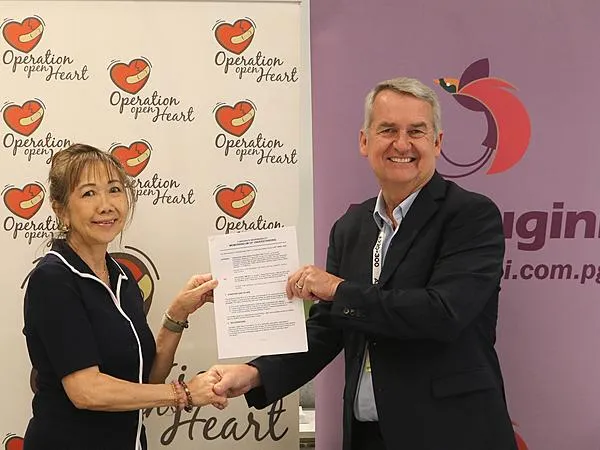
Operation Open Heart Foundation Inc. (OOHF) and Air Niugini Limited on 25 June announced the formal signing of a Corporate Responsibility Memorandum of Understanding (MOU), strengthening their long-standing partnership to support life-saving cardiac care for children across Papua New Guinea.
Air Niugini's support for Operation Open Heart spans more than 30 years, beginning with the airlifting of volunteer Australian medical teams and tonnes of critical medical equipment into the country to support surgical missions. Over time, the partnership has expanded. Today, Air Niugini plays a vital role in supporting provincial cardiac screening teams that travel across the country to assess patients — primarily children — at provincial hospitals and clinics. These assessments ensure children requiring urgent surgery are identified early and referred to Port Moresby General Hospital for life-saving treatment.
The airline also provides complimentary travel for children diagnosed with heart conditions and their guardians to and from Port Moresby for surgery.
As outlined in the MOU, Air Niugini has historically supported OOHF by providing airline tickets for doctors and clinicians travelling to provinces to conduct cardiac screening, as well as for children identified with heart disease who require referral to Port Moresby for surgery.
The signing formalises this commitment and ensures the continued delivery of one of the country's most important health programmes.
Speaking at the signing ceremony, Air Niugini Chief Executive Officer Alan Milne reaffirmed the airline's commitment.
"Air Niugini is proud to stand with Operation Open Heart Foundation in ensuring that children with heart conditions, no matter where they live, have a fair chance at life. As the national airline, we have a responsibility to support initiatives that strengthen the wellbeing of our people," Milne said.
"This partnership reflects our commitment to connecting families with life-saving care, supporting medical teams travelling to remote provinces, and ensuring that no child is left behind because of distance or financial barriers," he added. "We are honoured to play our part in helping Papua New Guinean children access the cardiac treatment they urgently need. Air Niugini will continue to work closely with OOHF to ensure safe, timely and compassionate travel support for all beneficiaries under this programme."
Operation Open Heart Foundation Chair Kathy Johnston thanked Air Niugini for its longstanding commitment to the programme.
"Operation Open Heart Foundation expresses its deepest gratitude to Air Niugini for its unwavering support over the years. This partnership has enabled hundreds of children to be screened, diagnosed and transported for life-saving surgery," Johnston said.
"By formalising this collaboration, we are strengthening a national effort that brings hope to families who often face overwhelming challenges. Air Niugini's generosity ensures that children from remote provinces can travel safely to Port Moresby for surgery, while our clinicians can reach communities where early detection saves lives," she added.
"This MOU is more than an agreement — it is a shared commitment to giving every child with heart disease the chance to grow, thrive and live a full life," she said.
The partnership ensures that children with congenital and acquired heart disease — many from remote and rural communities — have access to timely diagnosis and surgical intervention. It also strengthens the capacity of PNG's cardiac clinicians through annual surgical missions and provincial outreach programmes.
Since the Operation Open Heart Programme was established in 1993, thousands of Papua New Guineans, most of them children, have been given a second chance at life through access to essential cardiac care.
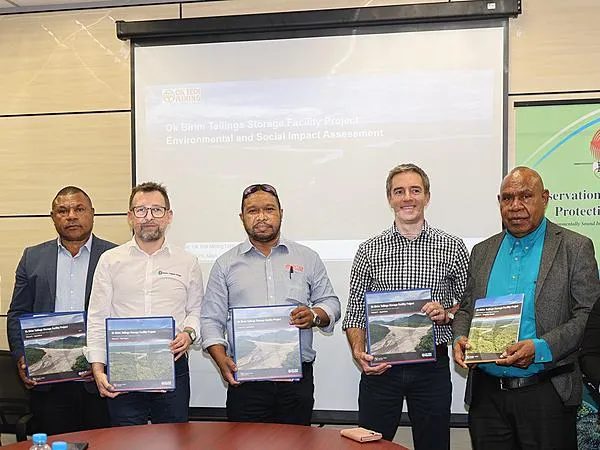
Ok Tedi Mining Limited (Ok Tedi) has reached a major milestone in its Growth 2050 Strategy with the submission of the Environmental and Social Impact Assessment (ESIA) report for the proposed Tailings Storage Facility (TSF) at Ok Birim to the Papua New Guinea government — a transformational project designed to significantly reduce downstream impacts associated with riverine tailings disposal and secure the long-term future of the Ok Tedi mine.
The documents were presented to Conservation and Environment Protection Agency Director of the Non-Renewable Resources Division Michael Wau and his team, in the presence of Mineral Resources Authority Deputy Managing Director and Chief Inspector of Mines Michael Lave, in Port Moresby this week.
The ESIA submission forms a key part of Ok Tedi's application for a major amendment to its existing Level 3 Environment Permit conditions issued under the Ok Tedi Environment Management Act (OTEMA) in 2020.
OTML Managing Director and Chief Executive Officer Kedi Ilimbit said the TSF is one of the most important projects in the company's history.
“The Tailings Storage Facility is critical to the future of Ok Tedi and represents the single largest environmental mitigation initiative ever undertaken by the company,” Ilimbit said. “It is a cornerstone of our Growth 2050 Strategy that will support the continued operation of the Ok Tedi mine while fundamentally changing the way we manage process tailings."
Ilimbit added that the primary objective of the TSF is to significantly reduce downstream impacts associated with riverine tailings disposal by retaining both coarse and fine tailings on land. This will allow us to largely eliminate the currently approved practice of riverine tailings disposal and transition to a modern engineered storage system that meets international expectations for responsible tailings management.
“Importantly, this project will deliver lasting environmental benefits for the Ok Tedi and Fly River systems while ensuring the economic and social benefits generated by the mine continue to support PNG, Western Province, our communities, employees, business partners and shareholders well into the future," he said.
He said the proposed TSF had been designed by an internationally recognised engineering company in accordance with international standards to provide a technically proven, environmentally sound and economically viable alternative to riverine tailings disposal.
Key environmental benefits of the project include:
Significant reduction in the volume of tailings entering the downstream river system.
Reduced future sediment accumulation in the Ok Tedi and Fly River corridors.
Lower pressure on river morphology and sediment transport processes downstream of the mine.
Reduced long-term environmental footprint associated with tailings disposal, including dieback.
Improved protection of aquatic habitats and the ecological health of the river systems.
Reduced potential impacts on communities that rely on the river system for transport, fishing and traditional livelihoods.
Alignment with contemporary international tailings management standards and responsible mining practices.
Creation of a long-term environmental legacy through the transition away from riverine tailings disposal.
Ok Tedi acknowledged the valuable contributions of government agencies, regulators, landowners, local communities and other stakeholders who participated throughout the assessment process.
Ilimbit said stakeholder engagement had been a key component of the project's development.
“The development of the TSF has been supported by extensive technical studies and a comprehensive Free, Prior and Informed Consultation process with affected communities and stakeholders,” Ilimbit said. “Their input has been critical in shaping the project and ensuring we develop a solution that delivers long-term environmental and social benefits.
“As a nationally significant operation, Ok Tedi has a responsibility to ensure its future growth is supported by sustainable and responsible environmental management. The TSF represents one of the company's largest environmental mitigation initiatives and will provide lasting benefits well beyond the life of the mine," he added.
The ESIA Executive Summary will be made available through the appropriate channels once final reviews and disclosure requirements have been completed. This will include publication on the Ok Tedi website, supported by clear information to help stakeholders understand the project, the assessment process and how questions or concerns can be raised.
Ok Tedi will continue to engage with stakeholders before and after publication of the document to ensure information is shared in a clear, accessible and responsible manner.
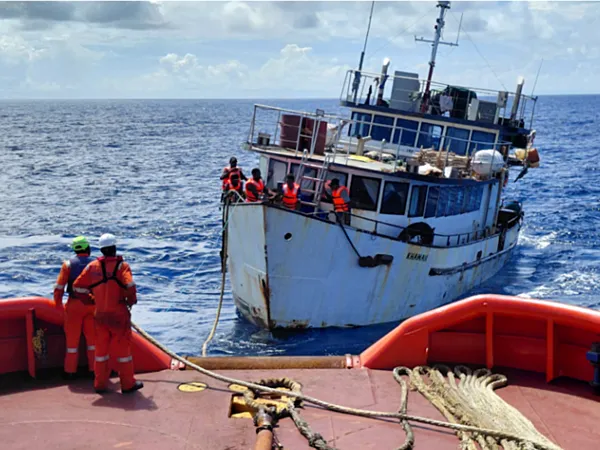
Pacific Towing (PacTow) carried out two recent emergency towage operations involving vessels that suffered engine failure in Papua New Guinea and Solomon Islands waters.
The incidents involved MV Khawaii, a general cargo and passenger vessel in PNG waters, and MV Wealth, a Belize-flagged cargo vessel in Solomon Islands.
In the PNG incident, PacTow was requested to assist MV Khawaii after the vessel suffered main engine failure and could not be restarted. The request for assistance was made by the Kimbe Provincial Disaster Office (West New Britain Province) on 21 May and relayed to PacTow by the National Maritime Safety Authority (NMSA).
At the time assistance was requested, MV Khawaii was reported to be approximately 71 nautical miles east of Karkar Island in the Bismarck Sea, off the north coast of mainland PNG, drifting west at about 1.7 knots towards the Manus Islands.
PacTow mobilised ASD tug Waiowa (4,300 BHP, 57 tonnes BP) from Lae. The tug departed Lae Port at 0100 hours on 22 May and travelled 214 nautical miles to reach the distressed vessel.
Waiowa successfully connected the tow to MV Khawaii at 1240 hours on 23 May and towed the vessel to a safe anchorage in Madang on the morning of 24 May.
The operation involved coordination between the NMSA, the Kimbe Provincial Disaster Office, PNG Ports Corporation in Lae and Madang, and PacTow's Lae team, which mobilised the tug at short notice.
A separate emergency towage operation was conducted in Solomon Islands following the arrest of MV Wealth by Solomon Islands authorities.
MV Wealth, a Belize-flagged general cargo vessel approximately 98 metres long, had been intercepted in Renbel Province during a joint operation involving the Royal Solomon Islands Police Force and Solomon Islands Customs and Immigration.
According to Solomon Islands authorities, the vessel was suspected of involvement in transnational organised criminal activities and had been the subject of a coordinated intelligence-led operation involving regional law enforcement partners.
Following its interception and arrest, MV Wealth was being escorted to Honiara when it suffered engine failure at sea. PacTow mobilised ASD tug Pacific Salvor (3,600 BHP, 50 tonnes BP), one of the company's two tugs stationed in Honiara, to carry out the emergency tow.
Pacific Salvor safely towed the vessel to Honiara, where Solomon Islands authorities continued their investigation.
While the circumstances of the two incidents differed, both required emergency towage following engine failure. In PNG, the response assisted a distressed general cargo and passenger vessel drifting at sea. In Solomon Islands, the response supported authorities after an arrested vessel became disabled while under police escort.
Both operations underline the importance of maintaining towage and emergency response capability across the region.
PacTow is Melanesia's only full member of the International Salvage Union (ISU) and is also a member of the International Spill Control Organization.
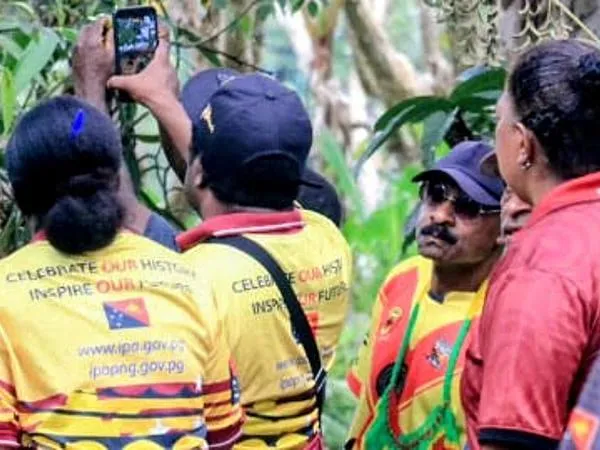
Three premium agricultural products from Papua New Guinea's Sepik region have become the country's first officially validated Geographical Indications (GI), a development expected to strengthen export competitiveness, increase farmer incomes and enhance the international market value of PNG-grown cocoa and vanilla.
The products – Misim Vanilla, Torricelli Vanilla and Yuat River Cocoa – have successfully completed the review and validation of their product specifications under the European Union-funded Support to Rural Entrepreneurship, Investment and Trade in Papua New Guinea (EU-STREIT PNG) Programme, implemented by the Food and Agriculture Organization of the United Nations (FAO).
The milestone places the three products one step closer to formal GI registration through the Intellectual Property Office (IPO), a division of the Investment Promotion Authority (IPA).
A Geographical Indication is an internationally recognised intellectual property certification that links a product's quality, characteristics and reputation to its geographical origin. For Papua New Guinea, GI registration has the potential to position locally produced agricultural commodities alongside globally recognised premium products, creating stronger branding, greater consumer confidence and improved access to high-value export markets.
According to FAO, the initiative is expected to help Sepik farmers secure premium prices while protecting the names and authenticity of their products in international trade.
As part of the validation process, detailed Books of Specifications were prepared for each product, defining production standards, geographical boundaries and farming practices required for producers seeking to market their products under the GI designation.
The specifications were verified through extensive field assessments, including farm inspections and consultations with farmers, processors and buyers, covering every stage of production from planting materials to harvesting and post-harvest handling. Stakeholders also received technical training throughout the process to ensure compliance with GI requirements.
The initiative is being implemented through collaboration between FAO, the Intellectual Property Office and international certification specialist Control Union, the programme's technical partner for Geographical Indications.
The next phase will focus on establishing producer associations and internal quality control systems to oversee compliance with GI standards before formal registration.
The development represents an important opportunity for Papua New Guinea's agriculture sector as international consumers increasingly seek products with verified origin, traceability and sustainable production practices.
The GI initiative forms part of the broader EU-STREIT PNG Programme, the European Union's largest grant-funded programme in Papua New Guinea under the EU Global Gateway Strategy.
Implemented as a United Nations Joint Programme led by FAO in partnership with the International Labour Organization (ILO), International Telecommunication Union (ITU), United Nations Capital Development Fund (UNCDF) and United Nations Development Programme (UNDP), the initiative aims to stimulate sustainable and inclusive rural economic growth across East and West Sepik provinces.
Beyond supporting the cocoa, vanilla and fisheries value chains, the programme also invests in digital inclusion, digital financial services, climate-resilient transport infrastructure and renewable energy, strengthening the foundations for long-term rural business development and private sector investment.
If registered, Misim Vanilla, Torricelli Vanilla and Yuat River Cocoa would become Papua New Guinea's first Geographical Indications, setting a benchmark for protecting and promoting the country's premium agricultural products in global markets while creating new economic opportunities for rural producers.
A new partnership to establish downstream balsa processing in Oro Province of Papua New Guinea is being hailed as a significant step towards industrialisation, with plans to transform Kararata into a future Special Economic Zone (SEZ) aimed at attracting investment, creating jobs and increasing export value.
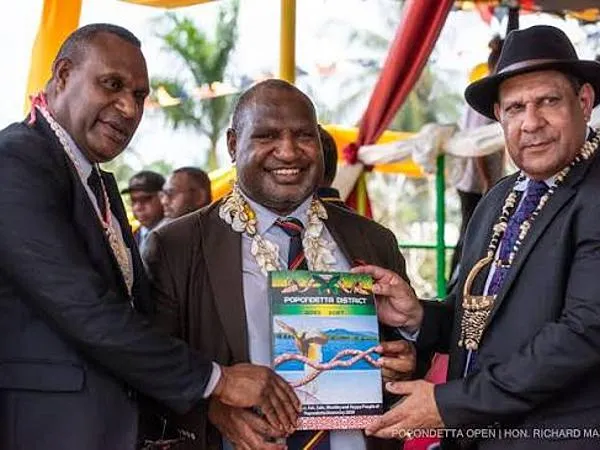
The Popondetta District Development Authority (PDDA), the Jaumo Balsa Project and the Papua New Guinea Forest Authority (PNGFA) signed a Memorandum of Understanding (MOU) at Kararata Village in the first week of June, laying the foundation for the commercial development of the Jaumo Balsa Project and a value-added forestry industry in the province.
The agreement was witnessed by Administrative Services Minister and Popondetta MP Richard Masere, Oro Governor Gary Juffa and International Trade and Investment Minister Richard Maru, alongside landowners and community members from Kararata Village and the wider Sauga community in Oro Bay East LLG.
The MOU establishes a strategic partnership to promote downstream timber processing, shifting from the export of raw forestry products to the manufacture of higher-value processed balsa products within Papua New Guinea.
Jaumo Balsa Project representative Stanford Motamota described the project as a "lifeline" for Oro Province, saying it would generate long-term economic benefits while positioning the province to achieve its first shipment of processed balsa products.
PNGFA Managing Director John Mosoro said the project supports the National Government's forestry reform agenda, which prioritises downstream processing, value addition, increased local ownership and greater participation by customary landowners.
He said processing forestry products within PNG rather than exporting raw logs would create employment, expand business opportunities and deliver greater economic returns to local communities.
Masere reaffirmed the district's commitment to establishing a downstream processing facility at Kararata, saying local processing would retain more value within the district, create jobs and increase incomes for customary landowners.
He also announced plans to support the development of Kararata as a Special Economic Zone, positioning the area as an emerging industrial and investment hub for Oro Province.
Masere said the proposed SEZ is expected to attract domestic and international investors, stimulate infrastructure development, encourage value-added manufacturing and strengthen economic participation by local communities.
Maru said reliable infrastructure would be critical to the success of the proposed economic zone and called on the Oro Provincial Government to ensure electricity is extended to Oro Bay, with a reliable 24-hour power supply in place before development begins.
He also revealed plans to invite an Oro Province delegation to participate in the inaugural Business Forum and Trade Expo in China this October to promote the province's investment potential, strengthen trade links and attract foreign investors.
Juffa said the proposed SEZ should ensure locally produced goods are traded at genuine market prices, helping address longstanding concerns over the undervaluation of Papua New Guinea's natural resources.
He stressed that investor screening and due diligence would be essential to protect landowner interests, ensuring only reputable and responsible investors operate within the province.
The MOU marks a major milestone in the development of the Jaumo Balsa Project and is expected to accelerate plans to establish Kararata as a forestry processing and industrial hub.
The initiative is projected to create employment opportunities, increase household incomes for landowners and expand participation in the formal economy through value-added forestry production.
As part of its commitment to the project, the Popondetta District Development Authority also presented a two-tonne truck to the Jaumo Balsa Project during the signing ceremony. The vehicle will support the transportation and distribution of balsa seedlings to farmers throughout the district, strengthening supply chains and supporting the expansion of the emerging balsa industry.
The project aligns with PNG's broader economic strategy of promoting downstream processing, reducing dependence on raw commodity exports and building regional industries that generate greater value, investment and employment within the country.
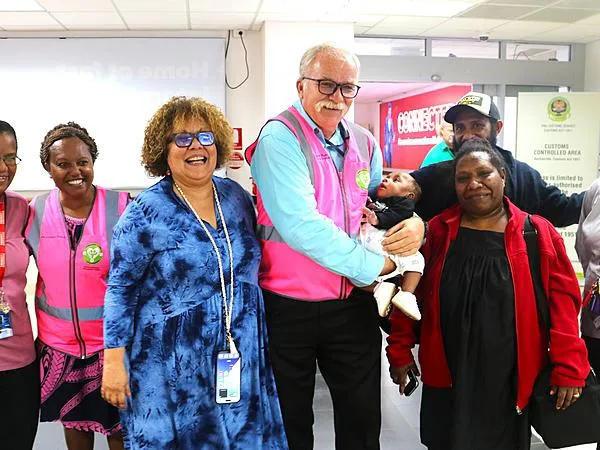
There were tears, quiet smiles and a profound sense of relief at Jacksons International Airport in Port Moresby 3 June, as baby Sawong Kevin Mitian — one of Papua New Guinea's conjoined twins born last October — finally returned home after spending six months in Australia receiving specialist medical care following separation surgery.
Cradled in his mother's arms as he arrived at the airport, Sawong's return marked the culmination of months of medical treatment and the efforts of healthcare workers, aviation personnel, government officials and supporters in Papua New Guinea and Australia.
Born on October 9, 2025, at Braun Memorial Hospital in Finschhafen, Morobe Province, through a caesarean section, Sawong and his twin brother, Tom, entered the world joined together — a rare and complex condition that placed them in immediate danger.
Within 48 hours, on October 11, Manolos Aviation helicopter pilot Captain Jurgen Ruh launched a life-saving mission, flying into Finschhafen to evacuate the newborn twins to Angau Memorial Hospital in Lae. The critical response was carried out through his humanitarian work with the Mountain Area Medical Airlift Foundation.
Four days later, Captain Ruh undertook another crucial mission, flying the twins on a 90-minute journey to Port Moresby General Hospital, where specialists assessed their condition. For weeks, uncertainty loomed as doctors explored treatment options before concluding that little more could be done locally.
Captain Ruh said he was unwilling to accept that there were no further options available for the twins and began contacting hospitals overseas in search of specialist treatment.
In the weeks that followed, he reached out to hospitals in Germany, India and Australia in an effort to secure medical assistance.
According to Captain Ruh, those efforts eventually led to discussions with the Australian Government and specialist medical teams, who agreed to assess the twins and explore treatment options.
Medical professionals subsequently travelled to Port Moresby, paving the way for the twins' transfer to The Children's Hospital at Westmead in Sydney for separation surgery.
The operation marked both a triumph and a tragedy. While it saved Sawong's life, his brother Tom sadly passed away shortly afterwards. Sawong and his parents then remained in Australia for six months, where he underwent further treatment, surgery and recovery under the care of specialist doctors and nurses before being cleared to return home.
The journey, however, was far from smooth.
"The journey to bring the twins to Australia wasn't easy ... there were so many man-made hiccups along the way. I was called many names, told I was immature, that I was giving false hope to the parents," Captain Ruh said, his voice breaking with emotion as he stood at the airport.
"Having one of the twins returning alive is proof that none of this was done in vain. When I took the twins from Angau Hospital to our helicopter to medivac them to Port Moresby, baby Sawong's eyes were fixed on mine without blinking ... it was as if he was saying, 'I just want to live," he added.
The family's return also drew attention to the individuals and organisations that supported them throughout their medical journey.
Among them was Mrs Janet Sios and her team from Paradise Private Hospital, who cared for the twins for three weeks at their medical facility in Port Moresby before their transfer overseas and again upon Sawong's return.
According to Mrs Sios, the hospital provided medical care, accommodation and support services free of charge during that period.
She said the hospital committed significant resources, staff time and expertise to ensure the twins were stabilised and cared for during a critical phase of their journey, easing a substantial financial and emotional burden on the family.
"It's the heart that we have ... having a good heart means going beyond to help. We would rather know we tried than do nothing at all," Mrs Sios said, wiping away tears.
Even during the journey home, the family continued to encounter acts of generosity.
At Brisbane Airport, baby Sawong and his parents crossed paths with veteran Lae businessman and senior statesman Sir Bob Sinclaire, who was travelling on the same Air Niugini flight to Port Moresby.
After learning of the family's experience, Sir Bob committed to personally fund baby Sawong's education from primary school through to university.
Air Niugini also provided assistance for the family's return to Papua New Guinea.
The national airline transported Sawong and his parents from Brisbane to Port Moresby at no cost and upgraded them to business class as part of its community service commitment. Ground staff in Sydney, Brisbane and Port Moresby also assisted the family throughout their journey. The airline additionally covered the family's onward travel from Port Moresby to Lae.
Air Niugini Chief Executive Officer Alan Milne acknowledged the collective effort behind the story.
"Where Air Niugini is able to assist, we are more than happy to do so as part of our community service effort. Over the years, we've supported countless medical cases and will continue to do so. But the real heroes in this story are Captain Ruh, Mrs Sios, the medical teams here in Papua New Guinea and in Sydney, as well as the Australian Government and its partners for the medivac and care provided to baby Sawong," he said.
Both parents, Kevin and Fetima, said they were overwhelmed by the support shown throughout their journey.
Speaking through tears, Fetima said: "Displa support em bikpla tumas, mipla painim hard lo toktok."
She later added in English: "The support we received from everyone is overwhelming. We simply don't have the words to express our gratitude."
For Captain Ruh, who has carried out countless medical evacuation missions across some of Papua New Guinea's most remote and challenging terrain through his work with Manolos Aviation, the mission became far more than another humanitarian assignment. It became a deeply personal journey.
Sawong and his family remained in Port Moresby for several more days before travelling to Lae and eventually returning to Gingala village in Finschhafen — where their remarkable journey began.
Captain Ruh flew the family on the final leg of their journey home.
Reflecting on the experience, Captain Ruh said Sawong's survival demonstrated what could be achieved when medical professionals, businesses, governments and ordinary individuals worked together to support a family in need.
The Autonomous Bougainville Government has welcomed Lloyds Metals and Energy Ltd's commitment to meeting its tax obligations while urging the company to update its taxpayer registration to ensure revenue generated from its Bougainville operations is correctly attributed to the autonomous region.
The issue was discussed during a stakeholder meeting in Arawa on June 26 involving the Bougainville Tax Office, the Internal Revenue Commission's Bougainville provincial office and representatives of Lloyds Metals and Energy Ltd.
Chief Bougainville Collector of Taxes Petereric Andrew and Internal Revenue Commission Provincial Manager for the Autonomous Region of Bougainville Robert Perekai attended the meeting.
Lloyds Metals and Energy confirmed that it has registered as a taxpayer with the Internal Revenue Commission and has begun meeting its tax compliance obligations under Papua New Guinea's tax laws.
During the meeting, the Bougainville Tax Office and the Internal Revenue Commission advised the company to update its taxpayer registration by changing its registered postal address from Port Moresby to Arawa to reflect its operational presence in Bougainville.
Andrew said the change would formally recognise the company as a Bougainville-based taxpayer within the Internal Revenue Commission's records.
He said maintaining accurate taxpayer registration details is important because the commission relies on those records when attributing and apportioning tax revenue.
According to Andrew, updating the company's registration would help ensure tax revenue generated from its economic activities in Bougainville is recognised as revenue attributable to the autonomous region.
The meeting also reaffirmed cooperation between the Bougainville Tax Office and the Internal Revenue Commission in administering national taxes in the region, including corporate income tax, goods and services tax, salary and wages tax, and personal income tax.
Under the 2001 Bougainville Peace Agreement, the Internal Revenue Commission collects these taxes on behalf of the Autonomous Bougainville Government, with revenue remitted to support the government's development priorities. The Bougainville Tax Office provides administrative support to strengthen tax compliance and revenue administration within the region.
Officials said the engagement reflects the Autonomous Bougainville Government's efforts to strengthen revenue governance and ensure economic activity in Bougainville delivers greater benefits to local communities.
Papua New Guinea can significantly expand agricultural incomes, employment and private investment over the next decade by improving farm productivity, strengthening priority value chains and creating a more attractive investment environment, according to a new World Bank report launched on 30 June.
The report, Agri-Food System Transformation in Papua New Guinea, was launched in Lae by Agriculture Minister John Boito and World Bank Division Director for Papua New Guinea, Solomon Islands and Vanuatu Han Fraeters.
The launch formed part of the National Agricultural Research Systems (NARS) Policy Forum at the Lae International Hotel, where representatives from commodity boards, universities and the National Agricultural Research Institute met to review a National Agricultural Research Systems Policy Framework. Higher Education, Research, Science and Technology Minister Kinoka Hotune Feo attended the event virtually.
Fraeters said the report showed agriculture was already helping stabilise Papua New Guinea's economy, with higher cocoa, coffee and copra prices supporting growth in the non-resource sector in 2024.
However, the report noted that the country remains heavily reliant on a narrow resource base that generates limited economy-wide benefits, underscoring the need to broaden growth through agriculture and agribusiness.
The report identified three priorities that, if pursued simultaneously, could substantially expand income and employment across Papua New Guinea's agri-food system within a decade.
It said reforming and adequately funding agricultural research and extension services could lift agricultural productivity by about 25% over the next 10 years.
The report also identified stronger value chains in five priority commodities — coffee, cocoa, vanilla, horticulture and poultry — as a key opportunity to generate midstream jobs, particularly for landless young people, while helping reduce poverty.
A third recommendation called for institutional reforms, clearer regulations and corridor-based infrastructure investment to create conditions capable of attracting around PGK500 million in private co-investment that would not be achievable through public funding alone.
Boito thanked the World Bank for its continued support to Papua New Guinea's agriculture sector, particularly through the PNG Agriculture Commercialisation and Diversification Project and the Agri-Connect initiative, which support implementation of the National Agriculture Sector Plan.
The World Bank said the report draws on lessons from its engagement in Papua New Guinea's agriculture sector and is intended to help guide policies that strengthen agricultural productivity, improve market access and encourage greater private sector participation.
South Pacific Metals has begun a new exploration campaign at its wholly owned Kili Teke copper-gold project in Papua New Guinea's Hela Province after securing support from landowners and provincial and local government authorities.
The company said the programme follows community awareness meetings held in April and May and marks its return to Exploration Licence 2310 through its Papua New Guinea subsidiary, Kainantu Resources Ltd. The project is located about 40 kilometres from the Porgera gold mine within one of the country's most prospective gold-copper belts.
Kili Teke hosts an NI 43-101 inferred mineral resource of 237 million tonnes grading 0.24 grams of gold per tonne and 0.34% copper, containing an estimated 1.81 million ounces of gold, 802,000 tonnes of copper and 40,000 tonnes of molybdenum, equivalent to 4.2 million ounces of gold. The existing resource is confined to the Central Main Porphyry, representing only a portion of the broader intrusive complex.
South Pacific Metals said it has identified more than 10 exploration targets across three mineralisation styles, including the Ridge Gold Area, Ieru Porphyry and a corridor of copper-gold skarn targets. A machine-learning study completed with ALS GeoAnalytics ranked 14 drill targets, including six priority targets that will be evaluated during the exploration programme.
The company said more than 95% of historical drilling has been concentrated on the Central Main Porphyry, leaving the Ieru Porphyry, Ridge Gold Area and Skarn Corridor largely untested. Historical drilling returned intercepts including 7.8 metres grading 12.98% copper and 11.75 grams of gold per tonne, while surface rock-chip samples assayed up to 38.7% copper and 40 grams of gold per tonne. The company believes these areas offer significant potential for additional discoveries beyond the current resource.
The exploration programme will begin with camp establishment, community engagement, geological mapping, soil sampling, ground magnetic surveys and trenching before progressing to drill testing of the highest-ranked targets. The staged approach is intended to refine targets using geological, geochemical and geophysical data before drilling commences.
Executive Chairman Michael Murphy said Kili Teke represented a rare opportunity for a junior explorer because of its sizeable existing resource and exploration upside.
"Kili Teke is rare for an explorer of our size. A district-scale system with a 4.2-million-ounce resource and more than US$20 million of past work behind it, yet with three of its four prospect areas barely drilled," Murphy said.
"Our job is to follow the data, stage by stage, back to the productive heart of this system, and we are doing so with the full support of the landowners and the Hela Provincial Government."
Kili Teke has been explored for more than a decade, with previous operator Harmony Gold investing more than US$20 million between 2014 and 2017. The work included nearly 37,000 metres of diamond drilling, geophysical surveys, geochemical sampling and geological mapping that led to the definition of the current inferred resource. South Pacific Metals has since incorporated machine-learning analysis and updated geological modelling to identify new exploration targets across the 253-square-kilometre licence area.
The company said the current exploration campaign is aimed at expanding the known mineralised system and advancing one of Papua New Guinea's most advanced undeveloped copper-gold projects.
Papua New Guinea has launched the K2.5 billion Port Moresby International Airport (PMIA) Redevelopment Project, one of the country's largest aviation infrastructure investments, aimed at transforming Jacksons International Airport into a modern aviation gateway and strengthening PNG's position as a regional aviation and economic hub over the next 50 years.
Officially launched by the National Government and the National Airports Corporation (NAC), the project will be delivered in four phases over six and a half years. It combines public investment with private sector participation to expand airport capacity, improve passenger services and support long-term growth in trade, tourism and investment.
Speaking at the launch, Minister for Civil Aviation Waki Goi thanked Prime Minister James Marape and the National Executive Council (NEC) for backing what he described as a transformational national investment.
Goi said the project would begin with a K25 million government investment and was expected to attract substantial additional funding from both the public and private sectors over its lifetime.
"Investing in areas that bring big returns is the way to go forward for the next 50 years," he said.
The redevelopment includes major runway upgrades, expansion of the domestic and international terminals, and the replacement of ageing airport infrastructure with modern aviation facilities.
"You will see many changes over the coming years. We will improve the runway, upgrade the domestic and international terminals, and replace ageing facilities with modern infrastructure," Goi said.
A key component of the redevelopment is the creation of "airport cities" around major airports to stimulate commercial development and attract private investment.
Goi said investors were prepared to commit significant capital to Papua New Guinea's aviation sector, provided the country demonstrated sound financial management and fiscal discipline. He urged the newly restructured NAC board and management to maintain strong financial governance by keeping expenditure below revenue to reinforce investor confidence.
According to NAC, the redevelopment represents one of the largest aviation infrastructure projects in Papua New Guinea's history. It is expected to increase airport capacity, improve operational efficiency, deliver passenger services to international standards, strengthen PNG's preparations for APEC 2033, and support long-term expansion of the country's aviation sector.
The minister also called for closer collaboration between the country's major aviation centres, including Tokua, Lae and Mount Hagen, describing them as important drivers of future economic growth.
"I would like to encourage all of you, we must not fight for positions, we must not fight for the cake, we must fight for the real development that must take place. This is where our major income for Papua New Guinea lies. We must partner equally, talk equally, understand each other and move forward," he said.
Four-phase redevelopment
The redevelopment will be delivered in four stages over the next six and a half years.
Phase One will focus on relieving congestion by extending the domestic terminal by 110 metres while upgrading the airport's airfield ground lighting (AGL) and power supply systems.
Phase Two, funded under the Civil Aviation Development Investment Programme (CADIP III), will significantly expand and reconfigure the domestic terminal. Works include new check-in counters, aerobridges, upgraded baggage handling systems, VIP lounges, expanded retail and concession areas, and improved accessibility for passengers with disabilities.
Phase Three will expand apron facilities to accommodate Air Niugini's new Airbus A220 and Boeing 737 aircraft.
Phase Four will deliver a new international terminal equipped with modern passenger-processing technology, including self-service check-in, advanced baggage screening, walk-through metal detectors and expanded commercial facilities.
The final phase will also extend the airport's existing 2,750-metre runway to 3,500 metres, construct rapid-exit and parallel taxiways, expand cargo and aircraft maintenance facilities, incorporate green energy solutions, and develop associated landside infrastructure through public-private partnerships.
Prime Minister James Marape described airports as critical national infrastructure supporting trade, investment, tourism and economic growth.
"Airport is crucial, airport is key," he said.
Marape commended the NAC board, chaired by Shannon Anga, and Acting Managing Director Conway for prioritising the expansion of the domestic terminal, describing it as the corporation's strongest revenue-generating asset and the financial engine needed to sustain airport operations nationwide.
To accelerate the first stage of the project, Marape announced K20 million in National Government funding, complemented by K5 million allocated internally by NAC.
Marape linked the redevelopment to Papua New Guinea's broader economic outlook, noting that the country's non-resource sector has recorded annual growth of around four per cent over the past four years.
He pointed to strong occupancy rates at major hotels, including the Hilton and Airways Hotel, as evidence of rising business activity and increasing visitor numbers.
The Prime Minister said Papua New Guinea was preparing for a significant increase in passenger and business travel, driven by major resource developments expected through the late 2020s and early 2030s. These include Papua LNG, PNG LNG expansion, Pasca gas development, the reopening of the Porgera gold mine, the Wafi-Golpu and Yandera projects, the Frieda River project, and the 20-year extension of the Ok Tedi mine.
"By 2028, the volume of traffic will decrease, but into 2033 with APEC coming aboard, I see future growth in the economy," Marape said.
Passenger growth underpins expansion
Passenger growth projections reinforce the need for the redevelopment.
National Airports Corporation data shows that Port Moresby International Airport handled 779,039 passengers in 1997. That figure had risen to 1.68 million by 2025—an increase of almost one million passengers over 28 years, representing a compound annual growth rate of 2.8 per cent.
Based on an estimated annual growth rate of four per cent, passenger numbers are projected to reach 2.5 million by 2035 and 3.7 million by 2045.
Across NAC's network of 22 airports, passenger movements increased from 1.9 million in 1997 to 3.04 million in 2025. The corporation projects this will grow to 4.4 million by 2035 and 6.6 million by 2045, highlighting the need for continued investment in airport infrastructure nationwide.
Expanding international links
Marape said Papua New Guinea was also strengthening international connectivity.
Following recent discussions with the President of China, he said China Southern Airlines had increased services between Guangdong Province and Port Moresby from one weekly flight to three, boosting tourism, trade and business links between the two countries.
The Prime Minister also emphasised the importance of transparency and accountability within the National Airports Corporation, saying the organisation must remain free from corruption, favouritism and nepotism to maintain investor confidence and safeguard the country's aviation sector.
In a direct message to Air Niugini, he urged the national carrier to settle outstanding debts owed to NAC.
"I know you owe NAC some money. For goodness' sake, Chairman of Air Niugini, pay NAC the money. Don't hold back. If you don't have enough to pay ASAP, pay something and not nothing. Work as a business with NAC and sequence your payments," he said.
Marape also commended Airlines PNG for maintaining strong operational reliability and encouraged the airline to continue complementing the domestic aviation market as demand continues to grow.
Building on decades of investment
The redevelopment builds on decades of investment at Jacksons International Airport.
Since transitioning from military to civilian operations in 1945, the airport has undergone several major upgrades, including the commissioning of new terminal facilities in 1963, refurbishment for the 2015 Pacific Games, and the opening of the APEC Terminal in 2018.
The launch also demonstrated a whole-of-government commitment to the project, with the Minister for Foreign Affairs, the Minister for Works and Highways, and the Governor of the National Capital District joining the project team.
Goi called on government agencies, industry and development partners to work together to ensure the success of Papua New Guinea's aviation sector.
"If you are listening now, please contribute one way or the other to make civil aviation work for us all as we move into the future," he said.
The phased redevelopment is expected to provide immediate relief from congestion while laying the foundation for long-term expansion of Papua New Guinea's principal international gateway.
Feasibility studies and financing arrangements for the fourth phase are scheduled to begin in 2027. NAC is expected to invite investors, contractors and development partners to participate in delivering what is set to become one of the country's most significant aviation infrastructure projects, reshaping PNG's aviation sector and supporting economic growth for decades to come.
Follow on LinkedIn:
PNG Business News
Be the "First" to get our exclusive Digital Magazine & Weekly Newsletter.