


June 29, 2026

Solomon Islands and Papua New Guinea have agreed to strengthen cooperation on mining sector governance, with officials from Papua New Guinea expected to visit Solomon Islands as the two countries pursue reforms aimed at maximising the benefits of their mineral resources.

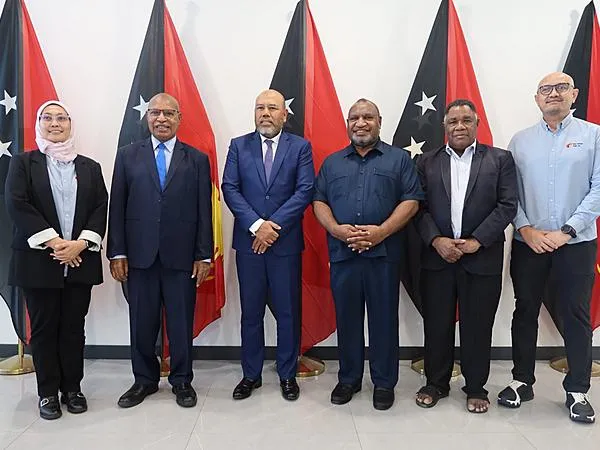
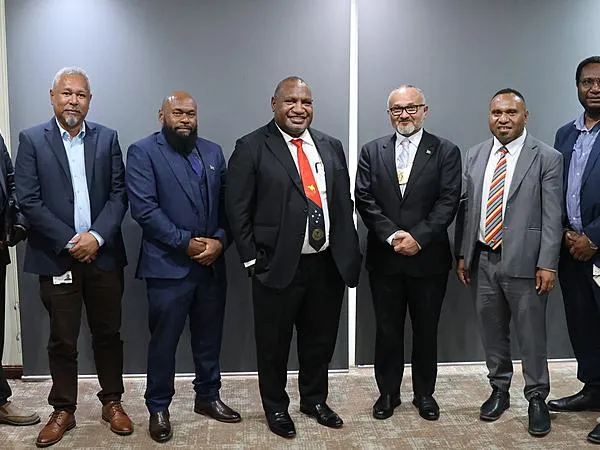
The agreement followed a roundtable in Port Moresby between Solomon Islands Prime Minister Matthew Wale, Papua New Guinea Prime Minister James Marape, Kumul Minerals Holdings Ltd. and the Mineral Resources Authority.

Wale said the meeting provided an opportunity for Solomon Islands to learn from Papua New Guinea's experience in managing its mining industry, as his government advances reforms to improve governance of the country's mineral resources.

He said reforming the mining sector, particularly the alluvial gold industry, remains a priority for his administration.

According to Wale, the government is pursuing reforms to bring greater structure, transparency and national benefit to the sector, including plans to establish a dedicated gold export unit and, over the longer term, a national gold refinery.

"This will allow us to refine our own gold, control pricing and retain more value within our economy," Wale said.

He also stressed the importance of building trusted partnerships across the mining value chain, from extraction and processing to export.

"We want a model where all parties benefit fairly and value is retained within our economy to support national development," he said.

Marape said Papua New Guinea has faced significant challenges in developing its mining sector but remains committed to ensuring greater benefits flow to its people.

He said landowners should remain at the centre of resource policy and that fiscal arrangements governing mining projects must be transparent and clearly defined.

"There is often confusion between taxes, royalties and equity. Investors must know upfront what they will pay and what benefits will flow to landowners and the State," Marape said.

Both leaders agreed that strong governance, clear legislation and effective regulatory oversight are essential to ensure the fair and sustainable management of mineral resources.

The meeting concluded with an agreement for Papua New Guinea's mining authorities to visit Solomon Islands in the near future to support the country's ongoing mining sector reforms.

June 29, 2026

Westpac PNG is proud to announce the 21 finalists for the 2026 Westpac Outstanding Women's Awards, recognising women who are making a meaningful impact across Papua New Guinea through leadership, service, innovation, and community impact.

For more than 100 years, Westpac has stood alongside the people of the Pacific, supporting communities, creating opportunities, and investing for the long term. The Westpac Outstanding Women's Awards are part of this ongoing commitment.

Selected across seven award categories, this year's finalists represent a diverse group of women whose contributions are helping communities grow, businesses succeed, and industries progress across the country, creating lasting impact today and for generations to come.

The announcement of the finalists marks the next stage of the 2026 awards programme, leading up to the awards ceremony on Saturday, 25 July 2026, in Port Moresby. Winners from each category will be announced on the night, together with the Overall 2026 WOW Award winner, recognising a woman whose leadership and impact stand out across all categories.

The finalists by category are:

  • Entrepreneur: Judy Ejampi, Martha Raka, and Sylvia Pascoe

  • Private: Orpah Peter, Rita Karaie, and Stella Ipang

  • Not-for-Profit: Naomi Longa, Jacqueline Mary Boga Garoau, and Sr. Bolena Azimo

  • Public: Debra Sungi, Elizabeth Tandoa, and Fiona Gesa

  • Sports & Arts: Edith Monagi, Susanne Sere, and Wosi Kaeyo

  • Sustainability: Deborah Yassa Yulu, Emma Oliver, and Kiteni Kurika

  • Young Achiever: Getta Kambar, Naomi Dubabagi, and Zimmah Neinaka

Tamzin Wardley, Chairwoman of the Westpac PNG Board, said: "The WOW Awards are a powerful reminder of the leadership, resilience, and service women bring to every part of Papua New Guinea. This year's finalists reflect the strength of women who are driving progress in their communities, workplaces, and industries."

Each category winner will receive a PGK 5,000 grant to support their continued work and impact.

Emma Low, Managing Director for Westpac Pacific, said: "For more than a century, Westpac has stood alongside Pacific communities, and these awards are one way we continue that commitment. By recognising and supporting outstanding women, we are helping create opportunities that can carry forward for generations."

Westpac PNG Chief Executive Andrew Cairns said: "These finalists show what is possible when talent, determination, and purpose come together. Their achievements are not only inspiring others today, but they are also helping build stronger communities and a more inclusive future for Papua New Guinea."

In the lead-up to the event, finalist profiles will be shared across Westpac's channels to celebrate their achievements and the work they are doing to help drive progress across Papua New Guinea.

June 29, 2026

The PNG Chamber of Resources and Energy (PNG CORE) President Anthony Smaré has formally acknowledged Prime Minister James Marape's acceptance of the invitation to officially open PNG Resources Week 2026 on 13 July at APEC Haus.

PNG Resources Week 2026 will be held from 13 to 16 July at APEC Haus in Port Moresby.

Hosted by PNG CORE, the premier annual event brings together government officials, industry leaders, and host communities to discuss national content, project pipelines, and sustainable development. The accompanying PNG Resources Golden Exhibition will continue until Saturday, 18 July.

Themed "PNG Resources Beyond 50," the event reflects the partnership between the Government and the nation's energy, mining, and resource sectors as Papua New Guinea looks towards the next 50 years of development.

"I sincerely commend PNG CORE for its strong leadership in fostering strategic dialogue within our resources and energy sectors, which continue to serve as critical pillars of our national economic development," Prime Minister James Marape said.

"I look forward to delivering the opening address to mark the commencement of this important event."

Smaré said Marape's participation in key platforms such as the Community Affairs and National Content Conference and Exhibition (CANCONEX) and the PNG Resources Summit demonstrates the Government's commitment to inclusive development, landowner empowerment, and sustainable industry growth.

PNG Resources Week will begin with CANCONEX, which runs from 13 to 15 July. The conference will feature discussions on national content and success stories, community investment projects, and renewable energy, climate, and the energy transition.

The PNG Resources Summit, to be held on 16 July, will focus on Papua New Guinea's economic outlook and updates on new resource projects. It will be followed by the PNG Resources Summit Gala Dinner, which will feature the Legacy and Industry Recognition Awards.

The PNG Resources Golden Exhibition will run from 16 to 18 July at APEC Haus and will showcase career opportunities for the next generation. The exhibition will be open to the public from 17 July.

PNG Resources Week serves as a strategic domestic platform for stakeholders from across the country to discuss developments in the resources sector, its economic contribution, and community development initiatives.

June 29, 2026

High Arctic is expanding its presence in Papua New Guinea through a broader range of industrial services while preparing for the resumption of drilling activities later this year. This marks a new chapter for a company that has operated in the country for nearly two decades.

High Arctic's corporate roots date back to 1993 in Canada, while its PNG operations commenced in 2007. Since entering the market, the company has drilled, worked over, or abandoned more than 100 oil and gas wells and says it has grown to become a leading provider of remote worksite services in Papua New Guinea.

The company says it has recorded more than nine years and accumulated 4.7 million work hours without a recordable incident—a world-class level of performance.

Restructuring sharpens PNG focus

Historically, High Arctic's PNG operations have centred on two drilling rigs, one workover rig, and the operation of a client-owned drilling rig. In recent years, however, the company has diversified its business to include equipment rental, industrial equipment distribution, asset integrity and maintenance management, workforce training, and, most recently, fire services.

Following the Covid-19 pandemic, High Arctic implemented a business restructuring that led to the establishment of High Arctic Overseas Holding Corp. The move enabled the PNG business to operate independently from its former parent company, High Arctic Energy Services Inc.

The company remains publicly listed on the Canadian stock market (TSXV: HOH) and is managed from Brisbane, Australia. According to High Arctic, the restructuring was undertaken to reinforce its commitment to Papua New Guinea and support the ongoing development of the country's resource sector and national workforce.

The company said the cyclical nature of PNG's resources industry creates opportunities to apply transferable skills developed through frontier remote drilling operations to a wider range of sectors, including mining, civil construction, and commercial developments.

Equipment rental business expands

High Arctic has significantly expanded its rental equipment division, supplying equipment to customers across the mining, construction, and logistics sectors.

Its rental fleet includes cranes, telehandlers, loaders, four-wheel-drive vehicles, trucks, buses, camps, power systems, compressors, light towers, elevated work platforms, water pumps, and HDPE composite matting.

The company said its rental offering provides customers with an alternative to major capital expenditure while reducing maintenance obligations and equipment procurement delays.

Atlas Copco partnership strengthens equipment offering

High Arctic recently announced a partnership with Atlas Copco's Power Technique division, becoming its authorised distributor in Papua New Guinea.

Through its rental equipment division, the company now offers both sales and rental options for Atlas Copco power generators, energy storage systems, air compressors, light towers, dewatering pumps, and solar containers.

High Arctic said it also has access to technical support and product development resources from Atlas Copco's Australian operations and global manufacturing network. The company plans to maintain stocks of commonly required equipment and spare parts, while also developing a skilled local workforce to provide in-country aftermarket support.

According to High Arctic, the partnership is based on a shared objective of delivering quality equipment and service while improving distribution channels throughout Papua New Guinea. The partnership operates through the company's Rental Equipment business, headed by General Manager Steve Macklin.

New fire services capability

As part of its diversification strategy, High Arctic identified an under-served need for dedicated fire preparedness in PNG. A Fire Services Division was established in late 2025, providing fire protection solutions across PNG's industrial, commercial, and residential sectors.

The division's capabilities include fire system design, installation, commissioning, inspection, maintenance, and compliance certification.

Its fire protection offerings include centrally monitored fire alarm systems, emergency warning and intercommunication systems, sprinkler systems, fire hydrants, hose reels, pump sets, and gas, foam, and water mist suppression systems.

High Arctic said the division is led by General Manager Steve Bowman, who has 24 years of fire systems industry experience, including more than 15 years working within PNG's mining and industrial sectors.

Asset management and maintenance services

The company has long provided asset integrity and maintenance management services to its foundational customer in PNG. It is now offering preventive maintenance programmes, spare-parts planning, computerised maintenance management system implementation, maintenance manuals, and standard operating procedures to the broader industry in PNG.

According to High Arctic, the division is designed to help customers improve asset reliability, reduce operational risks, maximise equipment uptime, and support regulatory compliance.

The company also provides audits, technical assessments, and workforce training programmes aimed at strengthening maintenance capability and operational performance.

Drilling operations set to restart

A key development for the company came in May 2026, when High Arctic renewed a long-standing drilling services contract with its principal customer in Papua New Guinea.

Later that month, the customer advised that drilling activities would recommence, prompting plans to remobilise personnel and equipment in July ahead of drilling operations scheduled to begin in the fourth quarter of 2026.

According to the company, the drilling programme currently includes four approved wells, with the potential for additional wells to be added in the future. High Arctic said the campaign could see Rig 103 operate beyond the current contract period.

The company said the recommencement of drilling would have a significant impact on stakeholders, particularly its domestic drilling workforce, many of whom have supported operations over the past two decades.

Workforce development remains a priority

PNG Industry Manpower Solutions (PIMS), which has been part of the High Arctic group since 2009, remains a key component of the company's workforce development efforts.

PIMS is registered with Papua New Guinea's Department of Higher Education, Research, Science and Technology under National Training Council registration number 182 and provides certified training programmes focused on workplace compliance and competency development.

The company said PIMS is increasingly focused on partnering with industry clients to strengthen workforce competence, maintain compliance, and improve operational readiness through group-based certified training programmes.

The training provider is also seeking to support the development of future supervisors and leaders within PNG's national workforce through tailored leadership programmes.

Since 2024, PIMS has coordinated a quarterly industry roundtable that brings together representatives from a range of PNG-based organisations and industries. According to the company, the forum promotes open dialogue, shared insights, and peer learning to support workforce development and continuous improvement.

Looking ahead

High Arctic said it will continue to develop the capabilities of Papua New Guinea's national workforce while providing services across the country's resource, industrial, and commercial sectors.

The company said it is exploring additional diversification and investment opportunities that align with its business values and long-term objectives while maintaining its focus on quality performance and service delivery.

As it prepares for the return of drilling activities and expands its portfolio of industrial services, High Arctic said it remains committed to supporting the development of Papua New Guinea's resource sector and workforce.

June 29, 2026

Across Papua New Guinea's remote regions, including many communities located alongside mining and resource corridors, access to quality education is still determined by one simple factor: whether a classroom has the most basic learning tools.

In many rural schools, students attend lessons seated on dusty floors without desks, books, or essential learning materials, while teachers are often required to deliver lessons without whiteboards, storage, or even basic stationery.

These limitations directly impact student engagement, literacy outcomes, attendance rates, and ultimately, long-term economic participation within their own communities.

This is the gap that Project Skul (school), an initiative of Project Yumi, is designed to address. The program works by redirecting surplus, high-quality educational resources from Australia to under-resourced schools throughout Papua New Guinea.

Furniture such as desks, chairs, bookshelves, whiteboards, and classroom learning materials, often discarded because of infrastructure upgrades in Australian schools or businesses, is collected, repurposed, and delivered to communities where it is urgently needed.

By improving classroom environments, Project Skul supports increased student attendance and engagement, enables teachers to deliver more effective lessons, improves access to literacy and numeracy resources, and helps create safe, functional learning spaces that foster meaningful educational outcomes.

To date, Project Yumi has saved more than three million educational and health resources from landfill, delivered support to more than 150 schools and health centres, and reached communities across all 20 provinces of Papua New Guinea.

For industries operating in remote regions, particularly mining organisations with long-term community investment commitments, access to quality education is widely recognised as a key driver of social stability, economic development, and future workforce readiness.

For both Australian and Papua New Guinean organisations operating across the mining and resource sectors, initiatives such as Project Skul present a practical opportunity to align corporate social responsibility commitments with measurable environmental and social outcomes.

Each year, thousands of desks, chairs, and classroom resources are disposed of across Australia because of refurbishment cycles, infrastructure upgrades, or asset replacement programs—not because they are no longer functional, but simply because they are no longer required.

Through Project Skul, these quality surplus resources are diverted from landfill and delivered to under-resourced schools throughout Papua New Guinea, where they can make an immediate and lasting impact.

By partnering with Project Yumi, companies can sponsor the fit-out of an individual classroom or support the broader delivery of the Project Skul initiative.

These partnerships contribute directly to global development priorities, including the United Nations Sustainable Development Goals: Goal 4 (Quality Education), Goal 10 (Reduced Inequalities), Goal 12 (Responsible Consumption and Production), and Goal 17 (Partnerships for the Goals).

They also enable organisations to play a tangible role in improving access to education in the communities where they operate.

Project Yumi's partnership model is built on collaboration with businesses, community organisations, and local stakeholders in both Australia and Papua New Guinea.

By sponsoring a classroom or supporting resource delivery through Project Skul, mining companies can contribute to long-term education outcomes, future workforce capability, community wellbeing and resilience, and environmentally responsible resource management within their host communities.

Education remains a foundational determinant of economic growth, employment readiness, and community resilience. Through partnerships that transform surplus into opportunity, Project Yumi is helping ensure that the next generation of Papua New Guinean students is not limited by a lack of desks, books, or safe learning environments. Instead, they are empowered through access to education, helping create stronger, more sustainable communities for the future.

June 29, 2026

For many Papua New Guineans, owning a home is more than a goal — it's a milestone. It's a place to build a future, raise a family, and create something lasting.

With NiuHomes from PNG Forest Products, that dream is closer than ever.

Whether you're starting small or building something more substantial, NiuHomes offers a complete range of quality kit homes designed for life in PNG.

Starting out? The Baset Range provides an affordable entry into home ownership, with three- and four-bedroom homes delivered to lock-up stage. You can complete the interiors in your own time — your budget, your style, your home. From K76,750.

Ready to move in? The Residential and Suburban ranges offer fully equipped homes designed for comfort and convenience. With electrical, plumbing, tiles, joinery, ceiling fans, solar hot water, and more included, everything has been considered so you can settle in from day one. From K143,000.

Looking for something more modern? The Contemporary Range brings bold design and elevated living to PNG's towns and cities. The Komoa and Pacifica models combine clean architectural lines with spacious layouts and air-conditioned comfort — homes designed to impress and built to last.

For village living, the Haus Ples range delivers simple, practical homes suited to local lifestyles. High-set and low-set options provide comfort, functionality, and affordability, starting from K77,200.

And across every NiuHomes design, there is one promise: quality.

These are Papua New Guinea's only preservative pressure-treated kit homes, engineered to meet strict PNG and Australian standards. Manufactured in Bulolo using sustainably grown plantation timber and powered by renewable hydro energy, each home is built to withstand termites, rot, and the demands of PNG's climate.

Because at the end of the day, a home isn't just what you build — it's what you build your life around.

NiuHomes. Built for PNG. Built for You.

To learn more, call 323 5995, email buildingsales@pngfp.com, or WhatsApp 7467 4353. Explore the full range at www.pngfp.com.
June 29, 2026

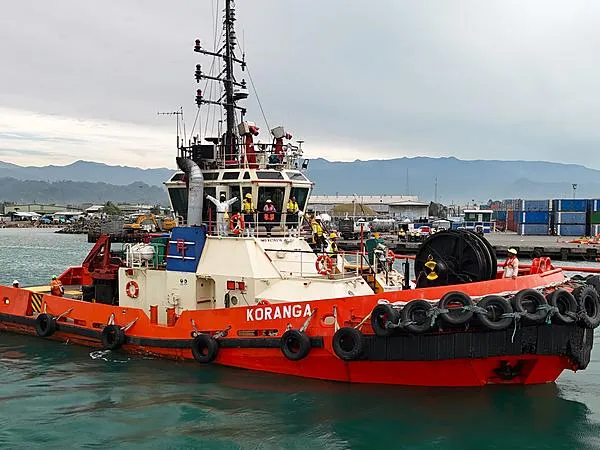
Marine services provider Pacific Towing (PacTow) has taken a major step forward in modernising its operations and improving customer experience with the launch of its Towing Operations Customer Centre (TOCC).

Officially launched in April, the TOCC is located at PacTow's headquarters and tug base on the outskirts of Port Moresby.

General Manager Gerard Kasnari said the TOCC "serves as the operational heart of PacTow's business, bringing together all moving parts of the towage process into one central hub."

The TOCC acts as a central point of coordination for agents, tugs, and line boats, managing vessel movements "by the minute" to ensure precise dispatching and real-time oversight.

This level of coordination is already delivering a more organised and efficient operation across the fleet, and Kasnari said the company has received positive feedback from customers.

Overseen by Customer Operations Supervisor Yvonne Baelam and supported by a dedicated team available 24/7, the TOCC has streamlined workflows and reduced manual processes.

A key initiative of the TOCC is an online Tug Services Request (TSR) form. A range of services, including harbour towage, mooring, and line boats, can now be booked for ports throughout PNG and the Solomon Islands using the online form.

Customers can now submit a service request in minutes rather than hours. The TOCC can review, action, and approve the request just as quickly. Once approved, the same dashboard is used to schedule the service immediately and notify the responsible tug or team.

The elimination of paperwork, together with the speed at which service requests can be submitted and approved, provides an obvious benefit for customers. The new digital system eliminates the need for multiple entries, which were often required because of schedule changes, improves billing timeliness, and saves customers time.

It is one of several initiatives PacTow has introduced to provide a better and more consistent customer experience.

Baelam said: "A considerable operational benefit of our new online system, which also improves the customer experience, is that it gives us much better visibility across all bookings, whether they're for PNG or the Solomon Islands. This makes it easier to detect potential clashes, resolve them quickly, and identify periods of significant downtime."

When multiple simultaneous vessel movements are scheduled in a port, PacTow communicates in real time with its port community partners to highlight the issue and facilitate a proactive resolution.

Baelam said: "The Vessel Traffic Services (VTS) and others do a great job monitoring movements in each port. Since we're also tracking movement schedules for our customers, we act as an additional layer of oversight to highlight potential issues and contribute to finding solutions ahead of time."

For outer ports such as Kimbe, Rabaul, and Madang, where there may be no vessel calls for up to five days, the improved schedule visibility provided by the new online system is a significant advantage for maintenance planning and improving fleet availability.

Baelam described these "no vessel call" windows as "perfect opportunities" to perform preventive maintenance at these ports, as well as to rotate tugs through the company's workshops in Lae and Port Moresby.

PacTow's investment in establishing the TOCC is central to its transformation into a more customer-centric organisation, delivering a more professional, digital-first service.

Kasnari said: "We set out to improve the customer experience by making it seamless and centred on how we can better serve our customers' needs, one interaction at a time.

"While we still have plenty of work to do, I can confidently say that the TOCC has made us much more responsive. We're able to solve customer problems faster, our turnaround times are quicker, fleet availability has improved, and our customers are happier."


Pacific Towing is Melanesia's largest marine services business. It employs more than 250 staff and operates a fleet of 20 vessels. The company provides a broad range of marine services, including towage, emergency response, commercial diving, life raft services, and salvage.

PacTow is part of a larger sea and land logistics group wholly owned by Steamships Limited. To learn more about PacTow, visit www.pacifictowingmarineservices.com.
June 29, 2026

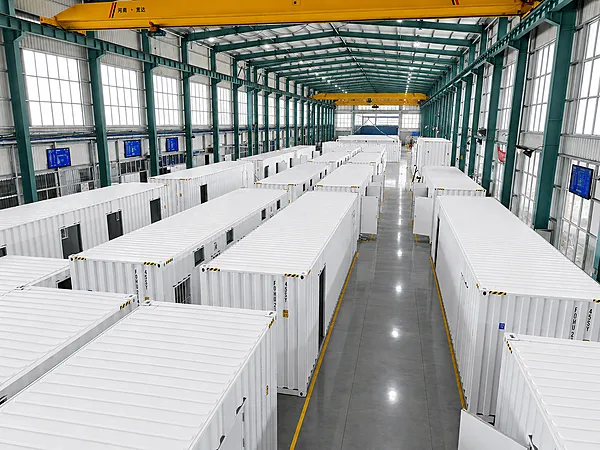
Ark Pacific has delivered fit-for-purpose, high-quality prefabricated building solutions for PNG's mining and oil and gas sectors for more than 15 years. Its latest project is the supply of a turnkey construction camp for Santos' Agogo Production Facility (APF) Tie-In Project.

The camp will support the construction of a new 19-kilometre pipeline connecting the Santos-operated APF to the existing PNG LNG gas pipeline. It is expected to remain in use for approximately two years while construction is completed.

Located in a particularly remote part of Enga Province, the camp will include 10 distinct types of buildings. These include accommodation facilities comprising a mix of senior and junior accommodation totalling 170 rooms, as well as an industrial kitchen and dining facility, medical facility, administration office, ablution facilities, laundry, a gymnasium and recreation facility, and a security hut.

Although Ark Pacific is well known for its flat-pack buildings, the 73 units supplied for the APF Tie-In Project will be its modular Ready Box product. Designed to arrive on site ready for installation, the buildings are intended to reduce the amount of work required in a location where every additional construction activity adds complexity, cost, and time.

Ark Pacific General Manager Cass Ruka said the level of prefabrication was essential given the location of the project.

"It was very important for the client that we provide them with buildings that are able to be used from almost the very moment they arrive on site. Once the buildings are lowered onto their plinths, there is not much more to be done than for them to be plugged in."

Ark designed and manufactured the Ready Box units to Australian and New Zealand standards. The units are also IEPNG certified. Australian-licensed plumbers and electricians were engaged to oversee quality assurance and quality control for the Santos project.

The project also demonstrates that supplying remote resource-sector infrastructure requires capabilities beyond building manufacture alone. Ark has sourced and supplied everything needed for the camp, including furniture, linen, and white goods, as well as power generators from France and water-treatment and wastewater-treatment facilities from the United Arab Emirates.

This global sourcing capability provides clients with a coordinated procurement solution for the supporting infrastructure needed to make a camp operational. For project teams, combining these requirements through a single supplier can reduce interfaces, simplify logistics, and support a more efficient installation process.

The logistics exercise will be significant. During July and August 2026, the modular units and ancillary products will arrive in staged shipments at Lae. From there, they will be unloaded directly onto nearly 100 trucks for the approximately 600-kilometre journey along the Highlands Highway to the project site.

At the end of the camp's operational life, the modular buildings can be disconnected, transported, and reassembled elsewhere. This flexibility allows the buildings to continue providing value beyond their original project purpose.

Ark Pacific has spent more than 15 years supplying prefabricated facilities for mining and oil and gas operations in Papua New Guinea. The Santos contract adds to its recent partnership with New Porgera Limited, which includes the supply of office and accommodation buildings to support recommissioning activities, with a large ablution block also in the pipeline. In addition, Ark continues to supply a range of facilities to K92 and Newmont.

Ark's building systems continue to evolve in line with client requirements and international standards. To learn more about Ark buildings in PNG, including its expertise in resource-sector camps and the advantages of its unique building systems, visit www.arkpacific.net.


June 25, 2026

As global trade becomes more complex, governments and businesses must address fraud, invoice errors and non-compliant goods while improving efficiency. SGS Group provides Trade Facilitation Services (TFS) that help modernise trade through digitalisation, risk management and enhanced border controls.

Digital Trade with e-Invoicing

SGS Cross-Border e-Invoicing replaces paper invoices with secure, tamper-proof electronic documents shared instantly among customs authorities, banks and traders.

  • Reduces fraudulent transactions by up to 99%
  • Improves revenue collection
  • Speeds up trade processing

Accurate Valuation with e-Valuator®

SGS e-Valuator® uses a global price database to detect under- or over-invoicing in real time.

  • Automated risk alerts and screening
  • Faster customs clearance
  • Stronger protection of government revenue

Quality Assurance through PCA

The SGS Product Conformity Assessment (PCA) programme ensures that goods comply with national standards before shipment and that a Certificate of Conformity is issued.

  • Prevents unsafe and counterfeit products
  • Supports local industries
  • Reduces the risk of shipment rejection

Smart Scanning for Border Control

SGS also provides non-intrusive scanning solutions to strengthen border security and facilitate trade.

  • X-ray scanning combined with AI-based image analysis improves the detection of high-risk cargo.
  • A centralised TFS platform enables remote monitoring and faster decision-making.
  • Integration with customs systems enhances data visibility and operational efficiency.

Enabling Trusted and Efficient Trade

Together, TFS solutions provide an integrated framework to:

  • Increase revenue and reduce fraud
  • Improve efficiency and transparency
  • Strengthen border control
  • Align with international trade standards

With its global expertise and advanced technologies, SGS supports the development of secure, efficient and sustainable trade ecosystems worldwide.

June 25, 2026

Papua New Guinea has welcomed the start of a major offshore oil and gas exploration campaign near Kupiano in Central Province, with Prime Minister James Marape saying the investment underscores international confidence in the country's energy sector.

The exploration programme, led by TotalEnergies and its partner Petronas, involves the drilling vessel Viking and is expected to attract between US$100 million and US$200 million in investment.

Petroleum Minister Jimmy Maladina represented the government aboard the Viking as project partners and stakeholders marked the commencement of drilling operations.

Marape said the campaign demonstrated Papua New Guinea's continued appeal as a destination for global energy investment and highlighted the importance of exploration in sustaining the country's petroleum industry.

"The presence of the Viking offshore near Kupiano is a strong signal of confidence in Papua New Guinea's resource potential," he said.

He said exploration remains the foundation of the country's resource sector, creating opportunities for future discoveries, new projects, employment and government revenue.

Marape added that while major developments such as Papua LNG and the P'nyang Gas Project remain priorities, continued exploration is necessary to support the long-term growth of the petroleum industry.

He said investment in offshore exploration also reflected the need for a stable and competitive investment environment capable of attracting capital for high-risk projects.

"Deep-water exploration requires substantial investment, advanced technology and confidence in the future of our country," Marape said.

The Prime Minister said the government would continue working with industry partners to promote responsible resource development while encouraging further exploration and investment across Papua New Guinea.

June 25, 2026

Papua New Guinea's tourism sector contributed an estimated US$244 million (PGK1 billion) to the economy in 2025 as international visitor arrivals continued to recover, although average spending per traveller declined, according to the latest International Visitor Survey.

The survey, released by the Pacific Tourism Organisation (SPTO) and the Papua New Guinea Tourism Promotion Authority (PNGTPA), found international visitor arrivals rose to 103,881 in 2025 from 100,223 a year earlier, reflecting continued recovery supported by targeted marketing campaigns, improved air connectivity and government initiatives to strengthen the country's tourism sector.

The annual survey analysed 4,827 responses from 5,139 questionnaires collected, representing about 7 per cent of total visitors and a 19 per cent response rate.

The report found that 41 per cent of respondents were first-time visitors, while the average household income of travellers ranged between US$80,000 and US$99,999.

Natural attractions, cultural diversity, business opportunities, visits to family and friends, and the country's Second World War heritage were among the main reasons visitors travelled to Papua New Guinea.

Average spending per visitor was US$2,352 per trip, including US$2,087 in prepaid expenditure and US$995 spent within Papua New Guinea. Around 65 per cent of prepaid spending, equivalent to US$1,356 per visitor, flowed directly into the local economy.

Despite the increase in arrivals, average visitor spending declined from 2024 as travellers stayed for shorter periods, averaging 10 nights, while the visitor mix shifted towards lower-spending segments.

The report said the trend reflected changing travel behaviour but also highlighted opportunities to increase tourism value through higher-yield markets and improved visitor experiences.

Visitor satisfaction remained high, with an overall rating of four out of five. About 92 per cent of respondents said they would return to Papua New Guinea, while 88 per cent said they would recommend the country as a travel destination.

Visitors identified the friendliness of local communities, the country's natural beauty and its rich cultural heritage among Papua New Guinea's strongest attractions. However, they also cited safety and security, infrastructure, air transport reliability and travel costs as areas requiring further improvement.

PNGTPA Chief Executive Officer Eric Mossman Uvovo said the survey provides valuable evidence to help refine tourism marketing strategies, strengthen partnerships and improve tourism products and services.

"The International Visitor Survey provides critical insights into the motivations, behaviours and experiences of our visitors," Uvovo said.

SPTO Chief Executive Officer Christopher Cocker said the findings would support evidence-based tourism planning in Papua New Guinea while contributing to broader efforts to strengthen sustainable tourism development across the Pacific.

Papua New Guinea is one of 10 Pacific island countries participating in the Pacific Tourism Data Initiative, which is funded by the New Zealand Government and provides tourism data to support policy-making and industry development across the region.

June 24, 2026

The National Airports Corporation (NAC) has advised airlines, businesses and the travelling public that runway restrictions at Kiunga Airport will remain in place as the airport upgrade project enters its next phase.

NAC said the Kiunga Airport Upgrade Project in Western Province has reached 48% completion, with significant progress recorded on both airside and landside works.

According to NAC, airside works covering Major Operational Works Program (MOWP) Stages 1 to 6 have been completed up to the application of temporary runway line markings. The completed sections are undergoing inspections ahead of the application of permanent line markings, which are expected to be completed by the end of June.

The project will move into MOWP Stages 7 to 9 from the first week of July, with works scheduled to continue until the first week of September.

Commercial flight operations are expected to resume only after the completion of the remaining works and subject to inspections, safety assessments and commissioning approval by the Civil Aviation Safety Authority of Papua New Guinea (CASA PNG).

Kiunga Airport's 1,200-metre runway remains under temporary restrictions, resulting in the continued suspension of Regular Public Transport (RPT) services, including Dash 8 aircraft operations.

However, NAC said the aerodrome will remain open to smaller general aviation aircraft operating under applicable Notices to Airmen (NOTAMs), operational restrictions and safety requirements.

The corporation acknowledged the ongoing disruption to passenger travel and cargo movements into and out of Kiunga.

NAC attributed the extended restriction period primarily to prolonged dry weather conditions that have lowered river water levels, affecting the transportation and delivery of construction materials to the project site.

"The main reason for the extended restriction period is the prolonged dry season, which has resulted in low water levels and affected the procurement and delivery of construction materials to site," NAC said.

The corporation urged airline operators, businesses and the travelling public to make alternative travel and freight arrangements while works continue.

NAC said it would continue providing updates on project progress and commissioning arrangements.

The airport upgrade forms part of efforts to strengthen aviation infrastructure in Western Province and improve long-term connectivity for communities and businesses in the region.

The Kiunga Airport Upgrade Project is being implemented by NAC under the Civil Aviation Development Investment Project II (CADIP II) and is funded by the Papua New Guinea government and the Asian Development Bank.

Acting Managing Director and Chief Executive Officer Dominic Kaumu said NAC appreciated the patience and cooperation of airline operators, stakeholders and the people of Western Province while the works are being completed.

June 23, 2026

Ok Tedi Mining Limited (Ok Tedi) and its wholly owned subsidiary, Misima Minerals Limited (MML), have completed the second round of community engagement meetings for the proposed Misima Gold Project.

The meetings form part of Ok Tedi’s commitment to keeping landowners, the district government and other stakeholders on the island informed about the project’s progress and future work plans.

The engagement sessions provided communities with updates on progress made since the initial consultations in December 2025 and reaffirmed key aspects of the project’s five-year development plan.

Ok Tedi commenced early works under Phase 1 in February 2026 to establish the infrastructure required to support feasibility studies and mine development activities. Environmental and social impact studies, along with mine development plans, are progressing to secure an environmental permit and mining licence by mid-2027.

Infrastructure initiatives currently under assessment or development include:

• Establishing accommodation facilities for more than 150 people, including a health clinic, catering facilities and basic amenities to support the project.

• Upgrading the Misima airstrip in consultation with the Provincial Transport Authority and in line with National Airports Corporation requirements to accommodate Dash 8 and ATR aircraft.

• Repairing access roads to the mine site to support mine development activities and improve access for local communities.

• Upgrading and resourcing Misima District Hospital to serve local residents as well as Ok Tedi and MML employees. The hospital will also be supported in conducting pre-employment medical assessments for local Misimans seeking employment opportunities.

“Open and transparent dialogue with Misima communities is essential as we progress this project,” said Jesse Pile, General Manager for Social Performance and Sustainability.

“These engagements allow us to openly share information, listen to community perspectives and set realistic expectations as we move towards mine redevelopment.”

The company will continue to conduct regular community and stakeholder engagement sessions to ensure that stakeholders have the information they need to make informed decisions. These engagements also help strengthen relationships built on trust and mutual respect.

Managing Director and Chief Executive Officer Kedi Ilimbit said Ok Tedi’s five-year development plan for the Misima Gold Project is structured around three key phases: detailed feasibility and permitting, construction, and production.

“We are currently progressing these phases to ensure the Misima Gold Project becomes operational,” Ilimbit said.

June 22, 2026

New Zealand High Commissioner Georgina Roberts has reaffirmed her country's commitment to deepening economic and people-to-people ties with Papua New Guinea during her first official visit to Lae, the country's industrial and commercial hub.

Roberts, accompanied by New Zealand Honorary Consul in Lae Zoe Harrison, met with local authorities, business leaders and academic stakeholders last week to explore opportunities for greater cooperation in trade, education, skills development and sustainable economic growth.

The visit comes as New Zealand and Papua New Guinea advance the Economic Plan of Action announced in 2025, which seeks to strengthen bilateral trade, investment and development cooperation between the two countries.

"Lae's role as a key economic gateway continues to present strong opportunities for collaboration," the New Zealand High Commission said in a statement.

Located in Morobe Province, Lae is Papua New Guinea's largest cargo port and a major center for manufacturing, agriculture, logistics and resource-related industries, making it a strategic location for expanding commercial links between the two countries.

During the visit, Roberts also toured the Lae Temporary Market, which provides a secure and accessible trading space for up to 1,000 vendors while the city's main public market undergoes redevelopment.

The High Commission delegation met with vendors and sampled locally grown produce, highlighting the importance of agriculture and small-scale enterprises to household incomes and local economic activity.

The redevelopment of the Lae Main Market is being carried out through a partnership among the Lae City Authority, New Zealand and Australia. Once completed, the upgraded facility is expected to improve market infrastructure, sanitation, safety and accessibility for vendors and consumers.

The new market is scheduled to open in 2027 and is expected to serve as a key commercial hub for farmers, traders and small businesses across Morobe Province and neighboring regions.

New Zealand has been a longstanding development partner of Papua New Guinea, supporting initiatives in education, agriculture, renewable energy, governance and economic development across the Pacific region.

Officials said Roberts' visit underscored New Zealand's commitment to fostering stronger economic partnerships and people-to-people connections while supporting sustainable and inclusive growth in Papua New Guinea.

June 22, 2026

Prime Minister James Marape has welcomed growing Malaysian interest in expanding investment in Papua New Guinea's oil palm, livestock and downstream processing sectors, describing the proposed developments as a major opportunity to create jobs, strengthen food security, increase local participation in the economy and unlock the country's vast agricultural potential.

Marape made the remarks during a high-level meeting with Malaysian Palm Oil Board (MPOB) Chairman Datuk Mohamad Helmy Othman Basha, who also serves as adviser to SD Guthrie; New Britain Palm Oil Chief Operating Officer Nik Maziah Nik Mustapha; and Chief Financial Officer Mohamad Mahazir Mustaffa. The meeting was also attended by International Trade and Investment Minister Richard Maru and Oil Palm Minister Francis Maneke.

Discussions centred on opportunities to expand oil palm and cattle production, develop downstream processing industries, strengthen cooperation between Papua New Guinea and Malaysia's palm oil sectors, and unlock the agricultural potential of the Ramu and Sepik plains through sustainable investment.

Marape said Papua New Guinea remains one of the world's last frontiers for responsible agricultural expansion, with vast areas of underutilised land suitable for agriculture and livestock development.

"Malaysia has been one of Papua New Guinea's most important economic partners since Independence, and we welcome investors who have demonstrated a long-term commitment to our country and our people," he said.

"We have the land, we have the people, and we have access to some of the world's fastest-growing markets. Our task is to convert these advantages into productive economic activity that creates jobs, generates income and improves the lives of our people."

The Prime Minister highlighted the contribution of New Britain Palm Oil (NBPOL), describing the company as one of Papua New Guinea's largest agricultural investors and employers. He noted that NBPOL directly employs more than 22,000 Papua New Guineans and supports thousands more through smallholder agriculture, transport, contracting and related businesses.

"This is the type of investment that creates real opportunities for our people and stimulates growth throughout the wider economy," he said.

Marape also acknowledged the company's leading role in the palm oil industry. He said NBPOL's operations in West New Britain, Oro, Milne Bay, New Ireland and Madang provinces have helped establish palm oil as one of Papua New Guinea's most valuable agricultural export commodities.

In 2025, Papua New Guinea exported more than K3 billion worth of palm oil and palm kernel products, making the industry one of the country's largest non-mineral export earners and a major contributor to rural employment, foreign exchange earnings and economic growth.

"Palm oil continues to be one of Papua New Guinea's most successful agricultural industries and one of our most important export sectors. The industry supports thousands of smallholder farmers, creates employment and generates billions of kina in export revenue for our economy," Marape said.

Beyond palm oil, the Prime Minister pointed to the company's growing contribution to the livestock sector. He noted that NBPOL operates the country's largest cattle business, with approximately 27,000 head of cattle, including around 24,000 in Ramu and 3,500 in West New Britain.

The company is also Papua New Guinea's largest domestic producer of fresh beef, supplying a substantial share of the national market.

"This demonstrates that agriculture is not just about oil palm. Companies such as New Britain Palm Oil are contributing to food security, livestock development and import replacement at a national level," Marape said.

As Papua New Guinea seeks to expand agricultural production, Marape said the Ramu and Sepik regions offer significant opportunities for growth, particularly in cattle development and integrated agricultural projects.

He said extensive grassland areas in the two regions could support large-scale livestock production without affecting primary forests.

"We do not have to destroy our forests to grow agriculture. There are extensive grassland areas that can be converted into productive economic zones while preserving our forests and protecting our environment," he said.

Marape also underscored the wider economic benefits generated by large-scale agricultural investments, noting that NBPOL injects approximately K12 million into the economy every fortnight through wages and salaries.

"When workers receive their pay, that money flows directly into local communities, supporting families, trade stores, transport operators, schools, churches and small businesses throughout the country," he said.

"The impact goes far beyond the plantation itself. Every fortnight, K12 million is circulated through our economy by this company alone, creating opportunities and supporting livelihoods across Papua New Guinea."

Looking ahead, the Prime Minister welcomed proposals to expand integrated agriculture projects that combine oil palm, cattle production and downstream processing.

He said Papua New Guinea aims to move beyond the export of raw commodities and capture greater value through local processing and manufacturing.

"We are not simply interested in exporting raw commodities. We want to see greater value addition, greater downstream processing and greater participation by Papua New Guineans across the entire value chain," he said.

Marape also highlighted opportunities to reduce the country's dependence on imported food products through expanded domestic livestock production.

"Every year, Papua New Guinea spends hundreds of millions of kina importing food products that can be produced here at home," he said.

"We have an opportunity to become more self-reliant in food production while positioning ourselves to become a supplier to regional markets."

The Prime Minister said the Government would continue supporting investment partnerships involving the private sector, landowners, superannuation funds and state institutions to ensure the benefits of growth are widely shared.

He also reaffirmed the Government's commitment to maintaining a stable investment environment supported by strong constitutional protections, an independent judiciary and the rule of law.

"Our democracy is strong. Our courts are independent. Our laws protect investors. We want investors to have confidence that Papua New Guinea is a safe and reliable place to do business," he said.

Marape said agriculture would remain central to the Government's economic diversification strategy, with downstream processing, food production and biofuel development offering significant opportunities for future growth.

"Agriculture is the future of Papua New Guinea. If we develop our land responsibly, create opportunities for our people and partner with quality investors, we can transform rural economies, strengthen food security and build lasting prosperity for future generations," he said.

June 22, 2026

Papua New Guinea has secured approval for a major biodiversity conservation project under the Global Biodiversity Framework Fund (GBFF), a move expected to strengthen community-led conservation efforts and support the country's commitments under the Kunming-Montreal Global Biodiversity Framework.

The project, titled "Empowering Indigenous Peoples and Local Communities for sustainable management and conservation of 700,000 hectares of critical ecosystems in three Highland provinces in Papua New Guinea," will be implemented by the Conservation and Environment Protection Authority (CEPA) in partnership with the Food and Agriculture Organization of the United Nations (FAO).

The initiative will support Indigenous Peoples and Local Communities (IPLCs) across Enga, Chimbu and Jiwaka provinces in conserving critical ecosystems while promoting sustainable livelihoods and strengthening customary stewardship systems.

The project contributes to Papua New Guinea's efforts to meet global biodiversity targets, including the international goal of conserving at least 30 per cent of the world's land and sea areas by 2030.

Papua New Guinea is recognised as one of the world's 17 megadiverse countries, with forests covering about 78 per cent of its land area and hosting species found nowhere else on Earth, including tree kangaroos, long-beaked echidnas and rare birds-of-paradise.

Approximately 97 per cent of the country's land remains under customary ownership, placing Indigenous communities at the forefront of conservation efforts.

According to CEPA Managing Director Jude Tukuliya, the project underscores the importance of protecting biodiversity and forest ecosystems that communities have relied on for generations.

He said Indigenous Peoples and local communities continue to play a crucial role in safeguarding the country's biodiversity and that conservation efforts must integrate traditional knowledge with modern management approaches while supporting economic opportunities for local people.

FAO Representative in Papua New Guinea Dr Kachen Wongsathapornchai said conservation initiatives are most effective when they provide tangible benefits to communities.

"Protecting biodiversity and sustaining livelihoods go hand in hand. By advancing biodiversity-positive production, we make environmental protection a driver of stronger food systems and rural economies," he said.

The project aims to improve the management of more than 272,000 hectares of protected areas and community conservation landscapes, restore 5,000 hectares of degraded ecosystems and promote biodiversity-friendly agricultural practices across 7,000 hectares of farmland.

It will also support the recognition of Other Effective Area-Based Conservation Measures (OECMs), develop sustainable financing mechanisms and deliver direct benefits to at least 20,000 people, with women expected to comprise half of all beneficiaries.

Project proponents said the initiative would help establish ecological corridors across the Highlands, enabling species to adapt to climate change while encouraging collaboration among communities through shared stewardship of natural resources.

The project also seeks to reduce pressure on forests and other ecosystems by supporting economic activities such as agroforestry, organic agriculture, ecotourism and market access for biodiversity-friendly products.

Officials said the approval highlights Papua New Guinea's growing role in community-led conservation and demonstrates how Indigenous stewardship can contribute to addressing global biodiversity challenges while creating sustainable development opportunities for local communities.

June 19, 2026

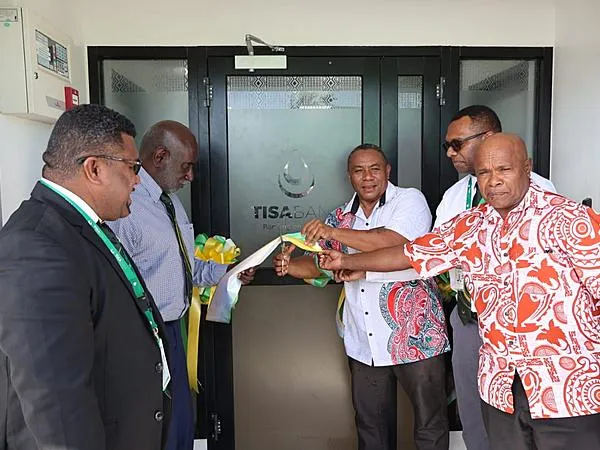
TISA Bank has officially opened its Kavieng Branch, marking a significant milestone in the bank's commitment to expanding access to banking services in New Ireland Province.

The opening ceremony was held in Kavieng and attended by the Governor of New Ireland Province, the Honourable Byron Chan, alongside provincial leaders, TISA Bank representatives, business partners and members of the public.

Speaking at the event, TISA Bank Board Chairman Moses Koiri said the new branch represents more than a physical expansion; it reflects a commitment to being closer to the people of New Ireland.

“This is more than a new branch for TISA Bank. It is our commitment to be closer to the people of New Ireland, making banking more accessible and practical for families, workers and businesses across the province,” Koiri said.

He noted that New Ireland is known for its strong communities and hardworking people, and TISA Bank’s presence in Kavieng reflects its desire to support local development through reliable and relevant banking services.

“Our aim is simple: to be here for our people and make everyday banking easier. Whether it is helping families manage their finances, supporting small businesses to grow, or providing companies with the tools they need to expand, this branch is here to serve those needs,” he added.

Welcoming the bank to the province, Governor Byron Chan commended TISA Bank as a modern and reliable financial institution.

“TISA Bank has proven to be a professional and reliable institution. I have personally experienced its services both locally and overseas, and it is encouraging to see this level of service now available in Kavieng. The opening of this branch is a key milestone that supports New Ireland’s ongoing economic growth and transformation,” Chan said.

Koiri acknowledged the support of provincial leadership and thanked the people of Kavieng for their warm welcome, describing the branch opening as the beginning of a strong and lasting relationship with the community.

The Kavieng Branch will provide a full range of banking services to individuals, businesses and organisations throughout New Ireland Province while reinforcing TISA Bank’s mission to deliver accessible, customer-focused banking across Papua New Guinea.

June 19, 2026

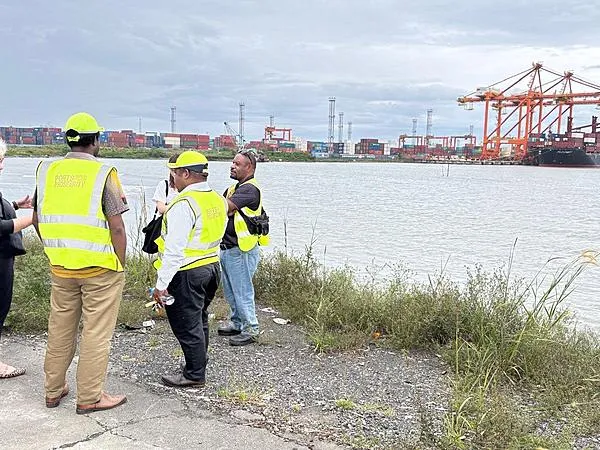
Papua New Guinea’s ports are more than gateways for cargo. They are the economic arteries of a nation. With a bold 30-Year Infrastructure Master Plan now being realised, PNG Ports Corporation is modernising its network to connect communities, attract investment and navigate towards the next generation of national growth.

PNG Ports Corporation Limited (PNG Ports) manages 15 of the country’s 23 declared ports, handling 10.8 million tonnes of cargo in 2025 alone and underpinning an estimated K29 billion, or 22 per cent, of Papua New Guinea’s GDP. From rice and fuel to gold, copper and palm oil, almost everything that moves in and out of the country passes through a PNG Ports facility. Yet the infrastructure supporting this vital national role has long been in need of modernisation.

That is now changing. PNG Ports’ 30-Year Infrastructure Master Plan, described as the largest port upgrade program in the corporation’s history, is delivering transformative investment across the entire national network. Backed by the Australian Government’s Australia-PNG Infrastructure Financing Partnership (AIFFP) contributing A$621.4 million (approx. K1.5 billion) and supported by the European Investment Bank (EIB) and Agence Française de Développement (AFD), the program is building resilient connectivity well into the future.

PNG Ports CEO Neil Papenfus says the program's ambition stretches well beyond the waterfront.

“Our infrastructure program is not simply about repairing wharves. We are securing the economic future of every province this network serves, improving the lives of the Papua New Guinean people who depend on it, and positioning PNG as a serious player in Pacific trade and logistics,” Papenfus said.

Kimbe Port: Rehabilitation Underway

The program is already delivering on the ground. Kimbe Port, PNG’s third-largest port and a critical gateway for West New Britain Province, the country’s largest producer and exporter of crude palm oil, is the first port to undergo rehabilitation under the K1.5 billion Port Infrastructure Investment Program (PIIP), financed by the Australian Government through the AIFFP. Since works commenced in August 2025, the project has progressed beyond the halfway mark, generating local jobs and direct economic engagement for communities across the province. Lae Tidal Basin, Kavieng, Oro Bay and Daru are next in line for upgrades under the same program.

Community Service Obligation Ports

Of the 15 ports managed by PNG Ports, only three, Lae, Port Moresby and Kimbe, are commercially self-sustaining. The remaining 12 operate as Community Service Obligation (CSO) ports: facilities that would not be viable on purely commercial terms, but which perform an essential social function for the communities they serve. Ports such as Daru, Aitape, Vanimo and Wewak are lifelines for remote and rural populations where PNG’s terrain makes road connectivity impractical.

Without these ports, the cost of basic goods in these communities would escalate sharply, supply chains would break down and economic opportunities would wither. PNG Ports is working to ensure that the 30-Year Plan addresses both the physical upgrade of CSO ports and the development of sustainable funding pathways, including government support mechanisms, to keep these vital connections open and operational for generations to come.

A Pacific Pioneer: Rabaul’s “Green Port” Model

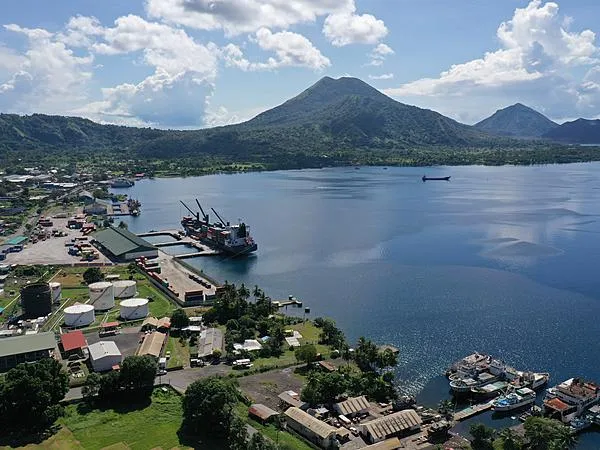
One of the most significant projects in the infrastructure program is the rehabilitation of Rabaul Port, with financing agreements between PNG Ports and AFD currently underway. The project, valued at approximately €82.6 million and expected to be co-funded by a €16.6 million EU grant, a €24 million AFD loan and a €24 million EIB loan, will be the first initiative in PNG to combine an EU grant with European partner loans under the Global Gateway strategy.

The Rabaul upgrade will rehabilitate key berths, upgrade the overseas berth, and pioneer a “green port” model for the Pacific, incorporating solar energy, advanced wastewater management, and climate-resilient infrastructure built to withstand rising sea levels and tropical storms. Construction is scheduled to commence in 2027, with completion targeted by 2030. The project is expected to create local jobs, reduce vessel waiting times, and strengthen Rabaul’s role as a regional import-export hub and redistribution centre serving some 300,000 residents of the East New Britain Province.

Lae Industrial Park offers build-to-suit developments, scalable land parcels and adaptable lease terms, supporting a wide range of industrial, logistics, processing and export-focused operations.

Lae Industrial Park: 350 Hectares of Opportunity

At the commercial frontier of PNG Ports’ growth strategy sits Lae Industrial Park, a 350-hectare world-class industrial and logistics precinct located directly adjacent to Lae Port, PNG’s busiest international terminal. With 45 hectares already developed, including hardstand with container capacity, sealed internal roads, drainage and security infrastructure, the park is open for business while offering significant room to grow.

The National Executive Council (NEC) has granted concept approval for Special Economic Zone (SEZ) status at the Lae Port precinct, a major milestone that will ultimately deliver fiscal incentives including tax and customs concessions to park tenants. Targeted industries include agribusiness and onshore processing, manufacturing, energy and utilities, and logistics and warehousing: precisely the sectors PNG needs to diversify its economy beyond primary commodities.

PNG Ports Chief Commercial Officer, Deborah Onga, describes the park’s appeal to investors as already tangible.

“Lae Industrial Park is a genuine investment-ready proposition. Businesses that locate here gain direct access to PNG’s largest port, proximity to regional shipping routes, and the flexibility to scale operations as their needs grow. With SEZ status on the horizon, the value proposition for investors will only strengthen, and we are ready to work with partners to bring that vision to life,” said Onga.

PNG Ports’ 30-year infrastructure plan represents a coherent and ambitious national vision, one in which Papua New Guinea’s ports are not simply maintained but fundamentally transformed into engines of economic growth, regional connectivity and community resilience. Critically, that transformation is also a matter of readiness. With a new wave of major resources projects on the horizon, PNG needs ports that are capable of handling the scale and complexity of next-generation industry. The infrastructure program is ensuring they will be.

June 19, 2026

Resources and/or Reserves

The words resources and reserves as applied to the presence of oil and gas deposits are often quite casually used without due regard for their actual meaning. This can clearly mislead people either by grossly exaggerating, or under-estimating the importance of an undrilled prospect, the potential oil and gas production of a field, or even the actual petroleum endowment of a nation. The latter can in turn lead to very serious economic policy errors by a government.

A country may be prospective for petroleum accumulations, but being prospective is only a statement of there being the potential for oil and gas to have accumulated into discrete subterranean pools, or accumulations, which may have the potential to be tapped by wells drilled into them. These accumulations have to be found first by field exploration and the drilling of wells, which are not easy tasks. Discovered accumulations then have to be evaluated for the quality of the petroleum that they bear and their extent, and only if they are large enough, might they be considered for commercial recovery of that discovered petroleum. In this discussion, I only discuss conventional oil and gas accumulated in porous and permeable reservoirs, not oil and gas unlocked from less permeable strata by fracturing or gas released from degasification of coal – coal bed methane.   


Figure 1: Section through rock strata illustrating subsurface sources of oil and gas, after U.S. Energy Information Administration.

Discovery

Exactly what constitutes a discovery can be debated for hours by petroleum technocrats.   The Society of Petroleum Engineers defines a discovery as being a “petroleum accumulation where one or several exploratory wells through testing, sampling, and/or logging have demonstrated the existence of a significant quantity of potentially recoverable hydrocarbons and thus have established a known accumulation.” In this context, recoverable means that the hydrocarbons have to demonstrate that they are indeed moveable and are not just immovable residues. 

A significant quantity implies that there is evidence of a sufficient quantity of petroleum to justify estimating the in-place volume of petroleum as demonstrated by the drilling of wells into the accumulation and for evaluating the potential for future commercial recovery of that petroleum.

One should be cautious in the use of the term discovery. Discovery should not be translated into undue expectations of oil and gas field development and petroleum incomes.  Development of any oil and/or gas accumulations only comes as and when there are proven to be adequate recoverable oil and/or gas reserves to warrant the expense and effort of development and production operations. Discovery is the first elemental step towards development, but it is only the initial identification of the accumulation of petroleum, the scope and dimensions of which has to be subsequently ascertained.

Interestingly enough, the Papua New Guinea Oil and Gas Act does not define discovery, though it does require the discovery of petroleum to be notified to the Government immediately and details of the same to be provided within three days. The licensee may then be directed to furnish “written particulars of the chemical composition and physical properties of the petroleum; and the subsoil in which the petroleum occurs; and any other pertinent matters.” Typically, the acid test of a discovery has been the testing of the discovery well to see if the petroleum will flow from the subsurface reservoir to the surface, though modern downhole tools can simulate such tests and provide a reasonable understanding of the petroleum content of the discovered accumulation and the ability of its reservoir to permit the flow of its contained fluids.  


Figure 2: Testing of the Pasca A-4 well in the Gulf of Papua in 2019, after Twinza Oil Ltd.

The evaluation of the results of an exploration well needs to be done most carefully. Full attention to the monitoring of the petroleum operations is essential to preserve the interests of the nation, not that the petroleum companies might mislead the government, but errors of interpretation and judgement do occur. 

In one famous case in Papua New Guinea, a well-known operating petroleum company thought that it had made an oil and gas discovery. In an effort to keep up with its fiduciary duties to its shareholders and its Australian Stock Exchange listing requirements, it issued a press release announcing that it had made a significant oil and gas discovery of considerable thickness with well logs showing a gas cap overlying a respectable oil column. The company’s development geologist courteously delivered a copy of the press release to the author at the Government’s Petroleum Division at the Department of Petroleum and Energy together with a set of the well logs (which necessarily excited the author). After ten minutes of cursory review of the logs, the author announced to the company’s development geologist that the company had not discovered any oil or gas, but that the well had rather encountered reservoirs full of water. The press release was suitably endorsed and sent back to the company’s managing director, who was stunned in disbelief.  The company proceeded to evaluate the well the next morning with a full well test of the various supposed hydrocarbon-bearing reservoirs, but the well tests flowed only water. Such was not only a grave disappointment and embarrassment to the company, but also to the Government which naturally would have preferred a discovery.


A Field

In conventional petroleum reservoirs, a field is typically an area consisting of a single accumulation or multiple accumulations in a reservoir or reservoirs all grouped on, or related to, the same individual geological structural feature and/or stratigraphic condition. There may be two or more reservoirs in a field that are separated vertically by intervening impermeable rock, laterally by local geologic barriers, or both. Aside from accumulation and reservoir, some jurisdictions use the term pool. In Papua New Guinea, a petroleum pool is defined as a “naturally occurring discrete accumulation of petroleum.”


Figure 3: Map of the Kutubu oil and gas fields: Iagifu-Hedinia, Agogo and Usano, after Oil Search Ltd.


Poor Advice Can be Misleading

In one developing country, its foreign expert oil and gas advisers told the government that it had one billion barrels of crude oil. However, that estimate was only an assessment of the overall potential petroleum endowment of the country, if it might be realised through appropriate exploration and discovery. It was a probabilistic estimate based on an assessment of regional geological parameters that are conducive to the formation of petroleum accumulations. It was obviously dependent on the results of exploration which might, or might not take place. Moreover, the advice failed to define whether that was the amount of oil and gas that might be found in situ within the yet-to-be-discovered accumulations, or whether it would be the amount of oil and gas that might be recoverable, either technically or economically.

Alas oil, as we all know, is viscous and sticky, and does not flow easily. It also requires energy to flow to the surface, so only a proportion of all subterranean oil discovered is ever recovered. That estimate of the country’s oil endowment also only had a 50% probability. Subsequent exploration by oil and gas companies found just several accumulations of crude oil amounting to an aggregate 200 million barrels of oil-in-place. Oil-in-place is the petroleum that exists originally in naturally occurring accumulations, discovered and undiscovered, before production begins. However, the discovered oil was of high viscosity and density, and only 9% was found to be actually recoverable and potentially able to yield 18 million barrels of actual oil production for sale and use.

Politically, the President of the country had staked his national policies on the cited one billion barrels by multiplying that quantity by the then current price of crude oil of US$ 50 per barrel. Thus, he contemplated having a massive US$ 50 billion contribution to the nation’s economy, and maintaining his popularity and position based on such. He told the people that the country would become a member of OPEC and everyone would have cheap gasoline and diesel.

However, the reality was that the discovered recoverable 18 million barrels was quite difficult to win from the ground and the development and operating costs amounted to US$ 30 per barrel, leading to a net value of subsequent oil production being only US$ 20 per barrel for a total value of just US$ 360 million. The President then realised that the Government’s Production Sharing Contract more or less allowed the oil companies to keep 50% of the net value of the produced crude, so his government got just US$ 180 million. And this was spread out over twenty years providing an average income to the Government of just U$ 9 million per year, a far cry from the spectacular windfall of US$ 50 billion. The President was accused of misleading the people and was not re-elected in subsequent national elections.

There is no need for such grave errors. It is the duty of the petroleum technocrat, specialist or expert, be he or she: an adviser, a government official, or a company official to advise non-technical people appropriately, and with great caution. Politicians and others have their expertise, and we petroleum folks have ours; it is our job to communicate our findings to others with professional care and diligence.

In one West African nation, the author once had to tell the President’s Adviser that she was not qualified to talk about the potential oil reserves that some international company had been promoting to her boss, making the President overly exuberant and excited about future oil production. She was alarmed and annoyed when told that the country had no petroleum reserves, but only prospective petroleum resources that had yet to be discovered, may be. Some ten years later, those wells have yet to be drilled, and the country still has no proven oil reserves.

On another occasion in Papua New Guinea, when Chairing the Opening Ceremony of the Second PNG Petroleum Convention in May 1993, the author had to carefully and cautiously advise the then Prime Minister, the Rt. Hon. Paius Wingti, PC (next to whom, the author was sitting) that the enormous Indonesian gas reserve figures being talked about by our guest keynote speaker, Ir. Suyitno Patmosukismo, the then Director General of Indonesia’s Ditjen MIGAS, (an abbreviation for Minyak dan Gas Bumi, or Oil and Gas, and the State regulator of oil and gas) were not actual proven recoverable volumes of gas, but probabilistic estimates of potential undiscovered resources.  This put our modest, but conservatively estimated proven recoverable gas resource identified by that time in perspective, and we felt less humbled! The Prime Minister was grateful, and the author had done his duty.


Figure 4: Extract from the Programme of the Second PNG Petroleum Convention, May 1993

The mainstream media (newspapers, television and radio) often make mistakes in talking and writing about oil and gas resources and reserves, often needing specialist technical correction after promoting public misunderstanding. Sensational news sells better, one supposes.  I shall not dwell on the many inaccuracies of social media in these matters.

Within the petroleum industry, we may also sometimes find speculation, especially by smaller oil and gas exploration companies that wish to talk up the petroleum resource potential of their exploration areas. Often this is done to make investment in their company seem more attractive. Whilst the larger integrated international oil and gas companies do not need to play such games, there are times when they might exaggerate the potential of undrilled leads and prospects to the non-technical minds of political leaders in an attempt to persuade them to consider favourable treatment and regulatory actions.


Petroleum Resources Management System

The petroleum industry has rules about such matters. The systematic reporting of petroleum resources has been developed progressively over nearly one hundred years.  Today, the Petroleum Resources Management System (PRMS) is highly developed, and subject to regular revision and update. It is published by the Society of Petroleum Engineers, and its Oil and Gas Reserves Committee. It has wide industry input and sponsorship from other industry organisations, such as the World Petroleum Council (WPC), and the American Association of Petroleum Geologists (AAPG), among others.

The PRMS provides a consistent approach to estimating petroleum quantities, evaluating projects, and presenting results within a comprehensive classification framework.


Petroleum

First of all, we need to be sure of what we are talking about.  Petroleum is defined as a naturally occurring mixture consisting of hydrocarbons in the gaseous, liquid, and or solid state. Petroleum may also contain non-hydrocarbons, common examples of which are carbon dioxide, nitrogen, hydrogen sulphide, and sulphur, and in rare cases, non-hydrocarbon content can be greater than 50%. Interestingly enough, in Papua New Guinea, although the definition of petroleum is more or less the same, the Oil and Gas Act simultaneously refers to helium alongside petroleum.  Helium was found in both the Barikewa 1 and Iehi 1 wells drilled respectively in 1958 and 1960 by Island Exploration Company and the Australasian Petroleum Company. Albeit in relatively low concentration of only about 0.1% in the discovered natural gas stream, it may one day yet have commercial value if the gas from these fields is ever produced for LNG production.


Petroleum Resources

The term petroleum resources is used to encompass all quantities of petroleum both recoverable and unrecoverable naturally occurring in an accumulation on or within the Earth’s crust, discovered and undiscovered, plus those quantities already produced. Further, it includes all types of petroleum whether currently considered conventional or unconventional.


Petroleum Reserves

Petroleum reserves are those quantities of petroleum anticipated to be commercially recoverable by application of development projects to known accumulations from a given date forward under defined conditions. Reserves must satisfy four criteria. They must be discovered, recoverable, commercial, and remaining (as of the evaluation’s effective date) based on the development project(s) applied.

Reserves are recommended as sales quantities as metered at the reference point. Where the entity also recognises quantities consumed in operations as reserves these quantities must be recorded separately. Non-hydrocarbon quantities are recognized as reserves only when sold together with hydrocarbons or volume consumed in operations associated with petroleum production. If the non-hydrocarbon is separated before sales, it is excluded from reserves.

Reserves are further categorized in accordance with the range of uncertainty and should be sub-classified based on project maturity and/or characterised by development and production status. The PRMS summarises this in its Resource Classification Framework. The horizontal axis reflects the range of uncertainty of estimated quantities potentially recoverable from an accumulation by a project, while the vertical axis represents the chance of commerciality, which is the chance that a project will be committed for development and reach commercial producing status.


Figure 5: Resources Classification Framework, after the Petroleum Resources Management System (PRMS) of the Society of Petroleum Engineers.


Proved, Possible and Probable Reserves

In dealing with uncertainty of petroleum reserves, the PRMS classically uses the terms: proved, probable and possible.  

Proved reserves are those quantities of petroleum that, by analysis of geoscience and engineering data, can be estimated with reasonable certainty to be commercially recoverable from known reservoirs and under defined technical and commercial conditions. If deterministic methods are used, the term “reasonable certainty” is intended to express a high degree of confidence that the quantities will be recovered. If probabilistic methods are used, there should be at least a 90% probability that the quantities actually recovered will equal or exceed the estimate.

Probable reserves are those additional reserves which analysis of geoscience and engineering data indicate are less likely to be recovered than Proved Reserves, but more certain to be recovered than Possible Reserves. It is equally likely that actual remaining quantities recovered will be greater than or less than the sum of the estimated Proved plus Probable Reserves (2P). In this context, when probabilistic methods are used, there should be at least a 50% probability that the actual quantities recovered will equal or exceed the 2P estimate.

Possible reserves are those additional Reserves that analysis of geoscience and engineering data suggest are less likely to be recoverable than Probable Reserves. The total quantities ultimately recovered from the project have a low probability to exceed the sum of Proved plus Probable plus Possible (3P) Reserves, which is equivalent to the high-estimate scenario. When probabilistic methods are used, there should be at least a 10% probability that the actual quantities recovered will equal or exceed the 3P estimate.

Of course, to be presented as a reserve the petroleum in question has to be discovered, recoverable, commercial, and remaining to be recovered based on a scheme of development to be applied. Where petroleum accumulations fall short of these criteria, they are generally considered to be contingent resources. 


Commerciality

Discovered recoverable quantities of petroleum or contingent resources may be considered commercially mature, and thus attain reserves classification, if the entity claiming commerciality has demonstrated a firm intention to proceed with development. This means the entity has satisfied its internal decision criteria. This is typically the rate of return at or above the weighted average cost-of-capital or the hurdle rate. Commerciality is achieved with the entity’s commitment to the project and all of the following criteria:

  1. Evidence of a technically mature, feasible development plan.
  2. Evidence of financial appropriations either being in place or having a high likelihood of being secured to implement the project.
  3. Evidence to support a reasonable time-frame for development.
  4. A reasonable assessment that the development projects will have positive economics and meet defined investment and operating criteria
  5. A reasonable expectation that there will be a market for forecast sales quantities of the production required to justify development. There should also be similar confidence that all produced streams (e.g., oil, gas, water, CO2) can be sold, stored, re-injected, or otherwise appropriately disposed.
  6. Evidence that the necessary production and transportation facilities are available or can be made available.
  7. Evidence that legal, contractual, environmental, regulatory, and government approvals are in place or will be forthcoming, together with resolving any social and economic concerns.

One might consider the current status of the Elk-Antelope gas field which is to be developed for production gas as feedstock for processing as liquefied natural gas (LNG) by the renowned international oil and gas company, TotalEnergies. In the context of the PRMS, the petroleum of the Elk-Antelope gas field is on the brink of becoming commercial, and thence considered as petroleum reserves. The PRMS nicely demonstrates the transition of contingent resources where development is pending to reserves justified for development and then approved for development.

The fields currently contributing gas to the PNG LNG Project clearly have proved reserves which are either currently being produced or are to be produced.  As such fields continue to produce gas their proved reserves are systematically depleted by that production. We term production as the total cumulative quantity of petroleum that has been recovered at a given date. Proved reserves may be replenished as the operating company obtains more and more information about the petroleum accumulation it is producing and their reservoirs.  Reserves which previously had less certainty of recovery may migrate from the possible reserve category to the probable reserve category and likewise from the probable category to the proved category.  This is not a certainty, but the phenomenon of reserve creep is often realised as production continues, reservoir knowledge and understanding of its behaviour are amassed and field experience expands, but not always. There can be equally disappointing outcomes.


Figure 6:  Sub-classes of petroleum based on project maturity, after the Petroleum Resources Management System (PRMS) of the Society of Petroleum Engineers.


Plays, Leads, and Prospects

Oil companies will talk of checking out a play. A play is a geological argument used to justify exploration for hydrocarbons. Critical geological ingredients may be present in an area that may encourage the notion that petroleum accumulations might have formed within the subterranean strata.  A sedimentary basin may have developed sometime in geological history within the strata of which buried organic material may have matured into oil and gas. The petroleum geologist will have ideas of possible trapping mechanisms which may have caused any generated petroleum to have accumulated in geological traps which would necessarily have to be formed before the petroleum migrated due to its buoyancy.     

Geological, geophysical and geochemical are undertaken to identify potential structural trends which may provide potential traps. These are often called leads.  When such leads are examined more closely to ascertain that they meet all the criteria for formation of a petroleum accumulation, prospects may emerge which may be worthy of drilling to determine whether there might be a petroleum accumulation worthy of commercial production. Oil companies will drill their best and largest prospects with the hope of finding oil and gas. Alas, all parameters for the formation of an accumulation have to be present and with the correct timing, so often drilling is not successful. Subtleties of geological history and evolution of the geology of the area may preclude the prospect from bearing hydrocarbons. Sometimes perseverance is required as the drilling of several prospects provides more specific geological knowledge of the area, and eventually a discovery is made. There are so many cases where companies have drilled a series of well unsuccessfully, only to have a pleasant surprise eventually with a late discovery. 


Figure 7: Plays, leads and prospects, after Sabrine Berkat, ALNAFT, Algeria.


Appraisal

Once a discovery is made, the question everyone asks is, “How big is it?” This is a simple, but daunting question.  A typical petroleum prospect in Papua New Guinea might need to be of considerable size to justify and warrant it being drilled in the first place. Take for example, the Iagifu prospect of the Iagifu-Hedinia oil field, in production since 1992 as part of the Kutubu Project. Its pre-drill prospect structure was approximate 6 kms long by 3 kms wide, and ellipsoidal in shape covering an area of about 56.5 square kilometres.  Consider that the drill bit that first entered the oil-bearing Toro Sandstone reservoir at 2,430 metres depth in the well was just 12-1/4 inches in diameter, or only 0.076 square metres or 760 square centimetres in area. That bit probed only just over five billionth parts of the prospect, a minute portion of the prospect indeed. A discovery is nice, but it does not make a field. Sometimes there is not even a defined accumulation, if the discovery cannot be delineated or appraised by further drilling to map out the lateral extent of the accumulation across the geological structure which formed the prospect. There was an extraordinary discovery called Makas 1-X, which was drilled in the 1990s and which allegedly found an oil-bearing sandstone. The well ran into technical difficulties and had to be re-drilled, but when that new well encountered the reservoir sandstone, it was barren of oil. In this instance, appraisal refuted the supposed discovery.

Appraisal seeks to probe the full extent of a newly-discovered petroleum accumulation by the drilling of more wells into the prospect. This is done to gauge whether the accumulation contains enough petroleum to be able to sustain production on a profitable commercial basis. It is an important critical stage of petroleum development. The drilling of further wells on a discovery has to be encouraged and promoted, and if necessary, government regulators need to ensure it takes place. 


Figure 8: An early post-discovery depth map of the top of the oil-bearing Toro Sandstone reservoir over the Iagifu and Hedinia anticline, after Paul Lamerson, Chevron, 1988.    

The operating petroleum company may not wish to spend precious financial resources on appraisal immediately. It may have other competing or urgent investments.   The Papua New Guinea legislation does not define the term appraisal of a discovery, but appraisal of a petroleum discovery is included in the rights of petroleum prospecting licensee. However, the government may direct the licensee to do such things as are thought necessary including the completion of wells, the conduct of drill stem or extended production tests for appraisal of a discovered petroleum accumulation. More specific appraisal requirements are contained either in legislation, licence conditions or production sharing agreements elsewhere.  The Papua New Guinea Oil and Gas Act does enable the declaration of what is known as a Location over the specific block within which a discovery is made, and up to eight adjoining blocks (a block is 5 minutes latitude by 5 minutes longitude, or about 81 square kilometres at the latitudes of Papua New Guinea).

The declaration of a Location enables some degree of retention of the licence area by the discoverer, but also importantly triggers the ability of the Government to  require various investigations and studies as to assess the feasibility of the construction, establishment and operation of an industry for the recovery of petroleum from the location, particularly technical and economic feasibility studies relating to the recovery and transport of petroleum from the location and processing of the petroleum.


Estimating the Resources

Once a petroleum accumulation has been found and appraised by the drilling of further wells which have shown that the petroleum can flow to the surface, the next big question is the size of the accumulation. Essentially, size of the accumulation it is a matter of size of the reservoir, and that in turn depends on the size of the geological structure that may have formed the trap within which the petroleum got trapped and has been found. Quite simply, the more petroleum bearing rock there is, the more petroleum will be in-place; we call this the bulk rock volume.  In simple terms, this is the area of the reservoir times its thickness, though complexities of the geological structure and its shape make this considerably more complicated. 

Now, we must remember that in a conventional petroleum reservoir, the petroleum is located in the pores within the rock, a bit like water in a sponge. So, determining the porosity of the reservoir rock is a fundamental factor that has to be measured. A sample of rock can be obtained from the well and physical studies can be made of it to ascertain its porosity as a percentage of the rock, or electronic tools can be lowered into the well to measure physical properties of the rock from which its porosity may be calculated. Within the subsurface rock strata, water abounds, remnant from the time of deposition. When petroleum accumulates in a porous reservoir rock it, displaces the water, but not perfectly or completely. There is always some water left behind. Accordingly, a portion of the porosity of the rock still contains water depending on local subsurface geological condition.  Again, measurements can be made of the reservoir rock in situ by special electronic tools to ascertain what percentage of the pores is filled with water, and what percentage is filled with petroleum.  This, we call the water saturation.

When petroleum flows to the surface from a reservoir, it is moving from a location of high pressure and somewhat elevated temperature to standard atmospheric conditions. Oil containing gas will shrink as it rises up the well to ambient conditions as the gas comes out of solution. There is also some shrinkage due to temperature change effects and expansion due to pressure relief.  This volume change is called the shrinkage and is expressed as the formation volume factor, the ratio of the volume of petroleum at reservoir conditions to the volume at surface conditions. It typically ranges from 1.0 to 3.0. 

In the case of gas, as it flows up the well, it will expand in classic response to the decrease in pressure and temperature from subsurface reservoir conditions to surface conditions.  The gas formation volume factor is generally much lower, ranging from 0.001 to 0.01 reservoir volume per surface volume.

Multiplying these factors together, in broad terms, we get:

Volume of petroleum at surface = bulk rock volume x porosity x (1-water saturation)/formation volume factor     

This is what we call a volumetric method, which is adequate in cases where we have some idea of rock and fluid parameters. It is generally used in early stages of appraisal of an accumulation.  Other methods are the material balance method in which the tracking of pressure changes is used to estimate remaining reserves, and decline curve analysis, which uses field production data trends to predict future output. Of course, this discussion is quite generalised, and there are many intricacies and additional dependencies.


Figure 9: Classical methods of petroleum reserve analysis after petroleum concepts on Instagram

Petroleum is normally a complex mixture of many different hydrocarbons. Oil most often contains hydrocarbon gases in solution and natural gases contain liquid hydrocarbons in solution.

Also, rarely are reservoirs undisturbed and quite often the very tectonic forces that created the geological structure within which the petroleum has been trapped may cause intricate faulting of that reservoir. This can often spoil the continuity of the reservoir and effectively break it up into many small pieces of reservoir some of which may not have been able to be charged with oil or gas.   This often only becomes evident when infill drilling between the discovery and appraisal wells demonstrates such discontinuities. Faults identified in the wells within the reservoir rocks indicate localised tectonic displacement and what is called compartmentalisation.  This is the case in the Kutubu oil fields which then required very careful placement of production wells to tap the oil-bearing parts of the reservoir.

Sometimes water enters the petroleum bearing reservoir and flushes the hydrocarbons out of place leaving behind only a residual viscous smear of the original oil charge of the reservoir and the flushing waters.  Such was the case in the Toro sandstone reservoir of the large Mananda anticline which showed excellent signs of bearing oil, but the primary charge had been flushed away leaving only a non-recoverable residue. 

In some reservoirs, the porosity of the reservoir varies laterally due to changes in the original depositional environment of the sediments, or later mineralogical or chemical changes.  The amount of water remaining in the reservoir pores can vary across a field, and hence the degree of fill of that porosity by hydrocarbons.  

As one may realise, the assessment of the original oil-in-place or original gas-in-place can become quite tricky.  Then, there is one more factor that is absolutely necessary for the oil and /or gas to flow into the well bore; that is permeability. 

Permeability is the ability of a porous material (such as rock) to allow fluids (either liquids or gases) or gases to flow through it. Permeability measures how easily fluids flow through the interconnected pores under pressure. High permeability allows easy flow, while low permeability restricts flow. The majority of rocks (more than 93%) have very little permeability and a small amount (2%) have fair to good permeability, the balance are considered to be poorly permeable or tight. From the 2% permeabilities range from 1 to 1000 milliDarcies (mD, the unit of permeability named after Henri Darcy).  In the Hides gas field, the reservoir permeabilities of the Toro Sandstone reservoir range from 3 to 2,000 mD with the bulk of readings being between 30 to 150 mD.  Such permeability would be said to be good. Both permeability and porosity are related and in the Hides gas field Toro reservoir, permeability broadly scales with porosity which ranges between 2% to 18%.


Recovery Factor

It is good to have an accumulation full of hydrocarbons in a porous and permeable reservoir, but those hydrocarbons still need to be able to get to the surface to be able to be sold. They need to be recovered as oil and gas production. Exactly how much oil and/or gas may be recovered from a reservoir by production is not so easy to estimate.  For oil and gas to flow into a wellbore from a reservoir rock and flow to surface requires energy. The flow has to combat gravity and frictional forces to get to the surface. So quite obviously the higher the pressure of the reservoir and the less viscous the petroleum is, the better it will flow.   Measurements of reservoir pressure are therefore most important. 

In a gas field, the natural gas will fill its container, the reservoir and pressure within the connected reservoir will equilibrate.  As the gas is produced, the reservoir pressure will decrease just like a balloon deflating until such time as there simply is not enough pressure to force the gas out of wellbore. That then is the technical end of production. A crude estimate of the recovery factor of a gas field may be expressed as 1 minus the reservoir pressure at abandonment divided by the initial reservoir pressure. Typical gas fields have high recovery rates of between 50% to 80%.


Figure 10: Recovery factor versus depth of gas fields outside the USA with larger than 1 trillion standard cubic feet of gas in place, after Jean Laherrère, International Energy Agency.

Of course, gas fills its container and has a very low viscosity; oil is quite different. It is viscous, a liquid and hence moves much more slowly.  It does not fill its container as gas does. When a well penetrates an oil-bearing reservoir, the oil has to flow toward the borehole in response to a decrease in pressure caused by the well’s penetration into the reservoir.  As the pressure differential between the wellbore and reservoir decreases with time, the oil becomes more and more sluggish.  Lighter density oils move easier, but heavier density oils have a hard time. The amount of gas dissolved in the oil very much affects the ability of the oil to flow out of the well because as the pressure is relieved, the gas bubbles out of solution (just like opening a Coca Cola bottle) frothing up the oil and making the oil flow lighter and easier to ascend the well.  The amount of gas contained per barrel of oil in solution is known as the gas-oil ratio.  In the case of the Kutubu fields, the oil was very gassy from the beginning, and so recovery of the oil was much easier.  Indeed, there was so much gas produced with the oil that for many years the gas was reinjected back into the reservoir to help push the oil to surface. In this way, it was also effectively conserved until it too could be produced in the current PNG LNG Project. 

Some oil-bearing reservoirs are linked in the subsurface to active aquifers which provide additional energy to help maintain the reservoir pressure for a longer period of time.  Petroleum engineers and production geologists quite often devise water injection schemes to aid oil recovery in which massive amounts of water are pumped into the water lying below the oil to help it flow to the production wells. This is called water flooding.

Whilst the extent of gas recovery from a reservoir is more fundamentally connected to the change of reservoir pressure, the extent of oil recovery is not so readily estimated. Elaborate reservoir models may be built describing the reservoir rock, reservoir fluids and their parameters to create simulations of flow through an array of production wells.  These simulations can be correlated to actual flow of wells when tested and an overall assessment of likely recovery scenarios made.

Typical oil recovery rates are between 5% to 50% of the original oil-in-place, with an average often cited of around 30% to 35%. Secondary recovery techniques like water flooding and gas injection enhance recovery to between 30 to 40%. Enhanced oil recovery (EOR) techniques may significantly increase recovery by the injection of heat, gases, chemical to reduce viscosity and improve flow, but this comes at a cost.   


Figure 11: Recovery factor of 800 oil fields outside the USA, after Jean Laherrère, International Energy Agency


Ultimate Recovery

As one produces a field, be it an oil field or a gas field, the resources that were estimated to be in place at the beginning of production are steadily depleted. The extent of the recoverable reserves is reduced by every additional amount of production, so the reserves of a field decline. Those reserves that have been recovered and those that may yet be potentially recovered are referred to as the estimated ultimate recoverable reserves of the field. This is the ultimate measure of the total potential commercial output of a field.

To talk of the reserves of a particular petroleum province and its fields one can only project into the future as those resources that were once reserves and have been produced are no longer such. The estimates of reserves are estimates of the volumes of oil and gas that may be commercially recovered henceforth. A common measure of the utility of such reserves is the reserve-to-production ratio (R/P ratio). This estimates how many years the oil or gas will last at current production rates. It is calculated by dividing remaining proven reserves by the annual production rate. A higher R/P ratio indicates more years of supply remaining.

If one looks at the Statistical Review of Global Energy, the last edition that examines the R/P ratio was in 2020 providing statistics up to the start of Covid.  Oddly, after that BP and then the new owners of this great and useful report found it necessary to omit the listings of oil and gas reserves and with that, the comparative R/P ratios, perhaps to mollify the notion that a world in energy transition would still be producing oil and gas for decades to come.  Of course, circumstances change as we have seen in the dramatic actions of some nations in the first quarter of 2026.  The picture is clear; a select few countries dominate oil production now and in the longer term. Their ability to produce oil into the foreseeable will depend on their access to markets, which if denied may render their reserves to be purely technical. 

 Country

Proved Reserves (Billion Barrels of Oil)

R/P Ratio (Years)

Canada

169.7

82.3

Iran

155

120.6

Iraq

145

83.1

Kuwait

101.5

83.1

Russia

107

25.5

Saudi Arabia

297.6

68.9

USA

68.9

11.1

Venezuela

303.8

906.7

Total World

1,733.9

49.9


Figure 12:  Reserve-to-production ratios of countries with more than one billion barrels of proved reserves and the USA as at pre-Covid pandemic in 2019 after Statistical Review of Global Energy.

A similar story can be told for natural gas reserves. It is with respect to natural gas that Papua New Guinea earned a row in the statistics of the Statistical Review of Global Energy, having an assessed 0.2 trillion cubic metres of gas as proven reserves and an R/P ratio of 14.2 years. 

Papua New Guinea has been producing oil and gas since 1991 when the Kutubu Project produced its initial oil as feedstock for the Project refinery and the Hides Project produced its initial gas as feedstock for the Porgera mine power plant. In 1992, full scale oil production began at Kutubu and in 2014 large scale gas production at Hides for the PNG LNG Project commenced.

Papua New Guinea’s discovered oil and gas fields are listed below together with their estimated ultimate recoverable resources and reserves, which includes production to date and remaining resources and reserves.

Field Name(s)

Year of Discovery

Current Licence

Current Operator

Estimated Ultimate Recoverable Oil Resources and Reserves

Estimated Ultimate Recoverable Gas Resources and Reserves


Million barrels 

2C & 2P (incl. condensates & LPGs)

Billion cubic feet 2C & 2P

Barikewa

1958

PRL 49

Kumul Petroleum


439

Bwata

1960

PRL 39

ExxonMobil


68

Cobra & Iehi

1960

PRL 14

Santos


72

Uramu

1968

PRL 60

Kumul Petroleum


92

Pasca

1968

PPL 328

Twinza

90

464

Juha

1983

PDL 9

ExxonMobil

29

578

Kutubu

1986

PDL 2

Santos

337

1733

Hides

1987

PDL 1

ExxonMobil

159

6938

Pandora

1988

PRL 38

Kumul Petroleum


644

Agogo

1989

PDL 2

Santos

59

541

Angore

1990

PDL 8

ExxonMobil

13

1079

Elevala & Ketu

1990

PRL 21

TWL Energy

40

640

P'nyang

1990

PRL 3

ExxonMobil

78

4600

SE Gobe

1991

PDL 3

Santos

46

156

Gobe Main

1993

PDL 4

Santos

31

159

Paua

1995

PPL 378

Giri Energy

17


Moran

1996

PDL 2&5

Santos

20

344

Stanley

1999

PDL 10

TWL Energy

12

399

Kimu

1999

PRL 48

Kumul Petroleum


525

Triceratops

2005

PRL 39

ExxonMobil

2

30

Douglas

2006

PRL 40

TWL Energy

30

500

Pukpuk

2006

PRL 40

TWL Energy

0

365

Elk-Antelope

2006

PRL 15

TotalEnergies

64

6200

FlInders & Hagana

2006

PRL 41

Santos


1100

Ubuntu

2011

PRL 28

TWL Energy

4

100

Muruk

2016

PPL 402

Santos


845


Summations

1031

28611

The summations are pseudo-summations only, not statistical aggregations and should be used as a guide only

Figure 13: A list of oil and gas field discoveries in Papua New Guinea and their estimated ultimate recoverable resources and reserves (2C and 2P respectively) after David Manau, Secretary, Department of Petroleum and Energy (now Managing Director, National Petroleum Authority) modified and amended by the author from public information.

The extent of the future discovery of Papua New Guinea’s petroleum resources will depend entirely on investment in exploration and the necessary drilling of valid prospects.  In turn, the extent of reserves will depend on investment in development where production of those reserves may be assessed to be commercial.  Without such further investment, we can only produce those resources and reserves that are remaining until they are depleted to the extent that we can, given considerable infrastructure limitations.   Only successful exploration including the vital drilling of exploration wells will allow the above table to be augmented with Papua New Guinea’s yet to be found petroleum resources and reserves.


Word = 6,927


June 19, 2026

Ok Tedi Mining Limited (OTML) says its mining operations in Western Province continue to run normally despite ongoing dry weather conditions and low water levels along the Fly River.

The company said there has been no disruption to production activities and that operations remain stable as it monitors the impact of reduced river levels on logistics and supply chains.

OTML said it has sufficient food stocks and essential supplies on site to support both its operations and workforce requirements.

The company is also assessing and implementing alternative supply routes to ensure the continued delivery of fuel, food and other critical materials should river conditions worsen.

Managing Director and Chief Executive Officer Kedi Ilimbit said contingency plans are already being reviewed to maintain uninterrupted operations during the current dry season.

"Alternate routes are currently being reviewed for exporting copper concentrate and bringing in fuel and other supplies in the event of an El Niño," Ilimbit said.

"Unlike in the previous dry seasons, we didn't have those routes."

The Fly River serves as a critical transport corridor for the movement of supplies to the mine and for the export of copper concentrate. Low river levels associated with prolonged dry weather and potential El Niño conditions can affect barge movements and logistics operations across the region.

Despite these challenges, OTML said it remains committed to maintaining safe, reliable and continuous operations while ensuring the wellbeing of its employees and host communities.

The company added that it will continue to closely monitor weather and river conditions and provide updates as necessary.

OTML operates an open-pit copper, gold and silver mine in the Star Mountains of Western Province and is one of Papua New Guinea's largest resource companies. The majority state-owned miner exports copper concentrate to smelters and refineries in Japan, the Philippines, Indonesia, South Korea, India and Germany.

The company has operated in the region for more than 40 years and remains a major contributor to employment, royalties, compensation payments and business development opportunities in Western Province.

OTML is also expanding its presence in Papua New Guinea through the acquisition of Gallipoli Exploration Limited, a wholly owned subsidiary of Kingston Resources Limited, which owns the Misima gold project in Milne Bay Province.

June 19, 2026

The Remington Group, Papua New Guinea's leading technology solutions provider, has expanded its retail footprint into the Highlands region with the opening of its newest Remington Hi-Tek outlet in Mt. Hagen.

Joining the company's established locations in Port Moresby and Lae, the new store brings a wide range of technology products and services closer to customers in the Western Highlands and surrounding provinces.

To mark the occasion, Remington Hi-Tek hosted a vibrant Open Day on 16 June in partnership with the PNGFM radio team. PNGFM broadcast live throughout the day across its media platforms, generating excitement and engaging with the local community.

Visitors enjoyed an interactive experience featuring giveaways, trivia competitions, voucher prizes and other activities, while exploring the store's extensive range of laptops, smartphones and technology accessories.

The event attracted strong community support, with large crowds turning out to welcome the new store and discover the latest technology offerings.

Remington Hi-Tek is the retail technology arm of the Remington Group, one of Papua New Guinea's most established business groups. Through its nationwide network, the company supplies information technology products, office equipment, communications solutions, business systems and after-sales support to government agencies, businesses and consumers across the country.

With a longstanding commitment to innovation and customer service, the Remington Group continues to play a key role in supporting Papua New Guinea's digital transformation by providing access to world-class technology products and services backed by local expertise.

The opening of the Mt. Hagen outlet reflects the company's commitment to expanding access to technology beyond the country's major urban centres and supporting the growing digital needs of communities throughout the Highlands region.

The Remington Group extends its sincere gratitude to the people of Mt. Hagen for their warm reception and looks forward to serving the Highlands region for many years to come.

About Remington Group

The Remington Group is Papua New Guinea's premier technology solutions provider, delivering information and communications technology, office automation, business systems, telecommunications, security and retail technology solutions nationwide. With decades of experience and a strong presence across Papua New Guinea, the Group supports government, corporate and consumer customers through innovative products, trusted brands and dedicated local service.

June 17, 2026

Nine accommodation providers in Papua New Guinea have been recognised in Tripadvisor's Travelers' Choice Awards 2026, a distinction that highlights top-performing hospitality businesses based on traveller reviews and ratings from around the world.

The recognition was announced by the Papua New Guinea Tourism Promotion Authority (PNGTPA), which said the awards reflect the country's growing reputation for quality hospitality and visitor experiences. Tripadvisor's Travelers' Choice Awards are based on reviews submitted over a 12-month period and recognise businesses that consistently receive positive feedback from guests and rank among the platform's top-rated listings globally.

The Papua New Guinea properties recognised in the 2026 awards are Ela Beach Hotel, The Stanley Hotel & Suites, Grand Papua Hotel, Hilton Port Moresby Hotel & Residences, Loloata Island Resort, Lamana Hotel, The Sanctuary Hotel Resort and Spa, Rapopo Plantation Resort and Citi Boutique Hotel.

According to PNGTPA, the recognition demonstrates the commitment of Papua New Guinea's tourism and hospitality operators to providing high-quality accommodation, personalised service and memorable guest experiences. The agency said the award-winning properties showcase the diversity of the country's accommodation sector, ranging from waterfront resorts and island retreats to business hotels and boutique properties.

PNGTPA congratulated the award recipients and said their achievements contribute to strengthening Papua New Guinea's reputation as a tourism destination on the international stage. The authority noted that positive traveller reviews and globally recognised accolades are becoming increasingly influential as international travel continues to recover and expand.

The recognition comes as Papua New Guinea seeks to grow visitor arrivals and strengthen its tourism industry through improved service standards, destination marketing and investment in tourism infrastructure. Industry observers said the inclusion of multiple PNG properties in the Tripadvisor rankings provides valuable international exposure for the country's hospitality sector.

Tripadvisor says its Travelers' Choice Awards recognise businesses that consistently receive strong traveller reviews and are among the highest-rated listings on its platform worldwide. The awards are determined using the quality and quantity of reviews and ratings submitted by travellers over a specified period.

June 17, 2026

Nickel 28 Capital Corp. reported higher nickel and cobalt production, stronger sales volumes and lower operating costs from the Ramu Nickel-Cobalt operation in Papua New Guinea during the first quarter of 2026, with the project operating at 108% of its design capacity.

The company, which holds an 8.56% joint-venture interest in the Ramu operation, said production of contained nickel in mixed hydroxide precipitate (MHP) increased to 8,785 tonnes during the three months ended March 31, compared with 6,970 tonnes in the same period last year.

Contained cobalt production rose to 855 tonnes from 648 tonnes a year earlier.

Nickel sales totalled 8,632 tonnes during the quarter, up from 6,133 tonnes in the corresponding period of 2025, while cobalt sales increased to 838 tonnes from 569 tonnes.

Ore processed rose to 985,000 dry tonnes from 724,000 dry tonnes in the prior-year period, while MHP production increased to 21,697 dry tonnes from 16,902 dry tonnes. Nickel capacity utilisation reached 108% of design capacity, compared with 86% in the first quarter of 2025. Nickel 28 noted that quarterly utilisation can exceed 100% in periods without maintenance shutdowns or when operations benefit from process improvements.

Nickel inventory at the end of the quarter stood at 1,828 tonnes of nickel in MHP, compared with 1,674 tonnes at December 31, 2025.

The operation's production cost, net of by-product credits, declined to US$2.81 per pound of nickel produced in MHP from US$3.61 per pound in the same period last year, representing a 24% decrease.

Nickel 28 Chief Executive Officer Craig Lennon said the operation delivered a strong operational performance during the quarter and remained on track to achieve its full-year production targets.

He noted that no planned maintenance shutdowns occurred during the first quarter, with scheduled maintenance activities expected to take place in the second and third quarters.

The company said market conditions for both nickel and cobalt remained favourable during the period. The average London Metal Exchange nickel price was US$7.88 per pound, up 11% from the same quarter last year, while the average cobalt price increased 130% year-on-year to US$25.47 per pound.

Lennon said Indonesian government policy initiatives appeared to be targeting a nickel price environment of at least US$18,000 per tonne, equivalent to about US$8.17 per pound, while the broader industry continued to monitor the allocation of Indonesian production quotas and their potential impact on supply and pricing.

He added that payability levels for both nickel and cobalt remained above 90% and management expects those favourable terms to continue through the second and third quarters.

The company identified sulphur costs as the principal uncertainty facing the Ramu operation, citing reduced global supply linked to ongoing conflicts in the Middle East.

According to Nickel 28, higher-cost sulphur inventories are expected to be procured and consumed during the remainder of the year, which could place pressure on operating margins if nickel prices remain unchanged. The company said the impact of sulphur availability and pricing is being felt across the global nickel industry.

Nickel 28 also said the MHP market remains relatively tight, supported by strong payability levels. The company noted that any constraints on Indonesian nickel production resulting from quota allocations, together with continued sulphur supply disruptions, could further tighten the market and potentially support pricing.

The Ramu Nickel-Cobalt operation, operated by the Metallurgical Corporation of China, is one of Papua New Guinea's largest nickel projects. Nickel 28's 8.56% interest provides the company with direct exposure to nickel and cobalt, two metals widely viewed as critical to the global transition towards electric vehicles and battery technologies.

The company noted that the operating and financial figures released for the quarter are preliminary and remain subject to audit and final adjustment.

June 17, 2026

Great Pacific Gold Corp. has outlined an expanded exploration programme for the second half of 2026 at its flagship Wild Dog Project in Papua New Guinea, targeting a total of 13,000 metres of drilling as two diamond drill rigs continue to operate across key prospects within the project's 15-kilometre structural corridor.

The company said one rig is currently drilling at the Kavasuki prospect in the Main Zone, while a second rig is operating at Kasie Ridge in the North Zone. Exploration during the remainder of the year will focus on advancing priority targets across the project and developing additional prospects for future drilling.

At Kavasuki, drilling is aimed at testing the continuity and extension of known high-grade epithermal gold mineralisation. Holes KVH-01 to KVH-07 were completed along an east-west cross-section of a north-south trending epithermal vein, with assay results still pending for holes KVH-06 and KVH-07.

The company said holes KVH-08 and KVH-09 are step-out holes located approximately 250 to 300 metres north of the original drill section and are designed to test down-dip and horizontal continuity of mineralisation near a historic trench reported to have returned 28 metres grading 4.48 grams of gold per tonne.

Approximately 1,200 metres of a planned 1,950-metre drilling programme at Kavasuki has been completed. Assays for KVH-08 remain pending, while KVH-09 is currently being drilled.

Previously reported results from the current programme include 58.9 metres grading 2.43 g/t gold in hole KVH-01, including 4.6 metres grading 8.24 g/t gold, and 38.4 metres grading 2.17 g/t gold in hole KVH-03, including intervals grading 10.26 g/t gold and 15.78 g/t gold. Hole KVH-04 returned 59.9 metres grading 1.33 g/t gold, including 14 metres grading 2.61 g/t gold.

Meanwhile, the first drill hole ever completed at the Kasie Ridge prospect has confirmed the presence of a large sulphide-bearing hydrothermal system beneath the lithocap, according to the company.

Drill hole KAS-01 reached a depth of 593.5 metres and intersected increasing alteration intensity, sulphide abundance and structural complexity with depth. Great Pacific Gold reported crackle breccia, vuggy silica, anhydrite veining and sulphide flooding from 336 metres, while semi-massive pyrite was encountered from approximately 460 metres to the end of the hole.

The company said the hole ended in strongly altered sulphide-bearing ground and did not reach the base of the sulphide system, indicating the hydrothermal system remains open at depth. Assays are pending from KAS-01, while samples have also been submitted for mineralogical studies, including X-ray diffraction analysis, to further characterise alteration mineral assemblages and assist in vectoring towards potential fluid pathways and the core of the system.

Vice President Exploration Callum Spink said the first Kasie Ridge drill hole had confirmed the presence of a large sulphide-bearing hydrothermal system beneath the lithocap, with alteration and sulphide intensity increasing with depth and remaining open at the end of the hole.

Following completion of the second drill hole at Kasie Ridge, the company's second-half 2026 drilling programme will focus on the 4.5-kilometre Main Zone, where approximately 8,000 metres of drilling are planned across the Kavasuki, Magiabe, Mengmut, Morgan and EK targets.

Beyond the current drilling campaign, Great Pacific Gold is advancing exploration in the South Zone, which the company describes as the next growth front for the project. The area hosts high-grade gold occurrences along five kilometres of largely unexplored epithermal vein structures that represent an extension of the Sinivit-Kavasuki Main Zone corridor.

Recent exploration results from the South Zone include a rock-chip sample from Steel Creek that returned 150 grams of silver per tonne and 0.13% copper, while a follow-up trench returned five metres grading 24 g/t gold. At the Lost Dog prospect, a rock-chip sample returned 74.6 g/t gold, while sampling at Quartz Ridge returned 3.46 g/t gold.

The company said its field exploration team will focus on prioritising and advancing eight South Zone prospects for potential drilling in 2027.

Spink said the company sees significant potential across the Wild Dog structural corridor as drilling continues at Kavasuki and multiple exploration targets advance through the project pipeline.

The Wild Dog Project is located on the island of New Britain and comprises a 15-kilometre structural corridor hosting multiple epithermal gold targets at various stages of exploration.