Three premium agricultural products from Papua New Guinea's Sepik region have become the country's first officially validated Geographical Indications (GI), a development expected to strengthen export competitiveness, increase farmer incomes and enhance the international market value of PNG-grown cocoa and vanilla.
The products – Misim Vanilla, Torricelli Vanilla and Yuat River Cocoa – have successfully completed the review and validation of their product specifications under the European Union-funded Support to Rural Entrepreneurship, Investment and Trade in Papua New Guinea (EU-STREIT PNG) Programme, implemented by the Food and Agriculture Organization of the United Nations (FAO).
The milestone places the three products one step closer to formal GI registration through the Intellectual Property Office (IPO), a division of the Investment Promotion Authority (IPA).
A Geographical Indication is an internationally recognised intellectual property certification that links a product's quality, characteristics and reputation to its geographical origin. For Papua New Guinea, GI registration has the potential to position locally produced agricultural commodities alongside globally recognised premium products, creating stronger branding, greater consumer confidence and improved access to high-value export markets.
According to FAO, the initiative is expected to help Sepik farmers secure premium prices while protecting the names and authenticity of their products in international trade.
As part of the validation process, detailed Books of Specifications were prepared for each product, defining production standards, geographical boundaries and farming practices required for producers seeking to market their products under the GI designation.
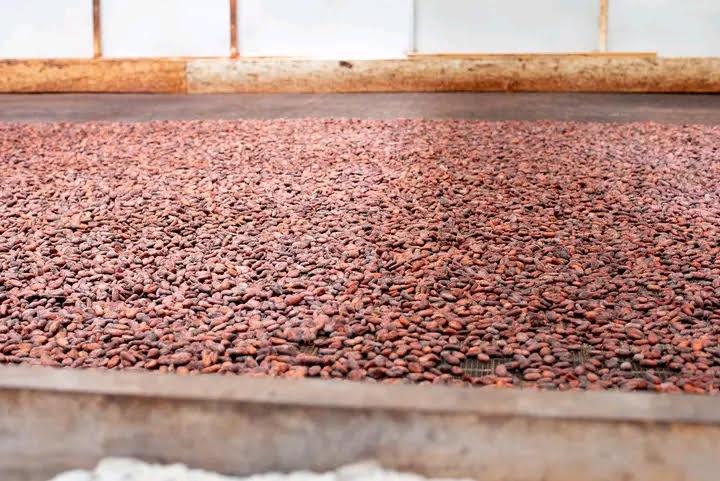
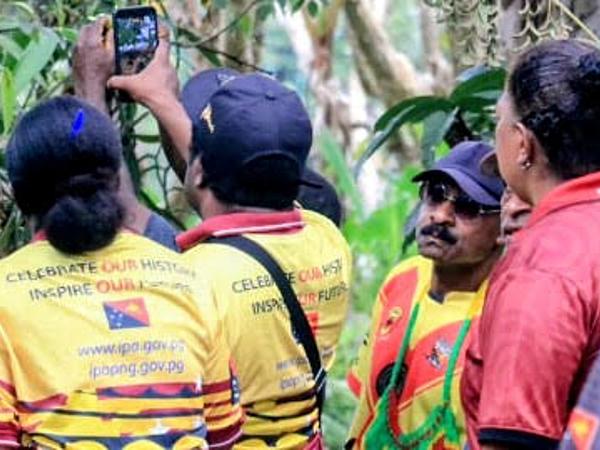
The specifications were verified through extensive field assessments, including farm inspections and consultations with farmers, processors and buyers, covering every stage of production from planting materials to harvesting and post-harvest handling. Stakeholders also received technical training throughout the process to ensure compliance with GI requirements.
The initiative is being implemented through collaboration between FAO, the Intellectual Property Office and international certification specialist Control Union, the programme's technical partner for Geographical Indications.
The next phase will focus on establishing producer associations and internal quality control systems to oversee compliance with GI standards before formal registration.
The development represents an important opportunity for Papua New Guinea's agriculture sector as international consumers increasingly seek products with verified origin, traceability and sustainable production practices.
The GI initiative forms part of the broader EU-STREIT PNG Programme, the European Union's largest grant-funded programme in Papua New Guinea under the EU Global Gateway Strategy.
Implemented as a United Nations Joint Programme led by FAO in partnership with the International Labour Organization (ILO), International Telecommunication Union (ITU), United Nations Capital Development Fund (UNCDF) and United Nations Development Programme (UNDP), the initiative aims to stimulate sustainable and inclusive rural economic growth across East and West Sepik provinces.
Beyond supporting the cocoa, vanilla and fisheries value chains, the programme also invests in digital inclusion, digital financial services, climate-resilient transport infrastructure and renewable energy, strengthening the foundations for long-term rural business development and private sector investment.
If registered, Misim Vanilla, Torricelli Vanilla and Yuat River Cocoa would become Papua New Guinea's first Geographical Indications, setting a benchmark for protecting and promoting the country's premium agricultural products in global markets while creating new economic opportunities for rural producers.