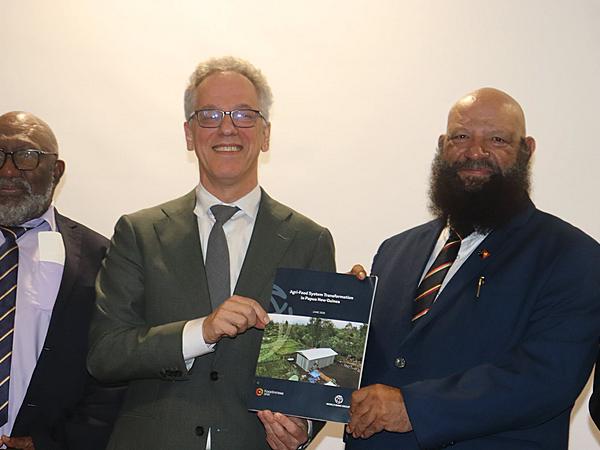
Papua New Guinea can significantly expand agricultural incomes, employment and private investment over the next decade by improving farm productivity, strengthening priority value chains and creating a more attractive investment environment, according to a new World Bank report launched on 30 June.
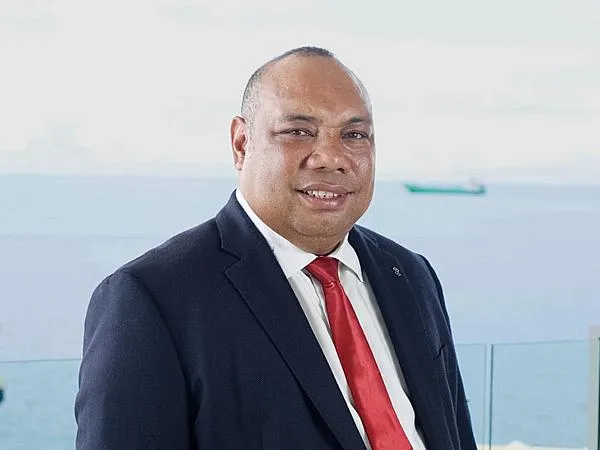
The report, Agri-Food System Transformation in Papua New Guinea, was launched in Lae by Agriculture Minister John Boito and World Bank Division Director for Papua New Guinea, Solomon Islands and Vanuatu Han Fraeters.
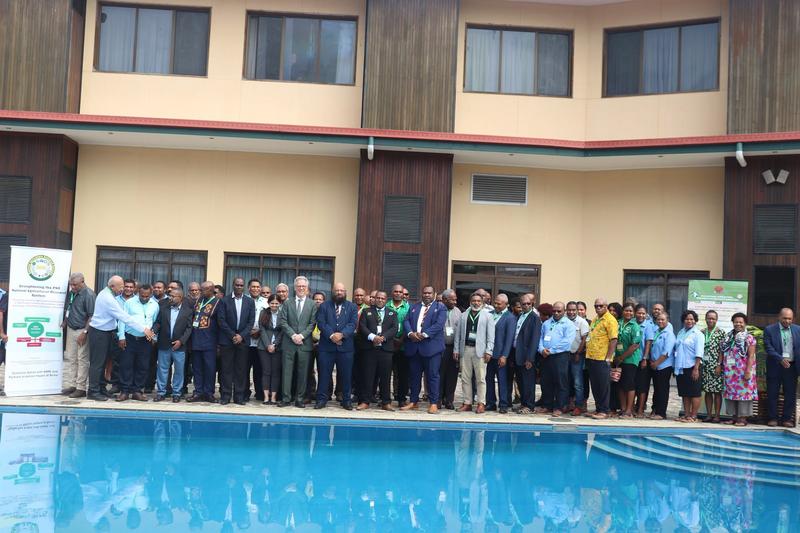
The launch formed part of the National Agricultural Research Systems (NARS) Policy Forum at the Lae International Hotel, where representatives from commodity boards, universities and the National Agricultural Research Institute met to review a National Agricultural Research Systems Policy Framework. Higher Education, Research, Science and Technology Minister Kinoka Hotune Feo attended the event virtually.
Fraeters said the report showed agriculture was already helping stabilise Papua New Guinea's economy, with higher cocoa, coffee and copra prices supporting growth in the non-resource sector in 2024.
However, the report noted that the country remains heavily reliant on a narrow resource base that generates limited economy-wide benefits, underscoring the need to broaden growth through agriculture and agribusiness.
The report identified three priorities that, if pursued simultaneously, could substantially expand income and employment across Papua New Guinea's agri-food system within a decade.
It said reforming and adequately funding agricultural research and extension services could lift agricultural productivity by about 25% over the next 10 years.
The report also identified stronger value chains in five priority commodities — coffee, cocoa, vanilla, horticulture and poultry — as a key opportunity to generate midstream jobs, particularly for landless young people, while helping reduce poverty.
A third recommendation called for institutional reforms, clearer regulations and corridor-based infrastructure investment to create conditions capable of attracting around PGK500 million in private co-investment that would not be achievable through public funding alone.
Boito thanked the World Bank for its continued support to Papua New Guinea's agriculture sector, particularly through the PNG Agriculture Commercialisation and Diversification Project and the Agri-Connect initiative, which support implementation of the National Agriculture Sector Plan.
The World Bank said the report draws on lessons from its engagement in Papua New Guinea's agriculture sector and is intended to help guide policies that strengthen agricultural productivity, improve market access and encourage greater private sector participation.