July 22, 2026

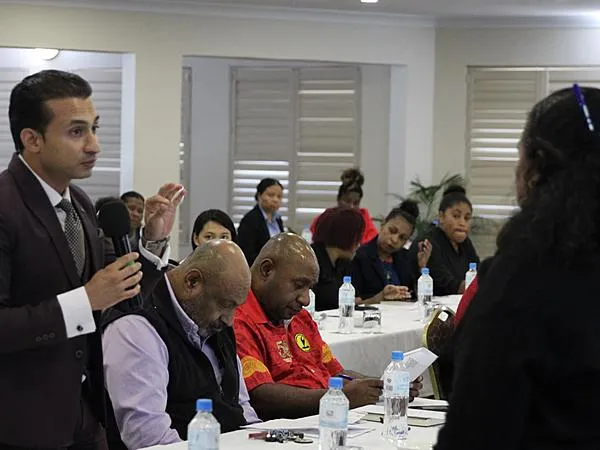
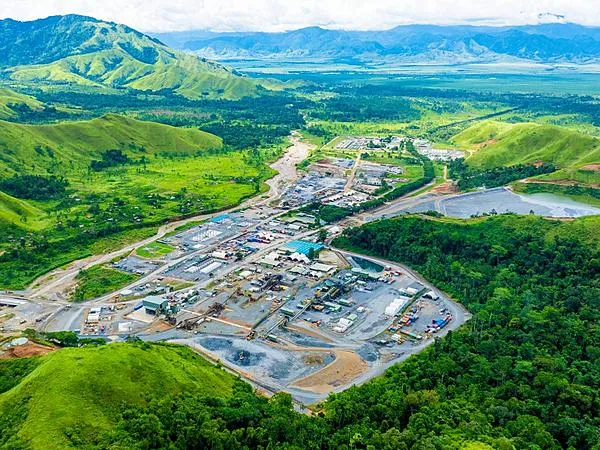
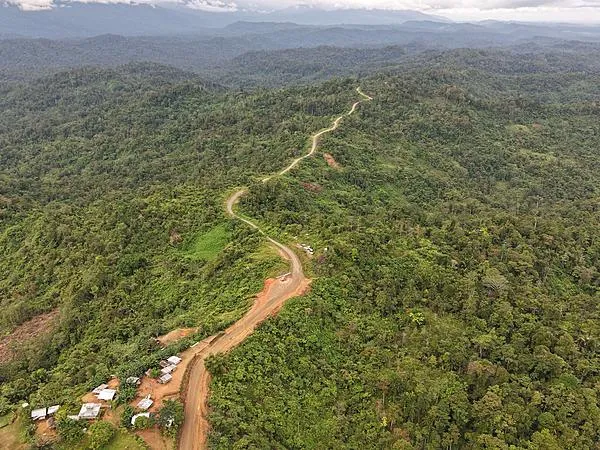
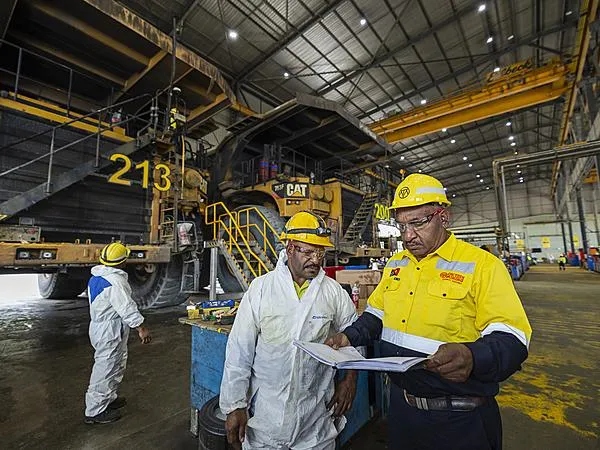
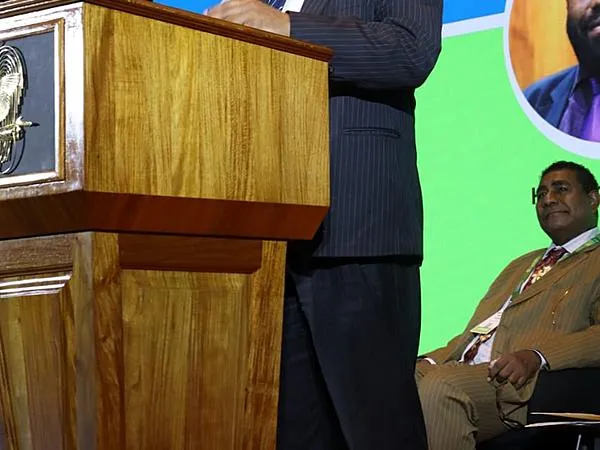
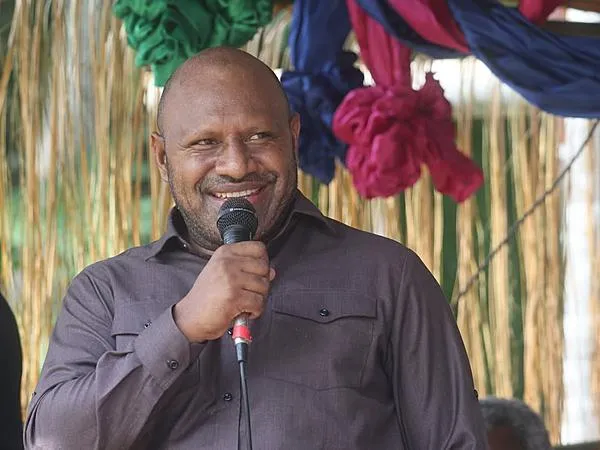
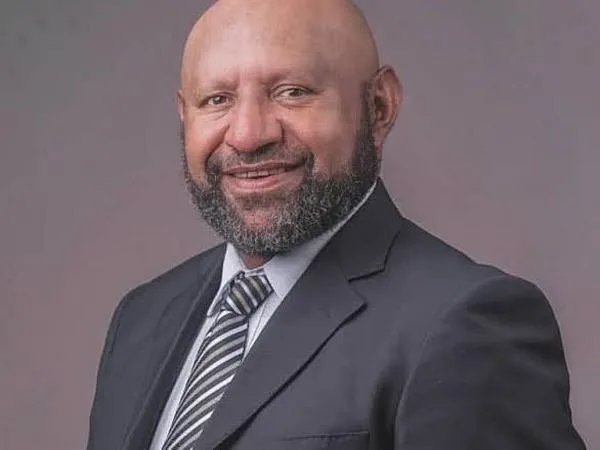
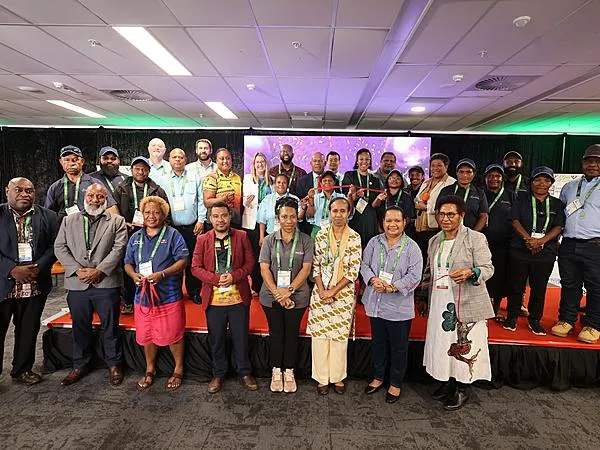
Ok Tedi Mining Limited (Ok Tedi) recently hosted senior government officials, political leaders, and landowner representatives from Morobe and Madang provinces on a fact-finding visit to Tabubil to learn how future resource projects can deliver greater benefits to landowners and local communities.

The week-long visit provided delegates with a rare opportunity to see firsthand how one of Papua New Guinea's largest mining operations has integrated local participation into its business model while continuing to contribute significantly to the national economy.

For leaders from Morobe, home to the Hidden Valley Mine and the proposed Wafi-Golpu project, and Madang, where the Ramu Nickel Mine and future resource developments remain a key focus, the visit offered practical insights to help shape negotiations, governance structures, and benefit-sharing arrangements for future mining projects.

A key highlight of the visit was learning how the company has created long-term economic opportunities for mine-associated communities through strategic investment in landowner companies (LANCOs) and local businesses. This approach demonstrates how Ok Tedi has moved beyond simply providing employment to enabling local landowners to become business owners, investors, and service providers.

Currently, 49 landowner companies provide services to the Ok Tedi operation, with more than K800 million spent annually through LANCO-related contracts and business activities. This has created a steady income stream for local communities.

Another major focus of the visit was understanding how Ok Tedi balances economic development with environmental and social responsibilities. Delegates learned about environmental management practices, rehabilitation initiatives, tailings management, community development programs, and long-term sustainability planning.

Madang Provincial Administrator Daniel Aloi said the visit provided a deeper understanding of the scale and significance of Ok Tedi's contribution to the national economy.

He praised initiatives that created opportunities for landowner companies and local businesses to participate in contracts and service delivery, noting that such arrangements generate sustainable economic benefits beyond direct employment. He also commended the company's willingness to take ownership of environmental and social responsibilities, describing this as an important lesson for future resource projects across the country.

Mr. Aloi said the most impressive aspect of the operation was the strong presence of Papua New Guinean leadership and expertise throughout the company.

"Seeing Papua New Guineans managing complex mining operations, from executive leadership and engineering to environmental management and technical services, demonstrates the country's growing capacity to successfully manage its own resource projects," Mr. Aloi said.

Morobe delegate Freddy Tommy, Bulolo Urban LLG President, Mayor of Bulolo, and Provincial Chairman for Mines and Petroleum, described the visit as an eye-opener that reinforced the significant opportunities available to landowners when resource projects are structured effectively.

"What we saw at Ok Tedi showed what is possible when landowners are meaningfully included in the business side of mining," he said.

He noted that 98 percent of Ok Tedi's workforce consists of Papua New Guineans and that many services are outsourced to landowner companies.

With the Wafi-Golpu project expected to become one of the country's largest mines, Mr. Tommy said lessons from Tabubil will help Morobe landowners and leaders better understand the benefits they can negotiate with developers and government.

As Papua New Guinea prepares for a new generation of mining and petroleum developments, leaders from Morobe and Madang believe the lessons from Tabubil could help shape a future where resource projects deliver broader, more sustainable benefits to landowners and surrounding communities.

July 21, 2026

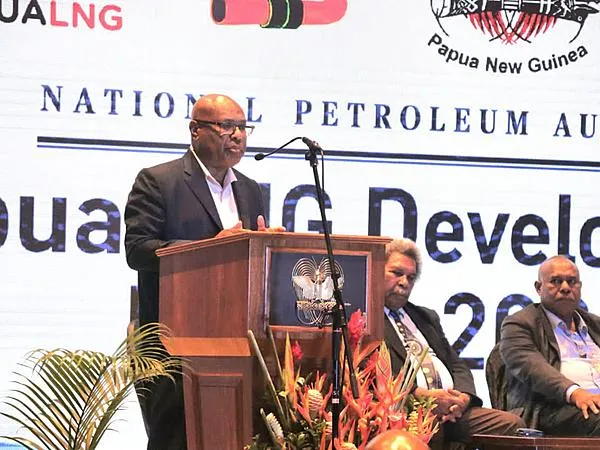
Prime Minister James Marape says Papua New Guinea is entering a new phase of resource development, with the government seeking higher national returns from major mining and petroleum projects while maintaining the country's appeal to international investors.

Speaking at the opening of PNG Resources Week 2026 in Port Moresby, Marape said the government's resource policy has focused on securing stronger economic benefits for Papua New Guinea without undermining investor confidence.

"We are not new to mining, petroleum or energy," Marape said. "Papua New Guinea has been engaged in mining since the 1920s, while our modern petroleum industry has been producing for more than 40 years. We are a proven resource nation with a long record of hosting world-class investments."

Marape thanked resource companies and investors for their long-term commitment to Papua New Guinea, describing the sector as the country's largest source of foreign exchange earnings and a major contributor to employment, government revenue, royalties and infrastructure development.

He said Papua New Guinea has demonstrated its reliability as a resource investment destination through the continued operation of projects including Kutubu, Ok Tedi, Porgera and PNG LNG despite global economic uncertainty.

The prime minister said the successful renegotiation of the Papua LNG Gas Agreement illustrated the government's approach of improving national returns while preserving commercial viability.

"We have successfully renegotiated the Papua LNG Gas Agreement to secure around 55% total national benefits for Papua New Guinea before the project proceeds into construction," he said.

"This shows that our Government can secure stronger national returns while maintaining investor confidence and preserving Papua New Guinea's reputation as a reliable destination for world-class resource investment," he added.

Marape reiterated that the government's benchmark is to secure at least 55% total national benefits from major resource projects, stressing that the figure encompasses more than government equity.

He said the calculation includes taxes, royalties, dividends, landowner benefits, local business participation, downstream processing, employment and other economic gains flowing to Papua New Guinea.

"Investors must make a fair return on their investment. We fully respect that. But our responsibility is to ensure Papua New Guinea also receives a fair share," he said.

Marape highlighted progress across the government's priority projects, known as the "Four Ps and One W"—Porgera, Pasca, Papua LNG, P'nyang and Wafi-Golpu.

According to the prime minister, Porgera has resumed operations under agreements delivering about 55% total national benefits, while Papua LNG has secured similar returns through renegotiated terms.

He said negotiations for the P'nyang gas project are nearing completion and are expected to deliver more than 63% total national benefits, while the Pasca A project is projected to provide approximately 70% benefits to the state.

Negotiations for the Wafi-Golpu copper-gold project are also approaching completion, with only a small number of outstanding issues remaining, he said.

Rejecting criticism that the government had delayed major resource developments, Marape said negotiations had focused on maximizing long-term national value rather than pursuing quick project approvals.

"In the past seven years we have been building strong foundations rather than chasing short-term headlines," he said.

Looking ahead, Marape said Papua New Guinea has more than 19 resource projects at various stages of development, including Wafi-Golpu, Frieda River, Tolukuma, Woodlark, Misima and Yandera, alongside continued petroleum exploration by TotalEnergies and ExxonMobil.

He also emphasized the government's commitment to responsible environmental management, saying future projects must balance economic development with internationally recognized environmental standards.

Marape said downstream processing, local participation and skills development would become increasingly important as the country expands its resource sector, while urging Papua New Guinean businesses to build sustainable enterprises capable of supporting the industry over the long term.

He added that Papua New Guinea's diplomatic engagement with partners including Australia, Japan, France and China was helping attract investment, technology and export opportunities for the country's resource sector.

"The next twenty years will be one of the most exciting periods in our country's history," Marape said. "With sound policies, stable partnerships and stronger national participation, Papua New Guinea is well positioned to become one of the leading resource economies in the Asia-Pacific region while ensuring greater benefits remain with our people."

July 21, 2026

Prime Minister James Marape has assured landowners and provincial governments involved in the PNG LNG Project that their agreed equity interests will remain intact as the government finalizes a structure to manage long-term benefits from the country's flagship liquefied natural gas project.

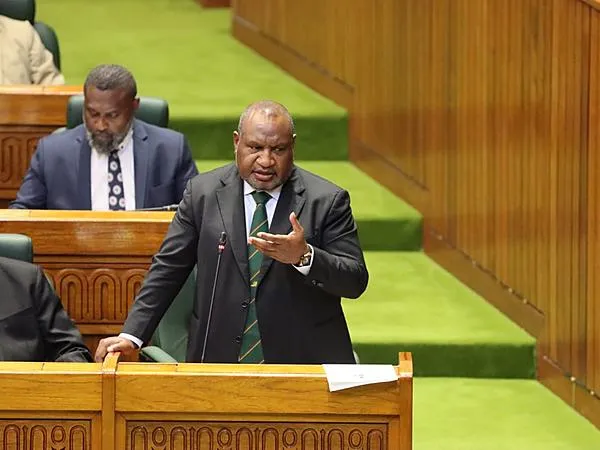
Speaking during Question Time in Parliament, Marape said the government was continuing consultations with affected provinces and beneficiary groups and would not impose a final structure without their participation.

His remarks came in response to questions from Hiri-Koiari MP Keith Iduhu, who sought an update on outstanding landowner benefits under the PNG LNG Project, particularly for communities in Central Province.

Marape said the restructuring process remained ongoing and emphasized that the equity allocated to beneficiaries under the Kokopo Umbrella Benefits Sharing Agreement would not be reduced.

"There will be no dilution whatsoever of the total stake allocated to the beneficiaries," he told Parliament.

"The total stake was agreed under the Kokopo Umbrella Benefits Sharing Agreement, and it will not be diluted or transferred to other beneficiary groups."

The prime minister said the government had already begun discussions with governors from the affected provinces, recognizing their constitutional role in determining how provincial equity interests should be managed.

He said provincial executive councils and provincial assemblies would be responsible for deciding whether their equity should form part of a unified investment structure or be managed independently.

"The Provincial Executive Councils and Provincial Assemblies must decide what is best for their respective provinces and communicate their preferred option to the National Government," Marape said.

He encouraged Central Province leaders, including Iduhu as a member of the Provincial Assembly, to work with the provincial government to reach a collective decision.

Marape said the government's proposal aims to safeguard the long-term value of the 4.27% equity interest in the operational PNG LNG Project while generating sustainable wealth for landowners and provincial governments.

He described the stake as a premium asset that could continue producing income for future generations if professionally managed.

"To the people of the five beneficiary provinces, the 4.27 per cent ownership in a de-risked PNG LNG Project is a premium asset," he said.

"You can choose to distribute the proceeds each year, or you can place the interest in a properly managed structure that continues earning and creating wealth perpetually for the people."

Marape cited the Mineral Resources Development Company (MRDC) as an example of how consolidated landowner assets can generate stronger long-term returns through professional investment and management.

He said the objective was not to alter existing entitlements but to protect and grow the asset so benefits continue flowing to landowners, provincial governments and future generations.

The prime minister said provincial governments have now been asked to evaluate the available options and advise the national government of their preferred arrangements.

He reiterated that provinces wishing to manage their equity independently would be free to do so, provided the decision reflected the collective interests of landowners and local communities.

Marape said consultations with provincial leaders and recognized beneficiary groups would continue before any final structure is adopted, reaffirming the government's commitment to honoring legally agreed benefits and strengthening landowner participation in major resource projects.

July 21, 2026

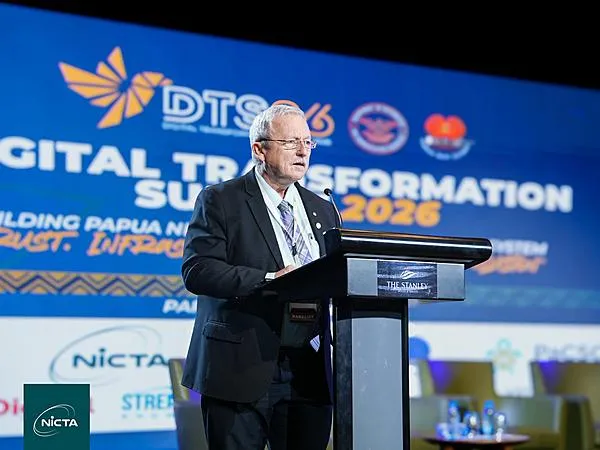
Papua New Guinea's National Information and Communications Technology Authority (NICTA) has launched a new integrated regulatory database and announced progress toward the introduction of 5G services, marking key milestones in the country's digital transformation agenda.

NICTA and Universal Access Services Board Chairman Brian Riches unveiled the NICTA Integrated Database (NIDB) and provided an update on the country's 5G preparations during the opening day of the Digital Transformation Summit 2026.

Riches said the initiatives underscore NICTA's commitment to advancing Papua New Guinea's digital transformation through trusted data, modern digital infrastructure and a robust regulatory framework.

The NIDB is designed to strengthen NICTA's role as a data-driven regulator by providing a secure platform for collecting, managing and analysing information from the ICT sector. The system is expected to improve regulatory oversight, support evidence-based policymaking and enhance decision-making across the industry.

According to NICTA, the platform will serve as a single trusted source of ICT regulatory data and provide the foundation for future innovations, including advanced analytics and data-driven regulation.

Riches acknowledged support from the Economic and Social Infrastructure Program (ESIP), funded by the Australian government's Department of Foreign Affairs and Trade, as well as ICT licensees, industry stakeholders, project teams and NICTA staff involved in developing the platform.

On 5G, Riches said NICTA had completed extensive technical studies, industry consultations and public engagement as part of its review of the technology's introduction in Papua New Guinea.

He said the review process is nearing completion, with the NICTA Board expected to consider the final report and recommendations in the coming months.

"NICTA remains committed to ensuring that any future deployment of 5G is guided by transparent, evidence-based decision-making and aligns with the long-term interests of consumers, industry and the nation," Riches said.

He added that the initiatives extend beyond technology, describing them as critical building blocks for a digitally connected Papua New Guinea.

"It is about strengthening trust through data, enabling connectivity through modern infrastructure, and creating opportunities for innovation, investment and inclusion for all Papua New Guineans," he said.

The launch of the integrated database and continued work toward 5G readiness form part of NICTA's broader strategy to develop a modern, secure and future-ready digital ecosystem for Papua New Guinea.

July 20, 2026

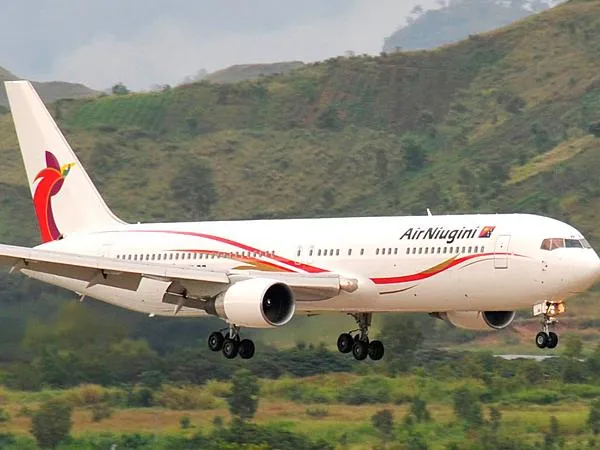
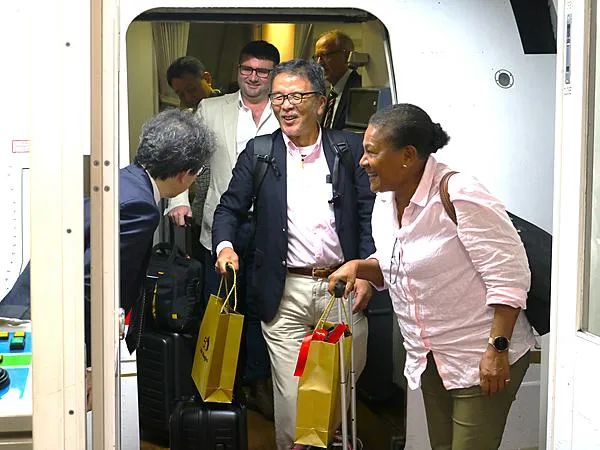
Air Niugini operated its first non-stop flight between Port Moresby and Tokyo, Japan on18 July 2026, marking the official resumption of scheduled services between the two countries after a six-year absence.

Flight PX54 departed Jacksons International Airport at 2:10pm for Narita International Airport, restoring an important international air link that will now operate twice weekly, every Wednesday and Saturday.

The return of the Tokyo service represents a significant milestone in Air Niugini's international network expansion, providing faster and more convenient travel between Papua New Guinea and Japan while strengthening trade, tourism, investment, educational cooperation and cultural exchanges between the two nations.

The inaugural departure ceremony was attended by Vice Minister for State Owned Enterprises Hon. Raphael Tonpi, Japanese Ambassador to Papua New Guinea His Excellency Hisanobu Mochizuki, NCD Governor Hon. Powes Parkop, Air Niugini Board Chairman Karl Yalo, Chief Executive Officer Alan Milne, members of the Air Niugini Board, government officials, invited guests and passengers travelling on the historic flight.

The inaugural service was operated by Air Niugini's Boeing 767-300ER aircraft. The route will also be served by the airline's Boeing 737-800 aircraft, providing customers with greater travel flexibility.

Passengers enjoyed complimentary meals and beverages, in-flight entertainment and generous baggage allowances while experiencing Air Niugini's renowned Papua New Guinean hospitality.

They were also introduced to the airline's refreshed onboard dining concept, featuring premium Papua New Guinean ingredients infused with Japanese-inspired flavours to celebrate the renewed connection between the two countries.

Speaking at the departure ceremony, Vice Minister for State Owned Enterprises Hon. Raphael Tonpi said the resumption of the service symbolised far more than the return of a commercial air route.

"Today's inaugural flight signifies the strengthening of the long-standing friendship between Papua New Guinea and Japan and opens a new chapter in our economic, tourism and people-to-people relationship. It demonstrates our confidence in the future of that partnership while creating new opportunities for business, education, tourism and investment."

The Vice Minister said the restored direct air link would also create significant opportunities for Papua New Guinea exporters by providing faster access to one of Asia's largest markets for premium products such as coffee, vanilla, seafood and fresh produce.

Air Niugini Board Chairman Karl Yalo described the return of the Tokyo route as a key milestone in the airline's transformation programme and its commitment to reconnecting Papua New Guinea with important international markets.

"Today is a proud day for Air Niugini. This is more than the return of a route. It represents our determination to reconnect Papua New Guinea with key international markets while supporting our country's economic growth and development."

Mr Yalo said Air Niugini's investment in fleet renewal was positioning the airline for sustainable long-term growth.

"Our fleet renewal programme is giving Air Niugini the capability to serve our customers better than ever before. Our Boeing aircraft continue to provide reliable long-haul international services, while our new Airbus A220 fleet is transforming domestic and regional travel. Together, these aircraft position the airline for sustainable growth well into the future."

Japanese Ambassador to Papua New Guinea His Excellency Hisanobu Mochizuki welcomed the resumption of the non-stop flights, describing it as an important achievement that reflects the strong and enduring friendship between Japan and Papua New Guinea.

The Ambassador thanked the governments of Papua New Guinea and Japan, together with Air Niugini and all stakeholders, for their commitment to restoring the direct service, saying the renewed air link would further deepen bilateral cooperation and create new opportunities for both countries.

He said Papua New Guinea possesses abundant natural resources and produces world-class agricultural and seafood products that are highly valued in Japan.

"Papua New Guinea has tremendous potential. We look forward to seeing more Papua New Guinean exports, including coffee, seafood, vanilla and other quality products, reaching Japanese markets. Improved air connectivity will support stronger trade and encourage greater investment between our two countries."

His Excellency said the restored service would also encourage more Japanese visitors to experience Papua New Guinea's unique culture, pristine environment and growing tourism industry while making it easier for Papua New Guineans to travel to Japan for business, education and leisure.

NCD Governor Hon. Powes Parkop also welcomed the return of the non-stop service, describing it as an important step in strengthening Papua New Guinea's international connectivity and creating new opportunities for tourism, commerce and cultural exchange.

Air Niugini Chief Executive Officer Alan Milne said the airline was delighted to welcome passengers on board the inaugural flight and looked forward to rebuilding the Japan market.

"The resumption of our Tokyo service is another important step in Air Niugini's transformation and international growth. It strengthens Port Moresby's position as a gateway between Japan, Australia and the Pacific while giving our customers a faster, more convenient travel option and improved access to our extensive domestic and regional network."

The non-stop service reduces journey time between Port Moresby and Tokyo to approximately six hours, making Japan more accessible for Papua New Guineans while providing Japanese visitors with seamless connections through Port Moresby to destinations across Papua New Guinea, Australia and the Pacific via Air Niugini's expanding domestic, regional and international network.

The return of the Tokyo service forms part of Air Niugini's broader strategy to modernise its operations, expand its international network and support Papua New Guinea's economic growth through improved global connectivity.

Air Niugini is currently offering special introductory fares on the Port Moresby–Tokyo route, with tickets available through Air Niugini sales offices, travel agents and online booking platforms.

The airline remains committed to providing safe, reliable and convenient air services while strengthening Papua New Guinea's links with key international destinations.

July 20, 2026

Twice-weekly flights mark a significant step for regional connectivity and economic development in the Southern Highlands

PNG Air, the People's Choice airline, on  announced the launch of a new service connecting Moro with Mt Hagen and Port Moresby, operating every Monday and Thursday. Tickets are now on sale, with the inaugural flight scheduled for 10 August 2026.

The new service restores direct air access to Moro, marking the return of scheduled flights after a six-year absence. It will provide much-needed connectivity for the region, reconnecting communities, contractors and businesses operating throughout the Southern Highlands with the rest of the country.

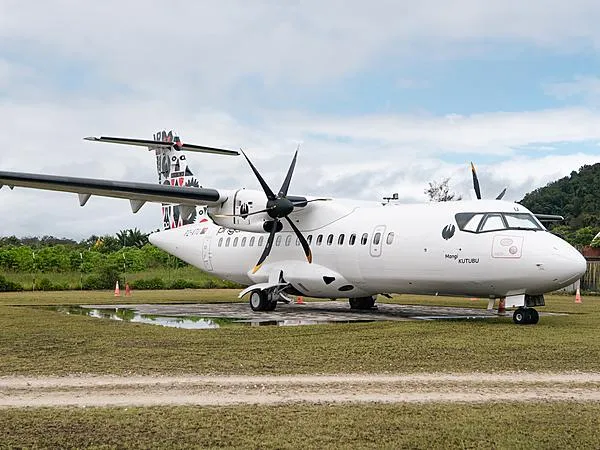
The announcement builds on PNG Air's growing relationship with the Kutubu region. Earlier this year, PNG Air marked a historic milestone with the delivery of Mangi Kutubu, an ATR 42-600 owned by Petroleum Resources Kutubu (PRK) — the resource-owner investment vehicle for the people of Kutubu — and leased to PNG Air for operation.

This marked the first time in Papua New Guinea's history that landowners had acquired, owned and leased an aircraft to a major airline. It signalled the community's confidence in aviation as a driver of regional development and as an investment that delivers long-term benefits. The launch of scheduled Regular Public Transport (RPT) services to Moro is the next step in that partnership, transforming a landmark achievement into reliable, long-term connectivity for the region.

"Restoring air access to Moro is about more than convenience – it's about opportunity. This route supports the contractors, businesses and communities that drive this region forward, and it's a route PNG Air is proud to fly," said Brian Fraser, Chief Executive Officer of PNG Air.

PNG Air thanked Santos for providing access to the airfield and supporting the return of RPT services to Moro. The route is expected to benefit a wide range of stakeholders, including residents of Moro and surrounding rural communities, contractors and businesses operating across the region, and the tourism sector, which is expected to grow with the near completion of the new MRDC hotel in Moro.

Flight details

  • Route: Moro ↔ Mt Hagen | Moro ↔ Port Moresby
  • Frequency: Every Monday and Thursday
  • Inaugural flight: Monday, 10 August 2026

Bookings: Now open via pngair.com.pg, through travel agents, or at participating PNG Post outlets.

Moro Aerodrome is owned and operated by Santos. The company maintains comprehensive safety and security standards at all operational facilities, and compliance with these requirements is mandatory for all travellers while on site or in transit. Passengers will receive a safety and security briefing on board the aircraft prior to arrival.

For nearly four decades, PNG Air has proudly connected the people of Papua New Guinea through safe, reliable and affordable air services. Listed on the Port Moresby Stock Exchange since 2008, the airline is majority-owned by Papua New Guinean institutions, including the MRDC Group and NasFund, and is supported by approximately 2,900 local shareholders.

PNG Air currently operates more than 460 flights each week across 22 destinations, providing essential passenger and cargo services that support economic development, community connectivity and national unity. In 2024, the airline carried more than 150,000 passengers, underscoring its pivotal role as one of Papua New Guinea's leading national carriers.

July 19, 2026

Papua New Guinea's financial sector must urgently bring an estimated K15 billion circulating outside the country's formal banking system into the economy if the nation is to fully capitalise on its growing resources and energy industry, TISA Group Chief Executive Officer Michael O. Koisen said.

Speaking during Day Three, Session 11A: Finance in Resources & Energy (FIRE) at PNG Resources Week 2026 on 15 July 2026 at APEC Haus in Port Moresby, Koisen said finance must become the engine that transforms temporary resource revenues into long-term, inclusive economic development.

He said PNG's expanding energy and mining sectors present significant opportunities, but the country's financial institutions must evolve to ensure more Papua New Guineans benefit from the wealth generated by major resource projects.

Global investment trends are increasingly being shaped by environmental, social and governance (ESG) standards, with international lenders and investors assessing projects not only on financial returns but also on sustainability outcomes.

Koisen said green development should be viewed as a competitive advantage rather than a compliance burden, noting that projects incorporating climate resilience, community development and clean energy transition pathways are more likely to attract premium international financing.

He also highlighted the growing international expectation for greater localisation across the resources sector.

The traditional model, under which capital is raised offshore, resources are extracted and revenues remain overseas, is gradually being replaced by stronger requirements for local participation.

According to Koisen, governments, investors and markets now expect landowners, local contractors and small and medium-sized enterprises (SMEs) to play a greater role throughout the resource supply chain.

While major multinational resource companies have relatively easy access to international financing, he said PNG's greatest financing challenge lies with domestic businesses supporting those large-scale developments.

"The true commercial bottleneck in PNG lies in access to capital for the domestic supply chain," he said.

He said the greatest investment opportunities extend beyond extracting gas, gold and other minerals, with significant potential in downstream industries such as infrastructure, logistics, marine transport, heavy equipment leasing, engineering services and catering.

However, many locally owned businesses struggle to fulfil supply contracts because they cannot secure flexible working capital, trade finance or invoice discounting from financial institutions.

Koisen called on commercial banks to modernise their lending approaches by adopting more flexible financing models and digital credit assessment systems that enable local companies to participate meaningfully in major resource developments.

He said PNG businesses should become active participants in resource projects rather than spectators in their own country.

Addressing the challenge of avoiding the so-called "resource curse," Koisen outlined three critical priorities needed to convert finite resource wealth into sustainable national prosperity.

Foremost among them, he said, is capturing the estimated K15 billion currently circulating outside the formal financial system.

When royalties and wages from resource projects are paid to landowners, much of that money quickly flows into the informal economy, limiting its contribution to broader economic growth.

He proposed expanding digital financial infrastructure through low-bandwidth USSD platforms, mobile wallet technology and agency banking networks to connect rural communities directly with formal banking services.

Such systems would allow landowners to safely save, invest and grow their wealth while increasing the economic multiplier effect across the country.

Koisen also advocated integrating banking and insurance services into comprehensive financial products tailored to businesses operating in the resource sector.

Combining commercial lending with insurance would reduce operational risks for local contractors by protecting assets operating in high-risk resource environments, while improving business sustainability and reducing loan default risk.

Recognising that mineral and petroleum projects have finite lifespans, Mr Koisen said finance must ultimately redirect today's resource income into sectors capable of sustaining future generations.

He urged greater investment in climate-resilient agriculture, renewable and sustainable energy, and digital education to build a diversified economy beyond extractive industries.

"As we look ahead through 2026 and beyond, the mobilisation of finance for resources and energy development cannot simply be about fuelling extraction. It must be about fuelling transformation," Koisen said. "It is about ensuring that every project approved, every well drilled, and every ounce of gold mined directly translates into a stronger local SME, a more secure family bank account and a highly resilient green economy."

July 17, 2026

Papua New Guinea expects the US$14.5 billion (approximately K58 billion) Papua LNG Project to reach a final investment decision (FID) before the end of 2026, as the government accelerates petroleum sector reforms aimed at attracting investment and expanding production.

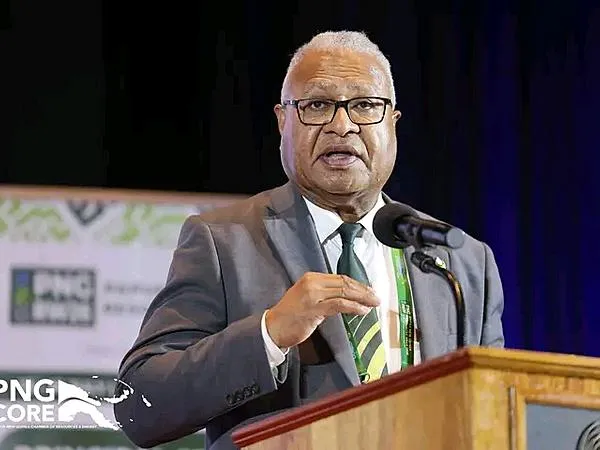
Petroleum Minister Jimmy Maladina announced the update during the PNG CORE National Content Conference, held as part of PNG Resources Week 2026 at APEC Haus in Port Moresby on Thursday. Addressing industry leaders, investors, development partners, provincial governments and landowner representatives, he said PNG's petroleum industry is entering a critical phase as global demand for secure and reliable energy supplies continues to grow.

Maladina said geopolitical instability, particularly the conflict in the Middle East, has heightened global concerns over energy security, placing Papua New Guinea in a favourable position to supply international markets.

Despite global uncertainty, he said PNG remains an attractive destination for petroleum investment because of its proven resource base, competitive fiscal regime, experienced workforce and commitment to responsible resource development.

Major projects progressing

Reviewing progress over the past year, Maladina said the government is working with developers to advance the Papua LNG and Pasca Gas projects towards final investment decisions, while the proposed Western Energy Project is undergoing detailed due diligence.

He said the Papua LNG Project Development Forum, launched on 10 July, is progressing well, with negotiations expected to conclude through the signing of a Development Agreement within the next month.

The agreement is a key prerequisite before the government can issue a Petroleum Development Licence, enabling the project developer and its joint venture partners to proceed with a final investment decision.

Once approved, construction is expected to continue over the next five years.

Maladina said the Papua LNG project will inject substantial investment into Papua New Guinea's economy during construction while creating opportunities for local businesses and workers.

He said the government expects project developers, joint venture partners and contractors to prioritise local employment, skills development and business partnerships throughout the construction phase and during the project's operational life.

Exploration remains active

Maladina said exploration activity remains strong across Papua New Guinea, highlighting the ongoing drilling of the Mailu-1 deepwater exploration well through a partnership between TotalEnergies and PETRONAS.

He said drilling is progressing towards the targeted reservoir, with the government hopeful the coming weeks will deliver encouraging exploration results.

The minister also announced that offshore petroleum blocks in the Gulf of Papua have been reserved for future auction once the government completes its petroleum fiscal reforms, with the country's first offshore licensing round expected to be launched next year.

He also identified further exploration opportunities across existing Petroleum Prospecting Licences in the Papuan Basin, Gulf of Papua and New Ireland Basin.

Maladina urged Petroleum Prospecting Licence holders to fulfil their approved work programmes by undertaking genuine exploration activities while giving priority to Papua New Guinean workers, businesses and service providers before sourcing expertise overseas.

He warned that the government would strictly enforce National Content requirements across all petroleum exploration and development activities.

Production Sharing Contract reforms

Maladina said the government remains committed to modernising Papua New Guinea's petroleum governance framework while maintaining an attractive investment environment.

A key initiative is the proposed Production Sharing Contract (PSC) Framework, which aims to provide greater regulatory certainty, improve transparency and enhance the country's international competitiveness while ensuring the State receives an equitable share of value generated from its petroleum resources.

Consultations on the PSC Reform Policy began in October 2025 and concluded in March 2026, with submissions from PNG CORE and industry stakeholders in Papua New Guinea and overseas.

Maladina thanked PNG CORE for supporting the consultation process, saying the reforms are intended to deliver better outcomes for both the State and industry. Legislation to implement the new PSC framework is expected to be introduced before the end of the year.

Coordinated gas development

The government is also pursuing coordinated development of stranded and marginal gas resources in Western and Gulf provinces through shared infrastructure and integrated project planning.

Maladina said many gas discoveries have remained undeveloped for years and Petroleum Retention Licence holders are now expected to advance their projects toward commercial production.

He warned that licence warehousing would no longer be tolerated, confirming that his policy directive under the Oil and Gas Act requiring coordinated gas development is already in effect.

Failure to comply with lawful statutory directions, he said, could result in the forfeiture of petroleum licences.

Downstream petroleum opportunities

Maladina also announced that the National Petroleum Authority (NPA) is preparing a comprehensive Downstream Petroleum Policy and Regulatory Framework to support the expansion of the country's downstream petroleum industry.

Once endorsed by the National Executive Council, the policy will be released for public consultation.

He said downstream development offers significant opportunities to expand domestic processing, strengthen Papua New Guinea's energy security, stimulate industrial growth, create employment and business opportunities, and attract additional investment.

Strengthening landowner benefit sharing

The National Petroleum Authority is also developing a strengthened Beneficiary Management and Social Licensing Policy to address long-standing issues involving social mapping, landowner identification and benefit distribution.

Maladina said the reforms are intended to improve transparency and governance while ensuring legitimate resource owners receive their benefits without delaying project implementation.

He noted that although the State owns Papua New Guinea's petroleum resources, customary landowners retain ownership of the land where those resources are located.

The government and project developers, he said, must continue recognising customary land rights through proper consultation, land access agreements, compensation, local content participation and equitable benefit-sharing arrangements.

National Petroleum Authority takes shape

Maladina said 2026 will mark the full establishment of the National Petroleum Authority, with implementation scheduled during the third and fourth quarters of the year.

He described the authority as a major institutional reform that will strengthen petroleum regulation, technical expertise, policy development, petroleum data management and stewardship of the country's petroleum resources.

The NPA Board has approved the authority's organisational structure, which will be submitted to the Department of Personnel Management for review and endorsement. Recruitment for new positions is expected to begin after August, once statutory approvals have been secured.

Maladina said the authority has been designed to operate in line with international regulatory standards. Its expanded mandate will include a dedicated National Content Division to oversee implementation of the government's Petroleum Sector National Content Policy, support future legislation and strengthen compliance across the industry.

National Content remains a priority

Maladina reaffirmed the government's commitment to increasing Papua New Guinean participation across the petroleum value chain by creating more opportunities for local businesses, employment, training, skills development and technology transfer.

He urged licence holders, petroleum operators and contractors to fully comply with the government's local and national content requirements, warning that companies failing to support these objectives would not be regarded as operating in good standing in Papua New Guinea.

Maladina also encouraged operators to invest in local workforce development and supplier capability, saying a stronger national skills base and business sector would enhance the industry's long-term competitiveness and deliver broader economic benefits.

Promoting investment

Looking ahead, Maladina announced that the Ministry for Petroleum and the National Petroleum Authority, in partnership with PNG CORE, will host a dedicated petroleum investment session during the APEC Economic Leaders' Meeting 2026 in Shenzhen, Guangdong Province, China, in November.

The event will showcase investment opportunities across Papua New Guinea's upstream, midstream and downstream petroleum sectors, as well as specialist service industries, while providing a platform to engage directly with global energy companies and investors.

Maladina said the government intends to use the forum to reinforce Papua New Guinea's position as a competitive destination for petroleum investment amid growing global demand for secure and reliable energy supplies.

Building a competitive petroleum sector

Maladina acknowledged the leadership of Prime Minister James Marape and the Marape-Rosso Government in advancing major petroleum projects, implementing sector reforms and strengthening institutions responsible for regulating the industry.

He said the government remains committed to building a modern, competitive and sustainable petroleum sector capable of attracting long-term investment, increasing national participation and delivering lasting economic benefits for Papua New Guinea.

"Together, we have an opportunity to transform Papua New Guinea into a globally competitive petroleum producer that delivers sustainable growth, creates opportunities for our people and secures lasting prosperity for future generations," he said.

July 17, 2026

Papua New Guinea's National Executive Council (NEC) has appointed Kikila Yavase as Chief Executive Officer of the Special Economic Zones Authority (SEZA), formalising his leadership after four years in the acting role.

International Trade and Investment Minister Richard Maru announced the appointment on July 16, congratulating Yavase on his four-year term and expressing confidence in his ability to drive the country's special economic zone (SEZ) programme.

"SEZ is a new concept to Papua New Guinea. As the foundation Acting CEO, Mr Yavase has been developed and mentored on the job and has proved himself to be capable, with four SEZs delivered under his leadership. We have confidence and trust that he will provide the leadership required to drive the SEZ agenda of PNG," Maru said.

Maru said the SEZA Board is processing applications for three additional special economic zones, with licences expected to be issued within the next three months, subject to applicants meeting all regulatory requirements.

He added that a further three SEZs are expected to receive approval before the end of the year. These include the Sepik Plains SEZ, Madang Integrated SEZ and the Vanimo Free Trade Zone.

According to Maru, Yavase's immediate priorities include repealing the existing Special Economic Zones Act and developing new legislation for parliamentary approval before the end of the year.

The new CEO will also oversee the establishment of a national Building Board for special economic zones and work with the Department of International Trade and Investment to organise the inaugural PNG-China Business Forum and Trade Expo in Guangzhou.

The government has identified special economic zones as a key pillar of its strategy to attract investment, promote export-oriented industries and accelerate industrial development across Papua New Guinea.

July 16, 2026

Strengthening transparency, governance, accountability and compliance across Papua New Guinea's extractive sector is critical to attracting investment, ensuring resource-owning communities receive a fair share of development benefits and supporting sustainable economic growth.

The issues were highlighted during Session 10A – Governance & Economic Standards at PNG Resources Week 2026, held on Wednesday, 15 July, at APEC Haus in Port Moresby. Moderated by Institute of National Affairs Executive Director Paul Barker, the session was held under the theme "Strengthening Transparency, Governance and Compliance to Build Trust and Investment Confidence."

Barker said resource developments inevitably generate both benefits and costs, but the overall gains must outweigh the impacts. Achieving this, he said, requires transparent investment arrangements, equitable benefit-sharing, strong oversight and active participation from government, industry and civil society.

He said these measures promote community harmony, reduce conflict and create a more stable investment environment while supporting employment and broader economic opportunities. The session also sought to identify practical measures to strengthen governance, anti-corruption efforts, legal certainty, financial integrity and regulatory compliance across Papua New Guinea's resource sector.

A keynote presentation was delivered by Papua New Guinea Extractive Industries Transparency Initiative (PNG EITI) Executive Director George Kauli, who outlined the organisation's role in improving transparency and accountability across the country's mining, petroleum and gas industries.

Kauli said the Extractive Industries Transparency Initiative (EITI) is a global standard promoting transparency, accountability and good governance in countries with extractive industries. As of 2025, the EITI Standard was being implemented in 57 countries, including Papua New Guinea.

Under the framework, extractive companies and government agencies are required to publicly disclose contracts and licences, production and export data, revenue collection and allocation, beneficial ownership, social and environmental expenditure, subnational payments and state participation.

PNG EITI operates through a multi-stakeholder governance model comprising government agencies, extractive companies and civil society organisations responsible for overseeing implementation of the EITI Standard.

Government representatives include the National Petroleum Authority, Department of Mineral Policy and Geohazards Management, Internal Revenue Commission, Customs, Treasury and the Department of National Planning. Industry members comprise mining and petroleum companies, while civil society is represented by organisations including the Consultative Implementation and Monitoring Council, PNG Council of Churches, National Council of Women, GINA and members of the PNG Resource Governance Coalition.

Kauli said the collaborative model strengthens transparency by promoting collective decision-making, improving policy coordination and reinforcing public trust and accountability.

PNG EITI reporting covers the entire extractive value chain, from the award of licences and contracts through exploration, production, exports, government revenue collection, benefit distribution and community development spending.

The reporting framework captures production volumes, exports, taxes, royalties, dividends, revenues earned by state-owned enterprises, corporate social responsibility projects, employment, gender participation and the sector's contribution to the national economy.

Kauli said the extractive sector remains one of Papua New Guinea's largest contributors to government revenue, export earnings, foreign direct investment, infrastructure development, employment and economic growth.

However, he said the country's natural resource wealth can only deliver its full value when revenues are managed transparently, institutions remain accountable and resource-owning communities receive their rightful share of the benefits.

A core function of PNG EITI is independently reconciling payments reported by extractive companies with revenues received by government agencies.

Kauli said taxes, royalties and other statutory payments reported by companies are matched against records held by recipient agencies, including the Internal Revenue Commission. Any discrepancies identified are published in the annual EITI Report, enabling regulators, communities and other stakeholders to seek clarification and strengthen accountability.

He said the reconciliation process helps citizens better understand how resource revenues are managed while providing developers with greater certainty through improved transparency and community trust.

Kauli added that predictable governance and credible public disclosure reduce investment risk and support long-term sustainable development across the extractive sector.

Since Papua New Guinea joined the EITI in 2013, the National Secretariat has published 12 annual EITI reports, with the latest, covering 2024, released in March 2026. Work on the 2025 report is under way and is expected to be completed early next year.

Part 2

Kauli also outlined Papua New Guinea's progress towards embedding the EITI framework in national legislation.

Following a National Executive Council (NEC) decision in 2011, a working group was established to facilitate the country's membership of the EITI. In 2013, the NEC formally approved Papua New Guinea's participation in the global initiative, with the Treasury Minister leading its implementation.

Further NEC decisions in 2017 directed government agencies responsible for regulating the mining and petroleum sectors to implement EITI recommendations and corrective actions.

In 2019, the NEC approved the National Policy for Transparency and Accountability in the Extractive Sector, which called for two new laws: an Establishment Bill to create the PNG EITI Commission and a Reporting Bill to strengthen compliance with EITI reporting requirements.

Kauli said the draft Establishment Bill has been completed, while consultations on the Reporting Bill are expected to begin later this month before both Bills are submitted to Parliament.

He noted that PNG EITI implementation remains voluntary until the legislation is enacted.

Kauli also highlighted PNG EITI's partnership with the Japan International Cooperation Agency (JICA) and the Auditor-General's Office to strengthen confidence in extractive revenue reporting.

The initiative introduces an Agreed-Upon Procedures (AUP) framework under the International Standard on Related Services (ISRS) 4400, enabling independent verification of extractive revenue data without requiring a full financial audit.

Under the arrangement, government agencies submit extractive revenue data to the Auditor-General's Office, which independently verifies the information before its findings are incorporated into PNG EITI's annual reports.

Kauli said the process provides greater assurance over the accuracy and reliability of publicly disclosed revenue information.

Another key initiative is PNG EITI's expansion into subnational reporting to improve transparency over royalties, equity payments and benefit-sharing arrangements involving provincial governments, local-level governments and customary landowners.

Kauli said previous reporting had focused largely on national-level payments, leaving significant gaps in reporting benefits flowing directly to communities.

To address this, PNG EITI has begun incorporating EITI reporting provisions into Community Development Agreements, Memoranda of Agreement and other benefit-sharing arrangements for resource projects. This will enable payments made by companies to be reconciled with amounts received by provincial governments and landowner groups.

Awareness programmes were conducted in East New Britain, Madang and Morobe provinces in 2025, followed by Enga and Southern Highlands provinces this year. Additional provinces will be included in future reporting.

Kauli encouraged resource developers, government agencies and regulators to adopt EITI standards across agreements and operational processes, saying greater transparency throughout the resource value chain would help identify governance gaps, reduce revenue leakages and maximise benefits for Papua New Guineans.

He also confirmed that Papua New Guinea is undergoing its latest international EITI validation, which began in April 2026. A draft validation report is expected to be presented to the Multi-Stakeholder Group before the final assessment is completed later this year.

The session underscored the importance of internationally recognised governance standards, transparent reporting and institutional accountability in ensuring Papua New Guinea's natural resource wealth delivers inclusive economic growth, strengthens public trust and supports a more competitive investment environment.

July 16, 2026

The Papua New Guinea Chamber of Resources & Energy (PNG CORE) officially launched the Gender Equality and Social Inclusion (GESI) Policy Statement, championed by the Women in Resources and Energy (WIRE) Committee, during PNG Resources Week 2026.

The milestone framework establishes a clear industry roadmap for diversity, safety and inclusion across Papua New Guinea's mining, petroleum and energy sectors.

The policy directly targets the structural, legal and cultural barriers that women face within the industry and aims to bring positive change to the way women contribute to the resource sector, according to WIRE Chairperson Karo Maha, who is also the Country Manager for New Porgera Limited.

"The reason for this policy is straightforward. PNG cannot build a safe, productive and sustainable resources and energy sector while capable people remain unable to enter, contribute, progress or lead because of barriers unrelated to merit," said Ms Maha.

"Whilst the industry has come a long way, our survey shows that there's still a lot of work left to do," she said.

The 2025 WIRE survey results call for more respectful workplaces, the elimination of workplace bullying, gender bias, intimidation and sexual harassment, stronger leadership and accountability, and more flexible and supportive work practices.

The policy also calls for merit-based recruitment, equitable salaries and promotions, and practical support for people affected by family and domestic violence.

"Inclusion should not stop at the gate of a mine, a project site or a corporate office, but should be reflected in how the sector builds capability and shares opportunity. The lesson is not that the sector has failed; it is that progress is uneven, and good intentions must be supported by clear systems, trusted reporting channels and consistent leadership," Maha said.

Maha said the policy establishes principles that organisations can use as guidelines to determine the most effective way to achieve shared objectives.

The Papua New Guinea Chamber of Resources & Energy (PNG CORE) is the peak industry body representing the mineral resources and energy sectors in Papua New Guinea.

Its mission and vision are to create understanding, generate knowledge and forge relationships that empower Papua New Guinea to capture sustained nation-building benefits from its natural resources.

July 15, 2026

PNG Chamber of Resources and Energy (PNG CORE) President Anthony Smaré has called for stronger collaboration between government, industry, landowners and communities to ensure Papua New Guinea's next generation of resource projects delivers lasting economic and social benefits, as PNG Resources Week 2026 officially opened on Monday, July 13, at APEC Haus in Port Moresby.

Addressing delegates at the opening session before Prime Minister James Marape's keynote address, Smaré said the country's resources sector stands at an important turning point, with major mining, petroleum and energy projects expected to drive the next phase of economic growth.

He commended the Government's institutional reforms undertaken during the 2025–2026 period, including efforts to advance key resource projects, saying they have helped strengthen the foundation for future investment.

"PNG CORE stands ready to work with government, landowners, communities, education institutions and investors so that the next fifty years of resource development build trust, capability, shared opportunity and national dignity," Smaré said.

He said this year's PNG Resources Week is expected to attract around 1,100 delegates and speakers, 83 exhibitors supported by approximately 250 exhibition staff, 32 sponsors, and 80 tables for the Gala Dinner, reflecting strong confidence in Papua New Guinea's resources sector.

Beyond the conference programme, the week will also feature a Charity Golf Challenge involving 18 teams to raise funds for paediatric healthcare and a three-day careers exhibition expected to attract more than 5,000 visitors, including students from secondary schools, universities and technical institutions.

However, Smaré said attendance figures alone would not determine the success of the event.

"The value of the week will be judged by the quality of the discussions, the honesty of the exchanges and the practical actions we follow, particularly the relationships, networks and new partnerships that are created," he said.

He said the conference programme had been designed to examine the full lifecycle of resource development, with discussions focusing on national content, landowner participation, benefit sharing, resource revenue management, workforce readiness, community investment, environmental stewardship, energy transition, economic diversification and project delivery.

According to Smaré, these issues are interconnected and central to ensuring resource projects remain commercially viable while delivering long-term benefits for Papua New Guinea.

He said creating projects that are investable, lawful, socially legitimate and capable of delivering benefits across generations should remain the industry's shared objective.

Smaré emphasised the importance of stable policy and regulatory settings that protect Papua New Guinea's national interests while providing certainty and confidence for investors and local communities.

He said the resources industry supports reforms that are evidence-based, consultative, predictable and practical to implement, adding that clear legislation, coordinated institutions and timely decision-making reduce costs, improve accountability and enable responsible projects to proceed.

During his address, Smaré acknowledged two significant government reforms — the establishment of the National Petroleum Authority and the amalgamation of the Mineral Resources Authority and the Department of Petroleum — describing both initiatives as important steps towards improving efficiency and strengthening governance across the sector.

He also stressed the importance of ensuring Memorandums of Agreement (MOAs) are completed transparently with the participation and endorsement of all stakeholders.

National content remained another major focus of his address.

Smaré said local participation must extend beyond policy commitments by creating measurable opportunities for Papua New Guineans to become skilled workers, engineers, managers, entrepreneurs, suppliers and investors.

He said several major projects expected to progress over the coming years would place considerable pressure on the country's labour force and local supply chain, making collaboration between government, industry and educational institutions increasingly important.

Smaré also encouraged resource developers to recognise Papua New Guinean businesses that had continued investing in local skills and capabilities during slower periods, saying those companies should be given opportunities as new developments move into construction and production.

He announced that PNG CORE, together with the PNG University of Technology and industry partners, will launch a new initiative during PNG Resources Week aimed at strengthening the alignment between higher education, research and the future workforce needs of the country's resources and energy sector.

Landowner participation and community engagement also featured prominently in his address.

Smaré said landowners must be treated as genuine development partners from the outset, with conference discussions examining landowner identification, benefit sharing, customary rights, women's and youth participation, and preparations for life after resource projects conclude.

He said while legal certainty remains essential, projects must also earn and maintain community confidence throughout their lifespan.

The management of resource revenue was identified as another key issue facing the sector.

Smaré said discussions during the week would examine sovereign savings, beneficiary funds and institutional investment models to ensure resource revenues are managed transparently and converted into long-term national wealth.

"Revenue becomes legacy only when it builds sustainable incomes, services, infrastructure and opportunities for future generations," he said.

As part of PNG CORE's broader commitment to responsible development, Smaré announced the organisation will launch its council-approved Industry Policy Statement on Gender Equality and Social Inclusion during the week.

He said greater inclusion strengthens decision-making, broadens the country's skills base, improves workplaces and helps ensure the benefits of development are shared more equitably.

PNG Resources Week will also celebrate industry leadership through the PNG CORE Legacy Awards, recognising individuals whose contributions have made a lasting impact on PNG's resources sector and national development.

Smaré also revealed plans to introduce Community Champion Awards from next year to recognise individuals who have translated resource benefits into lasting improvements within their communities.

Reaffirming PNG CORE's commitment to constructive engagement, Smaré said government, industry and landowners each have important responsibilities in ensuring responsible resource development.

He said government must continue providing policy certainty and an enabling investment environment, while industry must uphold environmental and social standards, invest in local people and suppliers, and leave behind lasting capabilities beyond the life of individual projects.

"No single party can deliver those outcomes. Progress depends on honest dialogue, mutual accountability and a willingness to address difficult issues before they become project delays, community disputes or lost opportunities," he said.

During the opening ceremony, Smaré also announced the appointment of Richard Kassman as PNG CORE's new Executive Director, describing him as an experienced leader whose background across government and industry will strengthen PNG CORE's engagement with stakeholders and future workforce development.

He also acknowledged John Lewis, who has assumed the role of Senior Vice President.

Smaré congratulated Prime Minister James Marape for his continued efforts to promote investment in PNG's resources sector through engagement with international investors and project partners.

He expressed optimism that anticipated Final Investment Decisions on several major resource projects over the coming months could mark the beginning of another significant phase of economic development, while emphasising that those projects must create meaningful opportunities for Papua New Guinean businesses, landowners and communities and leave a lasting legacy for future generations.

July 14, 2026

The operationalisation of Papua New Guinea's long-awaited Sovereign Wealth Fund (SWF) has the potential to transform the country's economic future by converting finite resource wealth into lasting national prosperity, according to Sovereign Wealth Fund Chief Technical Adviser Ian Tarutia.

Speaking during Session 3A, "Resource Revenue and Local Value," on July 13, at APEC Haus in Port Moresby as part of PNG Resources Week 2026, Tarutia said establishing the SWF was one of the country's most significant economic reforms and central to the government's Reset at 50 agenda.

"The operationalisation of the Sovereign Wealth Fund (SWF) is the game-changer PNG needs. It is not just a financial tool; it is our bridge to long-term economic independence," Tarutia said.

He described the SWF as the national equivalent of a superannuation fund, explaining that just as workers contribute to retirement savings to secure their future, Papua New Guinea should invest a portion of its resource revenues to benefit future generations.

"The Sovereign Wealth Fund is the superannuation fund for the country," he said. "It is the fund that collects wealth generated from our mining, petroleum and other natural resources. We must save some of that wealth to support our current socio-economic aspirations, but more importantly, save for our children, grandchildren and future generations."

Tarutia said Papua New Guinea has been blessed with abundant natural resources but, unlike many resource-rich countries, has yet to fully convert those assets into long-term national wealth.

He said the SWF would promote a national culture of saving while reducing dependence on government borrowing and creating an investment vehicle capable of generating sustainable returns for decades.

Drawing on his experience in PNG's superannuation industry, Tarutia said the country's successful retirement savings funds demonstrate how sound governance, transparency and merit-based management can protect and grow public wealth.

He said those same principles are being incorporated into the proposed operational framework for the Sovereign Wealth Fund.

"Good governance, transparency, accountability and commercial decision-making have made our superannuation industry successful. Those are the same foundations we are embedding into the Sovereign Wealth Fund," he said.

Tarutia noted that although Papua New Guinea already has legislation governing the SWF, the fund has never been operationalised despite the Organic Law first being enacted in 2012 and amended in 2015.

He explained that the government established a Technical Working Committee in October 2025 to review why implementation had stalled and recommend practical amendments that would allow the fund to become operational.

Rather than rewriting the legislation, the committee focused on identifying implementation barriers and proposing targeted reforms.

One of the committee's key findings was that the original funding mechanism was impractical because it required 50 per cent of mining and petroleum tax revenues to be transferred into the fund, significantly reducing revenue available to finance the national budget.

Tarutia said the committee has recommended reducing this contribution to a minimum of 5 per cent, with the ability to increase it to 10 per cent during periods of stronger commodity prices.

The review also recommends broadening the fund's revenue base to include dividends from state-owned enterprises, equity interests in new resource projects and proceeds from future government asset sales.

He said these reforms would allow the fund to grow without placing excessive pressure on government finances.

Under the proposed framework, the SWF will continue to comprise two core components — a Stabilisation Fund, designed to support government finances during periods of revenue shortfall, and a Savings Fund, established to preserve wealth for future generations.

Unlike the existing legislation, which requires the Stabilisation Fund to reach a specified size before transfers are made to the Savings Fund, the committee proposes that both funds grow simultaneously.

Under the proposal, 80 per cent of deposits would remain in the Stabilisation Fund while 20 per cent would automatically flow into the Savings Fund.

Tarutia said the reforms also strengthen governance by adopting the internationally recognised Santiago Principles, which set global standards for sovereign wealth fund management.

The proposed amendments include stronger transparency requirements, independent board appointments, enhanced public reporting and measures to minimise political interference in investment decisions.

He said every investment decision and board action would be publicly disclosed within defined reporting timeframes, reinforcing accountability and public confidence.

The committee has also maintained the principle that the fund's investments should primarily be made offshore to maximise diversification and returns, while allowing carefully assessed domestic investments where they meet strict commercial and governance requirements.

Tarutia said Papua New Guinea had studied successful sovereign wealth funds around the world, including through engagement with the International Forum of Sovereign Wealth Funds and visits to countries in the Middle East.

Recalling a visit to Oman, he said the experience demonstrated how prudent management of oil revenues had significantly improved living standards.

"They have the same oil and gas resources. The difference is they invested that wealth back into improving the quality of life of their people," he said. "That is what we should be thinking about when we establish our Sovereign Wealth Fund. We save today, invest wisely, and the returns should improve the quality of life for Papua New Guineans."

Tarutia emphasised that the committee found political commitment had never been the primary obstacle to implementation.

Instead, he said structural flaws within the existing legislation prevented the fund from becoming operational.

He welcomed the government's renewed commitment under the Reset at 50 agenda, noting that the minister responsible for the Sovereign Wealth Fund, Joseph Lelang, has committed to seeing the fund operational before the 2027 National General Election.

Lelang has also indicated that further amendments to the Organic Law will be introduced to ensure the framework is robust, practical and capable of delivering benefits for both current and future generations.

Tarutia said the successful establishment of the Sovereign Wealth Fund would mark an important milestone in Papua New Guinea's economic development by ensuring that revenues from today's resource projects continue to generate wealth long after those resources have been depleted.

"This is about preserving our resource wealth for future generations. It is about creating lasting economic resilience and ensuring PNG benefits not only today, but for many decades to come," he said.

July 13, 2026

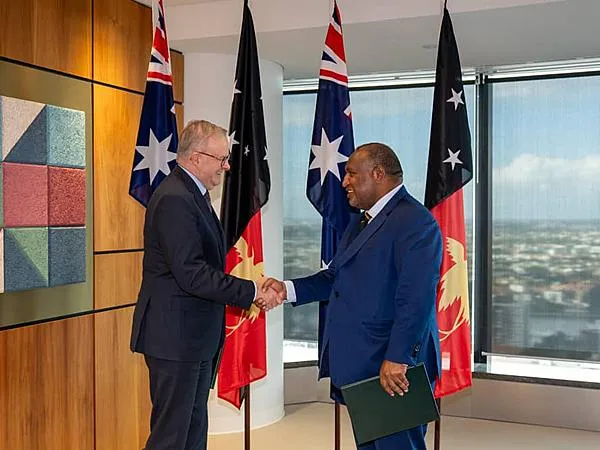
Papua New Guinea and Australia have entered what Prime Minister James Marape described as a new era of "equal partnership" following the signing of a landmark defence treaty that will deepen military cooperation while expanding collaboration in trade, investment, labour mobility and skills development.

Marape said the Papua New Guinea-Australia Defence Treaty is the first formal defence treaty signed by Papua New Guinea since independence and marks a significant step in strengthening the country's national security without compromising its sovereignty or the independence of the Papua New Guinea Defence Force (PNGDF).

The agreement was concluded following the annual Papua New Guinea-Australia Leaders' Dialogue in Brisbane with Australian Prime Minister Anthony Albanese.

Marape said Papua New Guinea initiated discussions that led to the treaty, recognising the country's growing strategic importance and the need to modernise its defence capabilities amid an increasingly complex regional security environment.

"Papua New Guinea sits at the centre of our region, between east and west, north and south. As our economy grows and our strategic importance increases, it is in our national interest to build a stronger, more capable and modern Defence Force," he said.

He described Australia as Papua New Guinea's closest strategic partner because of the two countries' shared maritime and airspace boundaries, longstanding historical ties and extensive economic and people-to-people links.

"It is fitting that our first defence treaty is with Australia — a country with which we share history, geography and enduring people-to-people ties," Marape said.

The prime minister also noted the significance of the agreement for Australia, saying it is Canberra's first defence treaty of its kind with another nation in more than 70 years.

Sovereignty preserved

Marape stressed that the treaty does not integrate the two defence forces or diminish Papua New Guinea's sovereignty.

"Our Defence Force remains completely independent," he said.

"PNGDF personnel will continue to serve under the command of the Commander of the Papua New Guinea Defence Force and under Papua New Guinea's Constitution and laws. Likewise, Australian Defence Force personnel remain under the command of Australia. This treaty is about interoperability — not integration."

Under the agreement, both countries will expand cooperation in military training, joint exercises, capability development, humanitarian assistance, disaster response and the joint use of agreed facilities and assets.

Marape said the treaty provides Papua New Guinea with unprecedented access to Australia's defence expertise, technology, logistics systems and operational experience.

"It gives Papua New Guinea the opportunity to rapidly build the capability of our Defence Force in ways that would otherwise take decades," he said.

The agreement takes effect immediately, allowing implementation to begin without delay.

More than 100 Papua New Guineans have already been recruited into the Australian Defence Force under existing arrangements, with the programme expected to expand.

PNGDF reforms

Alongside the treaty, the government plans to accelerate reforms within the PNGDF.

Marape said a review into the recent PNGDF recruitment exercise is expected within two weeks, after which a new recruitment programme will begin.

The government is also considering engaging the recruitment agency used by the Australian Defence Force to improve transparency and professionalism in PNGDF recruitment.

In addition, the government plans to review salaries, conditions of service, welfare, training and career pathways for defence personnel as part of a broader effort to modernise the military.

Marape reaffirmed the government's long-term target of expanding the PNGDF to around 10,000 personnel while investing in new equipment, infrastructure and training.

"Our soldiers, sailors and air personnel deserve modern equipment, quality training, decent living conditions and clear opportunities for professional advancement," he said.

Beyond defence

Marape said the treaty extends well beyond military cooperation and reflects a broader strategic partnership between the two countries.

"This is not merely a defence arrangement. It is an umbrella agreement that strengthens every aspect of our relationship with Australia," he said.

He described the relationship as "two houses, one fence" — two sovereign nations working side by side while maintaining their independence.

According to Marape, the agreement will strengthen business partnerships, encourage two-way investment and create more opportunities for Papua New Guineans through education, skills development and employment.

He said Papua New Guinea hopes to see more Australian businesses invest in the country while encouraging Papua New Guinean companies to expand into Australia as economic integration deepens.

Australia's growing demand for skilled workers also presents significant opportunities for Papua New Guinea.

Marape said the government will work to align qualifications from Papua New Guinean universities, technical colleges, nursing schools and vocational institutions more closely with Australian standards to enable more citizens to access skilled employment opportunities.

"Australia faces significant labour shortages across many sectors, including construction, trades, healthcare, aged care, policing and defence," he said.

"My Government has consistently encouraged Australia that, whenever it looks overseas to meet labour shortages, Papua New Guinea should be considered among its first partners."

He said Papua New Guinea's greatest long-term export may increasingly become its skilled workforce rather than its natural resources.

"The greatest export Papua New Guinea can offer in the future is not only its natural resources but also the skills, knowledge and talents of its people," he said.

Equal partnership

Marape said the treaty reflects the evolution of bilateral relations from traditional cooperation to what he called an "equal partnership" founded on mutual respect, shared interests and common aspirations.

While recent public attention has focused on the defence treaty and Papua New Guinea's entry into Australia's National Rugby League competition, Marape said these developments represent only part of a much broader relationship.

"The real objective is to strengthen connections between our people, expand business-to-business engagement, increase investment flowing both ways, and create more opportunities for Papua New Guineans and Australians alike," he said.

He added that the annual leaders' dialogue remains an important mechanism for ensuring both governments remain aligned on regional priorities and future cooperation.

"This agreement demonstrates the trust between our two nations and our shared commitment to peace, stability and prosperity," Marape said.

"As neighbours, partners and friends, we will continue to work side by side for the benefit of our peoples and our region."

July 13, 2026

Papua New Guinea is moving ahead with the rollout of the proposed Madang Integrated Special Economic Zone (MISEZ), with government approval for a joint venture between the state and RD Tuna Canners Ltd expected within the next two weeks.

The proposed joint venture, involving Kumul Consolidated Holdings on behalf of the state and RD Tuna Canners Ltd, is awaiting National Executive Council approval before the agreement is signed by the Head of State.

The project's first investment will be the construction of a 300-metric-ton tuna cannery, which will anchor the development of the special economic zone. The cannery is expected to be launched by Prime Minister James Marape in Madang following the signing of the joint venture agreement.

The development plans were discussed during a meeting between RD Group Chairman Roy Rivera and International Trade and Investment Minister Richard Maru, who was briefed on the proposed economic zone to be established on 650 hectares of land at Vidar in Madang Province.

Maru said the newly formed joint venture company would apply for a special economic zone licence to develop the project.

He said the master plan for the Madang Integrated Special Economic Zone is expected to be completed within the next two weeks.

According to Maru, the development is planned as a marine industrial park supporting Papua New Guinea's fisheries sector through integrated infrastructure and services.

The proposed zone will include fuel, power and water supply, cold storage facilities, container storage, a slipway, supermarkets, bank branches, worker accommodation and other support services for the fishing industry.

Maru noted that RD already operates a wharf at Vidar with a 12-metre draft capable of accommodating large vessels, providing a strategic advantage for the project.

He added that Ok Tedi Mining Ltd will be invited to establish a fuel depot within the zone to supply fishing vessels and help provide power solutions for the industrial park.

The government is also seeking broader participation from Papua New Guinean companies as additional investment opportunities emerge from the development of the economic zone.

"We are also looking at many more Papua New Guinean companies to take part in the string of opportunities that will be available through the development of this SEZ," Maru said.

Rivera confirmed that several companies have already expressed interest in becoming tenants within the proposed special economic zone.

The Madang Integrated Special Economic Zone forms part of the government's broader strategy to expand downstream processing, attract private investment and create employment by developing industry-focused economic zones across Papua New Guinea.

July 13, 2026

The National Airports Corporation (NAC) has awarded contracts to three Papua New Guinean transport companies to operate premium taxi services at Port Moresby International Airport, marking the first time locally owned operators will provide a dedicated airport taxi service under a formal concession.

The premium taxi service will begin on July 13, with contracts awarded to ODESH Ltd, trading as ODESH Taxi Services, Khoco Ltd, trading as Star Trip, and Pikup Ride Hailing Ltd, trading as Pikup PNG.

The companies were selected through a public tender after meeting NAC's operational and service requirements.

Acting Managing Director Dominic Kaumu said the initiative forms part of NAC's broader airport improvement programme aimed at raising service standards while creating business opportunities for Papua New Guinean companies.

"NAC is pleased to support Papua New Guinean transport businesses to thrive in providing international-standard premium taxi services that are safe, reliable, clean, affordable and convenient for both domestic and international passengers," Kaumu said.

He said the programme aligns with the development priorities of the Papua New Guinea government and the vision of the Minister for Civil Aviation and the NAC Board to modernise airport infrastructure and passenger services.

Kaumu noted that the launch of the premium taxi service complements the ongoing Port Moresby International Airport Redevelopment Programme, where construction of the first phase—the expansion of the domestic terminal—is already underway.

He said NAC wants to work more closely with Papua New Guinean businesses as airport redevelopment progresses.

"Providing this premium taxi service complements the current developments and initiatives, and NAC is encouraging partnerships with PNG companies and businesses to come with us on the journey to make a positive impact and improve airport infrastructure and services," he said.

Kaumu said quality ground transport is an essential component of any international airport and plays an important role in shaping visitors' first impressions of Papua New Guinea.

"When people land here, they should be able to walk out, there's nice clean taxis, drivers are well dressed and it helps lift the image of our airport and our country," he said.

ODESH Ltd Managing Director Issac Jipsy said the company understands the standards expected of airport transport operators.

"ODESH is aligned with NAC's expectations and the modern international standards. We are thankful for the opportunity and will try our utmost best to contribute to your greater vision," Jipsy said.

Star Trip said the partnership supports its mission of providing safe and reliable transport services. The company said it has completed more than 200,000 trips since launching its operations and continues to modernise its services based on customer experience.

Representing Pikup PNG, Nelson Temoana said the company welcomed the opportunity to partner with NAC and looked forward to delivering premium airport transport services.

The contracts were signed on July 2 following several months of planning, including a public tender process, risk assessments, and the installation of dedicated airport signage and passenger pick-up bays at the terminal.

Before services commence, the three operators are completing airport induction programmes and operational requirements in coordination with NAC, aviation security personnel and airport operations teams.

July 12, 2026

A community in Simbu province now have access to lighting following the successful completion of a solar lighting project in Kakondo.

The project, managed by Kakondo Solar Energy for Life (KaSEL), was funded by the Puma Energy Foundation.

The project included the installation of a renewable solar power station at a newly built community resource centre (CRC), communal areas and 60 streetlights along the community highway, benefiting 50 households.

The community resource centre will be used as a hub for training, meetings, youth engagement, digital access, and community coordination.

The installation of the solar lights, both at the resource centre and along the streets, addresses the local community’s immediate challenge in providing adequate lighting in key public areas and service locations.

For many rural communities in Papua New Guinea, electricity is a basic necessity that is only readily accessible or available to 20 % of the population.

“This initiative now provides reliable and clean energy, not only powering the facility but also extending electricity supply within a 100-meter radius to over 50 households -demonstrating a replicable model for rural solar electrification,” said KaSEL Chairman Mauro Okrupa.

“Additionally, the funding enabled the installation of 60 solar streetlights strategically placed across 36 traditional houses, schools, aid posts, and public marketplaces throughout the Kakondo tribal communities.

“These developments have greatly enhanced safety, improved livelihoods, strengthened community resilience and provide job creation opportunities.”

Port Moresby Charity Committee representative, Olivia Lam, said:

“The Puma Energy Foundation partners with organisations that provide clean and reliable energy to rural households.

“Without energy, communities cannot tackle issues like high energy cost, public safety concerns, poverty and public health. This is why the Foundation invests in providing clean energy and eco-friendly infrastructure to address these challenges.”

The Puma Energy Foundation also works with partners that empower entrepreneurs and young people, to not only access clean energy, but also to strengthen local capacity and create sustainable livelihood opportunities.

This is a second Puma Foundation funding in PNG in the last two years. The first community funded project saw the successful construction of a 4-in-1 classroom on Pirtop Island in East New Britain Province. This classroom is now providing a clean and secure learning environment for more than 100 students.
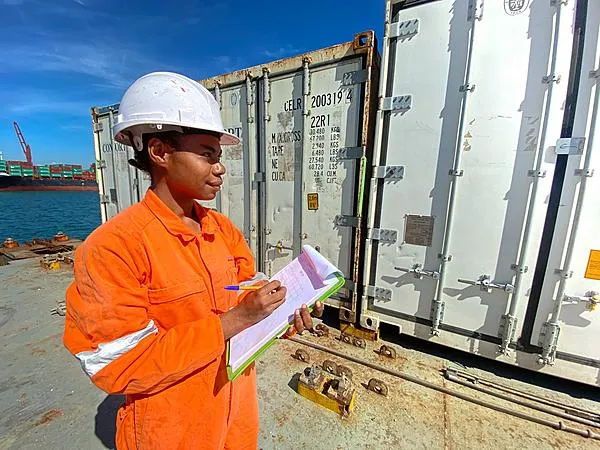

July 10, 2026

Steamships Ship Management (SSM) is pleased to announce the signing of a Memorandum of  Understanding (MOU) with Tetra Tech Development Pty Ltd, delivery partner of the Australia  Awards PNG Program, reaffirming a long-standing commitment to creating maritime career  pathways for Papua New Guinean (PNG) women. 

The agreement supports the continuation of the Women in Maritime (WiM) Scholarship  Program, providing women with access to maritime education, sea-time training and  professional development opportunities that lead to internationally recognized maritime  qualifications.  

The scholarships fund coursework at the PNG Maritime College, together with participant  stipends, travel and insurance support.  

Under the partnership, SSM will provide structured sea-time training placements, onboard  supervision and mentoring support for up to ten women annually pursuing Officer of the Watch  (Deck) and Officer of the Watch (Engine) qualifications.  

The MOU represents the next chapter of a partnership first established in 2018 by Pacific  Towing (PacTow), which launched one of PNG’s pioneering female maritime cadetship  programs. The initiative reflected PacTow’s ongoing commitment to advancing gender equality,  workforce diversity and the development of highly skilled PNG seafarers.  

Since its inception, more than 50 PNG women have benefited from the scholarship program,  accelerating their careers through deck and engine cadetships and helping address the  underrepresentation of women across the maritime sector.  

SSM combines the ship management activities previously undertaken by PacTow and Consort  Express Lines, both operating within Steamships Logistics Division. While the current  agreement is signed by SSM, it continues the legacy and achievements of the PacTow  partnership established in 2018.  

“The maritime industry plays a vital role in PNG’s economy and developing skilled national  seafarers is critical to its future,” said Nicholas Fisher, Executive Advisor Marine Fleet &  Investments, Steamships Logistics Division.  

“This partnership gives young PNG women real hands-on experience at sea and a genuine  pathway into careers that have too often been closed to them. We are proud to continue the  work that began under PacTow and open our vessels and our expertise to support the next  generation of PNG seafarers. We thank the Australian Government for its ongoing investment  in the Australia Awards Program, which enables partnerships that strengthen PNG’s maritime  workforce.” 

Beyond scholarship support, PacTow and Steamships have continued to invest in initiatives that  foster a more inclusive maritime industry. These include cadetship and mentoring programs,  leadership development opportunities, workplace policies promoting gender equity, anti-sexual  harassment and family and sexual violence training, and support services that help create safer  and more inclusive workplaces. 

The initiative contributes to addressing critical workforce needs within PNG's maritime sector  while creating greater opportunities for women to pursue rewarding careers at sea and ashore. 

The MOU took effect on 8 July 2026 and will run until 30 June 2027, with the partnership  governed by a join steering committee that will meet quarterly to oversee progress, share  learnings and identify further opportunities for collaboration.  

July 10, 2026

 TISA Insurance Group has won four awards at the 2026 Insurance Asia Awards, recognizing its operations in Papua New Guinea and Fiji and marking its second consecutive year of success at the regional awards program.

The latest recognition brings the group's total haul to six Insurance Asia Awards over the past two years, underscoring its growth and expansion across the Pacific.

TISA Insurance Papua New Guinea received the Domestic General Insurance Company of the Year and Strategic Partnership Initiative of the Year awards. TISA Insurance Fiji was named International General Insurance Company of the Year and received the Bancassurance Initiative of the Year award.

The Insurance Asia Awards recognize insurers that demonstrate excellence, innovation and customer service across the region.

TISA Group said the awards validate its strategy of integrating banking and insurance services under a single Pacific brand to provide customers with savings, lending, investment and insurance solutions.

Group Chief Executive Officer of TISA and Chairman of TISA Insurance Group Michael O. Koisen accepted the awards on behalf of the group during the ceremony. He was joined by TISA Group Chairman Peter Mason, TISA Insurance Group Chief Executive Officer Jeremy Norton, and TISA Insurance Fiji & Tonga Chief Executive Officer David Ariff Chan.

Koisen said the awards reflect the contributions of employees across the group's operations in Papua New Guinea, Fiji, Solomon Islands, Tonga and Vanuatu.

"These achievements belong to our people across Papua New Guinea, Fiji, Solomon Islands, Tonga and Vanuatu. This recognition reinforces our commitment to serving our communities, customers, members, partners and regulators whose trust we work to earn every day," he said.

Koisen also congratulated the management and staff of TISA Insurance on the achievement, saying the awards highlight the company's continued commitment to delivering value to customers across the Pacific.

TISA has evolved from serving Papua New Guinean workers into a diversified financial services group with operations in five Pacific countries, offering banking, insurance and other financial services aimed at helping individuals and businesses build long-term financial security.

July 10, 2026

The National Government has strengthened representation for communities affected by the Papua LNG project, with Petroleum Minister Jimmy Maladina assuring landowners and local leaders that every impacted district and province will have a voice during the Papua LNG Development Forum.

Speaking at APEC Haus on Wednesday, 8 July, the Minister outlined the government's approach to the development forum, describing it as a key process required under the Oil and Gas Act before discussions on benefit-sharing arrangements can proceed.

The forum, hosted by the Office of the Minister for Petroleum, commenced this week in Port Moresby after plans to launch it in Kerema, Gulf Province, were changed due to infrastructure constraints and other logistical considerations. The decision to relocate the forum received Cabinet endorsement.

Minister Maladina said that while stakeholder consultations had already begun, the forum would be officially launched by Prime Minister James Marape later this month, when the Director's Proposal—a mandatory requirement under the Oil and Gas Act—would be presented to all stakeholders.

Following the presentation, participants will observe a seven-day consultation period before formal negotiations begin.

"We will adjourn and give time to all the stakeholders in this project to consult their advisers, consult their people and then return after seven days," Minister Maladina said.

"The facilitators will then begin discussions with the respective interest groups to consider any responses or issues they wish to raise regarding the Director's Proposal."

The Minister said the government had convened a meeting with political leaders from the affected provinces and districts the previous day to address concerns over representation within the forum.

The meeting involved leaders from Gulf and Central provinces, including representatives from Kikori, Kerema, Kairuku and Hiri-Koiari districts, which form part of the Papua LNG project footprint.

Mr Maladina said misinformation suggesting some communities would be excluded from the process needed to be addressed.

"I want to make it very clear that all your voices are represented in the development forum," he said.

"I don't want misleading information going out that people do not have a voice in this process."

While noting that legislation limits the number of individuals who can formally participate in the forum, the Minister said recent amendments to the Organic Law on Provincial Governments and Local-level Governments had broadened representation by allowing districts to participate directly.

He said the reform recognised that not every affected individual could be invited into the negotiations and instead empowered district leadership to represent wider community interests.

To further strengthen participation, Minister Maladina announced additional representation for districts.

Each affected District Development Authority (DDA) has now been authorised to nominate two additional representatives from within the district, including individuals outside the immediate project footprint, to ensure broader community concerns are heard.

"I have used my powers to increase that representation so people who feel they have been left out now have an opportunity to bring their concerns into the forum," he said.

The Minister also outlined the importance of the development forum in determining how project benefits will be distributed once the State's financial interest in the project is established.

Under existing legislation, 20% of the State's share of project benefits is allocated to impacted landowners, local-level governments, district administrations and provincial governments.

Minister Maladina acknowledged that while legislated benefits must remain within the legal framework, the government remained open to considering additional concerns raised through the consultation process.

"We will consider your proposals and your interests," he said.

"If you believe you have been left out, bring your concerns through the appropriate representatives, whether through your DDA, LLG, provincial government or directly through the forum."

The Minister also highlighted the calibre of the independent facilitation team overseeing the consultation process, stressing that its members had been appointed for their experience rather than as representatives of the government.

The panel is chaired by former Petroleum Minister Arthur Somare, who played a leading role during the PNG LNG development process. Other facilitators include former Chief Secretary and Ambassador Sir Isaac Lupari, alongside experienced legal and public sector representatives.

"They are not from government," Minister Maladina said.

"They have been appointed because of their knowledge and experience. Their role is to listen to stakeholders, provide guidance on legal and policy matters, and bring those issues back to government."

He added that communities in Gulf and Central provinces also benefit from strong political representation at the national level, with ministers and Members of Parliament representing the affected regions participating in government decision-making.

The Papua LNG Development Forum is a critical milestone in progressing one of PNG's largest proposed resource developments, providing the formal platform through which government, landowners and provincial stakeholders negotiate the distribution of project benefits before development advances.

July 10, 2026

The Papua New Guinea Tourism Promotion Authority (PNGTPA), in partnership with the National Capital District Commission (NCDC), has launched the National Capital District Accommodation Inventory & Capacity Survey, an initiative aimed at strengthening tourism investment, destination planning and industry growth through the collection of reliable accommodation data.

The survey was officially launched during a stakeholder workshop at the Holiday Inn Hotel in Port Moresby on 30 June, bringing together accommodation providers, tourism stakeholders and government representatives to outline the survey's objectives, methodology and implementation.

The survey will establish a comprehensive and up-to-date database of accommodation establishments across the National Capital District, providing reliable information to support tourism development, attract investment and enable evidence-based policy and planning.

The initiative is also expected to improve Port Moresby's readiness to host major national and international events by providing accurate information on accommodation capacity and availability, including future planning for the 2028 PNG Chiefs Rugby Games.

PNGTPA Executive Manager for Partnership and Product Development, Kennewton Kennedy, said the survey represents an important step towards building a stronger and more sustainable tourism industry.

"Quality tourism planning begins with quality data. This Accommodation Inventory and Capacity Survey will provide us with an accurate picture of the accommodation sector within the National Capital District, enabling government and industry to make informed decisions that support sustainable tourism growth," Kennedy said.

He said the initiative would generate long-term value for both government and the private sector by identifying opportunities for investment and improving destination planning.

"This initiative is about more than counting rooms. It is about understanding our tourism capacity, identifying opportunities for investment, improving destination planning and ensuring Port Moresby is well prepared to host major national and international events," he said.

Kennedy also encouraged accommodation operators throughout the National Capital District to actively participate in the survey, assuring them that all information collected would remain confidential and be used solely for planning and development purposes.

NCDC Economic and Business Development Manager, Busa Jeremiah Wenogo, said strengthening tourism in Port Moresby would have wider economic benefits for the country.

"Port Moresby is not only the nation's administrative and business capital, but also a destination that encourages visitors to stay longer, experience our culture and hospitality, and use the city as a gateway to explore the rest of Papua New Guinea. When we strengthen tourism in the National Capital District, we also strengthen tourism opportunities for every province," Wenogo said.

According to PNGTPA, the survey will develop an accurate inventory of accommodation establishments, assess accommodation capacity, support tourism investment and destination planning, identify accommodation availability for major events including the 2028 PNG Chiefs Rugby Games, and strengthen tourism planning, emergency preparedness and visitor information services.

The initiative reflects the shared commitment of PNGTPA and NCDC to improving tourism intelligence, enhancing visitor experiences and creating a stronger investment environment for Papua New Guinea's tourism industry through informed planning and strategic partnerships.

July 09, 2026

K92 Mining produced 46,093 ounces of gold equivalent during the second quarter of 2026 as its Kainantu Gold Mine in Papua New Guinea continued to ramp up production following the commissioning of its Stage 3 expansion.

The Vancouver-based miner said quarterly output comprised 42,931 ounces of gold, 1.78 million pounds of copper and 50,109 ounces of silver. It maintained its full-year production guidance of 190,000 to 225,000 ounces of gold equivalent, with output expected to be stronger in the second half as additional mining fronts and expansion projects come on stream.

The company also reported record quarterly ore processing of 225,965 tonnes, up 73 per cent from the same period last year and 59 per cent higher than the previous quarter. Gold and copper recoveries reached 93.8 per cent and 93.2 per cent, respectively, exceeding the recovery assumptions in its updated definitive feasibility study.

Underground development reached a record 3,326 metres during the quarter, while ore mined climbed to a record 228,254 tonnes. Total material mined, including waste, also hit a quarterly high of 426,012 tonnes, supported by the progressive ramp-up of a second mining front at Lower Kora and improvements to underground infrastructure.

K92 said several key Stage 3 expansion projects advanced during the quarter, including the completion of a second material pass, the expansion of its primary power station and continued construction of surface and underground pastefill facilities. A major ventilation upgrade, haul road improvements and new river crossings are scheduled for completion in the third quarter to further increase mining capacity and improve operational efficiency.

The company said 98 per cent of Stage 3 expansion growth capital had either been spent or committed as of 30 June, with the project remaining on budget. Commissioning of the underground pastefill circuit remains on track for the fourth quarter.

Chief executive officer John Lewins said the latest results reflected the benefits of recent investments in underground infrastructure and equipment, adding that additional mining fronts and major infrastructure projects due for completion this quarter are expected to support higher production rates in the second half of the year.

July 09, 2026

Air Niugini will resume direct flights between Port Moresby and Tokyo on July 18, restoring a key international route suspended since 2020 and strengthening air links between Papua New Guinea, Japan and the wider Pacific.

The national carrier will operate two weekly services every Wednesday and Saturday between Port Moresby and Tokyo's Narita International Airport.

Flight PX54 will depart Port Moresby at 2:10 p.m. and arrive in Tokyo at 8:00 p.m. after a journey of about six hours and 50 minutes. The return service will leave Narita at 9:40 p.m. and arrive in Port Moresby at 5:30 a.m. the following day.

Air Niugini said the direct service will cut travel times by about half compared with itineraries requiring connections through other hubs.

Chief Executive Officer Alan Milne said the route's return marks an important milestone in rebuilding the airline's international network while strengthening Papua New Guinea's connectivity with Asia and the Pacific.

"We are delighted to bring back this vital route, which is a key milestone in our efforts to expand and strengthen our international network, while further positioning Papua New Guinea as an important connecting gateway between Japan, Australia, and the Pacific Island countries," Milne said.

He said Port Moresby is strategically positioned to serve as a transit hub for passengers travelling between Japan, Australia and Pacific island nations, with the resumed service providing improved onward connections through Air Niugini's domestic and regional network.

The airline said travelers from Japan will gain easier access to destinations across Papua New Guinea, Australia, Solomon Islands, Fiji, Vanuatu and other Pacific locations served by Air Niugini and its partner airlines. Passengers from Papua New Guinea and neighboring Pacific countries will also benefit from more convenient access to Japan for tourism, business, education and medical travel.

Milne said the resumed service is also expected to boost trade by providing faster cargo links for Papua New Guinea exports, including coffee, vanilla, seafood and other high-value products destined for the Japanese market.

The Tokyo route will be operated using a mix of Boeing 767-300ER and Boeing 737-800 aircraft. Air Niugini said all international flights include complimentary meals and beverages, in-flight entertainment and a 30-kilogram checked baggage allowance, while Business Class passengers and Kumul Club members receive additional travel benefits.

The airline is offering introductory promotional fares to mark the return of the Port Moresby–Tokyo service, with tickets available through Air Niugini sales offices, travel agents and online booking platforms.

The resumption of direct services comes as Air Niugini continues to restore and expand its international network following the pandemic, while supporting tourism, trade, investment and people-to-people links between Papua New Guinea and Japan.

July 09, 2026

Ok Tedi Mining Ltd (OTML) has committed K30 million under Papua New Guinea's Tax Credit Scheme to help fund the construction of the Sisimakam–P'nyang Road, a strategic infrastructure project that will provide road access to the proposed P'nyang LNG development.

The 32-kilometre road carries an estimated cost of K150 million and is primarily financed through an Infrastructure Tax Credit Scheme arrangement between ExxonMobil PNG and the Papua New Guinea government.

Construction will be undertaken in three phases, beginning with 11 kilometres of early works, followed by a 23-kilometre extension to complete the missing link to the P'nyang project site. The final phase will involve sealing the entire road from Sisimakam to the gas project.

The road is expected to improve access to the P'nyang LNG Project, which contains about 4.6 trillion cubic feet of proven natural gas reserves and is regarded as Papua New Guinea's next major liquefied natural gas development alongside the existing PNG LNG project in Hela Province.

OTML Acting Chief Executive Officer Alan Bong said the investment reflected the company's commitment to ensuring resource development delivers lasting benefits for communities and the wider economy.

"What is the value of extracting copper and gold if it does not positively impact the lives of our people?" Bong said.

"Our focus is on ensuring that our operations contribute meaningfully to national development, empower local communities, and support the country's future growth under the Take Back PNG agenda."

The company said the Sisimakam–P'nyang Road forms part of its broader infrastructure programme under the Tax Credit Scheme, which supports the delivery of public infrastructure in mining-affected and remote areas.

As of the end of 2025, OTML said it had invested about K648.86 million across Tax Credit Scheme projects, including transport and other infrastructure aimed at improving connectivity and access to essential services.

OTML, a majority state-owned company, operates the Ok Tedi copper, gold and silver mine in Western Province and has been operating in Papua New Guinea for more than four decades. It is also expanding its mining portfolio through the acquisition of the Misima gold project in Milne Bay Province.