A new partnership to establish downstream balsa processing in Oro Province of Papua New Guinea is being hailed as a significant step towards industrialisation, with plans to transform Kararata into a future Special Economic Zone (SEZ) aimed at attracting investment, creating jobs and increasing export value.
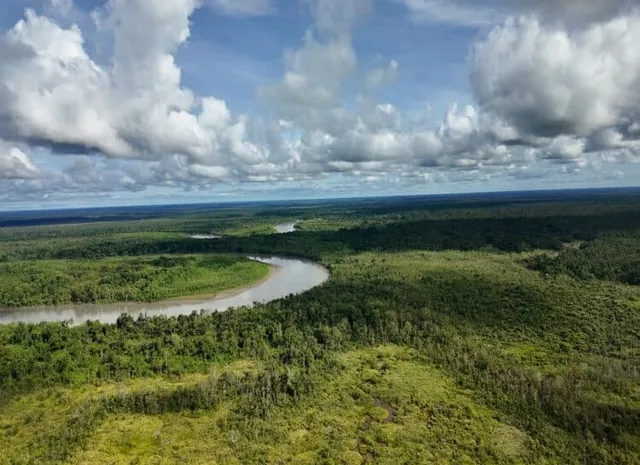
The Popondetta District Development Authority (PDDA), the Jaumo Balsa Project and the Papua New Guinea Forest Authority (PNGFA) signed a Memorandum of Understanding (MOU) at Kararata Village in the first week of June, laying the foundation for the commercial development of the Jaumo Balsa Project and a value-added forestry industry in the province.
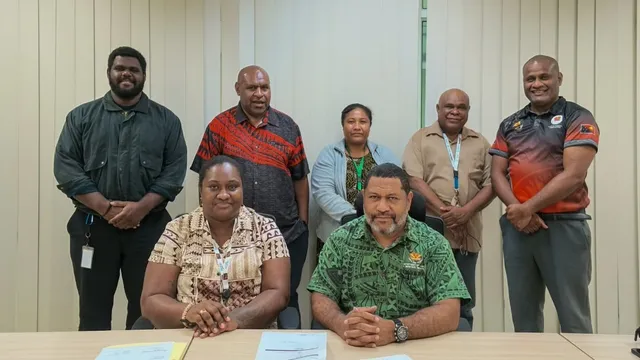
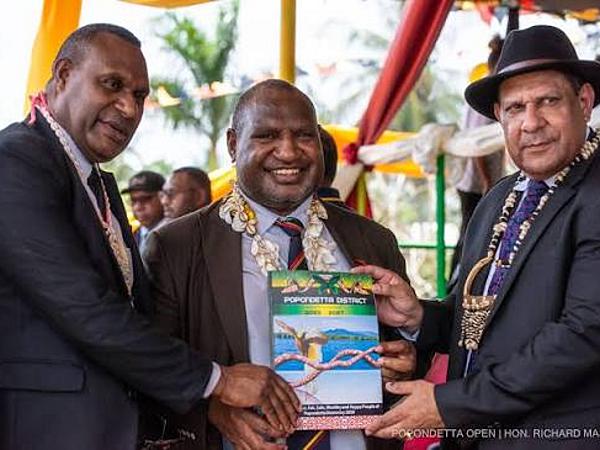
The agreement was witnessed by Administrative Services Minister and Popondetta MP Richard Masere, Oro Governor Gary Juffa and International Trade and Investment Minister Richard Maru, alongside landowners and community members from Kararata Village and the wider Sauga community in Oro Bay East LLG.
The MOU establishes a strategic partnership to promote downstream timber processing, shifting from the export of raw forestry products to the manufacture of higher-value processed balsa products within Papua New Guinea.
Jaumo Balsa Project representative Stanford Motamota described the project as a "lifeline" for Oro Province, saying it would generate long-term economic benefits while positioning the province to achieve its first shipment of processed balsa products.
PNGFA Managing Director John Mosoro said the project supports the National Government's forestry reform agenda, which prioritises downstream processing, value addition, increased local ownership and greater participation by customary landowners.
He said processing forestry products within PNG rather than exporting raw logs would create employment, expand business opportunities and deliver greater economic returns to local communities.

Masere reaffirmed the district's commitment to establishing a downstream processing facility at Kararata, saying local processing would retain more value within the district, create jobs and increase incomes for customary landowners.
He also announced plans to support the development of Kararata as a Special Economic Zone, positioning the area as an emerging industrial and investment hub for Oro Province.
Masere said the proposed SEZ is expected to attract domestic and international investors, stimulate infrastructure development, encourage value-added manufacturing and strengthen economic participation by local communities.
Maru said reliable infrastructure would be critical to the success of the proposed economic zone and called on the Oro Provincial Government to ensure electricity is extended to Oro Bay, with a reliable 24-hour power supply in place before development begins.
He also revealed plans to invite an Oro Province delegation to participate in the inaugural Business Forum and Trade Expo in China this October to promote the province's investment potential, strengthen trade links and attract foreign investors.
Juffa said the proposed SEZ should ensure locally produced goods are traded at genuine market prices, helping address longstanding concerns over the undervaluation of Papua New Guinea's natural resources.
He stressed that investor screening and due diligence would be essential to protect landowner interests, ensuring only reputable and responsible investors operate within the province.
The MOU marks a major milestone in the development of the Jaumo Balsa Project and is expected to accelerate plans to establish Kararata as a forestry processing and industrial hub.
The initiative is projected to create employment opportunities, increase household incomes for landowners and expand participation in the formal economy through value-added forestry production.
As part of its commitment to the project, the Popondetta District Development Authority also presented a two-tonne truck to the Jaumo Balsa Project during the signing ceremony. The vehicle will support the transportation and distribution of balsa seedlings to farmers throughout the district, strengthening supply chains and supporting the expansion of the emerging balsa industry.
The project aligns with PNG's broader economic strategy of promoting downstream processing, reducing dependence on raw commodity exports and building regional industries that generate greater value, investment and employment within the country.