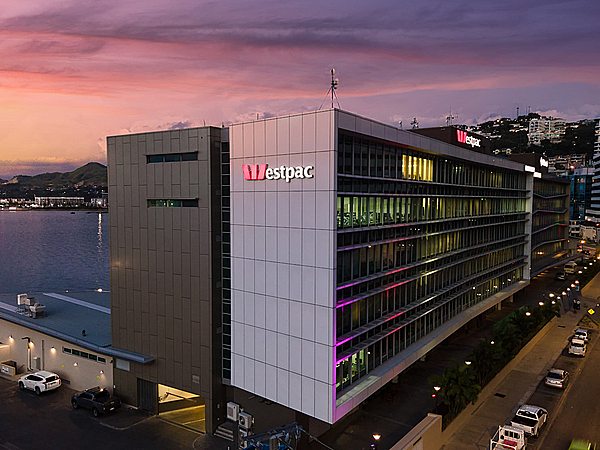
Papua New Guinea's economy is expected to remain one of the stronger performers in the Pacific this year, with growth supported by robust resource exports, improving foreign exchange conditions, resilient domestic demand and a pipeline of major resource and infrastructure investments despite mounting global risks, according to Westpac's latest *PNG Economic Update and Outlook*.
Westpac forecasts Papua New Guinea's real gross domestic product (GDP) will expand by around 4.6% in 2026, following estimated growth of 5.5% in 2025. While growth is expected to moderate from last year, the bank said the economy continues to demonstrate resilience amid elevated energy prices, geopolitical tensions and slowing global growth.
Westpac Pacific Senior Economist Shamal Chand said PNG had weathered recent external shocks better than anticipated, supported by strong resource earnings, government fuel price support and continued expansion across agriculture, services and industry.
"PNG's economy has shown good resilience despite external shocks. While global risks are still there, domestic demand, resource exports and non-resource activity continue to support growth," Chand said.
Domestic economy remains resilient
Beyond the resource sector, Westpac said economic activity continues to broaden, with provincial centres—particularly across the Highlands—benefiting from urbanisation, internal migration and stronger household demand.
Retail trade, industrial production and service industries have remained active, while import demand has continued to signal healthy consumer spending and business investment despite temporary disruptions to international shipping. Westpac's PNG Ports Imports Indicator recorded annual import growth of about 26% in early May before moderating to around 15% in early June, suggesting businesses continue to invest despite external uncertainty.
The report noted that non-resource sectors are playing an increasingly important role in supporting overall growth, reducing the economy's reliance on mining and petroleum alone.
Foreign exchange conditions improve
One of the report's most positive developments was the continued improvement in Papua New Guinea's foreign exchange market.
Westpac said reforms supported by the International Monetary Fund, together with stronger export earnings, have substantially reduced the country's long-standing foreign exchange backlog. Businesses that previously waited several weeks for foreign currency allocations are now seeing transactions cleared within days.
Improved foreign exchange availability has helped stimulate private sector lending, with credit growth exceeding 13% year-on-year at the end of 2025. Investor confidence has also remained strong, reflected in Treasury bill auctions that have consistently attracted bids well above the amount on offer.
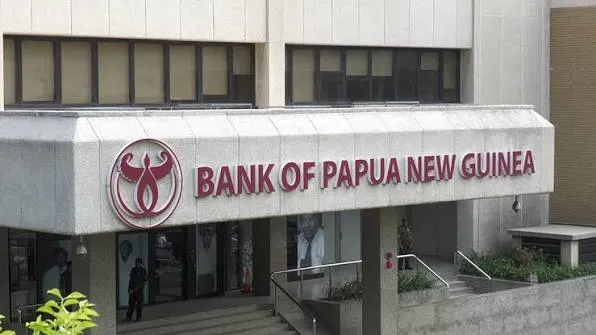
The report also highlighted recent measures by the Bank of Papua New Guinea to strengthen financial sector resilience, including the introduction of its Emergency Liquidity Assistance Policy Framework in April.
Meanwhile, the central bank maintained the Kina Facility Rate at 5% and the Cash Reserve Requirement at 9% during its June monetary policy meeting while retaining its crawl-like exchange rate arrangement. The Monetary Policy Committee continued to assess the kina as overvalued.
Inflation remains contained but uneven
Although headline inflation has remained relatively subdued, Westpac cautioned that price pressures continue to vary significantly across the country.
Headline consumer inflation rose 2.24% year-on-year during the March quarter, with annualised inflation easing to 3.7% from 4.4% previously. Food prices, particularly meat and processed staple products, continued to drive inflation, although lower prices for betel nut and mustard helped offset broader increases.
Regional disparities remain pronounced.
While Port Moresby and Lae recorded relatively modest inflation, prices rose by 6% year-on-year across Alotau, Kimbe, Kokopo and Rabaul, while Goroka, Mt Hagen and Madang experienced inflation of 12.8%, highlighting differing cost pressures across the country.
Westpac warned inflation could accelerate later this year should higher global fuel and shipping costs feed through into imported goods.
Exports continue to underpin growth
Resource exports remain a key pillar of the economy.
PNG LNG exported approximately 3.73 million tonnes during the year to May 2026, compared with around 3.41 million tonnes over the same period a year earlier, reflecting stable production and high utilisation rates. LNG export values to Japan remained broadly steady, while export volumes to China increased by 23% year-on-year.
Gold exports also strengthened considerably.
Exports to Australia reached K6.51 billion during the year to April, up 30% from the same period in 2025 as higher production coincided with stronger international gold prices amid global uncertainty.
Agricultural commodities also continued to support rural incomes.
Cocoa export earnings climbed to K1.80 billion in 2025, representing one of the strongest performances in the industry's modern history, while coffee earnings rose to K1.31 billion.
However, Westpac cautioned that both sectors face downside risks as global commodity prices begin to soften. Cocoa prices have retreated from record highs, while improved production in Brazil is expected to weigh on global coffee prices, potentially reducing returns for PNG farmers despite the country's reputation for premium coffee.
Major projects to support medium-term growth
Westpac identified several large-scale investments expected to underpin Papua New Guinea's medium-term economic expansion.
The most significant remains the approximately US$14 billion Papua LNG project, with a final investment decision targeted for late 2026 following landowner consultations. Once operational, the project's two LNG trains and estimated 6.6 trillion cubic feet of gas reserves are expected to provide a substantial boost to exports and government revenue.
The report also highlighted continued progress on the Wafi-Golpu copper-gold project, K92 Mining's Kainantu expansion, the Agogo tie-in gas development, offshore petroleum exploration and the longer-term P'nyang LNG project.
Outside the resources sector, infrastructure investments—including the K20 billion Connect PNG programme, the redevelopment of Port Moresby International Airport, upgrades to Rabaul Port and improvements to urban water infrastructure—are expected to strengthen economic productivity and improve connectivity across the country.
Risks remain
Despite its positive outlook, Westpac said Papua New Guinea remains exposed to several domestic and international risks.
These include volatility in global energy and commodity prices, renewed inflationary pressures, fiscal constraints, delays to major investment projects and compliance reforms associated with the country's placement on the Financial Action Task Force grey list.
Nevertheless, the bank said the combination of stronger export earnings, improving foreign exchange liquidity, resilient domestic demand and continued investment in strategic projects should allow the economy to maintain solid growth through 2026.