


April 21, 2026

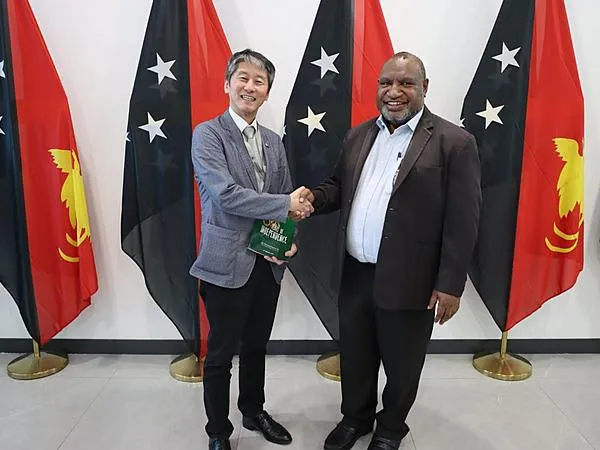
Prime Minister James Marape has reaffirmed Papua New Guinea’s long-standing partnership with Japan, setting out plans to deepen cooperation in education, trade, clean energy and regional security following high-level talks with Japanese officials.

Marape met with Matsuoka Hideaki, Shirouzu Kenichi and Hisanobu Mochizuki, highlighting what he described as a “forward-looking agenda” anchored on human capital development and economic expansion.

Scholarships, skills development prioritized

The prime minister pointed to the growing role of the Japan International Cooperation Agency in supporting Papua New Guinean students and public servants through scholarships and postgraduate training.

He said expanded access to Japanese education — including master’s programs — is strengthening the country’s workforce and creating a pipeline of technically skilled graduates, particularly in language and specialized fields.

Marape also pushed for deeper institutional ties between University of Papua New Guinea and Papua New Guinea University of Technology with Japanese universities, especially in emerging technologies.

Trade, connectivity seen as growth drivers

On the economic front, Marape backed efforts to improve logistics links, including direct shipping and air connectivity, to facilitate trade expansion.

He said Papua New Guinea is seeking to scale up exports of agricultural commodities such as coffee, cocoa and vanilla to Japan, while opening its market further to Japanese goods and investment.

“There is significant potential for growth in trade, investment and value-added manufacturing,” he said, reiterating that the country remains open to foreign business participation.

Clean energy collaboration proposed

Marape also outlined a longer-term vision for energy cooperation, inviting Japanese firms and research institutions to partner with Papua New Guinea in renewable energy and battery storage technologies.

He said the country’s natural endowments — including hydro, geothermal and solar resources — position it to become a future supplier of clean energy, potentially exported through advanced storage systems rather than conventional means.

Call for regional stability

The prime minister underscored the need for sustained peace and cooperation in the Asia-Pacific, urging major powers to adhere to international law and prioritize stability.

“We live in a connected world where what happens in one region affects all of us,” he said, emphasizing coexistence and respect across territorial domains.

Marape also confirmed plans to participate in the Pacific Islands Leaders Meeting, a key forum for Japan’s engagement with Pacific nations, signaling continued high-level dialogue between the two sides.

Long-standing partnership

He concluded by describing Japan as one of Papua New Guinea’s most trusted partners, noting that bilateral ties have been built on mutual respect and development cooperation.

“Together, we can build a future based on innovation, sustainability and shared prosperity,” Marape said.

April 21, 2026

Papua New Guinea is currently undergoing its third validation under the Extractive Industries Transparency Initiative (EITI), marking a significant milestone in the country’s ongoing efforts to strengthen transparency and accountability in the management of its natural resources.

Executive Director of the Papua New Guinea Extractive Industries Transparency Initiative (PNGEITI), George Kauli, confirmed that the validation process commenced on 1 April and is expected to conclude in June, with final results anticipated later this year.

Kauli highlighted that extensive preparatory work has been undertaken ahead of the validation, including efforts to improve data accessibility, strengthen the functionality of the Multi-Stakeholder Group (MSG), and address corrective actions identified during the 2022 validation. These measures aim to further enhance transparency and accountability across Papua New Guinea’s mining, oil and gas sectors.

An international validation team is currently in the country to assess progress. The delegation includes Validation Advisor Riley Zecca and Regional Director – Europe, Mark Burnett, who are engaging with key stakeholders. Consultations are being held with government ministers, senior officials, civil society organisations, extractive industry companies, and state-owned enterprises.

Speaking on the purpose of the mission, Zecca emphasised that EITI serves as a global benchmark for good governance in the extractive sector.

"EITI is a global standard for the good governance of natural resources. This validation is a check-in on Papua New Guinea’s progress after more than a decade of implementation. The aim is to ensure that citizens understand how they benefit from the country’s natural resources and can hold decision-makers accountable," he said.

He further clarified that the validation process is not intended as a test, but rather as a collaborative mechanism to support countries in refining their systems.

“While validation provides a score and assessment, it is not a test. We are here to support Papua New Guinea in tailoring EITI implementation to its national context and priorities,” Zecca added.

During their mission, the validation team has met with the PNGEITI National Secretariat, the Independent Administrator for the 2024 EITI Report, Kuna Taberia Kiruwi (KTK), and representatives from the University of Papua New Guinea’s Division of Earth Sciences. The mission is expected to conclude with a high-level debrief with MSG Chair and Minister for Treasury, Ian Ling-Stuckey, before the team’s departure.

Kauli explained that validation is a core component of EITI implementation, providing an independent and objective assessment of whether a country meets the requirements of the EITI Standard.

Papua New Guinea first underwent validation in 2018, achieving a rating of “meaningful progress”. In its second validation in 2022, the country improved to a “moderate” score of 70.5 per cent. The EITI International Board commended PNG for implementing reforms to address weaknesses in government systems, improving transparency, ensuring effective multi-stakeholder oversight, and producing timely and accessible reports.

Looking ahead, Kauli expressed optimism that the current validation will yield further improvements, reinforcing Papua New Guinea’s reputation for transparency and good governance.

He noted that a stronger validation outcome would be particularly significant as the country works to address concerns related to its grey listing by the Financial Action Task Force (FATF).

A positive result, he said, would send a strong signal to the international community that Papua New Guinea remains committed to strengthening governance systems and ensuring that its natural resource wealth delivers tangible benefits to its people.

April 20, 2026

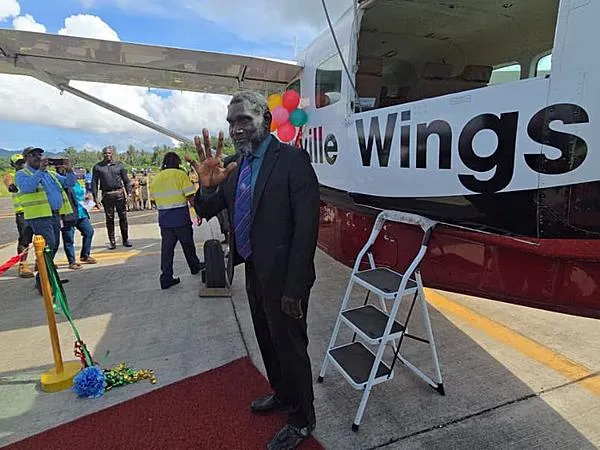
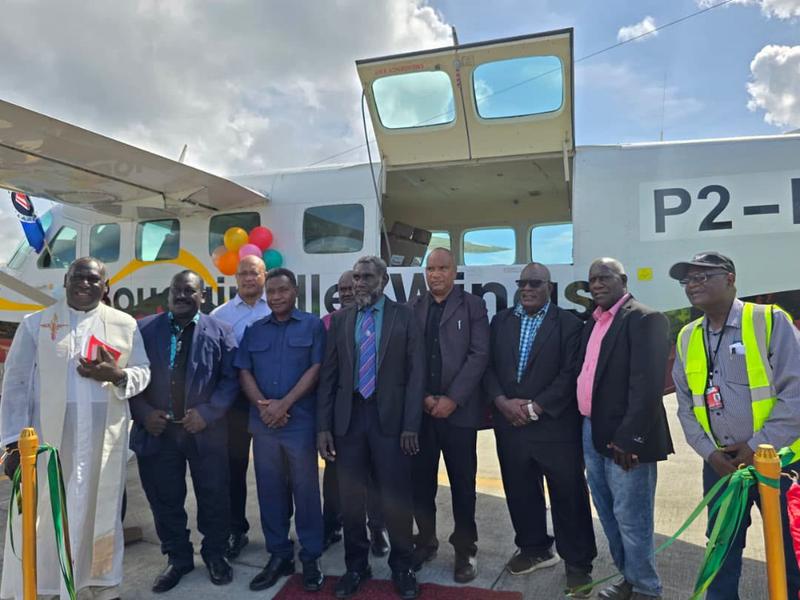
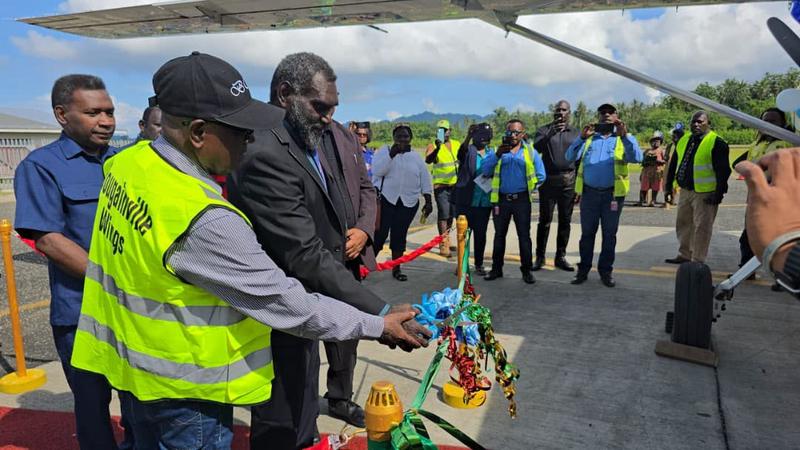
The Autonomous Bougainville Government has launched its flag carrier, Bougainville Wings Limited, marking a milestone in the region’s aviation sector and broader economic development efforts.

President Ishmael Toroama officiated the launch at Buka Airport, describing the initiative as a long-awaited step toward strengthening connectivity and supporting growth across the autonomous region.

Bougainville Wings is a joint venture between the ABG and Outback Aviation, with Bougainville holding a 70 per cent majority stake through Bougainville Public Investment Corporation Limited.

The launch ceremony was attended by senior government officials, including Commerce, Trade, Industry and Economic Development Minister Robin Wilson, as well as Bougainville Wings Chairman Sylvester Kenatsi and other stakeholders.

Toroama said the government remains committed to ensuring the airline’s success and positioning it as a revenue-generating asset for the region.

“The aviation industry in Bougainville has long awaited progress and we are looking forward to expand this significant beginning,” he said, adding that the government would ensure the airline is properly established and managed.

Bougainville Wings is expected to support the Bougainville 2052 Vision by improving transport links, particularly to remote and underserved areas such as Nissan, Buin, Torokina and the Atolls.

Wilson said the launch signalled a transition from planning to operations, noting that the airline secured its certificate of airworthiness from the Civil Aviation Safety Authority of Papua New Guinea on Dec. 20, 2025.

Under the joint venture structure, Bougainville retains a 70 per cent share, with the remaining 30 per cent held by private sector partners.

Officials said the establishment of Bougainville Wings represents an initial but significant step toward building a sustainable aviation industry, with plans focused on expansion, improved connectivity and long-term economic returns.

April 20, 2026

The Autonomous Bougainville Government has resumed engagement activities with landowners in the Panguna EL01 licence area from 20 April, following a temporary suspension caused by Cyclone Maila, President and Mining Minister Ishmael Toroama said.

Consultations had been halted for two weeks as the cyclone affected access to communities and their readiness to participate. The government, in coordination with stakeholders, will now restart its structured engagement programme across Central Bougainville.

Under the programme, the ABG, through its Central Parliamentary Committee, will carry out constituency-level engagements aimed at disseminating factual information on Panguna-related developments. The initiative is intended to strengthen communication between leaders and communities and ensure consistent messaging at the local level.

Parallel consultations will be held with Panguna landowners and their representative groups, community government officials, ward members and other local authorities. The process marks a continuation of stakeholder engagement efforts disrupted by the cyclone.

The current phase will focus on addressing issues and grievances raised in earlier consultations, including improving understanding of the cooperation agreement between Bougainville Copper Limited and Lloyds Metals & Energy Ltd. Authorities said the programme would also clarify the roles and responsibilities of all parties and seek to build consensus among landowners through an inclusive and orderly process.

Representatives from BCL and LMEL are expected to participate in the engagements to provide further clarification on their respective obligations under the agreement.

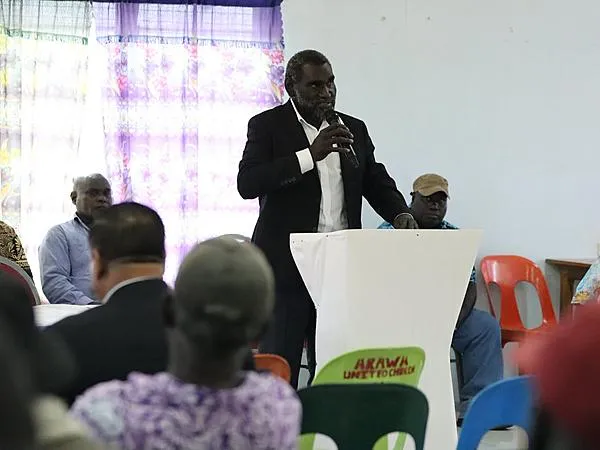
Toroama acknowledged that views within the community remain divided over developments at Panguna, stressing that inclusivity remains a priority.

“A key priority of this engagement process is to promote inclusive participation, including constructive engagement with individuals and groups who may have concerns or who oppose aspects of the current process. The Government remains committed to ensuring that all voices are heard,” he said.

The ABG will also outline grievance mechanisms available under the Bougainville Mining Act 2015, as well as those provided in the Land Access and Compensation Agreement signed between Panguna landowners and BCL in late 2024. The agreement covers BCL and any authorised entity operating under the EL01 licence, including LMEL.

Landowners have been encouraged to use these mechanisms to formally raise and resolve concerns.

The government reiterated its commitment to ensuring that developments at Panguna proceed in a peaceful, transparent and inclusive manner aligned with the aspirations of the people of Bougainville.

April 17, 2026

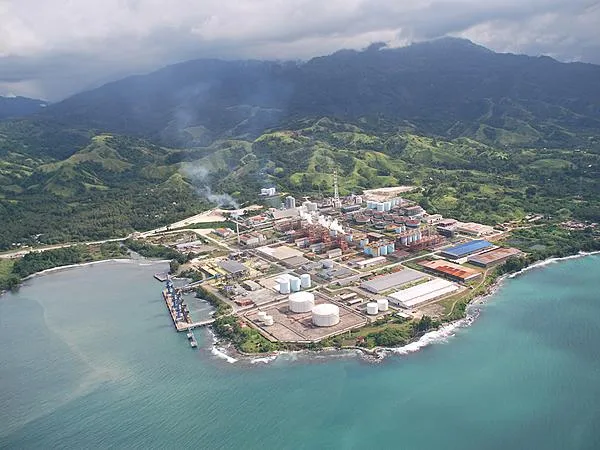
Nickel 28 Capital Corp. said it is evaluating its options following a proposal to expand the Ramu nickel-cobalt operation in Papua New Guinea, a move that could significantly increase production capacity.

The Toronto-listed company said it had been advised by Ramu NiCo Management (MCC) Limited, the operator of the Ramu operation, that a development proposal has been lodged with Papua New Guinea’s Mineral Resources Authority under the Mining Act.

The proposed phase II expansion is expected to approximately double the operation’s production capacity at an estimated cost of $1.6 billion, subject to regulatory approvals and agreements with the government and other stakeholders.

Nickel 28 holds an indirect interest in the project through its wholly owned subsidiary, Ramu Nickel Limited, which is party to joint venture agreements with MCC, the majority partner, and other stakeholders.

Under these agreements, MCC is required to offer to purchase the interests of minority partners if it proceeds with a qualifying expansion proposal. Minority partners may either sell their stake, contribute to expansion costs proportionally, or accept dilution of their ownership interest based on a predefined formula.

The company said it is currently assessing the implications of the proposal and the options available under the joint venture framework.

“The proposed expansion represents a noteworthy development for Ramu,” President and Chief Executive Craig Lennon said, adding that the company would seek to maximise value for shareholders while working with MCC.

Nickel 28 holds an 8.56% joint venture interest in the Ramu operation, a long-life nickel and cobalt project that provides exposure to metals used in electric vehicles.

April 17, 2026

Papua New Guinea’s economic growth is forecast to moderate to 3.6% in 2026 and 3.4% in 2027, as external pressures and persistent structural constraints weigh on activity, the Asian Development Bank said.

In its Asian Development Outlook April 2026, the Manila-based lender said the outlook reflects spillovers from the Middle East conflict, including higher energy and commodity prices, disrupted shipping routes and tighter financial conditions across developing Asia and the Pacific.

Inflation in PNG is projected to edge up to 4.6% in 2026 from 4.4% in 2025, before easing to 4.0% in 2027.

Recent macro-fiscal reforms have improved underlying conditions, including a narrower fiscal deficit, greater exchange-rate flexibility and better foreign-exchange availability, which have supported import-dependent sectors and lifted private-sector confidence, the report said.

However, constraints including power shortages, security concerns, inefficiencies in public capital spending and limited skilled labour continue to dampen growth prospects, compounded by inflationary pressures.

“While mining is likely to remain a key growth driver in the short term, the Middle East conflict will adversely affect the non-resource sector, particularly as PNG remains dependent on imported diesel fuel for power generation,” ADB country director for PNG Takafumi Kadono said.

The bank said the hydrocarbon sector — accounting for about 70% of resource output — could see modest gains, depending on the duration of global supply disruptions. Oil output and liquefied natural gas production are both expected to increase slightly in 2026, with LNG operations already near capacity last year.

Further upside could come from a final investment decision on the Papua LNG project and progress on other large-scale resource developments, which the bank said would provide a significant boost to economic activity.

To strengthen resilience against external shocks, the ADB said continued tax and policy reforms would be critical to improving revenue mobilisation and supporting fiscal consolidation.

April 17, 2026

Ok Tedi Mining Limited (OTML) continues to strengthen its commitment to sustainable development in PNG through investments in education and workforce capability building.

Seven undergraduate scholarship recipients have graduated from the PNG University of Technology (Unitech) and are now joining the company’s 2026 Graduate Development Scheme (GDS).

The graduates completed qualifications in disciplines that underpin the skills and competencies required for the safe, responsible and efficient operation of Ok Tedi’s business, while supporting long-term national capacity building.

The graduates are:
• Andy Nandung – Bachelor of Civil Engineering, First Class Honours
• Moesha Begornar – Bachelor of Civil Engineering, Lower Second Class Honours
• Hillary Rahiria – Bachelor of Engineering (Power), Upper Second Class Honours – recipient of the School of Electrical and Communication Engineering Student Leadership Award
• Bradcilda Onde – Bachelor of Mining Engineering, Lower Second Class Honours
• Emmanuel Winura – Bachelor of Mineral Processing Engineering, Lower Second Class Honours
• Jordon Nabes – Bachelor of Science in Applied Physics (Electronics & Instrumentation), degree with merit

The seven scholarship graduates form part of Ok Tedi’s total intake of 44 graduates into the 2026 Graduate Development Scheme. Of this intake, 32 graduates are from the PNG University of Technology, including the seven sponsored undergraduate scholars and 25 additional graduates recruited through the company’s Graduate Development Scheme application process.

The remaining graduates are from the University of Papua New Guinea and other recognised tertiary institutions across PNG, including Pacific Adventist University, Divine Word University and the University of Goroka.

Speaking on the milestone, Morris Nandun, Acting Manager for Training and Capacity Development, said the scholarship and graduate programmes are central to Ok Tedi’s human resource development and sustainability commitments.

Nandun welcomed and thanked all the graduates, noting that the majority of the 2026 intake is from Unitech, reflecting Ok Tedi’s emphasis on developing strong technical capability aligned with operational and environmental responsibilities.

“Investing in people and developing Papua New Guinean capability is a key part of our sustainability priorities and social responsibility as a 100 per cent PNG-owned company,” Nandun said.

“With our mine life extended beyond 2025, investing in education, structured training and workforce readiness ensures we operate sustainably while creating meaningful long-term opportunities for our people.”

He added that Ok Tedi’s focus is not only on graduates, but also on supporting their transition into professional roles through structured development, mentoring, and the setting of performance goals and expectations.

Reflecting on their scholarship journey, the graduates highlighted the role the programme played in shaping their academic discipline and personal accountability.

“The Ok Tedi scholarship motivated us to remain focused and committed throughout our studies,” the graduates said.

“As we begin our careers, we understand the responsibility that comes with this opportunity and are committed to contributing positively to the company and the country.”

Ok Tedi’s Graduate Development Scheme supports human capital development, local workforce participation, succession planning, and safe and responsible operations.

These initiatives align with Ok Tedi’s broader Growth 2050 Strategy framework by ensuring long-term business resilience while contributing to national development outcomes.

Ok Tedi congratulates all graduates on their achievements and welcomes them into the organisation as they begin their professional careers and contribute to delivering sustainable value for Ok Tedi and PNG.

A management team from Ok Tedi attended the graduation ceremony and congratulated the graduates.

Ok Tedi Mining Limited (OTML) is a majority state-owned entity that operates an open-pit copper, gold and silver mine in the Star Mountains of Western Province, Papua New Guinea. The company ships copper concentrate to smelters and refineries in Japan, the Philippines, Indonesia, South Korea, India and Germany.

OTML has operated in the region for more than 40 years and has contributed significantly to development in Western Province through direct and indirect employment, royalties, compensation payments and business opportunities.

The company is expanding its operations into Milne Bay Province through the acquisition of Gallipoli Exploration Limited, a wholly owned subsidiary of Australian mining company Kingston Resources Limited, for the Misima mine.

OTML’s registered office and senior operational management team are based in Tabubil, Western Province. It also maintains a representative office in Port Moresby and a marketing and logistics facility in Brisbane, Australia.

More information is available at www.oktedi.com.

April 16, 2026

Bank South Pacific (BSP) said Papua New Guinea’s economy remains “reasonably resilient” but warned that rising global and domestic pressures could weigh on growth for the rest of 2026.

The bank released its March quarter 2026 Economic and Market Pulse, highlighting increasing uncertainties, including widening fiscal deficits, inflation risks, questions over the sustainability of the artificial intelligence-driven investment cycle, and the ongoing conflict in the Middle East.

BSP Group chief executive Mark Robinson said the country’s economic performance continues to be supported by commodity exports, government spending and infrastructure investment.

“At present, PNG’s economy remains reasonably resilient, supported by commodity exports, fiscal spending, and infrastructure investments,” Robinson said. “Looking ahead, the picture for the remainder of 2026 will be more complicated, with higher energy prices somewhat offsetting a moderately optimistic growth outlook.”

He said higher fuel costs are placing pressure on both the broader economy and household budgets, which could dampen growth momentum.

“The PNG economy and household budgets are facing pressure from higher fuel prices, weighing on the growth outlook,” he said, adding that government measures to ease the burden on consumers are “welcome”.

Robinson noted that elevated global energy prices could also present opportunities, particularly in the liquefied natural gas sector.

“PNG is already benefitting from elevated global LNG prices, and our distance from conflict zones is enhancing our appeal as a reliable alternative LNG supplier to Asian markets,” he said. “This is an opportune moment for the future of the Papua LNG Project.”

Across the South Pacific, BSP said the economic outlook has been supported by easing inflation, which provides some buffer against rising energy costs and supply constraints, particularly given the region’s dependence on imported fuel.

Robinson said businesses and governments should focus on resilience and adaptability amid heightened uncertainty.

“In times of uncertainty, investing to build resilience and preparing through active scenario planning, while maintaining flexibility to capture new opportunities, are important tools to weather energy shocks and other economic uncertainties,” he said.

The report also includes analysis of the foreign exchange market and the kina’s performance, alongside a broader economic review by BSP’s economists.

April 16, 2026

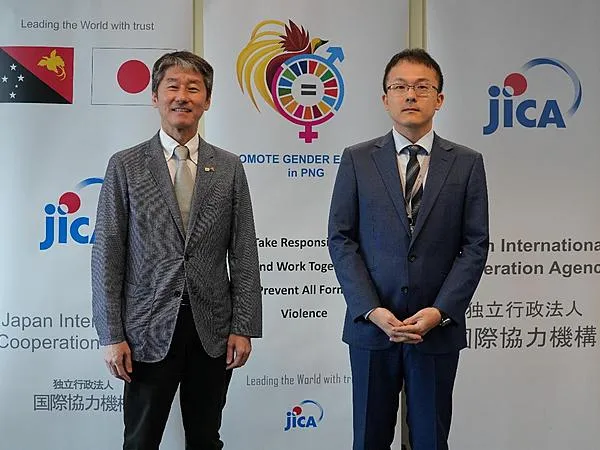
The Japan International Cooperation Agency (JICA) has appointed Shirouzu Kenichi as chief representative of its Papua New Guinea office, effective 15 April, replacing Matsuoka Hideaki, who will depart the country on 19 April to return to the agency’s headquarters in Tokyo.

Shirouzu has served as senior representative (deputy chief) since April 2025 and assumes leadership as JICA continues to expand its development programmes in the country.

In a farewell message, Matsuoka said his tenure since September 2023 had been marked by close cooperation with the government and communities across Papua New Guinea, underscoring the long-standing partnership between the two countries. “I have had a wonderful time working with the government and people of Papua New Guinea over the past two years and seven months,” he said.

JICA has operated in Papua New Guinea since 1974, a year before independence, delivering Japan’s official development assistance through loans, grants and technical cooperation. The agency’s cumulative support has reached about 6.8 billion kina, alongside the deployment of more than 3,000 experts and missions, over 800 volunteers, and training for nearly 5,000 Papua New Guinean officials in Japan.

Matsuoka highlighted several milestones during his tenure, including the opening of Nadzab Tomodachi International Airport in October 2023, attended by Prime Minister James Marape. “There’s no reason PNG businesses and communities should be left behind as infrastructure improves,” he said, noting the airport’s name, derived from the Japanese word for “friendship”, reflected bilateral ties.

He also cited the 50th anniversary of Japan’s ODA in Papua New Guinea, marked in October 2024, and continued cooperation with the National Fisheries Authority, including efforts to expand the National Fisheries College in Kavieng. “I sincerely appreciate the strong support of the Papua New Guinea government and our partners in making these initiatives possible,” he said.

JICA’s volunteer programme, which resumed in August 2023 after a pandemic-related pause, has since deployed personnel to multiple provinces, supporting sectors such as education, agriculture, health and community development. “Our volunteers play an important role in sustaining the friendship between our two nations,” Matsuoka said.

In education, JICA partnered with the National Department of Education to develop and distribute mathematics and science textbooks for Grades 3 to 6 nationwide — the first locally produced materials of their kind. The initiative has since been extended to lower grade levels with support from development partners.

Matsuoka said gender equality and community engagement remained central to JICA’s work, including participation in International Women’s Day activities in Port Moresby. “We should always remind ourselves of the importance of gender equality and take action to protect women and girls,” he said.

Despite ongoing development challenges, he expressed confidence in Papua New Guinea’s long-term prospects. “This country has great potential to develop further with its rich natural and human resources,” he said. “With the right will and integrity, Papua New Guinea has a bright future.”

Shirouzu, who has worked on JICA projects across Southeast Asia, including the Philippines, Thailand and Myanmar, said he intends to build on existing programmes and deepen bilateral cooperation. “While Papua New Guinea faces development challenges in infrastructure, education and health, I also see significant potential,” he said.

“I would like to continue contributing to the development of this beautiful country and to strengthening the relationship between Papua New Guinea and Japan,” Shirouzu added.

JICA said it would continue working with the government and stakeholders to support economic and social development while strengthening ties between Papua New Guinea and Japan.

April 16, 2026

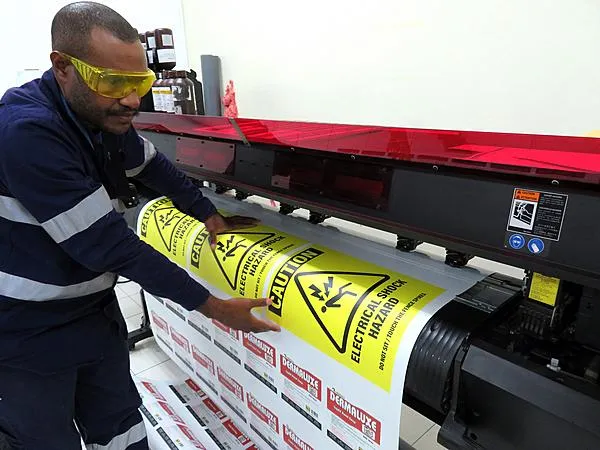
The Remington Group, through its business unit Remington Technology, has been appointed as Mimaki’s first locally based dealer in Papua New Guinea, improving access to world-class wide-format printing technology and local support across the country.

Until now, customers in PNG have primarily been supported through Mimaki’s Australian dealer network, which has often resulted in longer lead times for service, repairs, and overall support. With Remington Group’s established local presence and nationwide network, customers can now benefit from faster response times, closer support, and high-quality service.

The move comes as demand grows in PNG for high-quality signage, branding, and industrial printing solutions. Mimaki, a global leader in wide-format printing, is known for its advanced UV, eco-solvent, dye-sublimation, and direct-to-object technologies.

Remington Group CEO Justin Kieseker said the partnership is about raising the standard of what is available locally.

"We’ve seen what this technology can do overseas; there’s no reason PNG businesses should be left behind. This partnership is about closing that gap and backing our customers properly."

Under the agreement, Remington Technology will deliver full nationwide support, including sales, installation, training, and after-sales service, backed by its branch network and technical teams across the country.

The first Mimaki units are expected to arrive in May, with Remington teams currently undergoing specialised training to support the rollout.

Kohei Kobayashi, Managing Director of Mimaki Australia, said the partnership opens new opportunities in the market.

"We are excited to partner with Remington Technology to bring Mimaki’s advanced solutions to Papua New Guinea. This collaboration will enable businesses to access global-standard technology and unlock new growth opportunities."

The partnership further strengthens the Remington Group’s position as a leading provider of print and technology solutions in Papua New Guinea.

April 15, 2026

BSP Financial Group officially opened its newly upgraded full-service branch in Minj, marking a major step forward in expanding access to modern banking services in Papua New Guinea’s Highlands Region.

The Minj opening signals more than just a physical expansion — it represents new opportunities for individuals, families and businesses across Jiwaka Province.

BSP Chairman Robert Bradshaw said the milestone reflects the bank’s enduring commitment to nation-building and community development.

“Today, we are not simply opening a branch; we are opening doors to opportunity and a stronger future for this community,” he said. “For more than 100 years, BSP has been a partner in connecting communities, supporting local enterprise and championing prosperity across Papua New Guinea and the Pacific.”

The Minj branch forms part of BSP’s K1.2 billion multi-year investment programme to modernise its network and continue improving customer service. By bringing essential banking services closer to rural and growing populations, BSP continues to strengthen financial inclusion and accessibility.

General Manager Retail, Ronesh Dayal, said the upgrade from a sub-branch to a full-service branch demonstrates BSP’s commitment to meeting the evolving needs of the province.

“This new branch, completed just five months after construction began, comes 11 years after BSP first established its presence in Minj,” he said. “It reflects our focus on expanding services and improving convenience for our customers.”

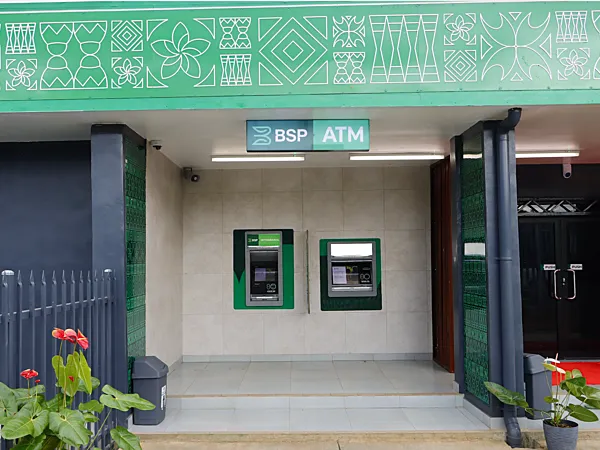
The branch now offers a full suite of services, including teller and card services, account opening facilities, deposit and dispensing ATMs, and self-service digital banking registration. Notably, customers in Minj are among the first in the Highlands Region to access deposit ATM services, enabling secure and convenient banking even after hours.

Serving a population of more than 200,000 people, the branch will play a vital role in supporting the region’s strong agricultural base, as well as small businesses, public servants and families. It also reduces the need for customers to travel to Mount Hagen for basic banking services.

“Access to banking is not a luxury; it is a necessity,” Mr Bradshaw said. “It empowers families to save, farmers to invest and businesses to grow. By bringing modern banking closer to the people of Minj, we are investing directly in their future.”

BSP’s footprint across the Highlands Region includes 17 branches, 60 ATMs, over 2,400 EFTPoS terminals, 136 agents and 318 staff, all working to deliver secure, accessible and efficient banking services.

Beyond banking, BSP continues to invest in community development initiatives focused on education, health and social impact. This development represents the creation of new opportunities and a stronger future for the community.

About BSP

BSP Financial Group Limited (BSP), formerly the Bank of South Pacific Limited, is a leading retail and corporate banking group.

Headquartered in Papua New Guinea and founded in 1957, BSP operates in seven Pacific countries. It has the largest branch network in Papua New Guinea, Cook Islands, Fiji, Samoa, Solomon Islands, Tonga and Vanuatu, and employs more than 4,000 people across the Pacific.

BSP is committed to its corporate and social responsibility programmes and works with communities across the Pacific to improve lives. Its branch network is complemented by a sophisticated electronic banking system that meets the needs of customers wherever it operates.

April 14, 2026

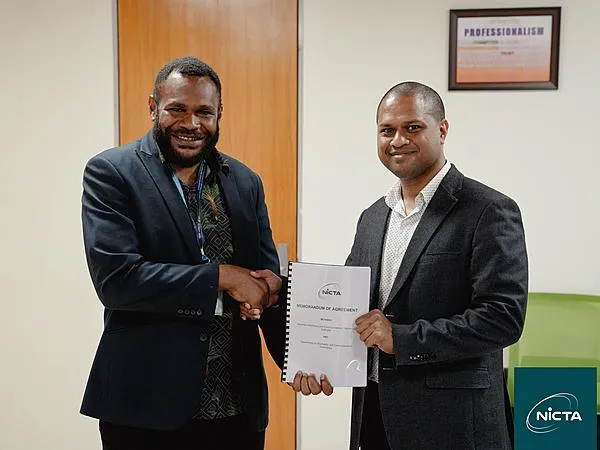
The National Information and Communications Technology Authority (NICTA) and the Department of Information and Communications Technology (DICT) have signed a memorandum of agreement to strengthen coordination on key digital transformation initiatives in Papua New Guinea.

The agreement sets out a formal framework for collaboration between the two agencies, aimed at improving governance, aligning priorities and ensuring consistent implementation of national ICT programmes.

Under the partnership, NICTA and DICT will jointly support major government platforms, including the Sevis Pass system and the Government Private Network, which are designed to enhance connectivity, improve service delivery and enable secure digital access across public institutions.

The MOA also seeks to strengthen planning and project prioritisation, ensuring initiatives are aligned with national ICT policies and broader development objectives.

Both agencies said the collaboration would play a key role in expanding access to digital services, particularly in underserved and rural areas, while supporting wider socio-economic development through increased technology adoption.

Areas of cooperation include improving access to secure and reliable ICT infrastructure, enhancing digital government services, strengthening coordination of national ICT initiatives, and promoting inclusive and sustainable digital development.

The agreement also provides a coordinated mechanism for implementing government priorities, with an emphasis on accountability and governance standards.

Officials said the partnership reflects the government’s continued push to build a more connected and digitally enabled Papua New Guinea.

April 14, 2026

The Mineral Resources Development Company (MRDC) has announced a series of executive leadership appointments, including the historic naming of its first female chief risk officer, as the state-backed entity strengthens governance and organisational capacity.

The appointments form part of a broader effort to reinforce the company’s leadership structure, with a focus on long-term value creation for landowners and provincial stakeholders.

Managing Director and Chief Executive Officer, Augustine Mano, said the changes reflect MRDC’s push to enhance organisational readiness, maintain disciplined investment practices and uphold strong governance standards as the company expands its portfolio.

“For five decades, MRDC has carried the responsibility of safeguarding and growing landowner and provincial equity on behalf of Papua New Guinea,” Mano said.

“These appointments demonstrate the depth of leadership within MRDC and our commitment to disciplined investment, strong governance, and sustained community benefit," he added.

MRDC is a government-owned entity that manages equity interests on behalf of landowners and provincial governments in Papua New Guinea’s key extractive projects, including oil, gas and mining operations. The company acts as a trustee of these resource-derived revenues, investing dividends into a diversified portfolio spanning property, infrastructure, energy and financial assets.

Over the years, MRDC has evolved into one of Papua New Guinea’s largest asset managers, with interests in major developments such as the PNG LNG project and various commercial real estate holdings. Its mandate centres on converting resource wealth into sustainable income streams, supporting community development, and delivering long-term financial returns to its beneficiaries.

The company said the strengthened executive team is expected to support continued growth while ensuring accountability, transparency and prudent stewardship of landowner wealth.

April 14, 2026

Canadian miner K92 Mining Inc. reported first-quarter production of 46,743 ounces of gold equivalent from its Kainantu mine in Papua New Guinea, supported by strong grades and steady operational performance.

Gold output reached 44,022 ounces, alongside 1.7 million pounds of copper and 38,845 ounces of silver. Quarterly sales totalled 44,854 ounces of gold, 1.87 million pounds of copper and 41,467 ounces of silver.

President and chief executive officer John Lewins said the company had delivered a “strong start to 2026”, with production broadly in line with expectations despite sequencing across mining areas.

Lewins highlighted continued outperformance in key operating metrics, noting that metallurgical recoveries remained above feasibility study assumptions, while processed tonnes increased year on year.

He also pointed to record lateral underground development during the quarter, exceeding planned rates and positioning the operation well for its Stage 3 expansion. “Development rates continue to track ahead of plan, providing increased operational flexibility and supporting future production growth,” he said.

K92 is progressing a staged expansion of the Kainantu Gold Mine, targeting higher throughput and sustained output increases from its high-grade gold-copper system.

The company maintained its 2026 production guidance of 190,000 to 225,000 ounces of gold equivalent, with output expected to be weighted towards the second half of the year as additional mining fronts are brought online.

K92 said it remains focused on advancing expansion works while maintaining cost discipline and operational consistency at Kainantu, one of Papua New Guinea’s highest-grade producing gold mines.

April 13, 2026

Nambawan Super Limited (NSL), the corporate trustee of Papua New Guinea’s largest superfund, today issued a statement reassuring its 245,504 members and the general public, while highlighting the broader economic implications of rising fuel costs on households and businesses across the country.

The Independent Consumer and Competition Commission (ICCC) has confirmed that, effective 8 April 2026, retail prices for petrol, diesel and kerosene will see a significant increase.

In Port Moresby, petrol has risen to K6.10 per litre and diesel has risen to K7.69, reflecting global oil price pressures and international supply chain disruptions.

Addressing the situation, Nambawan Super Limited Chief Executive Officer Lachlan Baird noted that fuel price increases have a wide-reaching impact on the Papua New Guinean economy, driving up transportation, food and operational costs, which ultimately affect household spending and savings capacity.

“While these developments present short-term challenges, the Fund remains focused on safeguarding and growing members’ long-term retirement savings," Baird said.

“We recognise that the current spike in fuel prices is placing strain on household budgets across the country. These increases reflect current geopolitical complexities in the Middle East and associated disruptions to critical international shipping routes. While these global events create short-term volatility, Nambawan Super is built to withstand such cycles through a highly diversified investment portfolio," he added.

The executive also said such external shocks are part of broader economic cycles and reinforce the importance of long-term financial planning and disciplined investment strategies.

“The history of the Fund shows that we have successfully navigated numerous global crises, most recently the COVID-19 pandemic and subsequent economic shocks. While such events create significant short-term noise, their long-term impact on overall investment returns is typically limited. Our focus remains on the horizon, not just the next few months," he said.

Nambawan Super recently delivered a strong 12% interest crediting rate for the 2025 financial year, growing the Fund’s value to K13 billion. This performance was driven by disciplined management of both local and international assets.

“Members can be confident that their savings are being prudently managed by experienced investment experts who prioritise capital protection and sustainable growth," Baird said. “While annual returns may fluctuate due to external market conditions, NSL is well positioned to keep members’ savings secure. Our strategic asset allocation acts as a critical buffer against domestic and global volatility.”

Nambawan Super Limited remains committed to protecting and growing members’ retirement wealth.

April 10, 2026

Tolu Minerals Limited has secured a A$23.75 million investment from Indonesian-listed firms PT Petrindo Jaya Kreasi Tbk and PT Petrosea Tbk, marking a significant step in advancing the Tolukuma gold project in Papua New Guinea.

The investment will be made through the subscription of 14,615,385 new shares at A$1.625 each via a convertible note, subject to shareholder approval. The funds are expected to be remitted in April 2026, with conversion into equity anticipated following a shareholder meeting scheduled no later than end-May 2026.

Once completed, Petrindo and Petrosea are set to become cornerstone investors in Tolu Minerals Limited.

The company said the proceeds will support mine expansion and infrastructure development at the Tolukuma gold mine, including roadway construction, materials handling systems and additional operational facilities.

Planned investments include the development of access roads to multiple exploration licences, a crushing and batching plant, and expanded warehousing and maintenance areas. Additional works will also cover near-mine haulage and the establishment of accommodation facilities for operational personnel.

Tolu Minerals Managing Director and Chief Executive Officer Chris Muller said the entry of the two Indonesian firms reflects growing regional interest in Papua New Guinea’s mining sector and will support the company’s plan to restart operations.

The company is targeting the resumption of mining at Tolukuma in the first quarter of 2027.

Separately, Tolu Minerals said it has begun discussions with Petrindo and Petrosea on potential commercial arrangements, including the provision of mining and infrastructure services. These may cover previously announced major infrastructure works such as exploration drives, dewatering systems, ore haulage and underground tailings storage.

Petrindo and Petrosea, both listed in Indonesia, operate across mining, engineering and energy sectors, with Petrosea already providing services in Papua New Guinea.

The transaction underscores increasing cross-border investment flows within Southeast Asia’s resources sector, particularly into Papua New Guinea’s gold assets.

April 10, 2026

Great Pacific Gold has reported encouraging initial drill results from the Kavasuki target within its flagship Wild Dog project in Papua New Guinea, highlighting the potential scale of mineralisation along the Sinivit–Kavasuki corridor.

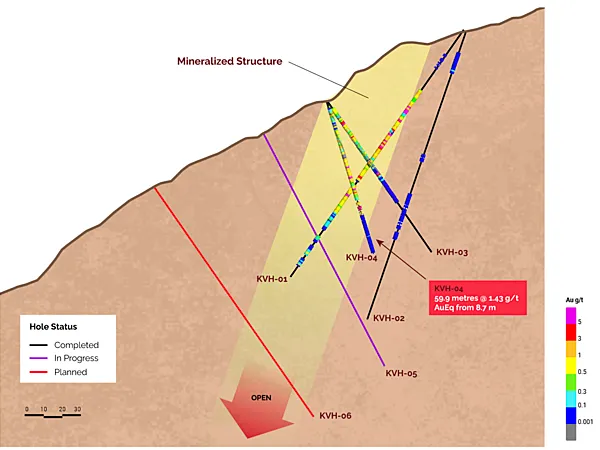
The company said its first drill hole at Kavasuki intersected 58.9 metres grading 2.50 grams per tonne gold equivalent (AuEq) from a depth of 38.6 metres. This included a higher-grade interval of 4.6 metres at 8.56 g/t AuEq.

A separate interval of 18.1 metres at 2.14 g/t AuEq was also recorded deeper in the same hole, confirming continuity of mineralisation.

The results come from drill hole KVH-01, part of an ongoing exploration programme targeting epithermal gold-copper mineralisation along a 15-kilometre structural corridor on New Britain island in East New Britain province.

The mineralisation is described as near-surface and hosted within hydrothermal quartz breccia, with sulphide content, indicating a well-developed mineralised system.

Great Pacific Gold said the results improve its understanding of vein geometry and structural controls at Kavasuki, which will guide follow-up drilling aimed at identifying higher-grade zones within a broader chargeability anomaly.

“Results from KVH-04 continue to demonstrate the scale and continuity of the Kavasuki system,” said Callum Spink, Vice President Exploration.

“The intersection of nearly 60 metres from near-surface, with consistent internal higher-grade zones, supports our interpretation of a broad, well-developed epithermal system characterised by multiple phases of veining and mineralization,” Spink added.

More importantly, Spink said that  KVH-04 confirms continuity down-dip from KVH-03 and highlights the presence of multiple mineralized zones within a wider envelope. The system is interpreted to be structurally complex, with multiple fault sets influencing the distribution of veining and grade.

“As is typical of epithermal systems, this results in variability in mineralization within a broader envelope, with higher-grade zones developing in structurally favourable positions. Ongoing drilling, particularly KVH-05 and KVH-06, is critical to refining our understanding of this structural framework and improving targeting of higher-grade shoots at depth and along strike,” he said.

The company has completed a second drill hole (KVH-02) and is advancing a third (KVH-03) as part of its 2026 drilling campaign.

The Kavasuki prospect lies one kilometre north of the Sinivit deposit, another key target within the Wild Dog project, where previous drilling has returned high-grade intercepts.

The broader 2026 programme is designed to test continuity of mineralisation along strike and at depth across the Sinivit–Kavasuki corridor, a priority exploration area for the company.

Great Pacific Gold, listed on the TSX Venture Exchange, is focused on advancing a portfolio of exploration-stage gold and copper assets in Papua New Guinea, including the Wild Dog, Kesar and Arau projects.

The Wild Dog project is considered the company’s flagship asset and hosts both epithermal and porphyry-style mineralisation targets, with ongoing drilling aimed at defining a potentially district-scale resource.

The Wild Dog Project hosts a 15-kilometre-long structurally controlled mineral corridor containing multiple epithermal gold targets and porphyry copper-gold potential identified through recent MobileMT geophysical surveys.  The corridor contains the Sinivit-Kavasuki vein system and multiple advanced targets including Kasie Ridge, which are now being systematically drill-tested as part of the Company’s 2026 exploration program

April 10, 2026

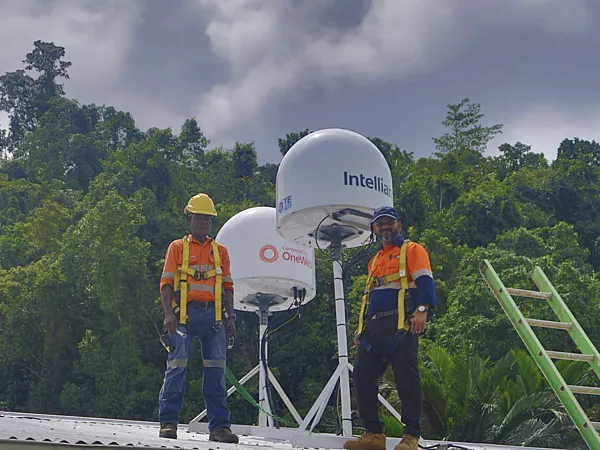
Frieda River Limited (FRL) has taken a major leap forward in communications capability through its partnership with TE (PNG) Ltd to roll out its newest satellite technology at the project site.

The project site is situated in one of PNG’s most geographically challenging regions, where rugged mountains and vast river systems have long prevented the installation of mobile towers.

Through its partnership with TE (PNG) Ltd, FRL has successfully deployed OneWeb Low Earth Orbit (LEO) satellite technology, creating exceptional connectivity for both its project operations and surrounding communities.

This follows TE (PNG) Ltd becoming the first national company to secure NICTA approval for a OneWeb fixed land trial in Papua New Guinea.

A Transformational Connection for an Isolated Project

The Frieda River Project sits along a tributary of the Sepik River in Sandaun (West Sepik) and East Sepik provinces, a region characterised by steep terrain and the absence of roads or aviation access points for many villages.

The broader Sepik catchment spans roughly 78,000 km² and is home to more than 400,000 people, many living in small, scattered settlements across mountainous landscapes that make infrastructure development extremely difficult.

Communities such as Sokamin and Amaromin, located within the Frieda River catchment, have no road access or airstrips, with residents walking for days across mountains and rivers to reach basic services. These same terrain barriers have also prevented the establishment of mobile towers or terrestrial network infrastructure.

FRL Country Manager, Dr Joel Hamago, lamented that despite national efforts to expand digital access, rural Papua New Guinea remains significantly underserved.

“For FRL’s site, communications have historically depended on HF radio and limited satellite options, which is an operational constraint for safety, logistics and community engagement. FRL’s adoption of OneWeb’s LEO technology comes at a critical phase of project development. Once we have this running for site operations, we will consider expanding these services to our project communities, as this is critical infrastructure,” said Dr Hamago.

LEO Satellite Technology Benefits

LEO satellite technology addresses the precise challenges the region faces:

  • Low latency suitable for operational coordination
  • High reliability, unaffected by terrain
  • Community access, bringing a digital lifeline where no other infrastructure exists

This installation marks one of the first deployments of OneWeb technology to support a future major PNG resource project and surrounding rural communities.

“We’re proud to be the first national company to receive NICTA approval for a OneWeb (Eutelsat OneWeb) Low Earth Orbit (LEO) fixed enterprise land service and to bring this capability into Papua New Guinea. This is a significant step forward for the country in terms of high-performance, low-latency connectivity for critical operations. We’re delivering this in close partnership with Sat.One as our upstream carrier, combining global capability with strong local implementation to ensure these services are reliable, scalable and properly supported on the ground,” TE (PNG) Ltd Managing Director Robbie Huxley said.

“Reliable connectivity has always been a challenge in remote parts of PNG. With the continued support and guidance of NICTA, this milestone represents the formal introduction of advanced LEO services into the country, opening up new opportunities for industry, government and communities. We’re also pleased to be working alongside Frieda River Limited on this project, supporting the development of the Sepik region through improved connectivity that will have a meaningful impact operationally, economically and at a community level," Huxley added.

The collaboration between TE (PNG) Ltd and FRL not only supports one of PNG’s most significant resource developments but also reinforces the value of investing in national capability.

With the OneWeb system now live at the site:

  • Local communities can access digital services previously out of reach
  • Site teams can communicate more effectively and safely
  • Critical operations benefit from faster, more reliable data connectivity
  • A national company is at the forefront of world-class satellite innovation in PNG

April 07, 2026

Across Papua New Guinea, demand for reliable infrastructure continues to expand. Government agencies, resource projects, health authorities, education providers and district administrations all face a shared challenge: delivering durable, cost-effective buildings in locations that are often remote, logistically complex and environmentally demanding.

PNG Forest Products’ NiuHomes Education, Health and Office ranges have been developed specifically to meet that challenge. Designed and manufactured in PNG, these modular kit-set buildings combine engineered strength with practical flexibility.

Built using locally grown plantation pine and produced to meet PNG and Australian building codes, NiuHomes structures are designed to perform in PNG conditions and to last.

The NiuHomes Education Range includes single- and double-storey classrooms, including 3-in-1, 4-in-1, 6-in-1 and 8-in-1 models, along with administration blocks, science laboratories, libraries, dormitories, ablution facilities and staff housing.

Engineered for high-use environments, the buildings incorporate elevated designs, wide verandahs and practical layouts suited to both rural and urban schools.

With more than 1,000 school buildings supplied nationwide, PNGFP understands the importance of scalable infrastructure that can be transported efficiently and assembled in districts where conventional construction is often costly and slow.

The modular kit system supports predictable budgeting and faster deployment while maintaining long-term structural integrity.

Healthcare infrastructure remains a national priority, and the NiuHomes Health Range includes GP aid posts, rural health centres, GP clinics and 12- and 20-bed wards designed with clinical functionality and patient flow in mind.

Layouts provide practical examination rooms, wards and staff areas, making them well suited to provincial health rollouts, district upgrades and resource-sector medical facilities.

All timber components undergo PNGFP’s preservative pressure treatment process, delivering long-term protection against termites, rot and fungal decay — essential in PNG’s tropical climate.

The result is infrastructure designed not only for rapid delivery but for dependable performance over decades.

For government departments and private-sector operations, efficient administrative infrastructure underpins productivity.

The NiuHomes Office Range includes security offices, administration offices, field offices and chamber offices, offering scalable configurations from compact facilities to expansive designs.

Each model incorporates reception areas, meeting rooms and managerial offices, creating professional work environments that can be established anywhere in the country.

Manufactured in kit form and shipped from PNGFP’s facilities, these buildings offer streamlined logistics and cost certainty — particularly valuable for staged developments and remote operations.

All NiuHomes buildings are manufactured from renewable PNG plantation pine sourced from Bulolo and Wau under PNG Forest Authority oversight. Timber is processed to Australian standards and pressure treated for durability.

PNG Forest Products’ Bulolo operations are powered by their own hydroelectric generation, enabling renewable timber to be processed using clean energy while maintaining strength, functionality and value.

Employing more than 1,500 Papua New Guineans, PNGFP transforms local resources into infrastructure that supports national development across education, healthcare and industry.

For planners and industry leaders seeking dependable, scalable infrastructure, NiuHomes delivers engineered strength, transportable design and long-term performance — built for PNG, built to last.

For further information, contact the NiuHomes sales team on 323 5995 or email buildingsales@pngfp.com. Brochures for all models are available at www.pngfp.com.

April 07, 2026

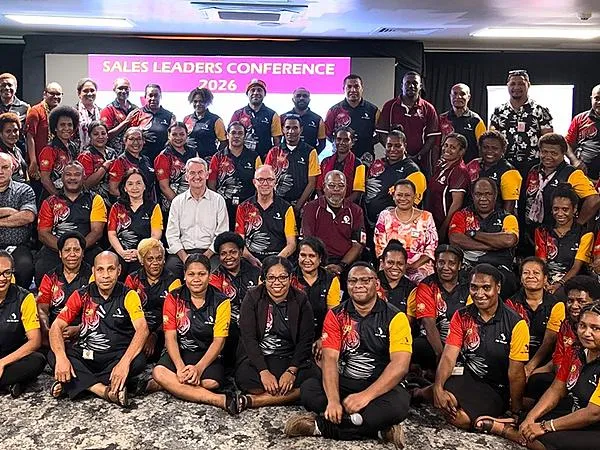
 Air Niugini recently convened its 2026 National Sales Leaders Conference in Port Moresby, gathering regional sales managers, supervisors and key stakeholders to align strategies for expansion and customer engagement.

The two-day conference, held from March 19 to 20 at the Gateway Hotel, carried the theme “Transformation — Stepping Up,” and served as a platform for internal reflection, collaboration and planning across the airline’s domestic and international sales network.

Participants discussed market expansion, sales performance targets and customer engagement initiatives, alongside updates on technology, revenue management, cargo operations, loyalty programs and e-commerce.

Chief Executive Officer Alan Milne underscored the importance of teamwork and a unified vision in advancing the airline’s transformation agenda.

“Our sales team is the engine room of the airline,” Milne said, emphasizing the need for reliable, safe and on-time operations to meet customer expectations and support growth.

Chief Commercial Officer David Glover commended the sales team for sustaining passenger sales performance for a second consecutive year despite challenges in 2025.

During the conference, the Highlands Region was recognized as the top-performing sales team based on revenue targets, followed by Port Moresby, Momase, New Guinea and the Southern Region.

The airline said the event strengthened coordination across teams and reinforced its commitment to expanding connectivity and improving service as it seeks to grow its regional and international footprint.

April 06, 2026

Master planning has emerged as a central tool in addressing climate vulnerability and rapid urbanisation challenges across Pacific cities, according to discussions at the Seventh Pacific Urban Forum in Papua New Guinea.

Delegates at the forum highlighted how Pacific urban centres are increasingly exposed to overlapping risks, including cyclones, flooding and rising sea levels, compounded by accelerating population growth and strain on infrastructure and services.

A special session on resilient urban development, co-hosted by the Pacific Climate Change Centre of the Secretariat of the Pacific Regional Environment Programme and Tonga’s National Spatial Planning Authority Office under the Ministry of Lands and Surveying, underscored the importance of structured, long-term planning frameworks.

A key priority identified was the integration of customary land tenure systems with modern planning approaches to support inclusive and sustainable urban growth.

“By actively engaging local communities and local leaders, we gain valuable insights into cultural practices,” said Tupou Lauaki, senior urban planner at Tonga’s National Spatial Planning Authority Office.

Urban planners at the forum warned that coastal subsidence, environmental degradation and the expansion of informal settlements are intensifying risks across the region, placing additional pressure on housing, transport networks and essential utilities.

“We’ve seen these dynamics particularly pronounced in growing urban centres such as Suva and Honiara, where population growth is outpacing planning systems and resource capacity,” said Cindy Vunagi, director of physical planning at the Solomon Islands’ Ministry of Lands, Housing and Survey.

Participants said master planning provides governments and communities with a framework to anticipate and manage risks, integrate climate adaptation measures and ensure equitable access to land, infrastructure and economic opportunities.

“In the Pacific context, master planning must go beyond conventional urban design,” said Tuileva Tuileva, noting the need to balance customary land systems with formal planning frameworks to safeguard cultural identity while enabling development.

Discussions also focused on how to manage rapid urbanisation, limit the growth of informal settlements and incorporate indigenous knowledge into formal planning systems. Emerging solutions such as renewable energy, resilient infrastructure and appropriate smart technologies were also explored in light of resource constraints.

“Effective master plans in the region must be community-driven, ensuring local ownership and participation, climate-resilient, integrating adaptation and disaster risk reduction, and flexible and adaptive,” said Jeffrey Kaitip, director of the Department of Urban Affairs and Planning at Vanuatu’s Ministry of Internal Affairs.

Panellists from across the Pacific shared practical experiences and policy approaches, highlighting both ongoing challenges and innovations in national planning systems.

In closing, Alexei Trundle of the University of Melbourne said master planning must be carefully implemented to avoid alienating communities from customary lands, despite its potential to strengthen climate resilience.

The forum, held from March 24 to 26 and hosted by the Government of Papua New Guinea and the National Capital District Commission of Port Moresby, brought together representatives from governments, development partners, civil society, academia and the private sector to address the future of Pacific urban development.

April 06, 2026

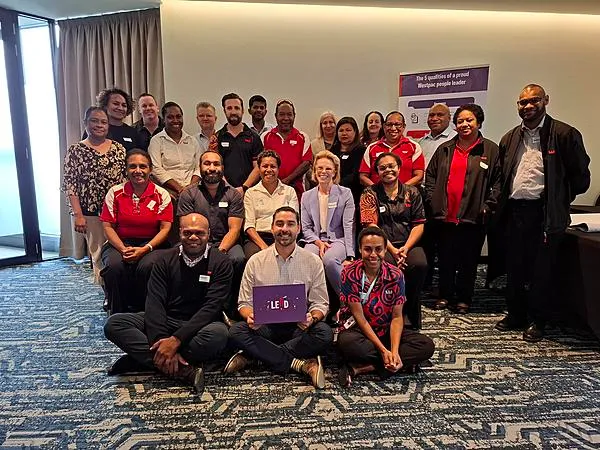
Westpac is making a significant investment in strengthening leadership capability across its Pacific businesses with the rollout of its best-in-class LEAD program in Papua New Guinea and Fiji this year, delivering training to 120 employees across the two markets.

LEAD is Westpac Group’s flagship leadership development program focused on building future-ready leaders through experiential learning, coaching, and strategic capability uplift.

The LEAD program is designed to build practical leadership capability, equipping participants with the skills, confidence, and mindset required to lead teams, support customers, and contribute to Westpac’s long-term success in the Pacific. The program will be delivered through in-person training sessions supported by online modules, ensuring the learning is relevant, grounded in local context, and immediately applicable in day-to-day roles.

By delivering the program locally, Westpac is enabling participants to learn alongside peers, strengthen networks across the business, and apply leadership learning directly within their teams and communities. The world-class format also supports deeper engagement, discussion, and reflection, reinforcing Westpac’s commitment to investing in meaningful, high-quality development experiences for its people.

The program covers:
• Leading Self – building self-awareness, confidence, and personal leadership effectiveness
• Leading Others – developing strong people leadership, communication, and coaching skills
• Strategic Thinking – strengthening decision-making and broader business understanding
• Leading Change – equipping leaders to navigate change and lead with agility
• Customer & Outcome Focus – linking leadership behaviors to customer and business outcomes
• Pacific Context Application – applying leadership skills in real-world PNG and Fiji settings

Maria Stefanac, Head of People, Pacific, said the LEAD program represents a significant investment in Westpac’s Pacific workforce.

“LEAD is a major investment in our people in Papua New Guinea and Fiji. We know that strong leadership is critical to creating a positive culture, delivering for our customers, and building a sustainable business for the future,” Ms. Stefanac said.

“This program has been designed to support our people to grow as leaders, build confidence in leading others, and develop skills they can apply immediately in their roles. By having Westpac Group trainers deliver the program here in the Pacific, we’re ensuring our leaders benefit from global expertise while learning in a way that is relevant, practical, and grounded in local context.”

Ms. Stefanac said the program also reflects Westpac’s broader commitment to developing talent from within and creating clear pathways for growth and progression.

“Investing in leadership capability is an investment in our future. Through LEAD, we are supporting our people to step into leadership roles, strengthen their impact, and continue to serve our customers and communities with confidence.”

Westpac Banking Corporation ABN 33 007 457 141. The liability of its members is limited. Westpac is represented in Papua New Guinea by Westpac Bank - PNG - Limited.

The LEAD program forms part of Westpac’s ongoing focus on capability building and people development across the Pacific, recognizing that empowered, well-supported leaders play a critical role in driving strong performance, engagement, and customer outcomes.

By continuing to invest in programs such as LEAD, Westpac is reinforcing its long-term commitment to its people in Papua New Guinea and Fiji and to building leadership capability that supports sustainable growth across the region.

April 06, 2026

Great Pacific Gold Corp. has completed an upsized public offering raising approximately $20.02m, with proceeds earmarked to accelerate its gold-copper exploration portfolio in Papua New Guinea.

The Vancouver-based company said it issued 42.6 million units priced at $0.47 each, generating gross proceeds of $20,022,000.  Each unit comprises one common share and one-half of a warrant, with each full warrant exercisable at $0.70 per share until April 2, 2028.

The offering was conducted under a prospectus supplement dated March 27, 2026, to the company’s base shelf prospectus filed across Canadian jurisdictions, excluding Quebec.

Agents and costs

The financing was led by Haywood Securities Inc. as sole bookrunner, alongside Canaccord Genuity Corp., Agentis Capital Markets and Paradigm Capital Inc.

In connection with the offering, Great Pacific Gold paid total cash commissions of $1,157,520 and issued compensation options to acquire up to 2,462,808 shares at the offering price, exercisable until April 2, 2028.

Use of proceeds

Net proceeds will primarily fund exploration and development activities across the company’s gold-copper projects in Papua New Guinea, with remaining funds allocated to working capital and general corporate purposes.

The company holds a portfolio of exploration-stage assets in PNG, including the Wild Dog project in East New Britain, as well as the Kesar, Arau and Tinga Valley projects in the Eastern Highlands and surrounding regions.

Exploration focus

Great Pacific Gold is positioning itself as a gold-copper developer in Papua New Guinea, targeting epithermal and porphyry-style mineral systems across its land package.

Its flagship Wild Dog project hosts a large-scale structural corridor with high-grade drilling results, while the Kesar and Arau projects are located near existing mining tenements and are considered prospective for further discoveries.

The financing follows the company’s earlier plan to raise up to $15m, which was subsequently upsized to meet investor demand and support expanded exploration activities.

Outlook

The company said the completed financing strengthens its balance sheet and provides funding visibility as it advances drilling and exploration programmes through 2026.

April 01, 2026

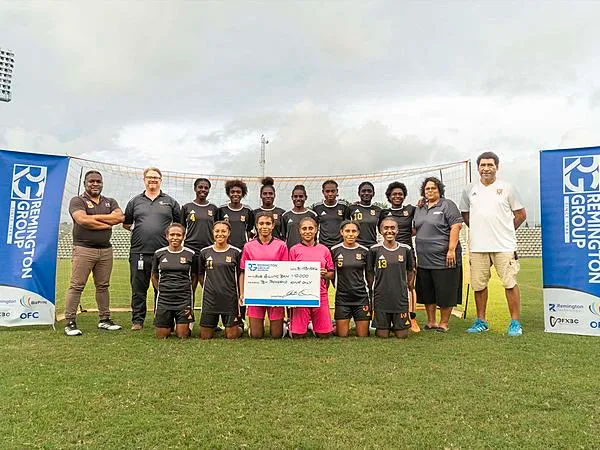
The Remington Group has once again demonstrated its commitment to supporting communities across Papua New Guinea, contributing K10,000 to the PNG Bilums, the country’s women’s national football team.

In addition to the cash contribution, the group, through its sister company Paradise Breweries, has provided 100 cartons of Paradise water to support the team during training and competition.

This support reflects Remington Group’s long-standing focus on investing in people and backing initiatives that deliver meaningful impact. Across sport, education, and community development, the group continues to support programs that strengthen communities and create opportunities for Papua New Guineans.

The PNG Women’s National Football Team continues to play an important role in representing the country, inspiring the next generation of athletes through their discipline, resilience, and commitment both on and off the field.

“At Remington Group, we’ve always believed our role goes beyond business. Supporting our people and the communities we operate in is part of who we are,” said Remington Group CEO Justin Kieseker.

“We’re proud to stand behind the PNG Women’s Football Team once again. They represent the kind of determination and pride that inspires the country. If we can play even a small role in supporting their journey and encouraging more young Papua New Guineans to get involved in sport, then that’s something we’re proud of,” he added.

On behalf of the Papua New Guinea Football Association, Ahmjad Tekwie, general secretary of the Papua New Guinea Football Association, sincerely thank Remington Group for its support of the PNG Women’s National Football Team as they prepare for the OFC Women’s Qualifying Semi-Finals against American Samoa.

“This timely contribution will directly support the team’s training, camp requirements, and overall preparation at this important stage. Continued backing like this plays a vital role in the development of our national teams, and we are truly grateful,” he added.

The Remington Group remains committed to supporting initiatives that contribute to stronger communities and long-term development across Papua New Guinea.