April 01, 2026

PNG Air has launched a nationwide April Fool’s Day promotion combining a limited-time airfare sale with a culturally grounded giveaway under the campaign title “Pigs Can Fly.” The campaign begins with a 48-hour flash sale offering 30% off airfares across its network during a limited booking period.

Alongside the fare promotion, PNG Air has announced it will award 10 pigs to individuals who participate in a social media contest by following, liking and sharing campaign content on Facebook or Instagram. Entries will be accepted until 07 April 2026.

In Papua New Guinea, pigs hold significant social and economic importance. They are widely recognised as symbols of wealth, status and community connection, and play a central role in traditional ceremonies, including weddings, compensation exchanges and community celebrations. Against this backdrop, PNG Air said it aims to go beyond conventional promotions by offering something of genuine cultural relevance.

PNG Air stated that the campaign was designed to balance the lighthearted nature of April Fool’s Day with a respectful acknowledgement of cultural values.

“This initiative reflects both the spirit of the day and the importance of community in Papua New Guinea,” a PNG Air spokesperson said. “Pigs are an important part of cultural life, and this campaign is designed to honour that significance while capturing the attention of Papua New Guineans.”

The airline also confirmed that all pigs associated with the promotion are sourced from Boroma Piggery in Port Moresby, known for producing high-quality pork. Each winner will have until the end of April to collect their pig from Boroma.

The campaign forms part of PNG Air’s broader strategy to engage domestic travellers through locally relevant initiatives, while continuing to position air travel as an accessible and essential service across the country.

The airfare discount is available for a limited 48-hour period. Contest winners will be announced following the close of the promotional period on 07 April 2026.

For nearly four decades, PNG Air has connected the people of Papua New Guinea with safe, reliable and affordable air services. Listed on the Port Moresby Stock Exchange since 2008, the airline is majority-owned by Papua New Guinean institutions — including the MRDC Group, Pacific Balanced Fund and NasFund — and supported by approximately 2,900 local shareholders.

PNG Air currently operates more than 460 flights each week across 22 destinations, providing essential passenger and cargo services that support economic development, community connectivity and national unity.

April 01, 2026

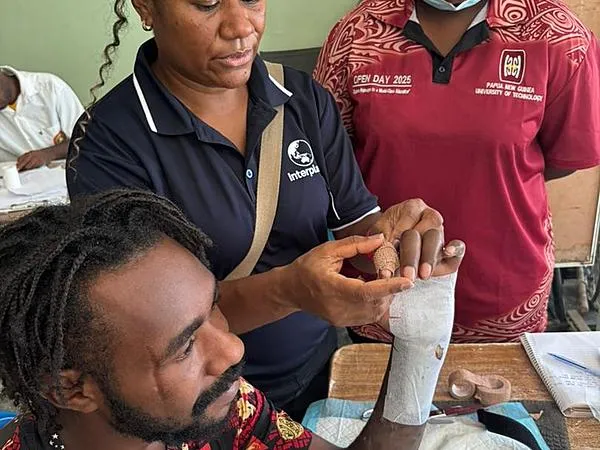
In operating theatres, surgery can change a life in a matter of hours. For physiotherapist Cathy Pius, however, true transformation unfolds in the weeks and months that follow — in the slow, determined journey of rehabilitation, recovery and renewed hope.

Based at Modilon General Hospital in Madang, Cathy works under the Madang Provincial Health Authority (MaPHA), delivering rehabilitation services to patients recovering from general surgery, trauma, burns, and complex plastic and reconstructive procedures. Her role extends beyond bedside care; she also supervises physiotherapy students and junior staff, helping to build a stronger and more skilled health workforce in Papua New Guinea.

“I don’t think everyone realises how critical physiotherapy is,” she says. “Surgery repairs the structure, but rehabilitation restores function — helping people return to their families, their work and their communities.”

A journey shaped by service

Cathy’s professional journey has been deeply influenced by her longstanding involvement with Interplast, an international organisation delivering reconstructive surgery and specialist training across Asia and the Pacific. She was first introduced to the program in 2014 during her early training years at Modilon Hospital.

“At the time, Interplast was looking for local health workers who could provide ongoing care, stay in touch with the visiting team and support patients after surgery,” she recalls. “I took on that role for rehabilitation in Madang, and from there my involvement grew.”

Over the years, Cathy has worked closely with visiting hand therapists, receiving mentoring and specialist training. When Interplast expanded its outreach to other provinces, including East Sepik, she was invited to join the team — most recently supporting a two-week specialist visit to Wewak.

Growing complexity, growing capacity

During the Wewak visit, Cathy observed a clear shift in both the scale and complexity of cases being treated.

“We’re seeing more patients, a greater variety of conditions, and much more complex injuries,” she explains. “Cases are carefully screened by local surgeons, and those selected require both surgical expertise and intensive rehabilitation.”

This growing caseload has also led to larger, more diverse teams, with local and international surgeons, anaesthetists, nurses and therapists working side by side. Importantly, programs are now being extended to allow more time for post-surgical care and hands-on training for local staff.

“This makes a huge difference,” Cathy says. “Patients receive better follow-up care, and local physiotherapists gain practical skills they can continue using long after the visiting teams have left.”

Why specialist outreach matters

Like Madang, East Sepik Province sees a high number of congenital conditions, trauma cases and burn injuries, often caused by bush knife wounds or domestic accidents. When these injuries affect hands or limbs, the consequences can be life-altering.

“Without specialist surgery and rehabilitation, people can be left with permanent deformity or disability,” Cathy explains. “That affects everything — their ability to work, care for themselves, and participate in daily life.”

While local medical teams work tirelessly with limited resources, Cathy emphasises that specialist outreach programs like Interplast are essential not only for patient care but also for building long-term clinical capacity.

Rehabilitation: where healing continues

Cathy’s work with post-surgical patients begins even before an operation takes place. Pre-operative sessions focus on education, emotional preparation and physical conditioning. After surgery, her attention shifts to pain management, swelling reduction, mobility restoration and carefully guided exercises.

“For hand injuries, we start by protecting the repair — making sure splints are comfortable, swelling is controlled, and movement is introduced safely,” she explains. “As healing progresses, we gradually increase activity until the patient can return to real-life tasks.”

The goal is always functional recovery — whether it’s holding a pen, returning to gardening, caring for a baby, or earning a living.

“Sometimes the improvement seems small,” Cathy says. “But for the patient, it can mean everything.”

The human challenge behind recovery

Despite successful surgery, many patients struggle to complete their rehabilitation. Long distances to hospital, financial pressures, emotional stress and limited family support can all become barriers. Some patients believe surgery alone is sufficient, only to return later with complications.

“To address this, we take a holistic approach,” Cathy explains. “We educate patients, encourage early and safe movement, and involve families as much as possible. When patients understand the process and see progress, their confidence grows.”

For Cathy, seeing patients complete the journey and return with success stories remains the most rewarding part of her work.

Building skills, strengthening systems

Beyond patient care, Cathy sees one of Interplast’s greatest impacts in skills transfer. Each outreach visit includes mentoring, teaching sessions and on-the-job training, creating ripple effects across the health system.

“I was once a trainee myself,” she says. “Now I assist my mentors in training others, and I pass that knowledge on to students and junior colleagues.”

Back at Modilon Hospital, Cathy applies these skills daily, helping ensure that patients in Madang and beyond can access specialist-level care closer to home.

A quiet pride in service

Asked what being part of Interplast means to her as a Papua New Guinean health worker, Cathy pauses.

“It’s a sense of humble pride,” she says. “Knowing that I’m helping rebuild the lives of my own people — restoring function, dignity and hope.”

For her patients, that hope often begins with a simple movement — a hand opening, a step forward, a life restarting.

Cathy’s recent participation in the Wewak outreach was made possible through the support of Frieda River Limited (FRL), whose partnership with Interplast continues to strengthen access to specialist healthcare services in Papua New Guinea. Through this collaboration, FRL supported Cathy’s travel, meals and accommodation, enabling her to contribute her expertise and provide critical post-surgical rehabilitation to patients.

By investing in local health professionals, FRL is helping ensure that specialist knowledge and care extend well beyond a single outreach visit — building local capacity and delivering lasting benefits to communities most in need.

April 01, 2026

In Papua New Guinea, shipping is more than a commercial activity — it is a national lifeline. In a country where geography shapes trade, mobility and access to essential goods, the maritime sector underpins connectivity between ports, businesses and communities. Supporting this system behind the scenes is JJ Ship Equip Agencies Ltd (JJSEA), a company built on reliability, responsiveness and practical service to vessel operators across the country. 

Established in 2015, JJSEA has evolved from a focused marine supply business into a broader maritime services partner. Its operations now span key locations including Lae, Port Moresby, Rabaul, Madang, Kimbe and Buka, reflecting its role in supporting vessels across Papua New Guinea’s dispersed and often challenging routes. Over time, the company has expanded beyond basic supply into ship chandling, equipment sourcing, technical coordination and safety-related support. 

This shift reflects the realities of the local market. As JJSEA notes, “we have evolved in line with the practical needs of the market — supporting vessel operations through chandling, equipment sourcing, technical coordination, safety-related support and responsive service.” In practice, this positions the company as more than a supplier. It acts as a support partner to vessel owners and operators who depend on timely delivery and coordination to maintain operational continuity. 

The company’s core services include marine equipment supply, deck and engine consumables, safety equipment, mooring and rigging products, spare parts sourcing and technical coordination. These services address both routine replenishment and urgent operational requirements, particularly where vessel readiness or sailing schedules are at risk. Where specialised servicing is required, JJSEA works with a network of technical partners to ensure solutions are delivered efficiently. 

A typical service request highlights the company’s approach. Operators provide vessel details, requirements and urgency, after which JJSEA verifies specifications, checks stock availability and coordinates delivery or sourcing. “In practice, our role is to make sure vessel operators have a dependable local point of support in PNG, especially when time, logistics and operational continuity are critical,” the company explains. For stocked items, turnaround is rapid; for specialised equipment, JJSEA manages procurement through its supplier network while maintaining communication with clients. 

What differentiates JJSEA is its understanding of Papua New Guinea’s operating conditions. “Vessel support here is not only about price and product — it is about timing, access, communication and follow-through,” the company says. This local presence enables faster decision-making and more responsive service, particularly in provincial locations or time-sensitive situations. For example, when operators identify deficiencies prior to departure, JJSEA coordinates sourcing and delivery to minimise disruption and restore readiness. 

Operating in Papua New Guinea presents inherent logistical challenges. Long domestic supply lines, remote locations, variable port infrastructure, weather disruptions and reliance on imported equipment all contribute to complexity. “In many cases, the challenge is not simply obtaining the product, but getting the right product to the right vessel at the right time,” JJSEA notes. The company addresses this through planning, supplier relationships and selective local stocking of high-priority items, ensuring that coordination and anticipation underpin its service model. 

The broader maritime sector remains essential to Papua New Guinea’s economy but operates under pressure. Operators must manage geographic fragmentation, infrastructure constraints and rising compliance expectations while maintaining reliable services. In this environment, marine suppliers and ship chandlers play a critical role in sustaining the supply chain. As JJSEA puts it, “we are part of the support system that helps vessels stay operational, maintain schedules and manage risk.” 

Since its establishment, JJSEA has grown steadily alongside these industry needs. Its development is reflected in its expanded footprint and growing client base, which includes operators such as Consort Express, Pacific Towing, Steamships, Swire, P&O Maritime and Lutheran Shipping. Rather than a single metric, its progress is measured through service capability, responsiveness and long-term client relationships. 

Looking ahead, the company’s priorities include strengthening inventory in key categories, enhancing technical response capabilities and expanding support in safety equipment and marine electronics. It also aims to extend its service reach across Papua New Guinea to better support operators in remote and high-demand areas. 

At its core, JJSEA’s role remains straightforward but significant. By combining local knowledge with practical service delivery, it helps ensure vessels remain operational, supply chains function effectively and Papua New Guinea stays connected. 

March 31, 2026

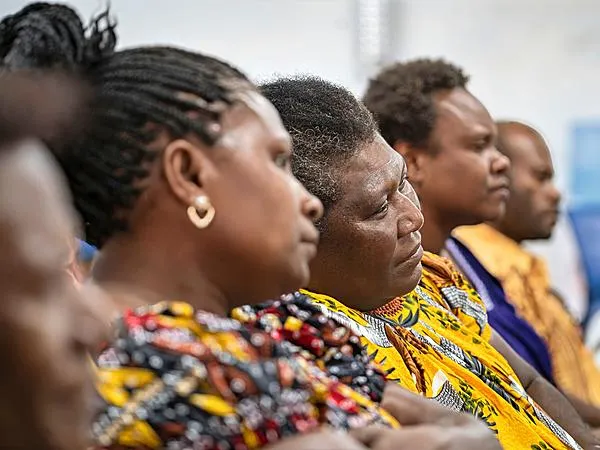
Thirty executives of the Ladolam Pit Association (LPA) linked to the Lihir Mining Project have completed a series of capacity-building courses aimed at strengthening governance, leadership and financial management among resource owners.

The participants received certificates of attainment on March 26 following a 10-day programme conducted from March 16 to 25, with training sponsored by the Mineral Resources Authority (MRA).

The courses covered good governance, transparency, leadership and financial literacy, reflecting efforts to address longstanding gaps in landowner capacity to manage business interests, royalties and other benefits derived from mining projects.

The MRA said similar programmes have been implemented for landowners involved in other projects, including Hidden Valley and Simberi, as part of a broader strategy to enable resource owners to make informed decisions and improve their livelihoods.

Training was delivered by several institutions, including the Centre for Excellence in Financial Inclusion for financial literacy, the PNG Institute of Directors for directorship training, the Institute of Banking and Business Management for leadership, and the Somare Institute of Leadership and Governance for governance and administration.

LPA chairlady Monica Kuten acknowledged the support of the MRA, noting that the programme had strengthened participants’ understanding of financial literacy and other key areas.

The MRA said it remains committed to rolling out similar initiatives across the country, in line with the government’s policy objective of ensuring resource owners receive a fair share of benefits from extractive projects while improving their standard of living.

March 31, 2026

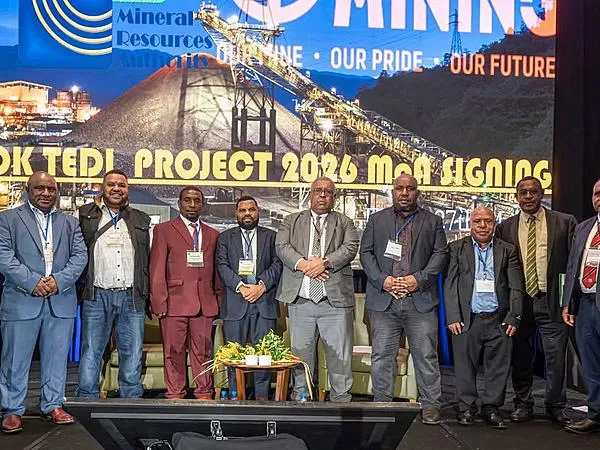
Three of the four parties to the Ok Tedi Mining Project Community Development Agreement (CDA) have signed the final agreement, marking a milestone after five years of negotiations, while the Fly River Provincial Government withheld its signature pending further discussions.

The signing ceremony, held at the Stanley Hotel in Port Moresby and attended by about 300 stakeholders, brought together representatives of the State, the Star Mountains Local Level Government (LLG) and the Mt Fubilan Resources Association, which represents landowners.

The Fly River Provincial Government did not sign, citing concerns with aspects of the agreement, but indicated its willingness to engage further with the State team.

Mining Minister Solen Loifa signed on behalf of the State, while Mt Fubilan Resources Association chairman Simon Umiakim and Star Mountains LLG president Samuel Mereng signed on behalf of landowners and local government respectively. Landowner leaders signed as witnesses.

Loifa said the agreement reflects the government’s policy direction that resource owners should receive greater benefits from the country’s natural resources. He noted that the National Executive Council had approved an additional seven per cent equity in the Ok Tedi mine for the Fly River Provincial Government, increasing its total stake to 40 per cent from 33 per cent.

He said the agreement was significant for communities in the Star Mountains who had long awaited tangible benefits from resource extraction.

Acting managing director of the Mineral Resources Authority, Harry Kore, described the signing as a defining moment for landowners and affected communities, who are expecting improved services and outcomes from the agreement.

Kore said the agreement carries expectations and obligations for all parties, noting that communities were focused on outcomes rather than the process itself.

He said the CDA process had been rigorous and, at times, difficult, with stakeholders navigating differences and challenges over the course of negotiations. However, he said sustained engagement and commitment had enabled parties to reach agreement.

Kore also acknowledged the contributions of stakeholders involved in the process, saying their efforts had made the milestone possible.

Members of Parliament from Western Province, including North Fly MP James Donald, Middle Fly MP Mai Maso Hewabi and Delta Fly MP Agena Gamai, attended the ceremony, along with other national and provincial leaders

March 31, 2026

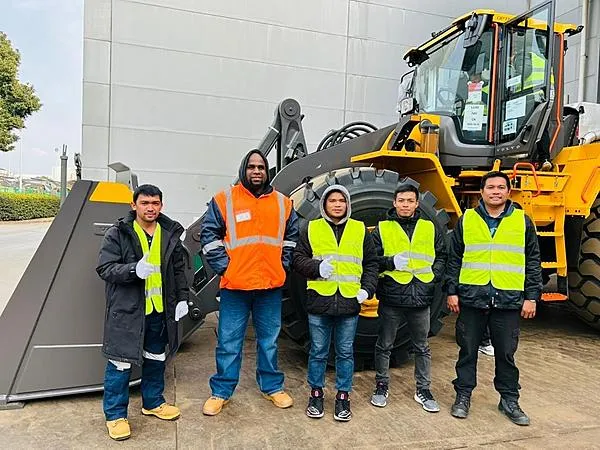
Pagini Kainantu Limited has taken another significant step in strengthening its technical capability, sending two of its rising talents—John Kennedy and Edison Igbalic—to an intensive two-week training program in Shanghai, China. The training was delivered across two venues: the Fullwon Group headquarters and its workshops.

Although Volvo CE’s technical programs are traditionally reserved exclusively for dealer technicians, Pagini Kainantu Limited was granted a rare opportunity for its end-user personnel to participate. Fullwon’s efforts ensured that John and Edison could benefit from in-house instruction delivered by a combined team of Volvo CE specialists and Fullwon’s experienced technical training team.

Over the course of the program, the two technicians undertook comprehensive, hands-on training across three major Volvo product lines:

  • Volvo Excavators – EC220, EC360, and EC500 models
  • K-Series Wheel Loaders
  • The new A60J Articulated Dump Truck (ADT)

Each equipment stream covered the full spectrum of critical systems, including engines, hydraulic circuits, electrical systems, transmissions, drop boxes, axles, and braking systems. The training also placed strong emphasis on service and maintenance procedures, structured fault-finding, and the use of Volvo’s advanced Tech Tool diagnostic platform.

By the end of the program, John and Edison had gained an in-depth understanding of Volvo’s core machinery range—knowledge that will directly enhance Pagini Kainantu Limited’s operational reliability, maintenance efficiency, and long-term asset performance.

With eight new Volvo A60J articulated dump trucks entering service at the K92 mine from May 2026, the team will be well placed to maintain the equipment, improving productivity for its client, K92.

The company congratulates both participants for their commitment and professionalism throughout the training and acknowledges the invaluable support from Fullwon in making this opportunity possible. This investment reflects Pagini Kainantu Limited’s ongoing dedication to developing local expertise and ensuring world-class standards across its operations.

March 30, 2026

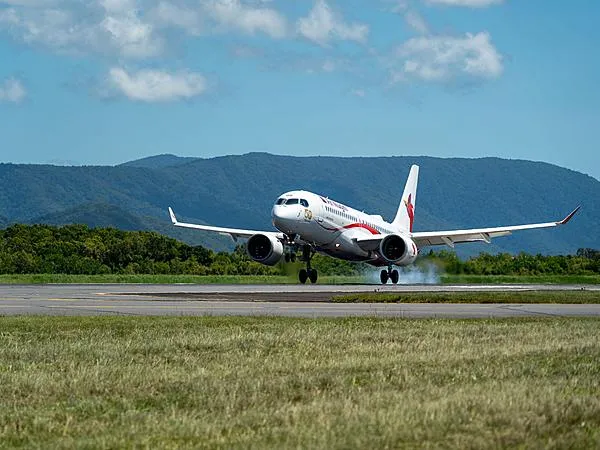
Air Niugini has launched its first scheduled international service using the Airbus A220-300, marking a key milestone in its fleet modernisation programme and strengthening air connectivity between Papua New Guinea and Australia.

The national carrier operated flight PX 90 from Port Moresby to Cairns on Friday, March 27, representing the aircraft type’s first international deployment following its introduction into the domestic network in September 2025.

Until now, the A220-300 has been used exclusively on domestic routes, serving key destinations including Lae, Kavieng, Manus, Gurney, Rabaul and Port Moresby. Its international debut signals the next phase of the airline’s fleet renewal and network expansion strategy.

The Cairns route—linking Port Moresby with Far North Queensland in approximately 90 minutes—has been identified as a strategic corridor, underpinned by strong trade, tourism and people-to-people ties.

Chief Executive Officer Alan Milne said deploying the A220-300 on international services enhances both operational capability and passenger experience.

“The Airbus A220-300 is a modern, fuel-efficient aircraft that offers greater comfort, reliability and operational efficiency. Deploying this aircraft on our international routes strengthens Air Niugini’s capability to connect Papua New Guinea with key regional destinations while delivering a world-class travel experience,” Milne said.

He added that Cairns was a natural choice for the aircraft’s first international service, given the long-standing economic and tourism links between Papua New Guinea and Australia.

Cairns Airport also holds historical significance for the airline. Air Niugini became the first international carrier to operate into Cairns in September 1975, establishing a connection that has expanded over the past five decades.

The airline currently operates nine weekly services between Port Moresby and Cairns, including three same-day return flights and six overnight services, making it one of its most important international routes.

The Airbus A220-300, configured with 138 seats in a two-class layout, features wider seats, larger windows, a quieter cabin and onboard Wi-Fi offered complimentary to passengers. The aircraft is also expected to deliver improved fuel efficiency and lower emissions compared with the Fokker and Boeing 737 aircraft it will replace on the route.

Cairns Airport Chief Executive Officer Richard Barker said the introduction of the new aircraft would further boost capacity and regional connectivity.

“The introduction of this modern aircraft will inject close to 65,000 seats into the Cairns market each year and further strengthen connectivity between our regions, supporting economic growth and creating new opportunities for trade, education and employment,” Barker said.

Beyond Cairns, Air Niugini offers onward connections across Papua New Guinea, as well as international services to Manila, Hong Kong, Singapore, Honiara, Port Vila and Nadi, with flights to Narita in Japan scheduled to commence in July.

The airline said additional A220 aircraft deliveries will play a central role in enhancing both domestic and regional operations, reinforcing its position as Papua New Guinea’s national carrier.

Following the Cairns launch, the A220-300 is scheduled to begin services to Sydney on March 29, followed by Honiara.

March 30, 2026

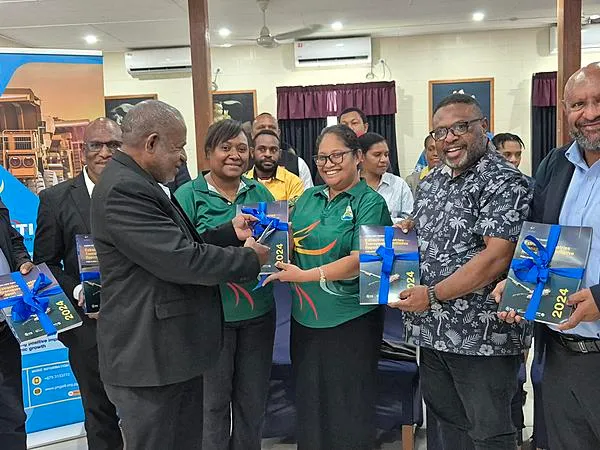
PNG CORE has commended the Papua New Guinea Extractive Industries Transparency Initiative (PNG EITI) on the official launch of its FY2024 Annual Report, marking an important milestone as Papua New Guinea prepares for its upcoming EITI Validation, scheduled to commence in April 2026.

The report was launched during the Multi-Stakeholder Group (MSG) first-quarter meeting held at Tuna Bay in Port Moresby on Thursday, March 26, with representatives from government, industry and civil society in attendance.

PNG CORE described the FY2024 Annual Report as a comprehensive and timely publication that provides critical insights into the performance of Papua New Guinea’s extractive sector.

The report outlines revenue contributions from the mining, oil and gas industries, as well as beneficial ownership disclosures and key initiatives aimed at strengthening transparency, accountability and equitable resource management.

Kassman, Senior Vice President of PNG CORE, said the organisation recognises the commitment demonstrated by the PNG EITI National Secretariat and the leadership of MSG members in advancing transparency and accountability in the management of the country’s oil, gas and mineral resources.

“The PNG EITI report clearly illustrates the continued importance of the mining and petroleum sector, highlighting its contribution to government revenue, exports, jobs and community benefits, while reinforcing the need for transparency and accountability. PNG CORE commends the work of all stakeholders in the EITI process,” Kassman said.

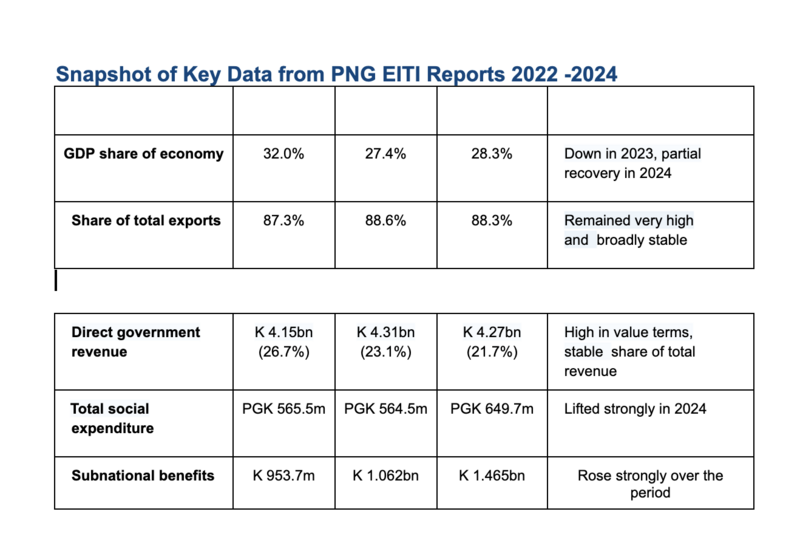
He added that PNG EITI reports from 2022 to 2024 reaffirm the sector’s central role in the economy. While there was a slight dip in 2023, the sector recovered in 2024, with export contributions remaining strong and government revenues consistently exceeding K4 billion. The rebound was supported by improved operations, including the reopening of Porgera.

PNG CORE also encouraged civil society organisations, government agencies, the private sector, resource owners and the general public to download and review the report from the PNG EITI website, noting that the PNG CORE website also provides a link.

The Papua New Guinea Chamber of Resources & Energy (PNG CORE) is the peak industry body representing the mineral resources and energy sectors in Papua New Guinea. Its mission is to foster understanding, generate knowledge and build relationships that enable the country to realise sustained nation-building benefits from its natural resources.

March 30, 2026

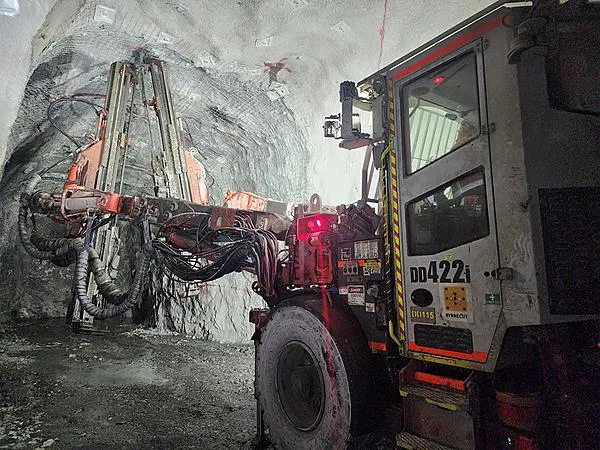
Sandvik has received five AutoMine® orders from Byrnecut, the world’s largest underground mining contractor. The orders, all of which include AutoMine® Multi-Lite systems, were booked in Q1 2026 for the Gwalia, Ulysses, Youanmi and Gossan Valley mine sites in Australia, as well as the Navachab mine in Namibia. With these latest orders, the majority of Byrnecut’s global operations now utilise AutoMine® for loading.

In addition, Byrnecut has acquired AutoMine® for Underground Drilling across four of these sites, further advancing its strategy to expand automation across its global fleet.

AutoMine® Multi-Lite is an advanced automation system that enables loaders to operate fully autonomously from the stope to designated loading or dumping points. This allows a single operator to control up to three loaders simultaneously from a safe, climate-controlled surface control room.

Shift changes are among the largest contributors to downtime in underground operations. Byrnecut is using AutoMine® to mitigate these disruptions by maintaining material movement and drilling progress during transition periods. As a result, downtime is reduced and production remains consistent.

Operators also benefit significantly from the system, as they can remotely supervise and control multiple machines, reducing exposure to dust, noise, vibration and other on-site hazards. This approach enhances safety for both operators and mine personnel, while also supporting workforce development by transitioning workers into technology-focused roles. In addition, real-time feedback helps build skills for an increasingly automated mining environment.

Luke Clements, Manager – Automation and Electrification at Byrnecut, said: “We now have the majority of our loaders running on AutoMine® across our global operations. Safety is Byrnecut’s number one priority, and AutoMine® helps ensure that our people get home safely, while also enabling high productivity through precise, consistent and repeatable operations.”

David Hallett, Vice President – Automation at Sandvik, added: “This deal highlights the growing recognition across the mining sector that Sandvik’s advanced automation solutions help mines operate more safely, efficiently and sustainably.

“Byrnecut and Sandvik have a long history of collaboration, and Byrnecut has been a key development partner in our suite of automation solutions. We are proud to continue supporting them as they expand automation across their global operations.”

Sandvik Group
Sandvik is a global, high-tech engineering group providing solutions that enhance productivity, profitability and sustainability across the manufacturing, mining and infrastructure industries. The company is at the forefront of digitalisation and focuses on optimising customer processes. Its offering includes equipment, tools, services and digital solutions for machining, mining, rock excavation and rock processing. In 2025, the Group had approximately 42,000 employees and revenues of about SEK 121 billion across more than 150 countries.

Business Area Mining
Mining is a business area within the Sandvik Group and a leading global supplier of equipment, tools, parts, services, digital solutions and sustainability-driven technologies for the mining and construction industries. Application areas include rock drilling, rock cutting, loading and hauling, tunnelling, ground support and quarrying. In 2025, sales were approximately SEK 69 billion, with about 18,000 employees. For further information, visit mining.sandvik.com.

For further information, please contact:
Julia McMurray
Director of Marketing and Communications, Business Unit Automation
Email:
julia.mcmurray@sandvik.com
March 29, 2026

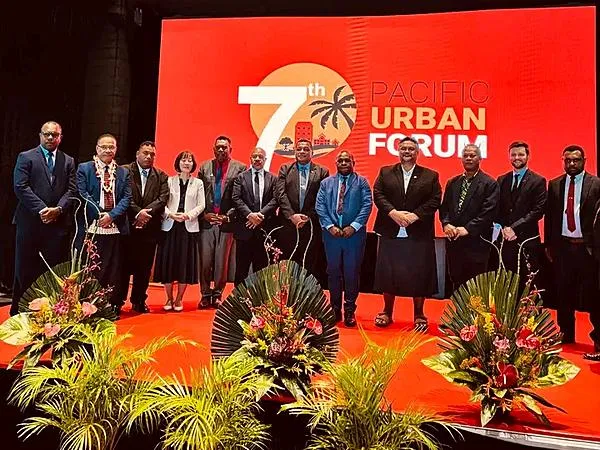
Papua New Guinea’s capital, Port Moresby, took centre stage in regional urban development in March, hosting the 7th Pacific Urban Forum (PUF7) from March 24–26, 2026—marking the first time the high-level gathering has been held in the country.

Convened by the National Capital District Commission (NCDC) in partnership with regional and international agencies, the three-day forum brought together more than 120 delegates from across the Blue Pacific, including government ministers, city leaders, development partners, urban planners and policy experts.

Held at APEC Haus under the banner “Amazing Port Moresby,” the event was widely described as a milestone moment for both the capital and the country.

NCD Governor Powes Parkop said hosting the forum marked a significant step for the city and the country.

“For the first time in history, Port Moresby will host the Pacific Urban Forum—a proud milestone for our capital and nation,” Parkop said.

He added that the event signalled the city’s readiness to take a leading role in regional discussions on urbanisation and sustainable development. “This is not just an event; it is a statement that Port Moresby is ready to lead regional dialogue on urbanisation and sustainable development,” he said.

The forum coincided with PNG’s 50th Independence celebrations and highlighted the capital’s transformation, future ambitions, and growing role as a regional hub for urban policy dialogue.

Urbanisation challenges and opportunities in focus

The forum opened at APEC Haus with keynote remarks from Prime Minister James Marape, alongside contributions from UN-Habitat Asia-Pacific Regional Director Kazuko Ishigaki and Housing Minister Kobby Bomareo.

Discussions on the first day centred on the “State of Urbanisation in the Blue Pacific,” with experts outlining the rapid expansion of Pacific towns and cities, as well as mounting pressure on housing, infrastructure and essential services.

Breakout sessions then focused on practical solutions, including transforming informal settlements into planned suburbs, strengthening the informal economy, improving food security, and building climate resilience. Port Moresby’s development initiatives were also showcased as examples of urban reform in action.

The forum also underscored the importance of inclusive development, with a focus on empowering communities and ensuring equitable access to urban opportunities.

Climate resilience and sustainable cities

Building on these discussions, the second day shifted focus to climate change, framing Pacific cities as the “engine room” of resilience in the face of environmental challenges.

Delegates examined nature-based solutions, climate financing, disaster preparedness and circular economy models as critical tools for sustainable urban development.

PNG National Housing and Urbanization Managing Director Abel Tol announced a K2 million government commitment to support the forum, highlighting national backing for urban development priorities. He said there was a need for innovative housing approaches that balance environmental sustainability with community needs.

“Nature-based, climate-effective housing solutions that honour the environment while meeting community needs,” Tol said, are critical to future development.

Tol added that the forum’s outcomes would help shape regional policy direction.

“These outcomes will contribute to a unified Pacific position for the Asia-Pacific Urban Forum in Yokohama, Japan, in 2027,” he said.

Strengthening regional partnerships

Throughout the forum, participants emphasised the importance of regional cooperation and partnerships.

Delegates from Fiji, Tuvalu, Vanuatu, Solomon Islands, Samoa, Tonga, Cook Islands, Nauru, Kiribati, Australia and New Zealand shared experiences and aligned priorities for sustainable urban growth.

The forum also created opportunities to strengthen sister-city relationships with Jayapura, Honiara and Port Vila, while encouraging deeper collaboration with the private sector to address urban challenges.

In addition to policy discussions, the programme incorporated cultural engagement, with delegates experiencing Port Moresby’s diversity through music, art, food and community activities—reinforcing the role of culture in shaping inclusive cities.

Future-focused outcomes

The forum concluded with a renewed focus on the future of urban growth in the Pacific, following three days of dialogue, collaboration and forward-looking discussions.

The closing ceremony reaffirmed a shared commitment to building cities that are inclusive, resilient and sustainable, while strengthening urban planning systems across the region. Participants developed key resolutions addressing priorities such as integrated urban planning, climate-resilient infrastructure, housing and livelihoods.

Parkop said the forum represented more than dialogue, describing it as a unified regional commitment.

“This forum is a collective commitment to ensure Pacific voices are heard on Asia-Pacific and global platforms,” he said.

As Pacific nations continue to urbanise, the 7th Pacific Urban Forum has set a clear direction for the region—positioning cities as engines of growth, culture and resilience, and reinforcing the importance of collaboration in shaping a sustainable urban future.

March 29, 2026

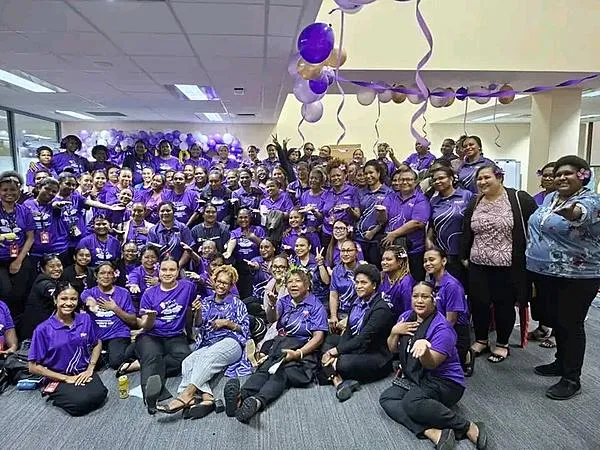
Papua New Guinea’s public and private sectors paused on March 24 to mark National Women’s Day, with workplaces, institutions and communities across the country embracing the symbolic colour purple and reaffirming their commitment to advancing the rights and wellbeing of women.

From corporate offices to government agencies, the day was observed through awareness programmes, advocacy events and public gatherings, reflecting a growing national movement to prioritise gender equality and women’s empowerment as a central pillar of development.

In Port Moresby, the National Capital District Commission (NCDC), through its Family, Gender Equality and Women’s Empowerment Branch, hosted a major celebration at Sir Hubert Murray Stadium under the theme “Strongim Meri, Protectim Rights, Buildim PNG.” The event drew participation from women leaders, government representatives, civil society organisations and the private sector.

NCD Governor Powes Parkop used the occasion to outline an ambitious long-term vision for women’s empowerment under the national government’s “Reset 50” agenda, which sets the direction for the country’s next 50 years of nationhood.

Governor Parkop, who also chairs the Permanent Parliamentary Committee on Gender Equality and Women’s Empowerment, stressed that gender equity must be treated as a non-negotiable national priority.

“We must empower and recognise the National Council of Women as vital stakeholders in lifting the status of women over the next five decades,” he said.

He highlighted several key policy and funding commitments already underway, including the National Strategy to Prevent and Respond to Gender-Based Violence (2025–2036), a government allocation of K108 million annually over the next decade to combat GBV, and the adoption of the National Gender Equality and Women’s Empowerment Policy (2025–2036). He also confirmed the formal decision to revive and reinstate the National Council of Women.

Despite these milestones, Governor Parkop cautioned against complacency, urging women leaders and stakeholders to ensure that policies translate into tangible outcomes.

“Policy adoption is only the first step. We must ensure sustained attention, adequate resources and consistent effort in implementation,” he said.

Deputy City Manager for Community and Social Services Ms Edith Laufa echoed these sentiments, thanking Governor Parkop for his leadership and advocacy at the national level. Drawing from her own experience in a male-dominated work environment, Ms Laufa encouraged young women to pursue their ambitions with resilience and confidence.

“Approach your work with dedication and determination. Your leadership can inspire others and help break barriers,” she said.

Beyond government-led initiatives, the private sector also played a significant role in marking the day. Financial services company MoniPlus hosted a cancer awareness session in partnership with the Papua New Guinea Cancer Foundation, aligning its internal observance with International Women’s Day themes of health and wellbeing.

The session focused on breast cancer awareness, highlighting the importance of early detection, screening and prevention. Medical Health Educator Dr Beena Dagam of Port Moresby General Hospital volunteered her expertise to deliver the session, reinforcing the critical role of education in reducing cancer risks.

“Conversations like this are important. They inform us about the factors that put us at risk and empower us to take early action,” organisers said.

The programme also emphasised that cancer risks are not only linked to lifestyle factors but may also stem from inherited genetic mutations, underscoring the importance of vigilance and regular health checks.

In Tok Pisin, the message of prevention was clearly communicated: “Save gut pas long as blo sik kensa long abrusim bipo yu kisim,” highlighting the need for prevention, early detection and screening.

As Papua New Guinea continues to navigate its development pathway, this year’s National Women’s Day served as both a celebration and a call to action, reinforcing that empowering women is not only a social imperative but also a critical driver of economic growth, community wellbeing and national progress.

Across the country, the message was clear: building a stronger PNG requires sustained investment in women—protecting their rights, amplifying their voices, and ensuring equal opportunities for generations to come.

March 27, 2026

Westpac PNG has officially launched its Sister City Program, partnering 14 branches across Papua New Guinea with 14 branches from Westpac Group operations on the Gold Coast and Bayside to strengthen professional collaboration, knowledge sharing, and community support.

The Sister City Program is a formal partnership between branches designed to promote cultural and commercial ties while fostering stronger relationships between teams in both countries. Through mentoring, shared learning, and community initiatives, the program will enable employees to exchange knowledge and support charitable causes that positively impact local communities.

Activities under the program include mentoring between branch teams, partnerships on community projects and charities, and sharing best practices in key areas such as risk management, customer service, and sales performance.

Head of Retail Banking at Westpac PNG, Miriam Rothera, said the program reflects the bank’s commitment to building stronger connections between teams while creating meaningful outcomes for communities.

“The Sister City Program is about more than connecting branches — it’s about connecting people, ideas, and communities across borders,” Ms Rothera said.

“By partnering our teams in Papua New Guinea with colleagues on the Gold Coast and Bayside, we’re creating opportunities to share knowledge, strengthen professional capability, and learn from each other’s experiences. At the same time, we’re empowering our branches to work together on community initiatives that make a real difference locally.

“What makes this program particularly special is that it brings together mentoring, collaboration, and community support in one initiative. It allows our people to grow professionally while also giving back to the communities we serve.”

As part of the program’s first activities, donated goods from Gold Coast and Bayside branches recently arrived in Port Moresby and have begun reaching branches across the country. These supplies are being distributed so each location can support a local charity or community initiative.

Branches in Kavieng, Kimbe, Port Moresby, Gordons, Boroko, and Madang have already received their deliveries.

In Madang, Ms Rothera personally delivered bags filled with school supplies, books, and library materials to Kil Primary School. Together with branch colleagues, the team met Headmaster Mr Martin Kadamai during a school assembly attended by more than 880 students, parents, and members of the local community.

Witnessing how the donated resources will support students and their education was a powerful moment for the team.

Another impactful experience came from the Kavieng branch team, who visited female and juvenile inmates at the local correctional facility to share cake and distribute individual gift packs. Retail Assurance & Compliance Manager Mary Gima, who participated in the visit, described the experience as deeply moving.

“It was incredibly humbling to be part of something that brought smiles to people who often feel forgotten,” she said. “We’re very grateful to our Sister City colleagues in Queensland for helping make this possible.”

Ms Rothera said the early success of the program demonstrates the power of cooperation and shared purpose.

“This is just the beginning. Through our Sister City partnerships, we are already seeing how small actions can make a meaningful difference in people’s lives. We look forward to many more stories of impact as the program grows.”

The Sister City Program has created partnerships between teams in the following branches:

PNG Branch — Australian Branch
Kokopo — Burleigh
Alotau — St G Helensvale
Kavieng — Elanora
Airways — Pacific Fair
Madang — Cleveland
Kimbe — Capalaba
Wewak — Coomera
Vanimo — Robina
Port Moresby — Southport
Mount Hagen — Bundall
Goroka — Runaway Bay
Tabubil — Robina
Gordons — Pacific Fair
Boroko — Helensvale

March 27, 2026

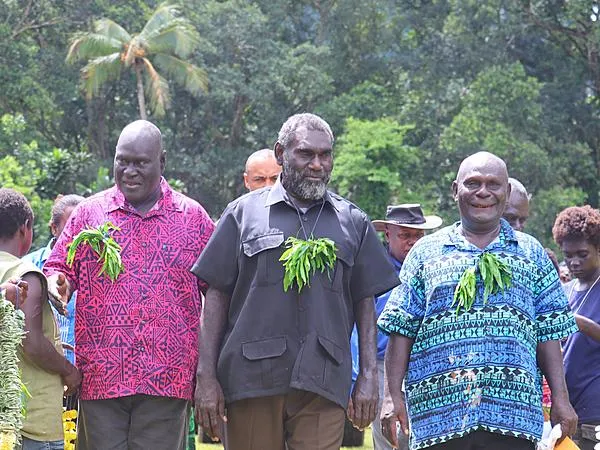
Autonomous Bougainville Government President Ishmael Toroama has proposed the creation of a mining reserve in the Eivo–Torau–Torokina region, aiming to control licence activity and prioritise development of the Panguna project.

The proposal, issued through the Bougainville Mining Advisory Council, covers about 465 square kilometres and is intended to guide a more coordinated approach to resource development.

Toroama said the reserve would restrict new exploration and mining applications, allowing the government to focus on existing priority projects.

“The purpose is to ensure orderly development of the sector while safeguarding national interests,” he said. Toroama flagged rising competition among companies seeking exploration licences in the area, warning that overlapping interests have begun to create divisions within local communities.

“This is a matter of serious concern … the government is taking a responsible approach to preserve unity, social stability and national interest,” he said.

The move signals a shift toward tighter state control over resource allocation in Bougainville as interest in the region’s mineral potential grows.

The proposed reserve is also intended to give the government policy space to advance amendments to the Bougainville Mining Act 2015. Toroama said the review aims to establish a “modern and fit-for-purpose” legal framework to govern future mining activity.

Public consultations are open until May 4, with the government required to consult parliament before a final decision is made.

Toroama said the process will follow legal requirements under existing mining legislation, with stakeholder input forming part of the final determination.

The proposal underscores the government’s focus on the Panguna project as the centrepiece of Bougainville’s economic strategy, while seeking to manage competing commercial interests and maintain social cohesion.

The government said it remains committed to ensuring transparency and inclusive decision-making in the management of natural resources.

March 27, 2026

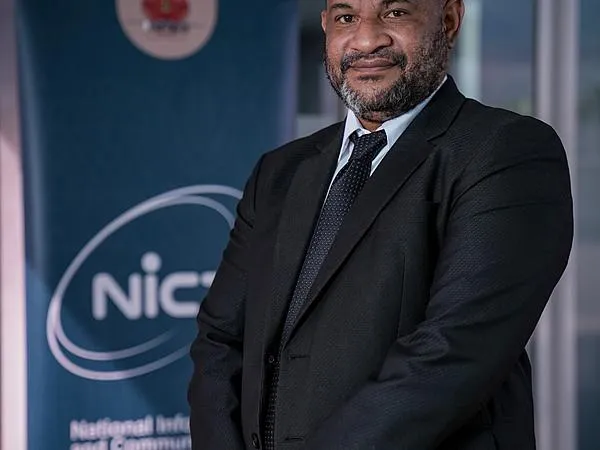
Papua New Guinea’s acting ICT minister Peter Tsiamalili Jr. has ordered sweeping reforms at the National Information and Communications Technology Authority after audit findings revealed significant weaknesses in financial management and governance.

The minister said the Auditor-General issued a qualified opinion on NICTA’s 2019 financial statements, citing deficiencies in documentation, oversight and compliance with public finance standards.

Key issues identified include irregularities in land acquisitions, gaps in asset verification, weak receivables management, unresolved employee liabilities and ineffective internal controls.

KPMG review highlights systemic gaps

An independent review by KPMG pointed to broader structural weaknesses, including governance and policy gaps, limited regulatory transparency and financial sustainability risks.

The report also flagged shortcomings in oversight of the Universal Access and Service (UAS) Fund and capacity constraints within the organisation.

“These reports point to systemic issues that have constrained NICTA’s effectiveness as the national ICT regulator,” the minister said.

CEO tasked with driving institutional overhaul

Tsiamalili said the recently appointed chief executive officer will be responsible for implementing reforms, resolving outstanding audit issues and restoring financial discipline.

“The CEO will be held responsible for delivering measurable improvements in governance standards, regulatory performance and organisational integrity,” he said.

The ministry has also expanded oversight expectations across ICT agencies, including NBC and DICT, signalling a broader push for accountability across the sector.

Reform priorities set for 2026

The government outlined key priorities for NICTA, including:

  • addressing all outstanding audit findings
  • strengthening procurement and financial management systems
  • improving transparency and stakeholder confidence
  • ensuring effective management of the UAS Fund
  • building institutional capacity to support digital transformation

The minister said the 2026 work programme will serve as the main vehicle for implementing reforms, with clear timelines and reporting requirements.

Governance push tied to digital agenda

Tsiamalili said strengthening NICTA is critical as Papua New Guinea advances its digital economy strategy, noting that the ICT sector is central to economic growth.

The government will continue to monitor progress closely and take further action if necessary to ensure the regulator meets its mandate.

March 27, 2026

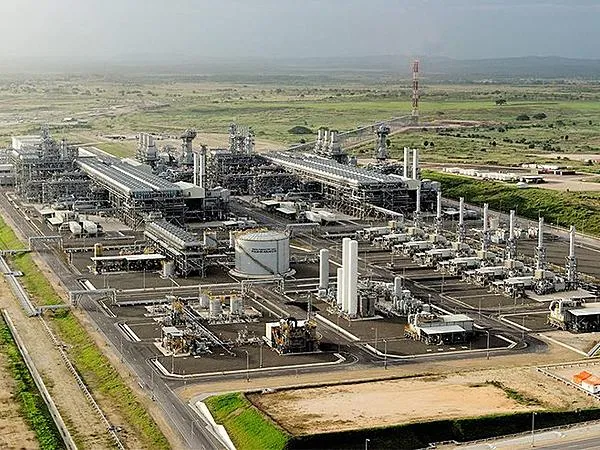
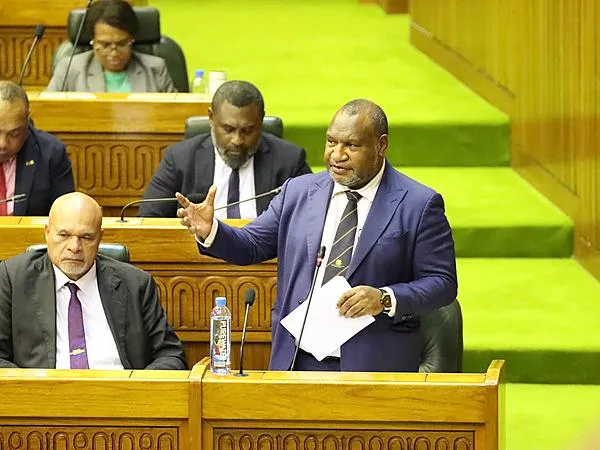
Prime Minister James Marape said the government will review the unresolved 4.27% equity in the PNG LNG project, signalling a broader reset of benefit-sharing arrangements to improve returns for landowners and provincial governments.

Responding in parliament to Komo-Hulia MP Daniel Tindipu, Marape said the equity component—linked to agreements struck before the project’s 2014 first gas—remains unsettled more than a decade later.

“This equity component was intended as a meaningful participation mechanism … it is clear that this matter has not been fully resolved,” he said.

Legacy of UBSA under scrutiny

Marape traced the issue to the 2008–2009 Umbrella Benefit Sharing Agreement (UBSA), which underpinned the project’s final investment decision and included the 4.27% equity as an additional, non-statutory benefit.

He said the allocation was designed to supplement mandated entitlements under the Oil and Gas Act, including the 2% royalty and equity provisions, but acknowledged that intended beneficiaries have yet to fully realise its value.

Despite the PNG LNG project generating substantial revenues since 2014, the equity’s structure and utilisation remain unclear.

Kumul Petroleum tasked with full audit

Marape said the government has directed Kumul Petroleum Holdings Limited to conduct a comprehensive review of the equity, including its historical treatment and current valuation.

“This is a holistic review … we are examining the full structure of our national equity interests,” he said, adding that the exercise will also cover the state’s broader stake in the project.

The findings will be submitted to cabinet to inform policy decisions on allocation and governance.

Distribution model under consideration

Marape outlined a three-part framework under consideration for the equity:

  • direct financial distribution to landowners and provinces;
  • preservation of value through long-term savings mechanisms; and
  • stronger governance and accountability structures.

He said the government would prioritise a structured and sustainable approach rather than a rapid disbursement.

“We will not rush this decision. It must be structured carefully to ensure fairness and long-term impact,” he said.

Legal distinction shapes approach

Marape emphasised that the 4.27% equity is not a statutory entitlement, unlike royalty and equity provisions already distributed under existing law.

“This component was a negotiated benefit … that is why we must handle it carefully,” he said, suggesting existing distribution systems could be adapted for future allocations.

Agreements open to review

The government is also assessing whether existing agreements, including the UBSA, can be revisited.

Marape said officials will examine review clauses to determine whether provisions allow updates to reflect current economic and policy conditions.

“If provisions exist, we will activate them to ensure agreements remain fair and relevant,” he said.

Domestic gas utilisation in focus

Separately, Marape said the government is in talks with operators including ExxonMobil and Santos Limited to expand domestic use of Papua New Guinea’s gas resources.

The discussions include potential in-country processing and utilisation within petroleum development licence areas to reduce reliance on fuel imports.

“Our goal is greater energy security, more affordable fuel, and increased downstream activity,” he said.

Broader policy signal

Marape framed the review as part of a wider effort to ensure resource projects deliver tangible and equitable benefits.

“This is about fairness, accountability, and nation-building,” he said, adding that decisions will be guided by legal frameworks and national interest.

March 27, 2026

Prime Minister James Marape said the government is pressing ahead with the Wafi-Golpu and Papua LNG projects while seeking to secure a larger share of economic benefits for Papua New Guinea, rejecting claims of delays.

Responding in parliament to Bulolo MP Sam Basil Jr, Marape said ongoing negotiations are aimed at improving returns for the state and landowners, targeting a total government take of about 55% within existing legal frameworks.

“Our government is not delaying these projects. Our policy direction is very clear — we are working to secure a fair share of benefits,” he said.

Marape stressed that the government is not pursuing additional concessions beyond what is предусмотрed under the Mining Act and Oil and Gas Act, but is asserting PNG’s sovereign rights under current laws.

Papua LNG awaits investor-led FID

On Papua LNG, Marape said the gas agreement signed in April 2019 remains in force, with the state having fulfilled its obligations.

“It is now up to the investors to progress the project to final investment decision,” he said, attributing delays primarily to investor-side processes such as financing and tendering.

He added that any request for incentives would be assessed against national interest. “This government will not give away free incentives. Any concession must deliver fair value to our country.”

Wafi-Golpu stake under review

For Wafi-Golpu, Marape said earlier arrangements would have limited PNG’s stake to about 20%, below the 30% permitted under law.

“I am here to improve returns for our landowners and our country. I will not sell my country too cheaply,” he said, signalling a tougher negotiating stance.

He added that the government has already allocated infrastructure and business development funding to prepare affected communities, despite the project not yet reaching FID.

Growth continues without major projects

Marape said PNG’s economy has expanded despite delays in the two projects, citing government revenue growth from 14 billion kina in 2018 to around 25 billion kina in 2025, and GDP rising from 79 billion kina to more than 130 billion kina over the same period.

He pointed to gains in agriculture and construction, as well as the restructuring of the Porgera Mine, as evidence of the government’s economic strategy.

“When we took a stand on Porgera, many said the country would fail. Today, internal revenue has significantly increased,” he said.

Balancing speed and value

Marape said the government remains committed to advancing both projects but will not rush agreements that could undermine long-term national benefits.

“These projects take time to reach FID, but it is better to secure a fair deal than accept arrangements that do not benefit our people,” he said, urging investors to meet obligations within existing licence timelines.

He added that the government would continue negotiating in good faith while prioritising benefits for landowners and future generations.

March 27, 2026

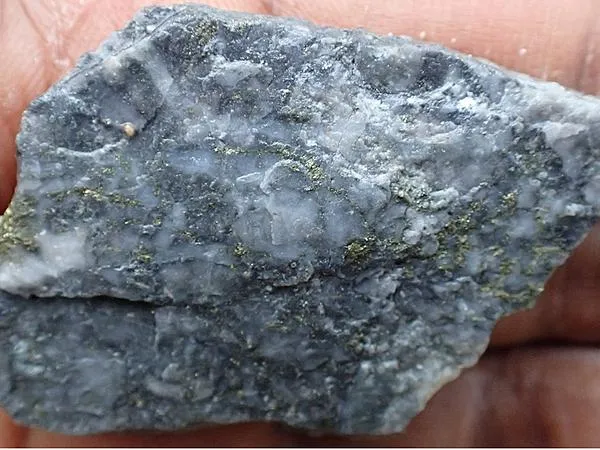
Great Pacific Gold Corp. reported new drilling results from the Kavasuki target at its Wild Dog project in Papua New Guinea, including an intercept of 38.4 metres at 2.23 grams per tonne gold equivalent.

The results, from drill hole KVH-03 at the Sinivit–Kavasuki trend within the Wild Dog Project, include higher-grade zones of 2.23 metres at 10.31 g/t AuEq and 2.20 metres at 16.24 g/t AuEq.

The company said the results confirm a revised west to west-northwest dipping structural model and demonstrate continuity of near-surface mineralisation approximately 1 kilometre north of the Sinivit deposit.

System continuity and scale

Great Pacific Gold said the results support a structurally controlled epithermal gold system characterised by quartz veining, silica flooding and hydrothermal brecciation, with sulphide mineralisation dominated by pyrite.

“The broad zone of mineralisation intersected, with higher-grade internal zones, is consistent with earlier drilling and confirms a coherent, structurally controlled system with strong continuity,” said Callum Spink., Vice President Exploration. 

Follow-up drilling in hole KVH-04 intersected around 60 metres of similar alteration and mineralisation, although assay results are pending. The hole was drilled approximately 20 metres down-dip from KVH-03 to test vertical continuity.

Spink said the consistency between drill holes strengthens confidence in the scale of the system.

“The consistency and scale of mineralisation between holes provides additional confidence in the continuity of the system,” he said.

District-scale potential

Kavasuki lies along strike from the Sinivit deposit within a 15-kilometre structural corridor that hosts multiple epithermal gold targets and porphyry copper-gold potential.

Spink said geological similarities between Kavasuki and Sinivit suggest both may form part of a broader district-scale system.

“We are increasingly seeing strong geological similarities between the two areas, supporting the interpretation that they represent different expressions of the same mineralised system,” he said.

Drilling is continuing with hole KVH-05, with the focus shifting towards identifying controls on grade distribution and targeting higher-grade zones within the system.

The Wild Dog project forms part of Great Pacific Gold’s broader exploration portfolio in Papua New Guinea.

March 27, 2026

Prime Minister James Marape said Papua New Guinea’s economy is strengthening, citing a sharp increase in government revenue over the past seven years, and reiterated that the government will not enter into resource agreements that undervalue national assets.

Marape pointed to verified data showing that tax revenue has nearly doubled since 2018, the last full budget year before his administration took office.

“In 2018, Papua New Guinea collected total tax revenue of K9.7bn, of which mining and petroleum contributed only K775m,” he said, noting that major projects such as the Porgera Gold Mine and PNG LNG were fully operational at the time.

“By 2025, total tax revenue has increased to K17.064bn—almost double. Mining and petroleum tax alone has risen to K4.137bn,” he added, saying this reflects stronger economic activity and improved compliance.

“This shows the economy is growing, the revenue base is expanding, and improvements in compliance and governance are delivering results.”

Budget expansion signals growth

Marape said overall government revenue, including grants and other income, has also risen significantly.

“In 2018, total budget revenue stood at around K14bn. By 2025, this has grown to approximately K25bn,” he said, adding that this indicates the economy “is not in decline—it is strengthening”.

Growth without new mega-projects

Marape emphasised that the revenue gains have been achieved ahead of new large-scale resource developments.

“Even without Papua LNG and Wafi-Golpu, we have grown internal tax revenue from K9.7bn to over K17bn,” he said.

He attributed this to economic diversification, particularly in agriculture and construction, alongside tighter tax enforcement.

“We are tightening compliance and ensuring that everyone who should pay tax is paying tax. This is part of building a fair and responsible economy,” he said.

Firm stance on resource negotiations

Marape said the government remains committed to progressing Papua LNG and Wafi-Golpu but will not finalise agreements that compromise national interests.

“We want these projects to proceed, but not at the expense of our national interest,” he said, adding: “We are not asking for anything beyond the law—we are insisting on what Papua New Guinea is entitled to.”

He said the government is targeting agreements that would secure around 55% of total project benefits for the country over their lifespan, consistent with Pangu Pati policy.

“These agreements will bind future governments, so we must get them right,” he said.

Marape added that if investors are unwilling to proceed under these terms, the government is prepared to seek alternative partners or strengthen legislation to protect national interests.

Assurances to stakeholders

Marape also reassured landowners and provincial governments in Gulf and Morobe that obligations—including infrastructure and business development grants—will be honoured.

“We will continue to work closely with landowners and provincial governments as we conclude discussions with project developers,” he said, adding that “our people must benefit fairly from the resources on their land”.

Domestic resilience underpinning outlook

Beyond the resource sector, Marape pointed to strong performance in the domestic economy, including the financial sector, as evidence of broader resilience.

“Our banks, superannuation funds and local businesses are performing strongly. This growth is not dependent on new LNG or mining projects—it is being driven from within the economy,” he said.

He added that since 2019 the government has prioritised expanding agriculture, fisheries and other sectors to reduce reliance on extractive industries. "The country is growing," he said.

Marape sought to reassure the public on the country’s economic trajectory.

“Papua New Guinea is not in crisis. The country is not dying. The country is growing,” he said.

“We will continue to grow the economy, expand revenue, and invest in education, health, infrastructure and law and order.”

He added that future agreements would be structured to ensure long-term, equitable returns. “We will ensure that every agreement we sign delivers a fair and lasting return for our people.”

March 27, 2026

Great Pacific Gold Corp. said it plans to raise up to $15.04m through a public offering to support its gold-copper exploration projects in Papua New Guinea and for general corporate purposes.

The Vancouver-based company has entered into an agreement with Haywood Securities Inc., acting on behalf of a syndicate of agents, to offer up to 32 million units at $0.47 each.

Each unit will comprise one common share and one-half of a warrant, with each whole warrant exercisable at $0.70 per share for a period of 24 months following closing.

The offering will be conducted on a “commercially reasonable efforts” basis under a prospectus supplement to the company’s base shelf prospectus dated March 19, 2026. The supplement will be filed across Canadian jurisdictions, excluding Quebec, with additional placements permitted in the United States and offshore markets subject to applicable securities laws.

The agents have also been granted an over-allotment option to purchase up to an additional 15% of the units offered, exercisable up to 48 hours prior to closing.

Proceeds from the offering will be used primarily to advance the company’s exploration portfolio in Papua New Guinea, alongside working capital requirements.

The offering is expected to close on or about April 2, 2026, subject to customary conditions including approval from the TSX Venture Exchange.

PNG exploration focus

Great Pacific Gold is focused on developing a portfolio of gold-copper projects in Papua New Guinea, with several exploration-stage assets.

Its flagship Wild Dog project, located in East New Britain, hosts a large epithermal system extending approximately 15km, alongside a nearby porphyry target. Drilling has returned high-grade intercepts, with further drilling planned through 2026.

The company’s Kesar and Arau projects in the Eastern Highlands are located near existing mining tenements operated by K92 Mining Inc., with exploration indicating potential extensions of known mineralised systems.

Great Pacific Gold also holds the Tinga Valley project as part of its broader PNG exploration portfolio.

The company said the offering forms part of its strategy to advance exploration activity and position itself as a gold-copper developer in Papua New Guinea.

March 27, 2026

Prime Minister James Marape has called for carefully planned and inclusive urbanisation across Papua New Guinea and the Pacific, stressing that cities must be designed to improve quality of life rather than become centres of congestion and inequality.

Delivering the keynote address at the Pacific Urban Forum in Port Moresby, Marape said Papua New Guinea’s low level of urbanisation presents both a challenge and a rare opportunity to “get it right” as the country develops.

“Papua New Guinea remains one of the least urbanised nations on earth, with less than 20 per cent of our population living in towns and cities,” he said. “The global average is now above 50 per cent and rising. This means we still have time to plan properly.”

He said urbanisation should be embraced as a pathway to improved service delivery, economic opportunity and higher living standards—provided it is managed strategically.

“Urbanisation is not a bad concept,” he said. “If planned well, it allows governments to deliver water, electricity, health, education and other essential services more efficiently.”

At the same time, Marape warned against poorly managed urban growth, pointing to global examples where rapid expansion has led to overcrowding, informal settlements and strained infrastructure.

“We have seen the downside of unplanned urbanisation,” he said. “In some global cities, millions are packed into environments where services cannot keep up. That is not the future we want for Papua New Guinea or the Pacific.”

He noted that rural-to-urban migration is already underway and will continue to accelerate, making forward planning critical.

“The process of urban migration is growing. Our responsibility now is to ensure our cities are ready—liveable, inclusive and properly serviced.”

Marape called for stronger coordination between governments, municipal authorities, development partners and the private sector to design sustainable urban centres that reflect the region’s diversity and cultural identity.

“With proper planning and strong partnerships, we can build cities that are not only modern but also respectful of our traditions and social structures,” he said.

He added that well-planned urbanisation enables governments to organise populations more effectively and deliver services at scale, while also creating opportunities for employment, education and innovation.

“When people are settled in well-planned urban centres, we can provide quality education, health services, water and sanitation, and access to information more effectively,” he said.

Marape also underscored the importance of aligning urban growth with long-term national development goals, particularly as Papua New Guinea marks 50 years of independence.

“What you see in Port Moresby today reflects 50 years of progress,” he said. “But the next phase of our growth must be smarter, more organised and more inclusive.”

He expressed confidence that, with the right planning and investment, the country’s cities will undergo significant transformation in the coming decade.

“Come back in 2035—you will see a completely different Port Moresby,” he said. “A city that reflects the full potential of our nation.”

The Pacific Urban Forum brings together regional leaders and stakeholders to advance discussions on sustainable urban development, resilience and inclusive growth across the Blue Pacific.

March 27, 2026

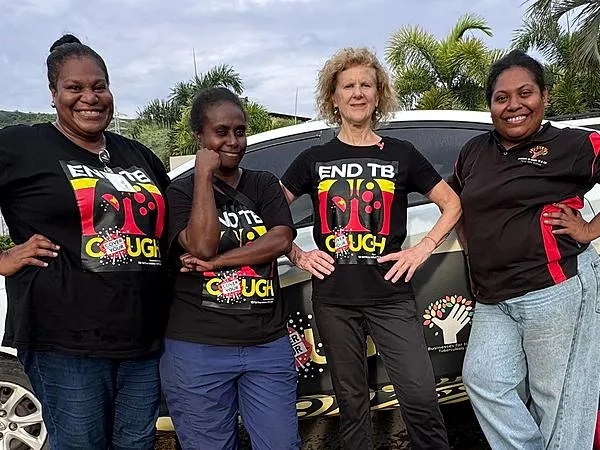
Papua New Guinea’s business community is being called on to play a more active role in tackling tuberculosis (TB), as Businesses for Health (B4H) staged a high-impact public awareness installation in the capital, Port Moresby, to mark World TB Day on 24 March.

At the busy Konedobu roundabout, thousands of commuters were met with a striking visual message: “TB is airborne.” The installation, led by B4H’s TB & HIV Project and supported by major corporate partners, featured 2,100 helium-filled balloons symbolising both the scale of the country’s TB crisis and the airborne nature of the disease.

Papua New Guinea continues to face one of the highest TB burdens globally, with an estimated 70,000 new cases and 12,000 deaths recorded last year. The National Capital District accounts for the highest number of cases nationwide, underscoring the urgency for coordinated action, including stronger private sector involvement.

Project Director Dr Ann Clarke said the installation was designed to make an invisible threat visible to both the public and the business community.

“If what you cough up is not clear, it may be a sign of disease. Get tested early,” Dr Clarke said.

“We want the balloons to make an invisible risk visible to every commuter and passerby.”

The balloons, lifted by helium supplied by BOC Papua New Guinea, were coloured to reflect sputum diagnostic indicators—turning a typically celebratory symbol into a stark public health warning.

Businesses at the frontline of the response

The World TB Day activation also highlighted the critical role workplaces can play in early detection, awareness and stigma reduction.

B4H Workplace TB Coordinator Teresa Koratsi said businesses are uniquely positioned to influence behaviour and support national health goals.

“B4H supports workplaces in training staff to recognise TB symptoms, encourage early testing and treatment, and reduce stigma and fear associated with the disease,” she said.

“TB is not spread by dirty hands or cups—that is dysentery or typhoid. TB is airborne, which means anyone can breathe it in if someone with TB is coughing.”

Through workplace programmes, companies can directly contribute to reducing transmission by encouraging early testing and supporting affected employees throughout treatment.

Public engagement in the city’s economic hub

In addition to the balloon installation, B4H, with support from SP Brewery and Bank South Pacific (BSP), set up two information stations in high-traffic areas: beneath SP Brewery’s digital “END TB” signage and at the busy BSP market and taxi rank precinct.

These stations provided access to clinical experts from the National Capital District Provincial Health Authority (NCD PHA), alongside educational materials and interactive learning activities aimed at improving public understanding of TB.

The initiative demonstrated how strategic partnerships between businesses and public health agencies can amplify outreach across key economic zones of the city.

The campaign drew support from a wide cross-section of Papua New Guinea’s corporate sector, including BOC PNG, BSP, SP Brewery, BizPrint, G4S, Paradise Foods and others—highlighting a growing recognition that TB is not just a health issue, but also an economic one.

Workplace disruptions, productivity losses and healthcare costs linked to TB continue to affect businesses, making prevention and early intervention a shared responsibility.

Dr Clarke acknowledged the leadership shown by participating companies, noting that private sector involvement is essential to ending TB in Papua New Guinea.

With TB fully curable if detected early, B4H is urging more businesses to join its workplace programmes and support ongoing awareness and testing initiatives.

“All businesses in NCD are encouraged to support the ongoing work of B4H by sponsoring and participating in workplace training programmes,” Dr Clarke said.

The message to the business community is clear: investing in employee health is not only a social responsibility, but also a strategic imperative.

As the country continues to battle one of its deadliest infectious diseases, initiatives such as the World TB Day installation demonstrate how business leadership, collaboration and visibility can drive meaningful improvements in public health outcomes.

March 26, 2026

ABG President and Minister for Mining Ishmael Toroama provided an update to Parliament on the progress of the Panguna Project, outlining key developments in governance, stakeholder engagement and legislative reforms.

“The Panguna Project remains a priority for Bougainville’s economic independence and continues to be progressed in a careful, lawful and structured manner,” he said.

President Toroama clarified that the Panguna EL01 project remains in the exploration stage and still requires pre-feasibility and feasibility studies before any application for a mining development licence can be made.

He explained that the project is being driven through a coordinated whole-of-government approach to ensure effective oversight, accountability and implementation. This framework is overseen by a Core Ministerial Team, supported by a Technical Working Group (TWG) at the administrative level.

“The TWG is now operational and coordinating a whole-of-government implementation framework to provide the regulatory and enabling environment to support the progress of the Panguna Project,” he said.

The President reaffirmed that landowners remain central to the project.

“Landowners remain key partners, with the Government’s commitment to their participation, equity and benefit-sharing firmly upheld. The ABG will engage with landowners through their respective families and clans, recognising that land ownership in Bougainville is communal under the family and clan system.”

“At both the administrative and landowner levels, the ABG has commenced structured engagement involving a range of local stakeholders, including Panguna landowners, community governments and veterans, impacted communities, small-scale miners and other interest groups.”

Addressing shareholding arrangements, President Toroama confirmed that the ABG, together with Bougainville Minerals Limited, now holds a combined 72.9 percent stake in Bougainville Copper Limited.

“The ABG has reaffirmed its majority shareholding of 72.9% in BCL, ensuring full strategic control at the shareholder level. Under BEC direction and through formal shareholder processes, we have commenced restructuring the BCL Board to align with Bougainville’s strategic direction and majority ownership position,” he said.

As part of this restructuring, ABG Chief Secretary Kearnneth Nanei has been appointed Chairman, strengthening governance oversight and alignment with ABG policy.

The President also informed Parliament of recent Board changes, including the resignation of Peter Graham and Sir Moi Avei as directors.

“Both individuals were representing the national government on the Board, and with the transfer of shareholding from the national government to the ABG, they no longer serve a direct interest in the governance of the company,” he said.

Toroama stressed that all future mining activity in Bougainville will be undertaken in a safe, responsible and environmentally compliant manner, consistent with national laws and international standards.

The House subsequently debated the ministerial statement and expressed strong support for the President and his Executive Government regarding decisions on the Panguna redevelopment project.

March 26, 2026

ABG President and Minister for Mining Ishmael Toroama outlined key legislative reforms to strengthen governance of the mining sector during his address to Parliament.

The reforms form part of the ABG’s broader efforts to ensure that resource development in Bougainville is undertaken in a safe, responsible and internationally compliant manner, while supporting long-term economic development and independence aspirations.

In this context, the Bougainville Parliament recently passed the Bougainville Mining (Gold Production Levy Amendment) Act 2025, formalising the taxation of gold production and strengthening revenue mobilisation.

“The Government continues to strengthen the legislative framework governing the mining sector,” he said.

“Key developments include the passage of the Bougainville Mining (Gold Production Levy Amendment) Act 2025, which formalises taxation of gold production and strengthens revenue mobilisation.”

President Toroama said relevant agencies — including the Department of Mining and Petroleum, the Department of Law and Justice, the Bougainville Tax Office, and the Department of Commerce, Trade and Economic Development — are now working collaboratively to develop an implementation framework. This will enable the initial collection of the gold levy within the year.

In parallel, the President informed the House that a comprehensive review of the Bougainville Mining Act 2015 is under way to strengthen regulatory control and address implementation gaps.

“There is also an ongoing comprehensive review of the Bougainville Mining Act 2015, covering approximately 70 sections, including new provisions to address implementation gaps and strengthen regulatory control. Drafting instructions have been completed and endorsed by BEC for region-wide stakeholder consultations, expected in the third quarter of 2026 prior to finalisation of amendments.”

Further legislative work is progressing under the Panguna redevelopment framework to support the sector.

“In addition, under the Panguna redevelopment framework, work is progressing on priority legislation to support the sector, including mining safety and occupational health frameworks, environmental protection laws, and land and regulatory reforms.”

“These reforms will ensure that mining in Bougainville is undertaken in a safe, responsible and internationally compliant manner, consistent with our national development and independence objectives.”

March 26, 2026

Papua New Guinea’s livestock industry must urgently adopt mechanised farming practices or face continued reliance on costly imported meat, according to Livestock Development Corporation Managing Director Terry G. Koim.

Speaking in March at Taliabi, 14 Mile outside Port Moresby, during the presentation of three newly acquired state-of-the-art tractors, Koim delivered a strong message to industry stakeholders, warning that the country can no longer sustain outdated, low-productivity farming systems.

“Business as usual is no longer acceptable,” Koim said. “We cannot continue operating at subsistence levels while millions are spent annually on imported meat. Mechanisation is not a luxury — it is a necessity.”

The tractors, procured under LDC’s Capacity Building Programme, will support pasture improvement and commercial animal feed production in line with the Government’s Medium-Term Development Plan IV. The initiative forms part of broader efforts to modernise the livestock sector and strengthen domestic production capacity.

Koim stressed that without scaling up mechanisation, Papua New Guinea’s livestock industry will struggle to meet growing domestic demand or compete effectively in the market. He framed mechanisation not only as a productivity tool, but as a strategic economic imperative linked to food security and import substitution.

The event also highlighted ongoing government backing for the sector, with LDC acknowledging support from the Marape government since 2020. This support has enabled the recovery of state-owned livestock assets, cattle restocking, and investment in infrastructure and workforce development.

Koim’s warning was reinforced by operational realities on the ground. Testimony from veteran tractor operator Rau Gilimo underscored the inefficiencies of outdated equipment, describing how poor machinery and exposure to harsh weather frequently disrupt farm operations, ultimately limiting output and increasing costs.

Senior LDC managers echoed the Managing Director’s remarks, emphasising that without modern agricultural technology, efforts to expand production and improve efficiency will continue to fall short.

Koim maintained that the choice facing PNG is clear: embrace mechanisation and transition to a commercially driven livestock industry, or remain constrained by subsistence practices and rising import bills.

“The time for discussion is over. The time for implementation is now,” he said.

The push for mechanisation aligns with national priorities to boost agriculture’s contribution to economic growth, reduce import dependency, and ensure long-term food security.