
May 04, 2026

The Papua New Guinea Chamber of Resources & Energy (PNG CORE) has welcomed the Government’s decision to grant an operator’s licence to Starlink, describing the move as a significant step towards improving nationwide connectivity.

PNG CORE president Anthony Smaré said the licensing, issued through the National Information and Communications Technology Authority (NICTA), represents a timely regulatory decision that could expand access to fast and reliable internet services, particularly in rural and remote areas.

“The licensing of Starlink is a game changer for connectivity in Papua New Guinea and demonstrates strong leadership in addressing the digital divide that continues to affect our most isolated communities,” Smaré said.

He noted that PNG CORE has long advocated for the introduction of satellite-based connectivity solutions, citing the potential benefits of Starlink’s low-Earth orbit technology in areas where traditional telecommunications infrastructure remains limited.

Smaré also acknowledged the role of Prime Minister James Marape, Acting ICT Minister Peter Tsiamalili Jnr, and Chief Secretary Ivan Pomaleu in facilitating the entry of the service into the country.

Operational impact for resources sector

According to PNG CORE, improved connectivity is expected to address longstanding challenges faced by companies operating in geographically isolated regions.

Smaré said reliable internet access is critical for the resources sector, supporting workplace safety, emergency response, environmental monitoring, logistics and engagement with host communities.

“Starlink’s technology will materially improve how our members operate in remote areas and how they support surrounding communities,” he said.

Regulatory balance highlighted

PNG CORE also welcomed the Government’s approach to ensuring that the licensing aligns with national development priorities and regulatory safeguards.

Smaré said NICTA’s licensing process demonstrated a balance between enabling innovation and maintaining oversight on national security, consumer protection and lawful use requirements.

Broader social and economic benefits

Beyond the resources sector, improved connectivity is expected to deliver wider social and economic benefits, particularly for rural communities. These include better access to education, healthcare, digital financial services and economic opportunities.

“For communities hosting resource projects, improved connectivity will help strengthen livelihoods and enhance access to essential services,” Smaré said.

PNG CORE said it would continue to work with the Government, regulators and service providers to support the rollout of connectivity solutions across the country.

April 30, 2026

Pacific Lime and Cement Ltd. said construction of its Central Lime Project in Papua New Guinea has moved into the civil, foundation and structural phase, with the company maintaining its timeline for first production in early 2027.

In a disclosure dated April 30, the ASX- and PNGX-listed firm said key infrastructure and critical-path activities progressed during the March 2026 quarter, with the project remaining aligned with its development schedule and approved budget.

The company reported that kiln foundation works had commenced, with reinforcement and formwork installed and concrete pours scheduled for late April. These works are central to the installation of kiln processing infrastructure.

On-site crushing and screening operations have also begun, improving the availability of aggregates and reducing reliance on imported materials, while bridge and road infrastructure linking the project site to Port Moresby continues to advance.

The company said Bridge 1 works have progressed into abutment construction following the completion of piling, while access to Bridge 2 has been completed to enable piling mobilisation. The road being developed is expected to serve as a key logistics corridor connecting the company’s Special Economic Zone to the capital.

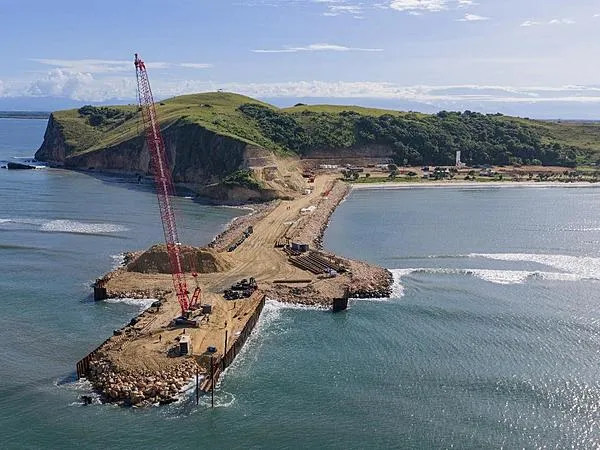
The project’s logistics backbone is being supported by ongoing wharf development, with fabrication and procurement for Phase 3 under way, alongside preparations for marine installation. Shipment arrival preparations are also in progress ahead of installation works.

A concrete batch plant has been installed and is undergoing commissioning to support increased construction activity, while camp infrastructure is nearing completion to accommodate a growing workforce, now at 175 personnel. Final commissioning of camp facilities is ongoing as the project moves towards full occupancy.

As the project transitions into more complex structural and critical-path activities, the company said construction sequencing and productivity are being actively optimised to maintain schedule consistency.

Managing director Paul Mulder said the project had reached “an important inflection point” as it transitions into structural construction.

“We have also achieved our first external product sales, demonstrating early revenue, port and wharf capability and validating our logistics and supply chain,” Mulder said.

The company added that operational readiness planning is under way, with heavy equipment, including a 150-tonne crane and additional machinery, already assembled and commissioned on site.

Pacific Lime and Cement said it continues to monitor global cost pressures linked to supply chains and geopolitical factors but expects existing contingency funding to be sufficient to absorb potential impacts.

The company also confirmed it remains compliant with all regulatory requirements as workforce levels increase in line with construction activity and as the project advances towards commissioning.

The Central Lime Project is a cornerstone of the company’s strategy to develop Papua New Guinea’s domestic lime and cement industry, aimed at supporting infrastructure development, reducing import dependence and supplying materials to the broader Asia-Pacific region.

Pacific Lime and Cement said the project forms part of a broader integrated platform that includes industrial sands, forestry-based carbon credit initiatives and renewable energy, positioning the company to support lower-carbon inputs for the mining, resources and construction sectors in the region.

April 30, 2026

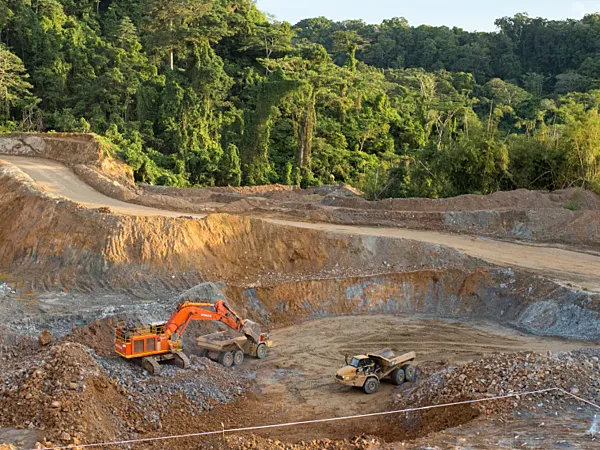
Geopacific Resources Limited said its Woodlark Gold Project in Papua New Guinea is advancing towards development readiness, with a definitive feasibility study (DFS) due for completion in May 2026 and key regulatory approvals secured.

In its quarterly activities report for the period ended March 31, the company said the DFS is in its final review stage and will include an updated ore reserve and mineral resource estimate, aimed at validating the project’s technical and economic viability.

The company said the study incorporates optimisation across mining, processing, tailings and infrastructure to deliver a “technically robust, finance-ready” outcome, with independent technical experts appointed to review the DFS. Site visits scheduled for April were delayed due to tropical cyclone Maila.

During the quarter, the Papua New Guinea Conservation and Environment Protection Authority approved an amendment to the project’s environment permit, reflecting an updated project configuration, including an increase in throughput to 3.5 million tonnes per annum.

Following the approval, the company said it will apply to the Mineral Resources Authority to amend its existing mining leases in line with the updated permit.

Exploration activities continued during the quarter, with approximately 18,997 metres of drilling completed to date, including 32 drill holes totalling 4,931 metres during the reporting period.

Results from the Woodlark King Mining Area, particularly at Wayai Creek, included high-grade near-surface gold intercepts such as 17 metres at 5.29 grams per tonne gold from 36 metres, supporting confidence in the existing mineral resource.

Drilling has been completed at Wayai Creek and Little MacKenzie, while assays from Busai Deeps, Great Northern and other مناطق remain pending and are expected to inform updates to geological models.

Geopacific said it continues to engage with regulators and advance project financing preparations, having appointed Argonaut Corporate Finance and Taylor Collison as joint advisers to support funding and strategic equity processes.

As of March 31, the company reported cash and cash equivalents of $5 million and term deposits of $9 million.

Its quarterly cash flow statement indicates an estimated funding runway of 0.85 quarters based on current expenditure levels, highlighting the need to secure additional funding as the project progresses.

Operations were disrupted after the reporting period by tropical cyclone Maila, which caused damage to infrastructure on Woodlark Island, including roads and communications. The company said there were no reported casualties and that access and communications have since been restored.

Geopacific added that community engagement and relocation efforts continued during the quarter, alongside support for health, education and employment initiatives in surrounding areas.

The Woodlark project hosts a mineral resource of 48.3 million tonnes at 1.07 grams per tonne gold, containing approximately 1.67 million ounces.

The company said the upcoming DFS will be a key milestone in determining the project’s development pathway as it progresses towards potential production.

April 30, 2026

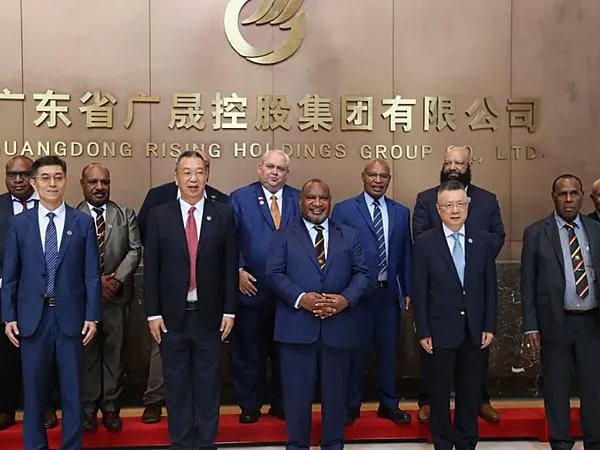
Prime Minister James Marape has reaffirmed Papua New Guinea’s strategic ties with China, calling for faster progress on the Frieda River mining project while seeking to significantly expand agricultural cooperation through Juncao technology during high-level engagements in Guangzhou.

During talks with executives of Guangdong Rising Holdings Group, Marape urged the fast-tracking of the Frieda River Project, describing it as a national priority with the potential to generate employment, export revenue and infrastructure development.

The project, one of the country’s largest undeveloped copper-gold deposits, is linked to the Chinese state-owned conglomerate through its ownership of PanAust. Marape assured investors of full government backing and announced plans to establish a dedicated state taskforce to accelerate approvals and implementation.

He emphasised that resource developments must deliver broad-based benefits, including opportunities for landowners, local businesses and future generations, while meeting environmental and technological standards.

The prime minister also used the visit to reinforce Papua New Guinea’s long-standing diplomatic position, highlighting nearly 50 years of adherence to the One China policy and describing the bilateral relationship as one grounded in mutual respect and continuity since independence.

Beyond mining, Marape signalled a broader economic agenda, identifying agriculture, renewable energy, manufacturing and digital innovation as key areas for expanded cooperation with Chinese partners.

In parallel engagements, Marape met with Professor Lin Zhanxi and called for a major expansion of the Juncao partnership, which has been in place since 1997 and is credited with improving livelihoods and agricultural productivity in Papua New Guinea.

He said the technology has demonstrated long-term value in supporting food production and rural incomes, and should now be scaled up to address emerging global pressures on food security driven by population growth, climate change and land constraints.

Marape warned that global population growth towards 10 billion by 2050 will intensify demand for food, water and energy, positioning Papua New Guinea as a potential regional food supplier if agricultural capacity is expanded through technology partnerships.

He said the country’s natural advantages — including fertile land, year-round rainfall and renewable energy potential — could support large-scale agricultural production for both domestic consumption and export to regional markets such as Indonesia, the Philippines and China.

Professor Lin highlighted that the Juncao programme in Papua New Guinea has become an internationally recognised model for poverty reduction and sustainable development, with future plans to extend the technology into energy and industrial applications, including biomass fuel and environmental management.

Marape welcomed these developments, saying expanded cooperation in agriculture, climate resilience and green industry could underpin long-term economic transformation and strengthen regional food security.

The engagements in Guangzhou form part of a broader push by Papua New Guinea to deepen trade and investment ties with China, its largest trading partner, while diversifying growth beyond extractive industries.

Officials said the dual focus on accelerating a major mining project and scaling agricultural innovation reflects a strategy to balance resource-led growth with sustainable, inclusive development outcomes.

The government indicated it will continue pursuing closer government-to-government and business-to-business links with China, while ensuring that investments align with national priorities and deliver tangible benefits to Papua New Guineans.

April 30, 2026

Papua New Guinea has taken a decisive step towards the commercial rollout of Starlink services after a National Court ruling cleared legal barriers, while the sector regulator confirmed it has issued operator licences and senior officials called for coordinated implementation across government.

Prime Minister James Marape welcomed the court’s decision, which dismissed proceedings that had effectively stalled the licensing process, saying the ruling restores regulatory certainty and enables authorities to proceed with efforts to improve nationwide connectivity.

The National Court set aside earlier orders that had prevented the National Information and Communications Technology Authority (NICTA) from progressing with the licensing of low-Earth orbit satellite services. The judgment reaffirms the regulator’s mandate to administer licensing decisions in accordance with Papua New Guinea’s legal and policy frameworks.

Marape said the outcome underscores the urgency of strengthening communications infrastructure, particularly in a country where geography and limited terrestrial networks continue to constrain access. He pointed to recent natural disasters as evidence of systemic gaps in connectivity, especially in remote and rural communities.

“The government remains committed to ensuring that all Papua New Guineans have access to reliable and affordable communication services,” Marape said, adding that satellite-based solutions such as Starlink can complement existing networks and accelerate service delivery.

The prime minister stressed that the government’s position is not to displace incumbent operators but to foster a more competitive and inclusive market environment. He said Starlink’s entry should help drive improvements in service quality, pricing and coverage, while supporting broader economic participation through digital access.

Separately, NICTA confirmed it has formally granted operator licences to Starlink following a regulatory process that included consultations on the introduction of low-Earth orbit satellite services in 2023. The licensing decision enables Starlink to provide satellite broadband services across Papua New Guinea, subject to compliance with regulatory conditions.

NICTA said satellite connectivity is expected to play a complementary role to terrestrial infrastructure, particularly in areas where fibre and mobile networks are either unavailable or economically unviable. The regulator has framed the move as part of a broader strategy to expand access, enhance network resilience and improve service continuity.

Chief Secretary Ivan Pomaleu welcomed NICTA’s decision and emphasised the need for a “whole-of-government” approach to ensure effective rollout and integration.

Pomaleu said coordination across state agencies will be critical to aligning Starlink’s deployment with national infrastructure priorities, including education, healthcare and disaster response systems. He noted that improved connectivity could enhance the delivery of public services and strengthen the government’s ability to respond to emergencies.

He also highlighted the importance of avoiding fragmentation in implementation, urging government bodies to work collaboratively to maximise the benefits of satellite technology. This includes ensuring interoperability with existing systems and aligning investments with long-term digital transformation goals.

The government has encouraged Starlink to engage with domestic stakeholders, including state-owned telecommunications provider Telikom PNG, to support integration with existing networks and prevent duplication of infrastructure.

Officials said such collaboration would help ensure that new services complement, rather than undermine, existing investments in the telecommunications sector.

The court ruling is also being interpreted by authorities as a reaffirmation of regulatory independence and due process. Officials noted that all operators, whether domestic or international, are subject to the same licensing requirements and oversight mechanisms.

Marape reiterated that the government supports a rules-based approach to sector development, adding that investor confidence depends on transparent and predictable regulatory processes.

The combined developments — the court decision, NICTA’s licensing action and the call for coordinated implementation — mark a significant milestone in Papua New Guinea’s efforts to modernise its telecommunications sector.

Satellite broadband is expected to play a key role in bridging the digital divide, particularly in geographically isolated regions where traditional infrastructure deployment has proven challenging.

Authorities said improved connectivity will support not only economic growth but also social outcomes, including access to education, healthcare and digital services.

As implementation progresses, the government has indicated it will continue to monitor the sector to ensure that policy objectives are met, including affordability, service quality and equitable access.

The entry of Starlink into Papua New Guinea’s market is expected to test the country’s regulatory framework while offering a potential model for integrating emerging technologies into developing telecommunications ecosystems.

April 29, 2026

The Sepik Development Project (SDP) continues to record strong progress in stakeholder engagement while expanding employment opportunities for Papua New Guineans, with a clear focus on benefiting communities in the Sepik region.

Project representatives from the community affairs team, whose dedicated role is to meet with and listen to local communities, recently visited near-mine communities, including those in the Upper Sepik, where they held constructive engagement sessions about project plans and new opportunities.

The consultative engagement is part of an ongoing schedule of positive engagement with landowners, local communities, government agencies, and other key stakeholders, reflecting the Project’s commitment to transparency, partnership, and responsible resource development.

Country Manager Dr Joel Hamago said the strength of stakeholder relationships established to date demonstrates the Project’s long-term commitment to Papua New Guinea.

“We are encouraged by the collaborative approach we are seeing on the ground, and we remain committed to open dialogue and mutual respect as the Project progresses,” Dr Hamago said.

“Meaningful engagement with our host communities, based on transparency and accurate information, is central to how we operate.”

Dr Hamago called on opponents of the Project to adopt the same commitment to accuracy and honesty in their actions.

“It is disappointing to see a recent media publication where Project Sepik continues to misrepresent the outcome of the SDP’s recent engagement with Sepik communities via the OECD’s AusNCP referral process, where an independent examiner confirmed our compliance with OECD guidelines in relation to stakeholder engagement on this project.”

Dr Hamago said community engagement activities would continue. “While we have had an overwhelmingly positive response from communities, which value the level of engagement and the future opportunities from the Development, we understand that many people still have concerns and questions, which is why we will continue to listen as we consult with them."

Employment Growth and Opportunities for Sepik Communities

As activities continue to advance, the Sepik Development Project has opened a number of new employment opportunities across various roles, which are currently advertised on the Project’s official LinkedIn page.

In line with the Project’s localisation strategy, priority will be given to suitably qualified applicants from the Sepik region, ensuring local communities are directly involved in and benefit from Project development.

“Our employment strategy is deliberately focused on local participation,” Dr Hamago said. “Wherever possible, we want people from the Sepik to take up these roles, gain valuable skills, and become part of the Project’s journey from the early stages.”

Supporting PNG’s Local and National Content Agenda

The Sepik Development Project strongly supports the Papua New Guinea Government’s drive to increase local and national content within major resource developments. Through targeted recruitment, training, and skills development, the Project aims to create sustainable employment outcomes and contribute to long-term national capacity building.

“This Project is about more than just mining. It is also an infrastructure project with rippling opportunities,” Dr Hamago said.

“It is about building capability, supporting PNG talent, and ensuring that Papua New Guineans are well positioned to participate meaningfully in major developments, both now and into the future.”

How to Apply

Interested applicants are encouraged to view current vacancies and application details via the Frieda River Limited LinkedIn page. Applicants should carefully review role requirements and ensure their qualifications and experience align with the advertised positions.

The Frieda River Project will continue to provide regular updates on stakeholder engagement, employment opportunities, and Project milestones. Frieda River Limited is the proponent of the Sepik Development Project (SDP) in Papua New Guinea. The SDP comprises four integrated components: the Sepik Infrastructure Project (SIP), the Frieda River Copper-Gold Project (FRCGP), the Frieda River Hydroelectric Project (FRHEP), and the Sepik Power Grid Project (SPGP).

The Project is designed to deliver enabling infrastructure, including power generation and transmission, road access, airport and port facilities, supported through private investment. During operations, the SDP is expected to create approximately 2,500 direct jobs, with a target of 93 per cent national employment, and generate more than 30,000 indirect employment opportunities.

The Project incorporates engineered tailings and water management systems, as well as a hydroelectric power solution intended to reduce operational emissions and support environmental management objectives, including protection of the Sepik River system.

Frieda River Limited is a significant subsidiary of the PanAust Limited Group. Along with pre-development opportunities in Papua New Guinea operations, PanAust Limited also owns Phu Bia Mining, an award-winning dual operation in Laos, and has development opportunities in Chile. An Australian-incorporated company, PanAust is owned by Guangdong Rising H.K. (Holding) Limited, which is a wholly owned subsidiary of Guangdong Rising Holding Group Co., Ltd. (GDRH). GDRH is a Chinese state-owned company regulated under the State-owned Assets Supervision and Administration Commission of the People’s Government of Guangdong Province in China.

April 29, 2026

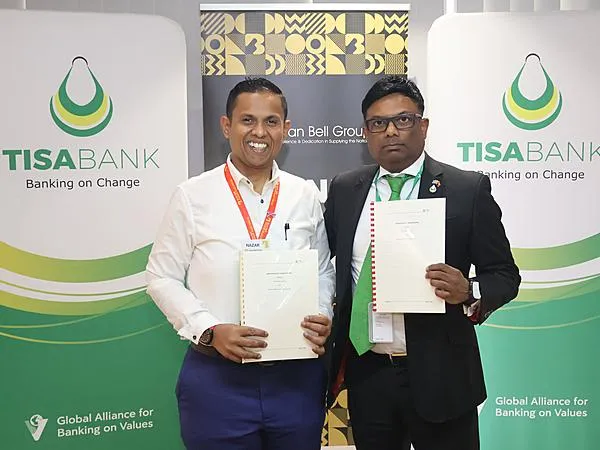
TISA Bank and Brian Bell are pleased to announce the signing of a Memorandum of Understanding to explore and develop financing solutions that support the adoption of green and blue products across Papua New Guinea.

The partnership brings together two proudly home-grown PNG institutions with more than 50 years of history, service, and commitment to the people of Papua New Guinea. Through this collaboration, TISA Bank and Brian Bell will work together to provide accessible financing options for individuals, business banking customers, and corporate customers seeking to invest in sustainable products and solutions.

The initial focus of the partnership will be on solar power solutions, recognising the urgent need to support electrification across PNG, improve access to reliable energy, reduce dependence on high-cost fuel alternatives, and help lower the country’s carbon footprint.

This initiative is expected to support households, SMEs, commercial businesses, and corporate customers in accessing practical and affordable green energy solutions through structured financing, product bundling, and customer-focused payment options.

As a member of the Global Alliance for Banking on Values, TISA Bank continues to align its strategy with global best practice in responsible banking, green finance, financial inclusion, and long-term positive impact. The bank sees this partnership as an important step in supporting PNG’s transition toward cleaner, more resilient, and sustainable development.

The MOU also provides a foundation for future collaboration across broader green and blue product categories, including energy-efficient equipment, water and sanitation solutions, sustainable business assets, and other products that support PNG’s environmental and development goals.

TISA Bank and Brian Bell will now work together to define eligible products, customer financing structures, distribution channels, and implementation timelines.

TISA Bank is a Papua New Guinea financial institution committed to providing inclusive, responsible, and sustainable banking solutions for individuals, businesses, and communities.

Brian Bell is one of Papua New Guinea’s most established home-grown businesses, serving customers for more than 50 years through retail, trade, and product solutions across the country.

April 29, 2026

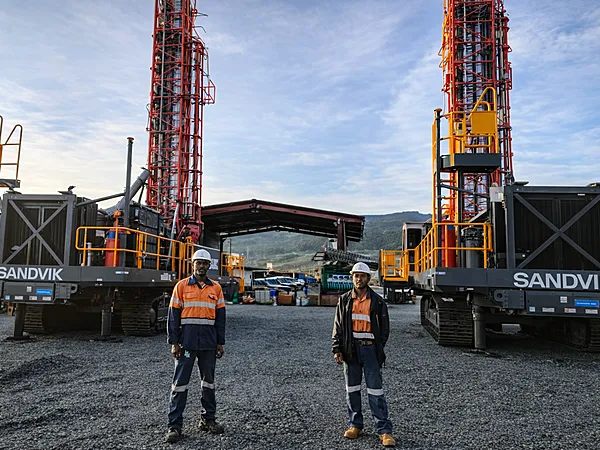
Sandvik Mining is continuing to strengthen its presence in Papua New Guinea (PNG), reinforcing its long-term commitment to supporting the country’s growing mining industry through expanded facilities, increased operational capacity, enhanced logistics, and continued investment in people and local capability.

Sandvik has operated a local entity in PNG for more than five years, providing equipment, parts, technical support, and services to some of the country’s leading mining companies, including New Porgera Limited, K92 Mining Ltd, Lihir Gold Limited, Monier Limited, Morobe Consolidated Goldfields Ltd, Quest Exploration Drilling (PNG) Ltd, and Ok Tedi.

As the Sandvik fleet in PNG continues to grow, the company has expanded its facilities in Lae to improve service delivery, strengthen in-country support, and create a more stable and efficient operating base for employees and customers. Sandvik’s Customer Support Centre in Lae now plays an important role in supporting PNG customers through service coordination, major component repairs, and future equipment rebuild cycles, while also improving working conditions for the local team.

Sandvik has now delivered and supports more than 40 units of equipment in PNG, including underground trucks, loaders, underground drills, surface drills, and rotary drills. This growing installed base is supported through coordinated parts planning, local warehousing, component repair capability, and in-country resourcing, helping ensure responsive and reliable support for customers across the country.

“Papua New Guinea is an important market for Sandvik, and our continued investment reflects both the growth we are seeing in-country and our commitment to supporting customers with reliable, local service and technical capability,” said Andy Chirita, Head of Parts & Services, Sales Area Australia, New Zealand and PNG, Sandvik Mining.

The expanded Lae facilities and future plans improve Sandvik’s ability to support customers through enhanced parts availability, component repair capability, and future equipment rebuild cycles, while also providing improved long-term stability and working conditions for employees. The site also supports coordinated parts planning between Lae and Brisbane, local warehousing, and in-country resourcing.

Sandvik Mining in Papua New Guinea now employs 24 people across its Lae and Porgera operations. Alongside investing in its own workforce, Sandvik is also committed to helping upskill local Papua New Guinean talent more broadly through operator training, machine maintenance training, and the transfer of technical knowledge to build long-term capability in-country.

“Our investment is not only in Sandvik’s own people and facilities, but also in building capability in Papua New Guinea,” Chirita said. “By strengthening local support and helping develop skills in-country, we are building a stronger foundation for our customers, our employees, and the long-term growth of the mining industry in PNG.”

Sandvik is also supporting customers in Papua New Guinea with its Remote Monitoring Service (RMS), which uses intelligent technology to help predict and prevent equipment breakdowns before they occur. This improves reliability, reduces downtime, and supports more proactive maintenance planning.

Sandvik’s progress in Papua New Guinea includes securing long-term facilities in Lae, expanding workshop and warehouse capability, developing a national workforce, and strengthening the team supporting customers in-country. These investments reflect Sandvik’s long-term commitment to Papua New Guinea and its ambition to be a trusted partner to the mining industry.

For further information, please contact:
Kate Bills, General Manager – Sustainability, Marketing & Communications, Sandvik Mining Sales Area Australia & New Zealand
Email:
kate.bills@sandvik.com

Sandvik Group

Sandvik is a global, high-tech engineering group providing solutions that enhance productivity, profitability, and sustainability for the manufacturing, mining, and infrastructure industries. The company is at the forefront of digitalisation and focuses on optimising customers’ processes. Its world-leading offering includes equipment, tools, services, and digital solutions for machining, mining, rock excavation, and rock processing. In 2024, the Group had approximately 41,000 employees and revenues of about SEK 123 billion across more than 150 countries.

Business area: Mining

Mining is a business area within the Sandvik Group and a leading global supplier of equipment, tools, parts, services, digital solutions, and sustainability-driven technologies for the mining and construction industries. Application areas include rock drilling, rock cutting, loading and hauling, tunnelling, ground support, and quarrying. In 2024, sales were approximately SEK 64 billion, with about 17,000 employees. For further information, visit mining.sandvik.
April 28, 2026

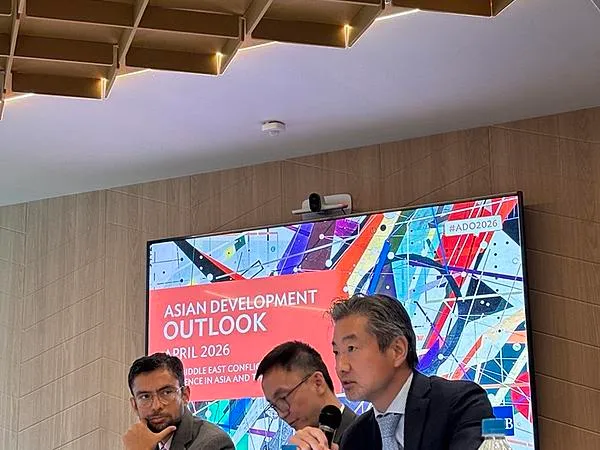
Papua New Guinea’s growth outlook is expected to moderate over the next two years as global economic pressures weigh on the region, according to remarks by Asian Development Bank (ADB) country director for PNG, Takafumi Kadono, at the launch of the 2026 Asian Development Outlook (ADO) on April 17 in Port Moresby.

Kadono told stakeholders that developing Asia and the Pacific are facing mounting headwinds, driven largely by geopolitical tensions, including the ongoing conflict in the Middle East.

“The headline message is that there are significant headwinds facing the region,” he said. “High oil prices, prolonged commodity pressures and trade uncertainty are all contributing to a more moderate growth projection.”

Inflation is also expected to rise in 2026, largely due to higher energy prices. Pacific island economies, including PNG, remain particularly exposed because of their reliance on imported fuel and limited leverage in global markets.

“Pacific countries rank among the highest users of oil-based electricity in the region, and this exposes them significantly to price volatility,” Kadono said.

Despite these challenges, Kadono said PNG is entering this period of uncertainty from a relatively strong position, supported by recent macroeconomic reforms, improved domestic revenue mobilisation and fiscal consolidation efforts.

“The government is entering this uncertain period from a position of relative strength,” he said. “However, prolonged global tensions will inevitably affect the economy, and growth is expected to moderate in 2026 and 2027.”

He added that while PNG is a net exporter of hydrocarbons, its continued reliance on imported diesel for electricity generation and transport remains a structural vulnerability.

Kadono stressed that policy responses to rising fuel costs should be carefully targeted and time-bound, particularly to support vulnerable households, while maintaining a focus on long-term economic resilience.

“We must calibrate responses to manage immediate cost-of-living pressures while preserving fiscal sustainability and advancing long-term development goals,” he said.

Discussions during the ADO launch also highlighted persistent structural constraints, including power shortages, dependence on fossil fuels, high business costs, limited access to finance and broader development challenges.

“There is a lot to do, but Papua New Guinea has significant potential,” Kadono said. “This is a year of reset, with an opportunity to translate the country’s resource wealth into tangible development outcomes for all citizens.”

The ADO launch coincides with ADB’s ongoing consultations with the PNG government and stakeholders on its upcoming three-year lending and technical assistance pipeline, as well as a new five-year country partnership strategy.

“These discussions are critical in shaping how we work with the government and people of Papua New Guinea,” he said.

Kadono reaffirmed ADB’s long-standing commitment to PNG, noting the institution has operated in the country since 1971.

“The challenges are significant, and coordinated efforts will be essential,” he said. “ADB will remain a steadfast partner for Papua New Guinea.”

The launch also underscored infrastructure constraints, with brief power interruptions occurring ahead of the event — an issue Kadono cited as a reminder of the need to strengthen core systems such as energy.

April 27, 2026

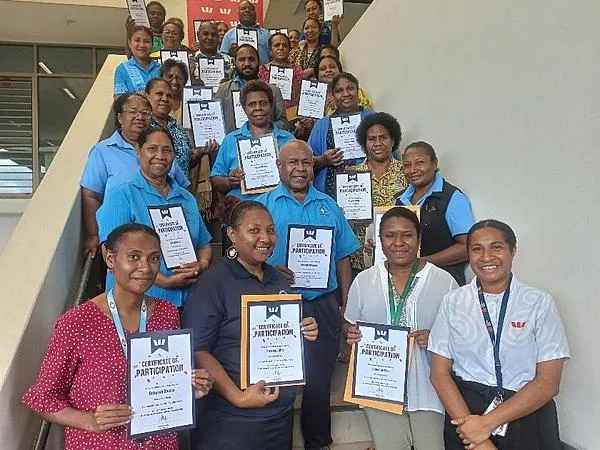
More than 70 employees at the University of Papua New Guinea (UPNG) formed the first cohort to complete a series of Financial Basics for My Business sessions delivered by Westpac PNG in March, as part of the bank’s ongoing commitment to building financial capability across Papua New Guinea’s workforce and communities.

Delivered over three days during the month and coordinated through UPNG’s Student Services division, the sessions introduced participants to foundational business finance concepts, including cash flow management, separating personal and business finances, record-keeping, saving for business growth, and accessing formal financial services. The sessions were tailored to meet the real-world needs of staff who may operate small to medium-sized businesses or income-generating activities alongside their university roles — a common reality for working Papua New Guineans.

The Westpac PNG Community Engagement team facilitated the sessions in an interactive, practical format designed to make financial concepts accessible and immediately applicable. The programme reflects Westpac PNG’s broader vision of financial inclusion, ensuring that every Papua New Guinean, regardless of background, has the knowledge and tools to participate confidently in the formal economy. Participants were awarded certificates upon completion of the workshop.

Westpac PNG Chief Executive Andrew Cairns, commenting on the initiative, said: “At Westpac PNG, we believe financial literacy is the foundation of economic empowerment. These sessions for UPNG employees are about more than banking. They are about giving people the skills and confidence to grow their livelihoods, protect their families, and build stronger businesses. We are proud to bring this programme to one of Papua New Guinea’s most respected institutions.”

UPNG Vice-Chancellor Professor Ian Findlay also commended the partnership, highlighting the long-term impact of financial education: “The University of Papua New Guinea recognises the importance of financial literacy. It empowers people to take control of their finances and make informed decisions, creating a more secure future. It enables staff and students to budget effectively, plan ahead, build financial security, and avoid scams. Such knowledge can be life-changing, supporting a comfortable retirement rather than one burdened by debt and worry.”

Westpac PNG said it looks forward to continuing its partnership with UPNG and expanding similar programmes to support stronger households, resilient small businesses, and a more financially confident Papua New Guinea, now and into the future.

Westpac PNG’s Financial Literacy Program is delivered in partnership with communities, schools, universities, churches and workplaces across Papua New Guinea. Sessions cover personal finance, savings, business basics and digital financial skills. The programme is part of Westpac PNG’s commitment to financial inclusion and community development, ensuring all Papua New Guineans have access to the financial knowledge they need to thrive.

April 27, 2026

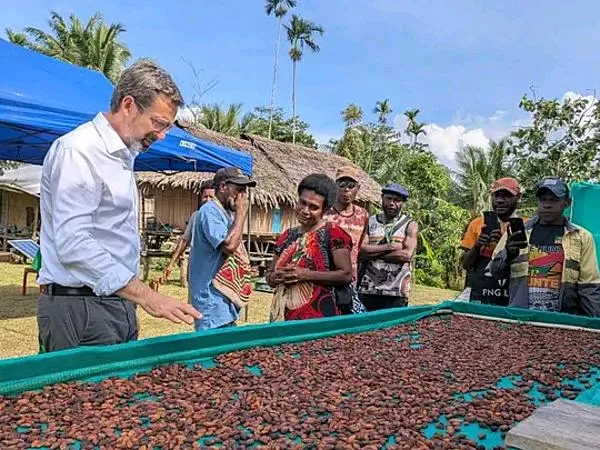
Improving access to reliable and affordable energy will be critical to unlocking Papua New Guinea’s export potential, particularly in agriculture, British High Commissioner Paul Eastwood said during a recent visit to cacao farms in East Sepik Province.

Speaking after engagements in Wewak, Eastwood highlighted the province’s role as the country’s largest cacao producer — a key export commodity and a primary source of cash income for many households. While noting the strong production base and commitment of local farmers, he identified energy constraints as a major barrier limiting growth across the value chain.

“Papua New Guinea needs to expand its export trade to grow its economy and raise living standards,” Eastwood said on April 27, citing remarks published by the UK in PNG – British High Commission. He added that long-term economic progress will depend on the country’s ability to connect producers more effectively to international markets.

Drawing on discussions on the ground, Eastwood said producing export-quality goods and transporting them efficiently to overseas buyers remains a complex challenge, compounded by inconsistent energy supply.

At the farm level, limited access to dependable power reduces efficiency in processing and storage, directly affecting the quality and volume of cacao reaching markets. This translates into fewer sales and lower incomes for farming households, as well as reduced capital for reinvestment.

“The absence of reliable energy creates barriers at every stage — from production through to transport,” he said. “It ultimately affects the ability of farmers and businesses to scale up and compete.”

He added that many rural communities rely on lower-cost energy solutions, such as basic solar systems, which can be inconsistent and, at times, pose safety concerns. This limits the adoption of improved processing methods that could add value to raw produce.

Despite these challenges, Eastwood struck an optimistic note, pointing to the resilience and determination of local farmers and leaders. His visit included a stop at a cacao farm operated by a local farmer, Maureen, where he observed firsthand the realities faced by smallholder producers working to maintain quality and meet market demand.

He also met with East Sepik Governor Allan Bird and Provincial Administrator Samson Torovi, commending efforts to strengthen economic opportunities and improve services across the province.

“It’s clear there is strong leadership and a real drive to improve outcomes for communities,” Eastwood said, adding that such commitment is essential to translating potential into tangible economic gains.

Eastwood emphasised that expanding energy access — particularly solutions that are reliable, secure and affordable — will be a key enabler for growth in the cacao sector and other export industries. Improved energy infrastructure, he said, would support better processing, reduce post-harvest losses and enhance producers’ ability to meet international standards.

His visit reinforces the broader development message that while Papua New Guinea has significant natural and agricultural advantages, targeted investment in enabling infrastructure — especially energy — will be crucial to converting those advantages into sustained export growth.

Eastwood also acknowledged the strong sense of community and hospitality he experienced in East Sepik, describing it as a defining feature of his engagements and a reminder of the human dimension behind the country’s economic ambitions.

April 27, 2026

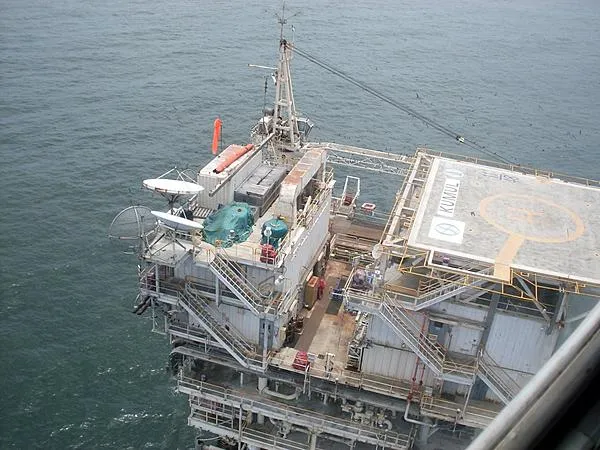
Papua New Guinea has reaffirmed the strength and consistency of the Papua LNG project framework, underscoring the role of established joint marketing arrangements in supporting long-term revenue stability and investor confidence.

The Ministry of Petroleum in April reiterated a press statement issued on March 13, 2026. Minister for Petroleum Hon. Jimmy Maladina said the government is maintaining the marketing structure agreed under the 2019 Papua LNG Gas Agreement, describing it as a critical component of the project’s commercial and financing architecture.

The agreement, signed during the administration of former prime minister Peter O’Neill, provides for joint marketing between TotalEnergies and state nominee Kumul Petroleum Holdings Limited. Maladina said the arrangement is not a new policy direction but a contractual obligation embedded in the project framework.

“We are not changing anything. We are executing what the State already agreed to in 2019,” he said.

From a commercial standpoint, joint marketing is widely recognised across global LNG developments as a mechanism that improves market access, strengthens bankability and enhances revenue predictability. The structure also aligns with financing requirements, including TotalEnergies’ role in supporting the State’s equity participation.

The government reiterated that the State retains full equity entitlement under the agreement, with revenues earned in proportion to its shareholding. Kumul Petroleum will also maintain board representation within the joint marketing structure, ensuring visibility and participation in decision-making.

Maladina emphasised that joint marketing does not transfer ownership of resources or diminish the State’s revenue rights, but forms part of a broader framework designed to support project delivery and long-term returns.

The statement also reaffirmed the government’s commitment to strengthening Kumul Petroleum as the national petroleum company, within the bounds of existing contractual obligations. Maintaining consistency in agreements, he said, is critical to safeguarding Papua New Guinea’s credibility with investors and international partners.

“The Government is implementing the terms of an agreement entered into by the State. Any departure would expose Papua New Guinea to legal, financial and reputational risks,” he said.

As Papua LNG advances, the government urged stakeholders to rely on verified information and established agreements when engaging in discussions on the project, signalling a continued focus on stability and disciplined execution in the country’s resource sector.

April 27, 2026

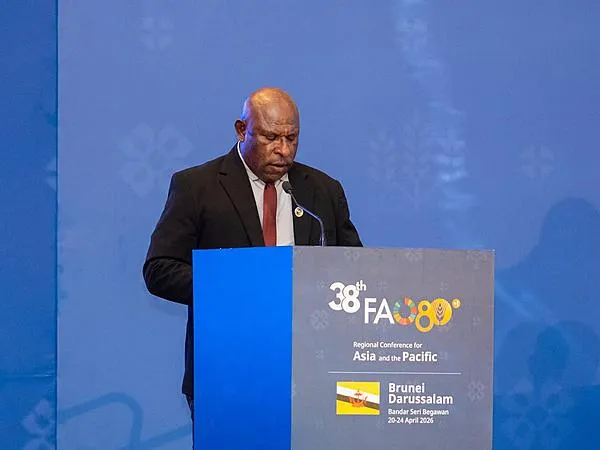
Papua New Guinea, represented by the Department of Agriculture and Livestock (DAL), has taken a strategic position in shaping regional agriculture and food security discussions at the 38th Food and Agriculture Organization of the United Nations (FAO) Regional Conference for Asia and the Pacific (APRC38), held in Bandar Seri Begawan, Brunei Darussalam, from April 20–24.

The PNG delegation joined 46 countries to address pressing challenges across the region, including food affordability, climate resilience, and sustainable agricultural development. With an estimated 1.2 billion people in Asia-Pacific unable to afford a healthy diet, the conference underscored the urgency of practical solutions that directly impact farmers, markets, and food systems.

Day 1–3: Technical Engagement and Policy Direction
The first three days of the conference (April 20–22) focused on technical sessions led by senior officials. PNG’s delegation, headed by Minister for Livestock Hon. Sekie Agisa, MP, and DAL Secretary Dr. Sergie Bang, actively contributed to discussions shaping the region’s agricultural priorities.

Key areas included agrifood systems, climate-smart farming, and trade frameworks affecting smallholder farmers. PNG officials emphasized the importance of strengthening market access and improving the affordability of nutritious food—issues closely tied to rural livelihoods.

Bilateral engagements also formed a critical part of PNG’s early participation. Meetings with FAO Deputy Director-General Beth Bechdol focused on enhancing Southwest Pacific cooperation and aligning global resources with national climate resilience priorities.

Further technical discussions with FAO’s Plant Production and Protection Division explored improving national seed systems, advancing farm mechanisation, and expanding irrigation to boost productivity. Engagements with FAO’s Animal Production and Health Division reinforced PNG’s livestock policy direction, particularly through sustainable investment and the “One Health” approach, linking animal, human, and environmental health.

Livestock Development Takes Centre Stage
A key highlight of the Senior Officers Meeting was Minister Agisa’s presentation during a special ministerial event for Small Island Developing States (SIDS), where he outlined PNG’s roadmap for livestock development.

The minister identified livestock as a central pillar of PNG’s food system, with a target to transition 600,000 rural households from subsistence farming into market-oriented enterprises.

Central to this vision is the proposed establishment of a Livestock Industry Development Authority, aimed at strengthening veterinary services and improving market pathways for smallholder farmers. The strategy also prioritises inclusion, addressing barriers faced by women in agriculture and promoting youth participation through regional initiatives such as the Asia-Pacific Food Forum.

Strengthening Partnerships and Investment
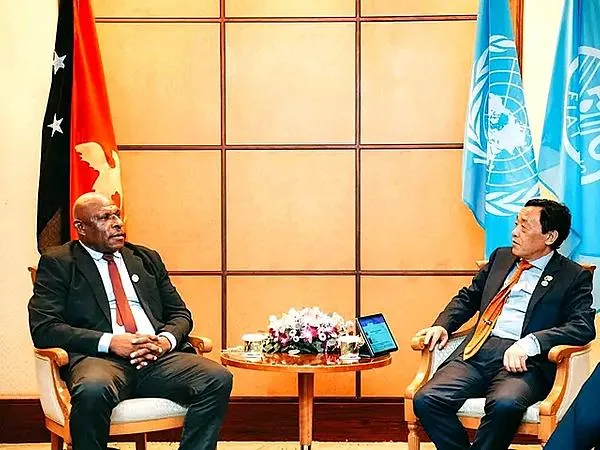
Discussions extended beyond formal sessions, with Minister Agisa holding high-level talks with FAO Director-General Dr. Qu Dongyu and senior management. These engagements focused on expanding FAO support for PNG’s livestock sector, particularly in reducing reliance on imported livestock products.

Key challenges highlighted included the high cost and limited availability of animal feed, which continue to constrain domestic production. The minister emphasized the need for increased investment, stronger partnerships, and improved supply chains to enable local farmers to operate profitable, sustainable businesses.

Day 4: Ministerial Session and Regional Commitments
The conference transitioned into high-level ministerial discussions on April 23, marked by an opening ceremony attended by His Royal Highness the Crown Prince of Brunei. Regional leaders underscored the importance of ensuring stable and accessible food supplies.

FAO Director-General Dr. Qu Dongyu highlighted the need for collaborative partnerships, encouraging countries to share technology and expertise. For PNG, this translates into practical applications such as improved weather data for farming and solar-powered storage solutions to reduce post-harvest losses.

PNG also participated in ministerial roundtables addressing “One Health” and the “Blue Transformation,” the latter focusing on sustainable fisheries and aquatic food systems as new drivers of food security and economic growth.

Day 5: Focus on Investment, Health, and Food Systems
On the final day (April 24), Minister Agisa joined the “One Health” panel, reinforcing PNG’s position that animal health is directly linked to the wellbeing of rural households and national food security.

Discussions also highlighted the need for increased rural investment, particularly in infrastructure such as roads and markets, to improve supply chains and market access for farmers.

The “Blue Transformation” agenda further explored opportunities in fisheries and aquaculture, aligning with PNG’s potential to expand food production and create employment through its marine and inland water resources.

Reducing Import Dependence in the Poultry Sector
A recurring theme throughout PNG’s participation was the need to reduce reliance on imported food, particularly poultry. High import volumes continue to drive up costs for consumers while limiting opportunities for domestic producers.

Challenges facing local poultry farmers include high feed costs, unreliable supply chains, and logistical constraints such as transport and storage. These factors make it difficult for local producers to compete with cheaper imported products.

Conference discussions linked these challenges to broader policy solutions, focusing on strengthening domestic production systems, improving infrastructure, and creating an enabling environment for agribusiness growth.

The conference concluded with the adoption of a regional report that will guide agricultural and food system priorities over the next two years.

For PNG, participation in APRC38 has reinforced its commitment to transforming the livestock sector, strengthening food security, and building resilient agricultural systems. The outcomes of the conference are expected to inform national policies and translate into tangible support for farmers, agribusinesses, and rural communities across the country.

April 27, 2026

A new five-year strategic partnership between state-owned wholesale telecommunications provider PNG DataCo Limited and Gobo All-Girls School of Excellence in Jimi, Jiwaka Province, is set to expand digital infrastructure investment in Papua New Guinea’s education sector, with a focus on improving access, connectivity, and ICT capacity for young women.

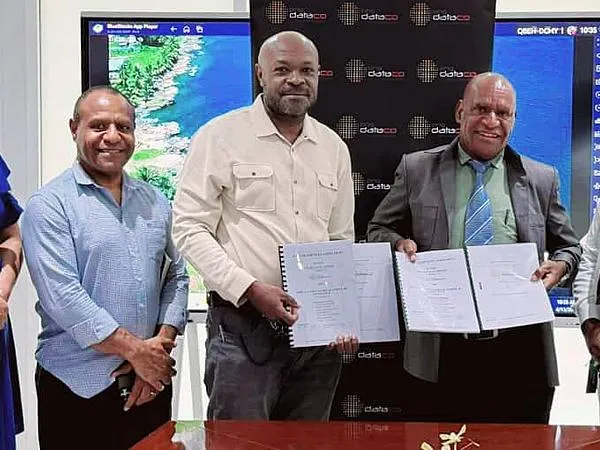
The agreement, formalised through the signing of a Memorandum of Understanding (MoU) and Master Service Agreement (MSA) on 13 April 2026, outlines a structured collaboration aimed at strengthening digital learning environments and supporting long-term education outcomes.

From a business and infrastructure standpoint, the deal positions PNG DataCo as a key enabler of digital transformation within the school system, extending its wholesale connectivity services into the education sector. The partnership will see DataCo deploy a full suite of ICT infrastructure at the school, including 50 desktop computers for students and 15 laptops for teachers, alongside the installation of a satellite terminal to deliver high-speed internet connectivity.

In addition, the company will roll out campus-wide Wi-Fi integrated with cybersecurity and content-filtering systems—an increasingly important component as schools adopt online learning tools while managing digital risks.

The commercial structure of the agreement reflects a blended investment model. PNG DataCo will absorb part of the upfront costs by waiving 50% of installation fees and subsidising internet services for the first four months. Gobo All-Girls School will contribute K15,000 plus GST towards installation and assume ongoing service costs after the initial subsidy period, signalling shared financial responsibility and sustainability beyond the rollout phase.

As part of the implementation framework, PNG DataCo will undertake a full site survey, provide technical support services, and oversee installation and commissioning. Meanwhile, the school will invest in enabling infrastructure such as secure facilities, power supply, and civil works, as well as appoint an ICT focal point to manage operations and enforce digital safety protocols.

The agreement includes provisions for periodic review and potential extension, while maintaining commercial flexibility through a one-month termination clause for either party.

For PNG DataCo, the partnership aligns with broader national objectives around digital inclusion and connectivity expansion, while also opening pathways for similar public-private or institutional collaborations in the education sector. For the school, the investment significantly enhances its digital learning capability and positions it as a model for ICT-integrated education in the country.

Both parties have committed to ongoing compliance with regulatory standards and to the potential development of additional agreements to support specific aspects of the rollout.

The initiative underscores a growing recognition of digital infrastructure as a critical enabler of human capital development, particularly in empowering young women through equitable access to technology and education.

April 24, 2026

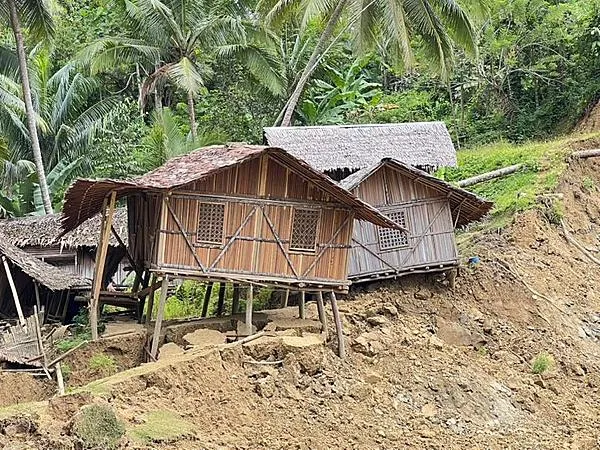
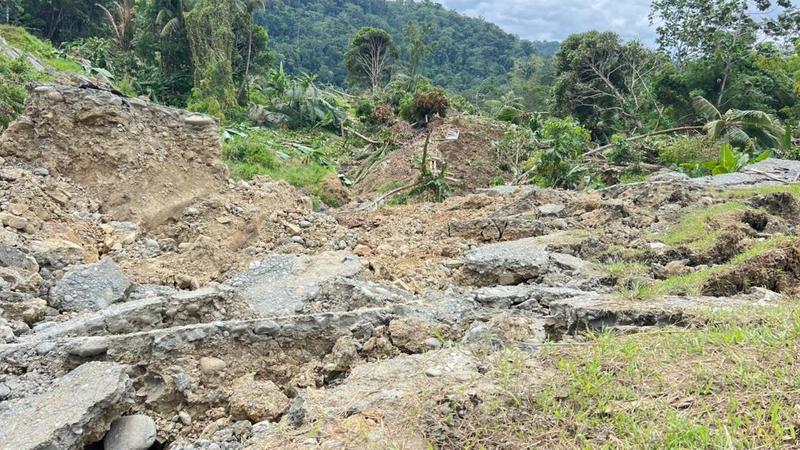
Following a landslide in March that caused significant damage to road infrastructure and homes in Lumi, West Sepik Province, local businesses have stepped forward to support the Sandaun Provincial Administration’s efforts to restore critical services.

In response to an invitation to assist, Frieda River Limited (FRL) has provided vital support to affected communities by supplying clean drinking water infrastructure.

FRL purchased four 5,000-litre Tuffa water tanks to help ensure continued access to safe and reliable drinking water for families impacted by the disaster. Earlier this week, the tanks were formally delivered to the Sandaun Governor’s Office, where they will be distributed to affected communities in Lumi.

The support reflects FRL’s ongoing commitment to strengthening community resilience during times of crisis. In 2023 and 2024, the company similarly responded to the Mid-Sepik earthquakes, when damage and contamination rendered local water sources unsafe. On both occasions, FRL supplied water tanks to help communities maintain access to clean water while recovery efforts were underway.

With the situation in Lumi presenting similar challenges, FRL has once again extended its support, working alongside government and community partners to address urgent needs and contribute to recovery efforts.

FRL Country Manager Dr Joel Hamago said access to clean water is one of the most immediate and critical needs following a disaster.

“When we saw the impact of the landslide in Lumi and the challenges facing local communities, it was important for FRL to step in and provide practical support. This mirrors our response during the Mid-Sepik earthquakes in 2023 and 2024. Where we can, we will provide support and stand with communities in times of need, particularly during recovery and rebuilding,” Dr Hamago said.

FRL remains committed to supporting provincial and national efforts to strengthen community resilience and contribute positively to the wellbeing of Papua New Guinea’s people.

Frieda River Limited is the proponent of the Sepik Development Project (SDP) in Papua New Guinea. The project comprises four integrated components: the Sepik Infrastructure Project (SIP), the Frieda River Copper-Gold Project (FRCGP), the Frieda River Hydroelectric Project (FRHEP) and the Sepik Power Grid Project (SPGP).

The project is designed to deliver enabling infrastructure, including power generation and transmission, road access, airport and port facilities, supported through private investment. During operations, the SDP is expected to create approximately 2,500 direct jobs, with a target of 93 per cent national employment, and generate more than 30,000 indirect employment opportunities.

The project incorporates engineered tailings and water management systems, alongside a hydroelectric power solution intended to reduce operational emissions and support environmental management objectives, including the protection of the Sepik River system.

Frieda River Limited is a significant subsidiary of PanAust Limited. In addition to its Papua New Guinea operations, PanAust owns Phu Bia Mining, an award-winning dual operation in Laos, and has development opportunities in Chile.

An Australian-incorporated company, PanAust is owned by Guangdong Rising H.K. (Holding) Limited, a wholly owned subsidiary of Guangdong Rising Holding Group Co., Ltd. (GDRH). GDRH is a Chinese state-owned enterprise regulated by the State-owned Assets Supervision and Administration Commission of the People’s Government of Guangdong Province.

April 24, 2026

The Bank of Papua New Guinea (BPNG) marked Kina and Toea Day as part of its annual calendar of activities aimed at raising awareness of the country’s legal tender and its history.

This year’s observance on 19 April 2026 also marked the 51st anniversary of the introduction of Papua New Guinea’s currency, the kina and toea, with BPNG launching a year-long public awareness campaign themed “Know Your Currency – Save Long Moni Bilong Yu.”

Kina and Toea Day is commemorated annually to reflect on the history of PNG’s legal tender and to recognise the contributions of key national figures who played a role in its establishment. These include Grand Chief Sir Michael Somare, Sir Julius Chan, Sir Mekere Morauta, Sir Yano Belo, Sir Henry ToRobert and others.

BPNG Governor Elizabeth Genia said the observance is an important initiative to educate the public on the country’s currency while reinforcing national pride.

“To mark the start of the campaign, the bank will publish the first in a series of information kits to observe Kina and Toea Day. Although this is not a recognised national day, it remains an important date in the bank’s calendar, marking 19 April 1975 when Papua New Guinea’s currency became legal tender,” Genia said.

The “Know Your Currency – Save Long Moni Bilong Yu” campaign will run throughout the year and feature a range of public engagement activities, including community outreach programmes, open exhibitions and school visits. A series of information kits has also been developed to help educate Papua New Guineans about the features and security elements of the country’s banknotes and coins.

The first release, the K100 Information Kit, is now available to the public via the BPNG website.

Activities have already commenced, with BPNG supporting banking and finance students at the University of Papua New Guinea to host a Mini Kina and Toea Day Exhibition on Monday, 20 April 2026. The event highlighted the correct handling and use of currency, as well as the importance of the Clean Banknote Policy in maintaining the quality, security and integrity of money in circulation.

Meanwhile, BPNG has also addressed growing public queries regarding the 5 toea coin, reaffirming that it remains legal tender in Papua New Guinea.

The central bank emphasised that no individual or business should refuse the use of the 5 toea coin for payment of goods or services, including in retail outlets and public transport. Such refusal constitutes a breach of Section 8 of the Central Bank Act.

April 24, 2026

Papua New Guinea’s cocoa industry has taken a significant step forward on the global stage, with more than 3,000 participants from 19 provinces converging in Wewak, East Sepik Province, for the 2026 Greater Sepik Cocoa of Excellence and Trade Expo.

The three-day event, held at Sir Michael Thomas Somare Stadium from 21 to 23 April, brought together over 150 farmers and agribusinesses alongside international chocolatiers, buyers and development partners, all focused on improving cocoa quality and strengthening direct trade links to premium global markets.

Officially opening the Expo, East Sepik Governor Allan Bird welcomed dignitaries, including New Zealand High Commissioner Her Excellency Georgina Roberts, international cocoa experts and local leaders, while acknowledging the critical role of farmers in driving the industry.

“For years, you have toiled the earth with your kakao trees… bringing forth fruit and beans that are now transformed into the brown gold the world knows as chocolate,” Bird said.

He emphasised that the competition’s outcome reflects years of effort rather than a single moment of judging.

“Judgement today only recognises the talent and labour that went in long before this moment,” he said, noting that PNG’s cocoa quality is shaped by its natural environment — from soil and rainfall to coastal breezes.

A total of 59 finalists were selected from 370 cocoa samples submitted nationwide, highlighting both the scale of participation and the steady improvement in quality across the sector.

EU-STREIT PNG Programme Coordinator Dr Rabi Rasaily urged farmers and agribusinesses to focus on quality protocols and actively engage with international experts throughout the Expo.

“Without you, there is no chocolate. This is your event. The quality starts with you,” Dr Rasaily said, encouraging growers to explain their processes and learn directly from chocolatiers who understand global market demands.

Fifteen international chocolatiers and niche market representatives from Australia, France, Italy, Japan, the Netherlands, the Czech Republic, New Zealand and the United States attended, creating rare opportunities for direct engagement between producers and buyers.

A key feature of the Expo was the intensive interaction between the 59 finalists and international judges, including one-on-one interviews focused on improving bean quality, fermentation techniques and meeting international standards. These sessions formed a critical bridge between local production and global market expectations.

Chief judge and master chocolatier Oonagh Browne commended the overall improvement in this year’s entries.

“There has been a significant improvement in this year’s samples, particularly with reduced smoke content in cocoa beans,” she said, urging farmers to taste their own cocoa as part of quality control.

The Expo extended beyond competition, showcasing practical skills and community participation through activities such as the budding competition, which highlighted cocoa propagation techniques, and a popular hot chocolate competition that demonstrated local innovation in value-added cocoa products.

Prior to the event, international experts also conducted hands-on training sessions in Wewak, equipping communities — particularly women — with skills to produce cocoa-based products such as chocolate drinks and cocoa tea using local ingredients. The initiative aims to shift the industry towards greater local consumption and value addition.

Field visits to cocoa farms in Maprik District further strengthened connections between farmers and buyers, with visitors observing improved fermentation practices and solar drying systems supported by the EU-STREIT PNG Programme.

Local industry partners, including Queen Emma Chocolate Company, Federice Estates in Wewak and Wilyete Cocoa Processing Ltd in Vanimo, were recognised for advancing downstream processing and supporting the development of cocoa semi-products within PNG.

Governor Bird also highlighted the need for sustainability, committing support for cocoa fermentary kits to assist cooperative groups in increasing productivity.

“We must increase yields to be competitive… high prices are unsustainable, but high yields are sustainable,” he said.

After days of rigorous judging — including assessments of dry beans, roasted beans and 75 percent chocolate — the Expo concluded with a historic outcome. For the first time, judges declared three equal winners, citing identical world-class quality among the top entries.

The 2026 winners are:
• Jude Jalowa of Sasivi Cooperative, East Sepik
• Paul Esiron of Bele Bele Village, Milne Bay
• David Peko of Topura, Alotau District, Milne Bay

Each winner receives a microlot export licence, a contract with international buyer Cocoa Latitude and direct access to global markets.

The unprecedented result reflects the rising standard of PNG cocoa and growing international confidence in the country’s ability to supply premium-quality beans.

The announcement was made on Thursday, 23 April, the final day of the Expo, drawing excitement from farmers, industry stakeholders and international cocoa partners gathered in Wewak.

April 24, 2026

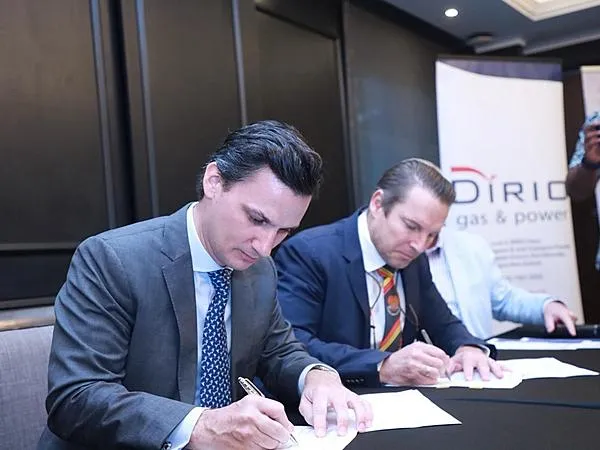
Pacific Lime and Cement Limited has signed a memorandum of understanding (MOU) with Dirio Gas and Power Company Limited to develop dedicated power infrastructure for its Central Lime and Cement projects in Central Province.

The agreement establishes a framework for the potential development of a private 66-kilovolt transmission line and associated substations linking Dirio’s Central Province power station to the company’s project site at Kido, within its Special Economic Zone.

The proposed infrastructure is intended to provide reliable electricity to support project start-up and operations, while complementing Pacific Lime and Cement’s existing hybrid power system, which includes standby diesel generation, battery storage, and solar.

Under the MOU, Dirio will lead feasibility studies, technical design, regulatory approvals, and the engineering, procurement, construction, and operation of the transmission facilities. Pacific Lime and Cement will provide project coordination and technical support.

The transmission alignment is expected to follow an existing road and water pipeline corridor currently under construction by the company, supporting a more efficient and lower-impact development pathway, according to details on page 2 of the document.

Dirio’s power station is already operational and supplies approximately 30 megawatts of electricity to the Port Moresby grid, with an additional 15 megawatts of spare capacity and potential for expansion supported by gas from the nearby PNG LNG facility.

Pacific Lime and Cement Managing Director Paul Mulder said the partnership provides an additional option for long-term, reliable power supply for both the Central Lime and Central Cement projects.

The MOU is non-binding, except for standard provisions, and allows both parties to progress feasibility work and negotiations toward definitive agreements in the coming months. The power solution is expected to support planned quicklime production from next year.

The company said the initiative aligns with its broader strategy to support industrial development and infrastructure growth in Papua New Guinea while delivering economic and social benefits to local communities.

Pacific Lime and Cement is advancing an integrated platform for lime and cement production in Papua New Guinea, aimed at supporting domestic demand and the wider Asia-Pacific region.

April 23, 2026

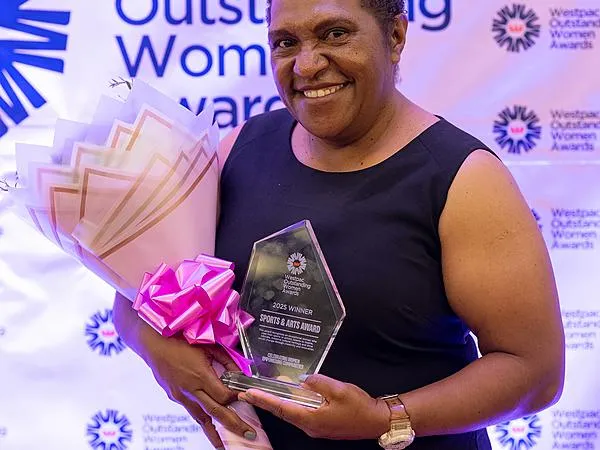
Sport continues to play a powerful role in shaping communities across Papua New Guinea, and few exemplify this impact more strongly than Rutha-Meu Omenefa, winner of the 2025 Westpac Outstanding Women Awards (WOWA) Sports & Arts category.

Based in Goroka, Rutha-Meu is a dedicated coach, youth mentor, and community leader. She uses sport as a platform to develop not only skilled athletes but also confident, values-driven young people. For her, coaching is about helping young players become better in the game and better people, while holding herself to the same standard as a role model.

“The greatest impact for me is seeing young players come forward seeking advice, applying what they’ve learned in their lives, and growing as leaders among their peers,” Rutha-Meu said. “When I see them prosper in sport, in school, and within their communities, I know the work is making a difference.”

She believes leadership is grounded in service and sacrifice. As a coach, Rutha-Meu gives her time, trust, and encouragement to ensure her players are equipped not just for competition, but for life. In her community, leadership means delivering on commitments and mentoring the next generation of leaders, guided by strong personal values.

Reflecting on her recognition as a 2025 WOWA winner, Rutha-Meu said the award gave her renewed drive to keep achieving and inspiring others, particularly young women in rugby league. While the recognition brought high expectations and criticism, she views these challenges as opportunities for growth.

“The award opened doors, strengthened trust, and gave me a greater responsibility to prove myself through the work I do,” she said. “I want to help women in Papua New Guinea through sport in any way I can, and I strongly believe in collaboration and solidarity.”

Emma Low, managing director of Westpac Pacific, said Rutha-Meu’s story reflects the purpose of the Westpac Outstanding Women Awards.

“Rutha-Meu exemplifies leadership that creates lasting impact, not only through sporting achievement but also through service, mentorship, and values-based leadership,” Low said. “Her story shows how women are changing the game and strengthening communities across Papua New Guinea.”

Westpac PNG Chief Executive Andrew Cairns said Rutha-Meu’s journey sends a powerful message to women nationwide.

“Women leading in sport and the arts are shaping confidence, unity, and opportunity for the next generation,” Cairns said. “We encourage communities to nominate women who are using sport and creativity to drive positive change.”

ENDS

How to nominate:

Nominations are open for the 2026 Westpac Outstanding Women Awards until May 31, 2026.

Details on the nomination process, eligibility, and award categories are available on the official webpage or by visiting any Westpac branch and completing an application form.

The WOW Awards ceremony will be held in July 2026, where winners will be recognized at a prestigious event attended by industry leaders, government representatives, and community advocates.

Follow the conversation on social media or use #WOWA2026 to stay updated on upcoming announcements.

April 23, 2026

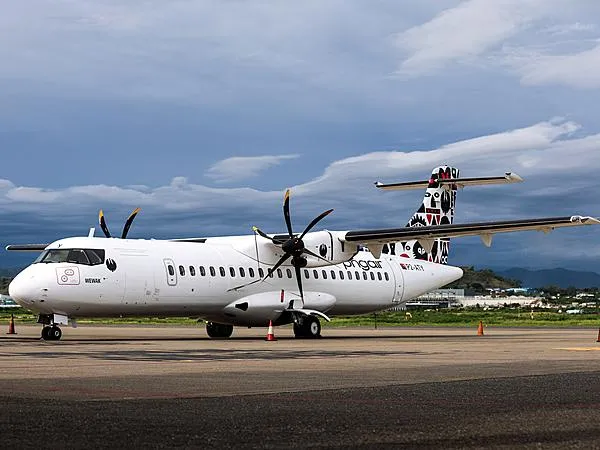
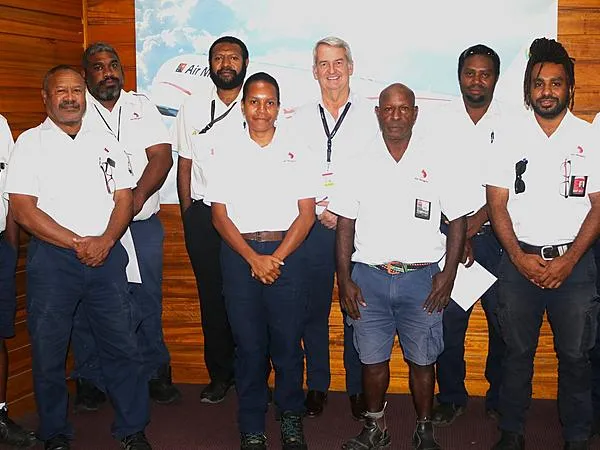
Air Niugini has completed the training of its first batch of Licensed Aircraft Maintenance Engineers (LAMEs) to support its expanding fleet, including the Airbus A220.

The airline said the engineers underwent intensive training covering theoretical coursework, hands-on experience and specialized technical instruction at international facilities.

A total of 11 engineers signed a training bond requiring them to remain with the airline for three years after completing the program. Under the agreement, participants must reimburse a prorated portion of training costs if they leave before the end of the term.

The initial batch completed an Airbus A220 B1/B2 type rating course, with training conducted in Singapore and Canada. The program included engine runs, systems troubleshooting and aircraft maintenance procedures, along with attachment training with Qantas Airways.

Additional specialized instruction was conducted at the engine facility of Pratt & Whitney, focusing on maintenance and operation of the A220 powerplant.

Following completion, the engineers will receive licenses from the Civil Aviation Safety Authority (CASA) endorsed with the A220 rating.

Air Niugini said four senior engineers — already qualified across aircraft types such as the B737 and B767 — received their licenses in March.

Chief Executive Officer Alan Milne said the program marks a significant step in strengthening the airline’s domestic and international operations.

“This is a significant step forward for Air Niugini’s domestic and international operations. Developing our own highly skilled engineering workforce ensures safety, efficiency, and sustainability for our airline’s future,” Milne said.

He added that the training and bonding scheme secures the airline’s investment while supporting workforce development.

All members of the inaugural batch are multi-type rated, with some engineers qualified across three to six aircraft types, reflecting a versatile engineering team capable of supporting operational requirements.

Air Niugini said the initiative underscores its commitment to building local capacity through advanced training, international partnerships and adherence to industry best practices, as it continues to prioritize safety and operational excellence.

April 23, 2026

Papua New Guinea has set out an ambitious roadmap to strengthen food security and rural incomes through livestock development, as officials wrapped up senior-level discussions at the 38th session of the Asia-Pacific Regional Conference.

Speaking at a special ministerial event focused on small island developing states, Sekie Agisa, minister for livestock and MP, positioned the livestock sector as central to the country’s food system and rural transformation strategy.

Agisa said the government aims to support around 600,000 rural households to transition from subsistence farming to commercially viable, market-oriented enterprises, with livestock identified as a key entry point for income generation and nutrition security.

To underpin the strategy, Papua New Guinea is advancing plans to establish a Livestock Industry Development Authority. The proposed body would coordinate veterinary services, strengthen value chains and improve market access for smallholder farmers.

Delegates also highlighted inclusion as a core policy priority, with discussions focusing on reducing barriers faced by women farmers and strengthening youth participation in agriculture through initiatives such as the Asia-Pacific Food Forum.

The meeting concluded alongside a digital milestone for the sector, with the Food and Agriculture Organization of the United Nations (FAO) launching a dedicated country website for Papua New Guinea, aimed at improving access to data, project information and development resources.

The platform is designed to serve as a central hub for government partners, researchers and communities, providing real-time updates on food security programmes, climate resilience initiatives and rural development efforts across the country.

Papua New Guinea’s push to scale up livestock production comes amid broader regional efforts to address food insecurity, climate vulnerability and limited market access in Pacific island economies.

April 21, 2026

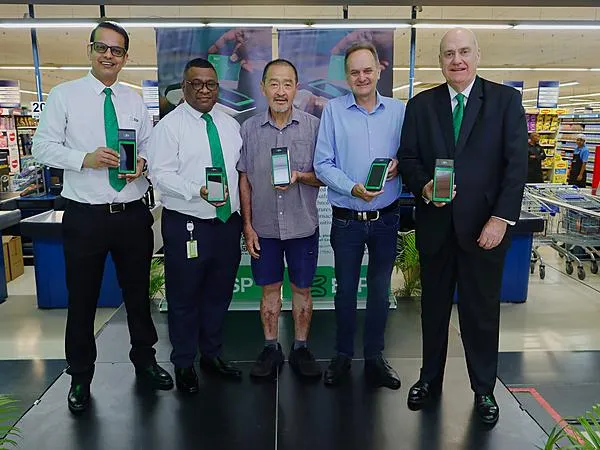
Bank South Pacific (BSP) has officially launched its upgraded EFTPoS platform, marking a major milestone in the bank’s ongoing modernisation journey and reinforcing its commitment to transforming payment experiences for customers across the Pacific.

The launch of the Verifone EFTPoS system represents more than a year of planning, supported by a clear focus on improving both merchant and customer experience.

The initiative signals a transition to a new generation of payment capabilities, going beyond a simple system upgrade to deliver a complete redesign of the EFTPoS experience.

BSP Group Chief Executive Officer Mark T. Robinson said the bank is strengthening its core infrastructure as part of its K1.2 billion modernisation-for-growth programme.

“This includes upgrading technology and improving how we manage, monitor and deliver services to our customers. The rollout of our new EFTPoS platform is a key component of this effort,” Mr Robinson said.

Speaking at the launch held at Waterfront Supermarket in Port Moresby, BSP Head of Merchant Services Barry Namongo said the new Verifone terminals are built to perform in high-demand environments.

“The new BSP EFTPoS terminals are capable of processing transactions in under three seconds. In practical terms, that means shorter queues, faster checkouts and smoother operations for businesses.

“They also support a wider range of payment methods, including contactless Tap & Go, digital wallets and QR code payments, ensuring that we meet customers wherever they are in their payment journey,” Mr Namongo said.

A highlight of the rollout is the integration of Wantok Wallet, now live on BSP’s EFTPoS terminals. Customers can easily register via *131# and begin transacting immediately at participating merchants, bringing digital financial services closer to everyday retail environments and promoting greater financial inclusion.

To date, BSP has deployed close to 7,000 Verifone EFTPoS terminals across four countries, including more than 6,000 in Papua New Guinea, with additional rollouts underway in Tonga, Samoa and the Cook Islands. Expansion into Solomon Islands, Fiji and Vanuatu is planned in the next phase.

Looking ahead, BSP plans to expand EFTPoS functionality into its branch network, enabling services such as balance enquiries, cash withdrawals and fund transfers through the same devices. Future enhancements will also include Dynamic Currency Conversion and loyalty features, delivering added value for both merchants and customers.

BSP’s focus remains on expanding access to financial services, supporting business growth and delivering seamless customer experiences. By building a scalable, resilient and future-ready payments ecosystem, BSP continues to play a leading role in driving inclusive economic growth across the Pacific.

April 21, 2026

St Barbara Limited expects its Papua New Guinea operations to underpin a sharp rise in group gold output, with the New Simberi Gold Project positioned as a key growth driver.

The company said its attributable gold production is projected to increase nearly fourfold to about 191,000 ounces by fiscal year 2030, from 48,000 ounces in FY27, representing a compound annual growth rate of 59% based on proved and probable reserves.

Growth will be anchored on the New Simberi Gold Project in Papua New Guinea, which forms a central component of the company’s long-term production outlook alongside its Canadian assets.

St Barbara said it is fully funded to execute its development pipeline, with group cash and bullion of A$504 million and listed investments of A$24 million following the completion of the Lingbao transaction on April 2, 2026.

Capital expenditure for the Papua New Guinea asset is expected to include about US$108 million for the company’s 40% share in the New Simberi project over FY27–FY28.

The New Simberi project is projected to deliver about 100,000 ounces per year in attributable production over a 14-year mine life, with a life-of-mine all-in sustaining cost of about US$1,336 per ounce.

According to the updated initial life-of-mine plan, the project contains approximately 2.56 million ounces of gold, with payable gold estimated at about 1.95 million ounces over its lifespan.

Production is expected to ramp up as operations transition from oxide to sulphide processing, supported by upgrades to milling and flotation circuits. On a 100% basis, output is projected to reach around 200,000 ounces by FY29 and peak above 250,000 ounces in the early 2030s.

The Simberi project’s development follows the final investment decision announced in April 2026 and incorporates a revised timeline, including an estimated six-month delay relative to earlier feasibility work.

St Barbara said its outlook reflects recently approved development plans, with the Simberi operation expected to provide long-term production visibility supported by its 14-year mine life.