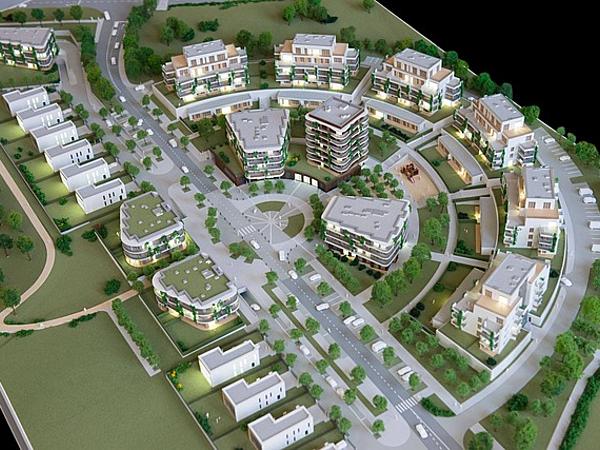
Master planning has emerged as a central tool in addressing climate vulnerability and rapid urbanisation challenges across Pacific cities, according to discussions at the Seventh Pacific Urban Forum in Papua New Guinea.
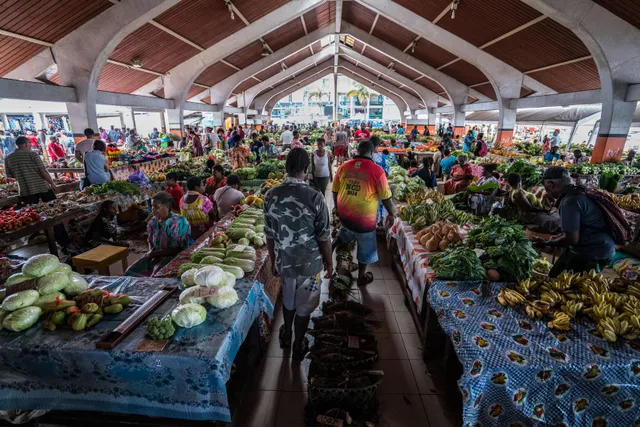
Delegates at the forum highlighted how Pacific urban centres are increasingly exposed to overlapping risks, including cyclones, flooding and rising sea levels, compounded by accelerating population growth and strain on infrastructure and services.
A special session on resilient urban development, co-hosted by the Pacific Climate Change Centre of the Secretariat of the Pacific Regional Environment Programme and Tonga’s National Spatial Planning Authority Office under the Ministry of Lands and Surveying, underscored the importance of structured, long-term planning frameworks.
A key priority identified was the integration of customary land tenure systems with modern planning approaches to support inclusive and sustainable urban growth.
“By actively engaging local communities and local leaders, we gain valuable insights into cultural practices,” said Tupou Lauaki, senior urban planner at Tonga’s National Spatial Planning Authority Office.
Urban planners at the forum warned that coastal subsidence, environmental degradation and the expansion of informal settlements are intensifying risks across the region, placing additional pressure on housing, transport networks and essential utilities.
“We’ve seen these dynamics particularly pronounced in growing urban centres such as Suva and Honiara, where population growth is outpacing planning systems and resource capacity,” said Cindy Vunagi, director of physical planning at the Solomon Islands’ Ministry of Lands, Housing and Survey.
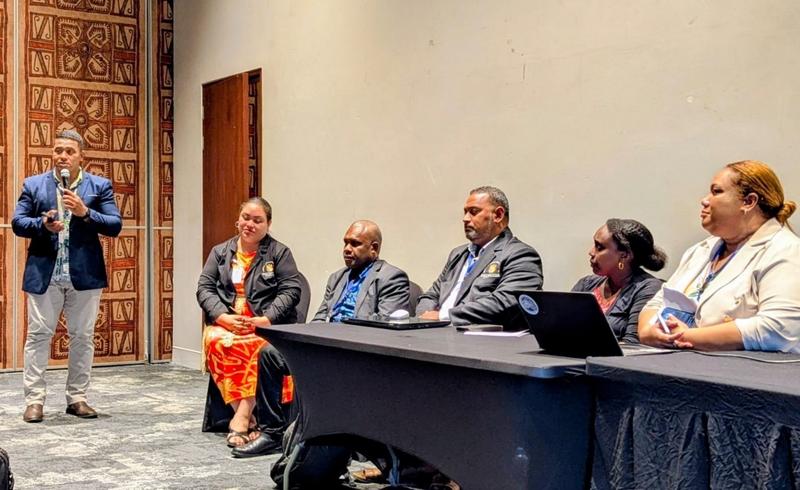
Participants said master planning provides governments and communities with a framework to anticipate and manage risks, integrate climate adaptation measures and ensure equitable access to land, infrastructure and economic opportunities.
“In the Pacific context, master planning must go beyond conventional urban design,” said Tuileva Tuileva, noting the need to balance customary land systems with formal planning frameworks to safeguard cultural identity while enabling development.
Discussions also focused on how to manage rapid urbanisation, limit the growth of informal settlements and incorporate indigenous knowledge into formal planning systems. Emerging solutions such as renewable energy, resilient infrastructure and appropriate smart technologies were also explored in light of resource constraints.
“Effective master plans in the region must be community-driven, ensuring local ownership and participation, climate-resilient, integrating adaptation and disaster risk reduction, and flexible and adaptive,” said Jeffrey Kaitip, director of the Department of Urban Affairs and Planning at Vanuatu’s Ministry of Internal Affairs.
Panellists from across the Pacific shared practical experiences and policy approaches, highlighting both ongoing challenges and innovations in national planning systems.
In closing, Alexei Trundle of the University of Melbourne said master planning must be carefully implemented to avoid alienating communities from customary lands, despite its potential to strengthen climate resilience.
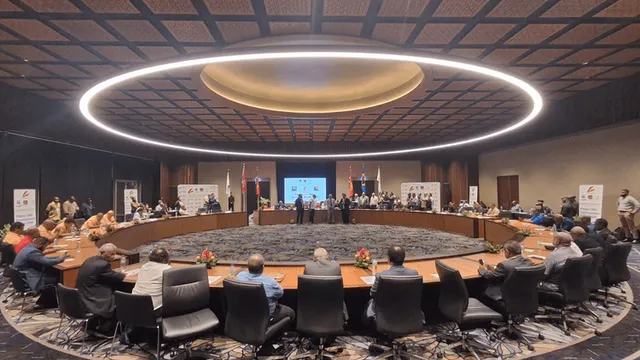
The forum, held from March 24 to 26 and hosted by the Government of Papua New Guinea and the National Capital District Commission of Port Moresby, brought together representatives from governments, development partners, civil society, academia and the private sector to address the future of Pacific urban development.