February 18, 2026

Papua LNG is a significant liquified natural gas (LNG) project for Papua New Guinea (PNG). Led by TotalEnergies, it will develop the Elk/Antelope gas fields in the Gulf of Papua, which hold large gas resources, the energy equivalent of more than one billion barrels of oil.

Intended to be the country's second LNG project, Papua LNG promises a lot, including significant tax revenue and dividends for the national government, Gulf provincial government and local communities, as well as the stimulus of construction.

But discussions of this large project have been dragging on for years. It always seems to be just around the corner. In early 2018, the Final Investment Decision or FID for Papua LNG was predicted (by the ever-bullish ANZ bank) to be less than twelve months away. Then in 2019, FID was predicted for 2020. Then it was 2022. 2023. 2024. 2025. The PNG petroleum minister recently predicted FID by April 2026. But the PM has already pushed this latest deadline out from April to September of this year. And the latest statement from the petroleum minister only says that "we continue to work towards a FID this year".

There appear to be several factors for the significant, repeated and ongoing delays of the project.

The current government has to take some of the blame. The Project Gas Agreement for Papua LNG was initially signed in April 2019, but when James Marape became prime minister a month later, he said he would renegotiate it. Perhaps he won some minor concessions, but his government conceded a few months later that the Gas Agreement would remain unchanged.

The PNG government also decided that another LNG project, P'nyang, that was originally intended to proceed in tandem with Papua LNG, would instead follow it. This required a reworking of the latter's technical design.

In 2020, the PNG government amended the Oil and Gas Act to authorise it to impose on large projects a minimum expected level of return for the state, and so that new project agreements could "no longer be used to regulate the application of laws to a project". However, in August 2021, parliament had to pass another amendment to the Oil and Gas Act specifically to exclude Papua LNG from the 2020 amendments.

It was 2023 by the time Total went out to get construction bids, and by then construction costs had skyrocketed. Whereas project costs had been estimated at US$10-12 billion, the bids came in at around US$18 billion. This made the project unviable. This increase in costs was partly because of the pandemic but also because Chinese firms had been excluded from the initial bid. One wonders why the PNG government allowed this restricted bid to take place given its stake as a shareholder and its interest in maximising profits from the project.

In late 2024, Total initiated a rebid process, with reduced specifications, and opening the bid to Chinese firms. PNG PM Marape said very recently that costs had come down to US$14 billion, but went on to indicate that "adjustments" and "concessions" would be needed and said that the State Negotiation Team was already "engaged in technical discussions overseas". This suggests a re-opening of the Project Agreement, which could add months if not years of further delay.

Meanwhile, other steps in project finalisation are still pending, including long-term sales contracts and the mandatory development forum at which negotiations take place with landowners and other domestic stakeholders for the division of subnational project benefits.

A broader threat to the LNG project is the risk of oversupply of LNG globally. Over the last decade, the US has not only entered the LNG export market but has become the world's largest exporter with cheap and plentifully available natural gas from shale fracking operations. The 2025 World Energy Outlook found that "the large upcoming wave of additional LNG export capacity" would meet the growing demand for LNG past 2030, and under some scenarios up to 2035. Even within Total's own portfolio, Papua LNG is said to be competing within a limited investment budget against several other projects in other parts of the world.

Just this year, the Australian Financial Review reported (paywalled) that: "[T]he biggest wave of new LNG supply yet is set to start hitting global gas markets this year, threatening to cut prices … fuelling doubts whether a new project planned in Papua New Guinea will go ahead on time … [O]nly the lowest-cost projects are likely to advance in the near term." The same article noted that a pipeline LNG project has just been deferred in the US by the project developer in light of the global LNG glut.

Financing may also be a risk. Growing campaigns against fossil fuel projects have resulted in almost 30 banks turning away from financing the Papua LNG project. The worst-case scenario for PNG would see an acceleration of the renewables revolution, and falling demand for gas. This could lead to Papua LNG not only being pushed to the back of the queue, but never being developed at all.

On the upside, demand for LNG is still growing, PNG is located near Asian markets, and China will be keen on non-US energy sources.

In summary, Papua LNG may well have a future, but is a long way from a done deal. In fact, according to one recent analysis (paywalled), "stalled Papua LNG may only move forward through partner realignment, a change of operator or a full concept rethink". Moreover, given the sequencing the PNG government has decided on, the more Papua LNG is delayed the more P'nyang will be, and that project is quite remotely located and costly.

Not one but several factors explain the delays Papua LNG has encountered and the uncertainty it is still facing. One lesson is that PNG may be paying the price from moving away from a rules-based fiscal regime for the resource sector towards a negotiated project-by-project regime. Fiscal conditions for resource projects are increasingly project specific, designed to add up to a target share of project profits for the PNG government and other national and local stakeholders. This approach adds to complexity, and risks generating a vicious cycle of one delay leading to another.

Disclosure: This research was undertaken with the support of the ANU-UPNG Partnership, an initiative of the PNG-Australia Partnership, funded by the Department of Foreign Affairs and Trade. The views are those of the authors only.

This article appeared first on Devpolicy Blog (devpolicy.org), from the Development Policy

Centre at The Australian National University.

Andrew Anton Mako is a visiting lecturer and project coordinator for the ANU-UPNG Partnership. He has worked as a research officer at the Development Policy Centre and as a research fellow at the PNG National Research Institute.

Stephen Howes is Director of the Development Policy Centre and Professor of Economics at the Crawford School of Public Policy at The Australian National University.

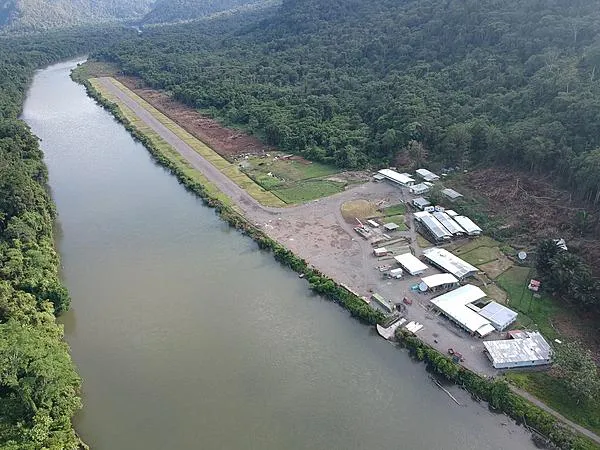
Caption: The PNG LNG Project Hides F2 well (Facebook/ExxonMobil PNG)
February 16, 2026

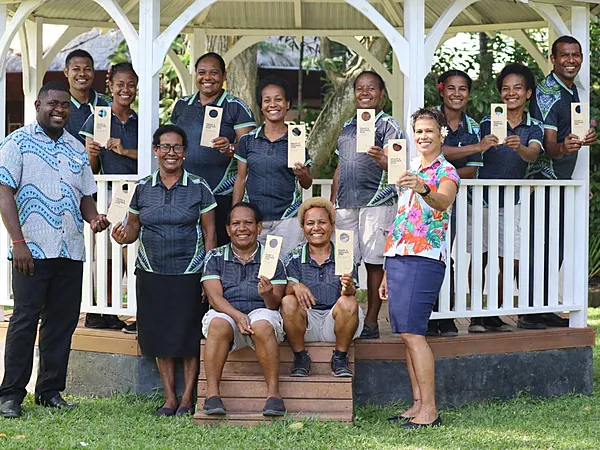
Holiday Inn & Suites Port Moresby and Holiday Inn Express Port Moresby are proud to announce the launch of their “Greener Stay” initiative, commencing 16 February 2026. The programme gives guests the option to reduce their environmental impact by opting out of daily housekeeping services while earning IHG One Rewards points.

The initiative is designed to help conserve water and energy by reducing unnecessary room servicing, including linen changes, cleaning chemicals and daily resource use. Guests who choose to participate may opt out of housekeeping services during their stay and will be rewarded with 500 bonus points.*

Guests can participate by simply placing the Greener Stay door hanger outside their room by 2am, signalling that they would like to skip housekeeping for that day. Portfolio General Manager Anne Busfield said the programme aligns strongly with the hotels’ sustainability commitments and evolving guest expectations.

“Greener Stay is about giving our guests more choice — and making it easy to travel in a more responsible way,” Busfield said. “Many guests do not need a full clean every day, and this initiative allows them to opt out while knowing they are helping conserve water and energy here in Papua New Guinea.”

Busfield added that the initiative also supports IHG’s loyalty proposition.

“We are also proud that Greener Stay rewards our IHG One Rewards members with 500 points per night. It is a simple, practical way to thank guests for helping us reduce our environmental footprint — while still enjoying the comfort and service they expect from Holiday Inn & Suites and Holiday Inn Express," the manager said.

Greener Stay will be available for eligible stays at both Holiday Inn properties in Port Moresby from 16 February 2026. Guests who are not yet IHG One Rewards members can sign up free of charge and begin earning points immediately. *Terms and conditions apply.

Greener Stay is an IHG guest programme that allows guests to opt out of housekeeping services during their stay to reduce environmental impact. Participating IHG One Rewards members receive 500 bonus points per night. Rooms will still be serviced every fourth consecutive night in line with brand standards.

Set within five hectares of landscaped gardens, the Holiday Inn® & Suites Port Moresby offers a secure environment combined with international service standards and Papua New Guinea hospitality.

Located in the heart of the Government district, the hotel is accessible via a modern four-lane highway, six kilometres from the airport, with a continuation of the highway extending a further eight kilometres into the Port Area. Parliament, many government departments and embassies are situated nearby, as is the Port Moresby Golf Course.

Accommodation comprises 238 rooms and suites, including serviced apartments. The hotel features one restaurant and one bar. Facilities include a gym with four squash courts, cardiovascular training equipment, a fully equipped weight room and daily aerobics classes; volleyball and basketball courts; two tennis courts; an outdoor swimming pool; and a walking track.

The hotel also offers a full range of meeting facilities, including a ballroom seating up to 300 guests, which can be divided into three smaller rooms seating up to 100 guests each, as well as smaller breakout rooms and a secretariat or boardroom.

For more information, visit:
https://www.ihg.com/holidayinn/hotels/us/en/portmoresby/pomih/hoteldetail
or call +675 303 2000.

Find the hotel on Facebook:
https://www.facebook.com/holidayinnandsuitesportmoresby
February 16, 2026

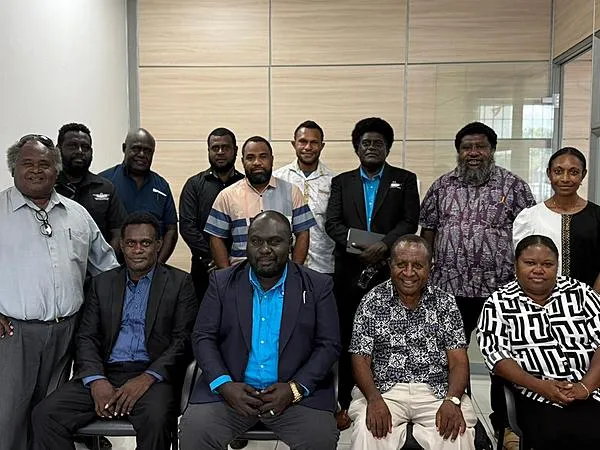
Preparations are underway for the launch of the From Here to There: The Cost of Government Administration and Services in Bougainville report, following high-level discussions with the National Economic and Fiscal Commission (NEFC) and Autonomous Bougainville Government (ABG) officials earlier this month.

The study represents the most comprehensive cost of service assessment undertaken for Bougainville and is expected to inform ongoing fiscal planning, service delivery discussions, and the progressive transfer of functions and powers.

The engagement brought together officials from the ABG Department of Treasury and Finance, the Department of the President, the Bougainville Executive Council (BEC) – Strategic Planning and Policy Division – and the NEFC Policy Team. Discussions reviewed the report’s findings and outlined implementation priorities ahead of its official release.

Evidence-Based Fiscal Planning

ABG Deputy Secretary for Strategic Planning and Policy, Steven Kolova, said the report provides a critical foundation for forward planning.

“Understanding the true cost of government services is fundamental to informed planning. This report will support our budgeting processes, strengthen engagement with the National Government, and guide discussions with development partners as Bougainville advances its future priorities,” Kolova said.

The Cost of Service survey originated from a Joint Supervisory Meeting held in Arawa in 2021, where leaders highlighted the importance of progressing towards a consolidated “one-line budget” arrangement for Bougainville. The NEFC was subsequently mandated to undertake a detailed costing study to support fiscal transparency and the progressive transfer of functions and powers.

Comprehensive Multi-Year Assessment

The multi-year exercise included budget analysis, field visits across Bougainville, consultations with national agencies, geographic information system (GIS) mapping, surveys, and the development of a tailored costing model reflecting Bougainville’s unique context.

Finalised in November 2024, the study adopts a whole-of-government approach to analysing the cost of administering Bougainville. It assesses service delivery across key sectors, including governance and central administration, law and justice, infrastructure, economic development, and social sectors such as health and education.

The report notes that the true cost of administering Bougainville extends beyond the ABG’s annual budget, with many service delivery costs remaining embedded within national agency allocations. As Bougainville assumes greater responsibilities, these costs will require clearer identification and structured transfer arrangements.

International comparisons with other small island states in the Pacific provide useful benchmarks for governance costs in similar geographic and demographic settings.

Supporting Fiscal Transparency

NEFC Policy Director Eric Kumasan said the study provides a clearer understanding of Bougainville’s fiscal landscape.

“This study provides an important evidence base to support ongoing discussions on service delivery and fiscal planning. It gives Bougainville a clearer picture of where it stands financially and what is required moving forward,” Kumasan said.

The report recommends continued functional analysis, sector-specific costing exercises, and peer learning with comparable Pacific jurisdictions to support Bougainville’s long-term planning.

Participants also acknowledged the legacy of the late Patrick Kennedy Painap, former Chairman and CEO of the NEFC, who championed the From Here to There study from its inception.

ABG Secretary for Finance and Treasury, Joshua Tauko, conveyed the government’s appreciation.

“The Autonomous Bougainville Government acknowledges with great respect the core role played by the late Patrick Kennedy Painap in progressing this important body of work. His commitment to evidence-based fiscal planning and his dedication to Bougainville will not be forgotten,” Tauko said.

The From Here to There report arrives at a crucial time as Bougainville continues its institutional development and preparations for future governance arrangements. The collaboration between the ABG and NEFC reflects a shared commitment to evidence-based planning, partnership, and responsible fiscal management.

February 16, 2026

Air Niugini Limited (ANL) has announced the appointment of Alan Milne as Chief Executive Officer, following approval by the National Executive Council (NEC).

The airline’s Board Chairman, Karl Yalo, described the appointment as timely, coming at a pivotal moment for the national carrier as it advances the Government-approved Re-Fleet Program and works to strengthen operational reliability and financial performance.

“Air Niugini is entering a new era as we modernise our fleet, lift operational performance, and deliver the service standards Papua New Guineans expect from their national carrier,” Yalo said.
“This transformation, backed by the Marape–Rosso Government and led by the stewardship of the State Enterprise Minister, William Duma, represents the largest capital investment in the country’s aviation history. It will set the platform for safer, more reliable services, stronger national connectivity, and long-term sustainability for our flag carrier.”

Proven Aviation Leadership

Milne is an aviation executive and engineer with over 44 years of experience across Papua New Guinea and Australia, with expertise in engineering, operations, and airline leadership. He previously served as Air Niugini’s CEO from 2018 to 2020, departing as the COVID-19 pandemic reshaped global aviation.

“Before that, he held senior executive roles with the Qantas Group, overseeing Engineering, Operations Performance, the Integrated Operations Centre, and Maintenance Operations—experience that guided a major airline through complex operational and market conditions,” Yalo said.
“Alan’s deep understanding of airline management in the Asia–Pacific region is exactly what Air Niugini needs at this time.”

Milne also served as CEO of Skytrans Airlines in Australia from 2020 to 2025, supporting regional air connectivity. He holds two university degrees, is a licensed aircraft engineer, and a qualified pilot.

Strategic Focus: Fleet Modernisation, Safety and Reliability

The Board has set clear expectations for the new CEO, emphasising safety, operational performance, customer experience, workforce stability, and disciplined delivery of the Re-Fleet Program.

“With the introduction of the Airbus A220 and the gradual retirement of older aircraft, Air Niugini is undertaking one of the most significant transformations in its history. This transition—from aircraft approaching four decades in service to a modern, efficient fleet—must be executed safely, responsibly, and with minimal disruption to the travelling public,” Yalo said.

The programme includes phasing out the Fokker and Dash 8 Classic fleets and optimising the Q400 fleet, with a focus on safety, dispatch reliability, and schedule integrity.

“Operational reliability matters to every passenger and every business that depends on Air Niugini. We are committed to on-time performance, reducing aircraft-on-ground events, strengthening maintenance and engineering resilience, and embedding a safety-led culture throughout the organisation,” Yalo added.

Cargo: Essential for Connectivity and the Economy

Yalo highlighted that modernisation extends beyond passenger travel to air cargo, which supports livelihoods and national development.

“Air Niugini’s role goes beyond passenger transport. Air cargo is vital for our economy and the wellbeing of our people—from medical and community supplies to parts keeping mining and infrastructure operations running, and high-value exports such as seafood. Air freight must be properly planned, coordinated, and delivered reliably.”

Collaboration and Accountability

The airline will continue working closely with Government, operational partners, and key stakeholders, including the National Airports Corporation, Niusky, Airbus, and other international organisations, to ensure smooth fleet transition and enhanced performance.

“Milne will be held to clear performance expectations aligned with Government, KCH, and ANL Board priorities. The Prime Minister has emphasised that Key Performance Indicators are the cornerstone measure for every CEO serving the State. Safety, reliability, service delivery, people leadership, and financial discipline will be central to evaluating his performance,” Yalo said.

Preparing for the Next Phase

Beyond immediate operational improvements, leadership under Milne will prepare Air Niugini for its next phase, including eventual partial privatisation.

“In the short term, the focus will be on maintaining and enhancing operations and profitability. In the medium term, we will prepare Air Niugini for initial partial privatisation in a way that best serves our customers, staff, KCH, the Government, and the people of Papua New Guinea,” Yalo said.

Looking Ahead

Yalo also thanked Captain Samiu Taufa for his service over the past six months.

“Captain Taufa led Air Niugini through a demanding period, including peak travel operations. He will continue as General Manager Flight Operations, working closely with Milne,” Yalo said.

“Air Niugini is not just an airline—it is the flag carrier of our nation. Our responsibility is to take it to the next level: safe, reliable, customer-focused, and financially sustainable for the long term,” Yalo concluded.

February 16, 2026

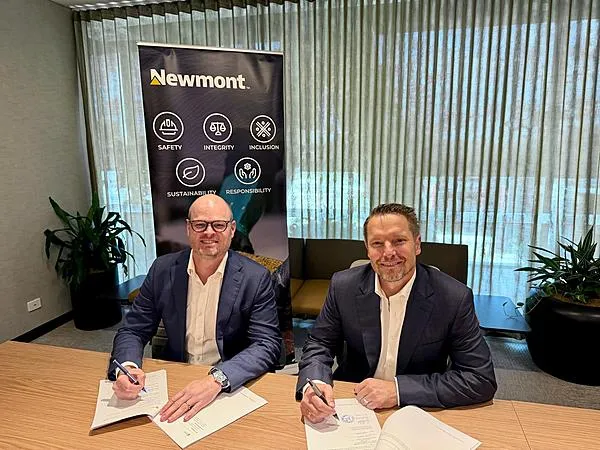
Pacific Lime and Cement Limited has entered into a long-term quicklime offtake agreement with Newmont Corporation, the world’s leading gold producer, to supply its Papua New Guinea operations from PLC’s Central Lime Project in Central Province.

Under the agreement, Newmont becomes a cornerstone customer, with contracted volumes representing around one-third of the Central Lime Project’s nameplate production capacity. The arrangement materially underpins the commercial development of PNG’s first domestic quicklime manufacturing operation.

This offtake marks the first large-scale commitment to locally produced quicklime in the country, highlighting both Newmont’s support for PNG’s buy-local framework and the growing demand for reliable, domestically sourced industrial inputs that meet Tier‑1 global mining standards.

Strategic and ESG Significance

The Central Lime Project is designed to replace imported quicklime currently supplied from offshore. For Newmont, the offtake enhances supply-chain resilience, reduces exposure to international logistics disruptions, and aligns with environmental and social objectives through lower transport emissions and increased local value creation.

For Papua New Guinea, the agreement supports employment, skills development, and the establishment of a nationally significant industrial capability, in line with broader economic development and ESG goals.

Commercial Framework

The offtake agreement is structured as a multi-year arrangement, commencing following completion and commissioning of the Central Lime Project, subject to customary conditions. Supply will be delivered under standard commercial delivery terms from PLC’s integrated project precinct, part of a designated Special Economic Zone intended to support domestic manufacturing and downstream processing.

Details of pricing, escalation mechanisms, and volume scheduling remain confidential, in line with market-based arrangements for long-term industrial supply agreements.

Project Readiness and Outlook

Securing Newmont as a cornerstone customer materially de-risks the Central Lime Project and bolsters PLC’s ongoing discussions with other domestic and regional customers. The agreement demonstrates that PNG-based industrial processing projects can satisfy the technical, operational, and ESG requirements of Tier‑1 global mining companies when developed under disciplined commercial frameworks.

PLC continues to collaborate closely with Newmont on operational readiness, quality assurance, and logistics planning, with first supply targeted following achievement of construction and commissioning milestones.

PLC Managing Director Paul Mulder said securing Newmont as a cornerstone customer is a significant milestone for PLC and for PNG’s industrial development.

"This agreement validates more than a decade of work to establish domestic quicklime production capable of meeting Tier‑1 mining standards, while delivering strong economic, social and environmental outcomes for Papua New Guinea," Mulder said.

“With a foundation offtake in place, PLC is well positioned as the Central Lime Project advances and shall progress further customer discussions as we move toward first production," the executive added.

Newmont Lihir General Manager Dawid Pretorius added that the agreement reflects Newmont’s commitment to creating long-term social and economic value in Papua New Guinea.

"It required significant time and effort to achieve an outcome that delivers shared value for Newmont, our partners and the nation. It demonstrates our commitment to supporting domestic industry and the broader social and economic benefits that flow from building local capability," Pretorius said.

Pacific Lime and Cement Limited is advancing the development of Papua New Guinea’s lime and cement industry to supply essential building materials for the nation and the wider Asia–Pacific region. Anchored by its flagship Central Lime and Cement Projects, PLC is creating a fully integrated platform for local manufacturing, import substitution, and sustainable growth.

The company’s diversified portfolio also extends to industrial sands, nature-based forestry carbon credits, and renewable energy, supporting its commitment to delivering cleaner, long-term solutions that build enduring value for PNG and its communities. PLC also holds an approximately 16.6% interest in copper-gold explorer/developer Adyton Resources Corporation.

PLC’s strategy is to support Papua New Guinea and the broader Asia-Pacific region on their decarbonisation journey by developing projects that deliver higher-quality, lower-cost, and targeted “low-carbon” inputs for the mining, resources, and construction sectors. Where applicable, these projects are supported with a diversified renewable energy portfolio encompassing solar, wind, geothermal, nature-based forestry carbon credits, and battery storage initiatives.

The company is committed to engaging with host communities throughout the lifecycle of its projects, as well as incorporating internationally recognised Environmental, Social, and Governance (ESG) standards into its strategy and business practices.

February 16, 2026

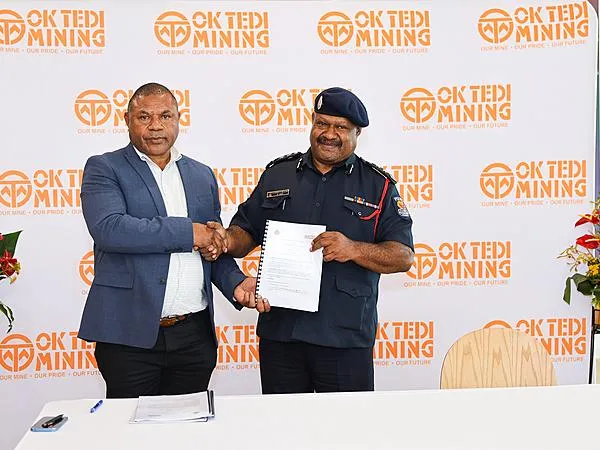
Ok Tedi Mining Limited (Ok Tedi) has recently signed an extended Memorandum of Understanding (MoU) with the Royal Papua New Guinea Constabulary to continue the engagement of the Special Services Division (Mobile Squads) at its operations in Tabubil.

This agreement reinforces Ok Tedi’s commitment to maintaining a safe and secure operating environment while supporting law enforcement in the Western Province.

Ok Tedi’s General Manager for Social Performance and Sustainability, Jesse Pile, said, “This MoU extension and partnership is important for us at Ok Tedi as it emphasises our commitment to community and operational safety. We want to ensure our employees and assets are protected while also supporting our sustainability goals of maintaining peace in our mine-associated communities.”

Pile added, “We are extremely grateful for the support we receive from the Constabulary in Tabubil, Kiunga, Fly River, and across the country in all our engagements. Your support contributes not only to our success but also to the broader development of Papua New Guinea, as we are 100% PNG-owned.”

Acting Commissioner of Police (ACP) Samson Kua highlighted the importance of the extended MoU for security and law enforcement purposes. “The past five years have had their fair share of triumphs and challenges, and we look forward to continuing this partnership with Ok Tedi to achieve our goals for this project,” ACP Kua said.

He also expressed pride in supporting Ok Tedi’s operational ventures to maintain law and order, noting the company’s contributions to local infrastructure, including the construction of Tabubil police single quarters, the Ningerum police barracks with offices and residential housing, and the donation of vehicles to the Constabulary.

The extended MoU marks a significant step in strengthening collaboration between Ok Tedi and the Constabulary, ensuring improved security and community confidence for the next five years.

Ok Tedi Mining Limited (OTML) is a majority state-owned entity operating an open-pit copper, gold, and silver mine in the Star Mountains of Western Province, Papua New Guinea. The company ships copper concentrate to smelters and ore refineries in Japan, the Philippines, Indonesia, South Korea, India, and Germany.

Operating for over 40 years, Ok Tedi has contributed significantly to Western Province development through employment, royalties, compensation payments, and business opportunities.

Ok Tedi is also expanding operations to Milne Bay Province through the acquisition of Gallipoli Exploration Limited, a wholly owned subsidiary of Australian company Kingston Resources Limited, for the Misima mine.

The company’s registered office and senior operational management team are based in Tabubil, with a representative office in Port Moresby and a Marketing and Logistics facility in Brisbane, Australia.

For more information, visit www.oktedi.com.

February 16, 2026

TISA Bank Limited is proud to announce the appointment of Luke Kaul as acting Chief Executive Officer, effective 16 February 2026. Endorsed by the TISA Bank Board, this strategic appointment ensures strong leadership and continuity as the Bank continues to expand its presence in Papua New Guinea’s financial sector.

Kaul, a seasoned industry veteran, brings over a decade of leadership experience to the role. His extensive background spans retail banking, lending, and risk and compliance, with a career distinguished by operational scaling and the development of high-performing, cross-functional teams.

Since 2018, Kaul has served as Group Chief Operating Officer of TISA Group, playing a fundamental role in the Group’s expansion. He has been instrumental in overseeing group-wide operations, executing core strategies, and building institutional capacity that underpins the Bank’s current success.

TISA Bank Chairman Moses Koiri highlighted the significance of the appointment for both customers and stakeholders:

"Luke has a deep and comprehensive understanding of the financial sector," said Koiri. "With his strategic leadership at the helm, we are confident this appointment will ensure continuity, stability, and effective oversight as we pursue our long-term strategic objectives."

The appointment is subject to a fit-and-proper assessment by the Bank of Papua New Guinea. Kaul will serve in the interim while the Board conducts a formal, comprehensive recruitment process for a permanent Chief Executive Officer.

Under Kaul’s leadership, TISA Bank remains committed to delivering modern, phygital banking services and exceptional value to the people of Papua New Guinea.

The Bank also acknowledges the contributions of its former CEO, Sunil Pokharel, and wishes him well in his future endeavours.

February 16, 2026

As Papua New Guinea’s industrial and commercial sectors expand, the demand for reliable fuel storage and maintenance services has never been greater. Based in Port Moresby, Paul’s Tank Fuel Cleaning Services (PTFC Services) is positioning itself as a key local provider of specialised fuel and tank maintenance solutions, supporting industries where fuel integrity is mission-critical.

Led by founder and Managing Director Paul Kilipiah, the company has built a reputation for professional, safety-focused, and compliant services tailored to PNG’s operating environment. With Mr Kilipiah’s hands-on expertise in mechanical fitting and occupational safety, projects are guided with a strong emphasis on quality workmanship and regulatory compliance.

“We remain fully committed to supporting Papua New Guinea’s growing industrial sector with reliable, professional, and locally driven solutions,” Mr Kilipiah said.

Addressing a Critical Market Gap

Before PTFC Services was established, PNG lacked a locally based specialist dedicated to fuel system maintenance, cleaning, and inspection for commercial and industrial clients. Many businesses either attempted tank cleaning internally, often without specialist expertise, or relied on overseas contractors and general-purpose service providers. Both options carried risks — from contamination and equipment failure to higher costs and delayed response times.

PNG’s challenging conditions — including high humidity, heavy rainfall, ageing infrastructure, and remote logistics — make fuel contamination an ongoing concern. Water ingress, sludge build-up, and microbial growth can severely compromise fuel quality, leading to equipment breakdowns and operational downtime.

Recognising this gap, PTFC Services developed a comprehensive suite of specialist services focused on preventative maintenance and compliance, directly addressing the needs of sectors such as mining, oil and gas, logistics, marine operations, and power generation.

“Instead of waiting for foreign specialists, local firms can now access home-grown expertise at competitive pricing and quicker response times, which is critical in a landscape with logistical challenges and long distances between sites,” Kilipiah explained.

Comprehensive Specialist Services

PTFC Services provides a wide range of technical solutions designed to protect fuel quality and system integrity. Core services include:

  • Fuel Tank Cleaning and Sludge Removal – Deep cleaning to eliminate water, dirt, sludge, and other contaminants that reduce fuel quality and damage equipment.

  • Fuel System Inspections – Detailed assessments of tanks and piping systems to detect early-stage issues and ensure compliance with safety standards.

  • Tank Installation and Replacement – Installation of new tanks and tailored replacement services aligned with client operational requirements.

  • Pipe and Hose Maintenance – Servicing and upkeep of fuel lines to prevent leaks and system failures.

  • Cathodic Protection (CP) Services – Prevents corrosion in underground or submerged metal structures such as fuel tanks, pipelines, marine vessels, and storage facilities.

  • Non-Destructive Testing (NDT) Services – Evaluates the condition of materials, tanks, pipelines, and structures without causing damage.

  • Tank Telematics Services – Advanced digital monitoring systems track fuel or liquid levels in real time via sensors connected to GSM or satellite networks.

The company also provides water tank cleaning, septic setup, waste removal, hydrocarbon cleaning, telematics installation, blasting and coating, and additional cathodic protection services, reflecting a diversified portfolio that meets multiple operational demands.

Nationwide Reach Through Project Mobilisation

While Port Moresby serves as the company’s headquarters, PTFC Services operates on a mobilisation model, deploying teams and equipment nationwide based on project requirements. Services are delivered on-site at mining locations, fuel depots, transport yards, marine facilities, power stations, and remote provincial sites. This flexible approach enables the company to serve industries across PNG, including hard-to-reach areas where professional fuel maintenance services are crucial.

Why Fuel Tank Cleaning Is Critical for PNG Industries

Professional fuel tank cleaning is vital in PNG, where diesel-powered equipment underpins major economic sectors.

  • Mining – Large diesel storage systems power heavy machinery operating around the clock. Contaminated fuel can lead to injector and pump failure, equipment breakdowns, and costly production shutdowns. Even a single day of downtime in remote operations can result in significant financial losses.

  • Transport and Logistics – Clean fuel ensures fleet reliability and engine efficiency. Neglected tanks can cause blocked filters, mid-route vehicle breakdowns, higher maintenance costs, and reputational damage due to delivery delays.

  • Marine – Diesel engine reliability is essential for vessel propulsion and onboard power. Water contamination and microbial growth increase the risk of engine failure at sea, posing safety hazards and environmental risks.

  • Power Generation – Many communities rely on diesel generators for electricity. Poor fuel quality can lead to generator breakdowns, increased fuel consumption, and prolonged outages affecting hospitals, businesses, and households.

Across all sectors, neglected maintenance can result in corrosion, leaks, environmental penalties, operational downtime, and escalating repair costs. In PNG’s challenging climate, professional fuel tank cleaning is a preventative investment rather than an optional expense.

“As PNG continues to develop in mining, transport, marine, agriculture, and power generation, the importance of proper fuel storage and maintenance cannot be overstated,” Kilipiah said. “Clean fuel systems are directly linked to equipment performance, operational efficiency, environmental protection, and workplace safety.”

Building Capability and Compliance

PTFC Services is focused on strengthening technical capability and compliance standards. The Managing Director has undertaken Integrated Management System training covering ISO 9001 (quality), ISO 14001 (environment), and ISO 45001 (health and safety), positioning the company to service larger and more demanding industrial clients.

Ongoing investment in certification, liability coverage, and workers’ compensation insurance enhances credibility — an important factor in securing contracts across mining, oil and gas, and heavy industry. The company is also expanding expertise in telematics and advanced inspection support, aligning with industry trends toward predictive maintenance, digital monitoring, and integrated fuel data systems.

Safety and Risk Management

Specialised tank cleaning, particularly fuel and water systems, involves high risks including exposure to flammable fuels, toxic fumes, confined space entry, hazardous sludge, and environmental contamination. PTFC Services prioritises safety through strict risk assessment, certified equipment, and experienced technicians.

Industry Outlook: Growing Demand and Higher Standards

PNG’s downstream fuel infrastructure is becoming more sophisticated, with expanding storage capacity and improved distribution. As infrastructure ages and operations scale, demand for professional fuel management and compliance support is expected to rise.

The industry is moving toward higher safety standards, stronger regulatory compliance, and data-driven maintenance practices. This shift creates opportunities for skilled local providers with technical certification and operational experience to compete effectively with multinational contractors.

“Our vision is not only to grow as a company but also to build local technical capacity in Papua New Guinea,” Kilipiah said. “We invest in training and safety standards, deliver quality workmanship, create employment opportunities for Papua New Guineans, and support industries that keep our country moving. Businesses should view fuel tank maintenance as a strategic investment — it reduces long-term costs, prevents breakdowns, and protects valuable assets.”

Through specialised services, nationwide reach, and a commitment to compliance and local capability, PTFC Services is positioning itself at the forefront of PNG’s critical industrial support sector.

February 16, 2026

The Sepik Development Project (SDP) is a nation-building initiative in Papua New Guinea, delivering transformative infrastructure, renewable power, and essential services to remote communities while responsibly developing one of the world’s largest gold and copper deposits.

“Utilising world-leading engineering and renewable-powered design, the project is committed to protecting the Sepik River ecosystem and ensuring the safety of its communities,” said a Frieda River Limited spokesperson.

Designed as one of the lowest-emission mining projects globally, the SDP supports Papua New Guinea’s commitment to energy transition and sustainable resource development. The mine will be powered by a hydroelectric dam, producing a surplus of 270 MW of electricity. This power will connect to the national grid, supplying industries and communities in the northern border frontier with clean, reliable energy, while contributing to the reduction of PNG’s long-term carbon emissions.

The dam design, which continues to be strengthened and refined, incorporates world-class tailings and waste management technology to effectively mitigate risks to the Sepik River and surrounding ecosystem. It has been engineered to withstand high rainfall and seismic activity, with an embankment and spillway designed to safely accommodate extreme water flows and potential earthquake events.

Water quality will be managed through advanced waste and water-management techniques, including underwater tailings storage and active treatment of open-pit water. The project’s design is informed by one of PNG’s most extensive environmental data programmes, supported by a decade of baseline studies and biodiversity surveys.

Scientific modelling indicates that impacts on downstream water quality and marine life are expected to be minimal, with significant safeguards in place to protect surrounding and downstream communities. The facility is designed to store water and permanently contain process tailings and mine waste rock. Ongoing water quality monitoring will be conducted at two checkpoints during wastewater discharge activities to ensure the Sepik River and surrounding environment remain protected.

“The safety of the Sepik and its communities is a key priority for the project, guided by four principles: technically appropriate, environmentally safe, socially responsible, and financially profitable,” the spokesperson added.

“The Sepik Development Project is committed to genuine, inclusive engagement with communities, ensuring local voices shape how the project is planned and delivered. We believe this nation-building initiative should deliver substantial economic and social benefits to Sepik communities and PNG more broadly. We are actively listening to and working with our stakeholders to ensure this outcome.”

The spokesperson also noted, “We will continue to engage fully and openly with stakeholders through our annual community engagement programmes within the project’s infrastructure and riverine footprint corridor. We welcome questions, feedback, and guidance from communities as we work to deliver a project that brings tangible benefits to landowners, local communities, and PNG as a whole.”

Frieda River Limited is a significant subsidiary of the PanAust Limited Group. In addition to its pre-development opportunities in Papua New Guinea, PanAust Limited owns Phu Bia Mining — an award-winning dual operation in Laos — and has development projects in Chile.

An Australian-incorporated company, PanAust is owned by Guangdong Rising H.K. (Holding) Limited, a wholly owned subsidiary of Guangdong Rising Holding Group Co., Ltd. (GDRH), a Chinese state-owned company regulated under the State-owned Assets Supervision and Administration Commission of the People’s Government of Guangdong Province.

February 16, 2026

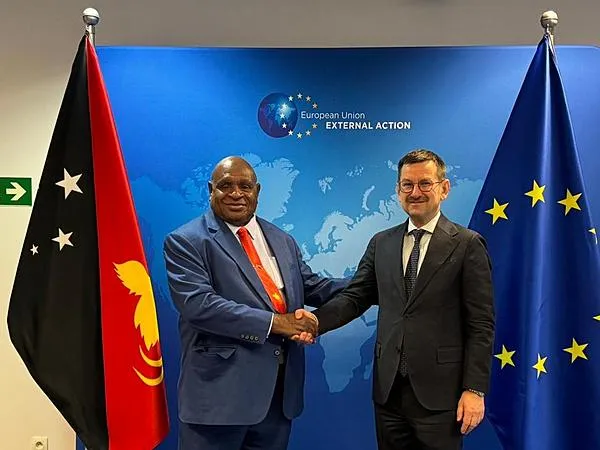
The European Union (EU) and Papua New Guinea (PNG) held their first “Partnership Dialogue” under Article 3 of the new Partnership Agreement between the Organisation of African, Caribbean and Pacific States and the EU (the “Samoa Agreement”) on 12 February in Brussels.

The dialogue provided an opportunity for both sides to review bilateral cooperation since the last Political Dialogue under the former Cotonou Agreement, which took place in February 2023 in Port Moresby, and to update each other on key developments.

Both parties reaffirmed their firm commitment to deepening and strengthening their partnership while upholding the rules-based international order, with the United Nations at its core. They emphasised the need for effective and inclusive multilateralism, particularly in addressing challenges related to climate change, economic uncertainties, and regional security.

The participants also highlighted the importance of responding to the consequences of Russia’s war of aggression against Ukraine and stressed the need to safeguard economic security while pursuing an ambitious green and resilient transition both nationally and globally.

The dialogue further reflected the shared values of the EU and PNG, including the rule of law, democracy, and human rights. PNG presented recent progress in good governance and the protection of human rights.

Key areas of partnership were reviewed at both bilateral and multilateral levels, including implementation of development programmes under the Global Europe Instrument (NDICI) and prospects under the EU’s Global Gateway strategy. Discussions also focused on global issues of strategic importance, such as climate change, environmental protection, and ocean governance, including fisheries management.

On trade, the EU and PNG exchanged updates on the interim Economic Partnership Agreement (iEPA) concluded between the EU and several Pacific Island countries, noting the benefits it continues to deliver for both sides.

The Partnership Dialogue was co-chaired by Mr Erik Kurzweil, Managing Director for Asia and the Pacific, European External Action Service (EEAS), and Elias Rahuromo Wohengu, Secretary for Foreign Affairs of PNG.

February 16, 2026

The Bank of Papua New Guinea (BPNG) officially announced on 2 February the appointment of Sir Robert Igara, KBE, CMG, as chairman of its Board of Directors, effective December 23, 2025.

BPNG Governor Elizabeth Genia welcomed the appointment in a statement, describing Sir Robert’s experience and leadership as significant assets to the institution.

“We are privileged to welcome Sir Robert as chair. His extensive experience within the public sector and his deep understanding of our legislative framework are invaluable assets as BPNG continues its modernisation journey,” Genia said.

She added that she looks forward to working closely with Sir Robert, Mr Baker and the Board to ensure the Bank remains a robust, transparent and effective institution serving the people of Papua New Guinea through 2026 and beyond.

Sir Robert succeeds David Toua, OBE, whose term concluded in late 2025. The Bank expressed its sincere appreciation to Mr Toua for his leadership and contributions during his tenure as chairman.

According to BPNG, Sir Robert brings more than 40 years of experience in senior public service, diplomacy and financial governance. He is a former Chief Secretary to the Government and has also served in distinguished diplomatic postings in Canberra and Suva.

He has a strong understanding of the Bank’s regulatory environment, having chaired the Independent Advisory Group that oversaw the 2021 and 2024 amendments to the Central Banking Act.

In addition to his role at BPNG, Sir Robert serves as Chancellor and Chairman of the Council of the University of Papua New Guinea and holds several key leadership positions within the PNG business community. He has been a member of the BPNG Board since early 2025 and previously served on the Board in 2005.

Sir Robert holds academic qualifications in Economics, International Law and Business Administration, and is a member of the Australian Institute of Company Directors.

His appointment underscores the central bank’s continued commitment to strong governance and strategic oversight. His leadership is expected to support policies that foster economic growth, strengthen investor confidence and ensure the country’s banking sector continues to play a pivotal role in broader business and economic development.

February 16, 2026

Port Moresby’s long-term transformation agenda has received high-level endorsement, with Papua New Guinea’s Governor-General, Sir Bob Dadae, backing the Amazing Port Moresby Vision 2030 as a national priority — reinforcing the capital’s strategic role as the “Gateway to PNG.”

National Capital District Governor Powes Parkop confirmed the endorsement following an official audience on February 12, describing the meeting with the Head of State’s representative as both symbolic and significant for the city’s development.

“I had the distinct honour of an audience with the Governor-General of Papua New Guinea, His Excellency Sir Bob Dadae,” Governor Parkop stated.

According to Governor Parkop, the Governor-General initiated the meeting to acknowledge the progress made in reshaping the capital and to encourage continued commitment to the long-term vision.

“His Excellency graciously requested the meeting to personally convey his appreciation for the ongoing transformation of our capital city and to encourage us to remain steadfast in our mission to lift Port Moresby to its full potential,” he said.

The endorsement further strengthens Port Moresby’s position as the country’s primary economic hub and international entry point. Under Vision 2030, the capital is being rebranded and repositioned as the gateway to Papua New Guinea — a city where tourists feel welcomed, investors find opportunity and businesses can grow in a stable and enabling environment.

Governor Parkop underscored the weight of the Governor-General’s support in advancing the reform and development agenda.

“As the Representative of the Head of State, his words of encouragement carry deep meaning not just for me, but for our entire city,” he said.

He also revealed that Sir Bob Dadae expressed clear backing for the long-term blueprint guiding the capital’s urban renewal, infrastructure upgrades, social programmes and governance reforms.

“His Excellency expressed his strong support for the Amazing Port Moresby Vision 2030, acknowledging the significant progress made under this vision while recognising the many challenges that remain. He encouraged us to continue drawing wisdom from God and strength from our ancestors as we work to build a city that is safe, liveable, productive and proud of its identity,” Governor Parkop said.

From a business perspective, the Vision 2030 framework aims to improve urban management, strengthen public safety, enhance cleanliness and modernise infrastructure — key factors influencing investor confidence and tourism growth. A safe, clean and liveable capital is widely regarded as critical to attracting domestic and foreign investment, particularly as Papua New Guinea approaches major national milestones.

Governor Parkop emphasised that the Governor-General’s endorsement elevates the city’s transformation beyond municipal planning into the realm of national development strategy.

“The endorsement of the Governor-General affirms that the transformation of Port Moresby is not merely a local ambition — it is a national priority. Our city must reflect the best of Papua New Guinea: unity in diversity, resilience, peace and opportunity,” he said.

The capital’s strategic importance is further underscored as the nation prepares to mark another year of Independence. Port Moresby has taken centre stage in the PNG50 commemorations, positioning itself as the face of the country to the region and the world.

Governor Parkop confirmed that the Governor-General will play a key role in the upcoming celebrations.

“I am pleased to confirm that His Excellency will join us this Sunday as we launch the Amazing Port Moresby PNG50 celebrations, marking an important chapter in our journey as the nation commemorates its 50th year of Independence,” he said.

The Amazing Port Moresby PNG50 celebrations will be launched on Sunday, 15 February, as a free public event. An open invitation has been extended to all citizens, businesses and sectors across the country to participate in what organisers describe as a united national celebration.

The meeting with the Governor-General also included a personal note, reflecting values of unity and peace that align with the broader city vision.

“We also shared a personal moment of joy as His Excellency and Madam Dadae welcomed a baby boy on 17 January 2026. They have named him Lumbe, meaning ‘Peace’ in the Kabwum language — a powerful reminder of the values we seek to embed in our city and our nation,” Governor Parkop added.

As Port Moresby advances its urban transformation agenda, the focus remains on strengthening its identity as a modern Pacific capital — clean, safe, investment-ready and culturally grounded. The Vision 2030 strategy seeks to ensure that, as the first point of contact for visitors and investors, the city projects confidence, stability and opportunity.

“With unity, faith and determination, we will continue to transform our capital — one street, one suburb, one village and one community at a time.One People. One City. One Future.”

February 16, 2026

Expanding Educational Resources Through TORQ and Theodist Collaboration

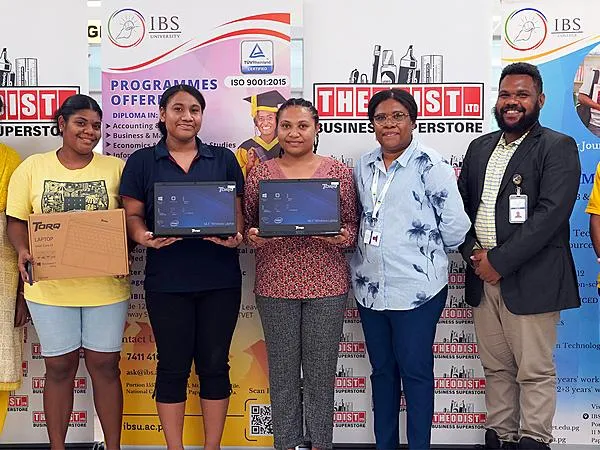
IBSUniversity (IBSU) has elevated its educational offerings by acquiring 300 TORQ laptops—a distinguished brand under Theodist Limited—through a dynamic partnership. This initiative is designed to equip students with high-quality technology, reinforcing learning outcomes and digital competency. TORQ laptops, known for their reliability and suitability for academic environments, are supported by Theodist’s legacy of over 50 years in advancing education throughout Papua New Guinea. Theodist’s contributions span technology, furniture, and stationery, consistently empowering schools and institutions to foster growth.

Kumar Baliah, CEO of Theodist Limited, highlighted, “Supporting the education sector through optimal pricing is a win-win situation for all parties which will benefit the students through access to technology and materials. Theodist continues to believe in the power of education and continues to ensure that the quality of its products, always with a 12-month warranty, and optimal pricing enables the education sector.” Every TORQ laptop—alongside all Theodist products—comes backed by a comprehensive 12-month warranty, providing peace of mind and reflecting Theodist’s commitment to quality and customer assurance.

Building Practical Skills and Industry Connections

The integration of TORQ laptops into IBSU’s learning environment stems from a wider collaboration between Theodist, IBSU, and IBS College of TVET (IBSC), formalised through a Memorandum of Understanding last July. This partnership not only facilitates access to leading technology but also incorporates industry visits, mentorship, and exposure to real-world business practices. IBSU students have visited Theodist’s headquarters in Port Moresby, where they observed daily operations in areas such as warehousing, sales, marketing, and customer service. These experiences, supported by TORQ laptops, bridge theoretical knowledge with practical application, empowering students to engage in research, complete assignments, and utilize digital learning platforms efficiently.

Supporting Academic Achievement and Workforce Preparation

TORQ laptops enable students to excel academically, seamlessly connecting classroom learning to real-world environments and equipping them for future careers in IT, business, management, and administration. Theodist’s broader mission continues to advance digital literacy and workforce readiness throughout Papua New Guinea, with the assurance of the 12-month warranty instilling confidence in the quality of all Theodist products. The delivery of 300 TORQ laptops exemplifies how targeted investment in branded, dependable educational technology empowers Papua New Guinea’s youth, strengthens academic institutions, and supports the nation’s evolving workforce.

February 13, 2026

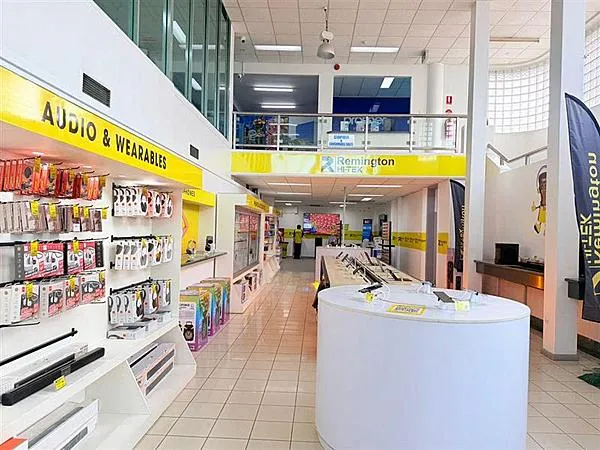
Remington Group is excited to be the first tech company in PNG to launch an e-commerce website, strengthening its commitment to providing Papua New Guineans with reliable, high-quality, and locally supported technology solutions.

The online store builds on the success of the recently opened Remington Hi-Tek flagship showrooms in Port Moresby and Lae, extending the same level of product quality, customer service, and after-sales support to customers nationwide.

The platform offers a carefully selected range of smartphones, laptops, TVs, accessories, and smart devices from reputable global brands, all backed by Remington’s established local warranty and technical support services.

With more than 77 years of operating in Papua New Guinea, Remington Group continues to invest in initiatives that support the country’s digital growth. The launch of the Remington Hi-Tek e-commerce platform reflects the Group’s strategic focus on improving access to technology for households, businesses, educational institutions, and organisations across PNG.

“Our customers want dependable technology, transparent pricing, and local support they can rely on,” said Justin Kieseker, CEO of Remington Group. “The launch of the Remington Hi-Tek e-commerce platform ensures that Papua New Guineans, regardless of location, can access genuine, high-quality products with the assurance of local service and support. This is an important step in supporting PNG’s digital development.”

Through the new e-commerce platform, customers will benefit from:

  • A secure and easy-to-navigate online shopping experience

  • Genuine, brand-new products from trusted manufacturers

  • Nationwide delivery options

  • Local warranties and professional after-sales support

  • Competitive pricing for both individual and corporate customers

The Remington Hi-Tek e-commerce store is now live, with additional features and an expanded product range to be introduced over time.

Visit: www.remingtonhitek.com.pg
February 12, 2026

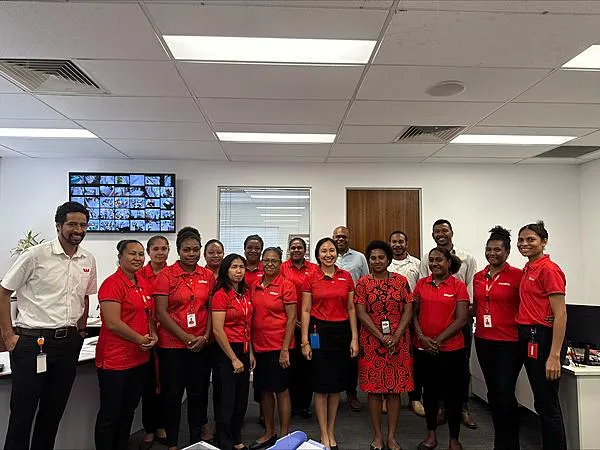
Westpac is strengthening its customer-first approach through an expanded series of regional visits in 2026, underscoring its long-term commitment to supporting business growth, financial capability and economic resilience across Papua New Guinea.

This month, Westpac’s relationship managers and members of the leadership team travelled within Port Moresby and to Wewak, Lae, Mt Hagen, Alotau, Kimbe, Kavieng, Tabubil and Kokopo, meeting business owners, community partners and industry leaders to better understand their priorities and the challenges they face operating in diverse local markets.

Chief Executive Andrew Cairns said the regional engagement programme reflects Westpac’s commitment to Yumi Grow Wantaim — working together with customers, communities and partners to drive shared progress.

“Yumi Grow Wantaim is more than a tagline — it’s the foundation of how we operate,” Cairns said.

“These visits help us hear directly from customers, understand the environment they operate in and ensure our financial solutions evolve with their needs. Our commitment is to grow alongside our customers and contribute to stronger, more inclusive economic outcomes across the country.”

Head of Westpac Commercial & Corporate Banking Patrick Wright said the visits continue to deepen the bank’s understanding of local opportunities, sector trends and the challenges businesses face in 2026.

“Our role goes beyond providing banking services. It’s about partnership — standing shoulder to shoulder with businesses and supporting their ambitions,” Wright said. “By meeting customers where they are, we can better tailor solutions that support long-term growth and stability. That’s the essence of Yumi Grow Wantaim.”

With many businesses operating in geographically dispersed regions and navigating varying levels of connectivity, Westpac remains focused on closing gaps by delivering financial expertise directly on site and ensuring customers receive the support they need in their own communities.

Westpac will continue the regional engagement programme throughout 2026, with additional visits planned for provincial centres and emerging commercial hubs. The programme is a core part of the bank’s commitment to helping communities and businesses grow — together.

February 12, 2026

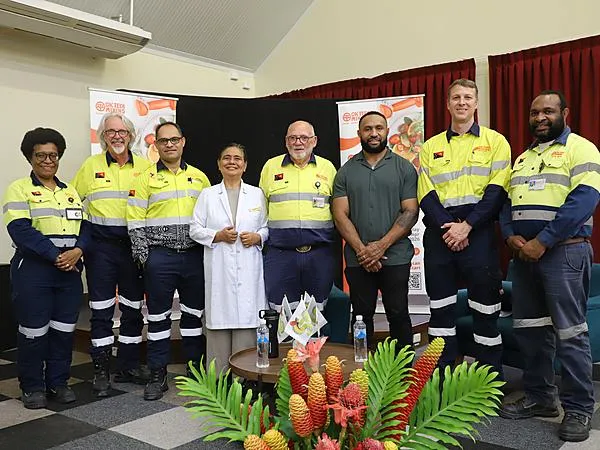
Ok Tedi Mining Limited (Ok Tedi) has kicked off 2026 by strengthening its commitment to employee health and wellbeing through the 90 Days Live Well Campaign — an initiative launched to help the workforce build healthier, more active and more resilient lifestyles across all operations.

A key feature of this year’s campaign, launched in January, is the new Live Well App, a digital tool developed to support employees on their personal wellbeing journeys. The app allows employees to track progress, set goals and access practical resources on fitness, nutrition, mental health and daily healthy habits.

Speaking during the launch, General Manager Engineering, Infrastructure and Projects Franz Hemetsberger said the campaign is part of Ok Tedi’s long-standing focus on safeguarding its people.

“Our employees are the heart of Ok Tedi. Supporting their long-term health is essential to maintaining a strong, productive and high-performing workforce,” Hemetsberger said.

To inspire staff, the launch featured motivational sessions with Papua New Guinean and international rugby league star Justin Olam and Dr Vigilanda Solijon, who both urged employees to prioritise their wellbeing and stay disciplined in their daily habits.

Reflecting on the importance of family and community obligations, Olam reminded employees: “As Melanesians, we have aunties, uncles and bubus who depend on us. To continue supporting our families, we must make our health a priority.”

Following the launch, Olam joined the Ok Tedi Health Services team in rolling out engagement activities across operations, reinforcing key health messages and encouraging strong participation on site.

Ok Tedi Health Services Manager Raymond Singamis said the introduction of the Live Well App represents a major step towards empowering employees and business partners to take control of their health.

“The Live Well App puts practical wellbeing tools directly into people’s hands. It helps staff track their fitness and health indicators, access educational content, stay updated on health campaign activities and set personalised goals,” he said.

“By integrating technology with a company-wide wellbeing program, Ok Tedi is reinforcing its commitment to creating a safe, healthy and fulfilling working environment, and supporting employees in making positive lifestyle changes that extend well beyond the workplace.”

February 12, 2026

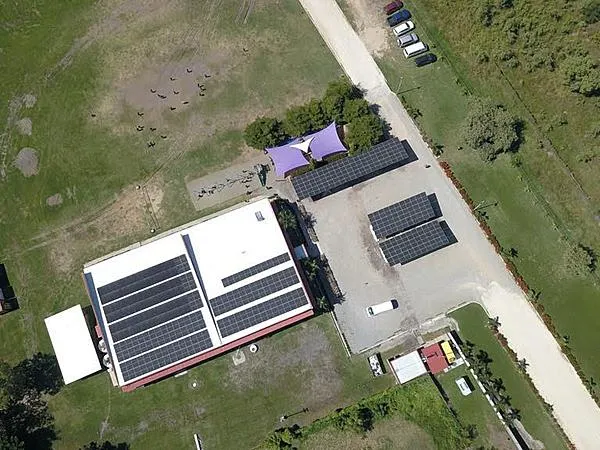
South Pacific International Academy (SPIA) is at the forefront of Papua New Guinea’s renewable energy transition, having installed a 130 kW solar mini-grid at its Port Moresby campus. The system, powered by Trinasolar Vertex S+ 445W modules and supported by 244 kWh of Sunsynk lithium batteries, produces approximately 89 MWh of clean electricity annually, enough to meet the school’s energy needs reliably and reduce dependence on diesel generators.

The project was designed to balance efficiency with practical sustainability. “We conducted a detailed load analysis with PNG Solar Supply to ensure the system was correctly sized. An undersized system would require constant generator backup, while an oversized one would mean paying for unused capacity,” said Matt Allen, Chairman of the School Board. During peak demand, the system delivers 67 kW to immediate consumption while storing over 60 kW in batteries for night-time use, providing consistent power even during periods of high usage.

The installation also illustrates the economic benefits of advanced solar technology. Following recent amendments to PNG’s rooftop solar policy, SPIA reports that its monthly electricity bill from PNG Power Ltd has fallen from K12,000 to under K2,000, with particularly sunny months seeing bills as low as K384. Blackouts across both the school and staff housing have been eliminated, while generator usage has dropped to roughly one hour per month. Currently, all solar power is self-consumed, as PNG Power does not yet provide a feed-in tariff for exporting excess electricity.

Beyond operational savings, the mini-grid represents a broader educational and sustainability mission. “Our core values of faith, truth, and growth emphasise stewardship, integrity, and lifelong learning. By operating a 100% solar-powered, grid-independent campus, we model responsible environmental stewardship while demonstrating practical innovation and resilience,” Allen said. The mini-grid functions as a living classroom, giving students and the wider community hands-on exposure to renewable energy technologies.

The site also serves as a model for national capacity-building initiatives. In 2025, the mini-grid was used for a JICA-conducted training programme for NEA inspectors, providing a practical environment to complement classroom instruction. It will again feature as the site visit for the upcoming “Capacity-Building Workshop for Institutions and Decision-Makers on Solar Energy Transition in PNG” from 17–19 February 2026.

Staff and families residing on campus have experienced tangible improvements in quality of life. Stable electricity has safeguarded appliances and equipment previously damaged by brownouts, including air conditioners and water pumps. The project also enhanced campus safety, with solar-powered street lighting along the perimeter and a solar-powered electric fence protecting staff residences.

SPIA plans to expand the solar array in line with campus growth. Phase 3 of the school, set to include new classrooms, offices, and an indoor dining facility, will be supported by an additional 50 kW of solar capacity. The project was funded through a zero-interest loan from a sister non-profit organisation, requiring no special licensing from NEA, as the installation is below 1 MW. NEA inspections and guidance ensured smooth implementation despite the regulator’s relatively young age and developing framework.

The academy is exploring complementary renewable initiatives, including solar water heating and future EV charging infrastructure, although local serviceability remains a constraint. “We hope to be a model for others to follow,” Allen said.

By combining operational savings, hands-on education, and community benefits, SPIA’s mini-grid demonstrates how high-performance, durable solar technology can support energy security, sustainability, and real-world learning in PNG—a model increasingly relevant as the country seeks resilient, low-carbon solutions for schools and institutions.

February 11, 2026

The Investment Promotion Authority (IPA), in collaboration with the Business Council of Papua New Guinea (BCPNG) and the PNG Diaspora Business Council of Australia (PNGDBCA), has welcomed a three-day visit to Papua New Guinea by a 35-member PNG-Australia Diaspora Trade and Investment Delegation.

The delegation, comprising Papua New Guinean professionals, business owners, and industry leaders based in Australia, participated in a Trade and Investment Conference held from 1–3 February 2026 at the Hilton Hotel in Port Moresby.

The delegation’s visit, facilitated by IPA and BCPNG, aimed to create structured pathways for trade, investment, and skills transfer between PNG and its diaspora community in Australia. 

PNG Business Council President Susil Nelson in her keynote address highlighted the importance of the initiative as a platform for trade, skills transfer, and service development.

She further described the initiative as an avenue for “brain gain,” noting the willingness of Papua New Guineans in Australia to contribute to the country’s growth across skills development, social services, health, education, business, and trade.

The PNGDBCA, a first-of-its-kind diaspora-led business council, has been developed with the full backing of the BCPNG and aligns closely with bilateral Australia-PNG economic priorities. The visiting diaspora delegation represented five key business sectors including; Professional Services, Consulting & Education, Real Estate, Construction & Engineering, Manufacturing, Trade & Logistics, Retail, Fashion & Personal Care, Tourism, Media & Creative Industries. 

The delegation’s engagement represents a unique strategic opportunity to advance two-way trade, investment, and sustainable economic development between both countries.

This initiative, currently in its incubation phase under the BCPNG, also marks the first structured trade and investment mission led by the PNG diaspora which is strengthening diaspora-led economic cooperation and people-to-people trade.

During their visit, delegates engaged directly with senior government representatives, private sector partners, and development institutions. The program included high-level interactions such as the Prime Minister’s Business Leaders Breakfast, official briefings with IPA, trade and investment roundtables with government and industry leaders, sector-specific business matching sessions, site visits, industry engagements, and formal networking events.

Key government agencies participating in the program included the Investment Promotion Authority (IPA), Internal Revenue Commission (IRC), Australian High Commission to PNG, National Fisheries Authority, Trade Commission Office, PNG Business Council, and other regulatory bodies and dignitaries.

The PNGDBCA delegation included a broad spectrum of Papua New Guinean-owned businesses in Australia which includes Franchise Ecosystem PNG, Allen Export Pty Ltd,Orange Guide, Impact Media PNG, Aviation Labour Group Talent, Winter Recruitment & Visa Services, Ruthz Management Solutions, Malana (Aust) Pty Ltd (Trustee for the Malana Family Trust),Amyblu Island Essential, Strategise PNG Ltd, Supa Insulation, Realcrete Australia Pty Ltd, Wantok Solution Pty Ltd, Ephana Enterprise Ltd, Wantok Travel Services, Maureen Sause (Certified Coach), Bopy’s Clothing & Beige Petroleum Ltd, 333 Solutions, BushMahn 4WD, Strike Group Australia Pty Ltd, JOJEM RESOURCES Pty Ltd, Midire & Co, Australia Sepik Foundation Limited, Onstech Pty Ltd, Kalakai Collective, AIATSIS, ASL Downunder, Yarap and  TommyWaiherTrans Co.

IPA’s Director of Investor Servicing and Promotions Peter Daroa presented on the agency’s mandate, current investment trends, challenges, and growth opportunities. He highlighted key business environment issues including law and order, unemployment, inflation, and accessibility constraints.

Daroa also emphasised that these challenges represent priority investment areas, particularly in security and surveillance solutions, labour mobility programs, and export expansion.

Daroa noted that the PNG diaspora population in three key countries which are Australia (29,995 - by birth, 22,664 -by ancestry), the United Kingdom (1,536), and the United States (1,453) is estimated at approximately 33,000 people, a relatively small figure compared to other Pacific nations:

Delegates shared insights on their businesses and experiences in engaging with PNG. The conference underscored the growing commitment of the PNG diaspora community in Australia to reconnect economically with their homeland, through both dialogue and through actionable partnerships, investment, and collaboration.

February 11, 2026

PNG Air continues to strengthen its operations and network with the arrival of its fourth ATR aircraft in six months, part of the airline’s ongoing fleet renewal programme, increasing capacity to meet growing demand across the country.

The new aircraft will maximise the expanded schedule and enhance operational reliability as PNG Air continues to serve and better connect communities, businesses, and essential services throughout Papua New Guinea.

Investment in the fleet has already contributed to measurable improvements in operational performance. In January 2026, PNG Air achieved an on-time performance of 87.12%, considered an exceptionally strong result by global industry standards. Leading airlines worldwide typically operate within an on-time range of 75% to 85%.

The airline also reduced cancellations to just 1.52% in January, reflecting improved aircraft availability and operational excellence.

These results mean fewer disruptions and more dependable travel for passengers — a critical factor in a country where air transport plays a central role in daily life and economic activity.

“Every investment we make in our fleet is about reliability,” PNG Air said. “Our goal is to operate consistently and get our customers where they need to be, when they need to be there — because in Papua New Guinea, air travel is essential.”

The expanded fleet supports PNG Air’s revised network schedule introduced in December 2025, now operating across 22 destinations using a fleet of ATR and Dash 8 aircraft.

Additional aircraft have enabled:

  • Reinstated services to Vanimo and Kavieng

  • New direct routes to Madang and Hoskins

  • Overnight aircraft positioning to improve early morning departures and network reliability

Capacity has also increased significantly since December 2025, representing a 269% increase year on year.

Investing for the Long Term

The latest aircraft arrival forms part of PNG Air’s broader strategy to modernise its fleet and build a stronger operation to support Papua New Guinea’s national development.

“Reliable air service is more than convenience — it is critical infrastructure. Strengthening our fleet allows us to improve performance today while building the foundation for long-term growth,” the airline said.

About PNG Air

For nearly four decades, PNG Air has connected the people of Papua New Guinea with safe, reliable, and affordable air services. Listed on the Port Moresby Stock Exchange since 2008, the airline is majority-owned by Papua New Guinean institutions, including the MRDC Group and NasFund, and supported by approximately 2,900 local shareholders.

PNG Air currently operates more than 460 flights each week across 22 destinations, providing essential passenger and cargo services that support economic development, community connectivity, and national unity. In 2024, the airline carried over 150,000 passengers, underscoring its pivotal role as a national connector.

February 11, 2026

The Autonomous Bougainville Government (ABG), through the Bougainville Agriculture Commodities Regulatory Authority (BACRA), has issued cocoa export licenses to six companies as it strengthens regulatory control over the sector and reports record production in 2025.

The first three licenses were issued in October 2025 to Sankamap, Elliven and Bougainville Organic Export Company. On Friday, three additional licenses were granted to Coconut Products Ltd., AGMARK and PNG Pacific Capital Ltd., marking what officials described as Bougainville’s growing control over its cocoa industry.

The issuance of licenses follows the passage of the Bougainville Agriculture Commodities Regulatory Act 2020 and the formal establishment of BACRA to regulate the agriculture and commodities sector in Bougainville. Under the regulations, the BACRA Advisory Council facilitates the screening and approval of license applications.

Previously, cocoa export licenses were issued by the PNG Cocoa Board. Those functions have since been transferred to the ABG Department of Primary Industry and are now being operationalized by BACRA.

ABG Minister for Primary Industry Clarence Dency said the transition represents a significant shift in the ownership and governance of one of Bougainville’s most important cash crops.

“For the first time, Bougainville is fully in control of its cocoa export system. This means that 100 percent of cocoa export levies are now paid directly to the ABG through BACRA, ensuring that revenue generated from our cocoa industry stays in Bougainville and benefits our people,” Dency said.

Secretary for the Department of Primary Industry Kenneth Dovaro said revenue collected through BACRA will be reinvested to strengthen the cocoa industry.

“The funds generated will be used to build industry capacity through research and development, extension services, compliance monitoring and effective administration of the sector,” Dovaro said.

He added that the establishment of BACRA will significantly improve data collection and planning.

“For the first time, we are able to systematically collect accurate data on cocoa production across Bougainville. This will greatly improve future planning and policy decisions for the industry,” he said.

Bougainville has maintained its position as the country’s leading cocoa producer in recent years, with production in 2025 reaching approximately 23,500 metric tons.

“This is a historic high production level and very significant to the national and local economy, as this is valued at over K750 million from our estimates,” Dovaro said.

“We estimate that about 80 percent, or K600 million, of the total revenue went directly to farmers,” he added.

Under the new licensing arrangements, all cocoa exporters operating in Bougainville will be fully accountable to BACRA, including compliance with license conditions, monitoring requirements and quality standards. Officials said these requirements are expected to flow through the supply chain to farmers.

The Department of Primary Industry will also conduct regionwide awareness programs targeting cocoa farmers to promote quality production, proper registration of fermentaries and compliance with industry standards.

Dency said the measures are aimed at protecting and maintaining Bougainville’s reputation for high-quality cocoa while ensuring the long-term sustainability of the industry.

February 10, 2026

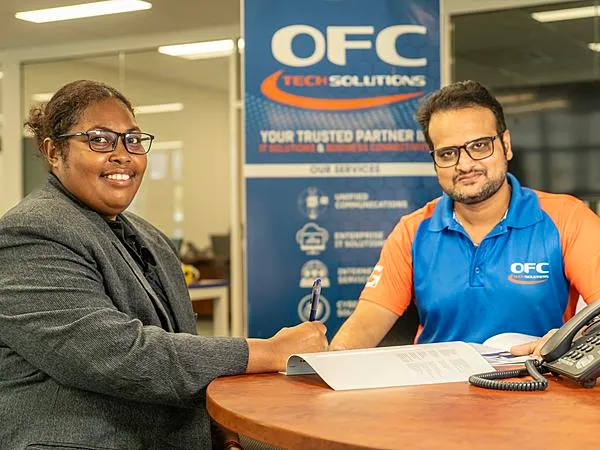
OFC Tech Solutions, a Remington Group company, announces a strategic partnership with Alcatel-Lucent Enterprise, a leading provider of secure networking and communication solutions that enable organisations and industries to accelerate their operational efficiencies and competitiveness. This collaboration is set to modernise enterprise-grade networking and cloud-based communication systems across Papua New Guinea.

The partnership arrives at a critical juncture for the local market. As legacy hardware providers begin to phase out traditional PABX systems, many organisations face the risk of aging infrastructure and limited support. Through this collaboration, OFC Tech Solutions and ALE provide a seamless, secure, and scalable migration path to modern IP-based and hybrid-cloud platforms.

"We are thrilled to welcome OFC Tech Solutions to our partner ecosystem. Their deep local knowledge and the Remington Group’s legacy of service excellence make them the ideal partner to drive digital transformation in Papua New Guinea," said Dinesh Divakar, Country Leader, ANZ, Alcatel-Lucent Enterprise. "Together, we are ensuring that PNG businesses don't just 'replace' their systems but 'evolve' them with secure, resilient, and future-ready communications solutions. This enables customers to modernise their communications infrastructure with confidence while ensuring long-term support and scalability.”

OFC Tech Solutions is a leading ICT services provider in Papua New Guinea and a key business unit of the Remington Group. The company delivers enterprise technology solutions, including IT infrastructure, networking, communications systems, and managed services, supporting government, corporate, and institutional clients across the country.

Commenting on the partnership, Asanka Dias, General Manager of OFC Tech Solutions, said the decision was driven by a focus on practical value for customers.

“This is an exciting time for OFC Tech Solutions as we continue to support and bring added value to our customers through technology. Partnering with Alcatel-Lucent Enterprise allows us to offer a reliable, globally proven solution that helps organisations upgrade their systems, improve efficiency, and plan confidently for the future.”

The introduction of the Alcatel-Lucent OmniPCX® Enterprise Communication Server further strengthens OFC Tech Solutions’ enterprise communications portfolio and reinforces the Remington Group’s commitment to delivering world-class technology solutions supported by strong local expertise.


Alcatel-Lucent Enterprise provides secure networking and communication solutions that enable organizations and industries to accelerate their operational efficiencies and competitiveness — in the Cloud, On Premises, or Hybrid.

All solutions have built-in security, a limited environmental impact, and full compliance with data protection requirements for organizations and individuals at both the national sovereignty and international industry levels.

Alcatel-Lucent Enterprise focuses on three pillars: Environmental Sustainability, Social Responsibility, and Corporate Governance, providing technology solutions for the good of the environment, people, and business.

Over 100 years of innovation have made the company a trusted advisor to more than a million customers worldwide. With headquarters in France and 3,400 business partners globally, Alcatel-Lucent Enterprise achieves effective global reach with a local focus.

February 10, 2026

Weir’s materials technology capabilities are a key factor in WARMAN® MCR® slurry pumps remaining the preferred solution for mill circuit applications among the world’s major miners. Notably, Weir’s long-standing expertise in elastomer science enables its rubber-lined pumps to compete directly with, and often outperform, metal-lined alternatives in abrasive slurry applications.

Advanced elastomer development

Mill circuit slurries typically present a challenging wear environment due to wide particle-size distributions and the presence of hard, angular particles. To address this, Weir formulates and manufactures proprietary elastomer compounds engineered for high abrasion resistance, energy absorption, and tear strength. These compounds are developed in-house, allowing precise control over polymer chemistry, filler systems, and curing processes to optimise performance under dynamic slurry loading.

Continuous R&D investment underpins this capability. Weir’s materials scientists and mechanical engineers collaborate to characterise wear mechanisms, refine compound formulations, and validate performance through laboratory testing and field trials. This iterative development cycle ensures that the WARMAN® MCR® pump remains aligned with evolving operational requirements in the mining and minerals processing sector.

Customer-driven engineering

Weir’s engineering teams work directly with mine operators to diagnose wear patterns, understand process variability, and design component solutions that improve pump reliability and reduce total cost of ownership. This collaborative approach supports broader industry goals around sustainability, process efficiency, and operational safety.

The WARMAN® MCR® pump is a direct outcome of this long-term engineering focus, incorporating decades of empirical data, computational modelling, and materials innovation.

Developing wear-resistant alloys

A key advancement in recent years is the expanded use of Armachrome®, a highly wear-resistant overlay material engineered for extreme abrasion environments. Armachrome® wear parts are now applied to critical pump components such as throatbushes, volute liners, and, increasingly, impellers.

The material’s high hardness and superior erosion resistance enable significant extension of component life. Importantly, Weir applies Armachrome® selectively—targeting high-wear zones such as the impeller eye—rather than coating entire components. This precision application reduces material usage while maximising functional benefit.

Field data has demonstrated substantial performance gains. In oil sands operations, Armachrome® components have shown markedly improved wear life compared with white iron. Similar results have been observed in WARMAN® mill circuit pump installations, validating the material’s effectiveness across multiple slurry environments.

Future materials innovation

As the mining industry seeks to reduce energy consumption, extend maintenance intervals, and lower carbon intensity, advanced wear materials will play an increasingly important role. Weir’s ongoing investment in materials R&D—spanning elastomers, overlays, and composite systems—positions the company to deliver solutions that enhance pump efficiency and durability.

Customers are increasingly selecting Weir products not only for performance, but also for their contribution to sustainability objectives, driven by longer wear life, reduced waste, and improved operational efficiency.

February 09, 2026

Tolu Minerals Ltd. says it has made steady operational and infrastructure progress at its Tolukuma Gold Mine in Papua New Guinea, outlining a pathway toward a major underground expansion and a production ramp-up beginning in 2027.

In its quarterly report for the period ending 31 December 2025, the ASX-listed company said it is advancing a “mine-defining” project designed to support a long-term increase in mining capacity, with a target throughput of 500 tonnes per day. Initial production is forecast at about 20,000 to 25,000 ounces of gold per quarter once ramp-up begins in the first quarter of 2027.

The expansion plan centres on the development of new underground infrastructure, including access tunnels, dewatering systems, underground exploration platforms and a long-term tailings solution using paste backfill. Phase one includes the construction of approximately 1.4 kilometres of tunnel, with the potential to double that length over time.

Tolu said the project is intended to provide improved access to existing and future underground workings, support higher drilling intensity and deliver operational efficiencies through reduced pumping and ventilation requirements.

Underground operations progressed during the quarter following the issuance of a Form 15 underground mining licence by Papua New Guinea’s Mineral Resources Authority. The company reported that initial development blasting has recommenced, mine dewatering has accelerated and critical services, including ventilation and power, are now operational. The full underground mining fleet is on site and ready for production activities.

Exploration efforts during the period focused on near-mine targets to support early production and resource confidence. Tolu plans to expand its drilling fleet to eight rigs by June 2026, with accelerated drilling expected in the third quarter of 2026. The company said 13 kilometres of exploration access roads have been completed within Mining Lease 104.

The planned underground incline is expected to provide access along the full two-kilometre strike length of the Tolukuma deposit at depths where strong gold and silver mineralisation has already been identified. The deposit remains open at depth, with northern resource areas at incline level yet to be drill tested.

At the processing plant, refurbishment of key components including the SAG mill, Knelson concentrator and Acacia reactor is nearing completion. The elution circuit has been refurbished, while servicing of the conversion circuit is underway in preparation for a full plant restart. Tolu said it is close to appointing a preferred contractor for recommissioning.

The company is also progressing plans for a hydroelectric power facility, with term sheets under negotiation and a power purchase agreement structure being refined. Construction is expected to begin shortly, with power delivery targeted for early 2027.

In parallel, Tolu is developing a certified, in-house assay laboratory to improve turnaround times for grade control and reconciliation. The facility is expected to become operational in the third quarter of 2026.

Managing director Chris Muller said the company had achieved “steady and tangible progress” during the quarter across mining, exploration and infrastructure.

“The operational pathway ahead is well defined, priorities are aligned, and the team on site is fully focused on delivering a safe and reliable return to production,” Muller said in the report.

He said the planned underground incline would unlock systematic access to the deposit and materially reduce future capital and geological risk while supporting long-term resource growth.

While challenges remain, Muller said the company is well advanced along a clear and disciplined pathway toward restarting production at Tolukuma.

February 09, 2026

Prime Minister James Marape has confirmed that Papua New Guinea will host the Asia-Pacific Economic Cooperation (APEC) Leaders’ Meeting in 2033, marking the country’s second time hosting the prestigious regional forum following APEC 2018.

Speaking from Dubai, Prime Minister Marape said the confirmation provides PNG with seven years of preparation and described the opportunity as a defining moment to showcase a stronger, more mature, and competitive nation to the global community.

“Papua New Guinea has once again been entrusted with hosting APEC, fifteen years after we successfully hosted APEC 2018,” he said. “This time, we want APEC 2033 to be bigger, better, and more reflective of a nation that has matured economically, fiscally, and democratically.”

The Prime Minister said the government formally expressed interest in hosting APEC again, building on the foundations laid in 2018 and positioning the country to present a compelling national story ahead of its 60th Independence Anniversary in 2035.

His engagements in Dubai form part of broader efforts to strengthen PNG’s global economic and diplomatic connectivity ahead of APEC 2033, including the establishment of PNG’s Ambassador to Dubai, Frank Assi, and the mobilisation of new trade linkages between the Middle East, Europe, and the Asia-Pacific.

“Papua New Guinea occupies a unique strategic position at the confluence of the Pacific Island countries, ASEAN, and APEC. We intend to link the Middle East with the Far East through our diplomatic presence in Dubai, alongside missions in Israel and Europe, opening markets, financing opportunities, and trade pathways for our producers,” he said.

Stronger Economy, Balanced Budget, Debt Repayment

Prime Minister Marape said APEC 2033 is expected to coincide with significant national milestones, including full repayment of PNG’s sovereign debt and achievement of major economic targets.

“By 2033, our economy will be much stronger. We expect to have passed our K200 billion economy target, fully repaid our sovereign debts, and established ourselves as a reliable trading partner in a robust free-market economy and solid democracy,” he said.

The Prime Minister noted that the government is on track to deliver a balanced budget next year, following consistent fiscal consolidation, reduced deficits, and steady economic growth averaging around four percent in recent years.

“This is not coincidence. It is discipline. If we stay the course, APEC 2033 will be held at a time when PNG can confidently tell the world that we are stable, reliable, open for business, and ready to trade,” he said.

Early Preparations to Begin in 2026

Prime Minister Marape announced the establishment of a national APEC 2033 preparation committee this year, stressing that early planning is essential for a successful event.

“Six to seven years is not a long time for an event of this magnitude. Preparation is not just about infrastructure; it is about city planning, safety, transport systems, airports, hospitality, and how we present ourselves as a nation,” he said.

Planning will align with broader national initiatives, including urban renewal, airport expansion, public safety improvements, and lifestyle adjustments to support sustained international engagement.

Jacksons Airport, Aviation Links, and Regional Hosting Options

The Prime Minister confirmed that expansion of Jacksons International Airport will be central to APEC preparations, alongside consideration of hosting selected events outside Port Moresby.

“Opening direct links to global hubs such as Dubai is part of opening our economy and positioning PNG as a serious trading nation,” he said.

“We are also exploring spreading some APEC activities to centres such as Lae, Kokopo, Madang, Alotau, Goroka, Mt Hagen, Kimbe, and Manus, allowing more Papua New Guineans to participate and benefit.”

Showcasing PNG’s Maturity and Investment Story

APEC 2033 will provide a platform to present PNG as a mature exporting nation, supplying global markets with rare earth minerals, oil and gas, agricultural products, and fisheries amid rising global demand.

“By then, projects such as Papua LNG and Wafi-Golpu will be well established, other mining operations will be running, and we will be more mature as an exporter and trading nation,” Prime Minister Marape said.

He noted engagement with potential partners from the UAE, which has global expertise in airports, ports, and logistics, including through public-private partnerships.

“We are exploring partnerships to support airport upgrades, seaport hub development, and trade-enabling infrastructure to strengthen our role in global commerce,” he said.

A National Story to the World

Prime Minister Marape said APEC 2033 will allow PNG to tell a powerful national story of a country that has stabilized, reformed, and emerged stronger.

“Few nations have maintained democracy for over fifty years while undertaking deep economic reform. As we prepare for APEC 2033, we do so with confidence, discipline, and a clear vision — to present PNG as a modern, prosperous, and globally connected trading nation,” he said.