

February 09, 2026

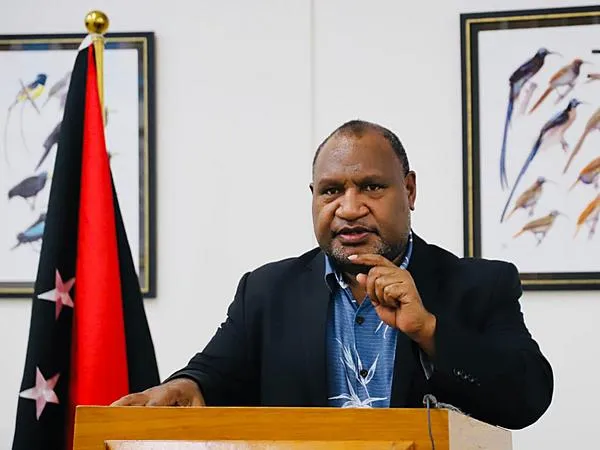
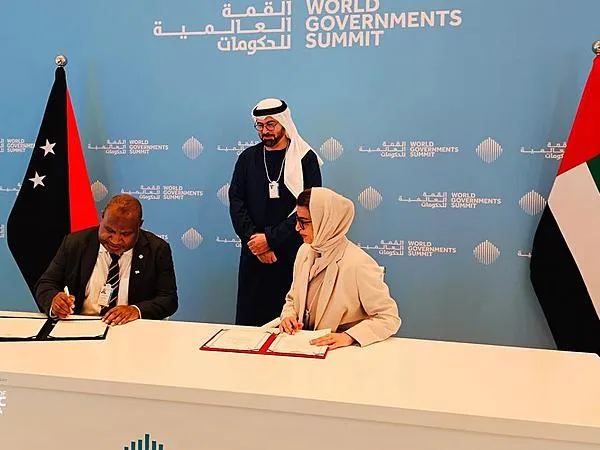
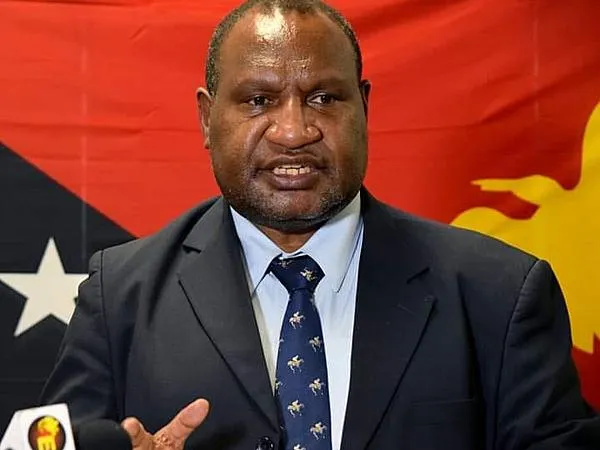
Prime Minister James Marape on 4 February 2026 welcomed the signing of a historic Memorandum of Understanding on Mutual Exemption of Entry Visa Requirements between Papua New Guinea and the United Arab Emirates, describing it as a major step in strengthening bilateral relations and creating new pathways for tourism, trade, investment, and people-to-people exchanges.

The Agreement was signed on the sidelines of the World Governments Summit in Dubai, following high-level engagements between the two governments.

Prime Minister Marape said the Visa Waiver Agreement reflects Papua New Guinea’s growing international confidence and its commitment to building practical partnerships with countries demonstrating strong economic growth, innovation, and global connectivity.

“This Agreement signals that Papua New Guinea is open, ready, and confident to engage the world. By removing entry visa barriers, we make it easier for our people to travel, for tourists to visit, for investors to explore opportunities, and for our bilateral relationship with the UAE to deepen in very practical ways,” he said.

Under the Agreement, citizens of Papua New Guinea holding valid diplomatic, official, or ordinary passports can enter the UAE without a pre-arranged visa, enjoying visa-free entry or visa on arrival for up to 30 days. In reciprocity, UAE passport holders of all categories can enter Papua New Guinea under the same conditions, with visa on arrival arrangements for up to 30 days.

Prime Minister Marape emphasized that the mutual nature of the Agreement underscores trust and respect between the two governments.

“This is not a one-sided arrangement. It is balanced and reciprocal, reflecting mutual confidence between our nations. Papua New Guinea is ready to welcome visitors from the UAE, whether they are tourists, businesspeople, investors, or officials,” he said.

He noted that the Agreement supports the government’s broader Economic Reset agenda, particularly in positioning Papua New Guinea as an emerging destination for tourism and international investment as the country surpasses 50 years of independence.

“Tourism grows when access is easy, travel is seamless, and countries are connected. This Visa Waiver Agreement strengthens direct connectivity between Papua New Guinea and global hubs like Dubai and Abu Dhabi, opening doors for increased visitor arrivals and commercial engagement,” he said.

Prime Minister Marape also highlighted the UAE’s strategic importance as a global aviation, logistics, and financial hub, presenting opportunities in trade facilitation, investment promotion, agriculture exports, fisheries, energy, and downstream processing.

“Dubai is a gateway to the world. Strengthening our relationship with the UAE positions Papua New Guinea to better connect with markets across the Middle East, Europe, Africa, and Asia. This Agreement will help stimulate trade, attract investment, and expand our international footprint,” he said.

He added that the Agreement aligns with international standards on passport security, border control, and compliance with national laws.

“While we are opening our doors, we are doing so responsibly. The Agreement maintains strong standards on security, documentation, and lawful conduct, ensuring mobility goes hand-in-hand with national interest and public safety,” he said.

Prime Minister Marape thanked the UAE government for its partnership and acknowledged the efforts of officials from both sides in concluding the Agreement.

“I sincerely thank the leadership of the United Arab Emirates for this important step forward. Today’s signing is more than a technical Agreement – it is a statement of friendship, trust, and shared ambition between our nations,” he said.

He reaffirmed Papua New Guinea’s commitment to meaningful, results-driven international partnerships.

“As Papua New Guinea resets its future outlook, we will continue to engage with countries that have succeeded through innovation, connectivity, and openness. This Agreement with the UAE is a strong example of how diplomacy can deliver real, tangible benefits for our people,” Prime Minister Marape said.

February 09, 2026

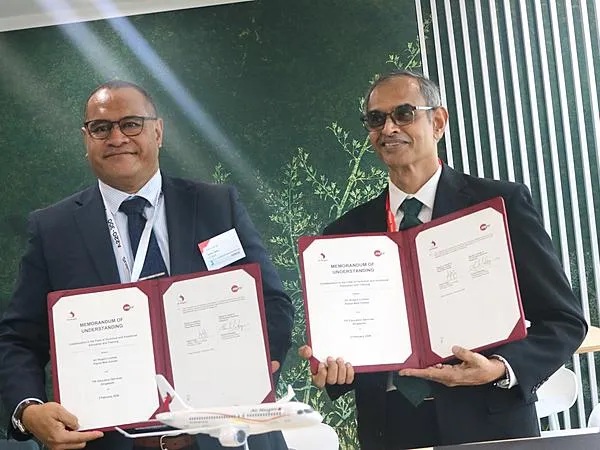
Air Niugini has signed a strategic technical training agreement with Singapore-based Institute of Technical Education Services on Feb. 3, strengthening workforce capability development as the national airline continues to modernise its operations.

The agreement was signed during the Singapore Airshow, marking a key milestone in Air Niugini’s ongoing commitment to operational excellence, skills development and long-term sustainability.

ITE Education Services, the international business arm of Singapore’s Institute of Technical Education, was established to share the country’s vocational education and training expertise globally. Under the agreement, ITEES will deliver specialised technical training programmes for Air Niugini, drawing on its extensive experience in aviation and technical education. The partnership may also include leadership and workforce planning programmes tailored to the airline’s operational needs.

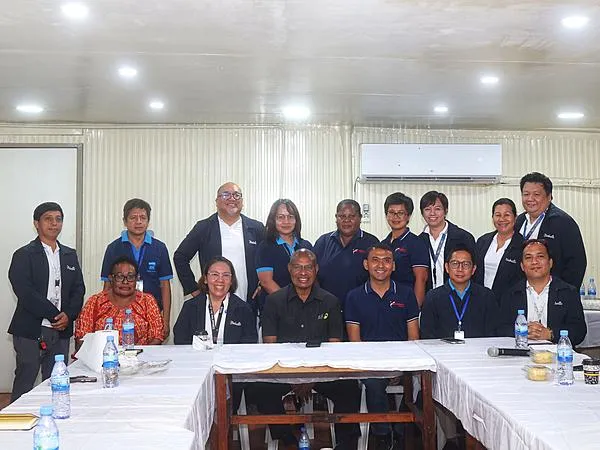
The agreement was signed by Air Niugini Officer in Charge Capt. Samiu Taufa and ITEES Chief Executive Officer Suresh Natarajan, and witnessed by Air Niugini Board Chairman Karl Yalo, underscoring a shared commitment to collaboration and skills development.

Taufa said the partnership was particularly important as the airline introduces new-generation aircraft into its fleet.

“This collaboration with ITEES represents a significant investment in our people and our future,” he said. “As we introduce new-generation aircraft such as the Airbus A220, it is critical that our technical staff are equipped with the right skills, knowledge and global best practices to support safe, reliable and efficient operations.”

He added that partnerships of this nature are essential to the airline’s long-term sustainability and support its growth and transformation.

Yalo welcomed the agreement, saying it aligns with Air Niugini’s broader strategic direction.

“This partnership reflects the Board’s commitment to strengthening governance, technical capability and leadership across the organisation,” he said. “By investing in high-quality training and development, we are ensuring that Air Niugini remains competitive, resilient and well positioned to meet future challenges in the aviation industry.”

Natarajan said ITEES was pleased to support Air Niugini’s capability development journey.

“We are delighted to partner with Air Niugini and to share Singapore’s vocational and technical training expertise with the airline,” he said.

He also acknowledged Airbus for facilitating the partnership, which has enabled ITEES to extend its training and development programmes to support Air Niugini’s technical requirements.

February 09, 2026

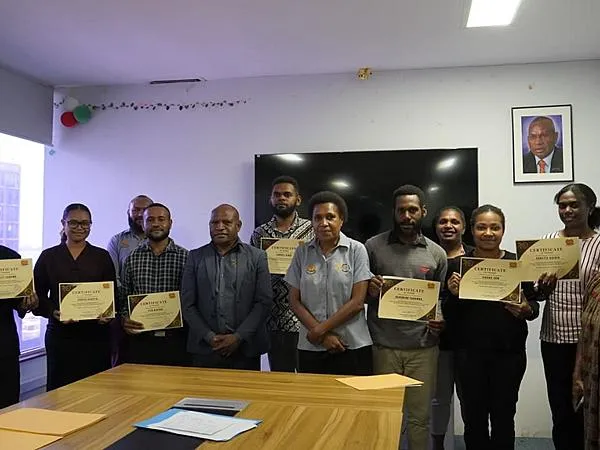
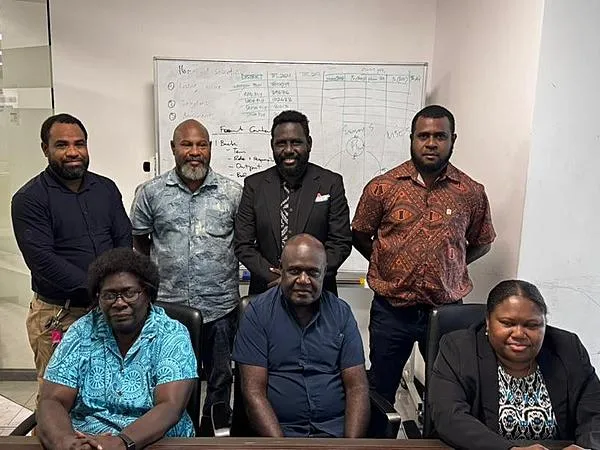
The National Cultural Commission has played a growing role in strengthening Papua New Guinea’s future workforce since launching its internship programme in 2022, as it farewelled seven University of Papua New Guinea students who have successfully completed internships and short-term professional attachments.

The farewell was held on 6 February at the NCC headquarters in Port Moresby and highlighted the importance of structured workplace training in preparing young Papua New Guineans to enter the labour market with confidence, discipline and practical experience.

The NCC hosts up to eight university students annually, providing hands-on exposure to organisational operations, project management, service delivery and research support within a national institution. The programme aligns with broader workforce development objectives by helping bridge the gap between education and employment.

The 2025–26 cohort included students from two academic streams. From the UPNG School of Business and Public Policy, Jennah Kum, Gahusi Gabutu and Constie Raivia commenced their internships on 20 October 2025, and completed placements that provided insight into public-sector administration, policy processes and organisational management.

Their training focused on practical skills increasingly sought by employers, including professional communication, teamwork, accountability and exposure to institutional governance — competencies transferable across both public and private sector workplaces.

The remaining four students were from the UPNG School of Humanities and Social Sciences and were placed across the NCC and the Institute of Papua New Guinea Studies. Samuel Aniu, Gibson Lita and Bitty Yakumb were engaged as short-term contract officers under the INTRACOM Project at IPNGS, supporting cultural research, documentation and project implementation. Nemiah Yakuman joined the NCC on 2 November 2025, and was attached to the NCC Gift Shop, gaining operational and customer service experience.

Collectively, the interns contributed to NCC and IPNGS outputs while developing workplace competencies that strengthened their professional skills and experience.

The farewell event was attended by Acting IPNGS Director Chris Poui, IPNGS Dance Director Dr. Naomi Faik Simet and NCC staff. Speaking on behalf of NCC Executive Director Steven Enomb Kilanda, MBE, Simet said structured mentoring and skills development are critical investments in Papua New Guinea’s future workforce.

“When we invest in young people, we invest in the future of Papua New Guinea,” Simet said.

She added that the internships help build confidence, discipline and purpose, ensuring graduates are better prepared to contribute meaningfully to national development.

Under Kilanda’s leadership, the internship programme has continued to strengthen, providing students with exposure to professional environments while supporting institutional capacity. For employers, such programmes help ensure graduates enter the workforce with practical experience rather than theory alone.

Speaking on behalf of the interns, Aniu said the opportunity had shaped his professional outlook and career direction.

“Working within IPNGS has broadened my understanding of how national institutions operate. Learning directly from experienced professionals has been invaluable and has helped clarify my future path,” he said.

The students also thanked NCC management for entrusting them with real responsibilities while enabling them to complete academic requirements and contribute to organisational objectives.

The NCC internship programme highlights the value of partnerships between educational institutions and workplaces in developing job-ready graduates. By embedding students in real operational settings, the initiative supports smoother transitions into employment and strengthens the national talent pipeline.

As Papua New Guinea continues to prioritise human capital development, initiatives such as the NCC internship programme demonstrate how targeted workplace training can deliver long-term economic and workforce benefits by equipping young Papua New Guineans with the skills, experience and professionalism needed to support public and private sector growth.

February 09, 2026

Petroleum projects in Papua New Guinea have recorded encouraging progress, with Petroleum Minister Jimmy Maladina welcoming significant advances on the APF Tie-In Project, citing major regulatory approvals and community agreements as critical milestones toward full project sanction.

Speaking from Singapore on behalf of the national government, Maladina confirmed that project operator Santos, together with its PNG LNG joint venture partners, has secured essential regulatory approvals from the National Petroleum Authority and the Conservation and Environmental Protection Authority. The approvals represent a key step toward a final investment decision and project sanction for the APF Tie-In development.

A further milestone was achieved on Feb. 5, 2026, when senior officials from the National Petroleum Authority, led by Petroleum Division Director Jimmy Haumu, visited the project area to witness the signing of the In-Principle Clan Agreement. The delegation attended on behalf of the Ministry of Petroleum and NPA Managing Director David Manau.

The agreement was signed between Santos and key landowning clans directly affected by the project, following an extensive period of consultation and engagement. It reflects landowner understanding and acceptance of the development and underscores the importance of structured community participation in major resource projects.

The In-Principle Clan Agreement aligns with arrangements already embedded within the broader PNG LNG project framework. It sets out clear processes for land access, community development initiatives, local business participation opportunities and ongoing stakeholder engagement.

The agreement also addresses the management of above-ground risks, including law and order considerations, which remain a critical factor in ensuring project sustainability and maintaining investor confidence in the sector.

“The national government, through the NPA and my ministry, is very pleased with the progress achieved so far, and I express my sincere appreciation to Santos and its joint venture partners, the key community leaders of Kutubu, the NPA and all stakeholders who have contributed to meeting these important project development objectives,” Maladina said.

“These milestones demonstrate the government’s commitment to encouraging further investment in the country and, importantly, Santos’ commitment to working collaboratively with local communities and regulatory authorities in a meaningful way to achieve project objectives,” he added.

Industry analysts say securing regulatory approvals alongside landowner agreements significantly reduces project risk and strengthens the investment case for the APF Tie-In Project. The progress signals continued momentum in PNG’s gas sector amid increasingly competitive global energy markets.

With regulatory clearances and community agreements now in place, the project is moving closer to full sanction, reinforcing Papua New Guinea’s position as a key LNG producer in the Asia-Pacific region and highlighting the government’s focus on attracting responsible, long-term investment in the petroleum industry.

February 09, 2026

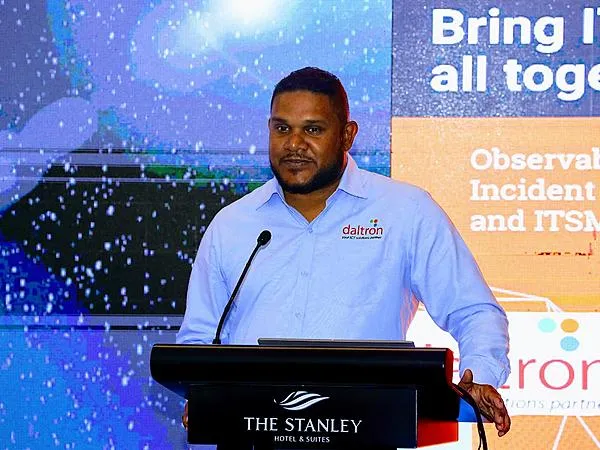
In today’s fast-changing digital world, businesses need more than short-term solutions to stay competitive—they need resilience. Daltron PNG, a leader in information and communication technology (ICT) solutions, is committed to helping businesses in Papua New Guinea secure their digital futures. With a focus on observability, AI-driven cybersecurity, and business continuity, Daltron is paving the way for long-term success and stability in the region.

Daltron PNG: A Trusted Partner in Business Growth

Founded in 1977, Daltron PNG has earned its reputation as a trusted provider of business solutions, IT infrastructure, and cybersecurity. The company is dedicated to helping businesses optimize their operations and protect critical systems. With a focus on securing Papua New Guinea's businesses, Daltron supports local companies by offering cutting-edge technologies and expertise to navigate the evolving digital landscape. (daltronpng.com)

Daltron’s Vision for 2026: Resilience Through Innovation

Daltron’s 2026 vision focuses on building long-term business resilience through the integration of three key pillars:

· Observability: Real-time monitoring allows businesses to detect issues early, ensuring minimal downtime and maximum operational efficiency.

· AI and Automation: AI enhances threat detection and system performance, allowing businesses to proactively manage risks and optimize their IT infrastructure.

· Cybersecurity: With increasing cyber threats, Daltron is committed to protecting businesses through advanced security systems, continuous monitoring, and rapid response capabilities.

Commitment to Papua New Guinea’s Digital Future

Daltron PNG is not just about providing solutions; it’s about empowering businesses to thrive in the digital age. The company takes responsibility for securing businesses in Papua New Guinea, offering extensive customer support, training, and knowledge-sharing to ensure businesses are well-prepared for future challenges.

Strategic Partnerships for Enhanced Value

Daltron’s strategic alliances with leading global technology providers enhance its ability to deliver world-class solutions:

· SolarWinds: Delivers powerful IT management and observability tools for efficient network monitoring and issue resolution.

· Dahua: Provides advanced security systems, strengthening the physical and digital protection of businesses.

· Acronis & Ruijie: Daltron is partnered with Acronis and Ruijie, enhancing its ability to offer cyber protection and network solutions. These partnerships help provide businesses with reliable, secure, and scalable IT infrastructures.

Daltron PNG’s commitment to building resilience in Papua New Guinea is vital to the region’s digital future. By integrating observability, AI, and cybersecurity, Daltron is enabling businesses to safeguard their operations and ensure continuity in the face of future challenges. With a growing network of global partners and a focus on customer engagement, Daltron is poised to deliver even greater value to businesses in Papua New Guinea in the years ahead.

February 06, 2026

Steamships has launched two community grants programmes to coincide with Global Community Engagement Day, reinforcing its focus on volunteerism and community-led development across Papua New Guinea.

The company introduced the Steamies LEAD Grants Programme, an internal initiative aimed at enabling employees to design and lead their own community projects. Managing Director Chris Daniells said the programme recognises the contribution staff already make through volunteering and community involvement and is intended to support them to expand that work.

Daniells also confirmed that applications are now open for the 2026 Community Grants Programme, Steamships’ flagship external funding initiative. The programme supports registered organisations delivering positive and sustainable outcomes in communities across PNG. Application details and forms are available on the Steamships website.

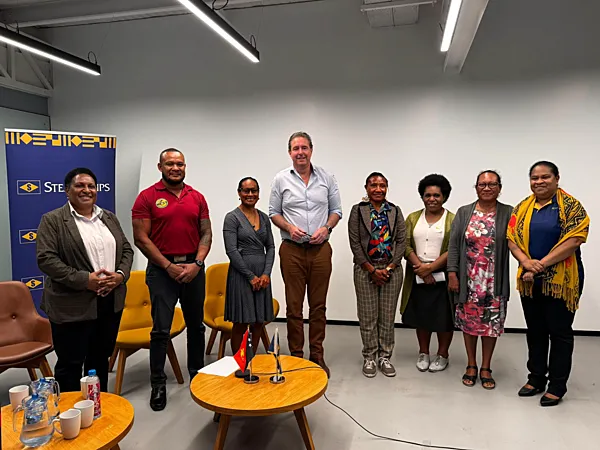
The announcements were made during Steamships’ first internal Lunch with Legends session for 2026. The event, themed The Community Special, brought together community partners working in areas ranging from sport and leadership to youth development, women’s advancement and community health.

Panellists included Dika Toua, founder of the LDT W8lifting Club; Esther Lavu, president of Vewala'va Association Inc.; Nelson Stone, founder of NEST Foundation; Cathy Alex, executive director of Advancing PNG Women Leaders Network; and Shirley Kaupa, programme coordinator at Magna Carta PNG Inc.

Speakers shared perspectives on the challenges and opportunities shaping their work and highlighted the role of partnerships in delivering long-term community impact. The discussion encouraged Steamships employees to continue active participation in community development initiatives throughout the year.

Steamships Trading Company, commonly known as Steamships, is a diversified group operating across logistics, hospitality, property and joint-venture businesses in Papua New Guinea. Established in 1918, the company has played a long-standing role in the country’s economic and social development.

The group says it remains committed to its people, the sustainability of its operations and long-term investment in PNG, positioning community engagement as a core part of its approach to business and national development.

February 05, 2026

The Autonomous Bougainville Government (ABG) is moving forward with the establishment of a Bougainville Bureau of Statistics, a major step toward strengthening evidence-based planning, accountable governance, and institutional readiness.

The initiative follows a productive intergovernmental meeting between ABG officials and Papua New Guinea’s National Statistical Office (NSO), during which agreements were reached to formally transfer statistical powers through a Memorandum of Understanding (MoU).

The MoU, planned to be signed later this month in Buka, will provide the legal and operational framework for Bougainville to assume statistical authority under the Sharp Agreement and the 2001 Bougainville Peace Agreement.

Dr Steven Kolova, Deputy Secretary for Strategic Planning and Policy Coordination in the Department of President and Bougainville Executive Council, led the ABG delegation. Representing the NSO were Mrs Hajily Kele, Deputy National Statistician for the Population & Social Statistics Division (PSSD), and Mr Rennie Moat, Coordination Manager for the Statistical Field Services Division (SFSD).

Dr Kolova said the establishment of a Bougainville Bureau of Statistics will significantly enhance government planning, service delivery, and decision-making through reliable data and insights.

“In every nation, whether developed or developing, data and statistics play a vital role—a nation without data is a nation without direction,” Dr Kolova stated. “As Bougainville advances toward greater autonomy, our ability to collect, analyze, and utilize reliable statistical information becomes fundamental to evidence-based policymaking, effective resource allocation, and monitoring our development progress.”

He added that the Department of President and Bougainville Executive Council is leading a phased approach to building statistical functions that will transition into a standalone Bureau of Statistics, ensuring long-term sustainability while maintaining national data quality standards.

“Quality statistics enable us to understand our population’s needs, measure economic performance, track social indicators, and plan strategically for our future. This is not merely a technical function—it is foundational to accountable, responsive governance that serves the people of Bougainville,” he said.

Officials were advised that legal review of the MoU is progressing well, with alignment to Part XIV of the National Constitution, the Organic Law on Peace-Building in Bougainville, and the Bougainville Constitution.

Under the proposed framework, the ABG will develop its own statistical legislation, supported by comprehensive capacity-building and institutional development assistance from the NSO.

“The National Statistical Office is committed to ensuring that Bougainville has robust, independent statistical capacity,” Mrs Kele said. “This partnership reflects our shared responsibility to ensure data-driven governance serves the people of Bougainville.”

February 05, 2026

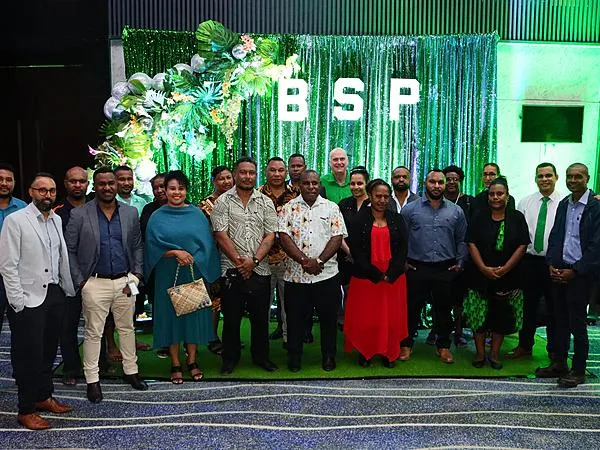
More than 600 small businesses across the South Pacific, including 402 in Papua New Guinea, have benefited from the YES GROW Business Development Training programme, a flagship partnership between BSP Financial Group Limited and Australian Business Volunteers (ABV).

The milestone was marked on Wednesday, 4 February, 2026, with the graduation of the 2025 YES GROW cohort, celebrating 19 Papua New Guinean entrepreneurs who successfully completed the six-month business development programme.

The YES GROW (Your Enterprise Scheme) programme begins with an intensive week of business training, followed by personalised coaching and mentoring designed to strengthen participants’ commercial capability, resilience and long-term business vision.

BSP Group Chief Executive Officer Mark Robinson said the initiative has supported 602 small businesses across the South Pacific.

“This brings alive BSP’s purpose — to champion prosperity in the South Pacific — by developing business skills that directly create employment and change lives. While much attention is placed on large-scale projects in PNG, small and medium-sized businesses are the lifeblood of the economy and deserve equal focus and support. This is one of the key reasons BSP launched its dedicated Business Bank in April last year,” Robinson said.

Since its inception eight years ago, YES GROW has expanded from Papua New Guinea into BSP markets in Fiji, Samoa and Tonga, with confirmed plans to launch in the Solomon Islands and Vanuatu in 2026.

“It’s incredibly inspiring to see the individuals participating in the programme — both tonight’s graduates and alumni from previous cohorts. YES GROW is more than a training initiative; it is a movement. It builds capability, confidence and community among entrepreneurs, empowering them with the tools they need to succeed,” Robinson added.

BSP also acknowledged the contribution of Australian Business Volunteers, along with the coaches and mentors who deliver the programme across the region.

ABV Chief Partnership Officer David Faulmann said the initiative highlights the determination of local entrepreneurs.

“The YES GROW programme demonstrates the power of committed local business owners, with women and men across PNG showing relentless dedication to building stronger, more resilient enterprises. ABV is proud to partner with BSP on a programme that unlocks opportunity, strengthens communities and proves what’s possible when skills, ambition and the right support come together,” Faulmann said.

Looking ahead, BSP reaffirmed its commitment to the partnership, with four YES GROW training cycles planned this year in Lae, Mt Hagen and Buka, alongside the establishment of a Regional YES GROW Alumni Development Programme across PNG and the Pacific.

February 05, 2026

Prime Minister James Marape has directed the Treasury Department and the Internal Revenue Commission (IRC) to conduct a comprehensive review of all mining agreements in Papua New Guinea, following record global increases in gold, silver and copper prices.

Marape said the surge in commodity prices presents an opportunity for the nation to secure fair and equitable returns from the extraction of its natural resources.

“With global gold, silver and copper prices reaching historic highs, mining operations in Papua New Guinea — whether large-scale or alluvial — are now generating extraordinary profits,” he said.

“Most production costs remain relatively fixed, apart from inflation. When commodity prices rise sharply, the country must also benefit through appropriate tax returns and dividends.”

Comprehensive Review of Mining Agreements

Treasury and the IRC have been instructed to:

  • Compile individual files on every operating mine, including state-owned entities such as Ok Tedi Mining Limited, joint-venture operations including Porgera, and medium and small-scale mining licence holders.

  • Conduct accuracy and compliance testing on all production and revenue declarations.

  • Undertake joint reviews of project agreements with mining operators.

  • Ensure transparency in royalty, tax, dividend and equity returns to the state.

“I have asked Treasury and the IRC to conduct accurate testing on all company declarations and to work collaboratively with operators to ensure compliance,” Marape said.

“Many of these companies have operated in Papua New Guinea for decades and are corporate citizens of our country. Goodwill, honesty and fairness are expected — especially when global commodity prices deliver windfall profits.”

Additional Profit Tax Consideration

The government is examining the application of additional profit taxation mechanisms where appropriate.

“We are not increasing taxes. We are simply ensuring that when extraordinary profits are made from our resources, the state receives its fair share,” Marape said.

Strengthened Control of Alluvial Gold

Marape also raised concerns over illegal export of undeclared gold.

“We have received credible reports of individuals attempting to leave the country with undeclared gold concealed in luggage. This is illegal and will attract the highest penalties under the law,” he said.

He emphasised that legitimate alluvial miners will not be penalised.

“Those genuinely operating within the law have nothing to fear. However, undeclared gold must not leave Papua New Guinea.”

Gold Refinery System Under Consideration

To improve accountability, the government is exploring the establishment of a national gold refinery system, which would ensure:

  • All gold, including alluvial production, is properly declared.

  • National production volumes are accurately recorded.

  • Value is added domestically.

  • State revenue is protected.

“A refinery system will allow us to take full stock of our gold production and ensure proper accounting through a regulated national process,” Marape said.

Reset Agenda: Accounting for All National Resources

The mining review forms part of the government’s broader Reset Agenda, aimed at ensuring all national resources are fully accounted for.

“This approach will also extend to fisheries, forestry and agriculture, so every resource harvested in Papua New Guinea is properly recorded and the state receives its rightful return,” Marape said.

Long-Term Commitment to Lower Taxes

Marape reiterated his commitment to reducing taxes once economic growth targets are achieved.

“When our economy surpasses K200 billion, we will look seriously at reducing corporate tax and personal income tax,” he said.

“We have already demonstrated our ability to support businesses during difficult economic periods. If we broaden the tax base and grow the economy together, tax reductions will follow.”

February 05, 2026

The Autonomous Bougainville Government (ABG) has advanced discussions with the National Government on the transfer of financial sector regulatory powers.

ABG Minister for Treasury and Finance Albert Punghau met with National Treasurer Ian Ling-Stuckey and senior officials from the National Department of Treasury to present a framework for the drawdown of regulatory oversight of Non-Banking Financial Institutions (NBFIs), as well as the establishment of a regulatory presence of the Bank of Papua New Guinea (BPNG) in Bougainville.

“This partnership with the National Government represents a practical pathway to strengthening Bougainville’s financial system while maintaining regulatory coherence,” Punghau said.

“Non-banking financial institutions play a critical role in delivering financial services to our communities, supporting small businesses, and formalising the informal sector. By working collaboratively with our national counterparts, we can ensure these institutions operate effectively under proper oversight.”

NBFIs — including savings and loan societies, microfinance institutions, and other financial service providers — are central to Bougainville’s economic development. They enhance financial inclusion by reaching communities and businesses not fully served by traditional banks, while supporting private sector growth and broadening the local revenue base.

The ABG proposal seeks to assume regulatory oversight of NBFIs under Section 290 of the National Constitution, which provides for the transfer of specific powers to the Autonomous Bougainville Government. This process is supported by the Sharp Agreement 2021, which streamlines arrangements for ABG to exercise meaningful control over devolved functions.

To ensure effective and credible oversight, ABG has proposed the establishment of three functional BPNG regulatory units in Bougainville:

  • Banks and Finance Companies

  • Savings and Loan Societies

  • Microfinance

As an interim arrangement, the proposed units would be housed within the ABG Department of Treasury and Finance under the Policy Development and Analysis Directorate. This approach ensures regulatory supervision and consumer protection are in place alongside the transfer of powers.

ABG has further proposed the development of a Memorandum of Understanding (MoU) with the National Department of Treasury by February or March 2026, followed by a technical MoU with BPNG by July 2026. National Treasury officials welcomed the proposal, noting that the framework provides a concrete basis for continued engagement and technical collaboration with ABG.

The initiative aligns with the Toroama–Masatt Government’s commitment to building a strong and sustainable economic foundation for Bougainville ahead of the planned September 2027 independence transition.

Through a phased and cooperative approach, ABG continues to demonstrate its readiness to assume greater responsibility while maintaining a strong partnership with the National Government.

The meeting was attended by Secretary for Treasury Andrew Oaeke; Deputy Secretary for Budget and Financial Management Napa Hurim; Assistant Secretary for Provincial Budgets Amos Ropkil; and Principal Advisor to the Treasurer, Professor Misty Baloiloi.

February 04, 2026

Air Niugini is making its first-ever appearance at the prestigious Singapore Airshow 2026, one of the world’s leading aerospace and defence exhibitions, taking place in Singapore from 3–8 February. Held biennially, the airshow attracts senior government leaders, military delegations, global aerospace executives, and investors, providing a powerful platform for international engagement, partnership building, and the promotion of aviation innovation.

Air Niugini’s participation is in partnership with Airbus, reflecting the airline’s growing presence on the global aviation stage. The Singapore Airshow is recognised worldwide as a premier showcase for aircraft, industry dialogue, and strategic collaborations that help shape the future of aviation.

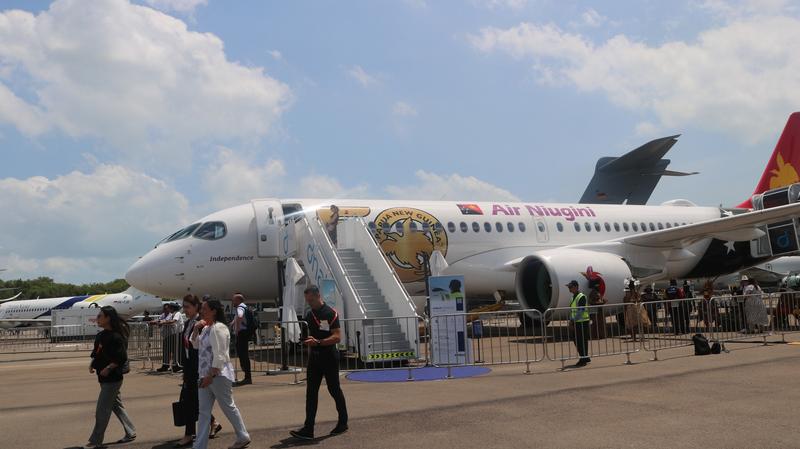
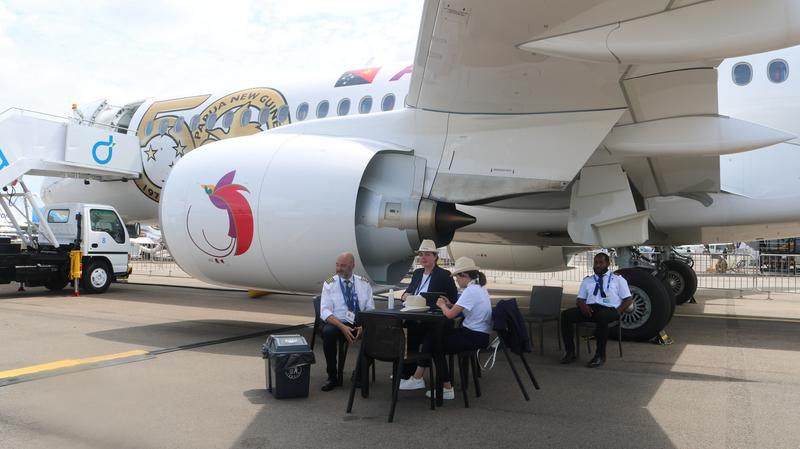
A major highlight of Air Niugini’s presence is its Airbus A220-300 aircraft, P2-PGA, displayed in full Papua New Guinea livery and standing out prominently among aircraft from airlines around the world. As an Airbus product, P2-PGA is being actively promoted by Airbus to prospective airline customers and investors, demonstrating the performance and versatility of the A220 platform while simultaneously elevating Air Niugini’s profile as a next-generation operator. The aircraft is on static display and open to customers, investors, students, and the public, offering a first-hand look at the airline’s product and operational capabilities.

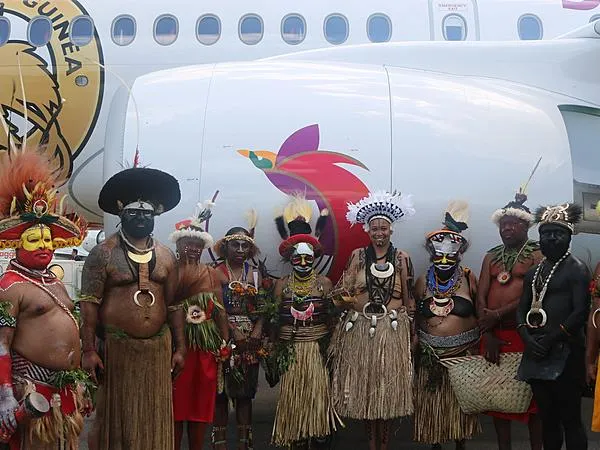
To ensure its presence is both impactful and distinctly Papua New Guinean, Air Niugini engaged ten cultural ambassadors from Morobe, East Sepik, Hela, Central, Enga, Southern Highlands, and East New Britain provinces. Through performances and interaction with visitors, the ambassadors are showcasing Papua New Guinea’s rich cultural heritage, creating a unique and memorable experience that clearly sets Air Niugini apart.

Air Niugini Board Chairman Mr Karl Yalo described the airline’s debut at the Singapore Airshow as a defining milestone.

“This is a proud moment for Air Niugini and for Papua New Guinea. The Singapore Airshow gives us a global platform to showcase our modern Airbus A220 fleet, the confidence we have in our product, and our identity as a nation rich in culture and opportunity,” Mr Yalo said.

Officer in Charge Captain Samiu Taufa added: “Participating in this world-class event allows Air Niugini to engage directly with global aviation leaders, investors, and partners while demonstrating the capabilities of our A220 aircraft. Equally important, it gives us the opportunity to share our culture, which is at the heart of who we are as a national airline and something we proudly carry wherever we fly.”

Air Niugini’s pilots, engineers, and cabin crew are present throughout the airshow, engaging with visitors, answering questions, and providing insights into Airbus A220 operations. Their presence underscores the airline’s strong commitment to training, professionalism, and operational excellence.

Following the Singapore Airshow, P2-PGA will continue to Japan on 9 February for a similar two-day aviation showcase before returning home, continuing Air Niugini’s mission of flying the flag, culture, and pride of Papua New Guinea on the world stage.


February 04, 2026

The Minister for International Trade and Investment, Hon. Richard Maru, on 3 February paid a courtesy visit to fishing companies in Lae, Morobe Province, to outline the Government’s strategic direction for the fisheries industry of Papua New Guinea (PNG).

During the visit, Minister Maru met with management and staff of Frabelle PNG Limited, Majestic Seafood Corporation Limited, and Nambawan Seafoods Limited, stressing the need to expand domestic processing capacity and reduce reliance on imported fish products.

“As a Government, we are very keen to grow the fisheries industry in PNG. About 80 percent of the 550,000 metric tons of fish caught in PNG waters is not being processed in the country and we import approximately UD$36 million worth of processed fish. This is unacceptable. We cannot continue to allow this. We want our own industry to supply the market," he said.

Maru said that the Government has made a decision to start PMIZ under the name Madang Integrated Special Economic Zone (MISEZ), specifically for the fisheries sector.

"This is the strategic direction of the Government,” said Minister Maru.

"We want to build ten new canneries and processing plants in this SEZ, apart from the first one that we will launch next month. The intention is to have the processing capacity in county to process all catch for every licensed boat that operates within our waters. We want the industry to focus on supplying the domestic market first before exporting," he added.

In the lead-up to the launch next month of a Joint Venture (JV) cannery between the State and RD Corporation in Madang, the Minister invited the Lae-based companies to consider expanding their operations to the proposed MISEZ.

“RD is the first company we are partnering with to build the first cannery in the MISEZ. This cannery is separate from RD’s current operations. The vision of the Government is to provide land to other investors across the Pacific to build their canneries in this proposed SEZ," he said.

"However, before we talk to other investors, it is only right that we should do justice to the existing investors in the industry by meeting with them and informing them of this opportunity. We have to recognize the companies who took the risk and invested without incentives. We want to give them first priority as we plan to have only ten canneries in the MISEZ,” he said.

Minister Maru also expressed appreciation to the companies for their long-standing commitment to the country and their contribution to employment and revenue.

“You are very important players in the industry. We appreciate you and thank you very much for the confidence you’ve shown to invest in this country, for paying taxes, and creating jobs for our people. You all have operated over a decade or two in PNG and understand our industry and the challenges of doing business in PNG. You have grown roots and you should consider expanding your operations as part of your vision for the future. We understand that you are constrained by land to expand your operations in Lae so we are giving you the chance to expand instead to Madang so you can benefit from the SEZ incentives.”

The Minister acknowledged that significant challenges remained and said the Government was committed to addressing them to attract investment into the MISEZ.

“We will work with the private sector to provide independent power supply, water supply, sewerage system, a port and other enabling infrastructure to attract the investors,” said Minister Maru.

February 04, 2026

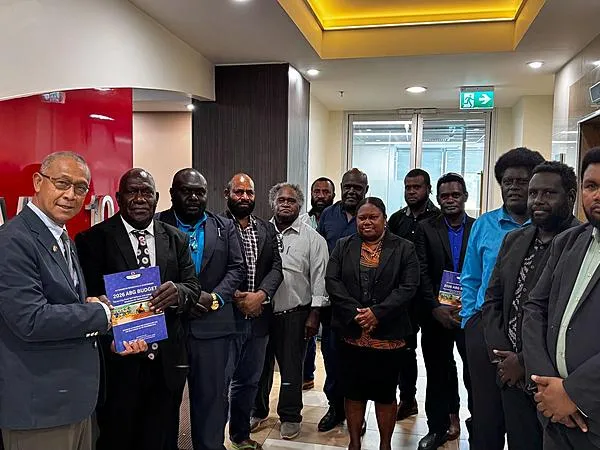
The Autonomous Bougainville Government (ABG) on 4 February presented its 2026 Budget Framework to the national minister for treasury, Ian Ling-Stuckey, in Port Moresby.

The budget totals K844.09 million and emphasises fiscal discipline and Bougainville’s readiness for independence.

ABG Minister for Treasury and Finance Albert Punghau presented the framework, outlining three priorities: protecting frontline services, supporting independence readiness and strengthening Bougainville’s own revenue base.

The Bougainville House of Representatives unanimously passed the budget in December 2025 under the theme “Advancing Fiscal Self-Reliance and Independence Readiness for Nationhood.”

The total appropriation includes K240.98 million, or 28.55 per cent, for recurrent expenditure to support essential services, and K603.11 million, or 71.45 per cent, for development projects, including infrastructure and economic investment.

Funding sources comprise national government grants of K520.36 million, ABG internal revenue of K46.75 million and reappropriated funds totalling K276.98 million.

“This balanced appropriation reflects our commitment to disciplined financial management and transparent resource utilisation,” Punghau said.

A key feature of the 2026 budget is the Constituency Independence-Readiness Programme, which allocates K1 million per constituency to support local economic activities and community-driven projects. The programme operates under Bougainville Executive Council-endorsed guidelines, with verified outputs and transparent controls.

The K150 million Restoration and Development Grant prioritises infrastructure rehabilitation, with 32 per cent directed to projects that improve access, connectivity and service delivery.

More than 54 per cent of recurrent grants are allocated to health and education, reinforcing the ABG’s focus on human capital development.

Punghau reaffirmed the ABG’s commitment to accountability, confirming that outstanding audits from 2017 to 2023 will be addressed and that reporting standards will be maintained.

“The ABG will measure 2026 performance through tangible outputs, including completed and commissioned projects, improved service delivery, restored infrastructure functionality and visible progress toward economic productivity and institutional readiness,” he said.

The ABG continues its practice of early budget submission and remains among the first regional governments to present its budget to the National Treasury each year.

Punghau requested formal endorsement of the framework to allow the early release of first-quarter grants, ensuring continuity of services and smooth implementation in 2026.

February 02, 2026

The Bank of Papua New Guinea (BPNG) has officially launched a new K100 banknote into circulation, honouring the legacy of one of the nation’s most influential leaders, the Late Sir Julius Chan, marking one year since his passing.

Speaking at the national launch 27 on January at the Stanley Hotel in Port Moresby, BPNG Governor Elizabeth Genia said the new K100 note represents both a tribute to Sir Julius’s enduring contribution to Papua New Guinea and a reaffirmation of the country’s economic sovereignty and identity.

The launch follows a request made by Prime Minister James Marape last year for the central bank to design a new K100 banknote to honour Sir Julius Chan’s legacy. The note is now formally issued as legal tender and began circulation on January 28 through commercial banking partners across the country.

“This is an important national moment,” Governor Genia said, describing the K100 as a banknote that “moves through every part of our economy,” carrying trust, value and a story about who Papua New Guineans are as a people.

New K100 Note Design

Produced in partnership with long-standing printing partner Note Printing Australia (NPA), the new K100 banknote features a portrait of Sir Julius Chan alongside carefully selected cultural and historical symbols reflecting his leadership and Papua New Guinea’s heritage as a trading nation.

The front of the K100 banknote retains the iconic image of Parliament House, representing the nation’s sovereignty and identity. The National Crest of Papua New Guinea – a bird of paradise sitting on a Kundu drum and spear – also remains.

The new design is legal tender from today and represents a permanent transition to a new standard design for the K100 note.

Governor Genia acknowledged NPA Chief Executive Officer Malcolm McDowell and his team for understanding the national significance of the project and delivering a banknote that reflects the values that defined Sir Julius’s public life — care, discipline and respect.

The design incorporates the Toea armband from the Trobriand Islands, symbolising long-standing traditions of commerce and exchange that predate modern currency. Imagery of the New Ireland shark caller and a traditional canoe represent courage, skill and leadership, while the lakatoi sailing in the distance reflects historic trade routes and Papua New Guinea’s outward-looking future.

“These are not simply decorative elements,” Governor Genia said. “They carry meaning — meaning rooted in our history, culture and identity.”

Sir Julius Chan’s Foundational Role in BPNG

Governor Genia highlighted Sir Julius Chan’s pivotal role in establishing the Bank of Papua New Guinea itself. In 1973, as the country’s first Minister for Internal Finance, Sir Julius personally led negotiations to ensure Papua New Guinea would have not just a bank, but an independent central bank — professional, credible and uniquely Papua New Guinean.

She said Sir Julius understood that true independence included the ability to define national value, a principle reflected in his decision to name the country’s currency the Kina and the Toea, anchoring money in local culture, language and place.

“For the Bank of Papua New Guinea, Sir Julius Chan is not only a national leader,” Governor Genia said. “He is foundational to our institution.”

Governor Genia emphasised that a currency’s strength lies in the trust placed in it and its reach across the country. She said BPNG’s responsibility is to protect that trust through financial stability, sound policy and implementation of the National Financial Inclusion Strategy.

Through these efforts, the Bank works to ensure the value represented by the K100 note is accessible to all Papua New Guineans, including women, young people and communities in the most remote parts of the country.

The Governor also noted that the new banknote includes inclusive technology, with embedded features designed to assist people with vision impairment to use the currency independently and with dignity.

Circulation and Legal Tender Status

From January 28, the new K100 note was released into circulation through commercial banks, and all newly issued K100 notes will carry the updated design. Existing K100 banknotes will continue to circulate alongside the new version.

“As is standard practice, both designs remain legal tender,” Governor Genia said. “Both are worth exactly one hundred Kina. There is no loss of value — only an addition to our national story.”

She invited Papua New Guineans to reflect on the legacy of Sir Julius Chan when holding the new note — a leader of discipline, trade and vision, who believed Papua New Guinea could stand confidently among nations.

February 02, 2026

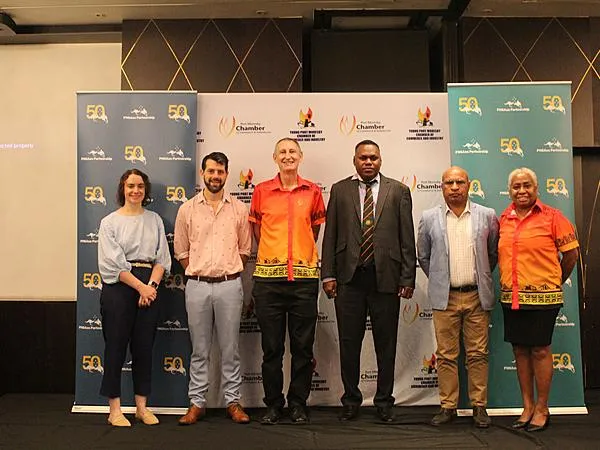
The Port Moresby Chamber of Commerce and Industry (POMCCI) has highlighted the critical role of industry-led reform in strengthening technical and vocational education and training (TVET) outcomes, as businesses across Papua New Guinea continue to grapple with skills shortages and rising workforce costs.

POMCCI and its members convened on 28 January for a Business Breakfast presentation on Higher Education and TVET reform, bringing together policymakers, development partners and the private sector to discuss how stronger collaboration can better align skills training with current and future workforce demand.

The presentation centred on a shared challenge facing employers across all sectors: the growing gap between training outcomes and job-ready skills. Speakers stressed that addressing this challenge cannot rest solely with government, but requires active and sustained engagement from industry to ensure training systems respond to real business needs.

Presentations at the breakfast highlighted several structural challenges within the TVET sector, including fragmented coordination, outdated curricula and limited alignment with real-world industry requirements. These issues have contributed to persistent skills shortages, increased reliance on imported labour, and higher recruitment and training costs for employers.

Current reform efforts aim to reposition technical and vocational education as a demand-driven system, where training programs are designed around the practical needs of employers and priority growth sectors such as construction, agriculture, hospitality and services.

For the private sector, the message was clear: stronger industry involvement in TVET leads to better-skilled graduates, improved productivity, and reduced recruitment and training costs, while also supporting long-term business sustainability.

A More Coordinated and Industry-Led Approach

Speakers outlined how ongoing reforms are strengthening national oversight, improving training quality and creating clearer pathways from training into employment. Central to this approach is a stronger role for industry in shaping skills priorities, contributing to curriculum development and supporting workplace-based learning opportunities.

Private sector engagement was highlighted as critical in identifying current and future skills needs, supporting work placements and apprenticeships, providing feedback on training relevance and graduate readiness, and partnering with institutions to strengthen overall training quality and outcomes.

This coordinated approach aims to ensure graduates enter the workforce with practical, consistent and job-ready skills, rather than qualifications alone — a shift seen as essential to improving productivity and competitiveness across PNG’s economy.

Opportunities for Business Collaboration

The session also outlined practical ways businesses can engage directly with the TVET system. These include participation in industry skills groups, partnerships with training institutions, and supporting structured pathways into employment for young people.

By working more closely with training providers and policy agencies, employers can play a direct role in shaping a workforce that meets operational needs, while also contributing to broader national development goals and long-term economic growth.

POMCCI extended its sincere appreciation to the speakers who contributed to the discussion.

Lonnie Baki, acting Secretary of the Department of Higher Education, Research, Science and Technology (DHERST), outlined the national reform agenda and emphasised the importance of aligning education systems with workforce demand.

Dr George Bopi-Kerepa, Project Manager for the Improved TVET for Employment (iTVET4E) Project, highlighted how industry partnerships can strengthen training relevance, access and employment outcomes.

Closing remarks were delivered by Jonathan Glenn, Inception Team Leader for the PNG–Australia Strongim Wok Long TVET (SWLT) Program, reinforcing the importance of collaboration between government, industry and development partners.

Through forums such as its Business Breakfasts, POMCCI continues to provide a platform for the private sector to engage meaningfully with policymakers and development partners on issues that directly affect business performance and economic growth.

POMCCI reaffirmed its commitment to fostering a vibrant, competitive and skills-ready business environment that supports sustainable growth for Papua New Guinea.

January 30, 2026

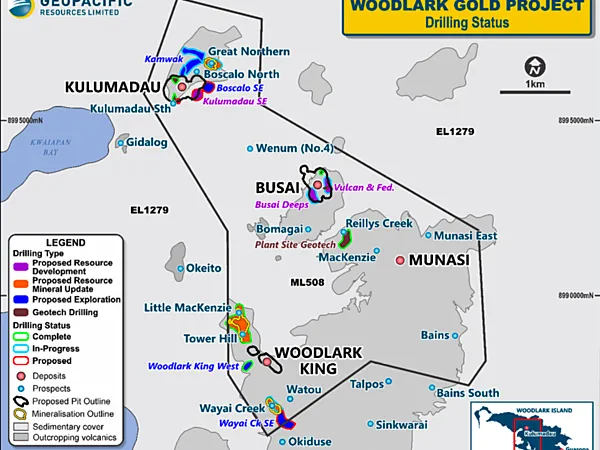
Geopacific Resources Limited has reported a series of high-grade, near-surface gold intercepts from infill drilling at the Wayai Creek deposit, further strengthening confidence in the Mineral Resource at its 1.67-million-ounce Woodlark Gold Project in Papua New Guinea.

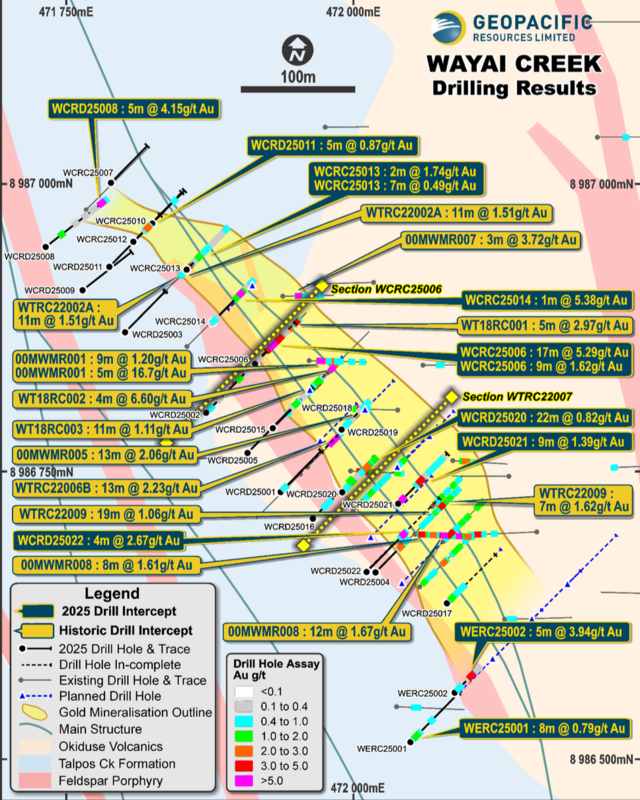
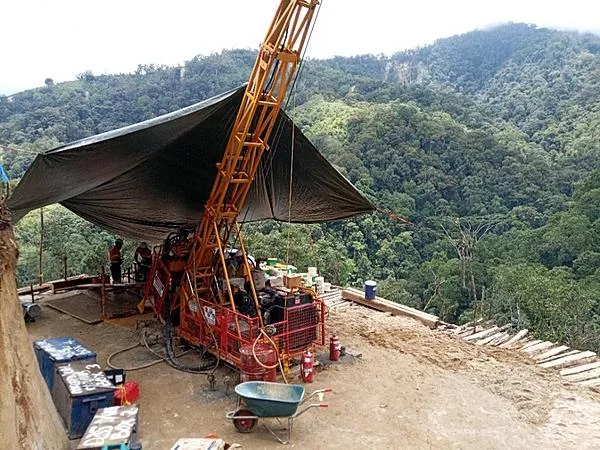
The latest results, drawn from 24 reverse circulation (RC) drill holes, confirm the continuity of shallow, high-grade mineralisation within the main Wayai Creek lode, an area located south of the Woodlark King mining centre and close to planned infrastructure.

Standout intercepts include 17 metres at 5.29 grams per tonne (g/t) of gold from 36 metres and 9 metres at 1.62 g/t from 56 metres in drill hole WCRC25006. Additional significant results were recorded in WDRC25008, which returned 5 metres at 4.15 g/t from 122 metres, and WERC25002, with 5 metres at 3.94 g/t from 30 metres.

According to the company, the results further define a coherent zone of shallow, high-grade mineralisation and support improved confidence in the existing resource model. Most of the gold intercepts occur at depths of less than 100 metres below surface, enhancing the potential for near-term resource conversion.

Geopacific chief executive officer James Fox said the drilling continued to demonstrate the scale of opportunity at Woodlark.

“These results continue to improve our geological understanding of the prospective areas, and deliver high-grade intercepts that support the significant exploration and growth potential that remains at Woodlark," Fox said.

"We have a clear pipeline of near-mine and regional exploration work to progress, with much of the drilling focused close to existing resources and planned infrastructure. This includes testing for potential extensions to known mineralisation under shallow cover, where there has been little recent exploration focus. Importantly, this work is being progressed in parallel with finalisation of the Woodlark DFS," he added.

At Wayai Creek, drilling has outlined a northwest-trending corridor of mineralisation extending over about 550 metres of strike. The mineralisation comprises a series of sub-vertical shoots that remain open along strike and at depth. Resource infill and extension drilling is ongoing, with 10 RC holes and five diamond tails, totalling around 1,200 metres, scheduled for completion over the next four to five weeks. The data will be incorporated into a future Mineral Resource update.

The new results also align with historic high-grade intercepts from the same zone, including 5 metres at 16.69 g/t, 4 metres at 6.60 g/t and 8 metres at 2.63 g/t, reinforcing the consistency of mineralisation at Wayai Creek.

Elsewhere on the project, diamond drilling at the Little MacKenzie prospect has been completed. Assays have been received for four RC pre-collars, with results from a further 24 holes expected within the next six to eight weeks. The program tested a revised geological model designed to better understand the orientation and distribution of mineralised zones across the prospect.

Drilling has also commenced at Busai Deeps, below the Busai gold deposit, the second largest at Woodlark. The five-hole diamond program is targeting down-dip extensions of the high-grade western lode immediately beneath the current pit design, with the aim of supporting future resource growth and mine plan optimisation.

Geopacific said drilling at Wayai Creek and Busai is expected to continue for a further four to six weeks before rigs move back to the Kulumadau mining area to advance exploration at the Great Northern deposit and test regional targets including Kamwak, Ivanhoe East and Kulumadau South.

The ongoing drilling campaign forms part of a broader strategy to extend mine life and unlock additional value at Woodlark while the company progresses towards completion of the project’s definitive feasibility study.

January 30, 2026

Pacific Lime and Cement Limited has reported progress on its December 2025 Quarterly Activities and Cash Flow, confirming that its Central Lime Project (CLP) in Central Province remains on schedule and within budget. The company continues to target first production within its planned 18-month development window, aiming for early 2027.

Quarterly Activities and Cash Flow Overview

During the quarter, construction momentum accelerated across civil works, access infrastructure, wharf works, camp and support facilities, and early kiln foundation preparation. Physical progress remains marginally ahead of baseline, with forecast costs tracking in line with the approved budget. The company reported no lost-time injuries during the quarter.

Key highlights for the December 2025 quarter include:

  • CLP Construction on Schedule: Bulk earthworks, drainage, platform formation, and kiln foundation preparation advanced well. Geotechnical investigations were completed, and foundation drawings were issued to allow procurement of reinforcing steel and formwork.

  • Access Road and Bridges: Construction progressed materially on the 27.6-kilometre road linking the project to Port Moresby. Reinforced concrete culverts were installed, two modular steel bridges were procured for river crossings, and bridge abutment installation is scheduled for early 2026.

  • Wharf Development: Stage 3 of the dedicated wharf progressed into procurement as the design reached substantial completion. The port remains operational and able to accept vessels during construction.

  • Heavy Equipment Mobilisation: 30-tonne and 150-tonne cranes arrived on site, supporting piling, batch plant, and foundation works. A concrete batch plant was delivered and assembly commenced, alongside fuel storage, power generation units, and a mobile fleet workshop.

  • Camp and Support Infrastructure: Stage 2 modular accommodation mobilisation continued, and office, kitchen, and laundry facilities advanced. Camp foundations were completed ahead of installation.

Commercial and Strategic Progress

The company delivered quicklime to Western Australian gold producers via its newly established logistics hub, demonstrating early operational capability. Pacific Lime also formalised its Project Development Agreement (PDA) with the Government of Papua New Guinea at PNG Investment Week and entered a strategic partnership with the International Finance Corporation (IFC) to advise on technical, commercial, and ESG aspects of the Central Cement Project.

A strategic partnership with PowerChina (SinoHydro) was signed to accelerate development of the Orokolo Bay Industrial Sands Project (magnetite). The company also advanced renewable energy initiatives, including feasibility studies for a solar photovoltaic and battery storage system in PNG, supporting its broader low-carbon strategy for the construction, mining, and resources sectors.

Pacific Lime commenced trading on the PNG Stock Exchange in December 2025 under the ticker “PLC,” expanding access to local investors.

Cash Flow and Financial Position

While the company did not disclose exact cash flow figures in the quarterly report, PLC confirmed that project expenditure remained within the approved budget and that forecast costs for the CLP are aligned with financial planning. Disciplined risk and opportunity management, local workforce deployment, and improved logistics coordination have underpinned construction efficiency and financial control.

Outlook

Early-2026 priorities include completion of Kiln 1 foundations and upper concrete structures, continued road and bridge construction, and assembly of batch plants and heavy lifts. The Central Lime Project continues to integrate a quicklime plant, international wharf, quarry, and supporting infrastructure. Pacific Lime remains committed to community engagement and internationally recognised Environmental, Social, and Governance (ESG) standards.

The company aims to deliver high-quality, lower-cost, and sustainable building materials for Papua New Guinea and the wider Asia-Pacific region while maintaining a disciplined, on-budget development schedule.

January 30, 2026

Great Pacific Gold Corp. has reported further high-grade drilling results from its flagship Wild Dog Project on New Britain Island, East New Britain Province, Papua New Guinea. The company also outlined an extensive district-scale 2026 exploration programme designed to expand and define gold mineralisation across the 15-kilometre Wild Dog Structural Corridor.

Diamond drilling at the Sinivit target commenced in May 2025 with a single drill rig. Sixteen holes were completed over 3,000 metres, defining two high-grade shoots: the Southern Oxide Shoot and the Northern Sulphide Shoot. Previous results from holes WDG-01 to WDG-14 included 8.4 metres at 50.1 grams per tonne (g/t) gold equivalent (AuEq) and 9.5 metres at 13.75 g/t AuEq, confirming the potential for high-grade epithermal mineralisation at depth.

The latest results from hole WDG-15 in the Northern Sulphide Shoot returned 13.48 metres at 8.08 g/t AuEq from 210.22 metres, including a 4.50-metre interval at 14.62 g/t AuEq. This intercept lies approximately 50 metres below the deepest previously drilled hole, confirming the continuity of the system at depth. Drilling of hole WDG-17 is underway, extending the Northern Sulphide Shoot by a further 50 to 60 metres below WDG-15.

The company has completed expansion of the Wild Dog camp and supporting infrastructure to accommodate increased drilling activity. A second diamond drill rig is scheduled to arrive in early February, allowing simultaneous testing of multiple targets along the 15-kilometre corridor, including Kasie Ridge, Kavasuki, and Mengmut.

Kasie Ridge, located at the northern end of the corridor, is a high-priority target defined by a 400–500-metre wide advanced argillic lithocap. Integration of MobileMT geophysics and high-resolution LiDAR has identified a large-scale high-sulphidation epithermal target beneath the lithocap, suggesting potential for a new district-scale discovery.

Kavasuki, approximately one kilometre north of Sinivit, is a known epithermal vein system with historical drilling and trenching demonstrating high-grade gold mineralisation over a 900-metre strike. Previous shallow drilling returned intercepts of 15.6 metres at 2.5 g/t Au and 17.2 metres at 5.8 g/t Au, with trenching extending mineralisation over 3.5 kilometres. The system remains open at depth and along strike.

Mengmut, 1.5–2.0 kilometres south of Sinivit, exhibits high-grade surface geochemistry and potential for a Sinivit-style discovery. Historic mapping and trenching identified gold grades up to 19.1 g/t Au with associated copper, highlighting continuity beyond surface samples and confirming its priority for follow-up drilling.

The 2026 programme will continue to focus on expansion of the Southern Oxide and Northern Sulphide shoots at Sinivit, while systematically testing district-scale targets along the corridor. Rig 1 will advance drilling at Sinivit and nearby high-priority targets, while Rig 2 will undertake first-pass reconnaissance at Kasie Ridge, Kavasuki, and Mengmut. The exploration strategy is designed to rank and test high-priority targets sequentially, while advancing earlier-stage targets through parallel evaluation.

Since the start of the programme in May 2025, Great Pacific Gold has completed 16 drill holes at Sinivit, with hole 17 in progress. The results support continued high-grade gold potential at depth and along strike and reinforce the project’s district-scale exploration potential.

For further details, visit gpacgold.com.

January 30, 2026

Prime Minister James Marape has confirmed that Papua New Guinea’s flagship resource projects, Papua LNG and Wafi-Golpu, remain top priorities for international investors following high-level engagements at the World Economic Forum in Davos, Switzerland.

Speaking to the media after returning to Port Moresby, Marape said discussions with key project partners reaffirmed strong commitment to advancing both developments in 2026.

“I made it absolutely clear – Papua LNG and Wafi-Golpu must move forward. There will be no warehousing of licences,” he said.

Marape confirmed meetings with senior executives from TotalEnergies and joint venture partners involved in Papua LNG, who assured the government that the project remains their leading priority.

“Papua LNG remains 100 per cent a focus project. Our task now is to cross the remaining dots while preserving the project’s value and return for both investors and the people of Papua New Guinea,” he said.

He said a state negotiating team is currently engaged in technical discussions overseas, with further engagement planned with international partners once alignment is reached.

The prime minister said the government expects a definitive announcement on Papua LNG later this year, ideally before Papua New Guinea’s Independence Day on 16 September.

“This is a project worth between US$13 billion and US$14 billion. It will be transformational for our economy,” he said.

On the Wafi-Golpu copper-gold project, Marape confirmed meetings with Harmony Gold executives, who provided assurances that the project also remains a priority.

A cabinet-appointed state peer review team has been established to address outstanding technical matters, after which the government will take a final position.

“I want the country to know: once we issue approvals, these projects must move straight to development. That commitment has been agreed,” Marape said.

He said both projects are central to unlocking billions of kina in economic activity, employment and downstream opportunities.

“These projects are not just about mining and gas – they are about building our economy towards a K200 billion future,” he said.

January 30, 2026

Prime Minister James Marape says Papua New Guinea is preparing to introduce artificial intelligence into government systems as part of a push to improve efficiency, transparency and fairness across public administration.

Speaking after returning from the World Economic Forum in Davos, Switzerland, Marape said discussions with global technology firms highlighted the potential for AI to reduce human bias and inefficiencies in government decision-making.

“We want non-emotional systems that select the best outcomes for the country,” he said.

Marape said AI could be applied to key areas including land administration, company registration, and licensing processes in mining, forestry and fisheries, as well as public service recruitment and government procurement.

“Our intention is to cut out nepotism, delays and corruption by using technology that applies merit-based principles,” he said.

The prime minister confirmed that several technology solutions encountered in Davos would be assessed through an open tender process, alongside proposals already being explored with international partners.

He said the adoption of AI would support national development goals and improve service delivery, while stressing that the technology was not intended to replace public servants.

“This is not about replacing people. It is about improving systems so public servants can focus on delivery,” Marape said.

He also pointed to growing global interest in digital infrastructure, data centres and clean energy as an opportunity for Papua New Guinea, noting that some international companies are exploring clean-energy-powered data centres.

“This is a new growth space for Papua New Guinea,” he said, adding that the integration of technology and renewable energy could form part of the country’s broader economic and development strategy.

January 30, 2026

Minister for International Trade and Investment Richard Maru says the proposed acquisition of State equity in Ramu Agri Industries (RAI) will be the most significant agriculture deal in Papua New Guinea’s 51-year history.

“This is transformational — this investment will go beyond this generation,” Maru said.

The minister made the remarks during a dinner meeting on 28 January with the board and management of New Britain Palm Oil Ltd. and the group managing director of its parent company, SD Guthrie, in Port Moresby. The meeting followed discussions held during Maru’s recent visit to Kuala Lumpur, Malaysia, where key aspects of the proposed partnership were discussed.

Maru said the Marape-Rosso government is serious about its proposed partnership with SD Guthrie to drive agricultural development in PNG.

“The State’s interest to buy into RAI is for us to use the company as a vehicle to expand to other parts of the country,” he said. “We (the Government) admit that we are not good at running businesses. We have learnt from the past.”

Maru cited the example of PNG Banking Corporation, saying, “The PNGBC was a loss-making bank corporation when the Government ran it. When the bank was partially privatized (with the Government still remaining a shareholder), the services improved, it is recording profits in millions and getting dividends we never saw before, and it is now the leading bank in the entire South Pacific.”

“With this experience, we want to let the private sector, in this case SD Guthrie, to run the business,” he said. “The Government is only looking at a small stake in RAI to show our commitment so we can help the company mitigate the risks and expand the business.”

Maru said the government wants the business to grow beyond RAI and New Britain Palm Oil and expand into the Sepik Plains, Central Province and the Western Highlands, where there is significant undeveloped land.

The minister confirmed the State will use Kumul Agriculture Ltd., a wholly owned subsidiary of Kumul Consolidated Holdings Ltd., as its investment vehicle and is prepared to commit K100 million as equity in the proposed joint venture.

He said it was agreed that a non-disclosure agreement would be signed next month to allow for independent valuations, ahead of reaching a project development agreement by the end of April for the purchase of shares in RAI by the State and other PNG shareholders.

“In the Agreement, the Government will commit to providing essential enabling infrastructure and an environment that is conducive for business — this includes services like power, sealed roads and bridges, strong police and security provision, and providing State land and mobilising customary land for large scale agriculture development,” Maru said.

He said the agreement would also capture that all expansion projects under the partnership would operate as separate business entities so they could be developed in special economic zones, benefiting from incentives including tax holidays and duty-free treatment for construction materials and equipment.

SD Guthrie Group Managing Director Mohd Haris Mohd Arshad said the company was keen to partner with the State through Kumul Consolidated Holdings Ltd., Kumul Agriculture Ltd. and the Livestock Development Corporation to develop the 20,000-hectare Urimo cattle project.

“PNG should be growing and exporting cattle. K240 million annual beef imports (mainly from Australia) is crazy,” Arshad said. “The quality of beef produced in PNG is amazing.”

He said SD Guthrie could work with the government to develop the cattle industry, drawing on its experience operating Numundo Beef in West New Britain and Ramu Beef in Madang.

“SD Guthrie has been in business for over 200 years and what we need now is growth,” Arshad said. “We don’t see growth in Malaysia and there is no potential growth for us in Indonesia. We see a pathway to grow in PNG in partnership with the Government, starting with the State’s acquisition of shares in RAI and we can build from there.”

Arshad said that if the government was serious about partnering with RAI to develop the Sepik Plains, it should immediately construct an international wharf in Wewak and upgrade and seal the roads from Kusaun to Urimo to enable work to begin on the cattle project.

Also present at the meeting were the secretary for the Department of International Trade and Investment, the managing director of Kumul Consolidated Holdings Ltd., the chairman and acting CEO of the Special Economic Zone Authority, the managing director of the Livestock Development Corporation, and the acting CEO of the Securities Commission of Papua New Guinea. They pledged their support for the proposed development as part of the Marape-Rosso government’s reset agenda.

January 30, 2026

The Ministry of International Trade and Investment (MITI) and the Livestock Development Corporation (LDC) have formalised a partnership to accelerate the development of Papua New Guinea’s cattle industry, with a focus on reducing the country’s reliance on imported beef.

LDC Managing Director Terry Koim met with Minister for International Trade and Investment Richard Maru on Tuesday, where the two sides agreed to work closely to develop key LDC landholdings into large-scale cattle production zones.

Maru said his ministry and department would support LDC to transform its land at Urimo in East Sepik, Baiyer in Western Highlands and Launa Kalana in Central Province into major economic zones for cattle production.

“My ministry and department will work very closely with LDC to develop their land at Urimo in East Sepik, Baiyer in Western Highlands and Launa Kalana in Central Province into large-scale economic zones to raise cattle,” Maru said.

He said the initiative is part of the government’s broader push to grow domestic cattle production and replace all beef imports.

“The highest priority will be given to the redevelopment of Urimo Cattle Station in East Sepik where LDC has 20,000 hectares of land,” Maru said. “LDC also has 68 hectares of land in Wariman, Wewak, where the abattoir will be located.”

Maru said PNG has significant potential to produce enough cattle to meet domestic demand, noting that rising imports are driving up prices for local consumers.

“There is huge potential to produce cattle in the country to replace all beef imports,” he said. “We are seeing a 100 percent increase in the price of ox and palm due to the importation of Australian beef because we don’t produce enough.”

He said MITI is prepared to provide strong support to LDC through a structured arrangement that aligns with the corporation’s mandate and governance.

“We are ready to support LDC in a very big way in a scheme of arrangement that is acceptable to LDC and its board,” Maru said.

The partnership is expected to strengthen the domestic livestock sector, improve food security and create new economic opportunities in rural areas, particularly in provinces identified for large-scale cattle development.

January 29, 2026

The President of the Autonomous Bougainville Government (ABG), Ishmael Toroama, has confirmed that the ABG has rejected the proposed partnership between Bougainville Copper Limited (BCL) and CMOC Group Limited in relation to the Panguna project.

The decision follows careful consideration and reflects the ABG’s position as the majority shareholder, holding a combined 72.9 per cent interest in BCL following recent share transfers from the PNG Government.

Under the strategic partnering process initiated by BCL as part of efforts to advance the long‑stalled redevelopment of the Panguna copper and gold mine, CMOC — a major Chinese mining group — had been engaged as a potential partner. BCL had been exploring the possibility of bringing in a significant international partner to support investment, technical expertise and operational capacity for Panguna’s next phase.

Toroama said the ABG does not authorise any proposal involving equity participation or the dilution of its shareholding in BCL arising from the partnering process.

As a result, BCL has been directed to discontinue further progression of the CMOC proposal and the associated partnering process. Instead, BCL has been instructed to engage with India‑based Lloyds Metals & Energy Limited as the ABG’s preferred partner under a contract mining or services partnership model that would not affect BCL’s EL01 licence standing or the ABG’s shareholding in BCL.

The EL01 licence, a five‑year exploration licence granted in 2024, provides the legal basis for BCL to advance pre‑feasibility and feasibility activities at Panguna, one of the world’s largest known copper deposits and a cornerstone of Bougainville’s economic development plans.

The direction reflects the ABG’s policy position that Bougainville must retain ownership and control of its resources while engaging experienced operators through clearly defined contractual arrangements.

The ABG said it remains committed to progressing the Panguna project in a lawful, transparent and orderly manner that serves the long‑term interests of the people of Bougainville.

January 29, 2026

New Porgera Limited (NPL) delivered significant economic and community benefits to Papua New Guinea in 2025, while meeting its annual gold production target despite a challenging operating environment.

During the year, the Porgera operation made a major fiscal contribution to the national economy. With Barrick Niugini Limited (BNL) — a joint venture between Barrick Mining Corp. and Zijin Gold International — as operator, a combined K985.77 million was paid in taxes to the Internal Revenue Commission, with NPL contributing K960.71 million of that total.

Based on this performance, the NPL board declared dividends of US$400 million (approximately K1.7 billion), with 51% allocated to Papua New Guinea interests.

Mineral Resources Enga Limited received K83,875,218 in respect of its 5% equity, while MRDC (Escrow) Limited received K167,831,525 for the 10% equity currently held in escrow pending completion of the Community Development Agreement (CDA).

As of 31 December 2025, accrued royalties totalled K157 million. Final distribution will be determined once the CDA process is concluded. As part of the CDA discussions, NPL proposed — and the State agreed — that royalties be paid directly into individual household bank accounts, to ensure benefits reach landowners directly and to reduce leakage through intermediaries.

In addition, NPL paid K13.1 million in compensation to affected landholders during 2025.

Against this backdrop, NPL met its 2025 production target, pouring 376,057 ounces of gold, slightly exceeding the budgeted 375,953 ounces. This result was achieved despite significant challenges, including law-and-order disruptions, damage to transmission infrastructure, and community and election-related impacts.

NPL General Manager James McTiernan said the outcome reflected the strength and commitment of the workforce.

“Delivering this result under such difficult conditions is a credit to our people,” Mr McTiernan said. “Their resilience and discipline kept the operation moving during a very challenging year.”

NPL board chairman James Wang, of Zijin Gold, also praised the workforce.

“The NPL workforce delivered under extremely difficult circumstances. They are the real superstars of New Porgera,” Mr Wang said.

During 2025, NPL submitted its inaugural National Content Plan to the National Government. The plan focuses on three priorities: Papua New Guinean employment and skills development, community development, and increased participation of PNG-owned businesses in the mining supply chain.

NPL has also submitted its three-year Training and Employment Plan to the National Training Council in December 2025 and established a Youth Development Committee to strengthen youth participation in community development in Porgera. Further information on supplier development initiatives will be published on the NPL website, which is due to be launched shortly.

While the 2025 results demonstrate strong operational resilience, NPL noted that ongoing law-and-order issues continue to impact operations and limit the mine’s full potential. In 2025, the company recorded 183.15 hours of production stoppages due to law-and-order incidents, with an estimated financial impact of US$17 million.

NPL said it remains committed to working with government, communities and stakeholders to improve conditions on the ground and to continue delivering sustainable, long-term benefits for Papua New Guinea.