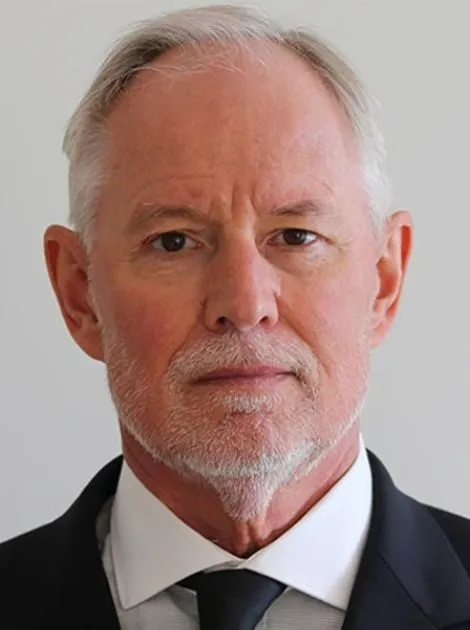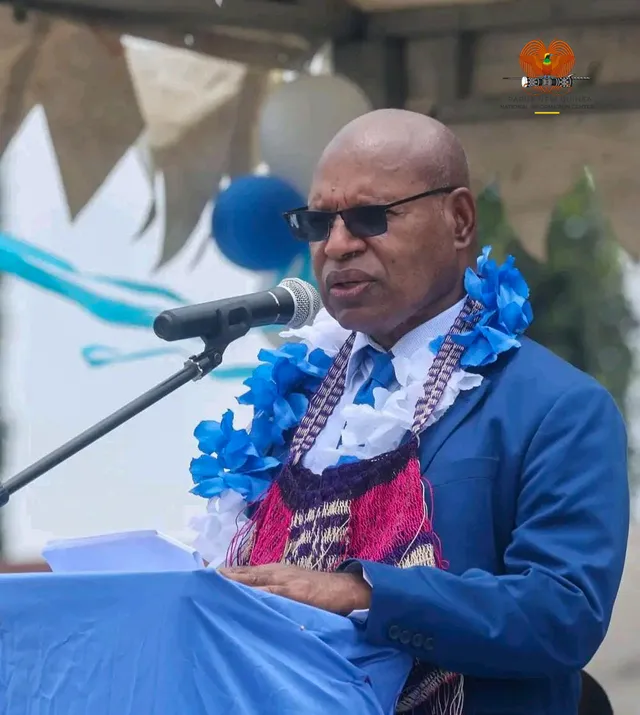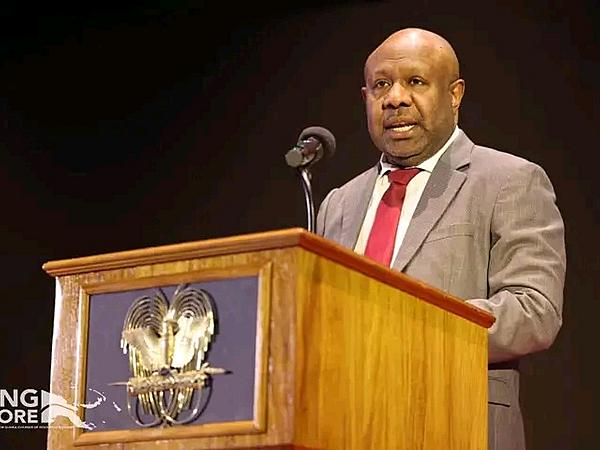
PNG Chamber of Resources and Energy (PNG CORE) President Anthony Smaré has called for stronger collaboration between government, industry, landowners and communities to ensure Papua New Guinea's next generation of resource projects delivers lasting economic and social benefits, as PNG Resources Week 2026 officially opened on July 13 at APEC Haus in Port Moresby.
Addressing delegates at the opening session before Prime Minister James Marape's keynote address, Smaré said the country's resources sector stands at an important turning point, with major mining, petroleum and energy projects expected to drive the next phase of economic growth.
He commended the Government's institutional reforms undertaken during the 2025–2026 period, including efforts to advance key resource projects, saying they have helped strengthen the foundation for future investment.
"PNG CORE stands ready to work with government, landowners, communities, education institutions and investors so that the next fifty years of resource development build trust, capability, shared opportunity and national dignity," Smaré said.
He said this year's PNG Resources Week is expected to attract around 1,100 delegates and speakers, 83 exhibitors supported by approximately 250 exhibition staff, 32 sponsors, and 80 tables for the Gala Dinner, reflecting strong confidence in Papua New Guinea's resources sector.
Beyond the conference programme, the week will also feature a Charity Golf Challenge involving 18 teams to raise funds for paediatric healthcare and a three-day careers exhibition expected to attract more than 5,000 visitors, including students from secondary schools, universities and technical institutions.
However, Smaré said attendance figures alone would not determine the success of the event.
"The value of the week will be judged by the quality of the discussions, the honesty of the exchanges and the practical actions we follow, particularly the relationships, networks and new partnerships that are created," he said.
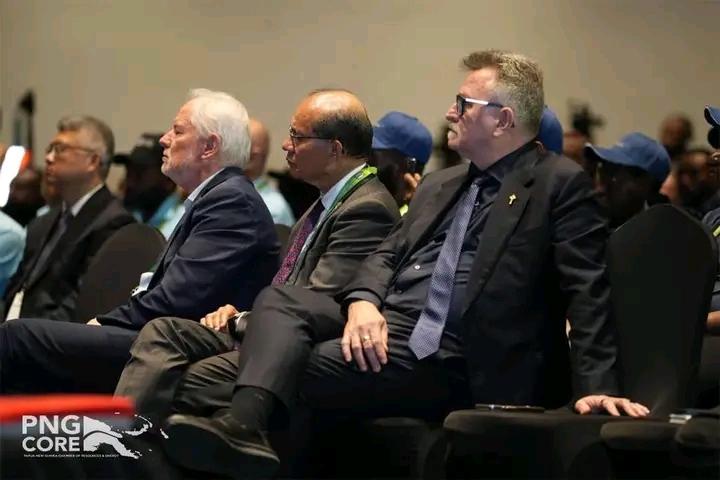
He said the conference programme had been designed to examine the full lifecycle of resource development, with discussions focusing on national content, landowner participation, benefit sharing, resource revenue management, workforce readiness, community investment, environmental stewardship, energy transition, economic diversification and project delivery.
According to Smaré, these issues are interconnected and central to ensuring resource projects remain commercially viable while delivering long-term benefits for Papua New Guinea.
He said creating projects that are investable, lawful, socially legitimate and capable of delivering benefits across generations should remain the industry's shared objective.
Smaré emphasised the importance of stable policy and regulatory settings that protect Papua New Guinea's national interests while providing certainty and confidence for investors and local communities.
He said the resources industry supports reforms that are evidence-based, consultative, predictable and practical to implement, adding that clear legislation, coordinated institutions and timely decision-making reduce costs, improve accountability and enable responsible projects to proceed.
During his address, Smaré acknowledged two significant government reforms — the establishment of the National Petroleum Authority and the amalgamation of the Mineral Resources Authority and the Department of Petroleum — describing both initiatives as important steps towards improving efficiency and strengthening governance across the sector.
He also stressed the importance of ensuring Memorandums of Agreement (MOAs) are completed transparently with the participation and endorsement of all stakeholders.
National content remained another major focus of his address.
Smaré said local participation must extend beyond policy commitments by creating measurable opportunities for Papua New Guineans to become skilled workers, engineers, managers, entrepreneurs, suppliers and investors.
He said several major projects expected to progress over the coming years would place considerable pressure on the country's labour force and local supply chain, making collaboration between government, industry and educational institutions increasingly important.
Smaré also encouraged resource developers to recognise Papua New Guinean businesses that had continued investing in local skills and capabilities during slower periods, saying those companies should be given opportunities as new developments move into construction and production.
He announced that PNG CORE, together with the PNG University of Technology and industry partners, will launch a new initiative during PNG Resources Week aimed at strengthening the alignment between higher education, research and the future workforce needs of the country's resources and energy sector.
Landowner participation and community engagement also featured prominently in his address.
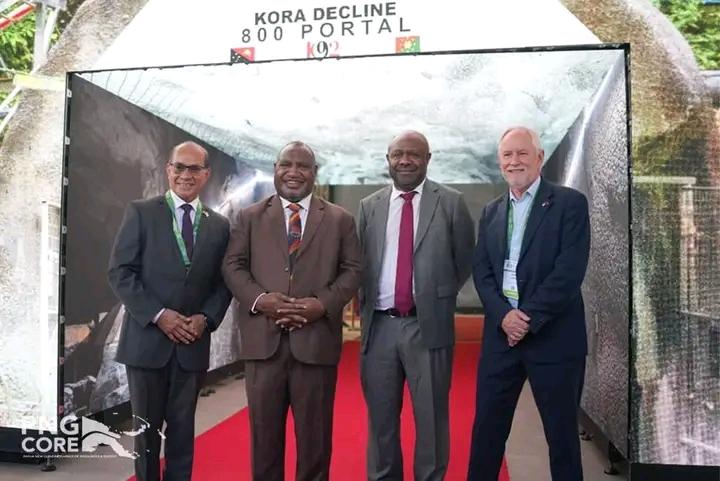
Smaré said landowners must be treated as genuine development partners from the outset, with conference discussions examining landowner identification, benefit sharing, customary rights, women's and youth participation, and preparations for life after resource projects conclude.
He said while legal certainty remains essential, projects must also earn and maintain community confidence throughout their lifespan.
The management of resource revenue was identified as another key issue facing the sector.
Smaré said discussions during the week would examine sovereign savings, beneficiary funds and institutional investment models to ensure resource revenues are managed transparently and converted into long-term national wealth.
"Revenue becomes legacy only when it builds sustainable incomes, services, infrastructure and opportunities for future generations," he said.
As part of PNG CORE's broader commitment to responsible development, Smaré announced the organisation will launch its council-approved Industry Policy Statement on Gender Equality and Social Inclusion during the week.
He said greater inclusion strengthens decision-making, broadens the country's skills base, improves workplaces and helps ensure the benefits of development are shared more equitably.
PNG Resources Week will also celebrate industry leadership through the PNG CORE Legacy Awards, recognising individuals whose contributions have made a lasting impact on PNG's resources sector and national development.
Smaré also revealed plans to introduce Community Champion Awards from next year to recognise individuals who have translated resource benefits into lasting improvements within their communities.
Reaffirming PNG CORE's commitment to constructive engagement, Smaré said government, industry and landowners each have important responsibilities in ensuring responsible resource development.
He said government must continue providing policy certainty and an enabling investment environment, while industry must uphold environmental and social standards, invest in local people and suppliers, and leave behind lasting capabilities beyond the life of individual projects.
"No single party can deliver those outcomes. Progress depends on honest dialogue, mutual accountability and a willingness to address difficult issues before they become project delays, community disputes or lost opportunities," he said.
During the opening ceremony, Smaré also announced the appointment of Richard Kassman as PNG CORE's new Executive Director, describing him as an experienced leader whose background across government and industry will strengthen PNG CORE's engagement with stakeholders and future workforce development.
He also acknowledged John Lewis, who has assumed the role of Senior Vice President.
Smaré congratulated Prime Minister James Marape for his continued efforts to promote investment in PNG's resources sector through engagement with international investors and project partners.
He expressed optimism that anticipated Final Investment Decisions on several major resource projects over the coming months could mark the beginning of another significant phase of economic development, while emphasising that those projects must create meaningful opportunities for Papua New Guinean businesses, landowners and communities and leave a lasting legacy for future generations.