Papua New Guinea expects the US$14.5 billion (approximately K58 billion) Papua LNG Project to reach a final investment decision (FID) before the end of 2026, as the government accelerates petroleum sector reforms aimed at attracting investment and expanding production.
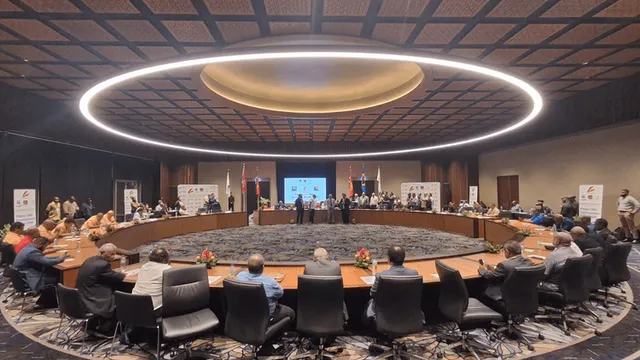
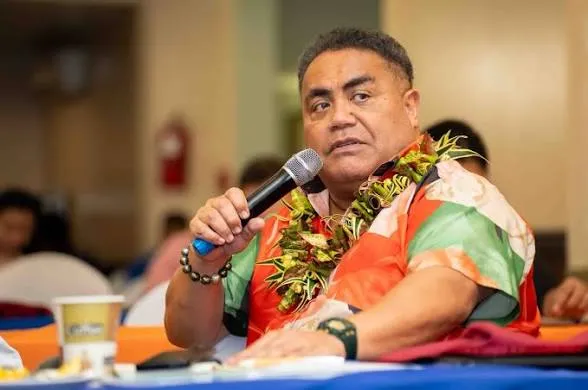
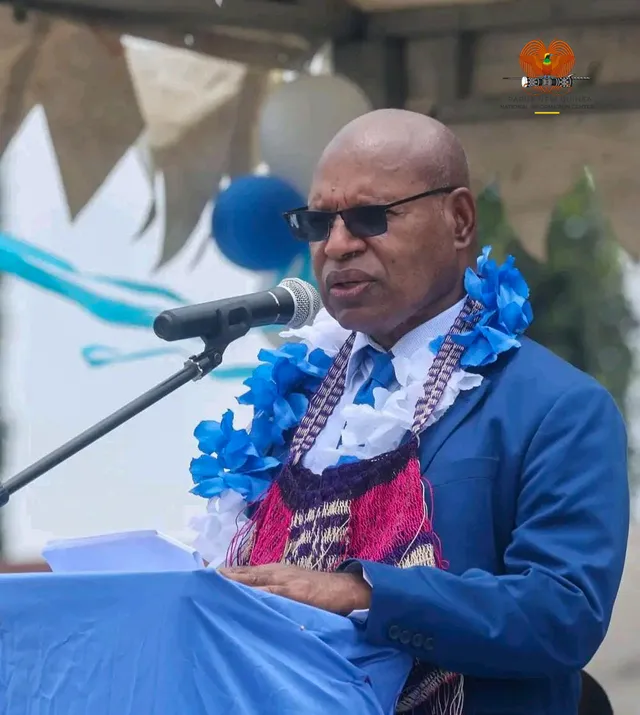
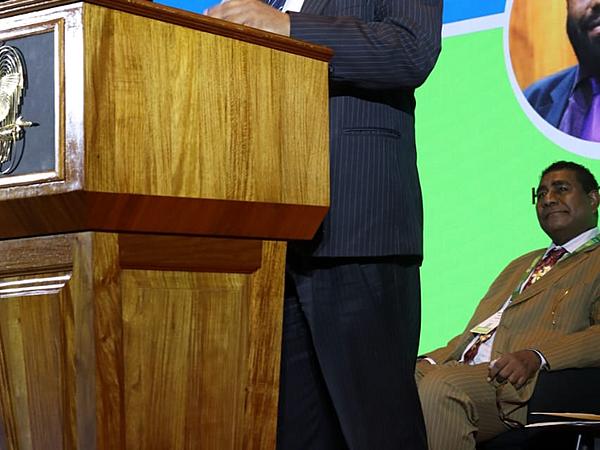
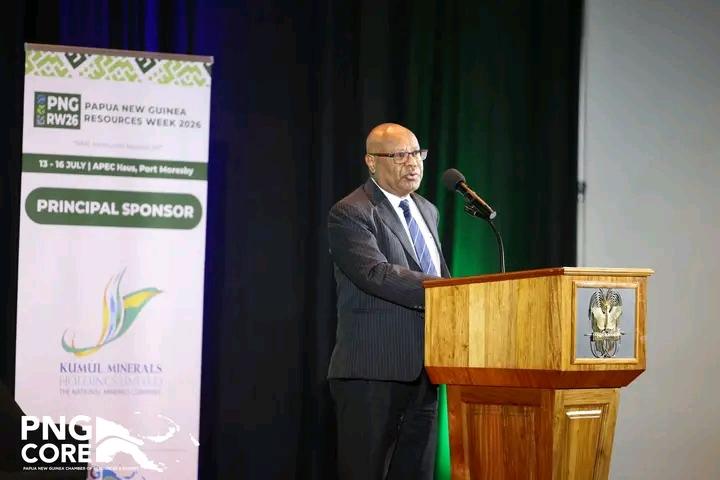
Petroleum Minister Jimmy Maladina announced the update during the PNG CORE National Content Conference, held as part of PNG Resources Week 2026 at APEC Haus in Port Moresby on Thursday. Addressing industry leaders, investors, development partners, provincial governments and landowner representatives, he said PNG's petroleum industry is entering a critical phase as global demand for secure and reliable energy supplies continues to grow.
Maladina said geopolitical instability, particularly the conflict in the Middle East, has heightened global concerns over energy security, placing Papua New Guinea in a favourable position to supply international markets.
Despite global uncertainty, he said PNG remains an attractive destination for petroleum investment because of its proven resource base, competitive fiscal regime, experienced workforce and commitment to responsible resource development.
Major projects progressing
Reviewing progress over the past year, Maladina said the government is working with developers to advance the Papua LNG and Pasca Gas projects towards final investment decisions, while the proposed Western Energy Project is undergoing detailed due diligence.
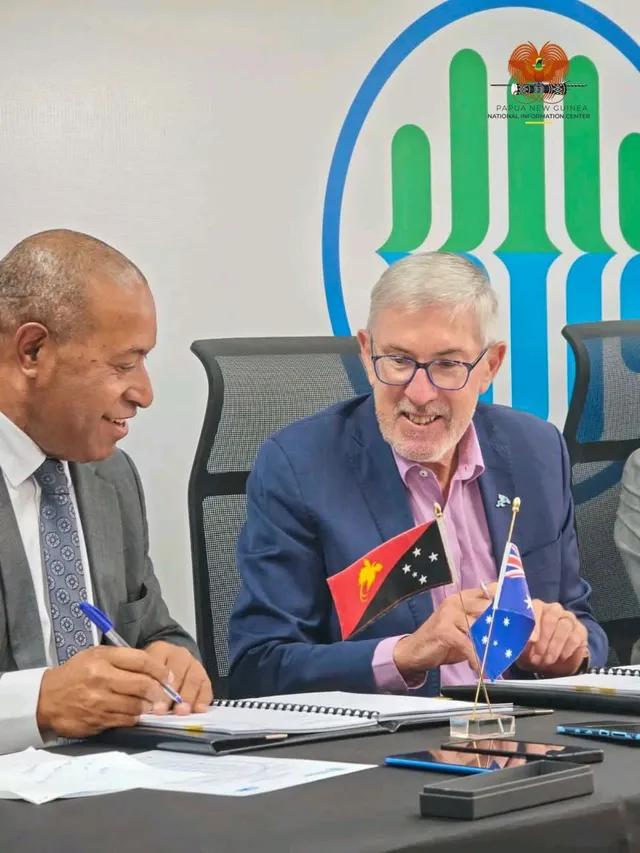
He said the Papua LNG Project Development Forum, launched on 10 July, is progressing well, with negotiations expected to conclude through the signing of a Development Agreement within the next month.
The agreement is a key prerequisite before the government can issue a Petroleum Development Licence, enabling the project developer and its joint venture partners to proceed with a final investment decision.
Once approved, construction is expected to continue over the next five years.
Maladina said the Papua LNG project will inject substantial investment into Papua New Guinea's economy during construction while creating opportunities for local businesses and workers.
He said the government expects project developers, joint venture partners and contractors to prioritise local employment, skills development and business partnerships throughout the construction phase and during the project's operational life.
Exploration remains active
Maladina said exploration activity remains strong across Papua New Guinea, highlighting the ongoing drilling of the Mailu-1 deepwater exploration well through a partnership between TotalEnergies and PETRONAS.
He said drilling is progressing towards the targeted reservoir, with the government hopeful the coming weeks will deliver encouraging exploration results.
The minister also announced that offshore petroleum blocks in the Gulf of Papua have been reserved for future auction once the government completes its petroleum fiscal reforms, with the country's first offshore licensing round expected to be launched next year.
He also identified further exploration opportunities across existing Petroleum Prospecting Licences in the Papuan Basin, Gulf of Papua and New Ireland Basin.
Maladina urged Petroleum Prospecting Licence holders to fulfil their approved work programmes by undertaking genuine exploration activities while giving priority to Papua New Guinean workers, businesses and service providers before sourcing expertise overseas.
He warned that the government would strictly enforce National Content requirements across all petroleum exploration and development activities.
Production Sharing Contract reforms
Maladina said the government remains committed to modernising Papua New Guinea's petroleum governance framework while maintaining an attractive investment environment.
A key initiative is the proposed Production Sharing Contract (PSC) Framework, which aims to provide greater regulatory certainty, improve transparency and enhance the country's international competitiveness while ensuring the State receives an equitable share of value generated from its petroleum resources.
Consultations on the PSC Reform Policy began in October 2025 and concluded in March 2026, with submissions from PNG CORE and industry stakeholders in Papua New Guinea and overseas.
Maladina thanked PNG CORE for supporting the consultation process, saying the reforms are intended to deliver better outcomes for both the State and industry. Legislation to implement the new PSC framework is expected to be introduced before the end of the year.
Coordinated gas development
The government is also pursuing coordinated development of stranded and marginal gas resources in Western and Gulf provinces through shared infrastructure and integrated project planning.
Maladina said many gas discoveries have remained undeveloped for years and Petroleum Retention Licence holders are now expected to advance their projects toward commercial production.
He warned that licence warehousing would no longer be tolerated, confirming that his policy directive under the Oil and Gas Act requiring coordinated gas development is already in effect.
Failure to comply with lawful statutory directions, he said, could result in the forfeiture of petroleum licences.
Downstream petroleum opportunities
Maladina also announced that the National Petroleum Authority (NPA) is preparing a comprehensive Downstream Petroleum Policy and Regulatory Framework to support the expansion of the country's downstream petroleum industry.
Once endorsed by the National Executive Council, the policy will be released for public consultation.
He said downstream development offers significant opportunities to expand domestic processing, strengthen Papua New Guinea's energy security, stimulate industrial growth, create employment and business opportunities, and attract additional investment.
Strengthening landowner benefit sharing
The National Petroleum Authority is also developing a strengthened Beneficiary Management and Social Licensing Policy to address long-standing issues involving social mapping, landowner identification and benefit distribution.
Maladina said the reforms are intended to improve transparency and governance while ensuring legitimate resource owners receive their benefits without delaying project implementation.
He noted that although the State owns Papua New Guinea's petroleum resources, customary landowners retain ownership of the land where those resources are located.
The government and project developers, he said, must continue recognising customary land rights through proper consultation, land access agreements, compensation, local content participation and equitable benefit-sharing arrangements.
National Petroleum Authority takes shape
Maladina said 2026 will mark the full establishment of the National Petroleum Authority, with implementation scheduled during the third and fourth quarters of the year.
He described the authority as a major institutional reform that will strengthen petroleum regulation, technical expertise, policy development, petroleum data management and stewardship of the country's petroleum resources.
The NPA Board has approved the authority's organisational structure, which will be submitted to the Department of Personnel Management for review and endorsement. Recruitment for new positions is expected to begin after August, once statutory approvals have been secured.
Maladina said the authority has been designed to operate in line with international regulatory standards. Its expanded mandate will include a dedicated National Content Division to oversee implementation of the government's Petroleum Sector National Content Policy, support future legislation and strengthen compliance across the industry.
National Content remains a priority
Maladina reaffirmed the government's commitment to increasing Papua New Guinean participation across the petroleum value chain by creating more opportunities for local businesses, employment, training, skills development and technology transfer.
He urged licence holders, petroleum operators and contractors to fully comply with the government's local and national content requirements, warning that companies failing to support these objectives would not be regarded as operating in good standing in Papua New Guinea.
Maladina also encouraged operators to invest in local workforce development and supplier capability, saying a stronger national skills base and business sector would enhance the industry's long-term competitiveness and deliver broader economic benefits.
Promoting investment
Looking ahead, Maladina announced that the Ministry for Petroleum and the National Petroleum Authority, in partnership with PNG CORE, will host a dedicated petroleum investment session during the APEC Economic Leaders' Meeting 2026 in Shenzhen, Guangdong Province, China, in November.
The event will showcase investment opportunities across Papua New Guinea's upstream, midstream and downstream petroleum sectors, as well as specialist service industries, while providing a platform to engage directly with global energy companies and investors.
Maladina said the government intends to use the forum to reinforce Papua New Guinea's position as a competitive destination for petroleum investment amid growing global demand for secure and reliable energy supplies.
Building a competitive petroleum sector
Maladina acknowledged the leadership of Prime Minister James Marape and the Marape-Rosso Government in advancing major petroleum projects, implementing sector reforms and strengthening institutions responsible for regulating the industry.
He said the government remains committed to building a modern, competitive and sustainable petroleum sector capable of attracting long-term investment, increasing national participation and delivering lasting economic benefits for Papua New Guinea.
"Together, we have an opportunity to transform Papua New Guinea into a globally competitive petroleum producer that delivers sustainable growth, creates opportunities for our people and secures lasting prosperity for future generations," he said.