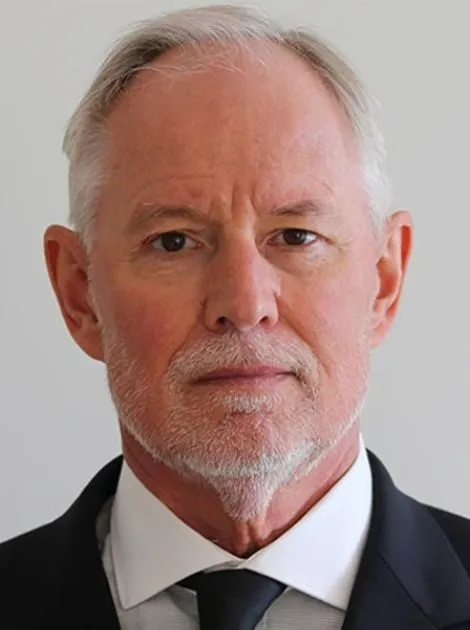
The operationalisation of Papua New Guinea's long-awaited Sovereign Wealth Fund (SWF) has the potential to transform the country's economic future by converting finite resource wealth into lasting national prosperity, according to Sovereign Wealth Fund Chief Technical Adviser Ian Tarutia.
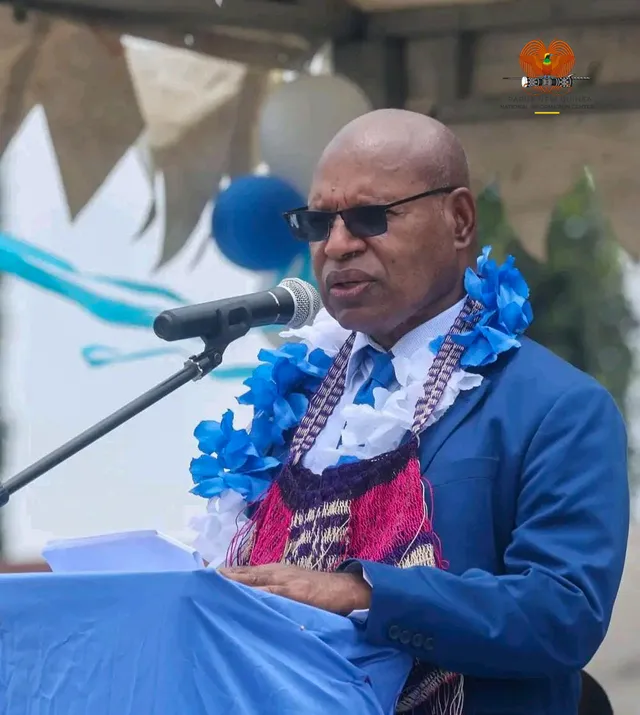
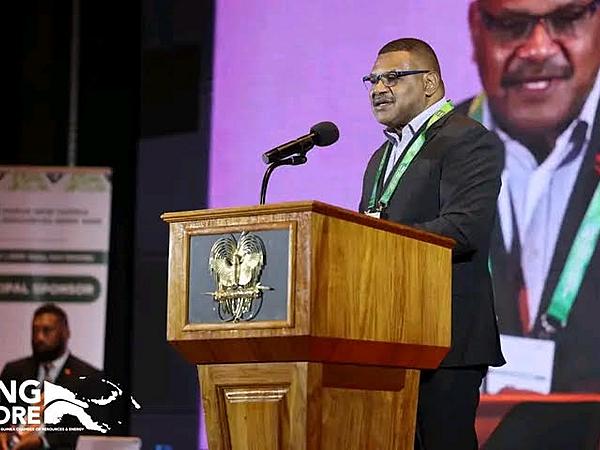
Speaking during Session 3A, "Resource Revenue and Local Value," on July 13, at APEC Haus in Port Moresby as part of PNG Resources Week 2026, Tarutia said establishing the SWF was one of the country's most significant economic reforms and central to the government's Reset at 50 agenda.
"The operationalisation of the Sovereign Wealth Fund (SWF) is the game-changer PNG needs. It is not just a financial tool; it is our bridge to long-term economic independence," Tarutia said.
He described the SWF as the national equivalent of a superannuation fund, explaining that just as workers contribute to retirement savings to secure their future, Papua New Guinea should invest a portion of its resource revenues to benefit future generations.
"The Sovereign Wealth Fund is the superannuation fund for the country," he said. "It is the fund that collects wealth generated from our mining, petroleum and other natural resources. We must save some of that wealth to support our current socio-economic aspirations, but more importantly, save for our children, grandchildren and future generations."
Tarutia said Papua New Guinea has been blessed with abundant natural resources but, unlike many resource-rich countries, has yet to fully convert those assets into long-term national wealth.
He said the SWF would promote a national culture of saving while reducing dependence on government borrowing and creating an investment vehicle capable of generating sustainable returns for decades.
Drawing on his experience in PNG's superannuation industry, Tarutia said the country's successful retirement savings funds demonstrate how sound governance, transparency and merit-based management can protect and grow public wealth.
He said those same principles are being incorporated into the proposed operational framework for the Sovereign Wealth Fund.
"Good governance, transparency, accountability and commercial decision-making have made our superannuation industry successful. Those are the same foundations we are embedding into the Sovereign Wealth Fund," he said.
Tarutia noted that although Papua New Guinea already has legislation governing the SWF, the fund has never been operationalised despite the Organic Law first being enacted in 2012 and amended in 2015.
He explained that the government established a Technical Working Committee in October 2025 to review why implementation had stalled and recommend practical amendments that would allow the fund to become operational.
Rather than rewriting the legislation, the committee focused on identifying implementation barriers and proposing targeted reforms.
One of the committee's key findings was that the original funding mechanism was impractical because it required 50 per cent of mining and petroleum tax revenues to be transferred into the fund, significantly reducing revenue available to finance the national budget.
Tarutia said the committee has recommended reducing this contribution to a minimum of 5 per cent, with the ability to increase it to 10 per cent during periods of stronger commodity prices.
The review also recommends broadening the fund's revenue base to include dividends from state-owned enterprises, equity interests in new resource projects and proceeds from future government asset sales.
He said these reforms would allow the fund to grow without placing excessive pressure on government finances.
Under the proposed framework, the SWF will continue to comprise two core components — a Stabilisation Fund, designed to support government finances during periods of revenue shortfall, and a Savings Fund, established to preserve wealth for future generations.
Unlike the existing legislation, which requires the Stabilisation Fund to reach a specified size before transfers are made to the Savings Fund, the committee proposes that both funds grow simultaneously.
Under the proposal, 80 per cent of deposits would remain in the Stabilisation Fund while 20 per cent would automatically flow into the Savings Fund.
Tarutia said the reforms also strengthen governance by adopting the internationally recognised Santiago Principles, which set global standards for sovereign wealth fund management.
The proposed amendments include stronger transparency requirements, independent board appointments, enhanced public reporting and measures to minimise political interference in investment decisions.
He said every investment decision and board action would be publicly disclosed within defined reporting timeframes, reinforcing accountability and public confidence.
The committee has also maintained the principle that the fund's investments should primarily be made offshore to maximise diversification and returns, while allowing carefully assessed domestic investments where they meet strict commercial and governance requirements.
Tarutia said Papua New Guinea had studied successful sovereign wealth funds around the world, including through engagement with the International Forum of Sovereign Wealth Funds and visits to countries in the Middle East.
Recalling a visit to Oman, he said the experience demonstrated how prudent management of oil revenues had significantly improved living standards.
"They have the same oil and gas resources. The difference is they invested that wealth back into improving the quality of life of their people," he said. "That is what we should be thinking about when we establish our Sovereign Wealth Fund. We save today, invest wisely, and the returns should improve the quality of life for Papua New Guineans."
Tarutia emphasised that the committee found political commitment had never been the primary obstacle to implementation.
Instead, he said structural flaws within the existing legislation prevented the fund from becoming operational.
He welcomed the government's renewed commitment under the Reset at 50 agenda, noting that the minister responsible for the Sovereign Wealth Fund, Joseph Lelang, has committed to seeing the fund operational before the 2027 National General Election.
Lelang has also indicated that further amendments to the Organic Law will be introduced to ensure the framework is robust, practical and capable of delivering benefits for both current and future generations.
Tarutia said the successful establishment of the Sovereign Wealth Fund would mark an important milestone in Papua New Guinea's economic development by ensuring that revenues from today's resource projects continue to generate wealth long after those resources have been depleted.
"This is about preserving our resource wealth for future generations. It is about creating lasting economic resilience and ensuring PNG benefits not only today, but for many decades to come," he said.