

January 28, 2026

The Department of Works and Highways (DWOH) has taken a major step towards modernising Papua New Guinea’s transport infrastructure with the launch of a consultancy to develop the country’s first legal and institutional framework for a railway network.

A pre-start meeting for the consultancy contract was held on 5 December, marking the commencement of planning for the proposed railway system. International law firm Leahy Lewin Lowing Sullivan (LLLS) has been awarded the contract to draft the legal framework that will underpin railway development in PNG.

The initiative is being led by the Railway Development Program Office within DWOH, which is tasked with delivering the project through a phased implementation approach, with clearly defined milestones and deliverables.

Laying the Legal and Institutional Foundations

The structured approach is expected to provide certainty for stakeholders while establishing the legal and institutional foundations required for PNG’s first railway transport network. Secretary for Works and Highways Gibson Holemba highlighted the importance of the consultancy in ensuring the long-term success and sustainability of the project.

“This initiative is about positioning government, technical experts, and legal partners to work together in delivering a complex, nation-building project,” Secretary Holemba said.

He explained that the initial phase of the railway network is planned along the Markham stretch of the Highlands Highway in Morobe Province, connecting the main port in Lae to Watarais.

“This railway is expected to significantly reduce heavy traffic volumes on the Highlands Highway and ease pressure on road infrastructure linking the Highlands Region,” he said. “Once operational, it will play a critical role in supporting key economic sectors, particularly mining and agriculture.”

Secretary Holemba also noted that the consultancy goes beyond drafting legislation. It represents a strategic effort to create an enabling environment for investment, coordination, and long-term infrastructure planning.

Opportunities for Business and Economic Growth

For the business community, the railway development signals new opportunities across construction, logistics, resource transport, and regional economic growth as PNG moves toward a more diversified transport system.

Representing LLLS, Managing Partner Michael Sullivan emphasised the strategic importance of expanding PNG’s land transport options. While rail transport is not entirely new to the country—having been used during the pre-independence era—modern challenges, particularly land compensation and security concerns, require updated legal solutions.

“These factors make it critical to have a clear and comprehensive legal framework in place before construction begins,” Sullivan said. He added that the consultancy will focus on addressing these challenges in a practical and commercially viable manner.

The launch of the consultancy marks a critical milestone in PNG’s journey toward a modern rail network and a more integrated, efficient transport system.

January 28, 2026

The establishment of the Gobo Girls School of Excellence in Jimi District, Jiwaka Province, Papua New Guinea, is emerging not only as a landmark education project but also as a catalyst for local business growth, employment creation, and rural economic participation.

“From the beginning, the school was designed to benefit the local economy, not just the education sector,” said Minister Wake Goi.

Following a recent board meeting, the first all-girls school of its kind in Jiwaka announced its operational readiness. Backed by more than K5 million in combined government, donor, and private sector contributions, the project reflects a growing model in PNG where education infrastructure also delivers tangible economic benefits to surrounding communities.

Education Investment with Economic Spillover

The School of Excellence, headed by the member for Jimi District and Minister for Aviation, Minister Wake Goi, is designed to deliver specialised science education to young women, with an initial intake of approximately 150 students drawn exclusively from the province. While the academic vision is ambitious, the economic footprint of the school is already being felt at the local level.

According to information obtained through an exclusive interview with PNG Business News, the school’s development has intentionally prioritised local participation across construction, supply chains, and ongoing operations, creating opportunities for small and medium enterprises (SMEs) and village-based producers.

“Education infrastructure like this creates ripple effects across the local economy, from farming to services to employment,” Minister Goi said.

Local SMEs and Village Producers Integrated into Supply Chain

One of the most immediate business impacts will come through food supply arrangements. All fresh produce and food supplies for students and teachers will be sourced from surrounding villages, ensuring a steady market for local farmers.

“All food for students and teachers will be sourced from nearby villages, creating a guaranteed market for local farmers and small producers,” Minister Goi said. “This school will provide long-term demand for local produce, which is a major opportunity for village-based SMEs and farmer groups.”

This arrangement effectively embeds subsistence and small-scale agricultural producers into a formal institutional supply chain, providing predictable demand and income. For rural SMEs and farmer groups, the school represents a long-term buyer that can support business planning, crop diversification, and cash-flow stability.

While private sector support has been confirmed, the identities of business contributors have not been disclosed due to sensitivities around political perceptions.

“There has been support from the business community, but the focus has always been on community benefit rather than publicity,” he said.
“The priority is ensuring the school operates successfully without creating political misunderstandings around funding,” he added.

Construction and Employment Opportunities for Local Workers

The development phase of the school has already generated employment for more than 500 local tradespeople and caretakers, particularly in the construction of classrooms and teachers’ housing. Community members have been engaged in building works, ensuring that project funds circulate within the local economy rather than being externalised.

In addition to construction jobs, the school will provide ongoing employment opportunities for local residents as security personnel and support staff, further reinforcing the project’s role as a long-term employer in the district.

“Local people have been engaged to build the school and teachers’ houses, ensuring project funds stay within the community. Beyond construction, the school will continue to employ local residents in support and security roles,” Minister Goi said.

“This is not a one-off project — it creates ongoing jobs and income for families in the area,” he added.

Growing Institutional Presence in Jiwaka Province

The opening of the Gobo Girls School of Excellence will increase the number of secondary and high schools in Jiwaka Province from 25 to 26, strengthening the province’s education infrastructure.

The Teaching Service Commission has approved 20 teaching positions under the Secondary Salary Structure, focused on recruiting high-quality science specialists. The appointment process is underway, with oversight from provincial education authorities. Requests are also being made to expand leadership positions within the school, including additional Heads of Department, to ensure strong governance from the outset.

Minister Goi has committed to providing essential start-up resources, including desks and chairs, a tipper truck, food supplies, and stationery. Accommodation for teachers is already in place, with a 13-room headmaster’s residence completed and serving as interim housing until additional teachers’ houses are built.

Tuition Fee-Free (TFF) funding is yet to be confirmed, but the Minister has pledged personal financial support to ensure the school commences operations without delay.

“The school will become a permanent institution in the province, supporting livelihoods long after construction is completed,” Minister Goi emphasised.

Headmaster Johnmar Cudal confirmed that the school will commence operations this year, with a strong focus on academic performance and accountability to parents, reinforcing confidence in the institution’s long-term sustainability.

January 28, 2026

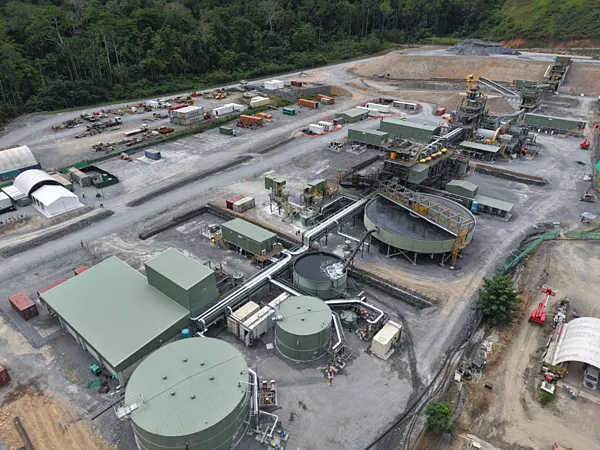
The Mining Lease for St Barbara’s New Simberi Gold Project has been formally extended until 2038, clearing a critical path for the company’s planned sell-down of the asset to China’s Lingbao Gold and Papua New Guinea’s government investment arm, Kumul Minerals. The extension sets the stage for a Final Investment Decision (FID) on the project, expected in the third quarter of fiscal year 2026.

The extended tenure aligns with the New Simberi Gold Project’s mine life, as determined by Proven and Probable Ore Reserves included in recent Feasibility Study results.

St Barbara received confirmation from Lingbao Gold Group Company Ltd and its subsidiary Lingbao Gold International Company Limited, as well as Kumul Minerals Holdings Ltd and its subsidiary Eda Minerals Ltd, that the terms and conditions attached to the lease extension satisfy the Mining Lease condition precedent for the transactions announced in December 2025.

Strategic Investment Milestone

St Barbara Managing Director and CEO Andrew Strelein described the extension as a pivotal step for the Lingbao strategic investment and Kumul’s 20 per cent asset acquisition. “This is the key step towards a Final Investment Decision planned for Q3 FY26 to expand gold production to more than 200,000 ounces per annum from the New Simberi Gold Project,” Mr Strelein said.

He expressed gratitude to Prime Minister James Marape, members of the Mining Advisory Committee, the Acting Managing Director of the Mineral Resources Authority (MRA) Harry Kore, former MRA Managing Director Jerry Garry, and their teams for supporting the lease application. He also thanked Kumul Minerals, the Simberi Landowners Association, the New Ireland Provincial Government, the Sentral Niu Ailan Local Level Government, the Namatanai District Development Authority, and the PNG Chamber of Resources and Energy for their assistance.

Lingbao Chairman Wang Pinran also welcomed the extension. “We are very glad to see the Mining Lease has been extended, especially during the settlement period of Lingbao’s strategic investment. It is a great milestone towards the development of the Simberi Project and importantly meets the key condition precedent,” Mr Wang said.

He further expressed thanks to PNG government agencies, Prime Minister Marape, community leaders and all involved parties, reaffirming Lingbao’s commitment to completing the investment settlement, developing the project with Kumul and St Barbara, ensuring good shareholder returns, and contributing to local communities.

Project Highlights and Financial Position

The New Simberi Gold Project, formerly the Simberi Expansion Project, is expected to be a long-life, low-cost asset with annual production exceeding 200,000 ounces at an All-In Sustaining Cost (AISC) of US$1,100–US$1,400 per ounce over a 13-year mine life based on Ore Reserves.

Early works growth capital for the project reached A$19 million in Q2 FY26, funding ball mill procurement, camp expansion, water treatment plant infrastructure, and mobile fleet expansion.

The company also continues development in Nova Scotia, with a 15-Mile Processing Hub pre-feasibility study outlining production of over 100,000 ounces per annum over an 11-year mine life at an AISC of US$708–US$1,432 per ounce and a post-tax payback period of less than one year. Meanwhile, the Touquoy Restart Study showed a low-capital, near-term production opportunity of 38,000 ounces over 13 months at an AISC of US$1,299–US$1,942 per ounce.

St Barbara has entered binding agreements with Lingbao and Kumul for strategic investment in the New Simberi Gold Project. Lingbao will acquire a 50 per cent interest in St Barbara Mining for A$370 million in cash, representing 40 per cent ownership of the New Simberi Gold Project. Kumul, through Eda Minerals Ltd, will acquire a 20 per cent interest, funded by a A$100 million loan from co-owners Lingbao and St Barbara to be repaid from project cash flows.

Both transactions are scheduled to complete at the end of Q3 FY26, coinciding with the FID.

The company strengthened its balance sheet through a A$58 million institutional placement to advance Simberi and Nova Scotia projects. As of 31 December 2025, St Barbara reported total cash, bullion and listed investments of A$187 million, including A$87 million of restricted cash, with no bank debt or hedging, excluding Lingbao’s A$32 million deposit.

Operational Performance

During Q2 FY26, Simberi produced 9,057 ounces of gold at an AISC of A$6,518 per ounce, contributing A$13 million in cash flow. Total recordable injury frequency rate increased from 0.2 to 0.5 over the quarter. Gold sales totalled 10,169 ounces at an average realised price of A$6,404 per ounce.

The Mining Lease extension secures the New Simberi Gold Project’s future and underpins the company’s growth strategy, marking a significant milestone in St Barbara’s development of PNG and international assets.

January 28, 2026

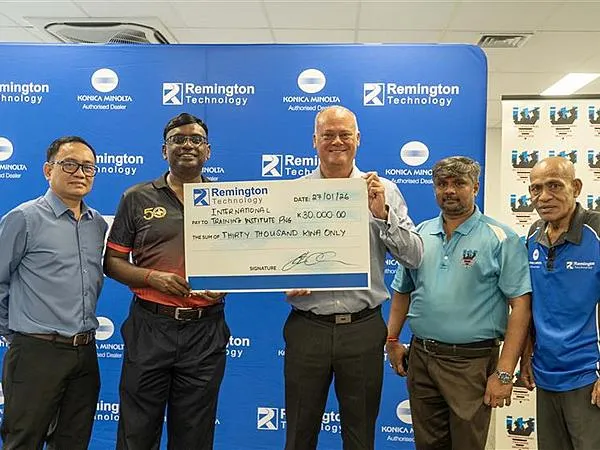
Remington Technology has confirmed its Platinum Sponsorship of the 2026 AI Summit, hosted by International Training Institute (ITI), Papua New Guinea’s largest private training institution. The Summit will take place on 6 March 2026 at the Stanley Hotel, Port Moresby, and is expected to attract more than 300 participants from across government, education, business and the technology sector.

Returning for its second year following a successful inaugural event in 2025, the AI Summit is hosted by ITI, an institution recognised by the Department of Higher Education, Research, Science and Technology (DHERST) and now in its 27th year of operation. The Summit aims to strengthen understanding of artificial intelligence and highlight its practical value within the Papua New Guinean context.

ITI Chairman and Co-Founder Senthil Kumaran said the Summit was created to respond to growing interest in AI while addressing widespread misunderstanding around the topic.

“AI is widely talked about, both positively and negatively, but many people don’t really understand what it is or how it can be useful,” Mr Kumaran said.
“This event brings together experts, industry leaders and learners to openly discuss AI, share experiences, and help PNG adapt in a positive and practical way.”

The 2026 program will focus on four key areas: AI in healthcare, ethics and governance, generative AI, and AI in higher education. The Summit will also feature practical demonstrations and an expo, where organisations will showcase AI-related products, services and real-world applications relevant to Papua New Guinea.

Remington Group CEO Justin Kieseker said Remington Technology’s continued support of the Summit reflects the growing importance of artificial intelligence across the technology sector.

“We were involved in the Summit last year and saw the strong interest around this topic,” Mr Kieseker said.
“AI is becoming increasingly important in the systems and technologies we work with, and over the next five years its impact will be even more significant.”

Remington Technology has partnered with ITI for more than 12 years, supporting its production printing operations in Port Moresby and Lae. According to Mr Kieseker, backing the AI Summit aligns naturally with Remington Technology’s role as a technology leader in Papua New Guinea.

“We want to support initiatives that build capability, encourage learning, and prepare the next generation of graduates,” he said.
“The workforce of the future will look very different, and we want to play our part in supporting PNG’s people and positive national development through technology.”

Remington Technology looks forward to contributing once again to the national conversation around how artificial intelligence is understood, applied and adopted in Papua New Guinea.

January 28, 2026

Papua New Guinea’s newly appointed Minister for the Department of Works and Highways, Peter Tsiamalili Jr, has called for integrity, accountability and uncompromising quality in the delivery of national infrastructure, as he formally assumed office following the passing of former Minister Hon. Solan Mirisim, MP.

Minister Tsiamalili was officially welcomed by the Secretary for Works and Highways, Mr Gibson Holemba, and departmental staff during a ceremony at the Works Headquarters in Port Moresby on January 26 this year. His appointment follows the death of Hon. Mirisim, who passed away in December 2025 after a brief illness.

In his inaugural address, Minister Tsiamalili emphasised that the future of PNG’s infrastructure development depended not only on roads and bridges, but on strong people, systems and values that protect state assets and deliver long-term national benefit.

“Today is more than a welcome ceremony. It is a moment of alignment,” the Minister said.

He described infrastructure as the “lifelines of our people” and a decisive factor in access to healthcare, education, markets and opportunity. The Minister further stressed that while political leadership provides direction, public servants deliver the nation, calling on officers across the department to recommit themselves to service, discipline and results.

Minister Tsiamalili made it clear that public frustration with unfinished or poor-quality infrastructure projects must be addressed.

“The people are tired of promises without progress,” he said. “They are tired of roads completed on paper but broken on the ground.”

He outlined a clear shift in departmental culture, anchored on integrity, discipline, accountability, performance and pride in workmanship, and reaffirmed the Government’s infrastructure vision under the Connect PNG agenda.

“Our theme is simple but powerful: Connect PNG Now to Build Our Future,” he said, noting that national connectivity is fundamental to economic growth, service delivery and social unity.

To achieve this, the Minister called for stronger internal alignment across planning, funding, procurement, supervision, reporting and leadership, with a renewed focus on transparency and quality.

“I want every project we touch to carry one signature: quality,” he said, rejecting shortcuts, weak standards and certification without proper delivery.

He announced plans to strengthen project controls, contract discipline, audit and compliance mechanisms, and on-site supervision, stressing that every wasted kina represents a missed development opportunity.

Message to the Department

Addressing staff directly, Minister Tsiamalili reminded officers of the broader national impact of their work.

“When you put on your yellow uniform, you are not just coming to work—you are building a nation,” he said, adding that enforcing standards and standing up for integrity protects lives, public investment and the department’s honour.

The address concluded with a dedication of the department’s work to God, with prayers for wisdom, fairness, unity and protection for workers on the ground.

“We are not here to manage decline. We are here to deliver progress,” the Minister said.

Transition Marked by National Loss

The appointment of Minister Tsiamalili follows the untimely passing of Hon. Solan Mirisim, the Member for Telefomin and former Minister for Works and Highways, who died on 2 December 2025 at the age of 47 after being rushed to Port Moresby General Hospital.

Mr Mirisim was a three-term Member of Parliament, first elected in 2012 and re-elected in 2017 and 2022. Over his political career, he held several key portfolios, including Forestry, Defence, and most recently Works and Highways under the Marape–Rosso Government.

Works Secretary Gibson Holemba described his passing as a profound loss to the department and the nation, adding that Mr Mirisim was widely respected as a nationalistic leader committed to connecting rural communities to markets and essential services.

Champion of Rural Connectivity

Hon. Mirisim is best remembered as a driving force behind the Connect PNG Program, which advanced road and bridge infrastructure into some of the country’s most remote and landlocked regions.

Under his leadership from 2022 to 2025, the program delivered major highway developments and missing-link projects, including the Telefomin–Tabubil Highway, the extension of the Magi Highway from Port Moresby to Alotau, and progress on the Trans-National Highway linking Morobe, Gulf and Port Moresby.

He also oversaw landmark initiatives such as the construction of the country’s longest footbridge at Papa–Lealea, forestry reforms promoting downstream processing and sustainability, and the push to increase the Infrastructure Tax Credit Scheme threshold from 2 per cent to 3 per cent.

Born and raised in Telefomin, Mr Mirisim was a businessman and community advocate before entering politics. He held a Certificate in Business Management from Lae Business College and remained deeply connected to the needs of rural Papua New Guinea throughout his career.

Late Minister’s Final Return Home

On 17 December 2025, the body of the late Minister arrived in Telefomin, where it was received by family members, community leaders, and a high-level delegation of national and regional leaders, marking a solemn moment of national reflection.

Leaders from the Greater Sepik region, senior government officials, and representatives from Ok Tedi Mining Limited paid tribute to his humility, leadership and enduring contribution to national development. Madang Governor Hon. Ramsey Pariwa described the Connect PNG Program as a lifeline for rural communities, while OTML Managing Director Mr Kedi Ilimbit emphasised the importance of honouring leaders who leave a lasting legacy.

Carrying the Legacy Forward

As the Department of Works and Highways enters a new chapter under Minister Peter Tsiamalili Jr, the transition marks both a renewed commitment to reform and a continuation of the infrastructure vision championed by the late Hon. Solan Mirisim.

While the nation mourns the loss of a dedicated leader, the Government has signalled its intent to build on his legacy—strengthening systems, delivering quality infrastructure and ensuring that connectivity remains central to Papua New Guinea’s economic and social future.

January 28, 2026

The Government has appointed Johnson Pundari as the new acting chief executive officer of the Konebada Petroleum Park Authority (KPPA), tasking him with reviewing the future use of key State-owned land earmarked for industrial development.

The Minister for International Trade and Investment, Richard Maru, who is also the minister responsible for KPPA, welcomed the appointment and described Mr Pundari as a competent and seasoned executive capable of leading the authority through a critical transition period.

Maru said the immediate priority for the acting CEO was to establish the exact extent of land held by KPPA and to present strategic options to the Government on its future use.

“We cannot continue to sit on this land,” the minister said, adding that Pundari had been directed to provide clear recommendations on the way forward.

The Konebada Petroleum Park was originally designated for downstream processing associated with liquefied natural gas projects. However, Maru said the Project Development Agreement for the PNG LNG project did not allow for a domestic market obligation, limiting the feasibility of such plans.

He noted that while the Papua LNG project would include a five per cent domestic market obligation, its processing facilities would need to be located in Gulf Province, where the gas resources are situated. He also pointed to other gas developments in the province, including the Pasca A gas project, the Wildebeest development project and stranded field developments.

“With all the gas reserves in the province into the future, Gulf rightly should have the processing plant. This will be a very important impact project for them,” Maru said.

As a result, he said the Government was considering alternative uses for the KPPA land, including the development of a major industrial park for Port Moresby as a special economic zone, particularly targeting the manufacturing sector.

Such a development could support export processing and import replacement industries, supported by the site’s close proximity to the new wharf, the minister said.

“These are some of the strategic options that the new acting CEO will look into,” Mr Maru added. “He has been tasked to submit his plans to the Government within three months.”

Pundari’s appointment comes as the Government seeks to accelerate industrial development and maximise the economic value of State assets amid growing regional competition for manufacturing and logistics investment.

January 27, 2026

The Securities Commission of Papua New Guinea (SCPNG) will embark on major capital market reforms this year in collaboration with the Papua New Guinea National Stock Exchange (PNGX) and other stakeholders.

The announcement was made by the Minister for International Trade and Investment, Richard Maru, during the official launch of the Licensing Module of the Centurion Enterprise System for SCPNG in Port Moresby.

“The launch today marks a significant milestone in the digital transformation of PNG’s capital market regulatory framework. This is a major advancement in SCPNG’s digital transformation agenda, providing an efficient, secure and automated platform for licensing and onboarding of capital market participants,” said Minister Maru.

The Licensing Module is expected to streamline licensing processes, enhance the integrity, security and reliability of regulatory records, improve turnaround times and operational efficiency, strengthen investor confidence and market transparency and align PNG’s capital market regulation with international best practice.

Under the new system, licence applicants will be required to be registered with the Financial Analysis and Supervision Unit (FASU), reinforcing regulatory coordination and establishing direct linkages among peer regulators within PNG’s Anti-Money Laundering and Counter-Terrorism Financing (AML/CTF) framework.

“This system reflects the Government’s commitment to modernising public institutions and creating a regulatory environment that is efficient, investor-friendly and internationally credible. The Licensing Module positions the Securities Commission as a modern, digitally enabled regulator, reinforcing trust, accountability and operational excellence across the capital market. The system will strengthen market entry compliance, including enhanced fit and proper assessments of licence applicants. It also strengthens PNG’s ability to safeguard financial integrity, uphold international standards and protect investors,” said Minister Maru.

“A well-regulated capital market is essential for attracting investment, promoting economic diversification and supporting PNG’s long-term development aspirations under Vision 2050 and the Medium-Term Development Plan IV (2023–2027),” he added.

Beyond the enterprise system rollout, SCPNG, in partnership with PNGX and other stakeholders, will pursue broader reforms, including streamlining regulation, introducing tax incentives for listed companies and investors, enhancing the trading platform, expanding investor education and introducing new financial instruments such as green bonds.

Minister Maru said PNG’s capital market remains a frontier market facing significant structural challenges.

“The PNG capital market, primarily represented by the PNGX, remains a frontier market characterized by high concentration and limited liquidity. The market continues to face the structural challenges like limited market dept and liquidity, outdate tax regime and regulatory hurdles that hinder investments and discourage listings at the exchange. The number of listed entities has remained relatively static over the last few years. As of January 2026, there are only 12 listed companies on the PNGX- 8 Local Domestic Entities and 4 Foreign (Dual-Listed) Entities. The market is heavily "top-heavy," meaning a few massive companies (like Santos and BSP) account for the vast majority of its value. The Total Market Capitalization is approximately K135 billion to K140 billion. The liquidity remains extremely low and in terms of volume, it is common for only 4 to 5 securities to see any trading activity in a given week with a turnover ratio of often less than 1percent of total market cap annually. Most shares are held by large institutional investors Nambawan Super who "buy and hold," leaving very little "free float" for daily trading.”

He said the capital market nevertheless holds significant potential to drive economic growth and development, outlining a suite of reforms aimed at transforming PNGX from a dormant exchange into a catalyst for growth.

Supply-Side Policies (Increasing Listings)

  • Partial privatisation of state-owned enterprises through the listing of minority stakes to provide blue-chip domestic investment options.

  • Listing incentives, including tax breaks or reduced corporate tax rates, to offset compliance and transparency costs.

  • Establishment of an SME or “junior” board with lower entry requirements for growing local businesses.

Demand-Side and Liquidity Policies

  • Relaxation of foreign exchange restrictions to encourage foreign investor participation.

  • Incentives for retail participation, including micro-investing platforms and mobile applications.

  • Development of a secondary market, including a corporate debt and bond market, alongside equities.

Structural and Technical Reforms

  • Automated trading and settlement, transitioning to a fully digital, T+2 settlement system.

  • Mandatory local listing requirements for major foreign resource projects to ensure national participation in the financial sector.

Additional measures under consideration include taxation reforms or government intervention to reduce or exempt taxes for initial public offerings, private capital raisings and listings, compulsory listing requirements for companies doing business in PNG and enhanced regulatory powers to improve product clarity and oversight.

“By reforming our capital market and tax regime, we can attract investment, boost local businesses and drive PNG’s economic growth. We will establish a robust SCPNG Board to drive these reforms forward. This new Board will focus on policy development of the capital market to enable better transparency, accountability and effectiveness in the overall function of the Securities Commission. This will be a pivotal step towards strengthening our financial sector,” said Minister Maru.

He also announced that the inaugural Capital Market Summit will be held in May, featuring global experts who will share insights on reforming and expanding PNG’s capital market.

“In Fiji, the corporate tax rate for companies listed on the South Pacific Stock Exchange (SPX) is generally lower than the standard corporate rate to encourage public listing and investment. As of the current 2025–2026 fiscal cycle, the rate for listed companies was 15 percent and 25 per cent for the standard companies (unlisted). Beyond the lower income tax rate, companies listed on the SPX enjoy several other tax benefits including Tax-Free Dividends, Capital Gains Exemption, Listing Expense Deductions and Trading Gains. We want to embark on such reform to attract more companies to list on the PNGX,” said Minister Maru.

January 27, 2026

K92 Mining Inc. has projected a substantial increase in production and investment at its high‑grade Kainantu Gold Mine in Eastern Highlands Province, Papua New Guinea, under its 2026 operational guidance released on 26 January 2026.

Building on record performance in 2025 — when the company reported annual production of 174,134 ounces gold equivalent (AuEq) and completed commissioning of its Stage 3 Expansion process plant — K92 expects further operational growth this year, driven by increased mining and processing from new mining fronts and supporting infrastructure projects.

John Lewins, K92 Chief Executive Officer and Director, stated, that growth is supported by the ramp-up in mining and processing of new mining fronts, together with the benefits of projects completed in 2025 and the planned completion of several key surface and underground enabler projects, largely in the first half of 2026, including a significant expansion of the load and haul fleet, positioning the Company for its strongest performance in the second half of the year.

Production outlook and costs

K92 forecasts 2026 gold equivalent production of 190,000 to 225,000 oz AuEq, a significant rise from the 2025 result. Forecast by‑product cash costs are expected to range between US$710 and US$770 per ounce of gold, with all‑in sustaining costs (AISC) of US$1,250 to US$1,350 per ounce gold on a by‑product basis. On a co‑product basis, cash costs are projected at US$980 to US$1,040 per ounce AuEq and AISC at US$1,480 to US$1,580 per ounce AuEq.

Infrastructure and expansions

Several key surface and underground “enabler” projects are scheduled for completion mainly in the first half of 2026. These include upgrades to ventilation systems, expanded load and haul fleet capacity, river crossing works to support larger truck payloads, and commissioning of a pastefill plant — all aimed at improving productivity and throughput. A Stage 4 Expansion Power Station upgrade to 15.3 MW is also planned, which aligns with the company’s longer‑term strategy to reduce greenhouse gas intensity through increased use of hydro‑electric supply.

The operational programme is supported by strong financial positioning, with record net cash at year‑end 2025 and most capital committed to the Stage 3 Expansion on budget. This financial strength has allowed K92 to accelerate elements of its Stage 4 Expansion plan for 2026.

Exploration focus

Exploration remains a priority, with an expanded programme planned that allocates US$31–35 million to both near‑mine and regional targets. Surface drilling plans include areas such as Arakompa, Maniape and Judd North, while underground drilling will target zones including Kora, Kora South and Judd Deeps. Two additional surface drill rigs are expected on site in the first quarter to support the expanded programme.

“Exploration also remains a key priority, with a record program planned to target new discoveries and expand resources across multiple near-mine and regional targets, supported by two additional drill rigs arriving in the first quarter, increasing the number of rigs to 14,” Lewins said.

“Importantly, we enter 2026 in a strong financial position, with record net cash, and the Stage 3 Expansion 95% spent or committed, and on budget. This strength has enabled us to leverage our proven Project Owner’s Team and mobilized on-site contractors to bring forward Stage 4 Expansion projects in 2026, while concurrently advancing our 2030 climate change reduction targets through the planned hydro-electric grid power supply and line upgrade,” he added.

Local context and broader impact

K92’s guidance comes after a strong operational year in 2025, when the company achieved record processing throughput and multiple operational milestones at the Kainantu mine. The successful commissioning of the Stage 3 process plant has been crucial in supporting increased production and positioning operations for further expansion and value creation in PNG.

The Kainantu Gold Mine, operated by K92, continues to play a significant role in Papua New Guinea’s mining sector, contributing to employment, infrastructure development and ongoing exploration in one of the country’s most prolific gold‑copper districts.

January 26, 2026

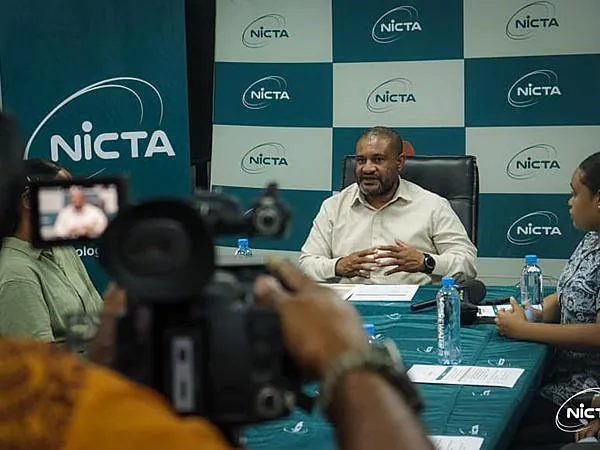
Since 2016, the National ICT Authority (NICTA) has supported more than 40 women to study Information and Communications Technology (ICT) and Science, Technology, Engineering and Mathematics (STEM)-related courses in-country.

The NICTA Girls in ICT Tertiary Scholarship Programme has been a cornerstone of development, contributing to government policies and national development goals.

This initiative, which began as NICTA’s commitment to a global campaign to bridge the gender gap in ICT participation, has since been domesticated and is well aligned with national goals and priorities in education and human capital development, providing opportunities for Papua New Guineans.

NICTA Acting Chief Executive Officer Polume Lume, when addressing the media at a press conference today, stressed the importance of the programme and how it aligns with government policy directives.

“This initiative directly addresses key national policies and agendas, including the National Gender Equity and Social Inclusion (GESI) Policy, the PNG Digital Transformation Policy and the National ICT Roadmap, which underline the need to address the unique challenges and opportunities faced by women and girls in the ICT and digital ecosystems.

“The Girls in ICT Tertiary Scholarship strongly underpins the Government’s education policy by ensuring that girls have equal access to quality education, safe learning environments and opportunities to complete their schooling, aligning with PNG’s Vision 2050 and national development goals.

“It aims to empower graduates to contribute to the implementation of current ICT policies focused on cyber and digital transformation, including the Digital Transformation Policy (2020), the Digital Government Act (2022) and the Cybersecurity Policy (2021).

“These frameworks seek to modernise government services, strengthen cybersecurity and build digital skills—areas where new graduates, such as Girls in ICT scholarship recipients, can actively contribute through innovation, technical expertise and community engagement,” Mr Lume said.

NICTA remains committed to creating an enabling environment where girls and women have equal access to ICT education, training and career opportunities.

The scholarship demonstrates NICTA’s shared commitment to inclusivity, encouraging socio-economic growth.

Applications for this year’s scholarship close at the end of February 2026.

January 26, 2026

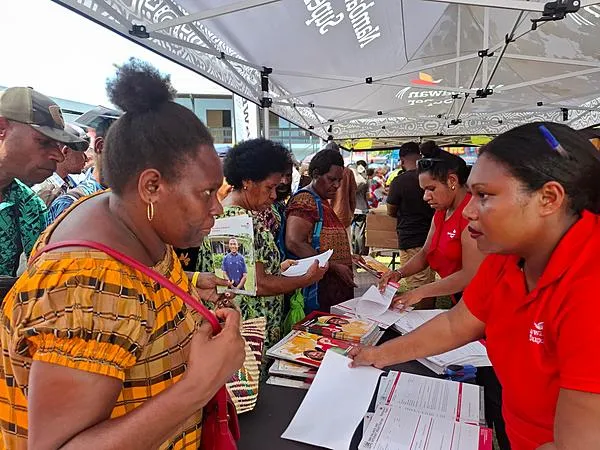
Nambawan Super Limited has supported teachers during the Teaching Service Commission’s Resumption of Duty Programme, joining about 3,000 educators at Lae Secondary School in Morobe province.

The event marked Nambawan Super’s first member engagement activity for 2026 and reflected the fund’s commitment to delivering superannuation education and services directly to members, particularly teachers, ahead of the new school year.

The fund said teachers often face challenges in managing superannuation matters due to heavy workloads and postings in rural and remote communities, limiting their access to financial services.

During the programme, Nambawan Super’s Chief Member Services Officer, George Panao, encouraged teachers to take an active role in managing their superannuation by updating beneficiary details and personal information.

He highlighted the range of digital services available to members, including the Online Member Portal, mobile app, SMS balance check service and the free call centre service on 180 1599, as well as email support via CallCentre@nambawansuper.com.pg.

These services are designed to improve access and support, enabling members to make informed decisions toward a secure and comfortable retirement.

Following the resumption programme, Nambawan Super set up a general member enquiry booth to assist teachers with updating their details and addressing superannuation-related queries before they returned to their schools and respective postings.

Although unable to attend the event, Nambawan Super Chief Executive Officer Lachlan Baird acknowledged the critical role teachers play nationwide.

“Teachers play a central role in shaping Papua New Guinea’s future human resources and often have limited time to focus on their own financial and retirement planning,” Baird said.

“Through our partnership with the Teaching Service Commission, Nambawan Super can engage directly with teachers at key events, ensuring they are informed and supported.”

Baird also congratulated Maini Ugaia on his recent appointment as acting chairman of the Teaching Service Commission, acknowledging his contribution through the Nambawan Super Membership Committee in representing teachers and members nationwide.

Building on the success of its 2025 member engagement activities, Nambawan Super said it will continue rolling out member engagement and education initiatives through its Financial Literacy Programme in 2026.
January 26, 2026

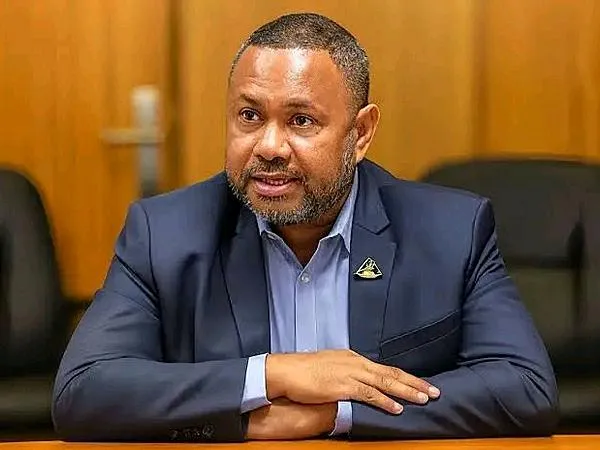
Papua New Guinea has taken a decisive step toward reshaping its land governance framework, placing customary land reform at the centre of the country’s human rights, economic development and sustainability agenda.

Chairperson of the Special Parliamentary Committee on Customary Land and Land Reforms, Keith Iduhu, underscored the urgency of protecting customary land systems while unlocking their potential to drive inclusive economic growth.

Iduhu was speaking at the High-Level Seminar on Customary Land and Human Rights held at APEC Haus in Port Moresby on Jan. 22. The seminar, organised in partnership with the United Nations in Papua New Guinea, brought together senior government leaders, development partners, civil society organisations and customary landowners.

The discussions focused on how international human rights standards can guide land governance reform in a country where approximately 97 per cent of land remains under customary ownership.

Despite marking 50 years of independence, Iduhu said colonial-era land laws and administrative systems continue to shape land governance in ways that disadvantage Indigenous landowners.

“Indigenous Peoples in Papua New Guinea are the custodians of our land, sustaining one of the world’s richest reservoirs of biodiversity, primary forest cover and cultural heritage,” he said.
“Yet our country continues to experience land-related disputes and violence traceable to historic dispossession and alienation.”

Nationwide consultations conducted by the parliamentary committee revealed persistent challenges, including land grabbing, fraudulent transactions, forced evictions, informal settlements, internal displacement and growing climate-related pressures. The consultations also highlighted serious gaps in legal protection, enforcement and access to justice, particularly for vulnerable groups.

According to Iduhu, Papua New Guinea is at a critical development crossroads, with land reform emerging as a foundational issue for long-term economic and social stability.

“The way forward is clear, we must end land-related violence and corruption, safeguard the rights of Indigenous landowners to determine their own development priorities, ensure free, prior and informed consent, and recognise restitution as the primary remedy for historic land loss,” he said.

He confirmed that Parliament made significant progress in 2025 through amendments to the Lands Act and the introduction of new laws aimed at strengthening land governance. Building on these reforms, a Customary Land Reform Bill proposed by the committee is now being prepared for tabling in Parliament.

Customary Land Reform Bill in focus

The proposed legislation seeks to reform the legal framework governing the recognition, registration, governance and use of customary land, while harmonising customary practices with constitutional principles.

Key elements of the reform include strengthening land group incorporation mechanisms, establishing clearer dispute resolution processes, improving oversight and accountability, and ensuring decisions affecting customary land are grounded in free, prior and informed consent obtained through good-faith processes.

Iduhu said the reforms would position Papua New Guinea at the forefront of sustainable development by aligning national laws with international human rights standards.

Human rights and economic development

As a state party to the International Covenant on Economic, Social and Cultural Rights, Papua New Guinea has a legal obligation to progressively realise rights such as adequate housing, where secure land tenure is a critical component.

United Nations representatives at the seminar reaffirmed that secure and equitable access to land is essential to eradicating poverty, guaranteeing an adequate standard of living and protecting the right to a clean, healthy and sustainable environment.

“Land is far more than an economic commodity,” Iduhu said. “It is the basis for social, cultural and religious practices, and central to identity and community life.”

He also highlighted the disproportionate impact of poor land governance on women, stressing their right to own, use and control land and property on an equal basis with men.

Indigenous rights and UNDRIP

The seminar reaffirmed Papua New Guinea’s obligations under the United Nations Declaration on the Rights of Indigenous Peoples, which recognises Indigenous Peoples’ collective rights to lands, territories and resources traditionally owned or occupied.

UNDRIP explicitly prohibits forced removals from ancestral land and requires free, prior and informed consent, fair compensation and, where possible, the option of return. These protections are reinforced by International Labour Organization Convention 169.

The declaration also affirms Indigenous Peoples’ right to self-determination, allowing them to freely pursue their economic, social and cultural development.

Government reform agenda

Deputy Prime Minister and Minister for Lands, Physical Planning and Urbanisation John Rosso delivered the keynote address, describing the seminar as timely as the government advances major land reforms.

Rosso urged that land reform must move beyond theory and deliver tangible social and economic benefits to traditional landowners.

“With nearly 90 per cent of our land under customary ownership, this is a unique national resource,” he said, warning landowners against selling land for minimal short-term gains.

Instead, he encouraged communities to work with the Department of Lands to transform customary land into bankable assets that support long-term prosperity.

“The Land Partnership Program provides a structured and voluntary pathway for customary landowners to partner with the State and responsible investors to develop their land,” he said.
“Under this program, land titles go to customary owners, income is managed sustainably, and long-term benefits for families, clans and future generations are prioritized.”

Rosso outlined reforms underway to modernise land administration and support housing development, including digitisation of land systems, partnerships with developers to reduce construction costs, the First Home Buyer’s Grant, consideration of tax reforms including GST exemptions for housing, implementation of strata title laws and amendments to technical legislation administered by the Department of Lands and Physical Planning.

“These reforms are aimed at ensuring every Papua New Guinean has access to affordable housing and secure land titles that support home ownership, access to finance and economic inclusion,” Rosso said.

Both leaders agreed the national conversation is shifting from simply owning land to empowering landowners, ensuring customary land is protected by law while responsibly unlocked for development that benefits communities rather than a select few.

Iduhu acknowledged that while progress has been made, secure tenure remains elusive for many Papua New Guineans. He cited the findings of the 2005 and 2019 National Land Summits as a clear roadmap that must now be fully implemented.

“By grounding land reform in internationally recognised rights and human rights law, Papua New Guinea can pursue development that is sustainable, inclusive and respectful of future generations,” he said.

The two-day seminar is expected to produce concrete recommendations to guide Parliament, government agencies and development partners toward a more just, peaceful and sustainable land governance system for Papua New Guinea.

January 25, 2026

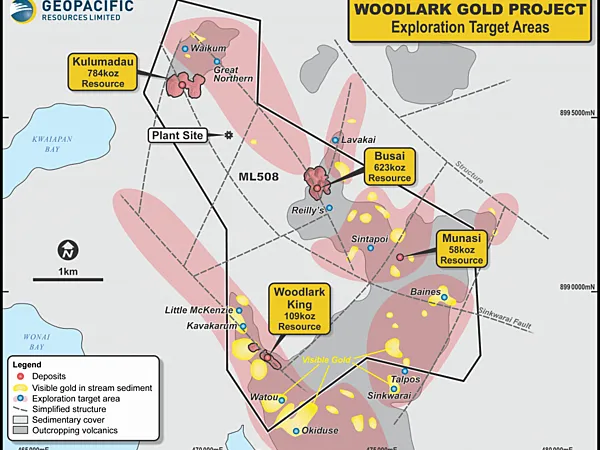
Geopacific Resources Ltd. has appointed Argonaut Corporate Finance and Taylor Collison as joint financial advisers to lead project finance and strategic equity processes for its wholly owned Woodlark Gold Project in Papua New Guinea, the company said.

The appointment marks the start of a formal funding process to support development of the 1.67-million-ounce Woodlark project, Geopacific’s flagship asset. The financing process will run in parallel with the finalisation of a definitive feasibility study, which is expected to be completed in March 2026.

Geopacific said the advisers will assess a range of funding and strategic options, including project finance structures and strategic equity participation, as the company advances the project toward a final investment decision. The aim is to balance funding certainty, risk allocation and shareholder outcomes.

Argonaut and Taylor Collison bring experience in gold project finance, development equity and strategic transactions across Australasia, including Papua New Guinea, the company said. Their appointment gives Geopacific access to a broad network of potential financiers and strategic partners.

Chief Executive Officer James Fox said the Woodlark project has been substantially de-risked and is nearing completion of optimisation work under the DFS.

“Woodlark is a high-quality, long-life gold project that has been substantially advanced over recent years,” Fox said. “With DFS optimisation work nearing completion and the project materially de-risked, the board believes it is timely to formally assess project financing and strategic investment options that can unlock the underlying value of the project for all stakeholders.”

The DFS is being optimised to take advantage of record gold prices and to build on a 2024 study that confirmed the project’s technical and financial viability. That study considered average production of about 95,000 ounces of gold per year over a 12-year mine life, with estimated total production of 1.14 million ounces from predominantly open-pit mining.

Geopacific said recent work has identified opportunities to optimise and further de-risk key aspects of the project, including mining, processing, tailings and infrastructure. With current spot gold prices more than double the assumptions used in the earlier study, the updated DFS is expected to consider higher throughput scenarios and revised mining and infrastructure configurations.

The Woodlark project hosts a mineral resource of 1.67 million ounces of gold and offers additional exploration upside, the company said.

January 25, 2026

Papua New Guinea Prime Minister James Marape promoted the country as an investment destination of choice among global emerging markets during the 2026 World Economic Forum in Davos.

Speaking on a panel titled “Where are we with emerging markets?” at a WEF side meeting, Marape said Papua New Guinea’s economy has continued to grow despite heightened geopolitical tensions in the Pacific region.

He thanked the World Economic Forum for including Papua New Guinea in discussions on emerging markets and said the country’s geographic and political positioning underpins its appeal to investors.

“Papua New Guinea is placed in the middle of East and West, with our cultural affinity to the East and our democratic style of government with the West,” Marape said.

The prime minister said his government has pursued a foreign policy of “friends to all and enemies to none,” seeking to strike a careful balance in international relations while strengthening the country’s standing as an emerging economy in the post-COVID period.

As a result, he said, Papua New Guinea has recorded economic growth of more than 4 percent consistently over the past five years, while keeping inflation below the 50-year running average.

Marape said the government is working to diversify the economy away from its traditional reliance on mining and petroleum, with a greater emphasis on developing the non-resource sectors.

He told delegates that Papua New Guinea currently hosts two of the world’s largest oil and gas developers, TotalEnergies and ExxonMobil. ExxonMobil has operated the country’s flagship liquefied natural gas project since 2008, with first exports in 2014.

“Seventy percent of the US$22 billion project was bank financed, and that debt has recently been retired six months earlier than scheduled,” Marape said.

He said emerging markets are increasingly where new capital is concentrated, noting that capital “knows no boundaries” and will shift when markets become constrained or economic focus narrows.

Marape concluded by encouraging greater investment in emerging markets in South-East Asia and the Pacific, highlighting Papua New Guinea’s strategic location within the region.

January 25, 2026

Pacific Lime and Cement Limited has appointed Kevin Savory as chief executive officer for its cement business, effective Jan. 12, the company announced 19 January.

Savory will work alongside John McBride, CEO for lime, with support from the company’s Lime and Cement Advisory Board.

Savory brings more than 30 years of senior leadership experience across lime, cement, construction materials, casting, heavy civil works and large-scale infrastructure delivery. His career spans Australia, Papua New Guinea and the wider Asia-Pacific region, with deep operational and commercial expertise.

He has led businesses at the intersection of industrial production, capital projects and complex supply chains, delivering growth, margin improvement and capital discipline in both multinational and owner-led environments. His experience covers end-to-end leadership of lime and cement operations, including quarrying, processing, logistics, pricing strategy, market development and downstream construction materials.

Savory previously served as CEO of Mayur Resources’ cement and lime business from September 2018 to May 2020, where he led commercialisation strategy, feasibility studies, stakeholder engagement and investor positioning in Papua New Guinea. He has also held senior leadership roles at Cement Australia and Holcim, managing cement, lime, slag and fly ash portfolios and delivering pricing resets and EBITDA growth in mature markets.

Beyond cement and lime, Savory has held senior executive roles across precast, concrete and infrastructure products, including managing director of Infrastructure Products Australia at CRH, where he led acquisitions, integrations and significant revenue growth. His background also includes responsibility for major civil infrastructure works, logistics, camps, aviation and fleet operations.

Savory holds an MBA, is a graduate of the Australian Institute of Company Directors and has board-level experience across joint ventures and industry bodies. He is recognised for his commercial leadership and stakeholder engagement, the company said.

PLC Managing Director Paul Mulder said Savory’s appointment strengthens the company’s leadership as it advances its cement strategy alongside ongoing quicklime construction.

“Kevin’s appointment significantly strengthens our leadership capability as we advance our cement strategy in parallel with our quicklime construction already well underway,” Mulder said. “His deep sector knowledge, prior experience with our assets and jurisdictions, and proven ability to execute in capital-intensive environments make him ideally suited to lead the next phase of growth. Kevin will be permanently based in PNG.”

Pacific Lime and Cement Limited, listed on the ASX and PNGX, is developing Papua New Guinea’s lime and cement industry to supply building materials for domestic and Asia-Pacific markets. The company’s portfolio also includes industrial sands, forestry carbon credits and renewable energy projects, and it holds about a 16.5% stake in copper-gold explorer Adyton Resources Corp.

January 24, 2026

Ok Tedi Mining Limited (Ok Tedi) has reported a strong, safe, and reliable performance in 2025, underlining the company’s disciplined operational execution and its role as Papua New Guinea’s 100% nationally owned mining company.

The company exceeded production targets last year, achieving:

  • 106,018 tonnes of copper
  • 298,350 ounces of gold
  • 1,008,346 ounces of silver

These results reflect Ok Tedi’s continued implementation of a strategic direction over the past two and a half years, driven by workforce commitment, strong safety performance, and disciplined execution across all operations — from pit to port.

Despite operational challenges, including infrastructure and power-related disruptions, the company maintained reliable performance through careful planning, effective execution of major projects and shutdowns, and a strong focus on operational discipline.

Strong Financial Performance

Ok Tedi reported unaudited revenue of K9.3 billion (US$2.3 billion) for 2025, supported by consistent production, favourable metal prices, and prudent cost management.

This translated into significant benefits for Papua New Guinea, including:

  • Royalties: K178 million
  • Taxes: K1.090 billion
  • Compensation payments: K99 million
  • Training investment: K37 million
  • Tax Credit Scheme contributions: K766 million
  • Dividends: K1 billion (US$240 million)

The company also strengthened its financial resilience by reducing debt from K709 million at the end of 2023 to K370 million, including early repayments.

Growth and Long-Term Value

In line with its long-term growth strategy, Ok Tedi continued to invest in future opportunities, including the acquisition of the Misima Gold Project, reflecting confidence in PNG’s mining sector and the company’s role in sustainable development. The company also expanded Ok Tedi Energy to support its future growth.

As Papua New Guinea celebrates 50 years of Independence, Ok Tedi marks 41 years of contribution to national development, supporting employment, skills development, infrastructure, community investment, and economic growth.

Managing Director and Chief Executive Officer Kedi Ilimbit said the 2025 results highlighted the strength of the business and its workforce.

“2025 has been another exceptional year for Ok Tedi. Our strong performance reflects the discipline, commitment, and professionalism of our workforce and reinforces the value of operating a 100% PNG owned mining company for the benefit of our people,” Ilimbit said.

“As we move into 2026 under our Disciplined Delivery business theme, we remain focused on safe operations, operational excellence, and long-term value creation under our Growth 2050 strategy.”

Looking Ahead

Building on its strong 2025 performance, Ok Tedi enters 2026 focused on Disciplined Delivery, ensuring the company continues to operate safely, reliably, innovatively, and sustainably while delivering lasting value to Papua New Guinea and future generations.

January 24, 2026

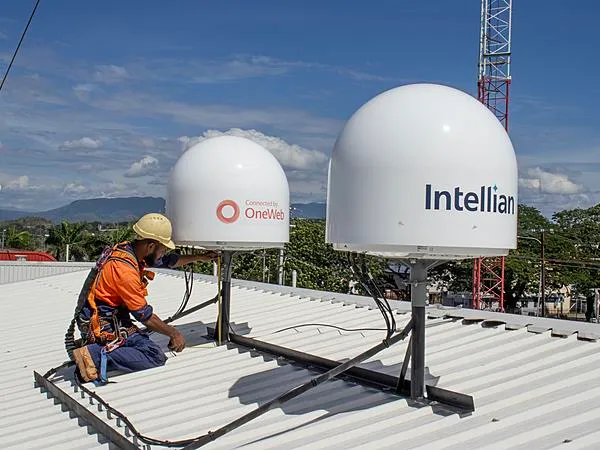
Technology and communications specialist TE (PNG) Limited has achieved a national first, receiving Papua New Guinea’s inaugural approval from the National Information and Communications Technology Authority (NICTA) to trial a fixed land OneWeb Low Earth Orbit (LEO) satellite service in Port Moresby. Live testing has now commenced, marking a significant milestone in the evolution of enterprise-grade connectivity across the country.

The approval enables TE PNG to conduct the first fully compliant, in-country OneWeb trial, positioning the company at the forefront of next-generation satellite communications in PNG. The trial is being delivered in partnership with Sat.One, with whom TE PNG has been working since 2022 to introduce OneWeb capabilities to the local market.

Built for Enterprise, Not “Best Effort”

OneWeb operates a global low-Earth-orbit satellite constellation engineered specifically for enterprise and government applications. Unlike consumer-focused LEO services, OneWeb delivers a managed, commercial-grade platform with defined performance profiles, traffic management, and the ability to design resilient, end-to-end enterprise architectures.

Compared to traditional geostationary (GEO) satellite services, OneWeb offers dramatically lower latency and higher responsiveness. More importantly for mission-critical operations, it provides predictability, control, and long-term supportability—attributes essential for sectors such as mining, maritime, aviation, utilities, government, and critical infrastructure, where connectivity reliability is non-negotiable.

Expanding Connectivity Options Across PNG

With NICTA approval now in place, TE PNG is able to design, deploy, and support a broad range of OneWeb solutions nationwide, including:

  • Fixed land OneWeb services for offices, sites, and facilities across Papua New Guinea

  • Mobile land solutions for vehicles and remote operations

  • Maritime OneWeb services for vessels operating within PNG waters

All services will be installed, monitored, and maintained locally by TE PNG as a licensed PNG provider, ensuring compliance, technical accountability, and on-the-ground support.

Industry Collaboration Years in the Making

TE PNG Managing Director Robbie Huxley described the milestone as the culmination of several years of groundwork and collaboration.

“I’ve been working with Sat.One to bring OneWeb services to Papua New Guinea since 2022. It’s incredibly rewarding to now be conducting the first fully fledged, fully approved OneWeb test in-country with the OneWeb team,” Huxley said.

He acknowledged the early foundations laid through previous satellite deployments, including the country’s first use of Kymeta flat-panel antennas for maritime and land-mobile applications using GEO connectivity.

“Daniel Fairbairn and I first met in 2022 to discuss what this could become. That early work laid much of the foundation for what we are doing today,” he said.

More Tools for Better Solutions

Huxley emphasised that OneWeb is not positioned as a replacement for existing services, but as another critical tool in a rapidly diversifying connectivity landscape.

“No single service is a one-size-fits-all answer. OneWeb, like Starlink, Amazon LEO, Intelsat, Digicel, Vodafone, and countless other technologies, simply gives us more options. More options mean we can design the right solution for each customer, rather than forcing every problem into the same box.”

A Step Forward for PNG’s Digital Resilience

The OneWeb trial represents a major step forward for resilient, high-performance connectivity in Papua New Guinea, particularly for organisations operating in remote, mobile, or high-risk environments.

“This is just the beginning,” Huxley said. “The satellite and connectivity landscape is changing rapidly, and we are proud to be part of that change—bringing new technologies and capabilities to PNG so our customers can operate, grow, and connect with confidence.”

As testing progresses in Port Moresby, the trial is expected to inform broader enterprise deployments, reinforcing PNG’s readiness to adopt advanced satellite technologies that support economic growth, national infrastructure, and digital transformation.

January 22, 2026

O.M. Holdings Limited has appointed longtime executive Fintan Lalor as its new chief executive officer, effective Feb. 2, 2026, marking a leadership transition aimed at ensuring continuity and supporting the company’s next phase of growth.

The company said Lalor will succeed Peter Aitsi, who has served as executive director for the past two years following a vacancy in the chief executive role. Aitsi will remain in the executive director position until the end of February before transitioning to the board as a non-executive director.

Lalor brings 17 years of experience with O.M. Holdings, widely known as Oilmin. He most recently served as general manager for three years and previously held the role of operations manager for more than a decade.

The board said Lalor’s extensive industry experience and deep understanding of the company’s workforce and operating environment position him well to lead Oilmin as chief executive.

During his tenure as executive director, Aitsi provided stability and leadership while the company undertook a comprehensive search for a permanent chief executive, the board said. He also played a key role in guiding the organisation and supporting the board throughout the selection process.

The board expressed confidence that Lalor’s appointment will ensure continuity and sustained growth while advancing Oilmin’s strategic priorities and commitments to clients, employees and partners.

Aitsi is expected to support a smooth transition and will continue to work closely with Lalor as he assumes the chief executive role.

January 21, 2026

The U.S. Embassy in Port Moresby announced that Prime Minister James Marape met with U.S. President Donald J. Trump during the United Nations General Assembly (UNGA) in New York. The historic exchange underscores the strong partnership and close friendship between Papua New Guinea (PNG) and the United States.

The meeting follows a landmark visit to Port Moresby by Deputy Secretary of State Christopher Landau and head of U.S. Indo-Pacific Command Admiral Paparo to celebrate 50 years of PNG’s independence and of diplomatic relations with the United States.

Under the first Trump Administration, the United States reprioritised the Pacific Islands region in its foreign policy, advancing shared strategic objectives through economic growth, infrastructure development, connectivity, and security cooperation. The second Trump Administration has renewed its commitment to a free and open Pacific Islands region.

In July 2025, Prime Minister Marape visited Washington, D.C., meeting Vice President JD Vance, Deputy Secretary Landau, and senior defence leaders, including Admiral Christopher Grady. These meetings reaffirmed PNG’s importance to the United States and laid the groundwork for the U.S.-PNG Framework for Strategic Cooperation, signed in Port Moresby during the 50th anniversary celebrations. Following his meeting with President Trump, Prime Minister Marape has now engaged with the full spectrum of U.S. leadership, highlighting PNG’s central role in promoting a free, open, and secure Indo-Pacific.

During the September celebrations in Port Moresby, Deputy Secretary Landau hosted a U.S.-Pacific Islands Forum Roundtable, announcing a reinvigoration of partnerships and realignment of mutual priorities to deliver concrete benefits for both Americans and Pacific Islanders.

The Framework for Strategic Cooperation sets priorities for the next 50 years of U.S.-PNG relations, covering defence, maritime security, law enforcement, critical minerals, infrastructure, economic and commercial development, and the digital economy.

Security and Law Enforcement Cooperation

On 22 May 2023, the United States and PNG signed the Shiprider Agreement to counter maritime threats such as illegal fishing, drug trafficking, migrant smuggling, and illicit arms transport. Joint patrols under the agreement strengthen maritime governance in the Pacific and deter illegal activity in PNG’s Exclusive Economic Zone (EEZ). In 2024, U.S. Coast Guard cutters conducted two patrols with PNG authorities, carrying out 14 boardings to safeguard PNG’s maritime resources.

The United States is also investing $11 million in foreign military financing to enhance PNG’s humanitarian assistance, disaster relief, maritime security, domain awareness, and defence force professionalisation. PNG’s participation in the 2025 multilateral Exercise Talisman Sabre, including hosting a component outside Australia for the first time, demonstrates the PNG Defence Force’s growing regional role.

The U.S. Department of State’s Bureau of International Narcotics and Law Enforcement Affairs (INL) will provide a resident advisor from the Department of Homeland Security’s Federal Law Enforcement Training Centers (FLETC) to support police recruitment, training, and retention, aligning with Prime Minister Marape’s law-and-order agenda.

Economic Cooperation and Investment

The Framework also emphasises economic, commercial, and digital collaboration. U.S. businesses are major investors in PNG, including ExxonMobil, Newmont, Coca-Cola, Hilton, and Marriott. The 2022 launch of the American Chamber of Commerce Coral Sea provides an advocacy and networking platform for American companies in the region.

The American DGCI Corporation recently broke ground on a $498 million U.S.-funded fuel storage facility near Port Moresby Harbour. Implemented under the 2023 U.S.-PNG Defence Cooperation Agreement, the facility will create jobs, enhance energy security, and diversify the fuel market with a capacity of over 1.6 million barrels.

The Framework establishes policies to attract U.S. private sector investment, promote sustainable critical minerals development, expand trusted digital infrastructure, and strengthen cybersecurity practices.

Shared History and Future

The U.S.-PNG relationship extends beyond government cooperation to people-to-people connections. The U.S. Embassy facilitates scholarships and visas for PNG students and supports sister city partnerships linking Port Moresby with Long Beach, California, and Madang with Poplar, Wisconsin.

In celebration of PNG’s 50th independence anniversary, five young Papua New Guineans will participate in a three-week International Visitor Leadership Program in November under the theme “Youth in the Political Process,” reflecting investment in future leaders.

Celebrating 50 Years of Partnership

Deputy Secretary Landau and Admiral Paparo’s visit marked both PNG’s 50th Independence Anniversary and the 50th anniversary of U.S.-PNG diplomatic relations. The United States was among the first to recognise PNG’s independence in 1975. Deputy Secretary Landau said, “The United States is proud to mark 50 years of partnership with Papua New Guinea,” while U.S. Ambassador Ann Marie Yastishock emphasised the framework builds on five decades of shared values and vision.

The U.S. Embassy celebrates the meeting between Prime Minister Marape and President Trump, the visit by Deputy Secretary Landau, and the launch of a new era of U.S.-PNG partnership, demonstrating the United States’ commitment to peace, prosperity, and security in PNG and across the Pacific.

January 21, 2026

The Sepik Development Project (SDP)’s approach to engagement with Sepik communities has been validated by the OECD’s Australian National Contact Point (AusNCP), following an exhaustive examination of the Project’s activities.

A Follow-Up Statement issued by the AusNCP, reporting on the SDP’s compliance with recommendations issued in 2023, confirmed that the Independent Examiner is satisfied the project has delivered on the recommendations.

The recommendations related to compliance with OECD guidelines for obtaining the Free, Prior and Informed Consent (FPIC) of communities and other stakeholders, following a complaint lodged by Project Sepik and the Jubilee Australia Research Centre.

Phil McCormack of the Sepik Development Project welcomed the findings, saying the outcome highlighted the Project’s ongoing commitment to building strong relationships and securing FPIC from Sepik communities.

“We are pleased the AusNCP has confirmed our compliance with OECD guidelines in relation to stakeholder engagement on this project,” he said.

“This outcome represents independent recognition of our commitment to transparency and collaboration with Sepik communities.

“We look forward to continuing our proactive and transparent engagement to ensure local communities not only fully consent to the project, but can also be active participants in the way the project develops, and in the generation of future benefits for Sepik communities and Papua New Guinea.”

Mr McCormack also thanked the AusNCP for its thorough consideration of the issue.

“We appreciate its rigorous review process and constructive approach to addressing complex issues,” he said.

Last month, the Conservation and Environment Protection Authority (CEPA) granted six environmental permits for the Project, following a comprehensive assessment process.

The permits cover the Frieda River Copper-Gold Project, Sepik Power Grid Project, Frieda River Hydroelectric Project, Sepik Infrastructure Project Road, Green River Airport, and Vanimo Ocean Port.

The Sepik Development Project represents one of the most significant investments in Papua New Guinea. It is expected to unlock long-term economic value, deliver sustainable infrastructure, and empower local communities through genuine partnerships with landowners.

January 21, 2026

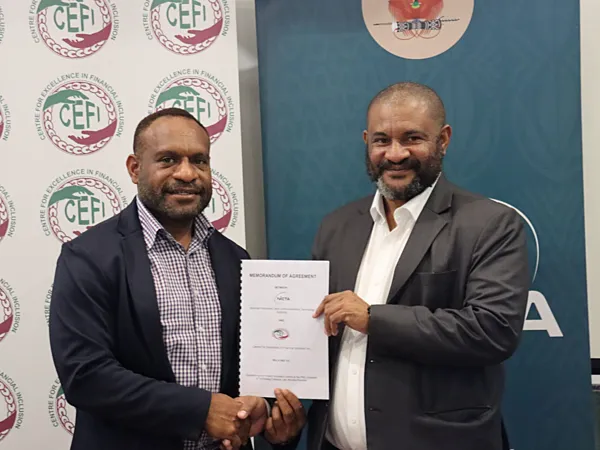
The Centre for Excellence in Financial Inclusion (CEFI) and the National Information and Communications Technology Authority (NICTA) have signed a two-year Memorandum of Agreement (MoA) to establish a dedicated Fintech Incubation Centre at the Papua New Guinea University of Technology (Unitech) Taraka Campus in Morobe Province.

The agreement was formalised on 12 January 2026, with CEFI Acting Executive Director Mr Peter Samuel and NICTA Acting Chief Executive Officer Mr Polume Lume signing the MoA at the Unitech campus.

The centre is designed to support the growth of home-grown financial technology solutions by offering mentorship, funding opportunities, technical expertise and networking support to aspiring fintech entrepreneurs nationwide.

Funding of up to K374,000 will be provided through NICTA’s Universal Access and Service (UAS) Trust Fund, enabling the procurement of fixed broadband connectivity and modern ICT equipment needed to establish a state-of-the-art facility.

Once operational, the incubation hub will provide high-speed internet, a well-equipped resource centre, business development support and access to financial expertise from CEFI, creating an environment that nurtures innovation in areas such as digital payments, mobile banking and other inclusive financial services tailored to the PNG context.

The initiative will place special emphasis on empowering women and youth in the digital economy and strengthening linkages between academia, government and the private sector.

CEFI said the partnership reflects a shared commitment to building a stronger fintech ecosystem that enhances financial inclusion and expands technology-led opportunities in Papua New Guinea.

If you’re pasting this into Word, InDesign, CMS, or email and still seeing size issues, tell me which platform and I’ll adjust it precisely for that format.

January 21, 2026

Ok Tedi Mining Limited (Ok Tedi) has reinforced its commitment to addressing domestic and family violence in Papua New Guinea by supporting Femili PNG, a leading non-government organisation providing essential services to survivors of violence across the country.

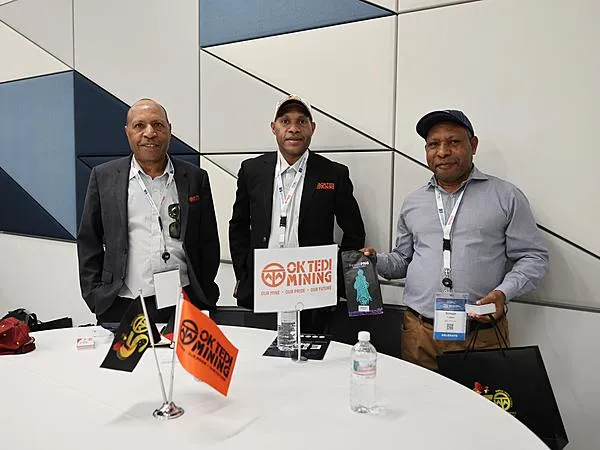
As part of this partnership, Ok Tedi purchased Femili PNG’s coffee, sourced from the Western Highlands of Papua New Guinea, and distributed it as complimentary gifts to delegates attending the recent PNG Investment Week conference hosted by the PNG Chamber of Resources and Energy in Sydney, Australia.

The initiative not only showcased high-quality PNG coffee but also helped raise awareness of the critical work Femili PNG undertakes to support survivors of violence.

Proceeds from the coffee sales support Femili PNG’s case management services, safe accommodation support, outreach programmes and advocacy efforts nationwide.

“Domestic violence continues to affect far too many families in Papua New Guinea, and we all have a responsibility to be part of the solution,” said Ms Ruth Waram, Manager Media and Public Relations for Ok Tedi.

“By supporting Femili PNG through this initiative, Ok Tedi is helping to shine a light on the vital services Femili PNG provides to survivors. Our purchase of these coffee packs is more than a gesture — it is a statement of solidarity and a commitment to promoting safer, stronger communities across PNG.”

Femili PNG Australia Executive Director Jocelyn Condon thanked Ok Tedi for its support.

“We are grateful for Ok Tedi’s support in showcasing our award-winning Femili PNG coffee through this initiative. The support we receive contributes directly to Femili PNG’s work to end family and sexual violence in Papua New Guinea,” she said.

“Funds raised from every coffee purchase directly support the services Femili PNG provides to survivors who need safety, care and a pathway to rebuild their lives. Ok Tedi’s support through this initiative — and hopefully into the future — gives us great hope for the potential of business to step forward and help resource the movement for positive change for survivors of family and sexual violence in Papua New Guinea.”

January 21, 2026

Prime Minister James Marape has launched a comprehensive review of Papua New Guinea’s state-owned enterprise (SOE) governance system, citing persistent blackouts, water shortages and underperformance as key concerns.

Speaking during Cabinet, Marape said the government is examining the entire Kumul Consolidated Holdings (KCH) structure and how major utilities, including PNG Power, PNG Water and Air Niugini, report through multiple governance layers.

“We are also looking at the entire KCH structure — how PNG Power reports to the mother board, how PNG Water reports to the mother board, how Air Niugini reports to the mother board,” he said. “I think a couple of layers of boards have become a quagmire. That in itself can be an impediment.”

The Prime Minister noted that excessive bureaucratic layers have delayed decisions, weakened accountability, and slowed urgent investment and maintenance.

“Our citizens have been laboring too much on blackouts, water issues — all of this,” he said. “We are taking a holistic look into all this.”

Fixing structure, not just politics

Marape emphasised that the review is not a political exercise or ministerial reshuffle but a structural reform of the “engine room” of service delivery.

“Just like we are looking at the entire central government structure, we are also looking at the KCH structure,” he said. “This review will not only be at Cabinet level, but more importantly at the structural level of these key government institutions.”

He said the goal is to create a streamlined, professional, and accountable system that allows SOEs to function efficiently while maintaining integrity, due process, and good governance.

“We want a structure that is tidy — that allows for expeditious work without compromising integrity, due process and good governance,” Marape said.

One-month deadline for reform blueprint

The Prime Minister said the government expects the review to be completed within a month, led by the Chief Secretary in close consultation with Cabinet.

“The Chief Secretary is under the pump this week and this month,” Marape said. “Today, as we start our Cabinet, we will be running this work so that we put in place the correct structure of government that is working to serve our people, come what may.”

Marape stressed the reform is designed to create a long-term, sustainable framework that will serve future governments after the 2027 General Election.

“In 2027, whoever takes office must inherit a structure that is already fit for service — not one they must struggle to fix,” he said. “We want a system that can serve our people better, not one that slows them down.”

The review will examine governance, reporting lines, board structures, and accountability frameworks across all major SOEs, with particular focus on electricity, water, and aviation — sectors critical to households, businesses, and national economic growth.

January 21, 2026

Air Niugini’s new Airbus A220-300 aircraft are reshaping domestic air travel across Papua New Guinea, delivering improved reliability, comfort and capacity since entering service late last year.

The national carrier introduced its first A220-300 in September, followed by two additional aircraft in December. The three next-generation jets have quickly become popular with passengers and are playing a key role in strengthening connectivity across the country.

As holidaymakers, workers and students return to their homes and places of work and study at the start of the year, the A220 fleet has helped reunite families and communities, transporting passengers safely and comfortably across the domestic network. Air Niugini has branded the aircraft The People’s Balus, reflecting its role in linking communities nationwide.

Configured with 138 seats, the A220-300 provides increased capacity compared with the Fokker aircraft it complements and is progressively replacing. Passengers benefit from a wider cabin, larger windows, increased overhead luggage space and more comfortable seating, including Business Class, delivering a noticeably enhanced travel experience.

The A220s are currently operating on key domestic routes serving Port Moresby, Lae, Rabaul, Kavieng, Manus Island and Alotau. These services connect major population centres and regional hubs, supporting economic activity, access to education and health services, and vital social ties.

In addition to passenger comfort, the aircraft offers significant operational advantages. Its advanced technology and fuel efficiency support improved schedule reliability and performance, particularly on longer domestic sectors. The aircraft’s quieter operation and modern systems also align with Air Niugini’s investment in a safer, greener and more sustainable fleet.

As runway upgrade works progress at airports around the country, Air Niugini plans to deploy the A220 on additional domestic routes, including Mount Hagen, Wewak and Kimbe, further expanding access and connectivity.

The A220-300 is also set to operate selected regional services, including routes to Australia, once regulatory requirements are completed. The aircraft will initially service Cairns before debuting on the Port Moresby–Sydney route on March 29.

Services to Sydney currently operate twice a week. With the introduction of the A220, frequencies will increase to three flights a week from March 29. Departures from Port Moresby will operate on Thursdays, Fridays and Sundays, with return services the following mornings on Fridays, Saturdays and Mondays.

The introduction of the A220 fleet marks a significant milestone for Air Niugini and Papua New Guinea, ushering in a new era of improved comfort, capacity and reliability for travellers both domestically and across the region.

January 21, 2026

The board of SD Guthrie, owner of New Britain Palm Oil Ltd., has agreed in principle to commence negotiations with the Government of Papua New Guinea on a long-term business partnership, including potential equity participation by the state in Ramu Agri Industries.

The agreement followed a special board meeting held in Kuala Lumpur during a visit by Minister for International Trade and Investment Richard Maru, who met SD Guthrie’s board and management to advance discussions on the state’s proposed acquisition of shares in Ramu Agri Industries.

Under the proposal, SD Guthrie would partner with the PNG government from this year as equity partners, alongside other domestic and international investors, to develop large-scale agricultural projects across the country.

“The State’s interest to buy into RAI is for us to use the company as a vehicle to invest and develop, initially, the vast Sepik Plains for cattle and palm oil development, sugar in Abau of central province, and coconut projects in the coastal regions. We want to invite our PNG investors like Nasfund, Nambawan Super and Pacific Balanced Fund to join us to buy into this very important and exciting agriculture company,” Maru said.

He said PNG remained heavily reliant on imports despite its agricultural potential.

“PNG is currently a net importer of beef meat and refined sugar when we should be producing enough for our domestic consumption and export. We are also an exporter of crude coconut oil and palm oil with limited processed coconut oil,” he said.

“As we reflect on our country’s economic development over the last 50 years, we have failed to unleash our full agriculture sector, and this had resulted in over a million youths of our country remaining unemployed, disengaged and disenfranchised, leading to so many problems in the country including the high crime rate,” Maru said.

“We are now determined to find a partner to grow all the cattle and sugar we need to replace imports and be net exporters and to grow our palm oil and coconut industries. We have millions of hectares of undeveloped land right across the country for large scale commercial agriculture development.”

The National Executive Council has approved in principle the government’s plan to partner SD Guthrie to invest in large-scale agricultural development, particularly in the upstream and downstream segments of the palm oil, sugar, cattle and coconut industries.

“Our Government has made a very conscious decision to partner SD Guthrie because it is a publicly listed company with over 100 years of experience, it is from a country that has a matured oil palm industry, and it brings to the table its expertise, capital and oil palm research capabilities that are unrivalled globally,” Maru said.

“We also understand that SD Guthrie has no more land available for expansion in Malaysia, except in PNG, hence, this partnership will be an excellent strategic fit for both PNG and SD Guthrie with long-term mutual benefits,” he said.

Maru also invited SD Guthrie to partner with the government and a Sri Lankan investor in downstream coconut processing and upstream plantation development. He urged the company to expand its corporate social responsibility programs in provinces and districts where it operates and to extend tax credit programs beyond West New Britain Province to areas such as Madang, Milne Bay and Oro.

The minister and his delegation, which included Madang Gov. Ramsey Pariwa, senior officials from the Department of International Trade and Investment and the Special Economic Zones Authority, also visited SD Guthrie operations during the trip.

“We were particularly impressed with their Research and Development (R&D), global network of downstream and sales and marketing operations in over 96 countries, their status and influence as the leading publicly listed oil palm company of Malaysia with the largest landbank, their very strong balance sheet and Triple B credit rating, and their recent decision to go into renewal energy to become a negative carbon footprint company with 100 percent RSPO certification of its total operations,” Maru said.

“This was a very insightful visit and we are convinced beyond any reasonable doubt that SD Guthrie would be the best possible partner for our Government to enter into a long-term partnership with to develop the agriculture sector of PNG in the next 50 years as part of the Reset Agenda of the Marape-Rosso Government,” he said.

The state is now awaiting a formal offer letter from SD Guthrie, expected on or before Jan. 21. A full feasibility study is scheduled to begin next month, with a team of scientists to conduct soil sampling and an aerial survey of the Sepik Plains.

“Whilst the feasibility studies will commence next month, the company made it very clear that in the State Project Agreement they will sign with the Independent State of Papua New Guinea, the Government has to commit to building an international wharf at Wewak, upgrading and sealing the roads into the Sepik Plains, specifically in the project area, proving key enablers like power, bridges, police and security services, and providing State land and mobilizing customary land for large scale agriculture development,” Maru said.

The delegation also paid a courtesy visit to the Malaysian Palm Oil Board headquarters to discuss Malaysia’s regulatory framework, research platforms and technology development initiatives relevant to PNG’s agricultural ambitions.