

The establishment of the Gobo Girls School of Excellence in Jimi District, Jiwaka Province, Papua New Guinea, is emerging not only as a landmark education project but also as a catalyst for local business growth, employment creation, and rural economic participation.
“From the beginning, the school was designed to benefit the local economy, not just the education sector,” said Minister Wake Goi.
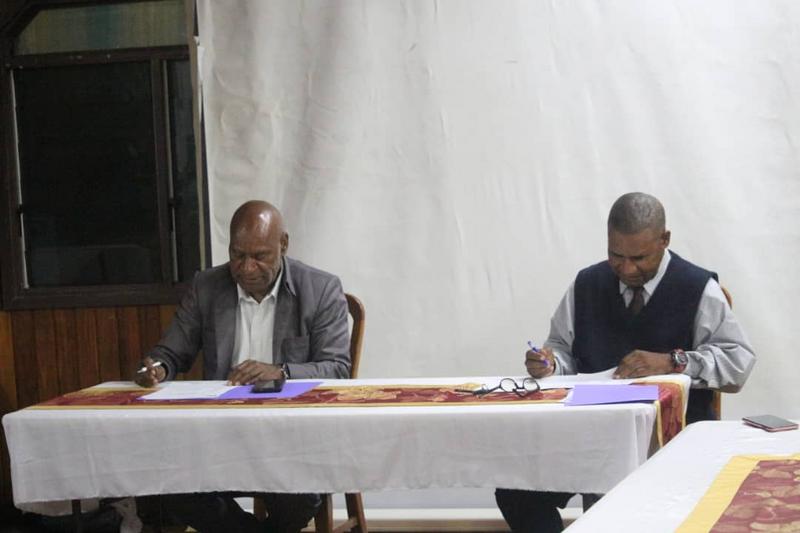
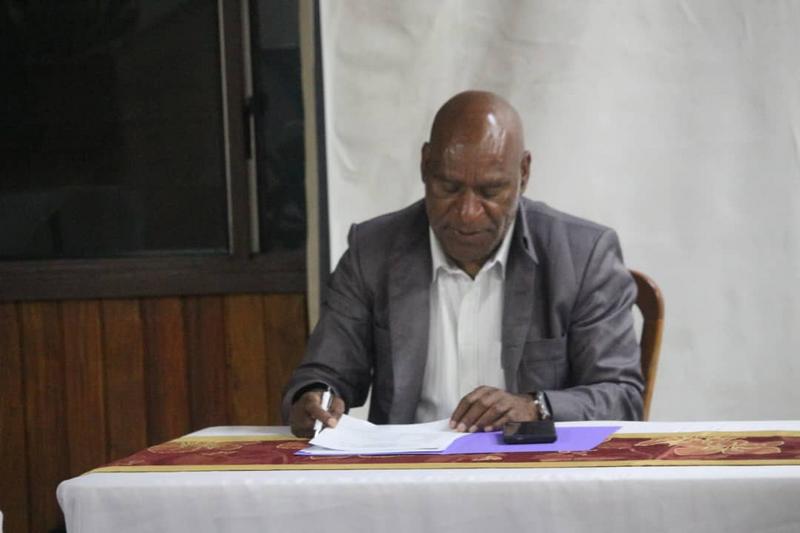
Following a recent board meeting, the first all-girls school of its kind in Jiwaka announced its operational readiness. Backed by more than K5 million in combined government, donor, and private sector contributions, the project reflects a growing model in PNG where education infrastructure also delivers tangible economic benefits to surrounding communities.
Education Investment with Economic Spillover
The School of Excellence, headed by the member for Jimi District and Minister for Aviation, Minister Wake Goi, is designed to deliver specialised science education to young women, with an initial intake of approximately 150 students drawn exclusively from the province. While the academic vision is ambitious, the economic footprint of the school is already being felt at the local level.
According to information obtained through an exclusive interview with PNG Business News, the school’s development has intentionally prioritised local participation across construction, supply chains, and ongoing operations, creating opportunities for small and medium enterprises (SMEs) and village-based producers.
“Education infrastructure like this creates ripple effects across the local economy, from farming to services to employment,” Minister Goi said.
Local SMEs and Village Producers Integrated into Supply Chain
One of the most immediate business impacts will come through food supply arrangements. All fresh produce and food supplies for students and teachers will be sourced from surrounding villages, ensuring a steady market for local farmers.
“All food for students and teachers will be sourced from nearby villages, creating a guaranteed market for local farmers and small producers,” Minister Goi said. “This school will provide long-term demand for local produce, which is a major opportunity for village-based SMEs and farmer groups.”
This arrangement effectively embeds subsistence and small-scale agricultural producers into a formal institutional supply chain, providing predictable demand and income. For rural SMEs and farmer groups, the school represents a long-term buyer that can support business planning, crop diversification, and cash-flow stability.
While private sector support has been confirmed, the identities of business contributors have not been disclosed due to sensitivities around political perceptions.
“There has been support from the business community, but the focus has always been on community benefit rather than publicity,” he said.
“The priority is ensuring the school operates successfully without creating political misunderstandings around funding,” he added.
Construction and Employment Opportunities for Local Workers
The development phase of the school has already generated employment for more than 500 local tradespeople and caretakers, particularly in the construction of classrooms and teachers’ housing. Community members have been engaged in building works, ensuring that project funds circulate within the local economy rather than being externalised.
In addition to construction jobs, the school will provide ongoing employment opportunities for local residents as security personnel and support staff, further reinforcing the project’s role as a long-term employer in the district.
“Local people have been engaged to build the school and teachers’ houses, ensuring project funds stay within the community. Beyond construction, the school will continue to employ local residents in support and security roles,” Minister Goi said.
“This is not a one-off project — it creates ongoing jobs and income for families in the area,” he added.
Growing Institutional Presence in Jiwaka Province
The opening of the Gobo Girls School of Excellence will increase the number of secondary and high schools in Jiwaka Province from 25 to 26, strengthening the province’s education infrastructure.
The Teaching Service Commission has approved 20 teaching positions under the Secondary Salary Structure, focused on recruiting high-quality science specialists. The appointment process is underway, with oversight from provincial education authorities. Requests are also being made to expand leadership positions within the school, including additional Heads of Department, to ensure strong governance from the outset.
Minister Goi has committed to providing essential start-up resources, including desks and chairs, a tipper truck, food supplies, and stationery. Accommodation for teachers is already in place, with a 13-room headmaster’s residence completed and serving as interim housing until additional teachers’ houses are built.
Tuition Fee-Free (TFF) funding is yet to be confirmed, but the Minister has pledged personal financial support to ensure the school commences operations without delay.
“The school will become a permanent institution in the province, supporting livelihoods long after construction is completed,” Minister Goi emphasised.
Headmaster Johnmar Cudal confirmed that the school will commence operations this year, with a strong focus on academic performance and accountability to parents, reinforcing confidence in the institution’s long-term sustainability.


