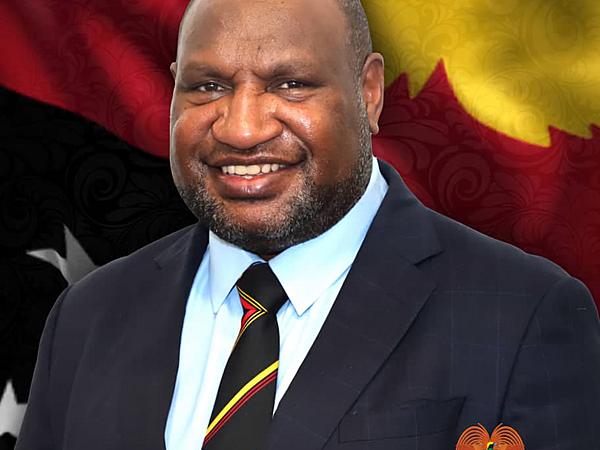
Prime Minister James Marape has launched a comprehensive review of Papua New Guinea’s state-owned enterprise (SOE) governance system, citing persistent blackouts, water shortages and underperformance as key concerns.
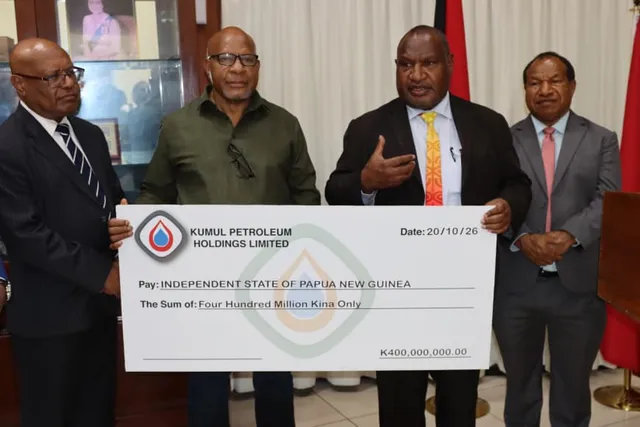
Speaking during Cabinet, Marape said the government is examining the entire Kumul Consolidated Holdings (KCH) structure and how major utilities, including PNG Power, PNG Water and Air Niugini, report through multiple governance layers.
“We are also looking at the entire KCH structure — how PNG Power reports to the mother board, how PNG Water reports to the mother board, how Air Niugini reports to the mother board,” he said. “I think a couple of layers of boards have become a quagmire. That in itself can be an impediment.”
The Prime Minister noted that excessive bureaucratic layers have delayed decisions, weakened accountability, and slowed urgent investment and maintenance.
“Our citizens have been laboring too much on blackouts, water issues — all of this,” he said. “We are taking a holistic look into all this.”
Fixing structure, not just politics
Marape emphasised that the review is not a political exercise or ministerial reshuffle but a structural reform of the “engine room” of service delivery.
“Just like we are looking at the entire central government structure, we are also looking at the KCH structure,” he said. “This review will not only be at Cabinet level, but more importantly at the structural level of these key government institutions.”
He said the goal is to create a streamlined, professional, and accountable system that allows SOEs to function efficiently while maintaining integrity, due process, and good governance.
“We want a structure that is tidy — that allows for expeditious work without compromising integrity, due process and good governance,” Marape said.
One-month deadline for reform blueprint
The Prime Minister said the government expects the review to be completed within a month, led by the Chief Secretary in close consultation with Cabinet.
“The Chief Secretary is under the pump this week and this month,” Marape said. “Today, as we start our Cabinet, we will be running this work so that we put in place the correct structure of government that is working to serve our people, come what may.”
Marape stressed the reform is designed to create a long-term, sustainable framework that will serve future governments after the 2027 General Election.
“In 2027, whoever takes office must inherit a structure that is already fit for service — not one they must struggle to fix,” he said. “We want a system that can serve our people better, not one that slows them down.”
The review will examine governance, reporting lines, board structures, and accountability frameworks across all major SOEs, with particular focus on electricity, water, and aviation — sectors critical to households, businesses, and national economic growth.