Papua New Guinea has taken a decisive step toward reshaping its land governance framework, placing customary land reform at the centre of the country’s human rights, economic development and sustainability agenda.
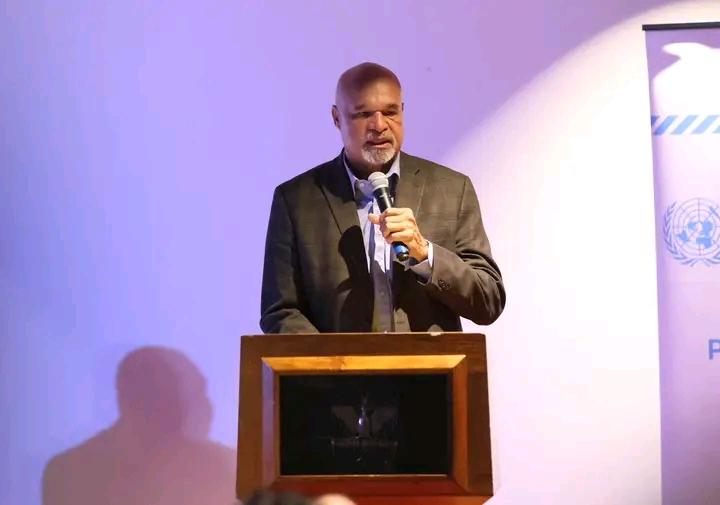
Chairperson of the Special Parliamentary Committee on Customary Land and Land Reforms, Keith Iduhu, underscored the urgency of protecting customary land systems while unlocking their potential to drive inclusive economic growth.
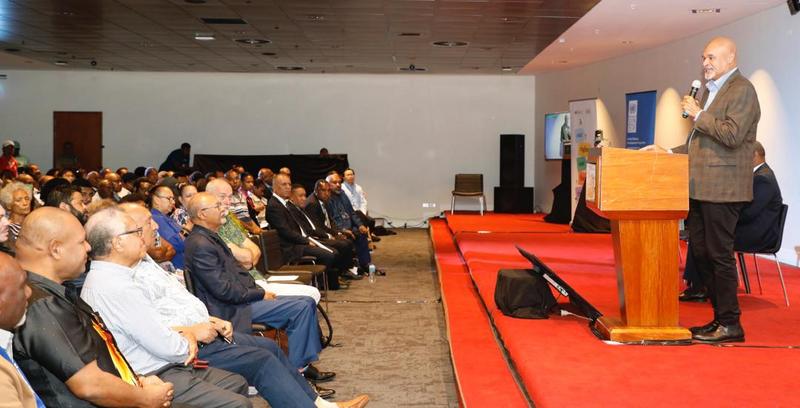
Iduhu was speaking at the High-Level Seminar on Customary Land and Human Rights held at APEC Haus in Port Moresby on Jan. 22. The seminar, organised in partnership with the United Nations in Papua New Guinea, brought together senior government leaders, development partners, civil society organisations and customary landowners.
The discussions focused on how international human rights standards can guide land governance reform in a country where approximately 97 per cent of land remains under customary ownership.
Despite marking 50 years of independence, Iduhu said colonial-era land laws and administrative systems continue to shape land governance in ways that disadvantage Indigenous landowners.
“Indigenous Peoples in Papua New Guinea are the custodians of our land, sustaining one of the world’s richest reservoirs of biodiversity, primary forest cover and cultural heritage,” he said.
“Yet our country continues to experience land-related disputes and violence traceable to historic dispossession and alienation.”
Nationwide consultations conducted by the parliamentary committee revealed persistent challenges, including land grabbing, fraudulent transactions, forced evictions, informal settlements, internal displacement and growing climate-related pressures. The consultations also highlighted serious gaps in legal protection, enforcement and access to justice, particularly for vulnerable groups.
According to Iduhu, Papua New Guinea is at a critical development crossroads, with land reform emerging as a foundational issue for long-term economic and social stability.
“The way forward is clear, we must end land-related violence and corruption, safeguard the rights of Indigenous landowners to determine their own development priorities, ensure free, prior and informed consent, and recognise restitution as the primary remedy for historic land loss,” he said.
He confirmed that Parliament made significant progress in 2025 through amendments to the Lands Act and the introduction of new laws aimed at strengthening land governance. Building on these reforms, a Customary Land Reform Bill proposed by the committee is now being prepared for tabling in Parliament.
Customary Land Reform Bill in focus
The proposed legislation seeks to reform the legal framework governing the recognition, registration, governance and use of customary land, while harmonising customary practices with constitutional principles.
Key elements of the reform include strengthening land group incorporation mechanisms, establishing clearer dispute resolution processes, improving oversight and accountability, and ensuring decisions affecting customary land are grounded in free, prior and informed consent obtained through good-faith processes.
Iduhu said the reforms would position Papua New Guinea at the forefront of sustainable development by aligning national laws with international human rights standards.
Human rights and economic development
As a state party to the International Covenant on Economic, Social and Cultural Rights, Papua New Guinea has a legal obligation to progressively realise rights such as adequate housing, where secure land tenure is a critical component.
United Nations representatives at the seminar reaffirmed that secure and equitable access to land is essential to eradicating poverty, guaranteeing an adequate standard of living and protecting the right to a clean, healthy and sustainable environment.
“Land is far more than an economic commodity,” Iduhu said. “It is the basis for social, cultural and religious practices, and central to identity and community life.”
He also highlighted the disproportionate impact of poor land governance on women, stressing their right to own, use and control land and property on an equal basis with men.
Indigenous rights and UNDRIP
The seminar reaffirmed Papua New Guinea’s obligations under the United Nations Declaration on the Rights of Indigenous Peoples, which recognises Indigenous Peoples’ collective rights to lands, territories and resources traditionally owned or occupied.
UNDRIP explicitly prohibits forced removals from ancestral land and requires free, prior and informed consent, fair compensation and, where possible, the option of return. These protections are reinforced by International Labour Organization Convention 169.
The declaration also affirms Indigenous Peoples’ right to self-determination, allowing them to freely pursue their economic, social and cultural development.
Government reform agenda
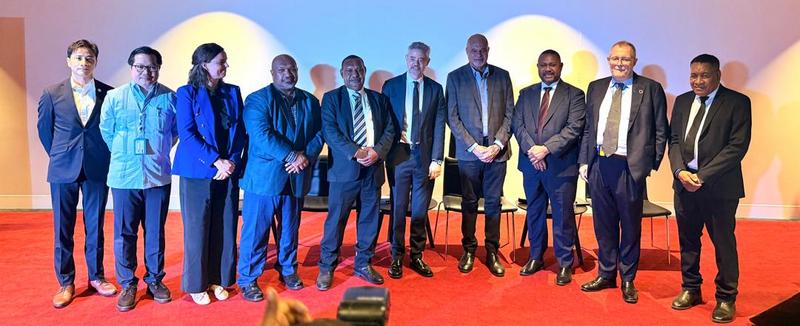
Deputy Prime Minister and Minister for Lands, Physical Planning and Urbanisation John Rosso delivered the keynote address, describing the seminar as timely as the government advances major land reforms.
Rosso urged that land reform must move beyond theory and deliver tangible social and economic benefits to traditional landowners.
“With nearly 90 per cent of our land under customary ownership, this is a unique national resource,” he said, warning landowners against selling land for minimal short-term gains.
Instead, he encouraged communities to work with the Department of Lands to transform customary land into bankable assets that support long-term prosperity.
“The Land Partnership Program provides a structured and voluntary pathway for customary landowners to partner with the State and responsible investors to develop their land,” he said.
“Under this program, land titles go to customary owners, income is managed sustainably, and long-term benefits for families, clans and future generations are prioritized.”
Rosso outlined reforms underway to modernise land administration and support housing development, including digitisation of land systems, partnerships with developers to reduce construction costs, the First Home Buyer’s Grant, consideration of tax reforms including GST exemptions for housing, implementation of strata title laws and amendments to technical legislation administered by the Department of Lands and Physical Planning.
“These reforms are aimed at ensuring every Papua New Guinean has access to affordable housing and secure land titles that support home ownership, access to finance and economic inclusion,” Rosso said.
Both leaders agreed the national conversation is shifting from simply owning land to empowering landowners, ensuring customary land is protected by law while responsibly unlocked for development that benefits communities rather than a select few.
Iduhu acknowledged that while progress has been made, secure tenure remains elusive for many Papua New Guineans. He cited the findings of the 2005 and 2019 National Land Summits as a clear roadmap that must now be fully implemented.
“By grounding land reform in internationally recognised rights and human rights law, Papua New Guinea can pursue development that is sustainable, inclusive and respectful of future generations,” he said.
The two-day seminar is expected to produce concrete recommendations to guide Parliament, government agencies and development partners toward a more just, peaceful and sustainable land governance system for Papua New Guinea.