
March 09, 2026

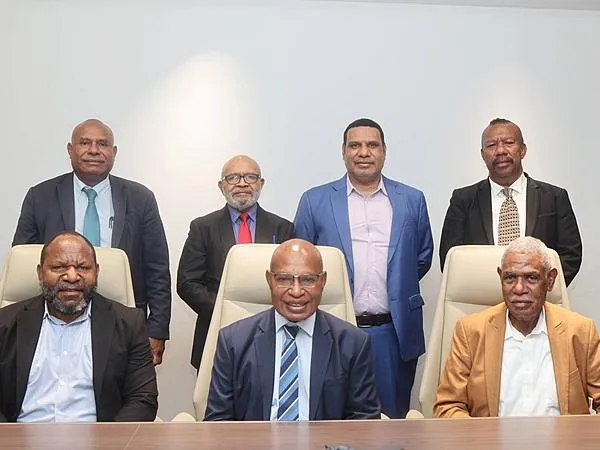
A new board of directors for Petroleum Park Holdings Limited (PPHL), a subsidiary of the Konebada Petroleum Park Authority (KPPA), was sworn in on Monday.

The ceremony was officiated by Magistrate Billy Pidu and witnessed by International Trade and Investment Minister Richard Maru, who is also responsible for KPPA.

Sworn in as board members were Ambassador Joshua Kalinoe as chairman, along with David Manau, Martin Kombri, Vera Raga and Johnson Pundari.

PPHL was established to oversee downstream petroleum and gas industry development and was registered in June 2016 under the Companies Act 1997.

Maru said the KPPA and its subsidiary were created at a time when there was no domestic market obligation (DMO) requiring gas to be reserved for local use, leaving the authority and its land largely idle for years.

He said the new board’s first task would be to determine the future direction of KPPA and the land under its control.

“If we are to establish a petroleum park then where are we going to set it up? The Papua LNG project will have a 5 percent DMO, however the processing plant must be located in Gulf Province because the gas belongs to them,” Maru said.

He noted that KPPA sits on prime land near a new wharf that could support manufacturing and export-processing industries, as well as import-substitution activities.

Such developments, he said, could generate employment and tax revenue to support economic growth.

Maru said the board is expected to submit a proposal to Cabinet within two weeks outlining its plans for the future of KPPA.

“Either you go to sleep like everybody else or make a difference,” he told the board.

March 09, 2026

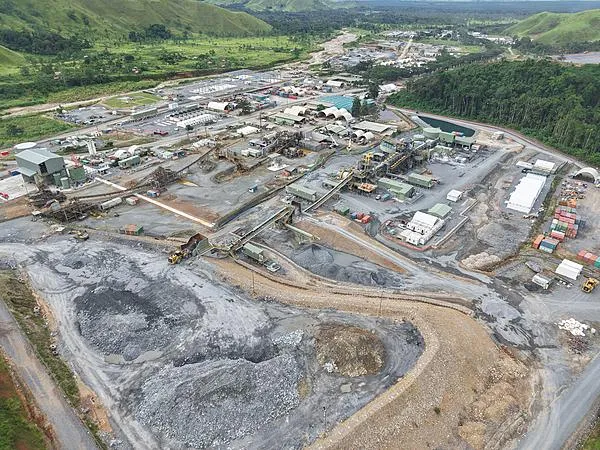
K92 Mining Inc., operator of the Kainantu Gold Mine in Papua New Guinea’s Eastern Highlands Province, reported record production and financial results for 2025, driven by strong fourth-quarter performance and the commissioning of its Stage 3 expansion plant.

In a statement released on March 2, the company said it produced 47,178 gold equivalent ounces (AuEq) in the fourth quarter of 2025, bringing total production for the year to a record 174,134 AuEq.

K92 said the results coincided with the completion of commissioning for the new 1.2 million tonnes-per-annum Stage 3 expansion process plant at Kainantu. The facility is now ramping up operations and is expected to support further production growth.

The company also reported significant economic contributions to Papua New Guinea during the year. These included PGK 423 million in corporate tax paid or accrued to the national government, PGK 50 million in royalties, and PGK 11 million in Mineral Resource Authority levies.

Capital investment reached PGK 862 million, mainly related to advancing the Stage 3 expansion. K92 also spent PGK 74 million on exploration activities targeting near-mine and regional opportunities.

The miner said it spent PGK 667 million with local suppliers and PGK 137 million on local joint venture contracts, aimed at increasing participation by domestic businesses and landowner groups. Community programmes received PGK 11 million in funding, supporting health, education and infrastructure projects.

K92 Mining chief executive officer John Lewins said the year marked a significant milestone for the company and the Kainantu operation.

“2025 was a transformational year for K92 and for the Kainantu Gold Mine. We delivered record annual production and financial results while successfully commissioning the new 1.2 million tonnes-per-annum Stage 3 Expansion Process Plant,” Lewins said.

He said the expansion would increase processing capacity and support long-term growth for the operation.

“The expansion represents a long-term investment in Papua New Guinea, supporting increased employment, stronger local business participation, and higher tax and royalty contributions,” Lewins added.

“As production grows, so too will the economic benefits for the Government of Papua New Guinea, our landowner partners, local communities and business stakeholders.”

K92 operates the Kainantu Gold Mine, one of Papua New Guinea’s producing underground gold mines, located in Eastern Highlands Province. The company has been expanding the operation in recent years as part of its strategy to increase output and extend the life of the mine.

March 09, 2026

The Papua New Guinea government is set to redevelop the 20,000-hectare Urimo Cattle Ranch in the Sepik Plains in partnership with New Britain Palm Oil Limited (NBPOL), according to Minister for International Trade and Investment Richard Maru.

Maru said the ranch, once a thriving livestock hub, has been idle since the late 1970s and will be revived as part of the government’s efforts to strengthen domestic beef production.

“Prime Minister James Marape is fully supportive of this project. This will be the largest cattle farm in the country,” Maru said.

The government, through the Ministry of International Trade and Investment and the Livestock Development Corporation (LDC), has reached an agreement for work to begin immediately.

Initial activities will include fencing large sections of the 20,000-hectare property owned by LDC in Urimo and upgrading the Kusaun to Urimo road to support the redevelopment.

“The work on the fencing is expected to start this week and the National Government has committed K10 million for the road upgrade, with the contract to be signed in the coming week. The cattle will be ordered from Sialum in Morobe for the redevelopment of this ranch,” Maru said.

He also welcomed the cooperation of the Minister for Livestock and the Livestock Development Corporation in advancing the project.

Maru said Papua New Guinea currently imports about K250 million worth of beef from Australia annually due to insufficient domestic production.

“This is because we do not produce enough to meet the local demand. That is the reason why the price of beef, including ox and palm, is so high,” he said.

The minister added that increasing local production of meat products presents a significant opportunity for the country.

“Replacing imports of beef and chicken are low-hanging fruits because we can easily raise cattle and chickens in PNG. I am working with potential investors to make sure we produce enough beef and chicken to supply our domestic market and also for exports,” Maru said.

March 09, 2026

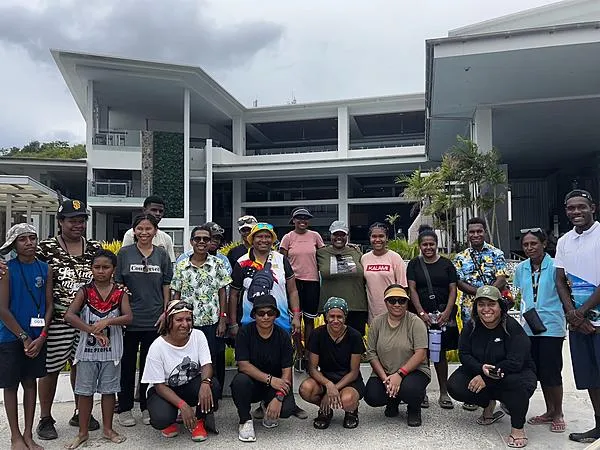
Loloata Island Resort recently hosted a beach clean-up that brought together 20 volunteers in a collective effort to remove debris and raise awareness about ocean pollution.

The clean-up, held on 22 February 2026, formed part of the resort’s ongoing marine conservation initiatives and was led by Marine Conservation Officer D’Andre Yamuna. Participants worked along key sections of the island’s coastline, collecting litter that had washed ashore from surrounding waters.

Teams focused their efforts on two areas of the island: the mangrove-fringed eastern shoreline, stretching from the Organic Garden to the Lima 8 Gate, and the sandy and rocky western shoreline, from West Beach to the Lima 5 Gate. Volunteers systematically combed the coastline, removing debris and documenting the types of waste found during the activity.

By the end of the clean-up, the team had collected more than 2,300 individual items of waste, filling 18 bags of rubbish across approximately 4,700 square metres of shoreline. The activity also included a waste audit to better understand the types of debris reaching the island and to support future conservation planning.

The findings showed that plastics made up the majority of the waste collected, accounting for about 92 percent of all debris. Soft plastics, such as food wrappers and plastic bags, were the most common items found, followed by hard plastics, including bottles and fragments.

According to Yamuna, the clean-up highlights the wider challenge of marine pollution affecting island environments.

“Many of the items we collected likely originated from nearby coastal communities and were transported here by tides and currents,” he explained. “Beach clean-ups like this are important because they not only remove waste from the environment but also help us understand the sources of pollution.”

For Loloata, the clean-up reflects a growing commitment to environmental stewardship and sustainable tourism. The resort continues to support marine conservation through regular clean-ups, monitoring activities and awareness initiatives aimed at protecting the surrounding reef and coastal ecosystems.

Anyone interested in learning how they can join or participate in these conservation initiatives is welcome to contact the team at marineconservation@loloata.com.
March 06, 2026

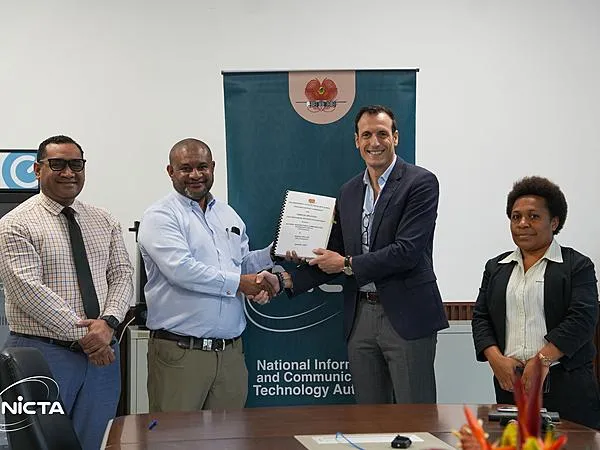
The National Information and Communications Technology Authority (NICTA) has signed a contract with Digicel (PNG) Limited to deliver the Connect the Schools Project (NPC 2023-21 – Fixed Broadband Services).

The signing ceremony was held in Port Moresby and attended by representatives from NICTA, the National Procurement Commission (NPC) and Digicel PNG.

The project highlights NICTA’s commitment to leveraging information and communications technology (ICT) for national development by transforming education through reliable broadband connectivity. It aligns with the Government’s policy objective of expanding broadband access to underserved educational institutions while supporting broader digital economy and education goals.

Funded through the Universal Access and Service Fund at PGK 1.4 million, the project will be delivered over a 24-month period. The initiative will provide fixed broadband internet, equipment and software to seven selected schools across Papua New Guinea.

The schools that will benefit from the project are:

  1. Malala Secondary School

  2. Kerowagi Secondary School

  3. Popondetta Secondary School

  4. Cameron Secondary School

  5. Manus Secondary School

  6. Hoskins Girls TVET

  7. Asitavi Secondary School

The project will provide students, teachers and surrounding communities with high-speed connectivity for e-learning, online resources and digital skills development, supporting government efforts to expand digital education services, particularly in rural and remote areas.

Digicel (PNG) Limited has also committed an additional K140,000 (K20,000 per school) to support sustainability beyond the initial contract period.

Speaking at the signing ceremony, NICTA Acting Chief Executive Officer Polume Lume said the project represents an important step towards strengthening digital education in Papua New Guinea.

“This contract is more than an agreement — it is an incentive for a sustainable digital education environment that will empower our students, teachers and communities,” Mr Lume said.

He also acknowledged the contribution of project partners.

“I thank Digicel (PNG) Limited, the National Procurement Commission, and all stakeholders for their dedication throughout the process. Let us work together to build a brighter, fully connected future for our schools and our nation.”

The Connect the Schools Project supports the National Government’s Digital Transformation Agenda and is expected to contribute to long-term social and economic growth by promoting inclusive education and a digitally empowered population.

March 06, 2026

The World Bank has committed US$250 million (more than K1 billion) to support the implementation of Papua New Guinea’s National Agriculture Sector Plan (NASP) 2024–2033, with funding channelled through the PNG Agriculture Commercialization and Diversification Project (PACD).

Prime Minister James Marape officially launched the PNG AgriConnect Project on March 3 at the University of Goroka, marking a key step in advancing the government’s long-term strategy to strengthen the agriculture sector.

The PACD initiative, supported by the World Bank, aims to develop competitive and diversified agricultural value chains for selected commodities and improve productivity among farmers in targeted provinces. The programme focuses on strengthening partnerships between smallholder farmers, producer groups and private-sector enterprises, while also supporting improvements in market access, processing and agricultural infrastructure.

The project is implemented by the Department of Agriculture and Livestock, working alongside sector agencies such as the Cocoa Board and the Coffee Industry Corporation, with a focus on key commodities including coffee, cocoa, coconuts, spices and small livestock.

Agriculture remains a critical pillar of Papua New Guinea’s rural economy, supporting the livelihoods of millions of smallholder farmers. Development partners say programmes such as PACD aim to boost farmer incomes by improving productivity, strengthening value chains and linking producers more effectively to domestic and export markets.

Among those invited to the launch was National Agricultural Research Institute Director General Dr Nelson Simbiken, whose organisation is one of the beneficiaries of the World Bank’s support under the first phase of PACD.

Dr Simbiken attended the event alongside heads of government departments and representatives from commodity boards involved in the country’s agriculture sector.

Officials said the new AgriConnect Project will complement PACD by helping coordinate agricultural development initiatives and support the rollout of the NASP 2024–2033, which aims to transform the sector through research, commercialisation and stronger partnerships between government, farmers and the private sector.

The launch underscores the government’s efforts to modernise the agriculture industry and expand economic opportunities in rural communities across Papua New Guinea.

March 06, 2026

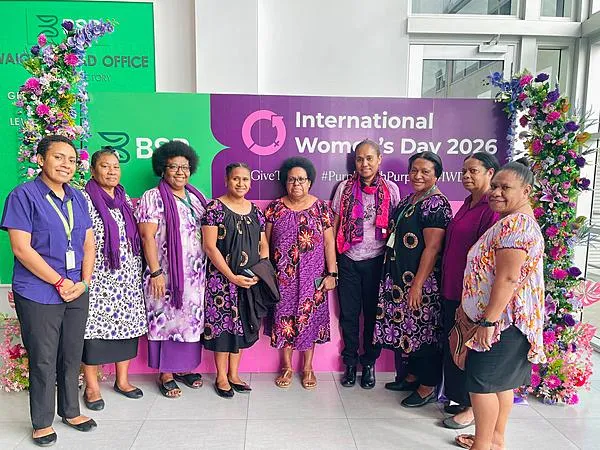
BSP Financial Group (BSP) joins the global community in celebrating International Women’s Day (IWD) 2026, championing prosperity and gender equality across the South Pacific.

Marking the occasion, BSP Group CEO Mark Robinson highlighted the bank’s ongoing commitment to advancing equality throughout the region.

“Our workforce reflects the progress we are making in inclusion and equality, with women making up 51% of our 4,800 employees. Forty per cent of leadership roles in the bank are held by women, with women also accounting for 66% of Branch Managers,” Mr Robinson said.

Central to this year’s #GiveToGain theme is the development of young talent through the BSP Graduate Trainee Programme, which provides a launchpad for female professionals entering the financial sector.

Tate Simeona-Gairo, Assistant Company Secretary, described her career journey as transformative, having begun her career as a graduate trainee.

“My experience and growth are a testament to how BSP nurtures a workplace culture that gives to gain,” said Ms Simeona-Gairo. “BSP invests the time, resources and expertise required to mentor and develop young talent.”

The bank’s commitment to career development is further reflected in the increasing number of women progressing into senior roles. Ruby Arabella-Patu is one such example. She began her career in a branch and now serves as Senior Manager, Customer Value Management in BSP’s Retail Bank.

“Progressing from an entry-level role to senior management has been a journey shaped by learning, opportunity and support,” said Ms Arabella-Patu. “BSP provided an environment where I could grow through leadership development and trust in my capabilities. As a woman in leadership, I am proud to help build a more inclusive and resilient future for the organisation.”

Ms Arabella-Patu also acknowledged the support of her male colleagues, family and community, noting that genuine empowerment is built on mutual trust and respect as organisations work together to advance gender equality across the region.

BSP said it remains proud to lead for prosperity by investing in its people and fostering a workplace culture that champions respect, care and growth for all.

BSP is the South Pacific’s international bank, with roots in Papua New Guinea dating back to 1916. Today, it is the leading bank in the region, serving three million retail, business, corporate and institutional customers across Papua New Guinea, Cook Islands, Fiji, Samoa, Solomon Islands, Tonga and Vanuatu.

The bank’s purpose is to Champion Prosperity in the South Pacific, serving customers through the region’s largest banking network, which includes 124 branches and 596 ATMs, many located in remote areas where BSP is the only banking provider, alongside a wide range of digital banking services.

March 05, 2026

Papua New Guinea showcased investment opportunities across its mining sector at the Prospectors & Developers Association of Canada (PDAC) Convention held from March 1 to 4 in Toronto, drawing strong interest from global investors while signalling support for reforms to modernise the country’s mining framework.

The PNG CORE Investor Briefing, a sideline event at the convention, attracted 167 pre-registered participants and a further 37 walk-in investors. Attendees represented markets including Canada, the United States, Japan and Europe, highlighting growing international interest in Papua New Guinea’s mining and resources sector.

Presentations were delivered by Mining Minister Solen Loifa and PNG Chamber of Resources and Energy (PNG CORE) Vice-President and K92 Mining Inc. chief executive and director John Lewins, reinforcing the country’s efforts to engage directly with the global investment community and promote responsible resource development.

Lewins said PNG CORE would continue working to translate investor interest into concrete outcomes.

“PNG CORE is committed to facilitating targeted introductions and follow-up meetings to help convert these interests into tangible outcomes,” said Lewins.

The chamber said it continues to play a key role in linking global capital with development opportunities across Papua New Guinea’s mining, gas and resource sectors, while promoting transparent engagement between government, developers and the international investment community.

The initiative will continue through upcoming industry gatherings including PNG Resources Week and PNG Investment Week, which bring together government leaders, investors, project developers and industry executives to advance partnerships and investment opportunities.

During the PDAC event, PNG CORE also welcomed the government’s commitment to modernising the country’s mining laws and regulatory framework under the Reset@50 agenda.

Speaking at the investor briefing, Lewins acknowledged the government’s reform agenda and expressed support for proposed amendments to the Mining Act aimed at strengthening investor confidence and improving regulatory clarity.

“as an organisation representing companies involved in mineral exploration, development, and production in Papua New Guinea, PNG CORE recognises the importance of maintaining a modern, transparent and competitive regulatory environment that supports responsible investment while ensuring long-term benefits for the nation and its people.”

He added: “the Chamber and its members remain committed to working with government and stakeholders to ensure these reforms contribute to increased investment and economic growth for the country.”

PNG CORE said it supports initiatives to streamline licensing and permitting through a “one-stop shop” approach, improve administrative timelines, enhance the mineral tenure system and modernise legislation that has remained largely unchanged since the early 1990s.

The chamber said efficient regulatory processes are essential for attracting exploration investment, which represents the earliest and most critical stage of the mining lifecycle.

Lewins noted that Papua New Guinea remains one of the world’s most prospective yet underexplored mineral regions.

“Papua New Guinea remains one of the world’s most prospective yet underexplored mineral regions, situated along the Pacific Ring of Fire and host to globally significant deposits of gold, copper, nickel and other strategic minerals.”

Ensuring exploration frameworks remain modern and internationally competitive will be key to unlocking this potential, PNG CORE said, adding that it will continue working closely with the Ministry of Mining, the Mineral Resources Authority and other agencies as the reform process advances.

Mining remains a major pillar of Papua New Guinea’s economy, accounting for 43% of export earnings in 2025 and about 10% of gross domestic product. The sector also supports thousands of jobs, infrastructure development, workforce training and community initiatives.

PNG CORE said responsible mining projects can deliver long-term benefits to landowners, communities, provinces and the wider economy.

The chamber added that the government’s announcement at the PDAC convention — widely regarded as the world’s leading mining investment conference — sends a positive signal to international investors that Papua New Guinea is committed to strengthening its regulatory environment and competitiveness as a destination for mining investment.

PNG CORE said continued cooperation between government, industry, landowners and communities will be essential to unlocking the country’s mineral potential and ensuring the resources sector continues to support sustainable economic growth and national development.

March 04, 2026

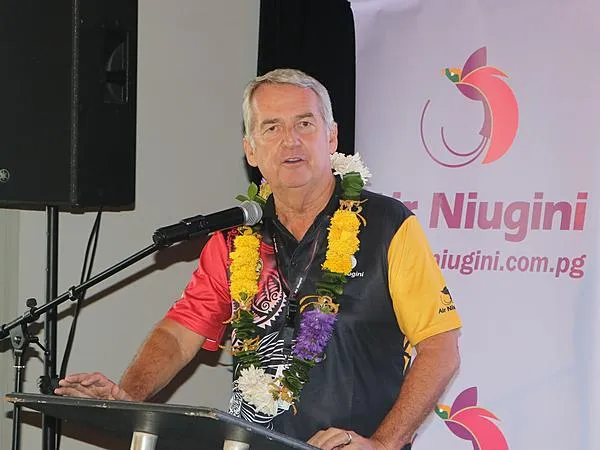
Air Niugini has launched a companywide Customer Experience Transformation (CXT) programme aimed at improving service standards and positioning the national carrier for a higher international airline rating.

The initiative was introduced during the airline’s first staff town hall of 2026 held last Friday in Port Moresby, which also marked the formal welcome of newly appointed Chief Executive Officer Alan Milne.

The CXT programme focuses on strengthening service culture, refining airline products, improving operational systems and aligning departments across the organisation to deliver a consistent and high-quality travel experience.

As part of the transformation, Air Niugini will review around 800 customer touchpoints across the passenger journey, including website and booking systems, airport check-in and lounges, boarding and ground services, onboard seating and cabin service, inflight entertainment, catering and the arrival experience.

The initiative is organised around seven workstreams responsible for different stages of the customer journey to ensure coordinated improvements across the airline.

Acting Chief Operating Officer and project sponsor Capt. Samiu Taufa said the programme represents a significant step in strengthening the airline’s service delivery.

“CXT is more than a programme — it represents our commitment to elevate Air Niugini’s service standards, strengthen our culture and modernise the way we operate. Every customer touchpoint matters, and every employee plays a role in shaping the experience we deliver,” Taufa said.

He added that the transformation is anchored in Air Niugini’s Bird of Paradise Service core belief — “Respect and Care for All,” described as Pasin bilong yumi, or the organisation’s shared values guiding behaviour and decision-making.

In December last year, Air Niugini received a 3-Star Airline Rating from Skytrax, the international air transport rating organisation that evaluates airlines through audits and passenger surveys.

Skytrax assesses airlines across several categories, including cabin service, seating comfort, catering, inflight entertainment, cleanliness and overall passenger experience. A 4-Star rating indicates a high and consistent level of product and service quality.

Through the CXT programme, Air Niugini aims to achieve a 4-Star Skytrax rating by 2027, positioning the airline among leading carriers in the region.

Programme Manager Joeli Qereqeretabua said service excellence depends on building the right organisational culture.

“At the heart of service excellence is mindset. Through the CXT programme, we are mobilising teams across the organisation and strengthening the standards and capabilities that enable our people to deliver ‘Respect and Care for All’ every day,” Qereqeretabua said.

Milne, who previously served with Air Niugini from 2018 to 2020, expressed appreciation for the welcome from employees and said he was encouraged by the company’s focus on improving customer experience.

“My vision is to foster a culture where our people are empowered to identify solutions and deliver outcomes,” Milne said. “I fully support our teams as they work through challenges, and I am committed to ensuring we move forward together with clarity and purpose.”

Employees who contributed ideas to the Bird of Paradise Service core belief were recognised during the town hall with prizes, including return airline tickets to destinations of their choice.

The event was livestreamed to staff across domestic outports and international stations, allowing employees throughout the network to participate in the milestone event.

March 04, 2026

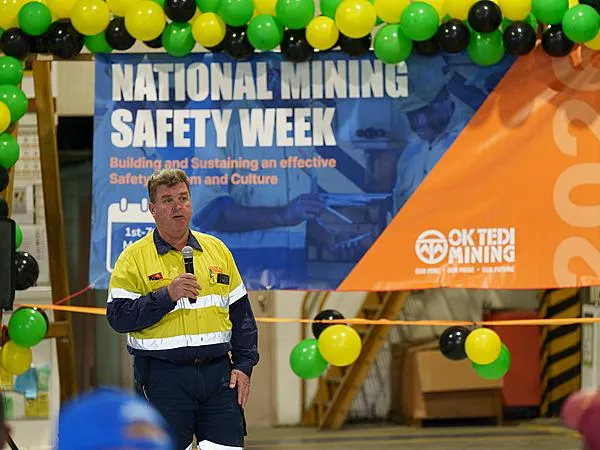
Ok Tedi Mining Limited (Ok Tedi) has reaffirmed its commitment to workplace safety as it observes National Mine Safety Week from March 1 to 7, emphasizing the importance of strong safety systems and a culture that prioritizes the protection of workers.

Under the theme “Building and Sustaining an Effective Safety System and Culture,” the company is encouraging employees and business partners to take shared responsibility for safety and move beyond basic compliance.

Ok Tedi said safety remains a core value guiding operational decisions and outcomes, supporting the company’s long-term strategy and operational performance.

Throughout the week, the company is conducting targeted activities aimed at strengthening frontline safety practices. These include toolbox talks, observation and interaction sessions, leadership walk-arounds and practical refresher activities designed to improve hazard awareness, decision-making and personal readiness.

Key focus areas include the use of risk management tools such as Take 5 and Job Safety Analysis, early intervention through observation and interaction, visible leadership in the field, the application of critical controls and life-saving rules, and managing risks linked to fatigue, distraction and routine tasks.

The company said safety is a key pillar of its Growth 2050 Strategy, which seeks to ensure operational stability, asset integrity and disciplined delivery across its operations.

Ok Tedi Manager for Safety Malcolm Maddison said effective and sustainable systems are essential in strengthening the company’s safety culture.

He emphasized that everyone within the organization, from senior leaders to new apprentices, plays a role in maintaining a safe working environment.

Ok Tedi said the week’s activities highlight its commitment to safer workplaces, stronger leadership visibility and improved confidence in risk management.

The company reiterated its safety pledge: “Nobody Gets Hurt, Zero Harm.”

Tags: Ok Tedi Mining Limited; Papua New Guinea; mining safety; National Mine Safety Week; workplace safety; mining industry; risk management; safety culture; Growth 2050 Strategy; Malcolm Maddison; occupational health and safety.

March 03, 2026

Papua New Guinea’s economy is forecast to expand by 4.6 percent in 2026, with prospects shaped by its recent grey listing by the Financial Action Task Force (FATF) and the anticipated Final Investment Decision (FID) on the US$13–14 billion Papua LNG project later this year, according to Westpac’s Westpac Wailis: PNG Economic Update and Outlook (February 2026).

Westpac upgraded its 2025 growth estimate to 5.5 percent from 4.7 percent, citing strong performance in mining, industry and services. The official 2024 growth estimate of 3.9 percent was below Westpac’s projection.

Mining and exports drive 2025 rebound

The report said 2025 was marked by robust mining output amid favourable global commodity prices. Elevated gold and copper prices, the restart of the Porgera gold mine and a standout year at Ok Tedi underpinned strong outcomes in the resource sector.

Porgera delivered 376,000 ounces of gold in 2025, contributing around 1 percent of GDP and declaring K1.7 billion in dividends while paying K986 million in taxes. Ok Tedi produced 106,000 tonnes of copper and 298,000 ounces of gold, generating K9.3 billion in revenue and more than K1 billion in dividends.

PNG LNG operated above nameplate capacity in 2025, exporting more than 8.3 million tonnes of LNG, up 8.4 percent year on year, and has fully repaid its project finance debt, boosting the state’s future dividend and tax flows.

Agriculture also benefited. Coffee exports exceeded 1.5 million bags in 2025, lifting rural incomes. Palm oil output is projected to rise to 727,300 tonnes in 2026 from 696,800 tonnes in 2025, while cocoa exports are forecast at 51,200 tonnes in 2026.

Inflation easing but uneven

Headline inflation slowed to 4.1 percent year on year in the December 2025 quarter from 4.7 percent in September, while underlying inflation eased sharply to 0.8 percent. Betel nut prices, up 29 percent year on year in the fourth quarter, remained the largest source of volatility in the consumer price index.

Price pressures are uneven. Inflation in Port Moresby and Lae stood at 0.5 percent and 1.6 percent respectively, while the Goroka-Hagen-Madang region recorded 17.4 percent and the Alotau-Kimbe-Kokopo/Rabaul region 13.6 percent.

Westpac said inflation is now broadly within the 3–4 percent range, allowing Bank PNG to maintain a stable policy stance.

Fiscal consolidation strengthens

The 2026 National Budget sets record expenditure of K30.9 billion against projected revenue of K29.3 billion, with the deficit targeted at 1.1 percent of GDP — down sharply from 8.9 percent in 2020. The debt-to-GDP ratio is projected to fall to 45.5 percent in 2026 from 48.4 percent in 2025.

International reserves cover more than seven months of imports, and foreign exchange backlogs have largely cleared. The kina has depreciated gradually under a managed crawling peg, with the PGK/USD at 0.2327 in January 2026 and forecast to bottom at 0.2150 in late 2026 or early 2027 before appreciating.

A Treasury Bills auction in February was oversubscribed, with bids of K650.48 million against K270 million on offer, reflecting strong demand for government securities.

Grey listing impact seen as contained

Westpac expects the impact of FATF grey listing to be limited and contained, noting that authorities have introduced an 18-point action plan backed by a K10 million allocation to strengthen anti-money-laundering controls. Business leaders remain cautiously optimistic, viewing the development as a catalyst for reform.

Papua LNG could reshape growth path

Under Westpac’s baseline scenario without Papua LNG FID, growth moderates to 4.2 percent in 2027 and 4.0 percent in 2028, stabilising around 3.9–4.1 percent over the longer term.

However, if the US$14 billion Papua LNG project proceeds, the construction phase — modelled over five years — could lift annual GDP growth by 2.5 to 3.4 percentage points, pushing growth to between 6.7 percent and 7.3 percent during peak years. Once production begins, mining growth could rise from a baseline of 1.6 percent to 7.6 percent, lifting overall GDP growth to about 6.1 percent in 2032.

The project is projected to produce 5.6 million tonnes per annum, generating estimated annual revenues of US$2.7 billion at an assumed average price of US$9.91 per MMBtu.

Taken together, Papua LNG could lift PNG’s growth trajectory from a 4 percent baseline to a 6–8 percent range during peak years, making it the most consequential driver of economic expansion over the coming decade.

Despite structural challenges and external headwinds — including commodity price volatility and potential global LNG oversupply — Westpac concludes PNG enters 2026 with solid growth momentum, improving fiscal metrics and a strong pipeline of resource projects.

March 03, 2026

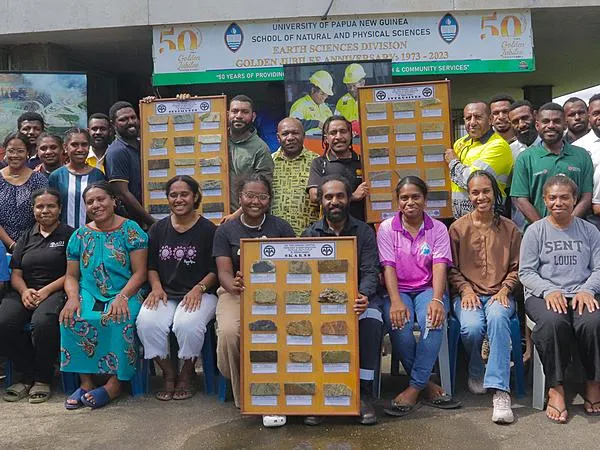
Ok Tedi Mining Limited (Ok Tedi) has reinforced its long-standing partnership with the University of Papua New Guinea by donating three geological specimen boards to the Earth Sciences Division of the School of Natural and Physical Sciences.

The boards, containing representative rock and mineralised samples from the Ok Tedi porphyry system and surrounding prospects, will support teaching, practical learning and research. The specimens provide students with direct exposure to the alteration and mineralisation styles that define one of Papua New Guinea’s most significant porphyry copper-gold deposits.

This latest contribution builds on Ok Tedi’s broader support for the department, including last year’s K550,000 investment in new computers, laptops and essential laboratory equipment.

“UPNG has produced many of our finest geologists and technical specialists,” said James Bu, Ok Tedi’s Manager, Mine Technical Services. Mr Bu is himself a former geology student.

“Supporting the Earth Sciences Division with real Ok Tedi geological specimens ensures students are exposed to the same materials and mineral systems they will encounter in the field. This helps them transition more confidently into the workforce and strengthens the talent pipeline we need to deliver the company’s Growth 2050 Strategy.”

Head of Division Professor Joseph Espi expressed his and the Division’s appreciation for the support.

“We are deeply grateful for Ok Tedi’s continued support of the Earth Sciences Division. These geological specimen boards are more than teaching materials — they allow our students to engage directly with the rock types and mineralised systems that define one of Papua New Guinea’s world-class deposits.

“This practical exposure strengthens their learning, builds confidence and prepares them to transition effectively into the mining workforce. We value Ok Tedi’s commitment to developing Papua New Guinean professionals who will contribute meaningfully to the nation’s mineral sector.”

Mr Bu said the initiative aligns with Ok Tedi’s Growth 2050 Strategy, which recognises the importance of investing in national skills development as an essential component of sustaining the company’s long-term operational success.

He said strengthening the capacity of local institutions such as UPNG is central to maintaining a strong pipeline of Papua New Guinean talent for the future.

March 03, 2026

On the sidelines of the 2026 Prospectors & Developers Association of Canada (PDAC) Investment Convention in Toronto, Canada, Papua New Guinea’s Minister for Mining Solen Loifa, MP, announced a sweeping suite of regulatory and institutional reforms designed to transform PNG into the Asia-Pacific region’s most conducive destination for mining investment.

Under the government’s “Reset@50” agenda, Minister Loifa committed to a six- to nine-month implementation window to finalize a new regulatory framework.

This “New Deal” for the sector prioritizes the removal of bureaucratic bottlenecks and the modernization of laws that have remained largely unchanged since 1992.

Key Pillars of the Reform Agenda

  1. Establishment of a “One-Stop Shop”

The government is realigning policy and institutions to create a streamlined, integrated service center for investors. This reform will centralize licensing, permitting and compliance, ensuring that explorers and miners no longer face fragmented departmental processes.

  1. Modernizing Exploration Rights

To support the high-risk pioneer stage of mining, the government will extend the tenure of exploration licenses (EL) from two years to five years. This provides the long-term stability required for modern, technology-driven exploration programs.

  1. Introduction of Retention Licenses

For the first time, a formal retention license category will be introduced, allowing companies to hold and protect discovered deposits during periods of unfavorable market conditions or technical feasibility studies.

  1. Bypassing the First-in-Time Requirement for Projects of Significance

The government is moving toward a more merit-based and strategic allocation of tenements to ensure genuine operators are prioritized for areas identified as highly prospective. This will not affect existing license areas or applicants seeking to conduct exploration in areas not reserved for the intended purpose. The government will use both first-in-time and merit-based approaches on a case-by-case basis.

  1. Removing Red Tape

The minister specifically targeted the “lengthy and cumbersome” process through increased staff capacity and a drive toward an electronically automated system. New regulations will mandate strict timelines for renewals to ensure that projects do not stall due to administrative delays.

  1. Inclusive Workforce

Reforms to mining safety laws will formally enable and encourage women to work in all aspects of mining, ensuring the industry reflects the talent and diversity of the entire population. This will enable women to work underground, unlike the current restriction in 1977 legislation.

  1. Realignment of Policy and Regulatory Framework Under a Single Entity — Reforming the Mineral Resources Authority (MRA)

The Mineral Resources Authority (MRA) is the government agency responsible for regulating the mining industry in Papua New Guinea. It is currently undergoing a strategic realignment to serve as the primary gateway for the “One-Stop Shop” investment initiative.

Minister Loifa emphasized that these changes were not merely proposals but were a core mandate of his leadership.

“Our message to the global mining community is clear. We have heard your concerns regarding regulatory uncertainty and administrative delays,” said Minister Loifa.

“We are removing the hurdles that have historically slowed discovery, while ensuring that the people of Papua New Guinea benefit equitably from our resource wealth.”

The PDAC is the world’s premier mineral exploration and mining convention, which kicked off March 1 (Canada time) and will go on until March 4. This is an annual event that brings together more than 27,000 attendees from over 125 countries for educational programming, networking events and business opportunities.

Since it began in 1932, the convention has grown in size, stature and influence. The award-winning event is a gathering where familiar faces reunite, new connections are forged and the future of mineral exploration takes shape one conversation at a time. It is the event of choice for the industry, hosting more than 1,300 exhibitors and 700 presenters.

March 02, 2026

Papua New Guinea’s digital transformation and artificial intelligence (AI) agenda took centre stage as the government marked Safer Internet Day 2026 in February, with Acting Information and Communications Technology Minister Peter L. Tsiamalili Jr. reaffirming ICT and AI as critical drivers of economic growth and public sector reform.

In a press statement, the minister described digital transformation as a core pillar of the country’s long-term development strategy, linking safer internet practices to broader governance, innovation and service delivery reforms.

“As Acting Minister for Information and Communications Technology, I reaffirm the Prime Minister’s declaration during the Digital Transformation Summit 2025 for Papua New Guinea to fully embrace digital transformation — that Information and Communications Technology (ICT) and Artificial Intelligence (AI) will drive the nation’s next 50 years of development, growth and public sector reform,” Tsiamalili said.

Reset@50 and Digital Government Plan 2023–2027

Tsiamalili said the government’s Reset@50 agenda provides a roadmap for leveraging technology to improve accountability and efficiency across all levels of government.

“The Government’s Reset@50 agenda sets the pathway toward ensuring accountability, transparency and impact by leveraging AI to help PNG leapfrog traditional capacity constraints and deliver more efficient, evidence-driven governance across all levels of government,” he said.

He also highlighted the Digital Government Plan 2023–2027 as a comprehensive strategy to modernise public sector services through digital transformation.

For the business community, the policy direction signals increased digitisation of government services, data-driven governance and expanded use of AI — reforms expected to reshape regulatory processes, compliance systems and public service delivery.

This year’s Safer Internet Day theme, “Smart tech, safe choices – Exploring the safe and responsible use of AI,” reflects growing attention to the governance of emerging technologies.

Balancing innovation and risk

Tsiamalili emphasised the government’s regulatory role in balancing innovation with risk management.

“It is the duty of the Government to protect, promote, monitor and set guidelines to create an enabling environment for all users to be responsible while using social media for developmental purposes, and to guard against cyber threats to ensure national security,” he said.

Rising social media use and associated risks

The minister noted the rapid growth in social media usage in Papua New Guinea and its increasing role in communication, commerce and public engagement.

“Social media has become an integral part of communication, information dissemination and public engagement. In recent times, Papua New Guinea’s social media accessibility rate has increased significantly,” he said.

Platforms including Facebook, Instagram, TikTok and LinkedIn now play a key role in connecting individuals and businesses and facilitating access to government services.

However, he cautioned that the rapid evolution of social media — including the integration of AI — has introduced risks such as privacy breaches, misinformation, online harassment, hate speech, data security threats and platform abuse.

For businesses operating in the digital space, these developments point to tightening compliance expectations around data protection, cybersecurity and responsible AI deployment.

PNG Social Media Policy 2025

In response to these challenges, the Marape–Rosso government has introduced policy measures to strengthen digital governance.

“To address these challenges, the Marape–Rosso Government has taken proactive steps through the Papua New Guinea Social Media Policy 2025. The goal of this policy is to promote safe use of social media platforms while maintaining our cultural and Christian values as we continue to adapt to technological advancements,” Tsiamalili said.

He called for shared responsibility across sectors.

“I encourage all Papua New Guineans to take ownership of this policy and be accountable so that we can create a safe social media environment. Let us work together to embrace technological advancement and contribute positively to the development of our country,” he said.

The Safer Internet Day commemoration was led by the Ministry of Information and Communications Technology in partnership with the Department of Information and Communications Technology, the National Information and Communications Technology Authority and the National Broadcasting Corporation.

“In commemorating Safer Internet Day, the Government of PNG acknowledges the importance of collective responsibility in building a safer and more responsible digital Papua New Guinea,” Tsiamalili said.

He also commended the government’s support for ICT sector reforms, referencing the Pacific ICT Ministers’ Dialogue and endorsement of the Lagatoi Declaration as important milestones in PNG’s digital trajectory.

“I commend the Government for its leadership in supporting ICT sector reform and advancing key digital programmes to better serve Papua New Guineans,” he said.

As PNG advances its digital government agenda, greater integration of AI, stronger social media governance and an increased focus on cybersecurity are expected to have far-reaching implications for businesses, investors and the broader economy.

March 02, 2026

Central Province has unveiled a K345 million (approximately US$93.2 million) 2026 budget aimed at accelerating rural economic growth, strengthening governance and improving financial independence, with significant allocations for security, infrastructure, skills development and local enterprise.

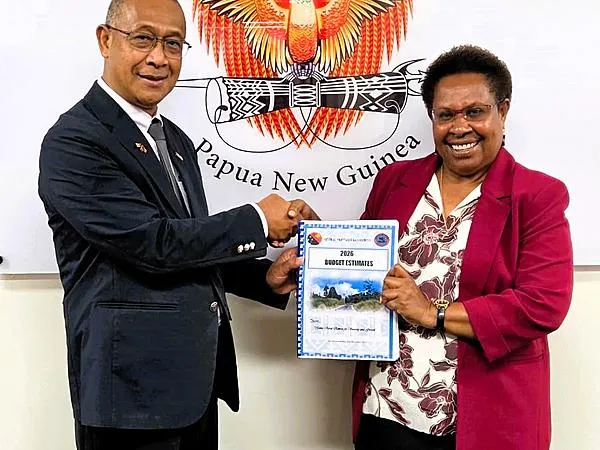
The budget was formally presented to Treasurer Ian Ling-Stuckey on 25 February 2026 by Governor Rufina Peter, accompanied by acting provincial administrator Bala Kapa, finance and administration adviser Tony Gamata and provincial finance manager Walis Imbal.

At the centre of the fiscal plan is a strategy to expand development into remote communities while reinforcing law and order as a foundation for economic activity. The province has allocated K12 million (about US$3.24 million) for development initiatives, including market and church-related infrastructure, and K24 million (around US$6.48 million) to strengthen security, policing and community safety.

The 2026 budget carries the theme, “Going Rural Remote for Security and Growth,” reflecting a deliberate effort to redirect investment beyond urban centres into rural districts where economic participation remains limited.

“This budget underscores our priority to connect remote communities, create sustainable jobs and build financial resilience for our people,” Peter said.

A major component of the spending plan focuses on human capital development. The province has allocated K21.5 million (approximately US$5.81 million) for education, skills development and vocational training programmes, including in Rigo District and surrounding areas. The investment is expected to strengthen workforce readiness and support the growth of small and medium-sized enterprises.

Infrastructure development also features prominently. A total of K20.4 million (about US$5.51 million) has been committed to growth centre infrastructure in Koiari LLG, Rigo North LLG, Kuni LLG, Amazon Bay LLG and the three least developed LLGs of Goilala District — Woitape, Guari and Tapini. The projects are designed to improve connectivity, stimulate trade and create enabling conditions for private sector participation.

Peter thanked the national government for K25 million (approximately US$6.75 million) in Public Investment Program funding for Central Provincial Hospital and called for the full release of the funds, stating that the Provincial Executive Council would provide oversight.

Among other major projects highlighted were the proposed Central Province Police Headquarters and Barracks at Bautama, for which the Provincial Executive Council has allocated eight hectares of land, and development of the Seat of Government at Sabusa to strengthen administrative coordination.

Ling-Stuckey commended Peter and her administration for presenting a budget focused on governance, service delivery and rural expansion.

During the presentation, Peter raised concerns about outstanding national government commitments, particularly funding for the Edevu Road project pledged by Prime Minister James Marape. She said K5 million (about US$1.35 million) of the K10 million (approximately US$2.7 million) commitment was delivered in 2025, while the remaining K5 million remains outstanding despite the project being incorporated into provincial plans for this year.

Ling-Stuckey acknowledged the concern and said the matter would be addressed.

“This concern is noted and I have asked my office to take note of your concern and to commit to the outstanding,” he said.

Peter also raised outstanding commitments, including K27 million (approximately US$7.29 million) for the 36-kilometre Rigo ring road. The treasurer said the Central Provincial Government could submit a formal letter to his office to progress the matter.

The 2026 budget presentation signals Central Province’s intention to drive development deeper into rural areas while strengthening governance, infrastructure and security to support sustainable growth and long-term economic confidence.

March 02, 2026

A K120 million (approximately US$32.4 million) redevelopment of the National Fisheries College’s waterfront training facilities has entered the implementation phase, marking a major investment in Papua New Guinea’s fisheries value chain and long-term revenue diversification strategy.

The National Fisheries Authority confirmed that the shorebase training facilities contract, valued at K92 million (about US$24.8 million), was signed on 19 February 2026 at the Papua New Guinea Embassy in Tokyo between the authority and Dai Nippon Construction. The signing was witnessed by the secretary for the Department of National Planning and Monitoring, Koney Samuel. Construction of the shore-based facilities is expected to be completed in the first quarter of 2028.

The redevelopment forms part of the Project for the Improvement of Facilities and Training Equipment of the National Fisheries College, conceived more than three years ago and now progressing into full delivery. The broader initiative includes procurement and construction of a modern training vessel alongside new waterfront infrastructure to support advanced fisheries training.

Japan is providing grant assistance valued at 3,255,000,000 yen (approximately K90.37 million, or about US$24.4 million), formalised under an Exchange of Notes and Grant Agreement executed on 20 June 2025. Combined with the Papua New Guinea government’s contribution, the total project value stands at K120 million. The initiative builds on a bilateral partnership dating back to 1974, when Japan supported construction of the college’s students auditorium under its overseas development assistance programme.

The redevelopment aligns with the government’s policy direction to broaden the fisheries sector beyond its traditional reliance on tuna. By strengthening domestic training capacity and expanding technical expertise in areas such as bottom fishing and longline operations, the project is expected to increase local participation across the fisheries value chain — from harvesting to processing and downstream activities — while enhancing direct revenue generation for the state.

The training vessel component remains under procurement, with the contractor announcement expected soon. Construction and delivery are projected over a three-year period, with completion anticipated in 2029. Arrangements for the vessel are expected to be finalised later this year.

NFA managing director Justin Ilakini described the project as a critical step in repositioning the National Fisheries College as a higher-level learning institution capable of supporting both national workforce development and growing regional training demand.

“This project represents a transformational investment in the future of fisheries education and workforce development in Papua New Guinea. Through modern facilities, expanded practical training and strengthened international partnership, the National Fisheries College will be positioned to serve as a leading regional centre of excellence in fisheries training,” Ilakini said.

For Papua New Guinea’s fisheries industry — one of the country’s key renewable resource sectors — the redevelopment signals a shift towards capacity building, skills localisation and industry diversification. By investing in infrastructure and technical training, the government and its development partners aim to lay the foundation for a more resilient, competitive and domestically driven fisheries economy.

The Department of National Planning and Monitoring is working alongside the National Fisheries Authority to ensure all state obligation requirements are met to facilitate smooth project implementation. A groundbreaking ceremony is anticipated later this year, subject to scheduling arrangements.

March 02, 2026

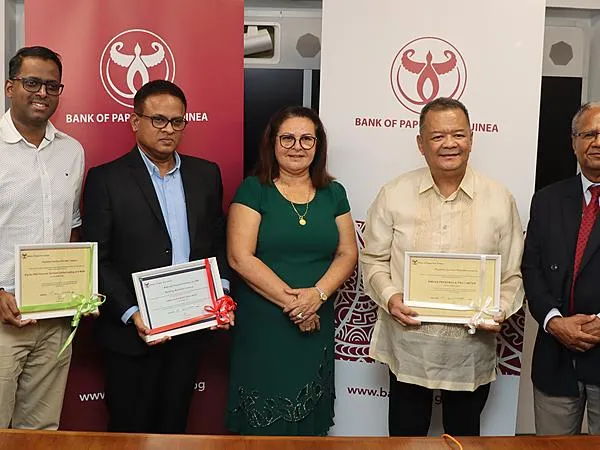
Digitec PNG Financial Services Limited, trading as V-MONI; Omega Paymybills PNG Limited; and Lower OK Tedi Micro Bank Limited have officially received licence certificates from the Bank of Papua New Guinea (BPNG) on 27 February at Robert Haus in Port Moresby.

Speaking at the licence presentation ceremony, BPNG Governor Elizabeth Genia described the development as positive news for Papua New Guineans.

“The expansion of licensed payment services means greater convenience, faster transactions and improved access to digital financial services for our people, including those in rural and remote areas,” Governor Genia said.

She added that microfinance institutions are equally vital in extending financial services to underserved communities, supporting small enterprises and promoting inclusive economic growth.

Digitec PNG Financial Services Limited, trading as V-MONI, and Omega Paymybills PNG Limited have been licensed as Payment Service Providers (PSPs) under the National Payments Act 2023. The PSP licence enables institutions to allow customers to securely store money, make payments and transfer funds directly from their mobile phones without the need for a traditional bank account. This regulatory approval paves the way for greater participation in the digital economy, particularly for individuals with limited access to conventional banking services.

Lower OK Tedi Micro Bank Limited has been licensed as a licensed financial institution under the Banks and Financial Institutions Act 2000 to operate as a micro bank. As a microfinance institution, it is authorised to take deposits and provide lending services, particularly to small businesses and individuals who lack access to traditional credit opportunities. The move is expected to support entrepreneurship and stimulate economic activity in underserved areas.

Governor Genia reminded the newly licensed institutions that receiving a licence carries significant responsibility. She emphasised that a licence is not merely a certificate but an obligation to uphold strong oversight, effective governance and strict compliance with all regulatory requirements, including anti-money laundering and counter-terrorism financing (AML/CTF) obligations.

“As licensed financial institutions, you form part of the first line of defence in protecting our financial system. Effective customer due diligence and a strong compliance culture must be embedded in your operations from day one. Weaknesses in this area expose your institution and the entire financial system to significant risks,” she said.

The governor also assured the institutions of the central bank’s continued support.

“Of course, this is only the start of a long collaboration. You have our full support in meeting these expectations,” she added.

BPNG reaffirmed its commitment to maintaining close engagement with financial institutions to ensure that PNG’s payment and financial system remains safe, sound and trusted. The issuance of the licences reflects the central bank’s ongoing efforts to promote innovation while safeguarding financial stability and advancing financial inclusion across the country.

March 02, 2026

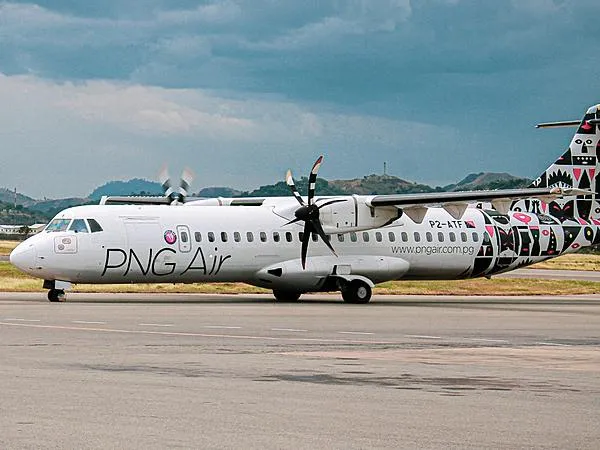
PNG Air advises the general public that all flights to and from Wewak have been cancelled until further notice following a serious break and enter incident at Boram Airport, Wewak.

The incident resulted in significant damage to terminal facilities, including the destruction of critical infrastructure and the loss of valuable computer equipment and essential office systems. As a consequence, safe and secure operating conditions cannot currently be guaranteed.

PNG Air deeply regrets the inconvenience this suspension will cause to passengers, business partners and the broader community. However, the safety and security of our passengers, staff and aircraft remain our highest priority.

Flight Schedule Adjustments

Effective immediately and until further notice:

  • All flights scheduled to operate to Wewak are cancelled.

  • Flights that normally overfly Wewak will now operate directly to Vanimo.

  • Services previously operating Port Moresby – Mount Hagen – Wewak will now terminate at Mount Hagen.

Passengers holding bookings to or from Wewak are advised to contact PNG Air sales offices or their travel agents for rebooking or refund arrangements.

PNG Air is working closely with airport authorities and relevant stakeholders to assess the situation and determine when services can safely resume. Updates will be provided as more information becomes available.

We thank the travelling public for their understanding and patience during this time.

For media enquiries, please contact:
Media Relations – Ms Kimberly Bernard and Ms Wendy Igara
Email:
media.relations@pngair.com.pg

February 27, 2026

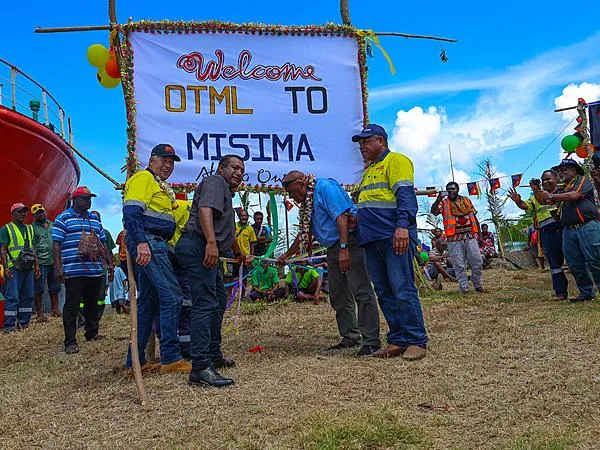
Misima Minerals Limited, a subsidiary of Ok Tedi Mining Limited, has taken a major step forward in the redevelopment of the Misima Project with the successful arrival of a vessel carrying the first machinery and equipment to commence work on Misima Island on 23 February 2026.

The arrival of the initial mobile equipment fleet — comprising earth-moving machinery, vehicles and essential supplies — signals the start of restoring critical infrastructure to support activities required to complete the feasibility and permitting stage of the project.

These works will be undertaken concurrently with ongoing exploration activities, including finalising the social and environmental impact assessment to meet environmental and mining permit application requirements. This demonstrates Ok Tedi’s commitment to progressing the project responsibly.

Local communities gathered in large numbers to witness the milestone, reflecting strong support, interest and optimism surrounding the project’s renewed momentum.

A welcoming ceremony was held at the landing site at Bwagaoia Station, attended by representatives of the Milne Bay provincial government, the Louisiade Rural LLG, Ok Tedi Mining Limited and community leaders from across Misima.

Speaking at the event, Ok Tedi Mining Limited General Manager for Social Performance and Sustainability Jesse Pile expressed gratitude to stakeholders who have supported the project’s progress from the outset. Consistent with OTML practice, stakeholder engagement from the provincial government level to the district, LLG and mine-associated communities — including local MP Isi Henry Leonard — has been completed and consent obtained.

“This milestone reflects the collective effort of government partners, landowners, community leaders and our parent company, Ok Tedi Mining Limited. Misima Minerals is committed to ensuring that this project becomes more than just a mine. Guided by Ok Tedi’s legacy, we aim to build a social mine — one that places people at the heart of its development,” Pile said.

He reaffirmed Ok Tedi and Misima Minerals’ commitment to fostering strong partnerships, supporting community aspirations and ensuring sustainable, long-term benefits are created for Misima’s stakeholders throughout the life of the project.

“Our goal is to help build positive and lasting legacies for Misima. As we progress through feasibility and beyond, we will continue to work closely with all partners to ensure development is inclusive, responsible and aligned with provincial, district and community needs through their LLG,” he added.

Samarai–Murua District acting administrator Ryan Seta, speaking on behalf of local MP Isi Henry Leonard, reaffirmed the district administration’s full support for the commencement of feasibility studies and initial project set-up.

He commended Ok Tedi Mining Limited for its proactive stakeholder engagement efforts, noting that such inclusive approaches reflect a genuine commitment to shared prosperity for all partners involved.

The arrival of the first equipment marks the beginning of a new chapter for Misima Island. It demonstrates tangible progress towards the redevelopment of the Misima Mine and reinforces Ok Tedi and MML’s commitment to responsible resource development.

February 25, 2026

The Asian Development Bank (ADB) has approved a $60.9 million loan to improve water supply and sanitation in urban communities in Port Moresby and Vanimo, Papua New Guinea (PNG).

ADB’s financing includes a $30 million regular ordinary capital resources loan and a $30.9 million concessional ordinary capital resources loan. The Government of PNG will provide $3 million in counterpart financing. An additional $1.5 million technical assistance grant from ADB will support digital systems integration, institutional strengthening and the exploration of public–private partnership opportunities.

“The project signals ADB’s renewed focus on strengthening urban services,” said ADB Country Director for PNG Takafumi Kadono. “This is an important milestone in our partnership with PNG — our first loan investing in the country’s water sector in more than 25 years. It will expand access to safe water, improve public health and build more resilient and sustainable water and sanitation systems for urban communities in both Port Moresby and Vanimo.”

The Urban Water Supply and Sanitation Security and Resilience Improvement Project will enhance the reliability of piped water systems, rehabilitate wastewater infrastructure and strengthen the operational and financial capacity of state-owned utility Water PNG Limited.

More than 160,000 people — including those living in settlements — in Port Moresby and Vanimo will directly benefit from expanded access to a safe and reliable water supply. The project will also upgrade sanitation facilities to ensure treated wastewater is safely discharged and poses no risk to public health or the environment.

PNG has some of the lowest levels of access to water supply and sanitation services in the Pacific region. Rapid urban growth is placing increasing pressure on ageing infrastructure, while climate change — through prolonged dry periods, rising temperatures and exacerbated flooding — further threatens water security. The project incorporates adaptation measures to strengthen resilience and safeguard essential services.

In Port Moresby, the project will rehabilitate the Mount Eriama Water Treatment Plant, expand storage capacity and distribution networks, and reduce non-revenue water. It will also refurbish the Waigani sewage treatment ponds to improve effluent quality and environmental protection.

In Vanimo, where there is currently no reticulated water supply system, a new resilient system will be developed, including groundwater and spring sources, treatment facilities and metered household connections.

The project supports PNG’s National Water, Sanitation, and Hygiene Policy 2015–2030 and aligns with ADB’s Strategy 2030 Midterm Review, particularly its focus on climate action, digital transformation and private sector development.

ADB is a leading multilateral development bank supporting inclusive, resilient and sustainable growth across Asia and the Pacific. Working with its members and partners to solve complex challenges, ADB harnesses innovative financial tools and strategic partnerships to transform lives, build quality infrastructure and safeguard the planet. Founded in 1966, ADB is owned by 69 members, 50 of which are from the region.

February 25, 2026

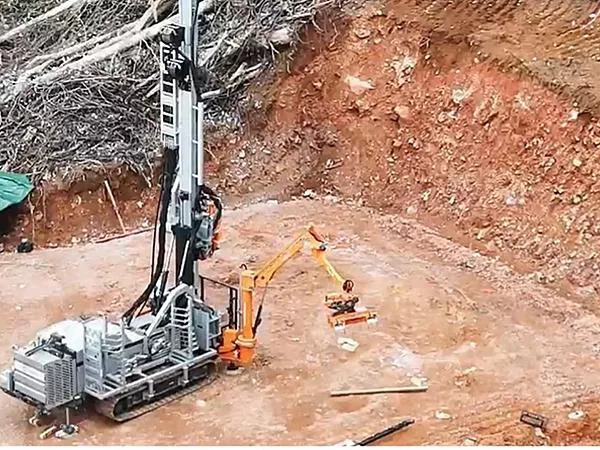
Great Pacific Gold Corp. has mobilised a second diamond drill rig to its flagship Wild Dog Project in Papua New Guinea, with drilling now under way at the Kasie Ridge epithermal gold-copper target.

The Canadian-listed company said the second rig has commenced drilling at Kasie Ridge, marking the first drill programme ever undertaken at the prospect, located on the island of New Britain in East New Britain Province.

Kasie Ridge is described as the largest preserved advanced argillic alteration system identified so far within the Wild Dog Project. The prospect forms part of the broader Nengmutka hydrothermal system and lies northeast of the central Wild Dog structural corridor.

The company said geological interpretation suggests Kasie Ridge represents a structurally controlled lithocap developed above, or adjacent to, a potential high-sulphidation epithermal or porphyry system at depth. The alteration footprint extends about 1.5 to 2 kilometres along strike and spans several hundred metres in width.

The alteration assemblage includes pyrophyllite, dickite, kaolinite, alunite, diaspore and zunyite — minerals typically associated with high-temperature, acidic hydrothermal conditions. The presence of zunyite and diaspore is considered significant, as both are commonly linked to higher-temperature environments proximal to a heat source.

“Kasie Ridge is a very technically compelling target on the Wild Dog project,” said Callum Spink, vice president for exploration.

 “Drilling with Rig 1 is also progressing well with a second hole underway at the Kavasuki target. Having two rigs turning full time will allow us to increase the pace of our exploration in 2026, as planned,” Ridge added.

Structural analysis highlights multiple north-northwest to northwest trending lineaments converging beneath Kasie Ridge, a geometry consistent with focused hydrothermal fluid pathways in mineralised systems.

The first drill hole, designated KAS-01, has been collared within the highest-temperature portion of the advanced argillic assemblage. It is designed to test the interpreted intersection of two conductive lineaments, evaluate the margin of a moderately conductive upflow zone defined by resistivity inversion modelling, and assess vertical alteration zonation and sulphide development at depth.

Great Pacific Gold said results from KAS-01 will determine follow-up drilling and whether the prospect advances to more systematic testing.

Drilling continues simultaneously at the Kavasuki target within the Wild Dog corridor, where a second hole is under way using the first rig. The deployment of two rigs is expected to increase the pace of exploration in 2026.

The company noted that lithocap systems are inherently high-risk, as advanced argillic alteration may occur without associated economic mineralisation at depth. However, alteration systems of this scale require sustained hydrothermal fluid flow and structural permeability, features commonly associated with mineralised magmatic centres.

Comparable geological settings cited for context include Lepanto in the Philippines, Wafi-Golpu in Papua New Guinea and Onto in Indonesia, where lithocap alteration overlies deeper porphyry or high-sulphidation mineralisation.

Kasie Ridge lies at the northern end of the 15-kilometre Wild Dog structural corridor, about 4.5 kilometres north of the Sinivit target, where previous drilling delineated multiple high-grade shoots.

The company’s working interpretation considers Kasie Ridge to represent the preserved upper levels of a high-sulphidation epithermal system or lithocap developed above a potential porphyry source, with mineralisation possibly occurring beneath or laterally offset from the alteration cap.

February 25, 2026

The Chief Executive Officer of the National Superannuation Fund (Nasfund), Rajeev Sharma, on 20 February announced the appointment of Christopher Elphick as Chairman of the Nasfund Board of Directors, effective January 2026.

Sharma said, “On behalf of the Fund, I am pleased to announce the appointment of Christopher Elphick as Chairman of the Board. Christopher brings proven leadership, strong governance experience, and a deep understanding of Nasfund’s mission to deliver long-term value for our members. His strategic mindset and investment expertise will be invaluable as we continue advancing our priorities and strengthening member outcomes.”

Elphick joined the Nasfund Board on October 1, 2022, as an Independent Director. He has since chaired the Investment Committee and served on the Remuneration and Nominations Committee.

He brings extensive experience in business, management, and governance. Elphick holds a Bachelor of Science (BSc) in Business Management from the University of Surrey (UK), majoring in Marketing and Management, and is an alumnus of the United World College of South East Asia. A proud graduate of the Nasfund Trainee Directors Program (2014 cohort), he has maintained a long-standing relationship with the Fund and a strong appreciation of its mandate.

Beyond his role at Nasfund, Elphick serves as Executive Director of Tohouwa (PNG) Limited (FairPrice), outgoing Chairman of the Nasfund Contributors Savings & Loans Society (NCSL), and Director of Transparency International PNG, among other roles.

Elphick succeeds Tamzin Wardley, who served as Board Chair from October 2022 to December 2025.

Acknowledging Wardley’s contribution, Elphick said, “I want to acknowledge the outstanding leadership of my predecessor, Tamzin Wardley. Her vision and dedication have reaffirmed Nasfund as a trusted and innovative superannuation provider.”

Reflecting on his appointment, Elphick added, “It is an honor to lead Nasfund at this pivotal time. Having begun my journey as a trainee director, I am humbled to now chair the Board of an organisation that plays a critical role in securing the retirement future of all contributors in Papua New Guinea. My focus will be on strengthening governance, driving sustainable investment strategies, and enhancing member services through innovation, based on Nasfund’s values. With a strong Board and an exceptional management team led by CEO Rajeev Sharma, we are ready for tomorrow.”

February 25, 2026

Pacific Towing (PacTow), a leading provider of marine services in the Pacific region, has significantly enhanced its towage capability in the Solomon Islands with the return of Tug Kavachi following a major dry-docking and refurbishment program in Singapore valued at SBD 8 million.

Tug Kavachi, a Solomon Islands-flagged vessel managed and operated by a full Solomon Islander crew, has resumed service at the Port of Honiara, joining the powerful ASD tug Pacific Salvor. Together, the two tugs provide a combined bollard pull of 90 tonnes — Pacific Salvor at 50 tonnes and Kavachi at 40 tonnes — enabling PacTow to perform two-tug harbour movements in Honiara for the first time.

This increased capacity allows the port to safely manoeuvre larger and more complex vessel arrivals and departures, supporting operational reliability while strengthening the Solomon Islands’ maritime infrastructure. In addition to servicing Honiara, PacTow now has the capability to service Noro Port via mobilisation.

PacTow General Manager Gerard Kasnari said the return of Kavachi marks a significant milestone in PacTow’s long-term commitment to safe and reliable harbour towage operations in the Solomon Islands.

“PacTow is now well positioned to support the growing volume and size of vessels calling into the port. This upgrade not only strengthens port operations but also contributes to the broader development of maritime infrastructure in the Solomon Islands,” he said.

“Investing in Kavachi’s extensive dry-docking and ensuring she continues to be crewed by Solomon Islanders reflects our commitment to maritime safety, reliability, and localisation,” Kasnari added.

Having served the Solomon Islands for more than a decade, PacTow is committed to developing local talent. In 2025, PacTow awarded maritime cadetship scholarships to four Solomon Islanders, who are currently enrolled at Fiji National University’s Pacific Centre for Maritime Studies (PCMS) as part of their cadetship programme.

Pacific Towing, part of Steamships Limited’s Logistics Division, is Melanesia’s largest marine services business. Employing over 250 staff and owning a fleet of 20 vessels, the business provides a broad spectrum of marine services, including towage, salvage, emergency response, commercial diving, and life raft services.

PacTow operates in Papua New Guinea, the Solomon Islands, Fiji, and the broader Asia-Pacific region. Its operations are underpinned by a strong commitment to safety, reliability, and local capability development.

To learn more about PacTow: www.pacifictowingmarineservices.com