Central Province has unveiled a K345 million (approximately US$93.2 million) 2026 budget aimed at accelerating rural economic growth, strengthening governance and improving financial independence, with significant allocations for security, infrastructure, skills development and local enterprise.
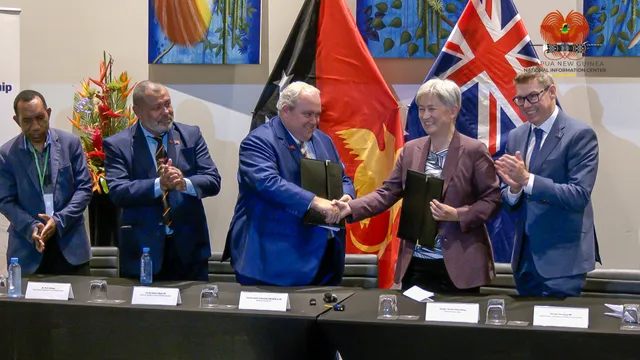
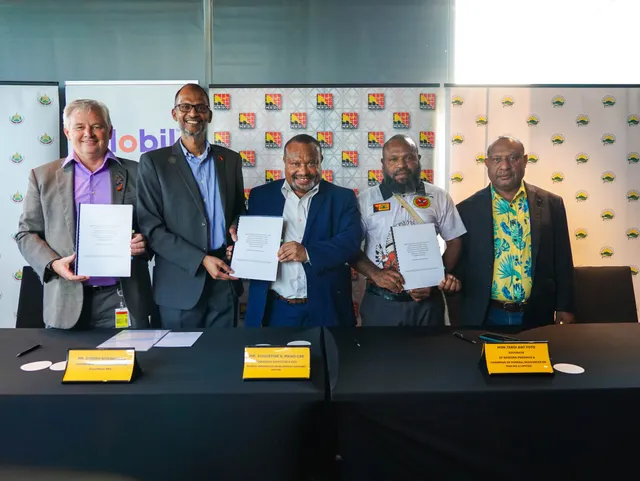
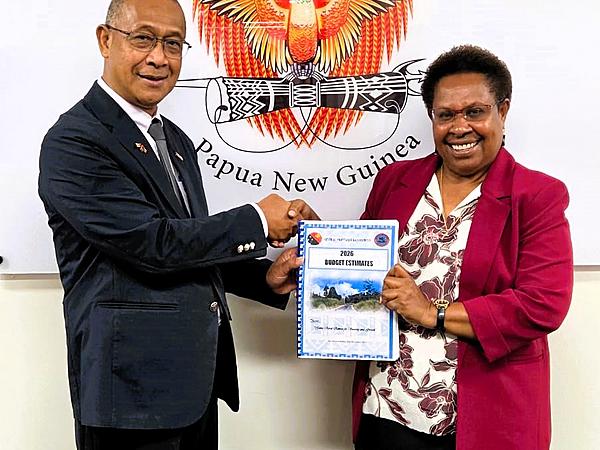
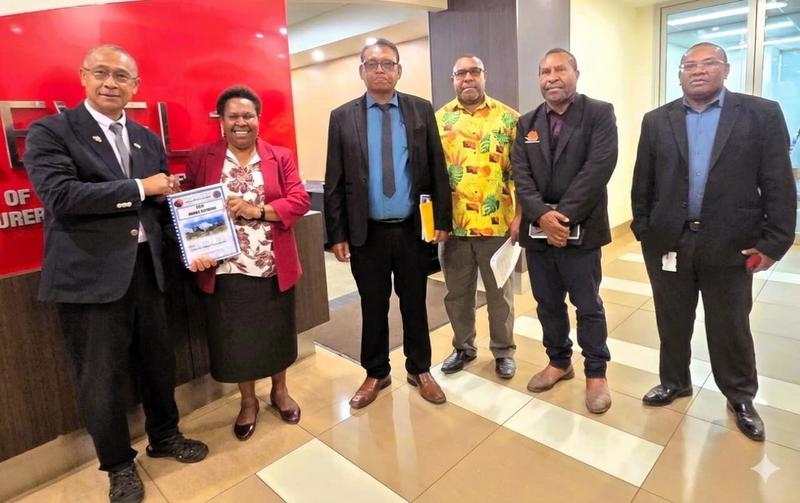
The budget was formally presented to Treasurer Ian Ling-Stuckey on 25 February 2026 by Governor Rufina Peter, accompanied by acting provincial administrator Bala Kapa, finance and administration adviser Tony Gamata and provincial finance manager Walis Imbal.
At the centre of the fiscal plan is a strategy to expand development into remote communities while reinforcing law and order as a foundation for economic activity. The province has allocated K12 million (about US$3.24 million) for development initiatives, including market and church-related infrastructure, and K24 million (around US$6.48 million) to strengthen security, policing and community safety.
The 2026 budget carries the theme, “Going Rural Remote for Security and Growth,” reflecting a deliberate effort to redirect investment beyond urban centres into rural districts where economic participation remains limited.
“This budget underscores our priority to connect remote communities, create sustainable jobs and build financial resilience for our people,” Peter said.
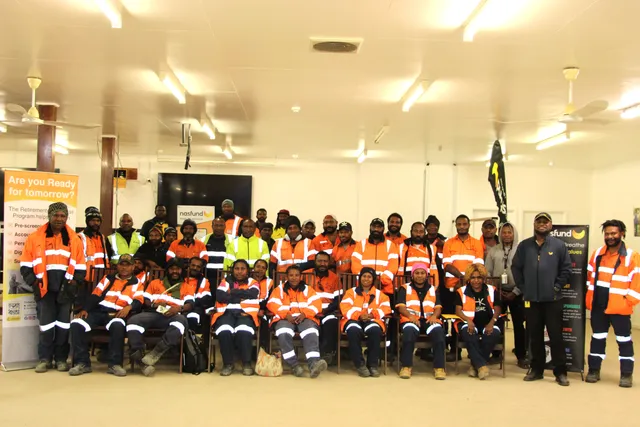
A major component of the spending plan focuses on human capital development. The province has allocated K21.5 million (approximately US$5.81 million) for education, skills development and vocational training programmes, including in Rigo District and surrounding areas. The investment is expected to strengthen workforce readiness and support the growth of small and medium-sized enterprises.
Infrastructure development also features prominently. A total of K20.4 million (about US$5.51 million) has been committed to growth centre infrastructure in Koiari LLG, Rigo North LLG, Kuni LLG, Amazon Bay LLG and the three least developed LLGs of Goilala District — Woitape, Guari and Tapini. The projects are designed to improve connectivity, stimulate trade and create enabling conditions for private sector participation.
Peter thanked the national government for K25 million (approximately US$6.75 million) in Public Investment Program funding for Central Provincial Hospital and called for the full release of the funds, stating that the Provincial Executive Council would provide oversight.
Among other major projects highlighted were the proposed Central Province Police Headquarters and Barracks at Bautama, for which the Provincial Executive Council has allocated eight hectares of land, and development of the Seat of Government at Sabusa to strengthen administrative coordination.
Ling-Stuckey commended Peter and her administration for presenting a budget focused on governance, service delivery and rural expansion.
During the presentation, Peter raised concerns about outstanding national government commitments, particularly funding for the Edevu Road project pledged by Prime Minister James Marape. She said K5 million (about US$1.35 million) of the K10 million (approximately US$2.7 million) commitment was delivered in 2025, while the remaining K5 million remains outstanding despite the project being incorporated into provincial plans for this year.
Ling-Stuckey acknowledged the concern and said the matter would be addressed.
“This concern is noted and I have asked my office to take note of your concern and to commit to the outstanding,” he said.
Peter also raised outstanding commitments, including K27 million (approximately US$7.29 million) for the 36-kilometre Rigo ring road. The treasurer said the Central Provincial Government could submit a formal letter to his office to progress the matter.
The 2026 budget presentation signals Central Province’s intention to drive development deeper into rural areas while strengthening governance, infrastructure and security to support sustainable growth and long-term economic confidence.