The World Bank has committed US$250 million (more than K1 billion) to support the implementation of Papua New Guinea’s National Agriculture Sector Plan (NASP) 2024–2033, with funding channelled through the PNG Agriculture Commercialization and Diversification Project (PACD).
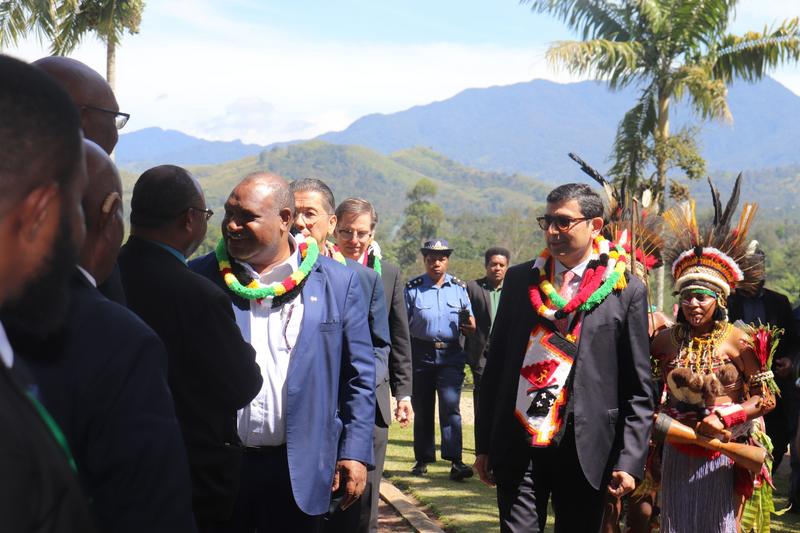
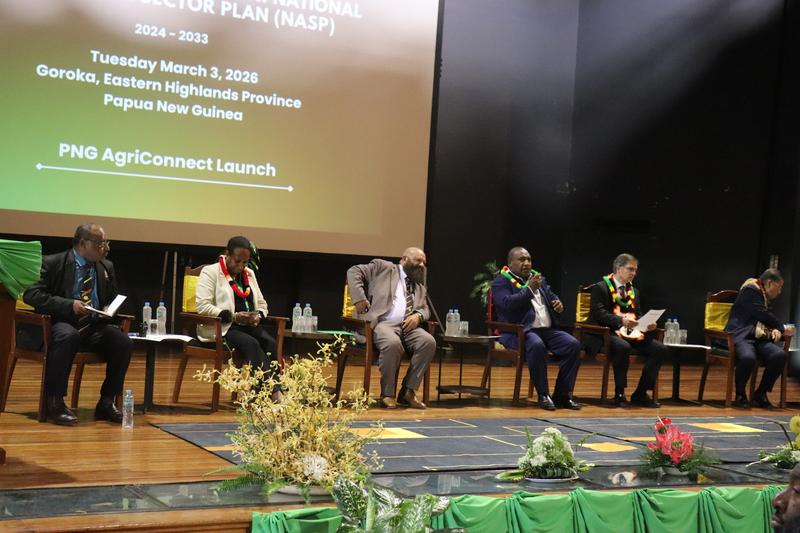
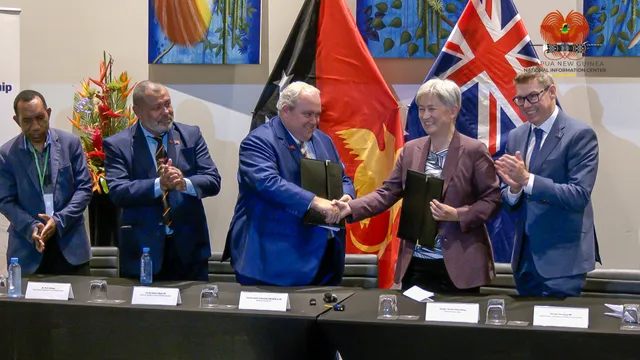
Prime Minister James Marape officially launched the PNG AgriConnect Project on March 3 at the University of Goroka, marking a key step in advancing the government’s long-term strategy to strengthen the agriculture sector.
The PACD initiative, supported by the World Bank, aims to develop competitive and diversified agricultural value chains for selected commodities and improve productivity among farmers in targeted provinces. The programme focuses on strengthening partnerships between smallholder farmers, producer groups and private-sector enterprises, while also supporting improvements in market access, processing and agricultural infrastructure.
The project is implemented by the Department of Agriculture and Livestock, working alongside sector agencies such as the Cocoa Board and the Coffee Industry Corporation, with a focus on key commodities including coffee, cocoa, coconuts, spices and small livestock.
Agriculture remains a critical pillar of Papua New Guinea’s rural economy, supporting the livelihoods of millions of smallholder farmers. Development partners say programmes such as PACD aim to boost farmer incomes by improving productivity, strengthening value chains and linking producers more effectively to domestic and export markets.
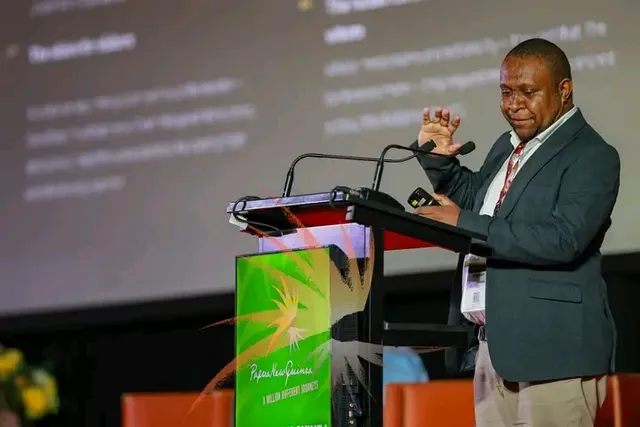
Among those invited to the launch was National Agricultural Research Institute Director General Dr Nelson Simbiken, whose organisation is one of the beneficiaries of the World Bank’s support under the first phase of PACD.
Dr Simbiken attended the event alongside heads of government departments and representatives from commodity boards involved in the country’s agriculture sector.
Officials said the new AgriConnect Project will complement PACD by helping coordinate agricultural development initiatives and support the rollout of the NASP 2024–2033, which aims to transform the sector through research, commercialisation and stronger partnerships between government, farmers and the private sector.
The launch underscores the government’s efforts to modernise the agriculture industry and expand economic opportunities in rural communities across Papua New Guinea.