
June 24, 2024

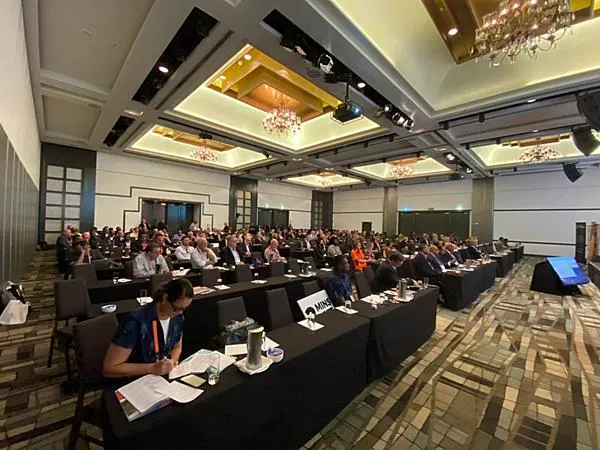
Papua New Guinea (PNG), facing a significant malaria burden, recently hosted the 8th Asia Pacific Leaders' Summit on Malaria Elimination. Themed "Invest to Achieve Zero Malaria," the summit brought together key stakeholders to strategize and reinforce commitments towards a malaria-free future.

Marking a first for the region, the summit highlighted PNG's pivotal role in regional health initiatives.  With 90% of its population at high risk, PNG is battling a challenging but crucial fight.  Despite difficulties, the country has seen progress, with malaria deaths reduced from 616 in 2010 to 282 in 2022.

The summit emphasized collaborative efforts. Dr. Osborne Liko, PNG's Health Secretary, stressed the need for unified support from governments, communities, and international partners. The agenda focused on innovative funding, climate change mitigation strategies, and regional collaboration.

“Health is everyone’s business. Health is the human face of development. If our health is affected, this will affect the economy. A healthy population develops the nation,” Dr. Liko said.

Leaders from countries like China (malaria-free since 2022) and Sri Lanka (certified malaria-free in 2016) shared valuable insights alongside representatives from Timor-Leste, nearing malaria certification. This exchange of experiences fosters learning and collaboration.

Strengthening Regional Partnerships

The summit also saw the signing of a declaration by Health Ministers from PNG, Solomon Islands, Vanuatu, Indonesia, and Timor-Leste, pledging to achieve malaria elimination by 2030.  East Timor's recent outbreak highlights the importance of cross-border collaboration.

A pivotal moment was a panel on innovative funding, moderated by Lady Roslyn Morauta, Chair of the Global Fund. Increased funding was deemed essential to scale up PNG's control efforts. Leaders across the Asia Pacific region reaffirmed their commitment to achieve a malaria-free future by 2030.

The summit yielded key outcomes: strengthened regional collaboration, exploration of innovative financing mechanisms, and leadership efforts tailored to PNG's context.  The summit's proceedings highlighted the importance of sustained financial investments and community engagement for PNG's eradication journey.

Health Minister Dr. Lino Tom reiterated the urgent need for increased funding to scale up malaria control efforts in PNG, stressing: “We need more money to upscale our efforts to use the available tools we have to eliminate malaria.”

By hosting the summit, PNG not only reaffirmed its commitment to public health but also strengthened its role as a regional advocate for malaria eradication. The nation aims to significantly reduce malaria incidence and mortality, paving the way for a malaria-free future.

The summit served as a significant moment in the fight against malaria. Diverse stakeholders strategized and committed to ambitious goals, paving the way for a healthier and malaria-free Asia Pacific region.

June 24, 2024

Road infrastructure in PNG has been vulnerable to climate change hazards such as extreme rainfalls, landslides, coastal erosion, storm surges and droughts have cumulative impacts on damaging and deleting the quality and state of infrastructure in PNG. 

Therefore, Papua New Guinea has recently marked a significant move towards planning and building infrastructure to withstand climate change impacts. The Department of Works and Highways DoWH will engage with stakeholders to develop climate resilient transport infrastructure contributing to PNG’s National Determined Contribution (NDCs) and National Adaptation Plan (NAP) priorities.

PNG, an island state, faces increasing climate change impacts, necessitating urgent action. The DoWH has demonstrated its commitment to climate-proofing roads and infrastructure under the NAP.

An inception workshop was held mid-June on the 11th, in Port Moresby, which is part of the Infrastructure for Resilient Island States PNG (IRIS PNG) Project that convened key stakeholders committed to enhancing climate resilience in the country’s roads and infrastructure sector.

Led by the Department of Works and Highways (DoWH) and supported by the Global Green Growth Institute (GGGI) and the Coalition for Disaster Resilient Infrastructure (CDRI), the workshop underscored PNG's urgent need for adaptive measures.

Secretary for DoWH, David Wereh, highlighted the severity of recent climate events. He said, just this year alone, PNG experienced damage costing the state assets of about K500 million in the last few weeks, due to continuous rain.

"This year has been the worst year. It could be the beginning of the worst still to come. We’ve experienced damages worth millions of kina in road infrastructure due to continuous heavy rains and extreme weather events. This is a growing trend and a massive challenge to address as a country.”

The IRIS PNG Project, funded at US$499,998, aims to fortify PNG’s infrastructure against climate threats over the next 24 months. It focuses on enhancing institutional and technical capacities within DoWH to develop resilient transport infrastructure by 2030.  

Mr Wereh emphasized that it is a big challenge and moving forward sharing of information and data between key agencies is vital. He further stressed the importance of collaborative efforts among agencies, "Relevant agencies must share information and data and ensure coordination is strengthened to build climate-resilient infrastructures."

Acknowledging PNG’s vulnerability as an island state, stakeholders highlighted the project’s role in aligning with PNG’s National Adaptation Plan (NAP) and Nationally Determined Contributions (NDCs).

The Climate Change Development Authority (CCDA), Acting Managing Director, Debra Sungi, underscored the pressing challenges posed by climate change on the nation's infrastructure.

She commended DoWH for leading the initiative, emphasizing its role in shifting towards climate-resilient planning practices.

"Today marks a significant milestone in our efforts to build capacity and resilience in partnership with the Department of Roads and Highways," remarked Debra Sungi in her address. She highlighted the devastating impacts of recent natural disasters, such as the landslides in Enga province, which have severely affected crucial road networks, disrupting essential services and economic activities across the region.


“The road has been one of the major hazards that has been affected and it's not only affecting the environment, it is affecting the economy of the province and for the country, and also it has affected the lives of our people” she added.

Ms Sungi stressed the need for comprehensive national policies to guide climate adaptation efforts, integrating local-level implementations to effectively mitigate environmental and economic damages. "Infrastructure remains a top priority for us, aligning with our targets to achieve National Determined Contributions (NDCs) by 2030," she affirmed.

Ms Sungi emphasized the critical role of CCDA in coordinating these efforts, ensuring that infrastructure projects adhere to climate-resilient standards.

"The workshop serves as a significant platform to address the vulnerabilities within our communities and strengthen our infrastructure against climate impacts," Ms Sungi added, outlining the collaborative approach between CCDA, implementing agencies, and the Department of Roads and Highways.

She expressed gratitude to all participants for their commitment to achieving sustainable outcomes aligned with PNG's long-term vision for 2050.

The initiative is part of a broader strategy to integrate climate resilience into infrastructure development under the Connect PNG program. Ms Sungi emphasized the incorporation of resilient design standards for bridges and roads as paramount to safeguarding against future climate uncertainties.

"CCDA is set to collaborate extensively with the Department of Roads and Highways and other stakeholders to ensure our infrastructure is resilient and durable," she affirmed.

Ms Sungi reiterated CCDA's dedication to forging partnerships and driving impactful solutions that mitigate climate risks and foster sustainable development. "Together, we aim to build infrastructure that endures and thrives amidst evolving climate challenges," she concluded optimistically.

The workshop, held in collaboration with DoWH and attended by representatives from the Australian government, private sectors, NGOs, and stakeholders, aimed to chart a course towards robust infrastructure that can withstand the increasing frequency of natural disasters.

The Inception Workshop included a renewed commitment from all stakeholders to work collectively towards achieving climate-resilient infrastructure in Papua New Guinea, setting a precedent for future development initiatives.

GGGI’s Country Representative, Sakiusa Tuisolia, affirmed GGGI’s commitment to supporting PNG's journey towards sustainable and climate-resilient infrastructure.

Sakiusa Tuisolia said, “GGGI is committed to supporting PNG in its journey towards building climate-resilient infrastructure. Our collaboration aims to ensure sustainable development and enhanced resilience against climate change impacts.”

CDRI Director General, Amit Prothi, echoed this sentiment, expressing CDRI’s delight in contributing towards enhancing infrastructure resilience in PNG. Mr Prothi added, “CDRI is delighted to support the development of climate-resilient transport infrastructure in Papua New Guinea with this grant of US$499,998. We are committed to enhancing infrastructure resilience by strengthening institutional and technical capacities.”

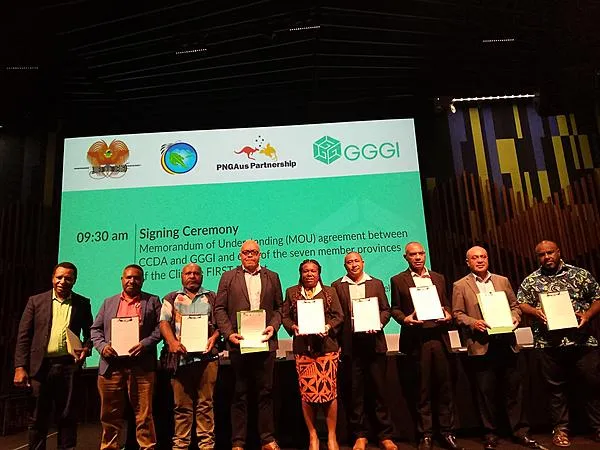
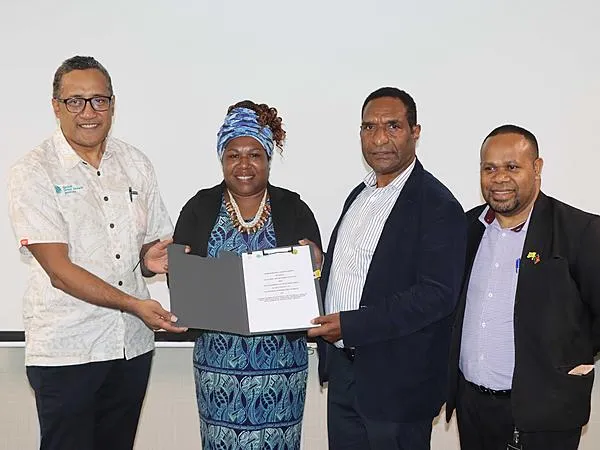
Over the next 24 months, the IRIS PNG Project will engage with stakeholders to develop climate-resilient transport infrastructure, contributing to PNG’s Nationally Determined Contributions (NDCs) and NAP priorities. A Memorandum of Understanding was established between GGGI and the Government of PNG through the DoWH to strengthen institutional capacity for climate-resilient transport infrastructure in PNG through the IRIS Project.

The workshop concluded with the establishment of a Memorandum of Understanding between GGGI and the PNG government, underscoring their joint commitment to building climate-resilient infrastructure. This initiative aims not only to mitigate current climate challenges but also to ensure PNG is better prepared for future climate impacts through robust policy frameworks and enhanced technical capabilities.

June 24, 2024

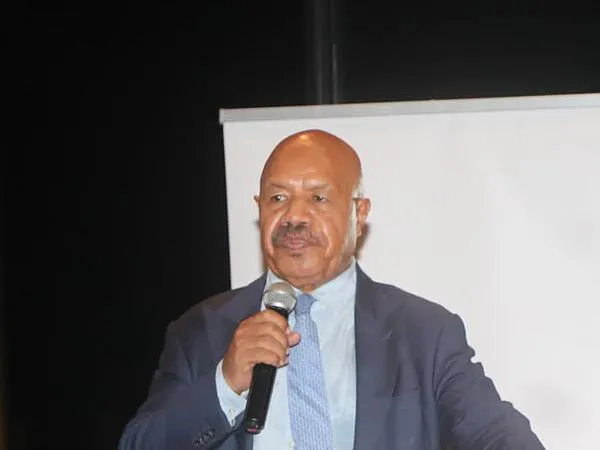
The Papua New Guinea, National Capital District (NCD) Governor Hon. Powes Parkop outlined his vision for the nation’s capital, emphasizing bold initiatives aimed at transforming Port Moresby into a model city.

Hon. Powes Parkop shared his vision during a breakfast meeting on June 13th, at Crown Hotel in Port Moresby, hosted by Port Moresby Chamber of Commerce and Industry (POMCCI).  Accompanying Governor Parkop was also the nation’s capital City Manager Mr Ravu Frank.

NCD’s Governor Powes Parkop in his vision for Port Moresby for the next five years stated, “POMCCI is a strategic partner with the National Capital District Commission in helping to develop our capital city. We share common goals. Our vision is to create an Amazing Port Moresby.”

“I want Port Moresby to be a clean, safe, active, healthy and planned liveable city. We have an Urban Development Plan for 2020-2030.” 

“As part of that plan we are converting settlements into suburbs. We have started with the 9 Mile quarry and have proper allotments which are being offered for sale to the settlers.”

Among the major initiatives outlined, the Governor highlighted ongoing efforts to enhance healthcare infrastructure, including plans for a new hospital to address rising health challenges.

“We have a health plan and are working with the NCD Provincial Health Authority. We are planning to build a new hospital at Gerehu. I am pleased to announce that the NEC has now approved funding for the hospital. It will take 3 to 4 years to build.” He added.

In his discussion, education also took center stage, with commitments to upgrade facilities and integrate modern educational standards into the city's framework.

Joined by businesses and corporates, including stakeholders, Governor Parkop underscored the collaborative efforts between government and the corporate sector in fostering a conducive environment to achieve common goals. Addressing a diverse audience, he highlighted the pivotal role of the NCD Commission, municipal government and teams in spearheading transformative projects.

"While challenges persist, such as infrastructure development and public health, our focus remains unwavering on creating a sustainable, clean, and safe city," Governor Parkop affirmed. He stressed the importance of strategic planning and partnerships in realizing these goals, pointing to the Urban Development Plan as a cornerstone for future growth.

Discussing urban safety, Governor Parkop unveiled a comprehensive sustainability and safety plan aimed at strengthening security across Port Moresby. He emphasized the importance of community involvement and public-private partnerships in executing these plans effectively.

"We envision Port Moresby not just as a city, but as a regional and global hub contributing to economic growth and cultural exchange," Governor Parkop remarked, underscoring the city's potential to attract international investment and tourism.

“Port Moresby has the potential available to make it a tourist destination” he emphasized Port Moresby’s potential to another tourism hot spot in the world.

“We can make the tourist product here so we are putting a lot of effort towards that. We have, with the national Government, been able to get the China Southern Airlines to come in.”

“This month the PNG Tourism and Promotion Authority (TPA), NCDC and some other stakeholders will be going to Guangzhou to do a roadshow so we can start to have good packages for Chinese tourists”. He added.

As his speech concluded, Governor Parkop reiterated his administration and the city’s municipal government’s dedication to addressing societal inequalities and improving living standards for all residents, including those in informal settlements. He pledged continued cooperation with the Motu Koita Assembly and local stakeholders to uplift marginalized communities.

Governor Parkop expressed optimism about the future of Port Moresby, urging stakeholders to join hands in realizing their shared vision of a vibrant, inclusive capital city. The audience, comprising business leaders and government officials, responded with enthusiasm, applauding the Governor's ambitious agenda for the city's development.

A question and answer session was also held accordingly giving the opportunity to the audience to ask questions and share their concerns and queries.

The breakfast event served as a platform for dialogue and collaboration, setting the stage for forthcoming projects under the NCDC's strategic roadmap. Governor Parkop's impassioned speech left attendees inspired and hopeful for the city's future as efforts continue to build a cleaner, safer, and more prosperous Port Moresby.

June 24, 2024

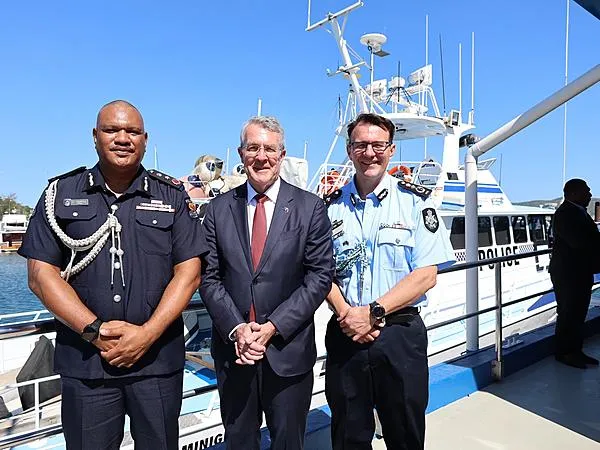
The collaborative efforts between Australia and Papua New Guinea have continued with the presentation of the Police Patrol Vessel Minigulai to the Royal Papua New Guinea Constabulary (RPNGC). The vessel, procured by the Australian Federal Police (AFP) from the Tasmanian Police Force, was formally handed over during the 30th Australia-PNG ministerial forum in Port Moresby.

The presentation of the PPV Minigulai eventuated on June 18th at the Yatch Club Port Moresby and was witnessed by dignitaries and officials from both Australia and PNG. The event, graced by esteemed dignitaries including, the Prime Minister of PNG, Hon. James Marape MP, The Minister for Foreign Affairs, Hon. Justin Tkatchenko, MP, The Commissioner of the RPNGC David Manning, The Commissioner of the Australian Federal Police, Reece Kershaw APM; Australian High Commissioner to PNG, Mr John Feakes and Australian Attorney-General Mark Dreyfus, marked a pivotal moment in bilateral cooperation.

The PPV Minigulai is set to support and strengthen cross-border patrols in the Torres Strait region, facilitating joint operations between PNG and Australia to combat transnational crime. This initiative underscores Australia's steadfast commitment to supporting the RPNGC in enhancing its maritime security capabilities.

Attorney-General Mark Dreyfus, who presided over the vessel's commissioning, highlighted the strategic importance of the partnership between the AFP and RPNGC.

Hon Dreyfus spoke at the ceremony, emphasized the historical ties and ongoing collaboration between the two nations. He acknowledged the presence of key figures such as Prime Minister Marape, Minister for Foreign Affairs Justin Tkatchenko, and top police officials from both countries. Highlighting the occasion's significance, Hon. Dreyfus recalled the words of former Australian Prime Minister Gough Whitlam in 1973, affirming the enduring friendship and mutual benefits shared by Australia and Papua New Guinea: “In Australia you have an assured friend and I believe we shall forge a true partnership to the great advantage of both our countries and for the welfare of both our peoples.”

The commissioning of the PPV Minigulai, a state-of-the-art vessel provided by the Australian Federal Police (AFP), signifies Australia's commitment to enhancing Papua New Guinea's law enforcement capabilities. This initiative, part of the Bilateral Security Agreement signed last year, aims to strengthen joint efforts in combating transnational crime and supporting cross-border operations.

Hon Dreyfus said, “The links that we share, and our nations’ steadfast friendship, are embodied today in our work to strengthen our economies, and forge greater opportunities for our peoples. In our shared experience as vast countries rich in national resources – and rich in challenging and rugged terrain.”

“In our desire to share our cultural heritage with each other. In our peoples’ love of sport. And in our efforts to mutually support the security of our countries, and our region. Our links, our friendship, and our steadfast work together are embodied in the Bilateral Security Agreement signed by our Prime Ministers last year.”

He added, “Through the Bilateral Security Agreement, Australia and Papua New Guinea committed to deepening our security cooperation right across the spectrum, from traditional areas such as policing and national security, right through to climate change, cyber security, gender-based violence and critical infrastructure.”

Hon. Dreyfus praised ongoing collaborations such as the RPNGC Officer Cadet Program and the provision of less-than-lethal use of force training, demonstrating Australia's comprehensive support in law enforcement capacity building.

Moreover, the AFP's commitment extends beyond vessel provision and training. Over the next four months, more than 60 RPNGC cadets are scheduled to undergo intensive training in Australia under the guidance of the Queensland Police Service and the Australian Institute of Police Management. This program aims to cultivate leadership skills among cadets, preparing them for future roles within the RPNGC.

“Over the next four months, more than 60 RPNGC cadets will travel to Australia to undertake training with the Queensland Police Service and attend the Australian Institute of Police Management where they will have the opportunity to develop their leadership capabilities.”

Addressing broader regional implications, Dreyfus highlighted Australia's investment in infrastructure projects like police housing and the Bomana Police Training College. These initiatives aim not only to strengthen PNG's internal security but also to support regional policing efforts across the Pacific.

Attorney-General Dreyfus reiterated Australia's commitment to working hand-in-hand with PNG towards shared goals of peace, prosperity, and resilience.

In conjunction with the vessel's handover, the AFP will provide comprehensive training to the RPNGC's water police department, ensuring proficiency in vessel operations and maritime law enforcement. This training initiative is part of the expanded PNG - Australia Policing Partnership, recently renewed until 2026, marking it as the AFP's largest bilateral partnership worldwide.

Together with training efforts, the AFP has launched initiatives under the PNG-Australia Policing Partnership Program to enhance the RPNGC's operational capabilities.

Furthermore, recognizing the need for enhanced infrastructure support, the AFP has committed to constructing police barracks-style housing in priority provinces such as Port Moresby, Kokopo, and Mount Hagen. This initiative will provide RPNGC recruits with suitable accommodations upon their graduation, contributing to the overall enhancement of policing standards across PNG.

The ongoing investment in the Bomana Police Training College further underscores Australia's long-term commitment to building institutional capacity within the RPNGC and supporting broader regional policing efforts.

Attorney-General Dreyfus emphasized that today's commissioning of the PPV Minigulai and the collaborative efforts with the RPNGC reflect the enduring strength of the Australia-PNG partnership.

The ceremony concluded with a shared vision for the future, summarized in Prime Minister Marape's words: "Let us never doubt what we can achieve together in our future."

The commissioning of PPV Minigulai is a pathway with enduring ties and collaboration between Australia and PNG, paving the way for continued growth and prosperity in the Asia-Pacific region.

June 24, 2024

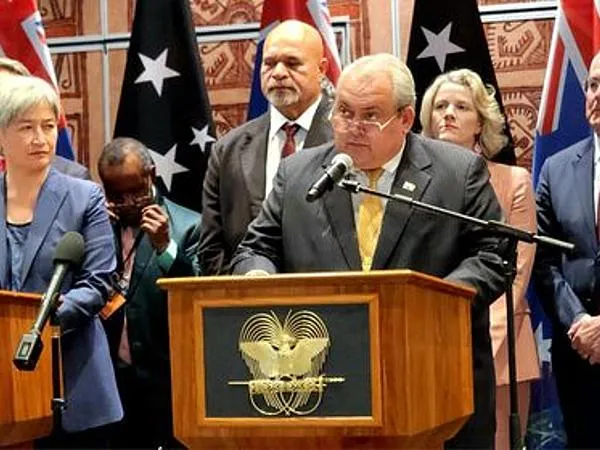
The 30th Papua New Guinea-Australia Ministerial Forum was held on 19th to 20th June, at the APEC Haus, in Port Moresby. The Ministerial Forum is an opportunity for Ministers from a range of key policy areas to advance PNG- Australia Partnership and shared priorities.

The Ministerial Forum builds on the commitments from the Annual Leaders' Dialogue between Australia Prime Minister Anthony Albanese and Prime Minister James Marape in February, and the signing of the landmark Bilateral Security Agreement (BSA) in December 2023.

The Forum was co-chaired by the Hon. Justin Tkatchenko MP, Minister for Foreign Affairs of Papua New Guinea and by Senator the Hon Penny Wong, Minister for Foreign Affairs of Australia.

Attendees included, Ministers for PNG: Hon. John Rosso, MP, Deputy Prime Minister and Minister for Lands, Physical Planning, Urbanisation and Immigration; Hon. Dr. Billy Joseph (MD), MP, Minister for Defence; Hon. Peter Tsiamalili Jnr, MP, Minister for Internal Security; Hon. Pila Niningi, LLM, MP, Minister for Justice and Attorney General; Hon. William Duma, MP, Minister for Public Enterprise & State Investments; Hon. Jelta Wong, MP, Minister for Fisheries and Marine Resources; Hon. Simo Kilepa, MP, Minister for Environment, Conservation and Climate Change; Hon. Sir Ano Pala, LLB, ISO, CMG, OBE, MP, Minister for National Planning; Hon. Timothy Masiu, MP, Minister for Information and Communication Technology; Hon. Ian Ling-Stuckey, CMG, MP, Minister assisting the Prime Minister on Treasury and Caretaker Minister for Finance; and Hon. Lucas Dekena, MP, Minister for Education and Caretaker Minister for Higher Education, Research, Science and Technology and Sports.

Other participating Ministers for Australia included: the Hon Richard Marles MP, Deputy Prime Minister, Minister for Defence; the Hon Mark Dreyfus KC MP, Attorney-General; Senator the Hon Murray Watt, Minister for Agriculture, Fisheries and Forestry, Minister for Emergency Management; the Hon Clare O'Neil MP, Minister for Home Affairs, Minister for Cyber Security; the Hon Pat Conroy MP, Minister for Defence Industry, Minister for International Development and the Pacific; and, Senator the Hon Tim Ayres, Assistant Minister for Trade, Assistant Minister for Manufacturing.

Ministers welcomed the 30th PNG-Australia Ministerial Forum as a marker of the relationship between close neighbours, friends and equal partners. They reaffirmed their commitment to the Comprehensive Strategic and Economic Partnership (CSEP), and to ensuring the relationship continues to grow to reflect contemporary opportunities and challenges. They endorsed the second CSEP Action Plan agreed between senior officials at the 30th Papua New Guinea Australia Senior Officials Meeting on 29 November 2023.

Australia expressed condolences to the people of PNG and extended sympathies to those impacted by the landslide in Enga Province. Ministers acknowledged the work of the PNG National Disaster Centre and Enga Provincial Administration, and the valuable and rapid support provided to the impacted communities by the PNG Defence Force (PNGDF) and Australian Defence Force (ADF), in responding to the landslide.

PNG Ministers extended their gratitude to Australia for always being the first respondent to any natural calamity and for its deployment of AUD2.5 million in humanitarian assistance for emergency supplies, support for humanitarian partners and the deployment of a 17-member Disaster Assistance Response Team. Ministers agreed to continue deepening linkages between Australian and PNG disaster response agencies, including for capacity building.

Ministers noted the significant achievements since the 2023 Ministerial Forum, including exchange of Prime Ministerial visits in both countries. They welcomed the signing of the landmark BSA. Ministers committed to take forward outcomes from the 2024 Annual Leaders Dialogue.

Delivering under the Australia –PNG Bilateral Security Agreement:

New initiatives to strengthen PNG’s internal security and law and justice priorities were announced under Australia and Papua New Guinea's Bilateral Security Agreement, at the 30th Australia-Papua New Guinea Ministerial Forum.

The initiatives, to be delivered under Australia and Papua New Guinea's Bilateral Security Agreement, include:

  • support for PNG's legal system to help PNG investigate and prosecute financial crime;
  • investments in programs to improve access to justice for young people and remote and regional communities;
  • support to make PNG's correctional facilities safer and more secure.

They will deliver additional support for stability in the PNG Highlands, including a new program to help PNG improve weapons management and a partnership with the International Committee of the Red Cross.

Further assistance will be provided to PNG in 'non-traditional' security areas, such as cyber, biosecurity, and to address gender-based violence.

These initiatives will be funded from the $200 million committed by Australia to support PNG's internal security priorities through the landmark Bilateral Security Agreement, announced by Prime Ministers Albanese and Marape in December 2023.

Deputy Prime Minister and Minister for Defence, the Hon Richard Marles MP said, "Papua New Guinea is one of our closest and most important defence partners, and is home to our largest Defence Cooperation Program.

"Australia and Papua New Guinea's defence partnership reflects 50 years of our defence personnel training, exercising and working side by side.”

"I am delighted to return to Papua New Guinea to discuss how we can work even more closely together to address the security and defence challenges facing our region." He added

In recent months, progress has been made on delivering on the governments ambitions for Australia and PNG's bilateral security partnership, including through:

  • commencement of construction on new police housing in Port Moresby and Mount Hagen;
  • additional Australian Federal Police support to the Royal Papua New Guinea Constabulary (RPNGC) on recruitment, training and forensics;
  • RPNGC Officer Cadet placements in the Queensland Police Service in Far North Queensland;
  • a new Police Patrol Vessel to enable the RPNGC to conduct long-range patrols of sea borders.

The flagship Australia-PNG Law and Justice partnership is expanding from five to seven PNG provinces and regions, strengthening service delivery and access to justice for Papua New Guineans.

Minister for Foreign Affairs, Senator the Hon Penny Wong emphasized, “Australia and Papua New Guinea's relationship is based on our common history, our close geography and our shared values.

"I look forward to meeting again with my counterpart Minister Tkatchenko and other Ministers as we work to ensure a peaceful, stable and prosperous Pacific.”

"We are supporting Papua New Guinea in its response to the landslide in Enga Province, just as Papua New Guinea has supported Australia in times of need." She added.

The Ministerial Forum is an opportunity for Ministers from a range of key policy areas to advance our partnership and our shared priorities. This includes our economic relationship, strategic cooperation for security and stability, and development.

Minister for International Development and the Pacific, the Hon Pat Conroy MP also spoke of Australian-PNG relationship being profoundly important built on strong foundation of friendship and respect.

He said, "We are part of a Pacific family, and as the collective response to the tragedy in Enga has shown, in times of trouble Australia will be there just as PNG was there for us during the Black Summer bushfires.

"As our past unites us, so too does our future, built on deep economic and security cooperation. These connections matter – the more we relate to each other, the more safe, stable and prosperous our region will be."

30th PNG-Australia Ministerial Forum Strengthens Bilateral Commitments:

The Ministers from Papua New Guinea (PNG) and Australia convened at the Forum to reaffirm their nations' enduring partnership across various strategic pillars, reflecting on shared commitments and fostering deeper cooperation.

  • CSEP Pillar 1 – Strong Democracies for a Stable Future:

Ministers underscored their commitment to functional and accountable democratic systems. PNG welcomed Australia's ongoing support for electoral reform initiatives, aligned with recommendations from the 2022 National General Election. Both nations recognized the mutual impact of decisions on security and welcomed progress towards implementing the Bilateral Security Agreement (BSA) by the end of the year.

  • CSEP Pillar 2 – Close Friends, Enduring Ties:

The historical and cultural ties between the nations were celebrated, highlighted by significant diplomatic exchanges, including Prime Minister Albanese's address to PNG's Parliament in 2023 and Prime Minister Marape's address to Australia's Parliament in 2024. The joint initiatives marking PNG's 50th Anniversary of Independence in 2025 were warmly welcomed, alongside plans to increase Australian volunteers in PNG.

  • CSEP Pillar 3 – Economic Partnership for Prosperity:

Ministers noted progress towards a mutually beneficial economic partnership, focusing on trade, investment, and infrastructure development. They welcomed the upcoming feasibility study for a PNG-Australia Free Trade Agreement and discussed opportunities in agriculture, fisheries, forestry, and the green economy. Australia reiterated its support for PNG's economic reforms and infrastructure projects, including significant investments in transport, telecommunications, and energy.

  • CSEP Pillar 4 – Strategic Cooperation for Security and Stability:

Defence cooperation remained pivotal, with commitments to enhance capabilities across land, air, and maritime domains. Australia's support for PNG's defence infrastructure and operations, including through exercises and equipment provisions, was highlighted. Ministers emphasized joint efforts in cybersecurity and border security, enhancing resilience and response capabilities.

  • CSEP Pillar 5 – Social and Human Development:

Australia's substantial development assistance to PNG, totaling AUD 637.4 million in 2024-25, aimed to strengthen health, education, climate resilience, and socio-economic development. Both countries affirmed their commitment to improving education outcomes and enhancing Technical and Vocational Education Training (TVET) to support economic opportunities.

  • CSEP Pillar 6 – Near Neighbours, Global Partners:

Ministers reaffirmed their role in regional peace, security, and economic resilience within the Pacific, emphasizing Pacific-led initiatives and reinforcing regional unity through transparent decision-making. They committed to strengthening PNG's representation at multilateral forums, including advocating for hosting the 31st UNFCCC Conference of Parties in 2026.

The 30th PNG-Australia Ministerial Forum reaffirmed the comprehensive nature of the bilateral relationship, spanning democracy, security, economic prosperity, social development, and regional cooperation. Both nations expressed optimism about the future path of their partnership, underpinned by mutual respect and shared strategic interests.

This Joint Communiqué, endorsed at APEC Haus, sets the stage for continued collaboration and joint initiatives, reflecting the evolving priorities and aspirations of both PNG and Australia.

June 19, 2024

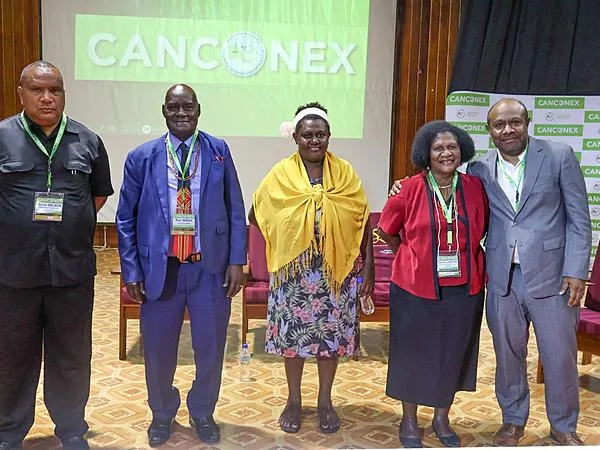
Efforts by stakeholders of the Panguna Mine will once again be in the spotlight, at the inaugural PNG Resources Week.

This will see landowner representatives, the Autonomous Bougainville Government, and other agencies come together to highlight progress made over the last 12 months, for this key economic project for the country’s Autonomous Region.

The Panguna – Lessons and Eye to the Future session, which will be held on day two of PNG Resources Week, will be chaired by PNG Chamber of Resources & Energy (PNG CORE) President Mr. Anthony Smaré.

In announcing this session, President Smaré reaffirmed the importance of learning from the Panguna experience.

“The story of Panguna is critically important for our nation. Panguna itself provided the financial foundation for Papua New Guinea’s independence in 1975, and contributed immensely to the development of communities in Panguna, Bougainville, and in wider Papua New Guinea.”

“Whilst this project provided the necessary support to PNG, perceptions of unfair distribution of opportunities, especially from Landowners, formed the basis of events leading up to the forced shutdown of this project, triggering a decade-long conflict on the island, and the loss of many lives.”

“CANCONEX 2023 provided the very first opportunity for all stakeholders in the Panguna issue to come together, and speak openly about their challenges, and their willingness to work together, for the greater benefit of Bougainville.”

“The Lessons from Closure session featuring Panguna was well received from all who attended, and this also provided the catalyst for significant progress to be made.”

“In January this year the ABG granted a 5-year exploration licence (EL01) over the former Panguna mine area to Bougainville Copper Limited (BCL). This has now allowed the company to undertake renewed Pre-Feasibility Studies (PFS) and Feasibility Studies (FS) before applying for an actual development licence. On the Community Affairs front, the Panguna Landowners Interim Council (PLIC) has been established as an interim body to represent the landowners.”

“All this progress a direct result of CANCONEX 2023.”

“In addition to our esteemed speakers representing landowners, and key community groups, the President of Autonomous Region of Bougainville Hon. Ishmael Toroama, who is also ABG Minister Mineral and Energy, has been officially invited, and will provide some insights into progress made.”

“Given the importance of the subject matter, it will be longest single session at CANCONEX24. The insights provided by our speakers from Panguna will be critical for our landowners, and our leaders from across Papua New Guinea.”

“This is a must attend for landowners from resource project areas, as well as our national leaders. Register today to be a part of these important discussions.”

PNG Resources Week will bring all stakeholders together in PNG in a series of events from 1 to 4 July 2024;

  • the second PNG National Community Affairs and National Content Conference & Expo (CANCONEX) to be held over 3 days 1 - 3 July,
  • a PNG Resources Career Fair 3 - 4 July,
  • the inaugural PNG Resources Summit 4 July, and
  • the Resources Week Dinner 4 July

June 17, 2024

Papua New Guinea’s Kina Bank has announced a significant $7 million investment in WLTH, a rapidly growing Queensland-based fintech and neobank startup. This investment aligns with the goals outlined in the Queensland Pacific Trade and Investment Strategy, which was launched in November 2022 to bolster trade and investment opportunities in the region.

At the 39th Australia Papua New Guinea Business Forum & Trade Expo, Trade and Investment Queensland (TIQ) lauded Kina Bank’s investment, highlighting its potential to boost investor confidence from the Pacific Islands. WLTH, founded in Brisbane in 2019 by brothers Brodie and Drew Haupt, aims to revolutionise the lending and payments sector while emphasizing environmental sustainability. Through its partnership with Parley for the Oceans, WLTH pledges to clean 50 square metres of beaches and coastline for every settled loan.

Kina Bank stands as the largest wealth management company in Papua New Guinea, also excelling in stockbroking and funds administration. TIQ CEO Justin McGowan emphasised the importance of connecting Queensland companies with Pacific partners, saying, “Both Kina Bank and WLTH are committed to pioneering digital banking to drive financial inclusion.”

Leata Alaimoana, Queensland’s Senior Trade and Investment Commissioner for the Pacific, underscored PNG’s critical role in the region’s trade and investment landscape. She noted, “A consistent challenge across the region is access to finance, and fintech can address this.”

WLTH’s commitment to sustainability is evident through its recyclable Visa cards and ongoing environmental initiatives. Co-Founder and CEO Brodie Haupt expressed optimism about the partnership, saying it would revolutionise banking in PNG. “WLTH shares a common vision with Kina to change things for the better,” he said.

Kina Bank CEO Greg Pawson highlighted their goal to leverage WLTH’s digital lending and payments capabilities to support their growth initiatives. “We are working on an exciting program to digitalise our personal lending origination,” he added.

With this partnership, WLTH and Kina Bank aim to introduce innovative technology solutions to the PNG market, fostering economic growth and driving digital transformation in Queensland. ​​


Article courtesy of the Australian Papua New Guinea Business Council 

June 17, 2024

Australia has approved a significant loan of A$600 million (K1.54 billion) to Papua New Guinea to address the country’s 2023 budget shortfall and support essential economic reforms. This financial assistance follows a previous A$750 million loan provided in 2022, reflecting Australia’s continued commitment to aiding Papua New Guinea’s fiscal stability and development.

Papua New Guinea faces numerous economic challenges, including managing public finances, addressing infrastructure deficits, and ensuring the delivery of essential services. The country’s economy has been strained by fluctuations in commodity prices, governance issues, and the lingering impacts of the COVID-19 pandemic. These factors have compounded to hinder sustainable development and exacerbate fiscal instability.

Adding to these challenges, Papua New Guinea has recently faced devastating landslides and floods that have claimed at least 23 lives and caused extensive damage to infrastructure and homes. Torrential rains and king tides have led to landslides in the highland provinces, particularly in Chimbu and Enga, where entire communities have been buried under mud and roads have been washed away. Coastal areas have also been severely affected, with rising sea levels and king tides flooding villages and contaminating fresh water sources​.

These natural disasters have highlighted the urgent need for improved infrastructure and disaster resilience measures.

The new Australian loan will enable Papua New Guinea to continue its economic reform agenda, which includes improving fiscal management, enhancing public service delivery, and stimulating economic growth. This support aligns with broader reform actions under the International Monetary Fund (IMF) programs that Papua New Guinea is engaged in.

In addition to financial assistance, the Australian government is also investing in health facilities in the Torres Strait and Queensland to aid Papua New Guinea nationals. This initiative exemplifies the close and cooperative relationship between the two nations, rooted in shared interests and mutual cooperation.

As Papua New Guinea navigates its economic challenges, the Australian loan serves as a crucial lifeline, helping stabilize the economy and paving the way for a more sustainable and prosperous future. This support underscores Australia’s commitment to fostering stability and growth in the Pacific region, ensuring that Papua New Guinea can overcome its current economic hurdles and build a resilient economic foundation.

June 17, 2024

Papua New Guinea is witnessing a significant transformation in its agribusiness sector, driven by soaring global demand for its agricultural products and strategic initiatives to boost local production. Recent developments highlight the enormous potential for agribusiness investment in Papua New Guinea, particularly in cocoa and corn industries.

Papua New Guinea is set to record its highest-ever annual cash-crop export revenue in 2024, primarily driven by surging global cocoa prices. The country’s cocoa industry has experienced a remarkable boost, underscoring the significant role agriculture plays in Papua New Guinea’s economy. The soaring demand for cocoa has positioned it as a vital export commodity, promising further growth and opportunities for farmers and investors alike. The potential for scaling up cocoa production to meet global demands offers a lucrative avenue for agribusiness investments.

In addition to cocoa, Goodman Fielder International (GFI) has called on the Papua New Guinea government to establish a commercial corn industry. This initiative aims to reduce the country’s reliance on imported wheat for animal feed and boost local agricultural production. GFI’s Managing Director, Sun Xing Tao, emphasized the potential benefits of a domestic corn industry, which could provide substantial support to local farmers and contribute to Papua New Guinea’s economic sustainability. This call aligns with Papua New Guinea’s broader agricultural strategy to diversify and strengthen its agribusiness sector, ensuring food security and economic resilience.

The anticipated record-breaking cash-crop export revenue in 2024, bolstered by the cocoa boom, highlights the broader potential for agribusiness in Papua New Guinea. The country’s diverse agricultural landscape, favourable climate, and growing expertise in cash-crop production make it an attractive destination for agribusiness investments. With strategic support from the government and international partnerships, Papua New Guinea’s agribusiness sector is poised for significant expansion and development.

Investors looking to capitalise on Papua New Guinea’s agribusiness potential will find numerous opportunities in both the cocoa and corn industries. The growing global demand for cocoa presents a lucrative market for expanding production and export capabilities. Meanwhile, establishing a commercial corn industry can enhance food security, reduce import costs, and support local farmers. The government’s commitment to fostering a sustainable agricultural sector, coupled with initiatives like the Green Finance Centre, further strengthens the investment landscape in Papua New Guinea.

Papua New Guinea’s agribusiness sector is on the cusp of a transformative era, driven by record cash-crop revenues and strategic initiatives to bolster local production. The booming cocoa industry and the potential for a commercial corn sector present compelling opportunities for investors. With the right investments and support, Papua New Guinea can harness its agricultural potential to drive economic growth and sustainability, making it an attractive destination for agribusiness ventures.

June 17, 2024

The picturesque Gold Coast in Queensland played host to a significant convergence of business minds and political leaders from May 13 to 15, 2024, at the 39th Australia Papua New Guinea Business Forum and Trade Expo. Organised by the Australia Papua New Guinea Business Council alongside the Business Council of Papua New Guinea, the forum, themed “Climate of Change: Opportunities for Business in Papua New Guinea,” was not just a meeting of delegates but a beacon of hope and opportunity amidst global uncertainties. With over 350 participants, including top officials and trade exhibitors, this event set a new benchmark for engagement and collaboration, marking the highest attendance at an Australian forum since 2014.
Distinguished attendees included the Papua New Guinea Minister for Public Enterprises, the Minister for Commerce, two Vice-Ministers, other parliamentarians, and key diplomatic figures such as the Papua New Guinea High Commissioner to Australia, HE Mr. John Kali CMG OBE, the Australian High Commissioner to Papua New Guinea, HE Mr. John Feakes, and Mr. Reatau Rau, Consul General of Papua New Guinea in Queensland.

Vaughan Mills, President of the Australia Papua New Guinea Business Council, kicked off the forum by emphasising the promising investment and business opportunities in Papua New Guinea, despite current challenges. He underscored the importance of a stable and predictable fiscal and regulatory environment and the need to streamline permitting processes to expedite resource sector development and other economic activities. These steps are crucial for attracting significant foreign direct investment and securing Papua New Guinea’s future prosperity.

Hon John Rosso MP, Deputy Prime Minister of Papua New Guinea and Minister for Lands, delivered the keynote address on behalf of the Prime Minister. Ms. Elizabeth Peak, Head of the Office of the Pacific, represented the Australian Government. Both emphasised the strong bilateral relationship and the potential for business collaborations to enhance Papua New Guinea’s economic growth. They also recognised the significant contributions of the Business Councils and their communities to this enduring partnership over the years.

The 13th Henry Kila OBE Memorial Address was presented by Hon Peter Gutwein, Director of Countrywide Hydrogen Pty Ltd and Former Premier of Tasmania, who spoke about leveraging Papua New Guinea’s abundant renewable energy resources to benefit economically and contribute to global emissions reductions.

Ms. Elizabeth Genia, Governor of the Bank of Papua New Guinea, provided an overview of the country’s economy and the role of the Bank in managing foreign exchange demands. She highlighted the challenges businesses face due to the uncertainty in the foreign exchange market, which hinders foreign investment.

Independent economist Professor Satish Chand from the University of New South Wales offered insights into potential fiscal reforms and the role of State-Owned Enterprises in the economy. Mr. Paulus Ain, Commissioner and CEO of the Independent Consumer & Competition Commission, clarified the Commission’s approach to mergers and acquisitions within Papua New Guinea.

A panel on carbon market opportunities discussed the economic benefits for Papua New Guinea in a growing carbon market and the need for enabling legislation and reforms. Another session addressed the impact of recent civil disorder in January 2024, which caused significant damage to businesses and property, affecting jobs and insurance premiums.

The forum also covered digital opportunities and challenges, infrastructure projects, agribusiness, and regional business development. The PNG Yes Grow Program, aimed at developing the micro, small, and medium enterprise sector, was highlighted for its role in overcoming growth barriers.

The forum highlighted the vital importance of extractive industries to Papua New Guinea’s economy and urged the government to speed up major projects to tackle fiscal and economic issues. Ms. Susil Nelson-Kongoi, President of the Business Council of Papua New Guinea, invited delegates to the 40th forum in Port Moresby, celebrating the 50th anniversary of Papua New Guinea’s independence. ​


Article courtesy of the Australia Papua New Guinea Business Council
June 17, 2024

St Barbara Limited recently announced revisions on their FY24 Guidance in relation to its Simberi operations updates.

"St Barbara Limited (“St Barbara” or the “Company”) (ASX: SBM) is pleased to advise the outcomes of its Simberi Expansion Concept Study (“Concept Study”) and inclusion of the projections in this 10 Year Plus Mine Plan Outlook."

"The Concept Study considered six different cases comprising two flowsheet options with three different processing rates. Investment in the 3.7 Mtpa options provide the most compelling development pathway – lifting Simberi’s production from its current range of 70-75 koz across FY25 to FY27 to an average of 230 koz from FY28 at an AISC in the range of US$1,000 to US$1,200/oz."

Andrew Strelein, Managing Director and CEO of St Barbara Limited stated, “The Concept Study provides a strong case for St Barbara to push forward with the larger 3.7 Mtpa throughput options at Simberi."

He mentioned that they now have a road map that will lead to increased and more profitable production at Simberi into the middle part of 2030s.

“Our strategy with Simberi has been to extend the production of oxides into 2026, which we are now executing; increase the Sulphide Resource and Reserve through extension drilling, which is underway; and revisit the sulphide expansion development plan."

He further noted that The Concept Study is a major milestone in progressing that development plan. "...We are excited about the potential of this project.”

"Given the opportunity at Simberi and the unreasonable treatment of the Company by Nova Scotia Department of Environment and Climate Change, the Company does not intend to allocate significant growth capital to the Company’s Nova Scotia Projects while advancing Simberi. We can review that position if there is change there.”

St Barbara Limited has revised its full-year production guidance because of some challenges with equipment, fuel supplies, and air transport services resulting from inadequate availability of foreign currency affecting Simberi’s in-country supply chain.

At the start, Simberi’s gold production for Q4 June FY24 was envisioned to exceed 20,000 ounces. This is due to the anticipated access to a higher-than-average grade ore zone in the Sorowar pit. However, the critical Sorowar ore zone will only be accessible by Q1 September FY25. As an effect, the processing plant will be limited to more typical ore grades of approximately 1.0 g/t AU for June. This is less than the expected production to around 14,000 ounces for Q4 June FY24.

Such loss is caused by the lower-than-targeted total mining movement volumes which is attributed to poor excavator availability. In turn, these issues resulted in a delay on the targeted face position for accessing the higher-grade Sorowar ore zone.

Due to the operational challenges, the Company adjusted its cost guidance for FY24.

Thus, the new production target is now at 52,000 to 56,000 ounces. This is down from the previous range of 60,000 to 70,000 ounces. The All-In Sustaining Cost (AISC) was changed to A$3,700 to A$3,900 per ounce, compared to the earlier estimate of A$3,200 to A$3,400 per ounce.

Simberi Overview

St Barbara Limited’s Simberi Operations started in 2008. The current mining operations is located on the eastern half of the island, spanning a 2,560-hectare mining lease (ML136). The site is around 900 kilometers away from Port Moresby, Papua New Guinea.

Ore from the pit is delivered to the Run of Mine (ROM) pad in front of the process plant through an energy-efficient 2.7 kilometer aerial rope conveyor, and also transported by mining trucks.

Sulphide study to extend life of mine

Simberi’s production outlook is positive with the prospect of an investment in additional sulphide processing capability of the sulphide mineralization contained below the oxide pits. According to the 2022 Strategic review at Simberi, there is potential that oxide life can be extended through 2025 and even 2026, and confirmed the potential for the sulphide project to extend the life of mine by at least 10 years.

Simberi 10 Year Plus Mine Plan Outlook

The Concept Study covered six different cases consist of two flowsheet options with three different processing rates (2.0 Mtpa, 3.0 Mtpa and 3.7 Mtpa).

The two flowsheet options:

a) production of a gold concentrate for sale (referred to as the Saleable Concentrate flowsheet)

b) production of gold doré from ultrafine grinding (UFG) and cyanide leaching of the concentrate (referred to as the Concentrate UFG / Cyanidation flowsheet)

Mine planning work and compilation of the study report was undertaken by Australian Mining Consultants Pty Ltd (AMC). The process options work was undertaken by Chemech Consulting (Chemech) and the capital estimation by Professional Cost Consultants (PCC).

According to the Company’s statement, “The Concept Study has demonstrated that the investment to achieve the higher throughput options is compelling under both flowsheet options. The 3.7 Mtpa Saleable Concentrate flowsheet is estimated to only require an additional US$16 million compared to the 3.0 Mtpa option.”

“Furthermore, the Concept Study revealed that that the Concentrate UFG / Cyanidation flowsheet has potential to improve investment returns over the Saleable Concentrate flowsheet options for any given throughput rate, particularly if metallurgical test work program confirms lower mass pull to concentrate than presently calculated.”

“The 2.0 Mtpa option for both flowsheets was confirmed by the Concept Study to offer a lower capital alternative if capital were constrained. The Expansion Capital estimate for the Saleable Concentrate flowsheet at 2.0 Mtpa in the Concept Study falls to US$156 million compared to US$213 million for the 3.7 Mtpa version. The 2.0 Mtpa option for the Concentrate UFG / Cyanidation flowsheet is lower still at an estimated US$141 million.”


In summary, here is St Barbara’s 10 Year Plus Outlook for Simberi:

  • Total gold production of 2.0 Moz
  • Average annual gold production rising from 70 to 75 koz in FY25 to FY27 to 230 koz through to FY34
  • All-in Sustaining Cost (AISC) decreasing to US$1,000 to US$1,200/oz from FY28 to FY34
  • Expansion Growth Capital estimated at US$213 million (-20/+30% Class 5 Estimate) across FY26 to FY28 o Assuming 3.7 Mtpa Saleable Concentrate Flowsheet option o Additions to existing circuit: new Ball Mill, Flotation Circuit, Concentrate Shed and Wharf upgrade
  • Pre-Expansion Growth Capital of between US$40 million to US$55 million across FY25 to FY27 o Studies and Designs, New Sizer, Camp upgrade, RO Plant and miscellaneous improvements
  • Simberi Mine Plan exceeds 10 years o 81% Measured and Indicated Mineral Resource (less than 19% Inferred Mineral Resource) o No Exploration Targets included o Management proposing 8,000 plus metre diamond drilling campaign in FY25
  • Minimal commitment of growth capital to Nova Scotia Projects before Simberi Expansion completed o pending signs of an improved outlook for permitting and regulation from Nova Scotia Department of Environment and Climate Change (NSECC)


Risk Considerations

The St Barbara’s 2023 Annual Report (15 September 2023) outlined that gold mine exploration, development, and operations are subject to many risks.

The Company noted that the execution of the Simberi 10 Year Plus Mine Plan Outlook in particular faces risks related to the political and economic uncertainties in Papua New Guinea (PNG).

“The formulation and implementation of government policies in PNG may be unpredictable. In PNG there is political focus on potential future policy changes that could involve changes to the existing Mining Act, including in relation to the structure and level of local equity participation in projects, royalty and taxation regimes, proposition of in-country precious metals refining, changes to banking and foreign exchange controls and changes in controls pertaining to the holding of cash and remittance of profits and capital to the parent company.”

Moreover, the renewal of the Mining Lease covering the Simberi Project area by December 2028 might eventually lead to discussions on equity participation and economic benefit agreements.

Regarding operating conditions, these are affected by the disruptions to fuel supplies, equipment parts and consumables, because of difficulties with availability of foreign currency for supplies in PNG.

“Conversely, there continues to be speculation about depreciation of the PNG Kina against the US dollar, whereas St Barbara has assumed an exchange ratio of approximately 3.8 which may or may not prove to be correct over the period.”


For more information:

St Barbara’s 2023 Annual Report (15 September 2023) -

https://stbarbara.com.au/wp-content/uploads/2023/09/2023.09.15-2023-annual-report.pdf

Reference:

St Barbara’s 10 Year Plus Outlook for Simber (10 May 2024) -

https://stbarbara.com.au/wp-content/uploads/2024/05/2024.05.10-asx-release-st-barbaras-10-year-plus-outlook-for-simberi_final.pdf

Photo credit:

https://stbarbara.com.au/our-operations/our-simberi-operations/

June 17, 2024

The one-day PNG Resources Summit will take place on the final day of the inaugural PNG Resources Week 2024 will give the PNG business sector an annual update on the status of all resource operations in the country and PNG business houses are encouraged to register to ensure that they stay up to date with the latest on the PNG operations that drive the economy that account for 90% of the country’s annual exports.

Scheduled to take place from July 4th at the Hilton Hotel in Port Moresby, this business conference hosted by PNG CORE (the PNG Chamber of Resources & Energy), will feature updates from all operating projects in PNG’s resources sector.

The day will kick off with an economic update on PNG, setting the stage for a series of presentations that will dig into the specifics of various projects in the country. In the energy sector, the Minister for Petroleum will provide an update, followed by an operations update from ExxonMobil PNG Limited on the PNGLNG project, and operations updates from Santos PNG Limited.

The mining sector will also be in the spotlight, with updates from the Minister for Mining and PNG’s major mining operations including Lihir, Ramu Nico, Ok Tedi, Porgera, Simberi, Hidden Valley and Kainantu.

Speaking on this agenda and speaker line up for the Resources Summit, PNG CORE President Anthony Smaré says that since this will be the only domestic conference encompassing both the energy and mining industry providing operations update to local business houses, PNG businesses are encouraged to attend and network with the industry operators and hear about how the operations are going and their outlook for the next 12 months.

This Resources Summit is an update conference, and will complement PNG CORE’s flagship investment conference, the PNG Energy & Resources Investment Conference, that will be held in Sydney in December.

“This is our first domestic industry update conference and is designed to provide a local event where PNG businesses can hear first hand in Port Moresby on updates of PNG’s major energy and mining operations. I encourage PNG businesses to register immediately to send a senior representative or two to attend and mix with the industry to understand how the industry sees the next 12 months in terms of its contributions to the economy and explore business opportunities. Later on, the evening of July 4th, the Hilton will be the venue for the PNG Resources Dinner – the gala dinner that will close PNG’s first ever Resources Week.

Prime Minister James Marape has been invited to speak at the Dinner, and also to present key industry awards including awards acknowledging outstanding contributors to the development of the industry in PNG, outstanding landowner companies in the mining and energy sector in the areas of outstanding shared value performance, outstanding women’s contribution and outstanding local workforce training and development champions.

Business houses have been buying full tables at the dinner and there are still tables available for sale.

For more information on how to register and participate in opportunities from resource project developments got to the PNG Resources Week website www.pngresourcesweek.com or by emailing events@pngcore.org.

June 17, 2024

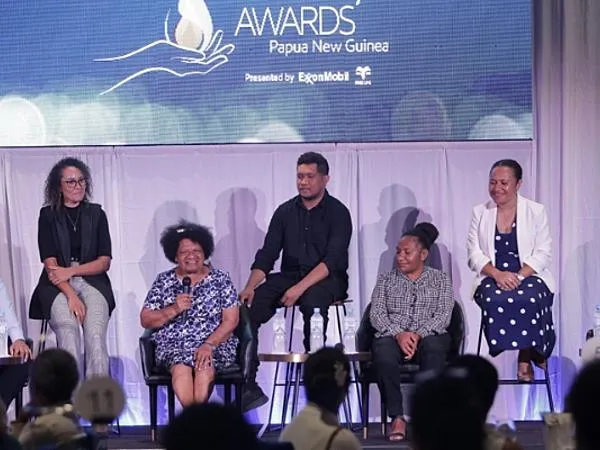
ExxonMobil’s second annual Power Play Awards Papua New Guinea was launched at a networking lunch held at the Hilton Hotel on Monday 6 May to identify Papua New Guinean trailblazers and shine a light on their accomplishments across the LNG and decarbonisation industries.

Power Play is a global program developed by ExxonMobil women to bring together other women from across the industry, while the Power Play Awards acknowledges the contributions of the company’s valued external partners.

Tera Shandro, Chairperson and Managing Director at ExxonMobil PNG, shared the Power Play Awards Papua New Guinea is built on a foundation of storytelling, where every story is unique, and every story should be celebrated.

“This year marks 10 years since the PNG LNG Project started production and when we reflect, we see a decade’s worth of stories and accomplishments that need to be shared.

“Papua New Guinea’s LNG industry is more than just ExxonMobil and the PNG LNG operations, and we wouldn’t be able to do the work we do every day without the support of our external partners,” she said.

In 2024, ExxonMobil has expanded the program to the decarbonisation industry and will accept nominations over four categories:

  1. The Rising Star will celebrate a woman, 35 or younger, who is excelling early in her LNG career.
  2. The Low Carbon Accelerator will recognise a woman who is making significant contributions to the decarbonisation industry by leveraging innovation and collaboration to accelerate society’s path to net zero.
  3. The Ambassador will honour a person, woman or man, who, through their words, actions, and positive energy, inspires those who work with and around them in the LNG industry.
  4. The Pioneer has been expanded to honour a person, woman or man, who has delivered outstanding LNG business results or innovation and technology leadership amid the ever-evolving energy transition landscape.

Four Papua New Guineans will be recognised as Best of the Best across each category for their contributions to the local LNG and decarbonisation industries, with their achievements showcased at the Power Play Awards Papua New Guinea cocktail reception on Tuesday 9 July.

The Best of the Best in each category will go on to have their contributions recognised and celebrated on the international stage, as part of the global Power Play Awards program – and if their application is successfully shortlisted, ExxonMobil will sponsor their attendance to join an exclusive community of Power Players in LNG from around the world at GASTECH conference in the United States from 17 to 20 September.

Anita Mosby, Power Play Awards Papua New Guinea Advocate and Biodiversity Supervisor at ExxonMobil PNG, added It’s not often Papua New Guineans get a global platform to tell our stories, to showcase to the world what we are capable of accomplishing, but the Power Play Awards are redefining this.

“The more we come together to tell these stories, to celebrate these accomplishments, we get one more step ahead to continuing to make the future of our industry diverse and inclusive. 

“This industry has become a vehicle where women, like me, are giving an opportunity to prosper, to become leaders in our fields, in our communities.

“I encourage all my wantok, don’t miss your opportunity to tell the world how great Papua New Guineans are by submitting your nomination or that of your colleague to the Power Play Awards Papua New Guinea,” she concluded.

June 14, 2024

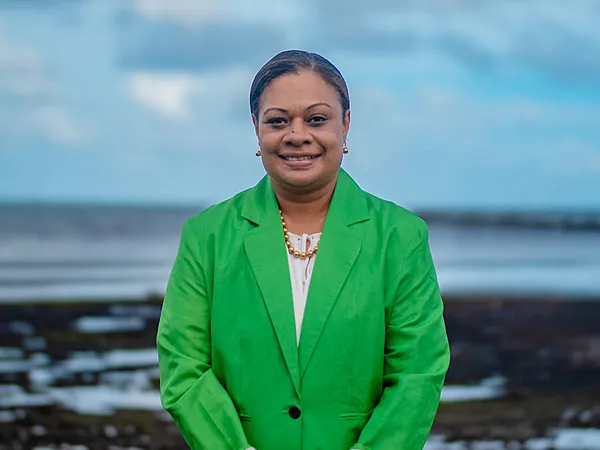
Pacific Towing (PacTow) has appointed Frances Tuimabualau as its agent in Fiji.  As Melanesia’s largest and most diverse marine services provider, with a 250+ workforce and 20-vessel fleet, PacTow is perfectly positioned to undertake additional projects in Fiji. 

Frances Tuimabualau comes from a long line of seafaring professionals.  Her father, the late Ilisoni Tuimabualau, who travelled around the world as a seafarer and for furthering his maritime education, had a distinguished career including being Fiji’s ‘Director for Government Shipping Services’.

Frances commenced work in the banking sector with Colonial National Bank (now BSP).  She undertook additional university study prior to accepting a role with Digicel which saw her involved in the company’s national roll out before being quickly promoted.  Frances then ran her own business in the public transport sector.

Like her father and many of his forebears, and even her mother and brother, Frances was drawn to the sea for work.  In 2022 she joined the Fiji Women in Maritime Association and undertook a role focusing on seafarers’ wellbeing.  She has also been involved in World Ocean Day.

In 2023 Frances began assisting PacTow with one of its cadetship programmes.  PacTow has a history of sending its cadets to the Pacific Centre for Maritime Studies (previously Fiji Maritime College), including the five cadets from its in-house programme who are spending 2024 there in order to complete their cadetships.

Although Frances’ initial role with PacTow focussed very much on the company’s Fiji-based cadets (e.g., facilitating visas, academic enrolments, accommodation) it has recently expanded to include business development. 

Tuimabualau notes that “many Fijians will remember the container ship ‘Southern Phoenix’, which capsized and sank in Suva Harbour in 2017.”  It was PacTow which carried out the wreck removal of this vessel with the assistance of local workers and suppliers.  “PacTow has a policy of recruiting locally which means we help drive the development of the communities in which we operate” says Manager, Gerard Kasnari.  PacTow’s Solomon Islands workforce is 100 percent local and its 250 plus PNG workforce is 97 percent nationalised.”

PacTow’s core business is harbour towage.  However, it has long provided a range of other services in the region including ocean towage, salvage, wreck removal, commercial diving, life rafts (service, sales, leasing), as well as diverse and customised project solutions across multiple industries.

June 14, 2024

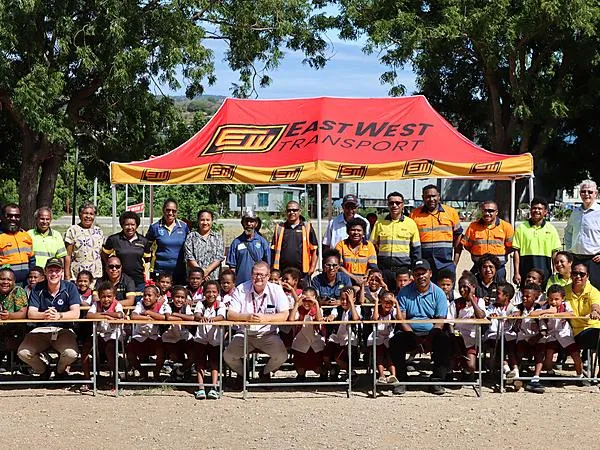
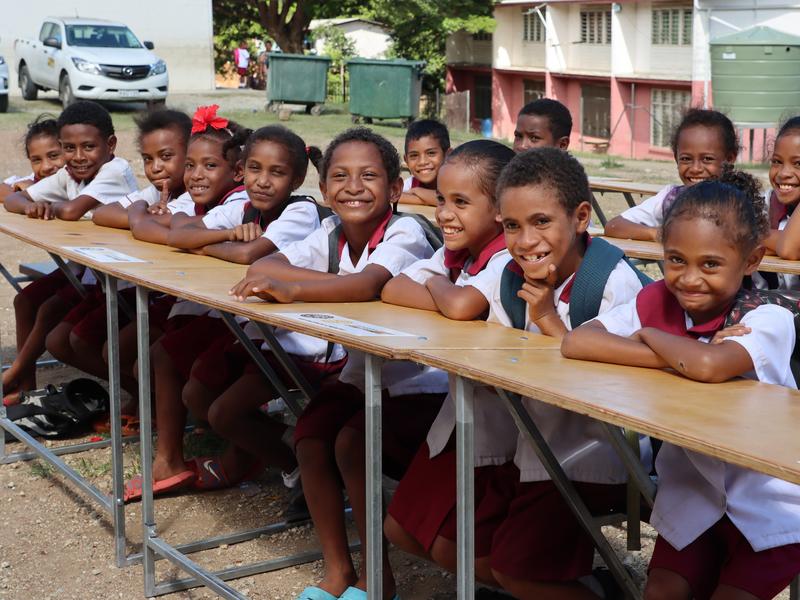
On Tuesday 11th June, EastWest Transport (EastWest) proudly completed a successful partnership with the Rotary Club and Soroptimist International to donate 50 brand new student desk and chair sets to Baruni Primary School.

An official handover ceremony was held at the school where representatives from EastWest, alongside partners from the Rotary Club and Soroptimist International, presented the desks and chairs to the students and school’s Head Teacher, Ms. Irene Gaudi.

"On behalf of the entire Baruni Primary School community, I want to express our deepest gratitude to EastWest Transport, the Rotary Club, and Soroptimist International for this donation," said Ms. Gaudi. "Desks and chairs are often a significant expense for schools in Papua New Guinea, and this generous contribution will make a world of difference for our students."

Students at Baruni Primary School try out their new desks and chairs during the handover ceremony.


The desks were made possible through the collaborative efforts of the Rotary Club and City Mission’s carpentry program in Port Moresby, who constructed the desks using locally sourced materials. EastWest played a vital role by assembling and delivering the sets to the school, ensuring they were ready for immediate use.

"EastWest Transport is committed to supporting the surrounding communities in which it operates," said Nicholas Bury, Commercial General Manager, Steamships Logistics.

"Baruni village is home to many of our valued employees, and we recognized a critical need to support the local school. This donation of desks and chairs will contribute to enhancing the learning experience for students and create a more comfortable and conducive learning environment, allowing students in Baruni to thrive and reach their full potential.”

EastWest Transport's collaboration with the Rotary Club and Soroptimist International demonstrates the company's commitment to investing in the local community. This donation of desks and chairs will have a lasting impact on the learning experience of countless students at Baruni Primary School.

June 10, 2024

Commentary by: Michael McWalter

Michael McWalter explains the important responsibility to care for the vast amount of petroleum data submitted to the Government by operating petroleum companies and for the need for the establishment of a National Petroleum Data Centre in Papua New Guinea to cater for the vast amount of information arising from petroleum operations.

The upstream petroleum industry is a recognised leader in the use of modern technology and has been ever since its foundation, always seeking new and innovative ways to locate the sites of new wildcat exploration wells which may probe the subterranean depths for hitherto undiscovered petroleum accumulations. This is no easy task as most of the easy to recognise prospects have been drilled already, and if they did contain commercial volumes of petroleum that could be extracted, they are by now largely exhausted and depleted of those reserves. 

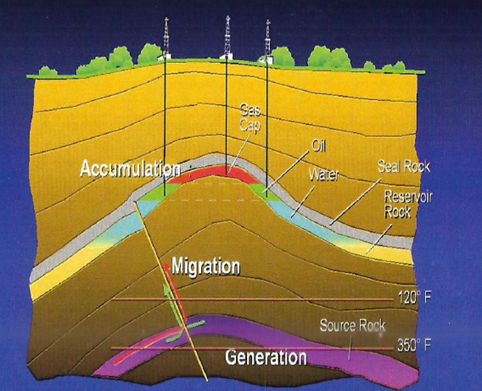
Modern day exploration does not simply seek to drill on dome-like hills to shallow targets next to surface oil seeps as was the modus operandi of Captain Drake at Spindletop in 1859 and his successors. Rather, the industry intelligently probes deep into the ground where the fundamentals of local geology are conducive to the generation of petroleum, its migration from a carbon-rich source and its accumulation in a porous reservoir within a confining geological structure out of which it cannot buoyantly spill to surface due to an impervious seal or cap rock. It is a high-tech data intensive business.

Seismic Data

This probing is most often done using the technique of reflection seismic surveys, much like the familiar echo-sounder used in a hospital image laboratory. Sound waves are directed into the subsurface in intensity and abundance and the many reflections of those sounds from changes in the properties of the rocks (typically, impedance, which is the product of the density of the rock and the velocity of sound in the rock) are equally recorded in abundance. These impedance contrasts often represent changes in rock strata – the beds of rock from sediments that have been thickly deposited in the Earth’s deep sedimentary basins.  The technique is employed both on land and at sea.  On land, a seismic line of sound sources and receivers are installed at regular intervals and shifted slowly forward after each shock; at sea, a boat trails a long streamer of receivers which are tugged behind it as a sound source is triggered at regular intervals in the voyage.   

Figure 1: From a firing point, an explosive source create seismic waves that travel down through the rock strata where they bounce of boundaries between different rock types and reflect back to surface to be detected by receivers called geophones. (After Mau and Edmundson in Exploring for Oil and Gas, 2014) 


With multiple sound sources bouncing off multiple layers of rock to multiple receivers – geophones (essentially strong microphones), a plethora of data is collected. When suitably corrected for varying elevation, geometry, signal-to-noise ratios, correlated, and compiled, a representation of the geometry of the subterranean strata and their structural configuration can be shown.  This is compiled in time-sections based on the two-way time for the sound waves to penetrate to and reflect from the depths. To gain more geological reality, these time-sections have to be converted into depth sections using the best estimates of the velocity of sound in each and every stratum penetrated. This is no mean feat and all manner of algorithms have been created to squeeze out the best seismic images that are the nearest to geological reality as possible. Added to this, seismic surveys may now be conducted not just with straight survey lines, but in 3-D arrays that provide a coherent tie of the data across the entire area of the survey; this necessarily multiplies the amount of data recorded and enables better seismic interpretation of the subsurface.  

The seismic data of modern exploration is recorded and endlessly re-processed with ever more finesse of the geophysicist.  Old data may be re-processed with modern techniques bringing out more features hitherto undiscerned from prior processing and interpretation. Old data is not simply obsolete, it is extremely valuable. It not only helps new surveys home in on geological leads and prospects, but provides the basic architecture and understanding of the petroleum basin in which one is exploring.  Reprocessed seismic data may be added to new seismic data to save significant exploration costs. It thus has to be cared for and maintained in a readable format to enable the petroleum exploration of the future.  Moreover, aside from being valuable to the petroleum industry, this vast volume of data about the subterranean geology has many other uses in modern society ranging from helping with earthquake awareness, building codes, land stability studies and more. If the data is lost, the only way to recoup it is to conduct the surveys afresh, which is unlikely without the commercial impetus to explore for oil and gas.

Other Surveys

Added, to seismic data is the data derived from other types of geophysical surveys.  Years ago, intrepid geologists and explorers took with them delicate geophysical equipment to measure the strength of gravity and the strength of the Earth’s magnetic field as they traversed the land in geological surveys.  

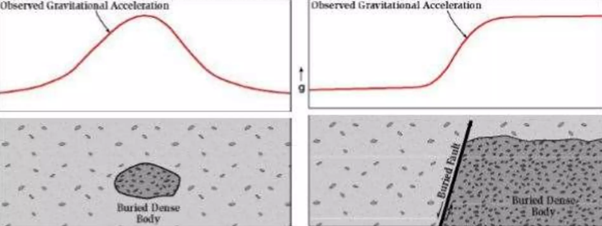
A major geological basin filled with less dense sedimentary rocks may reduce the local strength of gravity by about one ten thousandth of its normal value, whilst topographic effects may reduce the strength of gravity by a similar amount for every 400-500 metres of elevation (the gravity at the top of Mount Everest is about 0.2 % less than at sea level).  These were very difficult measurements to make, but as with everything, technology has taken over and airborne gravity and even satellite gravity data is now available. So sensitive are these measurements that geophysicists usually work in units of a milliGal (0.001 Gal) where 1 Gal is an acceleration of 1 cm/sec2 as compared to the average  force of gravity of 981 cm/sec2.

Figure 2: Variation of the relative surface variation of the Earth’s gravitational acceleration gravity over different geological features 


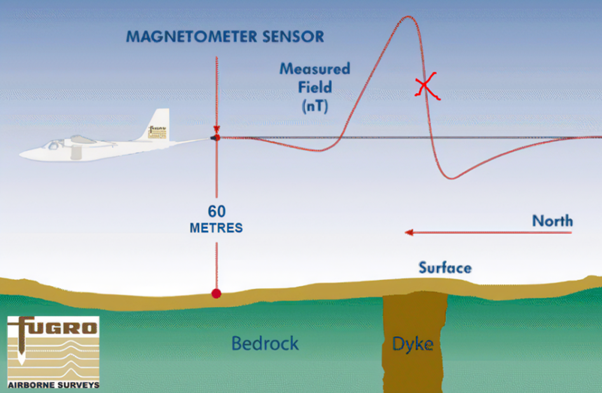
Magnetic surveys measure the variations in magnetic intensity.  Because igneous basement rocks usually contain more magnetically susceptible iron-bearing minerals, when uplifted or nearer to the surface, they give positive magnetic anomalies which may suggest that the basement of a basin lies nearer to the surface, or indeed that a basin does not actually exist! Again, technology has taken over and aeromagnetic data acquisition is commonly used not only to determine the architecture of a potential sedimentary basin, but to reveal other structural features within it.

Figure 3: Example of aeromagnetic anomaly over ferromagnetic igneous dyke. (After Fugro Airborne Survey) 


Both airborne gravity and magnetic data are nowadays routinely collected as they are cheaper than seismic data acquisition.  They have evolved to the point where such work is integral in the early stages of basin exploration, frequently preceding and guiding the acquisition of seismic data. The speed and uniformity of coverage, plus the relatively low cost of airborne surveys, have consolidated their role.

Petroleum Geology

Of course, basic geological surveys have fundamental importance, but by their nature, they are only carried out onshore on landmasses where rock outcrops are assessed. That assessment is for the nature of the rocks, their relationship to one another, the structural configuration of the rocks (generally, their dip and orientation), and features of the rock: like fossils; minerals, bedding, jointing, fractures, and veins.  This is basic geology which may or may not reveal the presence of a sedimentary basin and the important ingredients for the preservation of oil and gas accumulations.  A petroleum geologist is always keen to find geological evidence of source, migration, reservoir, trap and seal, and his first call will be for a geological map of the area of interest for exploration to provide evidence of such pre-requisites for the accumulation of oil and gas.

Pre-requisites for a petroleum accumulation

  • a source rock typically a dark shale with sufficient organic content that when buried and heated will generate petroleum
  • evidence of the movement and migration of generated petroleum from source rocks through rock strata, that may then be caught in a reservoir, rather than be leaked to the surface
  • reservoir rock that has not only sufficient porosity (space between its grains) to contain petroleum, but adequate connection between the pore spaces to permit that petroleum to flow
  • a closure or trap made by a configuration of rock strata that either through folding, faulting or pinch-out define a structure within which petroleum may accumulate
  • containment or seal of the structure by a barrier to the flow of petroleum, created by impermeable rocks and structures which prevent further upward buoyant movement of petroleum.
Figure 4: Petroleum accumulation fundamentals. (After Magoon and Dow in The Petroleum System – From Source to Trap, AAPG 1994)

This process of elucidating the subsurface to determine prospects where there is a chance of finding petroleum accumulations involves the gathering of enormous amounts of data about our Earth. Such knowledge is only gained at great expense and is therefore valuable data that needs to be preserved for future petroleum industry use and general public use.

Drilling

With the massive extent of offshore exploration worldwide, the preponderance of petroleum exploration data these days is seismic data, but this is only the start. The hypotheses of the geologist and the geophysicist have to be tested by that most famous “rotary lie-detector” more properly called the drilling bit. Wells have to be drilled to physically identify whether there is indeed an accumulation deep in subterranean depths and whether there is a reservoir in a trapping structure with an impervious seal and whether that reservoir contains an accumulation is just water, or perhaps oil and/or gas generated and migrated into it.

The process of drilling a wildcat petroleum exploration well is akin to making a movie.  It is capitally intensive and budgets can get rapidly out of control.  In reality, commercial wildcat exploration success rates worldwide range from 30% to 40%. This is achieved through very careful prospect definition based on screening the chance of all the necessary ingredients being present in a prospect in the right timing.  We must recognise that recoverable oil and gas represents just 6% of the total hydrocarbon fluids generated.  Some 65% remains un-expelled from the strata in which it was generated and is now the subject of intense exploitation in the continental USA – as shale gas and shale oil plays.  Of the 35% that does get expelled, 10% is retained in the carrier, 8% is leaked naturally (as gas and oil seeps), 7% is spilled and bypassed, and 4% is not recoverable. But like movie hits amongst a litany of ordinary movies, there are a few blockbusters that can change the fate of a company and even nations on occasions. It is an industry which employs all skills to do as best it can.

Figure 5: Petroleum generation and efficiency (After Nahum Schneidermann, Circum-Pacific Council 2006)


The drilling of a well can cost many millions of US dollars. Whilst it may costs just US$ 2 to 4 million for a simple well onshore in the USA, mid-size companies like ENI and Equinor quote figures of US$ 5 million to US$ 10 per well, but some wells in Papua New Guinea and other remote frontier areas of the world cost of the order of US$ 100 million each.

With such large stakes, it is certainly expedient to manage the exploration data that leads up to the decision to drill most carefully and then to gather as much information as possible during the drilling process to make sure that no hydrocarbons are missed or overlooked, to optimise production in the case of success and to optimise future efforts based on the new knowledge gained.

Logs

The process of drilling reveals the nature of the subterranean sediments sequentially as the drilling bit works its way through the strata. Geologists sample and examine the cuttings of rock brought to the surface by the thick viscous drilling mud describing the penetrated rock and looking for signs of oil stain on the cuttings.  The drilling mud as it emerges from the hole is whisked to release any entrained gases which are then analysed in a gas chromatograph to determine their type (typically, paraffins or alkanes ranging from methane to pentane). If any signs of oil or hydrocarbon gas are found they are called shows. Special gas detectors examine the drilling mud for noxious gases such as carbon dioxide and hydrogen sulphide, the latter of which is deadly poisonous. Aside from such step-by-step description of the rocks, potential hydrocarbons, and gaseous contaminants, other specific features of the rock may be examined such as density of any shales and the calcimetry of carbonates to distinguish limestone from dolomite.  Added to this, many drilling parameters are measured to help optimise the progress of drilling and to identify zone of over pressure in the rock. Masses of data are thus collected and collated in well logs that describe the geology that the well penetrates. 

Figure 6: Example of part of a mud log (after SLB - The Defining Series: Mud Logging, 2015)


After a section of hole has been drilled, it is logged with special electrical tools that are lowered into the well bore on a strong electrical cable called a wireline. A detailed analytical record of the geology penetrated by a borehole is made recording the petrophysical properties of the strata using a variety of sensors. These measure the natural gamma ray, electrical, acoustic, stimulated radioactive responses, electromagnetic, nuclear magnetic resonance, pressure and other properties of the rocks and their contained fluids. The data itself is recorded and then printed as a well log showing the measured parameters by depth in the well.

Figure 7: Simplified characteristic response of gamma Ray, resistivity and density logging tools over a sandstone reservoir filled with gas, oil and brine. (After Oil Field Review, Schlumberger, Spring 2011)  


The logs of the geology and hydrocarbon shows of the well are analysed together with the physical parameters of the rocks as determined from the wireline logs to deduce the likelihood of there being moveable hydrocarbons within any porosity at the different levels of the well. If there are coherent signs of there being any reservoirs containing hydrocarbon, then well testing may be undertaken to test if these fluid will actually flow to the surface naturally.  Again, as a well is tested vast amounts of data are recorded of the type of fluids produced, their quantity and quality, the surface and subsurface pressures during flow and whilst the well is closed, Such data will help in making estimates of the size, shape, and quality of the oil and/or gas reservoir, as well as optimise the future production and recovery strategies.

Figure 8: Complex plots of well testing data (here Elapsed Time of Test and Pressure Change and Derivative) enable petroleum engineers to gain valuable information about the reservoir and its accumulation of petroleum. (After US Dept. of Energy, Hydro, 2009)  


Whilst this sequence of exploration produces lots of interesting data for the exploration company contracted to or licensed by the host government State, it must be realised it is all collected with the aim of identifying as big an accumulation of oil and/or gas as possible from which commercial production may be undertaken.  Whilst a proper academic understanding of the subsurface geology is necessary to optimise the finding of hydrocarbons, it is only a precursor to production and subsequent sale of the produced oil and gas for value. The international oil companies will not be so interested in the samples and data collected from well once the accumulation has been satisfactorily produced, other than to possibly revisit the field and its wells at some later date if economic circumstances make any remaining oil and gas left in the reservoir commercially viable to produce again. The samples and data will have value for future nearby prospecting as they will help elaborate the local and regional geology. However, oil companies wax and wane in their interest over a given area depending on the range of international opportunities that they have for investment.  A large discovery in a faraway country may distract an emerging exploration programme that might be on the cusp of success at home. Priorities might be to produce what has been discovered rather than look for more accumulations.  The steadfast entities behind all of this are the host government petroleum industry regulators who are only involved with the petroleum potential and outcome of exploration and production in their own jurisdiction.

Figure 9: The commercial side of the petroleum business is an endless wrangle between host Government and the investing petroleum companies. (After Ashkay Jain in When Oil Companies Government Reach Agreement, 2021)


Role of the Government Petroleum Regulator in Respect of Data

It is a fundamental role of the host government petroleum industry regulator to take care of the data. In all jurisdictions, the exploring companies must lodge copies of all the data that they acquire in the course of their endeavours with the host government petroleum industry regulators. After all the resources are owned by the people of the Nation and the knowledge that the petroleum exploration data reveals has been obtained at vast expense which would not be made were it not for the lure of potential petroleum accumulations and the possibility of their production at scale making extraordinary revenues for the companies and their host Government alike. Aside from the many task of the government petroleum regulator the care of historic and legacy petroleum data is vital. If all else fails in the administration and regulation of the petroleum industry and its exploration activities, the data acquired from such work must be collated, protected and cared for. It has lasting value to ongoing investment in the petroleum industry and to all other uses of geological data ranging from mineral exploration to geo-hazard awareness to road and other infrastructure development to building codes.  The data is quite essentially part of the patrimony of the Nation.   

PNG Petroleum Data

The PNG Government’s petroleum data is stored by the Petroleum Division of the Department of Petroleum’s archives and dates back to the early 1920s. The archive contains the results of all exploration endeavours for the discovery of oil and gas to date. As said, this information is the product of immense investment over time and has to be looked after. The Petroleum Division has indeed attempted to care for this data and has from time to time launched initiatives to improve its data storage and management, but it remains a daunting task notwithstanding the overture of various seismic companies and data specialist companies to help. Considering the enormous value of the petroleum resources that have been and continue to be extracted and exported, far too little attention has been paid to this aspect of the overall business. Given the physical extent of the current Petroleum Division archive, not enough financial and human resources are devoted to its maintenance, and there is an urgent need to bring the management of the PNG petroleum archive held at the Petroleum Division up to current standards. Bilateral, multilateral or even corporate funding could be solicited to help in this process as often occurs around the world.

To date, it is estimated that only around 350 wells have been drilled in the course of exploration work by the oil and gas companies. These wells were based on hundreds of geological field surveys, magnetic and gravity surveys (potential field surveys) and equally hundreds of seismic surveys both onshore and offshore. In 2006, it was estimated that the Petroleum Division Archives held at last 65,000 records.  One would anticipate that this figure has now risen to around 75,000 records.

In recent years, digital submission in addition to hard copy submission has been encouraged by the Petroleum Division on CD ROMs and in the case of geophysical data on Exabyte or similar tapes. The immediate problem is straightforward and that is the housing of these records in a controlled environment safe from weather, pests and interference. The author’s own home library with some 4,000 books, papers, files and manuscripts occupies 68 metres of shelf space, so an archive consisting of 75,000 records implies a need of at least 1,275 shelf metres, just to accommodate the primary existing documentation and records. Tapes and other digital media also need constant attention to prevent data deterioration as much a printed paper media.

Figure 11: The Petroleum Division has recently relocated it archives to its new building in Waigani as a first step toward better data management.  Depicted above is Senior Archives Officer, Mr Kila Kila Navu, who has spent most of this life working at the Petroleum Division. (Source: Petroleum Division). 


The Data Challenge

The ultimate challenge would be to transcribe the entirety of the Petroleum Division archive to permanent memory either to high volume hard disks which can now hold as much as 20 Tera Byte (TB) or to Solid State Drives (SSDs) that can now hold as much as 100 TB. The capacity of data storage devices seems to increase year by year.  Fifteen year ago a disk drive that could hold 5TB seemed to be an impossible large. The new 100 TB SSDs are quoted at about US$ 40,000 each.  Just ten of them would represent 1Peta Byte (PB) perhaps enough to hold the complete PNG Petroleum Division archive including all seismic and other geological and geophysical data plus all drilling and production data.  The quantum of basic storage costs therefore seems to be about US$ 400,000. 

That is not the only cost though as there also have to be systems that can support and operate these data storage devices and enable data to be deposited and retrieved.  Back-up systems, data acquisition and preparation drives, scanners to prepare printed media documentation for digitalisation, network access, and maintenance and training all have to be considered. All of this has to be housed in a high integrity building free from ambient dangers with a highly-controlled environment secure from all threats, and its own systems of reliable power supply, and alas an uninterruptible energy source to maintain that reliable supply. A period of controlled transition during which training would take place would have to maintain the old tradition (paper, tape and CD-ROM) archive alongside the new electronic archive.  

One might conjecture the total costs to be of the order to US$ 10 million based on estimates made some fifteen years ago for the Ghana National Petroleum Commission of a West African State and allowing for inflation and some component reductions in price.  When LNG has been selling from the PNG LNG project at an average of US$ 12.82 per million British Thermal Units (MMBTU), and a LNG carrier tanker, such as the MV Papuan, which has a LNG capacity of 171,800 cubic metres, leaves the PNG LNG terminal every three to four days, it is estimated that each exported LNG cargo may be worth up to US$ 80 million, and there are approximately 100 such cargoes per year.  The cost of establishing a National Petroleum Data Centre is thus 0.125% of the gross revenue of LNG sales.

If we conjecture a notional price of US$ 30 million per well as the cost of re-drilling some 350 historic wells, we can readily reach a price tag of US$ 10 billion for this information. It is not trivial amount and, indeed the value of the accumulated archive is indeed a National treasure that needs to be looked after well. This then is a call for the establishment of a National Petroleum Data Centre where not only can the petroleum data be preserved, but it can be made available to the petroleum industry in its future endeavour and other users so that this data serves the people of PNG.


Michael McWalter is a former Director, Petroleum Division and a former Adviser to the Government of Papua New Guinea and has erstwhile been petroleum adviser to the Governments of Ghana, Liberia, Cambodia, Sao Tome, Seychelles and South Sudan.

June 10, 2024

Galomarubu village, along the Rigo coast nestled in the Rigo District of Central Province, lies an estimated 113 kilometers from bustling Port Moresby. Here, Esau Lui, the Owner and Director of Belt Again Beach Resort, brings to life his vision of a coastal haven where guests can escape urban hustle and reconnect with nature and culture.

Lui's roots run deep in the Central Province, specifically the Rigo district, and it's on the shores of his village that his dream takes shape. With a passion for hospitality and a desire to showcase his heritage, Lui embarked on the journey of building Belt Again Beach Resort in 2023.

The resort takes its name from the land it is built on, 'Kwari wai' in the native dialect, which means Belt Again. Now, a year and two months into construction, the resort stands as a beacon of local pride and opportunity.

Employing local villagers in various roles, from carpenters, electricians, plumbers, security guards, drivers to chefs, Lui not only fosters economic growth but also preserves traditional craftsmanship and culinary practices. 

Esau Lui in an interview with PNG Business News confirmed his employees where qualify in their respective professions delivering their services accordingly, “I told them, if we can build resources for other people, why not come together and we build for ourselves.” He added.

He stated the importance of exposing such locations as tourist destinations, to the international community and the country as a whole.

The resort's commitment to sourcing produce from nearby villages not only supports local economies but also enriches guests' dining experiences with authentic flavors.

As the resort nears completion, its offerings promise an escape like no other. From comfortable accommodations to beachfront bungalows, and from tantalizing dining options to a plethora of activities, Belt Again Beach Resort plans to cater for guests’ preferences. Whether guests seek relaxation or cultural immersion or simply a moment of tranquility, the resort aims to deliver.

Central to the resort's allure is its stunning jetty, stretching 210 meters from the rooms to the sea-view bar. By day, it offers a scenic pathway to the open sea, while by night, it transforms into a captivating spectacle, illuminated against the darkened waters.

Lui's aspirations extend beyond mere hospitality; he envisions Belt Again Beach Resort as a catalyst for community development and cultural exchange. By involving nearby villages in Small and Medium Enterprises (SME) sales and tourism initiatives, he hopes to foster sustainable growth and empower local communities, including villages stretching by the coastline of Central Province.

With a team of 37 skilled workers from diverse backgrounds, Lui's dedication to his vision is evident. These individuals are not just employees but partners in realizing a shared dream of prosperity and pride.

As the resort's opening draws near, Lui reflects on the journey that brought him here—a journey rooted in childhood memories and fueled by a determination to give back to his community.

Belt Again Beach Resort stands as a testament to Lui's unwavering commitment and the rich history of its location.

“This location is special to me, when I was a child, my parents will bring me here. We had our gardens nearby, our coconut tress too. Growing up, I had a vision; to do something in this place. Today what you see is the reality of what I dreamt of building years ago.”

“To bring back something, as an aspiring leader, this resort creates employment opportunities for locals and nearby villagers as well.”

“Imagine if we start having tourists, we can involve and have villages and communities to participate in SME sales here.”  He added.

Beyond its idyllic setting lies a legacy century in the making. Once a vital stop for seafaring travelers, Kwariwai Beach Point now emerges as a modern-day sanctuary, welcoming visitors and guests from near and far to experience its beauty and local hospitality.

As the finishing touches are put in place, Belt Again Beach Resort awaits its grand unveiling for the months to come. Esau’s efforts shine through the well-built tropical escape taking shape.

June 10, 2024

PNG Ports Limited (PNG Ports) has enhanced its maritime infrastructure, by completing a pre-bid site inspection with potential contractors for the Kimbe Port Upgrade Project in West New Britain Province in Papua New Guinea.  

This significant project is set to receive a substantial boost through part of the K1.5 billion Australian Government funding, facilitated by the Australian Infrastructure Financing Facility for the Pacific (AIFFP).

CEO of PNG Ports, Neill Papenfus, underscored the importance of this development, saying these contractors were invited to bid for the Marine Package of the Kimbe Port Upgrade Project which is currently in its bid stages.

"The inspection will give the contractors a fair idea of the physical features of the site, scope of work and raise any queries before the bidding period ends.” 

“The Land Package for the Project is currently in the evaluation stage and will follow soon after the awarding of the Marine Package.” He added.

Papenfus further emphasized that the project marks a significant milestone, being the first of several ports earmarked for comprehensive upgrades to ensure alignment with global industry standards.

“Kimbe Port Upgrade Project will be the first of a number of selected ports to undergo similar upgrading to ensure that the ports are fit for purpose and on par with global industry standards.”

Acknowledging the collaborative efforts of various stakeholders, Papenfus extended gratitude to the Australian Government and its agencies, alongside key local entities including port services providers, PNG Government Departments, and regulatory bodies such as the Conservation Environment Protection Authority and National Maritime Safety Authority.

“I would like to acknowledge all stakeholders involved in the planning and implementation of the project, including the Australian Government and its agencies, port services providers, PNG Government Departments in Treasury, Transport, the Conservation Environment Protection Authority, and National Maritime Safety Authority, among others.”

Furthermore, PNG Ports expressed its commitment to collaborative endeavors with the West New Britain Provincial Government and leaders to ensure the successful completion of the project, ultimately benefiting the people of the province.

Representatives from AIFFP and the Australian Transport Sector Support Program (ATSSP) were also present during the site inspection, underscoring the multinational support and collaboration driving this endeavor forward.

The beginning of this transformative project traces back to the AIFFP’s K1.5 billion blended financial package, and to PNG Ports' comprehensive 20 Year Port Infrastructure Master Plan, launched four years ago by PNG Ports. This strategic blueprint identified the pressing need for rejuvenating port facilities across the country to accommodate increasing sea trade demands and capitalize on emerging economic opportunities.

The Kimbe Port Upgrade Project, emblematic of this broader initiative, is poised to revitalize critical maritime infrastructure, ensuring sustainable development and positioning PNG Ports to thrive in the evolving global trade sector.

As PNG Ports progresses towards the realization of this ambitious vision, stakeholders anticipate tangible socio-economic benefits to the region, underscoring the transformative potential of strategic infrastructure investments in PNG.

June 10, 2024

As Papua New Guinea takes its course towards a sustainable, climate-resilient future, the Climate FIRST Project stands as a point, to the power of partnership, innovation, and collective action in tackling the defining challenge of our time.

Climate resilience and sustainable development was marked by the Climate FIRST Inception Workshop and the Memorandum of Understanding (MOU) signing, uniting the Global Green Growth Institute (GGGI), Climate Change and Development Authority (CCDA), and seven provinces in PNG. The inception workshop, held from June 3rd to 4th at the Hilton Hotel, Port Moresby, served as a pivotal platform for strategic discussions and collaborative agreements aimed at supporting climate finance and resilience across the nation.

The project is implemented in partnership between the CCDA, GGGI, the Australian High Commission (AHC) on behalf of the department of Foreign Affairs and Trade Australia, and Provincial Administration of seven provinces which are Eastern Highlands, Enga, Manus, Milne Bay, Morobe, New Ireland and Simbu. The partnership and participation between organisers and stakeholders emphasized the urgency of addressing climate change's adverse impacts on PNG's rich and natural ecosystems.

The two-day event commenced with deliberative sessions aimed at making clear the project's objectives, expected outcomes, and associated risks. It was also the first opportunity to bring all stakeholders together to discuss implementation arrangements at the national and provincial level.

Key sessions on the first day encompassed comprehensive discussions on Climate FIRST's overarching goals, governance structure, stakeholder roles, and progress updates on green investment pipelines. The engagements fostered a deeper understanding among stakeholders, laying the groundwork for effective collaboration and decision-making.

The second day featured a formal inception meeting, highlighted by a momentous signing ceremony of MOUs between CCDA, GGGI, and the seven participating provinces.

Attendees included Nic Johnson, Counsellor (Enonomics), Australian High Commission and Motsy David, First Secretary, on behalf of Hon. Simo Kilepa, Minister for Environment, Conservation and Climate Change, underscoring the significance of collective action in addressing climate challenges. 

Crucial sessions on the second day included discussions on governance structures, provincial capacities, and future action plans, reinforcing the commitment of all parties to uphold transparency, accountability, and sustainable development principles.

The event drew over 50 participants from diplomatic corps, donor partners, government representatives, civil society organizations, and academia, signaling broad-based support for Climate FIRST's ambitious objectives.

During the Inception Workshop First Secretary Motsy David gave the keynote speech on behalf of Hon. Simo Kilepa MP, Minister for Environment, Conservation and Climate Change delivered the keynote speech, advocating for transformative climate action.

First Secretary Motsy David underscored the transformative potential of the Climate FIRST initiative, emphasizing its pivotal role in reshaping PNG's approach to development and resource management.

David's remarks resonated with a diverse audience of stakeholders, highlighting the project's ambitious objectives and the collective commitment required to address climate change challenges.

“Climate change is no longer a distant threat but a present reality that affects every facet of our lives. Our Communities, rich in culture and tradition, our pristine natural landscapes, and our diverse ecosystems are increasingly vulnerable to the adverse impacts of changing climate patterns. Rising sea levels, extreme weather events, and shifting agricultural conditions pose existential threats to our way of life”

 “This project is not just about responding to climate change; it is about transforming our approach to development and resource management. It is about ensuring that our economic growth does not come at the expense of our environment. It is about fostering inclusive growth that benefits all Papua New Guineans, especially those most vulnerable to the impacts of climate change.” He added.

David commended the visionary leadership of the Climate Change and Development Authority, Provincial Governments, Global Green Growth Institute, and the Government of Australia in spearheading the Climate FIRST initiative. He particularly lauded Australia's AUD 20 million investment in the project, emphasizing its significance in fostering bilateral cooperation to combat the impacts of climate change.

“Climate FIRST will build on the success of the initial four-year UAD 6 million DFAT funded Climate Resilient Green Growth Project (CRGG) that was implemented by GGGI between 2019 and 2023. This project which was fully completed in June 2023 was piloted in Enga, Milne Bay and New Ireland province resulting in the adoption of CRGG strategies and action plans in these provinces.”

“The project had among other results mobilized USD 24 million in climate investments which included the USD 10 million Adaptation for Small Scale Agriculture (ASSA) project and the establishment of the Credit Guarantee Corporation (CGC) with USD 14 million equity from Kumul Holdings and Bank of Papua New Guinea. This initiative will now be scaled up under Climate FIRST to include four more provinces which include Eastern Highlands, Manus, Morobe, and Chimbu bringing the total provinces under Climate FIRST to seven, which is one third of PNG's total provinces and population.” He added.

David hailed the government's unwavering commitment to partnership at all levels, emphasizing its role in advancing a greener economy and fostering resilience. He lauded the collaborative efforts of all stakeholders, citing Climate FIRST as a beacon of hope in PNG's journey towards a greener, more secure future.

The purpose of the project's inception meeting, as outlined by David, is to foster a shared understanding among stakeholders, laying a solid foundation for success. He emphasized the importance of stakeholder engagement and ownership in delivering key project components, including strengthened climate finance mechanisms and increased private sector engagement.

“I believe that your workshop from yesterday has provided all stakeholders the opportunity to discuss these projects aspects and scope in greater detail to foster a better understanding which will lead to a stronger stakeholder 'Buy-In" and ownership. This is essential for the project's success in delivering its key components including strengthened national coordinating mechanism for climate finance and investments, scaled up access to climate finance from blended financial sources including innovative financing mechanisms and increased private sector engagement, strengthened subnational CRGG policies and increased GEDSI (gender equity, disability and social inclusion) benefits.”

“As you deliberate on the Governance set up of Climate FIRST today, as you commit each other in partnership to work together, closely, to mobilize the resources we need, let us also recognize that this delivery is a collective victory in itself. It is the testament to enduring partnerships, shared vision, and unwavering dedication to a cause that transcends borders and unites us all in a common purpose.

He urged every stakeholder, including policymakers, private enterprises, local communities and international allies, to come together. “Let us forge ahead to deliver what we promised our people and environment. And that is, a greener economy for Papua New Guinea, is a step towards a more secure, prosperous, inclusive, and sustainable future for our country.”

As deliberations on Climate FIRST's governance structure continue, he extended special thanks to the Government of Australia for its steadfast commitment and acknowledged the collaboration of the Ministry and delivery partner, GGGI, in driving the project forward.

About the Climate FIRST Initiative: Australia and PNG collaborative efforts

The Climate FIRST initiative was launched jointly by the Prime Ministers of Australia, Hon. Anthony Albanese, and the PM of PNG, Hon. James Marape earlier this year, during their Annual Leader’s Dialogue in Camberra on 8 February 2024. The initiative aims to enhance PNG's access to climate finance and investments, thereby fortifying climate resilience and promoting low-carbon development. With Australia's substantial funding commitment of AUD 20 million (PGK50 million), funding for the four-year project, spanning from March 2024 to March 2028, the project is poised to catalyze transformative change across the nation.

The project's comprehensive approach, encompassing stakeholder engagement, governance reforms, and strategic investments, reflects a shared commitment to sustainable development and environmental stewardship.

In the final day of the inception workshop, Nic Johnson emphasized the collaborative efforts between Australia and PNG in tackling climate change. He underscored Australia's unwavering commitment to supporting PNG and the wider Pacific community amidst the challenges posed by climate change.

Highlighting the significance of the partnership, Jonnson reiterated Australian Prime Minister’s assertion that Australia stands in solidarity with the people of PNG, expressing a steadfast commitment to aiding the nation in its climate resilience efforts.

He commended the cooperation between PNG and Australia to take action against climate change, under the PNG-Australia Climate Change Action Plan, which was established at the ministerial level.

Adding on he said, since its inception, Australia has contributed over $100 million towards climate change mitigation and disaster resilience initiatives in PNG. These funds have been allocated to various sectors, including infrastructure, transportation, healthcare, and education, aimed at supporting PNG's capacity to withstand the impacts of climate change.

“That includes mainly in infrastructure, so looking at transport, health and education and disaster risk reduction. So we will continue to take a climate change perspective to all our infrastructure investments going forward. Overall, Australia has committed about AUD $2 billion towards climate financing in the Pacific, and that will be spent between 2020 and 2025.”

Furthermore, building upon past achievements, Jonnson unveiled the Climate FIRST initiative, designed to strengthen PNG's ability to secure international climate finance and advance its National Adaptation Plan. The initiative aims to facilitate the development of high-quality project proposals aligned with PNG's priorities in agriculture, energy, transportation, and infrastructure.

As a significant milestone, he emphasized on the crucial role of involvement of provincial administrators and leaders, in driving effective climate action.  He expressed optimism that Climate FIRST would empower communities to confront the realities of climate change head-on and access vital resources for resilience-building projects.

June 10, 2024

Prime Minister Hon. James Marape and Government MPs marked the 2024 World Environment Day by planting trees along Independence Boulevard in Port Moresby recently before heading to Parliament. The event was organised by the National Capital District Commission and Governor Hon. Powes Parkop.

In his address, Prime Minister Marape urged all Papua New Guineans to plant a tree a year and logging companies to plant four trees for every tree they chop down.

“In the midst of the current political landscape, we, as a government, have gathered here to plant a tree in honour of this significant day,” stated Prime Minister Marape.

“Trees produce oxygen. Oxygen gives life.

“If God was to charge us for the oxygen we breathe, we would neither have the money to pay for this, nor would we survive.

“I want to encourage every Papua New Guinean right across the country to plant one tree a year.

“When you cut down a tree, are you planting a new tree? Where were you when the tree was planted?

“We must reflect on this on World Environment Day today and going forward.

“We must be a nation that plants trees.

“To our logging companies: Law requires that when you cut down one tree, you plant four.

“I hope we are monitoring this as the Executive Government, through the Forests Department, enforced the policy that if you cut down one tree, you plant four trees.”

Highlighting the crucial role of trees in sustaining human life by providing essential oxygen, Prime Minister Marape emphasised the importance of initiatives like the tree-planting program.

The programme aims to plant one million trees across Port Moresby, and he encouraged all citizens to join in this green endeavor.

Prime Minister Marape commended this year’s World Environment Day theme: ‘Land Restoration, Desertification, and Drought Resilience – Our Land, Our Future, We are Generation Restoration’.

June 07, 2024

Santos was glad to have celebrated World Environment Day in the communities in accordance with this year’s World Environment Day theme: ‘Land Restoration, Desertification, and Drought Resilience’.

In Port Moresby, staff joined forces for an early morning cleanathon at the popular Ela Beach to collect debris along the beach front.

Representatives of the Santos PNG Environment team including Environment Manager Maxwell Haro visited a couple of schools together with the Santos Country Chair, PNG Leon Buskens, to speak to students about the importance of World Environment Day (WED) and why observing WED is important when it comes to preserving and protecting our environment. The two schools visited were June Valley Primary School, with more than 1600 students and 30 teachers, and Hohola Demonstration Primary School which had 2000 students and more than 33 teachers. A total of 100 tree seedlings were donated, 50 trees to each school, to support a tree planting activity commemorating WED.

The message to the students at June Valley Primary was about planting a tree for WED, and a seedling in the hearts of the students for the future.

Mr Haro said it was important for the Company to demonstrate its commitment to nature-based solutions while Mr Buskens reminded the students on the importance of trees and the role it plays in the ecosystem.

“Trees serve as an important function in ecosystems, helping to sustain biodiversity and environmental balance. They provide oxygen, carbon storage, soil erosion prevention, water cycle regulation, and habitat for a diverse range of plant and animal species. Trees have a huge impact on climate regulation because they absorb carbon dioxide, reducing the greenhouse effect,” Buskens said.

“We are pleased as a responsible organisation to be part of this important cause and in observing an important annual event throughout our operations in PNG.

He also emphasised the Santos purpose of providing reliable and affordable energy to help create a better world for everyone. “We’ve already planted more than four million trees at our Markham Valley Afforestation and Reforestation Project in Morobe Province.”

Land restoration is an integral part of the Santos Management System and Environment Management Plans in the PNG Operations. Rehabilitation and bioremediation programs are integral to achieving outcomes that align with restoration goals and objectives. Santos implements a comprehensive environment monitoring program that mitigates land degradation. Santos maintains compliance by proactively engaging with the Conservation Environment Protection Authority (CEPA) on all site closure and rehabilitation matters. Drought resilience programs have been rolled out throughout the Gulf and Southern Highlands, through the Community Affairs Sustainability program.

To commemorate the day, activities scheduled throughout the Santos PNG operations included:

  • Clean-a-thons, awareness, and tree planting activities at Hides, Kopi, Kutubu and Port Moresby
  • Tree-planting at Gobe
  • General awareness activities at the Kumul Marine Terminal, Gulf of Papua.

June 05, 2024

SGS has emerged as a pivotal service provider in Papua New Guinea's upstream industry, providing cutting-edge on-site well services to a major operator in 2023. 

Their use of state-of-the-art high-pressure sand filtration equipment ensured a safe and efficient natural gas extraction.

SGS utilised a comprehensive high-pressure sand filtration equipment package, featuring advanced components such as high-pressure flow lines, connections, and precision measuring equipment. Their equipment can deliver reliable natural gas extraction even in the rugged, challenging PNG terrain. 

From initial job design and planning to the installation, commissioning, site supervision, equipment operation, and the delivery of thorough data reporting, their expert team oversee the project end-to-end guaranteeing seamless execution, and superior quality control. When you need to be sure, trust SGS to deliver.

SGS offers a wide range of in-house capabilities, including inspections, technical staffing solutions, upstream services, and sampling and analytics. These diverse service offerings allow SGS to deliver a customised, unique single point of contact service to meet the specific needs of each project.

Acknowledging the diverse operation landscape in PNG, SGS adopt a project-specific approach, ensuring that their solutions are precisely tailored to meet their client’s requirements and project objectives. Continual improvement initiatives are integrated into their operations, optimising processes on-site to ensure client satisfaction.

SGS takes pride in their ongoing support for clients across PNG. Beyond PNG, SGS proudly continues to make its mark globally, enabling a better, safer, and more interconnected world.

Contact SGS to learn how their cutting-edge on-site well services can optimise your project’s gas production.


June 05, 2024

Remington Technology (RT), Papua New Guinea's leading print and document solutions provider, has been awarded the prestigious 'Dealer of the Year' accolade at Konica Minolta Australia’s Kick-off conference held in Sydney last month. As the only authorised Konica Minolta dealer in Papua New Guinea, this award recognises RT’s outstanding sales and service excellence across Australia-Pacific.

Remington Group CEO and Dealer Principal Peter Goodwin shared his pride: "I am incredibly proud of GM Justin Kieseker and Team RT’s outstanding achievement in being named 'Dealer of the Year' for the Australia-Pacific Region. This is a big deal and reflects the dedication and hard work of everyone at Remington Technology, and Group Shared Services. For over 75 years, we've been a proud Papua New Guinean company, committed to delivering exceptional print and document solutions. Our strong partnership with Konica Minolta has been key to our success. This accolade highlights our market leadership and reinforces our commitment to our community and clients. We are grateful for our loyal clients' support and look forward to continuing our journey of innovation and excellence together."

Echoing this sentiment, Justin Kieseker, General Manager of Remington Technology, remarked, "RT is a 100% home-grown business that has been providing top-tier print and document solutions to businesses throughout the country for over 75 years. The reliability and innovation of the Konica Minolta brand significantly distinguish us from our competitors."

Konica Minolta’s extensive range of products, including the advanced KM i-Series, Production Printers, and comprehensive software solutions, have consistently empowered businesses to streamline their operations. Kieseker added, "Our partnership with Konica Minolta, spanning 25-30 years, solidifies our exclusive status as the only authorised dealer in PNG. This award further elevates Konica Minolta’s prominence in PNG and affirms Remington Technology’s leadership in the print market."

Despite facing economic challenges, Remington Technology has thrived due to its dedicated team and loyal client base. Kieseker emphasised the importance of adapting business strategies to the economic environment, meticulous planning, and maintaining strong business relationships.

Looking ahead, Remington Technology aims to expand its market presence and customer base through a consultative approach, helping customers save money and improve efficiency in their day-to-day operations. This forward-thinking strategy reinforces RT’s commitment to continuous growth, exceptional customer service, and staying Loyal to Local.

June 05, 2024

Consort Express Lines (Consort), a leading coastal shipping company based in Lae, is proud to announce its sponsorship of the Royals Rugby Union Club (15’s), who are participating in the Morobe Rugby Union 2024 season.

This K20,000 sponsorship demonstrates Consort's commitment to supporting the local community by fostering a healthy and active lifestyle through grassroots sports. The sponsorship will provide the Royals with a complete set of new jerseys for their three divisions – Premier Men's, Women's, and AGrade Men's – along with essential training equipment, medical kits, and eskies.

General Manager for Consort, Antony Riley, expressed his enthusiasm for the partnership. "We are thrilled to support the Royals and contribute to their success on the field," said Riley. "This sponsorship aligns perfectly with our values of community engagement and promoting a healthy work-life balance for our employees. We look forward to cheering on the Royals throughout the season."

Julias Tingiran, Royals Team President, echoed Riley's sentiment. "The Royals are incredibly grateful for the generous support from Consort Express Lines," said Tingiran. "This sponsorship will make a significant difference in our team's performance and well-being. We are excited to represent Consort on the field and within the Lae community."

Consort is committed to being a positive force in the Lae community. By supporting the Royals, the company hopes to inspire a love for the sport, promote health and well-being, and foster a strong sense of community spirit.

With the 2024 season underway, Consort wishes the Royals the very best on their journey!