Papua New Guinea’s economy has entered the second half of 2026 in a stronger position than expected at the start of the year, supported by elevated commodity prices, increased resource-sector activity and continued economic reforms, according to Westpac’s latest WAILIS PNG Economic Update and Outlook.
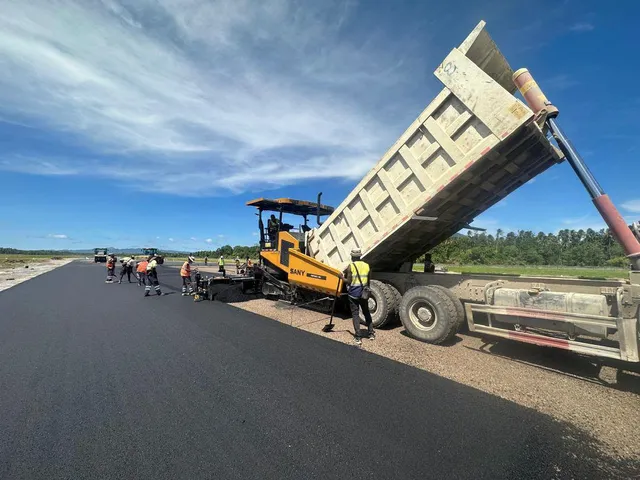
The report said PNG’s macroeconomic outlook remained encouraging, with higher export earnings, stronger activity across mineral and non-mineral sectors and continued government infrastructure spending under the Connect PNG programme supporting economic growth.
Westpac Pacific Senior Economist Shamal Chand said the challenge was ensuring that stronger economic activity translated into broader benefits for households and communities.
“PNG is benefiting from stronger commodity prices, improved resource-sector activity and IMF-backed reforms,” Chand said. “The bigger task now is making sure growth supports livelihoods, service delivery and broader economic resilience.”
The report said the Bank of Papua New Guinea maintained the Kina Facility Rate at 5.0% during the period, while the kina continued to depreciate under the central bank’s crawl-like exchange rate regime.
Year to date in 2026, the kina exchange rate moved from 0.2352 to 0.2267, representing a decline of about 3.6%.
Westpac said foreign exchange conditions had improved, although remaining FX queues and central bank auctions indicated that the market had yet to fully clear.
Formal employment grew 2.4% in 2025, with mining and resources accounting for much of the increase in hiring.
However, Westpac noted that formal employment remained relatively small compared with the country’s large informal economy.
The report said this highlighted the need for better economic and household data to provide a clearer picture of livelihoods and living conditions across PNG.
Westpac’s outlook suggests that maintaining reform momentum will be important to consolidate recent economic gains and ensure stronger resource-sector activity translates into wider economic resilience and improved living standards.
The report also points to the importance of continued fiscal and monetary discipline, infrastructure investment and reforms supported by the International Monetary Fund as PNG navigates the second half of 2026.