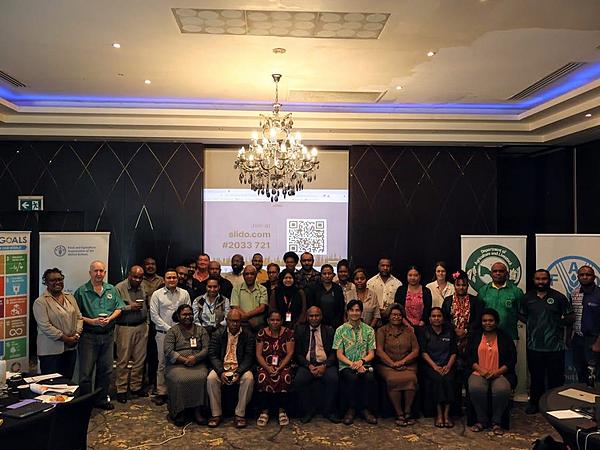
Government agencies, humanitarian organizations and development partners have reviewed and endorsed proposed actions under Papua New Guinea’s El Niño Plan of Action for Agricultural Drought 2026-27, as the country prepares for potentially worsening climate-related impacts on food production and rural livelihoods.
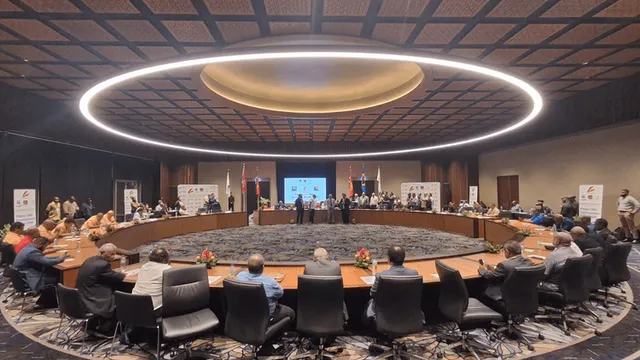
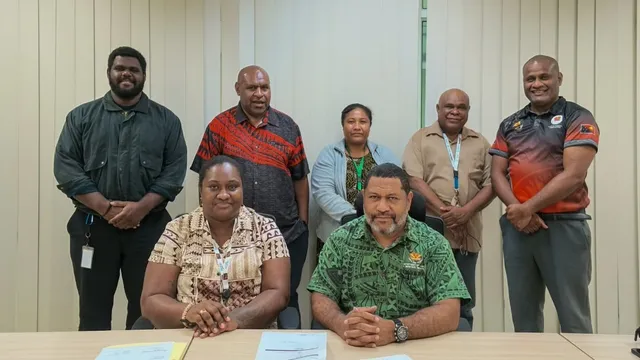
The national consultation workshop was convened by the PNG Food Security Cluster, which is co-chaired by the Department of Agriculture and Livestock (DAL) and the Food and Agriculture Organization of the United Nations (FAO).
The consultation comes after the National Weather Service declared El Niño conditions in June, with forecasts indicating that the weather pattern could persist or intensify through the latter part of 2026 and into 2027.
Participants reviewed proposed interventions across four phases of the plan — preparedness, anticipatory action, response and recovery — with discussions focused on ensuring measures are practical, coordinated and responsive to local needs and vulnerabilities.
Stakeholders also identified priority activities, assessed implementation capacities and discussed coordination mechanisms to enable timely action before drought conditions worsen.
The workshop also sought to clarify the roles and responsibilities of participating organizations, identify resource and funding gaps, and strengthen collaboration among government, humanitarian and development partners.
DAL Secretary and Food Security Cluster co-chair Dr Sergie Bang said strategic action was needed to strengthen the country’s resilience to recurring droughts.
“We have to take strategic agricultural actions because we can expect these droughts to come again,” Bang said.
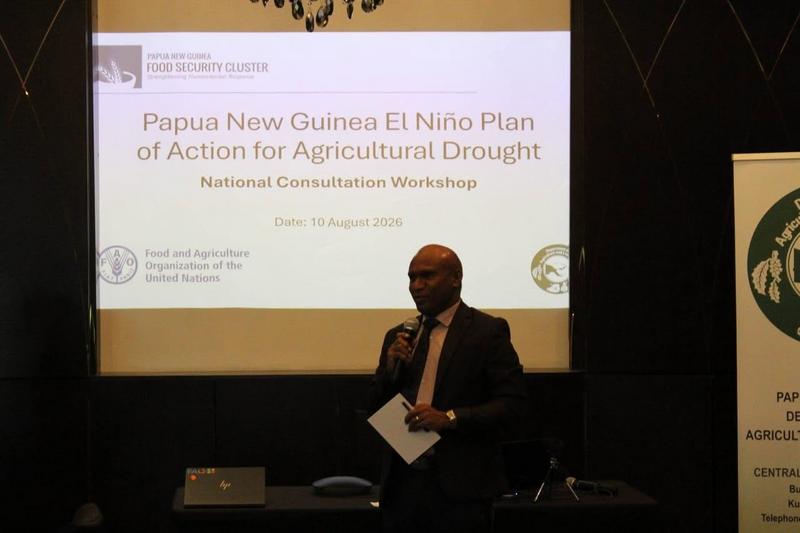
“We need to integrate irrigation and mechanization into our production systems and strengthen our cropping systems so that we place our country and our population in a better food-secure situation,” he said.
A key outcome of the consultation was a commitment by Food Security Cluster partners to strengthen preparedness and coordination while refining the drought Action Plan for implementation at national, provincial, district and community levels.
The process is expected to produce a set of priority actions, map partner roles and capacities, and establish a framework for monitoring implementation progress.
The measures are aimed at safeguarding agricultural production and rural livelihoods while strengthening food security in communities vulnerable to prolonged drought and frost conditions.
More than 80% of Papua New Guinea’s population relies on agriculture, livestock and fisheries for food and income, making early planning and coordinated intervention critical to limiting the effects of climate-related shocks.
The workshop brought together representatives from government agencies, UN agencies, development partners including Australia’s Department of Foreign Affairs and Trade and New Zealand’s Ministry of Foreign Affairs and Trade, non-governmental organizations, civil society and faith-based organizations, as well as technical and humanitarian partners.
The consultation forms part of broader efforts to translate early warning information into early action and strengthen the resilience of PNG’s agriculture sector as climate risks increase.