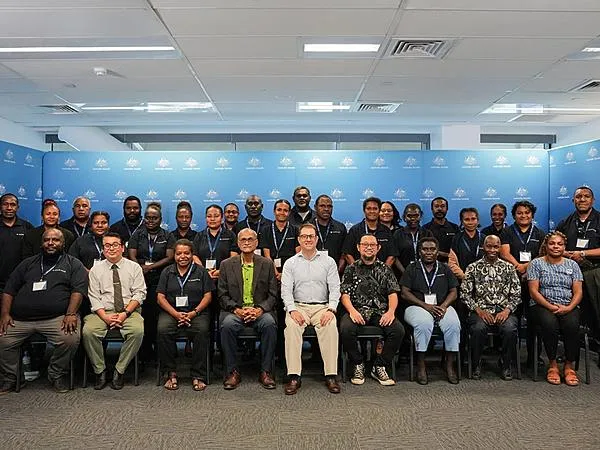
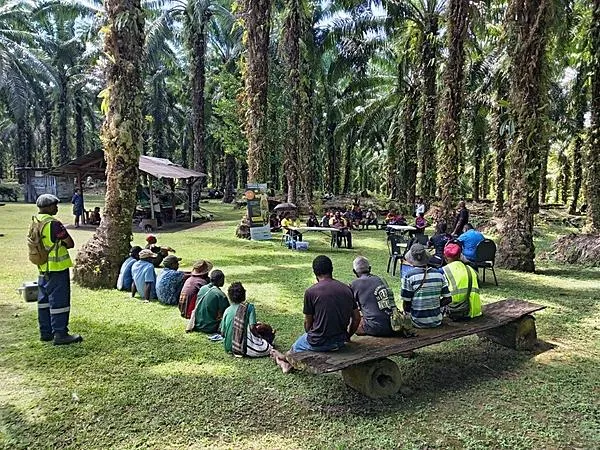
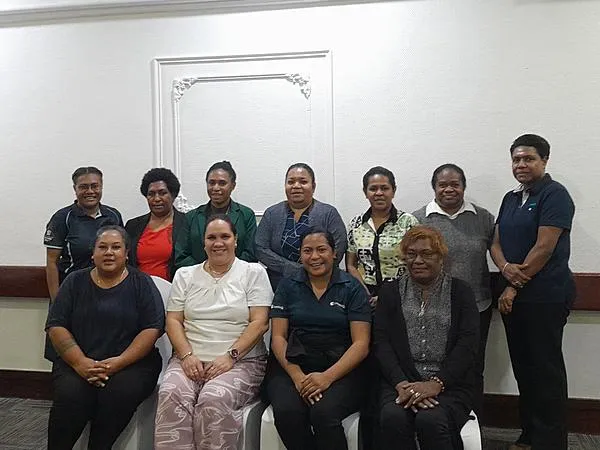
Papua New Guinea’s agriculture sector is strengthening efforts to expand domestic and international market opportunities, with about 30 agriculture professionals taking part in an Australia Awards Short Course focused on agricultural trade, supply chains and export systems.
Announced on Aug. 13 and supported by Australia Awards, the initiative aims to strengthen the capacity of PNG agriculture professionals to develop practical solutions that can help farmers, businesses and exporters access new markets and improve the movement of agricultural products from producers to consumers.
The focus has significant economic implications for PNG, where more than 85 per cent of the population relies on agriculture for their livelihoods. Improving agricultural trade and market access is therefore closely linked to rural incomes, food security and broader economic growth.
Delivered by the University of Queensland in collaboration with Pacific Adventist University, the short course brought together agriculture professionals from government and industry to examine ways to improve partnerships, logistics, supply chains and export systems.
The programme reflects the shared interest of Australia and PNG in expanding agricultural trade and developing stronger, more efficient supply chains capable of connecting local producers with domestic and international markets.
PNG Biosecurity Authority representative Douglas Siuta said the course highlighted the importance of closer cooperation across the agriculture sector.
“This course is helping us understand how the whole system fits together and where we can work more closely. I will take these lessons and connections back to my organisation so we can contribute to real improvements,” Siuta said.
The latest course builds on two earlier Australia Awards short courses focused on agriculture, as well as a study tour to Australia, helping to establish a broader professional network of Papua New Guinean agriculture specialists.
The network is intended to strengthen collaboration between government and industry and help professionals address the systems that connect producers with markets, including supply chains, logistics and export processes.
For PNG, improving these systems could help address practical barriers faced by agricultural businesses and producers seeking to increase production, reach new buyers and participate more effectively in domestic and international trade.
Stronger market linkages could also help ensure that increased agricultural production translates into greater economic opportunities for farmers and rural communities.
Australia has reaffirmed its commitment to supporting Papua New Guinean leaders to strengthen institutions and develop practical solutions that deliver long-term benefits for the agriculture sector.
Through Australia Awards, Australia will continue working with PNG to invest in people, strengthen institutions and support Papua New Guinean leaders in turning knowledge, partnerships and shared priorities into long-term progress.
Papua New Guinea and Australia are moving to translate their new defence alliance into practical programs that could have long-term implications for PNG's workforce, infrastructure, skills development and economic activity.
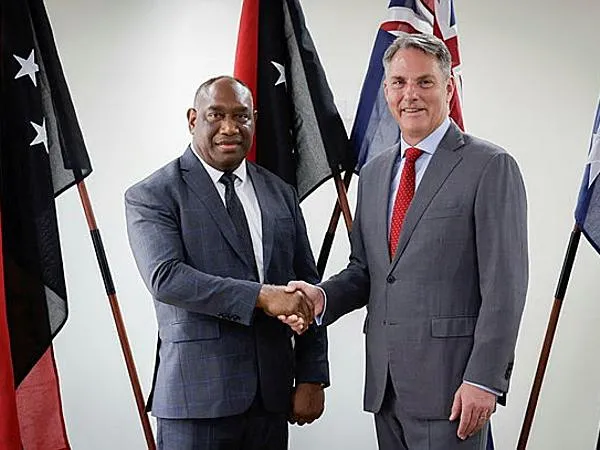
The focus emerged from a high-level meeting in Port Moresby on Aug. 16 between Australia's Deputy Prime Minister and Minister for Defence Richard Marles and PNG's newly appointed Defence Minister Elias Kapavore.
The meeting was the first ministerial engagement between the two ministers and came as both governments begin implementing the Pukpuk Treaty, which entered into force on July 8, 2026.
The treaty is PNG's first formal alliance with another country and Australia's first alliance in more than 70 years.
For PNG, one of the most significant workforce initiatives under the treaty is a planned pathway for Papua New Guinean citizens to join the Australian Defence Force.
Marles said Australia and PNG are targeting a pilot recruitment program, with the first intake expected to be well underway during the 2026-27 financial year and substantially into the recruitment process by June 30, 2027.
The initiative is expected to begin with smaller numbers before potentially expanding significantly over the next decade.
“We are looking at an initial pilot program, which will start the process of proving the recruitment pathway,” Marles said.
“It will be smaller numbers to begin with, but in time, we see this happening at scale over the next decade, where we are imagining thousands of people, thousands of Papua New Guineans are recruited into the Australian Defence Force.”
Workforce development opportunity
The proposed recruitment pathway could create a new avenue for PNG citizens to access specialised training, employment and professional development through the Australian Defence Force.
Marles said the Australian government has committed significant funding to establish the program, including funding over the next two financial years.
However, eligibility requirements and the recruitment framework are still being developed.
A joint task force involving relevant government agencies is working through the recruitment process, including eligibility, advertising, selection and training arrangements.
The two governments are expected to provide further details at a ministerial forum later this year.
Kapavore described the recruitment of Papua New Guineans into the ADF as “momentous,” saying it would further strengthen the longstanding relationship between the two countries.
He said both governments believe the first pilot program can be delivered in 2027.
The initiative could also support skills transfer and human capital development while creating new employment pathways for Papua New Guineans.
Australian investment in PNG defence infrastructure
Implementation of the treaty is also expected to sustain Australian investment in PNG defence infrastructure.
Marles said Australia would continue its infrastructure support program across PNG, building on projects already undertaken at facilities including Murray Barracks.
The two governments are continuing discussions on infrastructure priorities, while aviation and development of PNG's air wing remain areas of cooperation.
The infrastructure program could generate activity across construction, engineering, logistics, procurement and other services associated with upgrading and maintaining defence facilities.
One current example is Exercise Puk Puk 2026, where more than 100 Australian Defence Force personnel are working alongside the PNG Defence Force on infrastructure upgrades at Igam Barracks in Lae.
The exercise brings together military engineers from both countries and demonstrates the practical implementation of the alliance.
Broader economic activity
The growing operational relationship between the two defence forces is also generating activity across aviation, maritime operations, engineering and logistics.
Two PNGDF aircraft participated in Exercise Pitch Black 2026 in northern Australia last month, with more than 20 PNGDF personnel taking part.
Marles said the participation was significant because it represented PNG and Australia exercising together as allies for the first time.
Australia and PNG have also undertaken hydrographic survey operations involving HMAS Leeuwin and the PNGDF Maritime Element.
A PNGDF-led mission to transport essential health supplies to communities in West Sepik has further demonstrated the use of defence capabilities to support national development and humanitarian objectives.
These activities are building operational capability while strengthening institutional links between the two countries.
Defence partnership linked to capacity building
For PNG, the economic significance of the Pukpuk Treaty extends beyond defence operations.
The partnership is expected to support PNGDF capability building through training, infrastructure, aviation and technical cooperation.
Kapavore thanked Australia for its continued support for PNG pilots and defence infrastructure, saying the treaty would allow the two countries to enhance capabilities and build capacity together.
The development of the PNG air wing has been identified as a particular long-term challenge and priority.
Marles said Australia and PNG had discussed aviation cooperation and implementation arrangements that would make it easier for the two defence forces to operate in each other's countries.
Such arrangements could support greater movement of personnel, equipment and technical expertise between the two countries.
PNG's own recruitment remains separate
The ministers also clarified that the proposed ADF recruitment pathway should not be confused with PNG's domestic Defence Force recruitment program.
Kapavore said PNG is managing its own internal recruitment issues, with a report on the recent recruitment process being finalised and further recruitment expected to commence as early as September.
The ADF pathway is a separate arrangement under the Pukpuk Treaty that would allow eligible PNG citizens to go through an agreed process to train and ultimately join the Australian Defence Force.
Marles said the domestic PNG recruitment issues would not affect development of the Australia-PNG pathway.
The immediate priority for both governments is moving from treaty commitments to funded and operational programs.
Marles said the Australian government has provided significant funding over the next two financial years to establish the ADF recruitment initiative, while infrastructure and capability programs will continue.
The joint task force is responsible for progressing implementation arrangements and reporting to the two defence ministers.
The ministers are expected to take stock of progress at their upcoming ministerial forum later this year.
For PNG's business community, the implementation phase could create opportunities across construction, engineering, transport, aviation, logistics, training and other support services linked to defence infrastructure and capability development.
The proposed recruitment program could also have longer-term workforce implications if thousands of Papua New Guineans eventually enter the Australian Defence Force, particularly through the development of technical, leadership and specialised skills.
While the Pukpuk Treaty is fundamentally a security and defence agreement, its implementation is beginning to establish a wider economic dimension for PNG.
Infrastructure investment, skills development, employment pathways and increased demand for specialised services are among the potential economic outcomes arising from closer defence cooperation.
Marles said Australia and PNG are now entering a particularly important period in their relationship.
“With the Pukpuk Treaty now in force, we are focused on the next phase of our partnership and delivering practical outcomes that strengthen cooperation between our defence forces and advance our shared security interests,” he said.
For PNG, the challenge will be ensuring that implementation of the alliance delivers tangible national benefits, including stronger local capacity, employment opportunities, skills development and sustainable infrastructure investment.
The first major test will be establishment of the PNG-to-ADF recruitment pathway, with both governments now working towards a pilot program in 2027.
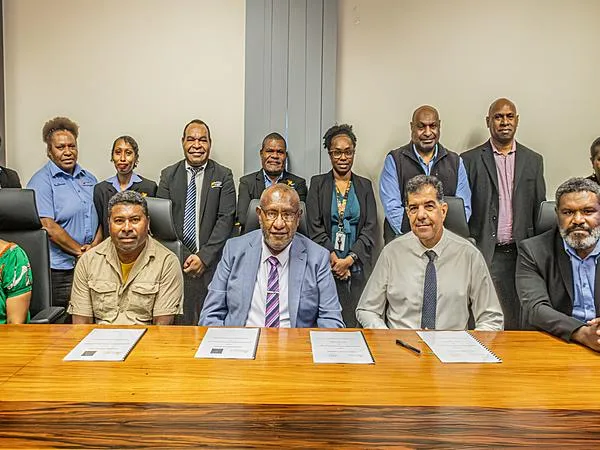
Papua New Guinea's Mining Minister Solen Loifa has cleared the way for the revised Community Development Agreement (CDA) for the Hidden Valley Mining Project to be signed, saying concerns raised by Bulolo MP Sam Basil Jr. do not warrant any further delay.
Loifa said the concerns had been assessed against applicable laws, government policies, administrative processes and agreements reached during negotiations for the revised CDA.
He said several of the issues raised relate to future negotiations for the Wafi-Golpu project or are matters that can be pursued separately by the Morobe Provincial Government, Bulolo District Development Authority and other relevant government agencies.
“I am satisfied that there are no outstanding issues that warrant any further delay to the execution of the revised Hidden Valley Mine Project CDA,” Loifa said.
Royalty distribution confirmed
One of the key issues raised concerns the distribution of mining royalties and calls for the royalty share to be increased from 2 percent to 5 percent.
Loifa said the royalty distribution incorporated into the revised Hidden Valley CDA reflects Morobe Provincial Executive Council (PEC) Decision No. 2 of Feb. 3, 2025, made during the tenure of the late Morobe Governor Luther Wenge.
Under the revised CDA, the royalty distribution includes:
Wau Rural LLG — 1 percent
Watut Rural LLG — 1 percent
Wau Urban LLG — 1 percent
Bulolo Urban LLG — 1 percent
The minister said negotiations on the revised CDA were concluded on June 13, 2025, with the positions of the relevant parties captured in the agreement.
State equity remains unresolved for Wafi-Golpu
Calls for a 5 percent state-paid equity allocation to Bulolo District in both Hidden Valley and Wafi-Golpu were also raised.
Loifa said the State has not exercised its option to take equity in the Hidden Valley project, while equity arrangements for Wafi-Golpu remain subject to future negotiations.
He also rejected attempts to incorporate Wafi-Golpu-specific financial and benefit-sharing matters into the Hidden Valley CDA process.
A proposed K200 million allocation, for example, relates to Wafi-Golpu project infrastructure development grant (IDG) funds and will need to be discussed through the Wafi-Golpu forum.
Similarly, proposed royalty allocations for Wau-Waria District, its three LLGs and the three landowner groups in relation to Wafi-Golpu will be considered during negotiations for the Wafi-Golpu CDA.
Future Generations Trust Fund
Loifa also addressed a proposal for a 1 percent environmental levy on gold extracted for sale to be paid into a Future Generations Fund.
He said future generations trust funds are established to benefit landowners, particularly through a portion of landowner royalties.
Under the revised Hidden Valley CDA, a Future Generations Trust Fund will be established after the agreement is formally executed and signed.
The government also pointed to infrastructure commitments associated with the mining project and surrounding districts.
Loifa said Menyamya District has been considered under the revised CDA through a 5 percent royalty distribution, while the Lae-Bulolo-Wau-Menyamya road is included under the Tax Credit Scheme program in accordance with National Executive Council Decision No. 172/2026.
Proposals for an Anga Wau Special Authority to coordinate infrastructure and socioeconomic development across Bulolo, Wau-Waria and Menyamya, however, are matters that can be pursued separately between the Morobe Provincial Government and Bulolo DDA.
Loifa said similar arrangements concerning Morobe's proposed Benefits Sharing Authority could also be pursued outside the Hidden Valley CDA.
Section 98 amendment
Loifa also rejected the argument that recent amendments to Section 98 of the Organic Law on Provincial and Local-level Governments require the Bulolo DDA to become a signatory to the Hidden Valley CDA or a future Wafi-Golpu agreement.
He said the amendment applies prospectively to new mines and does not retrospectively apply to existing CDAs or the revised Hidden Valley CDA.
The minister further pointed to the distinction between mining projects subject to a Special Mining Lease and those operating under other mining leases.
Hidden Valley operates under a Mining Lease (ML) and, according to Loifa, does not require a Development Forum under the Mining Act 1992.
Wafi-Golpu negotiations remain separate
Loifa maintained that issues relating to Wafi-Golpu should be addressed through the project's own Development Forum and CDA negotiations rather than being used to delay the Hidden Valley agreement.
He said questions involving the distribution of benefits to non-impact districts, including Kabwum, Finschhafen, Markham and Tewai-Siassi, could be considered through the Wafi-Golpu Development Forum and a consolidated PEC decision.
The minister's position effectively removes the remaining government-level objections to the execution of the revised Hidden Valley CDA.
For the mining sector and Morobe's local communities, the agreement is significant because it establishes the framework for the distribution of project benefits, royalties and development commitments associated with the Hidden Valley operation.
Loifa said matters already settled through the CDA negotiation process should not be reopened, while issues outside the scope of the Hidden Valley agreement should proceed through their respective legal and administrative channels.
“Accordingly, I am satisfied that the revised Hidden Valley CDA should now proceed to signing as scheduled,” Loifa said.
The Papua New Guinea Tourism Promotion Authority has urged communities, government agencies and tourism stakeholders in Enga province to strengthen cooperation to preserve cultural heritage and unlock the province’s tourism potential.
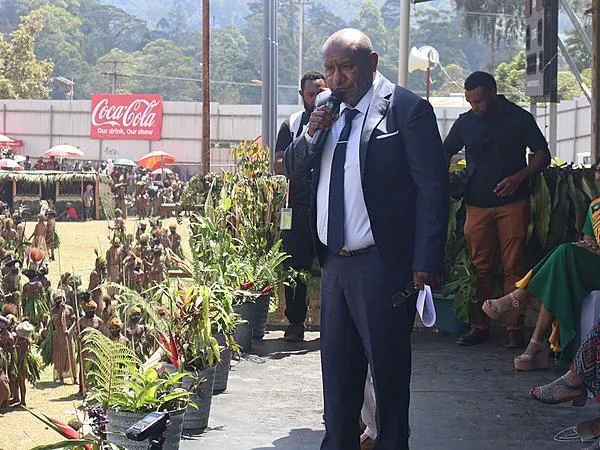
Speaking at the opening of the 2026 Enga Cultural Show at Aipus Oval in Wabag on Aug. 7, PNGTPA chief executive Eric Mosman Uvovo said stronger collaboration was needed to protect and promote the province’s cultural heritage.
Uvovo acknowledged the Enga Provincial Government, event organisers, cultural groups, community leaders and participants for sustaining the annual cultural celebration.
“We are working closely with the National Cultural Commission and the people and communities to ensure that our culture continues to be respected, protected and promoted,” he said.
He said PNGTPA was working with the National Cultural Commission, provincial authorities, communities and tourism industry stakeholders to promote Papua New Guinea’s culture, landscapes, people and tourism experiences to domestic and international audiences.
“Culture as one of Papua New Guinea’s greatest tourisms provides an important opportunity to showcase traditional dances, customs, knowledge, identity and way of life to visitors from across the country and overseas,” Uvovo said.
He also stressed that peace, stability and law and order were essential to developing the province’s tourism industry.
“Enga has the culture, the people and the beautiful environment to become a major tourism destination. But for tourism to grow, we must have peace, stability and law and order,” he said.
Uvovo encouraged provincial leaders and communities to work together to create a safe and welcoming environment for visitors, tourism operators and investors.
Greater stability could help generate employment, business, investment and income opportunities for local communities, he said.
The two-day 2026 Enga Cultural Show brought together cultural groups and communities for traditional performances and displays celebrating Enga’s identity and showcasing its tourism potential.
PNGTPA said it remains committed to strengthening the links between culture, tourism, investment and economic development while supporting communities in preserving their heritage and creating sustainable economic opportunities.
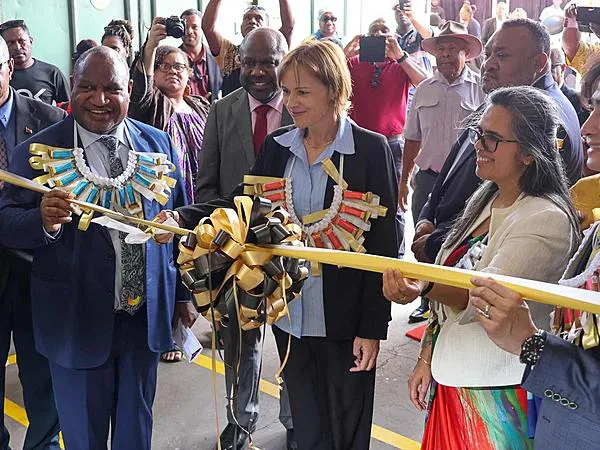
Papua New Guinea has inaugurated upgraded cocoa processing and chocolate-making capacity at Paradise Foods Ltd.’s Queen Emma Chocolate factory in Port Moresby, strengthening the country’s ability to process cocoa locally and supply higher-value products to overseas markets.
The upgraded facility includes 12 types of new machinery worth US$2.8 million, provided through the European Union-funded EU-STREIT PNG Programme and implemented by the Food and Agriculture Organization of the United Nations.
Paradise Foods expects the investment to double production and improve the consistency and quality of cocoa ingredients and finished chocolate for specialty buyers.
The expansion allows more Papua New Guinean cocoa to be processed into semi-finished and finished products before being exported, supporting the government’s push for greater downstream processing.
Prime Minister James Marape said domestic processing could generate significantly greater value than exporting raw cocoa.
“This is our own company, complementing the Government's desire for 100 per cent downstream processing in-country,” Marape said at the inauguration.
“And through this approach, we are making three times more than what we make when we export the raw product.”
The investment also strengthens links between cocoa farmers and domestic processors. Under the EU-STREIT PNG Programme, cocoa farming groups in East and West Sepik have been connected directly with Queen Emma Chocolate, supplying well-fermented and smoke-free beans.
FAO head of country office in Papua New Guinea Kachen Wongsathapornchai said a reliable domestic market that rewards quality could encourage farmers to improve fermentation and drying practices.
“Quality only becomes sustainable when the market pays for it,” Wongsathapornchai said.
Under the programme, 3.4 million pest-tolerant cocoa seedlings have been planted and 4,960 hectares of cocoa blocks rehabilitated, with a reported grafting survival rate of 95%.
About 19,400 cocoa farmers have also been trained in bud grafting, integrated pest and disease management, block management, climate-smart agriculture and post-harvest handling.
The programme has upgraded 500 cocoa dryers, introduced 100 solar combination dryers and is establishing 120 cocoa storage facilities. It has also supported the formalisation and development of 363 cocoa agribusinesses.
Paradise Foods chairman Anthony Smare said the company’s investment reflected its confidence in Papua New Guinea’s future.
“We were not told to invest in our country, we chose it,” Smare said, adding that Paradise Foods was “PNG-owned” and “PNG-made.”
The company has also used support from the EU-STREIT PNG Programme to showcase Papua New Guinean cocoa and chocolate at trade events in Australia, New Zealand and Singapore, building relationships with specialty chocolate makers and niche ingredient buyers.
EU Ambassador to Papua New Guinea Erika Hasznos said the investment formed part of the EU’s Global Gateway strategy to support Papua New Guinea’s cocoa value chain, from production in the Sepik to processing in Port Moresby.
“By raising quality and consistency, EU-PNG cooperation brings more value for Papua New Guinean business and small farmers, and more opportunities to access premium European markets,” Hasznos said.
The investment supports Papua New Guinea’s Medium Term Development Plan IV priorities on downstream processing, commercial agriculture, micro, small and medium enterprises and private-sector partnerships.
The EU-STREIT PNG Programme is the European Union’s largest grant-funded initiative under its Global Gateway strategy in Papua New Guinea. The programme is implemented by the United Nations through a joint programme led by FAO, in partnership with ILO, ITU, UNCDF and UNDP.
As of June 2026, the programme had reached 513,000 individuals, benefited 85,400 families, supported 700 farmer groups and trained 34,000 farmers across 42 local-level government areas in East and West Sepik.
Queen Emma Chocolate is produced by Paradise Foods, described by the programme as Papua New Guinea’s leading domestic cocoa processor and chocolate maker.
Nasfund, MiBank and New Britain Palm Oil Ltd. have begun rolling out a joint initiative to expand superannuation coverage and promote long-term savings among oil palm growers and smallholder farmers in Papua New Guinea.
The initiative follows a July memorandum of understanding between Nasfund and NBPOL to onboard existing oil palm growers and new smallholders into Nasfund’s Eda Supa voluntary superannuation product.
MiBank will support the program through the Nasfund-MiBank digital banking and onboarding platform, making registration, contributions and payment of Nasfund benefits more accessible to members in the informal sector.
Nasfund currently has about 1,100 oil palm smallholders contributing through NBPOL under Eda Supa. The partners are targeting the onboarding of these existing NBPOL smallholders and growers, followed by a further 1,000 new smallholders.
Nasfund chief executive Rajeev Sharma said the initiative supports the fund’s strategy of extending superannuation coverage to the informal sector.
He said Nasfund plans to roll out similar initiatives in other parts of the country.
The rollout began Aug. 4 at NBPOL’s Salelubu Division and is expected to continue for six weeks, covering the Buvusi, Kavui, Nahavio, Siki and Talasea NBPOL sites in West New Britain province.
The mobile branch service is supported by Starlink internet connectivity, enabling Nasfund to extend services to rural and remote communities where conventional branch infrastructure may be limited.
The partnership between Nasfund, MiBank and NBPOL is aimed at improving financial inclusion, encouraging voluntary retirement savings and strengthening the long-term financial security of Papua New Guinea’s agricultural communities.
The Papua New Guinea Tourism Promotion Authority (PNGTPA) has taken another important step towards strengthening marine tourism in Papua New Guinea through a new partnership that will bring a ferry back into service in Port Moresby Harbour.
The partnership was formally signed on 6 August 2026, bringing together PNGTPA, Happy Soles Limited and Marine Contract Management to operate and manage the vessel.
The partnership aims to ensure the vessel is safely, professionally and efficiently operated while supporting PNGTPA’s tourism promotion activities and creating new experiences for both local and international visitors.
The vessel will initially support tourism promotion activities, official engagements and sightseeing experiences around Port Moresby, while also providing a platform for the development of new marine tourism products showcasing the capital’s coastline and surrounding waters.
Speaking at the signing ceremony, PNGTPA Chief Executive Officer Eric Mossman Uvovo said the partnership marked an important milestone for the Authority and demonstrated its commitment to making better use of its tourism assets.
“This boat has been sitting idle for some time, and today marks the beginning of a new chapter. Our goal is to get it back on the water as quickly and safely as possible so it can support PNGTPA’s work in promoting Papua New Guinea and creating more tourism opportunities. This is only the beginning of what we hope will become a bigger marine tourism initiative for our country,” Mr Uvovo said.
He added that the initiative was also aligned with PNGTPA’s long-term vision of strengthening marine tourism infrastructure, including the development of jetties and waterfront facilities.
According to Mr Uvovo, Port Moresby will serve as an important starting point, with the potential to expand similar marine tourism initiatives to other provinces and coastal destinations across the country.
Happy Soles Limited Managing Director Yiannis Nicolaou welcomed the partnership, saying the company was excited about the opportunity to help transform the vessel into a unique tourism attraction.
“We’re proud to work alongside PNGTPA on this exciting project. We want to give visitors something different by creating enjoyable experiences on the water. From island cruises and private functions to family celebrations, we believe this boat can become a memorable attraction that people will want to experience again and again,” Mr Nicolaou said.
He added that Happy Soles Limited plans to upgrade the vessel with more comfortable seating and modern features while developing creative tourism experiences that complement existing marine services in Port Moresby.
Meanwhile, Marine Contract Management Managing Director Captain Matthew Dieni said his company was pleased to be part of the initiative and would place a strong emphasis on safety, vessel maintenance and professional operations.
“It is an honour to partner with PNGTPA on this important project. My team and I are committed to ensuring the boat is well maintained, safely operated and ready to deliver quality services. We look forward to working together to make this a success,” Captain Dieni said.
As the vessel prepares to return to service, PNGTPA remains committed to building strategic partnerships that enhance Papua New Guinea’s tourism offering and support sustainable tourism development.
PNGTPA will continue working with industry partners to unlock the potential of the country’s extensive coastline, pristine marine environment and unique coastal attractions, helping position Papua New Guinea as a world-class destination offering authentic and memorable experiences to visitors.
Reeves Envico and CE Group have commenced work on the 22-kilometre transmission line that will connect renewable energy from Tina River with the homes, businesses and essential services of Honiara.
Against the rolling hills and demanding terrain of Guadalcanal, work is beginning on a connection that will carry more than electricity.
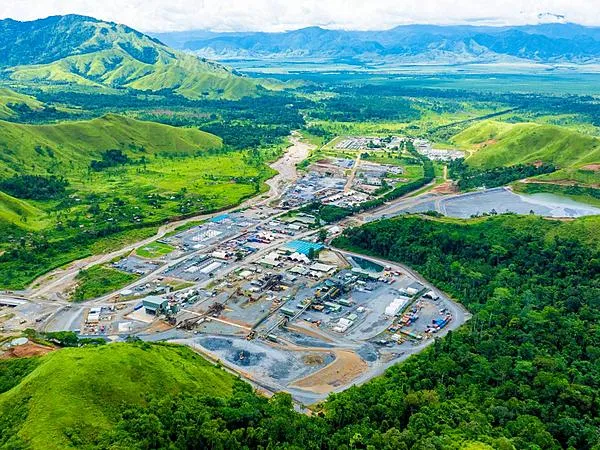
The new transmission line will extend 22 kilometres from the Tina River Hydropower Facility to Lungga Power Station and the Honiara national electricity grid. Once complete, it will carry up to 15 megawatts of renewable power to the capital, helping reduce reliance on imported diesel and supporting cleaner, more reliable and more affordable energy for Solomon Islanders.
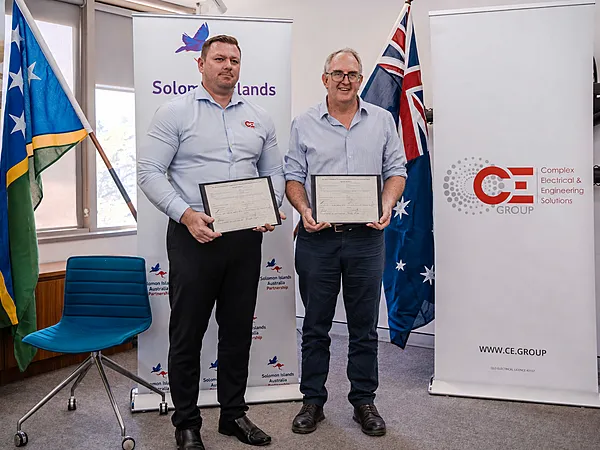
The commencement of construction was marked at a signing ceremony in Honiara attended by representatives of the Solomon Islands Government, Solomon Power, Australia, Reeves Envico and CE Group.
The ceremony recognised a significant step forward for the Tina River Hydropower Development Project-the largest renewable energy initiative undertaken in Solomon Islands.
Reeves Envico is delivering the transmission line works as principal contractor, with CE Group engaged as the Electrical Infrastructure Partner. The relationship brings together Reeves Envico’s longstanding connection with Solomon Islands and CE Group’s experience delivering complex electrical works in remote and operationally challenging environments.
The scale of the undertaking is significant.
The route crosses rolling hills, changing elevations and areas where weather, access and terrain will influence the movement of workers, equipment and materials. Delivering the line will require disciplined planning, technical capability and close coordination with Solomon Power, national workers, communities and the broader project team.
It is a demanding scope, but its purpose is deeply human.
Reliable electricity supports hospitals, classrooms, communications, refrigeration, government services and local businesses. Its value is felt when essential equipment continues operating, when a student can study and when a business can remain productive.
For Reeves Envico and CE Group, those everyday outcomes give the partnership its meaning.
Reeves Envico Managing Director Simon Gorman said the signing marked a deeply significant return to the country where the company’s story began.
“Reeves’ connection with Solomon Islands began in 1988, with our very first project. To return today and sign this contract is more than an important milestone-it is a privilege,” Gorman said.
That history brings both experience and responsibility. The partnership between Reeves Envico and CE Group is grounded in trust, integrity and a shared commitment to deliver work that supports Solomon Islands’ national priorities.
For CE Group, the project is its largest contract to date and an opportunity to apply its electrical engineering and construction capability to work of lasting national value.
CE Group Managing Director Ryan Johnson said the signing reflected the strength of the relationships that continue to connect Solomon Islands and Australia.
“Today’s signing honours that enduring partnership and opens the door to new opportunities for the people of both our nations," Johnson said.
Those opportunities extend beyond the physical delivery of the transmission line.
More than 190 Solomon Islanders are currently employed across the broader Tina River Hydropower Development Project, with further opportunities expected as construction progresses.
Behind that number are workers developing experience, families supported by employment and national capability that will remain beyond the construction period. The wider project also includes education and training initiatives and measures supporting safe employment opportunities for women and girls.
Australia is contributing approximately SBD$180 million to the transmission line project through the Australian Infrastructure Financing Facility for the Pacific, combining concessional financing and grant funding.
The project is expected to be completed in early 2028.
Its magnitude can be measured in kilometres, megawatts and the difficulty of the landscape. Its true legacy, however, will be measured by what it enables: stronger energy security, more dependable essential services, national employment and new possibilities for Solomon Islands communities.
For Reeves Envico and CE Group, the intention is clear: to honour the trust placed in the partnership, deliver with integrity and remain focused on the people the work is ultimately intended to serve.
The signing ceremony marked the beginning of that responsibility-not its conclusion. The lasting measure of the partnership will be found in the work delivered, the relationships strengthened and the benefits carried forward for Solomon Islands.
Beyond borders, progress is built through partnership.
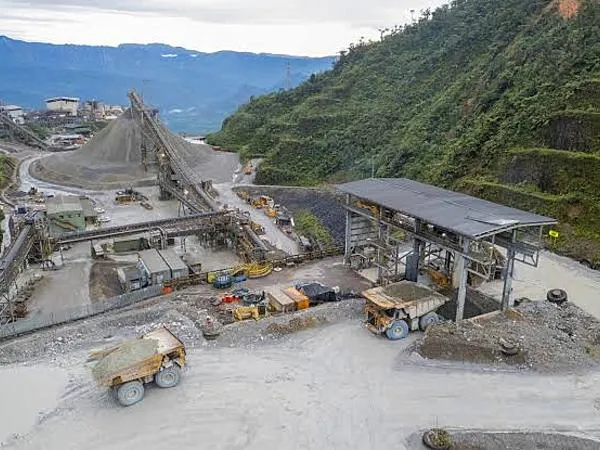
K92 Mining Inc has reported a 116% increase in quarterly net income to US$84.6 million, as its Kainantu operations in Papua New Guinea delivered record ore processing and mine development during the second quarter.
The Vancouver-based miner reported revenue of US$205.2 million for the three months ended June 30, up 113% from the same period in 2025. Net income rose to US$0.34 per share, while EBITDA increased 136% to US$140.7 million.
The strong financial performance was underpinned by a significant increase in production at Kainantu, where K92 processed a record 225,965 tonnes of ore during the quarter, 73% higher than in the second quarter of 2025 and 59% above the previous quarter.
The operation produced 46,093 ounces of gold equivalent, comprising 42,931 ounces of gold, 1.78 million pounds of copper and 50,109 ounces of silver.
The company also recorded 46,682 ounces of gold, 1.81 million pounds of copper and 49,004 ounces of silver in sales during the quarter.
K92 said the new 1.2-million-tonne-per-year Stage 3 expansion process plant in PNG continued to perform well after becoming fully operational in December 2025. Gold recovery reached 93.8% in the quarter, exceeding the 92.6% recovery parameter in the company's updated definitive feasibility study for the ninth consecutive quarter.
The strong processing performance coincided with record mine development at Kainantu.
The operation advanced 3,326 metres of mine development during the quarter, a 35% increase from the second quarter of 2025 and an 11% increase from the first quarter of 2026.
A further monthly record of 1,220 metres was achieved in July, taking development rates above the 1,000 metres per month requirement for Stage 3 and the 1,200 metres per month requirement for the planned Stage 4 expansion.
K92 chief executive officer John Lewins said the company expected production to be strongest in the second half of 2026, with the fourth quarter expected to be the strongest quarter of the year.
Expansion advances in PNG
The financial results come as K92 continues to invest heavily in expanding its PNG operation.
As of June 30, 98% of Stage 3 expansion growth capital had either been spent or committed, with the project remaining on budget.
Several major infrastructure projects supporting the expansion have also been completed or are nearing completion.
These include the second material pass, which became operational in June and is expected to significantly improve material handling capacity at the Main Mine and Lower Kora.
The company's Phase 2 expansion of its primary power station was completed in May, increasing prime power output to 15.3 megawatts from 10.7MW. K92 said the expanded facility now meets the total power requirements of the Stage 4 expansion and provides additional standby capacity during potential disruptions to the local hydroelectric grid.
Infrastructure work has also extended beyond the mine.
The Baupa Bridge was completed in April, while the Kokomo Bridge was completed in late July and the Kasese River Crossing is expected to be completed in the third quarter.
K92 said the projects will enable a tripling of surface haulage payload from 20 tonnes to 60 tonnes while reducing haulage cycle times, supporting higher throughput under the Stage 3 and Stage 4 expansions.
The company is also expanding its mining and haulage fleet. Four new Sandvik LH517i underground loaders had been added during 2026 as of the end of the quarter, while a larger LH621i loader is scheduled to arrive in the fourth quarter.
Four new 60-tonne surface trucks have also been delivered and are expected to enter service in the third quarter, with another four units due by year-end.
Arakompa exploration expands
K92 is simultaneously advancing exploration around Kainantu, with drilling at Arakompa continuing to identify high-grade gold mineralisation.
The company reported the sixth set of results from its maiden surface diamond drilling programme at Arakompa during the quarter. The programme has now reported results from 100 holes, with all holes intersecting mineralisation.
K92 said 40 intersections exceeded 5 grams per tonne gold equivalent, including 20 intersections above 10g/t AuEq.
The drilling has expanded and upgraded the near-surface AR1 high-grade zone, which is now defined over about 400 metres of strike and up to 300 metres vertically. The zone has a weighted average grade of 9.47g/t AuEq and an average true width of 4.32 metres.
Drilling has also identified a substantial near-surface bulk-tonnage zone, while surface sampling indicates mineralisation extends to the surface over more than two kilometres of strike.
K92 is targeting a maiden mineral resource estimate for Arakompa in the second half of 2026.
The company said exploration will continue alongside the Stage 3 and Stage 4 expansion programme, supported by additional drilling capacity. A new rig arrived at site in April, while a second additional surface rig was undergoing commissioning, potentially bringing the operation's drilling fleet to as many as 16 rigs.
K92 ended the quarter with US$349.4 million in cash and cash equivalents and a record net cash position of US$310 million.
Lewins said the strong balance sheet would allow K92 to continue delivering the Stage 3 and Stage 4 expansions while increasing exploration activity in Papua New Guinea.
The company reiterated its 2026 production guidance and said the combination of higher development rates, additional mining fronts, infrastructure upgrades and fleet expansion was expected to support stronger production in the second half of the year.
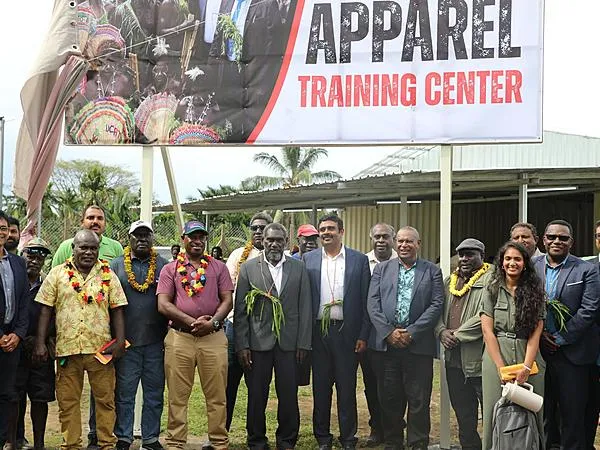
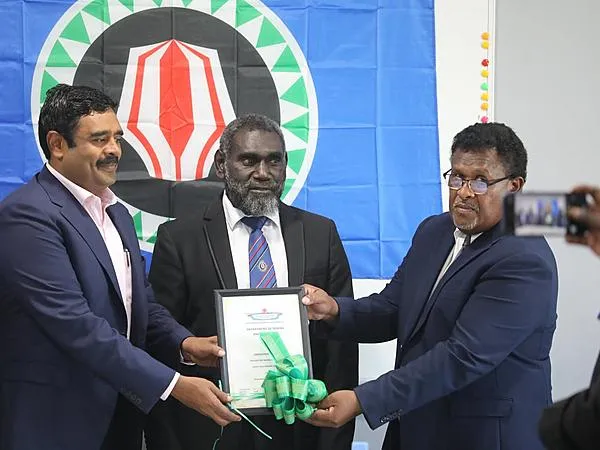
The Autonomous Bougainville Government (ABG) and Lloyds Metals and Energy Limited (LMEL) have opened an apparel training centre in Arawa, creating a new pathway for skills development and economic opportunities for women and girls across Bougainville.
ABG President Ishmael Toroama and LMEL managing director Balasubramanian Prabhakaran officially opened the Lloyds Apparel Training Centre today in the presence of Central Bougainville parliamentarians, LMEL staff, community leaders, trainees and members of the public.
The centre is a joint initiative between the ABG and LMEL and will initially train 150 women and girls from across Bougainville in apparel manufacturing.
Toroama described the initiative as a tangible outcome of the Bougainville peace process and an important step towards the region's target of achieving self-government by September 1, 2027.
"We must be matured. We must train our women. We must train our youth so that when the declaration by the President is being made for next year, you can see that empowerment," Toroama said.
He also acknowledged LMEL's investment in Bougainville and its efforts to create economic opportunities beyond the mineral sector.
Toroama said initiatives such as the apparel centre would be critical to developing Bougainville's internal revenue base as it prepares for self-government and pursues its long-term independence aspirations.
"I told [LMEL] if you believe in the terms that Bougainville stood firm and fought to become an independent sovereign nation, then I will take you on board," Toroama recalled of his first meeting with Prabhakaran.
He said the partnership reflected a shared interest in ensuring that economic opportunities generated in Bougainville benefited its people.
"The government will not be greedy" and "Lloyds Metal will not be greedy," Toroama said.
The president said Bougainville's aspirations were increasingly being supported by practical initiatives rather than remaining distant hopes.
"We are not dreaming. It's no longer a dream. Your leaders have provided this opportunity for all our younger people here in Bougainville," he said.
Prabhakaran described the opening as "a great painting of our dream into a reality" and said the centre was intended to eventually enable Bougainvilleans to own and manage apparel businesses.
"You are not working; you are owning this unit. You are going to be the owner of this mission," Prabhakaran said.
The long-term plan is to establish smaller apparel manufacturing units in communities across Bougainville, allowing women to work closer to their homes and families.
The initiative aims to eventually create opportunities for up to 2,000 people and produce uniforms and other garments for schools, hospitals and the mining sector.
"We commit to see that we will make this as a global apparel manufacturing hub of the world," Prabhakaran said.
The centre will initially focus on meeting local demand and reducing the cost of garments in Bougainville. Over time, the initiative aims to expand production and eventually export locally manufactured garments to neighbouring countries.
The first 150 trainees will undertake a three-month training programme, with trainers already in place at the facility. Commercial-scale production is expected to follow the completion of the initial training phase.
The initiative adds an economic diversification component to LMEL's engagement with Bougainville, while giving local women and young people an opportunity to develop skills that can support longer-term employment and business ownership.
For ten years, Project Yumi has been making a difference in communities across Papua New Guinea, building partnerships, strengthening local capacity and delivering practical initiatives that continue to create lasting impact.
What began as a grassroots effort has grown into an Australian-registered charity working alongside communities in 20 of Papua New Guinea’s 22 provinces. Throughout its journey, Project Yumi has remained committed to a simple but powerful belief: sustainable development is achieved when communities are empowered to shape their own future.
That philosophy has resonated with organisations across the mining, resources and business sectors, where long-term success is increasingly measured not only by economic contribution, but also by the legacy left within the communities that support industry.
Through Project Meri, women have been supported through maternal health initiatives that encourage attendance at health facilities for antenatal and postnatal care. Healthcare providers have also received equipment and resources to strengthen frontline services. Meanwhile, Project Skul has helped schools access educational resources that create more engaging learning environments for students, while Project Wok has equipped young Papua New Guineans with employability skills and pathways into meaningful employment.
Beyond these flagship programmes, Project Yumi has worked with more than 150 schools, health facilities and community organisations, delivering resources that continue to improve opportunities for thousands of Papua New Guineans.
Yet for Project Yumi, success cannot be measured by numbers alone.
While the figures tell part of the story, the organisation believes its greatest achievements are reflected in stronger communities, increased local ownership and partnerships that continue long after the initial investment. For Project Yumi, sustainability has never been about delivering a project and walking away; it has always been about laying the foundations for communities to thrive independently.
This collaborative approach has enabled Project Yumi to work alongside a growing network of corporate partners, volunteers, donors and community organisations, many of whom contribute far more than financial support. Their expertise, logistics, professional skills and local knowledge have all played an important role in extending the reach and effectiveness of programmes across Papua New Guinea.
For the mining and resources sector, these partnerships demonstrate the value of investing in initiatives that complement broader sustainability and social investment goals. By working with trusted organisations that have established relationships within communities, businesses can contribute to meaningful, measurable outcomes while supporting the long-term wellbeing of the regions in which they operate.
As Project Yumi celebrates its tenth anniversary, the milestone is less about reflecting on the past than recognising what can be achieved through collaboration. The challenges facing Papua New Guinea remain significant, but so too are the opportunities when communities, industry and development organisations work together towards a shared purpose.
Ten years of impact is an achievement worth celebrating. More importantly, it marks the beginning of the next chapter — one focused on building healthier communities, stronger education systems and sustainable opportunities for future generations across Papua New Guinea.
The Autonomous Bougainville Government has removed 30 Chinese nationals from a suspected illegal mining site in Kopani following a joint enforcement operation involving police, immigration and mining authorities.
The operation was conducted at about 4 a.m. Sunday by officers from the Bougainville Police Service in Arawa and Buka, together with officials from Immigration and the ABG Department of Mining and Petroleum.
The 30 Chinese nationals were extracted from the site, where they were allegedly involved in unauthorized mining activities.
Preliminary immigration checks identified issues with the nationals’ immigration documentation and status in relation to their presence and activities in Bougainville, according to the ABG.
Their passports were confiscated pending further action.
Under immigration directions, the nationals have been ordered to leave Bougainville within five days and travel to Port Moresby for further processing at Bomana. The costs of their travel will be borne by people associated with the unauthorized mining operation, the ABG said.
President and Minister for Mining and Petroleum Ishmael Toroama said the operation demonstrated his government’s determination to protect Bougainville’s mineral resources, environment and communities from unlawful exploitation.
“Our resources belong to the people of Bougainville and must be developed responsibly, lawfully and for the benefit of our people. Anyone who comes into Bougainville must respect the applicable laws. Where those laws are breached, necessary enforcement action will be taken,” Toroama said.
Equipment linked to the suspected illegal mining operation remains secured at the site under police instructions pending further enforcement action.
Toroama said the ABG was also pursuing amendments to strengthen offense, prosecution and penalty provisions under Bougainville’s mining laws.
The government is appealing similar unauthorized mining cases in which court decisions have been unfavorable to the prosecution, seeking further judicial consideration and clarification of relevant provisions of the mining legislation.
In the meantime, authorities are using immigration, environmental and other applicable laws to address the current case and other suspected unauthorized mining activities.
Illegal mining may also constitute separate offenses under environmental legislation, including the Environment Act 2000, where mining is carried out without required environmental approvals or causes unlawful environmental harm, the ABG said.
“This is not simply a mining law issue. Persons involved in illegal mining may expose themselves to investigation and prosecution under mining, environmental, immigration and other applicable laws,” Toroama said.
“We will use the legal mechanisms available to protect Bougainville, our people, our land and our resources.”
Investigations are continuing and will also examine the involvement of local people who may have facilitated, financed, organized, supported or otherwise participated in the suspected illegal mining activities.
Toroama thanked police, immigration and mining officials involved in the operation and said the government would continue to support coordinated enforcement against illegal activities in Bougainville.
With urban migration putting increased pressure on housing in centres such as Port Moresby, Lae, Mt Hagen and Kokopo, Nasfund has reintroduced its virtual member education sessions this August.
The move underscores the Fund’s commitment to digital innovation while responding proactively to members’ concerns.
Running throughout the month, the free online sessions focus specifically on the Housing Advance product. The initiative has already generated strong engagement, with recent campaign data showing that 63% of participants are requesting longer discussions and additional resources.
Nasfund Chief Executive Officer Rajeev Sharma, who also serves as president of the Association of Superannuation Funds of Papua New Guinea (ASFPNG), said the Fund’s digital innovation must be supported by practical and modernised legislation.
“The feedback we are getting from these virtual sessions directly mirrors the concerns raised by members right across the industry,” Sharma said.
“We strongly support ASFPNG’s call for the Government to prioritise these long-standing reforms. The industry stands ready to work collaboratively with the Government to implement meaningful changes that improve member outcomes.”
While the digital platform helps members understand eligibility requirements and documentation, the sessions have also highlighted widespread frustration with the current laws governing superannuation in PNG.
Members frequently question why they are limited to two advances and why a second advance is strictly capped at the amount of the first.
“That is why we conduct these sessions, not only online but also as part of our awareness efforts for members. Nasfund is an authorised superannuation fund governed by the Superannuation Act 2002,” Sharma said.
Nasfund Head of Marketing and Stakeholder Engagement Melanie Lavaki said leveraging technology was broadening the Fund’s reach and strengthening its efforts to improve superannuation literacy.
“Reintroducing these virtual sessions has noticeably increased awareness across all our communication channels,” Lavaki said.
“Our branches remain crucial to how we operate, but these online sessions complement our physical engagements perfectly.”
Members interested in learning more about the Housing Advance product are encouraged to participate in the virtual sessions and engage with the member service team for ongoing guidance.
Gold sponsor highlights on-premises AI, resilient power and emerging technologies as Papua New Guinea advances its digital economy
THEODIST Limited has reinforced its growing role in Papua New Guinea’s information and communications technology sector after showcasing enterprise ICT, artificial intelligence, mobility, digital media and power continuity solutions at the Digital Transformation Summit 2026 (DTS26) in Port Moresby.
Organised by the PNG Department of Information and Communications Technology, DTS26 brought together government leaders, Pacific representatives, private-sector organisations, development partners, technology specialists, educators and emerging innovators. The summit focused on building Papua New Guinea’s digital public ecosystem through trust, infrastructure, innovation and inclusion, with discussions covering artificial intelligence, cybersecurity, digital identity, connectivity, digital skills and digital government.
As a Gold Sponsor of DTS26 and Major Sponsor of the eGames, THEODIST used the national platform to demonstrate how international technology can be applied to practical operating challenges in Papua New Guinea when supported by local advice, implementation and after-sales capability.
The company said its exhibition booth attracted strong interest from government agencies, business leaders, ICT professionals and technology enthusiasts seeking solutions that could improve productivity, strengthen resilience and support secure digital adoption.
A major feature of the display was the MSI EdgeXpert MS-C931, a compact AI supercomputer based on the NVIDIA DGX Spark platform and powered by the NVIDIA GB10 Grace Blackwell Superchip. The system provides up to 1 petaFLOP of FP4 AI performance and 128 GB of unified memory, allowing suitable AI models and workloads to be developed and run locally.
For organisations handling sensitive information or requiring fast response times, local AI computing can provide greater control over selected data and workloads, reduce latency and maintain capability where reliance on external connectivity may be a concern. THEODIST positioned the technology as a practical complement to cloud computing, allowing organisations to choose where each workload should operate according to its security, scale and performance requirements.
THEODIST Chief Executive Officer Kumar Baliah said the level of engagement at the summit showed that Papua New Guinean organisations were increasingly looking beyond individual products and seeking technology partners capable of advising, implementing and supporting complete solutions.
“Digital transformation is not about introducing technology for its own sake. It is about applying the right technology to improve productivity, protect information, strengthen service delivery and create new opportunities,” Mr Baliah said.
“PNG organisations need access to world-class solutions, but they also need local expertise, dependable support and an understanding of the operating conditions in which those solutions will be used. THEODIST’s role is to connect global technology with local capability and help customers adopt it with confidence.”
THEODIST Limited | Media Article for Publication
The DTS26 display also featured the Hypershell X Ultra wearable exoskeleton, demonstrating the potential of assisted mobility technology for demanding field environments. Digital content creation and field operations were represented through DJI’s Osmo Pocket 4 Creator Combo and portable power solutions, including the DJI Power 1000.
THEODIST also showcased the BLUETTI AC300 modular power system, which provides 3,000W AC output and can be paired with compatible expansion batteries to create scalable backup and off-grid power capacity for businesses, institutions and remote operations.
These technologies were presented within the context of Papua New Guinea’s practical needs, including operations in remote locations, continuity during power interruptions, mobile fieldwork and the growing requirement for organisations to produce and communicate digital content.
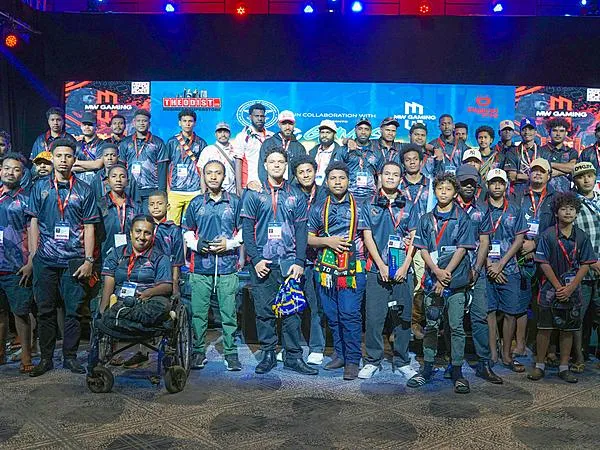
Beyond the exhibition, THEODIST supported the development of emerging digital talent through its sponsorship of the DTS26 eGames. Around 20 teams participated in the national competition, which formed part of the summit’s broader programme to encourage young people to engage positively with technology, teamwork, problem-solving and digital careers.
At the DTS26 Gala Dinner, THEODIST presented prizes to the leading eGames teams: Shadow Dwellers, Checkmate and Rising Suns. The company said the competition demonstrated the discipline, collaboration and technical confidence developing within Papua New Guinea’s young digital community.
Mr Baliah said supporting digital talent was an important part of building the country’s long-term capability.
“The future of digital transformation will ultimately depend on people. Infrastructure and equipment are essential, but sustainable progress requires skilled, curious and adaptable Papua New Guineans who can use technology to solve real problems,” he said.
“By supporting the summit and the eGames, THEODIST is investing not only in technology, but also in the partnerships, skills and confidence needed to build a stronger digital economy.”
Established in 1968, THEODIST has expanded from its traditional office products base into a broader business solutions company serving corporate, government, education and retail customers. Its growing ICT portfolio includes enterprise technology, AI-enabled computing, business continuity, managed solutions and products from international technology brands, supported by local service teams.
THEODIST thanked the PNG Department of Information and Communications Technology, ICT Minister Hon. Robert Naguri, Secretary Steven Matainaho, the DTS26 organising committee, technology partners and delegates who engaged with the company during the summit.
With DTS26 now concluded, the company said its focus would turn to converting the discussions and new relationships created at the summit into practical projects that help organisations across Papua New Guinea innovate, transform and grow.
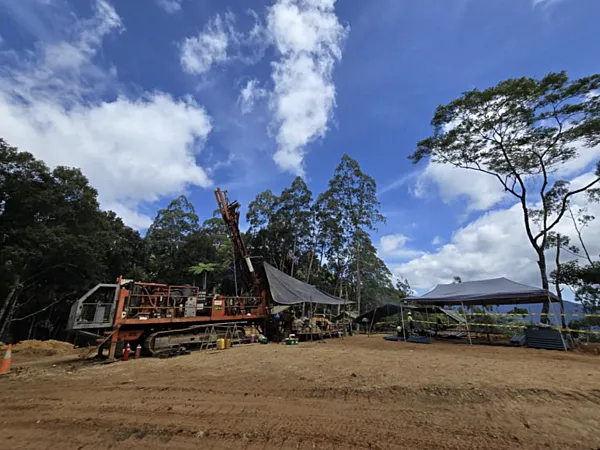
Great Pacific Gold Corp. has begun diamond drilling at the Magiabe Vein target within its flagship Wild Dog Project in East New Britain Province, Papua New Guinea, after completing its maiden drilling campaign at the Kasie Ridge prospect.
The company said one of its two diamond drill rigs had been relocated to Magiabe, the fourth exploration target to be drilled at Wild Dog this year. The programme forms part of an approximately 8,000-metre drilling campaign planned for the second half of 2026 across the Kavasuki, Magiabe, Mengmut, Morgan and EK targets.
The initial programme at Magiabe comprises up to 11 diamond drill holes covering around 2,240 metres to test the Magiabe and the newly identified Magiabe West veins. Hole depths are expected to range from about 150 metres to 280 metres.
Recent exploration identified the previously undrilled Magiabe West Vein, where rock-chip sampling returned grades of up to 137 grams of gold per tonne, 76 grams of silver per tonne and 3.97 per cent copper. Channel sampling also returned 8 metres grading 17.10 grams of gold per tonne, including 3 metres grading 45.26 grams per tonne. Historical drilling at the main Magiabe Vein intersected gold grades of up to 23 grams per tonne over 1.6 metres.
"Magiabe is one of the strongest near-term drill targets in the Wild Dog corridor," Chief Operating Officer and Vice President for Exploration Callum Spink said.
"The first two holes have been deliberately designed to answer the key geological questions quickly. Together, these holes will give us an early indication of the scale, orientation and continuity of the multi-vein system and help guide the remainder of the programme," he added.
Spink said Magiabe represents an important next step in systematically testing the broader high-grade potential of the Wild Dog Project, with two drill rigs now operating across the Main Zone.
Meanwhile, the company has completed the second drill hole at Kasie Ridge to a final depth of 346.6 metres, concluding the current two-hole maiden drilling programme at the target. Assay, multi-element geochemical and X-ray diffraction mineralogical results from both holes remain pending.
Great Pacific Gold said geological observations from the second hole indicate extensive silicification and sulphide-bearing hydrothermal alteration consistent with a well-developed high-sulphidation epithermal system, although laboratory results are still awaited. The company expects to release a comprehensive update incorporating assay and mineralogical results later this month.
Autonomous Bougainville Government President and Mining & Petroleum Minister Ishmael Toroama has issued the LSML-01 Preparatory Works and Feasibility Commencement Certificate to Bougainville Minerals Ltd, allowing initial technical and feasibility activities to begin for the proposed redevelopment of the Panguna mine.
The certificate, presented to Bougainville Minerals Ltd in the presence of its approved development partner, Lloyds Panguna Metals & Energy Ltd, was issued under the special redevelopment pathway established by the Bougainville Mining (Amendment) Act 2026.
The commencement certificate authorises Bougainville Minerals, through Lloyds Panguna Metals & Energy, to undertake an approved programme of preparatory works and feasibility studies for the Panguna project.
The activities include technical, engineering, environmental, social and economic assessments needed to evaluate and plan the proposed redevelopment of the mine.
The Autonomous Bougainville Government said the certificate does not permit mine construction or commercial production. Those phases will require separate statutory approvals and additional commencement certificates.
Toroama said the issuance marks an important milestone in the redevelopment process while reaffirming the government's commitment to responsible resource development under Bougainville's legal framework.
"The issuance of this Commencement Certificate today marks the beginning of a new chapter for Bougainville. It reflects our confidence in our own laws, our institutions and our ability to responsibly manage our natural resources," Toroama said.
"The redevelopment of Panguna will proceed one step at a time—guided by transparency, accountability, respect for our landowners and communities, and a shared commitment to ensuring that our mineral wealth creates lasting opportunities and prosperity for all Bougainvilleans," he added.
Air Niugini will resume direct flights between Port Moresby and Auckland from 17 November, restoring the only non-stop air service between Papua New Guinea and New Zealand for the first time in more than 26 years.
The national carrier will operate three return services a week, reducing travel times by removing the need for passengers and freight to transit through Australia or other regional hubs.
The route will initially be served by Boeing 737-800 aircraft before transitioning to Airbus A220 aircraft next year as additional aircraft are delivered under the airline's fleet renewal programme.
Air Niugini Chief Executive Officer Alan Milne said the service marked an important milestone in the airline's international expansion strategy.
"The resumption of direct services to Auckland is a significant milestone for Air Niugini and for the people of Papua New Guinea and New Zealand," Milne said.
"We are delighted to once again provide a direct link between our two countries, making travel faster, more convenient and more accessible for business travellers, tourists, students and families."
Milne said the Auckland schedule had been designed to connect with Air Niugini's services to Hong Kong, Singapore, Manila and Tokyo, strengthening Port Moresby's role as a regional aviation hub linking the Pacific with Asia.
The airline previously operated direct Auckland services until 1998, when flights were suspended because of economic pressures stemming from the Asian financial crisis.
Before that, Air Niugini participated in a weekly tripartite service with Cathay Pacific and Air New Zealand between Auckland, Port Moresby and Hong Kong from 1982 to 1985.
The airline said the resumption of the route reflects growing demand for travel across the Pacific and strengthening trade, tourism and people-to-people links between Papua New Guinea and New Zealand.
The service is also expected to support tourism, business travel, educational and cultural exchanges, seasonal worker movements and freight connectivity between the two countries.
Passengers arriving in Port Moresby from Auckland will also have onward access to Air Niugini's domestic network across Papua New Guinea.
Tickets for the new service are now available through Air Niugini sales offices, travel agents and the airline's online booking platform.
Ok Tedi Mining Ltd. (OTML) says it continues to operate safely and maintain production despite dry weather conditions affecting parts of Papua New Guinea and disrupting transport along the Fly River.
The company said it is closely monitoring the impact of the dry conditions, which have lowered river levels and limited normal freight movements on sections of the Fly River.
To minimise disruptions, OTML has activated contingency measures, including alternative logistics arrangements to transport fuel, critical consumables, equipment and other supplies to its mining operations in Western Province.
Managing Director and Chief Executive Officer Kedi Ilimbit said the company had anticipated the potential effects of the dry weather and incorporated mitigation measures into its business continuity planning.
"As part of our business continuity planning, Ok Tedi has been actively managing the impacts of the dry conditions through a range of mitigation measures, including the use of alternative supply routes and careful management of key resources," Ilimbit said.
Mining and mineral processing operations remain unaffected, with the company continuing to pursue its production targets while adapting its logistics and supply chain to changing conditions.
"At present, mining and processing operations continue, and the company remains focused on delivering its operational objectives safely and responsibly. While the current conditions present additional logistical challenges, Ok Tedi has contingency plans in place and continues to adapt its operations as required," Ilimbit said.
The company acknowledged that the prolonged dry weather has increased operating costs, particularly for logistics and supply chain management, but said it is taking prudent measures to maintain operational resilience.
OTML said it will continue to closely monitor weather patterns, river conditions and supply chain risks while prioritising the safety of employees, contractors and surrounding communities.
"While the current dry weather conditions require us to be agile and proactive, it is business as usual at Ok Tedi. We anticipated the potential impacts and have activated contingency measures to support our operations. Our teams continue to do an excellent job managing the situation, and we remain focused on safely delivering our operational commitments," Ilimbit said.
Ok Tedi is a majority state-owned company operating an open-pit copper, gold and silver mine in Western Province. It is also expanding its mining portfolio through the planned development of the Misima mine in Milne Bay Province following its acquisition of Gallipoli Exploration Ltd.
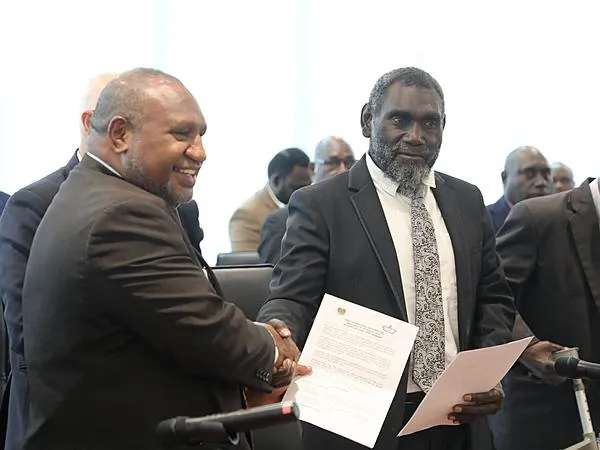
The Joint Supervisory Body (JSB) has endorsed the transfer of key revenue-raising powers from the Papua New Guinea National Government to the Autonomous Bougainville Government (ABG), with revenues generated from fisheries, mining, forestry, land and other relevant taxes to be handed over by 31 December 2026.
The resolution was adopted during the JSB meeting at Melanesian Haus in Port Moresby this week, co-chaired by Prime Minister James Marape and ABG President Ishmael Toroama.
The JSB also endorsed the ABG's proposals on taxation, revenue streams, statutory fees and related fiscal powers, as well as measures to strengthen fisheries governance and marine resource benefit-sharing.
To implement the agreement, the Chief Secretaries of both governments were directed to oversee and coordinate all technical engagements covering taxation, customs and excise, fisheries, statutory fees and other fiscal and economic matters affecting Bougainville. They have also been tasked with submitting a joint progress report at a future JSB meeting.
In his address to the meeting, Toroama described the transfer of fiscal powers as part of Bougainville's transition beyond autonomy and towards greater self-government, saying the region's political position had been shaped through extensive consultations and endorsed by its leadership.
He said Bougainville had honoured every resolution reached under the peace process, including the Bougainville Peace Agreement, the Wabag Roadmap, the Era Kone Covenant and previous JSB resolutions, and called on both governments to continue implementing the Joint Consultation Report and the Melanesian Framework in good faith.
Toroama also reaffirmed Bougainville's position that the 2019 independence referendum, in which 97.7% of voters backed independence, should remain the basis for the region's political future.
"We do not need a 'clear pathway to revisit the question' — the question has been asked, answered, and sealed in ink and blood," he said, rejecting suggestions that the referendum result could be revisited through future political processes.
He urged both governments to uphold the integrity of the Bougainville peace process, warning that any departure from jointly agreed commitments would attract international scrutiny.
"Our work today continues under the watchful, supportive eyes of our global partners," Toroama said, acknowledging the United Nations' continuing role in supporting the implementation of the post-referendum process.
The latest JSB resolution marks a significant step in expanding Bougainville's fiscal autonomy, with the transfer of revenue powers expected to strengthen the ABG's capacity to manage its own economic affairs ahead of the agreed end-2026 deadline.
Securing a comfortable retirement should be achievable for every hardworking Papua New Guinean. Whether employed in the public or private sector, working for a small business, self-employed or earning an income in the informal economy, everyone should have access to superannuation.
Speaking on behalf of Nasfund CEO Rajeev Sharma at the recent Papua New Guinea Trade Union Congress (PNGTUC) and International Labour Organization (ILO) partnership workshop, Nasfund Head of Marketing and Stakeholder Engagement Melanie Lavaki highlighted the importance of extending retirement coverage to all workers.
The three-day workshop, Training for Trainers on Organising Methods, Strategies and Practices, focused on strengthening awareness of national policies, legislation and social protection measures for informal workers while exploring ways trade unions can better organise and support the sector.
During Session XII, The Present and Future of Social Protection in PNG, Lavaki addressed the misconception that superannuation is only for employees of large formal organisations. While contributions are mandatory for larger employers, businesses with fewer than 15 employees and individuals can also save for retirement through voluntary contributions.
She highlighted Eda Supa, Nasfund's voluntary superannuation product, which is available to workers in both the formal and informal sectors, including self-employed individuals and non-citizens.
"Our aspiration at Nasfund is to see legislative reforms make superannuation access a mandatory right for every worker in PNG," Lavaki said.
She encouraged union representatives to promote superannuation as a source of replacement income in retirement, urging workers to focus not only on when they retire but also on achieving meaningful long-term financial goals.
Lavaki also shared recommendations recently put forward by the Association of Superannuation Funds of Papua New Guinea (ASFPNG), led by Nasfund CEO and ASFPNG President Rajeev Sharma. The recommendations included:
By advocating broader superannuation coverage and stronger retirement protections, Nasfund continues to support a future in which every worker in Papua New Guinea can retire with dignity.
The Mineral Resources Development Company (MRDC) will resume the second Tuguba Regional Director Election after long-running leadership disputes among the remaining Tuguba clans were resolved through a court-supervised mediation process.
MRDC said the resolution of disputes involving the Jugu, Tabu and Ware 2 clans marked the completion of its programme to establish clan bank accounts and elect directors to the Hides Petroleum Development Licence 1 (PDL1) Corporate Trustee.
The programme, launched in 2024, had reached 84% completion before being suspended in early 2025 following leadership disputes within the Tuguba clans and court injunctions.
A court-ordered mediation process began in April 2025, with MRDC working alongside the National Petroleum Authority, the Office of the Solicitor General and the PNG Electoral Commission under the independent chairmanship of Chief Magistrate Mark Pupaka. Independent observers Fabian Pok and Sandy Talita also participated in the process.
MRDC said all restraining orders had been lifted by October 2025, allowing mediation to continue.
The company said the successful resolution of leadership issues in the Jugu, Tabu and Ware 2 clans meant all eight Tuguba clans had now reached agreement, bringing the programme to 100% completion. This exceeded the required 75% participation threshold needed to proceed with the second regional director election.
The elected clan chairmen are Howard Lole for the Jugu clan, Walabe Mara for the Tabu clan and Agobe Potape for the Ware 2 clan.
Petroleum Minister Jimmy Maladina formally endorsed the mediation outcome on 29 June, clearing the way for MRDC to resume the election process.
MRDC said it would now restart the second Tuguba Regional Director Election, facilitate the appointment of a Tuguba representative to the Hides PDL1 Corporate Trustee Board and complete the opening of bank accounts for the remaining beneficiary clans.
The company also plans to begin preparations for benefit payments by opening sub-clan bank accounts for clans that are ready.
MRDC said the mediation framework successfully used during the Hiwa Regional Director Election would also guide the Tuguba process.
The company thanked stakeholders for their cooperation during the 24-month engagement and said ensuring the timely and transparent distribution of benefits to eligible Hides PDL1 beneficiaries remained its highest priority.
MRDC added that any leaders who continued to challenge the process and delay benefit payments would be accountable to their communities for those delays.
Nasfund Chief Financial Officer Debbie Oli has underscored the importance of financial literacy for women leaders, encouraging participants in the PNG Business Coalition for Women's (BCFW) Senior Executive Women's Programme (SEWP) Cohort 23 to build confidence in understanding and interpreting financial statements.
Speaking during the programme last week, Oli led a practical session designed to help women from diverse professional backgrounds strengthen their financial knowledge.
"The programme had a mix of women with no finance background at all and some finance specialists," Oli said.
"My presentation focused on helping participants understand how to interpret financial statements."
The session covered the three core financial statements — the balance sheet, income statement and cash flow statement — explaining how each provides insights into an organisation's financial position, performance and long-term sustainability.
Oli also highlighted the role of finance within organisations, outlining key financial indicators and warning signs that leaders should recognise when making strategic decisions.
The three-month SEWP Cohort 23 leadership development programme is delivered by the PNG Business Coalition for Women for women in executive and senior management roles across Papua New Guinea. It aims to strengthen leadership capability, improve business acumen, build confidence and expand professional networks.
Drawing on her experience in finance, Oli also introduced participants to the Supa Calculator, a tool that helps users understand long-term financial wellbeing and the impact of inflation on retirement savings.
"The exercise allowed participants to see how their spending habits could impact their future savings and to explore options that could help increase their super balance over time," she said.
Reflecting on the session, Oli described it as an interactive and meaningful discussion focused on empowering women to make informed financial decisions in both their professional and personal lives.
The programme continues to equip women leaders in Papua New Guinea with the knowledge, skills and networks needed to succeed in senior leadership roles and create greater impact within their organisations.
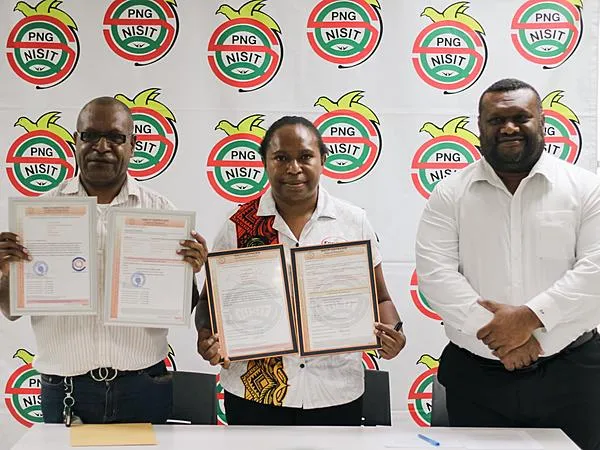
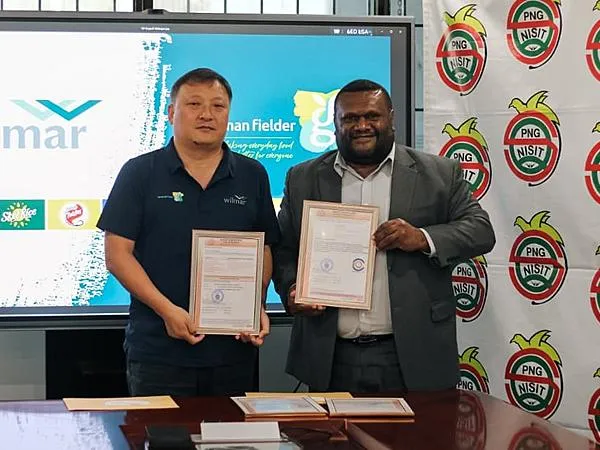
The National Institute of Standards and Industrial Technology (NISIT) has recognised Prima Smallgoods Limited and Food Pro for their commitment to food safety after both companies successfully achieved Hazard Analysis and Critical Control Point (HACCP) certification.
Prima Smallgoods received HACCP re-certification, while Food Pro was awarded HACCP certification following the successful relocation of its manufacturing facility from Badili to Eight Mile, Port Moresby. The certificates were presented by NISIT on Friday, 26 June 2026.
Presenting the certificates, NISIT Director General Joe Panga congratulated both companies, saying their achievements reflected a strong commitment to internationally recognised food safety standards.
"HACCP certification is more than a certificate on the wall. It reflects strong leadership, disciplined processes and a culture of continuous improvement. It gives consumers confidence that food products are produced safely and consistently while helping businesses compete in both local and international markets," Panga said.
Receiving the certificate on behalf of Prima Smallgoods, Sales and Marketing Manager Kola Geri said maintaining HACCP certification demonstrates the company's commitment to producing safe, high-quality products for Papua New Guineans.
"At Prima Smallgoods, food safety has always been one of our highest priorities. Successfully completing our HACCP re-certification demonstrates the commitment of our entire team to maintaining rigorous food safety systems and delivering quality products that Papua New Guineans can trust," Geri said.
"This achievement belongs to our team. Their discipline, professionalism and commitment to continuous improvement have enabled us to meet the strict requirements of the HACCP standard. We thank NISIT for its guidance throughout the certification process."
Geri said maintaining HACCP certification strengthens the company's reputation and supports its long-term goal of providing safe, high-quality food products to customers across Papua New Guinea.
Meanwhile, Food Pro Quality Assurance Head Warendo Soer described the certification as a significant milestone following the relocation of the company's production facility.
"Although Food Pro has been operating for more than 15 years, obtaining HACCP certification for our new site is a major milestone. It has strengthened our internal processes, improved staff awareness and reinforced a culture of quality throughout the organisation," Soer said.
Having worked with the company for many years, Soer said implementing HACCP had transformed the way Food Pro manages food safety and quality.
"The HACCP system allows us to identify risks early, maintain product traceability and continually improve our operations. If an issue arises, we have systems in place to investigate, correct and prevent it from happening again. That gives our customers confidence in our products."
She added that internationally recognised certification also positions the company for future growth.
"Many major organisations require suppliers to have recognised food safety certification. HACCP demonstrates that we have robust systems in place and positions us to compete for larger contracts while continuing to provide safe, high-quality products for Papua New Guinea."
NISIT encourages manufacturers across Papua New Guinea to adopt internationally recognised standards, noting that certification not only protects consumers but also strengthens business competitiveness, enhances market access and builds confidence in locally manufactured products.
Goodman Fielder International (PNG) Limited has received Hazard Analysis and Critical Control Points (HACCP) certification for its Port Moresby bakery and flour mill operations.
The certificates were presented by the National Institute of Standards and Industrial Technology (NISIT) on Tuesday, 30 June 2026, in recognition of the company's commitment to maintaining high food safety standards. Receiving the certificates on behalf of the company was General Manager (PNG) Sun Xing Tao.
Sun said the certification strengthens Goodman Fielder's competitive position by giving customers greater confidence in the safety and quality of its products.
He said the certification demonstrates the company's commitment to internationally recognised food safety standards and provides customers with added assurance that Goodman Fielder's products are safe and reliable.
Presenting the certificates, NISIT Director General Joe Panga congratulated Goodman Fielder on the achievement, describing it as an important milestone for both the company and Papua New Guinea's food manufacturing industry.
"HACCP certification demonstrates that Goodman Fielder PNG has implemented a systematic approach to identifying and controlling food safety risks while ensuring safe, high-quality products for consumers," Panga said.
Speaking on behalf of the company, QA/QC Manager – Southern Region Linda Pingi said the certification means a great deal to Goodman Fielder because food safety is at the heart of its operations.
She said the company produces a wide range of food products, including flour, rice, edible oils, bakery products and stockfeed, and that the certification provides assurance that these products are produced in accordance with recognised food safety standards.
Pingi also praised NISIT's certification process, saying it was supportive and helped the company strengthen its food safety systems.
She added that having a nationally recognised certification scheme reduces the need for costly overseas certification while providing a strong foundation for future growth and export opportunities.
Follow on LinkedIn:
PNG Business News
Be the "First" to get our exclusive Digital Magazine & Weekly Newsletter.