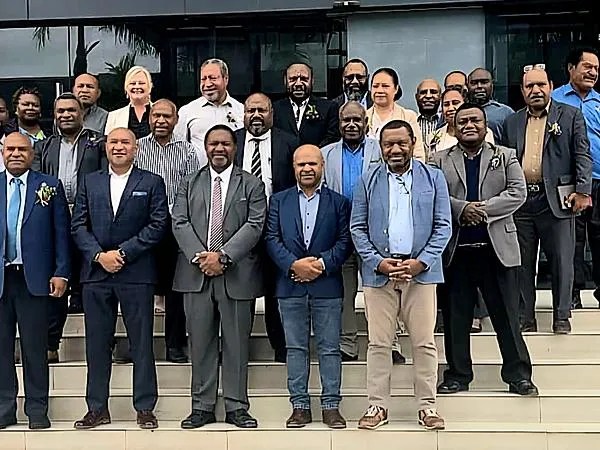
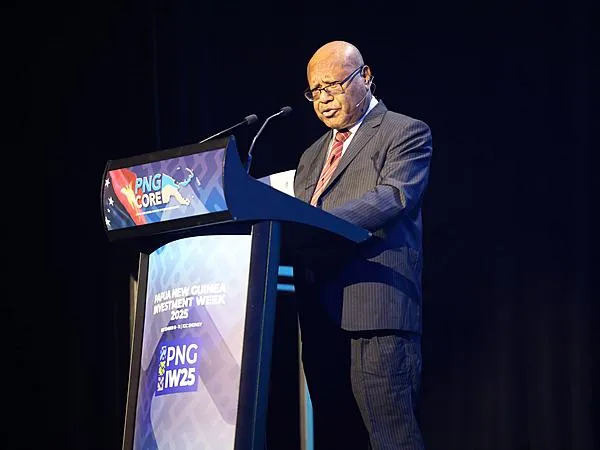
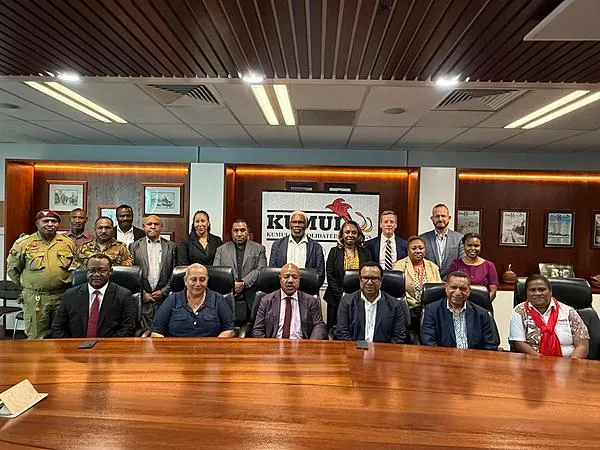
Papua New Guinea’s Minister for Petroleum Jimmy Maladina has formally addressed the newly sworn-in Board of the National Petroleum Authority (NPA) under the National Petroleum Authority Act 2025. The ceremony was held 24 November in Port Moresby.
The inaugural NPA Board comprises:
Chairman Hubert Hanjause Namani
Mr. Dairi Vele (Deputy Chairman), chairman of the State Negotiating Team (SNT)
Managing Director of Ok Tedi
State Solicitor Mr. Daniel Rolpagarea
Secretary for Treasury Mr. Andrew Oaeke
Acting Managing Director and Secretary for Petroleum Dr. David Manau
Mr. Robert Nilkare, a prominent business leader
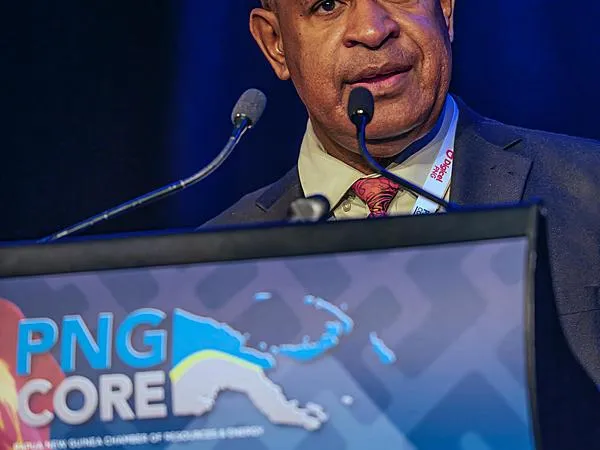
Speaking during the swearing-in ceremony, Minister Maladina said the event represented more than the installation of a new board, describing it as a critical milestone in one of the most significant reforms in PNG’s petroleum governance landscape. He said the reform directly supports the transformation of the former Department of Petroleum into an independent, modern, and professional statutory regulator—the National Petroleum Authority.
The Minister welcomed the Board and commended its members for accepting the responsibility to serve at what he described as a pivotal moment in the history of the petroleum sector and the country’s broader economic development.
Speaking on behalf of the Board, Namani said the composition brings together a strong balance of commercial negotiation experience, legal and financial expertise, and regulatory continuity, positioning the NPA to deliver credible and effective petroleum governance.
“A credible regulator must first must first be an accountable regulator.”
The Board outlined its immediate priorities, including:
Strengthening governance frameworks
Organisational and people transformation
Establishing effective operational systems and regulatory processes
Long-term strategic development to ensure PNG remains globally competitive
Major Exploration Activities
Key upcoming and ongoing exploration activities include:
Mailu-1 wildcat well (TotalEnergies and PETRONAS) – Q1 2026
Nanamarope-1 well in PPL 579 (Larus Energy) – 2027
Ongoing preparations for the petroleum licensing bid round, with technical support from the Australian Government
Namani said the Board is encouraged by progress made by Peak Oil in advancing frontier exploration potential in the New Ireland Basin, noting the opportunities the emerging province may unlock for PNG’s future petroleum development.
The Board reaffirmed its commitment to ensuring all projects are sustainably developed, responsibly regulated, transparent in approvals, and aligned with the long-term national interest.
He also called on NPA staff to demonstrate professionalism, unity, and dedication, stating, “You are the engine room of this institution. Your work will define the credibility of the NPA.”
“We look forward to building a modern, credible and high-performing petroleum regulator, one that protects the State’s interests, supports national development, and ensures the wealth beneath our land and seas benefits Papua New Guineans.”
Minister Maladina said the NPA will be central to shaping PNG’s petroleum future and will serve as the key enabler for effective and efficient promotion, monitoring, and regulation of both upstream and downstream petroleum activities.
He said the Authority will be responsible for safeguarding national interests, ensuring fair returns from resources, and protecting landowner rights, adding that its work will directly influence investor confidence and future industry partnerships.
“Your leadership and stewardship will shape how this Authority delivers on its mandate and how confidently our industry, investors, landowners, and international partners engage with Papua New Guinea,” he told the Board.
Ten Priority Areas for PNG’s Petroleum Sector
Minister Maladina outlined 10 key priorities requiring the Board’s full oversight:
Papua LNG Project He reaffirmed the national importance of progressing the Papua LNG Project toward Final Investment Decision (FID), stating the NPA must ensure regulatory clarity and timely approvals.
Pasca A Gas Project Reiterating its significance as PNG’s first offshore gas-condensate development, he said Pasca A must proceed with discipline, transparency, and strong regulatory oversight.
Stanley Gas Project He highlighted the project’s potential for early gas utilisation and domestic market growth, calling for strict adherence to regulatory and fiscal expectations.
Production Sharing Contract (PSC) Fiscal and Regulatory Reform The Minister said PNG is transitioning to a PSC-based regime and urged the Board to help establish world-class regulatory systems, fiscal frameworks, and operational standards.
Block Bid Rounds, New Exploration, and Future Developments He emphasised the revival of exploration through a transparent and competitive licensing framework.
Downstream Petroleum Regulation and Processing Minister Maladina underscored the importance of downstream development for energy security and industrialisation, tasking the NPA with enforcing compliance and supporting investments in refining and petrochemical initiatives.
Landowner Benefits and Affairs Management Describing landowner matters as central to sector stability, he said the Authority must ensure accuracy, transparency, and fairness in benefit distribution, clan vetting, project agreements, and community engagement.
National Gas Master Plan He stressed the need for a long-term national strategy to guide gas utilisation across domestic and export markets.
Environmental, Climate Change, and ESG Frameworks The Minister reminded the Board that PNG must strengthen environmental compliance and emissions monitoring as the global energy transition accelerates.
Full Establishment of the NPA under MTDP IV He said full operationalisation of the Authority is essential to achieving petroleum targets under the Medium-Term Development Plan IV.
“The Board’s leadership will determine how quickly and effectively the Authority reaches full functionality,” he added.
Minister Maladina reminded Board members that their decisions will shape billions of kina in investment and directly affect the livelihoods of landowners.
“I have full confidence in your expertise, your integrity, and your collective wisdom. Together, let us build an NPA that Papua New Guinea can trust, that investors can respect, and that future generations can be proud of.”
He congratulated the Board on their appointment and reaffirmed his commitment to work closely with them to deliver a shared vision for a strong, transparent, and competitive petroleum sector.
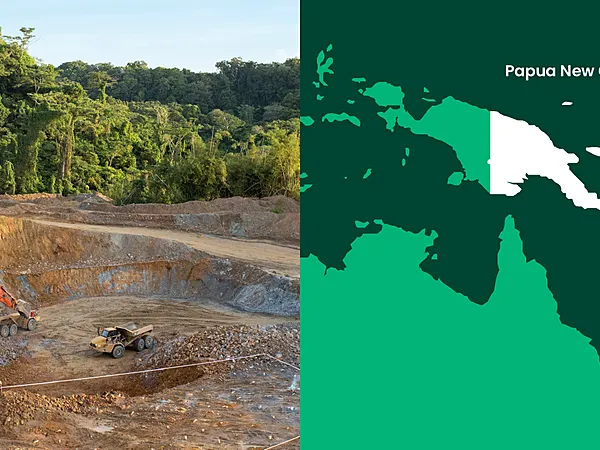
Papua New Guinea’s mining sector continues to underpin the national economy and is positioned for a new phase of growth, reform, and sustainable investment, Acting Managing Director of the Mineral Resources Authority (MRA) Harry Kore said during the regulator’s forum, PNG’s Mining Sector Update, at Investment Week on Dec. 8 in Sydney, Australia.
Addressing an audience that included government representatives, regulators, PNG resource owners, extractive industry leaders, and investors, Kore outlined the central role mining continues to play in PNG’s economy.
He said PNG’s geological setting along the boundary of the Pacific and Australian tectonic plates has endowed the country with a world-class mineral base. He described mining as the backbone of the economy, highlighting that in 2024 alone the sector generated PGK17 billion in foreign export revenue, accounting for about 40 percent of PNG’s total exports.
Mining has contributed around 50 percent of the country’s foreign exchange in recent years and more than 25 percent of national GDP, while directly employing about 30,000 mine workers. These figures, he said, demonstrate the sector’s vital role in supporting government services, livelihoods, and local development across the country.
The MRA is committed to ensuring this contribution continues so Papua New Guinea remains a globally relevant mining jurisdiction for generations to come.
Performance of Operating Mines
Despite global market volatility, Kore said PNG’s seven operating mines continue to perform strongly, reinforcing the country’s resilience as a mining investment destination.
“Ok Tedi, our longest-running copper mine, continues to deliver consistent production and high economic value, particularly for Western Province and the national economy," he said.
Following reopening efforts, Porgera is regaining momentum. Restoring this major gold producer has been one of the PNG mining sector’s successes in recent years, regardless of the challenges it faces.
Lihir remains a world-class gold operation with strong production outlooks, supported by continued investment in operational efficiency. Ramu NiCo, PNG’s only nickel-cobalt operation, has stabilised and continues to supply critical minerals essential for global energy transition technologies.
Hidden Valley continues to support locally owned SMEs and regional development in Morobe Province, while Kainantu, driven by strong resource grades, is expanding and demonstrating PNG’s potential for high-grade gold systems as it transitions toward a tier-one project. Simberi, meanwhile, continues its turnaround and remains a major employer in New Ireland Province as it transitions from oxide- to sulphide-based mining.
Collectively, Kore said the seven operating mines contributed PGK17 billion to the PNG economy in 2024, a figure expected to rise in 2025. Over the past five years, they have generated 50 percent of the country’s total foreign exchange, with a single mine accounting for half of that contribution.
Safety Performance and Legislative Reform
Kore highlighted improvements in mine safety under the Mining (Safety) Act 1977 and the Mining (Safety) Regulation 1935, which are administered by the MRA. While acknowledging challenges in enforcing outdated legislation, he said the authority continues to regulate the industry effectively and requires compliance with international engineering and technical standards and industry best practices.
According to the MRA’s acting managing director, fatal accidents across operating mines declined from eight per year to zero between 2017 and 2022, with similar improvements recorded across other safety indicators. PNG’s safety record, he said, now stands higher than many mature mining jurisdictions globally.
He acknowledged the mining industry for working closely with the MRA to achieve these outcomes and announced that the authority will host the National Emergency Response Challenge Competition in November 2026. The MRA also addressed gender inclusion in the industry, noting longstanding requests from industry regarding underground work for women.
Kore announced, “I am pleased to announce that once the State Solicitor gives his legal clearance we will submit the revised Mine Safety Bill to the next sitting of Parliament for enactment. We will remove that provision so our professional female miners can work underground like their male colleagues.”
Real-Time Monitoring and Data Transparency
Amendments to the Mining Act 1992 in 2020 introduced real-time monitoring of mineral production and sales receipts, marking a major shift for the sector. All operating mines are now connected to the MRA Data Center, except one that is currently undergoing the connection process.
Access to live production data has significantly improved transparency compared with past uncertainties surrounding mineral production. The MRA has also commenced reviewing metal sales contracts and auditing sales receipts, calling on industry players to support these processes to ensure accurate payment of royalties, levies, and taxes.
Structural changes are also underway within the MRA to recruit and empower professionals responsible for auditing minerals from production through to sale.
Major Projects
Beyond existing operations, Kore said PNG is preparing for a new wave of transformational mining developments.
Wafi-Golpu, one of the world’s largest undeveloped copper-gold projects, is expected to become a major investment for the country, with arrangements for key agreements nearing completion. He said the government remains committed to advancing the project through a stable and transparent framework.
The Frieda River copper-gold project, another globally significant resource, also holds the potential to reshape the economic landscape of northwestern PNG, with ongoing work to ensure development aligns with environmental safeguards, community aspirations, and national goals.
Together, Kore said these projects represent tens of billions of kina in potential investment and signal to the world that PNG is ready for responsible and sustainable mining growth.
The national government has decided to merge the Department of Mineral Policy and Geohazards Management with the MRA, bringing policy, regulation, geological data, licensing, and oversight under one institution.
The merger aims to create a stronger, more efficient, and accountable regulatory system while assuring industry that ongoing MRA operations will not be disrupted during the transition.
Mining Act Review Targeted for 2026
A major priority under the new structure is the completion of the long-awaited review of the Mining Act 1992. Mr. Kore elaborated that the revised legislation is expected to be finalised and launched in 2026, modernising PNG’s regulatory framework to reflect global best practice, investor-friendly processes, stronger environmental and social safeguards, clarity for landowners and developers, and support for critical minerals and new technologies.
He described the reform as one of the most significant milestones for PNG’s resources sector in more than three decades.
Aligned with the conference theme of promoting sustainable investment, Mr. Kore said PNG is committed to ensuring mining creates shared value through improved environmental management, enhanced community benefits, downstream processing where viable, stronger transparency, and climate-resilient strategies.
PNG recognises that global capital increasingly flows to jurisdictions that demonstrate governance, stability, and sustainability, adding that the country is deliberately building that environment.
PNG Open for Business
PNG stands at a pivotal moment, with strong operating mines, major projects ahead, and a unified regulator marking a new chapter of opportunity and transformation.
Kore told international partners and investors, “PNG is open for business.” He added that investor confidence would be met with clarity, predictability, and professionalism, while assuring citizens that mining would remain a cornerstone of national development managed responsibly and transparently.
Inviting renewed engagement with the sector, Mr. Kore said, “To our investors, mining companies, infrastructure providers, financiers, we at MRA invite you to look at PNG with fresh eyes.”
He urged stakeholders to explore MRA databases, bring forward capital and technology, and partner with PNG to unlock new discoveries.
“Together, let us deliver value not just in metal output but in sustainable development, jobs, national revenue, and shared prosperity for PNGs people. Let us make Minerals Ready for Investment more than a theme let it be the legacy we build together.”
St Barbara Limited (ASX: SBM) has taken major steps to advance its Simberi Gold Project, confirming the project as a high-quality, long-life, low-cost asset while securing strategic partnerships with Kumul Mineral Holdings Limited and Lingbao Gold Group.
The company released the results of its Feasibility Study for the Simberi Expansion Project, which incorporates updated Mineral Resource and Ore Reserve estimates and forms the basis of the latest Life of Mine Plan (LOMP).
The study indicates total gold production of 2.1 million ounces from the second quarter of FY26 to FY39, with annual production rising above 200,000 ounces from FY29. All-in Sustaining Costs (AISC) are expected to fall to between US$1,100 and US$1,400 per ounce from FY29 to FY36, reflecting proposed enhanced royalty payments to landowners and communities.
“The study shows gold production averaging above 200,000 ounces per annum over nine years, with a mine life extending to 13 years – without including any mineral resource conversion or exploration targets,” Managing Director and CEO Andrew Strelein said.
“Our Feasibility work demonstrates that the Simberi Expansion Project is developing into a highly compelling opportunity to generate real value for St Barbara shareholders. Simberi will be a low capital intensity brownfields development, taking advantage of existing infrastructure to realise the value from this high-quality resource at a globally competitive operating cost," Strelein added.
The Feasibility Study estimates initial project capital of US$275 million across FY26 to FY28, with additional pre-expansion growth capital of US$50–70 million planned for FY26 to FY27. Mining throughput will increase to approximately 20 million tonnes per annum from the current 10 million tonnes, transitioning from oxidised ore processed via the existing Carbon-in-Leach circuit to fresh sulphide ore treated through an upgraded comminution circuit and a new flotation circuit to produce gold-bearing concentrate. Flotation tailings will continue to be treated through the CIL circuit to recover remaining gold.
At an assumed gold price of US$3,000 per ounce and silver price of US$30 per ounce, the project delivers a post-tax net present value (NPV) at 8% of US$1,023 million and an internal rate of return (IRR) of 79%. At US$4,000 per ounce gold and US$50 per ounce silver, the NPV rises to US$1,811 million with an IRR of 243%.
The Feasibility Study was led by Pitch Black Group, with mine planning and Ore Reserve estimation by AMC Consultants. Klohn Crippen Berger completed waste rock dump designs, and Engeny developed water management plans, including surface water, water balance, and water quality. Designs informed the cost estimates for waste rock construction and sediment and process water ponds.
In a related development, St Barbara has signed binding agreements with Kumul and Lingbao to secure funding and strategic support for the Simberi Expansion Project. Kumul will acquire a 20% interest in Simberi for A$100 million, forming an unincorporated joint venture with Simberi Gold Company Limited, which will retain 80% and act as manager. The parties are also finalising documentation for Kumul to farm in to earn up to 20% of the Tabar Islands Exploration Licences.
“St Barbara welcomes Kumul as a joint venture partner at Simberi. We share a commitment with the PNG Government, that the value of the nation’s resources are to be shared equitably for the benefit of PNG’s people,” Strelein said.
“Kumul’s participation in Simberi aligns the interests of St Barbara and our key stakeholders. We look forward to a long and productive joint development of the Simberi Expansion Project with Kumul, and Simberi’s development partner Lingbao Gold Group also announced," he added.
Separately, Lingbao will pay A$370 million to acquire a 50% stake in St Barbara Mining Pty Limited (SBML), which will hold 80% of the Simberi Gold Project following completion of Kumul’s transaction. St Barbara will retain the other 50% of SBML, ensuring it is fully funded for its share of development costs.
“The investments by Lingbao and Kumul in Simberi will help us accelerate the development of the Simberi Expansion Project and the delivery of its value to our shareholders and key stakeholders in PNG,” Strelein said. “With Lingbao we have a committed, experienced and well-funded partner. In addition, we welcome Kumul to the project as a co-investor.”
Lingbao chairman Wang Pinran said: “We are very pleased to be making this key strategic investment in the Simberi Gold Project and to have the opportunity to develop the Simberi Expansion Project with St Barbara and Kumul. Our confidence is solid not only because of this high-quality project, which contains 2.5 Moz in reserve and 5.8 Moz in resource of gold, but also because of St Barbara’s world standard development proposal and the participation by Kumul demonstrating to the world the PNG government’s support and encouragement for overseas investors.”
Key next steps for the project include confirmation of the Mining Lease Extension, completion of Early Works Packages and pre-expansion growth capital projects, and a Final Investment Decision (FID) based on an updated Life of Mine Plan and construction work programme. The FID is now anticipated in the third quarter of FY26, with ball mill commissioning projected for late Q3 FY27 and flotation plant commissioning in Q4 FY28.
SBML will be jointly managed by St Barbara and Lingbao, with an incorporated 50:50 governance structure, while the Simberi Joint Venture with Kumul will be managed by SGCL, with Kumul holding two of six committee positions. Financial advisory for St Barbara is provided by Macquarie Capital (Australia) Limited and legal advisory by King & Wood Mallesons.
Pacific Lime and Cement Limited (ASX: PLA; PNGX: PLC) has announced a strategic partnership with the International Finance Corporation (IFC), a member of the World Bank Group, to provide advisory support for its Phase 2 Central Cement Project in Central Province, Papua New Guinea.
The collaboration marks a major step for PLC and PNG, as the project aims to establish the country’s first vertically integrated clinker and cement production facility, reducing reliance on imports and meeting domestic demand.
IFC will bring global technical expertise and environmental, social, and governance (ESG) standards to the project, aligning it with international best practices and helping to de-risk the path toward full financing and construction. Advisory workstreams will focus on updating bankable feasibility assessments, refining market and financial assumptions, and enhancing environmental and social management systems.
“IFC is a pre-eminent global financial institution in enabling transformational industrial projects in emerging markets,” PLC Managing Director Paul Mulder said. “Their engagement recognises the significance of establishing Papua New Guinea’s first fully integrated clinker and cement production operation for nation-building.”
As part of the advisory scope, IFC will assess the project’s existing Environmental and Social Management System (ESMS) and recommend improvements to align with IFC Performance Standards, a prerequisite for multilaterals and global financiers. Combined with technical, market, and financial workstreams, the advisory effort reinforces and independently validates the existing bankable feasibility study, positioning the project for international lender due diligence and financing processes.
IFC, the largest global development institution focused on the private sector in emerging markets, operates in more than 100 countries and committed a record $71.7 billion in fiscal year 2025 to private companies and financial institutions in developing nations.
PLC is advancing Papua New Guinea’s lime and cement industry, anchored by its Central Lime and Cement Projects, while supporting local manufacturing, import substitution, and sustainable growth. Its diversified portfolio also includes industrial sands, nature-based forestry carbon credits, and renewable energy initiatives. PLC holds an approximately 16.6% interest in copper-gold explorer/developer Adyton Resources Corporation (TSXV: ADY).
The company aims to support PNG and the broader Asia-Pacific region in their decarbonisation journey by delivering higher-quality, lower-cost, low-carbon inputs for the mining, resources, and construction sectors, complemented by a renewable energy portfolio including solar, wind, geothermal, carbon credits, and battery storage initiatives. PLC emphasises community engagement and adherence to internationally recognised ESG standards across its projects.
Kumul Petroleum Holdings Limited responded to the announcement that the PNG LNG Project Joint Venture, in which KPHL holds a 19.4% interest, has accelerated the final repayment of the PNG LNG project finance facility, bringing it to a close earlier than expected. The project has delivered strong and sustained performance and benefits to Papua New Guinea since LNG exports commenced in 2014.
The accelerated repayment means the debt facility will be fully repaid by the end of 2025, increasing future income for all project stakeholders.
“This is a great achievement for the PNG LNG Project, and good news for us at Kumul Petroleum,” Chairman Gerea Aopi said. “Our increased income will strategically flow into and assist us to put together the necessary finance for PNG to take up its mandated 22.5% equity in the forthcoming Papua LNG Project, especially during its four- to five-year construction period.”
“Of course, our future income will still be dependent on world petroleum prices, and in reality this timely announcement actually means no windfall cash, given KPHL’s commitment to the Papua LNG Project, whose FID date is eagerly awaited,” he said.
Aopi noted that KPHL continues to support the government, having recently paid K400 million in dividends to Treasury, as well as supporting impacted landowners and provincial governments through its ongoing vendor financing of Kumul Electorate Office beneficiaries. He said the Papua LNG Project is a once-in-a-generation, transformational development whose economic, fiscal and social benefits can only be fully realized if PNG maintains a significant equity position.
“The KPHL Board is mindful of and supportive of the government’s development priorities and seeks to pay dividends without jeopardizing KPHL’s forthcoming financial commitments, such as those associated with the Papua LNG Project, and our requirement to maintain sufficient liquidity for ongoing activities and contractual obligations,” Aopi said.
“The KPHL Board is heartened by recent statements from the prime minister confirming the country’s equity participation in the high-priority Papua LNG Project. Kumul Petroleum remains a cornerstone in the development and safeguarding of PNG’s natural resources sector, while simultaneously contributing to the achievement of national socio-economic goals through our nation-building projects," he added.
The Asian Development Bank has approved three projects worth a combined $275 million to expand access to finance, improve rural connectivity and boost low-carbon electricity supply in Papua New Guinea.
The financing package includes support for financial sector reforms, clean energy development and road infrastructure aimed at strengthening economic activity and access to essential services across the country.
“ADB is committed to investing in essential infrastructure, creating a more enabling environment for private sector development, and assisting the Government of PNG to implement transformative power sector reforms that improve lives and livelihoods,” said ADB Officer-in-Charge for Papua New Guinea Soon Chan Hong.
A $100 million policy-based loan will fund the first subprogramme of the Improving Financial Access Programme, which seeks to strengthen the regulatory and institutional framework for domestic and international financial services. These include payments, remittances, credit and capital markets. The programme is also intended to support households and businesses in generating employment and trade opportunities. A second subprogramme will continue the reform process and help sustain improved access to finance nationwide.
Another $100 million loan, alongside a $10 million grant from the Japan Fund for the Joint Crediting Mechanism, will finance the Sustainable Energy Sector Development Programme. Implemented through two subprogrammes, the initiative will support the government in improving the adequacy of PNG’s low-carbon electricity supply.
The programme will also assist in establishing an enabling policy framework to restore the sustainability of the power sector, revitalise PNG Power Limited’s operational performance, and increase private sector participation in delivering clean, affordable and reliable electricity.
In addition, a $65 million loan will support the Transport Project Readiness Facility, which will focus on upgrading and rehabilitating subnational roads across the Southern, Highlands, Momase and New Guinea Islands regions. The roads form part of key economic corridors and align with government priorities under the Medium Term Development Plan IV (2023–2027) and the National Road Network Strategy (2018–2037).
The transport project aims to improve connectivity for rural communities, particularly those producing coffee, copra, cocoa, tea, vanilla and other agricultural commodities, linking them more effectively to markets and essential services such as health and education.
ADB is a multilateral development bank supporting inclusive, resilient and sustainable growth across Asia and the Pacific. Founded in 1966, it is owned by 69 members, including 50 from the region, and works with governments and partners to deliver quality infrastructure and development solutions.
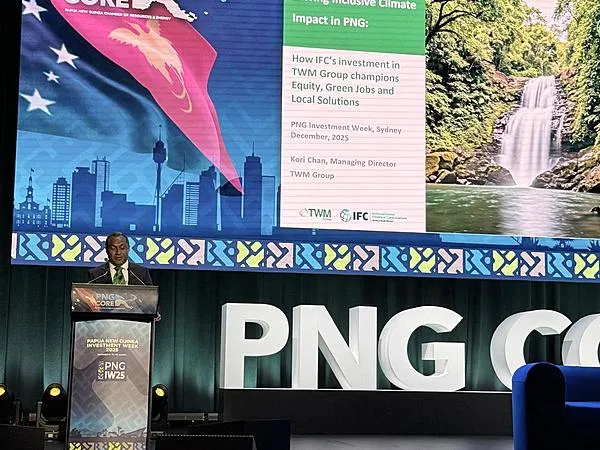
The private sector is showing how climate responsibility, inclusive growth, and commercial success can align, with TWM Group positioning itself as a national leader in environmental services following a major investment partnership with the International Finance Corporation (IFC).
Speaking at a high-level climate impact session during PNG Investment Week in Sydney, Australia (8–11 December 2025), TWM Group Managing Director Kori Chan told global investors, government leaders, and industry stakeholders that PNG’s environmental challenges also present its greatest opportunity.
“Papua New Guinea is a nation defined by its breathtaking natural environment. It is a vast biodiversity hotspot, rich in ancient rainforests and vibrant coral reefs, and home to one of the most diverse cultural and linguistic landscapes in the world,” Chan said.
“Yet, as our country experiences rapid economic growth, we face a defining challenge: how to reconcile progress with our responsibility to safeguard our natural heritage. This challenge is also our greatest opportunity.”
Waste Management Gap Presents Urgent National Challenge
Chan highlighted that industrial, municipal, and hazardous waste management has long been a critical blind spot in PNG’s governance framework, despite rapid population growth and industrial expansion.
“For decades, waste issues in PNG have been largely overlooked. It is a blind spot in national governance,” he said, warning that growing volumes of industrial and urban waste increasingly threaten land, waterways, public health, and environmental sustainability.
He called on the government to fast-track a comprehensive national waste management policy. “Today, I call on the national government and relevant agencies to expedite the endorsement and implementation of the National Waste Management Policy.”
Private Sector Leadership
While policy reform is still pending, TWM Group has invested heavily in infrastructure, systems, and compliance to raise waste management standards in PNG.
“Our vision has been and continues to be to showcase PNG as a leader in developing world-class essential services that create a positive impact on the environment and society,” Chan said.
Since 2012, TWM has safely managed transboundary export of hazardous waste under the Basel and Waigani Conventions, handling waste oil and hazardous substances across PNG, Australia, and the Solomon Islands. The company has also supported major resource projects, including the first-ever catalyst change-out on the PNG LNG project in 2015–16, with a fourth campaign scheduled to commence shortly.
TWM’s Integrated Waste Management Facility (IWMF) at Roku in Central Province has become a regional hub for in-country waste treatment and disposal. It received its Level 3 permit from CEPA in 2022 following a rigorous assessment process. A high-temperature incinerator commissioned in 2018 supports medical waste treatment and landfill diversion, and the company played a key role in PNG’s COVID-19 response.
“TWM supported the National Government and Department of Health during the COVID-19 response by developing and implementing SOPs to manage COVID-19 waste under WHO guidelines,” Chan said.
In 2024, TWM launched PNG’s first hazardous waste landfill, designed to US, UK, EU, and Victorian EPA standards, and secured the country’s first private-sector grant under the PNG–Australia Incentive Fund to establish a Resource Recovery Centre.
Partnerships Drive Impact
Chan acknowledged the partnerships that have enabled TWM’s growth, including customary landowners, government agencies, international development partners, and financiers.
He specifically recognized the Kuriu Clan of Roku Village, CEPA, National Planning and Monitoring, the Bank of Papua New Guinea, DFAT, USAID, JICA, and IFC. Major oil and gas developers including Santos, Kumul Petroleum, Total Energies, and especially ExxonMobil PNG provided early support, helping demonstrate that PNG capability can meet global standards.
“Our financiers, including ANZ Bank, have supported us since our 2011 start-up, and now IFC/WBG is helping accelerate TWM’s next phase of development,” Chan said.
Equity and Sustainability at the Core
Championing equity is embedded in TWM’s six core values and aligned with the United Nations Sustainable Development Goals (SDGs).
“Aligned with the principles enshrined in the UN SDGs, we aim to meet the needs of the present without compromising the ability of future generations to meet theirs,” Chan said.
Two key initiatives include a board-approved target to achieve 50/50 gender equity by 2028 and participation in the IFC-led Meri Save Trades Program.
“We are actively recruiting, promoting, and retaining women in technical, trades, and leadership positions,” Chan said. TWM’s Graduate Development Program, launched in 2016, has supported 20 graduates to date, 12 of them women, creating pathways for the next generation of environmental and technical professionals.
“An inclusive workplace is not just a moral obligation—it is a competitive advantage,” Chan said.
IFC Partnership Validates PNG Capability
Today, TWM employs more than 250 staff, with 95% national content. The IFC’s multi-million-dollar debt facility represents both capital and global validation. The partnership aligns with the Inclusive Green Finance Centre and Green Taxonomy, with leadership from the Bank of PNG in driving sustainability-focused finance.
“The IFC partnership is a timely validation of our perseverance. It is a model for high-impact investment that delivers commercial returns alongside measurable outcomes in climate resilience, social equity, and economic development,” Chan said.
Local Leadership, Global Standards
Chan described TWM’s journey as proof that local leadership aligned with global standards can deliver measurable climate, social, and economic outcomes.
“It demonstrates that companies like TWM are committed to raising the bar, setting new benchmarks for environmental stewardship, and proving that responsible business can thrive in emerging economies,” he said.
“What we’re doing at TWM is providing a way to protect our people and environment for future generations, ensuring our children inherit a cleaner, greener, and more sustainable country.”
He urged collective responsibility and decisive action.
“We are at a turning point. The decisions we make today will strengthen our socio-economic development or lead to profound challenges for future generations. With the lessons we have learned, there is no need to ask for directions. We must simply lengthen the stride and quicken the pace.”
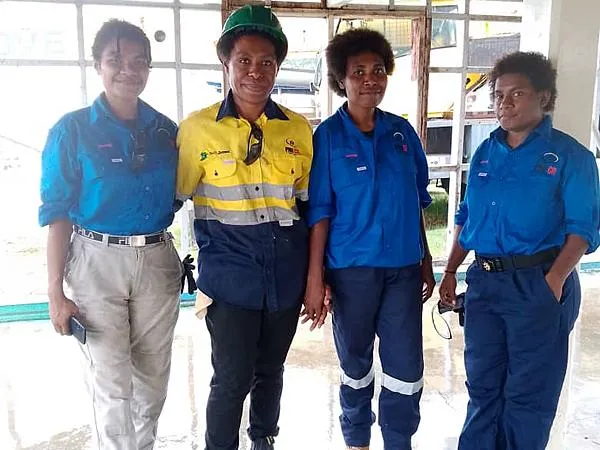
PNG CR Services is boosting female participation in the country’s construction sector through its Wok Meri Strong Program, a structured workforce development initiative integrated into the company’s project delivery model.
The program is designed to increase meaningful and sustainable participation of women across PNG CR’s construction and infrastructure projects. It provides safe, supported pathways into an industry traditionally dominated by men, focusing on paid, on-the-job training combined with mentoring and formal skills development. Participants gain real-world experience while meeting industry safety, quality, and governance standards.
The program primarily targets female Technical and Vocational Education and Training (TVET) graduates and entry-level candidates. Participants are placed on live project sites, working under the supervision of experienced professionals. This approach ensures practical exposure to the realities of construction work rather than short-term or symbolic placements.
PNG CR Services’ Managing Director, Allan Tyson, said Wok Meri Strong reflects the company’s commitment to long-term national capability building. “The program moves beyond compliance-based gender targets to create a skilled and confident female workforce that can contribute meaningfully to Papua New Guinea’s infrastructure development,” he said.
Training includes comprehensive site induction and health, safety, and environment (HSE) instruction, alongside trade-specific skills development in areas such as carpentry, civil works, painting, logistics, and site administration. Participants also receive soft-skills training and ongoing mentoring from senior supervisors.
A key feature of Wok Meri Strong is its structured rotation system, which allows participants to work across different project areas. This exposure provides insight into project planning, quality assurance and quality control (QA/QC) processes, and overall site operations, broadening participants’ technical knowledge and professional confidence.
Beyond technical training, the program incorporates safeguarding, workplace wellbeing, and leadership development components. These elements are designed to ensure women can progress confidently and sustainably within the construction sector, while also being supported in transitioning into long-term employment or further TVET up-skilling.
The program recently supported four TVET graduates from PNG Women in Construction, providing structured on-the-job training during November–December. Participants gained practical skills and a clear pathway into long-term employment in the construction industry. Currently, female graduates are active across four project sites in PNG, and PNG CR Services plans to welcome an additional 20 graduates next year.
By embedding Wok Meri Strong directly into its project operations, PNG CR Services positions the program as a legacy initiative—supporting women today while contributing to a stronger, more inclusive construction workforce for the future.
Papua New Guinea’s agricultural production and productivity have been in steady decline for more than two decades, and continued emphasis on policies and legislation will not reverse the trend unless there is a fundamental change in how farming is carried out on the ground, according to Farmers and Settlers Association President Wilson Thompson in an interview with PNG Business News.
Agriculture accounts for roughly one‑third of Papua New Guinea’s GDP and supports around 80 percent of the population through smallholder and cash‑crop farming. Coffee and cocoa remain the country’s main export commodities after palm oil, but export volumes and production performance have weakened over the long term.
Exports of coffee and cocoa, for example, fell significantly in the period from 2009 to 2018, with average annual declines of export volumes of around 6 percent per year for these crops. Agriculture’s share of total export earnings has also trended downward in recent decades as competitive pressures and production challenges have grown. (World Bank)
Thompson called for a renewed focus on rehabilitation of existing plantations and block‑holder areas, describing it as a faster and more practical way to increase export volumes than continued emphasis on policy frameworks alone.
He pointed specifically to rubber as a clear opportunity for production recovery.
“Rehabilitation of 2,000 hectares of rubber in Abau, Central, and 3,000 hectares of coffee at Arona Valley, Eastern Highlands Province, can give us additional volumes,” he said.
PNG’s cocoa sector has faced long‑running production challenges, including pests such as cocoa pod borer that emerged in the late 2000s and cut yields significantly in key provinces. Cocoa export tonnages fell from over 52,000 tonnes in 2008 to around 33,000 tonnes by 2015, although production later recovered somewhat. Cocoa remains a vital crop for rural incomes, but low and stagnant yields continue to limit growth.
Similarly, coffee production — historically the backbone of rural cash incomes — has declined relative to its past strength. Long‑standing issues such as ageing trees, pests and insufficient replanting have kept productivity low, and the nation’s share of global coffee exports has diminished over the last 20 years.
Thompson said key export crops including coffee, cocoa, coconut, rubber, spices and livestock were all recording declining outputs, warning that the sector was at a critical crossroads. He pointed out that agriculture in PNG performed better in earlier decades because of a strong focus on commercial farming systems that directly supported smallholders.
“Agriculture was progressing from the colonial era because they pushed commercial farming or plantations and blocks that supported the smallholders,” he said, adding that the model created scale, consistency and long‑term production discipline.
Thompson said the country could reverse current trends by prioritising large‑scale nursery development, coordinated planting programs and stronger extension services to support farmers during the crucial pre‑harvest years.
“We can change by engaging in massive nursery and planting efforts, maybe using machinery, and getting extension services down there to encourage growers to keep working for three to four years before harvest,” he said.
He further commented that isolated commercial investments, while positive, would not deliver national‑level impact unless matched by widespread smallholder participation.
“If Colbran Coffee Plantations is planting 200 hectares in one year, we cannot expect the figures to change if 2,000 farmers are not tending their 500 hectares in the same year,” Thompson said, highlighting the scale required to lift national production statistics.
According to Thompson, the downward trend in agricultural output is not new, noting that export volumes have been falling since the turn of the century.
“Whether it’s coffee or cocoa or rubber, I’ve said it — since 2000 the production and productivity and exports are declining,” he said.
He also questioned the effectiveness of long‑running donor‑funded programs, saying years of support had failed to deliver meaningful improvements.
“Even after 15 years of World Bank and other donor support to coffee and cocoa, the story has not changed, and we need to change our approach as we are not progressing,” Thompson said.
He concluded that continued discussions around policy frameworks and strategies, without action on the production side, would not address the sector’s core problem.
“Continuing to talk about policies and strategies, or producing more reports, will not solve the problem,” Thompson said. “We need to work on the production side, as whatever we produce is being sold.”
Thompson said restoring productivity through practical, coordinated action at the farm level was the only sustainable pathway to reviving PNG’s agriculture sector and strengthening its export performance.
Following an extensive executive search in Papua New Guinea and the broader Asia-Pacific region, Nambawan Super Limited announced that its Trustee Board of Directors has appointed Lachlan Baird as the company’s incoming chief executive officer, effective 1 January 2026.
Baird will succeed Paul Sayer, who is stepping down after a successful eight-year tenure. Sayer will work with Baird to ensure a smooth transition.
Sayer’s leadership has been pivotal to Nambawan Super’s growth and achievements. Since joining the fund in 2017, he led Nambawan Super to double its funds under management from K6 billion to more than K12 billion in 2025.
During his tenure, the fund delivered major investment milestones, including the opening of OPH, the Rangeview development, Moki Business Park, the full acquisition of Paradise Foods Limited, and ongoing progress on key projects such as the repossession of the 9-Mile land.
He also championed operational improvements through enhancements to the mobile app, website, call center, and case management systems, while strengthening core operations via the Branch Relocation and Expansion program, remote working and business continuity frameworks, and maintaining a consistently low management expense ratio.
“Sayer was a CEO who led with both professionalism and heart, consistently advocating for the best outcomes for members. He oversaw the rollout of the Financial Literacy Program, drove member-focused policy advocacy, and steered the fund through significant global and local challenges, including COVID-19, Black Wednesday, economic shocks, and the largest and most peaceful eviction in the country at NSL’s 9-Mile Land,” the board said.
The board expressed its profound gratitude to Sayer for his vision, dedication, and unwavering commitment to putting members first throughout his eight years of service.
Incoming CEO Lachlan Baird brings more than 30 years of experience in the superannuation, investment, and financial sectors. He previously served as chief executive officer of Prime Super, a broad-based independent superannuation fund with about AU$7 billion in assets. During his tenure, he developed and executed a strategy that transformed Prime Super into a leading multi-industry fund, earning a six-time CANSTAR 5-star quality rating for its pension product and achieving top-quartile investment returns for most products offered.
“We extend our deepest appreciation to Paul Sayer for his many years of dedicated service and significant contributions to Nambawan Super. As we move forward, we are thrilled to welcome Lachlan Baird as our new chief executive officer. Lachlan's leadership capabilities and proven success in transforming organisations in the superannuation industry will be instrumental in charting our future course and delivering continued value to the members of Nambawan Super,” said Richard Sinamoi, chairman of the Trustee Board.
Nambawan Super is a defined contribution fund (accumulation fund) approved under the Superannuation (General Provision) Act 2000. The fund is governed by the Board of Directors of Nambawan Super Limited, the fund’s corporate trustee (“the Trustee”). The fund exists to invest amounts contributed by or on behalf of members for their retirement. It has no purpose other than to serve the interests of its membership.
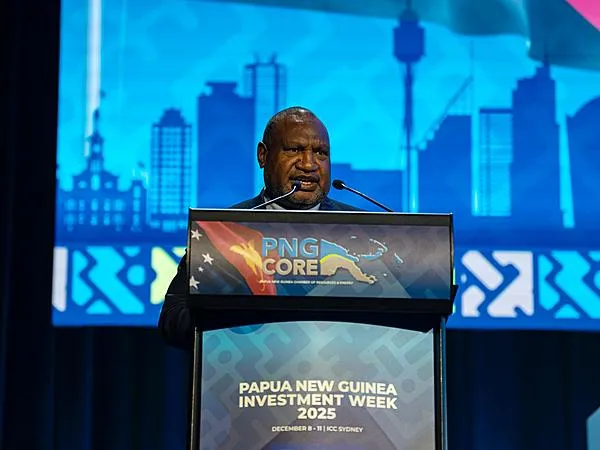
Prime Minister James Marape has called on investors to support Papua New Guinea’s transformation from a resource-dependent economy to a manufacturing and green-energy powerhouse, outlining a 20-year vision during a live Q&A session with Australian journalist Tracey Spicer at PNG Investment Week.
Looking ahead to 2040 and 2050, Marape emphasised the need for ordinary Papua New Guineans to feel the benefits of investment through the growth of local businesses and the export of finished, high-value products.
“Incubate more local business and migrate to a manufacturing-based economy,” he said. “Local produce must translate to finished products for export.”
Marape told investors that the government is working to shift PNG from “resource potential to a predictable pipeline of financeable, climate-resilient projects” capable of attracting global capital at scale.
He also confirmed PNG’s ambition to define itself internationally as a clean, green energy economy, powered by the country’s hydro resources and supported by its forests and oceans.
“Australia is moving towards closing their fossil fuel facilities. We’re looking at supplying Australia with energy harvested from PNG,” Marape said. “Our negative carbon footprint is an advantage we offer investors.”
He highlighted the potential for carbon-offset markets to become a significant revenue source, urging companies with substantial emissions to partner with PNG in conservation efforts. “Conservation dollars could become a major new revenue stream,” he said, noting that such partnerships would help keep forests standing.
To create a safer environment for investors, Marape pledged full-scale reform and expansion of police and justice institutions, aiming to strengthen governance and ensure security across the nation.
Marape projected that Papua New Guinea could surpass K200 billion GDP by 2030 and K500 billion by 2045, stressing that prosperity must be broadly shared. He said the nation must become “a prosperous, healthy and wealthy country — a blessing to investors and citizens alike.”
As the session closed, Spicer congratulated the Prime Minister on PNG’s milestones. Marape’s final message was one of partnership and shared opportunity: “There will be enough on the table for everyone who chooses to live and operate in PNG.”
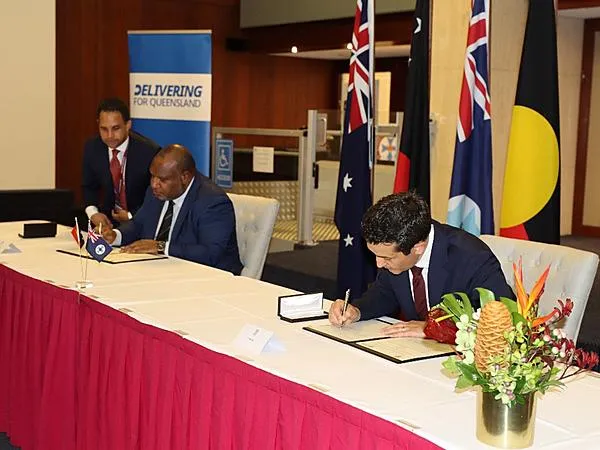
Prime Minister James Marape and Queensland Premier David Crisafulli on 10 December signed the Papua New Guinea–Queensland Memorandum of Understanding (MoU) 2025–2030 at the Queensland Parliament, establishing a framework to deepen Government-to-Government, Business-to-Business, and People-to-People ties.
The MoU provides a multi-tiered structure for collaboration across economic development, education, cultural exchange, labour mobility, security, and critical services. It also forms a key part of Papua New Guinea’s 50th Independence Anniversary celebrations.
Marape described the signing as “an important milestone in our shared history and our shared future,” highlighting the enduring connections between PNG and Queensland.
“Queensland is Papua New Guinea’s closest neighbour and one of our closest friends. Geography and history have placed us side by side, and this MoU ensures that our partnership continues to grow in depth, respect, and practical cooperation,” he said.
He also praised Queensland’s recognition of PNG’s 50th Independence Anniversary, including parliamentary acknowledgements and the lighting of Brisbane’s iconic bridges in PNG’s colours. “We could not have asked for a more meaningful tribute. Queensland honoured PNG in a way that reflects our deep friendship, and today’s MoU strengthens that bond for the next 50 years,” Marape added.
A Framework for Strategic Cooperation
The MoU establishes practical collaboration across three tiers — Government-to-Government, Business-to-Business, and People-to-People — and covers priority sectors including health, education, emergency services, agriculture, tourism, SME development, law and justice, disaster resilience, and cultural and sporting exchange.
Workforce and Skills Mobility
The MoU also addresses Queensland’s growing demand for skilled personnel in nursing, aged care, teaching, policing, emergency services, and technical sectors. Marape emphasised PNG’s readiness to contribute, noting: “PNG has a young, energetic population. If we train them to Australian standards, we can help Queensland fill its workforce shortages while strengthening our own capabilities when our citizens return home with new skills.”
Security, Defence, and Emergency Cooperation
Both leaders agreed to expand joint security initiatives and defence training, recognising that regional security is interlinked. “Security in the Torres Strait region and northern Australia is linked directly to security in PNG. What happens in PNG affects Queensland, and what happens in Queensland affects PNG. It is only natural that we strengthen our cooperation,” Marape said.
Economic and Clean Energy Partnership
The MoU also supports business-to-business collaboration, SME development, mining and resources opportunities, infrastructure partnerships, and clean energy development. Marape highlighted PNG’s potential to assist Queensland’s transition to renewable energy. “PNG is blessed with vast hydropower and renewable energy potential. Queensland’s transition presents an opportunity for us to work together for economic and environmental benefit,” he said.
Connectivity and Aviation Links
The MoU encourages expanded direct flights between PNG and Queensland to strengthen trade, tourism, labour mobility, and service delivery to Torres Strait communities.
Cultural, Educational, and Sporting Exchange
Emphasising people-to-people ties, Marape noted the importance of cultural and sporting links, particularly rugby league. “Rugby league is more than sport for our peoples — it is culture, unity and identity. Queensland’s support as PNG prepares for the NRL PNG Chiefs team is deeply appreciated,” he said.
A Shared Future
Marape reflected on historic connections between PNG and Queensland, including the 25,000 Papua New Guineans living in Queensland. “Our people lived across this region long before modern borders existed. Our children will share this region long after us. This MoU ensures that their future is shaped by cooperation, not distance,” he said.
The PNG–Queensland MoU takes effect immediately and will remain active for five years, overseen by a Joint Working Group representing both governments.
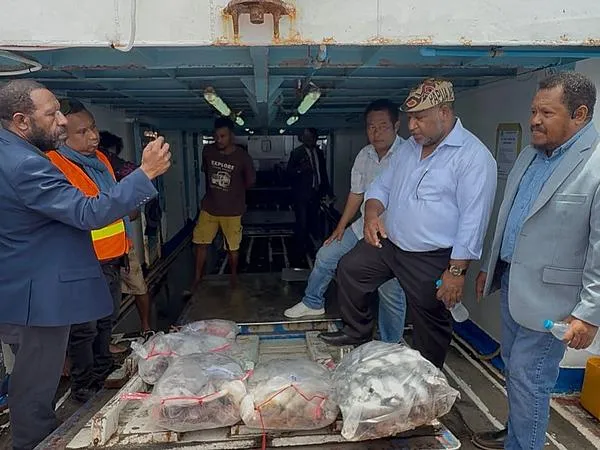
Prime Minister Hon. James Marape has commended Samarai-Murua District in Milne Bay Province for its first fish export under a joint venture with Thai company Pornupphan 2018 Co. Limited, marking a milestone in the district’s economic development and fisheries sector.
The partnership involves the district’s fishing business, Kekeisi Limited, and the Thai firm, which launched its first export at the ARGO (TWL) Wharf in downtown Port Moresby aboard the fishing vessel FV Kekeisi. Of the 27 crew members, 17 are young Papua New Guineans and 10 are Thai nationals.
The export is expected to generate approximately USD 107,000 for the district and its shareholders. Pornupphan 2018 Co. Limited receives 49 percent, while the district retains 51 percent. Of the district’s share, 51 percent goes to the former Misima Mine Workers Union and 49 percent to the District Investment Company, Kubwuana Limited.
“I am pleased to formally launch and officiate at the first fisheries export by the Samarai-Murua District’s fishing business company Kekeisi Limited,” PM Marape said. “This milestone reflects a practical and forward-looking partnership between the district and an international fishing company, delivering real economic benefits to our people at the village level.”
He said such ventures will create jobs and improve the lives of coastal communities. “This initiative complements my government’s policy direction to promote Small and Medium Enterprises (SMEs), create employment, stimulate local economic activity, and ensure that money circulates within communities.”
The project, funded through the District Services Improvement Program (DSIP) and overseen by Kekeisi Investment Limited (KIL), the business arm of the District Development Authority, aims to produce and export seafood and fishery products to international markets. KIL was incorporated in 2024 under the Companies Act and registered as a formal fishing business entity.
PM Marape praised Samarai-Murua MP Hon. Isi Henry Leonard for leadership that focuses on inclusive development. “This project is designed to benefit many—local fishermen, women, and young people—by enabling them to fish and sell their catch through a structured and sustainable commercial arrangement,” he said.
He also highlighted the role of the National Fisheries Authority (NFA) in supporting the development of the Samarai-Murua Coastal Fisheries Project, including granting necessary fishing licences.
“The primary targets of this program are women, youths, and the majority of unemployed people in the district. By establishing fishing groups and supporting organised production, the program is stimulating MSME development and broad-based participation in the local economy,” PM Marape said.
Samarai-Murua District, a vast maritime district comprising Bwanabwana, Louisiade, Murua, and Yaleyamba local-level governments, has enormous potential in both commercial and subsistence fisheries. The district plans to leverage this potential to produce and export seafood from Samarai-Murua and Milne Bay to international markets.
PM Marape also addressed the challenges of maritime districts, including connectivity and transport infrastructure. “The Connect PNG Program is a strong initiative of my government, and I am confident that plans for coastal and maritime regions will continue to improve shipping infrastructure and connectivity,” he said, emphasising that the district’s geographical challenges can also be seen as economic opportunities.
The Prime Minister announced that the government will allocate an additional K5 million next year to expand and strengthen the initiative, ensuring sustainable livelihoods and socio-economic development for the people of Samarai-Murua.
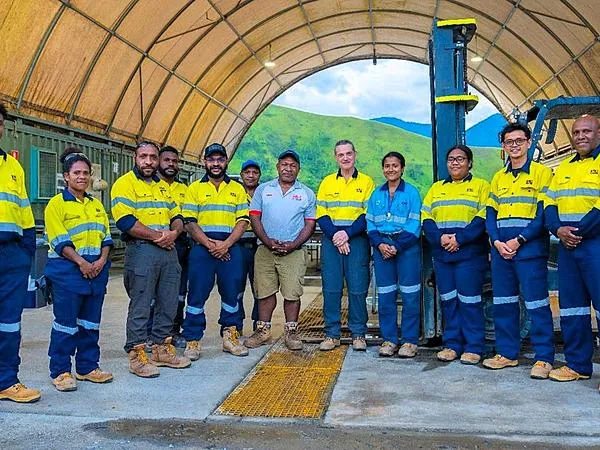
K92 Mining Inc. welcomed Dr Joseph Espi, Associate Professor and Divisional Leader of Earth Sciences at the University of Papua New Guinea (UPNG), for a lecturer immersion visit at its Kainantu operations, strengthening the company’s ongoing collaboration with local universities.
The visit forms part of K92’s School-to-Mine strategy and Memoranda of Understanding (MOUs) with partner universities, designed to provide educators with practical, hands-on exposure to mining operations, and to support academic programmes with real-world industry insights.
Hosted by K92’s Vice President of Exploration, Rob Smillie, Dr Espi spent the week underground and on site, observing geological, mining, and exploration practices, while reconnecting with former students who are now part of the K92 team. The visit marked Dr Espi’s first return to the region since completing his own industrial placement in 1993.
“Such a visit forms a platform that improves, strengthens, cultures and sustains collaboration and partnership between individuals, and between K92 Mining and UPNG Earth Sciences Division,” Dr Espi said.
Dr Espi, who leads the Earth Sciences Division at UPNG, has been active in bridging academic learning and industry practice, coordinating student industrial placements, field studies, and collaborative research projects with Papua New Guinea’s major mining companies. His leadership has been instrumental in establishing scholarships, industrial training programmes, and research partnerships that equip students with the skills required for the mining sector.
Through the MOUs, K92 remains committed to supporting teaching quality, research opportunities, and capability development for Papua New Guinea’s future workforce, while strengthening its ties with UPNG.
The miner believes that these partnerships ensure that students and faculty gain exposure to contemporary mining practices, while the company benefits from fresh perspectives and emerging talent.
The initiative highlights a growing trend in Papua New Guinea of industry-academia collaboration, where mining companies actively engage with universities to enhance education, research, and workforce development in the resource sector.
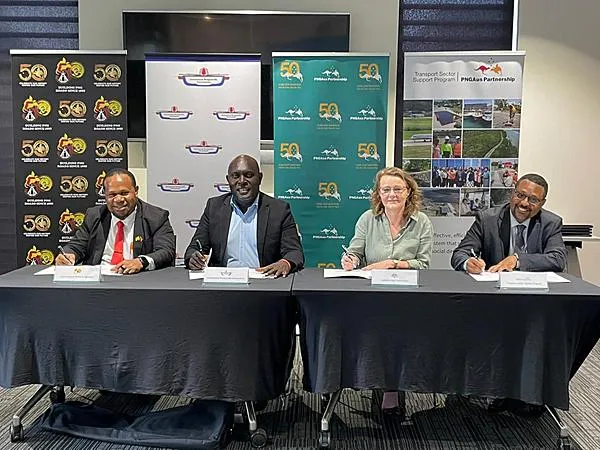
The Autonomous Bougainville Government (ABG) has formally signed a project charter with the Government of Australia, through its Transport Sector Support Program (TSSP3), and the National Department of Works and Highways (DOWH) to commence major upgrades on the Bougainville Trunk Road.
The project covers the upgrade and sealing of the trunk road from Irung Bridge to Ramazon Bridge, including drainage, pavement, surfacing, safety, and ancillary works. The signing was witnessed by representatives from the TSSP3 program, the Australian High Commission, the ABG Chief Secretary, and the Secretary for DOWH.
Dr. Cate Rogers, Minister Counsellor for Economics and Infrastructure at the Australian High Commission in PNG, reaffirmed Australia’s ongoing support for Bougainville’s infrastructure priorities. She said the initiative is a practical step following a commitment by the Australian Minister for Pacific Island Affairs, Hon. Pat Conray, to upgrade and seal an 8.4-kilometre section of the trunk road.
“This investment moves beyond routine maintenance to upgrading the trunk road in line with national standards, improving durability, safety, and long-term serviceability,” Dr. Rogers said. “It also aligns with broader efforts by Australia, DOWH and the ABG to progressively improve remaining unsealed sections of the corridor over time.”
ABG Chief Secretary Kearnneth Nanei welcomed the strengthened cooperation and highlighted the importance of quality infrastructure in improving connectivity across the region. He thanked Australia for its longstanding partnership in Bougainville’s peace and development process, and said the upgraded road would have a “transformational impact” for people, farmers, and the business community.
Secretary for DOWH, Gibson Holemba, described the charter as a critical framework guiding infrastructure delivery in Bougainville and acknowledged the ongoing challenges of road maintenance. “The project charter is key in how we want to administer projects in Bougainville within the existing governance structure, including the ABG, the National Government, and partners like TSSP,” he said.
Holemba also honored the late Minister for Works, Hon. Solan Mirisim, highlighting his efforts in securing funding for Bougainville’s infrastructure under the Connect PNG Program. He confirmed that the 2026 program will provide around K40 million to support road projects in Bougainville, including works from Arawa to Toimanapu, Toimanapu to Kangu Wharf, Dekenai, and Covec, ensuring consistent funding for completion.
“Let’s give them (Bougainville) the best they need and deserve,” Holemba said.
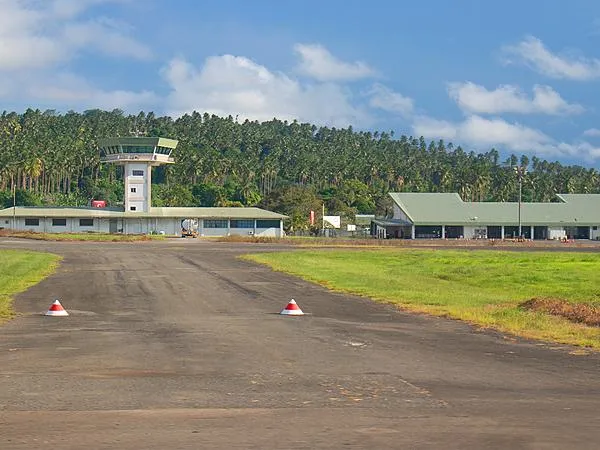
The National Airports Corporation (NAC) will temporarily open Tokua Airport in East New Britain Province to Airbus A220 aircraft operations and facilitate night flights at selected airports to ease congestion and support passenger movement during the peak festive travel period.
The measures are part of NAC’s strategy to boost air travel capacity during the busy season, with Tokua Airport now cleared to handle A220 jets on a concession basis starting December 16, 2025, to help airlines manage higher passenger demand.
In addition to Tokua, NAC has agreed to facilitate temporary night flight operations at Nadzab, Wewak, Momote and Kavieng airports, subject to advance coordination with airline operators. While night operations lie outside standard operating hours and require extra staffing and resources, NAC said the steps are necessary to reduce travel delays and improve passenger movement.
NAC acknowledged the inconvenience experienced by travellers and thanked airlines, airport partners, and the public for their patience and cooperation during the peak period, offering apologies to those affected.
NAC Acting Managing Director and Chief Executive Officer Dominic Kaumu, ML OBE, said the temporary adjustments aim to support both carriers and passengers during the holiday rush while maintaining safety and service standards. The expanded capacity at Tokua and additional flight windows are expected to ease pressure on conventional daytime slots.
The temporary night flight arrangements mark a rare extension of NAC’s operational hours, reflecting the high demand for domestic air travel during the festive season. Carriers interested in utilising night slots must provide advance notice to ensure proper staff scheduling and compliance with safety procedures.
The Nadzab Tomodachi International Airport, which serves Lae and the Morobe region, has been increasingly important to PNG’s aviation landscape since its inauguration in 2023, when it was redeveloped with international-standard facilities capable of handling expanded services.
Beyond peak-season measures, NAC continues to modernise its network of 22 national airports, aiming to deliver safe, efficient and integrated civil aviation services that support socioeconomic development across Papua New Guinea.
PNGX Group Limited (PNGX Group), the holding company of PNGX Markets Limited (PNGX), has welcomed Pacific Lime and Cement Limited (PLC) as a listed company on the Papua New Guinea stock exchange.
Trading in PLC commenced at 10:00 a.m. on 15 December 2025, under the trading code PLC.
PLC, incorporated in Singapore, is listing on PNGX as an exempt issuer, with trading conducted through PETS Depository Interests (PDIs). PNGCSD Nominees Limited, a wholly owned subsidiary of PNGX Group, will act as the nominee holder of the underlying PLC shares on behalf of PDI holders. The company is also listed on the Australian Securities Exchange (ASX).
PLC is a leading building materials company operating in PNG and developing a world-class lime and cement business. Its projects, the Central Lime Project (CLP) and Central Cement Project (CCP), are situated within a 100% owned and controlled Special Economic Zone (SEZ), offering substantial fiscal incentives for the company’s integrated approach. The SEZ framework rewards downstream processing and value-addition, aligning with PLC’s integrated lime-to-cement strategy.
“The secondary listing of PLC on Papua New Guinea’s National Stock Exchange creates a simpler pathway for both retail and institutional PNG investors to participate as equity holders of the Company. With PNG’s national and Central Province Governments, and landowners, to become direct equity holders in our project, this is another opportunity for the people of PNG to participate in nation building by adding value to PNG’s resources,” said Paul Mulder, managing director of Pacific Lime and Cement Limited.
“PLC’s listing on PNGX will provide local investors with an accessible opportunity to invest in a significant new Papua New Guinean industry. It also recognises the importance of the emerging SEZ sector,” said PNGX General Manager Elizabeth Wamsa.
PNGX Group is a diversifying business services company based in Port Moresby. PNGX Markets Limited, its wholly owned subsidiary, operates the national stock exchange and is responsible for providing an orderly and fair market for traded securities, acting in the public interest and protecting investors.
PNGX Markets is regulated and licensed by the Papua New Guinea Securities Commission and serves as the National Numbering Agency for PNG.
Papua New Guinea’s Minister for Petroleum, Jimmy Maladina, has reaffirmed major reforms and significant project progress in the country’s petroleum sector, announcing that 2026 will be a pivotal year for exploration, licensing and LNG project development.
Speaking at the PNG Investment Summit in Sydney, Maladina said the Marape–Rosso government’s commitments to institutional reform and fiscal policy changes, first announced during the 2024 conference, are now taking shape and positioning PNG as a competitive petroleum investment destination.
Maladina confirmed that the National Petroleum Authority (NPA) has been formally established under the National Petroleum Authority Act 2025, passed by Parliament on 12 March 2025.
The NPA replaces the former Department of Petroleum and Energy and now operates as PNG’s regulator and administrator for the petroleum industry. Its inaugural board was recently appointed by Cabinet and sworn in last month.
Full administrative establishment of the NPA, including an internationally benchmarked organisational structure and systems, is expected to be delivered in the first and second quarters of 2026.
Production Sharing Contract Reforms Progressing
A core element of the government’s petroleum reform agenda is the move to Petroleum Production Sharing Contracts (PSC).
Maladina said the Production Sharing Contract Fiscal Policy White Paper has already been approved by the National Executive Council, and the legislative process will begin in the first quarter of 2026 following consultations now under way with industry. He emphasised that the PSC model offers contractual clarity for investors on cost recovery, profit sharing and government take, and aligns PNG with regional practice. Prime Minister Marape’s position that the state take will be around 55 per cent remains central to the reform.
Maladina assured industry that existing projects with Gas Agreements and fiscal stability provisions will be “grandfathered” under the Oil and Gas Act, and that the NPA will implement PSC arrangements with consistency and discipline.
“The NPA will implement it with consistency and discipline,” he said.
Tackling Licence Warehousing and Introducing Competitive Bid Rounds
Maladina said that when he assumed the role nearly two years ago, licence warehousing was a major issue, restricting entry by credible investors.
To address this, he has moved to a closed and well-managed licensing system through auctions or bid rounds, supported by moratoriums over selected basins to increase acreage value.
The first major initiative is under way in the offshore Gulf of Papua, which is under ministerial reservation. The NPA is now in discussions with vendors and strategic partners to prepare for PNG’s first block bid round in 2026.
Maladina also announced a significant step to advance long-stalled prospects in the Western and Gulf Provinces. On 27 November 2025, he issued a Ministerial Policy Direction under the NPA Act to address fragmented development of marginal and stranded gas fields in the region. He instructed the NPA, Kumul Petroleum Holdings Ltd and all PRL licensees to collaborate in preparing a coordinated development framework.
The NPA will lead this process and report back within six months. This work will produce an Aggregation and Development Plan, which will evolve into a comprehensive Gas Master Plan for PNG, aimed at improving infrastructure efficiency and unlocking value for the state and local communities.
PNG Downstream Processing for Future Developments
Downstream processing is also being positioned as an important component of future development. Maladina said opportunities for marketing, commercialisation and downstream value creation will be captured through the Gas Master Plan. He confirmed that under the Petroleum Sector National Content Policy, the NPA will now take a more active role in institutional, regulatory and legislative processes to support national participation.
Papua LNG Project Update
Providing a detailed update on major petroleum projects, Maladina said the Papua LNG Project is progressing strongly. Joint Marketing has been signed by Kumul Petroleum Holdings, MRDC and TotalEnergies, and the Sales and Marketing Agreement is on track for completion in February 2026.
The Papua LNG Development Forum has commenced and will continue in January and February 2026, while TotalEnergies is advancing financing with significant momentum.
The Conservation and Environment Protection Authority has issued all required environmental permits. On 4 December 2025, TotalEnergies and its joint venture partners submitted full revised licence applications to the NPA, signalling substantial progress in field development planning, costing and implementation. The NPA will now conduct due diligence ahead of licence issuance.
Maladina said the government remains committed to maintaining momentum for a Final Investment Decision (FID) in 2026.
Development Forum preparations for Papua LNG have begun, with the NPA consulting provincial governments, local-level governments and District Development Authorities. High-level consultations will be held in Kerema, capital of Gulf Province, in late January 2026, followed by licence-based landowner meetings along the project footprint.
The process will culminate in a Papua LNG Project Development Agreement between the state, affected provincial and local governments and landowners. Maladina emphasised that under PNG’s laws, no petroleum licence will be granted without both a Development Agreement and environmental permits, and that once licences are issued, developers may proceed to FID.
The Minister also reported steady progress on the P’nyang LNG Project, noting that Papua LNG will anchor the next phase of development, with P’nyang to follow using shared infrastructure and benefiting from stable policy settings that enable scale and cost reductions. In addition, the Pasca A Project is advancing through FEED and is preparing for a possible FID in the third quarter of 2026, marking what would be PNG’s first offshore production and a benchmark for future offshore developments.
Maladina said 2026 will be an important year for PNG’s petroleum sector, with several major exploration wells and investment decisions expected. A deep-water exploration well, Mailu-1, will be drilled in the first quarter of 2026 by TotalEnergies and Petronas. The Papua LNG FID remains targeted for 2026. The Pasca Gas Project’s FEED is expected to conclude next year, with FID anticipated in the third quarter. Progress towards commercialisation of the Stanley Gas Field is also expected in 2026.
Larus Energy and its partners plan to drill the Nanamarope offshore well by the fourth quarter of 2026, while ExxonMobil’s promising Wildebeest Prospect in the onshore Gulf Province is expected to see drilling commitments progress next year.
Maladina said he intends to announce block releases for new bid rounds by the fourth quarter of 2026, following the full establishment of the NPA and enactment of the Production Sharing Contract reform legislation.
In closing, Maladina assured investors that PNG’s fiscal terms will remain attractive and that production sharing reforms will deliver returns comparable with other jurisdictions. He reaffirmed that existing partners remain fully protected under their current fiscal terms and encouraged prospective licence holders to commit to seismic programmes and drilling.
“Our direction is steady. Our reforms are progressing. Our projects are strong. We offer a clear pathway for long-term investment. We welcome partners who value stability, clear regulation and dependable delivery,” he said.
Australia’s enduring commitment to Papua New Guinea’s economic reform has been reaffirmed by Ewen McDonald, Australian High Commissioner to Papua New Guinea and Special Envoy for the Pacific and Regional Affairs. Speaking at PNG Investment Week on 9 December in Sydney, McDonald highlighted what he described as a relationship “joined at the hip,” emphasising Australia’s deep commitment to PNG’s economic progress, stability and long-term development.
McDonald said it was a great honour to join PNG Investment Week, noting that the event demonstrated PNG’s economic promise and the strength of partnerships that underpin stability and growth throughout the Pacific. He also referenced the significance of the opening of the week, marked by the historic appearance of Anthony Albanese and James Marape.
Reaffirming Australia’s long-standing support, McDonald emphasised: “You can count on Australia’s continued presence in PNG to support improved economic progress, security and regional development. Australia’s efforts create lasting benefits for investors, businesses, and communities for future generations.”
He highlighted Australia’s backing of PNG’s IMF-led economic reform programme, stating: “We have provided more than 3.1 billion in budget support to back in the program that Papua New Guinea has embarked on with the International Monetary Fund. The budget deficit has decreased from just over 8 per cent of GDP in 2020, to 1.1 per cent of GDP in the 2026 budget. And there have been major improvements in relation to foreign exchange related challenges.”
Growing Business Confidence and Investment Flow
McDonald noted Australia’s long history of commercial activity in PNG, including the presence of Australian banks since 1910. Along with other major Australian companies, he said these businesses have invested deeply in PNG’s growth and prosperity. Together, they employ an estimated 55,000 people and contribute to skills development across the country.
Investment is accelerating in multiple sectors, with McDonald stating: “Investment is accelerating in key sectors like energy, mining, agriculture, digital services, tourism, and infrastructure. And our bilateral trading relationship continues to grow.”
PNG exports to Australia grew by 56 per cent in value in the last financial year, and he said Australia is ready to help PNG diversify beyond primary commodities.
McDonald also highlighted labour mobility as a major driver of economic opportunity. In the 12 months to October 2025, PNG’s labour mobility numbers grew by 30 per cent—the fastest of any country. Australia is opening new sectors as well, including a pilot programme to recruit PNG early childhood educators.
“There are no caps or country quotas in the PALM scheme,” he added.
Investments in Education and Human Capital
McDonald outlined Australia’s new support for PNG’s education system, saying: “We announced new investments totaling more than AUD150 million in education spanning early childhood through to tertiary education and technical and vocational education and training.”
He said these investments will lay the foundation for the next generation of Papua New Guinean leaders.
He stressed the importance of education for business growth: “For business leaders, this means a growing pipeline of skilled PNG talent and a stable environment for investment which is proof that when we invest in education, we invest in PNG’s future.”
“A healthy population underpins a productive workforce, reduces the burden of preventable disease, and ensures communities can participate fully in economic life. A strong health systems give businesses confidence, knowing that essential services, emergency response capacity and disease surveillance are in place to protect both workers and supply chains,” he added.
Major Infrastructure Projects to Drive Growth
Australia’s infrastructure programme remains the largest in the region, McDonald said. The AIFFP-funded PNG Ports Infrastructure Investment Program is the largest initiative in the AIFFP portfolio, with more than AUD620 million committed to upgrading ports in Kimbe, Oro Bay, Daru, Kavieng and Lae. The Kimbe Port upgrade alone will create about 300 local construction jobs.
On telecommunications, he highlighted critical upcoming investments, noting that Australia is offering three new undersea international cable connections. These are projected to increase internet coverage in PNG by 16 per cent and could add up to PGK3.4 billion to PNG’s GDP by 2028, supporting the country’s ambition of becoming a 200-billion-kina economy by 2030.
The new Pukpuk Mutual Defence Treaty elevates PNG–Australia cooperation to match the trust and strategic weight of the relationship.
On policing, he said: “Major infrastructure projects are underway to house new recruits,” and upgrades at Bomana “will soon allow training for more than 500 recruits each year.”
The Bomana Regional Centre of Excellence is now a flagship for Pacific policing cooperation, hosting training for 11 Pacific nations.
Reflecting on PNG’s 50th independence anniversary, McDonald said the Australian campaign Yumi Stap Wantaim captures a partnership that began long before independence. He recalled Marape’s description of the two nations being “joined at the hip,” and echoed Albanese’s words: “We are mates, we are equals, we are allies.”
“There is no challenge we cannot face. And no opportunity we cannot seize. Side by side and step by step.”
When Tisa Bank brought in Saamrat Dutta to lead its strategic objectives, it wasn’t just making a hire - it was placing a strategic bet on a leader known for steering transformation even in the most complex environments.
Saamrat carries with him over 25 years of international banking and fintech experience, but what truly sets him apart is his instinctive ability to read situations, adjust course, and rally people around a shared mission. His favorite John Maxwell quote - “The leader adjusts the sails”- isn't just something he references; it is something he lives.
Saamrat’s career has spanned continents and contexts, from the emerging digital payment ecosystems of the UAE to the challenging, high-stakes banking environment of Afghanistan. Everywhere he has worked, he’s built a reputation as a visionary executor- a strategic thinker who doesn’t just craft ideas but has the grit, optimism, and operational discipline to turn them into results.
A Journey Defined by Resilience, Strategy & People
In his recent role as Chief Business Officer at iBnk in Dubai, Saamrat helped shape one of the region’s most disruptive B2B2C embedded finance platforms. Under his leadership, the company saw a 50% surge in marketplace merchant acquisition and significant expansion in both revenue and transaction volume. His ability to build partnerships across the UAE and globally became a key engine for the start-up’s momentum, reinforcing his reputation for bridging traditional finance with cutting-edge fintech models.
Before that, Saamrat spent nearly eight years at Azizi Bank in Afghanistan, where he wore multiple hats - COO, CMO, and Head of Business, Communications, and Financial Institutions. His tenure there is often described as a masterclass in leadership under pressure. He led the bank through major internal and external challenges, overseeing:
His dual talent for operational rigor and storytelling—not just in marketing campaigns but also in inspiring teams - made him a central pillar of the bank’s evolution.
Even earlier, as Head of Marketing for Azizi Developments in Dubai, Saamrat demonstrated his ability to scale and energize teams. Leading 25 marketing professionals, he delivered campaigns that improved market acceptance, boosted lead generation, and strengthened the brand’s global presence.
The Leader Behind the Resume
Beyond titles, numbers, and milestones, Saamrat is grounded by his curiosity and his belief in possibility. He has traveled to more than 55 countries, experiences that sharpened his cultural intelligence and taught him the value of listening before leading.
His invitations to speak twice at the United Nations ECOSOC Summit in Geneva—addressing sustainable development goals and leadership empowerment—reflect the depth of thought and global perspective he brings to the table.
Colleagues describe Saamrat as:
He draws energy from music, strong black coffee, films, and meaningful conversations—reminders that even the most seasoned executives remain students of life.
At Tisa Bank: A New Chapter of Strategic Expansion
In his new mandate at Tisa Bank, Saamrat is responsible for elevating the institution’s corporate and institutional footprint, strengthening the brand’s visibility, and driving digital and strategic transformation across the bank. His KPIs reflect the scale of trust placed in him—portfolio growth, risk management, stakeholder engagement, product innovation, and integrated communications.
But for Saamrat, this role isn’t just about targets. It’s about building something enduring, creating alliances that expand opportunity, and shaping a bank culture that embraces ambition with purpose.
A Simple Mission
Saamrat often sums up his outlook in two words: “Be Amazing.”
Not flawless, not perfect—just relentlessly committed to improvement and impact.
Tisa Bank sees in him exactly that: a leader who doesn’t just chase growth, but designs it- thoughtfully, boldly and with a human touch.
The Asian Development Bank (ADB) and Air Niugini Limited have signed a $35.8 million financing package to modernise Papua New Guinea’s national airline, boosting efficiency and safety standards. The initiative is expected to strengthen both domestic and international connectivity while supporting the country’s social and economic growth.
The package includes a $19 million loan from ADB’s capital resources and a $16.8 million loan administered by ADB through the Leading Asia’s Private Sector Infrastructure Fund 2 (LEAP 2). The funds will be used to purchase six Airbus A220-100 aircraft, replacing older planes with more reliable, fuel-efficient models.
“This project highlights ADB’s commitment to sustainable and inclusive development in PNG,” said Soon Chan Hong, Officer-in-Charge of ADB’s Papua New Guinea Resident Mission. “By supporting Air Niugini’s fleet renewal, we aim to improve the country’s connectivity, boost economic growth, and enhance air travel safety in the Pacific region.”
Air travel is essential in PNG due to the nation’s challenging terrain, which limits land transport options. Air Niugini plays a central role in linking communities both domestically and internationally. The new aircraft are expected to be about 20 percent more fuel-efficient than older models, reducing operational costs and environmental impact.
LEAP 2 is an ADB-managed fund with a $1.5 billion commitment from the Japan International Cooperation Agency. It focuses on sustainable private sector infrastructure projects that reduce carbon emissions, improve energy efficiency, and expand access to health care, education, and communication services in ADB developing member countries.
Founded in 1973, Air Niugini is a wholly state-owned enterprise, operating an extensive domestic network and international routes to Australia, Asia, and the Pacific. The airline supports PNG’s economic and social development through safe, reliable, and efficient service.
ADB, established in 1966 and owned by 69 members, is a multilateral development bank supporting inclusive, resilient, and sustainable growth across Asia and the Pacific. The bank works with partners to tackle complex challenges, develop infrastructure, and promote environmental sustainability.
Pacific Lime and Cement Limited has formalised a Project Development Agreement (PDA) with the Papua New Guinea government for its Central Lime and Cement Project, a move officials described as a “sovereign milestone” after more than a decade of planning.
The PDA, initialled by the State Negotiating Team representing the government, was publicly announced by the Hon. Richard Maru, Minister for International Trade and Investment, on Tuesday. The agreement now awaits ratification by the National Executive Council (NEC) and will be formally signed at Government House by PNG Governor General Sir Bob Dadae.
The PDA sets the legal and policy framework for the project under the PNG Mining Act 1992 and Special Economic Zones Authority Act 2019, and finalises a Community Development Agreement initially signed in February 2025. It is legally binding under PNG law and enforceable through international arbitration if necessary.
Key provisions of the agreement include a 13 percent equity stake in each of the project’s two Special Purpose Vehicles — Quicklime and Cement — available to the PNG government, with an option to increase to 18 percent post-commissioning. Valuations reflect discounts recognising the government’s contribution, including fiscal concessions and regulatory support.
Up to eight percent of the government’s equity stake will be allocated to project-area landowners and the Central Provincial Government, funded by the state. Pacific Lime and Cement will provide an additional two percent free-carried equity to local landowners, consistent with prior commitments.
The project has also been granted full Special Economic Zone fiscal treatment, including corporate tax concessions, import duty relief, and contractual stabilisation provisions for the remaining term of the SEZ licence, running until at least 2035.
The PDA contains measures to protect government and landowner equity from dilution, guarantees oversight through open-book governance, and provides for transparent reporting. Any future initial public offering of the Cement SPV will offer at least ten percent of shares to PNG citizens.
The Central Lime and Cement Project has been formally deemed of national significance under PNG law, reflecting its importance to the country’s industrial and infrastructure development.
Managing Director Paul Mulder said: “The PDA reflects a comprehensive alignment between PLC, the PNG Government (at State, Provincial and District levels), and landowner stakeholders. By combining sovereign equity participation, SEZ incentives, and free-carried local equity, the project now stands on firm ground to deliver long-term value to all shareholders and national partners. We are grateful for the trust the Marape-Rosso Government and landowners have in us, and we look forward to progressing one of PNG’s most important industrial developments.”
Frieda River Limited is pleased to announce that the Conservation and Environment Protection Authority (CEPA) has granted six environmental permits for the Frieda River Project, following a rigorous and comprehensive assessment process.
The approvals represent a significant milestone for the Project and follow an extensive programme of environmental studies, the development of detailed environmental management plans, and a thorough consultation process with communities and government stakeholders.
Frieda River Project Director, Phil McCormack, said the decision by CEPA demonstrates the strength of the company’s commitment to environmental stewardship.
“The work to secure these permits has involved extensive expertise across mining and engineering, as well as thorough consultation with landowners and surrounding communities,” Mr McCormack said.
“We thank CEPA for the time and attention dedicated to the review process, which included its own consultation with local communities and the engagement of independent experts to undertake peer reviews of our Environmental Impact Statement.”
The permits cover the Frieda River Copper-Gold Project, the Sepik Power Grid Project, the Frieda River Hydroelectric Project, the Sepik Infrastructure Project Road, Green River Airport and the Vanimo Ocean Port.
All permits are subject to strict environmental conditions, including continuous water quality monitoring to ensure the Sepik River and its tributaries remain healthy and vibrant, preserving their economic and cultural importance to Sepik communities. Frieda River Limited reiterates its unwavering commitment to full compliance with these conditions.
A Transformational, Responsible Investment for Papua New Guinea
The Frieda River Project, also known as the Sepik Development Project, represents one of the most significant long-term investments in Papua New Guinea. It is designed to unlock substantial economic value, deliver sustainable infrastructure and empower local communities through genuine, long-term partnerships with landowners.
Mr McCormack emphasised that environmental protection and sustainability are foundational principles of the Project.
“The Project is designed to the highest environmental standards, incorporating advanced tailings and waste management techniques to minimise impacts on surrounding communities and the Sepik River,” he said.
“Frieda River Limited has invested more than a decade in comprehensive environmental, socio-economic and cultural heritage studies, supported by extensive stakeholder engagement. The Project includes a hydroelectric dam with an installed capacity of 600 MW, which will power the mine and supply clean, renewable energy to the Sepik region—positioning Frieda River among the lowest-emission mining projects globally.”
He added that the company continues to invest collaboratively with local communities and values the strong, respectful relationships built with the East Sepik and West Sepik provincial administrations and host landowners. This includes the regular Community Leaders Forum, which brings together the seven landowning communities of the Frieda River Copper-Gold Project.
Looking Ahead
While the permits mark a major advancement, they represent just one step in a broader planning and approvals process. Frieda River Limited looks forward to continued proactive and transparent engagement with government, landholders and all stakeholders to ensure the Project remains environmentally sound, technically robust, socially responsible and financially viable—delivering enduring benefits for Sepik communities and for Papua New Guinea as a whole.
State-owned enterprises, businesses, companies, and key government departments in the nation’s capital have joined a unified campaign to address gender-based violence (GBV) in Papua New Guinea, with the Governor of the National Capital District acknowledging that the government itself has been the major missing link in adequately tackling this crisis.
The Department of Community Development and Religion, in collaboration with the National Capital District Commission, UN Women, the European Union, the Government of Australia, the Government of the United States of America, and development partners, convened a joint press conference on November 25 to commemorate the International Day for the Elimination of Violence Against Women and Girls.
This was part of the 20 Days of Human Rights Activism launched on November 20 in Mt. Hagen, Western Highlands Province.
This year’s global theme, “Unite to End Digital Violence Against All Women and Girls,” focuses on addressing rapidly increasing online and technology-facilitated violence, including cyberbullying, harassment, and non-consensual image sharing.
PNG’s national theme, “It’s My Responsibility – Let’s Work Together to Prevent All Forms of Violence,” links this effort with the country’s 50th Independence Anniversary, emphasizing shared responsibility across all sectors and communities.
The conference highlighted the EVAW and the 16 Days of Activism Against Gender-Based Violence, a global campaign that runs annually from November 25 (International Day for the Elimination of Violence Against Women) to December 10 (Human Rights Day).
Throughout the 16 Days, partners also mark World AIDS Day (December 1), the International Day of Persons with Disabilities (December 3), and other key observances with joint advocacy, digital campaigns, human rights trainings, sign language training, film festivals, and youth-led actions that reinforce the message of dignity, equality, and safety for all.
Hon. Jason Peter, MP and Minister for Community Development and Religion, said: “We join the world in marking the International Day for Ending Violence Against Women and Girls. Violence against women and girls remains one of our greatest human rights and development challenges, and ending it is both a national priority and a shared responsibility that begins with each of us."
He added that the government, with the strong support of our development partners, NGOs, and community leaders, is taking practical actions to end violence. "On this special day, I call on families, schools, workplaces, men and boys, and leaders at all levels to promote respect, equality, and responsibility as we work together to make our country (PNG) safer and fairer for all women and girls," he said.
Hon. Powes Parkop, MP, Governor of the National Capital District, said: “Let us all stand together to take a stand to end violence against women and girls at home, in the workplace, in public places, and in cyberspace.”
For his part, Mr. Richard Howard, UN Resident Coordinator in PNG, said that violence against women and girls in Papua New Guinea remains a major barrier to equality and development.
"This year’s call to unite to end digital violence against all women and girls reminds us that safety must reach every space, including the online world where many still face abuse and intimidation. Real change needs leadership, accountability, and a shift in attitudes among men and boys. Together with the government, civil society, and partners like Australia, the EU, the Republic of Korea, and the United States, we can support a country where every woman and girl lives with safety and dignity, both online and offline," he said.
Ms. Elizabeth LeBas, Minister Counsellor, Australian High Commission to Papua New Guinea, said that Australia stands side by side with PNG in calling for an end to all forms of violence against women and girls, including online.
"Empowering and ending violence against women and girls is a key priority of the PNG-Australia Partnership – in all that we do and everywhere we work. We recognize that safety is important online and offline. Australia’s Online Safety Act of 2021 and the introduction of a social media ban for under-16s place Australia at the international forefront in the fight against online harm," she said.
LeBas said taht Australia will continue to work with PNG partners to address, respond to, and prevent violence – including gender-based violence (GBV) and sorcery accusation-related violence (SARV) – and empower women and girls through PNG Women Lead and Law and Justice Partnership.
Her Excellency Erika Hasnoz, Ambassador, Delegation of the European Union to PNG, said that the European Union is a strong global defender of the human rights of women and girls and opposes all forms of gender-based violence, including online and technology-facilitated.
"In Papua New Guinea, the EU is funding several programs that empower women and girls. For example, we support GBV referral pathways for survivors, are revitalizing the Village Court System, and develop digital skills for women and girls. This is made possible by the engagement and determination of PNG authorities and all stakeholders," Hasnoz siad.
U.S. Ambassador to Papua New Guinea, Ann Marie Yastishock, said: “The United States takes every opportunity to defend and promote women and girls across the world. Gender-based violence undermines stability and prosperity. When women and girls are safe, nations are stronger, and communities can reach their full potential.”
The Department (DFCDR) and UN Women acknowledged the longstanding leadership and support of the European Union Delegation, the Government of Australia, the Government of the United States of America, NCDC, and the GBV Secretariat in advancing gender equality, strengthening GBV prevention systems, and enabling community-driven change across Papua New Guinea.
The awareness programs were hosted by Hon. Powes Parkop in conjunction with the 20 Days of Activism Against Gender-Based Violence.
Community awareness programs were run by the National District Commission from November 20–30 at different locations across Port Moresby, especially in urban settlements and busy suburbs. The program included free movie screenings, awareness talks, community cleanups, and community mobilization for change.
Governor Parkop Leads as Businesses and Companies Commit to Support and Combat GBV
Governor Parkop, as Chairman of the Permanent Parliamentary Committee on Gender Equality and Women’s Empowerment, secured commitments from administrative heads of SOEs, including Air Niugini, PNG Ports Corporation, and the National Development Bank, alongside representatives from the United Nations and disciplinary forces, to actively join the campaign with the Redvember End Violence Against Women (EVAW) Walk on November 30, 2025.
This program strategically focuses on the active participation of the government in NCD as an essential first step, with all Secretaries of Departments, Chairmen of Boards, CEOs, and MDs of state-owned enterprises and other agencies signing a pledge to take all steps to end GBV in their departments, organizations, and lives.
Governor Parkop said that while the NCD Commission, as the municipal government of Port Moresby, has taken the lead in becoming the gold standard organization with zero tolerance for GBV at the workplace, in communities, and at homes, NCDC alone cannot succeed unless all other government organizations in the city also join NCDC’s efforts.
“The success of the National GBV Response and Prevention Strategy requires all levels of government in the city to take leadership and walk the talk. Otherwise, all our efforts and resources will continue to fail. NCDC and all national government departments and agencies have to take ownership and implement the strategy before we call on our people to follow suit.”
To highlight this commitment, two major awareness events were scheduled:
Redvember 2025, ‘A Sea of Red’
Businesses, companies, and government organizations came together in a national stand as part of the 16 Days of Activism on Sunday, November 30, for the Walk to End Violence, especially against women and girls.
Governor Powes Parkop acknowledged the thousands of people who participated in this year’s Redvember Walk, calling the massive turnout a significant moment and a tipping point in the campaign to eliminate violence against women and girls.
The turnout was described as a “sea of red” stretching approximately 1.5 kilometers, temporarily stopping traffic along the Poreporena Freeway for up to two hours from 5 a.m. to 7 a.m.
The day’s program included secretaries and CEOs signing a pledge to take concrete action and integrate the GBV strategy into their corporate plans, codes of ethics, and contracts of employment across all government departments, SOEs, and state agencies.
Governor Parkop specifically acknowledged participation from 23 government departments, Members of Parliament, State Ministers, members of the diplomatic corps, SOEs, agencies of state, and city residents. He also recognized the commitment of the private sector, civil society organizations, and community groups, including Active City, Amazing Port Moresby, and Men of Honor from the Digicel Foundation.
“When government starts to make and take the pledge and walk the talk, that’s when real change starts to happen. This leading action in Port Moresby will create a ripple effect, ultimately contributing to efforts across the country to end GBV and violence against women.”
Follow on LinkedIn:
PNG Business News
Be the "First" to get our exclusive Digital Magazine & Weekly Newsletter.