

The Port Moresby Chamber of Commerce and Industry (POMCCI) has highlighted the critical role of industry-led reform in strengthening technical and vocational education and training (TVET) outcomes, as businesses across Papua New Guinea continue to grapple with skills shortages and rising workforce costs.
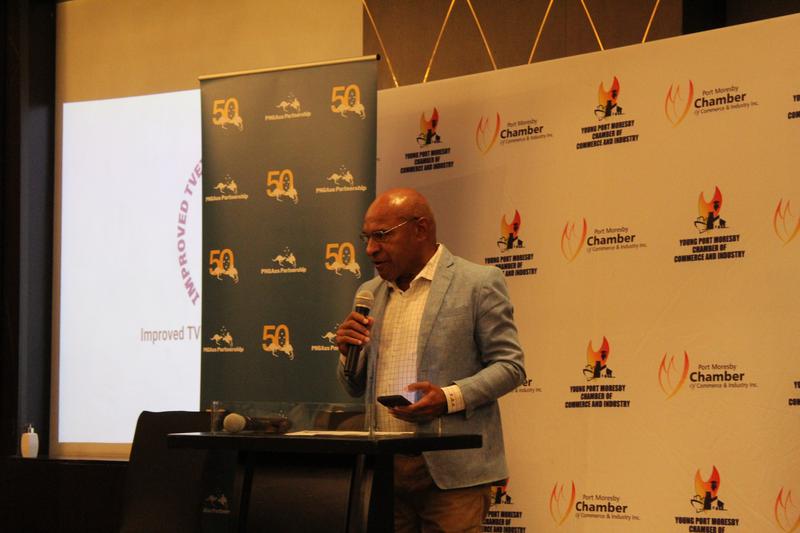
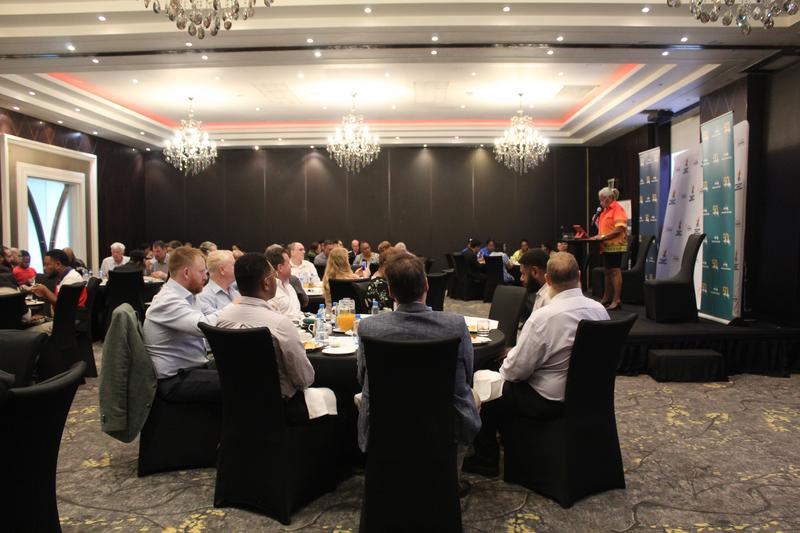
POMCCI and its members convened on 28 January for a Business Breakfast presentation on Higher Education and TVET reform, bringing together policymakers, development partners and the private sector to discuss how stronger collaboration can better align skills training with current and future workforce demand.
The presentation centred on a shared challenge facing employers across all sectors: the growing gap between training outcomes and job-ready skills. Speakers stressed that addressing this challenge cannot rest solely with government, but requires active and sustained engagement from industry to ensure training systems respond to real business needs.
Presentations at the breakfast highlighted several structural challenges within the TVET sector, including fragmented coordination, outdated curricula and limited alignment with real-world industry requirements. These issues have contributed to persistent skills shortages, increased reliance on imported labour, and higher recruitment and training costs for employers.
Current reform efforts aim to reposition technical and vocational education as a demand-driven system, where training programs are designed around the practical needs of employers and priority growth sectors such as construction, agriculture, hospitality and services.
For the private sector, the message was clear: stronger industry involvement in TVET leads to better-skilled graduates, improved productivity, and reduced recruitment and training costs, while also supporting long-term business sustainability.
A More Coordinated and Industry-Led Approach
Speakers outlined how ongoing reforms are strengthening national oversight, improving training quality and creating clearer pathways from training into employment. Central to this approach is a stronger role for industry in shaping skills priorities, contributing to curriculum development and supporting workplace-based learning opportunities.
Private sector engagement was highlighted as critical in identifying current and future skills needs, supporting work placements and apprenticeships, providing feedback on training relevance and graduate readiness, and partnering with institutions to strengthen overall training quality and outcomes.
This coordinated approach aims to ensure graduates enter the workforce with practical, consistent and job-ready skills, rather than qualifications alone — a shift seen as essential to improving productivity and competitiveness across PNG’s economy.
Opportunities for Business Collaboration
The session also outlined practical ways businesses can engage directly with the TVET system. These include participation in industry skills groups, partnerships with training institutions, and supporting structured pathways into employment for young people.
By working more closely with training providers and policy agencies, employers can play a direct role in shaping a workforce that meets operational needs, while also contributing to broader national development goals and long-term economic growth.
POMCCI extended its sincere appreciation to the speakers who contributed to the discussion.
Lonnie Baki, acting Secretary of the Department of Higher Education, Research, Science and Technology (DHERST), outlined the national reform agenda and emphasised the importance of aligning education systems with workforce demand.
Dr George Bopi-Kerepa, Project Manager for the Improved TVET for Employment (iTVET4E) Project, highlighted how industry partnerships can strengthen training relevance, access and employment outcomes.
Closing remarks were delivered by Jonathan Glenn, Inception Team Leader for the PNG–Australia Strongim Wok Long TVET (SWLT) Program, reinforcing the importance of collaboration between government, industry and development partners.
Through forums such as its Business Breakfasts, POMCCI continues to provide a platform for the private sector to engage meaningfully with policymakers and development partners on issues that directly affect business performance and economic growth.
POMCCI reaffirmed its commitment to fostering a vibrant, competitive and skills-ready business environment that supports sustainable growth for Papua New Guinea.


