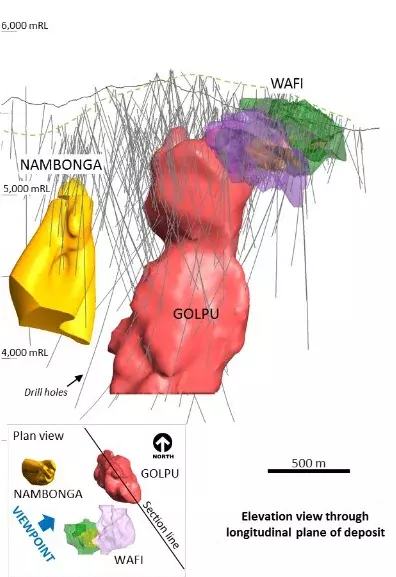
Prime Minister James Marape has confirmed that Papua New Guinea’s two largest resource projects, Papua LNG and the Wafi-Golpu Gold and Copper Project, remain top priorities for international investors following high-level meetings at the World Economic Forum in Davos, Switzerland.
Speaking to the media on his return, Prime Minister Marape said discussions with key project partners reaffirmed strong commitment to progressing both developments in 2026. “Papua LNG and Wafi-Golpu must move forward. There will be no warehousing of licences,” he said.
Papua LNG Remains on Track
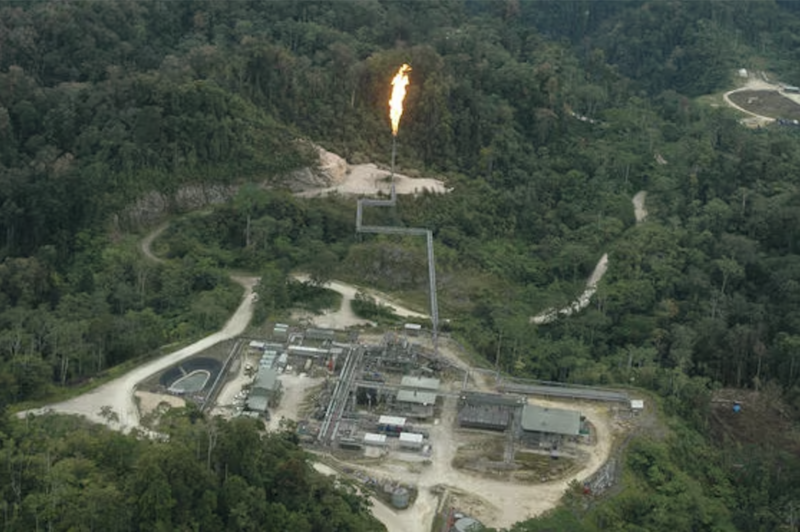
Prime Minister Marape held detailed discussions with Patrick Pouyanné, chairman and chief executive officer of TotalEnergies, who confirmed the project remains active. Following the first round of Engineering, Procurement and Construction tenders, estimated project costs had risen to approximately US$18 billion due to global inflation, supply-chain pressures and higher financing costs. TotalEnergies has since undertaken a comprehensive cost-reduction exercise, bringing projected construction costs down to about US$14 billion.
The government and TotalEnergies have agreed to review all remaining cost components jointly. “We will examine every element of construction cost — identifying where we can give and where we can take — so that investors achieve a fair return while the state preserves maximum long-term value,” the Prime Minister said. Concessions will not be made without safeguards to ensure Papua New Guinea retains its national benefit over the life of the project.
Progress on Papua LNG is also strategically linked to the development of the P’nyang LNG project, led by ExxonMobil. Together, the projects could represent a combined capital investment of US$20–25 billion over the next decade, supporting nearly ten years of continuous LNG construction. The government anticipates a definitive announcement on Papua LNG within 2026, ideally before Papua New Guinea’s Independence anniversary on 16 September.
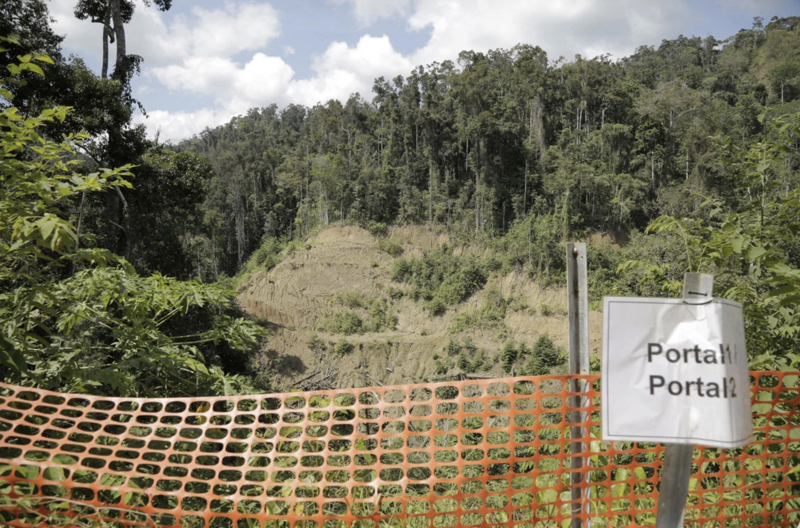
Wafi-Golpu Advancing Toward Development
For the Wafi-Golpu Gold and Copper Project, Prime Minister Marape confirmed meetings with Harmony Gold executives and Newmont Corporation. A Cabinet-appointed state peer review team is addressing outstanding technical matters, with findings expected soon. The government intends to participate at a 30 per cent equity level.
“These projects are not just about mining and gas — they are about building our economy toward a K200 billion future,” the Prime Minister said, highlighting expected downstream benefits such as employment, local supplier development, infrastructure, and regional economic stimulation.
Balanced National Development and Exploration
The Prime Minister emphasised that advancing both LNG and mining projects ensures geographically balanced development. “Papua LNG and P’nyang LNG anchor development in the south, while Wafi-Golpu and the Frieda River Project anchor mining development in the north. This balance ensures economic activity is fairly distributed across the country over the next decade,” he said.
Offshore oil and gas exploration remains active. TotalEnergies is conducting exploration in the Mailu area of Central Province, while the Twinza–MRDC joint venture continues development of the Pasca A Project in the Gulf of Papua. These projects include assessment for potential oil and condensate resources, ensuring continued investment and exploration in offshore fields.
Long-Term National Interest
Prime Minister Marape acknowledged public frustration over delays but emphasised the importance of disciplined negotiations for long-term benefit. “Once contracts are signed, they last for decades. We must ensure every issue is fully understood before commitments are locked in. Our responsibility is to make sure the state wins to the maximum possible extent, while investors also achieve fair returns,” he said.
Discussions at Davos renewed confidence that both Papua LNG and Wafi-Golpu can reach major milestones in 2026, with substantial progress expected within the first quarter. The projects are seen as transformative for Papua New Guinea’s economy, potentially generating tens of billions in capital investment, creating thousands of jobs, and stimulating growth in infrastructure, services, and regional development.