Papua New Guinea’s public and private sectors paused on March 24 to mark National Women’s Day, with workplaces, institutions and communities across the country embracing the symbolic colour purple and reaffirming their commitment to advancing the rights and wellbeing of women.
From corporate offices to government agencies, the day was observed through awareness programmes, advocacy events and public gatherings, reflecting a growing national movement to prioritise gender equality and women’s empowerment as a central pillar of development.
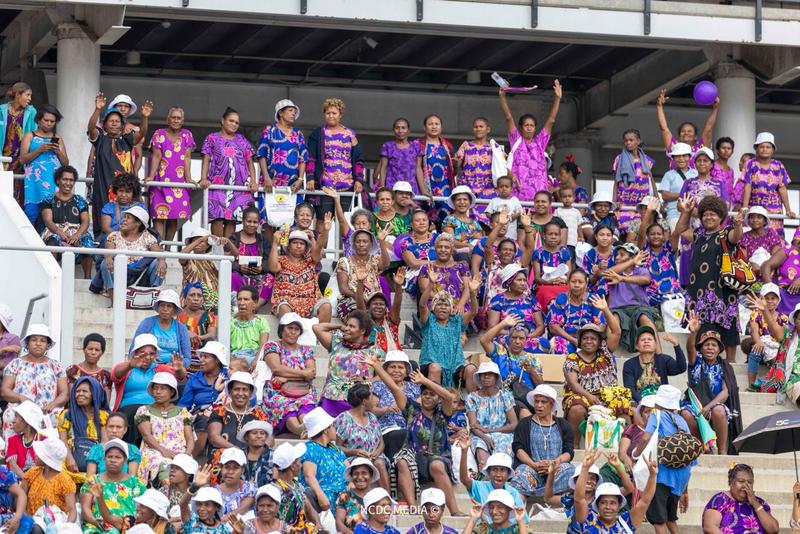
In Port Moresby, the National Capital District Commission (NCDC), through its Family, Gender Equality and Women’s Empowerment Branch, hosted a major celebration at Sir Hubert Murray Stadium under the theme “Strongim Meri, Protectim Rights, Buildim PNG.” The event drew participation from women leaders, government representatives, civil society organisations and the private sector.
NCD Governor Powes Parkop used the occasion to outline an ambitious long-term vision for women’s empowerment under the national government’s “Reset 50” agenda, which sets the direction for the country’s next 50 years of nationhood.
Governor Parkop, who also chairs the Permanent Parliamentary Committee on Gender Equality and Women’s Empowerment, stressed that gender equity must be treated as a non-negotiable national priority.
“We must empower and recognise the National Council of Women as vital stakeholders in lifting the status of women over the next five decades,” he said.
He highlighted several key policy and funding commitments already underway, including the National Strategy to Prevent and Respond to Gender-Based Violence (2025–2036), a government allocation of K108 million annually over the next decade to combat GBV, and the adoption of the National Gender Equality and Women’s Empowerment Policy (2025–2036). He also confirmed the formal decision to revive and reinstate the National Council of Women.
Despite these milestones, Governor Parkop cautioned against complacency, urging women leaders and stakeholders to ensure that policies translate into tangible outcomes.
“Policy adoption is only the first step. We must ensure sustained attention, adequate resources and consistent effort in implementation,” he said.
Deputy City Manager for Community and Social Services Ms Edith Laufa echoed these sentiments, thanking Governor Parkop for his leadership and advocacy at the national level. Drawing from her own experience in a male-dominated work environment, Ms Laufa encouraged young women to pursue their ambitions with resilience and confidence.
“Approach your work with dedication and determination. Your leadership can inspire others and help break barriers,” she said.
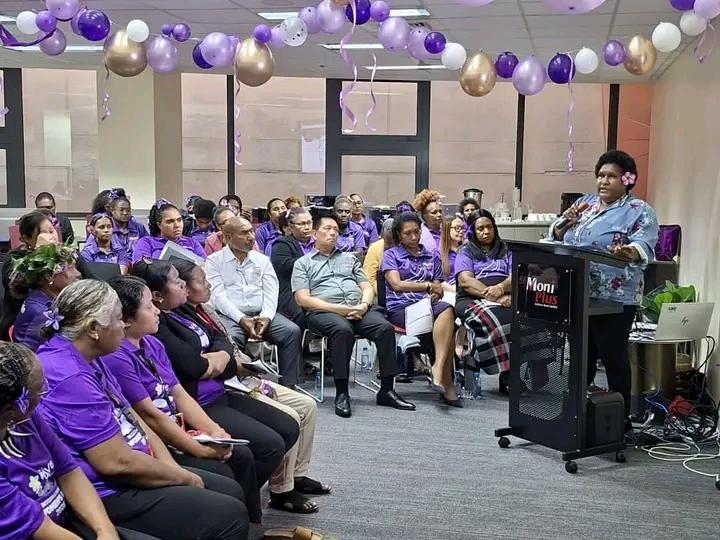
Beyond government-led initiatives, the private sector also played a significant role in marking the day. Financial services company MoniPlus hosted a cancer awareness session in partnership with the Papua New Guinea Cancer Foundation, aligning its internal observance with International Women’s Day themes of health and wellbeing.
The session focused on breast cancer awareness, highlighting the importance of early detection, screening and prevention. Medical Health Educator Dr Beena Dagam of Port Moresby General Hospital volunteered her expertise to deliver the session, reinforcing the critical role of education in reducing cancer risks.
“Conversations like this are important. They inform us about the factors that put us at risk and empower us to take early action,” organisers said.
The programme also emphasised that cancer risks are not only linked to lifestyle factors but may also stem from inherited genetic mutations, underscoring the importance of vigilance and regular health checks.
In Tok Pisin, the message of prevention was clearly communicated: “Save gut pas long as blo sik kensa long abrusim bipo yu kisim,” highlighting the need for prevention, early detection and screening.
As Papua New Guinea continues to navigate its development pathway, this year’s National Women’s Day served as both a celebration and a call to action, reinforcing that empowering women is not only a social imperative but also a critical driver of economic growth, community wellbeing and national progress.
Across the country, the message was clear: building a stronger PNG requires sustained investment in women—protecting their rights, amplifying their voices, and ensuring equal opportunities for generations to come.