

Papua New Guinea’s capital, Port Moresby, took centre stage in regional urban development in March, hosting the 7th Pacific Urban Forum (PUF7) from March 24–26, 2026—marking the first time the high-level gathering has been held in the country.
Convened by the National Capital District Commission (NCDC) in partnership with regional and international agencies, the three-day forum brought together more than 120 delegates from across the Blue Pacific, including government ministers, city leaders, development partners, urban planners and policy experts.
Held at APEC Haus under the banner “Amazing Port Moresby,” the event was widely described as a milestone moment for both the capital and the country.
NCD Governor Powes Parkop said hosting the forum marked a significant step for the city and the country.
“For the first time in history, Port Moresby will host the Pacific Urban Forum—a proud milestone for our capital and nation,” Parkop said.
He added that the event signalled the city’s readiness to take a leading role in regional discussions on urbanisation and sustainable development. “This is not just an event; it is a statement that Port Moresby is ready to lead regional dialogue on urbanisation and sustainable development,” he said.
The forum coincided with PNG’s 50th Independence celebrations and highlighted the capital’s transformation, future ambitions, and growing role as a regional hub for urban policy dialogue.
Urbanisation challenges and opportunities in focus
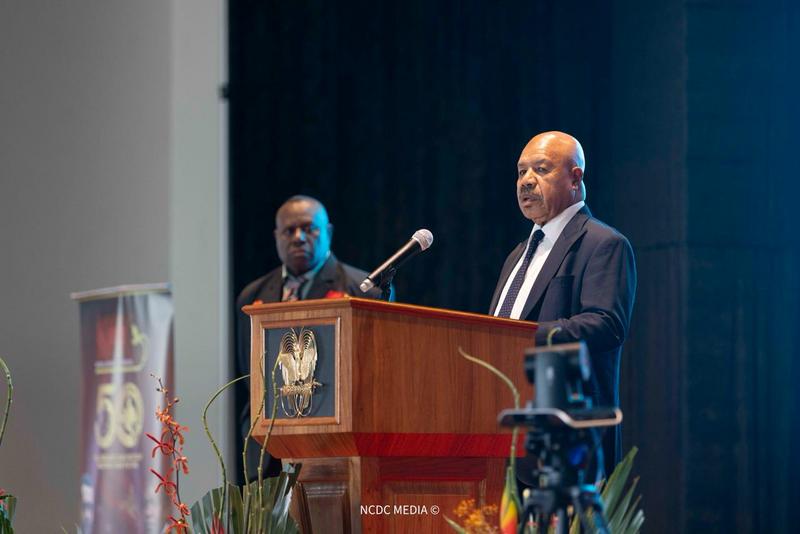
The forum opened at APEC Haus with keynote remarks from Prime Minister James Marape, alongside contributions from UN-Habitat Asia-Pacific Regional Director Kazuko Ishigaki and Housing Minister Kobby Bomareo.
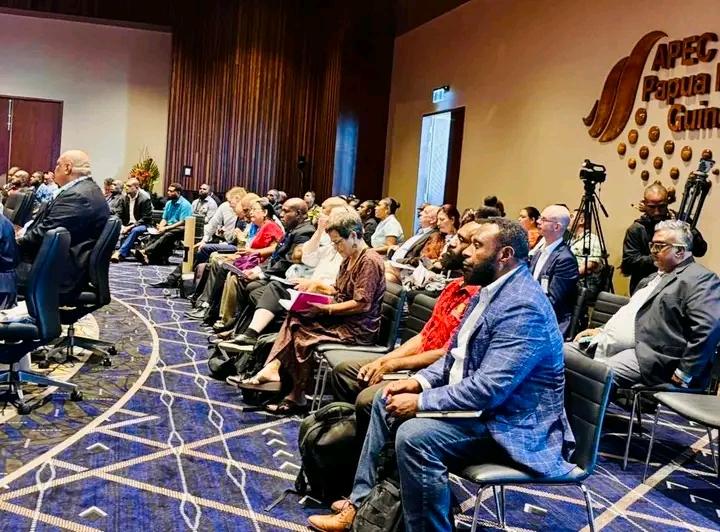
Discussions on the first day centred on the “State of Urbanisation in the Blue Pacific,” with experts outlining the rapid expansion of Pacific towns and cities, as well as mounting pressure on housing, infrastructure and essential services.
Breakout sessions then focused on practical solutions, including transforming informal settlements into planned suburbs, strengthening the informal economy, improving food security, and building climate resilience. Port Moresby’s development initiatives were also showcased as examples of urban reform in action.
The forum also underscored the importance of inclusive development, with a focus on empowering communities and ensuring equitable access to urban opportunities.
Climate resilience and sustainable cities
Building on these discussions, the second day shifted focus to climate change, framing Pacific cities as the “engine room” of resilience in the face of environmental challenges.
Delegates examined nature-based solutions, climate financing, disaster preparedness and circular economy models as critical tools for sustainable urban development.
PNG National Housing and Urbanization Managing Director Abel Tol announced a K2 million government commitment to support the forum, highlighting national backing for urban development priorities. He said there was a need for innovative housing approaches that balance environmental sustainability with community needs.
“Nature-based, climate-effective housing solutions that honour the environment while meeting community needs,” Tol said, are critical to future development.
Tol added that the forum’s outcomes would help shape regional policy direction.
“These outcomes will contribute to a unified Pacific position for the Asia-Pacific Urban Forum in Yokohama, Japan, in 2027,” he said.
Strengthening regional partnerships
Throughout the forum, participants emphasised the importance of regional cooperation and partnerships.
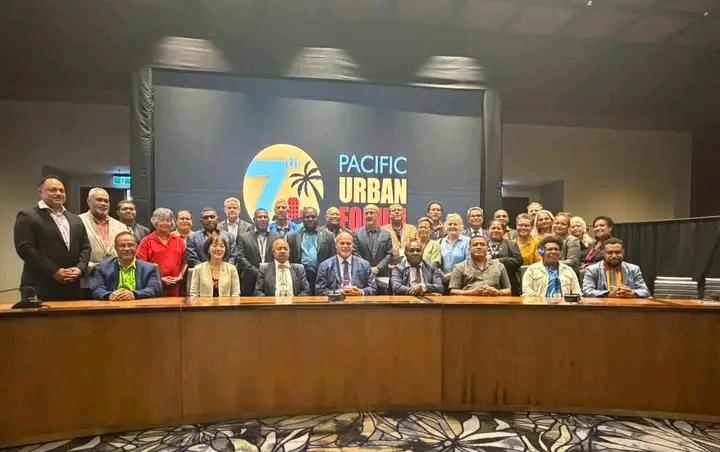
Delegates from Fiji, Tuvalu, Vanuatu, Solomon Islands, Samoa, Tonga, Cook Islands, Nauru, Kiribati, Australia and New Zealand shared experiences and aligned priorities for sustainable urban growth.
The forum also created opportunities to strengthen sister-city relationships with Jayapura, Honiara and Port Vila, while encouraging deeper collaboration with the private sector to address urban challenges.
In addition to policy discussions, the programme incorporated cultural engagement, with delegates experiencing Port Moresby’s diversity through music, art, food and community activities—reinforcing the role of culture in shaping inclusive cities.
Future-focused outcomes
The forum concluded with a renewed focus on the future of urban growth in the Pacific, following three days of dialogue, collaboration and forward-looking discussions.
The closing ceremony reaffirmed a shared commitment to building cities that are inclusive, resilient and sustainable, while strengthening urban planning systems across the region. Participants developed key resolutions addressing priorities such as integrated urban planning, climate-resilient infrastructure, housing and livelihoods.
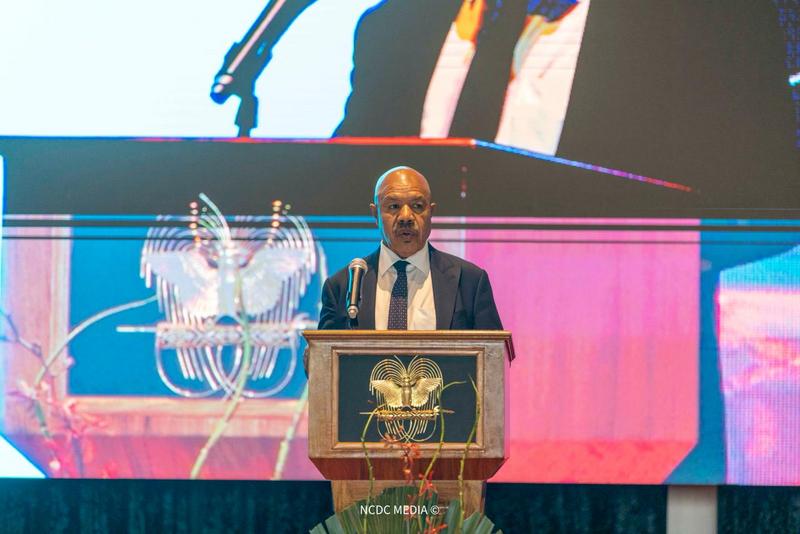
Parkop said the forum represented more than dialogue, describing it as a unified regional commitment.
“This forum is a collective commitment to ensure Pacific voices are heard on Asia-Pacific and global platforms,” he said.
As Pacific nations continue to urbanise, the 7th Pacific Urban Forum has set a clear direction for the region—positioning cities as engines of growth, culture and resilience, and reinforcing the importance of collaboration in shaping a sustainable urban future.


