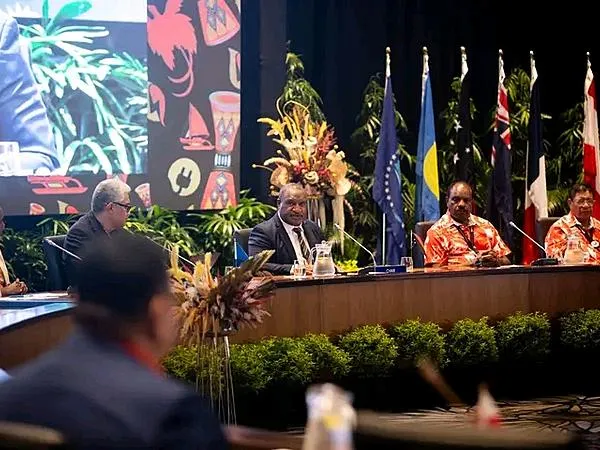
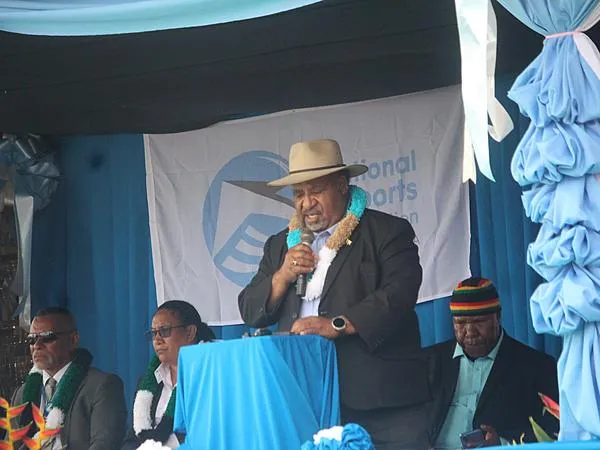
Papua New Guinea has positioned transport and energy connectivity as critical pillars for economic transformation across the Pacific following the conclusion of the 6th Pacific Regional Energy and Transport Ministers’ Meeting (PRETMM), held in Port Moresby from May 4, to May 8.
Chair of the meeting and PNG Transport Minister Hon. Miki Kaeok said the regional gathering focused on strengthening transport and energy systems to drive trade, investment, tourism and long-term economic resilience across Pacific Island economies.
Discussions centred on practical implementation measures, including safer ports and shipping systems, resilient power infrastructure, digital technologies to improve operational efficiency, and financing mechanisms to support communities and private sector growth. Ministers and officials also explored regional investment opportunities and cooperative strategies to strengthen energy security and maritime connectivity amid rising operational costs and increasing climate pressures across the Pacific.
PRETMM 6 officially opened in Port Moresby following the Senior Energy Officials Meeting (SEOM 2026) and the Seventh Heads of Maritime Meeting (HOM 7).
Held under the theme “Scaling Connectivity for a Prosperous Blue Pacific,” the five-day meeting brought together ministers, regional leaders, development partners and technical experts from across the Pacific to discuss integrated solutions to transport and energy challenges affecting the region.
Minister Kaeok said connectivity was no longer simply about infrastructure development, but about creating direct economic opportunities for Pacific nations.
“Transport and energy are not isolated sectors of development; they are central pillars of economic growth, social inclusion, and regional resilience,” he said.
He said reliable maritime, aviation and land transport systems remain essential to sustaining Pacific economies by supporting trade, tourism, supply chains and access to essential goods and services, particularly for remote communities.
For PNG and other Pacific Island nations, transport connectivity continues to play a strategic role in linking businesses and producers to markets while improving regional mobility and reducing logistical barriers.
At the same time, affordable and reliable energy access was identified as a major driver of business expansion, industrial growth and investment attraction.
“Energy powers our homes, businesses, industries, and public services. It is essential to improving quality of life and unlocking new opportunities for innovation, investment, and economic transformation across the Blue Pacific,” Minister Kaeok said.
A key outcome of the meeting was a regional commitment to pursue integrated transport and energy planning through cleaner and more sustainable infrastructure initiatives.
Discussions included low-emission maritime and aviation projects, the expansion of renewable energy infrastructure, and strategies aimed at improving energy security while reducing operational costs and climate-related risks.
Minister Kaeok said Pacific nations continue to face major development challenges, including geographical isolation, climate vulnerability and the high costs associated with transport and energy access, all of which impact economic competitiveness.
However, he said regional cooperation and stronger partnerships were emerging as central solutions to overcoming these barriers.
“No single country can tackle these issues alone. The strength of the Pacific lies in our unity and our ability to work together,” he said.
The meeting also focused heavily on implementation, with ministers committing to practical outcomes that deliver measurable improvements in transport efficiency, energy access, economic participation and resilience across Pacific communities.
Minister Kaeok acknowledged Prime Minister James Marape for supporting the regional programme and promoting clean energy and connectivity initiatives across the Pacific.
He said the Marape Government’s commitment to strengthening transport and energy connectivity demonstrated Papua New Guinea’s dedication to regional cooperation, sustainable development and a more prosperous Blue Pacific.
As the meeting concluded, participating leaders reaffirmed the importance of maintaining momentum on regional connectivity initiatives to support long-term economic growth, resilience and sustainable development throughout the Pacific region.
Missionary Aviation Fellowship (MAF) has played a critical role in supporting Papua New Guinea’s rural economy and national development through its aviation services over the past 75 years, according to Civil Aviation Minister Wake Goi.
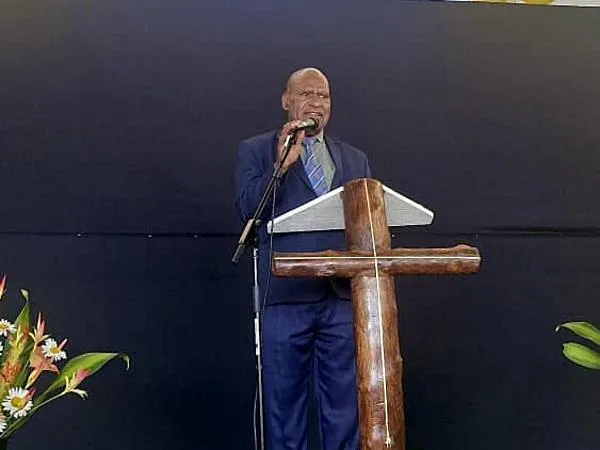
Speaking during MAF’s 75th anniversary thanksgiving service in Mount Hagen, Western Highlands Province, on 7 May 2026, Minister Goi described MAF as “a lifeline to the most remote and isolated communities across our country.” He said that, in a nation defined by rugged terrain and limited road infrastructure, the organisation had “consistently bridged the gap, bringing hope, connection, and opportunity where it is needed most.”
The Minister said MAF’s services extended beyond aviation operations, highlighting its role in transporting medical supplies, assisting vulnerable patients, supporting education services, and delivering essential goods to rural communities.
“Your contributions in airlifting medical supplies, transporting the sick and vulnerable, supporting education services, and enabling the delivery of essential goods have transformed countless lives,” he said.
Minister Goi also highlighted the organisation’s contribution to rural economic participation, saying MAF had helped connect farmers and small businesses to markets, allowing communities to engage more meaningfully in national development.
“MAF’s role in connecting rural farmers and small businesses to markets has also strengthened local economies, empowering communities to participate meaningfully in national development,” he said. “This is not merely aviation; it is nation-building at its most practical and compassionate level.”
He acknowledged MAF as a strategic partner in supporting the mandates of the Rural Airstrips Agency (RAA), saying its continued operations complemented government efforts to maintain and expand rural airstrip infrastructure across the country.
“As Minister for Civil Aviation, I also acknowledge MAF as a key strategic partner in advancing the mandates of the Rural Airstrips Agency,” he said. “Your continued operations complement government efforts to maintain and expand rural airstrip infrastructure, ensuring that no community is left behind.”
Minister Goi also recognised MAF’s long-standing support for churches and Christian missions in Papua New Guinea, saying the organisation had contributed significantly to strengthening faith, hope and unity in remote communities.
He reaffirmed the Government’s commitment to working alongside MAF to improve aviation services and expand access to rural populations.
“May the next 75 years of MAF’s service be even more impactful, as together we build a more connected, inclusive and prosperous Papua New Guinea,” he said.
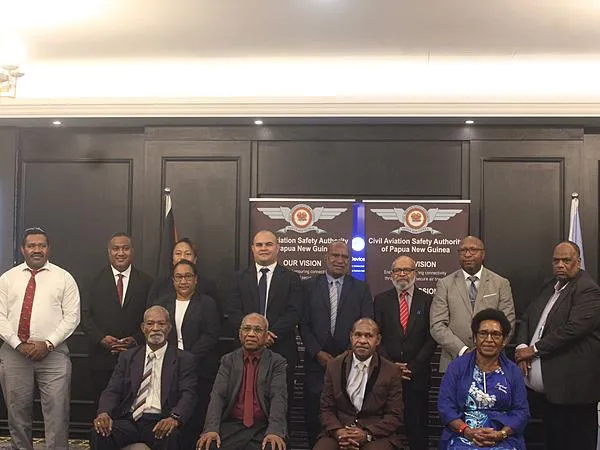
Papua New Guinea has strengthened its commitment to aviation safety, governance and international compliance with the swearing-in of a new Civil Aviation Safety Authority of Papua New Guinea (CASA PNG) Board of Directors, as the country continues efforts to position itself among the leading aviation regulators in the Asia-Pacific region.
Speaking at the CASA PNG Board swearing-in ceremony held at Airways Hotel in Port Moresby on May 5, Minister for Civil Aviation Hon. Wake Goi MP said the aviation sector remains critical to PNG’s socioeconomic development, supporting domestic and international transportation, service delivery, business activities, trade and investment.
The Minister said the country’s aviation industry plays an important role in supporting the Marape–Rosso Government’s economic agenda, particularly under the Medium Term Development Plan IV (MTDP IV) through Strategic Priority Area 2, Connect PNG – Air Transport, and Strategic Priority Area 10, Climate Change and Natural Environment Protection.
He said the Government aims to support national efforts to grow the country’s Gross Domestic Product by K164 billion towards the 2030 target of K200 billion, with aviation identified as a priority sector in achieving that goal.
“As Minister responsible for Civil Aviation, I am honoured to be part of this occasion to witness the swearing-in of the new Civil Aviation Safety Authority of Papua New Guinea Board of Directors,” Minister Goi said.
As a signatory to the Chicago Convention and a member of the International Civil Aviation Organization (ICAO), PNG must continue complying with ICAO standards, recommended practices and strategic objectives, the Minister said.
He also highlighted several major achievements recorded by PNG’s aviation sector over the past 12 months, including significant improvements in international safety and security oversight ratings.
PNG’s Effective Implementation Score under the ICAO Universal Safety Oversight Audit Programme (USOAP) increased from 60.7 percent to 80.5 percent, making PNG the leading Pacific Small Island Developing State and placing it among the top 13 countries in the Asia-Pacific region out of 39 ICAO Asia-Pacific member states.
The country also improved its Effective Implementation Score under the ICAO Universal Security Audit Programme (USAP) from 35.6 percent to 62.9 percent.
Further strengthening its international standing, Minister Goi said PNG was formally accepted as a member of the Safety Management International Collaboration Group (SM-ICG), a global forum comprising leading aviation authorities including the United States Federal Aviation Administration, the European Union Aviation Safety Agency, and national aviation authorities from Singapore, Australia and New Zealand, with ICAO serving as a permanent observer.
Papua New Guinea is currently the only Pacific state represented in the group.
The Minister also acknowledged CASA PNG’s operational and governance achievements, including the successful completion of the 2025 ISO 9001 Surveillance Audit with zero findings, demonstrating the strength of the organisation’s systems and processes.
In governance and public finance management, CASA PNG achieved the highest score in the Agency Financial and Governance Assessment Scorecard during the inaugural Pacific Internal Auditors Conference in November 2025, making it the top-performing and most compliant public agency assessed.
Despite these achievements, Minister Goi said efforts were continuing to address remaining deficiencies and further improve PNG’s international audit scores under both the USOAP and USAP programmes.
He described the appointment of the new board as timely, saying it would provide strategic direction, oversight and governance support to ensure CASA PNG continued delivering on its mandate with integrity, discipline and results.
The Minister said the Government was confident the new board would build on the existing strengths within CASA PNG and help advance the country’s aviation sector further.
The newly sworn-in CASA PNG Board comprises Taono Vai as Chairman, Peter Pato as Deputy Chairman, Shelley Launa as Board Member, and Peter Kamong as Board Member. The appointments are expected to strengthen governance, strategic oversight and institutional leadership within Papua New Guinea’s civil aviation regulatory authority.
During the ceremony, Minister Goi congratulated Mr Taono Vai on his appointment as Chairman of the CASA PNG Board, Mr Peter Pato as Deputy Chairman, and Ms Shelley Launa and Mr Peter Kamong as independent directors.
He reminded board members of their responsibility to act in the best interests of the institution, the Government and the people of PNG.
“I trust that you will discharge your duties with integrity, diligence and an unwavering commitment to good governance and accountability,” he said.
Minister Goi reaffirmed the Marape–Rosso Government’s commitment to strengthening aviation safety, security and oversight in line with international best practices to ensure a safe, secure and resilient aviation sector for PNG.
Papua New Guinea is strengthening its trade policy capacity as the country expands its engagement in regional and global markets, with a greater focus on improving trade facilitation, supporting small and medium-sized enterprises (SMEs), and increasing participation in international trade forums.
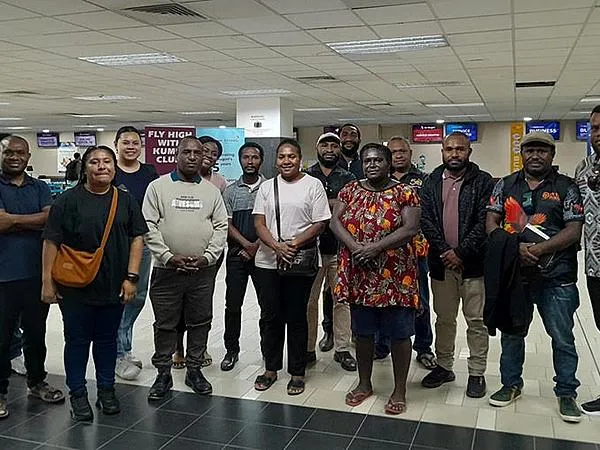
As part of this effort, sixteen trade policy professionals from PNG’s government and private sector travelled to Australia at the end of April this year to undertake a four-week intensive training programme under the Australia–PNG International Training Program.
The programme, delivered by the University of Adelaide’s Institute for International Trade and supported through the Papua New Guinea–Australia Partnership, is designed to build practical knowledge and skills in international trade policy, negotiations and market access.
Participants are receiving training in key areas, including the legal and regulatory foundations of international trade, negotiation and implementation of tariff schedules, and effective participation in international trade forums. The programme also covers trade facilitation for SMEs and the role of trade in advancing women’s economic empowerment.
The comprehensive training combines international expertise, regional best practice and practical learning opportunities. Participants are taking part in workshops and mentoring sessions with University of Adelaide staff, alongside site visits and networking activities with government agencies and trade industry bodies in Adelaide and Brisbane.
Government Business Liaison Officer with the Business Council of Papua New Guinea, Ms Mary Mistil Jerry, said the preparatory training had already broadened her understanding of international trade processes and policy engagement.
“The preparatory training so far has been insightful and is strengthening my understanding of international trade processes and policy engagement,” she said.
“I look forward to the Adelaide component to gain practical exposure and build networks that will support my role in facilitating government-to-business dialogue. I hope to apply these learnings to contribute to more effective trade participation and economic growth in Papua New Guinea.”
Mr Bartholomew Na’ata from the Department of Agriculture and Livestock said he hoped the training would help address trade barriers affecting rural businesses and agricultural producers.
“Coming from the agriculture sector, I hope to have a clear understanding of current trade barriers and how to overcome them so our rural SMEs can have a genuine pathway to international markets,” he said.
“When our rural communities can access international markets, the benefits ripple outward, meaning more income, more growth, and a stronger foundation for the nation.”
International trade continues to play a critical role in driving PNG’s economic growth and prosperity, with Australia remaining a key partner in supporting trade development through the long-standing Papua New Guinea–Australia Partnership.
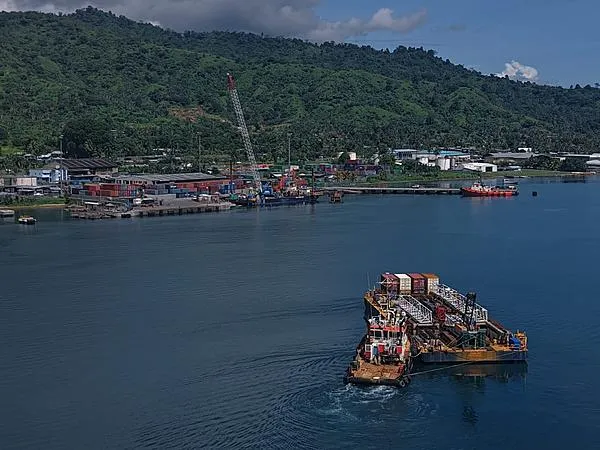
The redevelopment of Kimbe Port has moved beyond the halfway stage, with a new shipment of heavy construction equipment and materials arriving in early May this year to accelerate one of Papua New Guinea’s key maritime infrastructure projects.
The latest barge shipment from Townsville delivered critical equipment for the next phase of works, including a 180-tonne crawler crane, a 180-foot barge for ground stabilisation activities, and more than 500 tonnes of precast concrete components for the wharf extension.
The PGK340 million redevelopment project is being delivered under the Ports Infrastructure Investment Program, funded by the Australian Infrastructure Financing Facility for the Pacific (AIFFP) in partnership with the Government of PNG and PNG Ports Corporation Ltd (PNG PCL).
The upgrade is expected to significantly strengthen Kimbe’s role as a major commercial and maritime gateway for West New Britain, improving cargo-handling capacity, operational efficiency, and access for larger vessels servicing the province’s agriculture, fisheries, and business sectors.
Construction works involve the demolition and reconstruction of sections of the existing wharf, including the installation of new piles and the extension of the wharf to 120 metres in length.
Australian High Commission Minister Counsellor for Economics and Infrastructure, Cate Rogers, said the investment reflected Australia’s continued support for PNG’s economic infrastructure development.
“This investment reflects Australia’s long-term commitment to working with Papua New Guinea to strengthen essential infrastructure,” Rogers said.
“Progress at the port in Kimbe is creating local jobs and helping improve the flow of goods and services, supporting the business and commercial needs of local communities.”
PNG Ports Corporation Ltd Senior Civil Engineer for Major Projects and Joint Implementation Unit Lead, Denmark Gimiseve, said the project had reached an important milestone as marine construction activities intensified.
“PNG Ports is pleased with the progress as works move beyond the halfway point,” Gimiseve said.
“The arrival of this equipment supports the next phase of construction, with local contractors and workers continuing to play an important role in delivery.”
The project is also generating employment opportunities for local engineers, equipment operators, marine specialists, and tradespeople, while contributing to skills development within PNG’s construction and maritime industries.
Over the next six months, work will focus on completing the eastern wharf extension, advancing demolition on the western side of the existing wharf, and commencing ground stabilisation works using marine stone columns.
Once completed, the upgraded facility is expected to improve supply chain reliability, strengthen regional trade connections, and support long-term economic growth throughout West New Britain and surrounding provinces.
ExxonMobil PNG is proud to celebrate the incredible achievements of women thriving in the field of information and communications technology (ICT) across its PNG LNG Project operations. Their success is a testament to their strength and resilience despite the challenges faced by women and girls in accessing ICT education and opportunities in Papua New Guinea.
As part of International Girls in ICT Day, ExxonMobil PNG is shining a spotlight on one of its female ICT stars, Niateng Pokanau. She is a Business IT specialist responsible for navigating an ever-evolving digital landscape and its growing demands.
At ExxonMobil PNG, Niateng — known as Nia — serves as Customer Experience Supervisor within the IT Department. In collaboration with the wider IT team, she plays a critical role in ensuring that PNG LNG’s IT systems are protected through a robust and resilient cybersecurity framework.
Nia, who hails from Manus and Madang provinces, is one of sixteen Papua New Guinean women in leadership roles at the PNG LNG Project.
With a staff of 10 reporting to her, Nia said: “Collaboration and teamwork are essential. They not only inspire learning and growth but also guide a team towards success.”
Nia recently led a team that rolled out EMPNG’s Cloud Managed Environment (CME) laptops as part of ExxonMobil’s corporate strategy to strengthen cybersecurity by providing a safer and more resilient digital environment.
“A resilient enterprise cybersecurity system is important in this evolving digital world to protect corporate data and digital assets against cybersecurity threats,” she said.
“Cybersecurity is not just about adopting new tools, but also about changing the way we work, think and interact, as well as how we equip our colleagues and the next generation of leaders to embrace, adapt, strive and lead in a tech-driven environment.”
Nia believes women in technology can inspire the next generation by breaking down stereotypes and helping to create a more inclusive and equitable industry.
“It’s about raising awareness, offering mentorship and empowering other women to succeed in tech because diversity brings different perspectives and ideas that drive innovation,” she said.
Nia studied Business Information Technology at the University of Technology in Lae, Morobe Province, following her father’s advice and foresight regarding the growing importance of technology.
Her career with EMPNG began more than a decade ago. She started as an IT Analyst before becoming Site Lead at two PNG LNG project sites. She has also held two business roles outside the ICT field — as Digital Transformation Lead with the Operations Technicians Department and as Risk and Controls Advisor with EMPNG’s Risk and Controls team — before assuming her current role.
Nia said her eagerness to be part of a dynamic team that leverages innovative technologies to create sustainable, reliable and affordable energy solutions continues to motivate her every day.
For girls aspiring to pursue careers in ICT, Nia’s advice is to embrace confidence and never stop learning.
“Seek out inspiring mentors, build your professional network and take on challenging projects with enthusiasm,” she said.
“Everyone’s unique perspective is not just valuable; it is essential. Each of us has the power to drive innovation and make a significant impact in the tech industry while helping to shape the future.”
Outside work, Nia is a proud mother of two boys and an avid softball player, a sport she has enjoyed since the age of 15.
An active member of the United Sisters Softball Club in Port Moresby, she was also part of the Port Moresby Women’s Softball Association team that represented the capital in the PNG National Softball Championships and the Brisbane International Friendship Series Tournament in 2018.
ExxonMobil PNG said it remains proud to support Nia and other women as they thrive in the ICT sector, drive digital innovation and contribute to the success of the PNG LNG Project.
TISA Bank’s launch of direct Chinese yuan (CNY) settlement in early 2026 marks a significant milestone for Papua New Guinea’s financial landscape.
The introduction of direct CNY settlement strengthens bilateral economic relations and supports Papua New Guinea’s fiscal stability. The move also aligns with broader diplomatic efforts to deepen ties with China, PNG’s largest trading partner.
TISA Group Chief Executive Officer Michael Koisen said direct access to the yuan creates a more efficient “financial bridge” between the two countries, delivering benefits across both the public and private sectors.
According to Mr Koisen, the initiative will help reduce domestic demand for the US dollar, easing pressure on the Bank of Papua New Guinea’s foreign reserves. More efficient currency settlement could also lower the cost of government-backed infrastructure projects financed by Chinese entities by reducing exchange-rate volatility and intermediary fees.
For major players in the mining, construction and retail sectors, direct access to the yuan is expected to improve operational efficiency and stability.
“Direct settlement speeds up the procurement process, and companies can pay Chinese suppliers directly in kina, with TISA Bank debiting their PGK accounts locally and settling the payment in Chinese yuan directly to suppliers in China, bypassing the multi-day delays often associated with converting kina to USD and then to CNY,” Mr Koisen said.
Large PNG importers may also be able to negotiate better pricing with Chinese suppliers by paying directly in yuan, removing exchange-rate risks and conversion costs for Chinese exporters.
Through TISA Bank, businesses can now execute trade payments directly in Chinese yuan using competitive exchange rates.
The SME sector, which is often disproportionately affected by foreign exchange shortages, is also expected to benefit from the initiative. Small businesses will no longer need to absorb double conversion costs from PGK to USD and then to CNY, making the procurement of inventory, tools and machinery more affordable.
In addition, SMEs that previously struggled to secure US dollar allocations from larger commercial banks can now use yuan for trade transactions, helping to keep supply chains uninterrupted.
Mr Koisen added that many PNG SMEs source goods from Chinese platforms and wholesalers, and direct CNY settlement would make these smaller transactions simpler and more predictable in terms of final cost.
All transactions are processed through established SWIFT messaging channels, providing assurance around anti-money laundering and counter-terrorism financing controls, as well as regulatory oversight.
By facilitating this direct settlement link, TISA Bank is not simply introducing a new payment capability; it is also helping to build a more resilient trade ecosystem that supports broader goals of financial inclusion and national economic growth.
Adyton Resources Corporation has signed an amended investment and development agreement with East Vision International Holdings Pte. Ltd. and East Vision Group Ltd. for the development of the Wapolu and Gameta gold projects on Fergusson Island in Papua New Guinea’s Milne Bay province.
The revised agreement replaces the original joint venture earn-in arrangement signed in May 2024 and restructures the pathway for East Vision International Holdings, or EVIH, to acquire up to a 50 percent interest in Fergusson Mining Pte. Ltd., formerly MR Exploration PNG Pte. Ltd., which holds the Fergusson Island projects.
Under the agreement, EVIH may invest up to US$9.5 million in the projects. Of this amount, US$8.5 million, referred to as the initial investment amount, will be used to fund project expenditures, while US$1 million will be paid directly to Adyton. The company said US$500,000 of that amount was paid when the original agreement was executed in May 2024.
The amended agreement restructures EVIH’s investment into a two-stage funding arrangement centred on the development of the Wapolu project.
The initial US$8.5 million investment will fund the acquisition of mining and processing equipment, completion of a feasibility study, permitting and licensing requirements, maintenance of tenements and the commencement of operations at Wapolu.
Adyton said the project is targeted to commence operations with a nameplate annual capacity of 300,000 run-of-mine tonnes of gold concentrate by Jan. 31, 2027.
Under the revised structure, EVIH’s non-voting Class B shares in Fergusson Mining will convert into voting Class A shares once the initial funding obligations are completed and the Wapolu project commences operations and reaches nameplate capacity. At that stage, Adyton and EVIH are expected to each hold a 50 percent interest in Fergusson Mining.
The agreement also requires an additional US$500,000 payment to Adyton within 90 days of the commencement of Wapolu operations.
If the required milestones are not achieved by May 2, 2027, any unconverted Class B shares may be cancelled without consideration.
Should the initial investment amount prove insufficient, EVIH may, at its discretion, provide Fergusson Mining with a shareholder loan of up to US$2 million carrying interest at 10 percent per annum.
The amended agreement also outlines a second-stage financing arrangement for the Gameta project. The proposed development includes a definitive feasibility study and construction of a mining and processing operation with a capacity of at least 2 million run-of-mine tonnes annually.
Adyton said the second-stage development is expected to be financed through a loan facility from East Vision Group, EVIH’s parent company, with interest set at 8 percent per annum. Interest and principal repayments would be prioritised from project cash flows before shareholder distributions.
As part of the transaction, Adyton has agreed to grant EVIH up to 4.5 million restricted share units under the company’s amended omnibus incentive plan.
The restricted share units will vest in three tranches tied to performance milestones at the Gameta project.
The first 1.5 million units will vest upon completion of the Gameta feasibility study to the satisfaction of Papua New Guinea’s Mineral Resources Authority by Dec. 31, 2026.
A second tranche of 1.5 million units will vest upon the granting of the Gameta mining lease, the CEPA environment permit and completion of all required landholder approvals.
The remaining 1.5 million units will vest upon the commencement of operations of the first of two 1 million run-of-mine tonne-per-year processing modules before May 1, 2028.
Adyton said the transaction is an arm’s-length deal and qualifies as an exempt transaction under TSX Venture Exchange policies. The company said no finder’s fees would be paid in connection with the agreement.
Adyton Managing Director and Chief Executive Officer Tim Crossley said the amended agreement provided a simplified structure for advancing the Fergusson Island projects toward production.
“This amended agreement simplifies the path to a 50/50 partnership with EVIH while preserving core funding elements to advance the Fergusson Island projects toward production,” Crossley said.
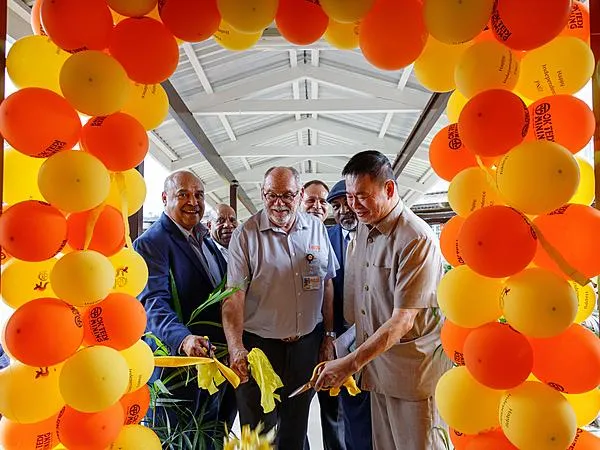
Ok Tedi Mining Limited (Ok Tedi) has established a kidney dialysis facility in Tabubil to service its employees and the community, marking a significant step in the fight against kidney failure.
Kidney failure is one of the critical health challenges facing the region and the rest of PNG. Delivered in close partnership with the PNG Kidney Foundation, the facility is only the third kidney dialysis centre in PNG, alongside facilities in Port Moresby and Mendi.
The investment was driven by alarming health data from Tabubil Hospital, where kidney failure was identified as the second highest cause of death in 2023. Ok Tedi’s health service currently provides care to approximately 6,000 patients each month, with 80 percent of those patients being local residents, highlighting the facility’s importance not only to the company’s workforce but also to the wider community.
Ok Tedi Manager Health Services, Raymond Singamis, said the new dialysis infrastructure was a direct response to the growing burden of kidney disease.
“Our 2023–2024 mortality and morbidity report clearly showed that kidney failure had become one of the leading causes of death within our health service population. This is a serious public health warning that demanded immediate action,” Mr Singamis said.
“With more than 6,000 patients accessing our services every month, the majority of whom are local people, the Ok Tedi-funded dialysis facility will significantly strengthen our ability to provide life-saving treatment for our workforce, business partners, and the people of Western Province,” he said.
Ok Tedi Board Director Bonny Ninai said the dialysis facility represents a critical step forward in improving access to specialised healthcare in a remote region.
“While dialysis is not a permanent cure, it provides patients with severe kidney disease the opportunity to extend their lives and improve their quality of life while awaiting potential transplant options. This is about giving people hope where options were previously limited,” Mr Ninai said.
National Health Board Chairman Chief Professor Doctor Mathias Sapuri praised Ok Tedi for taking leadership in health infrastructure investment.
“I am very proud of Ok Tedi for investing in a facility that directly supports a healthier workforce and stronger communities,” Professor Sapuri said.
“This initiative demonstrates how responsible corporate investment can complement national health priorities and deliver meaningful outcomes for the people.”
The opening of the Tabubil kidney dialysis facility reflects Ok Tedi’s continued commitment to improving healthcare access and outcomes in Western Province, reinforcing its role as a 100% PNG-owned company dedicated to serving the people of Western Province and Papua New Guinea.
Papua New Guinea Treasurer Ian Ling-Stuckey has commended the Papua New Guinea Customs Service (PNGCS) for its enforcement efforts after authorities uncovered more than K19 million in unpaid excise duties linked to illegally stored alcohol products in Port Moresby.
Ling-Stuckey said Customs’ recent compliance operations demonstrated the agency’s critical role in protecting state revenues and maintaining a fair business environment.
“A strong economy depends on strong institutions,” the Treasurer said in a statement. “PNG Customs’ professionalism in detecting excise non-compliance sends a clear message that illegal activities which deprive the State of revenue will not be tolerated.”
The Treasurer was referring to a Customs enforcement operation that uncovered 26,237 cartons and 616 loose bottles of undeclared alcoholic products allegedly removed unlawfully from a licensed manufacturing facility and transferred to an unlicensed storage site in Port Moresby.
Following the investigation, PNG Customs issued a demand notice seeking more than K19.05 million in excise duties under the Excise Act 1956.
Ling-Stuckey said excise collections remained a key source of domestic revenue used to fund health, education, law and order, and infrastructure development programmes.
He said excise revenue collections increased from K1.157 billion in 2022 to an estimated K1.467 billion in the 2026 national budget.
“Obtaining these increases requires working well with honest taxpayers, and cracking down on the crooks,” he said. “Effective enforcement against illicit tobacco and alcohol is central to sustaining this progress.”
The Treasurer said stronger compliance enforcement also protected legitimate businesses that complied with tax obligations.
“When companies attempt to evade excise obligations, it creates an uneven playing field,” Ling-Stuckey said. “PNG Customs’ actions protect honest manufacturers and importers who meet their tax responsibilities.”
Ling-Stuckey also praised Customs Chief Commissioner David Towe, senior management and frontline officers for their continued work in trade facilitation, revenue collection and border protection.
“I commend the leadership and officers of PNG Customs for maintaining a strong compliance culture,” he said. “I encourage them to continue this firm enforcement approach to ensure revenue growth is sustained into the future. Tax-paying firms will be treated with respect. Those that try and get around the law will be punished.”
The Treasurer said domestic revenue collection in 2026 was expected to reach 18.8 percent of gross domestic product, exceeding the government’s 2027 Medium-Term Revenue Strategy target of 17.9 percent.
He added that the government would continue supporting Customs and other revenue agencies through policy reforms, legislative measures and investment in compliance capabilities.
“The National Government will continue to work closely with PNG Customs to ensure our tax laws are enforced fairly, transparently and consistently, for the benefit of all Papua New Guineans,” Ling-Stuckey said.
PNGX Markets Limited (PNGX or PNGX Markets), operator of Papua New Guinea’s national stock exchange, today celebrated the successful listing of Papua New Guinea’s first wholesale corporate bond, a 235 million kina 10-year unsecured subordinated bond issued by Kina Securities Limited (KSL) (PNGX Code: KSL361). This landmark transaction represents a significant milestone in the continued development and diversification of Papua New Guinea’s capital markets.
The listing marks the first utilisation of the wholesale corporate bond framework introduced in 2022, reflecting the combined efforts of PNGX, the Securities Commission of Papua New Guinea, and the International Finance Corporation to establish a fit-for-purpose regulatory and market structure for corporate debt issuance in Papua New Guinea.
The introduction of a wholesale corporate bond market provides issuers with an alternative source of long-term funding beyond traditional bank lending and equity issuance, while offering institutional and qualified investors access to new investment opportunities within the domestic market. It is expected to contribute to deeper capital markets, improved price discovery, and enhanced investor confidence.
“The listing of the Kina Securities corporate bond represents a milestone day for the Papua New Guinea capital market and for PNGX,” said PNGX Group Chairman David Lawrence.
“PNGX acknowledges the leadership of Minister for International Trade and Investment Hon. Richard Maru, and the support of the Securities Commission in establishing the regulatory framework underpinning the wholesale debt market, including the relevant exemptions and orders under the Capital Market Act 2015,” Mr Lawrence said.
“PNGX also recognises the substantial technical assistance provided by the International Finance Corporation in the design and implementation of the wholesale corporate bond market framework.”
The wholesale corporate bond market is specifically designed for participation by eligible wholesale investors, including regulated financial institutions, institutional investors, qualifying companies, and high-net-worth individual investors who meet prescribed thresholds.
This structure ensures that investment decisions are driven by informed and sophisticated participants, facilitating efficient capital allocation while supporting market integrity.
The minimum initial investment size for the KSL bond was 250,000 kina, with a tradable parcel size of 50,000 kina face value in the PNGX secondary market. The wholesale corporate bond market is not open to retail investors.
The wholesale bond market framework allows for streamlined issuance processes by providing exemptions from certain prospectus and regulatory requirements under the Capital Market Act, subject to strict eligibility and structural conditions. This enables issuers to access funding more efficiently while maintaining appropriate safeguards for investors.
The listing of KSL’s bond demonstrates the practical operation of this framework and establishes an important precedent for future corporate debt issuance in Papua New Guinea.
PNGX considers this development to be a foundational step in building a sustainable domestic bond market. As the market matures, it is expected to support increased private sector investment, economic growth, and job creation, while also providing a platform for the future introduction of green, social, and sustainable bonds.
PNGX further acknowledges the ongoing collaboration between the Securities Commission, the International Finance Corporation, the Bank of Papua New Guinea, the PNG Green Finance Centre, and PNGX to further advance the development of the wholesale bond market with sustainable finance instruments within the domestic market.
Tolu Minerals Limited reported continued operational progress at its Tolukuma Gold Mine (TGM) during the March 2026 quarter, as the company moves toward a staged restart targeting first production in 2027.
According to its quarterly report for the period ending March 31, 2026, the company maintained momentum across underground development, plant refurbishment, exploration and infrastructure, positioning the project for a controlled return to production.
The restart strategy is underpinned by a phased ramp-up targeting approximately 500 tonnes per day, with production expected to commence from the first quarter of 2027.
High-grade drilling reinforces near-mine potential
Exploration results from the Zine North prospect highlighted the strength of near-mine resource potential, with multiple high-grade gold intercepts reported during the quarter.
Key results included 4.10 metres at 11.2 grams per tonne (g/t) gold, including 1.1 metres at 21.6 g/t, alongside additional intercepts reaching up to 26.6 g/t gold. These results confirm mineralisation at relatively shallow depths, supporting both open-pit and underground development scenarios.
As shown in the drilling tables and maps in the report, including the plan view on page 5, the Zine vein system extends across a structurally controlled corridor with multiple high-grade shoots, reinforcing its potential to support early-stage production and longer-term resource expansion.
The company is scaling up its drilling capacity to accelerate resource delineation, with seven rigs currently in operation and an eighth expected to be deployed in June 2026.
Underground development and plant readiness progress
Underground operations continued to improve access and establish critical services, with dewatering and rehabilitation progressing in line with expectations. These activities are considered essential to enabling sustained mining operations once production resumes.
At the processing plant, refurbishment of key components — including the SAG mill, Knelson concentrator and Acacia reactor — is nearing completion, while elution and carbon systems are already operational. The company is assessing opportunities for early gold recovery ahead of full commissioning.
Supporting infrastructure is also advancing, including development of a hydroelectric power solution and construction of an on-site assay laboratory, which is expected to be commissioned in the third quarter of 2026.
Structured pathway toward production
Managing director and CEO Dr Chris Muller said the March quarter demonstrated disciplined execution across all operational fronts.
"The March quarter reflects disciplined execution across all workstreams at Tolukuma, with measurable gains in underground access, plant readiness and overall site capability,” Muller said.
He added that exploration results validate the company’s near-mine strategy and support early production plans. “High-grade drilling results at Zine highlights the effectiveness of our near-mine exploration strategy and reinforces the potential to support early production,” he said.
Muller noted that assay results from additional drilling campaigns are pending, with further updates expected in the June quarter. “We anticipate a significant suite of new drilling results to be announced this June quarter,” he said.
The company is also progressing its Mine-Defining Project, which is designed to unlock deeper high-grade zones and support long-term mine planning and resource growth.
“Our focus is on a safe, controlled transition to production. The team continues to execute with consistency, and we are well positioned to build further momentum through 2026,” Muller said.
Funding and corporate position
During the quarter, Tolu secured A$23.75 million through the issuance of convertible notes to Petrosea Services Solutions Pte Ltd, strengthening its balance sheet ahead of development.
Exploration and evaluation expenditure for the period totaled $7.8 million, reflecting ongoing investment in drilling, underground works and project development.
The company holds a 100% interest in Mining Lease ML104 and surrounding exploration licences in Papua New Guinea, with tenure governed under the country’s Mining Act.
With drilling accelerating, infrastructure advancing and plant refurbishment nearing completion, Tolu said it enters the June 2026 quarter with strong operational momentum as it progresses toward restarting gold production at Tolukuma.
Geopacific Resources Limited has announced changes to its senior leadership and board as it moves toward completion of the definitive feasibility study (DFS) for its Woodlark Gold Project in Papua New Guinea.
The company said the leadership transition is aimed at aligning its management structure with the next phase of development, including project financing, construction and operations.
Hamish Bohannan has been appointed managing director, effective May 1, 2026, bringing more than four decades of mining industry experience, including delivering projects from study through to production.
James Fox has stepped down as chief executive officer, effective April 30, 2026, with the board acknowledging his role in advancing the Woodlark project to what it described as a development-ready stage.
Rowan Johnston has been appointed non-executive chairman, replacing Graham Ascough, who will transition to a non-executive director role.
Geopacific said the DFS is expected to confirm the technical and economic viability of the 1.67 million-ounce Woodlark Gold Project, supporting the company’s progression toward development.
The company said the leadership changes come as it enters the final stages of the DFS and prepares to transition into execution and construction phases.
Following the restructuring, the board will comprise Rowan Johnston as non-executive chairman, Hamish Bohannan as managing director, and non-executive directors Michael Brook, Graham Ascough and Hansjoerg Plaggemars.
Geopacific said the Woodlark project is positioned within a broader context of growing international interest in resource development and infrastructure investment in Papua New Guinea.
Great Pacific Gold Corp. has reported initial drilling results from the Kavasuki prospect at its Wild Dog Project in Papua New Guinea, alongside an updated diamond drilling program for 2026.
The company said drilling at Kavasuki began in February 2026, with five diamond drill holes completed to date totalling 688 metres. Results from holes KVH-01, KVH-03 and KVH-04 had been previously released, while results from hole KVH-05 have now been received, with a sixth hole currently underway.
Among reported intercepts, KVH-01 returned 58.9 metres at 2.50 grams per tonne gold equivalent (g/t AuEq) from 38.6 metres, including 4.6 metres at 8.56 g/t AuEq. KVH-03 returned 38.4 metres at 2.23 g/t AuEq, including higher-grade intervals of 10.31 g/t and 16.24 g/t AuEq, while KVH-04 intersected 59.9 metres at 1.43 g/t AuEq. KVH-05 returned 29.5 metres at 0.45 g/t AuEq.
The company said results from KVH-05 confirm the continuation of quartz–carbonate veining, silicification, hydrothermal brecciation and gold mineralisation, although grades were lower than those returned in earlier holes.
According to the company, the results support the interpretation of a broad, structurally controlled hydrothermal system, with higher-grade mineralisation likely concentrated within discrete structural positions.
Drilling is continuing with hole KVH-06, which has reached approximately 90 metres downhole and is aimed at refining the geological and structural interpretation of the system, including assessing lateral continuity and grade variability.
The company said drilling progress has recently been affected by adverse weather conditions associated with Tropical Cyclone Maila, which brought elevated rainfall and reduced drilling efficiency in parts of Papua New Guinea during April.
Great Pacific Gold plans to drill an additional six holes totalling about 900 metres to test approximately 500 metres of strike length at Kavasuki, with drilling expected to be completed by the end of June 2026.
The Kavasuki prospect is located within the company’s Wild Dog Project in East New Britain, which hosts a 15-kilometre structurally controlled mineral corridor containing multiple epithermal gold targets and porphyry copper-gold potential identified through geophysical surveys.
Great Pacific Gold said the 2026 exploration program is focused on systematically testing targets along the Sinivit–Kavasuki system and the broader Wild Dog structural corridor.
As Papua New Guinea continues to strengthen its economic ties with Australia, Westpac PNG is reaffirming its long-standing commitment to the region as a sponsor of the 41st Australia–Papua New Guinea Business Forum & Trade Expo, to be held in Brisbane from 13–15 May 2026.
For more than four decades, the Australia–Papua New Guinea Business Forum has been a cornerstone of bilateral engagement, bringing together senior government officials, business leaders, investors and development partners to foster dialogue, collaboration and investment between the two countries.
As part of Westpac’s sponsorship, the bank will once again host the Forum’s official opening dinner, setting the tone for the days ahead and providing an opportunity for meaningful connections between Australian and Papua New Guinean stakeholders.
This year’s opening dinner will feature a keynote address by Ben Ikin, a former State of Origin star, premiership-winning NRL player and respected business executive. Drawing on his experience across elite sport and leadership, he will share insights on leadership under pressure, building high-performing teams, resilience, and the importance of trust.
“The Australia–Papua New Guinea Business Forum continues to play a critical role in strengthening commercial ties between our two countries,” said Patrick Wright, head of corporate and commercial banking at Westpac PNG. “As a long-standing partner to businesses operating across Papua New Guinea, we see firsthand the importance of trust, leadership and collaboration in driving sustainable growth. Ben Ikin’s keynote will resonate strongly with the Forum audience, bringing practical lessons from high-performance environments that translate directly into business leadership.”
The 2026 Forum coincides with NRL Magic Round in Brisbane, creating a unique and high-energy backdrop that reflects Papua New Guinea’s deep cultural connection to rugby league and the enduring links between sport, community and leadership.
Westpac remains committed to supporting initiatives that drive sustainable economic development across Papua New Guinea and the Pacific, and to partnering with clients, stakeholders and communities today, tomorrow and for generations to come.
Westpac Papua New Guinea has been supporting individuals, businesses and communities for more than a century, having established the country’s first commercial bank in 1910. As one of Papua New Guinea’s leading financial institutions, Westpac PNG provides a broad range of retail, business and institutional banking services, with a strong focus on supporting economic growth, trade and financial inclusion.
Westpac PNG is committed to being a trusted and responsible banking partner, delivering sustainable outcomes for its customers while investing in community development, financial literacy and capability-building across the country. As part of the Westpac Group, the bank brings global expertise and regional experience to support Papua New Guinea’s long-term prosperity.
Adyton Resources Corporation has reported a stronger financial position and continued progress across its Papua New Guinea portfolio following the filing of its audited financial statements and management discussion and analysis (MD&A) for the year ended December 31, 2025.
The company said it completed a C$20 million financing during the year, bolstering its balance sheet and supporting ongoing exploration and development activities, particularly at its flagship Feni gold-copper project in PNG.
Adyton ended 2025 with cash and cash equivalents, including term deposits, of C$18.3 million, a sharp increase from C$6.9 million a year earlier, reflecting what it described as disciplined capital allocation and efficient deployment of funds.
The funding position is expected to underpin continued drilling and exploration work at Feni, while activities at the Fergusson Island projects are being advanced through a joint venture earn-in arrangement with East Vision International Holdings.
Operationally, the company highlighted the commencement of drilling at Feni during the year, marking a key step in advancing what it considers a large-scale mineral system within the Lihir Island chain, a prolific gold-producing region in Papua New Guinea.
Adyton also strengthened its board with the appointment of Michael Gray, co-founder of Agentis Capital, whose experience in technical and capital markets is expected to support the company’s growth strategy.
The filing of the financial statements and MD&A on Canada’s SEDAR+ platform provides investors with a detailed overview of the company’s financial performance, capital structure, and forward strategy as it continues to advance its PNG-based gold and copper assets.
The company’s portfolio in Papua New Guinea includes the 100%-owned Feni project and joint venture interests on Fergusson Island, positioning it to benefit from rising interest in gold-copper systems amid strong global demand for both commodities.
Newly appointed Kumul Petroleum Holdings Limited director Isaac Lupari has inspected two major company projects, citing strong progress as the state-owned firm advances infrastructure tied to the country’s energy security and petroleum sector development.
Lupari on 2 May visited the Motukea Fuel Facility and the Caution Bay Training and Fabrication Facility, accompanied by acting managing director Luke Liria and acting chief operating officer Roge Kila.
“It is pleasing to see that these facilities are at an advanced stage of completion,” Lupari said, noting that the Motukea Fuel Facility is expected to reach mechanical completion within a week.
He said services have been connected and staffing completed, with commissioning scheduled for June and commercial operations targeted for August.
The Motukea facility has a storage capacity of 12 million liters of Jet A-1 fuel and was developed in response to concerns over fuel security after supply disruptions when Puma Energy halted imports.
At the Caution Bay site, Lupari said the training academy is structurally complete, while a Safe Live Processing Plant — previously located at the Kumul Petroleum Academy in Idubada — has been transferred to the site ahead of the next round of technical training.
A nearby 294-man accommodation camp has also been completed and is ready to support contractors involved in petroleum developments in the area.
Lupari said the Kumul Petroleum board is reviewing major project activities, including evaluating the most effective management structure for the facilities.
“These initiatives are aimed at supporting the development of the petroleum and broader resource industries in Papua New Guinea, while maximizing national content,” he said.
He added that the company is positioning itself for participation in the proposed Papua LNG Project, with a focus on securing equity and contributing across multiple aspects of the development.
Lupari said Kumul Petroleum will continue to work with the government, industry partners and financiers to advance the project and drive long-term economic growth.
“Kumul Petroleum remains a cornerstone in the development and safeguarding of PNG’s natural resources sector, while contributing to national development goals,” he said.
Papua New Guinea has only four fully licensed Special Economic Zones, with several projects still awaiting regulatory clearance despite receiving in-principle approval, according to International Trade and Investment Minister Richard Maru.
The licensed zones are Paga Hill, Sea Park, Pacific Lime and Cement, and the PNG Trade Centre, Maru said, emphasizing that National Executive Council approvals do not confer SEZ status without formal licensing from the Special Economic Zones Authority.
Four additional projects — Portside Gardens, Lae Port, Caution Bay and the Finschhafen Integrated SEZ — have been approved in principle but remain unlicensed.
Maru said the authority will only grant licenses once developers meet strict criteria, including securing state land, ensuring access to essential utilities and demonstrating sufficient financing to develop and operate the zones.
He warned proponents of the pending projects against prematurely presenting themselves as SEZs or offering fiscal incentives to investors without regulatory approval.
“You cannot market yourselves as SEZs yet until you get a license,” Maru said, adding that he was disappointed that state-linked entities such as PNG Ports Corporation and Kumul Consolidated Holdings have yet to apply for licenses for the Lae Port and Portside Gardens projects despite reported investor interest.
The government is also processing six additional proposed SEZs at various stages, indicating a continuing pipeline under the national SEZ programme.
Maru pointed to international benchmarks to support the policy direction, citing the transformation of Shenzhen since its designation as a special economic zone in 1980.
He described Shenzhen as a case study in how SEZs can drive industrialisation, employment and sustained economic expansion, noting its evolution from a fishing village into a global technology hub.
“Despite all the critics against the government on the SEZ policy, we will push ahead because we see SEZs as the main employer and the main driver of sustained economic growth into the future,” he said.
Maru added that the government remains committed to advancing the SEZ framework as a cornerstone of Papua New Guinea’s long-term economic development strategy.
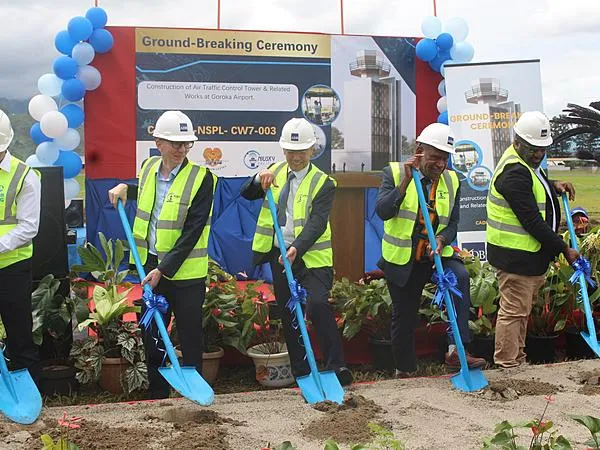
Papua New Guinea’s aviation sector is entering a new phase of modernization with the groundbreaking of a six-storey, state-of-the-art air traffic control (ATC) tower at Goroka Airport in Eastern Highlands Province on April 30.
The K15.7 million project, funded through the Asian Development Bank’s Civil Aviation Development Investment Programme Phase II (CADIP II), is being positioned as a critical step toward strengthening national air safety, regional connectivity, and economic growth.
Government officials, aviation stakeholders, and provincial leaders attended the ceremony, marking what was described as a “new chapter” for aviation infrastructure in the Highlands region.
The new ATC tower will replace the aging facility currently in use at Goroka Airport, which authorities say no longer meets modern operational and safety standards. Designed to align with international aviation requirements, the facility is expected to significantly enhance air traffic management in one of the country’s most geographically complex regions.
National reform agenda takes shape
Civil Aviation Minister Wake Goi said the project reflects a shift toward delivery-focused governance and long-term infrastructure planning.
“We want to see things moving; we don’t want to stay and have nothing happen,” Goi said during his keynote address. “As a minister, I must do my best to make a difference so that when I leave, people will say Minister Wake Goi did this.”
He added that the Goroka development forms part of a broader national aviation reform agenda under the Medium-Term Development Plan, with CADIP II, III, IV and V expected to progressively strengthen aviation infrastructure across the country.
Goi also outlined plans for future investments at Jacksons International Airport and signaled a policy direction to establish civil aviation as a standalone department, separate from the broader transport portfolio, to improve technical focus and institutional efficiency.
Engineering and operational gains
New Sky Pacific Limited Managing Director Graham Blythe outlined the technical and operational significance of the project, noting that the tower is designed to support continuous 24-hour operations in a high-performance aviation environment.
He said the development goes beyond physical infrastructure, focusing on safety, efficiency, and regional service delivery.
Key benefits of the new facility include:
“For airlines and operators, it means improved reliability and enhanced safety, particularly in a region where terrain and weather present unique challenges,” Blythe said.
Provincial perspective and forward planning
Eastern Highlands Governor Simon Sia, who has lived in Goroka for more than 40 years, described the project as a long-overdue but essential upgrade for the region’s aviation system.
He recalled the limitations of the existing tower, which he said could accommodate only a small number of personnel.
“Now you look at this new building — a six-storey tower for this region,” Sia said. “It provides safety for property from Morobe all the way to Hela Province.”
While welcoming the investment, Sia also raised forward-looking development considerations, suggesting that feasibility studies be undertaken to assess the long-term relocation of Goroka Airport to support urban expansion.
He also called for immediate attention to operational challenges at the existing terminal, including the repair of passenger screening equipment to maintain security standards.
Economic and sectoral impact
The Goroka ATC tower project is expected to play a key role in strengthening regional aviation reliability, directly supporting commerce and service delivery in the Highlands.
Improved air navigation systems are particularly critical for Papua New Guinea’s export-driven agricultural sectors, including coffee, as well as for essential health logistics and interprovincial connectivity.
As construction begins, the project forms part of a broader push to modernize PNG’s aviation infrastructure, with stakeholders viewing it as both an economic enabler and a safety-critical investment for the country’s future.
By Andrew Cairns, Chief Executive, Westpac PNG
Papua New Guinea’s recent grey listing by the Financial Action Task Force (FATF) has understandably generated discussion across the business community. It is an important development, but it is equally important to keep it in perspective.
Grey listing means a country has identified areas in its systems for combating financial crime that require strengthening and has committed to an improvement plan under international monitoring. It is not a sanction, nor is it a judgment on the integrity of Papua New Guinea’s banks, businesses, or people. Many countries have gone through this process and successfully implemented the required reforms.
For Papua New Guinea, the focus now is on implementing the agreed action plan. That work is already underway, led by the government and supported by regulators, financial institutions, and the private sector. Strengthening financial crime prevention systems is a continuous requirement for all modern financial systems, and PNG is no exception.
From a banking perspective, institutions operating in Papua New Guinea already maintain strong risk and compliance frameworks. At Westpac PNG, we continue to meet our regulatory obligations and apply robust controls across our operations. Our customers can continue to bank with confidence, and there is no change to the services we provide.
Where grey listing may have an impact is on perception. International counterparties may apply additional scrutiny to transactions, and some investors may take a more cautious view in the short term. This is a common experience for countries placed under enhanced monitoring.
However, Papua New Guinea has faced this situation before. In the past, the country implemented the necessary reforms and successfully exited the grey list. There is no reason it cannot do so again.
Processes such as this can ultimately strengthen the financial system. They promote better coordination between agencies, enhance financial intelligence capabilities, and establish clearer frameworks for managing financial crime risks. Over time, these improvements help build confidence in the system and reinforce trust with international partners.
From my perspective, I remain optimistic about Papua New Guinea’s economic future. The country’s fundamentals remain strong. PNG has significant natural resources, a young and growing population, and a pipeline of major projects that will support growth for years to come.
The banking sector has an important role to play in that journey. Our responsibility is to support businesses, communities, and investment while maintaining the high standards that underpin trust in the financial system. At Westpac PNG, we have been part of this country for more than a century. We have seen PNG navigate challenges before, and we have also seen its resilience and capacity to move forward.
Grey listing serves as a reminder that strong financial systems require constant attention and collaboration. With the right focus and partnership across government, regulators, and industry, Papua New Guinea can work through this process and emerge with an even stronger financial framework.
That, ultimately, will benefit the entire economy.
Dentons has strengthened its disputes capability in Papua New Guinea with the promotion of Gertrude Tamade to litigation partner in its local office.
Tamade, a senior litigation lawyer with more than 20 years of experience, advises on complex commercial and civil matters. Her appointment is expected to enhance the firm’s capacity to support clients navigating high-stakes disputes across the region.
She brings a combination of judicial, private practice, and in-house experience. Tamade served as an acting judge of the National Court of Papua New Guinea for two terms from August 2021 to July 2023, where she presided over commercial and civil cases.
She has also held senior roles at Pacific Legal Group, LLNS, Barrick Niugini Limited, and Corrs Chambers Westgarth. She holds a Master of Commercial Law from the University of Melbourne.
Dentons Australia Chair and Australasia Region CEO Amber Warren said Tamade’s promotion reflects the firm’s continued investment in senior disputes capability.
“Gertrude brings a rare combination of judicial insight, private practice experience, and commercial acumen. That perspective is invaluable for clients managing complex and sensitive matters,” Warren said.
Dentons Papua New Guinea Managing Partner and Head of Office Wavie Kendino Leki said Tamade’s promotion follows the grant of her unrestricted practicing certificate by the Papua New Guinea Law Society.
“We have already seen the strength of her leadership and judgment on the ground. She is a trusted adviser to clients and a valued leader within our team,” Leki said.
Commenting on her appointment, Tamade said she looks forward to contributing to both client outcomes and the broader legal profession.
“The firm offers a strong platform to support clients on complex disputes while contributing to the continued development of the legal profession in Papua New Guinea,” she said.
Remington Hi-Tek, a key business unit of the Remington Group, has announced its support for the 2nd PNG Media Summit 2026, reinforcing its commitment to technological advancement and local industry growth.
Remington has pledged K3,000 in Hi-Tek vouchers to be used throughout the event.
This sponsorship marks the second consecutive year of Remington’s involvement, highlighting a deepening partnership with the summit’s organizers. By returning as a corporate sponsor, the company continues to demonstrate its commitment to supporting emerging organizations and fostering professional development across the Pacific.
The 2026 summit will focus on the theme “Elevating Pacific Media: AI in Media and Regional Cooperation,” which aligns with the Remington Group’s strategic expansion and its mission to integrate cutting-edge solutions across the Pacific region.
Through this sponsorship, Remington Hi-Tek is positioning itself at the forefront of technological innovation, helping ensure that the PNG media industry is equipped to navigate the challenges and opportunities of the digital age.
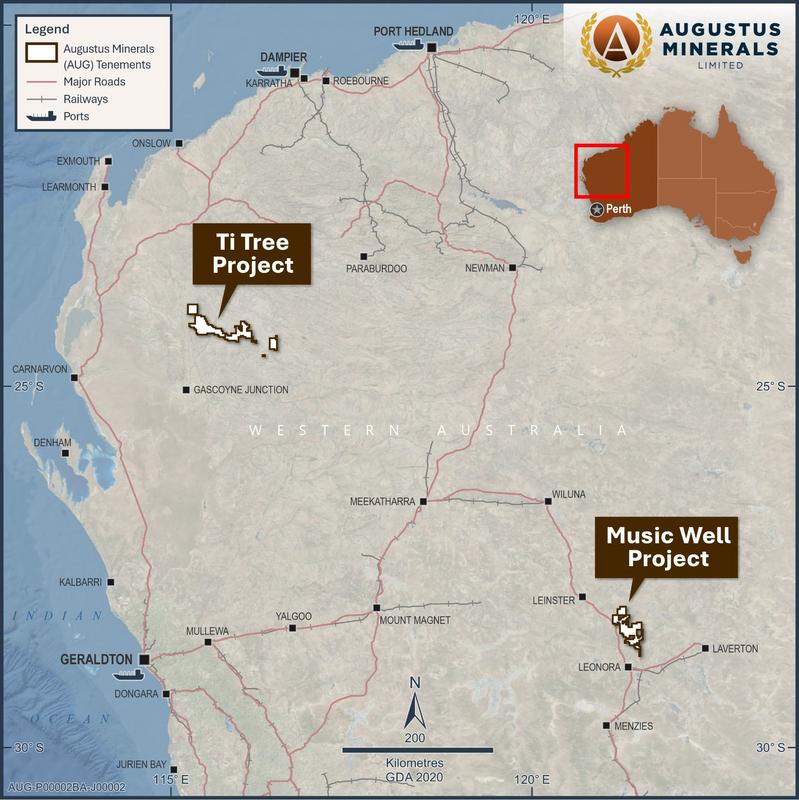
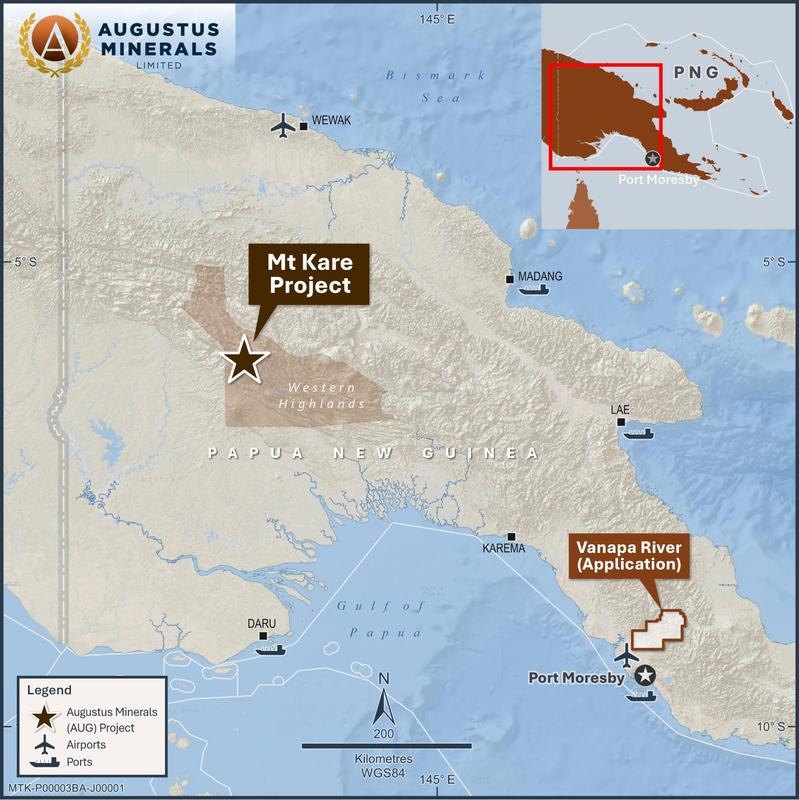
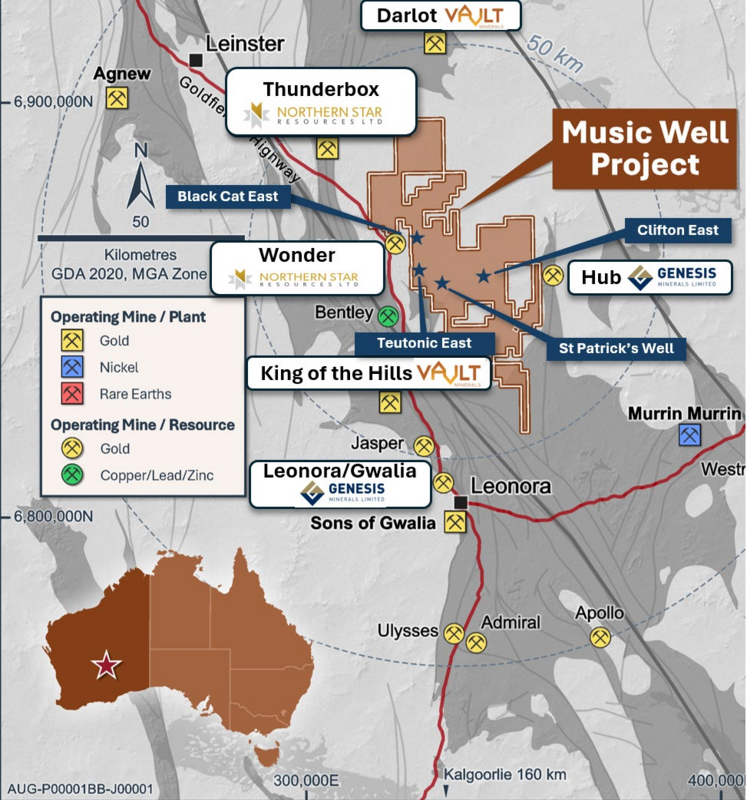
Augustus Minerals is expanding its footprint across Papua New Guinea’s gold sector through licence applications and a strategic position in the approval queue for the Mount Kare Gold Project, while advancing early-stage drilling at its Music Well Gold Project in Western Australia.
The company’s dual-track strategy reflects a balance between near-term exploration activity in Australia and longer-term positioning in Papua New Guinea, where progress remains contingent on regulatory approvals and stakeholder processes.
Mt Kare positioning highlights conditional upside
Augustus’ wholly owned subsidiary, ACMPNG, is currently second in line to be considered for Mt Kare following the removal of a prior application from Papua New Guinea’s tenement register. The project lies about 15 kilometres south of the Porgera Gold Mine and sits within the same regional mineralised corridor.
Mt Kare hosts a historical, non-JORC-compliant resource of approximately 2.1 million ounces of gold and 18 million ounces of silver, placing it among the larger undeveloped gold deposits in Australasia. However, Augustus does not hold the licence, and its position in the queue means the project will only become available if the leading application fails to meet regulatory or landowner requirements.
Under Papua New Guinea’s mining framework, the granting of development rights depends on approvals from the Mineral Resources Authority and alignment with customary landowners. As such, the Mt Kare opportunity represents potential upside rather than a secured asset.
Tolukuma corridor application expands footprint
In parallel, Augustus has applied for exploration licence ELA2955, covering roughly 1,900 square kilometres along strike from the Tolukuma Gold Mine within the Papua New Guinea Mobile Belt — a 2,300-kilometre mineralised corridor known for hosting large gold and copper deposits.
The licence area lies within trucking distance of Port Moresby and near the historic Kodu copper-gold prospect, although no fieldwork has yet been undertaken and the application remains subject to approval.
WA drilling delivers early indications of broader system
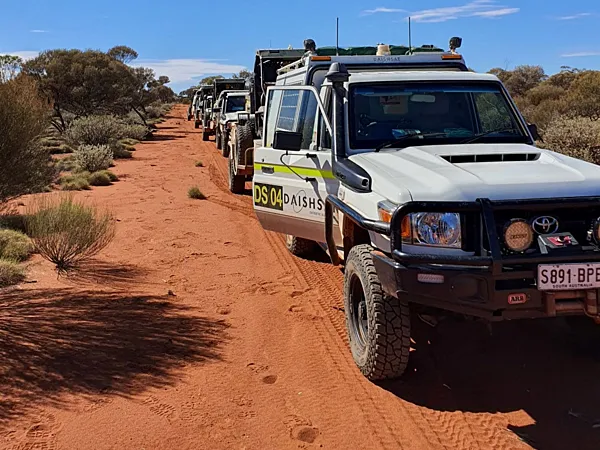
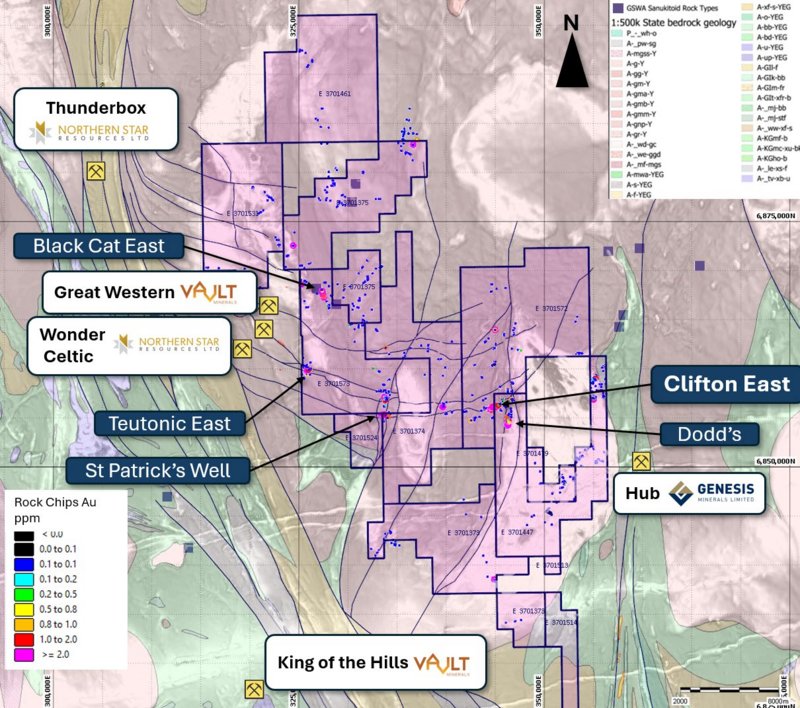
While its PNG assets remain at an early stage, Augustus’ most immediate activity is centred on the Music Well Gold Project, where the company has completed its maiden drilling campaign at the Clifton East prospect.
The programme comprised 11 reverse circulation holes for a total of 1,100 metres, representing the first drilling undertaken across the broader tenement area. Results from 4-metre composite samples returned multiple gold intersections, including:
Gold mineralisation above 0.1g/t was intersected in 8 of the 11 holes, with drilling to date covering approximately 350 metres of a broader 1.2-kilometre trend defined by soil anomalies and high-grade surface rock chips.
Mineralisation is hosted predominantly within granitic rocks of the Bundarra Batholith, with associated dolerite and lamprophyre dykes interpreted to reflect structurally controlled systems. Geochemical signatures showing a silver-bismuth-molybdenum-tellurium association and low arsenic levels are consistent with a granitic-related setting.
Surface sampling has returned high-grade rock chip results of up to 50.3g/t gold, supporting the prospectivity of the target area. Mineralised zones are interpreted to dip moderately to the northwest, although true widths remain uncertain as results are reported as downhole intervals.
Follow-up work to define continuity
The current results are based on 4-metre composite sampling, with one-metre assays yet to be completed. These are expected to provide greater clarity on grade distribution and continuity, and will guide follow-up drilling at Clifton East.
Additional targets across the Music Well project — including St Patrick’s Well, Black Cat East and Teutonic East — are scheduled for further exploration, with drilling planned through 2026.
Despite the encouraging early results, the company noted that current data spacing remains insufficient to establish the degree of geological and grade continuity required to support a Mineral Resource estimate.
Early-stage profile underscores execution risk
Augustus remains an early-stage explorer, with progress across both jurisdictions dependent on exploration success and access to funding.
Its approach — combining near-term drilling in Western Australia with longer-term exposure to Papua New Guinea — reflects a typical junior exploration strategy aimed at balancing discovery potential with high-impact optionality.
Outlook tied to drilling results and tenure progress
In the near term, investor focus is likely to centre on the pending one-metre assay results from Clifton East, which will provide a clearer indication of the grade profile and scale of mineralisation at Music Well.
At the same time, progress on Mt Kare and the Tolukuma corridor application will determine whether Augustus can convert its Papua New Guinea positioning into tangible project ownership.
For now, the company remains at an early stage, with its valuation closely tied to exploration outcomes and regulatory developments.
A major infrastructure investment aimed at strengthening aviation capacity in Papua New Guinea’s Highlands region has officially commenced, with Civil Aviation Minister Wake Goi launching the K39.4 million Kagamuga Airport runway upgrade on April 28 in Western Highlands Province.
The project, described as a critical national priority, will see the existing bituminous seal replaced with a more durable asphalt concrete overlay designed to improve safety, increase aircraft capacity, and support long-term economic activity in the region. Funding for the works is being provided internally by the National Airports Corporation (NAC).
Speaking during the launch ceremony in Mt. Hagen, Minister Goi expressed appreciation to the leaders and people of Western Highlands Province, as well as neighboring provinces including Simbu and Enga, for their patience amid longstanding demand for a runway capable of handling larger aircraft.
He said Kagamuga Airport remains a strategic transport hub, positioned as the country’s second most important airport after Port Moresby and central to business, tourism, and government connectivity in the Highlands.
NAC Acting Managing Director Dominic Kaumu outlined the technical scope and economic significance of the project, confirming that K4 million has already been paid to China Harbour Engineering Company (CHEC) to facilitate the mobilization of materials and equipment.
Kaumu said the upgrade is essential to support Air Niugini’s ongoing fleet transition, including operations involving Boeing 737 aircraft and the new Airbus A220, which carries 138 passengers compared with the 100-seat Fokker 100 currently in service. He noted that the increased capacity is expected to improve regional passenger movement and airline efficiency.
He added that the project must be completed by December 2026 to accommodate the expected Christmas travel peak, which traditionally places heavy demand on Highlands air services.
Western Highlands Governor Wai Rapa welcomed the project, describing the upgrade as long overdue and emotionally significant for the province. He said delays in improving the runway had caused “sleepless nights” for both him and the local business community.
Rapa highlighted Kagamuga Airport’s role as a vital economic artery, noting that an estimated three to four million people transit through the province, placing pressure on public infrastructure and services. He called on contractors to ensure high-quality workmanship, adding that previous runway improvements had not stood the test of time.
He also urged surrounding communities and security agencies to support uninterrupted construction activity and ensure the safety of workers on site.
In addition to the runway works, Goi announced broader airport precinct reforms aimed at improving order and safety. These include the relocation of informal markets and the enforcement of a ban on betel nut and cigarette sales within the airport car park and terminal areas, effective next week.
He said the measures form part of a wider modernization agenda aligned with the Civil Aviation Development Investment Programme Phase III (CADIP III), which will include future runway extensions and terminal upgrades starting in 2028.
Goi also called on CADIP III cadet and training programs to prioritize Mt. Hagen, stressing the importance of building a skilled local workforce capable of managing upgraded, international-standard aviation facilities in the Highlands.
The minister said the combined reforms and infrastructure upgrades mark a new phase of development for Kagamuga Airport, positioning it to better serve both domestic and future international aviation demand.
Follow on LinkedIn:
PNG Business News
Be the "First" to get our exclusive Digital Magazine & Weekly Newsletter.