

Papua New Guinea has positioned transport and energy connectivity as critical pillars for economic transformation across the Pacific following the conclusion of the 6th Pacific Regional Energy and Transport Ministers’ Meeting (PRETMM), held in Port Moresby from May 4, to May 8.
Chair of the meeting and PNG Transport Minister Hon. Miki Kaeok said the regional gathering focused on strengthening transport and energy systems to drive trade, investment, tourism and long-term economic resilience across Pacific Island economies.
Discussions centred on practical implementation measures, including safer ports and shipping systems, resilient power infrastructure, digital technologies to improve operational efficiency, and financing mechanisms to support communities and private sector growth. Ministers and officials also explored regional investment opportunities and cooperative strategies to strengthen energy security and maritime connectivity amid rising operational costs and increasing climate pressures across the Pacific.
PRETMM 6 officially opened in Port Moresby following the Senior Energy Officials Meeting (SEOM 2026) and the Seventh Heads of Maritime Meeting (HOM 7).
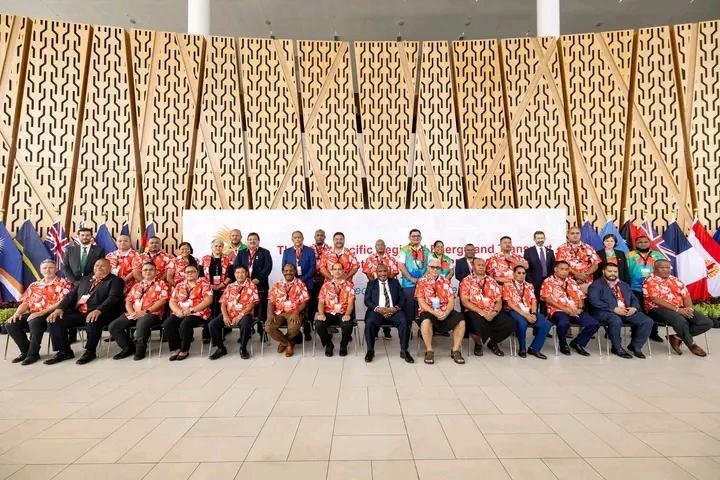
Held under the theme “Scaling Connectivity for a Prosperous Blue Pacific,” the five-day meeting brought together ministers, regional leaders, development partners and technical experts from across the Pacific to discuss integrated solutions to transport and energy challenges affecting the region.
Minister Kaeok said connectivity was no longer simply about infrastructure development, but about creating direct economic opportunities for Pacific nations.
“Transport and energy are not isolated sectors of development; they are central pillars of economic growth, social inclusion, and regional resilience,” he said.
He said reliable maritime, aviation and land transport systems remain essential to sustaining Pacific economies by supporting trade, tourism, supply chains and access to essential goods and services, particularly for remote communities.
For PNG and other Pacific Island nations, transport connectivity continues to play a strategic role in linking businesses and producers to markets while improving regional mobility and reducing logistical barriers.
At the same time, affordable and reliable energy access was identified as a major driver of business expansion, industrial growth and investment attraction.
“Energy powers our homes, businesses, industries, and public services. It is essential to improving quality of life and unlocking new opportunities for innovation, investment, and economic transformation across the Blue Pacific,” Minister Kaeok said.
A key outcome of the meeting was a regional commitment to pursue integrated transport and energy planning through cleaner and more sustainable infrastructure initiatives.
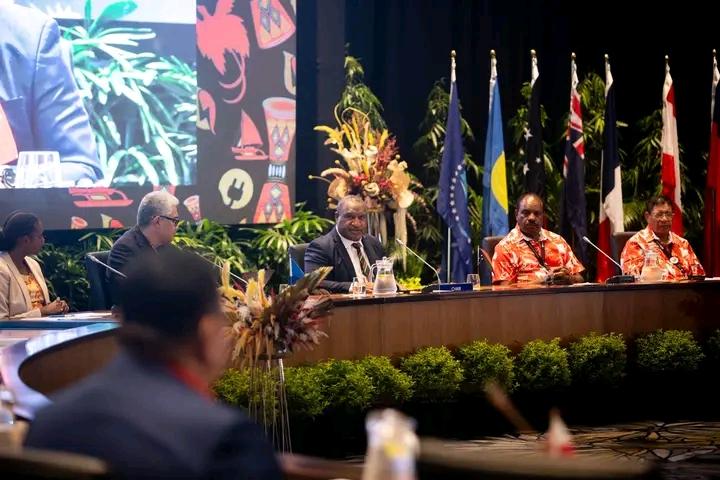
Discussions included low-emission maritime and aviation projects, the expansion of renewable energy infrastructure, and strategies aimed at improving energy security while reducing operational costs and climate-related risks.
Minister Kaeok said Pacific nations continue to face major development challenges, including geographical isolation, climate vulnerability and the high costs associated with transport and energy access, all of which impact economic competitiveness.
However, he said regional cooperation and stronger partnerships were emerging as central solutions to overcoming these barriers.
“No single country can tackle these issues alone. The strength of the Pacific lies in our unity and our ability to work together,” he said.
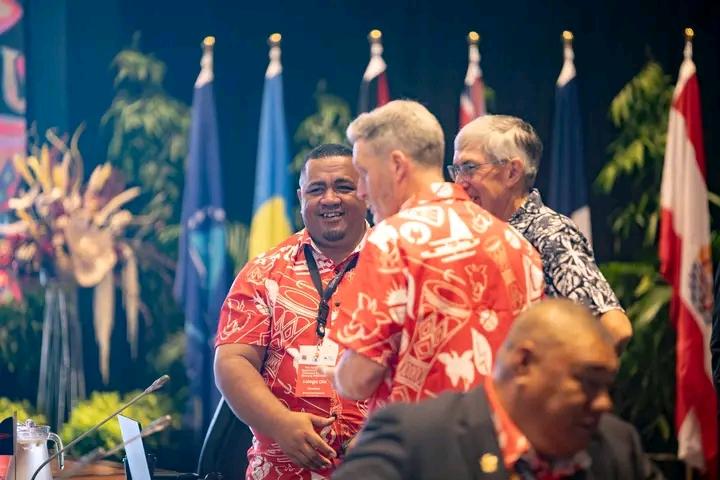
The meeting also focused heavily on implementation, with ministers committing to practical outcomes that deliver measurable improvements in transport efficiency, energy access, economic participation and resilience across Pacific communities.
Minister Kaeok acknowledged Prime Minister James Marape for supporting the regional programme and promoting clean energy and connectivity initiatives across the Pacific.
He said the Marape Government’s commitment to strengthening transport and energy connectivity demonstrated Papua New Guinea’s dedication to regional cooperation, sustainable development and a more prosperous Blue Pacific.
As the meeting concluded, participating leaders reaffirmed the importance of maintaining momentum on regional connectivity initiatives to support long-term economic growth, resilience and sustainable development throughout the Pacific region.


