May 26, 2025

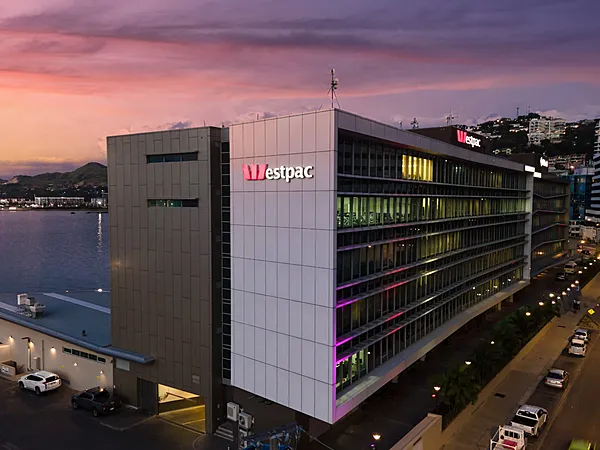
Papua New Guinea’s economic prospects remain positive in 2025 despite rising global uncertainties, according to the latest PNG Economic Update released on 30 April by Justin Smirk, Director and Senior Economist at Westpac.

The report shows strong domestic fundamentals, firm growth forecasts, and increased investor confidence, even amid volatile global trade policies and fluctuating commodity markets.

It also showed results from the 2025 PNG 100 CEO Survey presented to the Port Moresby Chamber of Commerce, which revealed business confidence was “above average.” Firms reported higher-than-expected profits in 2024 and projected continued growth in investments and recruitment this year.

A significant improvement in foreign exchange (FX) clearing times, from over a month to under a week in some cases, further bolstered optimism, as acknowledged by the Bank of Papua New Guinea (BPNG) in its latest Monetary Policy Committee minutes.

Growth Forecasts Remain Robust

Westpac forecasts a 4.7% real Gross Domestic Product (GDP) growth for PNG in 2025, aligning closely with projections from other institutions:

  • International Monetary Fund (IMF) at 4.6%,
  • Asian Development Bank (ADB) at 4.2%
  • BPNG at 4.0%.

These figures are underpinned by growth in both the mineral and non-mineral sectors, the report said. Porgera gold mine's improved output, increased LNG production, and strong agricultural performance from commodities such as coffee, palm oil, and cocoa are driving this momentum.

Moreover, higher government spending and robust activity in finance, insurance, and construction sectors are expected to sustain non-primary sector growth.

The medium-term outlook anticipates 5.0% to 6.0% annual GDP growth, buoyed by full production at Porgera and the Papua LNG (liquefied natural gas) project set to launch in 2026.

Commodity Prices and a Brief on Global Trade Tensions

According to the report, the escalating global tariff conflict, intensified by United States President Donald Trump’s declaration of 2 April as “Liberation Day” has disrupted trade norms.

While the imposition of a 10% US tariff on PNG exports appears daunting, its immediate impact is minimal; the US accounted for just 1% of PNG exports in 2023.

Prime Minister James Marape reaffirmed PNG’s commitment to non-retaliatory, free, and fair trade, emphasizing stronger ties with Asia-Pacific markets.

The report said that ironically, these geopolitical tensions have propelled gold and copper prices to unexpectedly high levels, supporting PNG’s export earnings.

Mineral Resources Authority Managing Director Jerry Garry projected mineral export revenue to soar from K19 billion in 2024 to K30 billion in 2025, contingent on global prices and Porgera’s performance.

Inflation and the PNG Kina

On inflation in PNG, economist Smirk elaborated that despite a brief inflationary reprieve in 2024, the depreciation of the kina is expected to drive inflation higher in 2025. Forecasts vary: BPNG predicts 3.0%, IMF 5.0%, and Westpac 4.7%. Foreign investment inflows could stabilize the kina and curb inflation over the medium term.

The kina has gradually depreciated, falling 1% against the USD and 4% against the AUD year-to-date, the report noted. From March to April, the PGK/USD exchange rate slid from 0.2487 to 0.2452. Against the AUD, it averaged 0.3924. Nonetheless, the increase in market turnover (K5.898 billion in March, up from K5.405 billion in February) suggests heightened FX activity.

In the report, Smirk goes ahead to give detailed updates of the interest rates and domestic debt market. The Kina Facility Rate (KFR) held steady at 4% through March, reflecting balanced inflation expectations. Treasury Bills (T-Bills) auctions showed increasing investor appetite, with all tenors oversubscribed. Notably, the 364-day tenor saw a K93.95 million oversubscription.

Weighted Average Rates (WARs) rose slightly for 91-, 182-, and 273-day bills, indicating mild shifts in investor sentiment. In contrast, the Government Inscribed Stock (GIS) auction faced an undersubscription of K40 million, the fifth such occurrence in 2025.

Only the 4-year tenor received full bids with a WAR of 9.03%, up by 3 basis points. This contrasts starkly with tenors such as 2-, 5-, and 10-year bonds which received no bids at all, suggesting caution in long-term market sentiment.

For external sector stability and international reserves, the current account remains in surplus, forecasted at K13.6 billion in 2025. Gross international reserves are projected at K14.6 billion, though import cover is expected to decline to 4.3 months, down from 6.3 in 2024.

This narrowing buffer highlights the importance of sustaining export revenues and managing external borrowing, the report said.

Public Sector Investment and Bilateral Engagements

Significant foreign investment announcements marked the first quarter of 2025. The US committed K1.6 billion to develop a 1.6-million-barrel fuel storage facility in Port Moresby through DGCI Corporation, commemorating PNG’s 50th anniversary of independence and diplomatic ties with the United States

Additionally, Mobil Oil New Guinea completed a K40 million upgrade of its Lae terminal to enhance fuel-loading efficiency. Meanwhile, Prime Minister Marape secured a bilateral agreement with New Zealand to boost technical collaboration in state-owned enterprises and agriculture, underscoring growing regional engagement.

Petroleum and Mining Sector Developments

The report noted that Petroleum Minister Jimmy Maladina invited the China State Construction Engineering Corporation to explore investments in PNG’s petroleum infrastructure. This reflects PNG’s active push to attract global partners for long-term sector growth.

MRA’s Jerry Garry emphasized the critical need for mineral exploration as current reserves are forecasted to deplete by 2060. The MRA is deploying seismic and magnetotelluric technologies to identify deep mineral deposits, ensuring the sector’s sustainability.

(All the updates reported for petroleum and mining sectors can be accessed on the PNG Business News website www.pngbusinessnews.com – Editor).

Risks on the Horizon

Regardless of the strong outlook, the report noted that risks persist, which is also highlighted in the PNG Economic Update.

BPNG identified a global slowdown, commodity price drops, natural disasters, and geopolitical tensions as potential threats. Westpac added that the US tariff war may provoke further instability, with a looming US recession limiting the US Federal Reserve’s ability to respond via interest rate cuts.

Still, the report notes that PNG’s 2025 economic trajectory appears resilient, driven by resource revenues, sound fiscal management, and strategic foreign partnerships. It advised stakeholders to remain vigilant and adaptive to the fluid external environment, ensuring that momentum is maintained through diversification, investment, and structural reform.
May 26, 2025

Papua New Guinea is modernising its air traffic management systems through a collaboration between NiuSky Pacific Limited and UK-based aviation technology company Micro Nav.

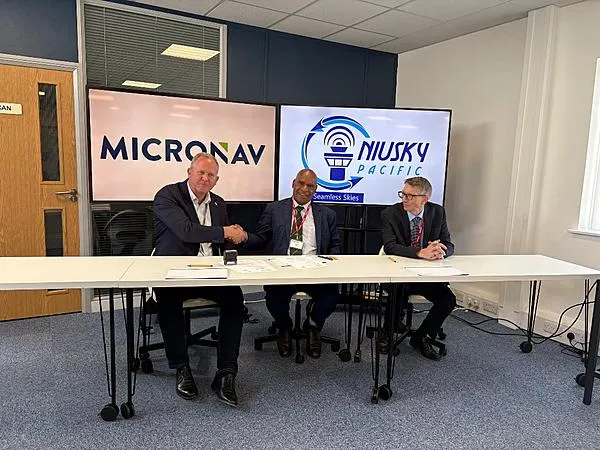
The agreement was officially signed during a high-level meeting at Micro Nav’s Head Office, attended and formally endorsed by PNG Minister for Civil Aviation, Hon. Wake Goi MP.

The signing ceremony, witnessed by Micro Nav’s Managing Director Greg Pile and NiuSky Pacific Limited’s Acting Managing Director Graham Blythe, marked the formal launch of a partnership designed to enhance the country’s air navigation service capabilities.

Under this agreement, Micro Nav will deliver advanced Air Traffic Control (ATC) simulation technologies to support NiuSky Pacific’s mission of providing safe and efficient air navigation services across PNG.

The initiative is set to bolster NiuSky’s training capacity, operational safety, and technological proficiency, reinforcing its status as a leading Air Navigation Service Provider (ANSP) in the Asia-Pacific region.

Micro Nav, in a media announcement on 21 May, described the collaboration as a demonstration of its ongoing commitment to the global ATC industry, aligning with its broader goal of delivering cutting-edge, future-ready solutions to air navigation providers worldwide.

In a detailed public statement, Minister Goi addressed concerns and outlined the strategic importance of travel in PNG.

He explained that the overseas engagements were highly technical and integral to ensuring that PNG’s aviation systems remain safe, modern, and globally compliant.

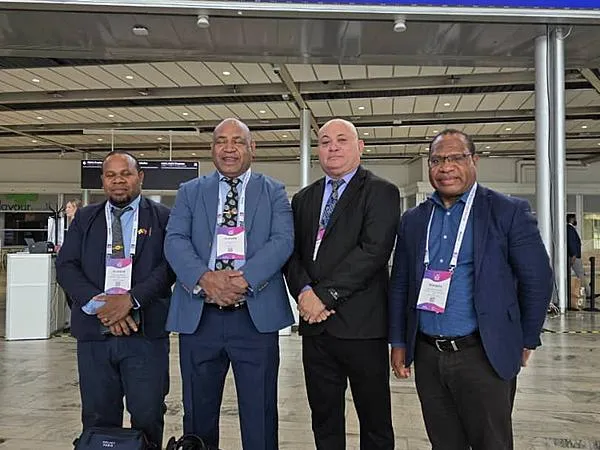
In France, the delegation held meetings with Thales to assess the Maestro system, which will support improved sequencing of aircraft and the introduction of Standard Instrument Departures (SIDs) and Standard Terminal Arrival Routes (STARs).

These modern procedures enhance safety, reduce delays, and boost fuel efficiency, the group said.

Mission Information

The facts for this mission as per the issued statement by Minister Goi:

  • France (Thales):

The delegation held critical meetings with Thales, the current supplier of PNG’s Air Traffic Management (ATM) system, to evaluate the Maestro system.

Maestro will enable more efficient sequencing of aircraft at Jacksons International Airport and is a key enabler for introducing Standard Instrument Departures (SIDs) and Standard Terminal Arrival Routes (STARs), modern procedures that improve safety, reduce delays, and enhance fuel efficiency.

Additionally, discussions with the Thales team focused on the emerging capabilities in Unmanned Aircraft System Traffic Management (UTM), drone management and Air Traffic Flow Management (ATFM).

They noted that ATFM will become mandatory under ICAO (International Civil Aviation Organization) requirements by 2028, making these engagements essential and timely.

  • Madrid (Indra):

The team visited Indra, another leading CNS/ATM provider, to assess digital towers, radar capabilities, navigational systems and alternative technologies, ensuring PNG makes well-informed and cost-effective decisions on future systems.

Indra is the equipment manufacturer for the Jacksons International Airports radar in Port Moresby that can be clearly seen next to the International Terminal on Radar Hill.

  • ATM World Congress (Lisbon):

As part of the technical mission, the delegation attended the World ATM Congress in Lisbon—the premier global forum for air traffic management.

This annual event brings together industry leaders, regulators, technology providers, and ANSPs from across the globe to highlight the latest innovations, share operational insights, and explore collaborative solutions in the air navigation sector.

At this event, NiuSky was able to engage directly with leading global suppliers and observe demonstrations of cutting-edge technologies, including:

  • Digital towers and remote-control centres,
  • Next-generation drone traffic management (UTM) systems,
  • AI-assisted air traffic control tools,
  • GreenATM and environmental efficiency platforms, and
  • Space-based surveillance and VHF communications.

Participation in the Congress provided valuable exposure to emerging trends and enabled PNG to benchmark its strategic priorities against international best practices.

It also strengthened NiuSky’s industry relationships and informed future infrastructure planning in alignment with ICAO’s global aviation objectives.

  • United Kingdom (Micronav):

In the UK, NiuSky signed an agreement with Micronav, the manufacturer of PNG’s existing 3D Tower simulator, which is critical for the training and ongoing certification of air traffic controllers.

The agreement will support its upcoming upgrade, essential for future integration of digital tower operations and new ATM procedures.

Alignment with TSSP3-Funded Program

The mission also preceded the rollout of a major aviation infrastructure development program funded by the Australian Government under TSSP3, valued at AUD 22 million over five years. This program will support:

  • Upgrade of the Micronav 3D Tower Simulator,
  • Trial of a Digital Tower at Nadzab,
  • Wide Area Network (WAN) upgrades across PNG,
  • Critical power system enhancements,
  • Implementation of a national ATFM system (Flow Control),
  • Deployment of space-based VHF communications, and others.

These investments are transformational and will position NiuSky Pacific as one of the most advanced and safest Air Navigation Service Providers (ANSPs) in the Asia-Pacific region, Goi said.

The systems and services under review directly impact the safety of the travelling public. CNS/ATM technologies evolve rapidly, and for PNG to meet its international obligations and maintain safe, efficient skies, it must keep pace.

The mission supported:

  • Technical validation of major capital investments,
  • Strengthening of supplier accountability,
  • Strategic alignment with TSSP3-funded initiatives, and
  • Preparation for the next phase of aviation development.

Safety is Paramount

Minister Goi stressed that safety is and will always be the overriding priority in aviation. While cost-efficiency and value for money are vital, they can never come at the expense of safety.

“Every decision and investment made by NiuSky Pacific is anchored in this principle. This mission was no exception. The safety of air navigation services, and by extension the lives of the travelling public, is front and centre in all NiuSky operations,” he said.

“I understand and respect the public’s call for accountability and fiscal discipline, especially during challenging times. However, it is equally important to recognise that safety, preparedness, and international credibility in aviation cannot be compromised.”

“This was not an extravagant tour, but a highly strategic, future-focused mission, carefully aligned with national, regional, and international aviation goals,” Goi added.

“As Minister, I remain committed to transparency, good governance, and ensuring that Papua New Guinea continues to operate a safe, resilient, and forward-looking aviation sector.”

May 26, 2025

Papua New Guinea (PNG) is on a steady path toward economic growth, driven largely by informal sector consumer spending, record-high commodity prices, and a resurgence in foreign direct investment, according to Dr Kishti Sen, ANZ international Economist for Papua New Guinea and the Pacific.

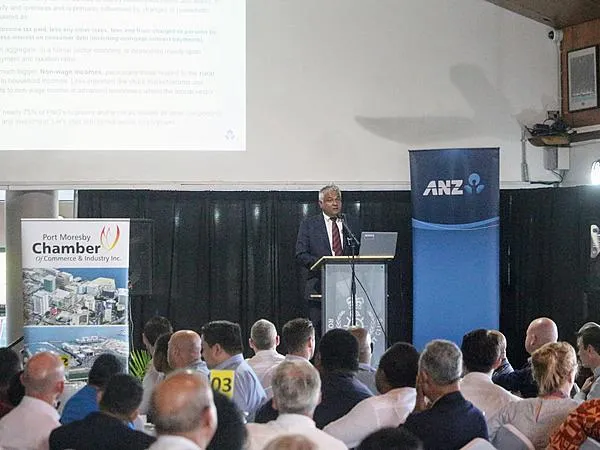
Sen presented the economic update was during the Port Moresby Chamber of Commerce and Industry (POMCCI) – ANZ Economic Breakfast on 20 May at the Papua Yacht Club in Port Moresby.

The event was a reality check on trade and what it meant for PNG, as global trade tensions rise amid renewed tariff threats by the United States.

But Sen’s message was shared clearly: PNG does not need to shift course but should continue deepening ties with Asian Markets.

The discussion focused on how PNG can stay engaged, boost trade, and attract capital flows, reinforcing the country’s role in regional growth.

Sen’s presentation outlined the unique structure of PNG’s economy, where 85 to 90 percent of the population operates in the informal sector, primarily in rural areas.

This demographic, largely excluded from formal financial systems, has been the backbone of national consumer spending, shielded from traditional interest rate levers used in advanced economies.

“Reducing interest rates does not affect people without debt or bank accounts,” Dr Sen said. “In PNG, the challenge is how to get cash into rural households. This is where the commodity boom makes a difference.”

Commodity Boom Spurs Rural Incomes

Strong global prices for cocoa and coffee have had a significant impact on rural incomes, Sen noted. Provinces such as Chimbu, known for high-quality beans, have seen substantial economic benefits.

Meanwhile, exporters in cocoa-rich areas like East New Britain and Bougainville have been paying farmers up to K2,200 per kilogram in recent months, a dramatic increase that is injecting millions into rural economies.

While the informal sector thrives, the formal sector has remained stagnant, especially since the completion of the PNG LNG project.

Sectors such as manufacturing, logistics, and agriculture are showing moderate employment gains, but construction, a major job driver, has yet to rebound.

Nevertheless, the investment outlook is promising, Sen noted, as PNG has seen consistent levels of foreign direct investment, including commitments to large-scale resource and infrastructure projects.

Final investment decisions on major projects in the country are expected this year, which could spur annual GDP growth to as high as 10% by the late 2030s, he added.

Trade Strategy

PNG is also realigning its trade strategy toward Asia, Sen noted. Exports to China and other Asian economies now make up a sizeable portion of PNG’s trade, reducing reliance on traditional partners like Australia and the US.

Sen emphasized optimism despite ongoing challenges including a narrow tax base, inflation fuelled by currency depreciation, and the limits of monetary policy.

He said: “PNG has endured a tough decade. But with rural demand, high commodity prices, and strategic investments, the foundation for a sustained growth trajectory is in place.”

Inflation remains a concern, largely driven by the kina’s depreciation against the Australian dollar. Despite Central Bank efforts to manage liquidity through interest rates and reserve requirements, Sen noted these tools have limited impact in a largely cash-based informal economy.

According to the update, PNG’s economic story is one of resilience and adaptation with GDP projected to grow by 4.7% this year and potential to hit double digits in the coming decade.

He said: “The growth will come not just from big projects, but from the smallholders in the highlands, from the women selling coffee, from the rural families investing in their futures.”

May 26, 2025

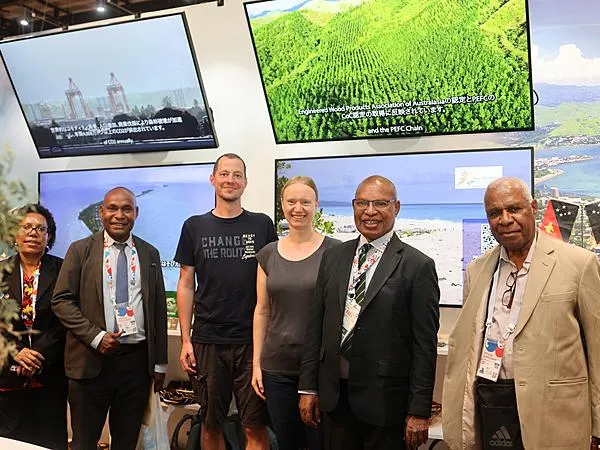
The Expo Site in Osaka, Japan, is crowded with visitors every day from 9am to 9pm with one-third being foreigners and two-thirds from Japan, reported the Commissioner-General of Section Papua New Guinea (PNG), Ambassador Gabriel Dusava during the visit of the Minister for International Trade and Investment, Hon. Richard Maru, to the Expo Site yesterday.

Ambassador Dusava and the officials on the ground reported that there were so much enquiries from Japanese tourists who were overwhelmed by the beauty, scenery and the culture of PNG.

“They wish to visit PNG. However, their biggest concern is no direct flights between Japan and PNG and no visa on-arrival for Japanese standard passport holders. There had also been business enquiries. Our biggest wish is to have Air Niugini re-open the direct flight between Port Moresby and Narita before our National Day on July 21. The program for the National Day is being finalized where the Prime Minister, Hon. James Marape, will be the Guest of Honor and the Head of Delegation,” said Ambassador Dusava.

The program will include the Prime Minister attending the National Day in Osaka on July 21, then traveling to Tokyo in July 22 to meet with the potential investors who want to invest in PNG. Prime Minister Marape will host a reception in the evening of July 22 where he will meet with the key Japanese Government officials and also meet with the Japanese private sector and development partners like Japan International Cooperation Agency (JICA) and Japan Bank for International Cooperation (JBIC).

Minister Maru said: “I am greatly impressed by the efforts of our team at the Expo Site, led by Ambassador Dusava. Despite our challenges, our team has been doing a very good job, working long hours, to market and promote PNG to the world at the Expo. I am extremely proud of them.”

“The investment for our participation at the World Expo in Osaka, Japan, is a very strategic investment by our Government to show our support for Japan in their Expo year. We are very keen to deepen and broaden our relationship with Japan so we are very grateful that the Prime Minister has made a commitment to personally visit the Expo and be the Guest of Honor at our National Day in Osaka and to meet with the Japanese private sector and development partners in Tokyo during his visit in July,” added Minister Maru.

Meanwhile, Minister Maru also visited the Australian Pavilion upon invitation from their Deputy Commissioner-General, Ms. Lucy Ryan.

May 26, 2025

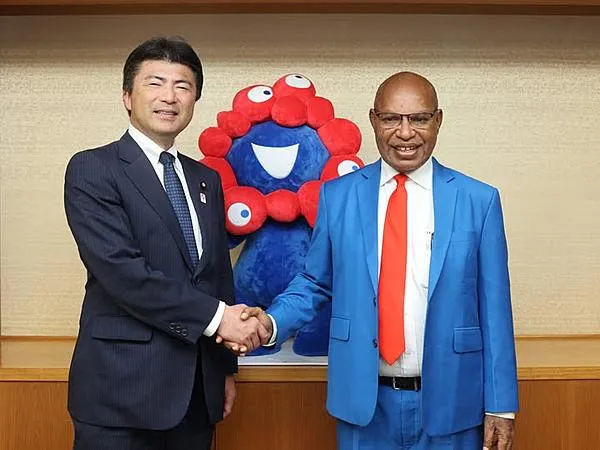
For the first time in 50 years, the Government of Papua New Guinea (PNG) through the Minister for International Trade and Investment, Hon. Richard Maru, formally conveyed to the Japanese Government that PNG is very keen and anchor its trade and relationship with Japan through a Comprehensive Economic Partnership Agreement (CEPA) into the future.

Minister Maru conveyed this through their Minister for Economy, Trade and Industry, Hon. Koga Yuichiro, during their first formal meeting on Monday in Tokyo, Japan.

Minister Maru, on behalf of the PNG Government, thanked the Japanese Government and people for 50 years of friendship which had evolved to one of the most important and enduring bilateral diplomatic and trade relationship.

“Our country has benefited very immensely from Japan through scholarships and development aid through organizations like Japan International Cooperation Agency (JICA) and Japan Bank for International Cooperation (JBIC). The most recent examples are the Tomodachi International Airport at Nadzab in Lae, Morobe Province, and three weeks ago JBIC announced a loan of K1.8 billion US Dollars to bankroll the funding the Papua LNG Project. During our disasters, Japan has always been one of the first countries to come to our aid. I want to express to your Government and your country our heartfelt gratitude for such enduring, warm and lasting relationship that has evolved over the last 50 years,” said Minister Maru.

Minister Maru alluded that Japan was PNG’s biggest export market comparable only to China.

“We truly appreciate that trade is in our favour. At the moment, Japan is importing an estimated US$4 billion from PNG, and they only export about US$250 million to PNG annually. Trade is very much in PNG’s favour but we think there is a lot more scope and potential for more investment and more trade flows between our two countries. There is a lot of opportunities for mutual cooperation where both sides can benefit if we strengthen the relationship and anchor it through a proper agreement which we have not had in the last 50 years. We think it’s time to reset our relationship and anchor our future on the back of a CEPA between our two countries. This should the new chapter after 50 years of our relationship, anchored on trade and investment as the foundation,” said Minister Maru.

Minister Yuichiro acknowledged the proposal by Minister Maru; however, he said both countries needed to deal with fundamental trade issues if we are to take their trade and investment relationship to the next level, ensuring there is direct flight between the two countries, issuance of visa on-arrival for the Japanese standard passport holders to enter PNG, and look at other fiscal and non-fiscal incentives including giving duty-free market access for Japanese goods to enter the PNG market to show PNG’s commitment to Japan. Minister Yuichiro also requested PNG to provide the framework for the proposed CEPA if PNG was serious to go down this path.

Minister Maru said the PNG Government will take note of Minister Yuichiro’s comments and will work on the framework for the proposed CEPA as a matter of priority so the negotiations can start this year.

Minister Maru further expressed his gratitude for the Japanese investment in the LNG sector and encouraged Japan to take more active interest in investing in PNG LNG projects.

“PNG currently supplies 6% of the Japanese energy market. Japan is the anchor customer of our LNG. However, they own only 5% of PNG LNG. I want to encourage Japanese companies to take up more than 5% stake in our project. Japan should not be a passive investor. We will be grateful to see Japan own larger portions of our LNG projects in the future, and even in our mining and petroleum industry and other industries,” said Minister Maru.

May 26, 2025

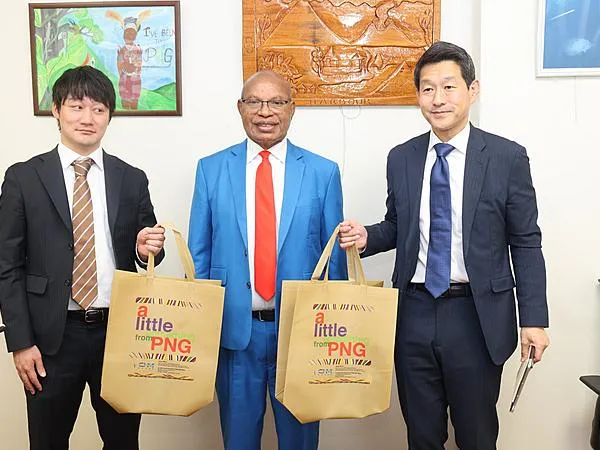
The Director for Pacific Islands Centre in Japan, Mr. Ryuzo Saito is calling on the Government of Papua New Guinea (PNG) to sort out important lingering trade issues hindering Japanese business, investment, and tourism interest in PNG.

Mr. Saito raised this in his meeting this morning with the Minister for International Trade and Investment, Hon. Richard Maru, and delegation in Tokyo, Japan.

Mr. Saito said that Japanese businesses and tourists were keen to visit, to do business and invest in PNG, however, PNG has let itself down by not sorting out trade issues that have been talked about for a long time.

The four critical issues that Mr. Saito raised were:

1. Visa on Arrival for Japanese standard passport holders. This arrangement existed prior to COVID. However, since COVID, the arrangement was temporarily halted and is yet to be uplifted by PNG immigration and Citizenship Authority.

2. The need for Air Niugini to resume direct flights from Port Moresby to Narita, Tokyo, for ease of connectivity.

3. Remittance of foreign currency. The foreign exchange and regulations by the Bank of Papua New Guinea is not giving priority to the repatriation of dividends that delay the remittance of profits back to Japan.

4. Security (law-and-order issues).

Minister Maru, in response, thanked Mr. Saito for his frankness in relaying the concerns of the Japanese businesses and tourists.

"As the Minister for International Trade and Investment, I support this call. If we want to increase two-way trade with Japan, we need to sort out these issues immediately, which have been lingering for a long time. We need to get our act together," said Minister Maru.

"I will raise all these issues with the Government to have them resolved so we can see more trade and tourism inflows into PNG from Japan. I am working with the Prime Minister, Hon. James Marape, to get Air Niugini to resume flights to Narita this year."

Minister Maru emphasized the significance of Japan’s relationship to PNG.

“Japan is PNG’s second largest trading partner and an important development partner. I want to thank the Japanese Government and people for their continuous assistance towards PNG’s development aspirations,” said Minister Maru.

Minister Maru also met with the Director General of Energy Solutions Finance Department of the Japan Bank for International Cooperation (JBIC), Mr. Manabu Kato. JBIC recently provided US$1.8 billion loan for the first PNG LNG Project.

Minister Maru extended an invitation to JBIC to speak at the upcoming 2nd PNG SEZ Summit that will be hosted in Port Moresby from August 31st to September 3rd, 2025. JBIC in response said they were keen to attend to market their products and services in the various sectors that they could co-fund as a semi commercial lending agency. They are very keen on more business in PNG and were very grateful for the invitation to speak at the Summit.

May 26, 2025

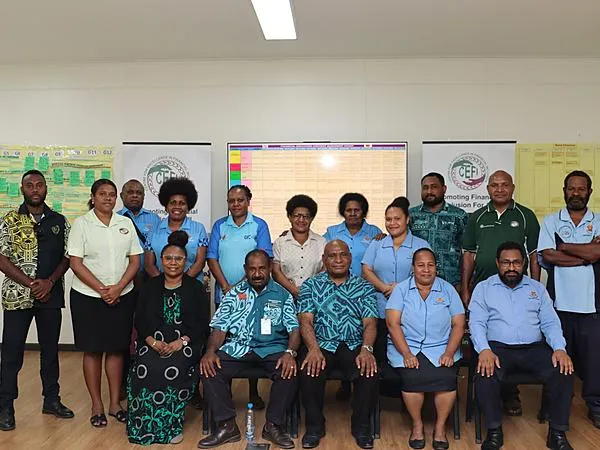
The Centre for Excellence in Financial Inclusion (CEFI), in close partnership with the Department of Education (DoE) through its Curriculum Development Division (CDD), has successfully concluded the two-week Financial Education Curriculum Validation Workshop, culminating in the delivery of 40 fully aligned educational resources. This marks an important step in the implementation of the Financial Education in Schools PNG (FESPNG) Project.

The workshop, held from 5th –16th May 2025, brought together a dedicated team of stakeholders, including officers from DoE-CDD, representatives from CEFI, and an external partner from Aflatoun International and Cufa to review and align 13 syllabuses, 13 Teacher Resource Books, and 13 Student Activity Books. This thorough process resulted in the development of eight strands, 16 units, 16 content standards, and benchmarks, reinforcing a consistent and inclusive approach to financial literacy education across all grade levels.

The purpose of the workshop was to support the integration of Financial Literacy Education (FLE) into Papua New Guinea’s Standards-Based Curriculum from Preparatory to Grade 12 and to validate the financial education curriculum materials developed through collaboration between the DoE-CDD, CEFI, Aflatoun International and Cufa.

The objectives of the workshop were to ensure that the financial education content aligns with CEFI’s Financial Literacy Standards and Conceptual Framework, maintaining national relevance and consistency. It also aimed to evaluate the developmental appropriateness of concepts across all grade levels, promoting coherent and age-appropriate progression. Expert input was sought from financial literacy technical advisors to enhance the accuracy and contextual suitability of the content. Additionally, feedback from CEFI and external partners was gathered to confirm the curriculum’s relevance to real-life financial challenges. Finally, the workshop validated the templates of the Teacher Resource Books and Student Activity Books to ensure they are well-structured, accessible, and practical for classroom use.

Opening the workshop, Mr. Peter Samuel, Acting Executive Director of CEFI, acknowledged key partners and contributors, particularly the Department of Education, Aflatoun International, and individual curriculum experts, whose dedication and collaboration have been instrumental in progressing this vital national initiative.

Mr. Samuel emphasized the strategic significance of the workshop, describing it as a critical step ahead of the program’s pilot phase. He stressed that the initiative is among the most impactful CEFI has undertaken to date, with long-term potential to empower future generations with practical financial knowledge and skills.

“This is more than just a workshop it is the groundwork for change in how we prepare our students for life beyond the classroom,” Mr. Samuel said. He further appealed to the Department of Education for continued partnership and support.

The recent workshop also welcomed Aflatoun International as a strategic international partner. Ms Ya Ling Chao, Regional Coordinator for Aflatoun Asia, travelled to PNG for the May workshop, commending the country’s dedication to integrating financial education. Speaking at the opening, Ms Chao described the initiative as “a historic milestone” and one of the most proactive collaborations she has encountered in the region.

On Friday, 16 May 2025, George Awap, Assistant Governor – Financial System Development and Innovation Group- Bank of Papua New Guinea, gave an impactful message at the closing of the Financial Education Curriculum Alignment Workshop.

Mr Awap thanked CEFI & DoE-CDD for their hard work during the two-week workshop. He praised their teamwork and also remembered past leaders who helped bring financial education to life. “We are building on the hard work of those who came before us,” he said, naming former CEFI Executive Director, Mr. Saliya Ranasinghe for his early efforts.

Mr. Awap’s key message was about Financial Education becoming a national focus. “It should not only teach people how money works but also help them change their thinking and use this knowledge in real life,” Mr. Awap said.

He said making a financial education curriculum is not easy. It must meet the needs of many different people and communities. There are challenges and these include reaching remote schools, finding enough money, and helping people especially adults change their way of thinking about money. “It’s not just about lessons. It’s about changing habits,” he said.

Mr Awap explained that financial education is now a national priority and is part of the government’s wider plans. He encouraged Papua New Guineans to trust the financial system, and for students to use what they learn in real life.

“It’s about giving the students the right knowledge and knowledge that empowers them both inside and outside the classroom,” he said.

Mr Steven Tandale, First Assistant Secretary at the DoE’s-CDD, praised the dedication and collaborative spirit of the workshop participants. He emphaized the critical role that writing, research, and continuous improvement play in curriculum development and encouraged educators to view challenges as opportunities brought for innovation.

Mr Tandale also acknowledged the practical barriers to implementation such as logistics, printing, and delivery to remote schools but affirmed that the team’s resourcefulness had led to creative solutions, including improved communication methods and enhanced documentation strategies.

This collaborative effort emphasizes a shared commitment to integrating financial literacy into the Standards Based Curriculum from Preparatory to Grade 12. The FE curriculum is critical in empowering students with essential financial knowledge, practical skills, and value based learning fostering lifelong learning, financial resilience, and responsible citizenship.

In total, 40 educational documents have been produced across the three workshops (two similar workshops held in 2024), all of which were funded by CEFI and delivered in collaboration with the DoE. This outstanding effort marks a national commitment to embedding financial literacy across all stages of formal education in Papua New Guinea.

The workshop brought together CEFI, DoE-CDD, and Aflatoun International to align core financial literacy concepts across all grade levels—from early childhood to upper secondary. Through collaboration, the workshop aims to ensure consistency, relevance, and effective implementation, helping equip students with essential financial life skills for a more inclusive society.

May 26, 2025

Papua New Guinea and Australia should not take each other for granted but work together with shared goals for the prosperity of each of their people.

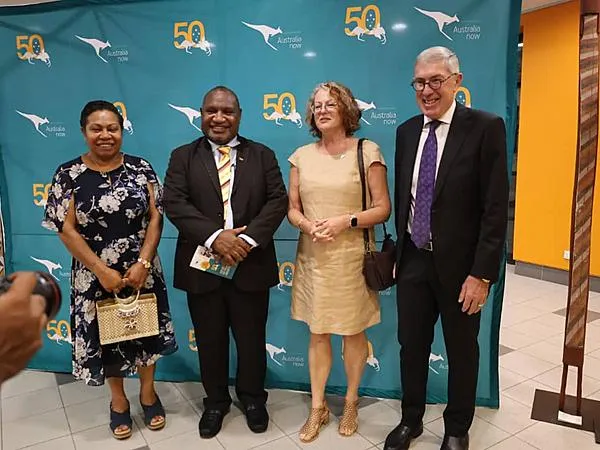
Prime Minister Hon. James Marape said this during the “Yumi Stap Wantem’’ event on Wednesday (14.05.25) evening. The event was organized by the Australian High Commission as part of the lead-up programs of PNG’s 50th Independence anniversary this year.

Prime Minister Marape said since Australia took on the United Nations man- dated responsibility over the Territory of Papua and New Guinea and eventually granted independence on 16th September 1975, the two nations remain closely bonded by their people-to-people and business-to-business relations.

He said amidst the many programs that are happening for PNG’s 50th Independence anniversary, it is good to see the Australian High Commission in Port Moresby organise the event as part of the countries’ shared history going to- wards 16th September 2025.

“I thank the Australian High Commissioner, the diplomatic community, and our guests for being part of tonight’s important event.

“We are very privileged to have Australia launch this program, ‘Yumi Stap Wantem’ – ‘We are Together, Side by Side, and Step by Step.’ It’s an important message.

“This event tonight is not just another diplomatic function. It symbolizes the continuing friendship and partnership between our two nations, Papua New Guinea and Australia, as we look forward to celebrating 50 years of Papua New Guinea’s independence,’’ said Prime Minister Marape.

The Prime Minister said this year, 2025, will mark a major milestone in PNG’s national journey.

He added that for many nations, 50 years is a young age, but for PNG, it represents the struggles, growth, and progress PNG has made — with friends walking alongside PNG.

“Let me place on record Papua New Guinea’s sincere appreciation to the people and government of Australia. Before 1975, you were helping us build our schools, hospitals, and roads and support the establishment of our institutions.

“After independence, you didn’t walk away. You stayed. You helped us grow our systems. You helped fund our development. You stood with us through crises, whether it was natural disasters or pandemics.

“Tonight is another example of how Australia continues to walk with Papua New Guinea. This partnership, through ‘Yumi Stap Wantem,’ is a reminder that we are not alone. It is a powerful message of friendship and solidarity.

“I want to thank the Australian High Commissioner and your team  – and through you, the Australian Government and people – for believing in our country and people,” the Prime Minister added.

He said, “as we head into 50 years, we want to not only reflect on the past, but to set a solid foundation for the next 50 years. We want to see a PNG that is prosperous, united, safe, and where no one is left behind. And we want to do that in partnership with our closest neighbors and friends.”

The Prime Minister also thanked and acknowledged other development partners – Japan, China, the United States, New Zealand, Indonesia, Philippines, Malaysia, India, South Korea, France, United Kingdom, Solomon Island, Fiji, the EU, the PIF, and many others who are also contributing to the development of the country.

He said PNG is open to partnerships that respect its sovereignty, that support PNG’s development goals, and genuinely seeks to improve the lives of Papua New Guineans.

“We are not in a rush to be like other countries. We are Papua New Guineans. We will grow at our own pace, based on our values, our culture, and our people. But having friends like Australia, who understands us, who has walked with us for decades, make that journey much easier. Let us continue to work together.

“Let us make our 50th independence anniversary not just a celebration of the past but a launchpad for the future.

“I want to assure the Australian Government and all our friends here tonight that PNG remains committed to this partnership. As we go forward, we must continue to strengthen our ties. Our people must interact more. Our businesses must connect. Our leaders must work together. Our future generations must understand the bond we share.

“So, thank you again, Australia, for being here for us. Thank you for this beautiful initiative -‘Yumi Stap Wantem.’ I encourage all Papua New Guineans to embrace this message. Let us walk together. Let us grow together. Let us face the future together.

“I encourage my fellow Papua New Guineans not to take Australia and its people and their presence for granted but embrace them and work together for our own good. We would like Australians to do the same to us PNG,’’ said Prime Minister Marape.

May 26, 2025

Prime Minister James Marape has issued a firm directive to all relevant state agencies to work around the clock to prevent Papua New Guinea from being placed on the Financial Action Task Force (FATF) grey list by October 2025.

Speaking after convening a high-level meeting in Port Moresby today, Prime Minister Marape said he has given a “no-excuses” directive to the Intergovernmental Taskforce on Anti-Money Laundering and Counter-Terrorism Financing (AML/CTF), led by the Chief Secretary, and comprising the Department of Justice and Attorney General, Bank of Papua New Guinea, Royal Papua New Guinea Constabulary, Department of Finance, Treasury, Internal Revenue Commission, and other key institutions.

“I gave a very strong charge to this team to bend the midnight oil and ensure we do everything required to avert this grey listing. We have five months – from now until the end of October – and I will not accept any excuse for failure,” Prime Minister Marape said.

He added that responsibility for coordinating efforts has now shifted to the Treasurer, with all key institutions – including the Chief Secretary, Justice Secretary, and heads of relevant agencies – to report directly to him moving forward. “I’ve shifted this task away from the Justice Minister as the political head of this work . Everyone must now report through the Treasurer to drive this process forward. The political will is there – what’s been holding us back are administrative impediments and, frankly, administrative incompetence. That must end now. We cannot afford to delay,” Prime Minister Marape said.

He stressed that the Government had already done its part by delivering critical legislation and institutional reforms since 2019, including the establishment of the Independent Commission Against Corruption (ICAC), the passage of the Whistleblowers Act, and amendments to the Proceeds of Crime Act.

“You cannot get any clearer in terms of political will to fight corruption than what we’ve already done. This government passed the ICAC law. We passed the Whistleblowers Act to protect those reporting corruption. We amended the Proceeds of Crime Act to make it compulsory for the State to pursue and confiscate wealth acquired illegally. That clearly shows our commitment to clean governance,” Prime Minister Marape said.

“I cannot tolerate those who are employed by the State to handle these matters being complacent and slow. This work must now move with urgency.”

Prime Minister Marape made it clear that any agency failing to meet its reporting and implementation obligations would be held accountable, adding that by close of business on Tuesday, he had expected a full update on the status of each agency’s work.

“We must identify key milestones, track progress, and prosecute those involved in illegal financial transactions. There can no longer be any room for money laundering in our country,” Prime Minister Marape stated. “Illegal transactions, including those linked to domestic terrorism like gun smuggling in the Highlands, must be investigated thoroughly. The money trail is traceable — follow it.”

He added that Papua New Guinea’s ambition to grow into a K200 billion economy would be undermined if corruption and illicit financial flows continued unchecked.

“There is no economic progress if illegal money continues to circulate. Our financial system must promote genuine trade and transparent, traceable transactions.”

Prime Minister Marape also reaffirmed the moral obligation of government to act, beyond just meeting global compliance standards.

“This is not just about avoiding grey listing. It is about protecting our economy, restoring integrity in governance, and ensuring our people live in a society where hard work is rewarded – not crime.”

He concluded with a direct call to all agencies in attendance — numbering more than 30 — to “work day and night, bend the midnight oil, and get this done by October.”

“I want a country where we are clearly seen to be serious about stamping out money laundering. Let us prove to our people and to the world that Papua New Guinea is committed to clean governance and legitimate economic growth,” Prime Minister Marape said.

May 21, 2025

Health is everyone’s business, especially in countries like Papua New Guinea where national development depends heavily on human resources. A healthy population is important not only for social well-being but also for economic growth and national progress.

Combating malaria, a disease that continues to place immense strain on health systems and communities, thus is a national and regional priority, leading to the inaugural EDEN Initiative Regional Coordination Meeting opened in Port Moresby, Papua New Guinea on 6 May.

This meeting stems from the Eliminating Malaria and Other Vector-Borne Diseases through Enhanced Regional Partnerships (EDEN) Initiative, a collaboration endorsed by health ministers from Indonesia, Papua New Guinea, Solomon Islands, Timor-Leste, and Vanuatu, during the 8th Asia Pacific Leaders’ Summit on Malaria Elimination in 2024.

Papua New Guinea’s Minister for Health, Hon. Elias Kapavore, hosted the meeting that brought together representatives from Indonesia, Papua New Guinea, Solomon Islands, and Vanuatu to define shared priorities and accelerate efforts toward a malaria-free Central Indo-Pacific.

In the World Health Organization (WHO) South-East Asia and Western Pacific regions, 75% of malaria cases are concentrated in just five countries.

Kapavore said tackling malaria is one of the priorities of the Ministry of Health.

“Our country has one of the highest malaria rates in the Western Pacific, with nearly one million cases reported annually. Papua New Guinea remains committed to the EDEN Initiative,” the minister said.

“Alongside our partners and technical experts, we are laying the foundation for a collaborative effort that outlines our shared priorities and strategies. We are here not just to talk but to act.”

The EDEN Initiative aims to drive major advances in malaria elimination across the region, from Sabang in Indonesia to Tafea in Vanuatu, through large-scale, innovative solutions that would strengthen regional health security and unlock economic benefits for communities.

The meeting focused on the growing impact of climate change on malaria transmission. Shifts in temperature, rainfall, and extreme weather have accelerated parasitic and vector development, increased vector activity and bite rates, and expanded breeding sites.

The group concluded that the Central Indo-Pacific faces rising climate-induced risks that are altering transmission patterns and overwhelming health systems—putting more people in danger.

To reach a malaria-free Central Indo-Pacific, the EDEN Initiative is seeking funding for innovative projects that offer substantial progress but exceed domestic financing capabilities.

Representatives from the four countries endorsed four transformative approaches to advance this goal:

A subnational tailoring program will help PNG, Solomon Islands, and Vanuatu implement context-specific, cost-effective strategies.

Building a strong regional network of laboratories and support systems will enhance diagnostics, surveillance, and rapid response.

A cross-border data-sharing platform will support early detection, coordinated responses, and better management of imported cases.

Scalable demonstration projects will be launched in selected high- and low-burden areas in each country. In high-burden areas, these projects will involve community health workers, larval source management, vector control, and improved surveillance to boost diagnosis and reduce parasite reservoirs. In low-endemic areas, the focus will be on sensitive surveillance, rapid containment, and preventing re-establishment. These pilots will generate best practices to guide broader national and regional efforts.

Health ministers from the five EDEN countries will advance the initiative further at the 9th Asia Pacific Leaders’ Summit on Malaria Elimination, set for 16-17 June in Indonesia.

May 19, 2025

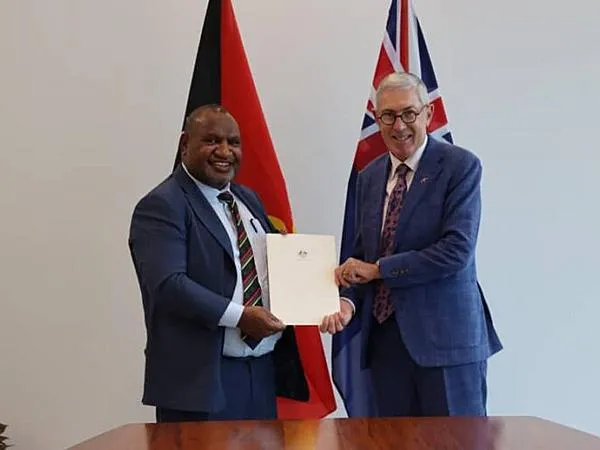
Prime Minister Hon. James Marape, MP, today officially welcomed the new Australian High Commissioner to Papua New Guinea, His Excellency Ewen Neil McDonald, during a courtesy call at the Office of the Prime Minister in Port Moresby.

Prime Minister Marape expressed his appreciation to H.E. McDonald for the meeting and warmly welcomed him to Papua New Guinea, noting the significance of his appointment during a milestone year for the nation.

On behalf of the Government and people of Papua New Guinea, Prime Minister Marape conveyed his congratulations to Prime Minister Anthony Albanese and the Australian Labor Party on their recent electoral victory.

He highlighted the historic bond between both nations, acknowledging that the Australian Labor Government was the administration that granted independence to Papua New Guinea on 16th September 1975.

“It is deeply symbolic that the Labor Government is once again leading Australia as we prepare to celebrate 50 years of independence,” Prime Minister Marape said.

He reaffirmed that Papua New Guinea places great value on its relationship with Australia, describing it as “the most diverse and important” bilateral partnership.

“As we look forward to marking 50 years of political self-determination, we also celebrate a significant chapter in the enduring relationship between our two nations,” the Prime Minister added.

Prime Minister Marape acknowledged Australia as PNG’s largest development partner, providing an estimated AU$637.4 million in Official Development Assistance for 2024–2025.

He noted that the PNG–Australia relationship has evolved into a deeper economic and strategic partnership, underpinned by trade and investment, security cooperation, and stronger people-to-people ties.

“Our bilateral ties have broadened with the Comprehensive Strategic and Economic Partnership (CSEP) 2020–2030 and the signing of the Bilateral Security Agreement (BSA) in 2023,” he said.

In conclusion, Prime Minister Marape extended a formal invitation for Australia to join in the celebrations of Papua New Guinea’s 50th Independence Anniversary on 16th September 2025.

May 19, 2025

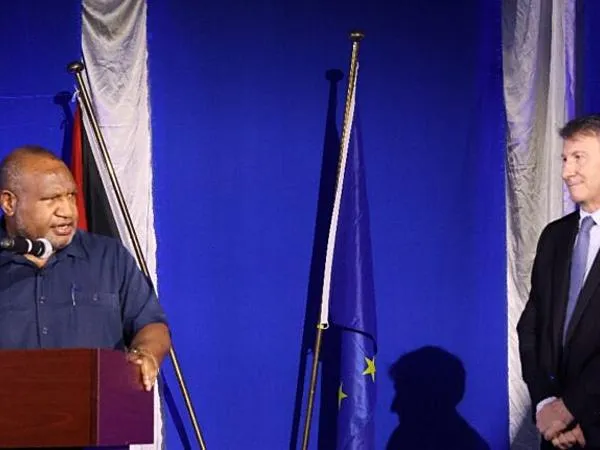
Prime Minister Hon. James Marape has congratulated the European Union (EU) on the occasion of Europe Day, recognising the EU’s long-standing and expanding partnership with Papua New Guinea during a formal reception held on the evening of Friday, 9 May 2025 at APEC Haus.

Speaking before a distinguished audience of diplomats, ministers, and development partners, Prime Minister Marape underscored the EU’s critical role in PNG’s development needs.

“On behalf of my government and the people of Papua New Guinea, I congratulate the European Union on your Europe Day and acknowledge the deep and significant partnership we continue to share.

“Your programmes across the country — especially in provinces like East Sepik — are directly improving the lives of our people,” said Prime Minister Marape.

He highlighted the extensive support PNG receives from the EU in sectors including education, energy, gender equality, agriculture, climate resilience, and public financial management.

“The European Union has been a steadfast partner. Your investment in education, energy access, agriculture, and governance is transforming communities. From climate change resilience programmes to supporting us during COVID-19, you have stood by us in good times and in moments of hardship,” added Prime Minister Marape.

Prime Minister Marape also emphasised the EU’s financial contributions at the provincial level.

“We are grateful for the millions of kina being invested by the EU in provinces such as East Sepik. These funds are building infrastructure, boosting agriculture, and enhancing public services in our rural areas,” said Prime Minister Marape.

He reiterated PNG’s commitment to shared values such as democracy, equality, and inclusive development.

“Papua New Guinea is a robust democracy with a free-market economy. We believe that everyone deserves equal opportunity for progress and prosperity, no matter where they live,” said the Prime Minister.

Referring to the broader geopolitical context, Prime Minister Marape added that PNG is positioned as a critical link between the Pacific and Southeast Asia, calling for stronger global cooperation.

“We are a proud member of the Pacific family, with deep ties to ASEAN and Asia. As the world shifts towards a more multipolar future, we welcome the EU’s continued presence in our region.

“Our foreign policy remains clear—friends to all, enemies to none,” he said.

Prime Minister Marape also announced at the Europe Day event that PNG is expanding its diplomatic footprint in Europe.

“I’m pleased to confirm that our nominee for Consul in Switzerland has been accepted, and plans are underway to open an embassy in France.

“These efforts mark our growing engagement with Europe,’’ said Prime Minister Marape. Reflecting on the EU’s origin, Prime Minister Marape also paid tribute to French Foreign Minister Robert Schuman, whose 1950 vision laid the foundation for the European Union.

“Schuman’s vision reminds us that even one person’s idea—grounded in peace and partnership—can shape global history. That same spirit of unity is what we celebrate today.”

The Prime Minister concluded by thanking the EU for “finding a home in the Pacific.” “Though 12,000 kilometers may separate us, in every sense you are close to us.

“The EU has a home here in Papua New Guinea, and we thank you for being part of our journey toward peace, development, and shared prosperity.”

May 19, 2025

External Auditors into the Connect PNG Program are now in country to commence face to face interviews with all stakeholders and physical inspections of the road projects, starting in the Manus province where the start of phase one of the program was launched in 2022.

Acting Chief Secretary to Government Ivan Pomaleu said the Audit is a response to various concerns raised on the floor of parliament last year regarding how the National Government is managing and Coordinating the K20 billion Connect PNG Road Works Program over 20 years.

The Acting Chief Secretary said that the Connect PNG Act 2021 provides that 16,500 kilometres must be constructed by 2040 and the law commits 5.6% of the country’s annual budget to the Program.

He said this means that no matter how much the budget for each year, from 2020 up to 2040, 5.6% of the total annual budget is already committed by law to the program.

Mr. Pomaleu emphasised that this is one of the biggest Program ever undertaken by the Government of Papua New Guinea and to ensure that things are done properly and quality and sustainable work is delivered for the people, an Audit on the programs progress must be done.

He said the Manus East West Highway is a 150-kilometre road that will open up access to the Manus Special Economic Zone and is one of six identified projects that comes under phase 1 of the program,

Mr. Pomaleu further added that the current contract in the works is for 32.5 kilometres of road, starting from NBC Junction to Kawa Primary School valued at over K115 million, which was supposed to run from 2020 to 2023 but started in 2022 after the contract for the project was signed between the State and the contractor, COVEC. The Auditors are now in Manus to investigate work progress.

“In Manus, the external auditors will meet with representatives from the National Department of Works, the Provincial Department of Works, the Contract Manager and the Contractor, COVEC, for one on one interviews before going on a site visit to personally see evidence of work progress,” he said.

The Acting Chief Secretary said that at the end of the Independent audit, a report will be provided to the National Executive Council on their findings on the current status of the road works, the procurement process of all the contracts awarded from 2020 – 2024 under the Connect PNG Program and provide recommendations on findings to change and improve the practise under GoPNG funding and procurement processes.

Governor for Manus Hon. Charlie Benjamin expressed his appreciation of the Independent External Auditors coming to Manus saying they would like to get clarity on the processes involved in the awarding of the contract and get answers as to why the project is not progressing as per the time line for the project.

May 19, 2025

Prime Minister Hon. James Marape recently (15.05.25) met with the Special Envoy of the Minister for Foreign Affairs of United Arab Emirates (UAE), His Excellency Mr. Omar Shedadeh to further discuss the strengthening of bilateral relations between the two countries, especially in trade and investment, and technical expertise by UAE to PNG in targeted areas.

Mr. Omar is representing the Minister of Foreign Affairs, His Highness Shiekh Abdullah bin Zayed Al Nahyan as the Special Envoy to Caribbean and Pacific States.

UAE is a relatively new partner to PNG, having formalized its diplomatic ties with PNG on 22 May 2017, with an NEC decision for the opening of a diplomatic mission in the capital, Abu Dhabi pending; and a visit to PNG in 2014 by the Foreign Minister, His Highness Shiekh Abdullah bin Zayed Al Nahyan.

Relations peaked when great interest in trade and investment with PNG was generated  during  the  World  Expo  2020  (delayed  because  of  COVID-19 pandemic and held from 2021 to 2022) where 23 companies registered their interests to invest in PNG.

With the PNG Ministry of International Trade and Investment, and Ministry of Foreign Affairs facilitating the arrangements, three initial agreements are currently underway. They include the Air Services Agreement, Double Taxation Agreement, and Investment Promotion and Protection Agreement.

At the meeting today, Prime Minister Marape noted UAE’s colossal success in development over a relatively short period, describing UAE as “an inspiration to us all”.

He highlighted the benefits PNG stands to get out from UAE’s experiences and position as a world leader in trade and investment, technological innovation and advancement, and environmental sustainability.

He said the PNG Government is looking forward to working closely with the Government of UAE to grow the business-to-business and people-to-people relations of the two countries while the government-to-government relation progresses.

The Prime Minister advocated PNG’s strong position between the Pacific and Asia regions, while underscoring Asia’s rise in economic power within this century making PNG the ideal location to invest to tap into the expanding markets of Asia.

Once more, discussions turned to trading with UAE in mining, fisheries and agriculture where the Special Envoy put across his country’s keen interest to buy from PNG, high among them, PNG coffee.

May 12, 2025

Papua New Guinea is now part of the prestigious global engineering community, as the country has officially been voted in as a new member of the International Tunnelling and Underground Space Association (ITA) during the recent World Tunnel Congress held in Sweden.

Representatives from 80 countries gathered at the congress, where 46 voted in favor of PNG’s inclusion.

Papua New Guinea joining the 50-year-old organization ushers in a new chapter for national development in tunnelling and underground infrastructure, both critical to the mining and petroleum industries that power most of its economy.

The announcement comes as PNG rolls out infrastructure initiatives under the Connect PNG Programme, including the development of railway systems that will require advanced tunnelling through mountainous regions.

Joining the ITA connects PNG to a network of international expertise in underground construction, safety protocols, and engineering innovation, crucial elements for the successful delivery of complex projects.

"This membership is not just a win for PNG—it is a strategic step towards embracing global engineering standards and preparing our nation for the next 50 years of advanced transport infrastructure,” the PNG delegation said in a statement.

The ITA guides member nations on best practices in underground construction, safety, and innovation in the tunnelling and railway sectors.

The association extended congratulations to the team behind the Connect PNG Programme and “all stakeholders who helped bring Papua New Guinea into this prestigious global engineering community.”

From 9 to 15 May, Stockholmsmässan was the ITA’s platform for the future of underground infrastructure. More than 3,000 experts from around 80 countries gathered at the world-leading congress and exhibition.

The World Tunnel Congress (WTC) is an annual international congress and exhibition. For the first time, Sweden hosted the event, which was organised by the Swedish Rock Engineering Association with support from the ITA.

“The World Tunnel Congress is a strategically important event that reinforces Stockholm’s position as a leading city for sustainable infrastructure and technological innovation,” says Karin Mäntymäki, Head of International Market Development at Stockholm Business Region.

May 12, 2025

Austria has signalled a growing interest in strengthening economic ties with Papua New Guinea, focusing on high-value sectors such as green energy, forestry processing, and advanced technology.

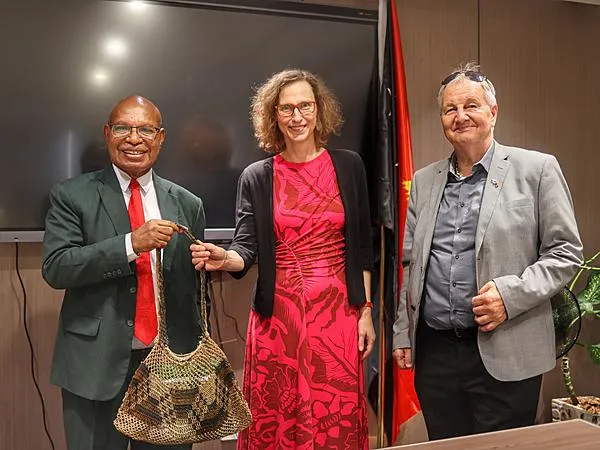
This was revealed during a meeting between Austria’s new Ambassador, Her Excellency Elisabeth Koegler, and PNG’s Minister for International Trade and Investment, Hon. Richard Maru, on 7 May in Port Moresby.

Koegler emphasized Austria’s intention to explore investment opportunities, particularly in downstream processing of timber, as well as solar energy, hydroelectric development, and hi-tech industries.

A Central European nation with over nine million people, Austria is known for its robust, export-oriented economy and strong industrial, service, and tourism sectors.

The country has one of the world’s highest standards of living, ranking 18th globally on the Human Development Index in 2019, and benefits from its strategic location as a trade bridge between Western and Eastern Europe.

With its innovative manufacturing base, Austria specializes in producing machinery, automotive components, and pharmaceuticals. Vienna, the capital, also serves as a regional financial center.

Current trade between the two nations remains modest. In 2023, PNG exported approximately US$6.3 million worth of goods to Austria, including processed fish and industrial equipment, while Austria exported US$1.66 million to PNG, consisting mainly of printed materials, machine parts, and heating systems.

Minister Maru welcomed the dialogue, saying PNG wants to push increased foreign investment in sustainable industries.

“We want more investments in hydro and green energy, manufacturing, and the downstream processing of forestry and building materials,” he stated.