June 24, 2025

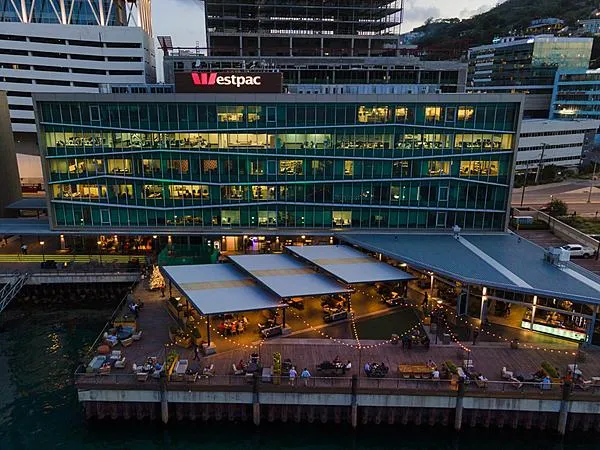
As Papua New Guinea continues to strengthen its economic ties with Australia and the broader Pacific, Westpac is proud to reaffirm its commitment to regional growth and connectivity as a Diamond Sponsor of the 40th Australia Papua New Guinea Business Forum & Trade Expo.

Held in Port Moresby, the Forum remains a cornerstone event in the bilateral business calendar, attracting senior government officials, business leaders, investors, and development partners from both countries. For four decades, it has been a key platform for dialogue, collaboration, and business-to-business engagement.

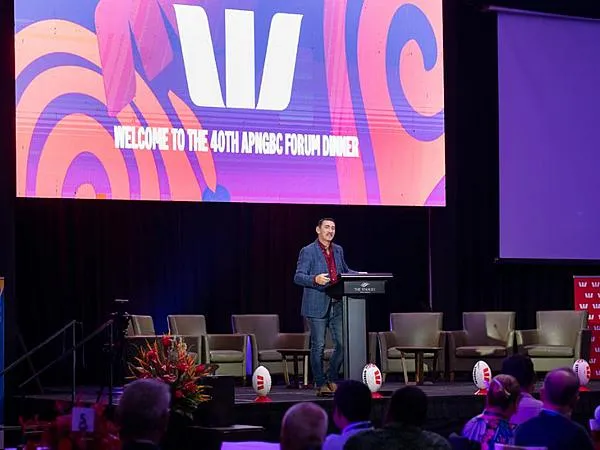
As part of its longstanding support, Westpac will once again host the Forum’s signature welcome dinner, an event the bank has proudly organised for more than a decade. The dinner sets the tone for the days ahead, fostering connection and conversation among stakeholders committed to shared progress.

“The Australia-PNG Business Forum & Trade Expo is a vital platform for shaping the future of trade and investment in our region,” said Andrew Cairns, Chief Executive of Westpac PNG. “We are proud to be part of this journey. For 115 years, Westpac has supported PNG’s growth not just as a bank, but as a committed partner working alongside businesses, governments, and communities to create long-term impact.”

This year’s dinner featured a keynote address by Mat Rogers, Australian dual-code rugby legend, media personality, and public speaker. With a career that spans elite sport, broadcasting, and philanthropy, Mat will speak on leadership, resilience, and the value of authentic partnerships offering a unique lens through which business leaders can reflect on the power of purpose in driving success.

“It is a privilege to join Westpac at such a significant moment in its journey,” said Rogers. “Partnerships whether in sport, business, or life are built on trust, shared values, and a common goal. The relationship between Australia and PNG is a powerful example of this, and it’s inspiring to see organisations like Westpac continuing to invest in that future.”

As Westpac celebrates 115 years of service in PNG, the welcome dinner is not just a celebration it is a contribution and a reminder that being a financial and community partner means showing up with purpose, creating space for important conversations, and helping to shape the environment in which business and communities thrive.

Westpac remains committed in staying connected with clients, stakeholders, and partners to continue building the relationships that drive sustainable growth across PNG and the Pacific.

June 23, 2025

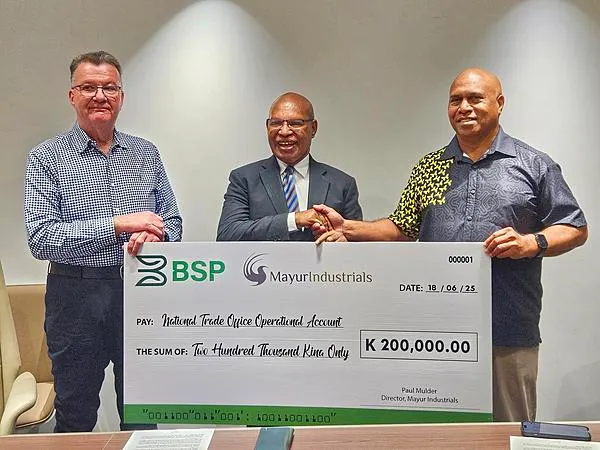
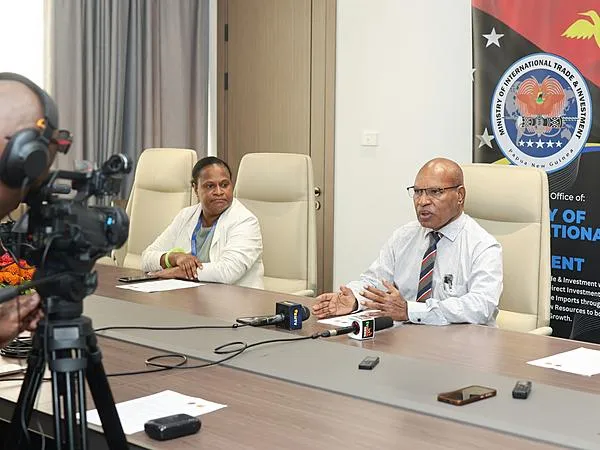
The Minister for International Trade and Investment, Hon. Richard Maru, this morning, welcomed Mayur Industrials PNG Limited as a Gold Sponsor for the upcoming 2nd Papua New Guinea Special Economic Zones (SEZ) Summit, to be held at the APEC Haus in Port Moresby from August 31st to September 3rd, 2025.

Mayur Industrials PNG Limited is a wholly owned subsidiary of ASX-listed Mayur Resources Limited (the Company or Mayur).

Minister Maru said: “We are pleased to welcome Mayur Industrials as a Gold Sponsor. Their Central Cement and Lime Project residing in a Single Factory Zone SEZ exemplifies the type of transformative, nation-building initiative the SEZ framework is designed to support.

Minister Maru expressed satisfaction that the SEZ Authority (SEZA), himself, and the Prime Minister, Hon. James Marape, MP, had resolved recent concerns, with SEZA and the Company now aligned.

“Central Cement and Lime Project will shortly come before the National Executive Council to formalize its recognition as a strategic national priority after the State Negotiations are concluded. This project will directly create over 1,000 jobs during construction.”

“The Marape-Rosso Government is very supportive of this project because we want to replace all cement imports and reduce the cost of cement. Cement is essential in building our nation. We have four other limestone projects on the way. We want to see all our roads built with cement from the lime resources within PNG. We do not want to see any of our lime by-products like clinker to be sent overseas. All our lime must be used for our nation-building projects in PNG,” said Minister Maru.

“We are currently importing cement from China and we know that our cement factory in Lae is importing cement from other countries. We want this to cease when this project starts. We have enough resources here to supply our own needs and be the net exporter of cement.” Minister Maru added.

Minister Maru invited other PNG investors to partner with Mayur Industrials and its 50/50 local landowner partners in complementary industries such as cement manufacturing, pre-cast concrete, and other high-demand construction materials essential to industrialising PNG.

“The SEZ Summit will be a platform to showcase these opportunities and attract serious partners who want to help build PNG’s industrial base.”

Minister Maru also acknowledged that Mayur Industrials had responded to his call to seek a dual listing on the Papua New Guinea Stock Exchange (PNGX).

“Their dual listing application reflects growing confidence in PNG’s economy. We will support them to complete this before the end of this year.”

Minister Maru further commended Mayur Industrials for establishing its main operating office in Port Moresby alongside its Brisbane headquarters. The new office, recently completed, will accommodate approximately 50 staff as the project ramps up.

“This aligns with our vision for SEZs—to attract investment, create jobs, and embed companies in the national economy. With partners like Mayur Industrials, we are confident SEZs will help drive PNG’s economic transformation through resilient, export-ready industries,” said Minister Maru.

June 23, 2025

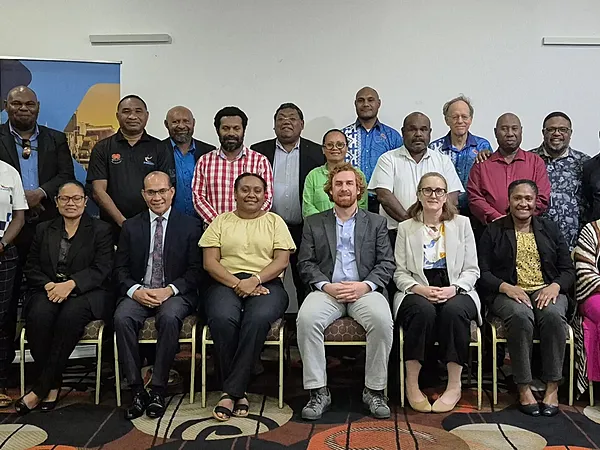
In a crucial step towards improving transparency and governance in the extractive industries, the Papua New Guinea Extractive Industries Transparency Initiative (PNGEITI) convened a two-day Pre-Validation Workshop from 9–10 June in Port Moresby. The workshop brought together members of the Multi-Stakeholder Group (MSG) and staff from the PNGEITI National Secretariat

The two-day workshop was facilitated by Asia Country Manager Ms. Sarah Hayton and Validation expert Mr. Riley Zecca from the EITI International Secretariat’s Validation Team with the primary focus to prepare Papua New Guinea for its upcoming EITI Validation scheduled to commence in January 2026.

EITI Validation is a cornerstone of the global Extractive Industries Transparency Initiative (EITI) process. It provides an independent and comprehensive assessment of a country’s performance in disclosing critical extractive sector data—from licensing and production to revenue flows and public spending.

For Papua New Guinea, EITI Validation is not merely a compliance measure—it is a vital tool for reform. It fosters informed policy dialogue, builds public trust, strengthens institutional frameworks, and demonstrates the country’s commitment to transparency to investors and development partners. The recent Pre-Validation Workshop was strategically designed to support this reform agenda by explaining the Validation process and agreeing on the preparatory steps that the Multi-Stakeholder Group (MSG) must undertake. It also provided hands-on training for MSG members on the newly introduced Validation templates, reviewed outstanding corrective actions from the 2022 Validation, and developed an action plan to address them. In addition, the workshop focused on building capacity around key disclosures required under the revised 2023 EITI Standard, particularly in emerging areas such as energy transition, gender, and anti-corruption.

By the end of the two-day session, MSG members had developed a clearer understanding of the specific actions required to close existing implementation gaps and strengthen Papua New Guinea’s standing ahead of the 2026 EITI Validation. Key outcomes of the workshop included a shared understanding of the critical steps needed to achieve full compliance with the EITI Standard, agreement on roles and responsibilities for addressing corrective actions, and the development of a draft timeline outlining key activities to be undertaken in preparation for the upcoming Validation. Speaking on the significance of the workshop, PNGEITI Executive Director Mr. George Kauli stated “This two-day Pre-Validation Workshop has been a timely and strategic opportunity for us to regroup, refocus, and build a shared understanding of what is required for Papua New Guinea to meet the EITI Standard. As we prepare for Validation in 2026, it is critical that all stakeholders—government, industry, and civil society—are aligned in their roles and responsibilities. Our collective commitment to transparency, accountability, and reform will ensure that the benefits from our extractive sector are managed responsibly and equitably for all Papua New Guineans.”

This statement reaffirms PNG’s national commitment to transparency and sets a collaborative tone for the coordinated efforts needed as the country advances toward its next Validation.

Papua New Guinea last underwent Validation in 2022, during which the EITI International Board awarded the country an overall score of 70.5 points, indicating a moderate level of progress in implementing the EITI Standard. The score was based on an average of three component areas:

  • Outcomes and Impact: 73.5 points – showing effective use of data to inform public dialogue and policy;
  • Stakeholder Engagement: 75 points – reflecting strong cooperation between government, industry, and civil society;
  • Transparency: 62.5 points – highlighting a need for improved disclosures across the extractive value chain, especially in revenue collection and allocation.

While the 2022 results reflected PNG’s strong commitment to transparency, the Validation also identified several gaps—particularly in data accessibility and the completeness of reporting. Addressing these gaps is critical for improved governance and accountability.

In a resource-rich country like Papua New Guinea, where the economy is heavily reliant on mineral, oil, and gas revenues, the transparent and equitable management of these resources is essential to achieving sustainable development. The Pre-Validation Workshop has set a clear and structured path forward to enhance good governance, strengthen public oversight, and ensure that the benefits of extractive resources are shared fairly among all Papua New Guineans.

June 16, 2025

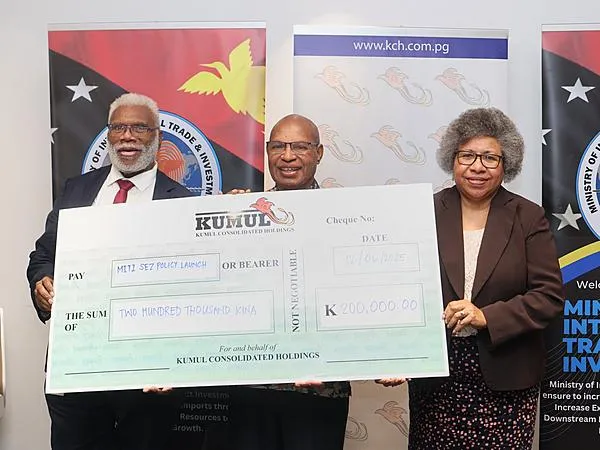
The Kumul Consolidated Holdings (KCH) today presented a cheque of K200,000 to take up Gold Sponsorship for the upcoming 2nd Papua New Guinea Special Economic Summit that will be hosted in Port Moresby from August 31st- September 3rd, 2025.

The Minister for International Trade and Investment, Hon. Richard Maru, thanked the Managing Director for KCH, Professor David Kavanamur, and the Minister for State Enterprises, Hon. William Duma, for their support towards this very important Summit.

Minister Maru said: “We are very happy to work with KCH. We look forward to receiving their Submissions for the Madang Integrated SEZ and the Portside SEZ so we can have them processed and approved by the NEC and the SEZ Authority will grant them licenses subject to KCH meeting all the regulatory requirements.”

Minister Maru and Professor Kavanamur also gave an update on the establishment of the new cannery in Madang.

“We are also happy to announce that for the cannery in Madang, following the clearance of the MOU by the State Solicitor, by tomorrow the Shareholders Agreement will be finalized between the three shareholders- KCH, Madang Provincial Government and RD Corporation to pave way for the launching of the tuna canning project within what used to be called the PMIZ but now the Madang Integrated SEZ. The Prime Minister, Hon. James Marape, will be invited to officiate at this launch will be held on Monday, July 7, 2025 in Madang. The Governor for Madang, Hon. Ramsey Pariwa, will be meeting with us to finalize the program for this historic launch.”

“This project was initiated by the Somare Government has been delayed by over three Governments. The Marape-Rosso Government will finally deliver this very important project this year. It is going to be a very significant milestone as we celebrate 50 years of Independence. It will signal the start of the very aggressive push by the Government to have all our fish caught in our waters to be processed onshore. We are waiting for the National Fisheries Authority to bring the Domestication Policy, but work starts this year.”

“It is our hope that in the next couple of years we will completely ban the unprocessed fish exports from PNG and in the process, we will create over 100,000 new jobs and revenue inflows will grow from less than K1 billion billion to over K5 billion from licensing of boats, taxes from companies, personal income taxes and GST. The new 300MT cannery project will cost K160 million. The State’s share of the equity funds is ready and will be released to the new JV Company to be called the ‘Kumul Fishing Limited’ as soon as the Project Agreement is signed,” said Minister Maru.

The new Board and Management for the JV Company will be appointed in the coming weeks and the company will be ready to start the construction of the new cannery after the launch next month.

Minister Maru thanked the Prime Minister and the Cabinet, KCH, RD, Madang Provincial Government and all the partners for all their support towards the establishment of the new cannery which will be owned by our Government and the Madang Provincial Government on behalf of our people.

“I want to thank the Marape-Rosso Government for the foresight and the determination to finally deliver the PMIZ decision as part of our Take Back PNG initiative,” said Minister Maru.

June 16, 2025

The Minister for International Trade and Investment, Hon. Richard Maru, today, confirmed that the Prime Minister, Hon. James Marape, is set to officially launch the Papua New Guinea Special Economic Zone Foundation Policy (2025- 2032) on Sunday evening of June 15, 2025, at the APEC Haus in Port Moresby.

“I want to thank all the sponsors of the inaugural Papua New Guinea (PNG) Special Economic Zone (SEZ) Summit that was hosted in 2023, and all Departments and Agencies and everyone who cooperated in providing input to this very important foundation policy. This is the first time that PNG will have a foundation SEZ policy. The launch of this policy will result in the current SEZ Act of 2019 being repealed and a new Act will be enacted to reflect the changes in the foundation policy,” said Minister Maru.

“This is a very important policy. Provinces, districts and businesses who wish to be involved in SEZs need to get the copy of the Policy to know the processes on how to establish SEZs and apply for SEZ licenses,” Minister Maru alluded.

Minister Maru said at this stage, PNG was set to establish up to seven new SEZs this year.

“Apart from the Paga Hill SEZ that has already been licensed, the Government has recently approved three SEZs including the Sea Park SEZ, Finschhafen Integrated SEZ and the Central Province Industrial Park, and we are expecting to announce a few more over the next month. This is a very exciting year for our country with more interests coming from investors from within the country and outside the country to establish their businesses within the SEZs,” said Minister Maru.

“If a country like the Philippines, which is a one-third our size, can have over 420 SEZs driving their economic growth at the rate of 5% per annum, generating over US$63 billion in export income, and creating over 4 million jobs, we can do it too. SEZs will be the key driver of sustainable long-term economic growth in the country.”

“Invitations have gone out to our leaders, Department and Agencies, the private sector and the provinces and I look forward to having them all come together to be part of the launch of our PNG SEZ Foundation Policy on Sunday,” added Minister Maru.

June 16, 2025

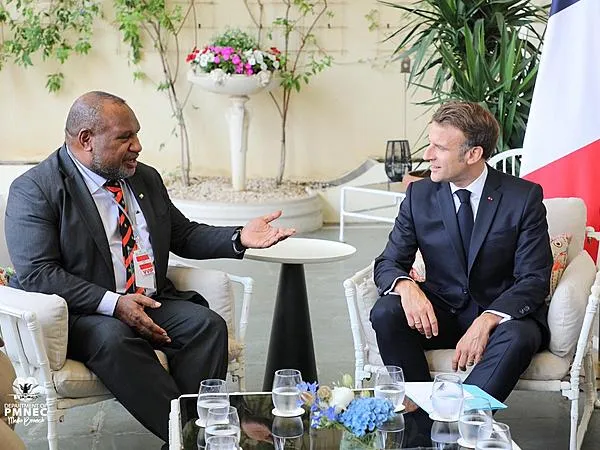
Prime Minister Hon. James Marape has praised the strengthening of bilateral relations between Papua New Guinea and France, following a landmark meeting with French President Emmanuel Macron during the 3rd United Nations Ocean Conference.

Prime Minister Marape described the bilateral as “one of the most significant engagements” for Papua New Guinea at the global stage, marking a high point in France–PNG relations. “France is not just a distant European partner. It is a global power with permanent seats on the UN Security Council, G7, and G20. That President Macron chose to meet with us first, among nearly 150 world leaders, speaks volumes of the mutual respect we now enjoy,” he said.

Key Outcomes of the Bilateral Meeting:

  • High-Level Representation for PNG’s 50th Anniversary: France will send a senior government minister to join PNG’s 50th Independence celebrations in September 2025.
  • Visa-On-Arrival for PNG Citizens: Prime Minister Marape confirmed that discussions are progressing towards granting Papua New Guineans online access or visa-on-arrival privileges to France and the EU, eliminating the need for third-country visa applications.
  • Finalisation of Shiprider Agreement: The two leaders committed to finalising a Shiprider Agreement to combat illegal, unreported, and unregulated (IUU) fishing in PNG waters.
  • Climate and Environmental Leadership: President Macron reaffirmed France’s commitment to climate change mitigation and marine conservation. PNG and France will cooperate on preserving forest and ocean ecosystems, including the ongoing Managalas Conservation Project in Northern Province.
  • Opposition to Deep Sea Mining: Both leaders agreed on the need for rigorous scientific studies before allowing deep sea mining. Prime Minister Marape reiterated PNG’s national policy against any such activity in the absence of proven environmental safeguards.
  • Special Economic Zone for French Investment: Prime Minister Marape proposed the establishment of a designated special economic zone in PNG to attract French industries, highlighting PNG’s strategic position between Asia and the Pacific.
  • PNG Embassy in Paris: PNG will soon appoint an ambassador to Paris, further institutionalising relations, in reciprocity for France’s diplomatic presence in Port Moresby.
  • Support for PNG’s UN Ocean Conference Bid: In a major diplomatic win, President Macron announced France’s full support for Papua New Guinea’s bid to host a future United Nations Ocean Conference. This endorsement was formally declared during the Pacific Islands Forum session.
  • Defence Cooperation: France has agreed to facilitate a visit by PNG’s Defence Minister to explore cooperation in enhancing PNG’s air and maritime surveillance capabilities.

Prime Minister Marape emphasised the enduring value of personal diplomacy in global relations, comparing today’s rapport with President Macron to the historic friendship between Sir Michael Somare and Australian Prime Minister Gough Whitlam that led to PNG’s independence in 1975.

“We should not underestimate the power of warm, personal relationships in advancing our national interests. This is how you build legacies that outlast political terms—through sincere engagement,” Prime Minister Marape said.

He added that France is now a close partner in the Pacific, particularly on issues of climate justice, forest and ocean stewardship, and regional development resilience.

“We are a forest nation and an ocean nation. Together, our ecosystems absorb far more carbon than we emit. It’s time we are recognised—and compensated—for that contribution,” he said, referring to PNG’s push for global climate financing tied to forest conservation and ocean protection.

Prime Minister Marape closed by reaffirming PNG’s commitment to the BBNJ Treaty on the conservation of biodiversity beyond national jurisdiction, noting that PNG will lodge its ratification instruments with the UN during the September 2025 General Assembly in New York.

June 16, 2025

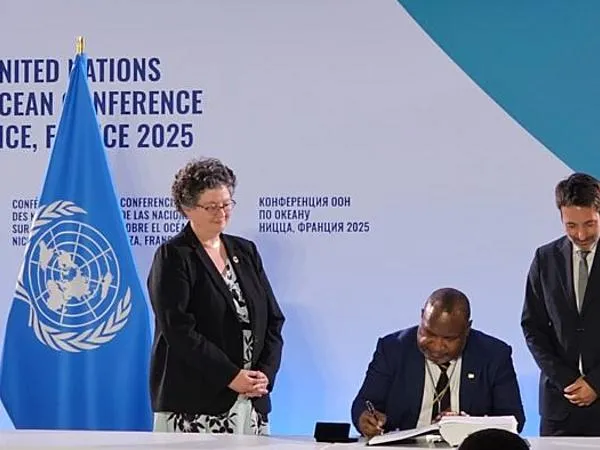
Papua New Guinea has signed a landmark treaty for the governance of the high seas at the 3rd  United Nations Oceans Conference in Nice, France.

Prime Minister Hon. James Marape signed the Agreement on the Conservation and Sustainable Use of Marine Biological Diversity of Areas Beyond National Jurisdiction (BBNJ Agreement) on Monday (09.06.25).

The signing of this important treaty followed soon after Prime Minister Marape addressed the conference with Papua New Guinea’s Country Statement, highlighting the importance in the role the ocean plays in the livelihood of the people of Papua New Guinea and the Pacific.

“Papua New Guinea is proud to stand together with the international community in signing the BBNJ Agreement. It reflects our unwavering support for multilateral action and responsible stewardship of our global commons,” said PM Marape as he arrived on Sunday in France to join 148 leaders from across the world in the UN conference on ocean governance and management.

The signing of the BBNJ Agreement continues PNG’s efforts in protecting its marine resources beyond its Exclusive Economic Zone (EEZ).

As an existing member to the UN Convention on the Law of the Sea, the signing reaffirms PNG’s strong commitment to upholding the Convention and protecting the Pacific Ocean.

PM Marape said, “We are committed to ensuring the relevant international laws governing the sustainable use and management of our country’s oceans and maritime resources are upheld and carefully articulated in our national policies, strategies, and plans.

“In this spirit, I have the distinct pleasure and honour to announce that today, Papua New Guinea signed up to the Special Treaty Event, the BBNJ Agreement (High Seas Treaty, adopted by the UN General Assembly on 19 June 2023. We will work toward its ratification.”

He also reaffirmed PNG’s continued support toward the treaty on plastics which is being currently negotiated and urged that this be concluded successfully soon.

The BBNJ Agreement, under the United Nations Convention on the Law of the Sea on Conservation and Sustainable Use of Marine Biodiversity Beyond National Jurisdiction, was adopted on 19 June 2023 by the Intergovernmental Conference on Marine Biodiversity of Areas Beyond National Jurisdiction convened under the auspices of the UN. It has become the third implementing agreement to the UN Convention on the Law of the Sea.

Under the overall objective of the conservation and sustainable use of marine biological diversity of areas beyond national jurisdiction, for the present and in the long-term, through effective implementation of the relevant provisions of the Convention and further international cooperation and coordination, the Agreement addresses four main issues:

  • Marine genetic resources, including the fair and equitable sharing of benefits;
  • Measures such as area-based management tools, including marine protected areas;
  • Environmental impact assessments; and
  • Capacity-building and the transfer of marine technology.

The Agreement also addresses a number of “cross-cutting issues”, establishes a funding mechanism and sets up institutional arrangements, including a Conference of the Parties and various subsidiary bodies, a Clearing-House Mechanism and a secretariat.

The Agreement is open for signature by all States and regional economic integration organizations from 20 September 2023 to 20 September 2025, and will enter into force 120 days after the date of deposit of the sixtieth instrument of ratification, approval, acceptance or accession.

June 13, 2025

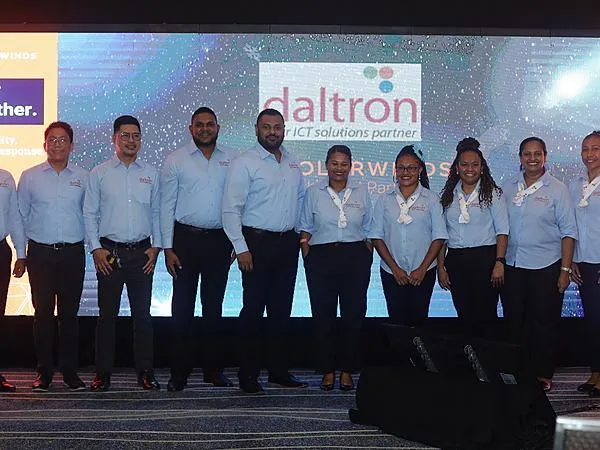
Global information technology (IT) management leader SolarWinds has officially expanded its presence to Papua New Guinea, partnering with Daltron PNG, a pioneer in the country's ICT (information and communications technology) sector.

A launch in Port Moresby celebrated the milestone event, marking a significant step toward strengthening the country’s digital transformation and enhancing its IT infrastructure with intelligent, artificial intelligence (AI)-powered solutions.

SolarWinds’ latest innovations in AI-driven IT operations, network monitoring, and cybersecurity—essential tools to support PNG’s rapidly growing digital economy—were on display at the event.

Stakeholders from government, enterprise, and the ICT sector gathered to explore how advanced IT management platforms can improve service delivery, operational efficiency, and network resilience.

The launch featured live demonstrations, customer success stories, and expert-led discussions on how SolarWinds’ global best practices are being adapted to meet the unique challenges and opportunities within Papua New Guinea.

“As the demand for secure and data-centric operations increases, our solutions enable organizations in Papua New Guinea to proactively manage their IT environments, detect and respond to threats in real time, and optimize performance through automation and artificial intelligence,” SolarWinds said in a statement.

Peter Lee, Solution Architect at SolarWinds, emphasized the impact of intelligent monitoring tools.

“SolarWinds solutions reduce mean time to resolution (MTTR), helping businesses save time and money. In today’s digital landscape, AI-powered visibility and control are vital for ensuring business continuity and driving long-term success,” Lee said.

Tharindu Jayamaha, Certified SolarWinds Architect and Network Manager at Daltron PNG, added: “The world is rapidly adopting AI, and we are proud to bring SolarWinds’ globally recognized solutions—backed by 25 years of innovation—to Papua New Guinea.”

“This launch ushers in a new era for local businesses, equipping them with the tools to stay secure, resilient, and aligned with future technological trends.”

SolarWinds’ entry into the market underscores its commitment to empowering local businesses and institutions with world-class IT solutions, fostering a more connected and digitally advanced PNG.

June 09, 2025

The management team from a Filipino multi-billion-kina company, Century Peak Holdings Limited Corporation, visited Papua New Guinea (PNG) this week to assess major investment opportunities in the country. Their specific interest is to start a 10,000 hectares rice farm, invest in property within the Paga Hill Special Economic Zone, and they also want to invest in manufacturing and the mining sector as they own and operate a Nickel Mine in the Philippines.

The Company has five subsidiaries namely, Century Peak Corporation, Century Peak Mineral Development Corporation, Century Peak Cement Manufacturing Corporation, Century Sidewide Smelting Incorporated, and Century Hua Guang Smelting Incorporated. They plan to expand their operations to PNG. They have established a country office in PNG and have registered their company and are now looking at establishing a major business operation in PNG.

They called on the Minister for International Trade and Investment, Hon. Richard Maru, today, and also met with the Managing Director for the Mineral Resources Authority, Mr. Jerry Garry as they are keen to know the investment opportunities available in the mining industry.

The company is about to secure 10,000 hectares at Brown River in the Central Province to start the first large-scale mechanized commercial rice farm in PNG. They have been working with the landowners and the Department of Lands and Physical Planning over 12 months.

“They are ready to start but the biggest holdup has been the slowness of the Department of Lands and Physical Planning in assisting the landowners to get the State title over their land so they can arrange a long-term lease and enter into a mutually benefiting project agreement with the State, the Central Provincial Government and the landowners. I have reached out to the Deputy Prime Minister and the Minister for Lands and Physical Planning, Hon. John Rosso, to help us resolve the land issue so we can start the first large-scale commercial mechanized rice farm in PNG before September 16. This project will be developed as the Central Rice Special Economic Zone,” said Minister Maru.

June 09, 2025

The Westpac Wailis Papua New Guinea Economic Update and Outlook for May 2025 published on 2 June shows a commodity boom, resource sector investments, and policy reforms are driving optimism amid global trade tensions.

Titled “Optimistic 2025: PNG mostly resolves forex issues, sees favourable commodity prices,” the report shows the outlook for this year remains optimistic with growth expected to reach 4.7 percent, driven by a combination of robust investment activity, improved foreign exchange liquidity, and elevated commodity prices.

This projection aligns closely with the International Monetary Fund’s (IMF) own upgraded forecast of 4.6% for PNG, reflecting strong economic momentum from 2024 and the successful implementation of key fiscal and structural reforms.

Forex Pressures Eased, Confidence Rebounds

The sharp reduction in foreign exchange backlogs, which previously delayed payments to offshore suppliers for months, was noted in the report, as Westpac says some orders are now being cleared in less than a week, thanks to coordinated policy actions by the Bank of PNG (BPNG), a managed 15% depreciation of the Kina over five years, and inflows from high commodity export revenues.

The Kina Facility Rate (KFR) has remained unchanged at 4.0% since March 2025. In a surprise move, BPNG reduced the cash reserve requirement to 11%, effectively increasing liquidity in the financial system. Although inflation risks remain, this policy stance has helped sustain business sentiment while ensuring adequate foreign currency access.

Commodity prices continue to play a pivotal role in PNG’s economic trajectory, with several key products that have performed strongly as listed:

  • Coffee: Prices surged due to adverse weather globally. Despite a 28% drop in PNG’s export volumes (from 57,900 tonnes in 2023 to 41,600 tonnes in 2024), high prices have supported incomes. Advocates are calling for renewed investment in coffee plantations to rebuild capacity.
  • Cocoa: PNG exported 39,800 tonnes in 2024, up 3.4% from 2023. Although global supply remains tight, improving weather in West Africa may support more stable prices in the medium term.
  • Coconut oil: The El Niño effect slashed global supply by 10%, pushing prices past US$2,700/metric ton, nearly double last year’s prices. PNG, which contributes around 0.05 million metric tons annually, stands to benefit greatly from this price spike.
  • Gold: PNG gold exports surged 49.7% to K13.6 billion in 2024, buoyed by increased output at the reopened Porgera mine and global price volatility following U.S. trade policies. Gold briefly hit US$3,400/oz and is expected to remain elevated.
  • LNG: While total liquefied natural gas exports fell slightly from K20.6 billion (2023) to K19.6 billion (2024) due to softer prices, demand remains strong. The outlook remains positive with PNG well-placed to capitalise on its role as a transition energy provider amid global decarbonisation.

Major Projects Fuel Investment Outlook

  • OK Tedi Acquires Misima Gold and Silver Project

Ok Tedi Mining Limited has acquired the Misima Gold and Silver Project from Kingston Resources for A$60 million, with potential contingent payments of up to A$35 million. The project holds 3.8 million ounces of gold and 22.1 million ounces of silver in reserves. Mining ceased in 2004, and restarting the project could require over US$476 million, as estimated in 2022.

OK Tedi, which posted a K1.9 billion turnover and K681 million net profit in Q1 2025, is well-positioned to fund the project. Kingston retains royalty rights from any future production.

  • Papua LNG Edging Closer to Final Investment Decision

The long-anticipated Papua LNG project, led by TotalEnergies in partnership with ExxonMobil and Santos, is nearing its Final Investment Decision (FID), now expected by late 2025 or early 2026. The project, based on the Elk-Antelope fields, plans to produce 5.6 million tonnes annually, co-locating its infrastructure with PNG LNG’s existing assets.

Cost estimates have ballooned from US$10 billion to up to US$18 billion, necessitating further cost optimisations. If successful, first LNG production is anticipated by late 2027 or early 2028, significantly enhancing foreign investment and easing forex pressure.

Macroeconomic Stability and Inflation Risks

According to the report, inflation remains a concern, driven in part by the PNG Kina’s depreciation, which has increased import costs for essential items like fuel and food.

PNG’s inflation rate rose to 0.67% in Q4 2024, up from -0.86% in the previous quarter. March 2025 inflation data is still pending, prompting BPNG to adopt a cautious “wait and see” approach.

Recent Monetary Policy Committee (MPC) minutes revealed a split vote on raising interest rates, with growing support for monetary tightening once updated inflation data becomes available.

Encouragingly, foreign exchange reserves have stabilised at K14.2 billion (US$3.6 billion) as of December 2024, boosting macroeconomic confidence.

The financial sector has shown signs of investor interest beginning with April’s Treasury Bill auction, which saw K251.4 million offered, with successful bids totaling K180.7 million. The 273-day bills were oversubscribed, indicating investor preference for mid-to-long-term investments.

A Government Bond auction in May received K197.1 million in bids against a K200 million offer, with a strong oversubscription for 10-year bonds which is a signal of confidence in PNG’s long-term financial outlook.

The Central Bank Bill auction in May attracted K638 million in bids for the 7-day term alone, all of which were fully allotted at a 4.00% yield.

Exchange Rate

The Westpac report notes the PGK/USD exchange rate declined from 0.2463 to 0.2440 in May, consistent with BPNG’s managed depreciation policy. Westpac forecasts a gradual stabilisation:

  • Q2 2025: 0.2405
  • Q1 2026: 0.2450
  • Q1 2027: 0.2650

Other key rates (June 2025 estimates):

  • PGK/AUD: 0.3879
  • PGK/NZD: 0.4326
  • PGK/EUR: 0.2186
  • PGK/JPY: 34.87

Global Risks Remain, But PNG Shielded

The inauguration of American President Donald Trump for a second term and subsequent “Liberation Day” tariffs disrupted international trade, weakened the United States dollar, and introduced geopolitical uncertainty. However, PNG’s direct exposure to the US remains low at just 1% of PNG’s exports in 2023 which limits direct impact.

Meanwhile, strong demand from China and India, along with elevated commodity prices, continues to support PNG’s external position.

Westpac concludes that PNG is well-positioned to exceed its 4.7% growth forecast, possibly nearing China’s 5% target, especially if momentum in the resource sector continues and infrastructure investment expands.

The Opportunities stated in the report are that PNG’s near-term outlook is boosted by high coffee and cocoa prices, while a thriving real estate sector remains an ongoing opportunity.

Unexploited opportunities in telecommunications and real estate offer long-term growth potential, the report adds, as only one-third of PNG’s population is connected to telecommunications and just 25% connected to the internet. Expanding digital infrastructure could unlock a new wave of inclusive development, it added.

June 09, 2025

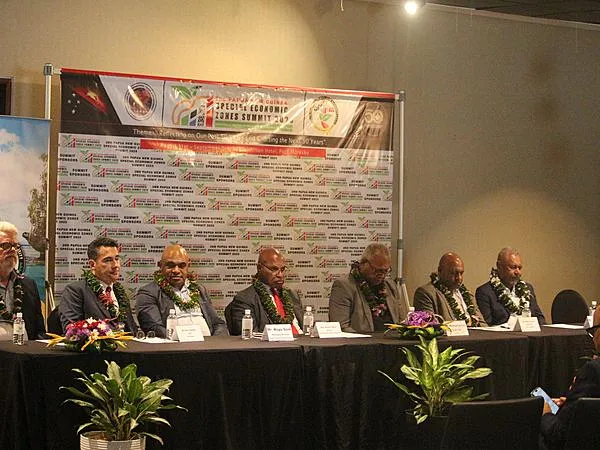
The government has officially launched the 2nd Papua New Guinea Special Economic Zones Summit that will be hosted at the Hilton Hotel in Port Moresby from 31 August to 3 September 2025.  

“This summit will be like no other. It will be the most useful and productive in our nation’s history. It will redirect the course of our nation,” Hon. Richard Maru, the Minister for International Trade and Investment, said during the launch of the Summit at Apec Haus on 2 June in Port Moresby. 

During the launch, the seven anchor sponsors pledged their support for the 2nd PNG SEZ Summit --Teachers Savings and Loan Society (TISA), Kumul Petroleum Holdings Limited, Kumul Minerals Holdings Limited, Paga Hill Estate, Air Niugini, Special Economic Zone Authority, and the Department of National Planning and Monitoring.

Minister Maru thanked the foundation sponsors for coming on board to support the Summit as Gold Sponsors at the cost of K200,000 each.

The 2nd PNG SEZ Summit will be hosted by the Movement as part of the Celebrations, under the theme "Reflecting on Our Past 50 Years and Charting the Next 50 Years.” This will be preceded by the launch of the PNG SEZ Foundation Policy on Sunday, 15 June 2025.

Hon. Maru said the Summit will let PNG “take stock of our journey in the last 50 years in terms of economic development to know, why we are where we are now.”

“Why do we have problems like THE highest unemployment, highest law-and-order problems, serious foreign currency issues, national debt of over K60 billion, and depreciating Kina value? The biggest single issue is that we have failed to grow our economy over the last 50 years,” he said.

“This is glaringly obvious when you compare us to other countries like Japan, New Zealand and the Philippines, who are smaller than us in terms of land size and have no resource endowments like us yet on average their economies are ten times bigger than ours.”

“Singapore went from a mangrove fishing nation to now a first world economy in 30 years with a GDP of over US$501 billion, and Japan went from a war-ravaged nation to now a robust economy with its GDP sitting at over US$4 trillion.”

“We must learn from them and deploy the right strategies and policies. We will do an honest comprehensive review of our economic performance over last 50 years during this Summit so we can re-strategize in terms of our core economic policies to take PNG out of the situation that we are now in and to secure economic independence. This is in line with the 20-year roadmap that is being put together as announced by the Prime Minister,” he added.

Minister Maru said that since the first SEZ Summit in May 2023, the government has engaged with regional and global stakeholders -- SEZ developers, operators, and users -- to refine the policy framework.

"We are now ready to launch the SEZ Foundation Policy and to have SEZ Summit 2. The long-standing support of the anchor sponsors assisted us to get this agenda of the current Marape-Rosso Government being promoted throughout Papua New Guinea and particularly in the Asia and Pacific region,” he said.

While acknowledging that the population has grown fivefold, from 2 million to 10 million, Maru said the economy has not kept pace.

“Symptoms like unemployment, law and order issues, and foreign exchange shortages are the result of our failure to build a robust economy. We can’t keep doing things the same way and expect different results,” he said.

The summit will bring together global and local experts to analyze PNG’s economic trajectory and compare it with better-performing nations, including Singapore, Indonesia, and post-genocide African economies.

The summit will also serve as a forum to develop the nation’s next 20-year economic development plan, a process currently chaired by former Deputy Prime Minister and Treasurer Charles Abel.

Key Themes and Aspirations

Speakers from various countries, including Indonesia, Malaysia, Thailand, Australia, New Zealand, Singapore, United Arab Emirates, the Philippines, Rwanda, and others will also be invited to talk about their economic success and the key strategies they deployed like using SEZs as the main driver for massive economic growth.

Representatives from some world-class SEZs like Java Integrated Industrial and Port Estate in Indonesia and financiers like the International Finance Corporation, Japan Bank for International Cooperation, and local banks like the TISA Group are also invited to speak.

"We will also speak on our six SEZs which will be licensed this year, including Sepik Plains SEZ, Madang Integrated SEZ, Finschhafen Integrated SEZ, Used Lead-Acid Battery recycling plant SEZ in Central Province, Sea Park SEZ, and the Central Province Industrial Park, apart from Paga Hill SEZ, which is already licensed," said Minister Maru

"We will also market investment opportunities in sectors like fisheries, forestry, manufacturing, hydro and solar energy, mining and petroleum projects, and more to the investors from around the world who will be invited to attend the Summit," added the minister.

Maru also mentioned the introduction of a new investment fund, the marketing of high-impact investment opportunities in energy, mining, and infrastructure, and the promotion of downstream processing and industrialization to create thousands of jobs as topics for the Summit, which is now being finalized.

"Meanwhile, we are seeking sponsors to sponsor this very important Summit. We will only have one level of sponsorship and that is Gold Sponsorship at the cost of K200,000,” he said.

“Every sponsor will be given an opportunity to speak at the Summit, they will be recognized in all our promotional materials, they will be given priority to set up their booths to promote their goods and services, and five of their representatives will have unlimited access to the Summit as delegates."

Sponsors Assure Support

The summit’s anchor sponsors echoed the urgency and potential highlighted by Minister Maru.

Paga Hill Development Estate CEO, Gudmundur Fridriksson, spoke of the importance of providing incentives to attract global investors.

“We are competing in a global environment. We have shortcomings, but we also have a beautiful country with more potential than any country on the planet,” he said.

He praised the 2023 summit for fostering relationships and learning, and expressed confidence in the added structure and readiness of the upcoming summit.

Fridriksson acknowledged the importance of transparency, diligence, and adherence to customs and SEZ regulations, saying this summit would be a once-in-a-lifetime opportunity to showcase PNG to the world.

Air Niugini CEO, Mr. Garry Seddon, thanked the Ministry for International Trade and Investment for driving forward the SEZ agenda

“This is a terrific initiative to promote this beautiful country of ours – our resources, our people, and our culture,” he said, assuring full support from Air Niugini across its international and domestic network to bring speakers and participants to the summit.

He also announced the arrival of new aircraft that will significantly boost PNG’s air transport capacity.

“Our new narrow-body Airbus A220s arrive in September this year, and our wide-body Boeing 787s in late 2027. These aircraft will revolutionize service delivery and raise PNG’s global profile.”

He closed his remarks by reaffirming Air Niugini’s support and celebrating the collaborative spirit behind the summit.

“On behalf of the 2,000 men and women at Air Niugini, congratulations Minister, and we look forward to a fantastic summit later this year.”

Managing Director of Kumul Petroleum Holdings Limited (KPHL), Mr. Wapu Sonk, congratulated the Ministry for the progress made since its inception and the first summit in 2023.

“It takes a lot of time to start from scratch… and all the consultations that went through were challenging, so congratulations,” he said, noting that his company had been a major sponsor since the ministry’s establishment and had backed both the first and second summits.

“We intend to be a major sponsor to help launch this very important policy and also advertise Papua New Guinea's potential to the rest of the world through the Approved Economic Zones (ACZ),” he added.

Sonk explained KPHL’s involvement by highlighting the country’s resource potential and the need for external investment and expertise.

“We have the resources and the people to train and skill, but we don’t have the money and the skilled people. National Executive Council is one of the key areas and, as a national oil company, we are at the forefront of providing NEC solutions,” he said.

Sonk announced cabinet approval of KPHL’s Konebada Industrial Park SEZ as the third officially approved site, which will house a training and prefabrication facility.

“We are working with all our SOEs to bring in power, sewage, and water. It will basically demonstrate, at a smaller scale, what the country can provide if we put our heads together and attract investors. The goal is to create jobs and grow the middle class so our economy can sustain and grow.”

Meanwhile, CEO of TISAS Bank, Michael Koisen, reaffirmed the bank’s commitment to nation-building and economic development.

“We are a 100% locally owned bank. It’s owned by ordinary people. That’s why it’s in our interest to contribute to national development through all the opportunities given to us,” the CEO said.

He described the SEZ Summit as a critical platform for stakeholders and businesses to engage in development discussions, while thanking Minister Richard Maru and other co-sponsors for their efforts.

“We are happy to be a co-sponsor. Thank you also to the other co-sponsors for supporting this event.”

Mr Kikila Yavase, CEO of the Special Economic Zone Authority, offered his appreciation as both a representative of the ministry and a co-sponsor.

“Thank you to the Minister, Secretary, and my colleagues. For the last 50 years, we were convinced our raw materials wouldn’t be processed in PNG. For example, we were convinced rice wouldn’t grow in PNG.”

“After the 16th of September, we must have a story. That story must come through a specific regional process or concept, and everyone, including government and private sector, must work together for the next 50 years,” he said.

Yavase affirmed the SEZ Authority’s commitment to the government’s SEZ strategy and its role in supporting the summit and associated policy initiatives.

“We will go all out to support the Ministry and Department. We must leave a story for the next three to four generations through this concept.”

The Department of National Planning and Monitoring Secretary, Mr. Koney Samual, and Kumul Minerals Holdings Ltd Managing Director, Sarimu Kanu, also reaffirmed their support and applauded the initiative.

The launch of the SEZ Foundation Policy and the announcement of SEZ Summit 2 signify a critical turning point for PNG aimed at realigning the country’s economic direction for the next 50 years, Minister Maru said.

“It’s time to take that honest stock-take. Let’s be brutally blunt with ourselves. Let’s help ourselves and learn from the rest of the world and take the appropriate actions to build a stronger and bigger economy for our people,” he said.

"We look forward to hosting a successful Summit with the backing of our sponsors, starting with our seven foundation sponsors.”

The official website for the Summit (https://pngsezsummit2025) was also launched on 2 June, with Minister Maru calling on those who wish to attend to register through the site to secure their spaces at the earliest, with only 350 spaces available. Registration is on a first-come, first-serve basis.
June 09, 2025

The Department of Works and Highways (DoWH) and the Department of Lands and Physical Planning (DLPP) officially signed a Memorandum of Understanding (MoU) on Tuesday, 3 June, aimed at resolving long-standing land acquisition challenges that have delayed road projects nationwide.

The MoU is anchored in national legal instruments including the Constitution of Papua New Guinea, the Land Act 1996, the Physical Planning Act 1989, and other related legislation governing land ownership, use, and development.

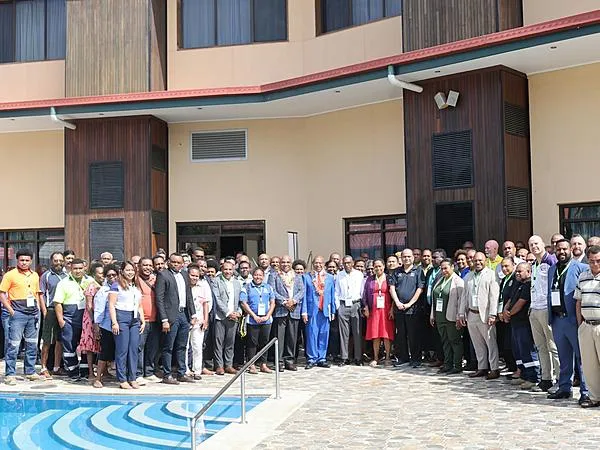
The ceremony took place at the Grand Papua Hotel’s Markham Conference Room, with key officials, stakeholders, and staff from both departments in attendance.

The memorandum seeks to establish a formal framework for collaboration, aligning their efforts to improve governance, reduce delays, and eliminate fraudulent land compensation claims that previously cost the State millions of kina.

Secretary for Works and Highways, Gibson Holemba, described the MoU as “a significant milestone in inter-agency collaboration and is a step forward in addressing the delays and challenges often encountered in road project implementation due to land acquisition issues.”

“It reflects a shared commitment to effective governance, accountability, and sustainable development,” he added.

Mr. Holemba acknowledged the role played by the DoWH’s Environmental and Social Safeguard Branch, led by Assistant Secretary Kenneth Yamu, in facilitating the drafting and finalisation of the MoU.

Infrastructure, particularly road development, is a major enabler of economic growth and social development in PNG, the Secretary noted. However, the complex processes associated with land acquisition, especially those involving customary landowners, have posed a significant barrier to progress.

Recognising these challenges, the DoWH and DLPP jointly agreed to streamline critical procedures related to land acquisition, compensation, and compliance with legal requirements.

“This MoU is a foundational step to ensuring that development of critical road infrastructure is not hampered by land acquisition delays and unnecessary fraudulent land compensation payments which has become an industry of its own, causing the state to lose millions of kina in the past years,” Mr. Holemba said.

The agreement will help prevent bogus claims by individuals pretending to be customary landowners and enhance transparency, efficiency, and public confidence in government-led road development initiatives, he added.

The MoU outlines the shared responsibilities between the departments across key areas:

  • Land acquisition processes, using both voluntary and compulsory mechanisms;
  • Valuation and compensation in accordance with legal frameworks;
  • Surveying, mapping, and documentation of land transactions;
  • Stakeholder engagement with customary landowners;
  • Legal and regulatory compliance relating to land matters in PNG.

From the DLPP’s side, the department will lead efforts in land acquisition, stakeholder consultation, compensation assessments, legal compliance, and documentation.

Meanwhile, the DoWH will provide technical specifications, budget allocations for land-related matters, and ensure road designs align with land acquired.

Joint responsibilities will include coordinated planning, data sharing, dispute resolution, and conducting regular reviews of progress under the MoU.

“The understanding signed today will strengthen the governance process at the inter-agency level to resolve delays and prevent bogus land acquisition payments,” Mr. Holemba said.

“The outcome of the MoU is to enhance coordination between DoWH and DLPP to ensure there is more efficiency, accountability, transparency, and improved stakeholders’ confidence in government-led road development project initiatives,” he stated.

June 03, 2025

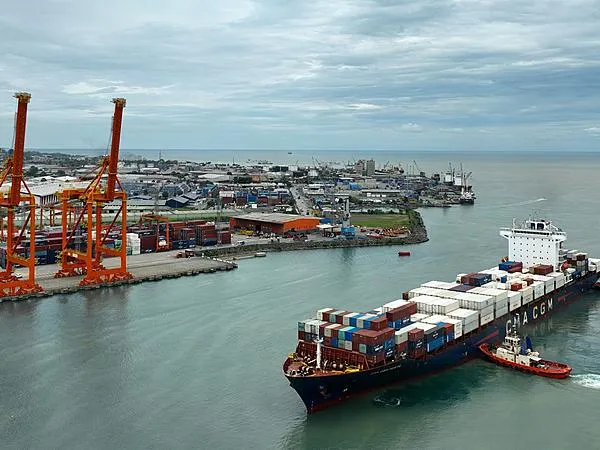
PNG Ports Corporation Ltd (PNG Ports), which owns and operates 15 ports across Papua New Guinea, is advancing a major port upgrade program set to transform the nation’s maritime infrastructure. Supported by a combination of international donor funding and internal investment, the decade-long initiative will deliver critical improvements to six ports. Works range from essential dredging and pile replacements at smaller ports to a proposed 240-metre wharf extension at Lae—the country’s busiest international port—as part of its transformation into a key regional transhipment hub.

PNG Ports’ commitment to port modernisation began well before the launch of its current upgrade program.  New domestic and international terminals were built at Port Moresby’s Motukea maritime precinct between 2015 - 2018 and a raft of critical infrastructure improvements have been introduced at Lae Port since 2012.  These have included a new tidal basin, wharf, terminal yard, and most recently, the 45-hectare Lae Industrial Park. 

The development of new port infrastructure in PNG’s two largest cities paved the way for a partnership between PNG Ports and international terminal operator ICTSI, resulting in significant efficiency improvements. According to the World Bank’s 2023 Container Port Performance Index, Lae and Port Moresby outperformed several major regional ports—including Melbourne, Sydney, Brisbane, Auckland, and Napier.

The current port upgrade programme targets the ports of Daru, Kavieng, Kimbe, Lae, Oro Bay, and Rabaul – with a parallel programme of improvements and maintenance for the ports of Lorengau, Vanimo and Wewak.

PNG Ports is partnering with the European Union (EU), the Agence Française de Développement (AFD), and the European Investment Bank (EIB), to upgrade the port at Rabaul, an increasingly popular cruise tourism destination.  However, by far the most significant funding partner of the programme is the Australian Government through its Australia Infrastructure Financing Facility for the Pacific (AIFFP).

The AIFFP will help fund the upgrades to Daru, Kavieng, Kimbe, and Oro Bay ports, as well as the potentially 240 metre extension of the international wharf in Lae, part of the Lae Tidal Basin development project. The AIFFP’s A$621.4 million investment comprises a loan of A$521.4 million and grant of A$100 million. 

PNG Ports Chair, Harvey Nii, reports that the initial plan was for the AIFFP to fund both the marine and land packages of the port upgrades.  However, he explains that “significant construction cost increases globally in combination with PNG Ports’ desire to minimise debt has resulted in PNG Ports electing to self-fund most of the land packages and undertake them at a later date when it is more economically viable to do so.” 

Instead, PNG Ports is prioritising the critical and more expensive marine infrastructure of its ports over the land works.  Nii explains that “our focus is on first providing PNG with proper wharfs, jetties, quays, ramps and berths before investing in new buildings and roads etcetera.  It is the actual marine infrastructure that will help drive PNG’s future growth and prosperity, thus it needs to be built now.”

The wharf at Lae’s international terminal is a piece of PNG’s most significant marine infrastructure.  Initial plans were for it to be extended by 150 metres. However another 90 metres is being proposed in line with the vision to transform Lae into a regional transhipment hub.  As PNG’s manufacturing heartland and a gateway to major resource projects, Lae is strategically positioned near key shipping routes between Asia and Australia. The port also benefits from its immediate proximity to the newly developed 45-hectare Lae Industrial Park.

Nii describes prioritising the expansion of the Lae wharf as “a financially responsible and strategically astute investment in that it will generate substantial amounts of new business for Lae Port and consequently enhance PNG Ports’ profitability.”

 “Vessels are getting larger, and there is a growing trend amongst the world’s major shippers to utilise ‘hub and spoke’ type arrangements such as what we’re working towards in Lae” explains Nii.  “Early this year we saw the largest container vessel to ever visit PNG utilise our Lae facility efficiently and safely.  We know that with PNG’s growth and the continued expansion of global shipping that much larger vessels will call into Lae if we have the right transhipment infrastructure in place.” 

No doubt, the transformation of Lae into a transhipment hub will bring significant economic benefit to PNG’s second largest city, as well as to the developing nation itself. Minister for State Enterprises, and responsible for PNG Ports, Hon William Duma, describes PNG Ports’ programme of port upgrades, and in particular Lae’s ambitious wharf extension as “forward thinking” and “nation building.”

Engineering work for the Lae wharf extension and all other port upgrades is being done to Australian and New Zealand standards.  With PNG’s 50th anniversary of independence in September this year, Duma’s confidence is well placed when he says that “the people of PNG can be confident that the port infrastructure upgraded today will still be benefitting our nation in 50 years’ time when we celebrate our 100th anniversary.” 


The six ports included in PNG Ports’ upgrade program are at varying stages of early development, ranging from initial scoping to contract awarding. Among them, the Kimbe Port project is currently the most advanced.

Kimbe Port, PNG’s third most profitable port, plays a vital role in the country’s palm oil exports. Earlier this year, the marine works contract—which includes demolishing the existing wharf and constructing a larger replacement—was awarded to North Queensland-based Pacific Marine Group (PMG), with mobilisation expected in the early second half of the year. In May, the landside works contract, covering infrastructure such as buildings and roads, was awarded to PNG firm Global Constructions. The full project is scheduled for completion by the end of 2026.

Both construction contracts for Kimbe Port include strict local content requirements, mandating the use of local contractors, businesses, and workers to ensure economic benefits flow directly to the surrounding community. This approach aligns with PNG’s broader commitment to establishing a National Content Policy—not only for major resource projects, but for all significant economic activities that drive national development. Nii reports that all contracts for construction works at the other ports being upgraded will include similar local content requirements.

Although contracts for other ports have not yet been awarded, the tendering process is underway and construction of the Daru, Kavieng, Oro Bay and Rabaul ports, including the relocation of Kavieng port to enable its expansion and maximise its commercial potential, is expected to commence in 2026. 

In the meantime, PNG Ports continues with a comprehensive programme of stakeholder engagement that is particularly essential when undertaking major infrastructure projects in PNG.  Indeed, Nii explains that PNG Ports’ investment in stakeholder engagement is one of the reasons that the port upgrade programme has continued to progress so well, despite cost increases and the associated project rescoping.

 “Consulting with footprint communities, businesses, local government, civil society etcetera is something PNG Ports excels at, and this has been acknowledged by our donor partners.  In short, whilst our team has been learning about some of the more technical aspects of wharf engineering, so too have we been transferring knowledge to our donor partners on the of stakeholder engagement process and its many nuances when undertaking major infrastructure projects in a country like PNG.”

June 02, 2025

The Marape-Rosso Government is committed to creating a more attractive business environment through investments in ease of doing business interventions by the Government and key Government Agencies, says the Minister for International Trade and Investment, Hon. Richard Maru.

Minister Maru made this statement this morning in his keynote address to the members of the Government Agencies and the private sector who gathered in Lae, Morobe Province, for the 8th Customs Business Consultative Forum under the theme, “Customs Delivering on its Commitment to Efficiency, Security and Prosperity”, hosted by the PNG Customs Service.

Minister Maru said: “We all know that PNG is not an attractive place to do business right now compared to our competitors and I am very much aware of that. As the Minister responsible for international trade and investment, I want to thank all our Government Agencies and our private sector for hanging in there despite all the challenges that we are facing as a country including highest unemployment, highest law-and-order problems, serious foreign currency issues, national debt of over K60 billion, and depreciating Kina value which have made it very difficult especially for our private sector. Our biggest problem in the last 50 years has been this: We have failed to build a strong and robust economy like other countries. After 50 years, PNG’s GDP sits at about US$ 30 billion, Japan’s GDP is over US$ 4 trillion, New Zealand’s GDP is over US$ 252 billion, Singapore’s GDP is over US$ 501 billion, and the Philippines’ GDP is about US$ 437 billion. These countries are one-third our size, except Singapore, and are not endowed with natural resources like our country and yet on average their economy are ten times bigger than ours.”

Minister Maru added: “The exciting thing is, it is not all doom and gloom, because we have seven new resource projects coming up including Papua LNG, Pasca Gas, P’nyang Gas Project, Wafi-Golpu Mine, Freda Mine, Wildebeest and Namabarope. These resource projects will underpin the economy going forward. To create the 1 million jobs as stipulated in our Medium-Term Development Plan 4, we must change our policies, we must downstream process all our resources, we must compete with the rest of the world to bring in foreign direct investments, and the best way to do it is to develop Special Economic Zones (SEZs) as the main driver of future economy growth. SEZs will be very critical. If a country like the Philippines, which is a one-third our size, can have over 420 SEZs driving their economic growth at the rate of 5% per annum, generating over US$63 billion in export income, and creating over 4 million jobs, we can do it too.”

Minister Maru further added: “Our over reliance on the mining and petroleum sector has been our biggest mistake since Independence. While we have seven resource projects in the pipeline for the next ten years, this sector will not be our future. Our future will be downstream processing of all our logs and fisheries resources, manufacturing of all our raw materials in country, and replacing imports like rice. This is the future. We now have the Paga Hill SEZ which has already been licensed, and we will have others licensed this year including the Sepik Plains SEZ, Madang Integrated SEZ, Finschhafen Integrated SEZ, Used Lead-Acid Battery recycling plant SEZ in Central Province, Sea Park SEZ, and the Central Province Industrial Park.”

Minister Maru said the opportunities were extremely bright in the next few years but PNG should improve its ease of doing business and not continue to use old manual systems of facilitating trade processes.

“According to the latest World Bank Ease of Doing Business Index, PNG was ranked 120 out of the 190 economies in 2023. The low ranking signifies and attests the stark reality of the inefficient and ineffective trade processes and system of PNG resulting in high cost of trade. The anticipated growth in the economy from trade and investment has not been realized owing to dysfunctional trade processes and systems that are fraught with delays and increased cost of trade as traders contend with the challenges of meeting multiple regulatory requirements from multiple locations. The Marape Government wants to improve our business process to compete with the rest of the world using technology rather than our manual systems. We have decided this year that we will commence the acquisition process to acquiree an electronic Single Window System. Our Government will invest K20 million to acquire and implement this system to increase efficiency and to make us competitive. Work starts this year and PNG Customs Services will be the lead agency,” said Minister Maru.

The electronic Single Window System is a trade facilitation concept which allows an international (cross border) trader to submit required trade information to a single agency using a web-based digital automated portal, rather than having to deal with multiple agencies in multiple locations to obtain necessary papers, permits, and clearance to complete import or export processes, resulting in reduced cost of trade. The pursuit of the concept of electronic Single Window System is to promote a seamless flow of trade, through the automation of trade processes using an electronic online platform for processing Customs declarations, obtaining permits, licenses, and approvals through an electronic online platform.

“The key objective is to automate the trade processes and use an online platform to improve release times with a seamless flow of goods in trade. This will result in increased compliance, increased economic activities, enhanced economic growth through increased international trade, reduce the cost of doing business, improvement in the ease of doing business, increase revenue collections, and effective and collaborative border management,” explained Minister Maru.

“We need everyone to come on board and co-operate so we will have one system to facilitate trade. The Marape-Rosso Government is determined and as the Minister responsible for international trade and investment, I am determined, and I need the support of everyone, including all Government Agencies and the private sector,” said Minister Maru.

Minister Maru also informed the participants of the forum on the review of tariffs and the need to protect the manufacturing sector, and the need to bring in a new anti-dumping legislation to protect the industries from dumping of products from other countries.

“The Government remains committed to fostering a sustainable and diversified economy by reducing dependence on foreign aid, strengthening trade partnerships to create a more competitive business environment, and making PNG an attractive destination for global investors. We are looking at building new trade and investment partnership with Indonesia, Thailand and the United Arab Emirates, and also deepen and strengthen our trade and investment relationship with China and Japan on the back of a Comprehensive Economic Partnership Agreement,” said Minister Maru.

Minister Maru extended an invitation to all participants at the forum to attend the upcoming launch of the PNG SEZ Foundation Policy on June 16, 2025, and the 2nd PNG SEZ Summit that will be hosted at the Hilton Hotel in Port Moresby from August 31 – September 3, 2025.

June 02, 2025

Prime Minister Hon. James Marape has reaffirmed his government’s strong commitment to transforming Papua New Guinea’s aviation sector through the ongoing implementation of the Civil Aviation Development Investment Programme (CADIP), saying it is key to unlocking economic potential across the country.

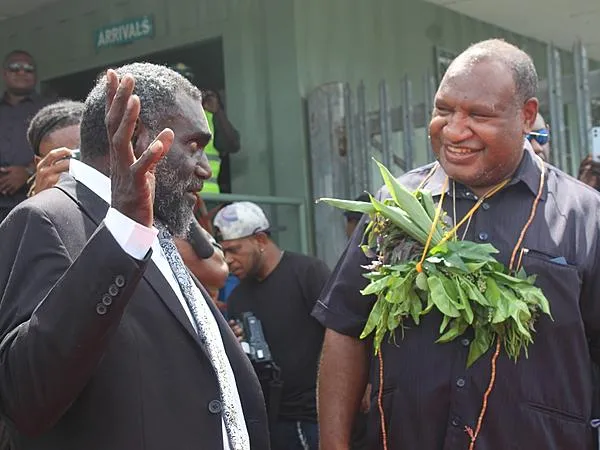
Speaking from the Autonomous Region of Bougainville, Prime Minister Marape said he chose to mark his sixth anniversary in office by launching a major new infrastructure project at Aropa Airport.

“Today, May 30th, 2025, marks the sixth anniversary since I was vested the responsibility of being Papua New Guinea’s Chief Servant by 101 Members of Parliament out of 111,” Prime Minister Marape said.

“I chose to spend this anniversary here in Bougainville for an important infrastructure groundbreaking—the brand-new terminal and airport development at Aropa. The needs in the Autonomous Bougainville Region, and across our 21 provinces, remain substantial. In 49 years, we have not developed much because our budget has been small while our development needs remain large.”

He said when he took office in 2019, the economy was in decline and development needs were critical across all sectors.

“Six years later, despite progress, much work remains outstanding. But I want to assure all Papua New Guineans that we are not resting—we are doing our best to grow our economy and develop our country,” the Prime Minister said.On the occasion of the Aropa Airport groundbreaking, Prime Minister Marape acknowledged the National Airports Corporation (NAC) for its long-standing commitment.

“From the airport context, I want to thank the NAC—an agency of State—for working consistently behind a vision of fully developing our airports in PNG,” he said.

Prime Minister Marape recalled that the foundation for this work was laid between 2005 and 2008 under the Somare-led National Alliance Government.

“In 2005 to 2008, a vision was birthed by the Somare Government. I remember when I was Vice Minister for Transport, Works and Civil Aviation in 2007/2008. Minister Don Polye brought CADIP 1 to NEC. Fifteen years later, I am privileged as Prime Minister, under my Pangu-led Government, to have sanctioned CADIP 2 and continued this important legacy,” he said.

“My government is also honouring our counterpart funding commitments to both CADIP 1 and CADIP 2.”

The Prime Minister highlighted the progress of airport upgrades under his government:

  • Completed or Under Redevelopment: Manus, Kavieng, Mt Hagen (redevelopment ongoing), Goroka, Mendi, Vanimo, Tari, Madang, and Wapenamanda.
  • Recently Launched: Kiunga, Hoskins, and Alotau.
  • Currently Underway: Aropa in Bougainville, including a brand-new terminal and pavement development.

He also acknowledged bilateral partners for their ongoing support. “I want to thank the Government of Japan for the Nadzab Tomodachi Airport, and the Government of Australia for supporting Girua Airport in Oro Province,” Prime Minister Marape said.

Looking ahead, he said new phases of work under CADIP would soon reach other parts of the country.

“We will proceed to Pomio, Buka and Daru as we go through the next phase of CADIP. Tokua and Jacksons airports will see a major upgrade in due course, ” he said.

“After Aropa we will go to Wewak to launch its redevelopment. We will also develop Tokua and Port Moresby again too. These developments are not just about infrastructure—they are about connecting our people, opening up our economy, and laying down long-term enablers for national growth.”

June 02, 2025

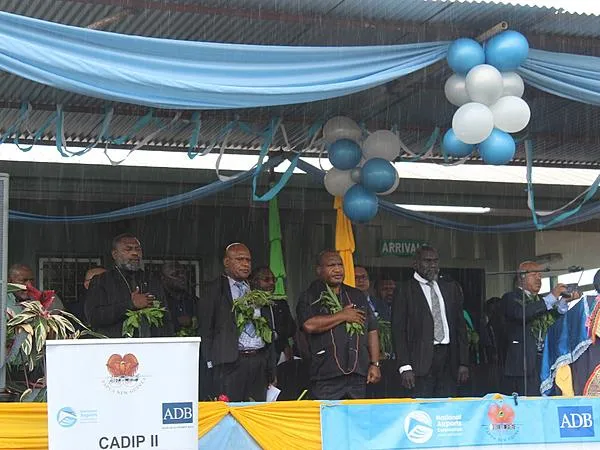
Prime Minister James Marape officially launched the aircraft pavement strengthening, new terminal building, and associated works project at Aropa Airport, marking a significant milestone in the Civil Aviation Development Investment Project I (CADIP I).

In his keynote address, he thanked the Asian Development Bank, National Airports Corporation and the CRCG contractors for ensuring commencement of this upgrade project, asserting to it as an important milestone paving way for more spinoff opportunities for the people of AROB.

Prime Minister Marape said this initiative reflects the ongoing commitment of the Government of Papua New Guinea and the Asian Development Bank (ADB) to enhance airport infrastructure across the nation.

“The Aropa Airport has long required substantial upgrades, having last been improved over a decade ago.

“This project aligns with the Government’s Medium-Term Development Plan IV (MTDP IV 2023-2027), aimed at boosting connectivity and fostering economic growth in the region,” Prime Minister Marape said.

Awarded to China Railway Construction Group Co. Ltd (CRCG Ltd) for K58.20 million on October 9, 2024, the project encompasses:

  • Aircraft pavement repair and strengthening
  • Bituminous chip seal resurfacing
  • Construction of a new terminal building and parking facilities
  • Installation of a new Precision Approach Path Indicator (PAPI)
  • Upgrades to airport power, water supply, sewerage systems, and electrical systems

“The benefits of this project include a 5-10 year lifespan for the chip seal without major maintenance, modernized terminal facilities that enhance passenger processing, and job opportunities for local residents,” Prime Minister Marape said.

Spanning 28 months, the project is set for completion by 2027 and is one of five major airport projects under CADIP II, which also includes upgrades to Gurney, Kiunga, Hoskins, and Wewak airports.

Additionally, CADIP II will enhance air traffic control towers and improve several rural airstrips.

In closing, Prime Minister Marape acknowledged the National Airports Corporation (NAC) call to all stakeholders to collaborate for the successful delivery of this transformative project by 2027.