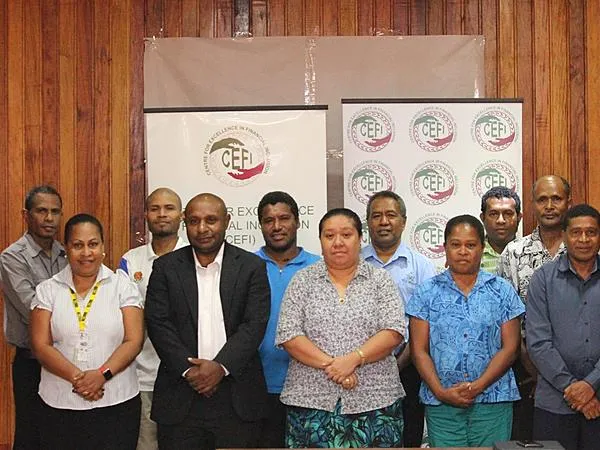
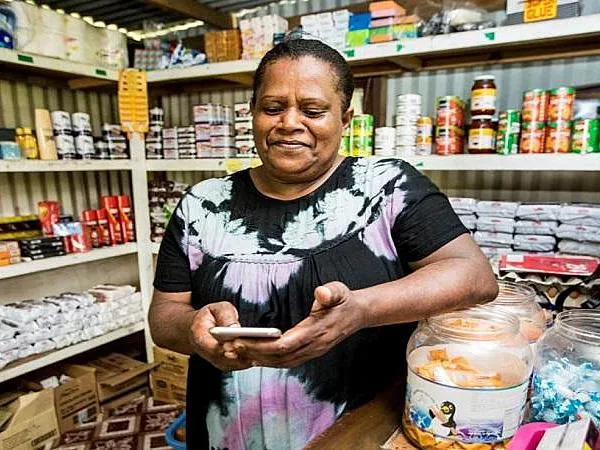
Following a meeting of the Milne Bay Steering Committee, the Centre for Excellence in Financial Inclusion (CEFI) and the Milne Bay Provincial Administration (MBPA) have partnered to work on the agenda of financial inclusion in the province.
Among the key activities for this financial inclusion include training of trainers for financial literacy training, baseline survey on financial inclusion in the province, business development service training for SMEs, expanding access of financial services, and hosting of financial institution exposition.
What came out of the meeting was the finalisation for the following: appointment of the Milne Bay Provincial Financial Inclusion Steering Committee; terms of reference for the committee; 2021 annual work plan; setting up of a desk to work on the financial inclusion, and the date of the next meeting.
Part of the list of activities written in the scope of the Memorandum of Agreement (MoA) signed between these two parties involved the formation of the steering committee. According to the MoA which will expire in September 2022, issued the “establishment of a Project Steering Committee (PSC) that will include representatives from the provincial government, CEFI, private sector and civil agencies in the province”.
Meanwhile, CEFI’s manager for special projects Busa Jeremiah Wenogo said that financial inclusion is essential. in the province. He said, “There is a need now for us to work together to educate our population on financial literacy as well as how to save money and invest in productive activities to help their families improve their wellbeing.”
Stakeholders and investors hope for a quick resolution to key resource project negotiations in driving economic growth and confidence.
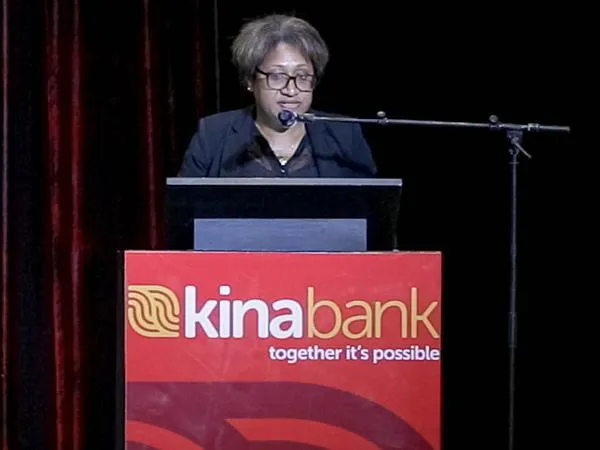
This was according to Kina bank Executive general manager for banking Lesieli Taviri who said that this was on top of the government spending to enhance infrastructure and provide confidence - until the global pandemic dissipates.
“The resource projects currently in the pipeline for PNG represent an estimated K110 billion in foreign investment and domestic production over their lives,” Taviri said. “The 2021 National Budget projects over K40 billion in capital expenditure from 2021 to 2025. This fiscal support, especially after the sharp downturn witnessed globally, gives some measure of reassurance to economic stakeholders and has the potential to set a solid foundation for future growth in PNG. The resource projects continue to be the main economic drivers in the medium term.”
She added that the year 2020 was a challenging year.
“The Prime Minister stated in September that PNG’s economy had declined by K10.7 billion in nominal terms by the third quarter, which is significant relative to estimated gross domestic product (GDP) of K81.6 billion,” she said. “The cancellation of the Papua LNG and P’nyang LNG before the Covid-19 outbreak put a dampener on investments in resource-adjacent sectors and tilted risks in the broader economy towards the downside. The pandemic aggravated these risks and caused a number of private and commercial investments to be either delayed or cancelled outright.”
Kina Bank will not create a duopoly, even with the proposed acquisition of Westpac PNG and Fiji.
This was according to Kina Bank executive general manager banking Lesieli Taviri, who said that the acquisition will only cover 20 percent of the market with a multi-brand approach. She added that it is to create a new brand for the acquired business and to maintain the licence of Westpac PNG.
“It is worth noting that there are four commercial banking licenses in PNG, and numerous micro banks and savings and loan societies operating in this country,” she said. “Furthermore, the Bank of PNG can at any time grant additional commercial banking licenses to either domestic or international institutions.”
Taviri said that the bank will be separate and independent from the brand of Kina bank, and will compete directly with BSP, ANZ and Kina Bank in both Fiji and PNG.
“Its mandate will be a specific focus on the MSME and SME and commercial sectors of both Pacific markets and we will reinvigorate Westpac’s financial inclusion program that has been dormant for some time,” she said. “Financial inclusion remains one of the biggest structural issues for the PNG economy and we aim to address this head-on. The new brand will be governed by an independent PNG-based board of directors and there will be significant opportunities for anyone in PNG to invest and participate in the ownership of it through Kina Securities Limited.”
A strategy in a multi-brand, she said, means that there would be no job losses, no reduction, and no branch closures.
“Literally nothing changes except for the name above the door,” she said. This will be a great outcome for customers in both markets from a service and product perspective.”
Prime Minister James Marape revealed that PNG must take back its resources from foreign exploitation to take the country out of poverty. This is his Vision 2050 to “Take Back PNG”.
“Corruption was sucking 30 to 40 per cent of internal revenue,” he said, adding that the country was not earning the fair cost of its resource exports. “We are still looking for money but we are not clear how much money is going out from our fish, trees, gold and oil. I was minister for two terms and I advised them but they thought that I came from the place of oil and gas and I was making these talks.”
He added that the people living in the oil and gas areas lack properly sealed roads.
“When you come up to Hela and Enga provinces, there is not much change taking shape, despite oil, gas and gold run since 1989 and Hides and Kutubu in 1990.”
His dream is still with Vision 2050
“What’s wrong with becoming rich too in a God-given blessed land not rich in money but more importantly rich in the character of a nation, the good character and fiscal manifestation of money in the pocket will flow,” he said. “So the dream to become rich is set and now we are trying to make it a reality. I realised, to change the laws in the mining Oil and Gas Act and we get more. Why should we pay more equity when the people already hold the resources?”
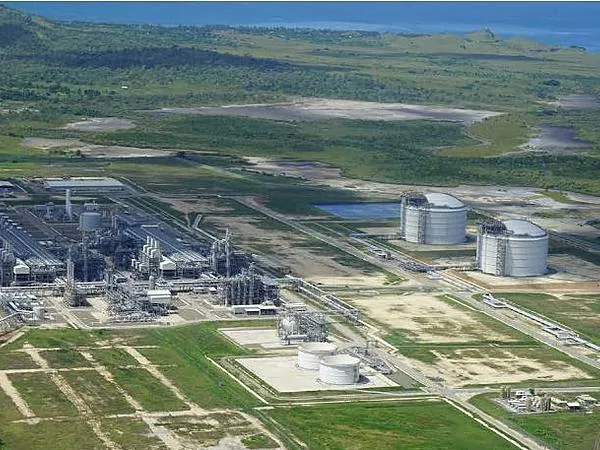
Prime Minister James Marape said that three multi-billion projects are expected to be signed in the next few weeks, giving his thanks to the investors of these projects: the US$5.4 billion (K18.49 billion) Wafi-Golpu copper and gold project, US$13 billion (K44.5 billion) Papua LNG project and the US$525 million (K1.7 billion) Pasca-offshore oil and gas project.
The final instrument for the LNG Project will be signed next week, he said,
“TOTAL (have indicated) that next week we’ll sign the last instruments that need to be cleared, at Government House,” he said. “The managing director based in Singapore will come. We have given the necessary permit for Wafi-Golpu to get off the ground. For Pasca, we hope to sign the agreement soon.”
He added, “I want to thank the investors of these projects for their patience,” he said. “We expect that in a month or so, full maturity of these projects would be seen as far as projects agreements are concerned. If everything goes to plan, Porgera should start in the first half of this year.”
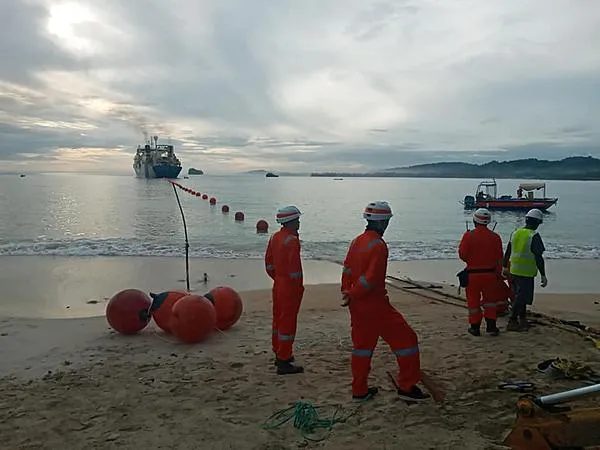
The construction of the Kumul Submarine Cable Network (KSCN) is to be finished in the third quarter of 2021.
According to PNG DataCo managing director Paul Komboi, while the Coral Sea cable has been online since February 2020, the domestic part has been put on hold because of the COVID restrictions.
Komboi said that the landing is already finished for system 1, system 3 while system 2 landing was completed in 2019.
“The only outstanding work we have with KSCN is the Jayapura leg, which was put on hold due to the Covid-19 pandemic but we expect to complete work by the third quarter of this year,” he said.
Komboi has verified that the Coral Sea fibre-optic Cable project is commissioned and finished as of February 2020 and is currently in use. All international traffic has been migrated to the Coral Seas cable.
He said that the maintenance is the only work that needs to be done, adding that he is disappointed with places such as Popondetta which are unable to use the cable systems because of the lack of consistent power supply.
Komboi said that one of the concerns is the location of the cables.
He said, “For 2021, DataCo plans to commercialise the KSCN and try to use it to get people to take up capacity and also expand their network from landing stations out to where the activity sites and the main population is.”
With gold, copper and liquefied natural gas (LNG) expected to be strong, the economy could rebound this year.
According to K92 Mining Inc chief executive officer John Lewins, this would be achievable if the impact of the COVID crisis is managed and that 2021 would still be a challenging year for many.
He said that in early January, the cost of gold rallied briefly to US$1,960 per ounce (K7,072.10) before going back to US$1,840 an ounce (K6,639.12). For 2021, it is expected that gold price would be above US$2,000/oz (K7,216.43) caused by the monetary and fiscal stimulus in the US, the US dollar expected to be weak, inflation threats, and low-interest rates.
Lewins said if the Wafi-Golpu project and the Papua LNG project were approved, they would have a very significant positive impact, plus the restart of the Porgera mine.
“Other areas such as agriculture and fisheries should also perform well and hopefully demand increases as the major developing economies recover with the roll-out of the Covid-19 vaccine,” he said. “However, international tourism is unlikely to recover until 2022 at the earliest. So this will impact hotels, airlines and the like.”
With the opening of these projects, Lewis said that there might be a shortage of skilled workers - which could have a negative impact on current operations.
“This is something we seek to address by increasing our commitment to training,” he said.
An official said that all businesses are looking forward to the growth of the economy.
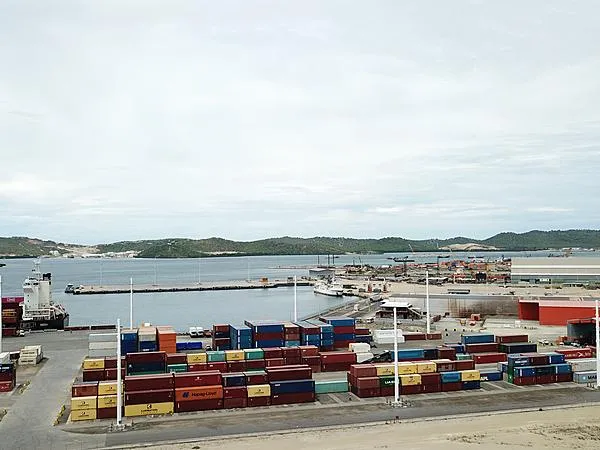
According to PNG Ports Corporation Ltd (PNGPCL) managing director Fego Kiniafa, their business was solely dependent on exporters and importers, and the availability of foreign exchange for trading to happen.
“PNGPCL is hopeful that the economy registers a positive growth and we are ready to facilitate that growth through our network of ports,” he said. “All businesses are looking forward to the economy picking up as businesses adjust and learn to adopt and operate within the confines of the Covid-19 pandemic restrictions.”
He, however, declined to reveal the annual turnover of the company.
“In terms of the annual turnover, that is a confidential matter that can only be released with appropriate approval from the board and shareholders,” he said.
Business experts noted that the economy was contracting. Economy experts have also appealed to the government to approve one of the multi-billion kina projects such as the Wafi-Golpu and the Papua LNG, and the reopening of the Porgera gold mine.
In encouraging transparency within the government, the ICT sector and to comply with their policy and legislative measures, Information and Communication Technology Minister Timothy Masiu said that he wants his department organised.
He said that to deliver ICT services that are cost-effective, reliable and affordable, his department must listen to the stakeholder and industry players for a better appreciation and understanding. He added that with his boards now in place, he is looking forward to working with players and stakeholders in the ICT industry, and looking at strategic directions.
By launching its Corporate Plan (2020-2024), the department has enabled them to undergo a comprehensive structure and enables the department to be more responsive to the sector and to give areas in the field of data protection, digital government, information security, and data governance.
“By 2021, we have two main mobile operators and that is Digicel PNG and a merger-in progress entity Bmobile/Telikom and a surge in the number of license applications,” Masiu said. “The time has come for us to focus on developing local digital content to showcase our unique cultures and traditions and identity as Papua New Guineans.”
Masiu said that a functioning department is very important for clearer ICT Policy and legislative department, implementation oversight and currency, among others. More work has to be done, he said and is looking forward to doing more.
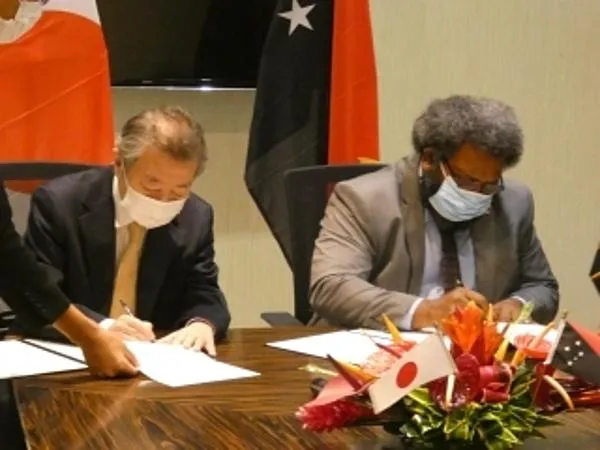
To finance its National Budget for 2021, repay its debts, and stabilise the economy, Japan has provided a K1 billion concessional loan to Papua New Guinea.
Japan is also giving K32 Million grant for the PNG electrification partnership as agreed with the United States, Japan, New Zealand, and Australia.
According to Japanese ambassador Kuniyuki Nakahara, the loan comes with a rate of 0.01 per cent a year for repayment of 15 years.
“PNG can enjoy a grace period of four years and can begin to pay back the debt after its economy recovers,” he said. “This K1 billion is the largest ever since the start of Japan’s official development assistance to PNG. Since the beginning of 2020, the whole world has been suffering from the outbreak of the Covid-19. The world economy has also suffered and the PNG economy is no exception.”
The economic growth of PNG is expected to drop by 3.3 percent in 2020. “Under such a situation, our bilateral relationship between Japan and PNG should remain solid,” he said.
In an August visit last year, Japan foreign minister Motegi Toshimitsu asked his Government through the Jica Covid-19 crisis response emergency support loan to provide the loan to Papua New Guinea.
In launching the new Jiwaka provincial headquarters at Kurumul, Papua New Guinea Prime Minister Hon. James Marape has emphasized the need for technically-skilled people.
PM Marape said that the government will be elevating and upgrading the Tombil Vocational Centre into a fully-fledged Technical Vocational Education Training (TVET) college.
“Our country is developing and we need carpenters, mechanics, plumbers and others who can develop our province and country,” he said. “We don’t only need university graduates, but also technically-skilled people who are the real backbone of our country. Jiwaka, as a new province, needs people with such skills and a workforce base to develop. Therefore, we want those who completed grades 10 and 12 but could not make it into colleges, to enrol in those TVET programmes.”
PM Marape also said that Grades 8, 10, and 12 school leavers should consider Flexible Open Distance Education (FODE) and continue their education.
The Internal Revenue Commission (IRC) has unveiled its yearly work plan in Port Moresby.
According to IRC Commissioner Sam Koim, the plan which outlines seven key strategic pillars contains a vision to transform the organisation into a modern, robust, and efficient tax administration by 2025.
These seven key strategic pillars include data-driven, fostering voluntary compliance, making GST the number one revenue-earner, effective tax collection, digital transformation, building organisation agility, promoting integrity and preventing corruption.
Koim said that among the challenges last year included huge uncollected tax debts and high rates of non-compliance.
“Despite the challenges, we still managed to bring revenue on target,” he said. “We want to avoid projects that result in incremental progress or what I call repetitive fire-fighting solutions. However, we can change some things that can change everything. We want to rally the organisation around to drive change.”
The power outages in Port Moresby may end in March.
This was according to PNG Power Limited managing director Flagon Bekker who said that they are working on the transformer at the Port Moresby grid because they couldn’t bring in a new one.
He added that bringing in an expert for the tap changer may not be possible for this time.
“We don’t have the person in the country to do that, hence, we opted to bring a consultant in to put it back in. Of course now when he comes in will sit in quarantine for two weeks but we were looking at an option to bring him in under a bubble so he goes to fix what he needs to do and leaves, “ he said. “But we didn’t do that but replaced the transformer. But that skillset isn’t actually in our organisational chart because it is so rare, as it’s a service that someone else can provide but there’s no one in the country that provides that service that’s why we have to bring it in.”
Bekker said that presently, they are working with significant stakeholders such as the Treasury, IRC, and Finance to bring in a new transformer.
“We believe that by the end of February or March we will be able to take the pressure off but we’re going to have a fragile system, like a chair with two legs,” he said.
Given the static nature of transformers, Bekker said that they require little maintenance and can last up to 50 years. The longer they are used, he said, they need more maintenance and have a greater possibility of repair.
“If a transformer fails in a system, it is detrimental to the overall supply of electricity,” he said. “It goes without saying that transformers for power systems are expensive. With more than 750 power transformers in Port Moresby ranging from K50,000 to K500,000 in cost, it’s difficult to prioritise which piece of equipment gets rehabilitated or replaced. PNG Power is working with donor agencies to improve the Port Moresby transmission and distribution system this year which will gradually improve our service to you in the next 5 years.”
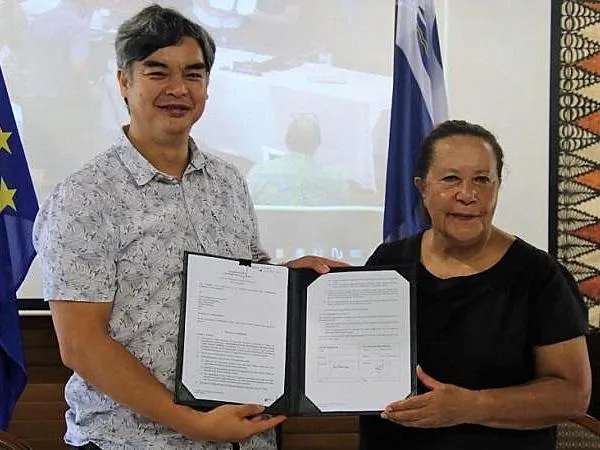
To improve the trade capacity of Pacific countries, the Pacific Island Forum Secretariat (PIFS) and the European Union (EU) have signed a project titled “Strengthening Pacific Intra-Regional and International Trade (SPIRIT)”. The project is set to cost EUR 5.75 million.
Aimed at increasing and boosting intra-regional and international trade through strengthening institutional and technical capacity in the region, the project facilitates the implementation of trade agreements, especially the Economic Partnership Agreement (EPA) and of the Pacific’s Aid-for-Trade Strategy 2020-2025.
SPIRIT also contributes to the development of a statistical monitoring framework that leads to greater economic integration.
In her remarks, Pacific Islands Forum Secretary-General, Dame Meg Taylor said, “The implementation of SPIRIT will ease trade challenges faced by the Pacific ACP countries and focus on creating opportunities to trade regionally and internationally. Most importantly, it will strengthen the capacities of trade departments in the region through the provision of a technical position at the sub-regional level in each of the three sub-regions in the Pacific.”
To further boost this trade agreement and improve the implementation of these policies, three long-term trade advisers will be deployed in the sub-regions of Melanesia (which includes Timor-Leste), Polynesia, and Micronesia. They are also responsible for capacity-building and training measures to the Pacific countries.
The Ambassador of the European Union for the Pacific, Sujiro Seam said, “The European Union is not only a development partner for the Pacific, it is also the best success story of regional trade and economic integration following the Second World War. With a market of 500 million consumers, the European Union is a business partner for the Pacific. This SPIRIT project comes at the right time, to alleviate the catastrophic impact of the COVID-19 pandemic on the Pacific economies, build value and growth in the region and take advantage of the business opportunities offered in the European market.”
The countries that benefit from this agreement are the following: Palau, Republic of Marshall Islands (RMI), Cook Islands, Solomon Islands, Papua New Guinea, Federated States of Micronesia, Kiribati, Fiji, Timor-Leste, Niue, Vanuatu, Tonga, and Samoa.
In a recent survey conducted by the Pacific Trade Invest network, it has revealed that the pandemic continues to impact small businesses.
Newly appointed Trade Commissioner of the Pacific Trade Invest New Zealand office, Glynis Miller said that “the results are not surprising as they do reflect real challenges faced by a large majority of SMEs.”
According to the data, the conditions for SME's have improved a bit - from 89% in December to 84% reporting a negative impact. The confidence levels of these businesses have dropped a bit - with 75% reporting that they will survive the pandemic, compared to 78% during the same period last month.
This has been the lowest it has been since the firm has been tracking SMEs last April 2020.
According to the survey respondents, some of the technical assistance that they need are financial support, business diversification, and access to new markets.
The January report said that the top barrier for female-led businesses was a lack of cash flow with 41% reporting barriers as compared with the 15% in male-led businesses.
“When the accumulated data is reviewed month on end, we note the consistent pinch points faced by SMEs – the tough decisions are taken to reduce operational costs, reduce working hours and diversify their services or products,” he said. “That said, within the data collected, there is evidence of businesses having performed exceptionally well throughout COVID-19 where production and export levels have increased substantially compared to the same period last year.”
Aside from these challenges, the pandemic has brought many opportunities too.
Pacific Trade Invest New Zealand along with offices in China and Australia looks at the findings of the Pacific Business Monitor report to support programmes where sectors need specific assistance.
In dealing with the power outages, PNG Power Ltd managing director Flagon Bekker said to either live with these blackouts or invest “hundreds of millions of (US) dollars”.
“I personally believe the people of PNG are going to need to choose: start investing in the power system or live with blackouts that will get worse and worse,” he said. “There is no easy answer here.”
The hundreds of million may sound like a lot, but he said, “but we can do this as a business, without additional cost to the taxpayers if the PPL is allowed to reform”.
He added, “If we can become more of a commercially-driven business with less social responsibilities (for example) not related to making, transmitting, distributing and selling electricity, it will help.”
He proposed that consumers should also pay their bills on time - every month.
“We can then use this money for equipment and projects we need to refurbish, repair and rebuild our power system, networks and technologies,” he said. “Without cash in the bank, we simply cannot buy spare parts or stock emergency items, or do planned maintenance.”
Bekker who is just two months into his position said that the government was lagging in the plans of the country, and had a hard time securing funds.
“We understand that. We are working with the (departments of) Treasury, Finance to find a way to fund the working capital and capital investment needed to make the grid work better for our customers,” he said. “We are going to need to work together, prioritise this most essential of essential services for the future of our children. That is the way to look at it, I think.”
He added that PNG Power was not spending enough on the maintenance of its assets because of the issues with cash flow.
“The demand comes from many sources including social costs that a normal business (in the commercial space) does not have to carry,” he said. “This is also partly due to our structure which we are addressing in our Refocus Initiative, (and) to funding shortfalls. We are working on options to bring capital into the business. We are reviewing all options to do this but always based on the best value for the people of Papua New Guinea.”
Follow on LinkedIn:
PNG Business News
Be the "First" to get our exclusive Digital Magazine & Weekly Newsletter.