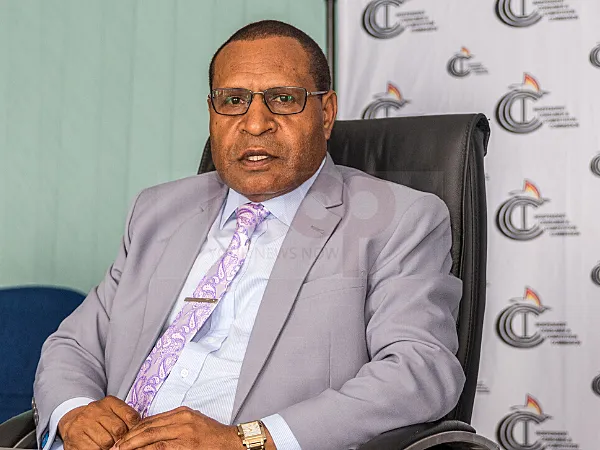
Kina Securities Ltd (KSL) has sent an application to the Independent Consumer Competition Commission (ICCC) for approval of its proposed acquisition of Westpac's Pacific company.
Through the authorisation process, ICCC will determine the acquisition's competition consequences and public gains, according to Commissioner and Chief Executive Officer Paulus Ain.
This will be achieved by a public review process in which the ICCC will accept comments from stakeholders and the general public before reaching a definitive judgment about whether or not to approve the acquisition under the ICCC Act.
“The process that ICCC will conduct is very transparent and it is very important for the people of this country, especially from the finance and banking sector, to get themselves involved,” Ain said. “The process has now started and we are formally inviting the people in the finance and banking sector, other commentators, interested parties and the public to the process on assessment. We are looking forward to seeing a lot of submissions come in and this process starts effectively today (Friday).”
KSL is awaiting ICCC approval to purchase 89.91 per cent of Westpac PNG Ltd.
The proposed acquisition has reached the threshold needed under section 81 of the ICCC Act for mandatory notification and obtaining ICCC approval to continue with the acquisition, according to the ICCC.
The authorisation process, according to Ain, has no bearing on the ICCC's decision on who buys.
“This is something that ICCC does not or is not required by law to do this,” he said. “It’s outside of the ICCC’s role.”
The government has requested a loan extension for two World Bank projects in the Gulf and Madang provinces to maintain and rehabilitate roads.
The extension will allow procurement and construction on the Bogia-Awar section of the Coastal Highway and the Epo-Kerema section of the Hiritano Highway to be completed by April 28, 2023.
“These projects are part of a long-standing Government-World Bank commitment to improving transport infrastructure,” Treasurer Ian Ling-Stuckey said.
According to Ling-Stuckey, the road maintenance and rehabilitation project has played a pivotal role in upgrading Papua New Guinea's primary road network, and it is now being put back on track.
Both the government and the World Bank had been aware for some time that these two key projects would not be completed by the loan closing date of April 30 this year.
“Therefore we have sought this extension to allow for the awarding of contracts by the end of April, and for works to start by the end of May,” Ling-Stuckey outlined. “The new schedule we have set is very tight, but we believe it can be met. Transport infrastructure is one of the keys to the Marape-Basil’s agenda for economic and social development, especially in rural areas. These two projects will make a big difference to the income-earning capacity of the people of Gulf, Madang and surrounding provinces.”
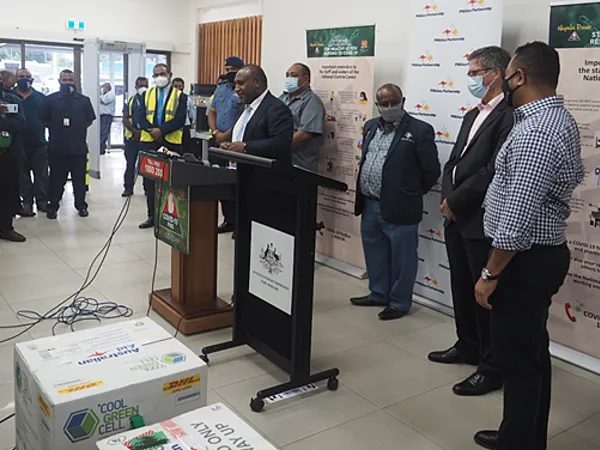
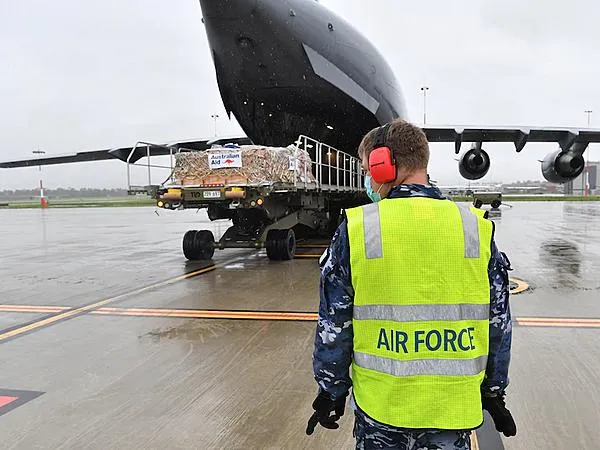
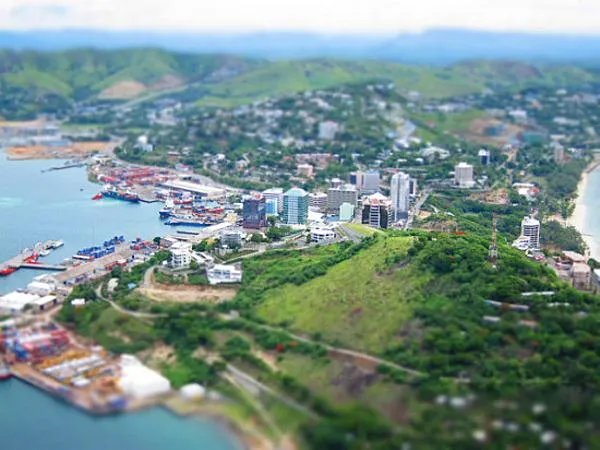
Australia has sent 8,000 COVID-19 vaccines to Port Moresby's Jacksons Airport as part of its continuing assistance to PNG to contain and combat the spread of COVID-19 in the region.
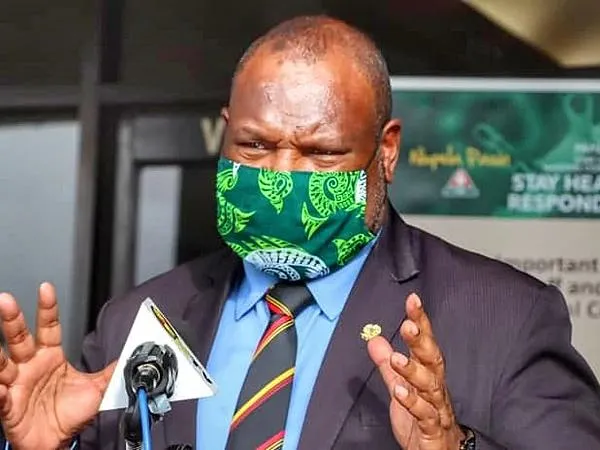
Prime Minister James Marape expressed gratitude to the Australian Government at the airport where the vaccinations were sent, saying that Australia continues to assist PNG wherever it is required.
The launch of the vaccinations was observed by Prime Minister Marape and the Australian High Commissioner to Papua New Guinea His Excellency Jon Philp, Minister of Health and HIV/AIDS Jelta Wong, Minister of Agriculture and Livestock John Simon, Controller of the PNG COVID-19 National Pandemic Response and Police Commissioner Mr David Manning, and Secretary for Health Dr Osbourne Liko.
According to Marape, Australia has agreed to provide another million vaccines to Papua New Guinea. In the next two to three months, the World Health Organisation (WHO) and its allies will secure almost 700,000 vaccines for PNG.
“These vaccines are not compulsory for all citizens but would be available for those who feel that they need to protect themselves against COVID-19. Our health workers in the first instance would be given preference before the rest of us,” Prime Minister Marape said.
The Prime Minister has claimed that he would be glad to be the first citizen to receive the vaccine in order to illustrate that it is safe for others to receive it too.
A flight from Australia has arrived in Papua New Guinea with the first shipment of COVID-19 vaccines as well as experts to support local experts in responding to the virus.
The first supply of vaccines for frontline health staff was made on Tuesday, March 23rd, with an initial rollout for the National Capital District.
In addition to AUSMAT experts, the RAAF flight carried three mobile storage units to help with the vaccine rollout, as well as five group tents that served as triaging areas, reception centres, and clinic rooms.
Australia is collaborating with Papua New Guinea to promote the government's response to a worrying increase in COVID-19 cases, in order to save lives and support the health sector of its nearest neighbour.
The Australian government has decided to assist PNG and will work with it to develop a robust support program to aid the country's response to the crisis.
A forward team of three AUSMAT health experts is being sent to Port Moresby by Australia.
Infection prevention, triage and emergency response, and public health interventions will be discussed with Papua New Guinean health officials.
The deployed AUSMAT, according to a statement from the Australian High Commission in PNG, would adhere to quarantine agreements reached with the PNG government.
The government of Papua New Guinea will assess future goals.
With the recent rise in COVID-19 positive cases in PNG, peak bodies representing industry, the private sector, and development partners are urging their members to take the lead in promoting and enforcing necessary virus prevention protocols.
In a joint statement released recently, the PNG Chamber of Commerce and Industry (PNGCCI) and the Business Council of PNG (BCPNG) reminded businesses to introduce the Niupela Pasin (New Normal) at every workplace.
The Niupela Pasin contains the following steps to protect staff, customers, and the general public at all workplaces.
“These are measures that are now a normal part of life in the New Normal,” it said. “As the voice of business, the private sector and development partners, we remind all our members to ensure that all measures are taken to protect everyone from COVID-19. This is a shared responsibility, which we all must play our part in addressing. Given the recent spike in community transmission resulting in increased positive COVID-19 cases being reported, and the continued constraints faced by our health facilities, it is important that we take the lead in promoting, and practising COVID-19 prevention protocols,”
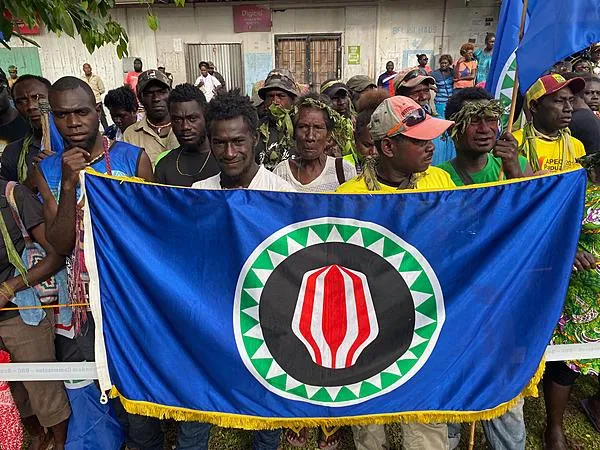
According to a study by the National Research Institute (NRI), the investments needed to increase the tax base for the Autonomous Bougainville Government (ABG) require significant upfront investments.
The report said that increasing revenues for the Bougainville Government, public expenditures also necessitate capacity to prepare, budget, execute, and track them: Bougainville is on the verge of collapsing.
“And absent such large and lumpy investments early, Bougainville will not be able to acquire fiscal independence,” it said. “ABG will need foreign funds and expatriate expertise to create the conditions for a transition to economic independence. Bougainville will need visionary leadership and considered support from the PNG Government. There is hope on both these fronts. Bougainville is rich in natural resources and can use that to attract foreign investments for technology transfer, capital injection, employment generation, market access and exports. Several water fishing nations are already operating in Bougainville waters. Attracting a foreign investor to engage in onshore tuna processing, as undertaken in Wewak on the mainland and across in the Solomon Islands, has the potential to generate much needed formal sector employment. Richer still are the known mineral deposits that have the potential to attract foreign investment. But that would be tricky given the history of Bougainville Copper Ltd, and the issues of the compensation for the environmental damage done and compensation for the decade-long conflict. Leadership and planning is necessary to navigate these obstacles to restarting the mine, that could boost revenues for the budget and provide returns to the people who ultimately own the resources.”
According to the report, Bougainville should concentrate on: Introducing land administration systems and town planning; Enhancing contract protection, including land titles, mining leases, and potential income from private investment; and Lowering sovereign risk with regard to investments in Bougainville in relation to the rest of PNG.
According to PNG Manufacturers Council chief executive officer Chey Scovell, businesses support the urgent need to stop the current spread of the Covid-19 but agree that a full-scale, literal lockdown isn't feasible in Papua New Guinea.
When asked whether companies were preparing for a lockdown due to the increase in Covid-19 incidents, Scovell said yes.
“This depends on what you mean by ‘prepared’,” he said.“Can they physically stop operating and send all staff home, yes? However, manufacturers are not responsible for filling up warehouses (in stores), if we close manufacturers, shelves run empty. If we close shops, people can’t make any purchases.”
According to Scovell, PNG's capacity for home delivery services is inadequate, and most people lack the opportunity to stock up on supplies for two to four weeks.
He said that while manufacturers continued to provide healthy work environments for workers to protect against the Covid-19 and reduce the risk of infection, they were unable to implement all safety procedures and behaviours.
The reality is that we are now in stage three,” he said. “Movements should already be restricted, it’s simply not being enforced at all, in any way.”
For Scovell, restricting mobility was necessary but not always feasible because many facilities required staff to travel and people needed to move as well.
“We support the guidelines and the restrictions under each stage,” he said. “We would ask that rules be followed and enforced. Our manufacturers have put in place measures to comply with the rules. It’s outside the workplace that rules are not being followed.”
Only critical staff were required to attend work during stages three and four, according to Scovell, but this was not the case.
“In my membership, they are working in rotations, working from home, have made substantial changes to their work layouts to ensure distancing,” he said. “The Government lacks the capacity to effectively enforce the guidelines.”
He claimed that because the government lacked sufficient workers (police, health workers, teachers, etc.) for the country, expecting the police to effectively enforce the rules was impractical.
We each have to play our part,” he said. “Maybe a hotline for workers and customers to report non-compliance would assist, but even then it would still be a challenge for the government to visit and penalise those that aren’t complying.”
To manage the effect of the Covid-19 on businesses and people's lives, Scovell said constant knowledge, leadership from politicians and bureaucrats, and vigilance from the public were needed.
Bank South Pacific (BSP) is thinking of being listed on the Australian stock exchange (ASX).
Sir Kostas Constantinou, chairman of the bank's board of directors, said the bank intended to call a special meeting of shareholders to seek approval for amendments to its constitution that would allow BSP to apply to join the ASX's official list.
It would be able to obtain dual listing as a result of this.
It's also on the Papua New Guinea stock exchange (PNGX).
“The notice of the meeting is currently subject to advise and approvals, which are expected to be finalised during March 2021,” Sir Kostas said.
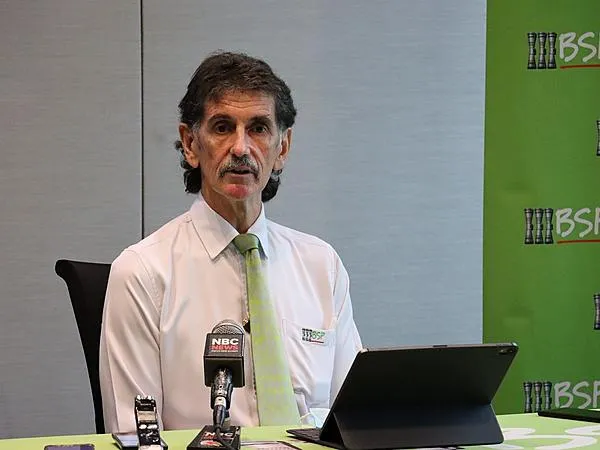
The aim of the planned ASX listing, according to BSP Group CEO Robin Fleming, is to gain access to new sources of capital on Australia's main exchange.
“While BSP has been listed since 2003 on the PNGX, there are a number of constraints that BSP faces in sourcing new forms of equity capital,” he said. “Accordingly, BSP is pursuing the proposed listing as a means of mitigating some of these constraints. Access to new sources of capital will allow BSP to explore future growth opportunities. Another benefit of joining the ASX is that it will facilitate increased liquidity for BSP’s shareholders (trading of BSP shares). The ASX is a much deeper (larger pool of investors) and (more) active market than the PNGX. Accordingly, shareholders will find it easier to trade BSP shares on the ASX.”
BSP's visibility would increase if it joined the ASX, according to Fleming.
“It will provide the opportunity to better educate the international marketplace in relation to BSP and PNG,” he said.
As a result of a high number of coronavirus (COVID-19) cases recorded in the country, Papua New Guinea will be placed in a nationwide quarantine.
This was revealed by Prime Minister James Marape at a press conference in Port Moresby. He stated that this would not be a "severe lockdown," and that companies and government would be able to function normally.
After returning from attending the funeral of late Grand Chief Sir Michael Somare in Wewak, East Sepik Province, he will reveal the specifics of the isolation strategy.
“The nationwide isolation strategy will ensure people are not moving from place to place unnecessarily,’’ said Mr Marape. “Remain in your province, remain in your district, remain in your village and where you are,’’ he said.
The National Control Centre, according to Marape, will work with the Regional Health Authorities and Provincial Coordination Centres to ensure that the provincial response plans placed in place last year are enabled and that funds set aside for the response are used effectively.
In the implementation of the isolation policy, NCC will cooperate with the National Department of Education.
PNG began its response in the green alert phase (no cases at first, then one around March), jumped to the next risk stage when it identified a few cases, and is now in the red alert phase due to community transmission in a number of provinces, according to Marape.
COVID-19, he said, is not a joke. "For those who think COVID-19 is a joke, or are playing around; this is an established pandemic,’’ he said.
He noted that every effort is being made to ensure that the COVID-19 vaccine being brought into the country is of world-class quality and safe to use. If PNG is unsure about the vaccine, he is willing to be the test subject.
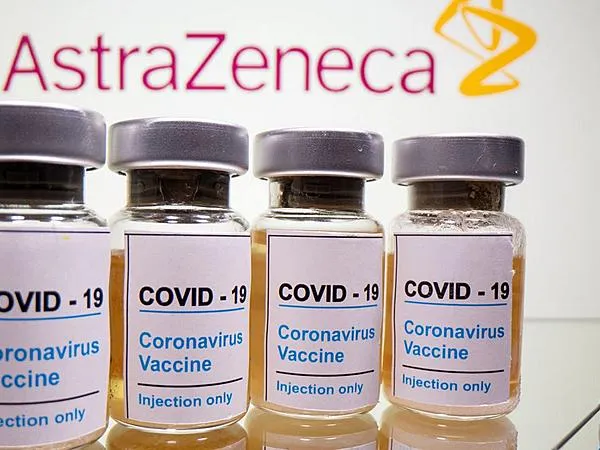
The AstraZeneca Covid-19 vaccine has been given regulatory approval for use in Papua New Guinea.
The government is planning for the vaccine rollout, aimed to launch by the end of April, as PNG struggles to control the spread of Covid-19.
The PNG Medical and Scientific Advisory Committee reviewed the various Covid-19 vaccines produced, according to Prime Minister James Marape.
PNG can obtain the AstraZeneca vaccine produced through the COVID-19 Vaccine Global Access, or COVAX facility, he said. The World Health Organization has also given it their blessing.
Vaccination would not be compulsory, according to Marape. It will be aimed at a specific audience.
“A large number of health workers have been affected by the Covid-19, therefore, they will be given priority,” he said. “We are now in the process of getting the vaccine across, hopefully by April.”
PNG will receive a total of 588,000 doses of the AstraZeneca vaccine from the first allocation by the end of June, according to the Department of Health.
The vaccine will be sent to PNG in two shipments: the first, consisting of 288,000 doses, is scheduled to arrive in late March or early April, and the second, consisting of the remaining 300,000 doses, will arrive in late May or early June.
Frontline vital health staff will be the first to be vaccinated, with the first batch arriving by the end of June, followed by the most vulnerable, such as those with co-morbidities and the elderly, in the second half of the year.
Marape expressed concern in a statement that Covid-19 has infected a significant number of health workers, and that they will be given priority for vaccination.
"Health workers will be vaccinated first as we are seeing a growing number of health workers who are getting infected in the line of their work," he said. "There is evidence that there is a large community transmission in the National Capital District, and that is affecting health workers who have come in contact with Covid-19 patients in the course of their duty. This is a serious community transmission and we are now relooking at our own isolation strategies, and how we can best look after our health workers while processes for bringing in the vaccine are completed and the vaccines are brought into the country."
The prime minister said that he would not take the vaccine ahead of those who need it most and that he would only do so to demonstrate to Papua New Guineans that the vaccine can help them combat the virus.
“It must be emphasised that even with the vaccine, we must maintain and strengthen public health measures such as face masking, physical distancing, frequent hand washing, respiratory and cough hygiene, avoiding crowds and ensuring good ventilation,” said Marape.
The United Nations' theme for International Women's Day is "Women in Leadership: Creating an Inclusive Future in a Covid-19 World," a celebration of global progress toward equal representation of women in leadership roles.
Women's leadership in the Pacific has focused on women's political participation, which is among the lowest in the world at just 7%.
However, data gathered for a new research project paints a more promising image for the private sector, where the region is making significant strides toward fair representation.
According to preliminary data collected as part of the Asian Development Bank's Pacific private sector development initiative's ongoing research into Pacific women's leadership in the industry, the Pacific compares favourably to global levels across several measures of leadership.
Women's presence on boards and in senior management roles in over 200 Pacific private sector organizations is measured in this report.
Although there are major variations between countries and industries, the average proportion of women on boards in the Pacific region is 22%, which is higher than the global average of 17%.
Some industries are doing better than others.
Women make up 24% of board members in financial and ICT organizations, and 31% of board members in industry associations (such as tourism associations).
Women make up more than 30% of board members in the Cook Islands, Palau, and Samoa.
In the organizations surveyed, women hold 30% of senior management positions, which is in line with the global average. Over 30% of senior management roles in the Cook Islands, Palau, Samoa, Tonga, and Vanuatu were held by women.
The companies listed on the South Pacific stock exchange have made considerable progress.
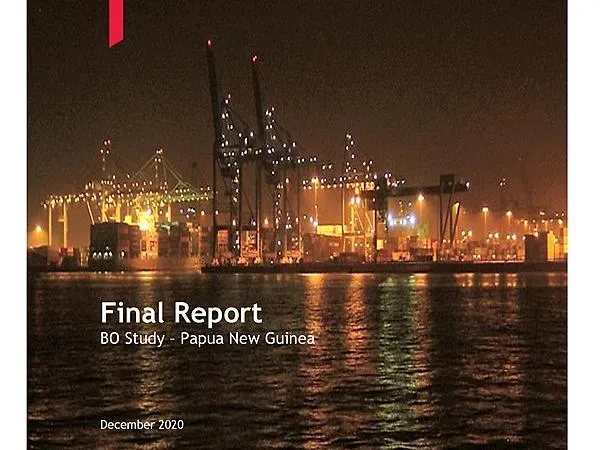
As a need under the EITI 2019 global practice standard, the Papua New Guinea Extractive Industries Transparency Initiative (PNGEITI) has published its first Beneficial Ownership (BO) Report.
Head of PNGEITI National Secretariat Lucas Alkan said that this has already been published on its website last December 2020. “All EITI implementing countries including Papua New Guinea are required to produce a Beneficial Ownership Report by the 1st of January 2020,” he said.
Alkan said to fully comply with this requirement, PNG should have a public register that lists the beneficial owners of corporate entities who hold a particular interest in oil, gas, or mining contracts. This also includes the identity of the beneficial owner.
Besides implementing the EITI Standard, PNGEITI is devoted to making sure Beneficial Ownership information disclosure is implemented through its role in; Open Government Policy National Action Plan 2018-2020; the PNGEITI Annual Workplan 2019; and the PNGEITI BO Roadmap for Implementing disclosure including existing legislation such as the Anti-Money Laundering and Counter-Terrorist Act 2015.
Alkan said, however, that reporting entities did not fully understand the meaning of Beneficial Ownership Reporting. “This is because they were unable to provide complete information of what was requested in the reporting template,” he said. “In addition to the challenges faced in obtaining information for BO reporting, PNGEITI still does not have a legal basis to collect the required BO information which makes it difficult to obtain complete information from the companies.”
There are, of course, many challenges that the report found. These include unfamiliarity with the BO concept especially for non-publicly listed companies; several reporting entities did not attend the BO training workshop, and complex corporate structures especially where there are multiple layers of ownership involving several jurisdictions and different types of legal entities.
With these many gaps, the report recommends to have a dialogue with the following organizations: the Financial, Analysis and Supervision Unit (FASU) of the Bank of PNG, Investment Promotion Authority (IPA): and the Mineral Resources Authority (MRA).
Falling export earnings have impacted the external sector of Papua New Guinea. But surging gold prices and import compression contained the damage.
According to the World Bank PNG’s economic update titled “Dealing with a triple crisis”, the current account surplus broadened in the first half of 2020, which increased by 14 per cent. This was supported by a strong merchandise trade performance. It said that even if prices for major exports were reduced, the earnings from the mining sector, especially gold exports, posted a surplus.
In addition, continued import compression brought about an overall current account surplus. Meanwhile, lower export earnings were more than offset by a 24 per cent decline year-on-year during the first half of 2020.
Negative was the trade services balance, caused by negative balances on education, transport, and other business services. The deficits in income and services narrowed. These developments led the current account into a positive area.
Earning exports decreased by 14.3 per cent, and prices of major exports also dropped since the beginning of the pandemic. Exports from mineral resources - which includes LNG - went down to 15 per cent year on year, crude oil decreased to 22 per cent and copper, 18 per cent. In addition, agricultural commodity exports decreased by 9.2 per cent, caused by lower export values for coffee, cocoa, and logs - with a little bit offset from palm oil exports.
In spite of this decrease, the increase in the cost of gold outweighed all of these impacts, giving rise to the total export earnings to 9 per cent year on year.
There will be confidence in the PNG economy in 2021.
According to Bank South Pacific Group Chief Executive Officer Robin Fleming, this was attributed to the resource sector with several major projects in the pipeline - such as the Fiscal Stability Agreement signed between the Government and Total and Joint Venture Partners of the Papua LNG Project. This also included the Environmental Permit awarded to Wafi-Golpu Joint Venture for the mine negotiations to gin on the Wafi-Golpu Mine.
“Certainly we feel that by the end of this year there is going to be far more confidence within the economy. The Wafi-Golpu Mine, and there is a much higher level of confidence within Lae as well, that the business community is looking at further expectations of growth,” he said.
Other drivers to this growth also included the ongoing investments in infrastructure and the improvement of State-Owned Entities.
“The Government has indicated in its Budget that it’s looking to continue with some of the development of the road construction, for the business community as they know they (PNG Power) got the capability to put their capital to investments which are revenue-generating and not just investments which are protecting their own infrastructure,” he said.
The World Bank Groups Papua New Guinea Economic Update of January 2021 said that the Papua LNG Project and the fast resolutions related to key mining projects can contribute to higher inflows of taxation revenue and foreign currency.
The Morobe government has recently passed its budget worth K662,675,000.
Morobe Governor and finance chairman Ginson Saonu said that this budget is for developmental and rural growth, adding that the budget had K204,026,700 from internal revenue and K458,648,300 from the national grants.
“The 2021 internal revenue total estimate is increased by 10 per cent, while the national grants total estimate is increased by 34 per cent,” he said.
Included in the national grants are the following:
teachers’ salaries (K165,345,800
district services improvement programme (K90,000,000)
special support grant (K30,000,000)
staffing grant (K34,644,300)
teacher leave fares (K7,210,300)
public servant leave fares (K1,239,500)
provincial services improvement programme (K10,000,000)
grants to local level governments (K9,717,500)
teachers’ leave fares – former year’s unspent (K34,700)
provincial services improvement programme – former year’s unspent (K12,089,000)
other public investment programme (K96,840,000)
public servant leave fares – former year’s unspent (K27,200)
provincial support grant – former year’s unspent (K1,500,000) totalling K458,648,300
The estimates of the internal revenue from services and goods tax amount to K124,241,544.
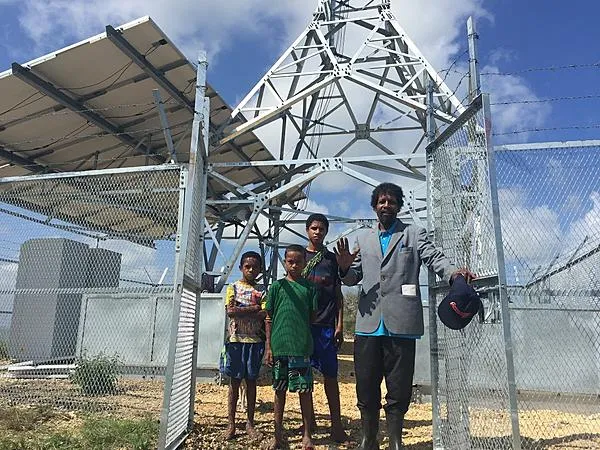
In order to achieve full radio, television and internet coverage, the Ministry of Information and Communication Technology plans to help the Autonomous Bougainville Government through improved tower infrastructure and fibre connectivity.
In a statement, ICT Minister Timothy Masiu plans to seek cabinet approval to roll out these programs. He said that his ministry is putting a submission through the NEC proposing how to roll out these programs.
He also added that the National Broadcasting Company is planning the establishment of two towers in Panguna and Wakunai, and installing the two FM transistors and accessories at these sites.
“It will also see the existing shortwave transmission from the Kubu site being relayed through these FM sites carrying the local NBC Bougainville broadcast to more people in Panguna and Wakunai and the surrounding communities,” he said. “We must plan and invest in the rollout of tower infrastructure all around the island to deliver improved and new mobile broadband services and to enable high-speed internet bandwidth access.”
He also added that they are in discussions with a private company to pull an undersea fibre cable from Taro Island. The idea, he said, is to land this in Buin and work it along the east coast.
“The existing undersea cable managed by PNG DataCo landed in Arawa, and this adds to the current challenge to connect the entire Autonomous Region of Bougainville,” he said.“My ministry has an interest in pursuing accessibility and affordability policies so that our people have access to affordable services through better tower infrastructure, connectivity and reliable broadband access. Besides the department also wants to service the atolls and health centres with VHF radios through the universal access scheme administered by NICTA.”
Follow on LinkedIn:
PNG Business News
Be the "First" to get our exclusive Digital Magazine & Weekly Newsletter.