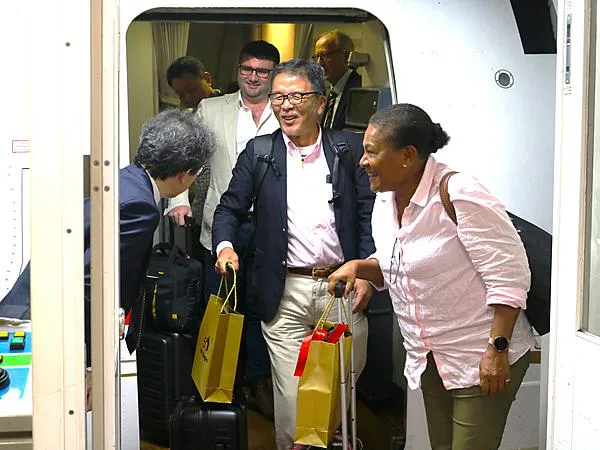
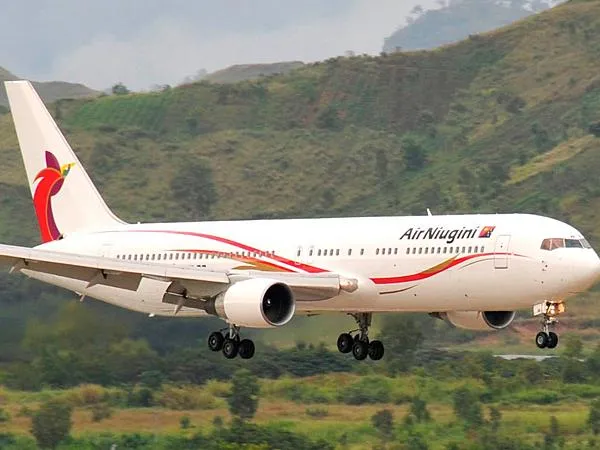
Air Niugini operated its first non-stop flight between Port Moresby and Tokyo, Japan on18 July 2026, marking the official resumption of scheduled services between the two countries after a six-year absence.
Flight PX54 departed Jacksons International Airport at 2:10pm for Narita International Airport, restoring an important international air link that will now operate twice weekly, every Wednesday and Saturday.
The return of the Tokyo service represents a significant milestone in Air Niugini's international network expansion, providing faster and more convenient travel between Papua New Guinea and Japan while strengthening trade, tourism, investment, educational cooperation and cultural exchanges between the two nations.
The inaugural departure ceremony was attended by Vice Minister for State Owned Enterprises Hon. Raphael Tonpi, Japanese Ambassador to Papua New Guinea His Excellency Hisanobu Mochizuki, NCD Governor Hon. Powes Parkop, Air Niugini Board Chairman Karl Yalo, Chief Executive Officer Alan Milne, members of the Air Niugini Board, government officials, invited guests and passengers travelling on the historic flight.
The inaugural service was operated by Air Niugini's Boeing 767-300ER aircraft. The route will also be served by the airline's Boeing 737-800 aircraft, providing customers with greater travel flexibility.
Passengers enjoyed complimentary meals and beverages, in-flight entertainment and generous baggage allowances while experiencing Air Niugini's renowned Papua New Guinean hospitality.
They were also introduced to the airline's refreshed onboard dining concept, featuring premium Papua New Guinean ingredients infused with Japanese-inspired flavours to celebrate the renewed connection between the two countries.
Speaking at the departure ceremony, Vice Minister for State Owned Enterprises Hon. Raphael Tonpi said the resumption of the service symbolised far more than the return of a commercial air route.
"Today's inaugural flight signifies the strengthening of the long-standing friendship between Papua New Guinea and Japan and opens a new chapter in our economic, tourism and people-to-people relationship. It demonstrates our confidence in the future of that partnership while creating new opportunities for business, education, tourism and investment."
The Vice Minister said the restored direct air link would also create significant opportunities for Papua New Guinea exporters by providing faster access to one of Asia's largest markets for premium products such as coffee, vanilla, seafood and fresh produce.
Air Niugini Board Chairman Karl Yalo described the return of the Tokyo route as a key milestone in the airline's transformation programme and its commitment to reconnecting Papua New Guinea with important international markets.
"Today is a proud day for Air Niugini. This is more than the return of a route. It represents our determination to reconnect Papua New Guinea with key international markets while supporting our country's economic growth and development."
Mr Yalo said Air Niugini's investment in fleet renewal was positioning the airline for sustainable long-term growth.
"Our fleet renewal programme is giving Air Niugini the capability to serve our customers better than ever before. Our Boeing aircraft continue to provide reliable long-haul international services, while our new Airbus A220 fleet is transforming domestic and regional travel. Together, these aircraft position the airline for sustainable growth well into the future."
Japanese Ambassador to Papua New Guinea His Excellency Hisanobu Mochizuki welcomed the resumption of the non-stop flights, describing it as an important achievement that reflects the strong and enduring friendship between Japan and Papua New Guinea.
The Ambassador thanked the governments of Papua New Guinea and Japan, together with Air Niugini and all stakeholders, for their commitment to restoring the direct service, saying the renewed air link would further deepen bilateral cooperation and create new opportunities for both countries.
He said Papua New Guinea possesses abundant natural resources and produces world-class agricultural and seafood products that are highly valued in Japan.
"Papua New Guinea has tremendous potential. We look forward to seeing more Papua New Guinean exports, including coffee, seafood, vanilla and other quality products, reaching Japanese markets. Improved air connectivity will support stronger trade and encourage greater investment between our two countries."
His Excellency said the restored service would also encourage more Japanese visitors to experience Papua New Guinea's unique culture, pristine environment and growing tourism industry while making it easier for Papua New Guineans to travel to Japan for business, education and leisure.
NCD Governor Hon. Powes Parkop also welcomed the return of the non-stop service, describing it as an important step in strengthening Papua New Guinea's international connectivity and creating new opportunities for tourism, commerce and cultural exchange.
Air Niugini Chief Executive Officer Alan Milne said the airline was delighted to welcome passengers on board the inaugural flight and looked forward to rebuilding the Japan market.
"The resumption of our Tokyo service is another important step in Air Niugini's transformation and international growth. It strengthens Port Moresby's position as a gateway between Japan, Australia and the Pacific while giving our customers a faster, more convenient travel option and improved access to our extensive domestic and regional network."
The non-stop service reduces journey time between Port Moresby and Tokyo to approximately six hours, making Japan more accessible for Papua New Guineans while providing Japanese visitors with seamless connections through Port Moresby to destinations across Papua New Guinea, Australia and the Pacific via Air Niugini's expanding domestic, regional and international network.
The return of the Tokyo service forms part of Air Niugini's broader strategy to modernise its operations, expand its international network and support Papua New Guinea's economic growth through improved global connectivity.
Air Niugini is currently offering special introductory fares on the Port Moresby–Tokyo route, with tickets available through Air Niugini sales offices, travel agents and online booking platforms.
The airline remains committed to providing safe, reliable and convenient air services while strengthening Papua New Guinea's links with key international destinations.
Twice-weekly flights mark a significant step for regional connectivity and economic development in the Southern Highlands
PNG Air, the People's Choice airline, on announced the launch of a new service connecting Moro with Mt Hagen and Port Moresby, operating every Monday and Thursday. Tickets are now on sale, with the inaugural flight scheduled for 10 August 2026.
The new service restores direct air access to Moro, marking the return of scheduled flights after a six-year absence. It will provide much-needed connectivity for the region, reconnecting communities, contractors and businesses operating throughout the Southern Highlands with the rest of the country.
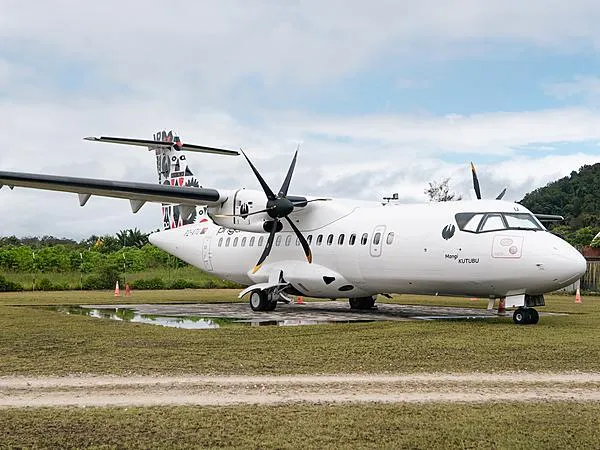
The announcement builds on PNG Air's growing relationship with the Kutubu region. Earlier this year, PNG Air marked a historic milestone with the delivery of Mangi Kutubu, an ATR 42-600 owned by Petroleum Resources Kutubu (PRK) — the resource-owner investment vehicle for the people of Kutubu — and leased to PNG Air for operation.
This marked the first time in Papua New Guinea's history that landowners had acquired, owned and leased an aircraft to a major airline. It signalled the community's confidence in aviation as a driver of regional development and as an investment that delivers long-term benefits. The launch of scheduled Regular Public Transport (RPT) services to Moro is the next step in that partnership, transforming a landmark achievement into reliable, long-term connectivity for the region.
"Restoring air access to Moro is about more than convenience – it's about opportunity. This route supports the contractors, businesses and communities that drive this region forward, and it's a route PNG Air is proud to fly," said Brian Fraser, Chief Executive Officer of PNG Air.
PNG Air thanked Santos for providing access to the airfield and supporting the return of RPT services to Moro. The route is expected to benefit a wide range of stakeholders, including residents of Moro and surrounding rural communities, contractors and businesses operating across the region, and the tourism sector, which is expected to grow with the near completion of the new MRDC hotel in Moro.
Flight details
Bookings: Now open via pngair.com.pg, through travel agents, or at participating PNG Post outlets.
Moro Aerodrome is owned and operated by Santos. The company maintains comprehensive safety and security standards at all operational facilities, and compliance with these requirements is mandatory for all travellers while on site or in transit. Passengers will receive a safety and security briefing on board the aircraft prior to arrival.
For nearly four decades, PNG Air has proudly connected the people of Papua New Guinea through safe, reliable and affordable air services. Listed on the Port Moresby Stock Exchange since 2008, the airline is majority-owned by Papua New Guinean institutions, including the MRDC Group and NasFund, and is supported by approximately 2,900 local shareholders.
PNG Air currently operates more than 460 flights each week across 22 destinations, providing essential passenger and cargo services that support economic development, community connectivity and national unity. In 2024, the airline carried more than 150,000 passengers, underscoring its pivotal role as one of Papua New Guinea's leading national carriers.
Papua New Guinea's National Executive Council (NEC) has appointed Kikila Yavase as Chief Executive Officer of the Special Economic Zones Authority (SEZA), formalising his leadership after four years in the acting role.
International Trade and Investment Minister Richard Maru announced the appointment on July 16, congratulating Yavase on his four-year term and expressing confidence in his ability to drive the country's special economic zone (SEZ) programme.
"SEZ is a new concept to Papua New Guinea. As the foundation Acting CEO, Mr Yavase has been developed and mentored on the job and has proved himself to be capable, with four SEZs delivered under his leadership. We have confidence and trust that he will provide the leadership required to drive the SEZ agenda of PNG," Maru said.
Maru said the SEZA Board is processing applications for three additional special economic zones, with licences expected to be issued within the next three months, subject to applicants meeting all regulatory requirements.
He added that a further three SEZs are expected to receive approval before the end of the year. These include the Sepik Plains SEZ, Madang Integrated SEZ and the Vanimo Free Trade Zone.
According to Maru, Yavase's immediate priorities include repealing the existing Special Economic Zones Act and developing new legislation for parliamentary approval before the end of the year.
The new CEO will also oversee the establishment of a national Building Board for special economic zones and work with the Department of International Trade and Investment to organise the inaugural PNG-China Business Forum and Trade Expo in Guangzhou.
The government has identified special economic zones as a key pillar of its strategy to attract investment, promote export-oriented industries and accelerate industrial development across Papua New Guinea.
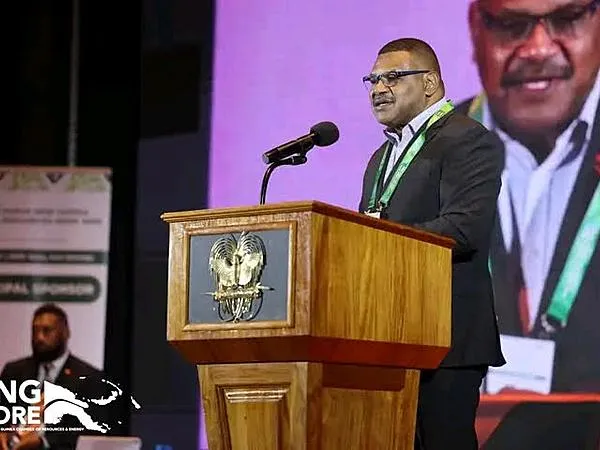
PNG Chamber of Resources and Energy (PNG CORE) President Anthony Smaré has called for stronger collaboration between government, industry, landowners and communities to ensure Papua New Guinea's next generation of resource projects delivers lasting economic and social benefits, as PNG Resources Week 2026 officially opened on Monday, July 13, at APEC Haus in Port Moresby.
Addressing delegates at the opening session before Prime Minister James Marape's keynote address, Smaré said the country's resources sector stands at an important turning point, with major mining, petroleum and energy projects expected to drive the next phase of economic growth.
He commended the Government's institutional reforms undertaken during the 2025–2026 period, including efforts to advance key resource projects, saying they have helped strengthen the foundation for future investment.
"PNG CORE stands ready to work with government, landowners, communities, education institutions and investors so that the next fifty years of resource development build trust, capability, shared opportunity and national dignity," Smaré said.
He said this year's PNG Resources Week is expected to attract around 1,100 delegates and speakers, 83 exhibitors supported by approximately 250 exhibition staff, 32 sponsors, and 80 tables for the Gala Dinner, reflecting strong confidence in Papua New Guinea's resources sector.
Beyond the conference programme, the week will also feature a Charity Golf Challenge involving 18 teams to raise funds for paediatric healthcare and a three-day careers exhibition expected to attract more than 5,000 visitors, including students from secondary schools, universities and technical institutions.
However, Smaré said attendance figures alone would not determine the success of the event.
"The value of the week will be judged by the quality of the discussions, the honesty of the exchanges and the practical actions we follow, particularly the relationships, networks and new partnerships that are created," he said.
He said the conference programme had been designed to examine the full lifecycle of resource development, with discussions focusing on national content, landowner participation, benefit sharing, resource revenue management, workforce readiness, community investment, environmental stewardship, energy transition, economic diversification and project delivery.
According to Smaré, these issues are interconnected and central to ensuring resource projects remain commercially viable while delivering long-term benefits for Papua New Guinea.
He said creating projects that are investable, lawful, socially legitimate and capable of delivering benefits across generations should remain the industry's shared objective.
Smaré emphasised the importance of stable policy and regulatory settings that protect Papua New Guinea's national interests while providing certainty and confidence for investors and local communities.
He said the resources industry supports reforms that are evidence-based, consultative, predictable and practical to implement, adding that clear legislation, coordinated institutions and timely decision-making reduce costs, improve accountability and enable responsible projects to proceed.
During his address, Smaré acknowledged two significant government reforms — the establishment of the National Petroleum Authority and the amalgamation of the Mineral Resources Authority and the Department of Petroleum — describing both initiatives as important steps towards improving efficiency and strengthening governance across the sector.
He also stressed the importance of ensuring Memorandums of Agreement (MOAs) are completed transparently with the participation and endorsement of all stakeholders.
National content remained another major focus of his address.
Smaré said local participation must extend beyond policy commitments by creating measurable opportunities for Papua New Guineans to become skilled workers, engineers, managers, entrepreneurs, suppliers and investors.
He said several major projects expected to progress over the coming years would place considerable pressure on the country's labour force and local supply chain, making collaboration between government, industry and educational institutions increasingly important.
Smaré also encouraged resource developers to recognise Papua New Guinean businesses that had continued investing in local skills and capabilities during slower periods, saying those companies should be given opportunities as new developments move into construction and production.
He announced that PNG CORE, together with the PNG University of Technology and industry partners, will launch a new initiative during PNG Resources Week aimed at strengthening the alignment between higher education, research and the future workforce needs of the country's resources and energy sector.
Landowner participation and community engagement also featured prominently in his address.
Smaré said landowners must be treated as genuine development partners from the outset, with conference discussions examining landowner identification, benefit sharing, customary rights, women's and youth participation, and preparations for life after resource projects conclude.
He said while legal certainty remains essential, projects must also earn and maintain community confidence throughout their lifespan.
The management of resource revenue was identified as another key issue facing the sector.
Smaré said discussions during the week would examine sovereign savings, beneficiary funds and institutional investment models to ensure resource revenues are managed transparently and converted into long-term national wealth.
"Revenue becomes legacy only when it builds sustainable incomes, services, infrastructure and opportunities for future generations," he said.
As part of PNG CORE's broader commitment to responsible development, Smaré announced the organisation will launch its council-approved Industry Policy Statement on Gender Equality and Social Inclusion during the week.
He said greater inclusion strengthens decision-making, broadens the country's skills base, improves workplaces and helps ensure the benefits of development are shared more equitably.
PNG Resources Week will also celebrate industry leadership through the PNG CORE Legacy Awards, recognising individuals whose contributions have made a lasting impact on PNG's resources sector and national development.
Smaré also revealed plans to introduce Community Champion Awards from next year to recognise individuals who have translated resource benefits into lasting improvements within their communities.
Reaffirming PNG CORE's commitment to constructive engagement, Smaré said government, industry and landowners each have important responsibilities in ensuring responsible resource development.
He said government must continue providing policy certainty and an enabling investment environment, while industry must uphold environmental and social standards, invest in local people and suppliers, and leave behind lasting capabilities beyond the life of individual projects.
"No single party can deliver those outcomes. Progress depends on honest dialogue, mutual accountability and a willingness to address difficult issues before they become project delays, community disputes or lost opportunities," he said.
During the opening ceremony, Smaré also announced the appointment of Richard Kassman as PNG CORE's new Executive Director, describing him as an experienced leader whose background across government and industry will strengthen PNG CORE's engagement with stakeholders and future workforce development.
He also acknowledged John Lewis, who has assumed the role of Senior Vice President.
Smaré congratulated Prime Minister James Marape for his continued efforts to promote investment in PNG's resources sector through engagement with international investors and project partners.
He expressed optimism that anticipated Final Investment Decisions on several major resource projects over the coming months could mark the beginning of another significant phase of economic development, while emphasising that those projects must create meaningful opportunities for Papua New Guinean businesses, landowners and communities and leave a lasting legacy for future generations.
The operationalisation of Papua New Guinea's long-awaited Sovereign Wealth Fund (SWF) has the potential to transform the country's economic future by converting finite resource wealth into lasting national prosperity, according to Sovereign Wealth Fund Chief Technical Adviser Ian Tarutia.
Speaking during Session 3A, "Resource Revenue and Local Value," on July 13, at APEC Haus in Port Moresby as part of PNG Resources Week 2026, Tarutia said establishing the SWF was one of the country's most significant economic reforms and central to the government's Reset at 50 agenda.
"The operationalisation of the Sovereign Wealth Fund (SWF) is the game-changer PNG needs. It is not just a financial tool; it is our bridge to long-term economic independence," Tarutia said.
He described the SWF as the national equivalent of a superannuation fund, explaining that just as workers contribute to retirement savings to secure their future, Papua New Guinea should invest a portion of its resource revenues to benefit future generations.
"The Sovereign Wealth Fund is the superannuation fund for the country," he said. "It is the fund that collects wealth generated from our mining, petroleum and other natural resources. We must save some of that wealth to support our current socio-economic aspirations, but more importantly, save for our children, grandchildren and future generations."
Tarutia said Papua New Guinea has been blessed with abundant natural resources but, unlike many resource-rich countries, has yet to fully convert those assets into long-term national wealth.
He said the SWF would promote a national culture of saving while reducing dependence on government borrowing and creating an investment vehicle capable of generating sustainable returns for decades.
Drawing on his experience in PNG's superannuation industry, Tarutia said the country's successful retirement savings funds demonstrate how sound governance, transparency and merit-based management can protect and grow public wealth.
He said those same principles are being incorporated into the proposed operational framework for the Sovereign Wealth Fund.
"Good governance, transparency, accountability and commercial decision-making have made our superannuation industry successful. Those are the same foundations we are embedding into the Sovereign Wealth Fund," he said.
Tarutia noted that although Papua New Guinea already has legislation governing the SWF, the fund has never been operationalised despite the Organic Law first being enacted in 2012 and amended in 2015.
He explained that the government established a Technical Working Committee in October 2025 to review why implementation had stalled and recommend practical amendments that would allow the fund to become operational.
Rather than rewriting the legislation, the committee focused on identifying implementation barriers and proposing targeted reforms.
One of the committee's key findings was that the original funding mechanism was impractical because it required 50 per cent of mining and petroleum tax revenues to be transferred into the fund, significantly reducing revenue available to finance the national budget.
Tarutia said the committee has recommended reducing this contribution to a minimum of 5 per cent, with the ability to increase it to 10 per cent during periods of stronger commodity prices.
The review also recommends broadening the fund's revenue base to include dividends from state-owned enterprises, equity interests in new resource projects and proceeds from future government asset sales.
He said these reforms would allow the fund to grow without placing excessive pressure on government finances.
Under the proposed framework, the SWF will continue to comprise two core components — a Stabilisation Fund, designed to support government finances during periods of revenue shortfall, and a Savings Fund, established to preserve wealth for future generations.
Unlike the existing legislation, which requires the Stabilisation Fund to reach a specified size before transfers are made to the Savings Fund, the committee proposes that both funds grow simultaneously.
Under the proposal, 80 per cent of deposits would remain in the Stabilisation Fund while 20 per cent would automatically flow into the Savings Fund.
Tarutia said the reforms also strengthen governance by adopting the internationally recognised Santiago Principles, which set global standards for sovereign wealth fund management.
The proposed amendments include stronger transparency requirements, independent board appointments, enhanced public reporting and measures to minimise political interference in investment decisions.
He said every investment decision and board action would be publicly disclosed within defined reporting timeframes, reinforcing accountability and public confidence.
The committee has also maintained the principle that the fund's investments should primarily be made offshore to maximise diversification and returns, while allowing carefully assessed domestic investments where they meet strict commercial and governance requirements.
Tarutia said Papua New Guinea had studied successful sovereign wealth funds around the world, including through engagement with the International Forum of Sovereign Wealth Funds and visits to countries in the Middle East.
Recalling a visit to Oman, he said the experience demonstrated how prudent management of oil revenues had significantly improved living standards.
"They have the same oil and gas resources. The difference is they invested that wealth back into improving the quality of life of their people," he said. "That is what we should be thinking about when we establish our Sovereign Wealth Fund. We save today, invest wisely, and the returns should improve the quality of life for Papua New Guineans."
Tarutia emphasised that the committee found political commitment had never been the primary obstacle to implementation.
Instead, he said structural flaws within the existing legislation prevented the fund from becoming operational.
He welcomed the government's renewed commitment under the Reset at 50 agenda, noting that the minister responsible for the Sovereign Wealth Fund, Joseph Lelang, has committed to seeing the fund operational before the 2027 National General Election.
Lelang has also indicated that further amendments to the Organic Law will be introduced to ensure the framework is robust, practical and capable of delivering benefits for both current and future generations.
Tarutia said the successful establishment of the Sovereign Wealth Fund would mark an important milestone in Papua New Guinea's economic development by ensuring that revenues from today's resource projects continue to generate wealth long after those resources have been depleted.
"This is about preserving our resource wealth for future generations. It is about creating lasting economic resilience and ensuring PNG benefits not only today, but for many decades to come," he said.
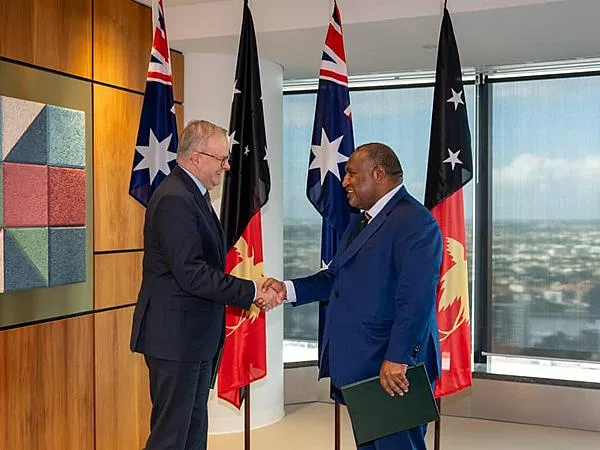
Papua New Guinea and Australia have entered what Prime Minister James Marape described as a new era of "equal partnership" following the signing of a landmark defence treaty that will deepen military cooperation while expanding collaboration in trade, investment, labour mobility and skills development.
Marape said the Papua New Guinea-Australia Defence Treaty is the first formal defence treaty signed by Papua New Guinea since independence and marks a significant step in strengthening the country's national security without compromising its sovereignty or the independence of the Papua New Guinea Defence Force (PNGDF).
The agreement was concluded following the annual Papua New Guinea-Australia Leaders' Dialogue in Brisbane with Australian Prime Minister Anthony Albanese.
Marape said Papua New Guinea initiated discussions that led to the treaty, recognising the country's growing strategic importance and the need to modernise its defence capabilities amid an increasingly complex regional security environment.
"Papua New Guinea sits at the centre of our region, between east and west, north and south. As our economy grows and our strategic importance increases, it is in our national interest to build a stronger, more capable and modern Defence Force," he said.
He described Australia as Papua New Guinea's closest strategic partner because of the two countries' shared maritime and airspace boundaries, longstanding historical ties and extensive economic and people-to-people links.
"It is fitting that our first defence treaty is with Australia — a country with which we share history, geography and enduring people-to-people ties," Marape said.
The prime minister also noted the significance of the agreement for Australia, saying it is Canberra's first defence treaty of its kind with another nation in more than 70 years.
Sovereignty preserved
Marape stressed that the treaty does not integrate the two defence forces or diminish Papua New Guinea's sovereignty.
"Our Defence Force remains completely independent," he said.
"PNGDF personnel will continue to serve under the command of the Commander of the Papua New Guinea Defence Force and under Papua New Guinea's Constitution and laws. Likewise, Australian Defence Force personnel remain under the command of Australia. This treaty is about interoperability — not integration."
Under the agreement, both countries will expand cooperation in military training, joint exercises, capability development, humanitarian assistance, disaster response and the joint use of agreed facilities and assets.
Marape said the treaty provides Papua New Guinea with unprecedented access to Australia's defence expertise, technology, logistics systems and operational experience.
"It gives Papua New Guinea the opportunity to rapidly build the capability of our Defence Force in ways that would otherwise take decades," he said.
The agreement takes effect immediately, allowing implementation to begin without delay.
More than 100 Papua New Guineans have already been recruited into the Australian Defence Force under existing arrangements, with the programme expected to expand.
PNGDF reforms
Alongside the treaty, the government plans to accelerate reforms within the PNGDF.
Marape said a review into the recent PNGDF recruitment exercise is expected within two weeks, after which a new recruitment programme will begin.
The government is also considering engaging the recruitment agency used by the Australian Defence Force to improve transparency and professionalism in PNGDF recruitment.
In addition, the government plans to review salaries, conditions of service, welfare, training and career pathways for defence personnel as part of a broader effort to modernise the military.
Marape reaffirmed the government's long-term target of expanding the PNGDF to around 10,000 personnel while investing in new equipment, infrastructure and training.
"Our soldiers, sailors and air personnel deserve modern equipment, quality training, decent living conditions and clear opportunities for professional advancement," he said.
Beyond defence
Marape said the treaty extends well beyond military cooperation and reflects a broader strategic partnership between the two countries.
"This is not merely a defence arrangement. It is an umbrella agreement that strengthens every aspect of our relationship with Australia," he said.
He described the relationship as "two houses, one fence" — two sovereign nations working side by side while maintaining their independence.
According to Marape, the agreement will strengthen business partnerships, encourage two-way investment and create more opportunities for Papua New Guineans through education, skills development and employment.
He said Papua New Guinea hopes to see more Australian businesses invest in the country while encouraging Papua New Guinean companies to expand into Australia as economic integration deepens.
Australia's growing demand for skilled workers also presents significant opportunities for Papua New Guinea.
Marape said the government will work to align qualifications from Papua New Guinean universities, technical colleges, nursing schools and vocational institutions more closely with Australian standards to enable more citizens to access skilled employment opportunities.
"Australia faces significant labour shortages across many sectors, including construction, trades, healthcare, aged care, policing and defence," he said.
"My Government has consistently encouraged Australia that, whenever it looks overseas to meet labour shortages, Papua New Guinea should be considered among its first partners."
He said Papua New Guinea's greatest long-term export may increasingly become its skilled workforce rather than its natural resources.
"The greatest export Papua New Guinea can offer in the future is not only its natural resources but also the skills, knowledge and talents of its people," he said.
Equal partnership
Marape said the treaty reflects the evolution of bilateral relations from traditional cooperation to what he called an "equal partnership" founded on mutual respect, shared interests and common aspirations.
While recent public attention has focused on the defence treaty and Papua New Guinea's entry into Australia's National Rugby League competition, Marape said these developments represent only part of a much broader relationship.
"The real objective is to strengthen connections between our people, expand business-to-business engagement, increase investment flowing both ways, and create more opportunities for Papua New Guineans and Australians alike," he said.
He added that the annual leaders' dialogue remains an important mechanism for ensuring both governments remain aligned on regional priorities and future cooperation.
"This agreement demonstrates the trust between our two nations and our shared commitment to peace, stability and prosperity," Marape said.
"As neighbours, partners and friends, we will continue to work side by side for the benefit of our peoples and our region."
Papua New Guinea is moving ahead with the rollout of the proposed Madang Integrated Special Economic Zone (MISEZ), with government approval for a joint venture between the state and RD Tuna Canners Ltd expected within the next two weeks.
The proposed joint venture, involving Kumul Consolidated Holdings on behalf of the state and RD Tuna Canners Ltd, is awaiting National Executive Council approval before the agreement is signed by the Head of State.
The project's first investment will be the construction of a 300-metric-ton tuna cannery, which will anchor the development of the special economic zone. The cannery is expected to be launched by Prime Minister James Marape in Madang following the signing of the joint venture agreement.
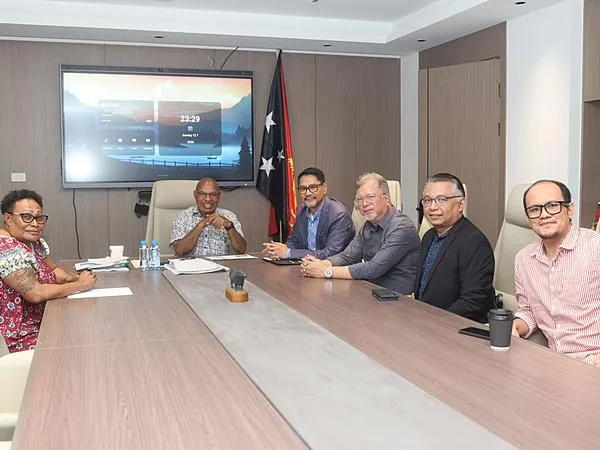
The development plans were discussed during a meeting between RD Group Chairman Roy Rivera and International Trade and Investment Minister Richard Maru, who was briefed on the proposed economic zone to be established on 650 hectares of land at Vidar in Madang Province.
Maru said the newly formed joint venture company would apply for a special economic zone licence to develop the project.
He said the master plan for the Madang Integrated Special Economic Zone is expected to be completed within the next two weeks.
According to Maru, the development is planned as a marine industrial park supporting Papua New Guinea's fisheries sector through integrated infrastructure and services.
The proposed zone will include fuel, power and water supply, cold storage facilities, container storage, a slipway, supermarkets, bank branches, worker accommodation and other support services for the fishing industry.
Maru noted that RD already operates a wharf at Vidar with a 12-metre draft capable of accommodating large vessels, providing a strategic advantage for the project.
He added that Ok Tedi Mining Ltd will be invited to establish a fuel depot within the zone to supply fishing vessels and help provide power solutions for the industrial park.
The government is also seeking broader participation from Papua New Guinean companies as additional investment opportunities emerge from the development of the economic zone.
"We are also looking at many more Papua New Guinean companies to take part in the string of opportunities that will be available through the development of this SEZ," Maru said.
Rivera confirmed that several companies have already expressed interest in becoming tenants within the proposed special economic zone.
The Madang Integrated Special Economic Zone forms part of the government's broader strategy to expand downstream processing, attract private investment and create employment by developing industry-focused economic zones across Papua New Guinea.
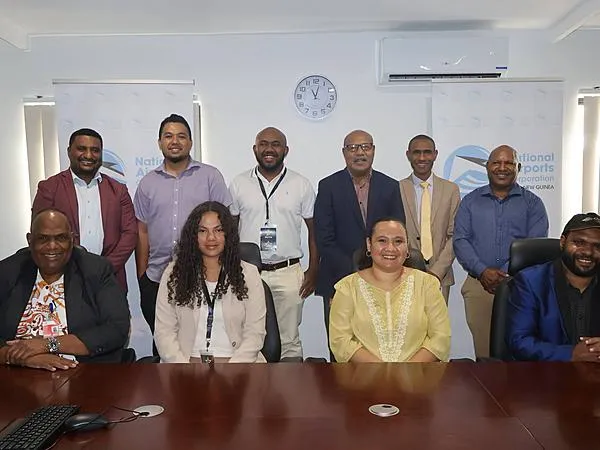
The National Airports Corporation (NAC) has awarded contracts to three Papua New Guinean transport companies to operate premium taxi services at Port Moresby International Airport, marking the first time locally owned operators will provide a dedicated airport taxi service under a formal concession.
The premium taxi service will begin on July 13, with contracts awarded to ODESH Ltd, trading as ODESH Taxi Services, Khoco Ltd, trading as Star Trip, and Pikup Ride Hailing Ltd, trading as Pikup PNG.
The companies were selected through a public tender after meeting NAC's operational and service requirements.
Acting Managing Director Dominic Kaumu said the initiative forms part of NAC's broader airport improvement programme aimed at raising service standards while creating business opportunities for Papua New Guinean companies.
"NAC is pleased to support Papua New Guinean transport businesses to thrive in providing international-standard premium taxi services that are safe, reliable, clean, affordable and convenient for both domestic and international passengers," Kaumu said.
He said the programme aligns with the development priorities of the Papua New Guinea government and the vision of the Minister for Civil Aviation and the NAC Board to modernise airport infrastructure and passenger services.
Kaumu noted that the launch of the premium taxi service complements the ongoing Port Moresby International Airport Redevelopment Programme, where construction of the first phase—the expansion of the domestic terminal—is already underway.
He said NAC wants to work more closely with Papua New Guinean businesses as airport redevelopment progresses.
"Providing this premium taxi service complements the current developments and initiatives, and NAC is encouraging partnerships with PNG companies and businesses to come with us on the journey to make a positive impact and improve airport infrastructure and services," he said.
Kaumu said quality ground transport is an essential component of any international airport and plays an important role in shaping visitors' first impressions of Papua New Guinea.
"When people land here, they should be able to walk out, there's nice clean taxis, drivers are well dressed and it helps lift the image of our airport and our country," he said.
ODESH Ltd Managing Director Issac Jipsy said the company understands the standards expected of airport transport operators.
"ODESH is aligned with NAC's expectations and the modern international standards. We are thankful for the opportunity and will try our utmost best to contribute to your greater vision," Jipsy said.
Star Trip said the partnership supports its mission of providing safe and reliable transport services. The company said it has completed more than 200,000 trips since launching its operations and continues to modernise its services based on customer experience.
Representing Pikup PNG, Nelson Temoana said the company welcomed the opportunity to partner with NAC and looked forward to delivering premium airport transport services.
The contracts were signed on July 2 following several months of planning, including a public tender process, risk assessments, and the installation of dedicated airport signage and passenger pick-up bays at the terminal.
Before services commence, the three operators are completing airport induction programmes and operational requirements in coordination with NAC, aviation security personnel and airport operations teams.
Air Niugini will resume direct flights between Port Moresby and Tokyo on July 18, restoring a key international route suspended since 2020 and strengthening air links between Papua New Guinea, Japan and the wider Pacific.
The national carrier will operate two weekly services every Wednesday and Saturday between Port Moresby and Tokyo's Narita International Airport.
Flight PX54 will depart Port Moresby at 2:10 p.m. and arrive in Tokyo at 8:00 p.m. after a journey of about six hours and 50 minutes. The return service will leave Narita at 9:40 p.m. and arrive in Port Moresby at 5:30 a.m. the following day.
Air Niugini said the direct service will cut travel times by about half compared with itineraries requiring connections through other hubs.
Chief Executive Officer Alan Milne said the route's return marks an important milestone in rebuilding the airline's international network while strengthening Papua New Guinea's connectivity with Asia and the Pacific.
"We are delighted to bring back this vital route, which is a key milestone in our efforts to expand and strengthen our international network, while further positioning Papua New Guinea as an important connecting gateway between Japan, Australia, and the Pacific Island countries," Milne said.
He said Port Moresby is strategically positioned to serve as a transit hub for passengers travelling between Japan, Australia and Pacific island nations, with the resumed service providing improved onward connections through Air Niugini's domestic and regional network.
The airline said travelers from Japan will gain easier access to destinations across Papua New Guinea, Australia, Solomon Islands, Fiji, Vanuatu and other Pacific locations served by Air Niugini and its partner airlines. Passengers from Papua New Guinea and neighboring Pacific countries will also benefit from more convenient access to Japan for tourism, business, education and medical travel.
Milne said the resumed service is also expected to boost trade by providing faster cargo links for Papua New Guinea exports, including coffee, vanilla, seafood and other high-value products destined for the Japanese market.
The Tokyo route will be operated using a mix of Boeing 767-300ER and Boeing 737-800 aircraft. Air Niugini said all international flights include complimentary meals and beverages, in-flight entertainment and a 30-kilogram checked baggage allowance, while Business Class passengers and Kumul Club members receive additional travel benefits.
The airline is offering introductory promotional fares to mark the return of the Port Moresby–Tokyo service, with tickets available through Air Niugini sales offices, travel agents and online booking platforms.
The resumption of direct services comes as Air Niugini continues to restore and expand its international network following the pandemic, while supporting tourism, trade, investment and people-to-people links between Papua New Guinea and Japan.
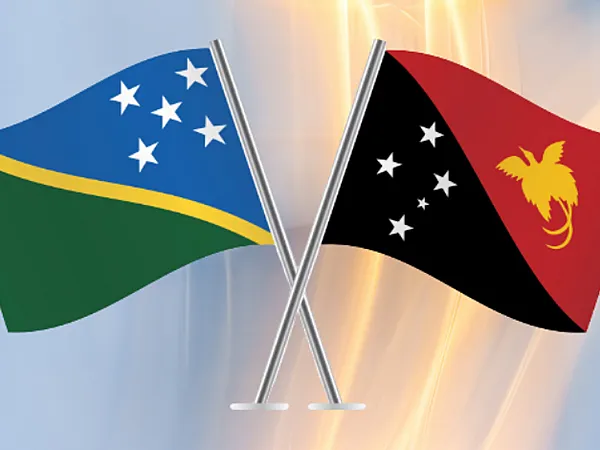
Papua New Guinea and Solomon Islands have reaffirmed their commitment to strengthening economic cooperation, with trade, investment, transport and resource development taking centre stage during talks between Prime Minister James Marape and Solomon Islands Prime Minister Jeremiah Manele.
The discussions, held in Port Moresby in June, reviewed progress in bilateral trade, shipping and aviation connectivity, labour mobility, and opportunities to deepen collaboration in mining, fisheries and agriculture.
While regional security and cooperation were also discussed, both leaders underscored the importance of expanding commercial links and improving the movement of goods, services and people between the two neighbouring Melanesian nations.
The talks highlighted a broader push towards greater regional economic integration, with Papua New Guinea regarded as Solomon Islands' largest Melanesian economy and an increasingly important source of investment, technical expertise and commercial partnerships.
The two governments said improved transport links and streamlined trade arrangements could reduce business costs, strengthen supply chains and create new opportunities for exporters, importers and tourism operators.
Mining emerged as a key area for future collaboration. Marape said Papua New Guinea was prepared to share its expertise in developing a modern mining industry and welcomed greater participation by PNG companies in future resource projects in Solomon Islands.
Such cooperation could create opportunities for engineering firms, contractors, training providers and professional services companies with experience in the mining sector.
The leaders also reaffirmed their commitment to strengthening cooperation in fisheries, recognising the industry's importance to economic growth and food security across the Pacific.
Closer collaboration in fisheries management and downstream processing is expected to support export growth, generate employment and add value to marine resources.
Although trade between the two countries remains relatively modest, both governments expect commercial activity to increase as transport connectivity improves and businesses expand beyond their domestic markets.
The leaders said stronger bilateral engagement would also complement wider regional initiatives under the Melanesian Spearhead Group and the Pacific Islands Forum, where economic resilience, trade and private sector development remain key priorities.
For Papua New Guinea, stronger commercial ties with Solomon Islands reinforce its role as a leading economy in Melanesia while supporting greater regional investment and cross-border business partnerships.
The New Ireland Development Corporation (NIDC) is stepping up efforts to attract strategic investment and forge new partnerships as part of a broader strategy to drive economic growth, create jobs and expand commercial opportunities across New Ireland Province.
New Ireland Governor Byron Chan said the corporation is beginning to deliver on its renewed mandate following a series of high-level meetings in Port Moresby led by NIDC Managing Director Christian Tarkap.
The investment mission, held during the first week of July, included discussions with the Asian Development Bank country director, the National Fisheries Authority and Credit Corporation management to explore investment opportunities and establish strategic partnerships aligned with NIDC's long-term development agenda. Chan joined Tarkap in several of the meetings.
Chan said the engagements marked NIDC's shift from planning to actively pursuing investments that would deliver tangible benefits to communities throughout the province.
"This is exactly the direction we want our provincial investment arm to take. NIDC must be visible, proactive and constantly seeking opportunities that will bring investment, create employment and stimulate economic activity throughout New Ireland," he said.
He said the provincial government remained committed to strengthening the local economy by partnering with credible investors who share its vision for sustainable development.
Tarkap said the meetings sought to establish a partnership framework that aligns the financial capabilities of potential investors with NIDC's goal of delivering sustainable economic development.
"The discussions centred on how we can work collaboratively to support the corporation's investment drive. We were honoured to meet with representatives from key government agencies and the private sector. The dialogue was productive, creating a shared vision for New Ireland's future and a pathway for projects that will benefit our people," he said.
Chan said the corporation's progress reflects reforms introduced by the Chan-Kolivos government following the appointment of a new board and management earlier this year.
The Provincial Executive Council restructured NIDC to restore investor confidence, strengthen corporate governance and reposition the corporation as New Ireland's principal commercial investment vehicle.
Since its re-establishment, NIDC has focused on improving governance, rebuilding investor confidence and identifying commercially viable projects capable of generating long-term provincial revenue.
As part of its investment strategy, the corporation has established a Technical Project Working Committee comprising specialists from the agriculture and fisheries sectors, with technical support from Kokonas Indastri Koporesen and the Coffee Industry Corporation. The committee has been tasked with developing projects that will directly benefit farmers and rural communities across New Ireland's 10 local-level governments.
NIDC is also advancing several Provincial Executive Council-endorsed projects, including the proposed Malagan International Five-Star Hotel, the Arrow Trading three-storey retail and supermarket complex, the Section 5 Commercial Shopping Mall and a joint-venture fishing project.
Chan said the initiatives form part of a broader economic strategy to create jobs, support local businesses and increase provincial revenue.
"NIDC was never intended to be a passive organisation. It was established to become the commercial engine of New Ireland, identifying opportunities, attracting investment and creating wealth that benefits our people," he said.
He added that the corporation's role extends beyond major commercial developments through its nine subsidiary companies, which are mandated to promote investment and economic participation across all 10 local-level governments to ensure development reaches both urban and rural communities.
The provincial government expects NIDC to continue pursuing opportunities in agriculture, fisheries, tourism, property development, manufacturing and downstream processing while supporting local entrepreneurs and small businesses.
Chan said attracting responsible investment remains a key pillar of the Chan-Kolivos government's development agenda, alongside initiatives to restore tertiary education subsidies, support women entrepreneurs through the Empowering Mama Bilas Peles Program, pursue international education partnerships and strengthen NIDC's role in commercial development.
NIDC reaffirmed its commitment to working with government, investors and development partners to deliver sustainable commercial projects that create employment, generate provincial revenue and support the long-term economic development of New Ireland Province.
Papua New Guinea has taken a significant step in its digital transformation programme after signing a Memorandum of Understanding (MoU) with Australia's Queensland University of Technology (QUT) to strengthen digital government capabilities through research, innovation and workforce development.
The agreement was witnessed by Prime Minister James Marape and Higher Education, Research, Science and Technology Minister Kinoka Feo, while Acting Information and Communication Technology Minister Peter Tsiamalili formally signed the MoU with QUT.
The partnership establishes a framework for cooperation aimed at supporting the government's digital transformation agenda through innovation, knowledge exchange and capacity building.
Under the agreement, QUT will assist the government in driving public-sector innovation, strengthening the country's digital transformation workforce, and developing research and implementation opportunities centred on the SevisPass Digital Identity Ecosystem and other priority digital initiatives.
Tsiamalili described the agreement as the beginning of a long-term strategic partnership that would help Papua New Guinea transition from policy development to implementation while safeguarding national interests.
"Today's Memorandum of Understanding is not the end of the journey; it is the beginning of a strategic partnership that will enable PNG to move confidently from policy to implementation while protecting our national interests," he said.
He emphasised that the government would ensure all future projects arising from the partnership comply with Papua New Guinea's legal, procurement and governance frameworks.
Following advice from the Office of the State Solicitor, the MoU serves only as a framework for cooperation and does not constitute a commercial agreement. Individual projects undertaken under the partnership will require separate agreements, funding arrangements and formal government approvals.
The government said future agreements would specifically address procurement processes, intellectual property rights, software ownership, cybersecurity, licensing, system maintenance and knowledge transfer to safeguard the country's interests.
Data sovereignty will also remain a key component of the partnership. The government said all digital solutions developed under the collaboration must preserve Papua New Guinea's ownership and control of government data while complying with national cybersecurity and public administration laws.
The initiative forms part of the Marape-Rosso government's broader strategy to modernise public administration, strengthen secure digital infrastructure and improve the delivery of public services.
Tsiamalili thanked QUT, the Department of Higher Education, Research, Science and Technology, the Department of the Prime Minister and National Executive Council, the Office of the State Solicitor and other participating agencies for supporting the partnership.
"Today we sign with purpose. Tomorrow we begin the disciplined work of implementation. Together, we will build a digitally empowered PNG that is innovative, secure, sovereign and ready for the future," he said.
Prime Minister James Marape has ordered an independent audit of Papua New Guinea's small and medium enterprise (SME) funding programme following allegations over the management and disbursement of public funds, while reaffirming the government's commitment to supporting local businesses.
Marape said concerns raised by members of the public and other stakeholders regarding the administration of SME funds had prompted the government to commission an external review to establish the facts.
He stressed that the claims circulating publicly remain allegations and should not be treated as proven until the audit has been completed.
"SME development remains one of the cornerstone policies of my Government because it is central to creating jobs, empowering Papua New Guineans, and building a stronger domestic economy," Marape said.
He said the government has prioritised SME development since taking office in 2019, describing the sector as a flagship policy designed to increase local business ownership, generate employment and expand Papua New Guinean participation in the country's economic growth.
According to the Prime Minister, substantial public funding has been allocated to SME programmes over recent years, making it essential that every kina reaches its intended beneficiaries.
Marape said he had instructed the National Monitoring and Coordinating Authority, together with the Department of the Prime Minister and National Executive Council through the Chief Secretary, to engage an independent external audit firm to conduct a comprehensive reconciliation of the SME funding programme.
The review will determine the total amount of public money allocated to SME initiatives, how much has been released, where the funds have been disbursed and whether those disbursements complied with government policy and approved processes.
"I want an independent, professional and transparent assessment so that the facts are established beyond doubt," he said.
"The purpose of this audit is not only to establish the truth regarding the allegations but also to safeguard the integrity of one of the Government's most important economic empowerment programmes."
Marape said the audit findings would determine the government's next steps.
"If the audit confirms that everything has been managed properly, then that will provide assurance to the public. If shortcomings or irregularities are identified, appropriate corrective action will be taken in accordance with the law," he said.
The Prime Minister also urged the public to avoid speculation while the audit is underway, saying the government would publicly release the findings once the review is completed.
"I acknowledge the concerns expressed by the public. Your concerns have been heard and are being taken seriously. These matters remain allegations, and we will establish the facts through an independent process," he said.
Marape said SME development remains a central pillar of the government's economic agenda, aimed at broadening private sector participation, encouraging entrepreneurship and reducing reliance on public sector employment.
He reiterated the government's long-term objective of creating one million economically productive Papua New Guinean families through SME development, agriculture and entrepreneurship, describing the audit as necessary to protect public confidence in the programme.
The announcement comes as Papua New Guinea continues to promote SME growth as part of its broader strategy to diversify the economy beyond the extractive sector and strengthen locally owned businesses, with government support programmes intended to improve access to finance and expand opportunities for entrepreneurs across the country.
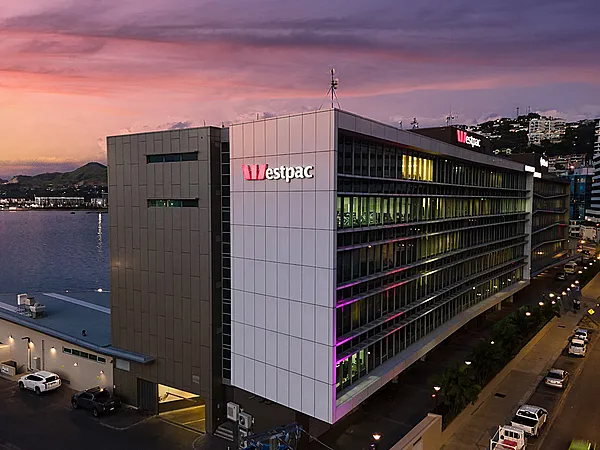
Papua New Guinea's economy is expected to remain one of the stronger performers in the Pacific this year, with growth supported by robust resource exports, improving foreign exchange conditions, resilient domestic demand and a pipeline of major resource and infrastructure investments despite mounting global risks, according to Westpac's latest *PNG Economic Update and Outlook*.
Westpac forecasts Papua New Guinea's real gross domestic product (GDP) will expand by around 4.6% in 2026, following estimated growth of 5.5% in 2025. While growth is expected to moderate from last year, the bank said the economy continues to demonstrate resilience amid elevated energy prices, geopolitical tensions and slowing global growth.
Westpac Pacific Senior Economist Shamal Chand said PNG had weathered recent external shocks better than anticipated, supported by strong resource earnings, government fuel price support and continued expansion across agriculture, services and industry.
"PNG's economy has shown good resilience despite external shocks. While global risks are still there, domestic demand, resource exports and non-resource activity continue to support growth," Chand said.
Domestic economy remains resilient
Beyond the resource sector, Westpac said economic activity continues to broaden, with provincial centres—particularly across the Highlands—benefiting from urbanisation, internal migration and stronger household demand.
Retail trade, industrial production and service industries have remained active, while import demand has continued to signal healthy consumer spending and business investment despite temporary disruptions to international shipping. Westpac's PNG Ports Imports Indicator recorded annual import growth of about 26% in early May before moderating to around 15% in early June, suggesting businesses continue to invest despite external uncertainty.
The report noted that non-resource sectors are playing an increasingly important role in supporting overall growth, reducing the economy's reliance on mining and petroleum alone.
Foreign exchange conditions improve
One of the report's most positive developments was the continued improvement in Papua New Guinea's foreign exchange market.
Westpac said reforms supported by the International Monetary Fund, together with stronger export earnings, have substantially reduced the country's long-standing foreign exchange backlog. Businesses that previously waited several weeks for foreign currency allocations are now seeing transactions cleared within days.
Improved foreign exchange availability has helped stimulate private sector lending, with credit growth exceeding 13% year-on-year at the end of 2025. Investor confidence has also remained strong, reflected in Treasury bill auctions that have consistently attracted bids well above the amount on offer.
The report also highlighted recent measures by the Bank of Papua New Guinea to strengthen financial sector resilience, including the introduction of its Emergency Liquidity Assistance Policy Framework in April.
Meanwhile, the central bank maintained the Kina Facility Rate at 5% and the Cash Reserve Requirement at 9% during its June monetary policy meeting while retaining its crawl-like exchange rate arrangement. The Monetary Policy Committee continued to assess the kina as overvalued.
Inflation remains contained but uneven
Although headline inflation has remained relatively subdued, Westpac cautioned that price pressures continue to vary significantly across the country.
Headline consumer inflation rose 2.24% year-on-year during the March quarter, with annualised inflation easing to 3.7% from 4.4% previously. Food prices, particularly meat and processed staple products, continued to drive inflation, although lower prices for betel nut and mustard helped offset broader increases.
Regional disparities remain pronounced.
While Port Moresby and Lae recorded relatively modest inflation, prices rose by 6% year-on-year across Alotau, Kimbe, Kokopo and Rabaul, while Goroka, Mt Hagen and Madang experienced inflation of 12.8%, highlighting differing cost pressures across the country.
Westpac warned inflation could accelerate later this year should higher global fuel and shipping costs feed through into imported goods.
Exports continue to underpin growth
Resource exports remain a key pillar of the economy.
PNG LNG exported approximately 3.73 million tonnes during the year to May 2026, compared with around 3.41 million tonnes over the same period a year earlier, reflecting stable production and high utilisation rates. LNG export values to Japan remained broadly steady, while export volumes to China increased by 23% year-on-year.
Gold exports also strengthened considerably.
Exports to Australia reached K6.51 billion during the year to April, up 30% from the same period in 2025 as higher production coincided with stronger international gold prices amid global uncertainty.
Agricultural commodities also continued to support rural incomes.
Cocoa export earnings climbed to K1.80 billion in 2025, representing one of the strongest performances in the industry's modern history, while coffee earnings rose to K1.31 billion.
However, Westpac cautioned that both sectors face downside risks as global commodity prices begin to soften. Cocoa prices have retreated from record highs, while improved production in Brazil is expected to weigh on global coffee prices, potentially reducing returns for PNG farmers despite the country's reputation for premium coffee.
Major projects to support medium-term growth
Westpac identified several large-scale investments expected to underpin Papua New Guinea's medium-term economic expansion.
The most significant remains the approximately US$14 billion Papua LNG project, with a final investment decision targeted for late 2026 following landowner consultations. Once operational, the project's two LNG trains and estimated 6.6 trillion cubic feet of gas reserves are expected to provide a substantial boost to exports and government revenue.
The report also highlighted continued progress on the Wafi-Golpu copper-gold project, K92 Mining's Kainantu expansion, the Agogo tie-in gas development, offshore petroleum exploration and the longer-term P'nyang LNG project.
Outside the resources sector, infrastructure investments—including the K20 billion Connect PNG programme, the redevelopment of Port Moresby International Airport, upgrades to Rabaul Port and improvements to urban water infrastructure—are expected to strengthen economic productivity and improve connectivity across the country.
Risks remain
Despite its positive outlook, Westpac said Papua New Guinea remains exposed to several domestic and international risks.
These include volatility in global energy and commodity prices, renewed inflationary pressures, fiscal constraints, delays to major investment projects and compliance reforms associated with the country's placement on the Financial Action Task Force grey list.
Nevertheless, the bank said the combination of stronger export earnings, improving foreign exchange liquidity, resilient domestic demand and continued investment in strategic projects should allow the economy to maintain solid growth through 2026.
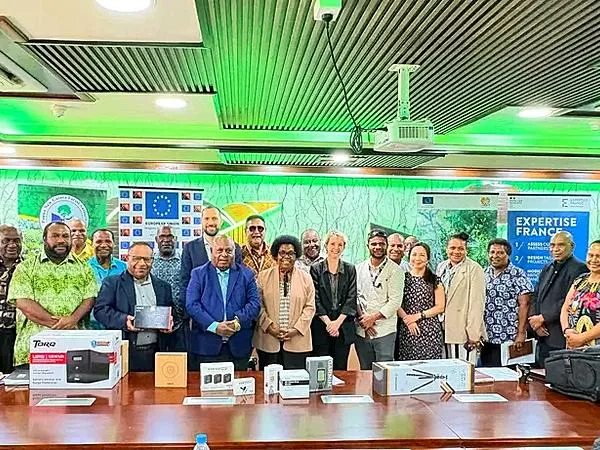
The Papua New Guinea Forest Authority (PNGFA) has strengthened its operational capacity with new communication and video-conferencing equipment provided under the European Union-funded Forestry-Climate Change-Biodiversity (EU-FCCB) Programme, a move expected to improve efficiency, reduce operating costs and support sustainable management of one of the country's most important resource sectors.
The equipment was officially handed over on 12 June 2026 under the national component of the EU-FCCB Programme, implemented by Expertise France.
The package includes video-conferencing equipment, two computers, an uninterruptible power supply (UPS), a professional camera, a tripod and other accessories designed to modernise PNGFA's communications systems and improve digital connectivity across the organisation.
The investment supports the implementation of PNGFA's Communication, Knowledge Management and Visibility (CKMV) Strategy, which aims to strengthen institutional communication, knowledge management, stakeholder engagement and public awareness of the Authority's role in promoting sustainable forest management across Papua New Guinea.
The upgrade is expected to improve communication between PNGFA headquarters and its 22 provincial offices, enhancing programme coordination, accelerating decision-making and enabling more timely information sharing.
PNGFA Acting Managing Director John Mosoro said the handover marked the outcome of discussions with the EU-FCCB Programme and an important step in strengthening the Authority's information and communications technology capabilities.
"After discussions with the EU-FCCB Programme's Project Manager, Mr Alaric Vandenberghe, we recognised the need to update our systems. I am pleased to see these discussions now leading to practical support that will enhance PNGFA's operations and service delivery," Mosoro said.
He said the new equipment would significantly improve communication between headquarters and provincial offices, allowing forestry programmes nationwide to be coordinated more efficiently.
"The equipment will bridge the gap between headquarters and our field offices. We can now communicate more effectively with provincial teams, improve data management, strengthen reporting, and ensure that critical information reaches decision-makers, including the Prime Minister's Department and Finance, in a timely manner," he said.
Mosoro added that the introduction of video-conferencing technology would generate long-term savings by reducing staff travel while expanding opportunities for virtual meetings, training, workshops and consultations with national and international development partners.
The improved communications infrastructure is also expected to support the commercial activities of PNG Diwai Holdings Limited, PNGFA's recently launched commercial arm, by strengthening engagement with investors, clients and other stakeholders.
EU-FCCB Programme Project Manager at Expertise France, Alaric Vandenberghe, said the investment reflected the European Union's commitment to strengthening institutions responsible for sustainable forest management, biodiversity conservation and climate resilience.
"Strong institutions depend on effective communication systems. This support will assist PNGFA in better coordinating its provincial network, enhancing stakeholder engagement, and raising awareness of its vital role in managing PNG's forest resources," Vandenberghe said.
He said the initiative went beyond providing equipment and aimed to strengthen transparency, knowledge sharing and institutional collaboration.
"By enhancing PNGFA's communication and digital skills, we are supporting an organisation key to biodiversity conservation, climate action and sustainable economic growth," he said.
The latest support builds on earlier EU-FCCB assistance that helped develop PNGFA's CKMV Strategy and corporate website, reinforcing the Authority's transition towards a more modern, transparent and digitally connected organisation.
With forestry remaining one of Papua New Guinea's key resource sectors, the upgraded communications infrastructure is expected to strengthen governance, improve accountability, enhance engagement with government, industry and development partners, and support the sustainable management of the country's forest resources.
The New Ireland Provincial Government (NIPG) in Papua New Guinea has unveiled a record revised budget of K499.57 million, placing infrastructure investment, economic diversification and greater provincial self-reliance at the centre of its development agenda.
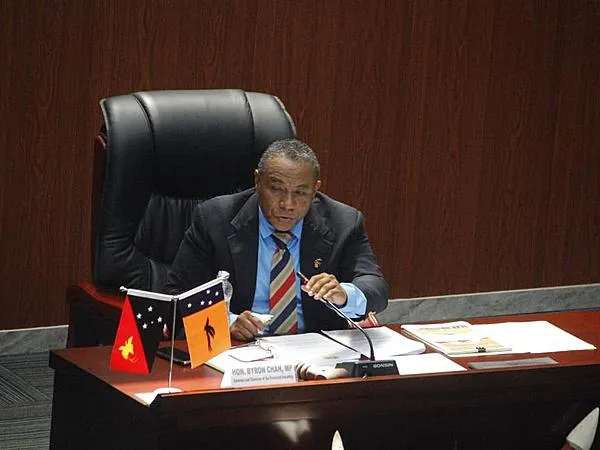
Presenting the revised budget to the New Ireland Assembly on 22 July, Provincial Governor Byron Chan described the financial plan, themed New Ireland Destiny, as a major step towards strengthening the province's economy, improving essential services and advancing its autonomy aspirations. The announcement was publicly released on 23 July 2026.
The revised budget is approximately K113.5 million higher than the original K386 million budget passed earlier this year under then Acting Governor Walter David Schnaubelt. The increase is largely attributed to an additional K105 million in National Government development grants, stronger internally generated revenue, higher global gold prices and an increase in mining royalty payments from 2% to 3% from the Lihir and Simberi gold mines.
Infrastructure dominates the revised expenditure programme, with K268.3 million allocated—about 62% of the development budget. The investment reflects the provincial government's strategy of using transport and public infrastructure to support long-term economic growth and attract private investment.
Major projects include K20 million for the continuation of the 36-kilometre Lanzarote Highway, K37 million to seal roads throughout Kavieng, and significant funding for ring road developments on Anir Island, New Hanover and Mussau Island. The government also announced that K50 million in road and bridge construction contracts has already been awarded, allowing implementation to begin immediately.
Economic development will receive K95.3 million, more than double previous funding levels, to support small and medium-sized enterprise infrastructure, market development, downstream processing and agricultural expansion aimed at broadening the province's economic base.
Chan said the provincial government has secured several strategic Memorandums of Agreement with private investors and national agencies to support new industries. These include plans for a balsa processing factory in Namatanai, a fish cannery in Kavieng, local rice harvesting initiatives and a K10 million climate-resilient agriculture programme backed by the Department of Agriculture and Livestock.
The revised budget also increases investment in health and education. The health sector will receive K47.8 million to strengthen free primary healthcare, redevelop hospital facilities and improve emergency services, while K35.9 million has been allocated to education and social services to support subsidised education, teacher and nursing colleges, and planning for higher education expansion.
Key commitments include K10 million for upgrades to Kavieng Hospital, K10 million for teacher and nursing colleges, and an initial K500,000 to establish a technical committee to progress the proposed New Ireland University.
To strengthen grassroots service delivery, K27.8 million has been allocated to district and Local Level Government support. The funding will provide direct grants, improve administrative infrastructure and support preparations for the 2027 national elections.
Community development will receive K26.9 million for youth and sports programmes, women's empowerment initiatives, and pension support for older people and people living with disabilities. Law and order has been allocated K8 million to strengthen police reservists, community justice initiatives and enforcement of the Vagrancy Act. A further K5.5 million will support New Ireland's autonomy agenda and efforts towards greater political self-reliance.
Chan said the revised budget also maintains legacy programmes established under the late Grand Chief Sir Julius Chan, including funding for elderly and disability pensions, the Roof Overhead clean water initiative and the expansion of solar lighting across the province's ten Local Level Governments.
He called on members of the Assembly to work together to deliver the province's development agenda.
"Today I stand here to ask our leaders in this Assembly to unite and work together to implement this budget for the good of our children and their children," Chan said while seeking the Assembly's support for the revised Appropriation Bill.
Follow on LinkedIn:
PNG Business News
Be the "First" to get our exclusive Digital Magazine & Weekly Newsletter.