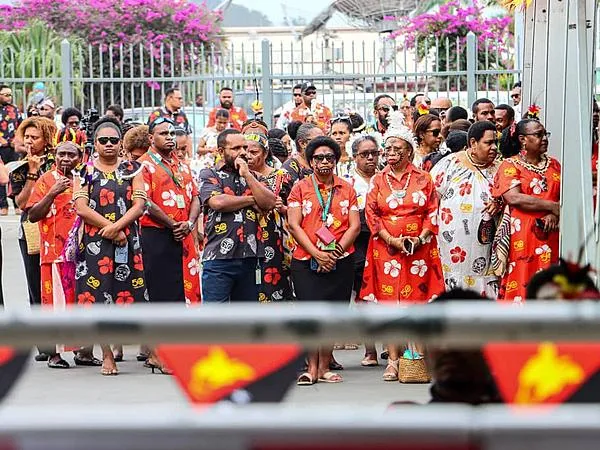
The Mineral Resources Development Company (MRDC) has announced four landmark projects set to transform the economic landscape of Papua New Guinea’s gas-rich Hela Province.
Formalised through key agreements signed in Tari on 17 October, the projects mark a new phase of investment aimed at accelerating development and improving local livelihoods.
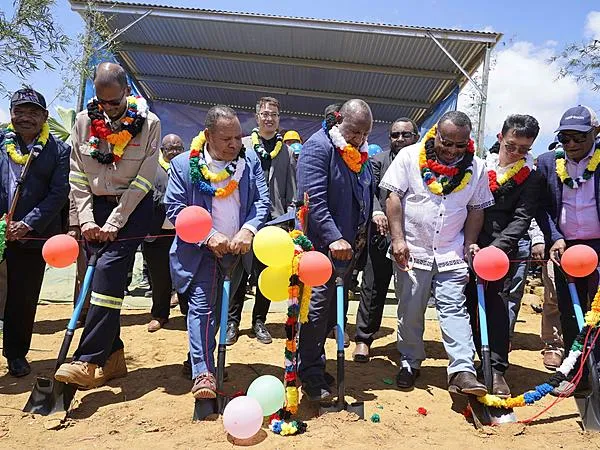
The initiatives include a 5MW power supply project from Hides to Tari, the signing and groundbreaking for the Hela Heritage Hotel, the opening of MRDC’s new Tari office, and an annual K1 million funding support from Petroleum Resources Kutubu (PRK) to the Hela Provincial Health Authority.
MRDC Managing Director Augustine Mano said the projects represent a long-awaited milestone in fulfilling the vision of Hela’s leaders and ensuring resource benefits reach the people.
“With ExxonMobil agreeing to provide gas for up to 5MW of power, landowners from the licence area in Hides, Tari town, its surrounds, and other districts of Hela will benefit from the cheapest power in PNG,” Mano said.
“This has been the dream of our leaders like the late Anderson Agiru and Prime Minister James Marape, who was then finance minister when they signed the PNG LNG Gas Agreement in 2009. It has taken a while to deliver because we had to negotiate, but it is finally a reality. I want to thank the leaders involved, and the landowners and Hela people for being patient.”
He said the introduction of reliable and affordable electricity would be a catalyst for further development in Hela.
“Through power, places change. Development happens through investments. Hela will get the cheapest power in all of PNG, and it’s reliable. There will be no blackouts,” he said.
Prime Minister James Marape, who is an MRDC trustee and the local MP for Tari, officiated the groundbreaking for the Hela Heritage Hotel, one of the province’s most significant upcoming investments.
Mano said the hotel, expected to be completed by early 2027, will serve both visitors and locals while promoting and preserving Hela’s distinctive culture.
“The hotel is to be the cultural center of Hela. Hela is beautiful with its unique culture — how do we show it? This hotel will provide the hub so that the culture of Hela must be appreciated, enjoyed, and preserved,” he said.
He added that the Heritage Hotel would create employment, stimulate business opportunities during construction, and complement existing accommodation facilities once operational.
As part of MRDC’s broader social investment, PRK has committed K1 million annually to the Hela Provincial Health Authority to help attract and retain medical professionals.
“We have many good doctors, but they don’t come to the provinces to work because of many challenges, so they must have incentives. This K1 million is their incentive. We have also done the same for Southern Highlands and Gulf provinces,” Mano said.
MRDC also strengthened its presence in Hela with the opening of a new office at the Hela 2 building complex in Tari. The office will handle landowner-related issues locally, reducing the need for travel to Port Moresby.
“The days of landowners flying to Port Moresby to have their issues addressed are over. We now have an office in Tari to deal with all that. I want to encourage landowners to stay in the province, deal with issues here, receive your royalty and equity benefits here, and spend it here so the Hela economy can prosper,” Mano said.
He also commended Hela Governor Philip Undialu for providing strong leadership, improving law and order, and building critical infrastructure to encourage investment.
Through these new initiatives, MRDC aims to position Hela as a province on the rise—one where resource wealth is being converted into tangible economic growth and lasting prosperity.
Nambawan Super Limited (NSL) continues to deliver on its commitment to improving the financial well-being of its Members through its ongoing Financial Literacy Training (FLT) Program, which has reached over 24,500 Members since its inception in 2021.
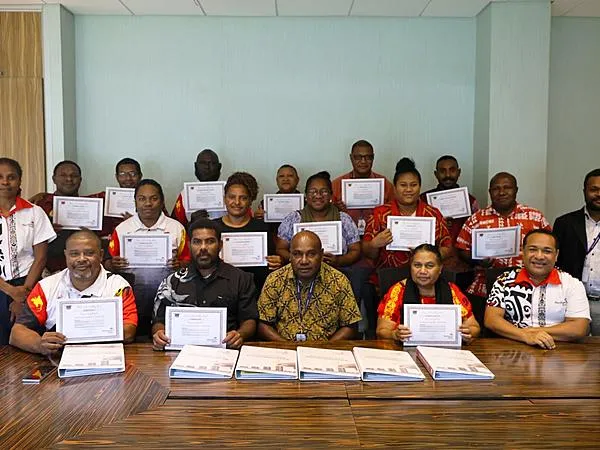
Through this program, Nambawan Super has conducted Financial Literacy sessions for both public and private sector employers across the country. The sessions are designed to equip Members with practical financial management skills to help them make informed decisions about their money today—while still employed—and to prepare them for life after employment.
The FLT Program focuses on helping Members better understand personal finance, budgeting, debt management, saving, superannuation products and services, retirement planning, home ownership, and financial management for micro, small, and medium enterprises. These sessions are delivered free of charge by Nambawan Super’s Member Education Team as part of the Fund’s broader Member education and empowerment initiatives.
NSL Chief Executive Officer Paul Sayer said the Financial Literacy Program demonstrates Nambawan Super’s continued commitment to supporting Members beyond superannuation contributions and investment returns.
“Our Financial Literacy Program is an important part of helping our Members build confidence in managing their personal finances today while still formally employed, and to start planning for their future in retirement. By equipping Members with the right knowledge and tools, we are contributing not only to their personal financial well-being but also to the broader economic empowerment of Papua New Guineans,” he said.
Since the start of the year, the Fund has delivered over 270 sessions to more than 6,000 Members from NSL employers in both the public and private sectors, including the Department of Education, PNG Ports Corporation, Correctional Services, Civil Fire Services, Milne Bay Administration, Public Health Authority, and Oil Palm Smallholders, among others.
The most recent sessions were conducted with the Office of Censorship and the National Airports Corporation, with strong participation and positive feedback received.
The Financial Literacy Training is offered free of charge to NSL employers and Members, underscoring Nambawan Super’s commitment to nation-building through education and empowerment beyond superannuation savings.
Employers interested in organising a Financial Literacy Training session for their staff are encouraged to contact Nambawan Super’s Member Education Team via the registration form on the NSL website, by calling the toll-free number 180 1599, emailing CallCentre@nambawansuper.com.pg, or visiting their nearest NSL Branch.
Prime Minister James Marape has congratulated PNG Ports Corporation Ltd (PNG Ports) for its remarkable performance in the 2025 World Bank Container Port Performance Index (CPPI), describing the achievement as a proud moment for Papua New Guinea and a strong indicator of the country’s growing efficiency, resilience, and competitiveness in international trade.
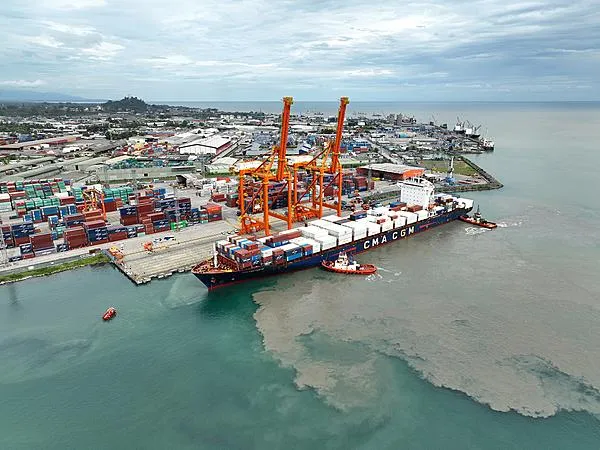
According to the World Bank’s CPPI report, the Port of Lae rose from 311th position in 2023 to 264th in 2025, while the Port of Port Moresby climbed from 280th to 248th. Both ports outperformed several major facilities across developed economies, including Melbourne, Brisbane, Port Botany (Sydney), Auckland, Napier, and Otago.
“These outstanding results are not just statistics; they reflect the steady progress of our nation in managing critical infrastructure, enhancing operational capacity, and building a modern, competitive economy,” Marape said.
He commended PNG Ports’ management, employees, and partners for their leadership and innovation in positioning the country’s ports among the best-performing in the Asia-Pacific region.
The Prime Minister said the improved rankings were the result of strategic investments and partnerships made in recent years, including the introduction of new equipment, advanced port management systems, and digital technologies designed to increase efficiency and reduce turnaround times.
“Through prudent investment and management, PNG is demonstrating that we can compete regionally and globally,” he said. “The operational success of our ports is central to our national vision under the Take Back PNG agenda — to build an economy that is efficient, transparent, and globally connected, creating opportunities for our people and businesses.”
Transforming PNG into a Trade-Driven Economy
Marape said Papua New Guinea’s 50th Independence Anniversary, celebrated last month, marked not only a national milestone but also a strategic reset toward the next 50 years of growth and prosperity.
“As we step into our next 50 years, our focus is clear — we are transforming from a resource-dependent economy into a diversified, trade-driven nation,” he said. “Our ports are the gateways to this transformation, enabling trade, supporting investors, and connecting Papua New Guinea with regional and global markets.”
He added that the Government would continue to support State-Owned Enterprises (SOEs) such as PNG Ports in their efforts to modernise infrastructure, strengthen governance, and expand regional connectivity through smart investments and strong public–private partnerships.
“The success of PNG Ports demonstrates what good governance, commercial discipline, and patriotic leadership can achieve when aligned with national goals,” Prime Minister Marape said. “We will continue working with our development and investment partners across the Asia-Pacific to expand trade, grow exports, and position PNG as a regional hub for shipping and logistics.”
Inclusive Development and National Connectivity
The Prime Minister also praised PNG Ports’ ongoing commitment to maintaining operations across all 15 declared ports, including support for 12 Community Service Obligation (CSO) Ports that connect rural and maritime communities.
“This inclusive approach ensures that the benefits of development reach all corners of our country,” he said. “Even as we pursue efficiency and profitability, we must never lose sight of our responsibility to serve every Papua New Guinean — from our remote islands to our industrial cities.”
Positioning PNG as a Regional Trade Hub
Marape reaffirmed his Government’s commitment to maintaining Papua New Guinea as a stable and attractive destination for investment, particularly within the Asia-Pacific region. He emphasised that sustained economic growth depends on reliable infrastructure, consistent performance, and strategic focus across key sectors.
“Papua New Guinea’s improved global ranking in port performance is a reflection of our broader national progress,” Prime Minister Marape concluded. “We are open for business, ready for investment, and determined to ensure that every sector of our economy — from shipping to agriculture to digital trade — contributes to our shared prosperity.”
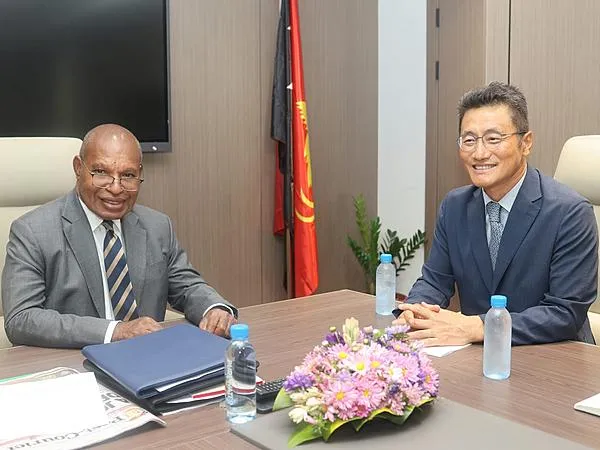
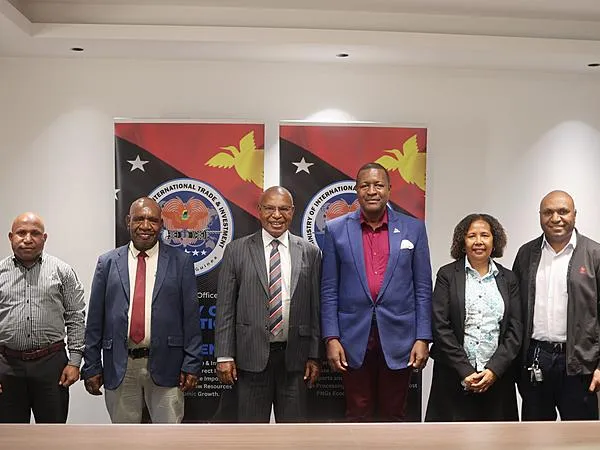
Jongho Choi, the Ambassador of the Republic of Korea to Papua New Guinea (PNG), announced that the Korea International Cooperation Agency (KOICA) will establish its office in PNG following his meeting with the Minister for International Trade and Investment Richard Maru on 22 October.
“This is a welcoming news. KOICA is South Korea's government agency for providing official development assistance to developing countries through grant aid and technical cooperation," Maru said.
The minister said that the PNG government want to see more aid flows between PNG and Korea, noting that they also want Korea Eximbank to be more active in the domestic market as they offer one of the lowest interest rates.
"We have a good record with Korea Eximbank as we repaid our first loan for the Wewak storm drainage project on time, and we want more concessional aid. We look forward to the establishment of KOICA office in PNG and to working with them on grant projects and also development finance,” Maru said.
Both officials also discussed Maru’s possible visit to South Korea to attend the APEC Ministerial Meeting (AMM).
“I will also be meeting a number of potential investors in the two days that I am making available to meet with the private sector in Korea on the margins of the AMM. We are very keen on bringing some Korean investors to PNG,” said Minister Maru.
“I am very happy that the Government of Korea is keen to deepen the relationship with PNG. I welcome that and look forward to working with the Korean Government and a number of Korean investors to invest in PNG, specifically in Special Economic Zones and in the non-resource sectors. Korean companies are also keen to be Engineering, Procurement, and Construction (EPC) contractors in the mining and petroleum sector. We are keen to see more win-win partnerships in line with our new foreign policy of securing partnerships for security and economic prosperity,” he added.
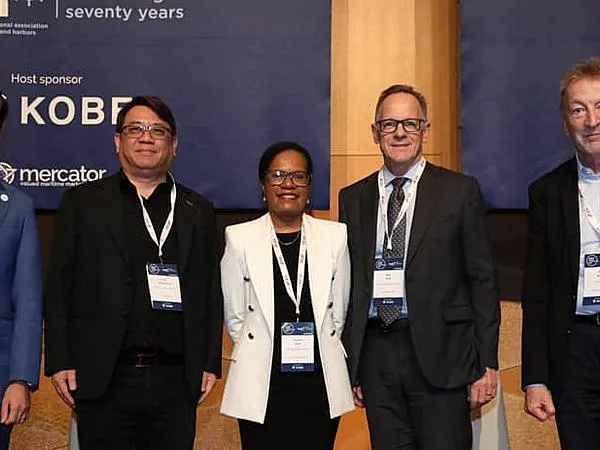
PNG Ports Corporation Limited (PNGPCL) proudly announces the participation of its Chief Commercial Officer Deborah Michelle Onga as a panellist at the 2025 International Association of Ports and Harbors (IAPH) World Ports Conference, held from 7–9 October in Kobe, Japan.
The conference, celebrating the IAPH’s 70th anniversary, gathered more than 200 global port authorities and 170 port-related businesses under the theme “Reinvention and Prosperity in Turbulent Times.” The event brought together international leaders from the IMO, World Bank, UNCTAD, and major global maritime organisations to explore how ports can achieve sustainable growth in an era marked by geopolitical uncertainty, conflict, and climate change.
Maximising the Value of Port Land through Smarter Concessions
Onga was invited as a panellist for the session “Maximising the Value of Port Land through Smarter Concessions,” joining distinguished speakers from Thailand, Chile, and Canada. The discussion focused on how port authorities can structure smarter concession agreements to ensure land is used for its highest economic, operational, and strategic value.
She explained how smarter concessions can transform PNG Ports from a traditional landlord into a strategic asset manager and development catalyst, maximising long-term economic, social, and environmental value for the nation.
Drawing on her leadership of PNG Ports’ commercialisation strategy and its flagship Lae Industrial Park development, Ms. Onga highlighted the company’s ambition to unlock the commercial potential of all 15 of its ports — not only the major gateways of Lae and Port Moresby but also its vital regional ports, including its loss-making CSO ports.
She outlined how improved land utilisation, coupled with a transparent and standardised concession framework, can strengthen investor confidence, ensure governance and integrity, and align with government policy and Kumul Consolidated Holdings (KCH) oversight standards.
Her insights positioned Papua New Guinea as a model for how small developing nations can approach port land management strategically — using concession frameworks that strengthen trade competitiveness, sustainability, and community benefit.
Representing the Pacific at a Global Forum
Onga’s inclusion on the IAPH panel marked a historic milestone — positioning Papua New Guinea at the forefront of Pacific representation on the world stage. While delegates from Fiji, Solomon Islands, and other Pacific nations were in attendance, Onga was the only Pacific voice featured on the official speaker program.
Her participation symbolised a turning point for the Pacific region, which has long been under-represented in global port and maritime discussions. She spearheaded conversations not only for PNG but also for the broader Pacific Islands on how developing economies can transform their ports into engines of national and regional prosperity.
“It was a profound honour to speak for Papua New Guinea and the wider Pacific at such an influential global forum,” said Onga. “For too long, our region’s expertise and perspectives have been overlooked. This opportunity demonstrates that the Pacific has strong, capable voices with real experience to contribute to the global maritime sector.”
She also expressed her appreciation for the collaboration and advocacy of Mike Gallagher, CEO of Ports Australia, whose support helped secure her inclusion on the panel.
“I am sincerely grateful to Mike Gallagher for recognising the importance of Pacific representation and for championing the inclusion of Papua New Guinea. His support ensured our region had a seat at the table — and a voice in shaping the future of global ports,” she said.
Bringing Global Insights Home
Accompanied by PNG Ports Director Ms. Belinda Manning, Onga also gained valuable insights from broader conference discussions centred on how ports can achieve real growth when supply chain resilience is tested by conflict and climate change.
Through networking and dialogue with international peers, Onga and Manning return with key learnings on resilient infrastructure investment, sustainable port innovation, and effective governance frameworks — insights they plan to incorporate into PNG Ports’ future operations, along with a strategy to drive greater Pacific representation and active engagement with the IAPH.
“The knowledge and global connections gained from this conference will help PNG Ports advance its commercialisation strategy and position Papua New Guinea’s ports as regional leaders in sustainability and trade facilitation,” Onga added.
Founded in 1955, the IAPH is a global alliance representing over 200 port authorities and 173 businesses across more than 90 nations. The Association serves as a key platform for collaboration, policy exchange, and innovation among the world’s leading maritime and logistics organisations. The 2025 conference marked its 70th anniversary, reaffirming its commitment to connecting ports and people worldwide.
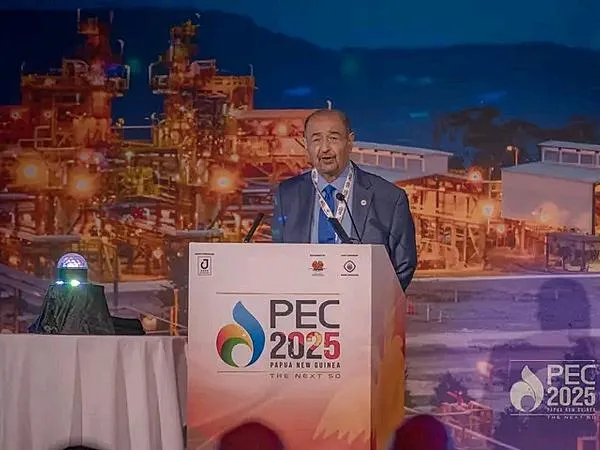
The 2025 Papua New Guinea Petroleum and Energy Conference (PEC), held from 8–9 October at The Stanley Hotel, marked the nation’s 50th Independence Anniversary under the theme “The Next 50,” a call to shape and reset the next chapter of PNG’s energy future for the coming decades.
The two-day event brought together more than 100 organisations and participants from over 15 countries, creating a strong platform for dialogue, collaboration and investment across the petroleum and energy value chain. The conference featured more than 30 national and international speakers, including industry leaders, policymakers and technical experts who explored emerging policies, upcoming projects and investment opportunities critical to PNG’s evolving energy landscape.
Day One of the conference opened with a keynote address by Dr Fereidun Fesharaki, chairman of FGE and a renowned global energy economist. With a longstanding association with PNG, Dr Fesharaki delivered a comprehensive analysis of global and regional energy trends, highlighting PNG’s strategic role in the Asia-Pacific energy market.
He presented several insights relevant to PNG, noting that:
Dr Fesharaki said the conference’s structure fostered meaningful interaction, particularly through moderated panel discussions that encouraged audience participation during Q&A sessions.
“The PEC has added tremendous value – the quality of dialogue and engagement reflects the importance of these discussions for PNG’s future,” he said.
Duma Reaffirms Power Sector Transformation
The ministerial keynote address on Day Two was delivered by Energy Minister Peter Isoaimo, who set a clear vision to “use today’s oil and gas wealth as a bridge to a renewable future.”
Key points of his address highlighted the country’s preparation for a greener, technology-driven energy landscape, including:
The second ministerial keynote was delivered by Minister for State-Owned Enterprises William Duma, MP, who reaffirmed the Marape-Rosso Government’s commitment to transforming PNG’s power sector through the partial privatisation of PNG Power Limited (PPL). He said the initiative aims to improve efficiency, attract private investment and ensure reliable, affordable electricity for all Papua New Guineans.
Minister Duma said this transition marks “a new era for PNG’s energy future,” balancing investment returns with improved service delivery for citizens. He outlined the government’s targets of 70 percent national electrification by 2030 and universal access by 2050, supported by renewable energy development and major infrastructure upgrades.
During his visit to the PNG Business News exhibition booth, Minister Duma told PNG BN that the 2025 PEC is “one of the biggest and most successful conferences to date,” describing it as a vital platform for high-level networking, engagement and discussions on national energy agendas.
Building on the momentum of PEC 2024, this year’s conference expanded both its reach and depth. It offered delegates the opportunity to engage directly with key stakeholders, regulators, investors and project developers, all focused on shaping PNG’s next 50 years in energy and petroleum development.
The 2025 conference also served as an exhibition hub, where sponsors and delegates showcased innovations, products and services driving energy transition, sustainability and infrastructure growth across the country.
PEC 2025 Sponsors and Support
The success of the event was made possible through the support of its sponsors. Kumul Minerals Holdings Limited led as Platinum Sponsor, joined by ExxonMobil PNG, PNG LNG, China Petroleum Pipeline Engineering Co. Ltd, and Winston Engineering Ltd as Gold Sponsors. The National Energy Authority supported as Silver Sponsor, while Kumul Consolidated Holdings, TWL Group, TotalEnergies, Papua PNG, Motor Vehicles Insurance Ltd, Asia Pacific Communication Specialist, High Arctic, Robinson Energy, and Houpu Clean Energy Group Co. Ltd served as Bronze Sponsors.
Through collaboration, policy reform and investment, the discussions held over the two days have laid a strong foundation for the next 50 years — ushering in a new era of growth and transformation for PNG’s petroleum and energy sectors.
The Port Moresby Chamber of Commerce and Industry (POMCCI) hosted a Business Breakfast at the Lamana Hotel on Wednesday, 1 October 2025, featuring PricewaterhouseCoopers (PwC) Papua New Guinea Tax Partners Peter Burnie and Shanol Jokhan, who presented detailed insights on the New Income Tax Act 2025 and shared their professional expertise on the key changes introduced under the new tax legislation.
The two-hour event brought together members of the business community seeking valuable insights into the new tax regime.
According to PwC, the New Act represents a complete overhaul of the country’s tax system, tracing its roots to the Bogan Review of 2015 and subsequent reform commitments under the 2017 Medium Term Revenue Strategy (MTRS).
The new Act is described as the most significant tax legislative change in Papua New Guinea in more than six decades.
Passed by Parliament in March 2025, the Act will take effect for tax years commencing after 1 January 2026. It replaces an outdated framework that has evolved through decades of amendments, aiming to simplify, modernise and consolidate tax provisions.
PwC noted that the Act’s objectives include: • Simplification and consolidation of existing provisions • Greater emphasis on self-assessment rather than full assessment • Alignment with the Tax Administration Act (TAA) for efficiency and consistency
However, PwC cautioned that taxpayers should expect transitional challenges as businesses adjust to the new rules.
Introduction of Capital Gains Tax (CGT)
For the first time in PNG’s history, the New Act introduces a Capital Gains Tax (CGT), effective 1 January 2026.
The 15% CGT applies to gains made on the disposal of taxable assets such as resource rights, related information, membership interests, and acquisition rights.
PwC presenters explained that taxpayers can choose between using the historic cost or market value as of 1 January 2026 as the cost base for these assets.
Capital losses may be carried forward indefinitely to offset future gains. PwC described this as a major structural shift, particularly for investors in PNG’s resource sector, and urged businesses to evaluate how this change will affect their investment strategies.
Changes for Non-Residents
The new Act also introduces major updates for non-resident businesses operating in PNG.
Under the reforms, income earned by non-residents through a Permanent Establishment (PE) will be taxed at 30% on net income, while those without a PE will continue to be subject to Non-Resident Tax (NRT) via withholding.
NRT will apply to income such as dividends, interest, royalties, annuities, insurance premiums and technical fees, with a 15% withholding rate on technical services.
The Act also provides clearer definitions of permanent establishment categories, including consulting, construction and agent-based operations, setting time thresholds for determining tax residency.
Employment and Individual Taxation
PwC highlighted that while tax rates and thresholds remain unchanged, the Act refines the taxation of employment income and employer-provided benefits.
It maintains concessional treatment for housing, motor vehicles, school fees and leave fares but updates valuation methods. For example, vehicle benefits are now based on acquisition cost rather than prescribed value.
The concept of salary packaging is formalised, requiring approval for arrangements exceeding the 40% benefits threshold. Individuals with employment income subject to withholding are not required to file tax returns, although assessments may be raised if employer withholdings fall short.
Corporate and Group Transactions
The Act introduces new provisions for intra-group reorganisations, including rollover relief for asset transfers within corporate groups that have at least 95% ownership, subject to approval by the Commissioner General.
It also allows group loss transfers, aligning PNG more closely with international tax practices.
Dividends between resident companies remain exempt, while dividends from non-resident sources are exempt if the recipient owns at least 10% of the foreign entity.
Depreciation and Fixed Assets
One of the key simplifications under the new Act is the reform of tax depreciation rules. The Act introduces five asset classes with prescribed depreciation rates and allows immediate deductions for assets valued under K1,000.
Pooling is permitted for certain asset classes, and for the first time, taxpayers may claim depreciation on business intangibles such as patents, copyrights and marketing intangibles, typically over ten years.
The Act removes outdated accelerated depreciation incentives but retains some concessions for manufacturing and primary production assets.
Preparing for Implementation
Burnie and Jokhan described the passage of the Act as a “significant milestone for tax reform,” urging businesses to prepare for implementation by reviewing: • Fixed asset management • Employment arrangements • Cross-border contracts • Operating models for non-resident entities
Although the law takes effect in 2026, PwC noted that complementary regulations, including a revised Tax Administration Act and Income Tax Regulations, are expected before enforcement.
The Internal Revenue Commission (IRC) will also play a key role in ensuring a smooth transition through updated processes and taxpayer guidance.
The POMCCI continues to facilitate such engagements to keep the business community informed about key economic and legislative developments affecting the private sector in PNG.
The breakfast provided an opportunity for business leaders and tax professionals to engage directly with PwC’s tax experts on the implications of the New Income Tax Act and its expected impact on business operations and compliance in the country.
The Marape-Rosso Government has begun the mid-term review of Papua New Guinea’s National Trade Policy (NTP) 2017–2032, aimed at strengthening the country’s trade strategy in response to evolving global and domestic conditions.
The review, spearheaded by the National Trade Office (NTO) with support from the European Union Delegation to PNG, was announced by Minister for International Trade and Investment Richard Maru.
The NTP, first launched in 2017 under the O’Neill Government when Maru was Minister for Trade, Commerce and Industry, is the country’s guiding framework for promoting trade and investment.
Minister Maru said the review was essential to ensure the policy remained relevant and effective.
“PNG’s trade performance and policy implementation over the past eight years need a thorough assessment so successes can be built and shortcomings addressed,” he said.
“The review will help PNG align its trade policy with recent domestic priorities such as the Medium-Term Development Plan 4 and post-COVID economic recovery, and external developments like environmental considerations, new market opportunities in Asia and evolving World Trade Organization rules," he added.
He added that the review would allow PNG to “adopt international best practices, foster stakeholder engagement, and ultimately ensure that trade policy remains effective and relevant.”
The mid-term review will focus on three core areas:
Minister Maru also outlined key issues for the review team to consider, including:
The NTO will lead the review process, but Maru underscored the importance of wide-ranging consultations.
“The private sector and SMEs are being consulted to understand the on-the-ground impacts of the trade policy and persistent business barriers,” he said. “Civil society and academic experts can offer insights on inclusiveness like the impacts on small farmers or women traders and provide evidence-based critiques.”
He added that the review was an opportunity to realign the NTP with current realities, ensuring that its strategies remain “fit for purpose in the face of climate change impacts, advances in information technology, commodity price fluctuations, potential global trade disruptions due to US tariffs, and shifting investment patterns.”
The draft of the new National Trade Policy is expected to be presented to Minister Maru and the National Executive Council by October 15, 2025, for approval ahead of its official launch later this year.
Economic growth in the Pacific is expected to pick up next year, buoyed by strong resource output in Papua New Guinea (PNG), according to the Asian Development Outlook (ADO) September 2025, released on 6 October by the Asian Development Bank (ADB).
The report projects Pacific economies to expand by 4.1 percent in 2025, before moderating to 3.4 percent in 2026, an upward revision from the April forecast. The ADB attributed the improvement mainly to the mining and petroleum-driven performance of PNG, the region’s largest economy.
“While it is good news that growth will accelerate in the Pacific subregion this year and inflation forecasts are adjusted down, geopolitical and trade tensions still pose risks to growth,” said ADB Director General for the Pacific Emma Veve. “ADB remains committed to helping build resilience to potential shocks such as extreme climate events and disruptions to global supply chains.”
PNG’s economy is forecast to grow by 4.6 percent in 2025, before easing to 3.6 percent in 2026 as output from major resource projects stabilizes. Inflation projections remain unchanged. The report said that new investment decisions in mining, petroleum, and related sectors could provide an additional boost to growth.
In Fiji, the Pacific’s second-largest economy, growth is forecast to remain steady at 3.0 percent in 2025, but to slow in 2026 due to the indirect impact of United States tariffs on its key trading partners. Inflation is expected to ease over the next two years as fiscal measures and lower global commodity prices help reduce consumer costs.
ADB said Fiji continues to face “large shocks due to limited fiscal buffers and climate risk,” but ongoing reforms and new spending on water security and coastal protection should strengthen long-term resilience.
In Solomon Islands, growth is expected to hold steady at 2.9 percent in 2025 and 3.2 percent in 2026, with the inflation outlook revised upward for next year before easing slightly in 2026. The government’s recent shift to an expansionary monetary policy is expected to support growth while keeping inflation contained.
Vanuatu’s 2025 forecast was trimmed to 1.5 percent, reflecting delays in post-earthquake reconstruction, though growth is expected to recover to 2.5 percent in 2026.
In the Central Pacific, growth projections were adjusted slightly downward for Kiribati and Nauru, now at 3.9 percent and 2.3 percent in 2025, and 3.3 percent and 2.5 percent in 2026, respectively. Tuvalu’s growth outlook remains unchanged at 2.7 percent in 2025 and 2.5 percent in 2026. Public infrastructure spending is expected to remain a key growth driver across these economies, though commodity price volatility and supply chain disruptions continue to pose risks.
In the North Pacific, forecasts were mixed. Growth was upgraded for the Marshall Islands to 3.0 percent in 2025 and 3.5 percent in 2026, supported by fisheries and construction. However, projections were lowered for the Federated States of Micronesia (FSM) and Palau—now at 0.8 percent and 8.2 percent in 2025, and 1.1 percent and 3.9 percent in 2026, respectively. The ADB cited slow utilization of Compact of Free Association funds in FSM and a gradual tourism recovery in Palau.
Growth prospects across the South Pacific are expected to remain uneven. The Cook Islands is projected to post the highest growth in the region at 10.4 percent in 2025, before slowing to 2.5 percent in 2026 as post-pandemic tourism demand stabilizes. Growth in Samoa is expected at 4.0 percent in 2025 and 2.7 percent in 2026, while Niue is forecast at 3.4 percent and 3.0 percent. Tonga is projected to grow 2.5 percent next year, moderating slightly to 2.3 percent in 2026.
“Tourism and construction remain key growth drivers” in the South Pacific, the report said, though weaker agriculture and fisheries output could weigh on Samoa’s outlook. Inflation is expected to continue moderating but could face renewed upward pressure from global price movements.
Founded in 1966, ADB is owned by 69 members, 50 of which are from the Asia-Pacific region. The Manila-based multilateral lender said it remains committed to “helping build resilience to potential shocks” and supporting inclusive, sustainable growth through innovation, infrastructure, and partnerships.
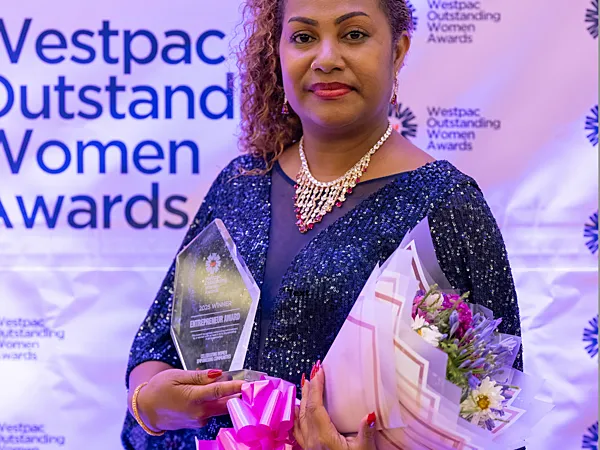
Five years ago, Violet Bukon was preparing meals in her home kitchen with a vision for something greater. At present, she leads The Eatery Catering and Cakes, a thriving business in Lae that provides boardroom lunches to some of Papua New Guinea’s top companies, and she has been honoured as the 2025 Westpac Outstanding Women Awards (WOWA) Entrepreneur winner.
This is not just a story of business success. It is the journey of a mother who transformed her passion for cooking into a venture making a meaningful impact across Lae.
What started in Violet’s home has grown into a business that now supplies Paradise Foods Limited, Credit Corporation, and the Bank of Papua New Guinea. More importantly, she has trained more than 20 young people, teaching them cooking and customer service skills that are helping them build their own futures.
Reflecting on her journey, Violet said: “I built this business not just to rise, but to raise others with me. When women are equipped with life skills, they find the power to live meaningful lives and contribute with purpose to their families, society, and nation.”
Walk into Violet’s kitchen today and you will see transformation in action. Young people who once had few opportunities are learning valuable skills, gaining confidence, and discovering their potential. Some have gone on to start their own food businesses, while others have found steady employment in hospitality. Tamzin Wardley, chairwoman of Westpac PNG, praised the award recipient: “Violet’s approach reminds us that business can be a platform for growth, not only for the entrepreneur but also for the people around them."
"Her commitment to mentoring young people and creating opportunities through enterprise is a powerful example of leadership in action. It’s not just about building a successful business; it’s about building futures, and that is the kind of impact Westpac PNG is proud to support across the country," Wardley added. Emma Low, managing director of Westpac Pacific, stressed that the WOW Awards are more than a moment of recognition, but also a celebration of the outstanding contributions of women, a catalyst for opportunity, and an inspiration for the next generation of female leaders in PNG.
"I was truly impressed by both the high volume and exceptional quality of this year’s nominations. I’m especially proud of finalists like Violet Bukon, whose dedication and impact exemplify the spirit of the awards. Our 21 finalists represent a broad geographic spread from across the country, highlighting the incredible talent found in every corner of PNG," Low said. Andrew Cairns, chief executive of Westpac PNG, also congratulated Violet for her victory in the Entrepreneur category, reflecting Westpac’s values of supporting businesses that create positive community impact. "She embodies the spirit of enterprise that builds stronger communities," Cairns said. The WOW Awards are a cornerstone of Westpac PNG’s commitment to gender equity and inclusive growth. Through this platform, Westpac continues to champion the role of women in building a stronger, more resilient Papua New Guinea. Today, as corporate executives in Lae enjoy her catering and young people continue to learn in her kitchen, Violet is building something bigger than a business. She is building a legacy that will inspire generations to come.
At independence in 1975, Papua New Guinea (PNG) emerged as a young nation of 2.8 million people, transitioning peacefully from Australian administration with optimism grounded in the Charter of National Unity. Rich in natural resources like gold and copper, and supported by a vibrant agricultural sector, PNG’s early economic prospects were promising. The Panguna mine in Bougainville alone contributed significantly to exports and GDP, while the principle of “unity in diversity” helped shape a national identity across more than 800 language groups.
However, the country faced major hurdles, including limited infrastructure, low literacy rates, and political fragmentation, which complicated development and governance. Building a unified state amid such diversity was a formidable task, and economic vulnerability was evident in PNG’s heavy dependence on resource exports.
Fifty Years On: Progress and Persistent Challenges
Half a century later, PNG has made notable progress. Its population has grown to nearly 12 million, while its economy has expanded in both size and sophistication. With growth rates now comparable to major emerging markets, the nation has increased its regional influence and improved connectivity through digital transformation and transport investments.
Large-scale resource projects continue to drive revenues, while agriculture and small enterprise remain the backbone of rural livelihoods. Civil society is stronger, and democratic institutions have endured despite political turbulence.
Yet persistent challenges remain. Poverty, inequality, and weak institutions constrain development. Many rural communities remain disconnected from markets and services, while climate change threatens food security and coastal settlements. PNG stands at a strategic crossroad, with its future hinging on diversifying beyond extractives, strengthening governance, and investing in inclusive, long-term development.
Economic Outlook: Momentum into 2025
According to Westpac’s September 2025 Economic Update, the PNG economy is expected to grow by 4.7% in 2025, continuing the momentum of 3.8% in 2023 and an estimated 4.3% in 2024. Growth is being supported by both resource and non-resource sectors.
Mining activity has rebounded with Porgera mine restarting production, while LNG shipments remain steady. On the non-resource side, agriculture is showing signs of renewed dynamism, with coffee and cocoa exports benefitting from high global prices.
Westpac notes that this performance places PNG in line with China’s growth rate and ahead of many regional economies, underscoring its potential as a Pacific growth engine.
Bank of PNG and the Kina
At its September meeting, the Bank of Papua New Guinea’s Monetary Policy Committee raised the Kina Facility Rate (KFR) from 4.0% to 5.0%, while simultaneously lowering the Cash Reserve Requirement (CRR) for commercial banks from 10% to 9%.
This mix of tightening and loosening reflects a balancing act: controlling inflation while injecting liquidity into the economy. The central bank also maintained its “crawl-like” exchange rate arrangement, which allows for gradual depreciation of the kina.
The kina has weakened around 4% against the U.S. dollar this year, improving export competitiveness but raising the cost of imports. Gross foreign reserves remain healthy at US$3.6 billion, covering nearly seven months of imports.
Westpac cautions, however, that the transmission of monetary policy remains weak. Higher policy rates have had limited impact on commercial lending and deposit rates, reflecting underdeveloped financial markets.
Government Finances: A “Tough Year”
On the fiscal side, 2025 has been described as a “tough year” for government finances. Tax revenue collections fell significantly short of expectations in the first half of the year, compounding shortfalls in 2024.
This setback complicates the government’s 13-year Budget Repair Plan, which aims to gradually reduce deficits and place debt on a sustainable path. To stay within its official target deficit of K2.95 billion (2.2% of GDP), the government has signalled expenditure cuts of nearly 6%.
If spending restraint fails, Westpac estimates the deficit could balloon to K4.6 billion (3.5% of GDP). With debt levels already high, the report stresses the need for discipline and “policy adjustments” to maintain credibility with investors and development partners.
Inflation: Cooling but Uneven
Inflation pressures have eased in 2025. Headline inflation slowed to 3.6% in the June quarter, down from 5.3% in March. Core inflation also edged lower to 3.0%.
The decline has been driven by stabilising food and fuel prices, along with a stronger supply of domestic agricultural produce. However, imported inflation remains a concern due to kina depreciation and global supply chain pressures.
Westpac expects inflation to moderate further, possibly reaching 3% by the end of 2025, although risks remain from commodity price volatility and fiscal slippage.
LNG: Anchor of the Future
PNG’s liquefied natural gas (LNG) sector continues to anchor its economy. Year-to-date to July, LNG exports to Japan rose by 9% to K5.5 billion, driven by strong second-quarter shipments.
The Papua LNG project, led by TotalEnergies, is seen as the next major catalyst for growth. While it has attracted less attention in recent months, news suggests a final investment decision (FID) is on track for the first quarter of 2026.
For PNG, this project promises not only economic growth but also thousands of jobs and greater integration into Asian energy markets. Westpac argues that its successful execution will “drive the next phase of prosperity.”
Gold: Benefitting from Global Uncertainty
Gold has emerged as a bright spot in PNG’s export basket. Prices surged above US$3,600 per ounce in mid-September, fuelled by a weaker U.S. dollar and concerns over global trade tensions.
This has boosted revenues for PNG’s gold miners and exporters, reinforcing the resource sector’s role in stabilising the economy. Together with LNG, gold earnings have helped offset weaker government revenues from other sources.
Agriculture: Back to the Future
While resources dominate headlines, agriculture remains the backbone of livelihoods. Authorities and stakeholders have renewed their push to revitalise palm oil, rubber, cocoa, and coffee.
The sector has registered sustainable average growth of 2% in recent years, but Westpac stresses the need to scale up production and improve market access. A more dynamic agricultural base, it argues, would help reduce inequality and spread the benefits of growth beyond urban centres.
The Strategic Crossroad
Fifty years after independence, Papua New Guinea faces a familiar paradox: enormous natural wealth paired with structural vulnerabilities. Growth is robust, but fiscal slippage, weak institutions, and overreliance on extractives threaten stability.
Westpac’s update is cautiously optimistic, highlighting opportunities in LNG, gold, and agriculture while urging reforms in fiscal management, governance, and financial markets.
The report concludes with a call for long-term vision:
“The message is clear — focus on reforms and investments that deliver the greatest long-term benefit for all Papua New Guineans, not just for now, but for future generations.”
As PNG charts its next 50 years, its challenge will be to turn resource-driven growth into inclusive development that uplifts every community — from highland coffee farmers to coastal fishing villages — while safeguarding the nation’s future.
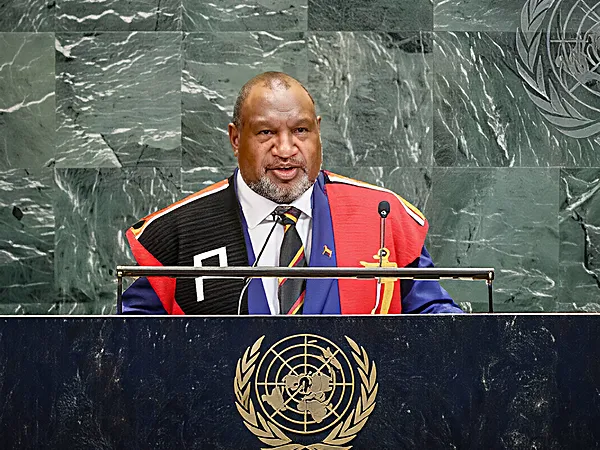
Papua New Guinea Prime Minister James Marape delivered the country’s statement at the United Nations General Assembly (UNGA) 80th Session General Debate in New York, aligning his address with PNG’s 50th independence anniversary and 50 years of UN membership.
He opened by highlighting the enduring strength of PNG’s Constitution, which he described as the nation’s binding force across extraordinary diversity.
“Papua New Guinea is extraordinarily diverse — over 1,000 tribes, 850 languages and 600 islands. Yet our Constitution binds us as one people, one nation, one country,” Marape said.
From there, he paid tribute to churches for their role in delivering education, health and community services, while stressing the constitutional protection of all faiths. “Religion must never divide humanity — coexistence must,” the Prime Minister affirmed.
Turning to PNG’s history of conflict, Marape recalled the decade-long Bougainville crisis and its peaceful resolution under UN guidance.
“For a decade, Bougainville suffered violence, but through dialogue under UN oversight we achieved the 2001 Bougainville Peace Agreement. Not a bullet has been fired since,” he said, noting Bougainville as a powerful example of peace built on genuine will.
Visit of the UN Secretary-General
Marape then reflected on the recent visit of UN Secretary-General António Guterres to Papua New Guinea, his first official visit to the country. He said Guterres commended PNG’s leadership on climate action, cultural diversity and its peace model in Bougainville.
At the same time, he acknowledged the Secretary-General’s call for improvement.
“He also reminded us to fight corruption, strengthen governance and ensure services reach all citizens. At 50 years, we recommit to transformation so that no citizen is left behind,” he said.
Global Responsibility: Forests, Oceans and Climate
Shifting to global challenges, Marape underlined Papua New Guinea’s role as a forest and ocean nation with unique responsibilities.
“Our tropical forests absorb carbon and produce oxygen. Our vast Pacific waters are part of the world’s greatest carbon sink. Our reefs, rivers and ecosystems shelter unique biodiversity,” he told the Assembly.
Reaffirming PNG’s commitment ahead of COP30 in Brazil, he added, “There is no other planet like Earth. Our ancestors left us a liveable planet; we must do the same for our descendants.”
Marape also urged the G20 and industrial nations to act with greater urgency. “We call especially on G20 and industrial nations to cut emissions, reform global finance to support biodiversity nations and align responsibility with carbon footprint. Our forests and oceans are not just Papua New Guinea’s — they are global goods,” he declared.
Marking PNG’s Golden Anniversary
In closing, the Prime Minister used PNG’s golden anniversary to express appreciation to international partners. “On this 50th anniversary, I thank the United Nations for embracing us since 1975, our bilateral and multilateral partners, Australia for peacefully granting independence and investors, NGOs and churches for their enduring service,” he said.
He ended by linking Papua New Guinea’s journey with the UN’s wider role as a meeting ground for humanity. “Fifty years ago, we entered this Assembly as one of its youngest members. Today, we stand as a free and democratic nation, with unity in diversity, resilience and vast natural endowments,” he said.
Congratulating the UN on its 80th anniversary, Marape concluded with a message to the world: “Unity can be found in diversity. Peace is built and sustained through dialogue. This one planet must be preserved for all generations.”
BSP Financial Group Ltd. has launched a nationwide community investment program on Sept. 12 to celebrate Papua New Guinea’s 50th Independence anniversary, reaffirming its role as a partner in nation-building.
The initiative, called “50for50 – Givim Bek,” was revealed during BSP’s annual PNG Flag Raising ceremony, observed across all its 80-plus branches in the country. Through this program, BSP will invest K2.5 million into 50 community-driven projects nationwide, with each selected community receiving K50,000 in funding support.
BSP Board Chairman Robert Bradshaw described the initiative as both a gift and a reflection of BSP’s deep connection with the country.
“BSP is not only part of the country’s history but also its future. At Independence in 1975, we were a small domestic bank. Today, we are the South Pacific’s largest financial group. Our ‘50for50 – Givim Bek’ Program reaffirms our deep connection with the communities we serve and ensures that progress is shared across PNG – at least one community in each province will receive this support over the next year,” Bradshaw said.
The new program builds on BSP’s long-running Community Projects Program, which already delivers over K1.2 million annually in health, education and community development initiatives. Together, these commitments aim to leave a lasting legacy in education, youth empowerment, sustainable livelihoods and improved health outcomes.
Bradshaw also said BSP’s growth has always been intertwined with the nation’s progress.
“It’s important to remember that 83% of our shareholders are everyday Papua New Guineans, through their superannuation funds, landowner holding companies and local investments. When BSP succeeds, it is the people of PNG who benefit, as wealth and opportunity flow back into households, communities and the wider economy,” he said.
As PNG looks ahead to its next 50 years, BSP has reaffirmed its commitment to empowering people, growing communities and creating prosperity that will endure across the country for years to come. The “50for50 – Givim Bek” initiative is both a celebration of the nation’s journey and a symbol of its aspirations.
The Bank of Papua New Guinea (BPNG) has reaffirmed its commitment to building an inclusive financial system, underscoring microfinance as a key driver of national development and economic empowerment.
Deputy Governor of BPNG Jeffery Yabom delivered the message during his keynote address at the PNG Microfinance Diagnostic Validation Workshop on 3 September at the Crown Hotel in Port Moresby. The workshop, facilitated by the Asian Development Bank (ADB), brought together financial institutions, the Credit Guarantee Corporation, the Centre for Excellence in Financial Inclusion (CEFI), the SME Corporation and other stakeholders.
Yabom stressed that financial inclusion remains one of PNG’s greatest development priorities, noting that more than 80 percent of the population live in rural and remote areas with limited access to banking services. He described microfinance as a “lifeline” for families, enabling them to save, invest, pay for education and grow small businesses that support community development.
Reflecting on progress, he cited PNG’s commitments under the Maya Declaration on Financial Inclusion in 2013, when fewer than 20 percent of citizens had access to formal financial services.
“Today, under the National Financial Inclusion Strategy 2023–2027, there are more than 4.3 million bank accounts, a result of the combined efforts of BPNG, financial institutions, and development partners,” he said.
Despite this progress, Yabom acknowledged persistent challenges, including high costs of serving rural communities, weak governance in some microfinance institutions and limited diversity in financial products. He called on stakeholders to expand offerings such as micro-insurance, remittances and SME-focused services, while also strengthening consumer protection and regulatory oversight.
He further highlighted opportunities through digital finance, women’s economic empowerment, strategic partnerships and climate-resilient “green finance.” These, he said, would be vital in aligning financial inclusion with PNG’s Vision 2050 and medium-term development strategies.
“BPNG will continue working closely with government, the private sector, and development partners to ensure that microfinance remains sustainable, innovative, and inclusive,” Yabom assured.
Supporting these messages, ADB consultant Jagdeep Dahiya presented two analyses of the sector. He noted that although PNG’s financial system has grown since the Microfinance Expansion Project, which established CEFI, microfinance institutions still account for less than three percent of total sector assets. Services remain concentrated in urban centres, and many Papua New Guineans continue to rely heavily on informal lending.
Dahiya further observed that while deposit ownership has increased, access to credit remains limited and a widening gender gap in financial inclusion persists. He identified weak regulatory incentives, poor infrastructure, low digital literacy and high banking fees as major barriers.
Thus, he recommended reforms to strengthen policy frameworks, increase funding for microfinance institutions and foster innovation in digital finance to reach underserved communities.
The workshop concluded with open discussions and feedback, reflecting a shared commitment among stakeholders to advance inclusive finance.
As BPNG sharpens its focus, the central bank’s leadership is expected to play a decisive role in shaping policies and partnerships that will bring banking and financial services closer to every Papua New Guinean.
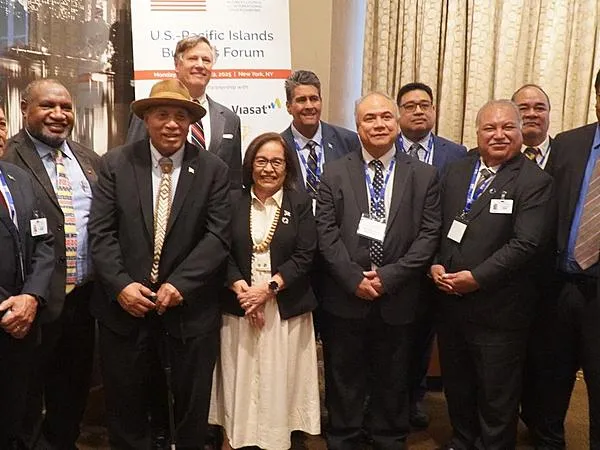
Prime Minister James Marape has appealed to the United States and its business community to deepen trade and investment ties with the Pacific, saying the region must be seen as a partner of prosperity rather than a passive recipient of aid.
Speaking at the US–Pacific Islands Business Forum on the sidelines of the United Nations General Assembly, Marape told business leaders and policymakers that Pacific nations were repositioning themselves as “big ocean nations” with untapped potential.
“We may be called small island states, but we are in fact big ocean nations,” Marape declared. “Our seas, our airspace, our forests, and our human capital are immense. The Pacific holds more than $3 billion worth of tuna and fisheries resources every year, yet our citizens remain among the lowest per capita earners in the world. This must change.”
The forum, hosted by the Business Council for International Understanding (BCIU) in partnership with Newmont, Viasat, and Atlas Air, drew attention to the Pacific’s strategic role in global trade and environmental stewardship.
Shared values
Marape took a moment to acknowledge the recognition of Papua New Guinea’s 50th Independence Anniversary and reflected on the common principles binding the Pacific and the United States.
“We are all democratic nations, we are all free market economies, and we are largely Christian nations,” he said. “These are the same values that the United States embodies and leads with globally. We congratulate the U.S. on its upcoming 250th anniversary of independence—a true testimony to the miracle of democracy and free market economy.”
His words drew nods from participants, many of whom saw parallels between America’s historical journey and the Pacific’s aspirations for economic transformation.
Moving beyond aid
Marape was firm in his message: the Pacific no longer seeks to be defined by aid dependency. Instead, he called for a shift toward trade, private sector investment, and fair partnerships.
“Aid and grant relationships are subservient; trade relationships elevate human dignity,” he stressed. “We welcome U.S. companies to invest in fisheries, green energy, tourism, downstream processing, and infrastructure. The Pacific must become a hub of prosperity, not dependency.”
US firms already in PNG
The Prime Minister also recognised American firms already shaping Papua New Guinea’s economy, including ExxonMobil, Newmont, Hilton, and Marriott.
He highlighted ExxonMobil’s liquefied natural gas (LNG) project as proof of the region’s ability to host long-term, capital-intensive ventures. The project, he noted, remains the largest single foreign direct investment in PNG since independence.
A vision for the Pacific
Marape closed his remarks with a reminder that the Pacific is not just a collection of scattered islands but a critical partner in global wellbeing.
“Our Blue Continent is more than a collection of islands—it is the world’s largest carbon sink, with oceans and forests that help sustain the planet,” he said. “Together with U.S. companies and global partners, we can build a Pacific that is prosperous, dignified, and respected.”
For Marape, the message was clear: the Pacific should be viewed not as a frontier of aid, but as a frontier of opportunity—where shared values and mutual respect can anchor lasting prosperity.
The Republic of Fiji has once again underscored the urgent need for renewed global commitment to climate action and stronger support for Small Island Developing States (SIDS).
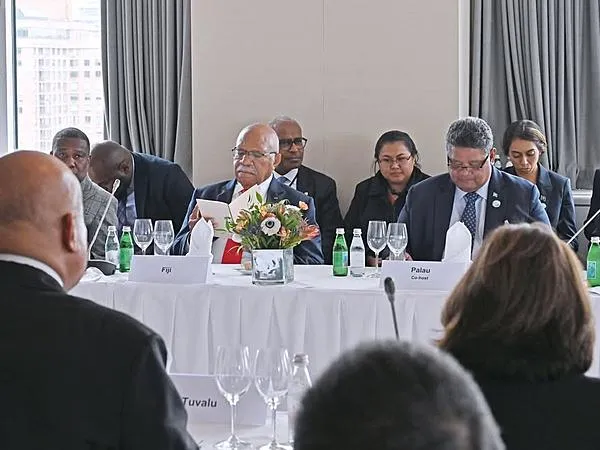
At a high-level side event held on the margins of the 80th United Nations General Assembly (UNGA80), Prime Minister Honourable Sitiveni Rabuka stressed that climate change continues to inflict severe and disproportionate impacts on Fiji and other SIDS, forcing nations to divert scarce resources from development priorities to rebuilding and recovery efforts.
The event, co-hosted by Palau and Germany, brought together heads of government and senior policymakers to deliberate on pressing challenges at the nexus of climate change, geopolitics and development finance.
In his address, Rabuka called on G20 nations to show leadership in tackling the climate crisis.
“Together, we continue to uphold principled leadership in advocating for stronger and more urgent climate action. As we look towards COP30 in Belem, Brazil, we must remain steadfast in our commitments dating back to 1992 — to hold major emitters accountable, ensure compliance with the Kyoto Protocol and deliver ambitious Nationally Determined Contributions (NDCs).”
The Prime Minister further highlighted the need for genuine partnerships to address debt vulnerabilities, expand access to climate finance and secure recognition of the unique challenges faced by SIDS within global financial frameworks.
Concluding his remarks, Rabuka reaffirmed Fiji’s commitment to working in solidarity with the global community to advance urgent, just and effective climate action.
The event served as an important platform for leaders to exchange perspectives on international climate policy, including the recent ICJ advisory opinion, preparations for COP30 and the continuing challenges of development and climate financing for SIDS.
Follow on LinkedIn:
PNG Business News
Be the "First" to get our exclusive Digital Magazine & Weekly Newsletter.