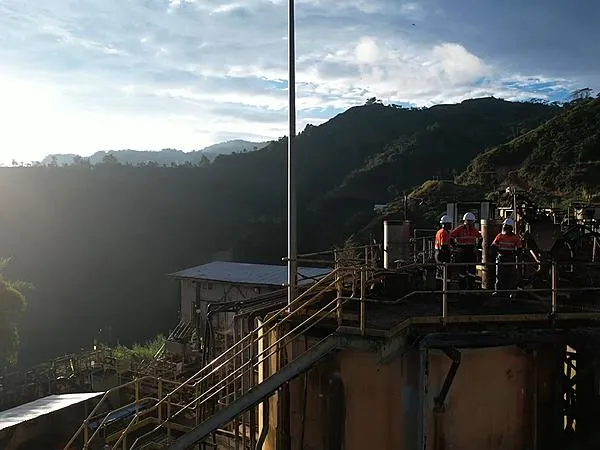
Australia is expanding its infrastructure investment in Papua New Guinea, with major programmes moving through procurement while a parallel skills initiative seeks to strengthen the workforce needed to deliver and maintain new projects.
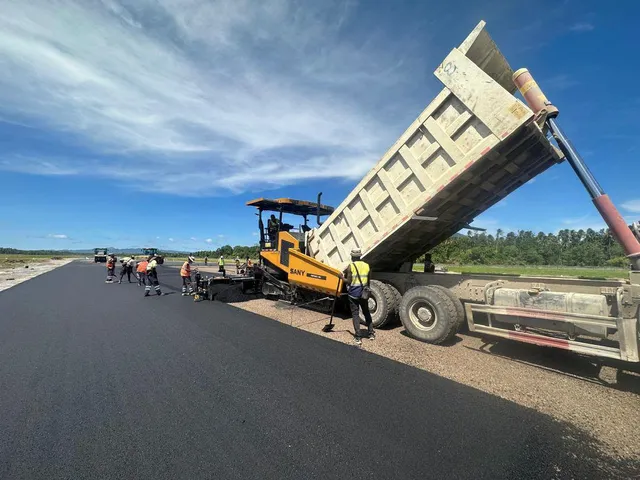
Australian infrastructure investment in PNG is increasing from about A$200 million a year to more than A$250 million, creating opportunities across construction, engineering, telecommunications, energy, health and professional services.
The programme is supported by more than A$1 billion already committed through the Australian Infrastructure Financing Facility for the Pacific (AIFFP) for infrastructure projects in PNG.
Australia's wider development assistance to PNG is estimated at A$680.5 million for 2026-27.
Several programmes are currently in procurement or planning, including the second phase of the Papua New Guinea Economic and Social Infrastructure Programme (ESIP2).
ESIP2 is intended to support infrastructure development across power, telecommunications and social sectors while strengthening the capacity of PNG organisations to plan, operate and maintain infrastructure assets.
Other areas of activity include health infrastructure and advisory programmes, the Western Province Partnership and further projects supported by the AIFFP.
In September, Australia also released a tender for quantity surveying services linked to the refurbishment of the GWARE building at ANGAU Memorial Provincial Hospital in Lae and the construction of new staff housing at Daru Hospital.
Alongside infrastructure investment, Australia is increasing its focus on workforce development.
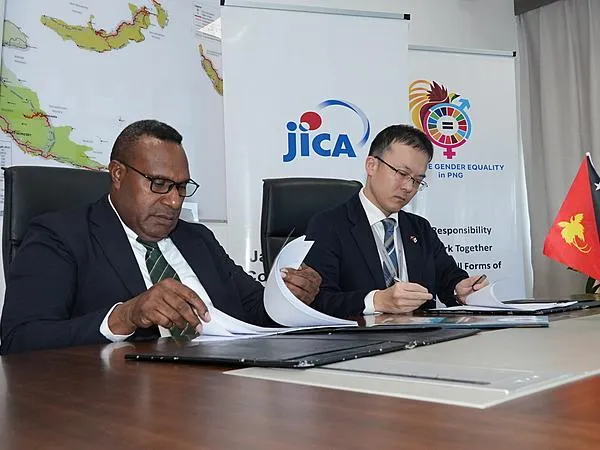
Pacific Australia Skills works with PNG institutions to provide training and Australian-accredited qualifications while strengthening local training providers. The programme is designed to complement the AIFFP and the Pacific Australia Labour Mobility scheme.
Earlier programmes, including the Australia Pacific Training Coalition and Skills for Sub-National Growth Investment, delivered full Australian qualifications to more than 4,000 Papua New Guineans in areas including construction, electrical trades, manufacturing, automotive, tourism, hospitality, health and community services.
The expanding infrastructure programme is expected to generate contracting opportunities for Australian and Papua New Guinean businesses while supporting efforts to build local skills and capacity alongside infrastructure development.