Papua New Guinea's central bank has raised its forecast for economic growth in 2026 to 3.5%, supported by stronger resources, construction and services activity, but expects growth to slow next year amid rising costs and risks from El Niño.
The Bank of Papua New Guinea (BPNG) upgraded its real gross domestic product growth forecast from 3% in its March outlook to 3.5% in September.
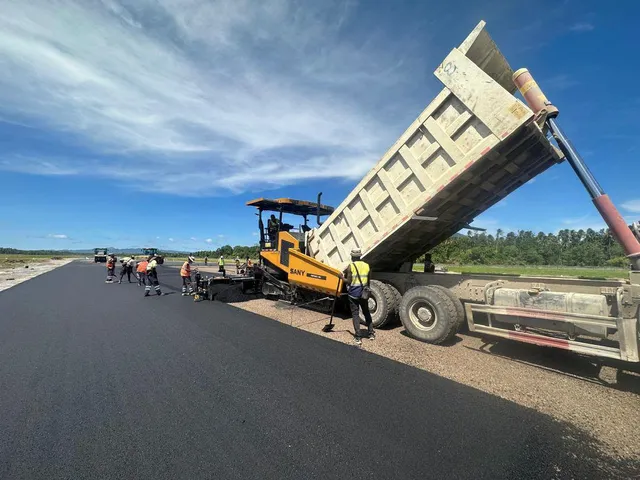
BPNG governor Elizabeth Genia said stronger mineral production, continued construction and infrastructure activity, and improved performance in parts of the services sector had supported the revision.
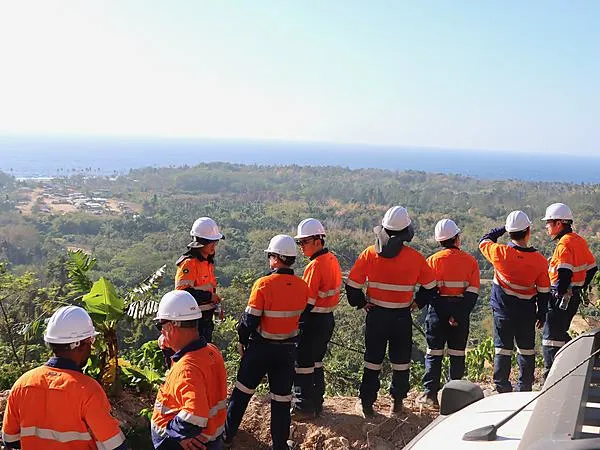
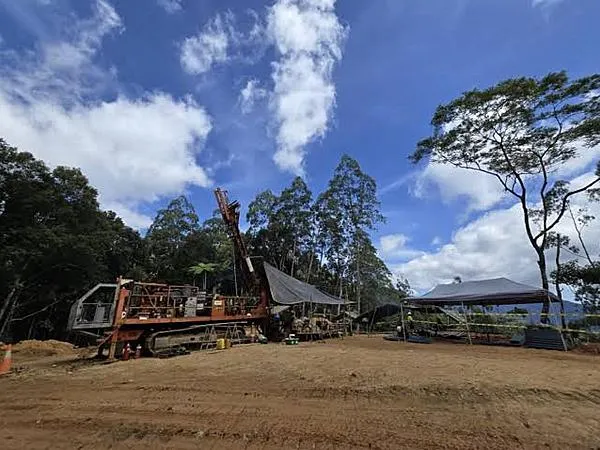
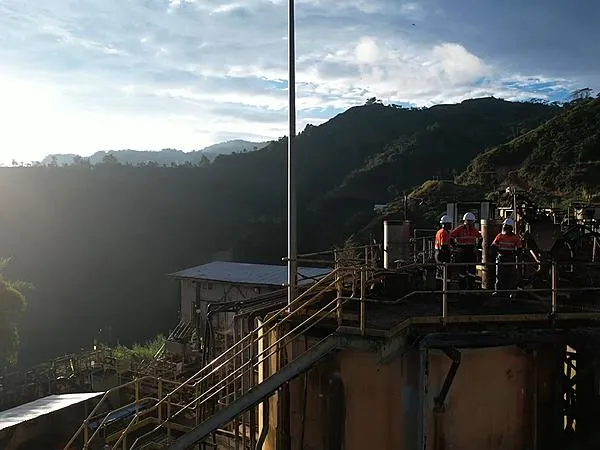
Higher production of gold, silver, nickel and liquefied natural gas has strengthened the resources sector, while communications, wholesale and retail trade, finance and infrastructure projects have also contributed to economic activity.
Growth is expected to moderate to about 2% in 2027 before recovering to around 3% in 2028.
BPNG said the weaker 2027 outlook reflected higher input costs and the expected effects of a developing El Niño weather pattern, particularly on agriculture.
Prolonged dry conditions could also affect water supplies, transport and power generation, the central bank said.
However, BPNG said its forecasts did not incorporate the full impact of major new resource projects. If those projects proceed and come on stream, they could lift medium-term economic growth above current projections.
Inflation has also emerged as a concern, with annual headline inflation rising to 5.3% in the June quarter from 2.2% in March. BPNG attributed the increase largely to higher food and energy prices and imported costs.
The central bank now forecasts headline inflation of about 5% in 2026 and 6% in 2027, before easing to around 4.5% in 2028.
BPNG has also modelled a more severe El Niño scenario based broadly on the 1997 event. Under that scenario, economic growth could fall to about 0.4% in 2027, while inflation could rise substantially above the central bank's baseline forecast.
The outlook points to continued activity in PNG's resources, construction and infrastructure sectors, while weather conditions, energy costs, freight expenses and weaker growth in parts of the non-mineral economy remain key risks.