Papua New Guinea has taken a decisive step toward reshaping its land governance framework, placing customary land reform at the centre of the country’s human rights, economic development and sustainability agenda.
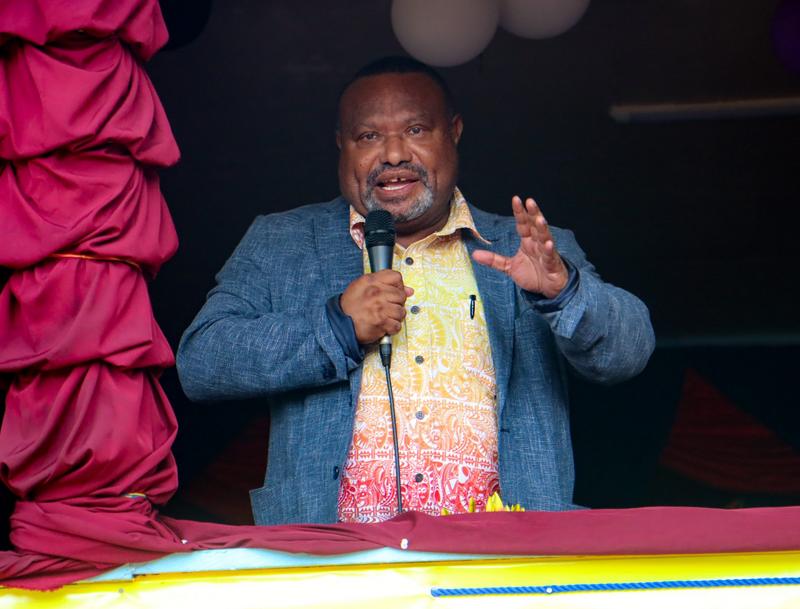
Chairperson of the Special Parliamentary Committee on Customary Land and Land Reforms, Keith Iduhu, underscored the urgency of protecting customary land systems while unlocking their potential to drive inclusive economic growth.
Iduhu was speaking at the High-Level Seminar on Customary Land and Human Rights held at APEC Haus in Port Moresby on Jan. 22. The seminar, organised in partnership with the United Nations in Papua New Guinea, brought together senior government leaders, development partners, civil society organisations and customary landowners.
The discussions focused on how international human rights standards can guide land governance reform in a country where approximately 97 per cent of land remains under customary ownership.
Despite marking 50 years of independence, Iduhu said colonial-era land laws and administrative systems continue to shape land governance in ways that disadvantage Indigenous landowners.
“Indigenous Peoples in Papua New Guinea are the custodians of our land, sustaining one of the world’s richest reservoirs of biodiversity, primary forest cover and cultural heritage,” he said. “Yet our country continues to experience land-related disputes and violence traceable to historic dispossession and alienation.”
Nationwide consultations conducted by the parliamentary committee revealed persistent challenges, including land grabbing, fraudulent transactions, forced evictions, informal settlements, internal displacement and growing climate-related pressures. The consultations also highlighted serious gaps in legal protection, enforcement and access to justice, particularly for vulnerable groups.
According to Iduhu, Papua New Guinea is at a critical development crossroads, with land reform emerging as a foundational issue for long-term economic and social stability.
“The way forward is clear, we must end land-related violence and corruption, safeguard the rights of Indigenous landowners to determine their own development priorities, ensure free, prior and informed consent, and recognise restitution as the primary remedy for historic land loss,” he said.
He confirmed that Parliament made significant progress in 2025 through amendments to the Lands Act and the introduction of new laws aimed at strengthening land governance. Building on these reforms, a Customary Land Reform Bill proposed by the committee is now being prepared for tabling in Parliament.
Customary Land Reform Bill in focus
The proposed legislation seeks to reform the legal framework governing the recognition, registration, governance and use of customary land, while harmonising customary practices with constitutional principles.
Key elements of the reform include strengthening land group incorporation mechanisms, establishing clearer dispute resolution processes, improving oversight and accountability, and ensuring decisions affecting customary land are grounded in free, prior and informed consent obtained through good-faith processes.
Iduhu said the reforms would position Papua New Guinea at the forefront of sustainable development by aligning national laws with international human rights standards.
Human rights and economic development
As a state party to the International Covenant on Economic, Social and Cultural Rights, Papua New Guinea has a legal obligation to progressively realise rights such as adequate housing, where secure land tenure is a critical component.
United Nations representatives at the seminar reaffirmed that secure and equitable access to land is essential to eradicating poverty, guaranteeing an adequate standard of living and protecting the right to a clean, healthy and sustainable environment.
“Land is far more than an economic commodity,” Iduhu said. “It is the basis for social, cultural and religious practices, and central to identity and community life.”
He also highlighted the disproportionate impact of poor land governance on women, stressing their right to own, use and control land and property on an equal basis with men.
Indigenous rights and UNDRIP
The seminar reaffirmed Papua New Guinea’s obligations under the United Nations Declaration on the Rights of Indigenous Peoples, which recognises Indigenous Peoples’ collective rights to lands, territories and resources traditionally owned or occupied.
UNDRIP explicitly prohibits forced removals from ancestral land and requires free, prior and informed consent, fair compensation and, where possible, the option of return. These protections are reinforced by International Labour Organization Convention 169.
The declaration also affirms Indigenous Peoples’ right to self-determination, allowing them to freely pursue their economic, social and cultural development.
Government reform agenda
Deputy Prime Minister and Minister for Lands, Physical Planning and Urbanisation John Rosso delivered the keynote address, describing the seminar as timely as the government advances major land reforms.
Rosso urged that land reform must move beyond theory and deliver tangible social and economic benefits to traditional landowners.
“With nearly 90 per cent of our land under customary ownership, this is a unique national resource,” he said, warning landowners against selling land for minimal short-term gains.
Instead, he encouraged communities to work with the Department of Lands to transform customary land into bankable assets that support long-term prosperity.
“The Land Partnership Program provides a structured and voluntary pathway for customary landowners to partner with the State and responsible investors to develop their land,” he said. “Under this program, land titles go to customary owners, income is managed sustainably, and long-term benefits for families, clans and future generations are prioritized.”
Rosso outlined reforms underway to modernise land administration and support housing development, including digitisation of land systems, partnerships with developers to reduce construction costs, the First Home Buyer’s Grant, consideration of tax reforms including GST exemptions for housing, implementation of strata title laws and amendments to technical legislation administered by the Department of Lands and Physical Planning.
“These reforms are aimed at ensuring every Papua New Guinean has access to affordable housing and secure land titles that support home ownership, access to finance and economic inclusion,” Rosso said.
Both leaders agreed the national conversation is shifting from simply owning land to empowering landowners, ensuring customary land is protected by law while responsibly unlocked for development that benefits communities rather than a select few.
Iduhu acknowledged that while progress has been made, secure tenure remains elusive for many Papua New Guineans. He cited the findings of the 2005 and 2019 National Land Summits as a clear roadmap that must now be fully implemented.
“By grounding land reform in internationally recognised rights and human rights law, Papua New Guinea can pursue development that is sustainable, inclusive and respectful of future generations,” he said.
The two-day seminar is expected to produce concrete recommendations to guide Parliament, government agencies and development partners toward a more just, peaceful and sustainable land governance system for Papua New Guinea.
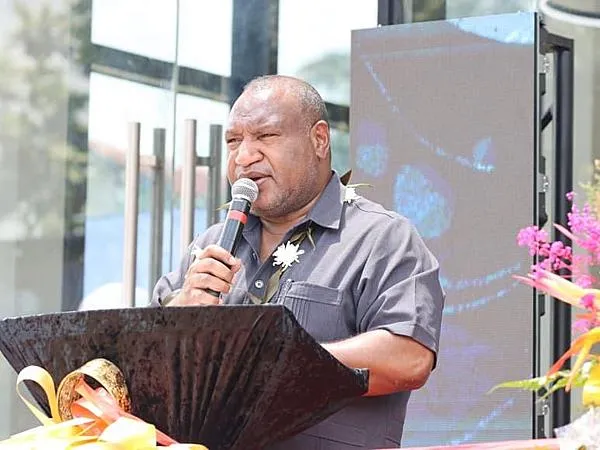
Papua New Guinea Prime Minister James Marape promoted the country as an investment destination of choice among global emerging markets during the 2026 World Economic Forum in Davos.
Speaking on a panel titled “Where are we with emerging markets?” at a WEF side meeting, Marape said Papua New Guinea’s economy has continued to grow despite heightened geopolitical tensions in the Pacific region.
He thanked the World Economic Forum for including Papua New Guinea in discussions on emerging markets and said the country’s geographic and political positioning underpins its appeal to investors.
“Papua New Guinea is placed in the middle of East and West, with our cultural affinity to the East and our democratic style of government with the West,” Marape said.
The prime minister said his government has pursued a foreign policy of “friends to all and enemies to none,” seeking to strike a careful balance in international relations while strengthening the country’s standing as an emerging economy in the post-COVID period.
As a result, he said, Papua New Guinea has recorded economic growth of more than 4 percent consistently over the past five years, while keeping inflation below the 50-year running average.
Marape said the government is working to diversify the economy away from its traditional reliance on mining and petroleum, with a greater emphasis on developing the non-resource sectors.
He told delegates that Papua New Guinea currently hosts two of the world’s largest oil and gas developers, TotalEnergies and ExxonMobil. ExxonMobil has operated the country’s flagship liquefied natural gas project since 2008, with first exports in 2014.
“Seventy percent of the US$22 billion project was bank financed, and that debt has recently been retired six months earlier than scheduled,” Marape said.
He said emerging markets are increasingly where new capital is concentrated, noting that capital “knows no boundaries” and will shift when markets become constrained or economic focus narrows.
Marape concluded by encouraging greater investment in emerging markets in South-East Asia and the Pacific, highlighting Papua New Guinea’s strategic location within the region.
Technology and communications specialist TE (PNG) Limited has achieved a national first, receiving Papua New Guinea’s inaugural approval from the National Information and Communications Technology Authority (NICTA) to trial a fixed land OneWeb Low Earth Orbit (LEO) satellite service in Port Moresby. Live testing has now commenced, marking a significant milestone in the evolution of enterprise-grade connectivity across the country.
The approval enables TE PNG to conduct the first fully compliant, in-country OneWeb trial, positioning the company at the forefront of next-generation satellite communications in PNG. The trial is being delivered in partnership with Sat.One, with whom TE PNG has been working since 2022 to introduce OneWeb capabilities to the local market.
Built for Enterprise, Not “Best Effort”
OneWeb operates a global low-Earth-orbit satellite constellation engineered specifically for enterprise and government applications. Unlike consumer-focused LEO services, OneWeb delivers a managed, commercial-grade platform with defined performance profiles, traffic management, and the ability to design resilient, end-to-end enterprise architectures.
Compared to traditional geostationary (GEO) satellite services, OneWeb offers dramatically lower latency and higher responsiveness. More importantly for mission-critical operations, it provides predictability, control, and long-term supportability—attributes essential for sectors such as mining, maritime, aviation, utilities, government, and critical infrastructure, where connectivity reliability is non-negotiable.
Expanding Connectivity Options Across PNG
With NICTA approval now in place, TE PNG is able to design, deploy, and support a broad range of OneWeb solutions nationwide, including:
Fixed land OneWeb services for offices, sites, and facilities across Papua New Guinea
Mobile land solutions for vehicles and remote operations
Maritime OneWeb services for vessels operating within PNG waters
All services will be installed, monitored, and maintained locally by TE PNG as a licensed PNG provider, ensuring compliance, technical accountability, and on-the-ground support.
Industry Collaboration Years in the Making
TE PNG Managing Director Robbie Huxley described the milestone as the culmination of several years of groundwork and collaboration.
“I’ve been working with Sat.One to bring OneWeb services to Papua New Guinea since 2022. It’s incredibly rewarding to now be conducting the first fully fledged, fully approved OneWeb test in-country with the OneWeb team,” Huxley said.
He acknowledged the early foundations laid through previous satellite deployments, including the country’s first use of Kymeta flat-panel antennas for maritime and land-mobile applications using GEO connectivity.
“Daniel Fairbairn and I first met in 2022 to discuss what this could become. That early work laid much of the foundation for what we are doing today,” he said.
More Tools for Better Solutions
Huxley emphasised that OneWeb is not positioned as a replacement for existing services, but as another critical tool in a rapidly diversifying connectivity landscape.
“No single service is a one-size-fits-all answer. OneWeb, like Starlink, Amazon LEO, Intelsat, Digicel, Vodafone, and countless other technologies, simply gives us more options. More options mean we can design the right solution for each customer, rather than forcing every problem into the same box.”
A Step Forward for PNG’s Digital Resilience
The OneWeb trial represents a major step forward for resilient, high-performance connectivity in Papua New Guinea, particularly for organisations operating in remote, mobile, or high-risk environments.
“This is just the beginning,” Huxley said. “The satellite and connectivity landscape is changing rapidly, and we are proud to be part of that change—bringing new technologies and capabilities to PNG so our customers can operate, grow, and connect with confidence.”
As testing progresses in Port Moresby, the trial is expected to inform broader enterprise deployments, reinforcing PNG’s readiness to adopt advanced satellite technologies that support economic growth, national infrastructure, and digital transformation.
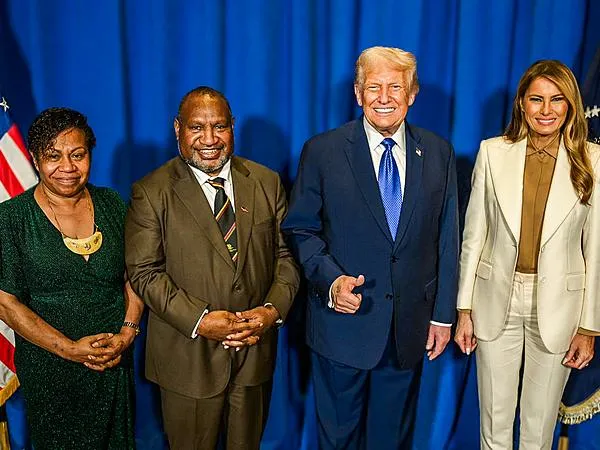
The U.S. Embassy in Port Moresby announced that Prime Minister James Marape met with U.S. President Donald J. Trump during the United Nations General Assembly (UNGA) in New York. The historic exchange underscores the strong partnership and close friendship between Papua New Guinea (PNG) and the United States.
The meeting follows a landmark visit to Port Moresby by Deputy Secretary of State Christopher Landau and head of U.S. Indo-Pacific Command Admiral Paparo to celebrate 50 years of PNG’s independence and of diplomatic relations with the United States.
Under the first Trump Administration, the United States reprioritised the Pacific Islands region in its foreign policy, advancing shared strategic objectives through economic growth, infrastructure development, connectivity, and security cooperation. The second Trump Administration has renewed its commitment to a free and open Pacific Islands region.
In July 2025, Prime Minister Marape visited Washington, D.C., meeting Vice President JD Vance, Deputy Secretary Landau, and senior defence leaders, including Admiral Christopher Grady. These meetings reaffirmed PNG’s importance to the United States and laid the groundwork for the U.S.-PNG Framework for Strategic Cooperation, signed in Port Moresby during the 50th anniversary celebrations. Following his meeting with President Trump, Prime Minister Marape has now engaged with the full spectrum of U.S. leadership, highlighting PNG’s central role in promoting a free, open, and secure Indo-Pacific.
During the September celebrations in Port Moresby, Deputy Secretary Landau hosted a U.S.-Pacific Islands Forum Roundtable, announcing a reinvigoration of partnerships and realignment of mutual priorities to deliver concrete benefits for both Americans and Pacific Islanders.
The Framework for Strategic Cooperation sets priorities for the next 50 years of U.S.-PNG relations, covering defence, maritime security, law enforcement, critical minerals, infrastructure, economic and commercial development, and the digital economy.
Security and Law Enforcement Cooperation
On 22 May 2023, the United States and PNG signed the Shiprider Agreement to counter maritime threats such as illegal fishing, drug trafficking, migrant smuggling, and illicit arms transport. Joint patrols under the agreement strengthen maritime governance in the Pacific and deter illegal activity in PNG’s Exclusive Economic Zone (EEZ). In 2024, U.S. Coast Guard cutters conducted two patrols with PNG authorities, carrying out 14 boardings to safeguard PNG’s maritime resources.
The United States is also investing $11 million in foreign military financing to enhance PNG’s humanitarian assistance, disaster relief, maritime security, domain awareness, and defence force professionalisation. PNG’s participation in the 2025 multilateral Exercise Talisman Sabre, including hosting a component outside Australia for the first time, demonstrates the PNG Defence Force’s growing regional role.
The U.S. Department of State’s Bureau of International Narcotics and Law Enforcement Affairs (INL) will provide a resident advisor from the Department of Homeland Security’s Federal Law Enforcement Training Centers (FLETC) to support police recruitment, training, and retention, aligning with Prime Minister Marape’s law-and-order agenda.
Economic Cooperation and Investment
The Framework also emphasises economic, commercial, and digital collaboration. U.S. businesses are major investors in PNG, including ExxonMobil, Newmont, Coca-Cola, Hilton, and Marriott. The 2022 launch of the American Chamber of Commerce Coral Sea provides an advocacy and networking platform for American companies in the region.
The American DGCI Corporation recently broke ground on a $498 million U.S.-funded fuel storage facility near Port Moresby Harbour. Implemented under the 2023 U.S.-PNG Defence Cooperation Agreement, the facility will create jobs, enhance energy security, and diversify the fuel market with a capacity of over 1.6 million barrels.
The Framework establishes policies to attract U.S. private sector investment, promote sustainable critical minerals development, expand trusted digital infrastructure, and strengthen cybersecurity practices.
Shared History and Future
The U.S.-PNG relationship extends beyond government cooperation to people-to-people connections. The U.S. Embassy facilitates scholarships and visas for PNG students and supports sister city partnerships linking Port Moresby with Long Beach, California, and Madang with Poplar, Wisconsin.
In celebration of PNG’s 50th independence anniversary, five young Papua New Guineans will participate in a three-week International Visitor Leadership Program in November under the theme “Youth in the Political Process,” reflecting investment in future leaders.
Celebrating 50 Years of Partnership
Deputy Secretary Landau and Admiral Paparo’s visit marked both PNG’s 50th Independence Anniversary and the 50th anniversary of U.S.-PNG diplomatic relations. The United States was among the first to recognise PNG’s independence in 1975. Deputy Secretary Landau said, “The United States is proud to mark 50 years of partnership with Papua New Guinea,” while U.S. Ambassador Ann Marie Yastishock emphasised the framework builds on five decades of shared values and vision.
The U.S. Embassy celebrates the meeting between Prime Minister Marape and President Trump, the visit by Deputy Secretary Landau, and the launch of a new era of U.S.-PNG partnership, demonstrating the United States’ commitment to peace, prosperity, and security in PNG and across the Pacific.
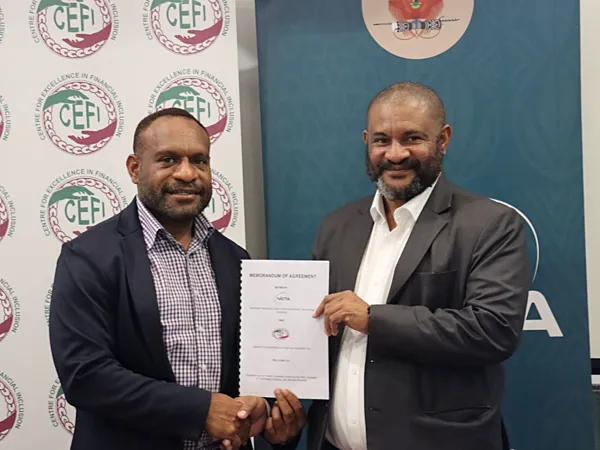
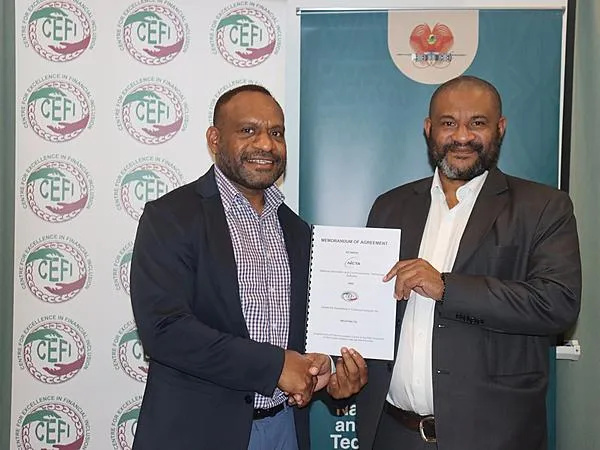
The Centre for Excellence in Financial Inclusion (CEFI) and the National Information and Communications Technology Authority (NICTA) have signed a two-year Memorandum of Agreement (MoA) to establish a dedicated Fintech Incubation Centre at the Papua New Guinea University of Technology (Unitech) Taraka Campus in Morobe Province.
The agreement was formalised on 12 January 2026, with CEFI Acting Executive Director Mr Peter Samuel and NICTA Acting Chief Executive Officer Mr Polume Lume signing the MoA at the Unitech campus.
The centre is designed to support the growth of home-grown financial technology solutions by offering mentorship, funding opportunities, technical expertise and networking support to aspiring fintech entrepreneurs nationwide.
Funding of up to K374,000 will be provided through NICTA’s Universal Access and Service (UAS) Trust Fund, enabling the procurement of fixed broadband connectivity and modern ICT equipment needed to establish a state-of-the-art facility.
Once operational, the incubation hub will provide high-speed internet, a well-equipped resource centre, business development support and access to financial expertise from CEFI, creating an environment that nurtures innovation in areas such as digital payments, mobile banking and other inclusive financial services tailored to the PNG context.
The initiative will place special emphasis on empowering women and youth in the digital economy and strengthening linkages between academia, government and the private sector.
CEFI said the partnership reflects a shared commitment to building a stronger fintech ecosystem that enhances financial inclusion and expands technology-led opportunities in Papua New Guinea.
If you’re pasting this into Word, InDesign, CMS, or email and still seeing size issues, tell me which platform and I’ll adjust it precisely for that format.
Prime Minister James Marape has launched a comprehensive review of Papua New Guinea’s state-owned enterprise (SOE) governance system, citing persistent blackouts, water shortages and underperformance as key concerns.
Speaking during Cabinet, Marape said the government is examining the entire Kumul Consolidated Holdings (KCH) structure and how major utilities, including PNG Power, PNG Water and Air Niugini, report through multiple governance layers.
“We are also looking at the entire KCH structure — how PNG Power reports to the mother board, how PNG Water reports to the mother board, how Air Niugini reports to the mother board,” he said. “I think a couple of layers of boards have become a quagmire. That in itself can be an impediment.”
The Prime Minister noted that excessive bureaucratic layers have delayed decisions, weakened accountability, and slowed urgent investment and maintenance.
“Our citizens have been laboring too much on blackouts, water issues — all of this,” he said. “We are taking a holistic look into all this.”
Fixing structure, not just politics
Marape emphasised that the review is not a political exercise or ministerial reshuffle but a structural reform of the “engine room” of service delivery.
“Just like we are looking at the entire central government structure, we are also looking at the KCH structure,” he said. “This review will not only be at Cabinet level, but more importantly at the structural level of these key government institutions.”
He said the goal is to create a streamlined, professional, and accountable system that allows SOEs to function efficiently while maintaining integrity, due process, and good governance.
“We want a structure that is tidy — that allows for expeditious work without compromising integrity, due process and good governance,” Marape said.
One-month deadline for reform blueprint
The Prime Minister said the government expects the review to be completed within a month, led by the Chief Secretary in close consultation with Cabinet.
“The Chief Secretary is under the pump this week and this month,” Marape said. “Today, as we start our Cabinet, we will be running this work so that we put in place the correct structure of government that is working to serve our people, come what may.”
Marape stressed the reform is designed to create a long-term, sustainable framework that will serve future governments after the 2027 General Election.
“In 2027, whoever takes office must inherit a structure that is already fit for service — not one they must struggle to fix,” he said. “We want a system that can serve our people better, not one that slows them down.”
The review will examine governance, reporting lines, board structures, and accountability frameworks across all major SOEs, with particular focus on electricity, water, and aviation — sectors critical to households, businesses, and national economic growth.
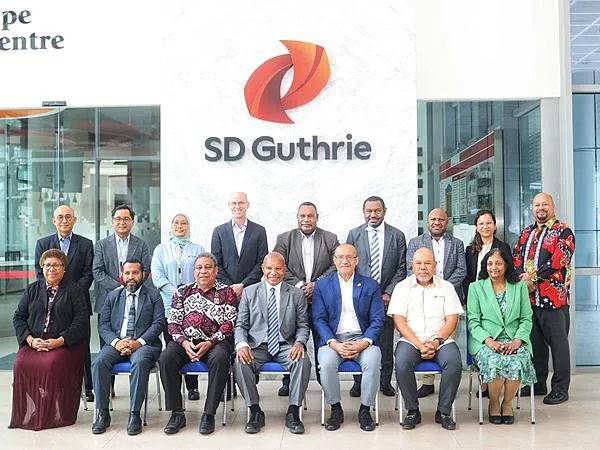
The board of SD Guthrie, owner of New Britain Palm Oil Ltd., has agreed in principle to commence negotiations with the Government of Papua New Guinea on a long-term business partnership, including potential equity participation by the state in Ramu Agri Industries.
The agreement followed a special board meeting held in Kuala Lumpur during a visit by Minister for International Trade and Investment Richard Maru, who met SD Guthrie’s board and management to advance discussions on the state’s proposed acquisition of shares in Ramu Agri Industries.
Under the proposal, SD Guthrie would partner with the PNG government from this year as equity partners, alongside other domestic and international investors, to develop large-scale agricultural projects across the country.
“The State’s interest to buy into RAI is for us to use the company as a vehicle to invest and develop, initially, the vast Sepik Plains for cattle and palm oil development, sugar in Abau of central province, and coconut projects in the coastal regions. We want to invite our PNG investors like Nasfund, Nambawan Super and Pacific Balanced Fund to join us to buy into this very important and exciting agriculture company,” Maru said.
He said PNG remained heavily reliant on imports despite its agricultural potential.
“PNG is currently a net importer of beef meat and refined sugar when we should be producing enough for our domestic consumption and export. We are also an exporter of crude coconut oil and palm oil with limited processed coconut oil,” he said.
“As we reflect on our country’s economic development over the last 50 years, we have failed to unleash our full agriculture sector, and this had resulted in over a million youths of our country remaining unemployed, disengaged and disenfranchised, leading to so many problems in the country including the high crime rate,” Maru said.
“We are now determined to find a partner to grow all the cattle and sugar we need to replace imports and be net exporters and to grow our palm oil and coconut industries. We have millions of hectares of undeveloped land right across the country for large scale commercial agriculture development.”
The National Executive Council has approved in principle the government’s plan to partner SD Guthrie to invest in large-scale agricultural development, particularly in the upstream and downstream segments of the palm oil, sugar, cattle and coconut industries.
“Our Government has made a very conscious decision to partner SD Guthrie because it is a publicly listed company with over 100 years of experience, it is from a country that has a matured oil palm industry, and it brings to the table its expertise, capital and oil palm research capabilities that are unrivalled globally,” Maru said.
“We also understand that SD Guthrie has no more land available for expansion in Malaysia, except in PNG, hence, this partnership will be an excellent strategic fit for both PNG and SD Guthrie with long-term mutual benefits,” he said.
Maru also invited SD Guthrie to partner with the government and a Sri Lankan investor in downstream coconut processing and upstream plantation development. He urged the company to expand its corporate social responsibility programs in provinces and districts where it operates and to extend tax credit programs beyond West New Britain Province to areas such as Madang, Milne Bay and Oro.
The minister and his delegation, which included Madang Gov. Ramsey Pariwa, senior officials from the Department of International Trade and Investment and the Special Economic Zones Authority, also visited SD Guthrie operations during the trip.
“We were particularly impressed with their Research and Development (R&D), global network of downstream and sales and marketing operations in over 96 countries, their status and influence as the leading publicly listed oil palm company of Malaysia with the largest landbank, their very strong balance sheet and Triple B credit rating, and their recent decision to go into renewal energy to become a negative carbon footprint company with 100 percent RSPO certification of its total operations,” Maru said.
“This was a very insightful visit and we are convinced beyond any reasonable doubt that SD Guthrie would be the best possible partner for our Government to enter into a long-term partnership with to develop the agriculture sector of PNG in the next 50 years as part of the Reset Agenda of the Marape-Rosso Government,” he said.
The state is now awaiting a formal offer letter from SD Guthrie, expected on or before Jan. 21. A full feasibility study is scheduled to begin next month, with a team of scientists to conduct soil sampling and an aerial survey of the Sepik Plains.
“Whilst the feasibility studies will commence next month, the company made it very clear that in the State Project Agreement they will sign with the Independent State of Papua New Guinea, the Government has to commit to building an international wharf at Wewak, upgrading and sealing the roads into the Sepik Plains, specifically in the project area, proving key enablers like power, bridges, police and security services, and providing State land and mobilizing customary land for large scale agriculture development,” Maru said.
The delegation also paid a courtesy visit to the Malaysian Palm Oil Board headquarters to discuss Malaysia’s regulatory framework, research platforms and technology development initiatives relevant to PNG’s agricultural ambitions.
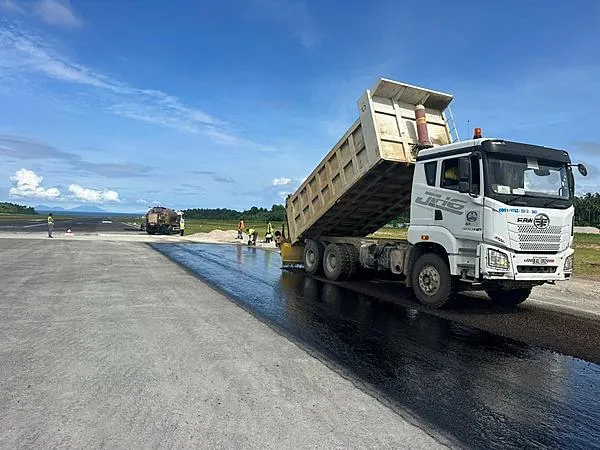
The National Airports Corporation (NAC) has advised the travelling public and stakeholders that the runway at Hoskins Airport in West New Britain will be further shortened to allow for essential upgrade works, with Stage 4 of the Method of Works Plan (MOWP) expected to commence by the end of the week, subject to the issuance of a Notice to Airmen (NOTAM).
In a public advisory, NAC said the contractor began the first stage of the runway upgrade in October 2025 and has since completed Stages 2 and 3. Works continued through the festive season to ensure uninterrupted operations for Fokker and similar or smaller aircraft during the peak travel period.
“With operations now normalised outside the peak season, preparations are under way to commence Stage Four,” NAC said.
The existing runway, which measures 1,900 metres, will be shortened by 490 metres once Stage 4 begins, leaving an available operational length of 1,410 metres. NAC said this will continue to accommodate Q400, ATR, Dash 8 and similar or smaller aircraft types.
The corporation noted that the timing of the works will depend on prevailing weather conditions and that any changes to the schedule will be communicated in due course.
NAC said the upgrade is critical and will significantly enhance safety, security standards and overall operational performance at Hoskins Airport. The corporation added it is working closely with the contractor to ensure the project progresses smoothly, with minimal disruption, and is completed within the planned timeframe.
“We sincerely apologise for any inconvenience these temporary restrictions may cause,” NAC said. “We thank the travelling public, airline operators, the business community, the people of West New Britain and Papua New Guinea for their understanding and cooperation as we progress with these important upgrade works.”
The advisory was approved for release by Dominic Kaumu, ML OBE, Acting Managing Director and Chief Executive Officer of the National Airports Corporation Ltd.
The National Information and Communications Technology Authority (NICTA) and the Centre for Excellence in Financial Inclusion Inc. (CEFI) have entered into a two-year Memorandum of Agreement (MoA) to establish a dedicated FinTech Incubation Centre at the Papua New Guinea University of Technology (Unitech) Taraka Campus in Morobe Province.
The initiative aims to support the development of home-grown digital financial solutions by providing infrastructure, mentorship and technical support to fintech entrepreneurs and start-ups across the country.
Under the agreement, NICTA’s Universal Access and Service (UAS) Scheme will provide funding of up to K374,000 through the UAS Trust Fund. The funding will support the procurement of fixed broadband connectivity and modern ICT equipment to create a state-of-the-art fintech incubation facility at the university.
Once operational, the centre will serve as a nurturing hub for Papua New Guinean fintech innovators, offering access to high-speed internet, a fully equipped resource centre, business development support and financial expertise delivered by CEFI. The facility is expected to play a critical role in accelerating innovation in digital payments, mobile banking, financial literacy tools and inclusive financial services tailored to the local context.
The centre will place particular emphasis on empowering women and youth, recognising their growing role in the digital economy and the need to expand participation in technology-driven financial services.
NICTA Acting Chief Executive Officer Polume Lume, speaking at the MoA signing, highlighted the importance of collaboration in advancing the Government’s digital and economic development agenda.
“This collaboration exemplifies strong partnerships: NICTA, as a government authority, teams up with CEFI—a key player in financial inclusion—to deliver expertise and resources, while leveraging Unitech’s academic environment for talent development,” Lume said.
“We extend this to the private sector by creating a hub where start-ups can access tools, investors and markets, fostering public-private synergies that ensure long-term sustainability beyond the two-year term. Targeting local communities, the centre prioritises PNG-specific solutions, offers controlled public access, and builds capacity in Morobe Province, ensuring benefits reach grassroots levels and contribute to inclusive growth,” he added.
The initiative aligns with key Government policy priorities, including improving access to broadband connectivity, promoting digital innovation and supporting economic growth through technology and entrepreneurship. It also complements national efforts to strengthen financial inclusion by expanding access to affordable, secure and digital financial services, particularly for underserved and rural communities.
CEFI said the partnership reflects a shared commitment to building a robust fintech ecosystem that supports innovation while addressing real-world financial challenges faced by Papua New Guineans.
The FinTech Incubation Centre is expected to position Morobe Province as an emerging hub for digital innovation, while strengthening linkages between academia, government and the private sector to support sustainable development in Papua New Guinea.
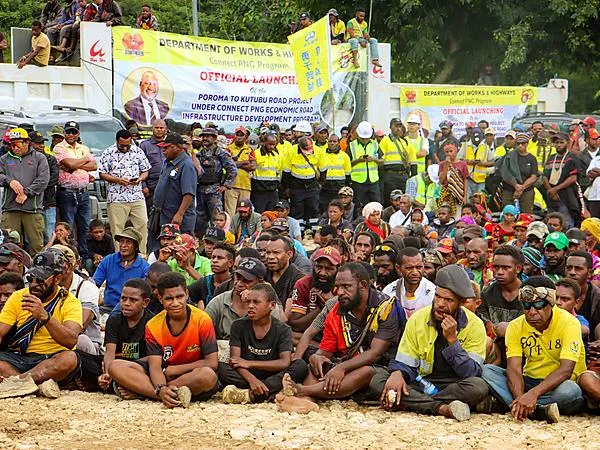
Communities in Kutubu and Bosavi have marked a major infrastructure milestone with the official launch of the Poroma–Kutubu Road Sealing Project on Wednesday, January 7, 2026, signalling a new phase of connectivity and development for the Kutubu district.
The 106-kilometre road project, valued at K370 million, is expected to significantly improve access, transport efficiency and economic activity in one of Papua New Guinea’s historically important resource regions.
The launch was officiated by Prime Minister James Marape, Southern Highlands Governor William Powi, Defence Minister Dr Billy Joseph, Works Secretary Gibson Holemba, and Mineral Resources Development Company (MRDC) Managing Director Augustine Sanga Mano. They were joined by landowners, local leaders and community members from across Kutubu and Bosavi.
Addressing the gathering, MRDC Managing Director Augustine Mano described the project as long overdue recognition for a region that has played a critical role in supporting the national economy.
“On behalf of the landowners of Kutubu, I thank the Defence Minister Dr Billy Joseph for prioritising this project and the Marape–Rosso Government for this development,” Mr Mano said.
He highlighted Kutubu’s historic contribution to Papua New Guinea, noting that between 1992 and 2014, the Kutubu Oil Project produced up to 150,000 barrels of oil per day and paid 50 percent tax to the State.
“When the Panguna Mine was no longer operating, it was Kutubu oil that helped carry the nation. This was made possible through the sacrifices of the people of Kutubu and Bosavi,” he said.
Beyond the road, MRDC and its subsidiary Petroleum Resources Kutubu (PRK) are rolling out a suite of long-term social and economic investments aimed at sustaining development in the district.
Among these is the recently commissioned K14 million Waro High School, which is now providing improved access to quality education for more than 20 communities in Kutubu and Mt Bosavi.
PRK has also announced plans to upgrade Pimaga Hospital to a Level Four facility, mirroring the recent PRK-funded upgrade of Ialibu Hospital, to enhance healthcare services for remote and rural populations.
To improve connectivity, MRDC is working with Santos and PNG Air to introduce two flights per week from Moro Airport, providing more reliable air transport for the district.
The company is also investing in tourism as an alternative economic driver. A new hotel in Moro is scheduled to open in April, while the Heritage Hotel in Kikori is expected to open in March this year.
“These investments will support SMEs, create jobs, and grow tourism in Kutubu,” Mr Mano said.
The Poroma–Kutubu Road Sealing Project, together with these complementary developments, is expected to strengthen service delivery, stimulate local enterprise and improve the quality of life for communities that have long underpinned the nation’s resource economy.
The Bank of Papua New Guinea’s Monetary Policy Committee (MPC) has maintained the Kina Facility Rate (KFR) at 5.0 percent following its final meeting for 2025, signalling continuity in monetary policy settings amid moderating global growth and evolving domestic economic conditions.
The decision was announced on 2 December 2025 after the Committee met to assess current and projected economic and financial conditions. According to the MPC, the existing policy stance remains appropriate to support an orderly adjustment of the exchange rate, contain inflationary pressures and sustain economic growth.
Global conditions present a mixed outlook
The MPC noted that global economic activity continues to moderate as major central banks persist with tight monetary policy to manage inflation. While commodity prices remain broadly stable, energy and food markets continue to experience volatility due to ongoing geopolitical tensions.
These developments have had mixed implications for Papua New Guinea, with stronger export receipts from key commodities partly offset by higher import costs, particularly for fuel and food items.
Despite global uncertainties, economic activity in Papua New Guinea has remained resilient, underpinned by strong performance in the agriculture, manufacturing and mineral sectors. Employment conditions have continued to improve, especially in transport, wholesale and mining-related industries, while private sector confidence has shown gradual strengthening.
However, the MPC highlighted ongoing structural challenges within the financial system, noting that access to credit remains uneven. Liquidity imbalances across the banking system continue to constrain broader economic activity, limiting the effectiveness of monetary policy transmission to the private sector.
Headline inflation is projected to remain moderately elevated, driven primarily by higher prices in alcoholic beverages, tobacco and betelnut (ABTB), as well as increases in transport and communication costs. In contrast, core inflation remains contained, supported by Goods and Services Tax (GST) exemptions on essential goods.
The MPC reaffirmed that the crawl-like exchange rate arrangement continues to facilitate a gradual and orderly depreciation of the kina. This mechanism is aimed at correcting the currency’s overvaluation while improving external competitiveness and supporting balance-of-payments stability.
Monetary policy actions in 2025
During 2025, monetary policy adjustments were targeted at addressing system liquidity constraints and improving policy transmission. The MPC increased the KFR from 4.0 percent to 5.0 percent in September, a move aimed at stabilising inflation expectations and reinforcing the exchange rate as the nominal anchor for monetary policy.
In parallel, the Cash Reserve Requirement (CRR) was reduced from 12.0 percent to 9.0 percent, implemented through one-percentage-point reductions in March, June and September.
Despite these measures, the Committee observed limited responsiveness in private sector lending and deposit rates, underscoring the need for further review of the monetary policy framework.
Ongoing monitoring and policy commitment
The MPC said it will continue to closely monitor both domestic and global developments, with particular attention to inflation trends, exchange rate movements and liquidity conditions within the banking system.
The Committee reaffirmed its commitment to ensuring that monetary policy decisions are effectively transmitted through the financial system to support price stability, sustainable economic growth and external balance.
The Monetary Policy Statement was issued on behalf of the Committee by Ms Elizabeth Genia, Governor of the Bank of Papua New Guinea, following MPC Meeting 4/2025.
Prime Minister James Marape has launched Papua New Guinea’s National Fisheries Authority (NFA) Monitoring, Control and Surveillance (MCS) Command Centre in Daru, describing the facility as a critical step in protecting national sovereignty, securing marine wealth and strengthening the fisheries sector as a major pillar of the country’s future economic independence.
Commissioning the Command Centre in a single official address in Daru on 6 January, the Prime Minister said the facility marks a shift from policy intent to practical delivery, particularly in safeguarding PNG’s vast and resource-rich Exclusive Economic Zone.
“Today it is a proud milestone moment for our nation. Though seemingly small, it is a big step in the right direction in the protection of our resources, our sovereignty and our future,” Prime Minister Marape said.
He commended NFA Managing Director Justin Ilakini and his team for advancing the Fisheries Strategic Plan 2021–2030 and the Government’s Medium Term Development Plan IV, noting that decisive action had been taken without delay.
“You did not wait for a second or third round of instruction. You took heed of Government policy and got to work,” he said.
Safeguarding marine wealth and national sovereignty
The Prime Minister highlighted Papua New Guinea’s strategic maritime advantage, describing its waters as among the most productive in the Pacific, nourished by extensive river systems flowing into both northern and southern seas.
“Our waters are amongst the most fertile and richest in the Pacific. These resources must not only benefit us today, but must be preserved and harvested sustainably for our children and generations to come,” he said.
He stressed that illegal fishing would no longer be tolerated, citing recent enforcement actions as evidence of the Government’s resolve.
“Papua New Guinea is not a place for illegal fishing. Enough is enough. Take Back PNG is about stopping the theft of our resources,” Prime Minister Marape declared.
Technology, surveillance and strategic partnerships
The Daru-based Command Centre, supported by advanced satellite surveillance technology, will enable real-time monitoring of maritime activity across PNG waters and allow rapid response through patrol vessels and coordinated security operations.
“Through technology and partnerships with Australia, the United States and our regional neighbours, we can now see what is happening in our waters and act decisively,” he said.
While delivering a strong enforcement message, the Prime Minister reassured legitimate investors that Papua New Guinea remains open for business, provided investments comply with national laws and sustainability requirements.
“Come through the front door. Fish properly, invest properly, give back to landowners and the nation, and we will all prosper together,” he said.
Fisheries positioned as an economic anchor
Positioning fisheries as a long-term economic driver, Prime Minister Marape said the sector has the potential to underpin a substantial share of the national economy if properly regulated and protected.
“Fisheries is a sector that could anchor, in my view, 40 to 50 percent of our economy going forward,” he said.
He emphasised that strong monitoring and enforcement are essential to unlocking this potential, noting that resource protection is a fundamental responsibility of any sovereign state.
“The number one responsibility of any sovereign nation is to ensure its resources and its people are safe,” he said.
Strengthening maritime presence and security
The Prime Minister said the Daru Command Centre strengthens PNG’s presence in strategically sensitive maritime areas, particularly in provinces bordering international waters.
“We are stepping up with technology, stepping up with partnerships, and stepping up with actual patrols on the sea,” he said.
He praised cooperation between the NFA, the PNG Defence Force, border and immigration agencies, and international partners including Australia and Indonesia, highlighting their collective role in addressing illegal fishing, drug smuggling and transnational crime.
“This is not a rundown democracy. Our institutions are functional, our security forces are operational, and our partners stand ready to work with us,” Prime Minister Marape said.
Turning to Western Province, the Prime Minister acknowledged its long-standing contribution to the national economy and reiterated the Government’s commitment to ensuring resource-producing regions benefit directly from development.
“Western Province has sustained this country for decades. Your contribution to the economic viability of Papua New Guinea is recognised and appreciated,” he said.
He urged fisheries investors to prioritise local participation and downstream value-adding.
“Incubate local SMEs, buy from local people, involve landowners and work side by side with communities,” he said.
Commitment to Daru infrastructure renewal
Beyond fisheries, the Prime Minister used the visit to outline a broader national focus on revitalising Daru town, describing it as strategically vital due to its history, geography and international significance.
“Daru must return to the space it once occupied — as one of the leading towns in our country,” he said.
He noted that Western Province is PNG’s largest province by landmass, rich in natural resources and river systems, and uniquely positioned with direct borders with Australia and Indonesia.
“No other province carries this level of strategic importance,” he said. “What happens in Daru matters not only to Western Province, but to Papua New Guinea as a whole.”
Addressing long-standing infrastructure challenges, the Prime Minister confirmed that water supply, electricity reliability and road conditions in Daru are firmly on the national agenda, with discussions already held with provincial leaders.
“I take your concerns with me,” he said. “Before September 16 this year, I intend to return and account to the people of Daru on what the national government is doing on water, power and essential services.”
Prime Minister Marape confirmed that the National Government has approved 40 per cent equity ownership in the Ok Tedi mine for Western Province, describing it as a milestone in securing long-term provincial prosperity.
“This is about securing prosperity for your children and grandchildren,” he said, adding that Ok Tedi is now expected to operate until 2084–2085, with structured reviews to ensure benefits remain fair and sustainable.
Daru as a gateway for trade and growth
The Prime Minister said Daru’s future development must align with its role as a gateway town linking inland communities, coastal regions and international neighbours, with opportunities for trade expansion, port development, aviation infrastructure and regional services.
“With the right infrastructure and governance, Daru can once again become a hub — not only for Western Province, but for cross-border cooperation and economic activity,” he said.
Prime Minister Marape praised Daru residents for maintaining peace and order during the recent festive period, describing the town’s transition into 2026 as one of the most orderly reported nationwide.
“You showed discipline, responsibility and pride in your town,” he said. “That tells me Daru is ready to move forward.”
Concluding his address, the Prime Minister called for shared responsibility between government, communities and investors in rebuilding Daru and strengthening Western Province’s contribution to national development.
“Government will do its part,” he said. “But development also requires ownership, responsibility and pride from the people.”
Reaffirming his commitment to the province, he said Daru’s progress would remain a national priority as Papua New Guinea moves beyond its 50th anniversary.
“Daru’s best days are not behind it,” he said. “They are ahead.”
The Prime Minister was joined at the Daru event by Fisheries Minister Jelta Wong, Western Province Governor Taboi Awi Yoto, South Fly MP Sekie Agisa, NFA Managing Director Justin Ilakini, security agencies, development partners and members of the local community.
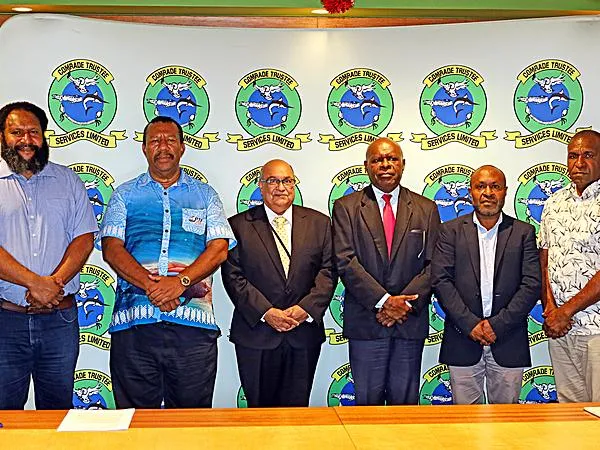
Comrade Trustee Services Limited (CTSL), the superannuation fund serving members of the Papua New Guinea Defence Force (PNGDF), has strengthened its governance framework and long-term strategic positioning with the appointment of Mr Chetan Chopra as Chairman of the Board.
The appointment of Chopra was formally announced during a CTSL press conference held on Thursday, 18 December 2025, at the CTSL Boardroom in Comrade Haus, Port Moresby. The briefing provided an opportunity for CTSL to outline the Board’s leadership transition, reaffirm its governance priorities, and explain how the appointment aligns with the Fund’s long-term strategic and performance objectives.
Effective 27 November 2025, Chopra’s appointment reflects a deliberate focus on continuity, institutional stability, and experienced leadership as CTSL builds on a period of significant reform and improved financial performance. His elevation to Chairman follows nearly three years of Board service, including tenure on both the Interim and Permanent Boards, providing him with deep familiarity with the Fund’s governance reset and strategic priorities.
Chopra brings more than 30 years of executive and board-level experience across Papua New Guinea’s banking, finance, and superannuation sectors, complemented by international exposure. A chartered accountant with extensive C-suite and company director credentials, he is widely recognised for his expertise in financial management, risk, banking, strategy, and ethical governance — capabilities viewed as critical for funds operating in increasingly complex regulatory and investment environments.
Upon accepting the role, Chopra emphasised governance discipline, stakeholder engagement, and long-term value creation as central to his chairmanship.
“I am honoured to assume the role of Chairman at such a pivotal time in CTSL’s journey. I look forward to working closely with the Board, management, our regulator, and all stakeholders to ensure CTSL continues to build on the strong foundations that have been established. Our focus will remain firmly on delivering value, transparency, and long-term stability for our members.”
Speaking during the press conference, Chopra also acknowledged Chief of Defence Force Rear Admiral Philip Polewara, CBE, and highlighted the strength of the Board, noting its collective professionalism, complementary expertise, and shared commitment to disciplined governance and member outcomes.
The CTSL Board comprises:
Governance Reform and Financial Turnaround Under Outgoing Chair
The appointment of a new Chairman follows the conclusion of the tenure of Her Excellency Michelle Hau’ofa, whose leadership is widely credited with restoring confidence in the Fund and repositioning CTSL on a stronger financial and governance footing.
Appointed to lead the Interim Board in February 2023, Hau’ofa oversaw a period of stabilisation and institutional strengthening in close engagement with the Bank of Papua New Guinea and other key stakeholders. During her tenure, CTSL recorded 35 per cent growth in net assets, reflecting improved investment governance, enhanced oversight, and stronger balance sheet management.
Member outcomes also improved materially, with crediting rates rising from 2.3 per cent in 2022, to 7.3 per cent in 2023, and 10.5 per cent in 2024. Governance reforms implemented during this period addressed legacy issues, strengthened compliance and accountability frameworks, and enhanced benefits associated with the defined benefit surplus.
Structural and operational reforms extended to the modernisation of the CTSL Constitution, strengthened relationships with the PNG Defence Force and sector partners, and enhanced oversight of subsidiary Toea Homes Limited, resulting in improved governance discipline and commercial performance. Notably, a three-year strategic plan was completed in under two years, underscoring the pace of reform achieved.
In recognising her contribution, the CTSL Board stated: “Ms Hau’ofa’s leadership has been instrumental in restoring confidence, strengthening governance, and setting CTSL on a path of sustainable growth. Her dedication to the Fund, its members, and the nation has left an enduring legacy, and the Board expresses its deepest appreciation for her commitment and integrity.”
Board Renewal and Capability Building
As part of its broader governance strengthening agenda, CTSL has also refreshed its Board composition to ensure the right mix of financial, operational, and sector expertise to support the Fund’s next phase.
The Board acknowledged Colonel Fred Aile following his retirement from the PNG Defence Force, recognising his three years of service as a Director during a period of transition and reform. His contribution supported governance continuity and reinforced the Fund’s focus on member-centric outcomes.
Two new Directors have since been appointed, further strengthening Board capability. Judy Nete Kuk, appointed as an Independent Director, brings extensive experience in governance, finance and accounting, and corporate strategy. Colonel Rodney Yahamani, appointed as a Shareholder Director, contributes deep Defence Force operational knowledge and organisational leadership, strengthening alignment between the Fund and its membership base.
These appointments reflect CTSL’s commitment to maintaining a high-performing Board with expertise spanning finance, law, operations, military leadership, and superannuation — a governance profile increasingly expected of large institutional investors.
The CTSL Board has outlined a clear set of priorities aimed at sustaining financial performance, strengthening oversight, and enhancing long-term member value. Key focus areas include expanding Fund accessibility to broaden membership and improve sustainability; enhancing asset governance and performance to deliver consistent long-term returns; strengthening oversight and governance of Toea Homes Limited; developing a capable and high-performing management team; and reinforcing Board accountability and effectiveness.
These priorities will inform CTSL’s next strategic planning cycle as the Fund positions itself for continued growth while managing investment, regulatory, and operational risks.
With renewed leadership, strengthened governance, and a disciplined strategic focus, CTSL is positioning itself as a more resilient and performance-driven superannuation fund, reinforcing its role in safeguarding the long-term financial wellbeing of PNG Defence Force members and contributing to the maturity of Papua New Guinea’s superannuation and financial services sector.
New PNG Defence Force facilities strengthen capability, drive workforce development
By Roselyn Erehe
The completion of the refurbished Garrison Engineer Compound at Murray Barracks in Port Moresby marks a strategic infrastructure investment that strengthens the operational capability of the Papua New Guinea Defence Force while delivering broader economic and workforce benefits.
Delivered jointly by the PNG Defence Force and the Australian Defence Force over three years, the project highlights the depth of the PNG–Australia defence partnership and its growing focus on sustainable infrastructure development and skills transfer.
The upgraded compound provides a secure, purpose-built facility for Murray Barracks Garrison Engineers to store critical infrastructure equipment, tools and materials, improving efficiency and asset management across defence operations. The engineers play a central role in building and maintaining facilities that support PNGDF Headquarters, the Joint Operations Branch and the Force Support Battalion — all essential to the effective functioning of the national defence force.
Beyond core military infrastructure, the Garrison Engineers are responsible for maintaining housing for PNGDF personnel and their families across Port Moresby. This includes support for the Air Transport Wing, the 1st Battalion of the Royal Pacific Islands Regiment, the Force Support Battalion, PNGDF Headquarters staff and maritime personnel based at HMPNGS Basilisk.
The project included the refurbishment of office spaces, the removal of more than 80 cubic metres of waste, and the construction of secure fencing and dedicated compounds for engineering teams. The upgrades are expected to extend asset life cycles, reduce operational downtime and lower long-term maintenance costs, aligning with best-practice infrastructure management.
PNGDF Support Commander Col. John Giregire said the Murray Barracks project demonstrates a scalable model for future defence infrastructure development.
“I would like to see this model of infrastructure and ‘self-help’ that has been completed in Murray Barracks duplicated to other PNGDF Barracks,” Giregire said.
A key economic and social outcome of the project is its contribution to skills development and employment pathways for young Papua New Guineans. The new facilities enable expanded collaboration between PNGDF Garrison Engineers and local vocational and apprenticeship programmes, including the Badili Vocational Training Centre and the Urban Youth Employment Project.
These partnerships provide hands-on trade experience while delivering practical infrastructure outcomes, supporting workforce readiness in construction, engineering and maintenance — sectors critical to PNG’s broader economic development.
Garrison Engineer Sgt. Martin Nelson said the impact of the upgraded facilities has been felt across both the workforce and training programmes.
“This project has boosted morale and means everyone wants to come to work and has the tools to do the job,” Nelson said. “For the youth, we need to build their skills, and this place means we can do that.”
As Papua New Guinea continues to invest in infrastructure that supports national security, workforce development and employment creation, the Murray Barracks upgrade also reflects the broader PNG–Australia investment and development partnership. By aligning defence cooperation with skills training, local employment and long-term asset sustainability, the project shows how targeted aid and bilateral investment can deliver measurable economic returns while supporting nation-building priorities and shared regional stability.
The Business Coalition for Women (BCFW) has positioned Papua New Guinea’s private sector at the centre of regional discussions on workplace safety and gender equality, following the presentation of its Poroman Walkabout Wantaim (Men as Allies) programme at the Australasian Aid Conference in Canberra.
The programme was featured during a panel discussion at the December 2025 conference, where BCFW shared early insights from an innovative approach to addressing harassment and bullying in Papua New Guinea workplaces. The annual conference brings together academics, policymakers and development practitioners to help shape the future of international development across the region.
Poroman Walkabout Wantaim is a social norms change initiative designed to address the root causes of workplace harassment and bullying by actively engaging men as allies. Piloted in 2023, the programme is the first of its kind in Papua New Guinea’s private sector, offering allyship training and mentoring designed by and for men.
The initiative focuses on creating safer, more respectful workplaces by challenging harmful behaviours and attitudes that undermine employee wellbeing and productivity. By embedding gender equality and violence prevention into workplace culture, the programme aligns social impact with business performance and long-term organisational sustainability.
During the panel discussion, BCFW Executive Director Evonne Kennedy highlighted the programme’s early impact on workplace culture and business resilience.
“Our program is showing promising signs of transforming workplace culture by addressing harassment and bullying head-on. These changes not only protect employees but also strengthen businesses,” Ms Kennedy said.
She said sustainable change requires confronting deeply rooted social norms while respecting cultural values that promote dignity and respect.
“True progress towards gender equality in Papua New Guinea lies in courageously challenging harmful social norms while honouring and amplifying the protective and traditional practices that uphold dignity and respect between women and men,” she said.
BCFW is a private sector-led organisation committed to advancing women’s participation in leadership, decision-making and nation-building in Papua New Guinea. Through partnerships with member organisations, BCFW works to embed inclusive practices across workplaces and industries.
The organisation’s work is supported by the PNG–Australia Partnership’s PNG Women Lead initiative, which promotes gender equality and women’s leadership as drivers of inclusive economic growth.
By showcasing Poroman Walkabout Wantaim on an international platform, BCFW highlighted how Papua New Guinea businesses can help lead the creation of safer workplaces while contributing to broader national development goals, reinforcing the link between gender equality, workforce wellbeing and sustainable business success.
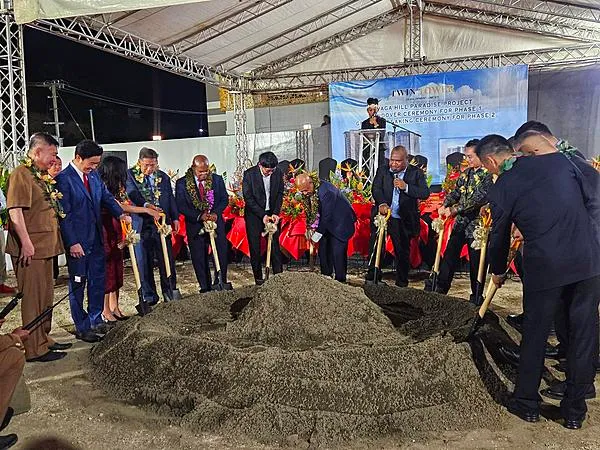
The Paga Hill Paradise Apartments, located within the Paga Hill Special Economic Zone (SEZ), was officially opened by Prime Minister James Marape on 5 January 2026.
The K130 million (USD 30.5 million), 22-storey luxury residential development sits on the Port Moresby beachfront, overlooking the historic Fairfax Harbour. It features 83 units, ranging from one-bedroom apartments to penthouses.
In addition to the opening, a groundbreaking ceremony marked the start of phase two of the project: a K350 million (approximately USD 82.3 million) development comprising a new apartment tower and an office tower. Construction is scheduled to begin in March, with completion expected within two years.
Minister for International Trade and Investment Richard Maru, who also oversees SEZs, described the opening as “the first of many exciting launchings and openings” within the Paga Hill SEZ.
“Six years after granting Paga Hill its first SEZ licence, we now celebrate the completion of the first world-class building we can truly be proud of. This is a remarkable achievement for the Marape-Rosso Government,” Minister Maru said.
He added: “In March, we will also witness the opening of the first casino within the Paga Hill SEZ. This project alone will create over 600 full-time jobs. Phase two of the Paga Hill Paradise Project, alongside other hotels and developments in the adjoining Sea Park SEZ, will further transform Port Moresby. In the next three years, these two SEZs, together with the recently approved Portside Gardens SEZ at the old wharf, will reshape the city’s skyline.”
Minister Maru extended his gratitude to Asian businessman Jimmy Po and other investors for their confidence in reinvesting in Papua New Guinea.
“We are deeply grateful for your trust. Your investment will help transform Port Moresby’s skyline, reflecting the vision and drive of NCD Governor Hon. Powes Parkop. Thank you for believing in our country and for committing your resources to strengthen PNG’s economy,” he said.
All 83 units of Paga Hill Paradise Apartments have now been sold. For the second apartment tower, more than 30 of the 98 units have already been purchased by interested buyers.
Minister Maru emphasised the strong investment potential in Port Moresby: “This is the right time to invest in PNG. Where else in the world would you sell world-class apartments two years before completion?”
Follow on LinkedIn:
PNG Business News
Be the "First" to get our exclusive Digital Magazine & Weekly Newsletter.