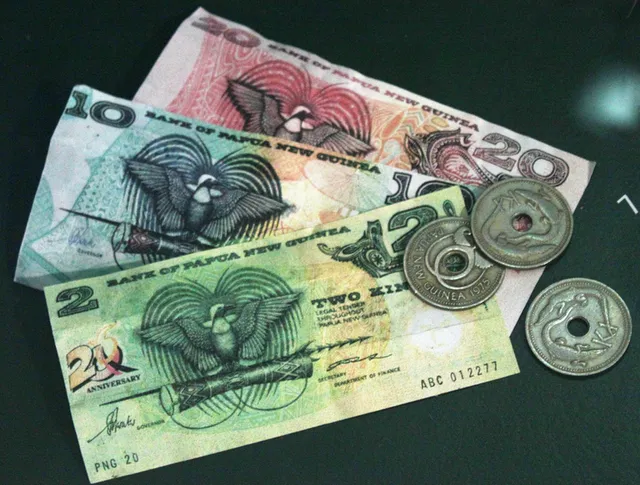
The Bank of Papua New Guinea’s Monetary Policy Committee (MPC) has maintained the Kina Facility Rate (KFR) at 5.0 percent following its final meeting for 2025, signalling continuity in monetary policy settings amid moderating global growth and evolving domestic economic conditions.
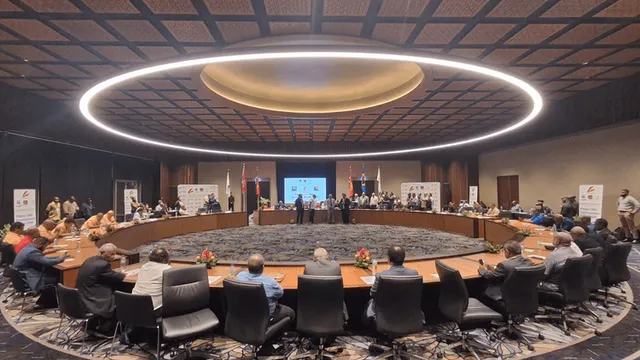
The decision was announced on 2 December 2025 after the Committee met to assess current and projected economic and financial conditions. According to the MPC, the existing policy stance remains appropriate to support an orderly adjustment of the exchange rate, contain inflationary pressures and sustain economic growth.
Global conditions present a mixed outlook
The MPC noted that global economic activity continues to moderate as major central banks persist with tight monetary policy to manage inflation. While commodity prices remain broadly stable, energy and food markets continue to experience volatility due to ongoing geopolitical tensions.
These developments have had mixed implications for Papua New Guinea, with stronger export receipts from key commodities partly offset by higher import costs, particularly for fuel and food items.
Despite global uncertainties, economic activity in Papua New Guinea has remained resilient, underpinned by strong performance in the agriculture, manufacturing and mineral sectors. Employment conditions have continued to improve, especially in transport, wholesale and mining-related industries, while private sector confidence has shown gradual strengthening.
However, the MPC highlighted ongoing structural challenges within the financial system, noting that access to credit remains uneven. Liquidity imbalances across the banking system continue to constrain broader economic activity, limiting the effectiveness of monetary policy transmission to the private sector.
Headline inflation is projected to remain moderately elevated, driven primarily by higher prices in alcoholic beverages, tobacco and betelnut (ABTB), as well as increases in transport and communication costs. In contrast, core inflation remains contained, supported by Goods and Services Tax (GST) exemptions on essential goods.
The MPC reaffirmed that the crawl-like exchange rate arrangement continues to facilitate a gradual and orderly depreciation of the kina. This mechanism is aimed at correcting the currency’s overvaluation while improving external competitiveness and supporting balance-of-payments stability.
Monetary policy actions in 2025
During 2025, monetary policy adjustments were targeted at addressing system liquidity constraints and improving policy transmission. The MPC increased the KFR from 4.0 percent to 5.0 percent in September, a move aimed at stabilising inflation expectations and reinforcing the exchange rate as the nominal anchor for monetary policy.
In parallel, the Cash Reserve Requirement (CRR) was reduced from 12.0 percent to 9.0 percent, implemented through one-percentage-point reductions in March, June and September.
Despite these measures, the Committee observed limited responsiveness in private sector lending and deposit rates, underscoring the need for further review of the monetary policy framework.
Ongoing monitoring and policy commitment
The MPC said it will continue to closely monitor both domestic and global developments, with particular attention to inflation trends, exchange rate movements and liquidity conditions within the banking system.
The Committee reaffirmed its commitment to ensuring that monetary policy decisions are effectively transmitted through the financial system to support price stability, sustainable economic growth and external balance.
The Monetary Policy Statement was issued on behalf of the Committee by Ms Elizabeth Genia, Governor of the Bank of Papua New Guinea, following MPC Meeting 4/2025.