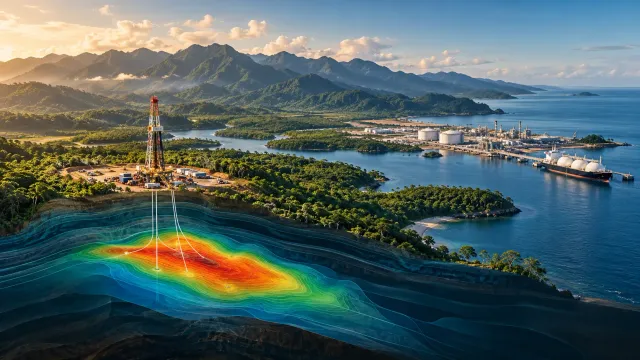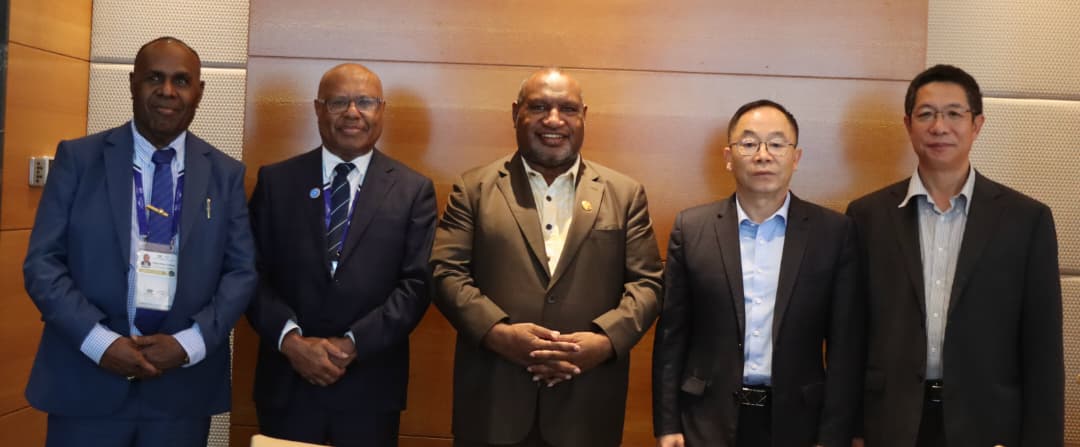
Papua New Guinea Prime Minister James Marape has discussed a proposal by China’s Houpo Clean Energy Group Co. Ltd to convert natural gas into diesel, petrol and Jet A-1 aviation fuel in Western Province, as the government seeks to reduce reliance on imported petroleum products.
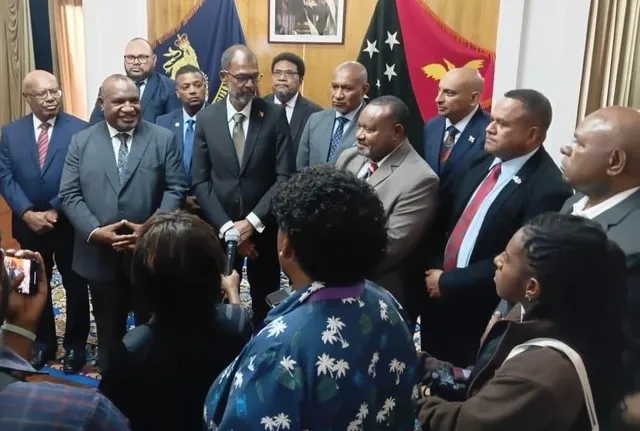
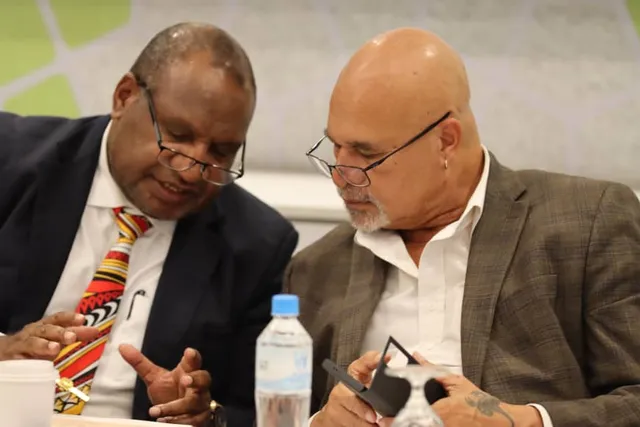
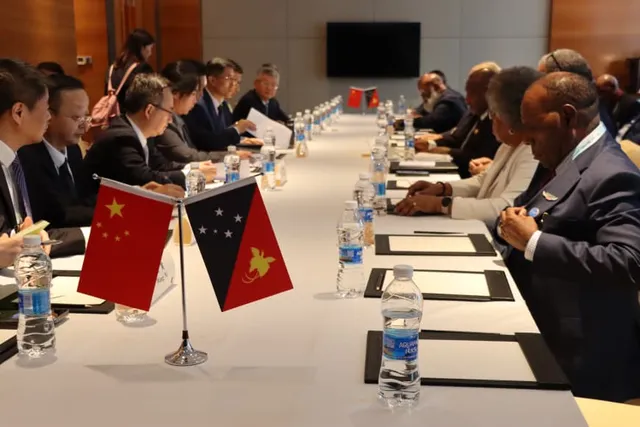
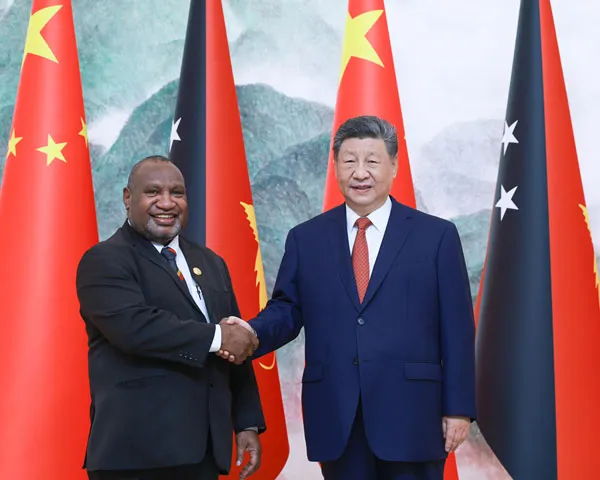
Marape met Houpo Chairman Wang Jiwen on Nov. 18 on the sidelines of the 33rd APEC Leaders’ Week to discuss the proposed gas-to-liquids project, which would initially target domestic fuel demand, with exports considered as production capacity develops.
Houpo is a partner in Petroleum Development Licence 10, which covers the Stanley Gas Field. Discussions focused on using gas from Stanley and other domestic sources to produce refined fuels locally and retain more economic value in PNG.
Marape also proposed exploring gas supplies from Papua LNG’s five percent Domestic Market Obligation, alongside production from smaller gas fields. Any supply arrangements would remain subject to further assessment and agreement.
The proposed development would be pursued in stages, beginning with feasibility studies to assess gas availability, processing technology, production costs, domestic demand and commercial viability. Subsequent phases would involve processing, storage and distribution infrastructure, subject to financing, regulatory approvals and a final investment decision.
Potential expansion into exports and other downstream industrial activities would depend on the outcome of the initial stages.
Marape said the proposal aligned with the government's policy of promoting domestic processing, strengthening energy security and creating skilled employment.
PNG remains heavily dependent on imported refined petroleum products. The Independent Consumer and Competition Commission reported that imports accounted for 87% of the country's diesel, petrol and kerosene requirements between 2019 and 2022.
The National Statistical Office also reported that petroleum oils were PNG's highest-value import in 2024, worth approximately 2.9 billion kina.
Domestic fuel production could help diversify supply sources and reduce exposure to international market disruptions. However, Jet A-1 production would also need to meet applicable fuel-quality specifications, aviation requirements, and safety and environmental standards.
Marape called for the proposal to be developed in consultation with national and provincial authorities, landowners, affected communities and local businesses.
Preliminary discussions have included the possibility of creating between 1,500 and 2,000 jobs, although employment and production estimates remain subject to feasibility studies and an approved development plan.
The government said any tax incentives, equity arrangements or other forms of support would require formal consideration and approval under PNG law.
No final investment decision or commitment to government incentives was announced following the meeting.