December 06, 2023

The Weir Group PLC, a global mining technology leader, has completed a comprehensive study that highlights a significant opportunity to reduce energy use and emissions in comminution, the rock crushing process that is key to minerals extraction, and that consumes around 3% of the world’s electrical power each year1. The study shows that replacing conventional technology with innovative new solutions can cut energy use by 40% while also avoiding 50% of CO2e emissions.

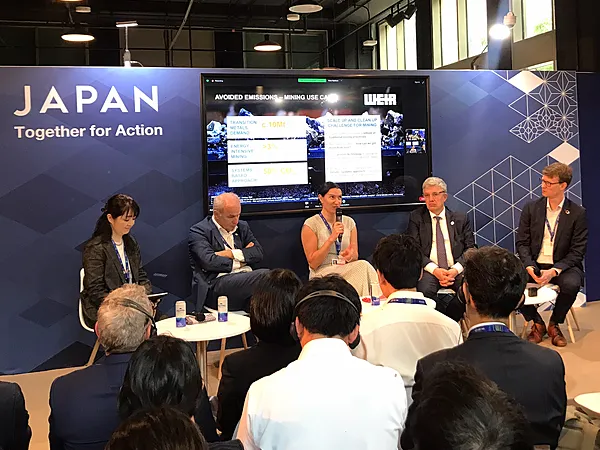
Speaking at a COP28 panel discussion hosted by the Ministry of Economy, Trade and Industry of Japan and moderated by the World Business Council for Sustainable Development (WBCSD), Paula Cousins, Chief Strategy and Sustainability Officer at Weir revealed the details of the study that demonstrates how using innovative technologies to crush rocks can yield significant sustainability benefits at lower operating cost.

The findings of the study come at an important time. Metals, such as copper, nickel and lithium, are critical elements of the technologies that will power a low carbon future and it is widely accepted that a substantial increase in the production of these metals is needed for the transition to net zero. In response, the mining industry is actively seeking to adopt new technologies which extract and process those metals in more energy efficient and sustainable ways, alongside increasing the use of renewable power.

Weir’s study focuses on comminution – the crushing process that turns big rocks into tiny particles to expose the entrapped mineral so that it can be extracted later in the mining process. Comminution is the most energy intensive stage of a typical mine site process. It is already electrified and is responsible for at least one-third of an average mine’s energy use and CO2e emissions1 and globally consumes around 3% of the world’s electrical power1.

Given its energy intensity, the decarbonisation opportunities in comminution are huge, with the basic comminution process not having changed significantly for many decades. Weir is collaborating with customers and other partners to redefine the process, developing innovative combinations of proven technologies to make significant improvements to efficiency and environmental performance.

Unveiling the study during the panel discussion at COP28, Paula Cousins, Chief Strategy and Sustainability Officer at Weir said:

“The need for technology solutions in mining is compelling – the world needs more transition metals to achieve net zero, but the mining industry needs to extract these using significantly less energy and water. Our new, externally assured study highlights the potential for energy savings of 40% and for 50% of CO2e emissions to be avoided in comminution, the most energy intensive stage of mining processes. By adopting a systems-based approach to technology collaborations, we can help the mining industry scale up and clean up at the same time”.

The full video of the panel discussion will be made available to view by the Ministry of Economy, Trade and Industry of Japan shortly.

About the avoided emissions study

The study is the first to utilise WBCSD’s Avoided Emissions Guidance to study mining processes and the avoided emissions results have been independently assured by SLR Consulting Limited. Three of Weir’s technology combinations were evaluated against a conventional comminution circuit design for an archetypal mine processing 15 million tonnes of copper ore per year in Chile.

All three of the technology combinations are shown to yield sizeable benefits versus the traditional circuit. In the optimal combination, the comminution process consumes around 40% less energy and can avoid up to 50% of CO2e emissions. Importantly, there is no trade off elsewhere, as the redefined process uses less water too.

Further details of the avoided emissions study are available here.
December 05, 2023

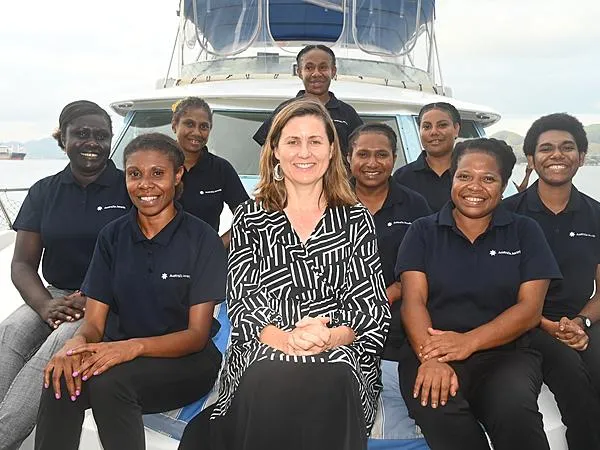
The Women in Maritime program, a partnership between Pacific Towing (PacTow), the Australian Government, Consort Express Lines and Swire shipping is pleased to recognise 8 young PNG women who have recently graduated as ‘Officers of the Watch’ in their pursuit of a seafaring career. The women, who were all cadets at PacTow, represent the second and third intakes of the Women in Maritime program under Australia Awards PNG.

The graduation ceremony took place on Monday 4 December aboard Steamships’ pleasure cruiser ‘Moresby Chief’ on Fairfax Harbour.  In addition to the graduates, the ceremony was attended by several VIP guests including the Australian High Commission’s Minister Counsellor, Penny Morton, Australia Awards PNG Program Director, Rebecca Gitsham, Swire Shipping General Manager – Pacific, Randy Selvaratnam, and Steamships Corporate Affairs General Manager, Vele Rupa.

In congratulating the new Officers of the Watch, Mr. Rupa stressed the significance and value of the partnership between Steamships, the Australia Awards PNG programme, and Swire Shipping.  “Together we are not only fast tracking the careers of young female seafarers, but we are also strengthening PNG’s maritime sector which plays a crucial role in driving PNG’s development.  Investing in the Women in Maritime programme is an investment Steamships is delighted to have committed to.”

The recent graduates listed below are qualified to form part of the leadership team of future vessels they work on, and as such they will oversee lower ranking deck and engine crew.  Thus, the eight new Officers of the Watch are poised to make vital contributions to further professionalising PNG’s shipping and marine services sector.  

  • Naomi Erowa
  • Karen Kariha
  • Carol Wallan
  • Make Wania
  • Melanie Yambun
  • Katrina Komboi
  • Eunice Tuwe
  • Debbie Aina

In 2021, the Women in Maritime program saw its pioneering 10 female cadets graduate as ‘Officers of the Watch’. These women are all currently employed with PNG shipping companies. The eight latest graduates will see the program having successfully trained 18 female cadets as Officers of the Watch, encouraging more females to pursue a career within the maritime industry.

PacTow General Manager, Neil Papenfus describes the Women in Maritime program as “a pioneering initiative that is helping train PNG’s next generation of seafaring professionals.” He says that “the new Officers of the Watch will help alleviate the problem of workforce shortages in PNG’s maritime sector, and that their skills and knowledge will benefit PNG for decades to come.”

Scholarship holders in the Women in Maritime program receive both classroom and practical training.  The practical training comprises an onshore component, as well as a year of critical sea time.  The women’s PNG sea time is on PacTow vessels, but more importantly, also on sister company Consort Express Lines’ vessels. 

Significantly, Swire Shipping provides the cadets with extremely valuable international sea time on much larger, more sophisticated, and technologically advanced vessels.  During their cadetships, the recent graduates visited ports in Singapore, Vietnam, Australia, New Zealand, and Thailand on Swire Shipping vessels. 

To date, 34 women have been awarded a scholarship as either a Deck or Engine cadet.  A further six women will commence the program in 2024. 

December 05, 2023

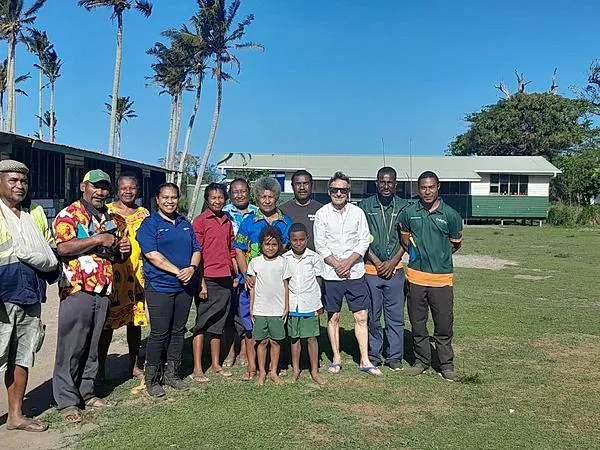
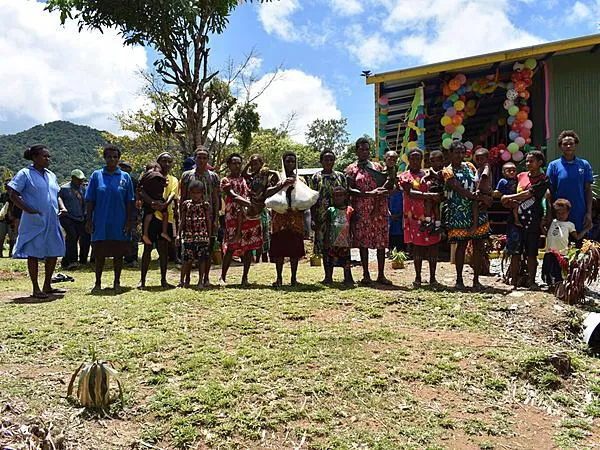
Steamships and the Embassy of the Federal Republic of Germany are pleased to announce a partnership to fund the redevelopment of Vula’a Elementary School in Hula, Central Province, Papua New Guinea.

The joint effort will support the implementation of a community-based comprehensive redevelopment plan that includes the construction of a double classroom equipped with new classroom furniture by members of the community. The project funding encompasses the procurement of building materials, freight and cartage as well as any other project-related costs.

The collaborative initiative aims to enhance education infrastructure and community empowerment, fostering a conducive learning and participation environment for the young minds of the community.

Steamships Managing Director, Mr. Rupert Bray, expressed enthusiasm for the project, saying, "Steamships recognizes the importance of investing in education and infrastructure to empower communities. The investment at Hula, enables 60 more children to access education services and creating a lasting impact in the community. We are appreciative of the support with the German Embassy in Canberra for this school project, through partnership we can achieve more.”

The total project value amounts to K168,000 with the Financial Support for Micro-Projects valued at €25,000 (approximately, K100,000) and Steamships contribution of K68,000

"Ensuring equal access to quality education is pivotal in shaping a sustainable future for young minds and their communities," stated the Chargé d’affaires of the Federal Republic of Germany to Australia, Sigrid Sommer. "The German Embassy Canberra is proud to partner with Steamships and the Hula community in this important initiative, which aligns with our long-term commitment to supporting sustainable development in Papua New Guinea."

The redevelopment project holds the promise of not only providing essential infrastructure but also fostering a sense of pride and enthusiasm among the students, educators and members of the community that jointly constructed the building. The improved facilities are expected to encourage greater attendance and participation, thereby contributing to a more vibrant and engaging educational experience.

The German Embassy Canberra and Steamships are committed to the successful execution of this initiative and look forward to witnessing the transformational impact it will have on the Vula'a Rivilina Elementary School and its community.

December 04, 2023

With the 2023 PNG Resources & Energy Investment Conference commencing in a week’s time, preparations are on track for the event, with major project operators expected to highlight what is in store for PNG in the near future.

Among organizations that will feature prominently is Santos Limited, who have confirmed the attendance of their Managing Director and Chief Executive Officer, Kevin Gallagher.

Mr. Gallagher is among a few global CEOs that will headline this major annual industry event, and will be presenting on the opening day, to share Santos global perspective and outlook.

Other senior representatives from Santos will be providing project updates as well as announcing significant project and programs that Santos intends to see happen in 2024 and into the future.

When announcing their support for the event as a Principal Premium Sponsor, Santos Country Chair (PNG) Leon Buskens confirmed that the organization would be providing an exciting update on our Markham Valley Afforestation and Reforestation (AR) Project in Morobe Province.

In addition, the organization is also expected to highlight its business development and local content program once again with landowner companies, and the impact this has in the project communities in line with the company purpose to create a better world for everyone.

Furthermore, an update on its citizen development initiatives, which will include a major announcement on training opportunities, which is sure to be well received by the industry in PNG.

This year’s conference is anticipated to be the biggest international investment conference ever held by PNG, with over 1500 attendees with three floors of the Sydney International Convention Centre reserved for the four days duration of the Conference, and a program designed to promote investment in PNG’s resources and energy sector.

More information on the PNG Resources & Energy Conference can be found at https://pngcore.org/png-investment-conference-2023/

December 04, 2023

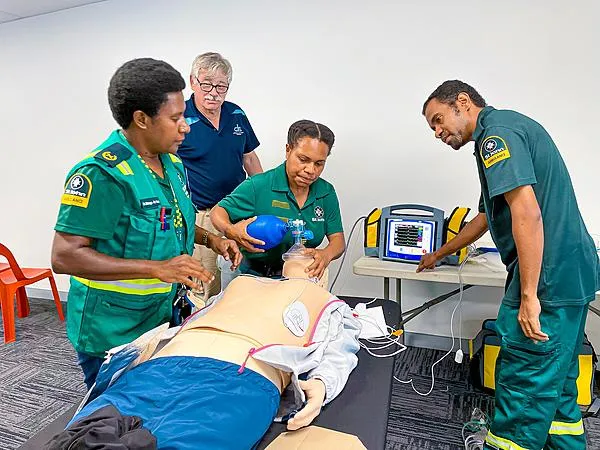
In the dynamic workplace environment of Papua New Guinea (PNG), first aid training is not only a responsible choice but also a legal requirement.

St John Ambulance is passionate about teaching first aid because every life matters, and no one should suffer or die due to a lack of basic medical knowledge.

By equipping the people of PNG with essential first aid skills, St John Ambulance empowers individuals to save lives and aims to achieve zero preventable deaths from trauma, childbirth, or snakebite.

Beyond the moral imperative, investing in first aid training is crucial due to legal requirements. Accidents and injuries can occur in any workplace, spanning industries like printing, office work, mining, forestry, and construction.

Having knowledgeable first aiders on-site is essential to provide immediate and timely assistance during emergencies. From bleeding and burns to fractures and cardiac arrest, prompt first aid measures can prevent complications and expedite recovery.

Moreover, PNG's geography makes first aid knowledge even more critical. In these situations, trained workers can provide immediate care until professional help arrives, potentially saving lives.

Investing in First Aid Training with St John Ambulance not only ensures compliance with legal requirements but also safeguards the well-being of workers. It empowers individuals to effectively respond during emergencies, minimize injuries, and protect lives.

Every worker should know first aid because every life matters.

The team at St John Ambulance are dedicated to supporting all your first aid and emergency response needs.

You can contact the team at enquiries@stjohn.org.pg or visit www.stjohn.org.pg
December 04, 2023

Sago Network is a not for profit, PNG based organisation that partners directly with PNG businesses to deliver professional community development services for PNGs rural communities in need. The organisation's dual focus on community empowerment and business innovation exemplifies a forward-thinking model for transformative development.


Sago Network’s resolute mission is to strengthen lives by advancing Water, Sanitation, and Hygiene (WASH) standards at the grassroots level. The organisation carves a unique niche in PNG’s business and development landscape, as it not only pioneers positive change but also sets a precedent for holistic and sustainable development practices in Papua New Guinea. Healthy local business partnerships enable the organisation to cater for specific community needs through sustainable, long-term commitments.  


Jade Worsley Sago Network CEO explains, “With a team of experienced community development and built environment professionals, Sago Network is able to provide high quality, tailored responses to specific community needs”. This multidisciplinary team includes architects, community development professionals, health experts, project managers, engineers, builders, and education professionals. The result is a professional, holistic service, delivered efficiently and effectively in response to community needs.


Sago Network has a rich history of collaboration with PNG businesses through corporate social responsibility (CSR) initiatives. Through these partnerships, the organisation has seamlessly integrated businesses and communities nationwide. Offering a diverse range of services, businesses can align with Sago Network programmes that resonate with their priorities and those of the communities they engage with.


Measured under the WHO/UNICEF JMP Service Ladder, Sago Networks service offerings include the WASH Strategy Programme, the WASH Empowerment Programme, the WASH Infrastructure Delivery Programme and Architecture for Communities. A common thread runs through Sago Network's services—an unwavering commitment to placing local communities at the heart of their development processes. Empowering communities with decision-making abilities, Sago Network ensures that projects align with community priorities by fostering meaningful contributions from community members.


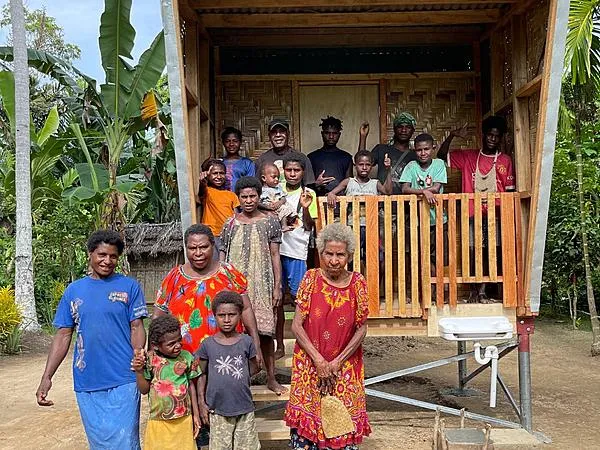
Sago Networks willingness to innovate and collaboratively partner with PNG businesses has led to the development and creation of the Sago Dry Toilet. CEO Jade Worsley explains, “This permanent, waterless, above-ground sanitation solution is designed to last 15-20 years when installed and maintained correctly. Initially it targeted the lack of safe sanitation facilities in rural and coastal areas of Papua New Guinea. The product's scope however has since expanded, finding applications in various settings, from business yards to personal residences, providing a specialised, long-term solution for areas affected by high water tables.” The Sago Dry Toilet is now available through hardware shops nationwide, reaching businesses and the general public in addition to the community development sector.


By placing local needs at the forefront and embracing innovative solutions such as the Sago Dry Toilet, Sago Network exemplifies a model of holistic development that leaves a lasting impact on both communities and businesses. For more information on Sago Network's initiatives, services, and innovations, visit www.sagonetwork.org

December 04, 2023

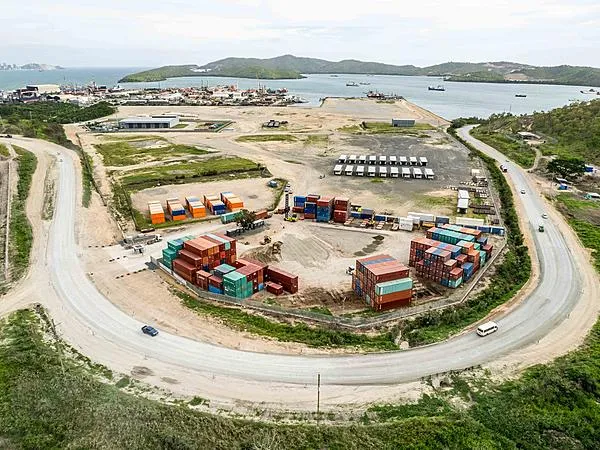
Portside Business Park is Steamships’ latest business venture, developed and managed by Pacific Palms Property (PPP), which aims to be the central hub for integrated solutions for businesses that build PNG. Strategically positioned in Port Moresby’s logistics, shipping, and industrial zone, Portside Business Park is 38 hectares of prime land with a secure state lease.

“Portside Business Park presents a rare and unique opportunity for investors to secure a diversity of commercial spaces that have efficient road connectivity to Port Moresby’s key economic centres, have direct access to international and domestic shipping channels, and accommodates fit-for-purpose industrial infrastructure ” says Russel Sy, CEO, Pacific Palms Property
Sy added “with convenient amenities and planned services, Portside Business Park will be the strategic and secure location of choice for long-term investors.”

The industrial park aims to meet the growing demand for bulk storage, accommodation, and logistics solutions driven by the PNG LNG projects in the coming years. To facilitate this, Pacific Palms Property is embarking on a comprehensive infrastructural expansion project that includes the construction of roads and bulk services within the development. The road and bulk services works will be carried out in multiple phases, with the first phase expected to commence in the first quarter of 2024. This phased approach ensures efficient progress and timely completion of the project, allowing Pacific Palms Property to effectively cater to the increased demand.

Negotiations are underway for the construction of a 20,000-square-meter super depot, specifically designed to provide container storage and handling services to Steamships Logistics and international stakeholders. This depot will greatly enhance the logistical capabilities of Portside Business Park, attracting more businesses to the region. The completion of the yard is projected to be in the third quarter of 2024.

At Portside Business Park, clients have the flexibility to utilize their preferred service providers, they also have the advantage of accessing PNG’s most reputable and highly experienced specialist within the Steamships Logistics Division in the likes of – Consort Express Lines, East West Transport, Pacific Towing, and JV Port Services who will be operating from Portside Business Park.
This comprehensive suite of logistics services can be tailored to cater to customer’s requirements which cover road and sea transport from standard cargo to more complex heavy and bulk project lifts.

Pacific Palms Property remains committed to meeting the evolving needs of businesses and ensuring seamless operations within the Portside Business Park. The infrastructure expansion project signifies Pacific Palms Property’s alignment with Steamships dedication to supporting the growth and development of the region's economy.

December 04, 2023

PNG Forest Products is an industry leader in Engineered Wood Products across the South Pacific, Australasian and Southeast Asian regions. Their extensive range of products and services for the domestic and export markets include pressure treated pine timber and plywood; kit homes and prefabricated buildings; modular bridges and bridge decking; and project construction & infrastructure development.

In fact, PNGFP is the largest supplier of timber housing & infrastructure projects in the South Pacific, having delivered more than 10,000 buildings. PNGFP supply PNG's only kit-set buildings engineered to PNG and Australian building codes, that are preservative pressure treated to fully protect from termites and rotting. 

The construction division, NiuBuild, has built well over 2,000 buildings in PNG including numerous mining and exploration camps; over 1,000 school buildings; and supplied hundreds of education and health facilities throughout the country.

Innovation is at the core of the company’s success, as reflected by PNGFP’s Managing Director, Tony Honey: “We are producing and exporting some really innovative and interesting engineered wood products that are value adding to an otherwise basic piece of plywood.”

“Modular bridges and bridge decking into Australia & New Zealand; specialised railway bridge re-decking in Sydney; sound barriers along Australian highways and rail corridors; scarf jointed bus & train floors for Australia, NZ & Malaysia, and the list goes on.”

Employing over 1,300 Papua New Guineans, PNGFP is committed to building a better future through sustainable manufacturing practices.  All timber is sourced from renewable pine plantations managed by the PNG Forest Authority. Sawdust and wood chip waste from the mills are utilised to power the boilers for the veneer driers and kilns.

PNGFP also works in conjunction with the Department of Environment and Conservation to ensure that the best environmental practices are maintained.  Furthermore, PNG Forest Products is the only company in PNG that has achieved PEFC Chain of Custody accreditation on the basis of 100% controlled wood.

PEFC (Programme for the Endorsement of Forest Certification) is an international organisation that promotes sustainable forest management through independent third-party certification. PNGFP’s Chain of Custody certification demonstrates a commitment to sustainable forest management that is unique in this country.  

As a further commitment to sustainability, the company’s manufacturing facilities in Bulolo are powered by their own hydropower stations which they continue to invest in heavily.

PNGFP recently commissioned their fourth power station at Baime, to feed 11.6MW into PPL’s Ramu grid, and raise their capacity to supply PPL to a total of 21MW. The combination of renewable timber resources processed with sustainable hydro power makes PNGFP’s engineered wood products truly and uniquely 100% green.

Over almost seven decades, PNGFP has evolved and grown through innovation and diversification -- from plywood to Engineered Wood Products, to Independent Power Production, and more. In Bulolo PNGFP operate a supermarket, bakery, butchery, liquor store, hardware store, service station, country club, abattoir, poultry farm and a 600-hectare cattle farm, all servicing the town and surrounding districts.

“Our future lies in adding value to our resources, whether it be timber, land or water,” says MD Tony Honey. “Improved recovery from our log supply is essential, as is developing new products for our Pacific Region.  Continuing our diversity through power generation, forest products, and poultry and cattle operations develops employment and sustainable income. Continuing reinvestment in our business is the key to our continued viability and the core to our future success.”

December 04, 2023

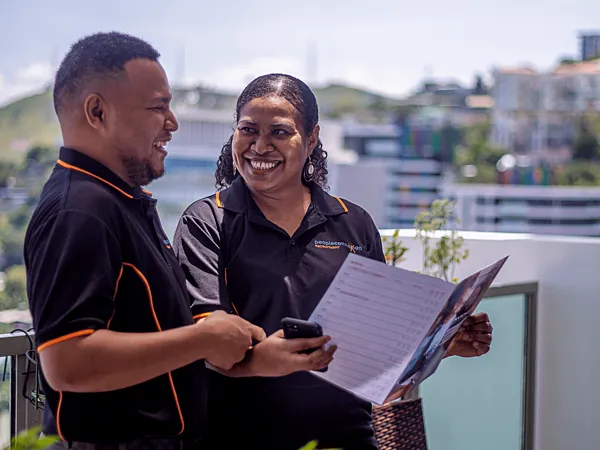
As businesses set their sights on Papua New Guinea’s (PNG) growing economy and its unique cultural diversity, there is a need arising for labour hire services which will be crucial in facilitating smooth entry into the PNG market and ensure the long-term success of offshore activities.

Doing business in PNG is a unique opportunity, but one that requires flexibility, patience and a strategic approach. If you have not done business here before, you will not be aware that this developing nation is multi-faceted and complicated. A dedicated labour-hire partner will help to ensure yours, and your people’s success.

Step 1: Cultural Alignment

To thrive in PNG, it is crucial to align with partners that deeply understand the local culture, with strong networks and is committed to giving back to the community. When you engage with a 'do good' agency, you are not just doing business; you are becoming part of a legacy of positive change. Your business gains a trusted partner who values cultural alignment, enhances your employer brand, and supports your sustainable operations.

Step 2: Track record

A long-standing presence in PNG means faster problem resolution, rich insights into market trends and access to a vast network beyond your immediate needs. The advantage of connections cannot be overstated. When looking to establish a footprint in PNG, look for an agency that offers a comprehensive multi-service offering. Not only will this cut your sourcing and engagement time, but it will reduce your administrative strain and ensure a unified strategy. An associate that is well established across recruitment, on-hire, immigration, training, and development becomes an invaluable partner to support various aspects of your staffing operations. The right agency will open doors you may not have known you needed.

Step 3: Developing Your People for Long-Term Success

Your people are your most valuable assets. When you are not present on the ground, ensuring that your personnel are thriving becomes paramount. It is not merely about placing individuals in roles; it is about nurturing their experience in PNG, ensuring their safety and security, growth, and overall wellbeing.

You will benefit most by partnering with an international agency with an office and Directorship on the ground in-country. Such agencies are equipped to provide international organisations seeking to do business in PNG, not just a strong standard for excellence, but cross-cultural awareness and competency for their people.

Step 4: Local Labor Laws, Taxes, and Compliance

Every region has its unique labour norms, and PNG is no exception. Understanding the intricacies and complexities of labour laws in PNG is essential, and engaging with an agency who is registered with or has an affiliation with the PNG Employers Federation can offer a reassuring level of expertise and dedication.

Step 5: Mobilisation

Engaging with an agency who can take control of all the required regulations, applications, and processing times to mobilise your people effectively and efficiently is vital. Working with immigration in any country is a multifaceted process. By partnering with an agency adept in immigration logistics and offering comprehensive in-country support, you will guarantee a smooth transition and a positive experience for your people.

By following this 5-step blueprint, you will safeguard your offshore operations in PNG and thrive in this dynamic market and country. To learn more about bringing your operations to PNG and labour hire services, visit the Peopleconnexion website at www.peopleconnexion.com or download our full 5-step blueprint for more information, available at https://www.peopleconnexion.com/5-step-blueprint/.
December 03, 2023

With the appointment of a new head of technical staffing services for the region, SGS is addressing the need for high quality personnel to drive project growth in Papua New Guinea’s resource and energy industries.

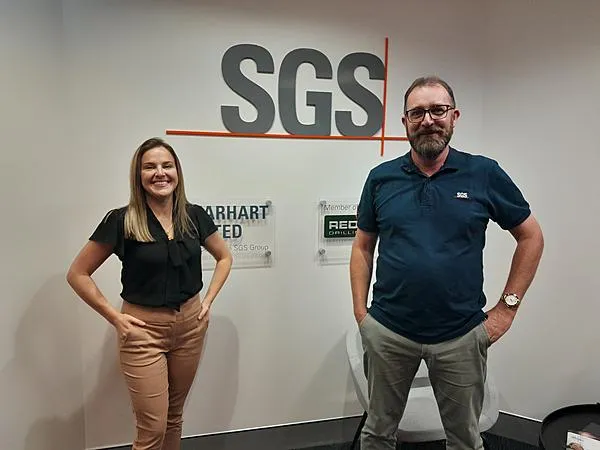
In May 2023, SGS appointed highly experienced Brittany Shephard to lead its revamped technical staffing services department, focusing on providing excellence in the workforce acquisition sector.

Now established in her role, Brittany has utilized her diverse skilled set and experience to identify key areas for improvement, ways to provide services specific to the PNG resource and energy landscape and key personnel to offer the highest levels of expertise and service.

On a recent visit to the region, both Shephard and Bronte Gale, SGS’s General Manager for Industries in Australia and PNG, toured project sites across the country to monitor the quality of the services being provided and gain feedback on how to best support industry projects.

“It was valuable to spend the time immersed in the industry within PNG during our visits,” said Brittany. “Generating network connections and discussing procurement solutions on the ground will drive innovation and secure quality opportunities for both recruiters and staff.”

Speaking of SGS’s overall strategic push to support growth in PNG, Bronte reaffirmed the importance of providing a high standard of personnel and delivering the globally trusted reliability of SGS to the region.

“We’ve seen the potential of the energy and resource industry in PNG and are geared to support this growth as we have done with major partners in Australia,” said Bronte. “A focus on exceptional recruitment solutions is one of many ways that SGS will be able to fuel success in PNG.”

Several projects are already using SGS’s recruitment services. We have provided the companies involved with an unmatched level of service by filling positions requiring high levels of expertise and specialty skills.

As PNG’s industries expand, there will continue to be a need for high quality recruitment solutions.

To secure the highest quality personnel for your project, contact SGS Technical Staffing Services today.

December 03, 2023

Mr. Tom Palmer, President and CEO of the world’s largest gold miner, Newmont Corporation, and Mr. Kevin Gallagher, CEO of energy multinational Santos Limited, headline an unprecedented cast of global resource and energy company CEOs that will be speaking at the upcoming 2023 PNG Resources and Investment Conference in December.   They will be joined by CEO of South African multinational Harmony Gold Mr. Peter Steenkamp as well as CEO of Toronto stock exchange highflyer K92 Mining Inc, Mr. John Lewins.  Industry giant such as TotalEnergies and ExxonMobil are also in the process of confirming their high-level executives who will represent them at the Conference.   

The Conference, organized by PNG Chamber of Resources & Energy (PNGCORE) will be opened by PNG Prime Minister James Marape, and the program also features PNG Treasurer Ian Ling-Stuckey, PNG Petroleum & Energy Minister Kerenga Kua and PNG Mining Minister Sir Ano Pala.  The Conference features over a hundred speakers from government and business sector from PNG and around the world. Well over 1500 delegates from the global minerals and energy industries and the investment sector from around the globe are expected to attend.  Over 100 international and PNG companies have display booths in the exhibition. 

Anthony Smaré, President of PNG CORE – “We are delighted that Mr. Palmer, Mr. Gallagher and Mr. Steenkamp are speaking at the Conference and are publicly backing PNG internationally.  Newmont, Santos and Harmony are extraordinarily important contributors to PNG’s economy through their existing investments in the country, but their contribution is bound to rise in the next few years as the new projects such as Wafi-Golpu Copper project and the Papua LNG project complete their licencing and development contracts and begin construction.   They have important perspectives to share in terms of what the major global trends are in the minerals and energy space, how that is impacting how they operate and invest globally, and how they view their investments in PNG in the context of that dynamic global environment.”

“The aim of this conference in particular is to highlight the upcoming project boom with the advancement of the Papua LNG project, Wafi-Golpu Copper project, Porgera gold mine restart and the P’nyang LNG Project, to focus the need for the PNG Government and stakeholders to do more to expedite these projects and to nudge PNG businesses to increase their preparations for maximizing their opportunities to participate in this upsurge in investment and economic activity”

As is custom at the Conference, there will also be bilateral investment meetings between these major investors and PM Marape and his team on parties can advance and expedite these project investments into PNG.  

The Conference is PNG’s major investment conference and is being held in Sydney at the Sydney International Convention Center to make it easier for international investors to attend the event. The Conference’s purpose is to promote and encourage investing into PNG to boost the economic growth of PNG, and create employment and business opportunities for Papua New Guineans. 

Why is the conference expected to be so well attended?

Attendees will be coming from all over the world to the Conference to:

  • Hear from an unprecedented array of CEOs of global mining and energy companies on how they are navigating current challenges and opportunities globally and how PNG continues to have an important place in their international portfolios;
  • Hear how existing mineral and energy operations are successfully operating in PNG;
  • Hear about the next wave of new mega-projects, expected to double PNG’s GDP in next 8 years;
  • Hear from Exploration License holders on new exploration discoveries and insights;
  • Learn how PNG is looking to the future with its investing of resource-benefits for non-mining growth;
  • Hear from PNG companies on how they are planning to participate in the upcoming project – led economic boom; and finally;
  • Have the unique opportunity of being able to meet all the most important decision-makers –  financiers, investors, operators, suppliers, and stakeholders of PNG’s resource and energy sector in one place over 4 days.

December 03, 2023

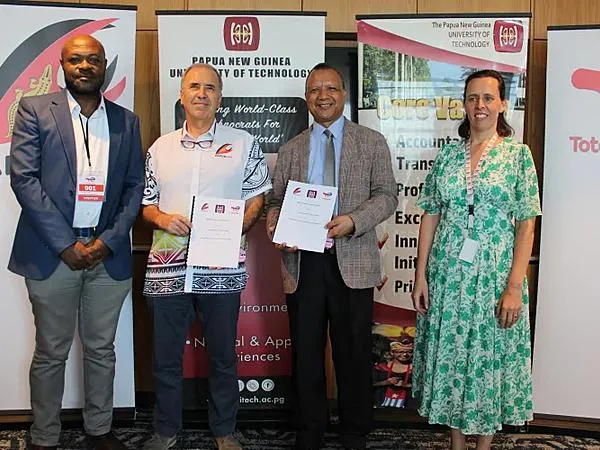
TotalEnergies EP PNG Ltd (TEP PNG) as operator of the Papua LNG project, have signed a Memorandum of Understanding with the Papua New Guinea University of Technology (PNG Unitech).

The Unitech Scholarship program will be made available in 2024, to Third (3rd) year students from the disciplines of Electrical, Mechanical or Civil Engineering, Applied Physics, Communication for Development, Geographical Information Sciences or a Bachelor of Science in Agriculture.

The first phase of the program will be open to 25 top performing students and will cover full tuition fees, return airfares, full board & lodging fees, book allowances and stipends.

Applicable to all Papua New Guineans, consideration shall be given to students from the Project areas in both Gulf and Central Province.

Part of Papua LNG’s National Content plan focuses on developing the skills and competencies of all Papua New Guineans, to enhance their employability for future projects as well as contribute to the wider PNG talent pool.

In line with one of three key pillars: Promoting the Employment and Training of Papua New Guinean citizens, the Project is committed to becoming a significant contributor to the country’s workforce development.

Building on its existing partnership with Unitech, earlier this August, Senior Executives from TotalEnergies including Project Management, paid a visit to the campus in Lae and were given a tour of the School of Engineering, even meeting with the different Department Heads.

In the spirit of nurturing this relationship, TEP PNG made a donation of six laptops, Cisco wireless controllers, routers, firewalls and two VoIP phones to the institution.

Managing Director of TEP PNG Jean-Marc Noiray, referred to the occasion today, as a milestone for both Unitech, as a beacon of higher education and for the Papua LNG project.

December 03, 2023

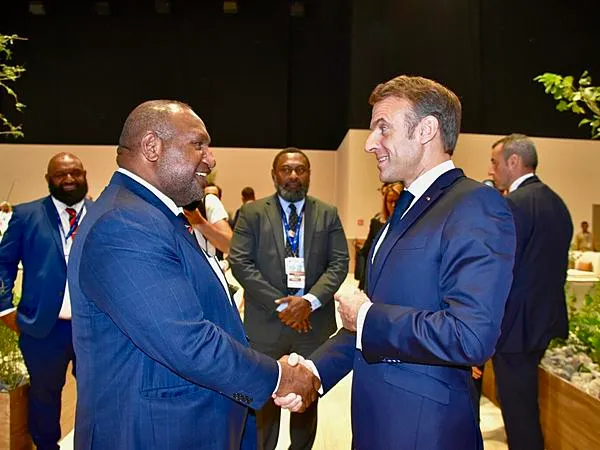
Prime Minister Hon. James Marape extends gratitude to France for their remarkable ‘country package’ commitment of US$100 million (K344 million) dedicated to preserving nature, forests, and mitigating climate impact. Papua New Guinea, boasting the world’s third-largest primary rainforest, holds 7 per cent of the planet’s biodiversity.

This innovative ‘country package’ represents a groundbreaking financing mechanism arising from an international dialogue seeking to fortify North-South solidarity. Its objectives include:

  • Achieving 30 per cent protection of land and sea by 2030;
  • Realising a 25 per cent reduction in deforestation and forest degradation by 2025;
  • Establishing a sustainable financing mechanism for forest biodiversity; and
  • Supporting scientific research and education to nurture future generations.

French President H.E. Emmanuel Macron unveiled this transformative initiative during a meeting on Saturday, December 2, 2023, with Internal Security Minister Hon. Peter Tsiamalili Jr, on behalf of Prime Minister Marape, at the sidelines of COP-28 in Dubai.

Upon his arrival in Dubai, Prime Minister Marape personally expressed his gratitude to President Macron, acknowledging France’s unwavering commitment to nature, forests, and climate. He thanked France for standing out as a leader in championing the cause of forest nations, including Papua New Guinea.

Prime Minister Marape reflected on the positive outcomes resulting from his meetings with President Macron throughout 2023, spanning locations such as Gabon in Central Africa, Port Moresby in Papua New Guinea, and Paris in France. Notably, the official launch of the K210 million European Union-funded Forestry, Climate Change, and Biodiversity (EU-FCCB) Programme in Port Moresby earlier this year marked a significant milestone for Papua New Guinea.

This latest announcement of the US$100 million for nature, forests, and climate in Papua New Guinea is viewed as a substantial contribution, reinforcing the nation’s commitment to environmental conservation.

“In my addresses at the United Nations General Assembly and various international forums, I consistently emphasised the pivotal role of forest resource management in the climate change conversation. The Earth, in its natural state, relies on trees as its lungs to maintain ecological balance,” stated Prime Minister Marape.

He called upon developed nations to follow France’s exemplary commitment in implementing the 2015 Paris Agreement, particularly in the conservation of Earth’s forests, on the occasion of COP 28 in Dubai.

December 03, 2023

Prime Minister Hon. James Marape expressed his wholehearted endorsement for the groundbreaking K27.377 billion 2024 Budget, presented in Parliament by Treasurer Hon. Ian Ling-Stuckey. The budget, anchored in the theme ‘Securing Our Future,’ reflects a commitment to propelling Papua New Guinea into economic prosperity with pro-development focus as well as continuing assistance to Papua New Guineans in these tough times.

He commended Internal Revenue Commission (IRC) and Customs for their hard work in record revenue collections during a very tough economic period, saying: “For IRC to collect the highest-ever revenue without raising new taxes is a testament to growth in the economy as evident in the steady results of the non-resource sector.”

Prime Minister Marape added: “The 2024 Budget signals a promising future for Papua New Guinea, underscoring the government’s commitment to securing the well-being and prosperity of its citizens."

“As the country embarks on a path of sustainable growth, the leadership remains dedicated to fostering economic stability and resilience.”

Compared to the 2023 Budget of K24.567 billion, the 2024 Budget sees a notable increase of K2.810 billion, with revenues reaching K23.394 billion—a substantial growth of K3.811 billion from the previous fiscal year’s K19.582 billion. The positive trajectory is evident in the reduction of the budget deficit by K1 billion, showcasing a fiscal strategy where revenues outpace expenditures.

Projections indicate a significant boost in the economy, with an expected growth from K111 billion in 2023 to K122 billion in 2024—surpassing the K79 billion benchmark set by the previous O’Neill government. This remarkable progress aligns with Prime Minister Marape’s vision for Papua New Guinea, aiming for a K200 billion economy by 2030.

The Marape Government, steadfast in its commitment to fiscal responsibility, continues its budget repair programme with the ambitious goal of achieving a surplus budget by 2027 and the potential to retire all debt by 2034.

Prime Minister Marape commended the dedication of Treasurer Hon. Ian Ling-Stuckey and his team, along with Finance and Planning Minister Hon. Rainbo Paita and his team, for their tireless efforts in crafting a budget that prioritises the welfare of the people of Papua New Guinea.

“When I came into office in May 2019, I boldly stated in my maiden speech that I wanted Papua New Guinea to be a K200 billion economy. The 2024 Budget is a testament to the progress we are making towards that goal,” Prime Minister Marape said.

“Treasurer Ling-Stuckey outlined the economic outlook, expressing confidence that the Papua New Guinea economy will grow to K300 billion by 2034 and K1 trillion by 2048. The budget’s key features include substantial economic growth, with non-resource growth reaching 4.7 per cent—a continuation of the positive momentum from 4.5 per cent in 2023 and 5.2 per cent in 2022. This marks the second time in Papua New Guinea’s post-independence history that three consecutive years of non-resource growth have been achieved, showcasing the nation’s resilience and economic strength.”

November 30, 2023

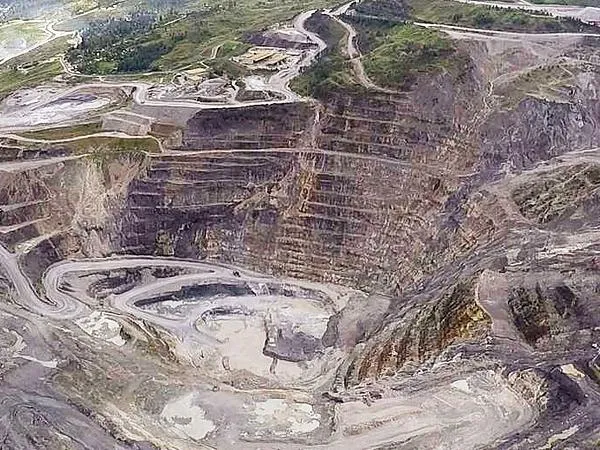
New Porgera Limited (NPL) welcomes the passing of the Mining (New Porgera) (Amendment) Act 2023 by the National Parliament on 29 November 2023 which paves the way for the mine to reopen this year.

Since the grant of SML13 on 13 October 2023, representatives of NPL have spent the last six weeks at Porgera and Tari holding face-to-face meetings with over 1,000 landowners and their legally designated agents, explaining the company’s proposal for compensation agreements prior to reopening the mine.

More than 1,200 landowner agents, representing more than 85% of the agents, have signed “Consent Compensation Agreements” with NPL to allow the mine to reopen as soon as possible with the parties agreeing to engage in substantive negotiations on new compensation rates after mining resumes. Importantly, to ensure that landowners are not disadvantaged by the deferral in negotiations, NPL has agreed to make a backdated “true-up” payment to landowners for any increase in compensation rates agreed or determined after the mine reopens.

The amendments to the Mining Act passed by Parliament yesterday do not affect those Consent Compensation Agreements that have already been signed by landowners, which will be fully honoured by NPL. NPL notes that the Amendment Act also preserves and protects the right of landowners to be properly and appropriately compensated.

The Amendment Act and the Consent Compensation Agreements that have been signed ensure that the wishes of the overwhelming majority of landowners to see the mine reopened before year-end and the benefits begin to flow again, will be realised.

November 27, 2023

About 30 minutes by boat from Port Moresby City lies Daugo (Fisherman) Island. Here, water has been essential for the community’s survival, with increased climate change weather patterns affecting the community of about 2,000 people.

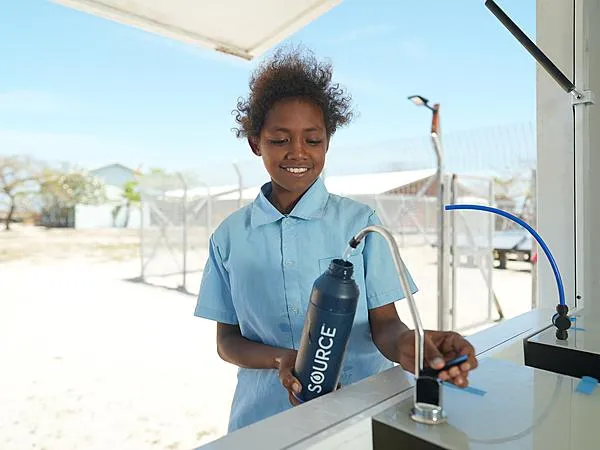
To that end, SOURCE Global and subcontractor TWL have delivered safe and quality drinking water to Daugo, generated from innovative cutting-edge technology using hydropanels.

The water project was funded and supported by The Lighthouse Group, the US Department of State, and the Nordic Development Fund.

The PNG Department of Education launched its partnership with SOURCE Global, leveraging SOURCE Hydropanel technology to provide clean, reliable drinking water at Daugo Primary School.

PNG-based TWM Group, who has partnered with SOURCE to support the deployment of renewable water technology in Papua New Guinea, led the project delivery and maintenance services.

Daugo Primary School hosted the momentous event on Wednesday 23rd of November with invited stakeholders and government dignitaries to officially open the water supply project, as school children appreciated the vital service by saying “thank you” to SOURCE Global.

Speaking on behalf of Daugo Primary School, Head Teacher Mr. Cyie Home thanked SOURCE Global and TWL for the water supply project.

"As we all know, water has been a big problem as most of our water tanks have been worn out and water has been unsafe to drink, resulting in the closure of the school, and we are grateful to SOURCE Global for this,” Mr. Home said.

"Other problems still affecting the school, in which our invited guests need to be aware of, are the run-down classrooms and the school uniforms that (students) are in need of assistance,” he said.

“Daugo Primary School and the broader Fisherman’s Island community has faced long-standing challenges with drinking water supply that were largely due to traditional urban water supply methods not being a feasible option to serve remote communities or small islands like ours,” said Sam Lora, First Assistant Secretary Innovation Division, PNG Department of Education.

 “The Hydropanel solution was installed and commissioned in a number of weeks and has given our school and community a lasting supply of water that is hugely impactful,” he added.

SOURCE Global Chief Revenue Officer, Robert Bartrop, sees the Daugo Primary School installation as an example of what happens when public and private sector officials work towards a common vision.

"The Pacific Islands have the greatest drinking water challenges of any region in the world. It’s a problem that is especially apparent in villages and small islands like Fisherman’s Island. We are thrilled to be partnering with the PNG Department of Education to invest in vulnerable communities with technology designed to combat water scarcity and climate risks,” said Bartrop.

Operating completely off-grid, SOURCE’s Hydropanels use solar energy to draw moisture out of the air and push it through water-absorbing material. This process passively turns water vapour into drinking water that’s mineralised for health and taste, and kept clean in a storage tank until it’s needed.

November 27, 2023

This is the amazing story of Moy Mamarua, one of BOC PNG’s stalwart employees who celebrated his 40th year of employment in 2023.

Moy commenced his eminent career with CIG in Toniva (Arawa) Bougainville on 15th August 1983.

He completed studies at Port Moresby Technical College, and whilst on holidays in Bougainville became aware of the exciting mining community and applied for his first job as a junior member of the CIG sales team.

Arawa was a mining town with the Panguna Copper & Gold mine, a 30-minute drive away at the top of the hill. This mine was operated by Bougainville Copper Limited (BCL) – CRA (Rio Tinto) owned and was the largest mine in PNG.

CIG Bougainville had an ASU (air separation unit) and a DA Plant. Moy said, “We had one expatriate manager; our national team included a production manager with 6 plant operators, 3 admin staff, and 3 sales staff.”

Moy said his first boss was a Dutch expatriate regional manager named Henk de Smit, who mentored him and “he saw my potential,” he said. Henk de Smit later became General Manager for CIG in Lae.

“I had other memorable mentors such as, Max Butcher, an Australian who was formerly head of the BCL Training Centre at the Fabrication Workshop at the mine. He taught me welding applications that were specifically certified for the mining industry,” Moy said.

“After 18 months in Bougainville – in early 1985 – and with good results and growth outcomes in my new sales role, I was recommended to join the new CIG venture at Tabubil. Here they were to build a gas plant to include an ASU and DA plants with all Gas cylinders owned by the OK Tedi mine (BHP owned). They invited CIG to run the plants.”

“CIG saw the opportunity to set up a small branch on the mine site – which they did. I had a new manager, and a new mentor – Mr Michael Shearer, he was another welding specialist,” Moy said.

Tabubil is a mining town only a few kilometers from the Indonesian border. “Again, I was in an exciting environment with a lot to learn,” Moy said. “I was later appointed to manage CIG Tabubil operations with direct reporting to Port Moresby.”

In 1988 Moy moved to CIG Lae where he was offered a Sales Management position for the Field Sales team. His region included the Northern part of PNG and some Gas Agents across the New Guinea islands.

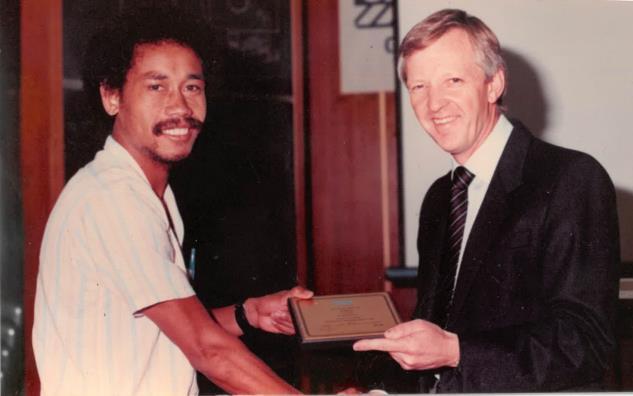
Melbourne - April 1988 Cigweld - International Training Seminar – Moy receiving his plaque

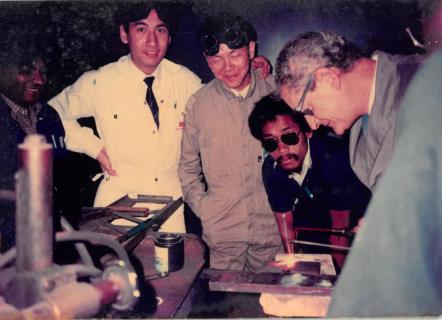
Melbourne - April 1988 Cigweld - International Training Seminar Moy – intensely watching the Trainer

In 1991, Moy moved to Mt Hagen as the Area Manager to establish the business for CIG in the largest town in the Highlands. Moy said there were some challenging times, particularly with law and order issues.

Moy said: “I Launched CIG’s new safety range, negotiating deals with customers and establishing commercial contracts.” The challenges continued, Moy said, when the Highlands Highway experienced continued land slips, plus deliberate roadblocks by local villagers disrupting business.

“I created initiatives for stock management and contingency plans to supply the mines and to keep the General Hospital supplied with medical oxygen,” he said.

In 1994 Moy moved back to Lae. Later that year, CIG became BOC.

Back in Lae for a second time, Moy continued to share his knowledge and experience as a sales manager for the Northern Region of PNG and the New Guinea Islands.

Moy said this part of his career involved a significant amount of leading, coaching, and mentoring staff to improve customer engagement and the constant challenges of supply chain performance.

Major customers dominated Moy’s portfolio, including the Porgera Gold mine that was developing quickly, and the oil palm plantations across the New Guinea Islands that needed support with their welding consumables.

“These were exciting times” Moy said. “I was in Lae for 8 years. My 4 children were all born in Lae.”

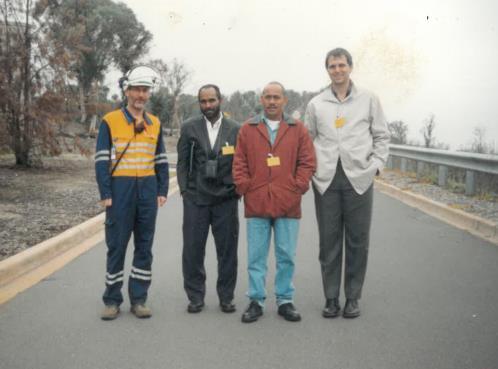
Canberra - June 2003 Ramu Sugar - Processing Manager (Agui Monagi) & Chris Betts (BOC) - visit to Water Treatment Plant using SO2

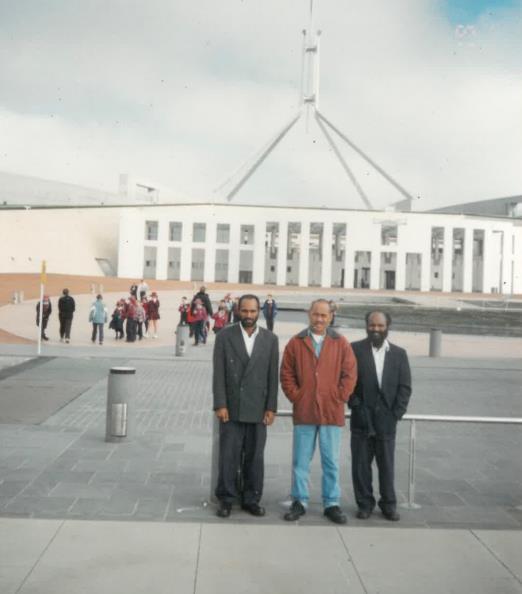
Canberra - June 2003 Ramu Sugar - Processing Manager & Chemist – site seeing in Canberra

In 2004 whilst living in Lae. Moy was asked by Barry Burke, managing director of BOC Gases PNG, to assist with the development of BOC’s operations for the Solomon Islands. The issue was that Moy would have to undertake this role from Lae.

The reason for this was that “there had been many years of unrest and lawlessness” there. But in 2003, the Regional Assistance Mission to Solomon Islands (RAMSI) began, and soon stability returned.

In 2005 Moy was asked to relocate to Honiara in the Solomon Islands as the area’s Country Manager. During the previous period of unrest, BOC’s Oxygen and Acetylene Plants had been shut down, the building and the assets were still intact, and Moy replaced the interim manager.

Moy said: “It was like starting the business from ground zero. We had to build confidence in all parts of the business community.”

By 2006, Moy oversaw the installation of a PSA Plant, and all other gases were imported from PNG. However, due to the large growth of the business, by 2008 to 2009, Moy oversaw the installation of two 30 tonne tanks for carbon dioxide and oxygen. The PSA Plant was then closed due to high maintenance costs.

Moy said: “I was very proud of my 7 years in Solomon Islands, where I was able to build confidence with our customers and bring the business back to the highest standards.”

Honiara - 2007 In front of the PSA Plant in Solomon Islands – Moy with son (Cedric)

In 2011 Moy relocated to Port Moresby as a Major Customer Executive (MCE). At this point, the PNG-LNG project had commenced with the construction phase going through to 2014, generating a huge volume of activity for construction companies and associated contractors.

Once operational, Moy continued to build relationships across the oil and gas companies to supply specialty gas mixtures, leading by example and demonstrating his wealth of experience.

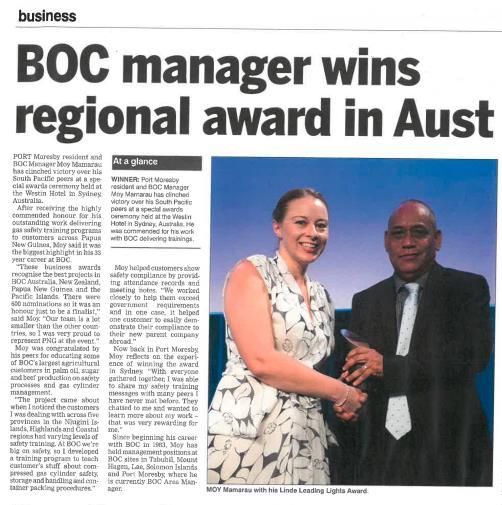
Sydney - June 2016 Linde Leading Lights Award – Highly Commended – Customer Experience Article from PNG’s National Newspaper – Post Courier 23rd June 2016

Moy also led from the front during the Covid period with his unique ability to reach people in all industry segments, and the customers responded by supporting Moy with their commitment

to purchase despite the restrictions of customer face to face visits being reduced.

Moy continues to develop and implement sales management plans across BOC PNG and supports the business in every way he can to provide the best outcomes for BOC.

BOC PNG thus says THANK YOU Moy for 40 amazing years.

November 27, 2023

Michael McWalter, former Director, Petroleum Division and Adviser to the Government of Papua New Guinea and erstwhile petroleum adviser to the Governments of Ghana, Liberia, Cambodia, Sao Tome,  and South Sudan comments on the evolution of Papua New Guinea’s oil and gas industry and how Papua New Guinea has fostered the industry into some of its largest investments in LNG production.

(First of two parts)

When we examine the ingredients required for the development of petroleum accumulations, Papua New Guinea has all that is required, though we do not necessarily know the links between all of them.  But the evidence of petroleum endowment is manifest, widespread, and substantial.

Oil abounds in Papua New Guinea. We know this from the oil seeps first identified by gold prospectors in 1911 along the Vailala River in the Gulf Province, to the seeps in the Nipa Valley in the Southern Highlands - used traditionally as body paint and as a kerosene substitute, and  sold in the local market,  and from the Matapau oil seeps in the Wewak Basin of the East Sepik, which hosted Papua New Guinea’s first oil production pre-World War Two, or the greenish-yellow oil that oozes out of the ground at Wonia, south of the Fly River in the vast Western Province.  There is nothing quite like the presence of oil to excite oilmen, and that is what Papua New Guinea has done for over a hundred years.


The commercial oil accumulations and seeps found in the Papuan Basin before 1992 have been attributed to Jurassic sources, with peak generation occurring in the Late Cretaceous prior to the formation of the existing structures. However, in 1992, an oil seep was discovered at Lufa in the Eastern Highlands after a series of earthquakes. This oil is geochemically very different to all the other oils found in the Papuan Basin. It was found to the north and east of the present oil discoveries that occur within the western Papuan Basin and it is indicative of an undiscovered Tertiary source rock, which is currently at or near peak generation. However, most of this likely source rock in the north may be covered by overthrusted allochthonous terrain, and this play remains to be properly explored.

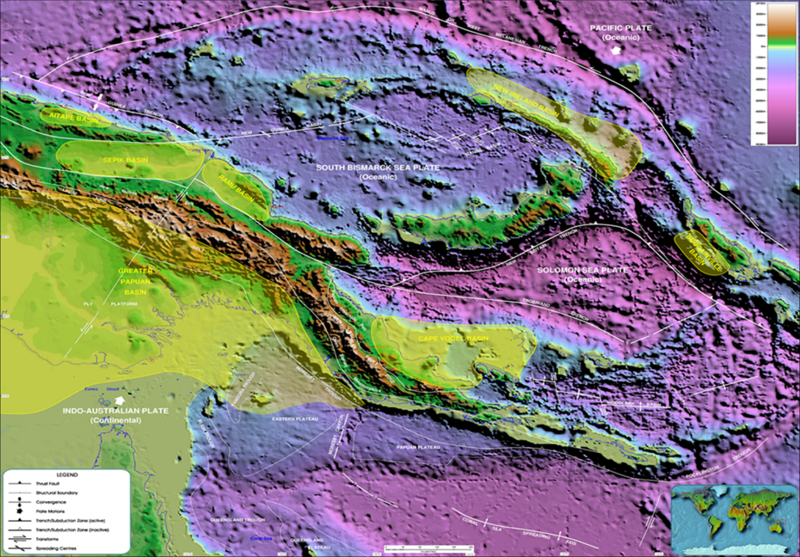
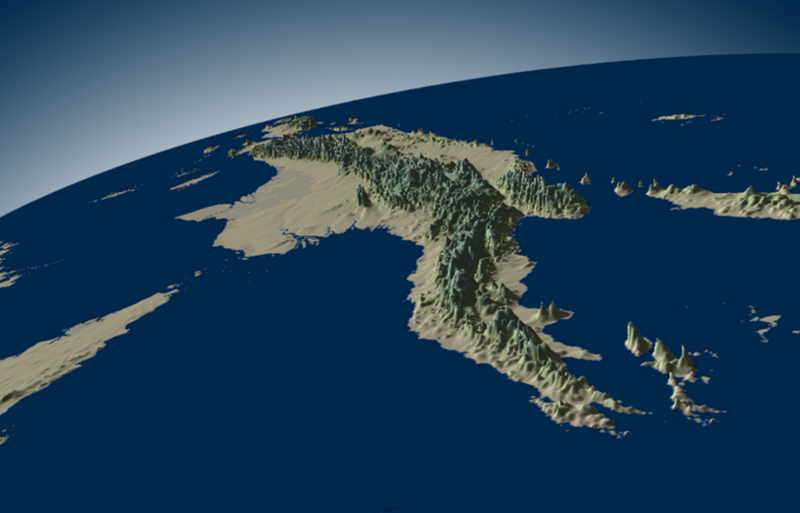
There is no doubt that we have plenty of structure as evidenced by the surface topography and terrains, whale-back mountains and the overall formidable geography of the island of New Guinea.  The mainland of Papua New Guinea has been formed by interaction between the Australian Plate in the southwest, and the Pacific Plate in the northeast. Between these two major crustal elements: the platform, and the oceanic crust and island arcs, lays a highly-deformed mobile belt. It is arguably one of the most tectonically complex regions of the world and is host to an abundance of the known tectonic processes: including the opening and closing of ocean basins, terrane accretion, ophiolite obduction, subduction reversal, and ultrahigh-pressure rock exhumation.

Figure 2: Tectonic structure of Papua New Guinea

For the oil man, the evidence of extensional systems of late Triassic and Palaeocene age, an extensive Mesozoic passive margin, abundant Palaeogene shelf sedimentation, and Miocene carbonate deposition, all overwritten by late Miocene- Pliocene collision - which produced the present day Papuan Fold and Thrust Belt, and Papuan Foreland provide the essential structural ingredients and key sediments within which oil and gas may accumulate.

The late Jurassic/early Cretaceous sands form excellent reservoirs, such as the Toro Sandstone and Digimu Sandstone, as do the vuggy Miocene carbonate reefs. The Pliocene Orubadi and Upper Cretaceous Ieru Formations provide reasonable seals, though the faulting of these units due to the continued compression and reactivation of deep-seated faults means that their sealing integrity is not always assured.

Having all the ingredients of a petroleum system is a great starting point for our business, but that same geography that arises from the geological history has made onshore Papua New Guinea a formidable place in which to explore for oil and gas.

Papua New Guinea has been likened to the European Alps where the snow has been removed and the land covered with dense rain forest. The mountains of Papua New Guinea rise up to more than 4,500 metres above sea level and they are the subject of continued uplift. So, when continuous heavy rainfall amounting to as much as 10,000 millimetres per year in some places is dropped on the land, it is no small wonder that vast deltas and wetlands border much of the mainland.

Figure 3: The rugged spine of the island of New Guinea and the adjacent swamps and deltas make access for petroleum development most challenging.   

Into this mix, were placed a strange and wide variety of amphibians, distinct and beautiful Birds of Paradise, one of the world’s greatest variety of insects and the most exotic Australasian fauna. And in some latter-day development, modern man who produced the first polished-stone axes some 15,000 years ago became frozen in isolated, early Neolithic, rival communities throughout the mainland and it surrounding islands. With land bridges gone after the last glacial period, only limited seagoing migration occurred along the coastal areas and life for most communities remained isolated for millennia.

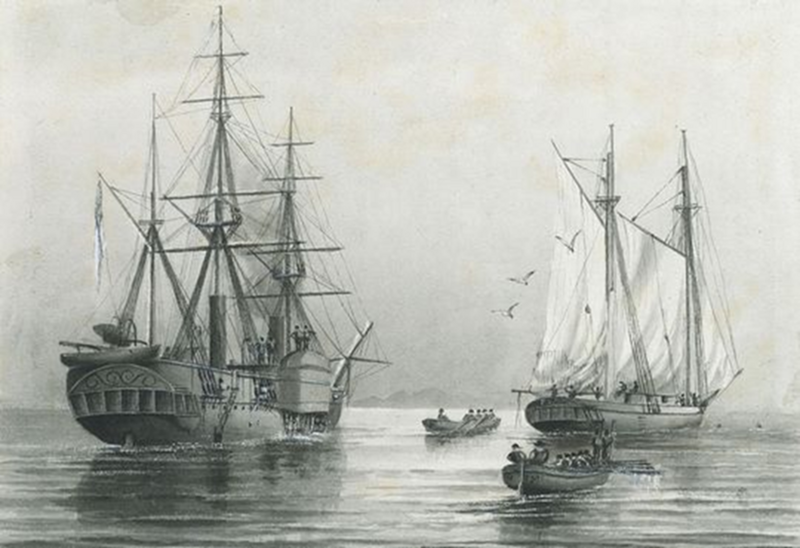
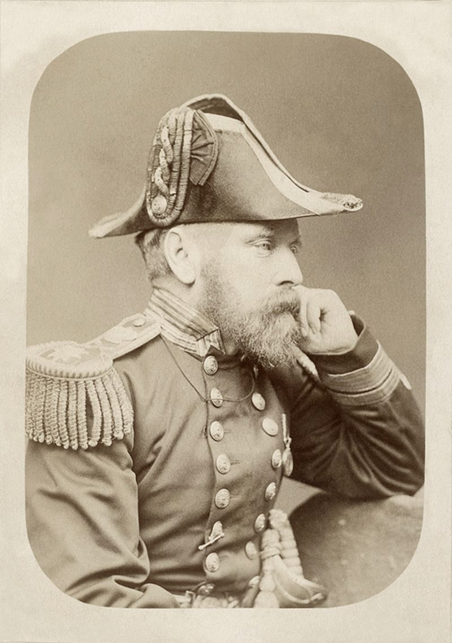
Papua New Guinea was never conquered, though many navigators came to its shores from both Western and Eastern ports. No settlements were established and many adventurers were repelled by the local people. It was not until 1973, that Captain John Moresby of the Her Majesty’s Ship Basilik, which was conducting hydrographic surveys along the Papuan coast, found a navigable gap in the reef in front of a beautiful nature harbour. He named that harbour after his father, Admiral Sir Fairfax Moresby, calling it Fairfax Harbour - upon the shores of which Port Moresby was established. In 1883, the Government of Queensland annexed the territory for the British Empire. Oddly, the United Kingdom Government refused to ratify the annexation, but in 1884, a Protectorate was proclaimed over the territory, then called British New Guinea and on 18th March 1902, the Territory was placed under the authority of the Commonwealth of Australia. Resolutions of acceptance were passed by the Commonwealth Parliament, who accepted the territory under the name of Papua.

Figure 4: HMS Basilik (on left)

Figure 5: Captain John Moresby

The new territory enticed adventurers and explorers and it was two gold prospectors, McGowan and Swanson, who in 1911 discovered the oil seeps along the lower reaches of the Vailala River. The Australian Government, aware of the success of the Anglo-Persian Oil Company (later called British Petroleum) in what we now call Iran, commissioned a report and engaged them to conduct exclusive oil exploration for the Government until 1929. This proactive approach perhaps endures to this day. Oil Search Ltd of Queensland joined the foray in 1929 becoming incorporated in Papua. Shell started exploring in 1936 and in 1938 Oil Search joined together with Anglo-Persian and Stanvac (Standard Oil of New York and Vacuum Oil which were later to become Mobil) to form the Australasian Petroleum Company which undertook epic and episodic exploration campaigns for decades searching for oil. Indeed, one well was spudded prior to World War Two, suspended for the duration of the War and only plugged and abandoned after the War.

For years, Oil Search raised money from gentlemen who wished to have a wager on finding oil in Papua by the sale of rights issues, but alas the discovery of commercially viable quantities of petroleum would remain elusive for decades more.

There were nevertheless enormous challenges to access those lands that were seen to be prospective for hydrocarbon accumulations, not the least of which was the formidable geography and the associated paucity of transportation infrastructure, but also the fiercely held manner of customary landownership of those lands. Customary or traditional land ownership was not of such concern (indeed, it was neglected) during the pre-Independence years when the territories of Papua and New Guinea were jointly administered by the Australian Government.

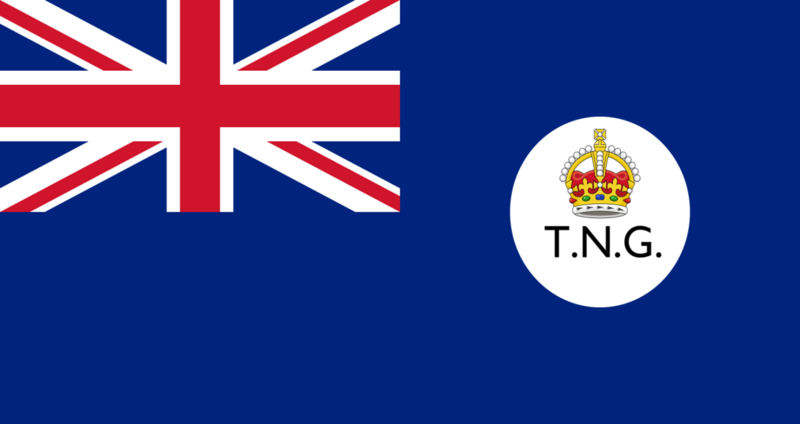
Figure 6: Flag of the Territory of New Guinea

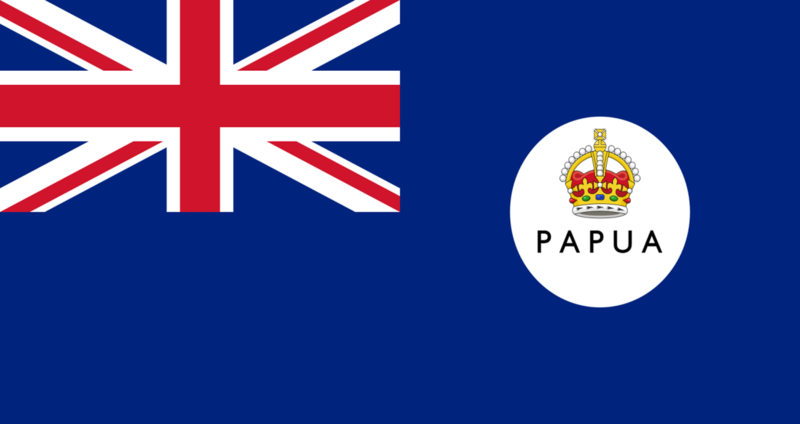
Figure 7: Flag of the Territory of Papua 

In the pre-Independence days, perhaps subdued by the cadre of Australian sometimes philanthropic patrol officers (or kiaps) who were administrators, police, judges and jury - all in one, the traditional landowners provided little resistance to the oil companies in accessing lands for oil exploration operations. This was to change radically once the value of that access to privately-owned land under customary title was to be realised in the post-Independence years, and especially so, once oil production commenced.

Papua New Guinea had been the subject of enormous exploration investment in many episodes over many decades, but it was only in 1986 some eleven years after Independence that oil was discovered in commercially producible quantities near Lake Kutubu in the Southern Highlands. 

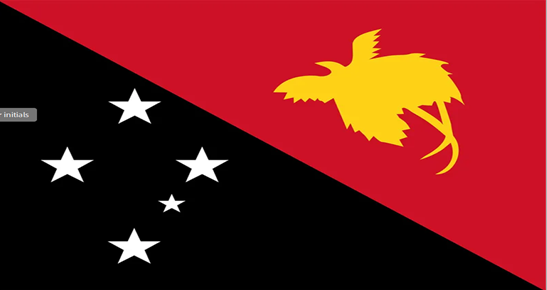
Figure 8: Flag of the Independent State of Papua New Guinea 

This discovery at the Iagifu 2-X well underpinned the Kutubu Oil Development Project, which started oil production in June 1992. It also

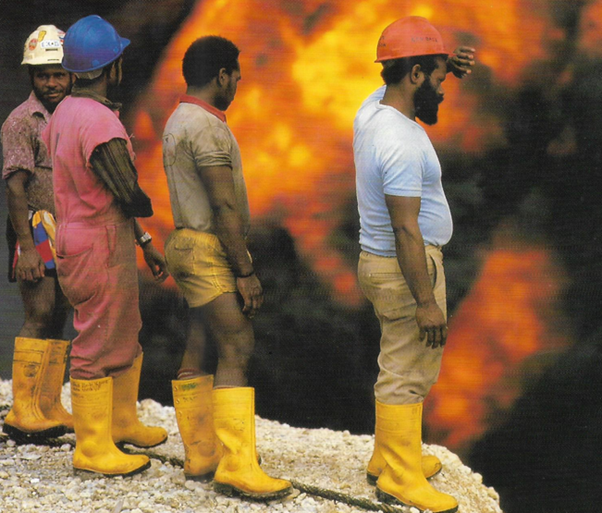
Figure 9: Oil rig workers look on as the Iagifu 2X well drilled by Niugini Gulf Oil is tested in 1986 

In the years after the Kutubu discovery, Papua New Guinea became the subject of great investment interest as many major oil and gas companies scrambled to get Petroleum Prospecting Licences and as many as two dozen new field wildcat wells were drilled per year.  However, in the subsequent search for more oil fields, mainly gas was found, which would require much more work to develop. Some additional oil discoveries were, however, made at Gobe and Moran, but alas most of the new discovery wells found natural gas, although that gas was for the most part reasonably rich in natural gas liquids. It rapidly became apparent that the gas endowment was about ten times that of the oil, and with that realisation, exploration waned through the 1990s.

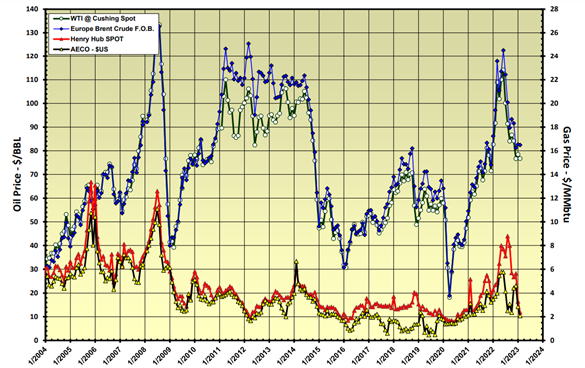
The Kutubu project went ahead beginning production of crude oil in June 1992, and it reached a maximum daily production rate of just short of 150,000 barrels per day in 1993. In 1998, the Gobe oil fields and the Moran oil field commenced production. Gobe reached a peak production in 1998 at 34,000 barrels of oil per day, whilst Moran reached 23,000 barrels per day in 2006. These fields helped to keep overall Papua New Guinea production above 55,000 barrels per day up to 2000, but it declined steadily to 40,000 barrels per day by 2010. The peak production at the Kutubu field was achieved when crude oil prices were relative stable at around US$ 20 per barrel, but as the oil fields of Papua New Guinea went into decline during the first decade of the new millennium, the world realised extraordinary crude oil prices. Prices surged over an eight-year period from about US$ 25 per barrel to US$ 145 per barrel on 3rd July 2008, only to fall back to US$ 44 per barrel by 15 Dec 2018, and then surge again back to over US$ 100 per barrel by the end of 2008!  For a while, PAPUA NEW GUINEA  was making excellent revenues from its crude oil production notwithstanding that the production rate was only slightly more than a quarter of its peak production, because the price was for a while more than four times the price of the early years of oil production. This roller-coaster of crude oil prices has persisted into the 21st century.

Figure 10: The roller coaster of crude oil prices and natural gas prices became more erratic in the last couple of decades (after Ryder Scott)

This price volatility really tested the petroleum regime of the Papua New Guinea Government. Due to its prevalence of petroleum income taxes rather than regressive fiscal devices like royalty, it enabled the Government to capture a fair share of the windfalls of higher profits arising from the elevated crude oil price, and yet enable production to continue with reduced taxation when profits were diminished by low crude prices. Indeed, Papua New Guinea regime has always recognised the significant capital costs of exploration in Papua New Guinea and has shied away from regressive fiscal terms. The original regime was comprised of a petroleum income tax at 50%, with a 2% royalty paid on wellhead value plus a 22.5% State participating interest in any project paid for on the basis of pro rata sunk costs. The regime also had an Additional Profits Tax set to trigger at the rate of 26% - an impossible rate by today’s standards, but a realistic one for the high interest rates that prevailed in the 1980s.  Overall, the regime aimed to provide a net 66.6% take to the Government and 33.3% net take to the investors.

The regime was based on extensive consultations between the oil companies and the Government and an underlying White Paper on Petroleum Policy and Legislation formally presented to the Parliament of Papua New Guinea in 1976. It was a fair deal for a frontier area with enormous physical challenges and tantalising signs of oil and gas. Further, the licensing system was a transparent and well-managed system based on a comprehensive law – the Petroleum Act of 1977. Distinct and well-defined processes for applications for licences, grants of licences and the performance of licensees were established. Moreover, to supplement the Act, it was policy that before the drilling of the first well in each and every Petroleum Prospecting Licence, the licensees were required to negotiate and agree a Petroleum Agreement with the State which provided inter alia for the provision of a 22.5% equity interest in each development project ensuing from the licence, and for any other matters which needed to be agreed between the State and the licensee.

When the Kutubu project was launched in 1990 and an application for a Petroleum Development Licence was made, the fiscal terms were well-defined, procedures for development were in place and the petroleum agreement was pre-negotiated.  Not only was the regime ready, but the Government had been steadily building up its technical capacity to manage and regulate the petroleum industry. The Petroleum Resources Assessment Group had been established in 1982 with an initial staff of two officers within the Geological Survey, and in 1987 the Petroleum Branch was inaugurated with eleven officers.  Then, with Technical Assistance from the World Bank between 1995 and 2000, the integrated Petroleum Division was inaugurated in 1993 with some 29 officers and the Division grew to over 60 by 2004. Papua New Guinea was rising to the challenge of building the capacity of the Government. Far too many Governments neglect to invest in their side of the petroleum business and then through institutional weakness become prey to politically contrived notions, rather than technically and commercially driven sound plans and policies.


(TO BE CONTINUED)


Michael McWalter is a certified petroleum geologist and technical specialist in upstream petroleum industry regulation, administration, and institutional development.

November 27, 2023

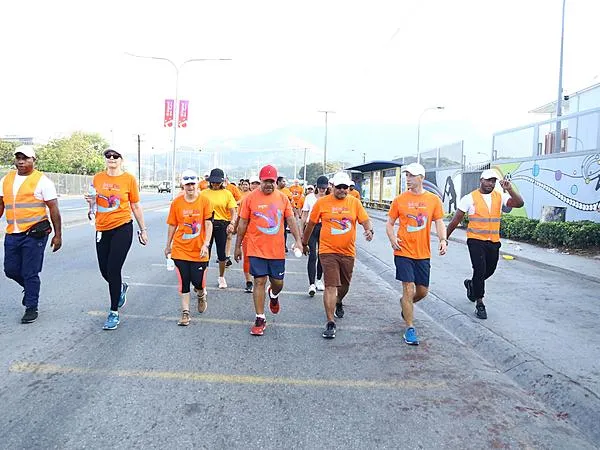
25 November is the International Day for the Elimination of Violence Against Women (EVAW) and once again, Santos and the Santos Foundation have demonstrated ongoing commitment to end all forms of violence against women and girls by leading the annual Bel isi PNG organised EVAW walk in Port Moresby.

In a show of solidarity were Bel isi PNG key donors, implementing partners and subscribing organisations who took part in the walk including the Australian High Commission, Steamships, Bank South Pacific, Femili PNG, Business Coalition for Women,G4S, National Capital District Commission, Brian Bell Group, ExxonMobil PNG, TotalEnergies, Kina Bank, Air Niugini, Nambawan Super, United Nations, Westpac, DT Global, Transport Sector Support Program, Australia Awards, World Bank, Buk bilong Pikinini, Easy Skill and PNGFM Limited.

The community walk was co-led by Santos Country Chair PNG, Leon Buskens, Santos Foundation CEO Jodie Hatherly, National Capital District Governor and Chair of the Permanent Parliamentary Committee on Gender Equality and Women’s Empowerment Hon. Powes Parkop, Australian Acting High Commissioner to PNG Dr Joanne Loundes and Managing Director for Steamships and the new Chair of Bel isi PNG Rupert Bray.

Safe at home. Safe at work is the theme for the event which was attended by nearly 400 individuals.

In a call to action, Jodie Hatherly said: “Santos and the Santos Foundation are committed to supporting the work to end violence against women and girls everywhere that we operate. That is here in PNG, Australia, Timor-Leste, and Alaska. All of our countries are living with this problem and so we must collectively be part of the response. So, I stand here today with the private sector, government, nongovernment, and all of our partners to say we will be part of that vehicle for change. I also encourage everyone to be part of that change as well.”

As part of the support we give to Provincial Health Authorities, Santos Foundation helped leverage $6.065 million from donors in 2022 to increase Family and Sexual Violence (FSV) services, improve health outcomes and infrastructure. We supported the expansion of Family Support Centres (FSCs) into remote districts and ensure hospitals and other health services are responding to the needs of FSV survivors.

November 27, 2023

Desmond Tsianai, newly appointed Acting Commissioner for the Bougainville Electoral Commission, was sworn into office today. Mr Tsianai was appointed as the acting Bougainville Electoral Commissioner by the Bougainville Executive Council following the untimely passing of the Late Acting Commissioner Mr. Winterford Toreas.

Speaking during the swearing in ceremony, Mr Tsianai acknowledged the former Bougainville Electoral Commissioner, George Manu, for his leadership and mentoring since the establishment of the Office of the Bougainville Electoral Commissioner. Mr Tsianai also acknowledged late acting Commissioner, Winterford Toreas for his brief leadership to the organisation. 

Acting Commissioner, Mr Tsianai vowed to work with the ABG and stakeholders to plan and deliver democratic elections in the Autonomous Region of Bougainville. 

He said one of his immediate tasks is to deliver the 2023 South Bougainville Former Combatants By-Election on time and within budget.

"Polling ended on Friday the 17th of November and counting commenced on Monday the 20th and is currently underway in Buin".

"We aim to announce the results by the end of the week and return the writs to the house speaker on the 27th of this month", Mr Tsianai said.

He said after the election, OBEC will focus on its planning and preparations for next Electoral events in the Autonomous Region of Bougainville. 

The appointment will lapse after a period of 6 months or earlier should a new substantive holder is confirmed by the Bougainville Senior Appointments Committee to this post. 

Mr Tsianai was the Director of Elections Management until his appointment as the Acting Commissioner for the Office of the Bougainville Electoral Commissioner. 

November 27, 2023

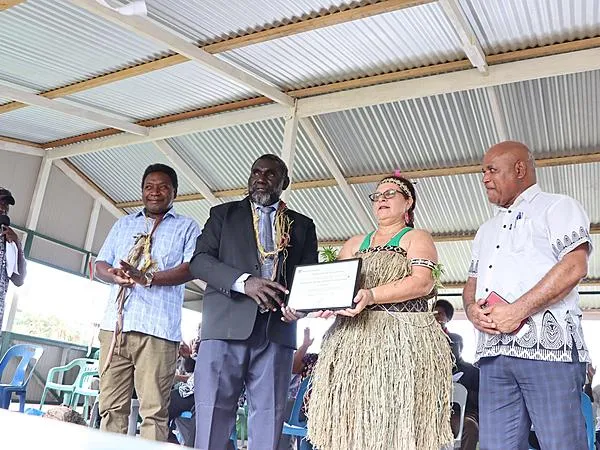
“Today, when I received the certificate of the Bougainville Savings and Loan Society and that we now have our very own Society for our people - I believe we can forge our future.”

President Ishmael Toroama made this remarks when he received the operating license from the Acting Governor for Bank of Papua New Guinea (BPNG) Mrs Elizabeth Genia this week at the launching of the Bougainville Savings and Loans Society in Buka.

President Toroama’s challenge to the people was for them to start somewhere if they wanted to see Bougainville’s economy grow and for the future generation to benefit as well from today’s savings.

President Toroama highlighted that it is the Government’s responsibility to make the environment conducive for Bougainville to grow its economy. He said that the government has done its part in taking the people through the Bougainville referendum and it was the people who attracted big projects such as the Bougainville Savings and Loans Society, to come to reality.

“People everywhere in Bougainville are asking the government, how it is going to fund its own economy and the answer is, if we can save some amount starting with the Bougainville Savings and Loan Society then we can be assured that our future is secured,” he said.

President Toroama warned about having the habit of only borrowing and not saving. He said that it was an unhealthy exercise when people only borrowed from the bank because the outcome only makes it a burden again but he encouraged that it would be healthier if people saved money first and then borrowed later.

He assured the people of Bougainville that the Bougainville Savings and Loans Society was the best option for the people who can save money for their children to benefit in the future.

He strongly urged that saving with the society was the better way forward for the people of Bougainville to move the economy of the region.