May 13, 2024

With a focus on infrastructure development and a rising middle-class market, including Small and Medium Enterprises (SMEs), Papua New Guinea presents a promising landscape for investors.

PNG’s abundant natural resources in mining, oil and gas, forestry, fisheries, and agriculture further enhance its appeal. From coffee and cocoa to vanilla and local produce for imports, the country's diverse agricultural sector adds depth to its economic profile.

However, amidst this potential, discussions around the fluctuation of the PNG Kina have been prevalent. Prime Minister Hon. James Marape acknowledges this concern and assures that the Department of Treasury and Central Bank are diligently monitoring the situation to prevent any extraordinary inflation.

This was his response to a report by ANZ Bank foreign exchange insight researchers, economists Kishti Sen and Tom Kenny, published in the media on 7th May, on the depreciation of the Kina since May 2023.

He attributes the Kina's depreciation to its artificial pegging in 2014, a measure taken to maintain its value, which ultimately became unsustainable. With the peg now removed, the government is keen on ensuring a stable currency value aligned with market dynamics.

PM Marape said, “The Kina was artificially pegged in 2014, probably with good intentions to maintain its value. But, over time, it became a demotivation for importers to bring back their export earnings as the Kina became more expensive and not on its fair market value.

“We have now unpegged it, and Treasury and Central Bank are observing closely to ensure the depreciation of the Kina does not trigger extraordinary inflation over our 2024 inflation focus. If it does, we will intervene.”

Prime Minister Marape emphasizes the importance of encouraging exporters to repatriate their earnings, thereby supporting the Kina's value.

By collaborating with entities across agriculture, fisheries, forestry, mining, and petroleum sectors, the government aims to facilitate a conducive environment for economic growth and to streamline processes for investors, particularly in US Dollar accounts and funds.

 “A lower Kina means more for these people when they bring in their dollars. This will assist push the Kina upwards purely on market value.”

“Last year, we made well over K60 billion in exports, but the return to our economy was much less. If all our exporters brought back to PNG a major portion of earnings, if not all, then the Kina will appreciate.”

“We are working on tidying this, and Central Bank has been asked to look at ease of investors holding US Dollar accounts and for ease of them accessing their own funds.”

The Marape government's agenda revolves around stimulating large-scale investments and trade, with a strategic focus on reducing dependency on imports through increased manufacturing and downstream processing.

Ongoing reforms target high debt levels, while Foreign Direct Investment (FDI) in natural resources promises to revive the economy for years to come.

Acknowledging the contributions of key partners such as Barrick Gold and ongoing projects by major players like ExxonMobil, TotalEnergies, and Santos, the government remains committed to fostering an environment conducive to investment.

“On that note, I want to appreciate Barrick Gold – our partners in New Porgera – for their commitment to remit a minimum of 51 percent of earnings from Porgera,” said PM Marape.

The Prime Minister said Government has been working with investors to bring in capital from Foreign Direct Investment in both exploration and construction, while work is continuing to get the next mining and gas projects up and running.

“ExxonMobil, TotalEnergies and Santos each have over $100 million exploration programs running this year; they will also maintain spending in pre-Papua LNG FID.”

Projects such as the Pasca condensate project and the Wafi-Golpu mine underscore PNG's potential as a significant player in the market.

 “We progressing the small Pasca condensate project that would be 50 percent owned by MRDC for Gulf and 50 percent owned by investors. By this year SML for Wafi-Golpu should be issued to kick start construction.”

“All these FDI are for this year and next year, as we head to meet the big construction of Papua LNG, and later P’nyang LNG and Wafi Golpu mine,” he said, adding that PNG’s agriculture, forestry and fisheries exports have been steadily improving which would assist boost the Kina.

He said if any urgent needs arose out of this current situation, Government would make interventions to families, businesses and investors, as it has continuously done over the last couple of years.

“Our government is on record for giving the biggest relief assistance to support the economy and our people’s livelihoods in re-moving taxes for certain work bracket and paying more in school fees. We will continue to intervene.”

The Prime Minister said for the long-term address of foreign exchange and other structural issues in the PNG economy, allowing the Kina to float on its own strength was bound to happen.

“I want to assure everyone that we are conscious of the domestic impact of a depreciated Kina, especially its effects on our small, import dependent economy. I do not want the burden of this to be passed onto store shelves to affect our people further, so we are keeping a very close watch,” said Prime Minister Marape.

In addressing structural issues, PM Marape emphasizes the need for a long-term solution, allowing the Kina to float based on its inherent strength.

While mindful of the challenges posed by a depreciated currency, the government remains steadfast in its commitment to supporting businesses and safeguarding livelihoods.

The PNG government's focus on creating a conducive socio-economic environment highlights its dedication to fostering growth. By prioritizing infrastructure development, safety and security measures, regulatory practices, governance, and access to health and education, the Marape government aims to lay the foundation for a resilient and thriving economy.

May 13, 2024

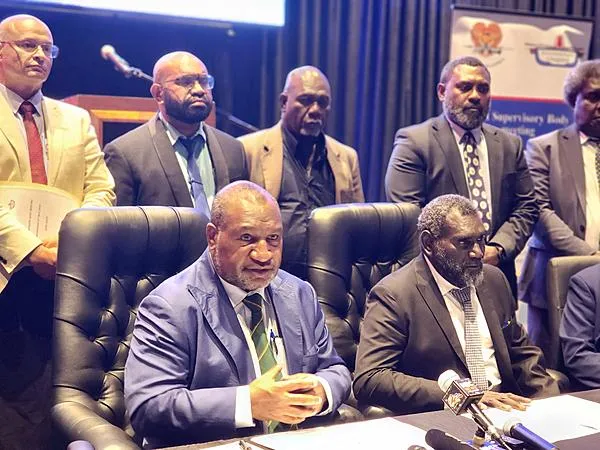
The Papua New Guinea (PNG) National Government and the Autonomous Bougainville Government (ABG) convened for the Joint Supervisory Body (JSB) meeting to address critical matters concerning the ratification and consequences of the Bougainville referendum.

Prime Minister Hon. James Marape and ABG President His Excellency Ishmael Toroama co-chaired the meeting, which took place on May 8th at APEC Haus in Port Moresby, following a two-day deferment.

Both leaders delivered opening remarks before engaging in closed-door dialogue and ending the JSB meeting with the successful signing of the Joint Resolution.

PM Marape emphasized the significance of the Bougainville Peace Agreement, highlighting its role in establishing comprehensive peace and providing extensive autonomy to the Bougainville people.

In his opening remarks, Hon. Marape said, “The Bougainville Peace Agreement is more than just about the issue of independence. It is more than just an agreement for a referendum. It is a comprehensive peace settlement that has seen the insertion of an entire new part into our National Constitution by way of Pat XIV, and it also provides for the highest level of autonomy for the people of Bougainville.”

He pointed out the limited progress in implementing autonomy over the past 23 years, noting that only 11 of the 59 powers outlined in the agreement were transferred.

Additionally, he highlighted the economic challenges faced by the region and stressed the need for enhanced cooperation to facilitate Bougainville's prosperity, regardless of its future status.

PM Marape underscored the importance of addressing outstanding issues such as the Restoration and Development Grant and equitable sharing of fisheries revenue in alignment with the Bougainville Peace Agreement and the National Constitution.

“In economic terms, the region has failed to harness opportunities for development and growth, and in real terms, the ABG generates just a small fraction of the revenue required to achieve fiscal self-reliance, or financial independence.

“I put it to leaders here today, that more must be done to lay the foundations that will allow Bougainville to prosper in the future in whatever form that future takes. This requires continued cooperation and greater effort in transferring important powers and functions and ensuring that funding is applied to those areas of greatest need, and which will stimulate and allow for economic growth.

“On this point, I recognize that as a National Government we must once and for all address the issue of Restoration and Development Grant arrears, and we must find an equitable approach for sharing fisheries revenue in line with the requirements of the BPA and the National Constitution.

“I want to conclude by reaffirming my desire to work with President Toroama for as long as it takes to reach an agreement on next steps in relation to the referendum.”

President Toroama echoed the sentiment of Bougainvilleans, urging full support and commitment from PNG national leaders. He emphasized the people's expectation for concrete actions from the government to honor the agreement reached over 15 years ago.

President Toroama said, “Our people expect your full support and commitment to their cause. They have done their part; it is now your part. The last thing that we want to hear is that some of you are scheming around and devising options that undermine our cause; and that is not good for your credibility in the eyes of our people.”

He appealed to parliamentarians to grasp the significance of Bougainville's quest for independence and to uphold the commitments made by previous administrations. He also called for solidarity in realizing the aspirations of the Bougainville people.

“I am committed to the independence of Bougainville. I appeal to our good Parliamentarians to understand our cause. And for our good members of Parliament, please understand the novelty of the deal we made with the National Government and the blessing we require from your decision. Let the DEAL we made with your predecessors more than 15 years ago come into fruition.”

National Government and ABG Close-Door Discussion:

The closed-door discussions highlighted the final stages of the 2001 Bougainville Peace Agreement, specifically focused on Parliament’s ratification of the Referendum results and a string of long-running issues regarding governance and development.

An agenda paper made available during the significant JSB meeting, states discussion on the issues of the following: 

  • Fisheries Revenue Sharing
  • Cocoa Levies
  • Financial matters which includes issues of the Restoration Development Grant and Prime Minister’s Commitment funding, and the Bougainville Copper Limited Shares
  • Including the major issue of a sessional order for Parliament, on how the ratification process should proceed in Parliament.

As per stated, Bougainville currently receives 5-million Kina annually from the National Fisheries Authority as benefit sharing from its share of tuna exports in the country.

The ABG has been arguing that the current arrangement does not equate with Bougainville waters being rich breeding ground for tuna stocks in the world. The NFA and the ABG Department of Primary Industries and Marine Resource has since been working on a formula on how tuna benefits can be shared equally with Bougainville.

The Restoration Development Grant is also up for discussion, as Bougainville is to receive 100-million Kina each year for restoration and development work.

Notability in 2019, it was established by a United Nations moderator that the National Government owes Bougainville over 800-million Kina in RDG’s. The ABG has argued this money is guaranteed under the Constitution and the National Government must honor its regular payment.

Another point to discuss is the Prime Minister’s commitment of another 100-million Kina annually to Bougainville.

Result of the JSB Meeting:

Prime Minister Hon. James Marape and Bougainville President H.E. Ishmael Toroama discussed post-referendum issues during the JSB meeting, which concluded successfully with several significant agreements aimed at facilitating the ongoing peace process.

According to the Office of the Prime Minister, the discussion of agreements are as follows:

Bougainville Treasurer and Finance Minister Hon. Robin Wilson commended Prime Minister Marape for fulfilling all outstanding payments, refuting recent newspaper allegations that the PNG Government had significant outstanding debts to Bougainville.

Minister Wilson highlighted a notable improvement in financial commitments under the Marape Government, stating that since 2019, it has disbursed K350 million of the K621 million owed.

Furthermore, he mentioned that with an allocation of K200 million in the 2024 Bougainville Budget, the total payments will exceed K500 million.

The leaders agreed on the appointment of a Working Moderator who will assist both the Bougainville and Papua New Guinea governments in several key areas:

  • Addressing unresolved issues related to the Sessional Order and other matters to bring the results of the 2019 Referendum for independence before the National Parliament.
  • Overseeing the preparation of the Joint Consultation Report and addressing other legally mandated issues under s342 (1).
  • Supporting the Bipartisan Committee in its efforts to deliver joint awareness messages to Members of the 11th National Parliament.
  • It was resolved that a Joint Technical Team from both governments will collaboratively develop the Moderator’s mandate and terms of reference within one week following the signing of this JSB agreement.

Regarding fisheries revenue-sharing arrangements, a long-standing agenda item of the JSB, the leaders directed the responsible ministers to further discuss and finalise this matter. The ministers, chief secretaries, and relevant agencies will establish a mechanism to conclude the fisheries revenue-sharing arrangement.

On financial matters, including the Prime Minister’s Commitment and the Restoration and Development Grant, it was resolved that the funding support under the Prime Minister’s commitment programme will cease post 2024. The funds will be reallocated to settle outstanding RDG arrears owed to Bougainville.

Concerning the issue of Bougainville Copper Ltd (BCL) shares, the leaders recognised delays in transferring shares to the Autonomous Bougainville Government (ABG), primarily due to cost implications associated with stamp duty tax. The National Government committed to settling the K1-million stamp duty tax through Kumul Mineral Holdings Ltd, ensuring the BCL Shares Certificate is transferred to the ABG by the end of May 2024.

The leaders reaffirmed their commitment to the Bougainville Peace Agreement and to upholding the Melanesian spirit of consensus, ensuring a peaceful progression as both governments approach the final stages of their political journey.

The next meeting of the JSB is scheduled for August.

Signing of Joint Resolution:

After the Closed Door discussion, both governments held a media conference before the signing of the Joint Resolution.

Hon. James Marape expressed gratitude towards the Bougainville Leadership, emphasizing the significance of the referendum held in 2019.

Hon. James Marape said, “It has been a long journey. I want to appreciate, the understanding from Bougainville Leadership. I want to indicate to this country that less we forget the United Nations sanctions, the referendum took place in 2019, 97.7% voted for Independence. The vote was for political Independence and nothing less, nothing more.

“And the leadership in Bougainville in every meeting under former President and now current President and their entire team of leadership come to this discussion with the main focus on the expectations of the Bougainville peace agreement and we honor the wishes of the referendum that the people of Bougainville have expressed through the referendum.”  He added.

Marape also acknowledged the importance of maintaining the integrity of the independence process, stating that neither government has the individual authority to grant independence outside of established procedures. Both sides agreed in the Joint Supervisory Body (JSB) to call in a moderator to address areas requiring clarification.

Regarding development initiatives, the national government committed to various infrastructure projects.

As mentioned by Hon. James Marape, “The national government has picked up, major connect PNG roads, Kieta Port, Kangu area for a possible Port Jetty as well as Buka Port, Aropa and Buka airport to be worked on. We made commitment to Bougainville Hospital, as well as couple of higher institutions. We were reminded by the Education Minister that Panguna supported PNG in its earliest stage and they have not had a training institution. It is our obligation to give back to Bougainville. “

President Ishmael Toroama expressed optimism about the challenges and opportunities ahead, thanking both the National Government and the Autonomous Bougainville Government (ABG), as well as the people, for their contributions.

“This opportunity lies within the context of the People of Bougainville.”

He added, “I believe there are more challenges and opportunities to move forward.”

Prime Minister James Marape and ABG President Ishmael Toroama formally signed the Joint Supervisory Body (JSB) Meeting Joint Resolution on the evening of May 8th, marking a significant milestone between both governments and the people in 2024.

May 06, 2024

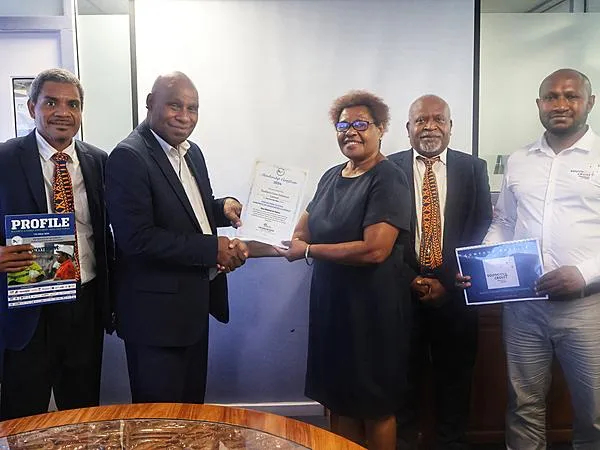
The Papua New Guinea Chamber of Resources & Energy (PNG CORE) recently welcomed two esteemed entities, Great Pacific Gold and Southern Cross Assurance Limited (SCAL), into its dynamic network.

Great Pacific Gold joins PNG CORE following its recent amalgamation agreement with Tinga Valley Copper & Gold Corp. to acquire a highly prospective PNG copper-gold project called the Tinga Valley. This marks a significant milestone in the Chamber’s expansion.

PNG CORE Chief Operating Officer Pansy Taueni-Sialis formally welcomed Great Pacific Gold to the Chamber.

“As the peak body for the mineral resources & energy sectors in Papua New Guinea, PNG CORE is pleased to have Great Pacific Gold on board to our growing network. Their recent acquisition not only enhances their potential but also enriches our collective efforts with invaluable insights and opportunities,” she said.

"We are excited to embark on this journey with Great Pacific Gold, fostering a partnership that promises substantial growth and shared prosperity. Welcome aboard!"

Similarly, SCAL’s entry as a service member heralds a new chapter in PNG CORE's commitment to fostering partnerships across various sectors.  

SCAL is a PNG-owned company aiming to extend its reach into offering their insurance products and services to safeguard business operating in the resources and energy sector.

SCAL CEO Sri E Kalyanarangan emphasized that as a service member of the Chamber, the firm is excited with being a part of PNG’s leading industry peak body.

“Being a service member of PNG CORE will not only allow us to stay informed about industry trends and challenges but also enable us to establish meaningful connections that can contribute to the growth of our business and the industry we serve. We have been operating in the insurance industry for more than 10 years now and we can offer technical expertise to manage the complex risks that exist in the mining and resources sector,” he said.

“Our membership to PNG CORE builds on this and provides an avenue for us to engage more closely with the mineral resources and energy sectors.”

PNG CORE Team Leader Member Services, Edith Baimur, in welcoming SCAL, reaffirmed the Chamber’s commitment to working closely with the insurance provider, for mutual benefit.

"As a member of PNG CORE, SCAL will gain valuable insights into the latest trends and issues of the resources and energy sector. This will enable SCAL to strategically plan and adapt their business to meet the evolving demands and capitalize on opportunities within this thriving sector."

“We look forward to a brighter future, together.”

May 06, 2024

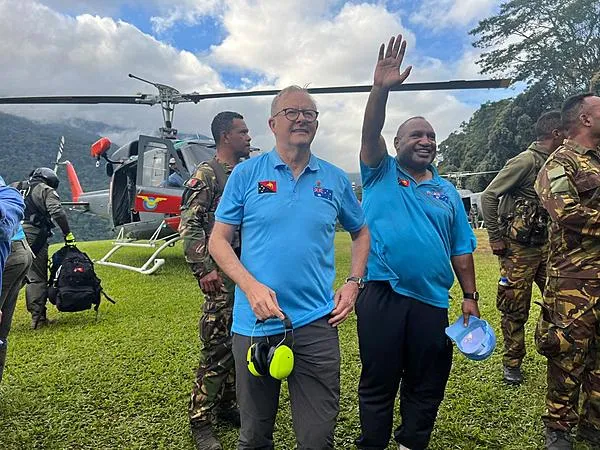
The historical ties between Papua New Guinea and Australia run deep, rooted in shared experiences and mutual support. On April 25th, Australian Prime Minister Anthony Albanese and PNG Prime Minister Hon. James Marape embarked on an historic 2-day walk to commemorate ANZAC Day, symbolizing the enduring strength of the relationship.

“May the Spirit of ANZAC, underscored by the bravery and courage these young men exhibited and the mateship that grew between them and our Pacific and PNG carriers, never be forgotten,” PM Marape said for the National Day of Commemoration.

Prime Minister Marape emphasized the importance of honoring the sacrifices made at Kokoda and beyond, highlighting the invaluable contributions of PNG's own volunteers, known as the "Fuzzy Wuzzy Angels."

He stressed the enduring significance of courage, ingenuity, and mateship, traits that continue to resonate in contemporary society.

PM Marape emphasized the importance of sharing and rediscovering the spirit of endurance and mateship forged during World War II. He envisioned the trek as a symbolic gesture to reignite the ANZAC spirit and foster solidarity between Australia and PNG.

“Why must we do this; you ask? What is the significance of this task? It is because in the busy grind of work and life, it is so easy to forget the hardships and sacrifices those who went before have made. It is also a necessary feat to share, to symbolise and rediscover the spirit of endurance and mateship that our two people shared during WW2 at Kokoda. The trekking is symbolic to reignite the ANZAC spirit.”

“Australia and PNG must walk hand in hand to carry each other, share each other's burden, and walk into a future of peace and prosperity that we are working to create for our children to live in,” he added.

One significant aspect of this enduring relationship is the longstanding business partnership exemplified by companies like Steamships Limited (Ltd).

A brief of Steamship Ltd history in PNG, to properly understand and appreciate this bond between the two countries:

Established in 1919, retired sea captain, Algernon Sydney Fitch, founded the business to run operations in Australia. In the same year, he left his Tasmanian Apple farm in Australia and sailed the company’s first ship, the SS Queenscliffe, to Port Moresby to trade along the Papuan coast. In 1924 the public company was formed and the Steamships history began in PNG, with the company listed on the Sydney – Australia stock exchange.

Historically and up to this date, Steamships Ltd has played a pivotal role in PNG's economic development, fostering industries and businesses that have contributed to its growth. According to Port Moresby Stock Exchange (POMSoX) 1999, Steamships Ltd stock was the first company listed on the POMSoX with the company’s stock continued to trade on the Australian Stock Exchange. Noted from the POMSoX, the first cargo was 25 coconut fiber sacks, about 15 pounds of tobacco, and a case of condensed milk.

From its humble beginnings as a coastal trader, to its present status as the largest non-mining company in PNG, Steamships has diversified its operations into logistics, property, hospitality, and manufacturing.

The company's resilience during challenging times, such as World War 2, highlights its commitment to PNG's progress. Despite operations being suspended during WWII, Steamships swiftly restored its retail operations post-war, reopen store in November 1945, demonstrating its dedication to the country's recovery and rebuilding efforts.


Historically noted, at each stage of PNG’s economic development, seen to be the largest nation and economy in the South Pacific, Steamships has fostered businesses and industries that have helped build PNG. Steamships Ltd has boosted local economies through businesses initially established in Port Moresby, the gulf and western reaches of the former territory of Papua and later in New Guinea and the Highlands.

Moreover, the company’s association with the Multinational Conglomerate Swire & Sons Limited began after WWII in, formally in 1952 with the initiation of the New Guinea Australia Line Service, which used China Navigation Company vessels and steamships as shipping agents.

Steamships' coastal shipping and stevedoring services supported the PNG economy as it started to develop and explore its rich and diverse endowment of natural resources, including plantation crops and mining. In response to new opportunities, Steamships diversified into major operating categories of logistics, property and hospitality, and various joint venture operations.

Companies under steamships are Coral Sea Hotels, Pacific Palm Properties, Consort Express Lines and EastWest Transport. Steamships was the owner of the country’s first manufacturer of ice cream; Laga Industries, makers of the Gala brand, which was sold to Paradise Foods Limited in 2018.

Furthermore, Steamships' association with the Swire Group, dating back to the 1950s, underscores its role as a key player in PNG's economic landscape. The Swire Group has a majority holding in Steamships, which is the largest non-mining company in PNG.

The partnership between the company and PNG has facilitated the expansion of services and the establishment of vital connections with other nations, further strengthening PNG's position in the Asia-Pacific region.

The enduring business relationship between Australia and PNG, epitomized by companies like Steamships Limited, remains integral to both nations' growth and prosperity.

May 06, 2024

As the global community faces the inevitability of climate change, it becomes imperative for nations and businesses alike to prepare for the ensuing transitions. Papua New Guinea is thus actively addressing the challenges climate change poses, particularly in the realm of sustainable transportation.

“It is mandatory upon us to take bold and precise action to address this pressing environment concerns,” emphasized Mr. Roy Mumu, Secretary for the Department of Transport, during a pivotal workshop on Sustainable Transportation Solutions held on May 1st in Port Moresby.

"PNG has made a solemn commitment to achieving carbon neutrality in the energy industries sub-sector by 2050, signaling a paradigm shift towards renewable energy sources and sustainable transportation solutions," he stated.

"Embracing electric vehicles represents a cornerstone of this transition, offering a clean and efficient alternative to conventional fossil fuel-powered vehicles."

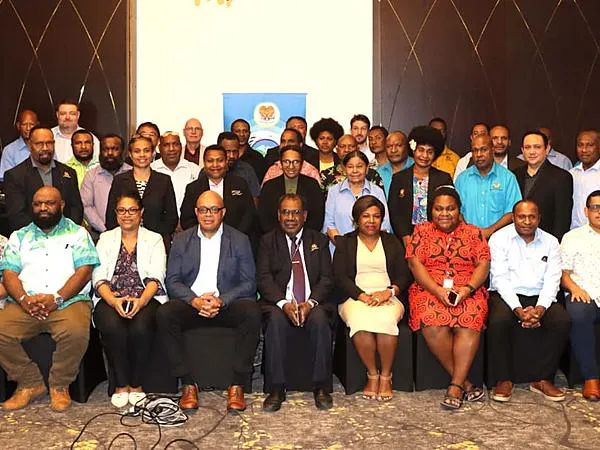
The workshop brought together 50 representatives from the private sector, development partners, stakeholders, and non-government agencies.

Central to the workshop was the promotion of electric mobility solutions in PNG as part of the "Promoting Electric Mobility in Papua New Guinea" Readiness project, led by the Department of Transport (DoT).

In collaboration with the Climate Change Development Authority (CCDA) and the Global Green Growth Institute (GGGI), the project aims to tackle barriers obstructing the adoption of electric vehicles (EVs) in the country.

The workshop featured a panel discussion among key stakeholders, including the Asian Development Bank (ADB), PNG Power Limited (PPL), CCDA, and National Research Institute (NRI), the event focused on exploring sustainable transportation solutions.

Key points of discussion included the necessity for further consultation with other government sectors, including both public and private sectors.  

The ADB, represented by Mr. Masayoshi Ono, Infrastructure Specialist and Transport Sector Officer, pledged support for the project, drawing insights from similar endeavors in the Asia Pacific region, as he shared insights to ADB’s programs in PNG.

The Transport sector is the largest sector ADB is supporting at 60% and energy at 20%, in response to the large infrastructure gap in the country.

Building resilience to climate change forms part of ADB’s active portfolio, as the bank’s commitment underscores the business potential of sustainable transportation solutions in PNG, starting with E-Mobility in Port Moresby.

 “It is important that we all come on board with the Department of Transport to see how best this project can be implemented,” Mr. Ono added.

The project, with a budget of USD 449,598 (about 1.735 million kina) from the Green Climate Fund, spans an 18-month duration and focuses on establishing stakeholder engagement mechanisms, conducting relevant studies and research efforts, and developing strategic frameworks to promote electric mobility.

Acting Managing Director of CCDA, Ms. Debra Sungi, highlighted the significance of electric vehicles as key policy targets in the transport sector, aligning with PNG's commitment to achieving carbon neutrality in the energy industries sub-sector by 2050.

National strategies and policies, including the PNG Vision 2050 and the National Climate Compatible Development Management Policy, which emphasize the reduction of emissions from the energy sector and promote renewables and fuel-efficient transportation, reflect this commitment.

Ms. Sungi reiterated, "The transport sector is one of the country's key energy targets, and the government is committed to ensuring that the country achieves carbon neutrality by 50% by 2030 under the Vision 2050."

"Therefore, the transport sector will implement policy measures on how best we can mitigate emissions from the sector. This is to demonstrate that our country is also taking action to limit global temperature rise."

Ms. Sungi highlighted electric vehicles as key policy targets in the transport sector. She extended her gratitude to all stakeholders for their commitment to the noble cause, expressing confidence in collective action to drive sustainable progress in PNG.

The country's enhanced Nationally Determined Contribution (NDC) emphasizes the reduction of emissions from the energy sector, with a particular focus on promoting renewables and fuel-efficient transportation.

Moving forward, PNG's transition to low-carbon transport necessitates coordinated efforts across government, private sector, and civil society.

Key priorities include enhancing inter-institutional coordination, fostering technical expertise in EV technologies, and developing long-term planning and regulatory frameworks.

By scaling up initiatives in low-carbon transport, PNG aims to reduce emissions, improve air quality, and drive sustainable economic development.

The workshop marked a significant milestone in PNG's journey towards sustainable transportation solutions, underlining the collective commitment of stakeholders to combat climate change and pave the way for a greener, more resilient future.

May 06, 2024

Papua New Guinea Prime Minister Hon. James Marape has emphasized his intention to engage in discussions with Japanese Prime Minister Hon. Fumio Kishida regarding the Papua LNG project.

During a recent presentation on April 30th, Prime Minister Marape expressed his desire to formally extend invitations to Japanese contractors for bidding on the construction of the project.

The announcement came as PM Marape accepted an invitation to attend the 10th Pacific Islands Leaders Meeting (PALM 10), scheduled to be held in Tokyo from July 16th to 18th, 2024, alongside Prime Minister Kishida.

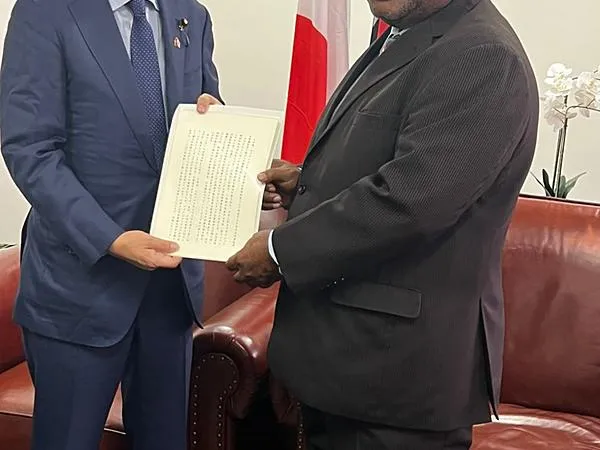
During a small ceremony, Special Advisor to the Japanese Prime Minister, Mr. Hitotaka Ishihara, hand-delivered the official invitation to Prime Minister Marape.

Top on their agenda in the discussion between PM Marape and Mr Ishihara was the mutual desire for both leaders to hold a bilateral meeting on the margins of PALM 10.

PM Marape also expressed appreciation for Japan’s ongoing support and assistance to PNG's development efforts.

Since 1997, Japan has been hosting PALM meetings every three years, providing a platform for leaders from Pacific Island countries and regions to exchange views on regional issues.

This year's meeting will focus on strengthening cooperative relationships and addressing common challenges, including those related to small size, land distribution, distance from major markets, and vulnerability to natural disasters and climate change.

PM Marape has accepted the invitation and looks forward to meeting Prime Minister Kishida, expressing gratitude for the opportunity to further strengthen ties between Japan and Pacific Island countries.

Representatives from the 18 Pacific Islands Forum (PIF) members, including PNG, Cook Islands, Federated States of Micronesia, Fiji, Kiribati, Marshall Islands, Nauru, Niue, Samoa, Solomon Islands, Tonga, Tuvalu, Vanuatu, French Polynesia, New Caledonia, Australia, and New Zealand, will be in attendance.

May 05, 2024

Mining Minister Honourable Muguwa Dilu, has urged all landowners, impacted communities and stakeholders of the Porgera Mining Project, to fast-track the Community Development Agreement (CDA) process so that they could start receiving benefits.

The Minister was speaking in Tari on Friday April 26, where he addressed the Hides-Porgera Power Line landowners of the Porgera Mining project.

He said the Porgera Mining Project was a priority of the Marape-Rosso Government, adding that the government wanted to ensure that the mine goes into full operations immediately.

The meeting with the power-line landowners was the final one of a series of pre-CDA meetings, which the State Team has been conducting in the last few months, involving all landowners and stakeholders. The aim of pre-CDA meetings has been to provide the State’s response to the position papers, create awareness, clarify issues, prepare landowners and respond to specific pre-dominant agendas presented in position papers submitted by landowners and stakeholders.

The next step is to launch CDA proper in the coming weeks, after which, all parties and other stakeholders will convene at a venue to be announced soon, to negotiate benefits through the CDA process. Minister Dilu recently announced that the CDA proper would be held in May 15-30-2024.

The Minister told the power line landowners: "Yumi mas stretim olgeta hevi na wari blong yumi before long end of May-June."

He said all landowner groups were important stakeholders of the project, and that the government would ensure their position papers were considered.

He urged them to cooperate with the State Team and quickly find ways forward to addressing their positions on major potential benefit streams available to them such as equity and Business Development Grants.

He reminded the landowners however, that there were laws and policies governing the potential acquisition of benefits. He said the State would not negotiate benefits outside of laws and asked for understanding from landowners and stakeholders.

The Minister was accompanied to the meeting in Tari, by the Governor for Hela Province, Honourable Philip Undialu and the Managing Director of the Mineral Resources Authority (MRA) Mr Jerry Garry, who joined the State Team that had gone to Tari earlier in the week to conduct pre-CDA meeting.

Governor Undialu said his government and his people supported the Porgera Mining project. However, he urged the State Team to clearly define the various benefit streams and how exactly his government and his people would benefit, taking into account the various laws and policies that govern benefits distribution. His landowners expressed the same sentiments.

May 05, 2024

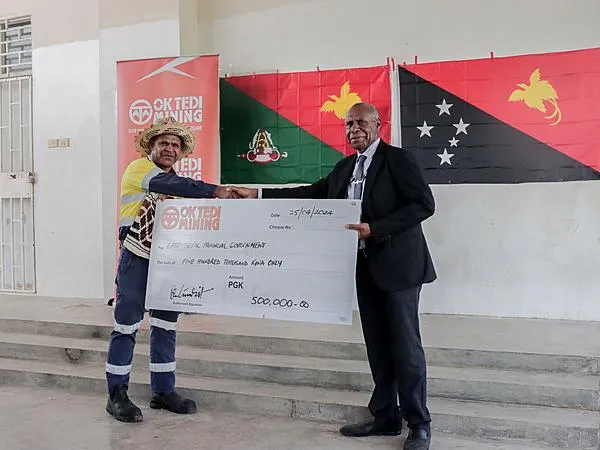
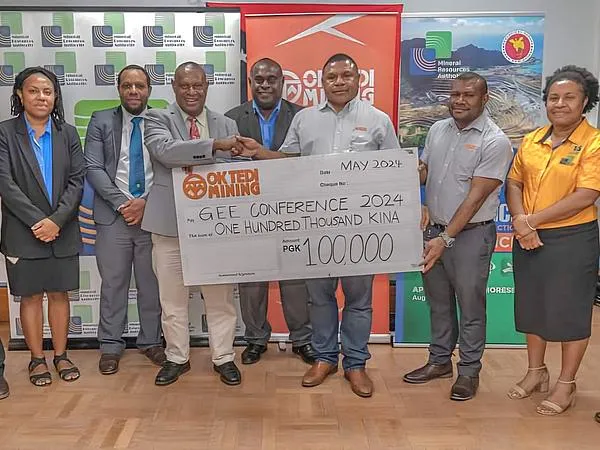
Ok Tedi Mining Limited (OTML) yesterday, presented a dummy cheque of K100,000.00 to the Mineral Resources Authority (MRA), to consolidate its position as a Major ‘Gold’ Sponsor of the MRA organized Geoscience, Exploration & Extraction (GEE) Conference 2024.

The conference will be held on August 7-9, 2024, at the APEC Haus, Port Moresby. This is the second time that the MRA will be staging this two-yearly conference. The inaugural conference was held in 2022.

OTML’s General Manager Social Performance and Sustainability, Mr. Jesse Pile, and Manager Corporate Affairs, Mr. Dexter Wagambie, presented the dummy cheque signifying the sponsorship, to the Patron of the GEE Conferences and Managing Director of the MRA, Mr. Jerry Garry. Mr. Garry when receiving the sponsorship, expressed the organising committee’s and the MRA’s gratitude towards OTML for its generous support to the event. He said that the contribution was very important in enabling the staging of the conference. Mr. Garry said the mining and the geoscience community in the country has not had a platform such as the GEE Conferences for the last two-three decades, where geoscience and engineering knowledge and ideas could be shared and discussed as learnings for the betterment of the industry as well as for the country.

“We have people who are doing research work in Ok Tedi, in their laboratory to overcome recovery problems, or overcome metallurgical problems. There are people who are working in different parts such as Kainantu. They maybe looking at different ore types and there maybe new findings. But there is no medium in this country to share those new findings and foster growth within the scientific community, and GEE is now the appropriate avenue to do that.”

The MRA MD appealed to other industry partners and stakeholders to support the conference.

Mr Pile said OTML as a state-owned entity felt that it was only proper to be in the forefront of the conferences like this. He said this is because GEE would contribute towards the development of PNG in terms of research and human resources development.

He said: “This contribution is building on from the very healthy relationship OTML has with MRA. From our observations, MRA is a leading organisation amongst other government authorities and agencies. The manner in which you run your organisation is professional, and Ok Tedi finds it fitting to work with your organisation, because of your professionalism. So this contribution is building on from what has been established over the years.”

The GEE Conference aims to bring together leading academics, scientists, researchers and geoscientists, to share experiences and share research results in geological exploration and mineral extraction. It will provide a premier inter-disciplinary platform for researchers, practitioners and educators, to present and discuss latest innovations, trends, concerns and practical solutions to challenges encountered throughout the business spectrum of the mining business. The conference will be the premier meeting place where stakeholders can connect and network with others in the field of geoscience, from learners to practitioners to decision makers. Presenters and participants will come from PNG and international based organizations as well as individuals, government agencies and Non-Government Organizations (NGOs).

May 05, 2024

The Autonomous Bougainville Government has announced its intentions to collaborate with foreign investors, particularly from China, to pursue key development projects in the region. This decision comes amid growing interest from Chinese companies to invest in Bougainville's infrastructure and economy.

ABG Vice President and Minister for Commerce, Trade, Industry and Economic Development Hon. Patrick Nisira, made the announcement in light of public concerns and interest in ABG’s interactions with foreign investors.

Minister Nisira acknowledged the public concerns about China’s Belt and Road Initiative and emphasized the need for independent decision-making, free from biased information sources.

“Information that influences these perspectives is taken from western media sources which clouds independent and informed decision making by the government to pursue development initiatives. The dearth of options from traditional development partners over the last 20 years, a rapidly shortening timeframe for self-governance of Bougainville to 2027, and now Chinese companies approaches for partnerships in these very areas, make such opportunities worth considering for the benefit of the people,” he said.

Recent visits by Chinese interests, including the China Railway 25th Bureau Group, Boa Hua Whitehorse group, and Bougainville China Friendship association, have initiated discussions on potential partnerships. To explore these opportunities, an ABG delegation recently visited Shenzhen and Guangzhou, meeting with senior executives from China Railway Construction Corporation (CRCC).

“The ABG delegation’s trip was undertaken as a return leg reciprocating visits by Boa Hua White Horse Group in 2023 and going back a period of 10 years, and the CRCC Group 25 in March 2024. The ABG delegation met with senior company executives at the China Railway Construction Corporation Global Centre in Guangzhou. It was also a fact-finding mission as part of conducting due diligence on the two companies, forming the basis for continuing with a proposed Cooperation between the parties,” Minister Nisira explained.

The trip was also intended for the delegation and Cabinet Ministers to evaluate the set-up of the Bougainville Trade Office by the Ministry and Department of Commerce, Trade, Industry and Economic Development.

“Setting up of the Trade Office is cognition of the PNG Sovereign powers and formalities will be established soon between the ABG and the Government of PNG for accreditation of the office to the PNG Embassy in Beijing, China.”

An MoU was signed to foster collaboration, with detailed agreements to be drafted for specific projects. The government sees these investments as crucial for Bougainville's economic growth and infrastructure development, aligning with its aspirations for nationhood.

Minister Nisira says the Bougainville Executive Council has endorsed the outcome of this mission with an official invitation extended to CRCC to commence scoping exercises for the projects outlined in the MOU. These companies have shown interest in projects like expanding Buka airport, establishing a cold storage facility, improving water supply, and constructing highways and hospitals.

“Bougainville has not seen major infrastructure development since the Japanese government’s JICA- funded bridges program. Bougainville’s alignment with the West for over a century has seen a very slow pace of development and lack of basic services like affordable power, access to water and good road links.”

“As a responsible government, the ABG continues to seek development assistance both within and outside its traditional partnership circles, and finds Chinese-led investment which emphasizes Infrastructural Development aligning perfectly with Bougainville’s nationhood aspirations due to the transformational effect it will have on all socio-economic aspects of the region,” he said.

May 05, 2024

Prime Minister Hon. James Marape has acknowledged the World Bank for highlighting important steps to be taken by the Papua New Guinea Government to grow its economy during a high-level seminar in Mt Hagen, Western Highlands, on Tuesday, April 30, 2024.

He made the acknowledgment when closing the seminar on ‘Doubling the PNG Economy Within a Decade to Create One Million Jobs – What It Will Take’.

Prime Minister Marape said hearing the weaknesses in the progress made by the government and key economic sectors from World Bank experts is critical to the country.

He emphasised that the country’s focus under his leadership is to grow the economy to K200 billion at the earliest and to continue on growing it from there. The rationale is simple: A bigger economy sustains the development needs of our people and country.

The Prime Minister stressed to key economic ministers and departmental heads that the insights provided by the World Bank experts serve as a wake-up call.

“I want to call on our public officials, both elected and appointed to get out of our offices and see the hard life our rural people are facing,” he said.

“We have the transport and freight subsidy in the agriculture sector, the National Agriculture Plan, we have funding for education, we have clearly mapped our Medium-Term Development Plan, and all other programmes as mentioned by the World Bank officials but have been complacent and lacked the willpower to work to implement them for our people.”

Prime Minister Marape highlighted concerns raised by the business community and the World Bank on the ease of doing business in PNG, stressing that these concerns should be heeded to attract foreign direct investment.

He emphasised the urgency of addressing issues such as the lengthy government processes which takes at least eight months compared to just three months in other Pacific nations, as highlighted by the World Bank

“We must speed up,” Prime Minister Marape said.

“We must get back to work more and harder including ramping up on the focus to diversify the economy and creating more jobs.

“My government acknowledges the World Bank for continued programmes with government.

“Our systems are slow and cumbersome but the World Bank continues to be patient and work with us. We apologise for this sad status quo but commit to embrace all recommendations put . forward to grow our economy.

“Thank you, World Bank, for all your programmes that are running in PNG.

“We will certainly take on board your recommendations in your presentations at this seminar today.”

May 01, 2024

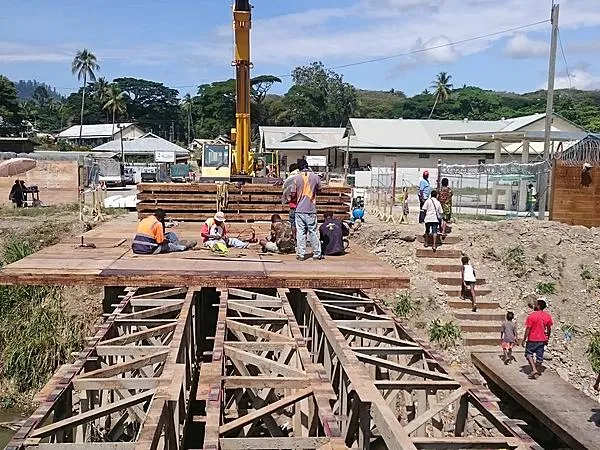
NiuDeck from PNG Forest Products is a purpose designed and engineered heavy plywood decking system that provides a long-lasting, cost-effective solution for bridge re-decking and widening. Quick and easy to install, NiuDeck’s durability and longevity are further enhanced with the application of a bitumen surface.

For situations requiring a whole new bridge structure, PNGFP’s NiuBridge is the ideal solution for bridging installations in PNG for spans of up to 25m, with an installed cost base typically under half that of equivalent concrete or steel. 

With a treatment warranty of 50+ years, both NiuDeck and NiuBridge require little maintenance thanks to PNGFP’s unique veneer preservation treatment, ensuring complete protection from termites and rotting.

Manufactured from 100% sustainable PNG plantation pine to both AS/NZS 2269 and AS/NZS 1604 standards, these Engineered Wood Products exploit the advantages of natural timber, which is not subject to fatigue failure, unlike other materials such as steel and concrete. 

Suitable for a range of load conditions including Austroads T44 and AS 500 Bridge Design, NiuBridge and NiuDeck are widely used by local and state governments in Australia and New Zealand due to the products’ superior strength, light weight, flexibility and durability.

The peak body for the timber industry in Queensland has welcomed these products as a demonstration of the versatility and innovation of using Engineered Wood Products in bridge construction.

“Using prefabricated timber systems in bridges is gaining greater market recognition due to their inherent strength, light weight and low carbon emissions footprint compared to other construction materials”, said the CEO of Timber Queensland, Mick Stephens.

For more information on NiuDeck and NiuBridge, contact the PNGFP team now on 323 5995 or bridgesales@pngfp.com, or download product brochures at www.pngfp.com.

April 29, 2024

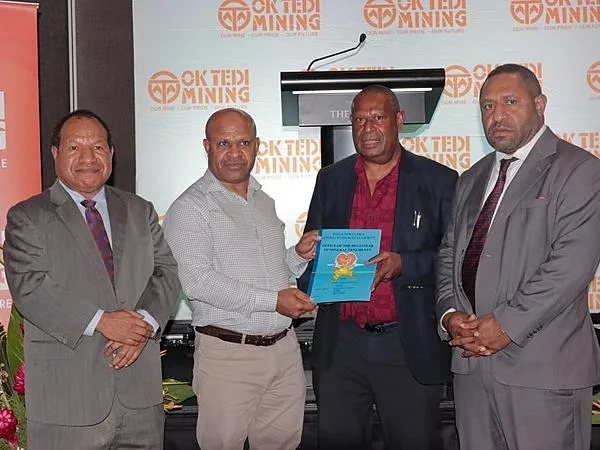
Ok Tedi Mining Limited (OTML) recently renewed its Special Mining Lease (SML) 1 (0), gaining an additional 20-year lease term from 2022 to 2042.

This is the second SML 1 (0) lease term extension for OTML.

During the momentous event on 23th April, the Minister for Mining, Hon. Muguwa Dilu, encapsulated the rich history, significant achievements, and promising future of one of Papua New Guinea's premier mining ventures.

Hon. Dilu said: “As an SOE (State Owned Enterprise), OK Tedi has been paying healthy dividends to the state every year, thus contributing to the economy, government revenue and improving livelihoods in communities around PNG.”

“Last year, OTML announced that the mine’s life will be extended to 2050 and a potential future income of K30 billion. So it was not hard for the government to renew the Special Mining Lease for OK Tedi because the old SML had expired. The granting of the new SML will now allow OTML to continue operations for the long term,” he added.

The process, initiated SML 1 (0) lease, was granted in 1981 and expired in May 2002, but was extended for another 20 years until its expiration in 2022.

An application for the renewal of the SML 1 (0) and associated leases for mining purposes in compliance with the Mining Act 1992 provisions was lodged with the Mineral Resources Authority on 20th December, 2021, resulting in the current extension grant.

Furthermore, the SML 1 (0) lease renewal includes renewal of 22 Lease for Mining Purposes (LMP) and two (2) Mining Easement, which are tied to the term of SML 1 (0).

The 24 ancillary leases host supporting infrastructure for the mining operations, while the SML 1 (0) lease is the host area for active mining and milling operations activities.

Minister Dilu reiterated: “The renewal of the SML clearly demonstrates the government’s confidence in OTML.”

According to the OTML update during the significant event, the Company is also currently carrying out its awareness sessions throughout its impacted communities in preparation for its Community Mine Continuation Agreement (CMCA) extension review, which is expected to be completed in October 2025 with the signing of the Agreement to continue mine operations.

Hon. Dilu likewise lauded the leadership of Hon. William Duma and regulatory support from the Mineral Resources Authority (MRA). Since commencing operations in 1984, OTML has transitioned from a gold mine to a prominent copper-gold operation, contributing substantially to the nation's economy and community development.

OTML's ownership structure underscores the country's commitment to empowering its people through resource ownership. Over the years, the company has made significant contributions to the nation's economy and local communities.

With 5.17 million tonnes of copper, 15.9 million ounces of gold, and 36.4 million ounces of silver produced since inception, OTML's operational growth is undeniable.

The company has made significant financial contributions to the state over the years, demonstrating its commitment to various stakeholders. This includes:

  • PGK 13 billion in dividends to PNG shareholders
  • PGK 515 million to the Tax Credit Scheme (1997 – 2022)
  • PGK 972 million for the CMCA Payments (2001 – 2021)
  • PGK 10.2 billion in taxes and duties
  • PGK 1.5 billion in compensation
  • PGK 1.3 billion in royalties

OTML’s current production, export volume earnings in 2022, OTML has contributed 3.6% of PNG’s Gross Domestic Product. In 2023, it declared a K450 Million Dividend, underscoring the company's substantial impact on the economy and local communities.

Hon. Dilu also expressed gratitude to the board, management, and staff for their dedication and resilience, especially during challenging times like the COVID-19 pandemic and drought.

Looking ahead, OTML's future is promising, the minister said, as the company is positioned for sustained growth.  Strategic projects outlined in its business plan are expected to generate K30 billion in social benefits over the next 27 years, reinforcing OTML's role as a catalyst for economic development and community empowerment.

Minister Dilu added: “The Ok Tedi mine has been operating for 33 long years. OTML as a SOE has been operating for 22 years. We have history, we have experience, and as a business, the future is just fine. I want to see OTML grow in the following areas:

  1. I want to see OTML operate another mine outside of Western Province. PNG is a big country; I am sure OTML can operate a second mine in the country.
  2. Or like Oil Search Limited had done, OTML can go international. The world is a big place. Surely, we can find another place with the same or better resources that we can open up another mine.
  3. Another option that I think OTML should consider is downstream processing. We should start a serious conversation on refining our copper onshore and export the finished product to markets overseas. The benefits are huge. OTML is best placed to do that.”

OTML Managing Director and Chief Executive Officer, Kedi Ilimbit, also spoke at the SML 1 presentation event at the Stanley Hotel in Port Moresby.

He thanked all stakeholders involved in furnishing the extension of the SML 1 (0), citing OTML’s gratitude and excitement in continuing to explore opportunities for sustainable resource development in the region while also providing social and economic benefits to its impact communities and the country.

Mr Ilimbit emphasized OTML’s commitment to fulfill the environmental, legal, and social obligations, maintaining positive relationships with the communities impacted by the company’s operations, and securing the social license to operate, which is vital for its ongoing success.

April 29, 2024

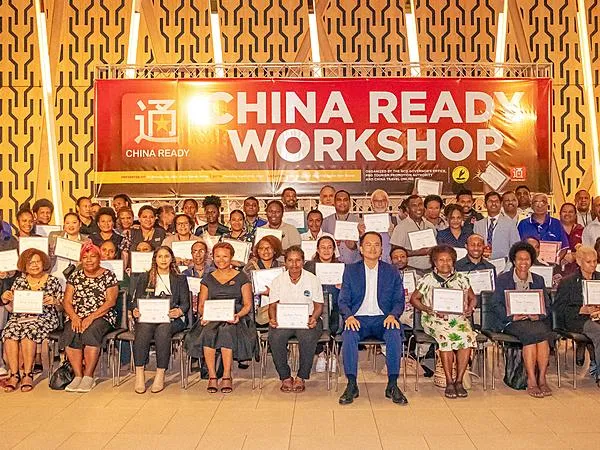
Papua New Guinea Minister of Tourism, Arts and Culture, Hon. Isi Henry Leonard recently welcomed distinguished guests from China, PNG, and stakeholders for the first China Ready Workshop held on the 25th April at APEC House-Port Moresby.

“Your presence here signifies our vision for a vibrant future in tourism and business between Port Moresby-PNG and China,” Minister Leonard said in his opening remarks.

China Ready is a global accreditation system that certifies a product or service that can be trusted by a Chinese consumer. This internationally recognized system is being rolled out in PNG’s capital among affiliated members of the tourism industry.

PNG is the 51st country across six continents to adopt this program, representing 25 percent of global destinations.

The workshop is organized by the PNG Tourism Promotion Authority (PNGTPA) and the National Capital District (NCD) Governor’s Office in close partnership with the Government of China.

It is an exclusive event, initiated to prepare Port Moresby’s tourism industry and its stakeholders for the opportunities the Chinese market offers.

The workshop included the latest market updates, insights into the post-COVID-19 Chinese traveler, effective strategies to take on the fast-evolving Chinese market, and tap into its vast potential. Areas ranging from transportation and accommodation to entertainment and services highlight the diverse opportunities awaiting the city, as the government and stakeholders prepare to welcome Chinese tourists.

Participants gained valuable knowledge on post-COVID Chinese tourist demographers, behavioral changes, the rising trend of Free Independent Travellers, effective communication strategies with Chinese partners, destination selection criteria, target strategies for Chinese travellers, and marketing PNG’s unique culture and natural beauty.

Participants in the workshop included:

  • Government officials from tourism departments and ministries
  • Cultural organizations and heritage sites representatives
  • Local tourist boards and associations
  • Hotels and accommodation representatives
  • Tour operators and travel agencies
  • Transportation providers (airlines, railways, bus companies)
  • Restaurant and food services businesses
  • Attractions and touristic sites management
  • Retailers and souvenir shops
  • Tourist guides
  • Emergency services and healthcare providers
  • Agencies for safety and security briefing
  • Marketing and public relations professionals for destination promotion
  • Hospitality training institutes and professionals for service improvement.

In his speech, Hon. Leonard said: “We will work closely with our stakeholders to enhance Port Moresby’s image, correct misconceptions, and strengthen our ties with Guangdong Province.”

“It is time that PNG joins other Pacific nations that have benefited through this China Ready approach. it is evident in their success stories of countries like Samoa, which has experienced significant increase in Chinese visitation numbers and tourism growth after adopting the China Ready principles. Let us seize this opportunity to build strong partnerships, enhance our city’s appeal, and pave the way for sustainable growth and mutual prosperity.”

More than 60 participants got certified, including air service providers, car rental companies, clothing retail outlets, and received their certificates after completing the China Ready workshop.

NCD Governor Hon. Powes Parkop reiterated the significance of making Port Moresby and PNG China Ready “to tap into and harness this potential of tourism.”

“The National Government through the Minister adopted the strategic plan and now it’s up to all of us to roll the strategy out. We must recognize and understand that, Tourism is a sleeping giant,” he said.

Hon. Powes emphasized the products of tourism that PNG can offer. Port Moresby, as the nation’s capital, is a hub of more than a thousand tribes and cultures, a diverse country that is rich with language. PNG owns one-third of the world’s rainforest, which is a tourist product in itself, he added.

The China Ready Workshop follows the recent establishment of direct flights from Guangzhou, China to Port Moresby by China Southern Airlines, fueling the expected increase in tourism in the coming months. 

PNGTPA’s CEO Mr. Eric Mossman Uvovo described the initiative as a historical milestone for the country, “where we position ourselves to welcome one of the biggest economies in the world in terms of tourism. The workshop was a pivotal moment for stakeholders and all of us to be ready for the outbound Chinese Market.”

The China Ready Program was established in 2002 and is the largest of its kind, ensuring destinations and service providers meet Chinese hospitality standards. It is operated by CBISN and exclusively issued by the China Outbound Tourism Research Academy (COTA). The program is endorsed by the Chinese Ministry of Culture and Tourism.

Dr. Marcus Lee, CEO of China Travel Online and facilitator for the China Ready workshop, provided insights into the program's objectives.

"Our primary objective is to enable Papua New Guinea to tap into the vast potential of the Chinese market. We've completed our audit, and the essence of the China Ready concept is to guide destinations and stakeholders on welcoming Chinese tourists. More importantly, it's about delivering services and products that meet Chinese standards," said Lee.

Lee encouraged the government to work closely with PNGTPA to make PNG China Ready. “I urge all stakeholders, including the government and PNGTPA, to implement the Insights gained to make Port Moresby and PNG truly China Ready,” he said.

Lee is CEO of China Travel Online, a leading China Outbound Travel portal on the China-wide web with over 100 destinations listed. The group consists of Technology, Media, and MICE, with officers across 10 countries in Asia and China. The portal reach 80% of the Chinese outbound travel trade.

He sits on board as Chairman of China SME Business Owners Association (ICIF) with 11,000 corporate members. Marcus speak 6 Chinese languages and is the author of the international bestseller “How to Outsmart China” featured by CNN, China Daily and Bloomberg.

April 29, 2024

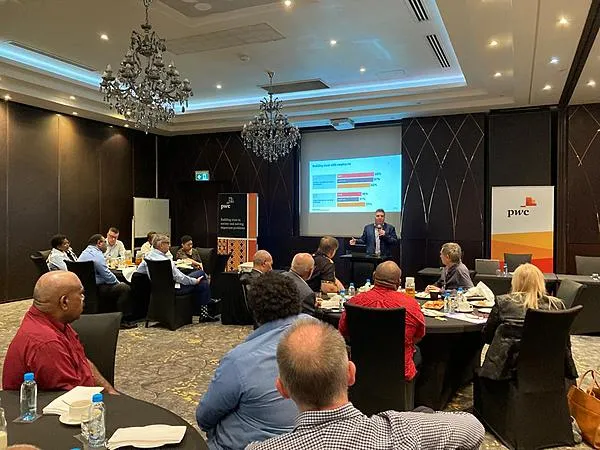
Port Moresby Chamber of Commerce and Industry Inc. (POMCCI) recently hosted the Price Waterhouse Coopers (PwC) PNG 3rd Family Business Survey (FBS), presented by Michael Collins Entrepreneurial and Private Business (EPB).

The survey shed light on the dynamics of family businesses, their challenges, and strategies for building trust and sustainability. It was presented on April 18th at Lamana Hotel in Port Moresby, attracting attendees from various companies, businesses, and stakeholders.

Survey Insights

The survey gathered insights from 2,043 respondents across 82 territories, including 630 participants from the Asia Pacific region and 42 family businesses from Papua New Guinea, marking a 24% increase from the previous survey in 2020.

Notably, 72% of respondents globally, 81% in Asia Pacific, and 88% in PNG were either first or second-generation businesses.

Key findings revealed a mixed performance in the last financial year, with some businesses experiencing double-digit growth in sales while others faced declines.

However, the poll showed optimism about future growth, with strategic priorities focusing on expansion, digital capabilities improvement, and customer loyalty enhancement. Long-term priorities emphasize the importance of family legacy and value generation.

Key findings

  • Increase sales: Global 61%, Asia Pacific 66% and PNG 69%
  • Double digit growth: Global 43%, Asia Pacific 41%, PNG 40%
  • Decline in sales in the last financial year: Global 8%, Asia Pacific 12%, PNG 19%
  • Growth expectation over the next two years: Global 77%, Asia Pacific 75%, PNG 67%
  • Expected to restructure or downsize over the next two years: Global 3%, Asia Pacific 3%, PNG 12%

Based on the FBS, the strategic priorities over the next two years are as shown:

  • Expansion: Global 51%, Asia Pacific 55%, PNG 38%
  • Improving digital capabilities: Global 44%, Asia Pacific 43%, PNG 38%
  • Protecting the core business: Global 44%, Asia Pacific 53%, PNG 52%
  • Increasing customer loyalty: Global 42%, Asia Pacific 40%, PNG 50%
  • Adapt the business model: Global 34%, Asia Pacific 37%, PNG 45%
  • Prioritize employee trust: Global 32%, Asia Pacific 30%, PNG 17%
  • Looking to innovate: Global 27%, Asia Pacific 28%, PNG 7%
  • Prioritizing reducing carbon footprint: Global 20%, Asia Pacific 12%, PNG 2%

Longer term priorities

Respondents showed some greater consistency in prioritizing the generation of long term value for the family and delivering value to customers.

  • Maximizing short-term profits: Global 10%, Asia Pacific 14%, PNG 24%
  • Importance that business stays in the family: Global 12%, Asia Pacific 17%, PNG 26%

Other key findings on family business:

  • Trust between family members: Global 74%, Asia Pacific 71%, PNG 66%
  • Family alignment about company direction: Global 59%, Asia Pacific 55%, PNG 50%
  • Having clear governance structure: Global 65%, Asia Pacific 61%, PNG 57%
  • Having clear set of family values: Global 70%, Asia Pacific 63%, PNG 57%
  • Having documented business process: Global 45%, Asia Pacific 36%, PNG 24%
  • Importance to ensure business stays in the family in the next five years: Global 66%, Asia Pacific 55%, PNG 57%
  • Creating a family legacy over the next five years: Global 67, Asia Pacific 61%, Pacific 45%

Family businesses need to adopt new priorities to build trust and ensure sustainability.

Stakeholder relationships to consider

  • Customers trust you to provide quality goods and services that meet their expected standards at a fair price.
  • Suppliers trust you to pay them on time and meet other supply conditions.
  • Employees trust you to treat them fairly and respectfully, compensate them fairly and transparently, provide a safe
  • working environment and provide appropriate feedback and development opportunities.
  • Governments and authorities trust you to comply with the laws and regulations.
  • Shareholders expect you to meet high standards of corporate governance, be transparent, true and fair in your
  • corporate reporting and for management not to act in their own self-interest.

Building Trust

Trust emerges as a crucial factor for sustainability, impacting relationships with customers, employees, and family members. Respondents highlighted the importance of trust across stakeholders, with varying degrees of confidence in their ability to build and maintain trust.

Key strategies include transparent reporting, communication of values, and active engagement with stakeholders.

Mr. Collins during his presentation emphasized the importance of building trust, as it is “vital in businesses as it is in personal relationships, and from a personal perspective, building trust requires demonstrating credibility and reliability.”

 “For example, customers trust you to provide quality goods and services at a fair price, based on expected standards. While suppliers trust you to do payment on time and to meet other supplier’s demands. Your employees trust you to treat them fairly and respectfully and to compensate them fairly, provide safe working environment, and provide appropriate feedback and development opportunities.”

“Government and authorities trust you to comply with laws and regulations and shareholders expect you to meet high standard of corporate governance and be transparent, true and fair,” he added.

The new formula of trust, based on the survey is referring to the stakeholder groups, customer expectations and businesses toolkits.

  • The Stakeholder groups have expanded to customers, employees, family plus public.
  • Expectations have grown for excellent service and product, brand recognition and history, plus defined purpose, commitment to Environmental, Social, and Governance (ESG) and diversity, equity, and inclusion (DEI), transparent and effective communication.
  • The toolkit has changed and is now referring to owners’ annual report letters, website plus social media, speaking out on social issues and, taking action on commitment.

The FBS for 2022 has shown about trust: 

  • Respondents considered having trust of a broad range of stakeholders was essential: Global 93%, Asia Pacific 90%, PNG 88%.
  • Respondents considered that they don’t encounter any major challenges building trust with stakeholders: Global 37%, Asia Pacific 34%, PNG 36%.

Based on the survey, PNG family businesses are not taking the actions required to build trust:

  • Do not have leaders that encourage a culture of accountability: Global 57%, Asia Pacific 63% PNG 76%
  • Do not have a system in place to gather customer feedback on products and services: Global 66%, Asia Pacific 74% PNG 79%
  • Do not actively protect and consistently communicate about how it uses customer and employee private data: Global 71% Asia Pacific 81% PNG 88%
  • Do not effectively respond to and address data/ privacy breaches: Global 73%, Asia Pacific 82% PNG 93%
  • Do not have a clear purpose statement and commitment that advances diversity, equity and inclusion: Global 79%, Asia Pacific 82% PNG 90%
  • Do not take a public stance on important issues: Global 84%, Asia Pacific 89% PNG 86%
  • Do not have a clear and committed ESG strategy: Global 85%, Asia Pacific 89% PNG 98%

Building trust with customers:

  • Feel it is important to be trusted by customers: Global 82%, Asia Pacific 79%, PNG 71%
  • Believe they are fully trusted by customers: Global 51%, Asia Pacific 44%, PNG 50%

Building trust with employees:

  • Feel it is important to be trusted by employees: Global 68%, Asia Pacific 97%, PNG 62%
  • Believe they are fully trusted by employees: Global 46%, Asia Pacific 41%, PNG 53%

Building trust with family members:

  • Feel it is important to be trusted by family members: Global 63%, Asia Pacific 45%, PNG 67%
  • Believe they are fully trusted by family members: Global 74%, Asia Pacific 71%, PNG 66%

Key Takeaways

According to the survey, to build trust with customers, businesses should focus on measuring and reporting non-financial targets, communicating values, and taking public stands on relevant issues. Similarly, fostering trust with employees involves clear communication of company purpose and values, delivering on non-financial goals, and providing development opportunities.

Building trust with family members necessitates clearly defining roles, establishing governance structures, and transparent reporting on non-financial goals. Strategies include drafting a "constitution" to align family goals and qualifications and implementing formal governance mechanisms.

Actionable Steps

Businesses can enhance trust by fostering a culture of accountability, gathering feedback from customers, and protecting private data. Embracing diversity, equity, and inclusion, taking public stances, and committing to Environmental, Social, and Governance (ESG) principles further strengthen trust and sustainability.

Client Engagement

The survey findings inform discussions with clients on various topics, including remuneration planning, succession planning, regulatory changes, and tax compliance. PwC PNG's initiatives, such as the NextGen Club and Owner's Agenda, provide platforms for continued support and collaboration within the family business community.

The 3rd PwC PNG Family Business Survey underscores the critical role of trust in driving sustainability and success. By adopting proactive strategies and aligning priorities, family businesses can navigate challenges, foster long-term relationships, and create enduring legacies.

Family businesses play a significant role in global economies, driving innovation, creating jobs, and fostering long-term relationships.

April 29, 2024

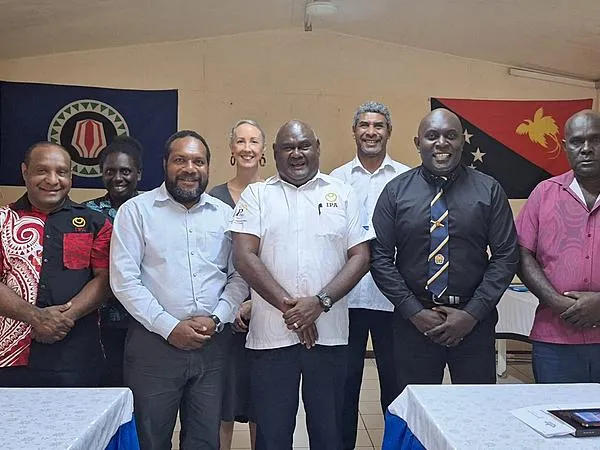
ABG Acting Chief Secretary Kearnneth Nanei and the Managing Director of the Investment Promotion Authority (IPA), Clarence Hoot, met recently in Buka to discuss key priorities for the economic sector on Bougainville.

Mr Nanei said this meeting was following an invitation from the ABG to discuss and consult on ABG's immediate intervention program to anchor Bougainville’s economy. This program, which is driven from the Office of the Chief Secretary through a whole-of-government approach, is geared towards working collaboratively with IPA to establish key economic foundational institutions towards creating a stable economic landscape for Bougainville.

The discussions also centered on transferring priority powers under IPA to ABG's Department of Commerce. These powers include Investor Servicing, Business Registration, Regulation and Certification, Protection of Intellectual Property, and Regulating Capital Markets, among others.

Acting Chief Secretary Nanei took the opportunity to brief Mr. Hoot in more detail, on the ABG's priority work streams under the economic roadmap and the recently endorsed immediate interim economic package.

This package, endorsed by the Bougainville Executive Council, offers a fresh approach with immediate interventions aligned with the goals of the Economic Roadmap for Bougainville. The proposed activities, adopting a whole-of-government approach, are grouped into work streams as anchors to establish the necessary regulatory framework for a stable economy.

"We want to build on the resilience of our people and support them in building a strong and vibrant economy for Bougainville," Mr. Nanei emphasized.

Mr. Hoot welcomed the presentation from the ABG Acting Chief Secretary, reaffirming IPA's ongoing commitment, support and guidance to the ABG through their regional IPA office in Buka, and through the ABG Department of Commerce, a key partner of IPA in Bougainville.

The meeting was also part of Mr. Hoot's annual tour to visit their regional IPA offices, which include one in the Autonomous Region of Bougainville.

April 29, 2024

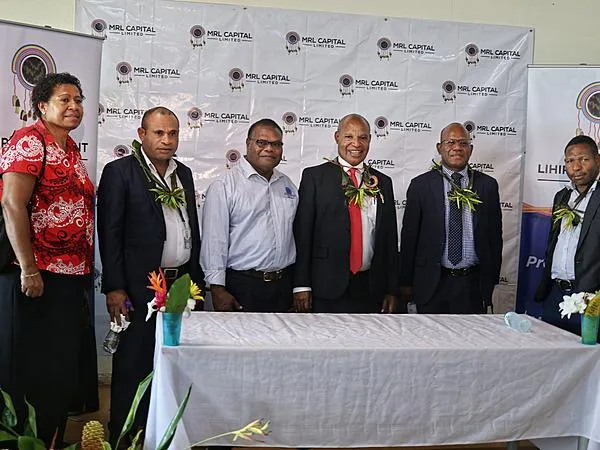
The Minister for International Trade and Investment, Hon. Richard Maru whilst officially launching the Lihir Investment Fund (LIF) in Lihir, New Ireland Province, challenged the current generation of Lihir to think of the next generation post mine closure.

Minister Maru said: “I have a fear that when all the gold in Lihir runs out, Lihir will become just like Misima- there will be a black hole and nothing here. This will become a reality unless the landowners, the people of Lihir, and the local Member and the Provincial Government think about the future of Lihir and do something about it. Our country has to learn from the past and not repeat the same mistake. We need to make sure to build sustainable communities beyond mine closure.”

Minister Maru provided the statistics of Lihir Island saying it currently had a population of about 60, 000 with half the population being children (up to 18 years old), 10, 000 in formal employment directly with the Gold Mine or with companies that were involved with the mine, and about 20, 000 unemployed.

“Whether you like it or not, Lihir already has 20, 000 people who are unemployed. The mine has not transformed their lives and given them opportunities. But we cannot blame the mine because a mine is not a big employer generator anywhere in the world. PNG LNG Project only employs 4, 000 Papua New Guineans. Today we have 8 resource projects operating in PNG, but we have the highest employment rate, highest problem with foreign currency, highest rate of law-and-order issues, our Kina value is so weak, and we have K60 billion plus debt. We have been so over dependent on the resource sector for the last 49 years and look at where we are now today; the resource sector has never been the answer for Papua New Guinea. So, the question is: what will happen to Lihir when the mine closes? The current generation of Lihir must think of the next generation beyond the mine life,” said Minister Maru.

Minister Maru told the Lihirians that there was a window of opportunity for them to do something today with well over 20 years left of the mine.

“This is the time for you to step up and talk about how we can chart a new future in the next 20 years you have left of the mine. We all know that Lihir gold is very expensive to extract but the price is also very good, and this is the time to talk to Newmont, your local Member, your Provincial Government, and the State about the future of Lihir,” said Minister Maru.

Minister Maru called on Lihirians to seriously look at establishing new sustainable industries.

“You must seriously look at new industries apart form the mine that must be located here which will make use of the wharf, and the electricity and water supply that you already have. What is stopping your company to establish a fishing business here in Lihir? You are sitting on some of the most fertile fishing grounds of the world. One cannery can produce 5, 000 new jobs. We do not have to continue to send 80 per cent of our catch overseas, we need canning industry here including in Lihir. These are sustainable industries beyond mine closure. Our Government plans to establish ten canneries in Madang. Why can’t we bring two here and make a deal with Newmont under a new chapter and do a feasibility study to have two canneries here? If it is viable then invest in it so you create jobs in Lihir post mine closure. When the mine closes, the fishing business will be here forever. You have over 20 years to go, and you now have a good investor (Newmont) so this is the time to talk to them about your future, and to talk about sharing the wharf, the power and water supply with them to bring industries that will be here to create employment and to sustain you beyond mine closure,” said Minister Maru.

Minister Maru further encouraged the Board and Management MRL Funds Limited to grow the capital to take advantage of the investment opportunities in PNG.

“I want to congratulate the Board and Management of MRL Funds Limited who, under their management, the assets of the Lihirian’s Equity Trust (LET) have grown from K430 million in 2006 to almost K700 million as at March 2023. Given the success of their management of the LET, we are happy that they are starting the LIF so that investors who make money from royalties and others can invest in this fund. This fund is basically for individuals and families. However, whilst I commend them, the start of this fund with a seed capital of K40 million is insufficient for any serious investments like the new hotel development at Paga Hill and other emerging investment opportunities as they will require more than K50 million investment. I want to encourage the manager and trustee of the LIF to open up shareholding for other Papua New Guineans to also buy units into the fund so they can grow the fund quickly and be able to invest in many exciting investment opportunities that will be emerging especially in the Special Economic Zones where we are giving special incentives including tax holidays,” said Minister Maru.

Minister Maru once again commended the Board and Management MRL Funds Limited for the launch of LIF and said it was very timely because PNG needed investment funds that Papua New Guineans could invest in. Minister Maru also assured them of the Government’s support.

“Lihir has been generating employment and tax for our country and we are grateful for that. We are concerned about your future and we are ready to back you. We have a responsibility to look after the communities who are now looking after PNG. There must be a new dream including sustainable industries in Lihir to sustain you. The fund that we are launching today must find its way back to building sustainable industries in this island. Let’s come up with a new dream- a new destiny for Lihir,” said Minsiter Maru.

April 29, 2024

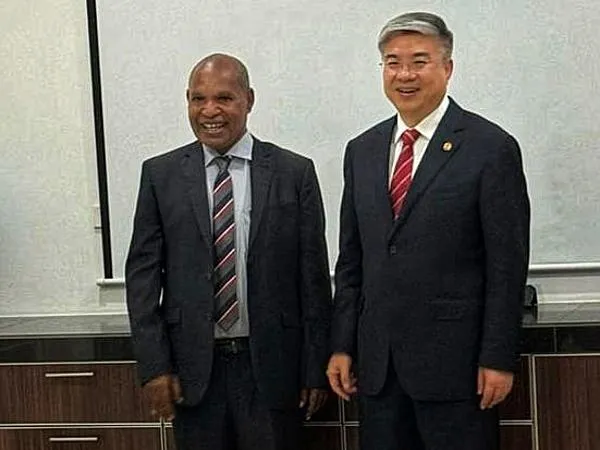
China is fast becoming Papua New Guinea’s most important trading partner, says the Minister for International Trade and Investment, Hon. Richard Maru. Minister Maru made this statement after his two-hour meeting with the Chinese Deputy Minister of Commerce, Mr. Tang Wenhong in Port Moresby recently.

“We are determined to grow and deepen our relationship with China and anchor it through a Free Trade Agreement between PNG and China if our joint feasibility study which will be completed by July this year confirms that it is viable and in our national interest to enter into a Free Trade Agreement with China. Australia recently signed a Free Trade Agreement with China, but it took Australia over 10 years to negotiate and finalize and sign their Free Trade Agreement. We have started the process with PNG advancing its K1 million last year to commence the joint study and we are happy that China will make their K1 million available so we can complete the study in July,” said Minister Maru.

Minister Maru said: “Whilst we acknowledge Australia for being the biggest investor in PNG with investment valued at over AU$24.8 billion, they hardly buy from us. PNG’s exports to Australia in 2022 stood AU$1.6 billion with over 98% being gold and other precious metals whilst Australia’s exports to PNG stood at AU$95.9 million. Trade has been skewed in Australia’s favor for decades. Meanwhile, for the past five years, trade between PNG and China has been in favor of PNG with PNG recoding surplus balance of trade from 2017-2021. In 2020, PNG exported K6.7 billion, imported K2.6 billion and has a trade surplus of K4.1 billion. China has been ranked 3rd as top export destination for PNG’s merchandise and also ranked 2nd as top import source for PNG. This indicates that trade with China is economical. We have realized that our future in terms of exports lies with China. If both Australia and New Zealand have Free Trade Agreements with China and they are the biggest export markets for these two countries, we must also move in this direction.”

Minister Maru further stated: “After PNG signed the Belt and Road Initiative in 2018, PNG became China’s largest trading partner, investment destination and project contacting market in the region. China aided projects such as roads, bridges, hydropower stations, and have made important contribution to the economic development and people’s livelihood. China’s growing economy coupled with soaring domestic demands stimulated by its 1.41 billion people positions the country as an important source of global demand, hence we are keen to strengthen and deepen our relationship with China anchored on trade and investment. I stressed to Minister Wenhong that we are looking for large Chinese investors in invest in our Special Economic Zones in order to fast track the growth of our economy. Our economy will not grow, jobs will not grow, and we will not move forward if we do not have investments.”

Minister Maru added: “I also welcome the three flights coming to PNG from China weekly. This will bring a lot of investors and tourists to come from China to PNG. This is good news. But we must have the products like first-class hotels, and facilities like casino and others to attract the 100 million Chinese tourists to also consider PNG an attractive tourism destination. China is also inviting us to attend their China Import and Export Fair so we can go and market our products in China. We will be working very closely with the Chinese Ministry of Commerce to secure export markets for our coffee, cocoa, fish, and other products.”

April 29, 2024

The Minister for International Trade and Investment, Hon. Richard Maru in his bilateral meeting with the New Zealand Minister for Agriculture, Hunting and Fishing, Forestry, and Trade, Hon. Todd McClay in Auckland, said Papua New Guinea (PNG) and New Zealand needed to reset their relationship. Minister Maru proposed to Minister McClay that Governments of both countries needed to negotiate a comprehensive, economic, and development partnership under a proper agreement where there were obligations on both sides.

“The time has come for PNG and New Zealand to seriously sit down and review the past 50 years of our relationship and talk about a new framework that is more comprehensive and one that will bring far more benefit to both countries. Let’s face it, PNG and New Zealand have had 50 years of relationship but have not made a go of this relationship on both sides- for example, we do not have an airline flying between our two countries despite having an Air Service Agreement, and our Kumuls do not even play the Kiwis annually. In terms of trade, the trade between our two countries has been in New Zealand’s favor on a ratio of 1:10 for a very long time. They benefit more from our economy than we have from theirs. If they are serious about their future with us, then they need to understand that we need a new agreement like we do with the Australian Government called the Comprehensive Economic Partnership Agreement. It’s time we have such agreement with New Zealand where there are obligations on both sides- we offer them jobs, market opportunities, and investment opportunities, and in return we want to see air services between our two countries, more students studying in New Zealand under scholarship programs of the New Zealand Government, and we want to see more Papua New Guineans coming to New Zealand for long-term employment in industries that are important to us like dairy, inland fishing, poultry, and others,” said Minister Maru.

Minister Maru said: “New Zealand is a country that is number one in the world in terms of agriculture, in engineering, and in many other fields. We can benefit from this relationship in a bigger way only if we have a framework, a structure, and an agreement that will benefit both countries.”

Minister Maru also raised a concern to Minister McClay on the number of the Papua New Guineans employed under New Zealand’s Recognized Seasonal Employer (RSE) Scheme.

“We have 400 workers employed in New Zealand under the RSE Scheme whilst Vanuatu alone has 6,000. This is a serious concern to us because we think that PNG is a far more important partner to New Zealand in terms of trade volume, but the numbers do not add up. The feedback we have received from the farms in New Zealand is that Papua New Guinean employees perform very well. We only have 400 people employed in New Zealand under the RSE Scheme, but the demand is so high as we have over 30, 000 young people coming out of Grade 12 every year. Australia has introduced a new program under which they not only employ farm workers and also skilled workers who are offered a contract up to four years. That for us is better because they mentor them and develop them with skills that they can return with to PNG. We are keen on such longer-term program with New Zealand where Papua New Guinea graduate students in agriculture or fisheries can be employed in New Zealand industries for four years and learn from them so they can return to PNG and become leaders in our own industries,” said Minister Maru.

Minister Maru also met and invited potential New Zealand investors to invest in the Special Economic Zones in PNG.

“We need industries that New Zealand is renowned for, like poultry, dairy, and aquaculture. Poultry is one of the areas that we are seriously looking at because we do not want to continue to import K100 million worth of chicken every year. We want a New Zealand company to come and invest in this space because it is an industry that they are very good at,” said Minister Maru.

Minister Maru further stated: “Not only are we looking at investments, but we feel that the time has come for the Agriculture Ministers of both countries to enter into formal MOU for an agriculture cooperation that will be an important framework that PNG can utilize to secure New Zealand’s support for the development of agriculture and livestock industries in PNG.”

Minister Maru added: “We have just recently exported our first taros to New Zealand after 50 years of trying. We want to also export our yams, sweet potatoes, bananas, our coffee, and other products including tuna to New Zealand especially targeting the 400, 000 Pacific Islanders living in New Zealand. The biggest obstacle is having no direct flights between our two countries and that is something our two Governments need to look at addressing as a matter of priority if we are serious about the future of our relationship.”

Minister Maru also expressed to Minister McClay that PNG needed assistance from the New Zealand Government to reform its Capital Market.

“We are looking at modeling our new legislation and regulations on the back of the New Zealand experience. We want to be able to send young and professional Papua New Guineans to work in New Zealand Financial Market Authority (FMA) and work with the FMA to develop our capital market,” said Minister Maru.

Minister Maru further added: “Our focus now will be to develop our relationship with New Zealand businesses, people, and institutions. Connection has been a serious issue in our relationship. We do not have flight connectivity between our two countries, and our Kumuls do not even play the Kiwis annually. We want to work on this relationship which we have not worked on in the last 50 years. It is better late than never. New Zealand is a country that is more open and friendly, but we have not matured and developed the relationship, and we want to start now. As we celebrate our 50 years of Independence next year, we really need to connect with New Zealand so they can help us chart our roadmap and define the next 50 years towards achieving our Vision 2050 aspirations.”

April 29, 2024

Wantok Produce Managing Director, Dr. Pulotu Lautofa McCarthy is calling on the Government of Papua New Guinea (PNG) to seriously give priority to direct flights between PNG and New Zealand. Dr. McCarthy made this call when the Minister for International Trade and Investment, Hon. Richard Maru met with PNG diaspora and students in Auckland recently.

Wantok Produce in partnership with the National Agriculture Research Institute (NARI) Enterprise Limited exported first 13 tons of frozen taro to New Zealand last month.

“This is the first time that PNG has exported its taro into the New Zealand market after 50 years of trying,” said Minister Maru.

Dr. McCarthy who is originally from Samoa but calls himself ‘a Papua New Guinean by heart’ shared his story on why he decided to go into the business of exporting PNG taro to New Zealand.

“I have lived in PNG since I first arrived in 1970s to study medicine under an Australian scholarship. My wife Lydia and I made the toughest decision to move to New Zealand to be close to our children who were all studying in New Zealand when COVID struck in 2019. Whilst in New Zealand, one of the things that we really missed was PNG local food. There were no PNG products in New Zealand except for coffee which was repacked under different brands with no acknowledgment or traceability to the origin. That is why we ventured into exporting PNG taro to New Zealand to meet the needs of the Papua New Guineans living there. Our taro is packaged as ‘Wantok Frozen Taro’ with the label ‘Product of Papua New Guinea’,” said Dr. McCarthy.

Dr. McCarthy further stated: “Our taro taste better than taros from anywhere in the world. We can also export yams, sweet potatoes, cassavas, bananas, coffee, and other products targeting the 400, 000 Pacific Islanders living in New Zealand. We have unlimited market and with the taste of our taro now becoming a hot cake we have the potential to do more, but we cannot do so without direct flights between our two countries. I am calling on the PNG Government to seriously give priority to direct flights between PNG and New Zealand because this will enable us to export more of our products into New Zealand market.”

April 29, 2024

The Tainui Group Holdings which an indigenous-led business in New Zealand is keen to explore investment opportunities in Papua New Guinea (PNG). They expressed their interest to the Minister for International Trade and Investment, Hon. Richard Maru who met with their management team in Hamilton, New Zealand.

In 1995, the Government of New Zealand compensated the tribal development arm of Waikato-Tainiu with $170 million for their land. This was only less than 1 percent of the total value of land that was taken from them. The Waikato-Tainiu leaders decided to take the opportunity to transform, develop and prosper commercial assets to balance the needs of their current and future generations. The Tainui Group Holdings, a wholly owned commercial entity of Waikato-Tainui was established in 2003 with an endowment property valued at $179.7 million. They now manage a portfolio of assets valued at $1.65 billion which includes real estates (hotels, shopping centres, industrial and commercial property, residential subdivisions), farms (including a dairy farm), forests, fishing quota, Ruakura Inland Port, global equities, and private equity. A significant portion of the 6, 250 ha owned by Waikato-Tainui is situated in high value strategic locations, and these landholdings provide a pipeline of development for at least the next 150 years. All profits generated by the Tainui Group Holdings fund education, health, the elderly, cultural, housing, employment and environmental programs implemented by Waikato-Tainui and are reinvested into further growing the business for intergenerational wealth.

Minister Maru who was impressed by their story said: “The Tainui Group Holdings have done very well. Our landowner companies can learn a lot from their success. They can also come and see the investments opportunities in PNG, especially in our Special Economic Zones where they can invest in partnership with our Government or with our landowner companies. We want to partner indigenous businesses and promote the concept of indigenous businesses.”

April 29, 2024

Prime Minister and Treasurer Hon. James Marape has welcomed Mayur Resources Ltd securing funding of US$155 million (K540 million) to complete the Central Lime Project (CLP) at Kido in Central Province.

He made the welcome recently after Mayur announced to the Australian Stock Exchange (ASX) that it has secured the funding to complete Papua New Guinea’s first downstream manufacturing processing hub, with the potential to create hundreds of new jobs and be a major displacer of PNG’s imported lime products.

“I am happy to hear that Mayur Resources has secured the K540 million funding to complete the Central Lime Project, and that the project has the potential to create hundreds of new jobs, support service businesses, electricity, roads, education and health facilities for landowners,” Prime Minister Marape said.

“It promises to be a transformative development for Central Province landowners and the broader manufacturing sector.

“I thank Appian Capital Advisory LLP for a total of approximately US$115 million debt financing to Mayur Resources and Vision Blue Resources’ equity investment into the project of US$40 million announced in November 2023, which will see the Central Lime Project fully funded.

“The funding, I understand, will be used to cover construction costs to achieve an annual production capacity of 400,000 tonnes, along with an allocation for expected further expansion. First quicklime production is expected to begin after 18 months.

“Central Lime Project is one of the first approved Special Economic Zones (SEZs) which are a focus of my government.

“The establishment of CLP is a testament to my government’s commitment to supporting downstream processing and assisting in attracting investment funds into PNG’s first Single Factory Special Economic Zone.

“Such support now sets the scene for PNG to compete with the hundreds of billions of dollars already invested into Southeast Asian SEZs.”

April 29, 2024

Ok Tedi Mining Limited (“OTML”) has donated K1 million to two provinces heavily affected by last month’s natural disasters.

OTML presented to East Sepik and Chimbu Provinces K500, 000 each to assist with relief and recovery efforts which are currently ongoing.

In East Sepik, persistent heavy rainfall led to flooding and widespread destruction in communities along the Sepik River, and was compounded by a 6.9 magnitude earthquake that struck the province.

In Chimbu, heavy rains and the earthquake triggered floods and landslides, destroyed communities’ food and cash crops and homes.

These disasters in both provinces have resulted in deaths, with many others unaccounted for, rendered thousands homeless, deprived them of food sources, safe drinking water, shelter, and severed access routes, making it challenging to reach affected communities.

On Thursday 24th April OTML Managing Director & Chief Executive Officer, Kedi Ilimbit, travelled to Wewak to present the funding to Acting Provincial Administrator, Alphonse Kami, in the presence of the Provincial Disaster Manager Mr Derek Warakai and others.

On Friday 25th April, OTML General Manager Social Performance & Sustainability, Jesse Pile, presented to the Chimbu Provincial Government the Company’s assistance to the provinces relief and recovery efforts. Present to receive the funding were Governor, Noah Kool, Deputy Governor, Anton Kua, Provincial Administrator, John Punde, District Administrators, and impacted communities’ representatives from the six districts of the province.

Mr Ilimbit said “As a 100% PNG owned mine, we believe we have a corporate social responsibility to provide support towards relief and recovery of our people and communities from East Sepik and Chimbu provinces.

“When disaster strikes, be it natural or manmade, lives are shattered, homes destroyed, and communities left reeling in the wake of devastation. The need for immediate aid is paramount and it is during these critical moments that our compassion and generosity provide hope to those in despair.

He added “Through this gesture we would like to see relief and aid delivered swiftly and effectively to those in need and for communities severely affected to be rebuilt.”